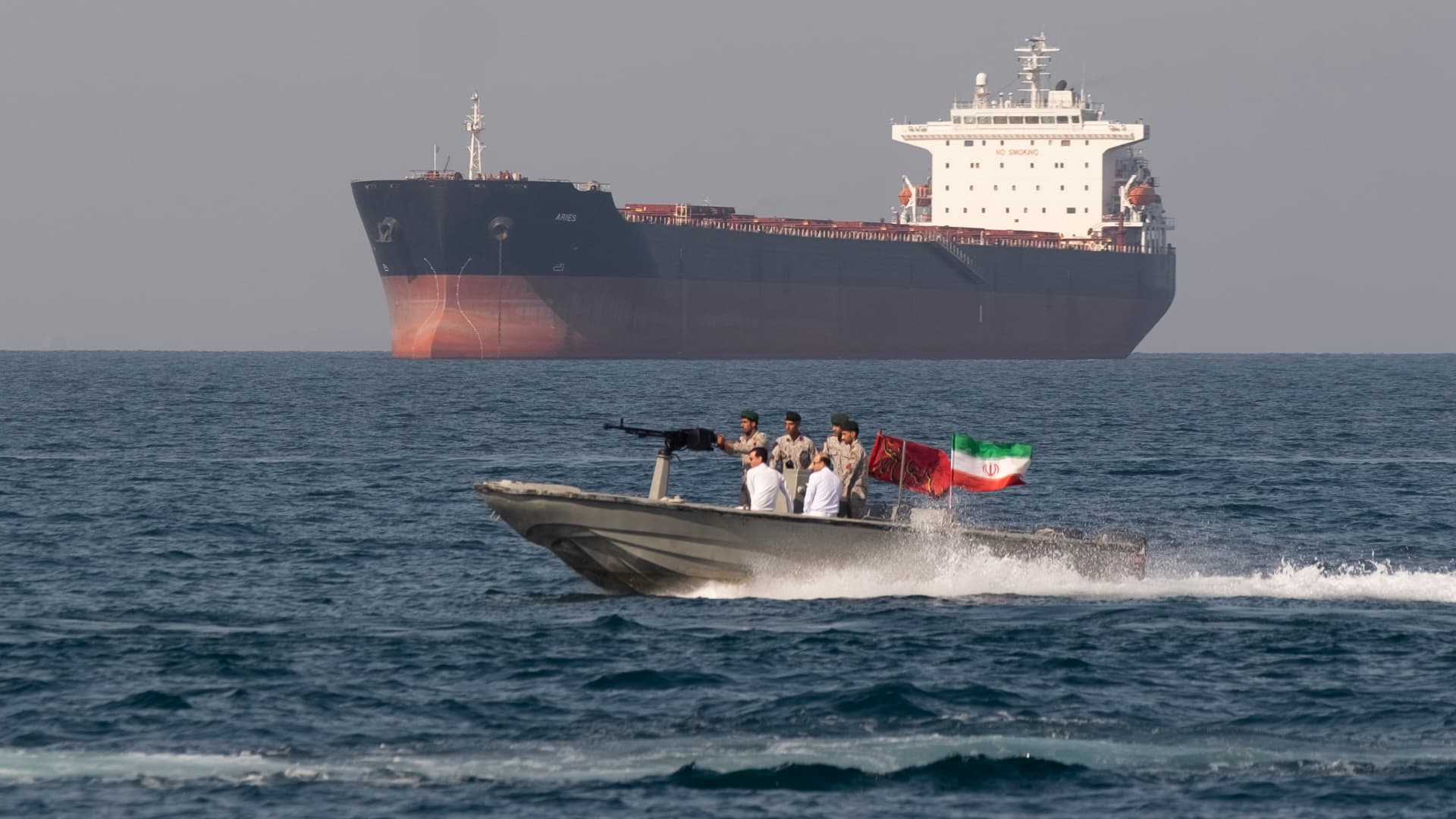
Furthermore, any such operation is unlikely to be carried out until the U.S.-Israeli war with Iran comes to an end, members of the House Armed Services Committee were told on Tuesday, according to the report. This means gasoline and oil prices could remain elevated through the U.S. midterm elections.
Iran may have emplaced 20 or more mines in and around the strait. Some were floated remotely using GPS technology, which has made it difficult for U.S. forces to detect the mines as they are deployed, a senior defense official told lawmakers. Others are believed to have been laid by Iranian forces using small boats.
The disclosure was made in a classified briefing for lawmakers, Pentagon spokesman Sean Parnell acknowledged in a statement, while criticizing the related reports as “inaccurate.”
“As we said in March, one assessment does not mean the assessment is plausible, and a six month closure of the Strait of Hormuz is an impossibility and completely unacceptable to the (Defense) Secretary,” Parnell said, without specifying how long it could take.
U.S. President Donald Trump told Fox News on Wednesday there is “no time frame” for ending the U.S.-Israeli war with Iran.
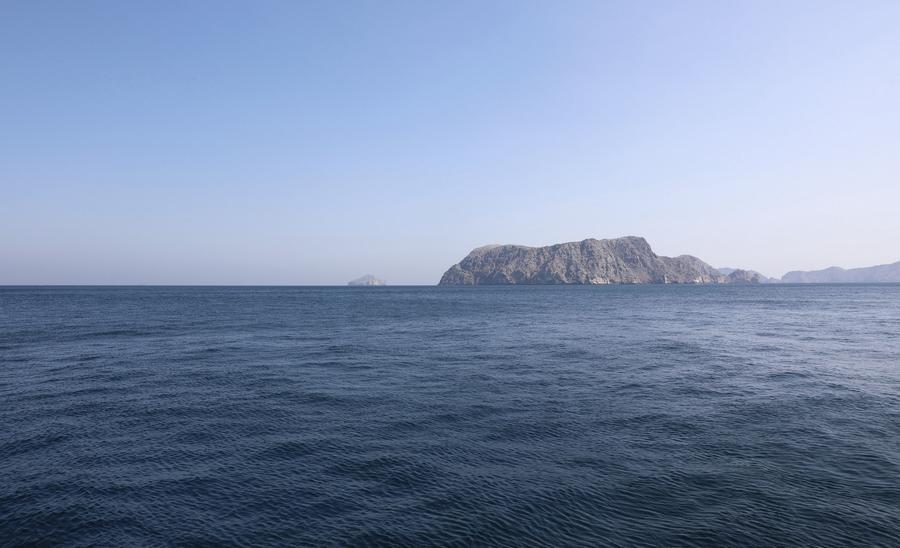
This file photo taken on Feb. 19, 2025 shows the Strait of Hormuz.
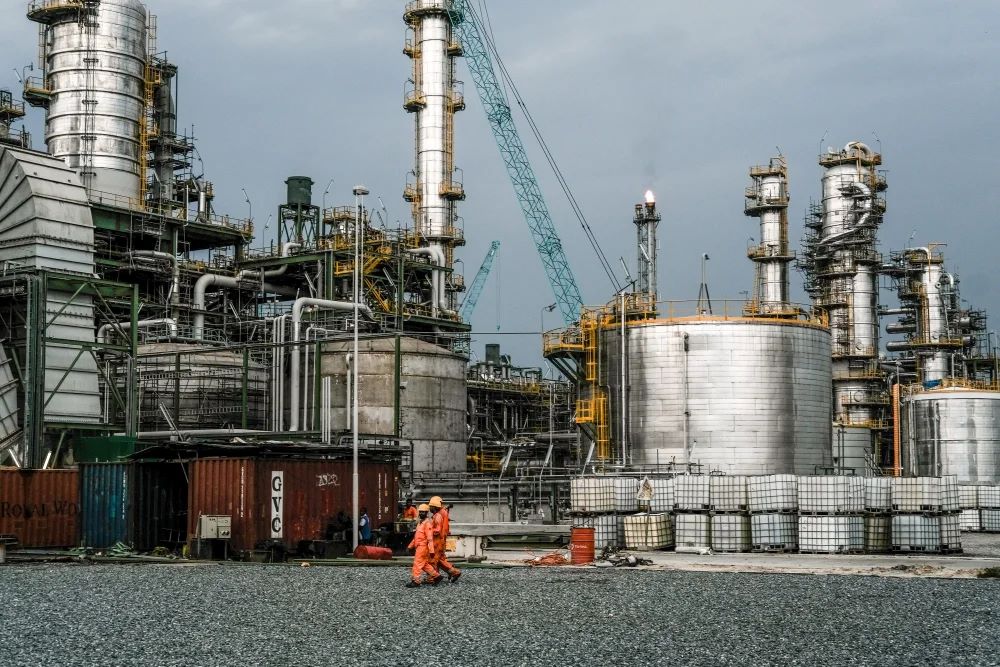
The Dangote Petroleum Refinery is Africa’s largest oil refinery and one of the biggest globally, notable for processing petroleum products through a single integrated system. It has a refining capacity of at least 650,000 barrels per day.
Currently, about 62% of the fuel consumed in Nigeria is refined at this facility, which has also expanded exports to several African countries, including Ghana, Cameroon, Togo, and Tanzania.
Global supply chains have been strained following disruptions around the Strait of Hormuz, a critical route through which roughly 20% of the world’s fuel passes. About 40% of fuel imported into East Africa originates from India, with 27% of it transiting through the Strait of Hormuz.
Although much of the fuel reaching Rwanda comes via alternative routes, instability in the Hormuz corridor has pushed traders to explore new supply options.
As Rwanda prepares to host the Africa CEO Forum 2026 in May 2026, bringing together top business leaders and policymakers across the continent, Rwanda’s Private Sector Federation is assessing the possibility of importing petroleum products from Dangote’s refinery. Dangote himself is expected to attend the forum.
The Chairperson of the Private Sector Federation, François Twagirumukiza, told IGIHE that efforts are underway to diversify fuel supply sources to prevent shortages.
“We are exploring alternative supply routes that do not pass through the Strait of Hormuz. Options exist, such as Nigeria and other countries that were not traditionally part of our supply chain, mainly due to pricing and transport considerations,” he said.
Dr. Joseph Akumuntu, head of Rwanda Association of Petroleum Products Importers (ASSIMPER) noted that engaging with Dangote presents a significant opportunity to explore new partnerships.
“We are currently facing challenges with supplies through the Strait of Hormuz, where shipments are not arriving as expected. Dangote has committed to supplying petroleum products across Africa, and we will have the opportunity to host him in Rwanda,” he said.
“This is a major opportunity for both the government and private sector, especially players in the energy sector, to present our needs and explore collaboration in logistics and pricing.”
However, Claudien Habimana, Managing Director of SP Rwanda, cautioned that importing fuel from Nigeria could come with high transportation costs.
“It is possible, but transport costs would be significantly higher. The route would involve going around through countries like Algeria, down to Southern Africa, and then back up. This is far more complex compared to sourcing fuel from the Middle East through ports like Mombasa or Dar es Salaam, which are closer,” he explained.
Rwanda’s Private Sector Federation is assessing the possibility of importing petroleum products from Dangote’s refinery.
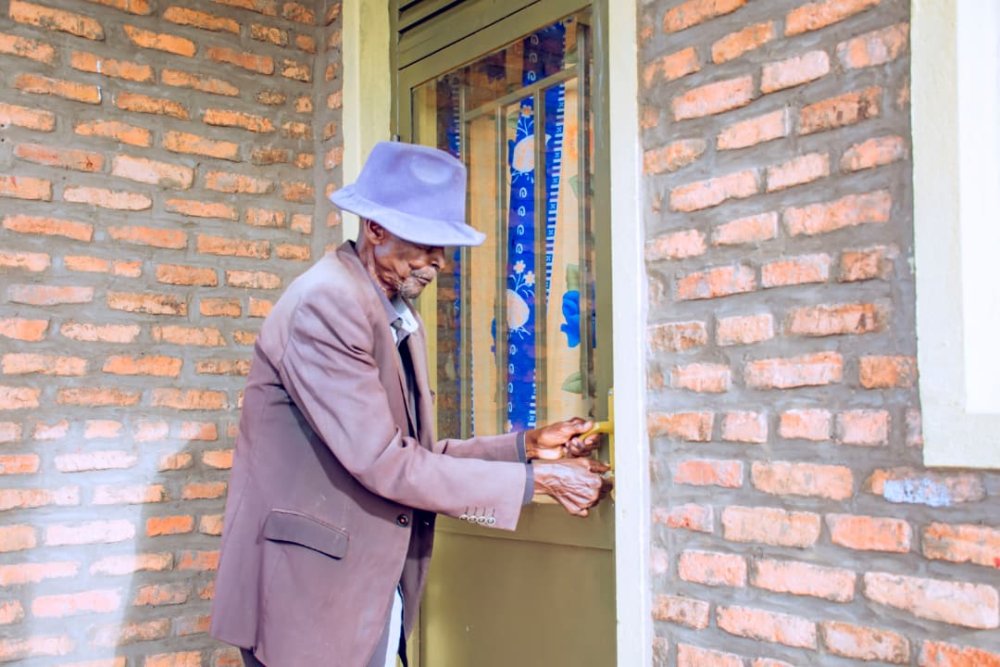
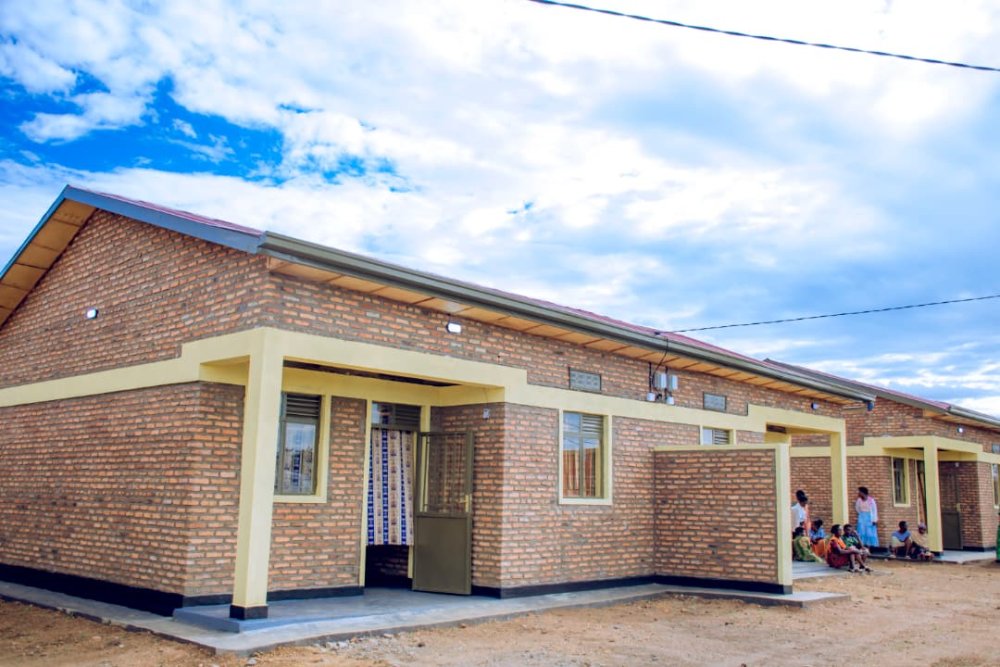
Beneficiaries were urged to take good care of the homes and continue striving for self-reliance.
The houses were officially inaugurated on Tuesday, April 21, 2026, in Kinihira Village, Nyagatare Cell, Nyagatare Sector.
Jacqueline Uwimana said that having a home is a major step in rebuilding life for a Genocide survivor and restoring hope for the future. She explained that paying rent had been extremely challenging, but she now looks forward to living in peace.
Jean Damascene Rwabukambizi, aged 78, expressed gratitude to the Government of Rwanda for moving him out of rented accommodation and providing him with a modern house. He pledged to take good care of it.
Betty Mukamwiza, 40, shared that she had spent 11 years struggling with the burden of rent. She said the situation was emotionally painful, especially considering the traumatic experiences she endured during the Genocide against the Tutsi.
“Paying rent was very difficult for me, especially while also trying to afford food. When I learned that I would receive a house, I was overwhelmed with joy. I thank the authorities who rescued me from a difficult life. This house will help me start a new chapter, and I will take good care of it because it is a valuable asset I have been given,” she said.
The Vice Mayor of Nyagatare District in charge of Economic Development, Gonzague Matsiko, noted that the housing program for Genocide survivors is ongoing in partnership with Ministry of National Unity and Civic Engagement (MINUBUMWE).
He said that survivors who have not yet received houses will continue to be supported next year.
“The goal is to ensure that survivors of the 1994 Genocide against the Tutsi live in dignified conditions, with safe housing that enables them to improve their livelihoods and enjoy a decent life,” he said.
According to IBUKA, the umbrella organization of Genocide survivors, 142 families in Nyagatare District are still in need of housing support.
The houses were officially inaugurated on Tuesday, April 21, 2026, in Kinihira Village, Nyagatare Cell, Nyagatare Sector.Beneficiaries were urged to take good care of the homes and continue striving for self-reliance.
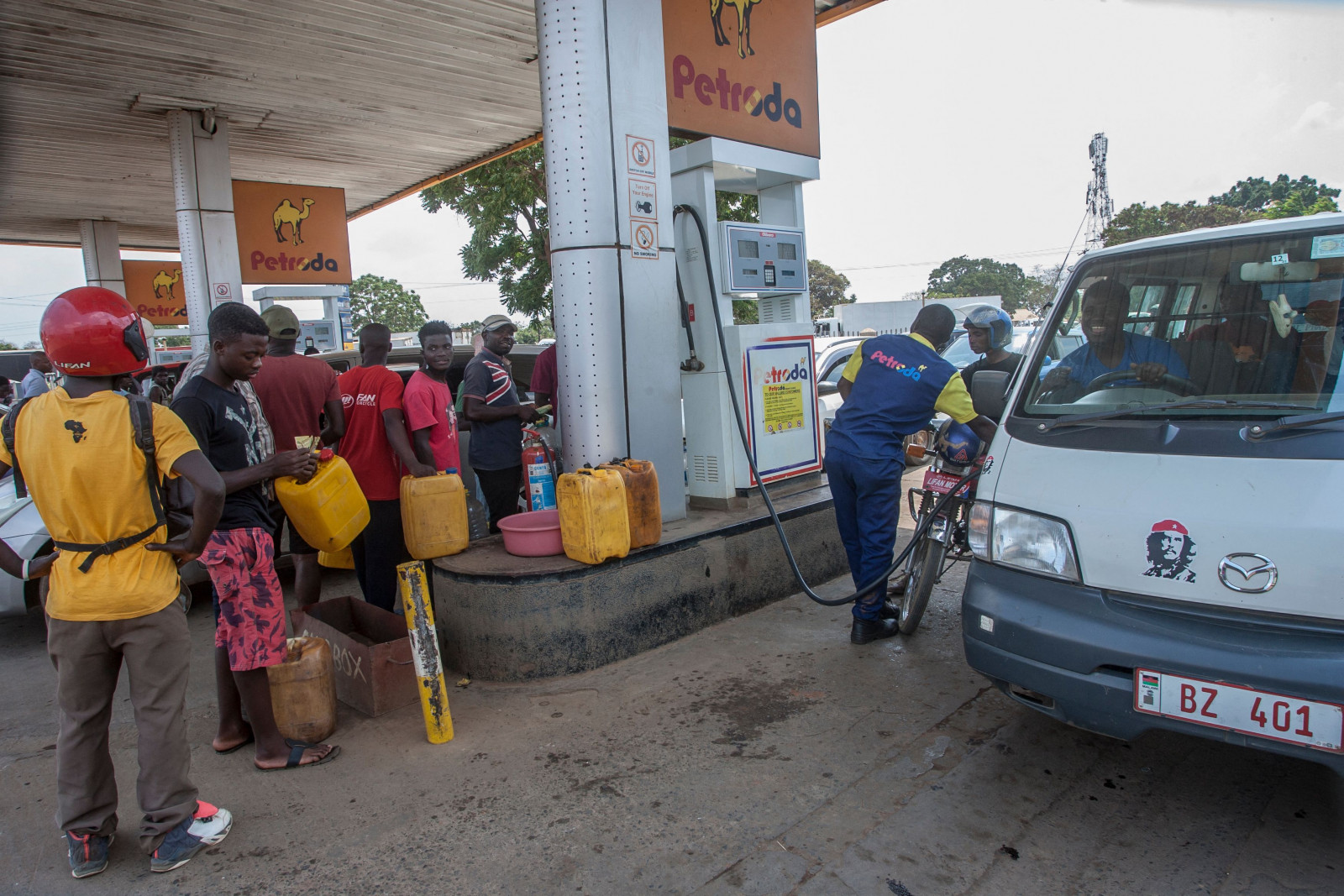
Minister of Information and Communications Technology Shadric Namalomba, who is also the government spokesperson, told local media that the country’s fuel reserves are completely dry as the conflict in the Middle East has disrupted global oil supplies, and the Malawian government has no foreign exchange to pay importers for petroleum products.
He said the much-needed 120 million dollars would cater for the procurement of 120 million liters of fuel, a volume he said would help ease the situation in the country.
Long queues of vehicles have become a common sight in filling stations across the country, with residents expecting the fuel to become fully available.
On April 1, the Malawi Energy Regulatory Authority hiked the fuel prices by an average of 35 percent, saying the Middle East conflict had pushed prices for petrol and diesel to very high levels.
On Monday, during the opening of the 2026 tobacco marketing season, Minister of Agriculture, Irrigation and Water Development Roza Mbilizi said the Malawian government is counting on the tobacco market to generate more foreign exchange and strengthen the country’s import cover.
On April 1, the Malawi Energy Regulatory Authority hiked the fuel prices by an average of 35 percent, saying the Middle East conflict had pushed prices for petrol and diesel to very high levels.
The directive was issued in a letter addressed to directors of finance across all government institutions on April 14, 2026.
The measure is part of Rwanda’s broader plan to reduce emissions by 38% by 2030. Vehicles are estimated to account for about 12% of the country’s total emissions.
Among the strategies already in place is the promotion of electric mobility in public transport. In the City of Kigali, the number of electric buses has been steadily increasing, alongside the growing use of electric motorcycles.
According to the letter, all public institutions are required to ensure that at least 30% of newly procured vehicles are electric, starting immediately. This is intended to help lower emissions, reduce dependence on fossil fuels, and promote sustainable, clean transport.
The Ministry emphasized that all institutions must comply with the 30% requirement. In cases where the calculated share results in less than one vehicle or requires rounding, priority should still be given to purchasing electric vehicles. Any deviation from the directive must be justified and approved in advance by the Ministry.
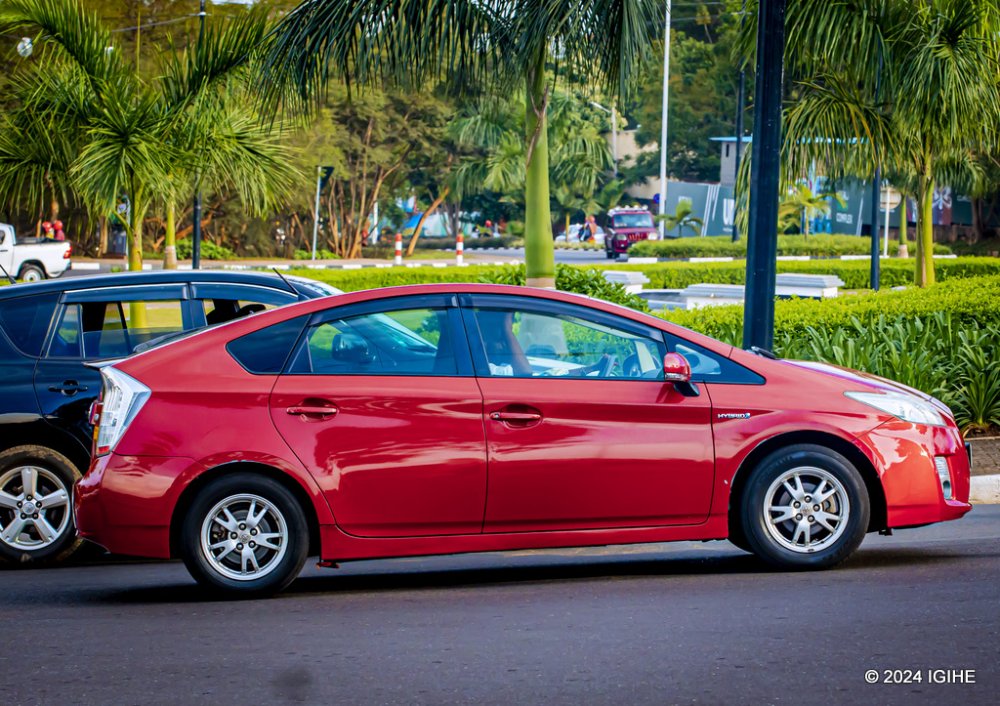
Data shows that 43% of vehicles imported into Rwanda are hybrid models.
In terms of buses, 2,084 units were imported in 2021, increasing to 2,287 in 2022, and 2,892 in 2023—reflecting an average annual growth rate of 17.8%.
Electric vehicles currently available in Rwanda include models from South Korean manufacturers Kia and Hyundai, as well as Chinese brands such as BYD and Dongfeng. Other models include those from Nissan and Toyota, particularly the RAV4 hybrid.
By 2024, Rwanda had 512 fully electric vehicles, alongside 7,172 hybrid vehicles. These figures do not include electric buses.
The government recently acquired 300 buses for use in Kigali’s public transport system, some of which are electric.
Meanwhile, the agency responsible for public transport has announced that upcoming shuttle services from Kigali International Airport to various hotels will soon be operated exclusively by electric vehicles.
Electric vehicles continue to increase on the Rwandan marketMost vehicles in Rwanda are hybridMany institutions are embracing the use of electric vehicles
Security reports circulating within the country and internationally painted a grim picture: the situation was rapidly deteriorating in multiple regions, yet any meaningful intervention still seemed far off.
That morning, Jacques-Roger Booh-Booh, the Special Representative of the UN Secretary-General and head of the United Nations peacekeeping mission in Rwanda (UNAMIR), issued an urgent appeal calling for the evacuation of most UN personnel.
In a letter addressed to Kofi Annan, he warned that large numbers of Tutsis were being killed, particularly in southern regions such as Gitarama, Butare, and Gikongoro.
He also reported intense fighting between government forces—formerly aligned with President Juvénal Habyarimana—and the Rwandan Patriotic Army (RPA), the military wing of the RPF, which was attempting to stop the killings.
He described a night marked by heavy gunfire, including the use of powerful weapons. Reinforcements had reportedly been seen moving from Ruhengeri toward Kigali, and communication with the outside world had become extremely difficult.
Efforts had been made to coordinate with airport authorities and the RPA to keep Kigali International Airport neutral, although this remained uncertain. By that time, a group of UN troops had already been evacuated to Nairobi.
Booh-Booh also indicated that government troops were unwilling to relinquish control of the airport. Instead, they proposed jointly managing it with UNAMIR, a move he suggested was aimed at maintaining strategic advantage.
There were concerns that control of the airport could be used to pressure the RPA into accepting a ceasefire without first addressing the ongoing mass killings.
He warned that the airport could become a major flashpoint, as both sides sought to control it and its surroundings. This, he noted, posed serious risks to UN operations, including the evacuation process, supply lines, and the safety of peacekeepers.
Booh-Booh further expressed doubts about the government forces’ willingness to pursue peace. He cited an earlier incident on April 19, when mortar shells were fired into Amahoro Stadium, a site under UN protection where many Tutsi civilians had sought refuge. The attack left several people dead and dozens injured, and additional shelling in surrounding areas caused further civilian casualties.
Given the worsening security situation, he warned that UN personnel themselves were at risk and recommended a rapid withdrawal. He suggested that a reduced force—around 250 personnel, both military and civilian—could remain to monitor humanitarian efforts and any potential ceasefire.
Despite advocating for a large-scale troop withdrawal, he stressed that civilians sheltering in locations such as Hotel des Mille Collines, Red Cross facilities, St. Michel, and other areas were in grave danger, as killings had already intensified across Kigali.
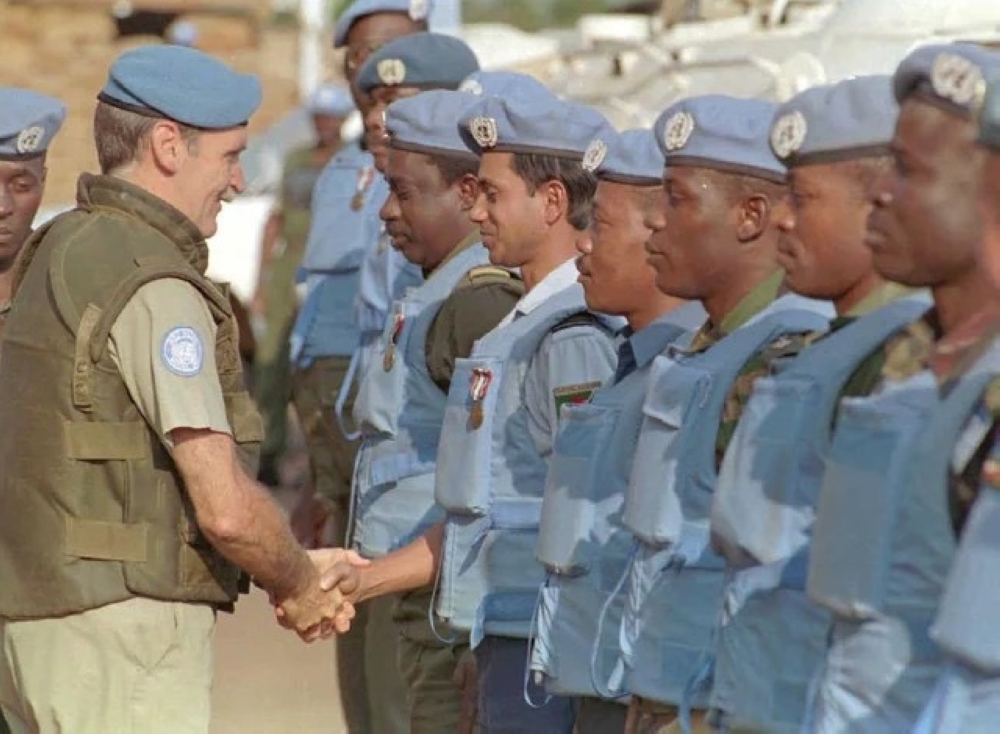
The UN Security Council had originally established UNAMIR on October 5, 1993, under the leadership of Lieutenant General Roméo Dallaire, to oversee the implementation of the Arusha Peace Accords between the government of Habyarimana and the RPF.
However, following Booh-Booh’s warning, the Security Council decided on April 21, 1994, to drastically reduce the UNAMIR force—from about 2,500 troops to just 270. The decision was largely influenced by pressure from member states, particularly after the killing of 10 Belgian peacekeepers.
Those Belgian soldiers had been assigned to protect Prime Minister Agathe Uwilingiyimana. They, along with the Prime Minister, were killed by government troops from the Kanombe military camp on the morning of April 7, 1994.
The withdrawal marked a critical moment in the genocide, significantly weakening international presence at a time when mass killings were escalating, and leaving countless civilians without protection.
The UN Security Council had originally established UNAMIR on October 5, 1993, under the leadership of Lieutenant General Roméo Dallaire, to oversee the implementation of the Arusha Peace Accords.Following Booh-Booh’s warning, the Security Council decided on April 21, 1994, to drastically reduce the UNAMIR force—from about 2,500 troops to just 270.
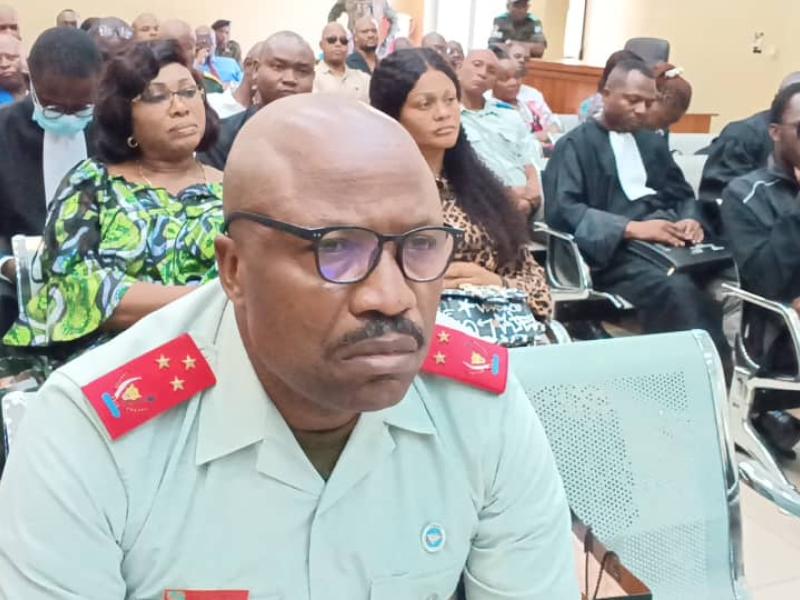
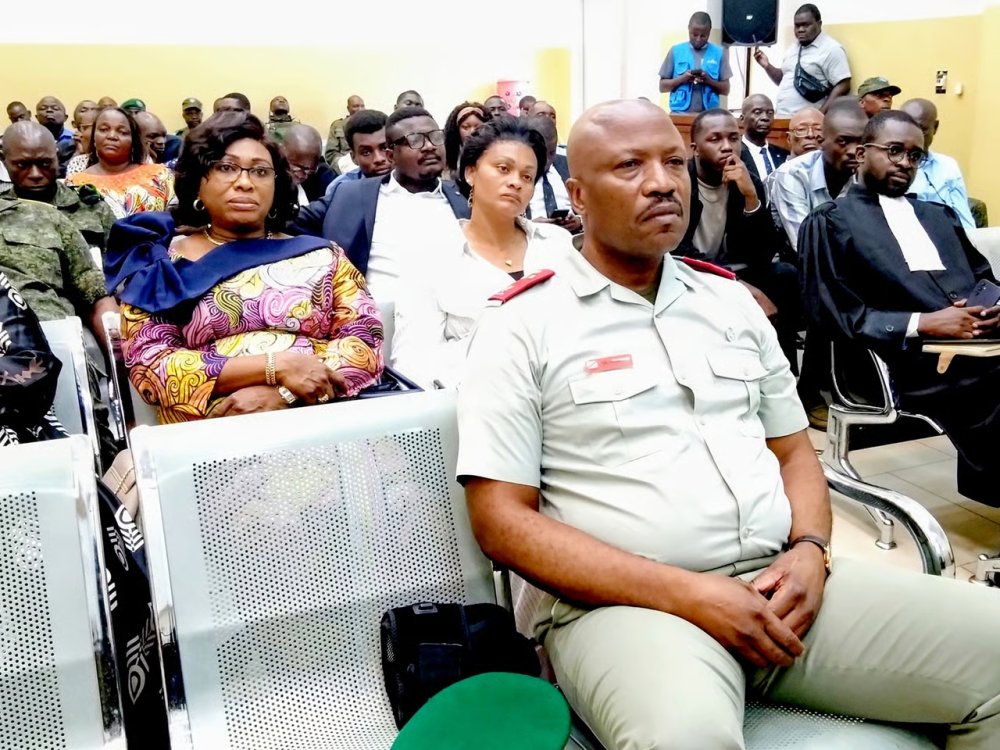
Lt Gen Yav previously commanded the DRC’s third defence zone. He was arrested in September 2022 after M23 rebels captured large parts of North Kivu Province.
The prosecution, represented by Lt Gen Lucien-René Likulia, alleged that Yav had been in contact with an official from the Rwandan government, claiming that messages found on his phone served as evidence of their collaboration.
However, testimony presented in court revealed inconsistencies. Among the witnesses were Lt Gen Constant Ndima, former governor of North Kivu, and Maj Gen Sylvain Ekenge Bomusa, former spokesperson of the Congolese army—but their accounts contradicted each other.
Lt Gen Ndima told the High Military Court that Yav had received a message from retired General James Kabarebe, a senior figure who previously held key roles in Rwanda’s military. When asked whether he had personally seen the message, Ndima admitted that he had not.
In a surprising turn, Maj Gen Ekenge, who also served in North Kivu, stated instead that the message had come from an aide to Gen (Rtd) Kabarebe—not from Kabarebe himself.
The prosecution was further questioned on whether it could present the alleged messages from Yav’s phone, which has been in custody for four years. It responded that accessing the device had been difficult due to multiple security passwords set by the officer.
When pressed to identify anyone who had actually seen the messages, the prosecution cited Maj Gen Peter Cirimwami, a former North Kivu governor. However, it acknowledged that he could not testify, as he died in January 2025. With the evidence still unverified, the court turned to experts from the national cyber security agency (CNC) to attempt to access the phone and retrieve the alleged messages.
Yav’s lawyer, Charles Ngwapitshi, argued that the inclusion of Gen (Rtd) Kabarebe in the case was intended to exaggerate its significance, given his prominence in Rwanda’s security establishment.
“After what was said by Gen Ndima, it is clear there is a problem from the outset,” Ngwapitshi told the court. “To strengthen their case against Gen Yav Irung Philémon, they had to inflate it by introducing the name of James Kabarebe. I want to understand why there are so many contradictions.”
Although the CNC had been expected to submit its findings after being granted additional time, it informed the court on April 21 that it had not retrieved the alleged messages and requested an open-ended extension.
Ngwapitshi maintained that the prosecution’s case lacked merit, urging the court to reach a swift decision so that his client—who has spent four years in detention—can reunite with his family.
Presiding judge Lt Gen Joseph Mutombo Katalayi ruled that the court could not grant an indefinite extension without a clear deadline. He ordered the CNC to return Yav’s phone, effectively halting the forensic examination.
The decision marked a significant blow to the prosecution. Ngwapitshi reiterated that the case was baseless, describing it as “an empty shell.”
The court set May 5, 2026, as the date when both the prosecution and the defense will present their final submissions, which will inform the final judgment.
Lt Gen Yav previously commanded the DRC’s third defence zone.
Speaking at a press conference after meeting with visiting Lebanese Prime Minister Nawaf Salam, Macron urged a “political agreement” between Israel and Lebanon to guarantee security for both countries, safeguard Lebanon’s territorial integrity, and pave the way for normalized relations.
Macron also warned that the European Union (EU) could reconsider its ties with Israel if its policies remain unchanged. He said suspending the EU-Israel Association Agreement – which has governed trade relations since 2000 – would become a “legitimate question” under such circumstances.
Addressing broader regional tensions, Macron called for extending negotiations between the United States and Iran as their ceasefire approaches expiration, stressing that “war must not be allowed to resume.”
For his part, Salam reiterated Lebanon’s demand for the “complete withdrawal” of Israeli forces from its territory, along with the return of Lebanese prisoners and displaced persons.
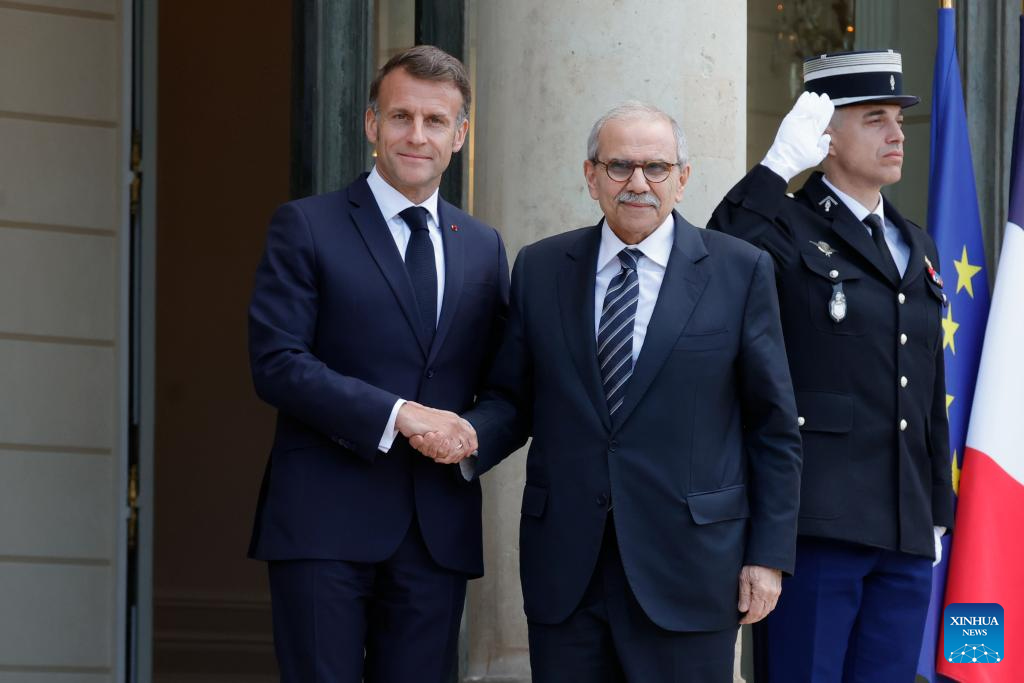
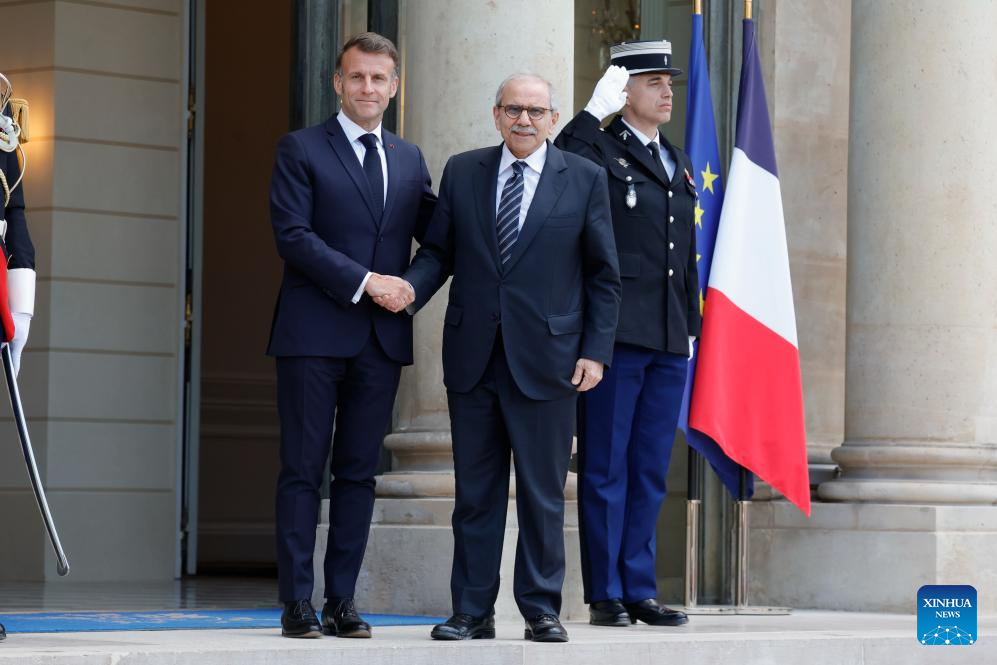
French President Emmanuel Macron (L, front) greets visiting Lebanese Prime Minister Nawaf Salam (R, front) at Elysee Palace in Paris, France, April 21, 2026. French President Emmanuel Macron said Tuesday that Israel must “renounce its territorial ambitions” in Lebanon, calling for a political settlement to ensure regional stability. (Photo by Henri Szwarc/Xinhua)
“Based on the fact that the Government of Iran is seriously fractured, not unexpectedly so and, upon the request of Field Marshal Asim Munir, and Prime Minister Shehbaz Sharif, of Pakistan, we have been asked to hold our Attack on the Country of Iran until such time as their leaders and representatives can come up with a unified proposal,” Trump wrote on Truth Social.
The U.S. president said he will “extend the ceasefire until such time as their proposal is submitted, and discussions are concluded, one way or the other.”
The U.S. military will continue the blockade against Iran and “remain ready and able,” Trump said.
Trump said on Monday that it was “highly unlikely” for him to extend the truce, and on Tuesday morning he told U.S. media that he doesn’t want to do that, expecting the United States to “end up with a great deal” with Iran while threatening to bomb Iran again if no deal is reached.
U.S. Vice President JD Vance, whose trip to Pakistan for talks with Iran has been put on hold, was at the White House for meetings on Tuesday, along with Trump’s envoy Steve Witkoff and son-in-law Jared Kushner, multiple media outlets reported.
U.S. Secretary of State Marco Rubio and Secretary of Defense Pete Hegseth arrived at the White House on Tuesday afternoon to join discussions over Washington’s next steps, according to the reports.
The United States violated the ceasefire by starting a naval blockade of Iran’s ports, Iranian Foreign Minister Abbas Araghchi said Tuesday on X.
Iran’s Foreign Ministry spokesman Esmail Baghaei told state TV late Tuesday that Iran has not yet decided whether to join fresh peace talks since it was upset about what he called mixed messages from Washington.
“It is not out of indecisiveness, it is because we are facing contradictory messages and behaviors, and unacceptable actions from the American counterpart,” Beghaei said.
As U.S. forces have intercepted and taken custody of an Iranian-flagged cargo ship on Sunday and Iran has not yet announced its decision to send a negotiating team for talks, the prospect of an expected second round of U.S.-Iran talks remains unclear, according to media reports.
U.S. President Donald Trump said Tuesday he will extend the ceasefire with Iran as the current two-week truce is set to expire on Wednesday night.
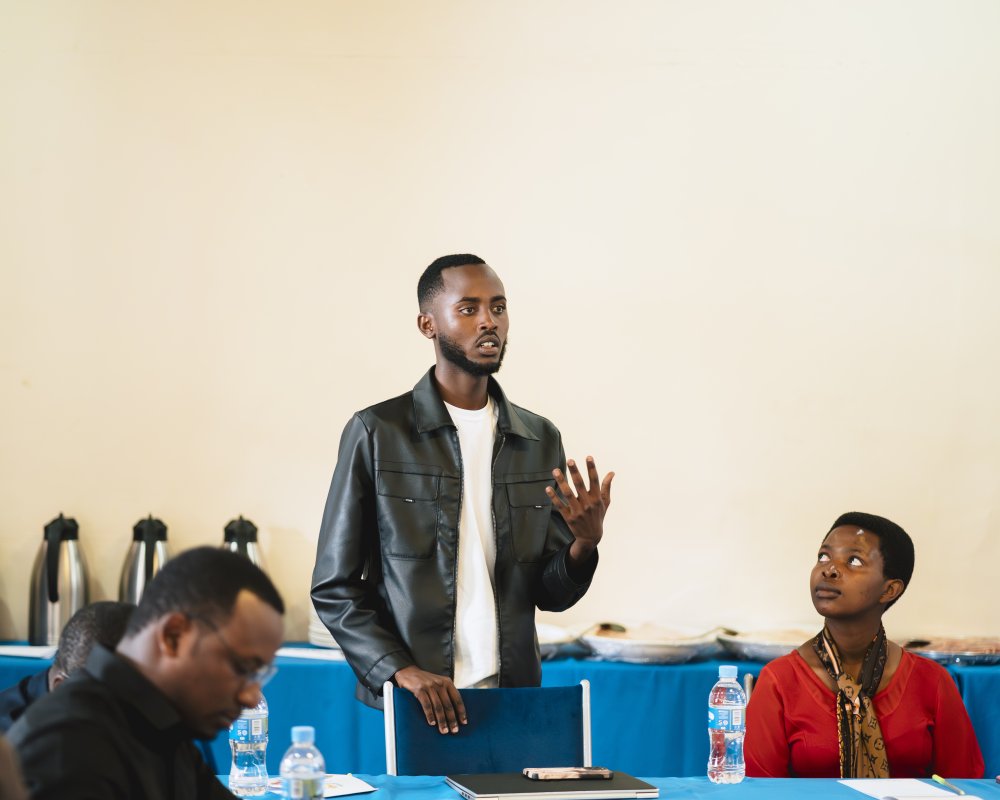
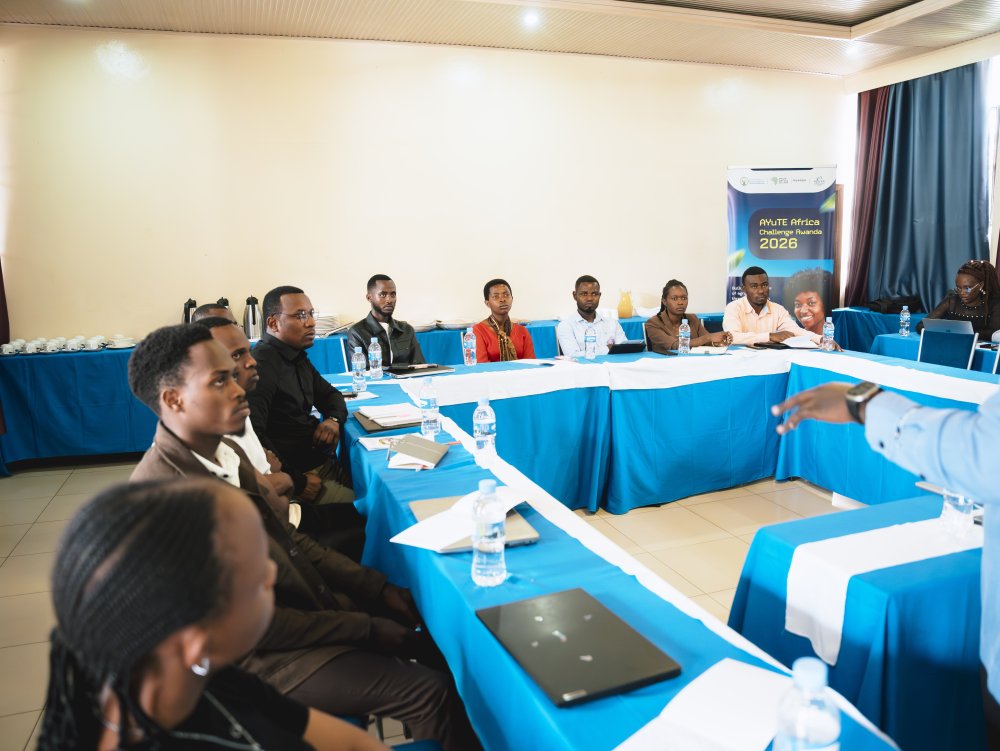
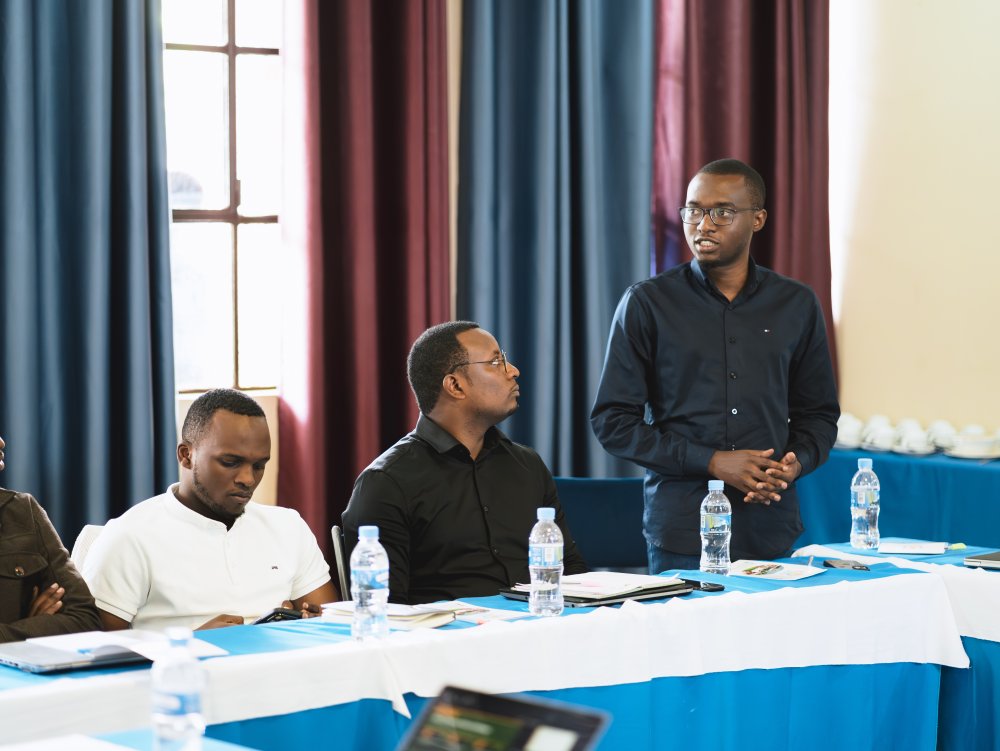
The bootcamp, running from April 20 to April 24, 2026, brings together finalists selected from more than 1,200 applicants aged between 18 and 35. All participants submitted technology-driven solutions aimed at improving agriculture.
During the training, the entrepreneurs are being equipped with practical skills to scale their businesses, attract investors, and manage finances. They are also engaging with leaders from various institutions who are providing mentorship and professional guidance.
In addition, participants are being coached on how to effectively present and refine their business ideas before a panel of judges, as they prepare for the competition’s final pitch.
The Country Director for Heifer International Rwanda, Verena Ruzibuka, said the bootcamp was designed to bridge gaps identified among the selected entrepreneurs, particularly in aligning their current progress with their long-term ambitions.
“We identified a gap between where the selected entrepreneurs are and where they need to be to grow their ventures effectively. This bootcamp is meant to close that gap,” she said.
Ruzibuka added that the goal is for participants to emerge as credible, investment-ready entrepreneurs and leaders in agri-tech, capable of transforming smallholder farming in Rwanda.
She noted that supporting these entrepreneurs goes beyond individual projects, contributing to broader goals such as strengthening the agricultural sector, creating jobs, supporting smallholder farmers, and safeguarding future food systems.
One of the participants, Abdu Usanase, founder of Agriresearch Unguka Ltd, described the bootcamp as a valuable opportunity.
“Being part of the AYuTE bootcamp is a major step for us. We are gaining mentorship, building networks, and taking part in activities that will help refine our projects to better support young farmers. We are excited to learn, grow, and compete in the next stage,” he said.
The Agriculture, Youth and Technology (AYuTE) Africa Challenge is a competition that promotes innovative agri-tech solutions to boost agricultural development.
Prize money for winners has increased from Rwf 50 million to Rwf 65 million. The initiative targets young people interested in investing in Rwanda, offering them an opportunity to gain practical skills while also competing for financial support to scale their businesses.
Young agri-tech entrepreneurs are undergoing training and mentorship to refine their innovations before pitching in the AYuTE Africa Challenge.Twelve finalists selected from over 1,200 applicants are taking part in an intensive bootcamp ahead of the AYuTE Africa Challenge finals.Participants engage in business training, investor readiness, and pitching sessions during a bootcamp preparing them for the AYuTE Africa Challenge final stage.