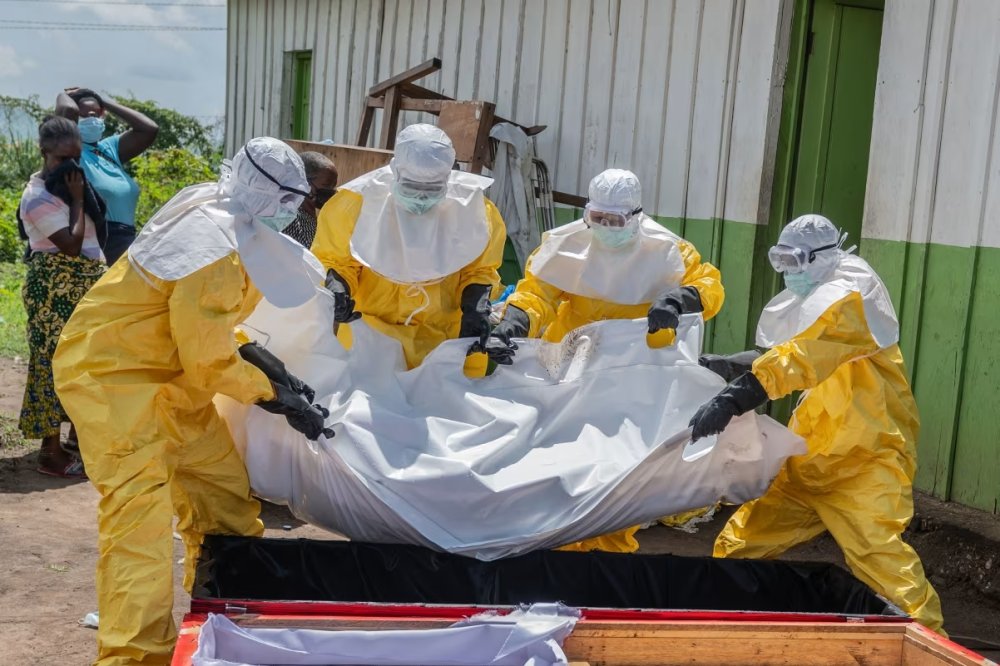
As of August 7, 2026, a total of 4,209 Ebola cases had been recorded, including 1,916 deaths, according to the latest figures released by INSP.
The report shows that 828 people had recovered from the disease, while 595 were either in isolation or receiving treatment at designated health facilities.
Ituri Province remains the epicentre of the outbreak, accounting for 86.5% of all reported cases. Meanwhile, South Kivu Province has gone 72 days without recording a new Ebola case.
The current outbreak is caused by the Bundibugyo ebolavirus. The World Health Organization (WHO) says there is currently no licensed vaccine or specific treatment for this strain, although medical interventions are being tested.
The scale of the outbreak makes it one of the most serious Ebola outbreaks recorded in the DRC since the virus was first identified in 1976.
The WHO reported on July 30 that the number of cases in the current outbreak had already surpassed the total recorded during the 2018–2020 Ebola outbreak.
The 2018–2020 outbreak recorded 3,481 cases and claimed 2,299 lives.
1,916 people have died from Bundibugyo Ebola in DRC
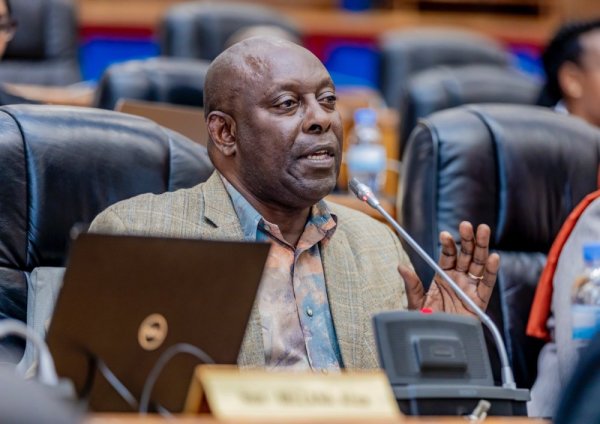
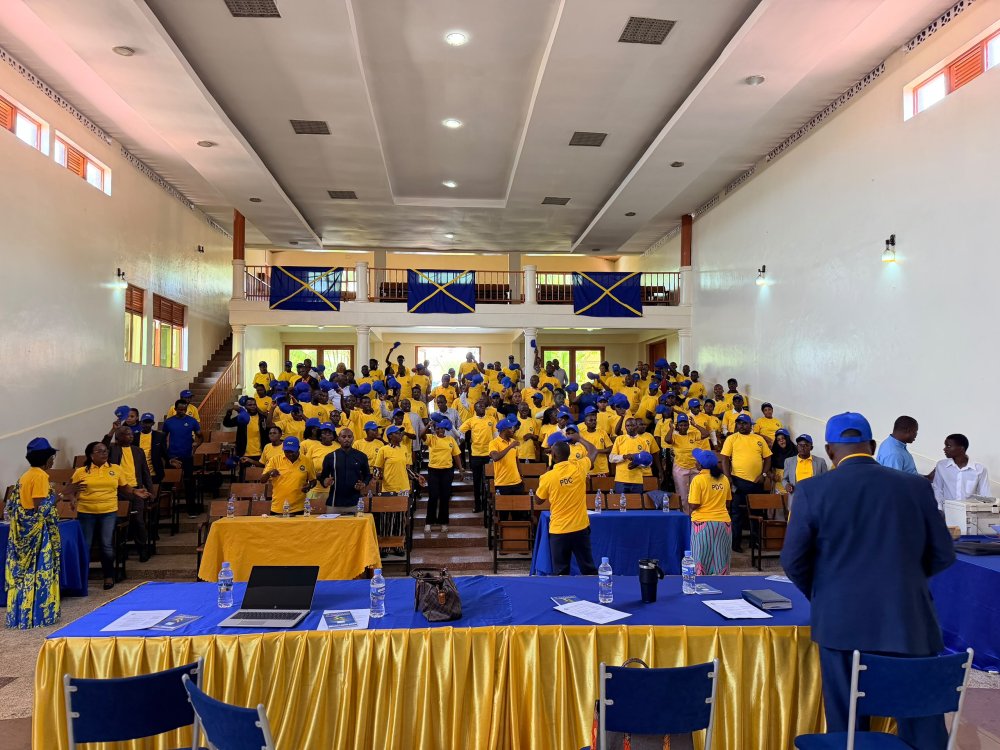
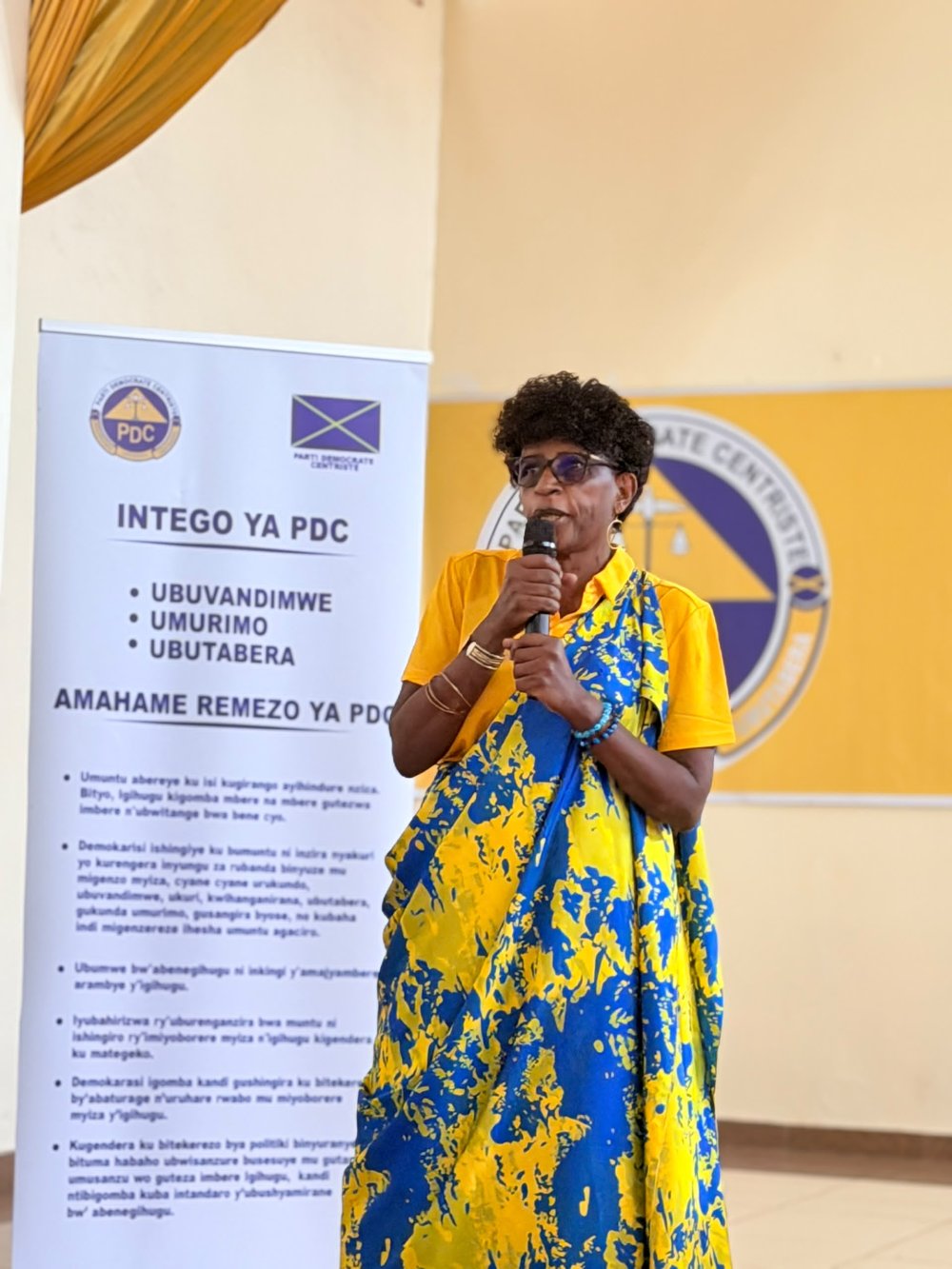
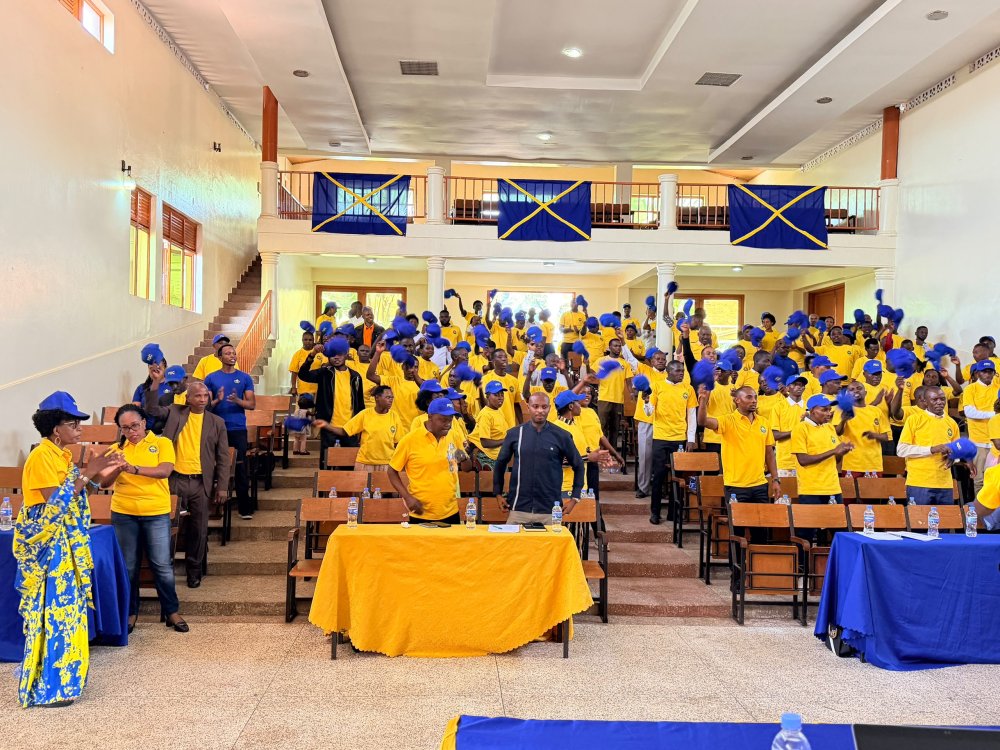
The election took place in Kigali on Sunday, August 9, 2026, during a congress that elected members of the party’s leadership at all levels. It was attended by representatives of the party from district to national level.
Ndagijimana secured 79 of the 103 votes cast, defeating his challenger Mukakarangwa Clothilde, who received 24 votes.
The new PDC president said his priorities will include strengthening unity within the party, building its institutional capacity and securing permanent premises for its operations.
The party currently operates from rented offices and owns two undeveloped plots of land that it intends to develop into permanent headquarters.
“First and foremost, it is about building fraternity. We also have plots of land that have remained undeveloped for a long time, and we have to build offices on them,” Ndagijimana said.
He also said he would focus on making the party’s political programmes more appealing to young people, who he described as an important part of the party’s membership and its future.
Ndagijimana has been a member of PDC for 34 years and served as its Secretary General since 2015.
He served in the Chamber of Deputies from 2018 to 2024 and previously worked as a commissioner at the National Electoral Commission. He has also held positions in the former Ministry of Environment and Tourism, as well as responsibilities related to education, research and project management.
Mukabaranga, who has now left the party’s top leadership position, first headed PDC in an acting capacity in 2009 before being elected for two terms. Her second term ended in 2023, when new elections were expected to be held but were delayed until this year.
Several other officials were elected to work with Ndagijimana in the new leadership.
Lawyer Vincent Rugema was elected First Vice President with 80 votes, while Mukabasebya Claudette was elected Second Vice President with 95 votes.
Ildephonse Nkiliye was elected Secretary General with 95 votes, while Benoît Sikubwabo became Treasurer after receiving 53 votes.
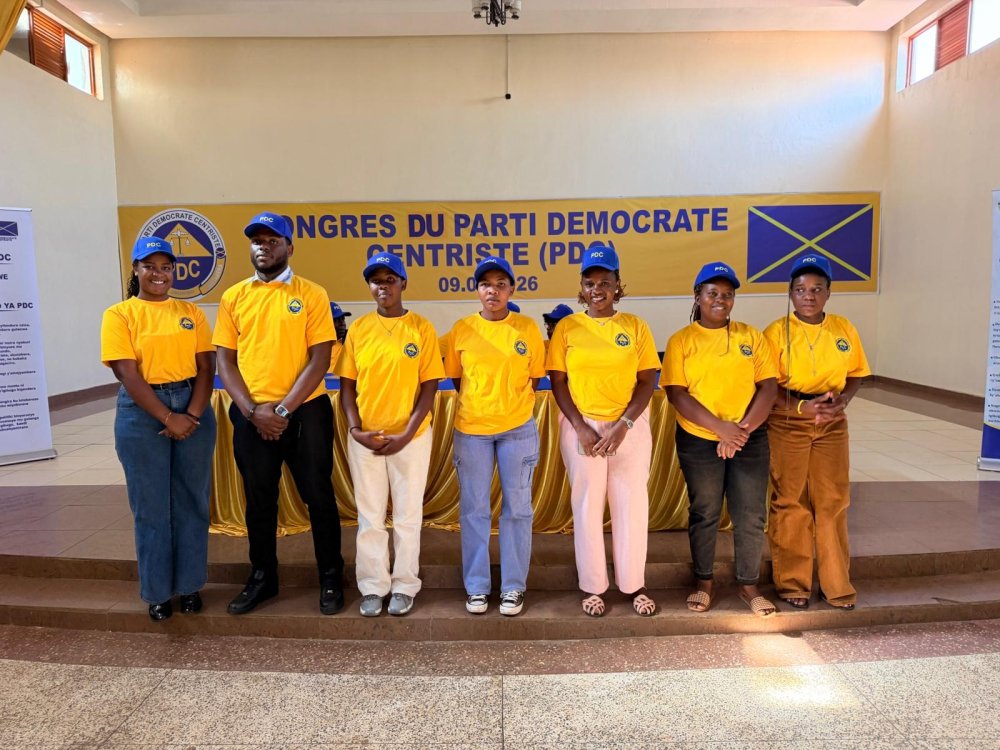
Bénie Niyodusingiza was elected president of the PDC-affiliated youth league, while Aline Umubyeyi was elected to lead the party’s women’s league.
The party also elected provincial representatives, including Espérance Nyiraneza for the Western Province, Jean-Baptiste Gatsinzi for the Eastern Province, Augustin Uwereyimfura for the Southern Province, Thierry Niyibizi for the Northern Province and Clémence Uwamahoro for the City of Kigali.
Other party officials, including members of various PDC commissions, were also elected.
PDC’s history
The PDC was established in 1991 by Jean Népomuscène Nayinzira and other political figures amid growing pressure for Rwanda to adopt a multiparty political system beyond the ruling MRND party under President Juvénal Habyarimana.
The party was initially established as the Christian Democratic Party (Parti Démocratique Chrétien). It later changed its name to the Centrist Democratic Party (Parti Démocrate Centriste) following constitutional restrictions on political parties based on religion.
PDC was among the political parties that supported the Arusha Peace negotiations, which sought power-sharing and a lasting political settlement in Rwanda.
Following the 1994 Genocide against the Tutsi, the party continued its political activities, and in 2003 it joined an alliance of political parties that supported the Rwandan Patriotic Front (RPF) during the presidential and parliamentary elections.
PDC won three seats in the Chamber of Deputies in the 2003 elections, while its then-president, Alfred Mukezamfura, was elected Speaker of the Chamber.
The election took place in Kigali on Sunday, August 9, 2026, during a congress that elected members of the party’s leadership at all levels. The new committee representing youth at the PDC Agnès Mukabaranga has led the party for more than a decade.
Trump for weeks “had been laying the groundwork to declare victory in the Iran war should Tehran fully reopen the Strait of Hormuz, even floating the idea privately to senior aides that he’s willing to walk away without a nuclear deal,” the report cited U.S. officials as saying.
The report noted that Trump sought to include nuclear talks as part of broader negotiations with Iran, “but those have proven too difficult, leading the White House in recent weeks to focus more on reopening the Strait of Hormuz.”
That “scaled-back objective,” however, became more difficult when Iran insisted Saturday “on its highest price yet” for seeking billions of dollars in U.S. payments, the removal of American troops from the region, and an end of the U.S. naval blockade, among other things, the report said, adding that “recent chaos in negotiations signaled Tehran is prepared for a long and grinding conflict.”
The latest report came two days after CNN reported that Chairman of the Joint Chiefs General Dan Caine has, over the last few weeks, privately told other top Trump advisers and Cabinet officials that the United States needs to find an off-ramp from the war with Iran.
Meanwhile, growing concerns over U.S. ammunition stockpiles have raised doubts about how long military operations against Iran can be sustained in a war now in its fifth month.
Media reported that U.S. military had exhausted nearly 80 percent of the interceptors for a key missile defense system during the war, as military commanders warned that the army’s munitions stockpile was “dangerously low.”
On Thursday, Trump acknowledged that although overall U.S. ammunition stockpiles remain sufficient, supplies of certain types of ammunition are “a little bit tighter,” without elaborating.
According to a report by The Washington Post on Saturday, the Pentagon is asking the U.S. defense industry to “rapidly escalate the production and delivery of weapons,” including munitions that are “in extreme shortage” due to the war.
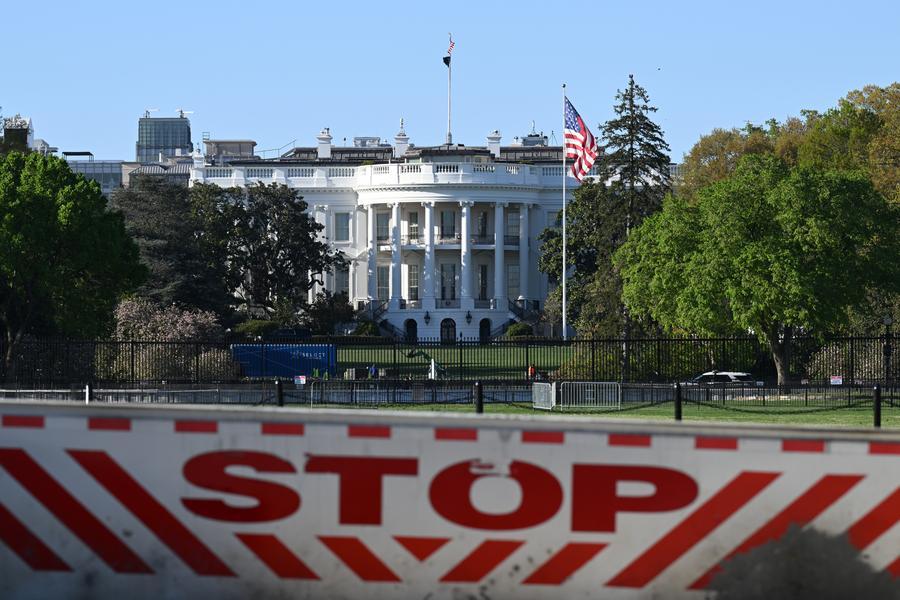
This photo taken on April 7, 2026 shows a view of the White House in Washington, D.C., the United States. (Xinhua/Li Rui)
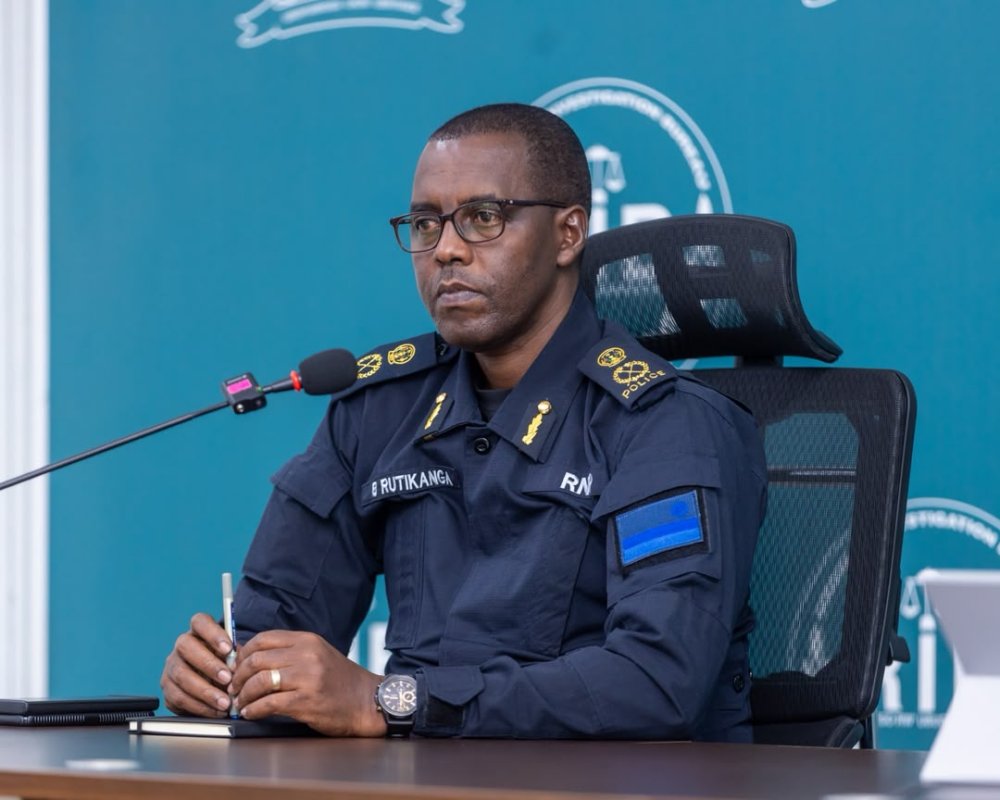
Rwanda National Police spokesperson ACP Boniface Rutikanga issued the warning on August 8, 2026, during a press briefing in which the Rwanda Investigation Bureau (RIB) paraded people arrested for various offences.
ACP Rutikanga said people who own or operate bars, nightclubs and venues where events are held could be held responsible for misconduct taking place on their premises.
“Those who operate bars and nightclubs will also be held accountable for the misconduct of people there because we cannot have people behaving recklessly under the guise of having fun,” he said.
He noted that some of the people involved in such behaviour are under the influence of alcohol.
ACP Rutikanga said the police would work with concert organisers, DJs and other stakeholders who bring people together for entertainment to address such conduct.
“We do not want such behaviour in Rwanda. Those who say Rwanda is not enjoyable can go elsewhere and dance naked, but we will no longer accept that here,” he said.
He added that authorities would work with entertainment industry stakeholders to ensure that certain forms of behaviour are no longer tolerated.
“We cannot allow people to gradually lose their values until tomorrow we have a society of reckless people,” he said.
The warning comes amid growing concerns over alcohol abuse, particularly among young people.
The Ministry of Local Government (MINALOC) recently said that 95% of young people found in rehabilitation centres had been taken there because of alcohol-related problems.
Meanwhile, figures from the Ministry of Health indicate that in the first seven months of 2026, 50 people died after consuming substandard alcoholic beverages, while another 100 lost their sight and about 11,000 people became addicted to alcohol.
Rwanda National Police spokesperson ACP Boniface Rutikanga speaking at a press briefing in which the Rwanda Investigation Bureau (RIB) paraded people arrested for various offences on August 8, 2026.
Speaking on The New Times’ Context programme, Nduhungirehe said the agreement does not need to be renegotiated or supplemented with new arrangements, but requires political will from the parties and the mediator to implement its provisions.
“The agreement itself is comprehensive enough. What we need to do is to implement it. We don’t need to renegotiate it because we agree with its content,” he said.
The minister said the Washington Accords built on the Concept of Operations (CONOPS) agreed between Rwanda and the DRC for the neutralisation of the FDLR and the lifting of Rwanda’s defensive measures.
“The Washington Agreement was actually taking the concept of operations that we had agreed on already in Rwanda for the neutralization of the FDLR, genocidal force, and the lifting of Rwanda’s defensive measures,” Amb. Nduhungirehe said.
He rejected a recent protocol announced between the DRC government and the FDLR under which the armed group said it was prepared to disarm and undergo demobilisation and reintegration.
Amb. Nduhungirehe said the FDLR is not a party to the Washington agreement but rather one of the issues the agreement requires to be addressed.
“The FDLR should be neutralized as per the Washington Accords. They are the subject of the Washington Accords. They are not a party to sign protocols,” he said.
He also accused the FDLR of working with the Congolese army and dismissed the recent exchange of communications between the group and the DRC government as a delaying tactic.
“We’ve seen communication between the FDLR writing to the DRC government and the DRC government responding to the letter by the FDLR leaders. It’s just comedy,” he said.
“What we believe is that this is delaying tactics that cannot fool anyone. And it’s not the first time.”
Amb. Nduhungirehe cited previous instances in which the DRC announced plans to neutralise the FDLR but, according to him, failed to follow through.
He recalled that in March 2024, then-DRC Foreign Minister Christophe Lutundula announced that Kinshasa would present a plan to neutralise the FDLR. Four days later, Amb. Nduhungirehe said Lutundula questioned whether authorities knew where the FDLR fighters were.
The minister also referred to March 2026, when DRC military authorities announced plans to begin operations against the FDLR.
“Then two days later, on 31st of March, they sent helicopters to Walikale full of rifles, close to 700 rifles, to the bases of the FDLR. Ammunition, money, mortars, and other weapons to the same FDLR,” he alleged.
Amb. Nduhungirehe said the lack of progress under the Washington agreement is primarily a question of political will.
“The process itself and the agreement are fine. And they are actually excellent when we read the document. But the problem we have is the political will to implement that agreement,” he said.
He said Rwanda had also raised concerns about the role of the United States as mediator, accusing it of becoming increasingly biased in the process.
Amb. Nduhungirehe maintained that Rwanda does not need another agreement to resolve the FDLR issue, but rather tangible implementation of the commitments already made.
Minister Olivier Nduhungirehe has discussed the implementation of the Washington peace agreement and the need to address the FDLR issue.
The staffer, identified as Yahav Lichner, is leading UNICEF’s office in Washington, D.C.
Lichner has reportedly been placed on administrative leave.
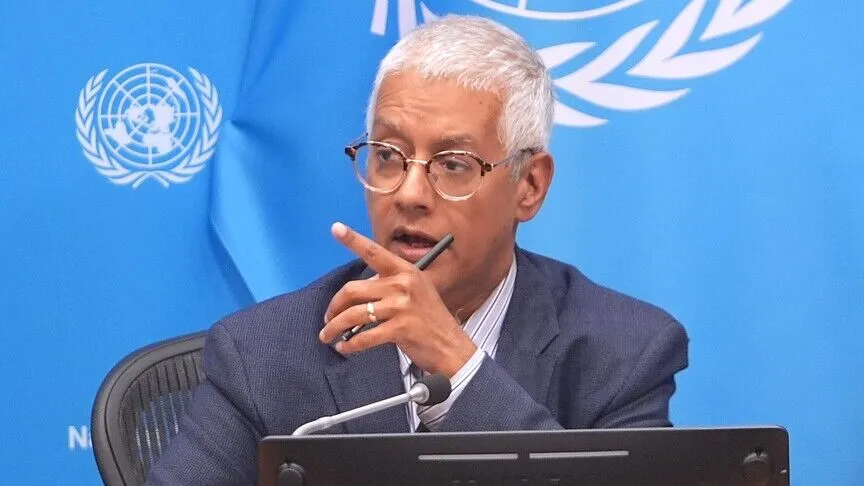
“What I can tell you is that UNICEF is aware of serious allegations concerning an employee and is taking the appropriate action,” said Farhan Haq, deputy spokesman for the UN secretary-general.
“If true, such actions would be inconsistent with staff obligations under the UN Charter, the staff regulations and the standards of conduct for the international civil service, all of which emphasize that the responsibilities of staff are international, not national, and which call for the independence and impartiality of the staff of the UN,” said the spokesman.
According to an investigation by the Drop Site news outlet based on leaked emails obtained by the hacking group Handala, Lichner allegedly provided confidential UN information to Israeli officials when he was serving at the UN Population Fund. The hacked emails upon which the Drop Site investigation is based cover the years 2014 and 2015.
UN deputy spokesman Farhan Haq said Friday that UNICEF is handling allegations against a senior staff member accused of secretly sharing confidential UN information with Israeli diplomats while working for another UN agency.
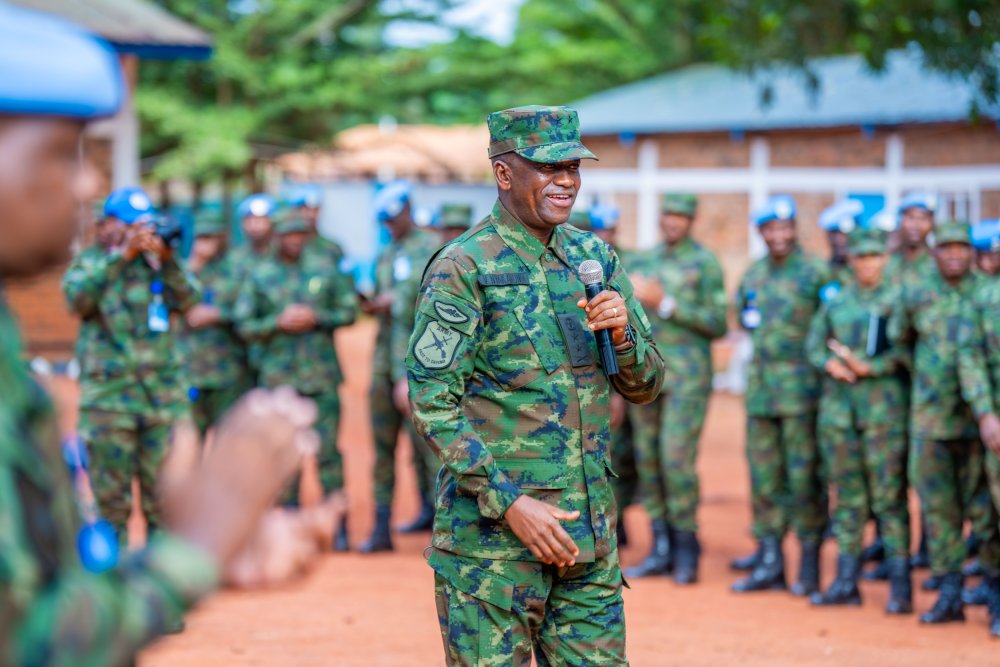
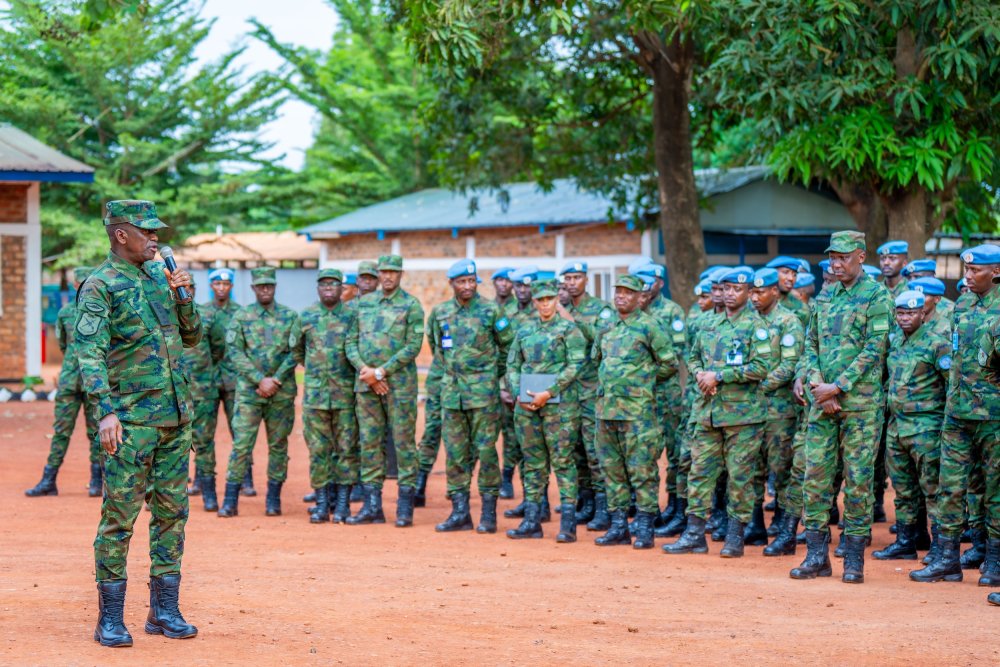
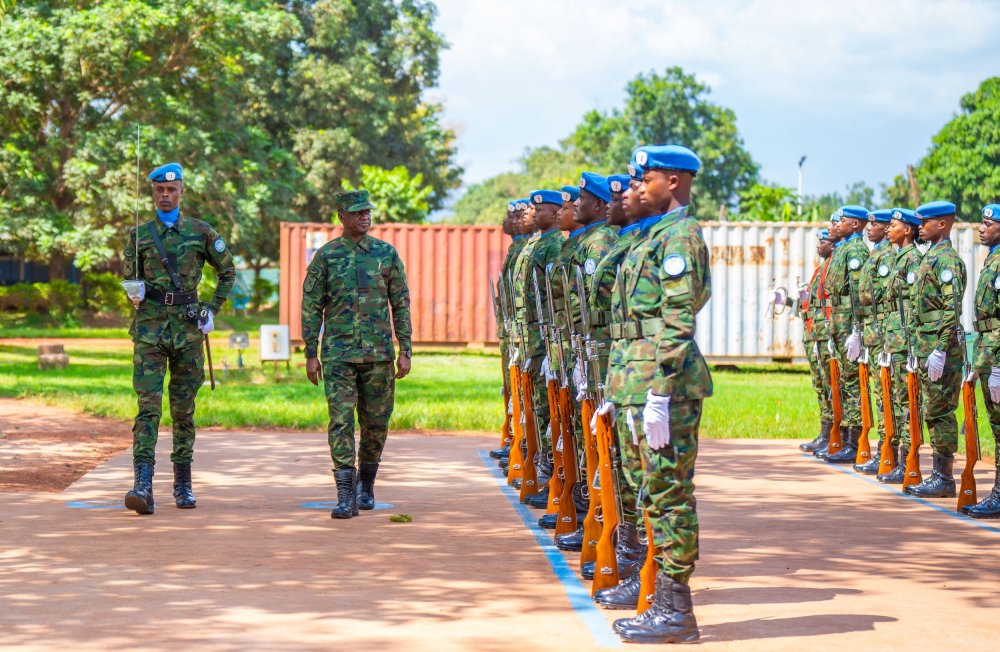
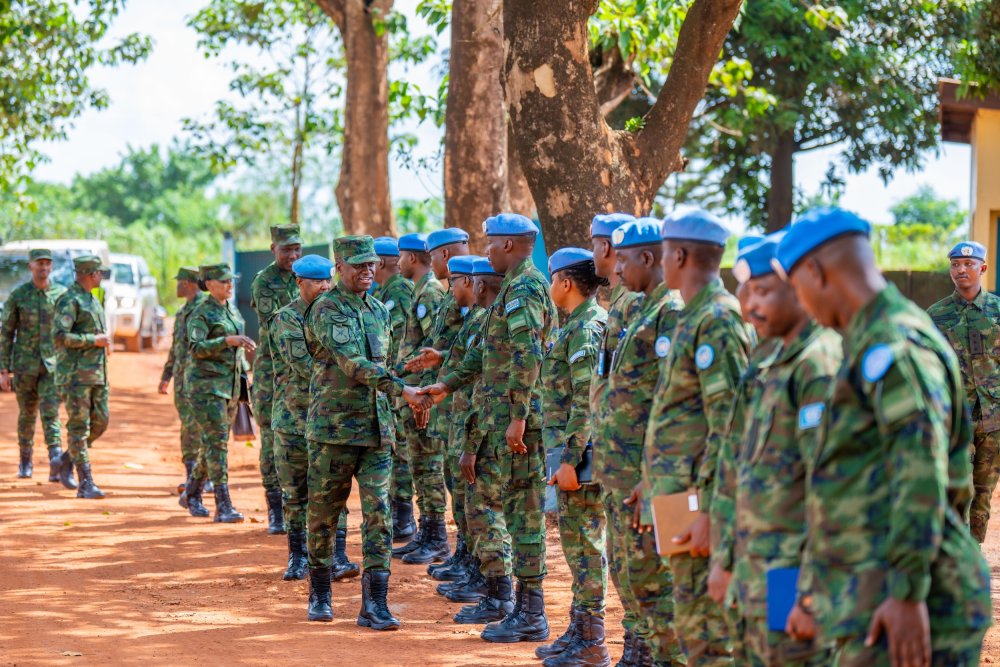
Accompanied by his delegation, Maj Gen Nyakarundi visited the RWABAT-1 Contingent at Socatel M’Poko Camp in Bangui, where he met with contingent commanders.
He commended them for their professionalism, dedication, and outstanding service in carrying out their peacekeeping duties.
He also conveyed a message of appreciation from the Commander-in-Chief and the RDF leadership, thanking all deployed personnel for their commitment to promoting peace and stability.
During the visit, Maj Gen Nyakarundi briefed the peacekeepers on the security situation in Rwanda and the region, urging them to remain disciplined and continue upholding the values and reputation of the Rwanda Defence Force.
The Army Chief of Staff also met with the MINUSCA Force Commander, Lt Gen Humphrey Nyone.
The Force Commander commended Rwanda peacekeepers’ role in the implantation of MINUSCA’s mandate.
As part of his visit, Maj Gen Nyakarundi is expected to attend the graduation ceremony of Central African Armed Forces (FACA) soldiers trained by the RDF and hold meetings with FACA leadership.
Maj Gen Vincent Nyakarundi conveyed appreciation from the Commander-in-Chief and RDF leadership to Rwandan troops serving in the Central African Republic.Maj Gen Vincent Nyakarundi has urged Rwandan peacekeepers in the Central African Republic to maintain discipline and uphold the values of the Rwanda Defence Force.Maj Gen Vincent Nyakarundi addresses Rwandan troops deployed under MINUSCA and the bilateral force during his visit to the Central African Republic.
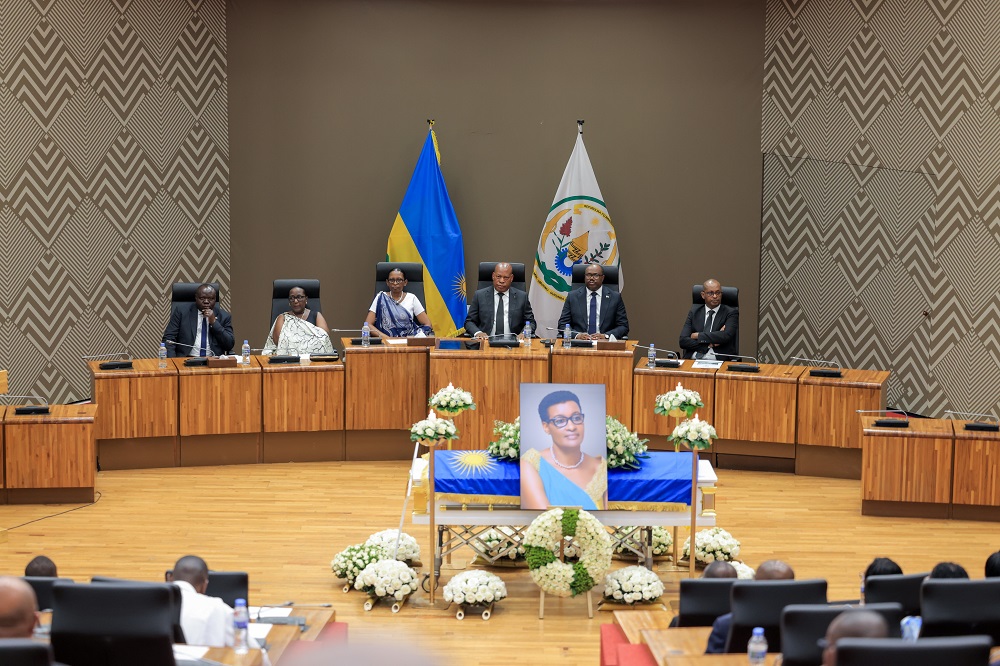
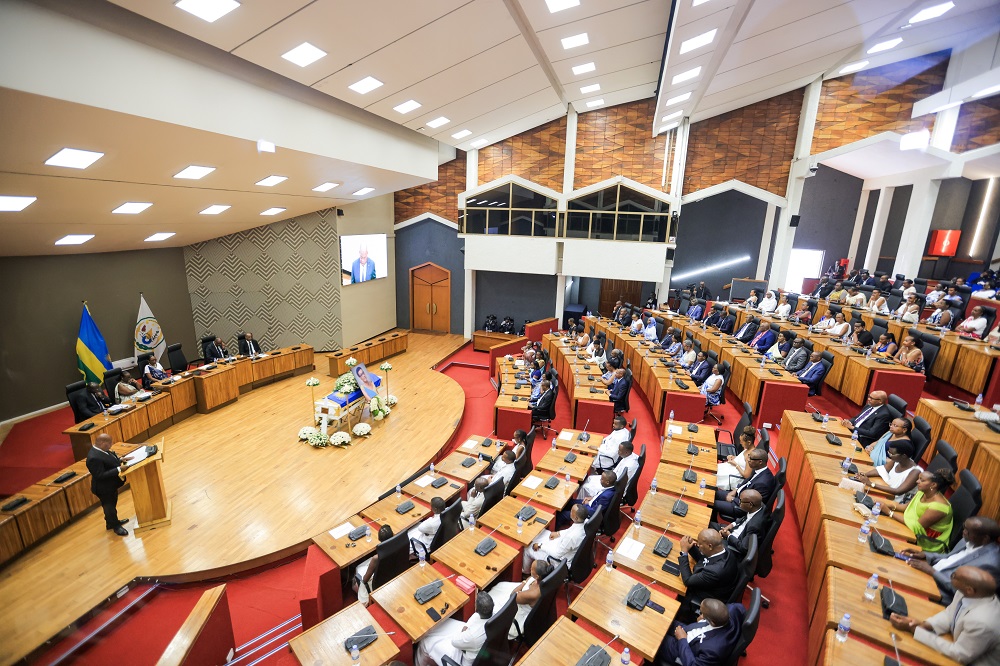
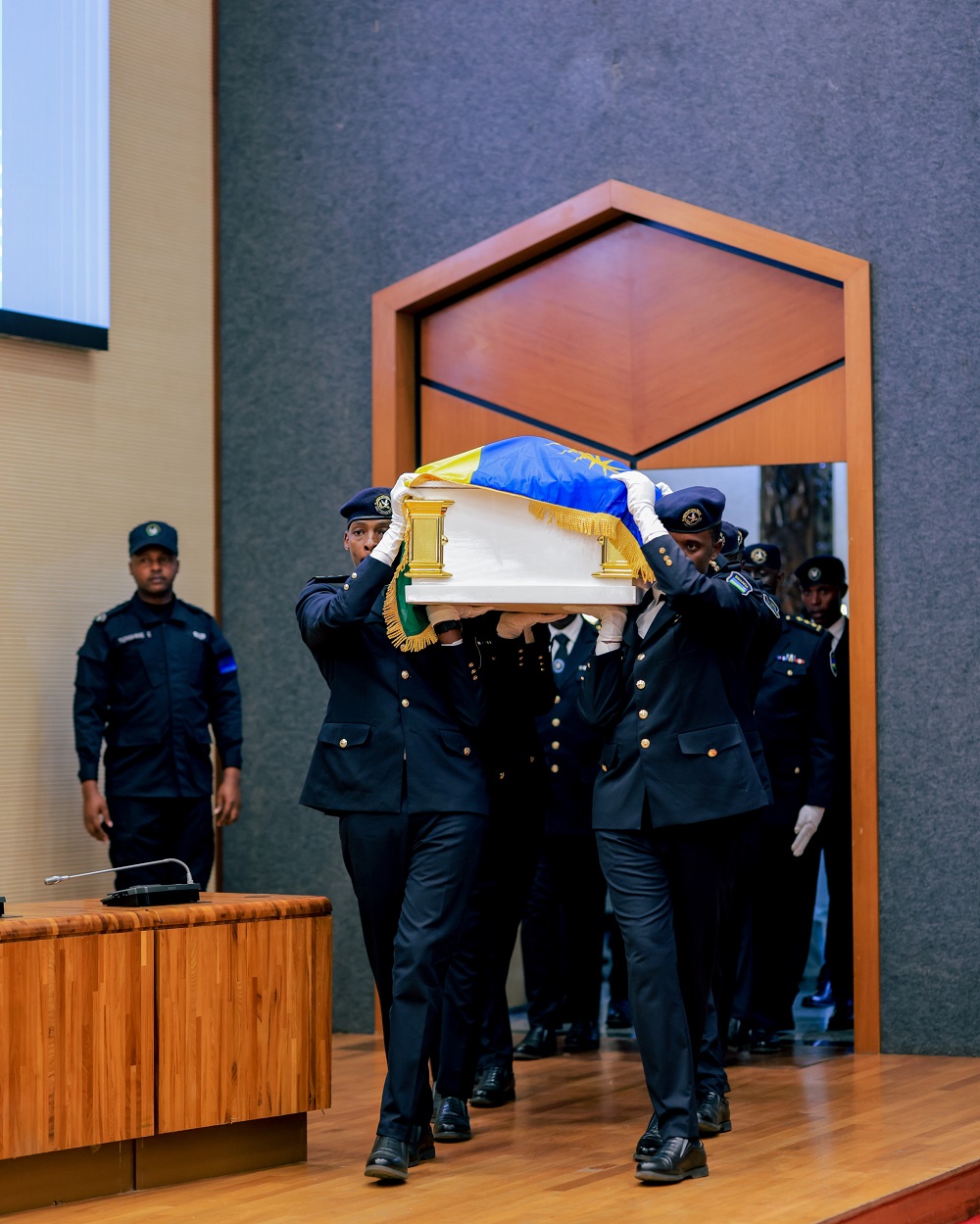
The ceremony, held at the Parliament building on August 7, was attended by senior government officials, members of her family, relatives, friends and colleagues who gathered to honour her life and contribution to the country.
Representing the Liberal Party (PL), MP Munyangeyo Théogène described Mukabalisa as more than just the party’s president, saying she was a mother figure, mentor and leader who dedicated herself to strengthening the organisation.
“Within PL, Honourable Mukabalisa Donatille was not only the president of the party; she was a mother to many, a counsellor, an educator and a leader who was always committed to building a party founded on unity, cooperation and a shared long-term vision,” Munyangeyo said.
He added that Mukabalisa leaves behind a legacy of ideas and initiatives that will continue to guide PL’s efforts to contribute to Rwanda’s development.
Senate President Dr François Xavier Kalinda said Mukabalisa left behind a valuable legacy that will remain a source of inspiration for fellow lawmakers.
“Dear colleague, Honourable Mukabalisa Donatille, your fellow members of Parliament will always remember the great legacy you have left behind, the good work you did for the country, your family and all those who benefited from your service. May these achievements accompany you as you rest in peace,” Kalinda said.
A message of condolence from President Paul Kagame was delivered by the Secretary General of the Rwanda Patriotic Front (RPF-Inkotanyi), Ambassador Christophe Bazivamo.
President Kagame described Mukabalisa as a leader who embodied values that have contributed to Rwanda’s progress, including integrity, humility, perseverance and commitment to fulfilling her responsibilities with dedication.
“These qualities came from her deep understanding that serving the country is the greatest responsibility and one of the most valuable duties one can undertake. This spirit of sacrifice and service to others defined her entire life. It earned her respect from those she worked with and the trust she was repeatedly given. The country appreciates her dedication,” President Kagame said.
Mukabalisa was born in Nyamata, Bugesera District, in July 1960. She worked as a law lecturer at the Kigali Independent University (ULK).
She also served with the World Health Organization (WHO) and the United Nations Development Programme (UNDP), where she worked for 16 years.
In October 2003, Mukabalisa was elected as a Member of Parliament, serving in the Chamber of Deputies until 2008. She later served as a Senator from 2011 to 2013.
In 2013, she returned to the Chamber of Deputies, where she was elected Speaker and led the lower house until 2024. She did not seek re-election after completing two terms as an MP.
Mukabalisa returned to the Senate in 2024, where she served until her death. Her career in public service spanned more than two decades, during which she held key leadership positions in Rwanda’s legislative institutions.
Senate President Dr François Xavier Kalinda paid tribute to Senator Mukabalisa Donatille, highlighting the legacy she leaves behind.Senior government officials, lawmakers, family members and friends gathered at Parliament to honour the life and service of Senator Mukabalisa Donatille.A farewell ceremony for Senator Mukabalisa was held at the Parliament building.
Bralirwa Plc’s profit after tax rose by 37.6% to Rwf 25.3 billion in the first six months of 2026, up from Rwf 18.4 billion recorded during the same period last year, as the beverage manufacturer reported stronger sales growth despite continued cost pressures.
The company announced the performance in its financial results for the period ended June 30, 2026, which showed that revenue increased by 20%, driven by higher beer and soft drink volumes, price adjustments to respond to inflationary pressures and continued strong performance of its premium brands.
Bralirwa’s operating result increased to Rwf 39 billion from Rwf 32 billion in the first half of 2025, supported by higher revenues. However, the company said the improvement was partly offset by rising production and operational expenses.
Cost of sales increased by 18.6% compared with the previous year, reflecting higher prices of raw materials and packaging inputs amid global inflation and commodity market pressures.
The company also recorded a 24.5% increase in selling and distribution costs, mainly due to additional investments in brand support and higher transportation costs linked to increased volumes supplied to distributors.
Administrative expenses grew by 16.7%, driven by increased investment in information technology systems and higher fixed operating costs associated with inflation.
Despite the challenging cost environment, Bralirwa benefited from lower finance expenses, which declined by 19.7% year-on-year due to reduced interest costs on bank overdrafts following improved cash collections.
Income tax expenses increased by 15.4% as a result of higher profit before tax compared with the first half of 2025. Commenting on the results, Bralirwa’s Managing Director Ethel Emma-Uche said the company’s performance reflected stronger execution of its sales strategy and efforts to manage costs while maintaining growth.
“During the first half of 2026, BRALIRWA delivered solid growth in top-line results, driven by excellence in sales execution and disciplined implementation of our mix and pricing strategy,” Ethel said.
“While high input costs persisted, our operating performance remained resilient, supported by disciplined cost management and operational efficiency efforts.”
Ethel added that the company would continue prioritising consumers and customers during the second half of the year while investing in sustainable practices, brands, people and digital capabilities to support long-term growth.
Founded in 1957, Bralirwa Plc has been part of the HEINEKEN Group since 1971 and is Rwanda’s leading manufacturer and distributor of beer and non-alcoholic beverages.
Bralirwa has a portfolio of more than 17 alcoholic and non-alcoholic beverage brands.
The platform, RydeXpress, allows individuals with vehicles to list them online by providing details such as rental prices and other basic information, while customers can search for available cars and choose those that suit their needs.
The service is free for vehicle owners and users, and can be accessed by people within Rwanda as well as those abroad looking for rental options before travelling to the country.
The launch comes as the number of passenger vehicles in Rwanda continues to increase.
According to data from the National Institute of Statistics of Rwanda (NISR), the number of ordinary passenger vehicles rose from 43,182 in 2021 to 47,098 in 2022, before reaching 51,262 in 2023.
While many of these vehicles are used for personal transportation, some owners have turned to car rentals as a way of generating income. However, finding customers has remained a challenge for some owners, while renters often struggle to identify reliable vehicles and trusted rental services.
RydeXpress Chief Operations Officer, Ephron Nshimyumuremyi, said the company introduced the platform after identifying a gap in Rwanda’s car rental market.
He said the challenge was particularly common among members of the Rwandan diaspora, tourists and other visitors who often faced difficulties finding convenient and reliable vehicles to rent while in the country.
“The management of RydeXpress saw the need for a platform that connects vehicle owners with people who need cars, using technology that makes the process easier, faster and more reliable,” Nshimyumuremyi said.
He added that the platform is also expected to contribute to the growth of tourism by making transportation options more accessible, especially as Rwanda continues to host international conferences and attract visitors.
Nshimyumuremyi explained that registering vehicles on the platform does not require payment, while owners remain in control of their vehicles.
“The vehicle owner keeps the freedom to manage their asset, while RydeXpress helps them reach more customers,” he said.
The company plans to expand the platform by introducing truck rental services to support individuals and businesses that need vehicles for transporting goods and cargo.
It also intends to introduce a vehicle marketplace where people can buy and sell cars, allowing sellers to advertise their vehicles and buyers to access more options.
Nshimyumuremyi said the company’s long-term vision is to develop RydeXpress into a leading technology platform for transport and vehicle-related services in Rwanda and eventually across Africa.
“We want to start in Rwanda and later expand to other African countries, using technology to support the transport sector and create new opportunities for vehicle owners, businesses and customers,” he said.
RydeXpress offers a convenient way for interested people to rent vehicles