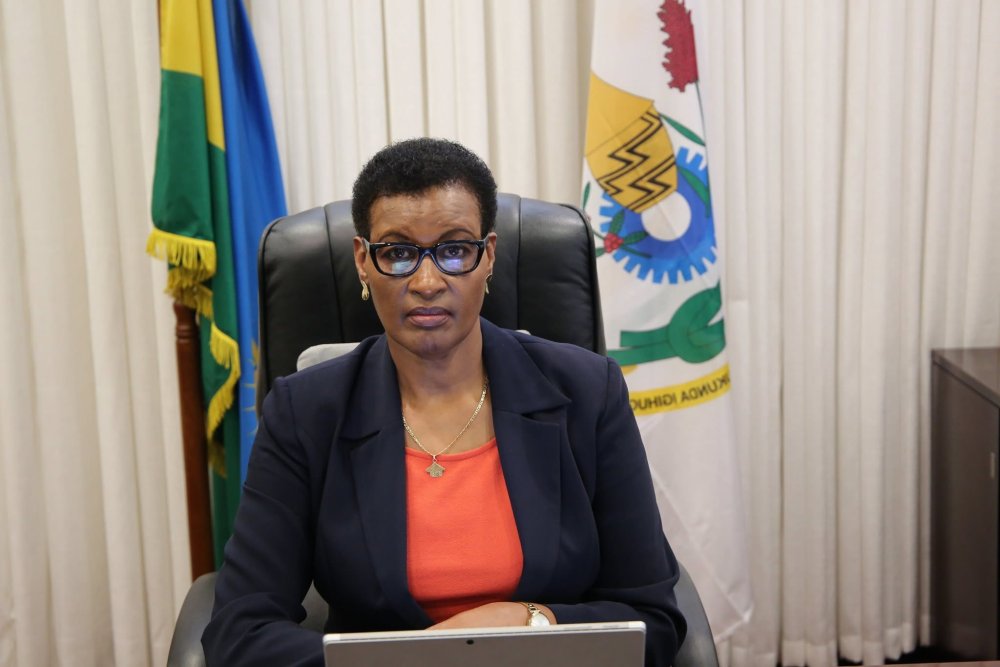
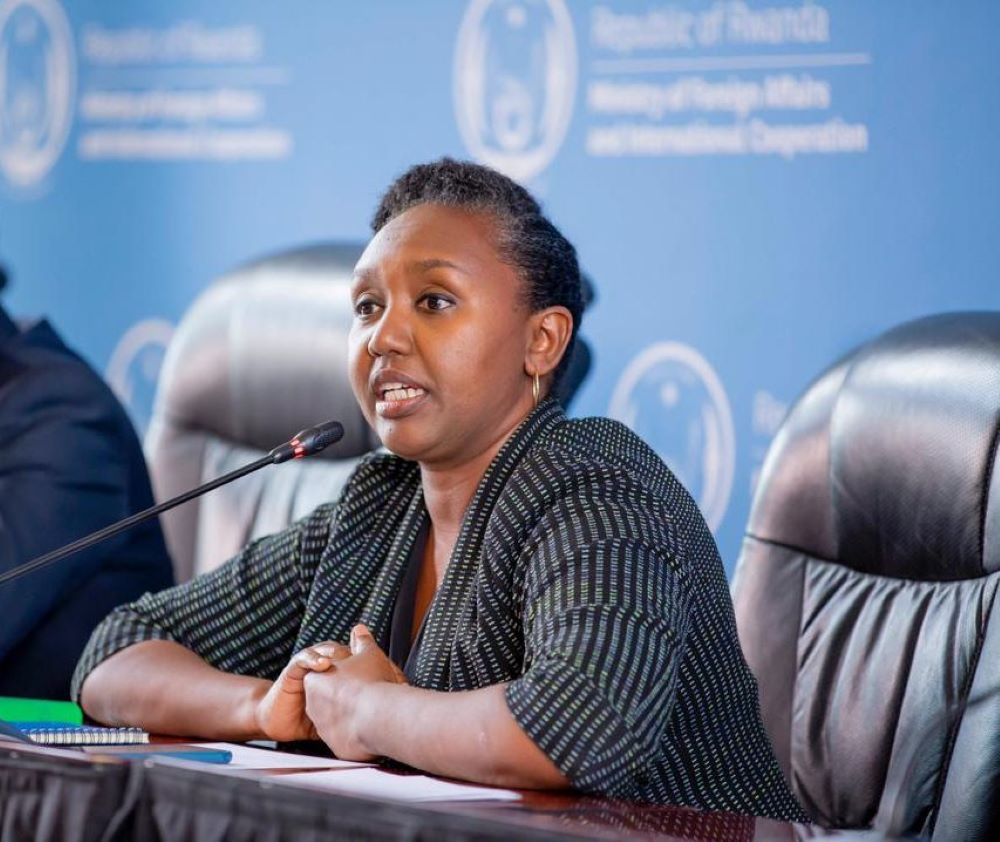
Speaking in a recent interview with BBC Gahuza, Ndayishimiye said discussions between Rwanda and Burundi had been concluded and that he was now waiting for Rwanda to implement what had been agreed.
The Burundian president said the dispute was not between the people of the two countries but rather their leadership. He explained that whenever he meets Rwandan officials, he asks why the agreements reached have not yet been implemented, suggesting that the delay raises questions about Rwanda’s intentions.
Ndayishimiye further stated that all outstanding issues had already been discussed and agreed upon, leaving only implementation. He added that if Rwanda believes additional matters should be addressed before those agreements are carried out, it should say so openly.
He also said representatives of the two countries held their latest round of talks less than five months ago and indicated that Burundi’s main expectation is for Rwanda to hand over individuals accused of participating in the failed 2015 coup against Nkurunziza.
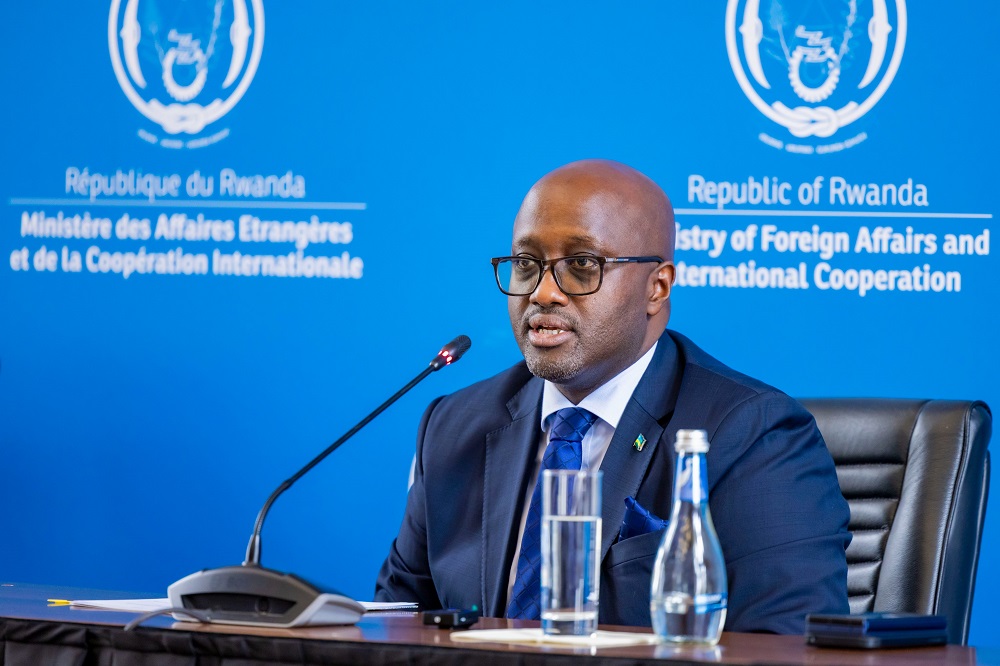
However, in an interview with IGIHE on July 31, 2026, Amb. Nduhungirehe rejected that claim.
“That is not true. It never happened.”
The minister said the latest meeting between Rwandan and Burundian delegations, involving military and intelligence officials, took place at the common border in December 2025 and that the issue of the 2015 coup suspects was never discussed.
Instead, he explained, the talks focused on addressing the security implications that emerged after the AFC/M23 coalition captured the city of Uvira in the eastern Democratic Republic of Congo.
Burundi experienced an attempted coup in May 2015 amid a political crisis triggered by Nkurunziza’s decision to seek a third presidential term, a move that was strongly opposed by sections of the population.
The failed coup was led by Major General Godefroid Niyombare. After it collapsed, some of those involved fled to countries, including Rwanda.
Burundi requested their extradition, but Rwanda maintained that it could not hand them over because doing so would violate international obligations protecting them as refugees.
Burundian authorities continue to seek the extradition of 34 people accused of participating in the attempted coup, some of whom are living in European countries, including Belgium. In 2020, Burundi’s Supreme Court sentenced them in absentia to life imprisonment.
Apart from repeatedly accusing Rwanda of sheltering the suspects, Burundi has not publicly exerted similar pressure on other countries hosting individuals linked to the failed coup, and its relations with those countries have remained unaffected.
Burundian President Ndayishimiye recently alleged that all outstanding issues had already been discussed and agreed upon, leaving only implementation.Minister Nduhungirehe has rejected Ndayishimiye’s claim over the alleged agreement on sending coup suspects to Burundi.
The message was shared through a statement issued on July 31, 2026, by RPF-Inkotanyi Secretary General Ambassador Christophe Bazivamo.
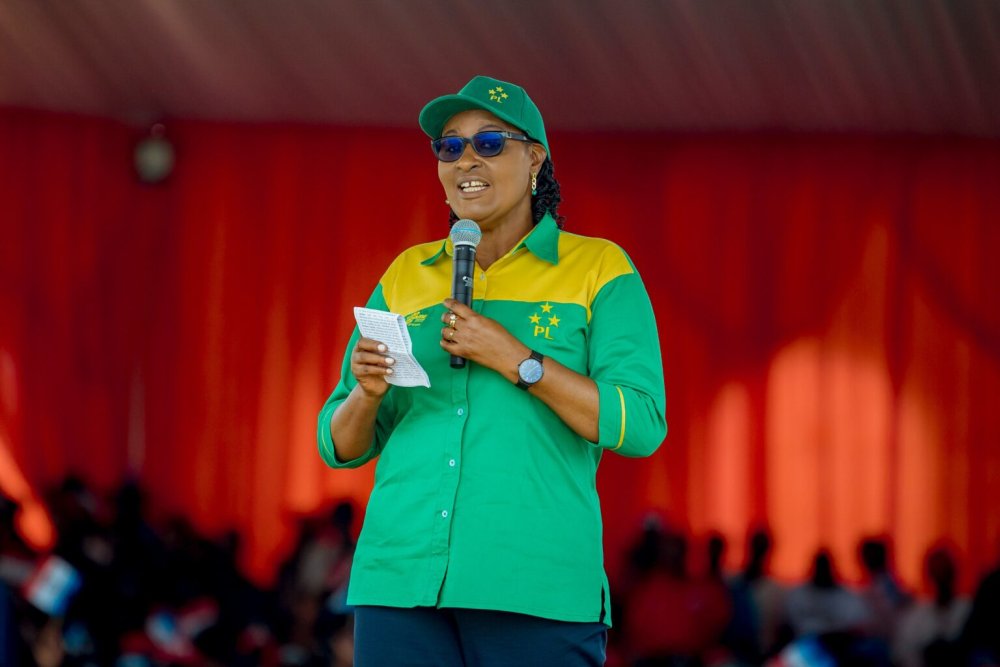
The statement said: “The RPF-Inkotanyi family joins in mourning with the Liberal Party [PL] following the death of Honourable Senator Mukabalisa Donatille, who was the president of the party.”
RPF-Inkotanyi said Senator Mukabalisa will be remembered for her dedicated service to the country and her contribution to Rwanda’s development journey.
“Honourable Senator Mukabalisa Donatille will always be remembered for the good work she did for the country and her contribution to the development journey, especially during her tenure as President of the Chamber of Deputies and during her time as a Senator,” the statement read.
The ruling party also extended condolences to Mukabalisa’s family, friends, and colleagues she worked with at different levels, encouraging them to remain strong during this difficult period.
Senator Mukabalisa died on July 30, 2026, after an illness. She served as President of the Chamber of Deputies from 2013 to 2024 before joining the Senate.
Throughout her political career, Mukabalisa was among the women who played a significant role in Rwanda’s leadership, particularly through her decade-long tenure at the helm of the Chamber of Deputies.
Senator Mukabalisa Donatille served as a Senator and President of PL before her demise.
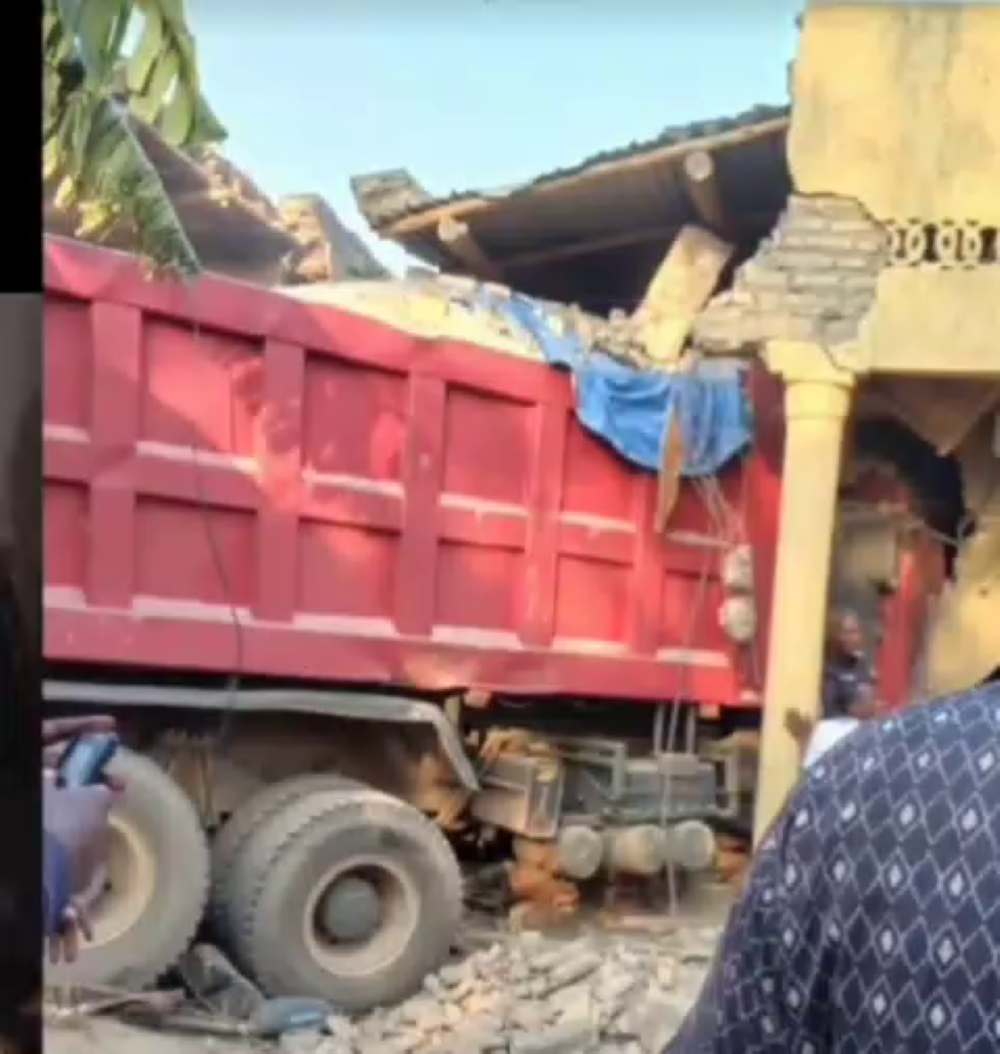
The accident occurred on July 30, 2026, at around 5:00pm in Nyakabungo Village, Gasoro Cell, Kigoma Sector.
The truck, which was carrying sand, reportedly veered off the road due to its heavy load before crashing into the nearby commercial building, where it struck people inside.
Nyanza District Acting Mayor Patrick Kajyambere told IGIHE that one person died in the accident, while five others, including the truck driver, sustained injuries.
“A woman died on the spot while five others were injured, including the driver. We have not yet confirmed the exact number of people affected because one person is still missing,” Kajyambere said by press time.
He added that the deceased and the injured were taken to Nyanza Hospital for medical attention, while expressing condolences to the families affected by the accident.
Kajyambere said the cause of the accident has not yet been established, adding that investigations by the Rwanda National Police traffic unit will determine what led to the crash.
A Howo truck was involved in an accident in Kigoma Sector, Nyanza District on July 30.
According to a report published on July 30, 2026, by African Facts, one of the key figures linked to the Habyarimana family is Kaumbu Mandungu Bula, commonly known as “Kao,” an adviser to DRC President Félix Tshisekedi.
Kao is the son of Antoine Mandungu Bula Nyati, who served as a minister under former President Mobutu Sese Seko and died in Benin in 2002.
The investigation states that Kao’s relationship with the Habyarimana family dates back many years, beginning when they met in Belgium.
According to the report, in November 2007, Kao prepared documents for the registration of what was presented as a charitable organization in Kinshasa. The organization was registered in 2008 as a branch of a UK-based charity established in London.
Although the organization was officially described as charitable, the investigation alleges that it primarily served financial interests and had close links to the Habyarimana family.
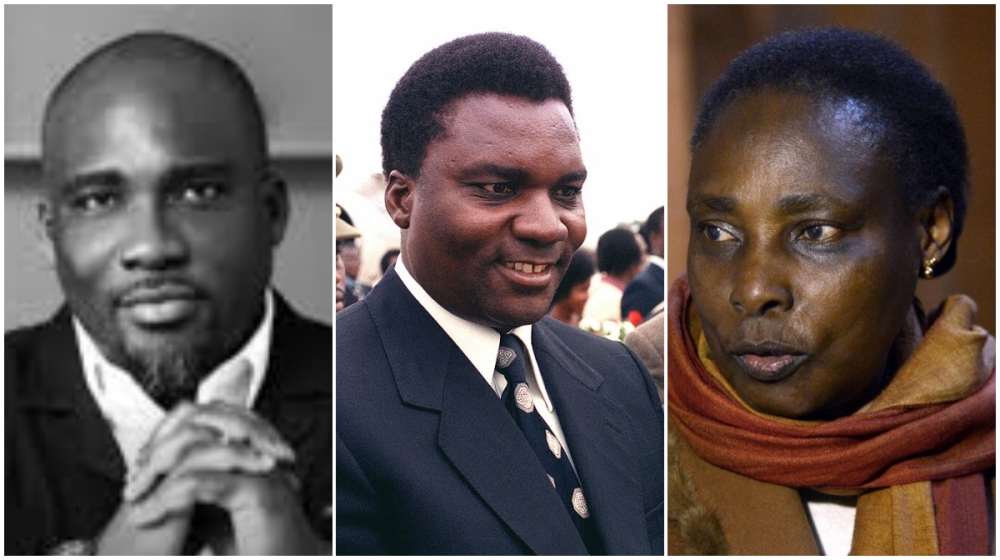
Jean-Luc Habyarimana, the youngest son of the former president, is identified as one of the central figures behind the establishment of the Kinshasa branch and several other organizations presented as charities. The report also suggests that other members of the Habyarimana family were connected to these entities.
The investigation alleges that between 2008 and 2009, money was transferred through various organizations before ending up in the hands of members of the Habyarimana family and their close associates. It claims that on May 20, 2008, Jean-Luc Habyarimana signed an investment agreement worth €125,000 with the UK-based organization.
Under the agreement, the organization was expected to repay him €250,000 between December 2008 and December 2009, representing what the report describes as a 100 percent return.
The investigation further alleges that from late 2007, Kao and individuals linked to the Habyarimana family received at least €382,000. According to the report, the funds originated from a Swiss bank account that had itself received money from a company registered in Panama.
It also claims that between 2008 and 2009, Jean-Luc Habyarimana received €325,000 through UK-registered organizations established between 2007 and 2009.
However, African Facts states that it found no evidence that organizations registered in the DRC, the Central African Republic, and Gabon carried out genuine charitable activities.
Emails referencing Agathe Kanziga
The investigation also cites emails allegedly exchanged between Kao and Jean-Luc Habyarimana.
One email, dated May 17, 2009, reportedly asks whether Jean-Luc’s elder brother, Léon Habyarimana, had received funds and requests that the family promptly notify Kao whenever their mother, Agathe Kanziga, received money.
According to the report, Kao wrote: “Hello everyone. I’m writing because Léon has not told me anything since yesterday. I think he has received the money. Please keep me informed because when Mama Agathe calls me, she doesn’t know what is happening. Communication is very important.”
Another email reportedly referred to a €15,000 transfer to Kanziga through Léon, with Kao allegedly expressing concern that her sons had not informed her about the transaction.
The report also refers to a September 6, 2016, search conducted by French gendarmes at the Habyarimana family’s home in Courcouronnes, Essonne, during an investigation into Agathe Kanziga’s suspected role in the 1994 Genocide against the Tutsi.
According to the investigation, documents and computers seized during the search included an address book containing telephone numbers for family associates, including three numbers belonging to Fabien Singaye, described as a former intelligence operative under Habyarimana’s government in Switzerland, and two Belgian telephone numbers linked to Kao.
Adviser to President Tshisekedi
In January 2023, President Tshisekedi appointed Kao as his special adviser, placing him among the president’s closest aides involved in major political and security matters.
According to the investigation, Kao has participated in discussions involving mining agreements, arms procurement, military operations and the use of foreign mercenaries.
Kao’s close relationship with the Habyarimana family is particularly significant as fighting continues in eastern DRC between government forces and the AFC/M23 coalition.
Both the DRC government and members of the Habyarimana family, particularly Jean-Luc Habyarimana, have repeatedly accused Rwanda of supporting AFC/M23 fighters and deploying troops in eastern DRC. Rwanda has consistently rejected the allegations, describing them as baseless.
Jean-Luc Habyarimana made a discreet visit to Kinshasa in June 2024 before returning publicly in November 2025, when he was photographed during the visit. Reports indicate that he met senior DRC officials. Rwanda has previously maintained that such visits form part of a broader effort to destabilize the country.
On April 8, 2026, DRC government spokesperson Patrick Muyaya publicly praised Jean-Luc Habyarimana, describing him as someone committed to peace in the region and stating that the Congolese government would continue engaging with ‘Rwandan friends’.
The investigation also alleges that on April 16, 2024, Kao attended a meeting in Kinshasa with representatives of the Wazalendo militia, where he encouraged continued recruitment of young people into the militias.
According to reports by United Nations experts, meetings bringing together representatives of Wazalendo militia have also been attended by representatives of the FDLR, a terrorist group that has long operated in eastern DRC and has been reported to cooperate with Wazalendo factions.
The investigation concludes that the presence of individuals with longstanding ties to the Habyarimana family in positions close to the DRC’s political and military leadership could have implications for the country’s security-related decision-making.
Investigation has uncovered new details on Habyarimana family’s ties to the DRC leadership.
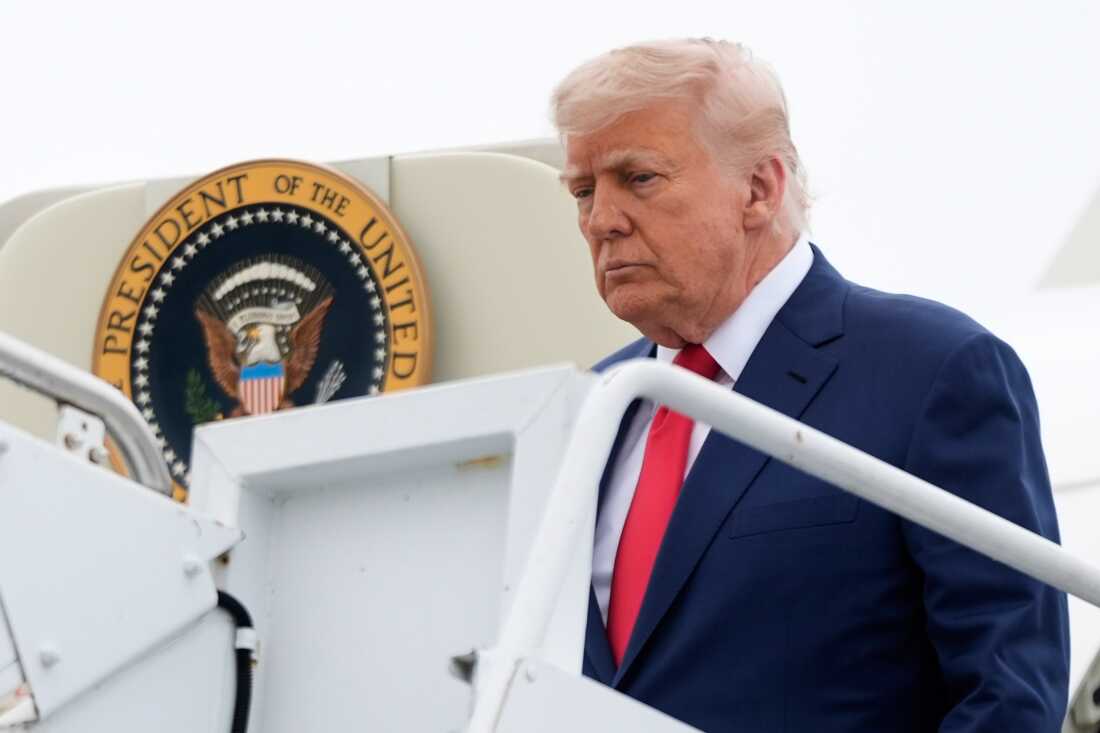
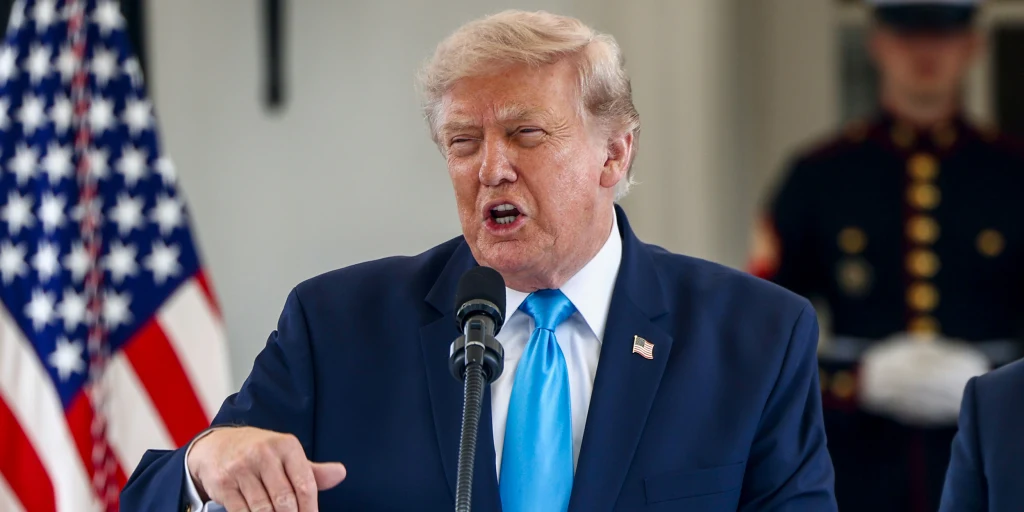
“This agreement is a critical step towards Gaza finally being governed by a new Palestinian government that will work closely with the Board of Peace to help the Palestinian people,” Trump wrote on Truth Social.
“At the same time, Israel will have the security it deserves, with Gaza no longer used as a base for terror attacks,” he added.
The agreement will be carried out in structured phases, according to Trump, who noted that as disarmament is completed, Israeli forces will withdraw, and the International Stabilization Force will work with a new Palestinian police force to take responsibility for Gaza’s security.
He said Egypt, Qatar and Türkiye helped broker the agreement as mediators.
As of now, Hamas has yet to confirm the agreement.
Trump said that the agreement is a critical step towards Gaza finally being governed by a new Palestinian government that will work closely with the Board of Peace
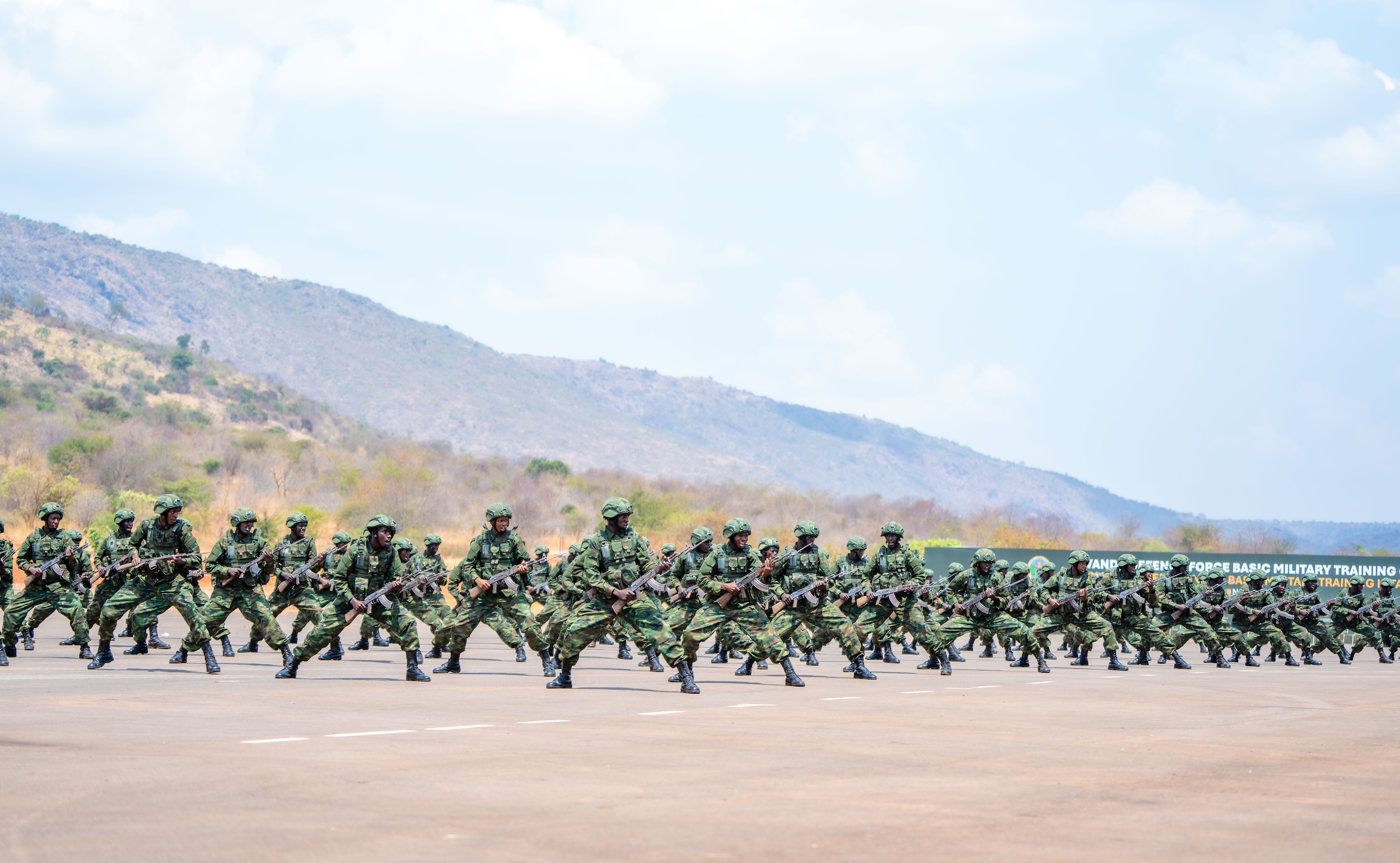
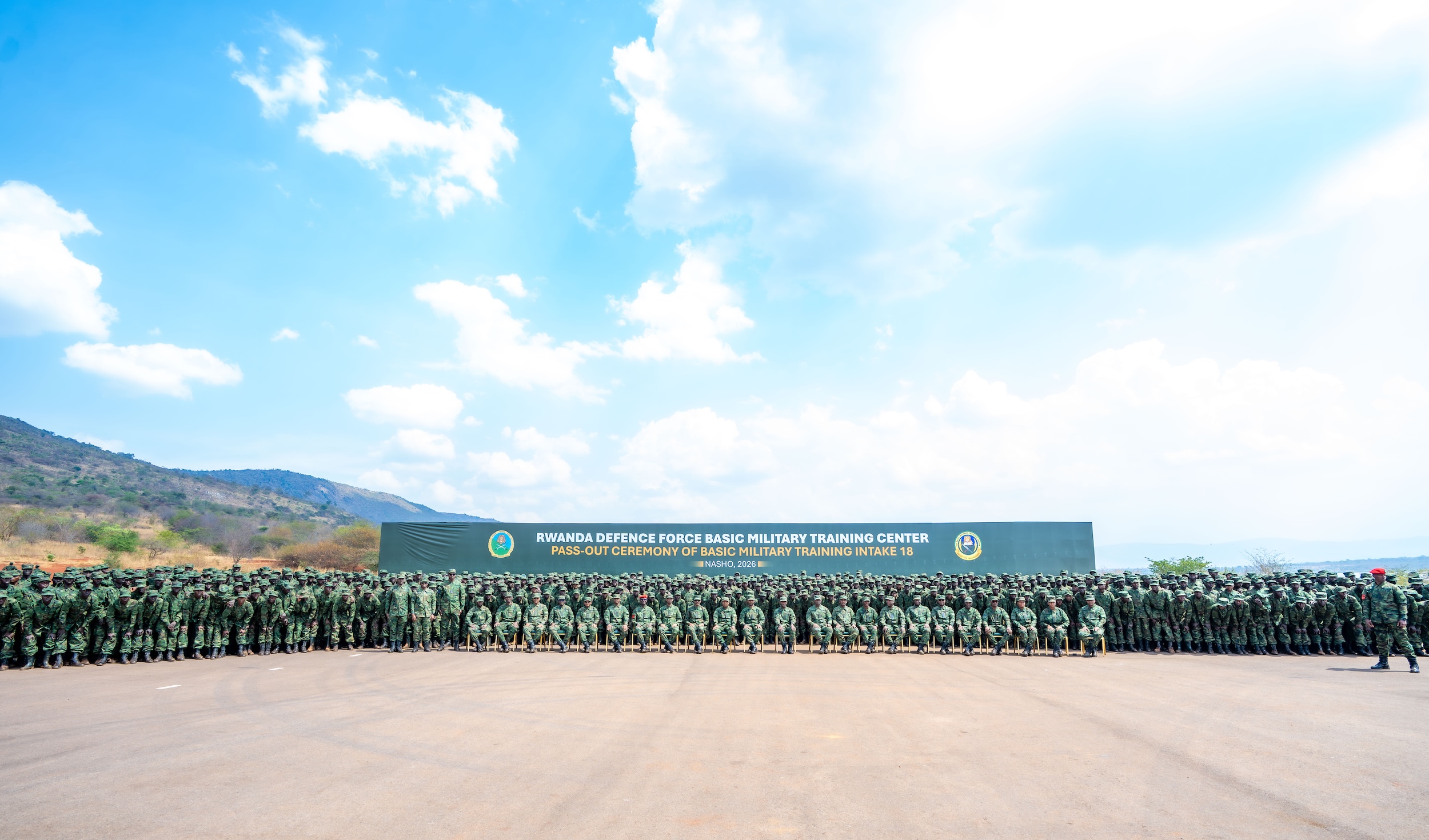
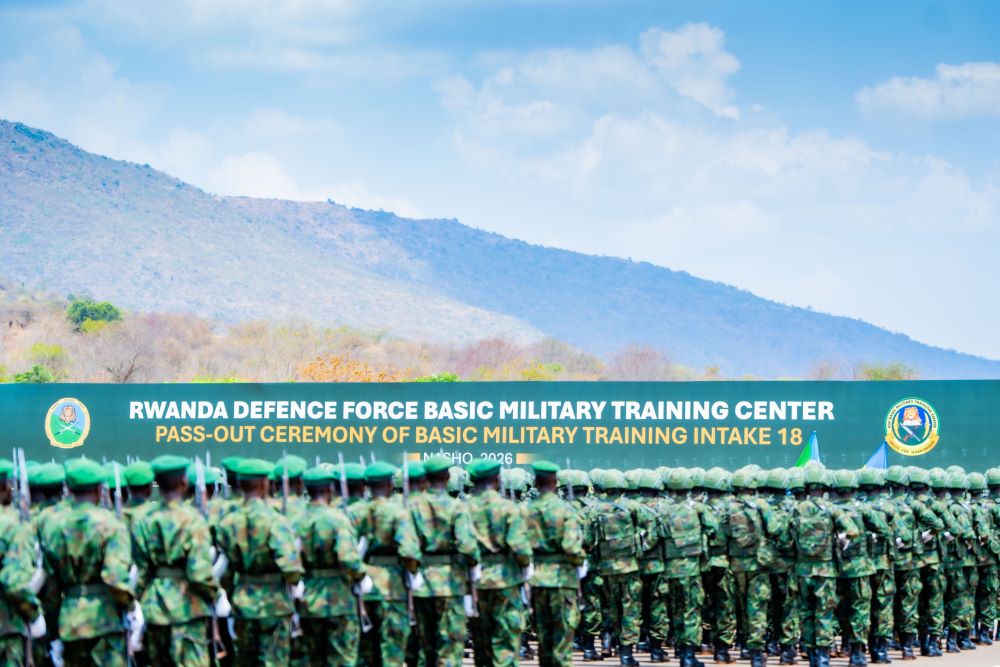
The pass-out ceremony was presided over by the Chief of Defence Staff of the Rwanda Defence Force, General MK Mubarakh, and attended by RDF generals, senior and junior officers, as well as other ranks.
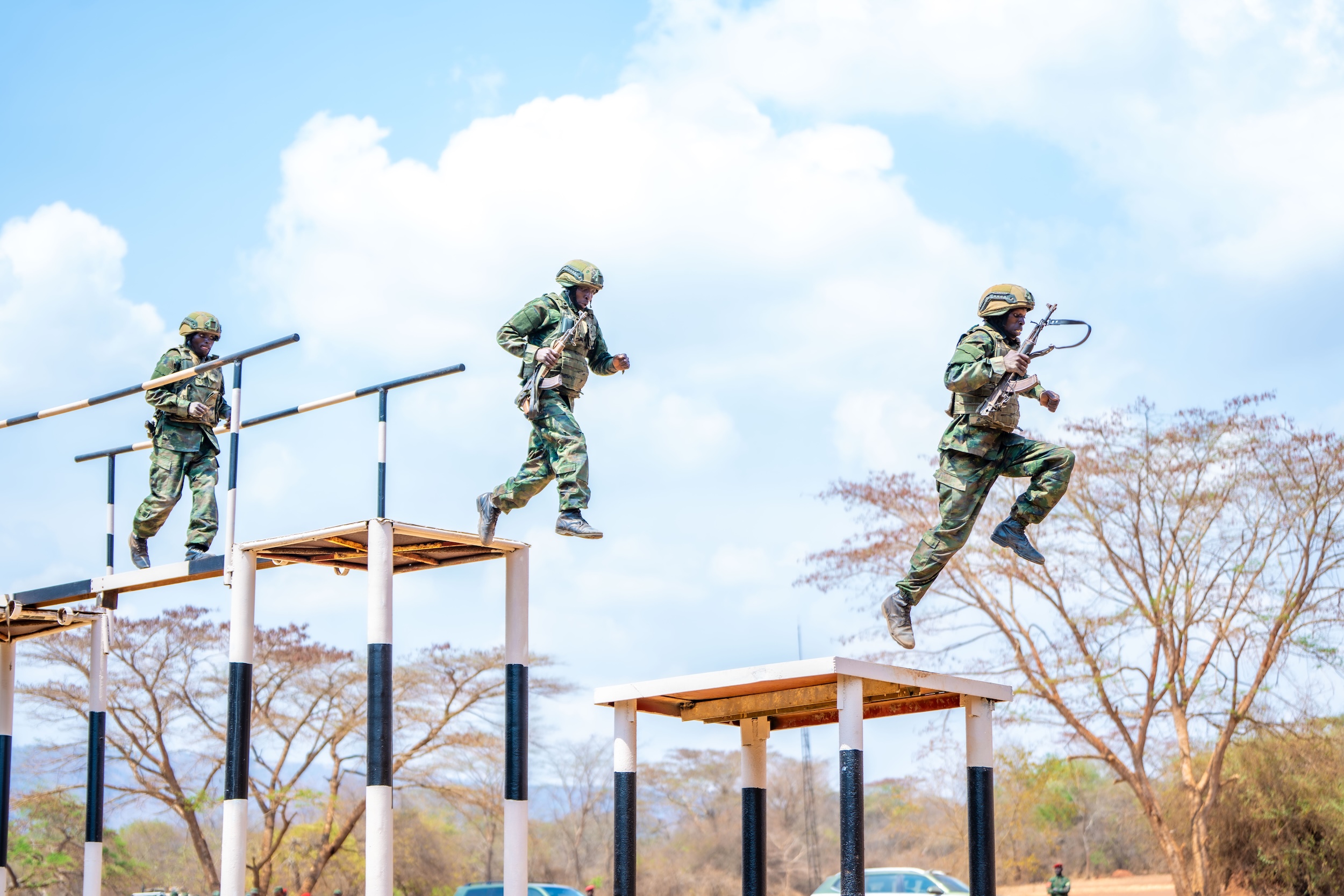
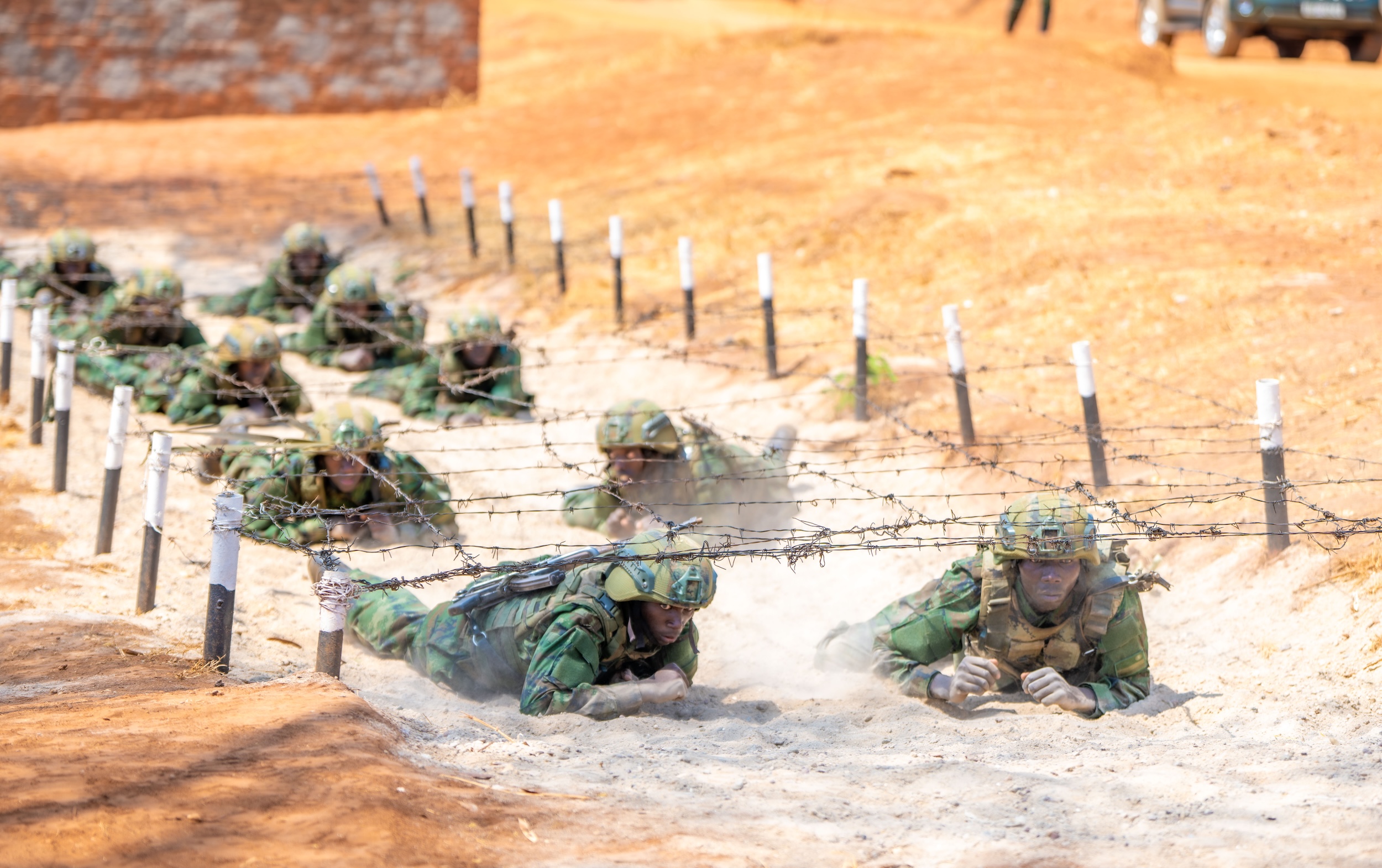
During the ceremony, the newly trained soldiers demonstrated the knowledge and skills they had acquired throughout their training, including marksmanship and a range of tactical drills, highlighting their readiness to undertake operational duties.
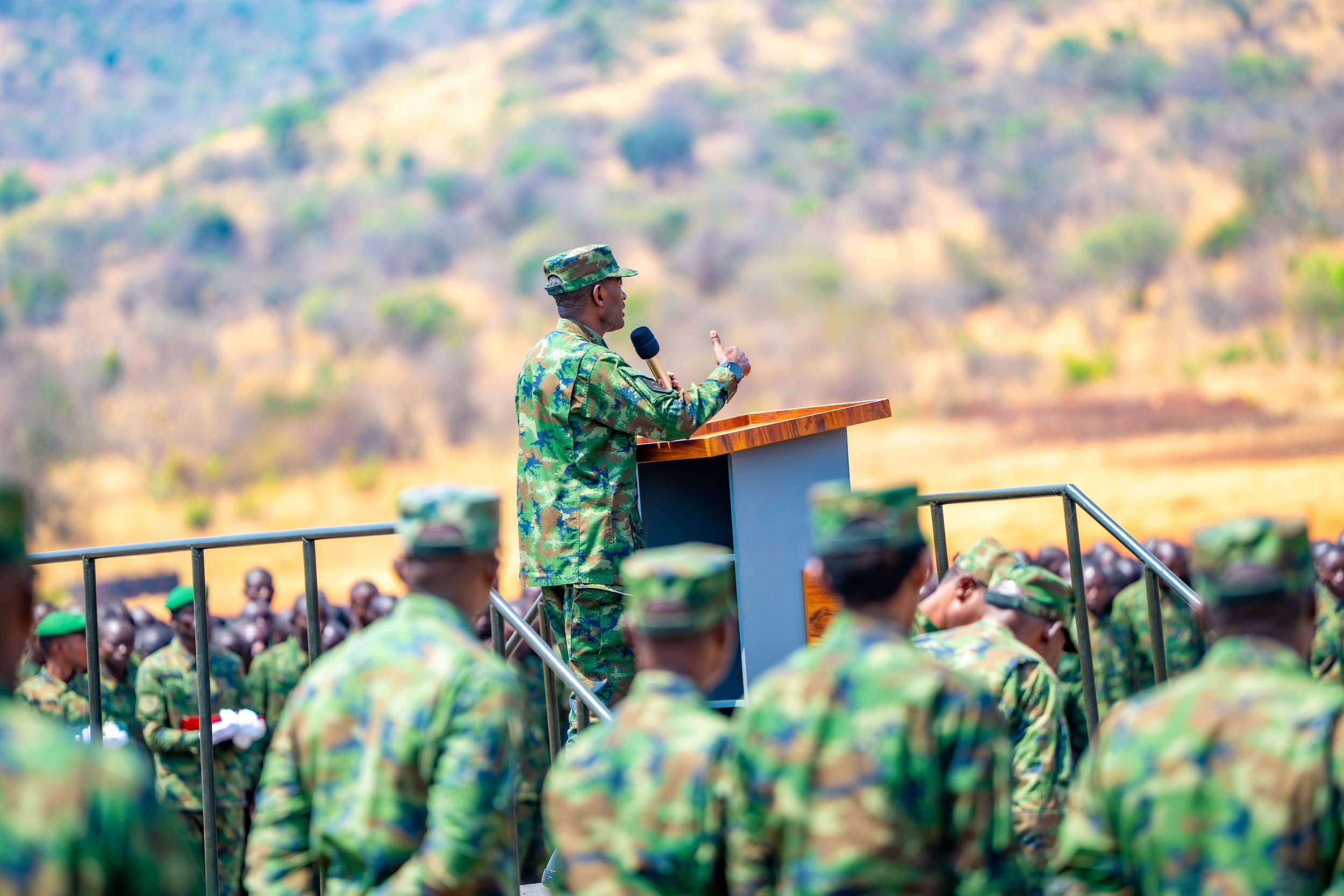
In his remarks, General MK Mubarakh congratulated the recruits on their resilience, commitment, and determination throughout the demanding training programme. He welcomed them into the RDF family and urged them to apply the knowledge and skills they had gained in safeguarding Rwanda’s sovereignty and protecting its citizens.
Gen MK Mubarakh also reiterated the guidance delivered by the President of the Republic and Commander-in-Chief of the Rwanda Defence Force to young people participating in the Indangamirwa Programme at the Gabiro Military Training Centre in Gatsibo District.
He encouraged the recruits to uphold the Kinyarwanda language, Rwandan culture, traditions, principles, and values, while remaining vigilant and prepared to confront any threats to the nation’s security.
He further urged them to reject complacency, divisionism, and rhetoric that promotes such tendencies, as well as negative behaviours, including excessive alcohol consumption and immoral conduct.
Gen Mubarak reminded the new soldiers that the training they had completed marked only the beginning of their military careers, emphasising that their professional development would continue through further training to enhance their knowledge and skills in line with the evolving requirements of the RDF.
He challenged them to put their training into practice, uphold the RDF’s vision and mission, and contribute to building a professional, capable, and disciplined force.
He particularly underscored the importance of discipline and adherence to the RDF’s core values as they integrate into their respective units and serve alongside their fellow soldiers.
The Chief of Defence Staff also commended the leadership of BMTC Nasho, particularly the instructors, for their unwavering dedication to developing the recruits’ knowledge, skills, and leadership qualities, thereby preparing them to make an effective contribution to the defence of the country.
New RDF soldiers demonstrate tactical drills during their graduation ceremony at the Basic Military Training Centre in Nasho.The Rwanda Defence Force has welcomed a new cohort of soldiers following the successful completion of six months of basic military training at BMTC Nasho.Newly graduated RDF soldiers demonstrate skills acquired during their training.The pass-out ceremony marked the completion of six months of basic military training.General MK Mubarakh addressed newly trained RDF soldiers, urging them to uphold discipline, patriotism and the force’s core values.
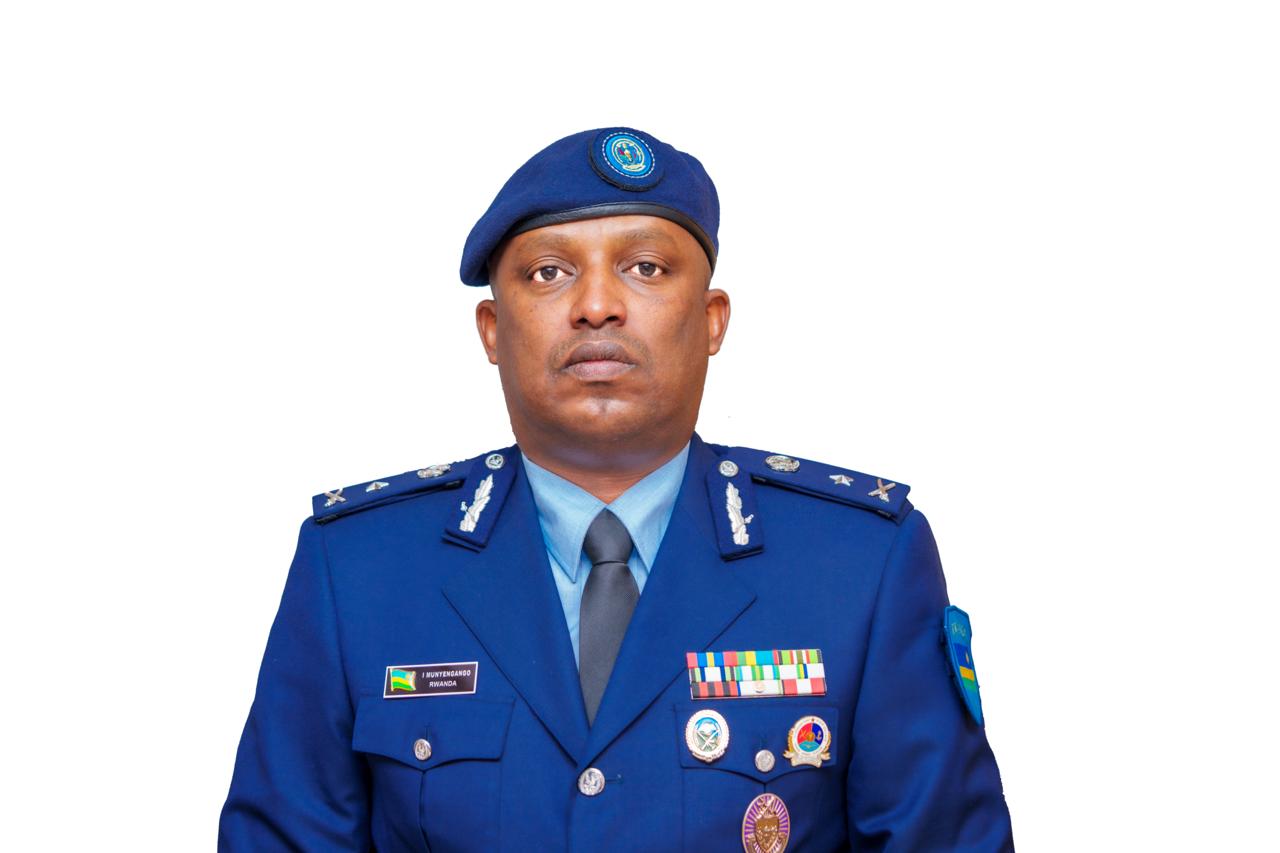
The appointments were announced in a communiqué released by the Office of the Prime Minister on July 30, 2026.
Brig Gen Munyengango takes up the ATL leadership after serving as Commander of the Logistics Brigade in the Rwanda Defence Force (RDF).
A career military officer with more than 35 years of service, he has held several senior positions, including RDF Joint Staff J5 for Strategy, Plans and Policy and Defence and Military Spokesperson. He has also served in United Nations peacekeeping missions in Sudan and South Sudan.
Brig Gen Munyengango holds a Master of Science degree in National Security Strategy from the National Defence University in the United States and a Master of Arts degree in International Affairs from the University of Ghana.
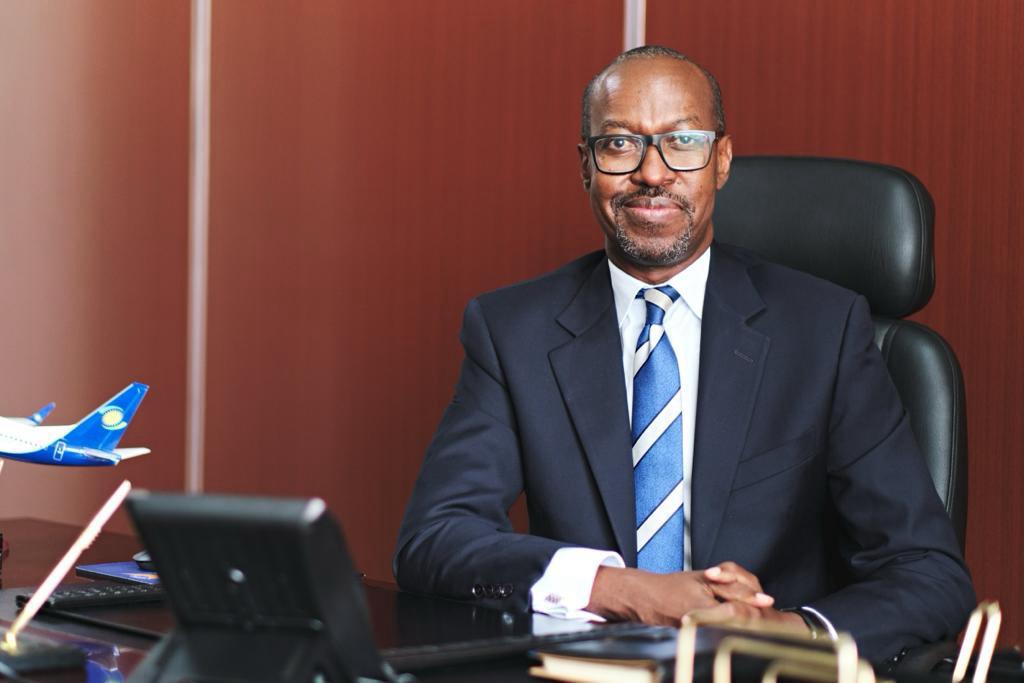
Jules Muheto Ndenga, appointed CEO of Airport City, is an engineer with extensive experience in infrastructure development and aviation-related projects.
Ndenga previously served as CEO of Aviation Travel and Logistics Holding Ltd, where he oversaw the group’s operations and strategic projects, including the development of the new Kigali International Airport in Bugesera.
He holds a Master of Science degree in Construction Management from the University of Birmingham in the United Kingdom and has previously worked in infrastructure planning, transport development and project management roles.
Airport City is a planned development around the new Kigali International Airport in Bugesera, designed to provide supporting services such as hotels, logistics facilities, commercial spaces and other amenities for passengers, investors and businesses operating around the airport.
The project is expected to complement the airport’s operations and contribute to the growth of Bugesera as a new hub for investment, trade and transport.
Brig Gen Innocent Munyengango has been appointed Chief Executive Officer of Aviation Travel and Logistics Holding Ltd (ATL).Jules Muheto Ndenga has been appointed Chief Executive Officer of Airport City, a planned development around the new Kigali International Airport in Bugesera.
The message of condolence was issued after news of Mukabalisa’s death emerged on Thursday morning, July 30, 2026.
She died at King Faisal Hospital in Kigali, where she had been receiving medical treatment.
“It is with heavy heart and great sorrow that the Senate of Rwanda announces the passing of Honourable Donatille Mukabalisa who died today , July 30, 2026, at the King Faisal Hospital in Kigali. Our thoughts are with the family of late Senator Donatille Mukabalisa,” reads a statement released by the Senate adding that details regarding the memorial service and funeral will be communicated later.
Mukabalisa was born in Nyamata, Bugesera District, in July 1960.
During her political career, she was elected as a Member of Parliament in October 2003, a position she held until 2008. She later served as a Senator from 2011 to 2013.
In 2013, Mukabalisa returned to the Chamber of Deputies, where she was later elected Speaker, a position she held until 2024 following new parliamentary elections. She did not seek re-election after completing two terms in the lower chamber.
Mukabalisa also served as the President of the Liberal Party (PL), a political party founded on July 14, 1991.
Mukabalisa died on Thursday succumbing to natural cause.
Makolo made the remarks on July 30, 2026, in response to comments by the Democratic Republic of the Congo’s (DRC) Minister of Communication and Media and Government Spokesperson, Patrick Muyaya.
Muyaya had announced that, as part of implementing the Washington Agreement, the FDLR had signed an agreement on disarmament, demobilisation, reintegration and relocation to a secure, monitored site.
In a post on X, Muyaya described the move as a major breakthrough in resolving the FDLR issue, despite the Washington Agreement making no provision for such a process.
Responding to the remarks, Makolo wrote: “The Washington Agreement calls for the neutralisation of the FDLR—not a negotiated protocol with a genocidal militia that the DRC government continues to arm and collaborate with.”
She added that declarations of voluntary disarmament are meaningless while the group remains integrated into the Congolese army and continues to fight on the frontlines.
“Voluntary ‘disarmament’ announcements while the FDLR remains embedded in the Congolese army & active on the frontlines change nothing. Implementation means verifiable dismantlement, not theatre.”
Makolo reiterated that Rwanda remains committed to implementing the agreement.
“Rwanda remains focused on implementation of the agreement. Our region deserves real security & stability, not paper exercises.”
On the evening of July 28, 2026, DRC’s Minister for Regional Integration, Floribert Anzuluni, accompanied by Patrick Muyaya, announced that the FDLR had agreed to lay down its arms, arguing that the remaining step was for Rwanda to lift its defensive measures.
The announcement came after Anzuluni had spent several days touring African and European countries, discreetly promoting a proposal prepared by the FDLR and signed by its president, Victor Byiringiro.
The document, described as the FDLR’s “self-dissolution” plan, was submitted to DRC President Félix Tshisekedi on May 30, 2026.
Government Spokesperson Yolande Makolo has reiterated that implementing the Washington Agreement requires the FDLR’s verifiable dismantlement, not what she describes as “theatre.”
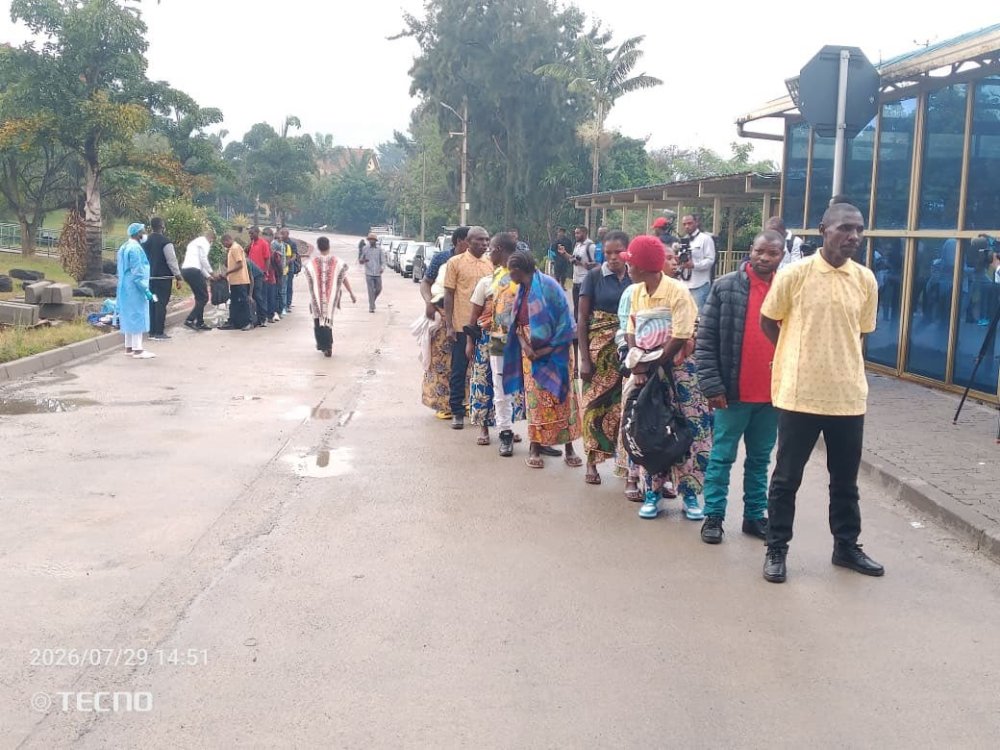
In a statement issued on July 29, 2026, RDRC said the repatriation ‘took place in the presence of media and MONUSCO officials following a comprehensive verification process which established that the individuals did not meet the eligibility requirements for Rwanda’s demobilisation and reintegration programme’.
The commission further reaffirmed its commitment to a rigorous verification process in line with established procedures, regional frameworks, as well as collaboration with regional and international partners to promote accountability, regional cooperation, and lasting peace.
Also on July 29, 2026, AFC/M23 spokesperson Lawrence Kanyuka alleged that the DRC government is recruiting civilians and encouraging them to falsely present themselves as former FDLR combatants in exchange for money.
Kanyuka claimed that after being promised payment, the Congolese nationals are enrolled in the Disarmament, Demobilisation and Reintegration (DDR) programme, which is overseen and implemented by the United Nations Organization Stabilization Mission in the DRC (MONUSCO).
According to AFC/M23, the alleged scheme is intended to conceal the presence of genuine FDLR fighters, a terrorist group that the DRC committed to dismantling under the peace agreement signed with Rwanda last year through mediation by the United States.
Kanyuka further accused the DRC government of continuing to integrate FDLR members into the country’s security institutions, alleging that some have been incorporated into the Armed Forces of the Democratic Republic of the Congo (FARDC) and the Wazalendo militia.
“Kinshasa uses the FDLR as a central component of its security apparatus. Members of this group have been integrated into FARDC, the Wazalendo militia and other state security institutions,” Kanyuka alleged.
He further claimed that some FDLR members are serving in the Republican Guard (GR), the elite unit responsible for protecting senior government officials and other high-profile figures.
AFC/M23 called for an end to what it described as the recruitment of civilians to falsely identify themselves as former FDLR combatants, arguing that the practice is intended to mislead the Congolese public and the international community.
The Rwanda Demobilisation and Reintegration Commission (RDRC) has repatriated 39 Congolese nationals to the DRC after they falsely claimed to be former FDLR combatants.