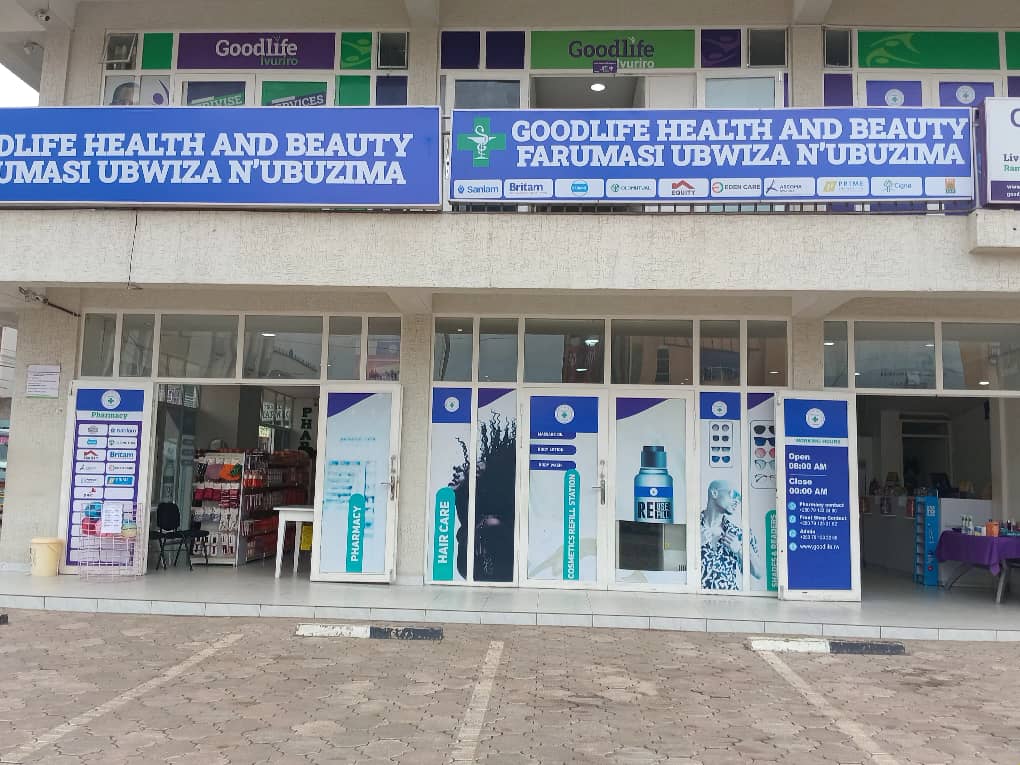
Since launching its flagship store in October 2022, Goodlife has expanded to 16 pharmacy locations nationwide, offering medicines, pharmacy services, and a range of health and wellness products. The company serves more than 100,000 customers each month and operates a customer loyalty program with over 100,000 registered members.
The investment comes from BK Capital’s Africa Private Debt Fund, which focuses on providing financing to businesses in Rwanda. The financing will support further expansion of Goodlife’s network, strengthen its supply chain, and improve operational capacity across both standalone and hospital-based outlets.
Goodlife operates pharmacy services at Kibagabaga Hospital in collaboration with the Ministry of Health and Rwanda Medical Supply, and has partnered with Legacy Clinics, a private healthcare provider.
Goodlife has quickly established one of the first world-class pharmacy chains in Rwanda,” said Théogène Uwimpuhwe, Acting Managing Director of BK Capital. “We are pleased to provide the capital needed to fuel this industry pioneer’s next phase of growth, ultimately improving access to quality healthcare and medicines for all Rwandans.”
“Access to medicines and professional pharmacy services is essential for healthcare delivery,” said Grant M. Beyers, Chief Executive Officer of Goodlife Health and Beauty. “This investment will support our ongoing expansion and operational improvements.”
The transaction was supported by Steve Mutaboba, who acted as Lead Financial and Strategic Advisor to Goodlife.
The investment reflects continued investor confidence in Rwanda’s healthcare sector and the role of private capital in supporting access to essential health products and services.
The complaint, filed in the United States District Court for the District of Massachusetts, accused the Ivy League university of violating the civil rights of Jewish and Israeli people and turning “a blind eye” to antisemitism and discrimination against Jews and Israelis.
Jewish and Israeli students were subjected to severe, pervasive, and objectively offensive harassment on the ground of their race or national origin, and they were excluded from participation in and denied the benefits of a Harvard education because of their race, ethnicity, or national origin, the complaint alleged.
The complaint also contended that Harvard had actual knowledge of and was “deliberately indifferent” to the harassment and exclusion of Jewish and Israeli students, and that it “intentionally” discriminated against Jews and Israelis.
Since January 2025, the U.S. administration has issued threats to several U.S. universities, warning them of potential funding cuts if they fail to adjust their policies. The main demands included eliminating what was described as antisemitism on campus and dismantling diversity initiatives that favor certain minority groups.
In April 2025, after Harvard rejected the U.S. administration’s demands, the administration announced it would freeze 2.2 billion U.S. dollars in multiyear grants and 60 million dollars in multiyear contract funds for the university.
In February, U.S. President Donald Trump announced that his administration was seeking 1 billion dollars in damages from Harvard University.
This photo taken on May 24, 2025 shows a view of the Harvard University campus in Cambridge, Massachusetts, the United States
Nowhere is this more critical than in the movement of money. Banking has evolved from cash, to cards, to digital wallets, where today, a fingerprint or a glance at your device can move funds in seconds. As financial services become faster and more seamless, the responsibility to secure them becomes even greater.
At the center of Rwanda’s financial ecosystem, RSwitch Ltd has taken deliberate steps to meet this responsibility.
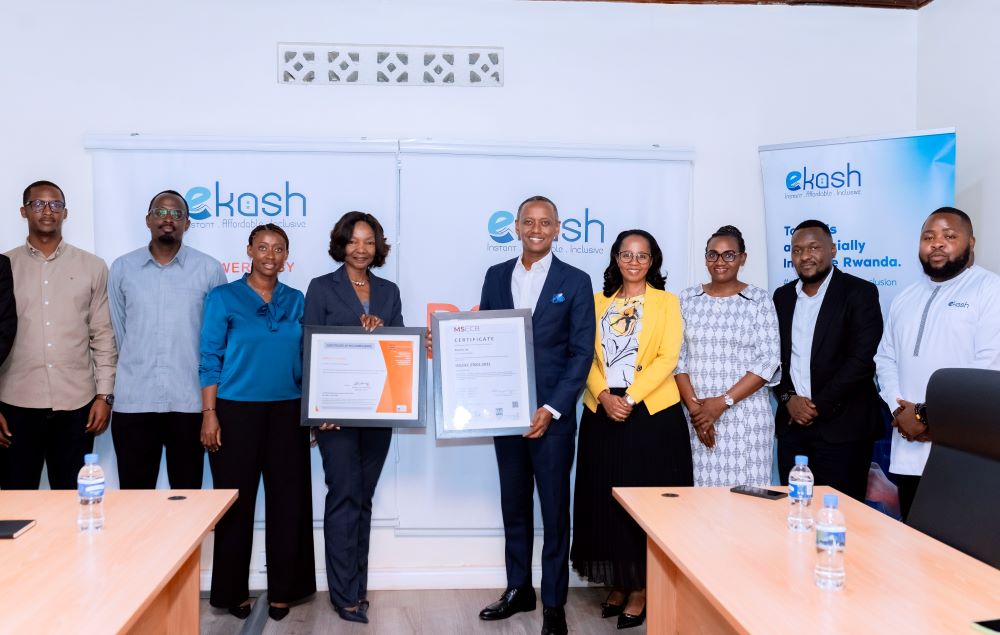
Through rigorous training, testing, and independent assessment, RSwitch has achieved both PCI DSS and ISO/IEC 27001:2022 certifications globally recognized benchmarks for security and data protection.
What is PCI DSS?
PCI DSS (Payment Card Industry Data Security Standard) is an international certification that ensures organizations handle card transactions securely. It requires adherence to 12 strict security controls designed to protect cardholder data from fraud and breaches.
What is ISO/IEC 27001:2022?
ISO/IEC 27001:2022 is a global standard for information security management. It confirms that an organization has implemented systems, processes, and controls to manage risks, protect data, and ensure long-term resilience against cyber threats.
Why should people care?
At its core, this is not about technical certifications; it is about trust. By achieving ISO/IEC 27001:2022 and PCI DSS, RSwitch is demonstrating that every transaction moving through its systems is protected by globally recognized safeguards. In practical terms, this means people can send money, make payments, and use digital financial services with confidence, knowing that their funds are not only secure, and their personal data is handled with the highest level of care.
Beyond individual transactions, these certifications signal something bigger: reliability and accountability at a national level. They show that RSwitch’s infrastructure has been independently tested and meets international benchmarks for security and resilience, even under pressure. For users, this translates into a system that works consistently and safely; for partners and investors, it positions Rwanda as a trusted, globally competitive player in the digital financial ecosystem.
As Rwanda continues its journey toward a cashless and inclusive economy, solutions like SmartCash and eKash are leading the way. With globally recognized certifications now in place, RSwitch is not only powering these innovations it is securing them for the future.
RSwitch has achieved both PCI DSS and ISO/IEC 27001:2022 certifications globally recognized benchmarks for security and data protection. RSwitch Ltd has taken deliberate steps to secure financial services.
According to the UNESCO, the cryosphere, including glaciers, ice sheets, permafrost, sea ice and snow, holds around 70 percent of the Earth’s freshwater, but is shrinking rapidly. Its loss is already affecting water security, ecosystems, infrastructure and disaster risks worldwide.
“Cryosphere loss is not just about water security. It is also about mass migration, agriculture, infrastructure and geopolitical issues,” French glaciologist Heidi Sevestre said during a panel on the DACS.
The decade therefore needs an explicit strategy to bring these issues into security forums, finance conferences, health conferences and geopolitical summits, Sevestre added.
“The region of the ‘Third Pole,’ where China is located, is one of the most crucial, most urgent and most globally consequential areas in terms of cryospheric change. In this context, international cooperation is indispensable for cryosphere research,” Yao Tandong, member of the Chinese Academy of Sciences, told Xinhua.
China has already accumulated valuable experience in international cooperation in research on the Third Pole, which is of great significance for the future implementation of the Decade, Yao said.
For John Pomeroy, chair of the Ad Hoc Management Committee of the DACS, the resolution of current cryospheric models remains too coarse for mountain regions, while the representation of processes in polar areas is still inadequate.
In his view, next-generation models should be co-developed with local communities, feature high resolution, offer genuine scalability, and be closely integrated with observation systems.
Nairobi County Police Commander Issa Mohamud said the latest incident occurred on Wednesday night in the Westlands area of Nairobi, where the upper section of a 22-storey building partially caved in, leaving one worker dead.
“Investigations are ongoing to establish the cause of the collapse. We have accounted for all workers at the scene,” Mohamud said.
He noted that local authorities were also trying to determine why construction was ongoing at night.
Out of four workers involved, two managed to escape unhurt, one was rescued with injuries, and another succumbed to injuries sustained in the collapse, he added.
Emergency teams, including personnel from the Kenya Red Cross, worked overnight to secure the site and carry out rescue operations, managing to reach those believed to be trapped under the debris.
The incident came hours after a separate tragedy in Kericho County, where another building under construction collapsed, leaving one person dead and several others injured.
Kericho County Commissioner Jeremiah Gicheru confirmed that four workers were rescued and rushed to Kericho County Referral Hospital for treatment.
Photo used for illustration shows Kenyan police attending the scene of a building collapse in Ruaka, on the outskirts of the capital Nairobi, Kenya Thursday, Nov. 17, 2022. (AP Photo)
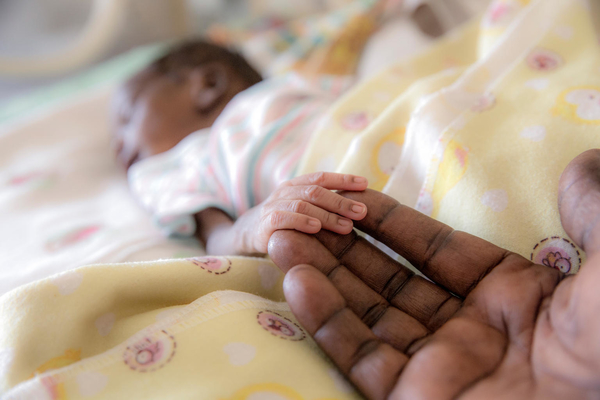
However, the pace of reduction in child mortality has slowed by over 60 percent since 2015, the “Levels & Trends in Child Mortality” report said.
An estimated 4.9 million children died before their fifth birthday in 2024, including 2.3 million newborns, and most of these deaths were preventable with proven, low-cost interventions and access to quality health care.
Newborn deaths accounted for nearly half of all under-five deaths, reflecting slower progress in preventing deaths around the time of birth, the report said.
Leading causes among newborns were complications from preterm birth and complications during labor and delivery, it said, adding that infections, including neonatal sepsis and congenital anomalies, were also important causes.
For the first time, the report estimated deaths directly caused by severe acute malnutrition, finding that more than 100,000 children aged 1 to 59 months died from it in 2024.
Child deaths remain highly concentrated geographically. In 2024, sub-Saharan Africa accounted for 58 percent of all under-five deaths, followed by Southern Asia with 25 percent, according to the report.
“To accelerate progress and save lives, UNICEF calls on governments, donors and partners to make child survival a political and financing priority, to focus on those at highest risk, strengthen accountability and invest in primary healthcare systems,” Farhan Haq, deputy spokesperson for the UN secretary-general, said at a daily briefing.
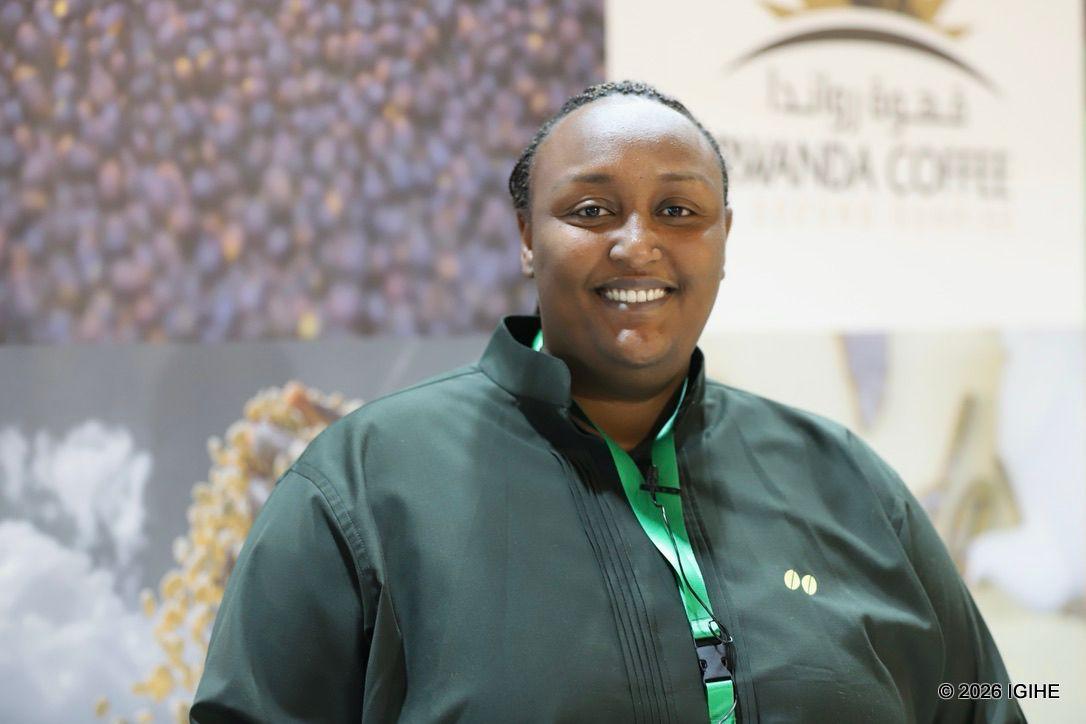
Among these trailblazers is Clarisse Nzungize, Managing Director of COOPAC Ltd, a family-owned coffee company that has become a beacon of innovation, sustainability, and empowerment in Rwanda’s coffee industry.
COOPAC Ltd, founded in 2001 by Emmanuel Nzungize Rwakagara and Maggie Kagimbanyi, started as a small initiative nestled in the hills surrounding Lake Kivu. Over the years, the company has grown into one of Rwanda’s most respected specialty coffee producers. Today, it not only produces and exports high-quality Arabica coffee but also stands as a testament to the power of female leadership in traditionally male-dominated industries.
Nzungize, the third-generation leader at COOPAC, is at the helm of a company that combines a rich family heritage with modern innovation. Her leadership exemplifies how women in Rwanda are reshaping the coffee sector.
Under her guidance, COOPAC continues to grow, focusing on quality, sustainability, and empowering local farmers. The company now works with over 5,300 farming families across three districts, helping to elevate their livelihoods while producing top-tier coffee that has earned Fairtrade and Organic certifications.
COOPAC’s success story is rooted in its people-centered business model. The company doesn’t just produce coffee; it reinvests in the communities that make its success possible. COOPAC actively empowers farmers through training in best agricultural practices, offering fair and stable prices, and providing women with leadership opportunities in the industry. This approach drives social change, making each harvest a step forward for community development.
The company is equally committed to sustainability, with environmental initiatives like planting thousands of indigenous trees each year, soil conservation through terracing, and safeguarding natural resources around Lake Kivu.
Besides, the company’s livestock programs have distributed over 3,000 cows and goats, improving nutrition and boosting household income. In addition, COOPAC supports education and healthcare by constructing and renovating classrooms and assisting local health centers and community clinics.
As COOPAC looks to the future, its vision remains rooted in the values of family, sustainability, and community. With a commitment to inspiring the next generation of coffee farmers, the company continues to share the rich culture of Lake Kivu’s coffee with the world.
Nzungize’s leadership exemplifies the role of women entrepreneurs in transforming industries and creating lasting social impact. As Rwanda celebrates women’s rights this month, it is leaders like Nzungize who are turning coffee into a powerful tool for empowerment, change, and hope.
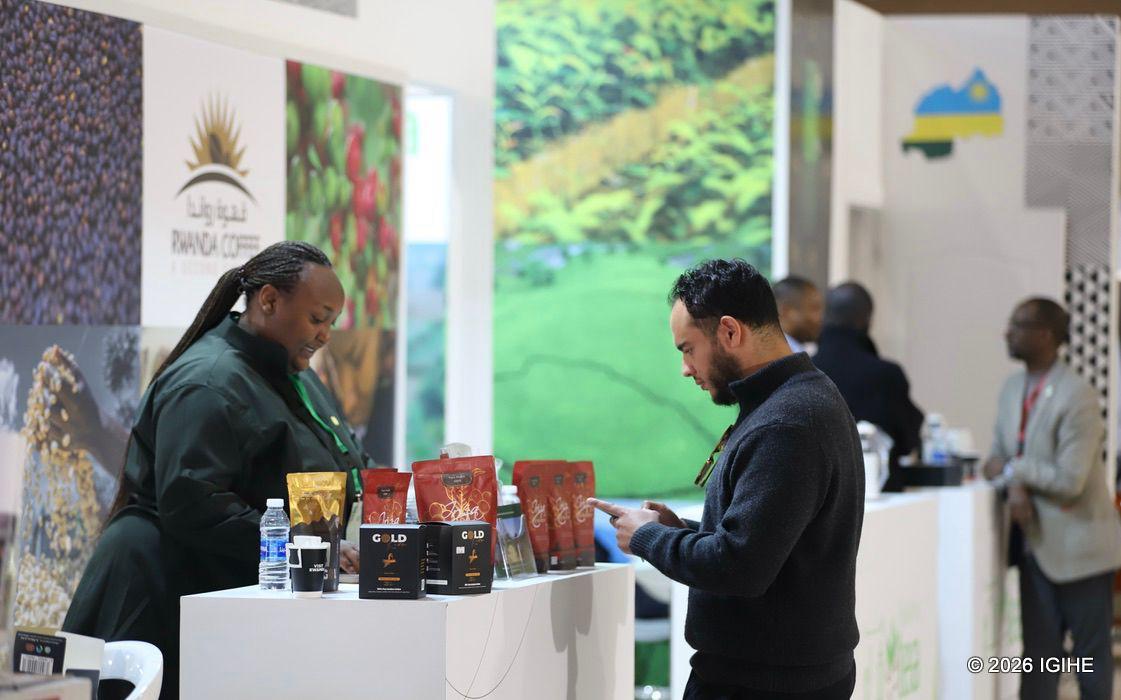
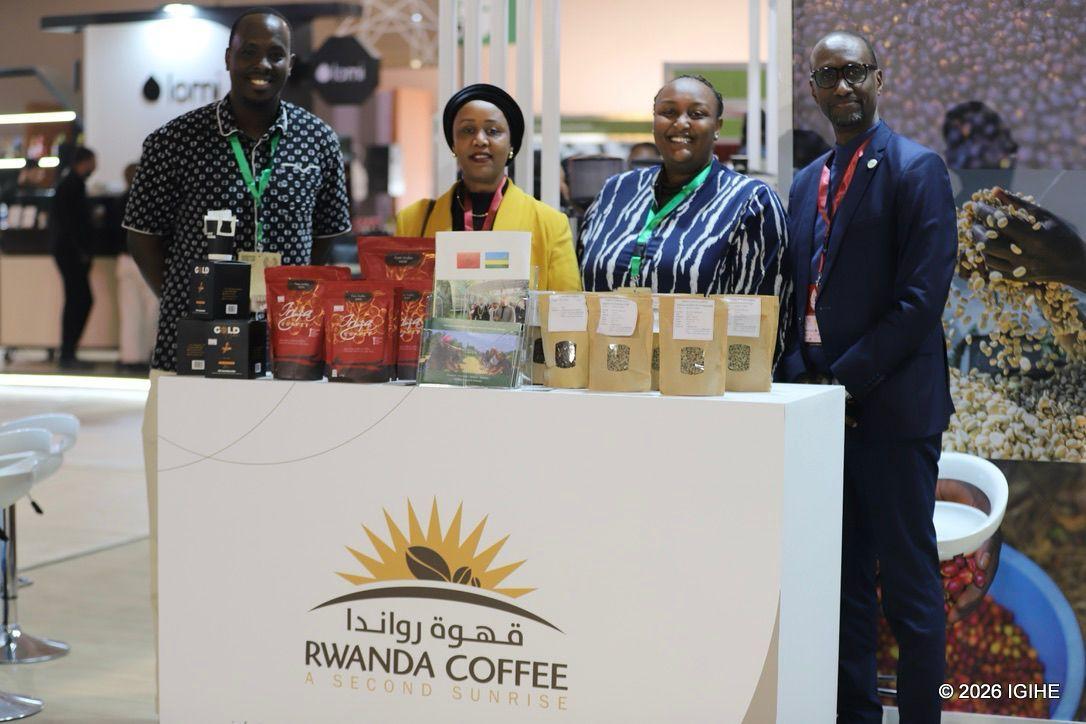
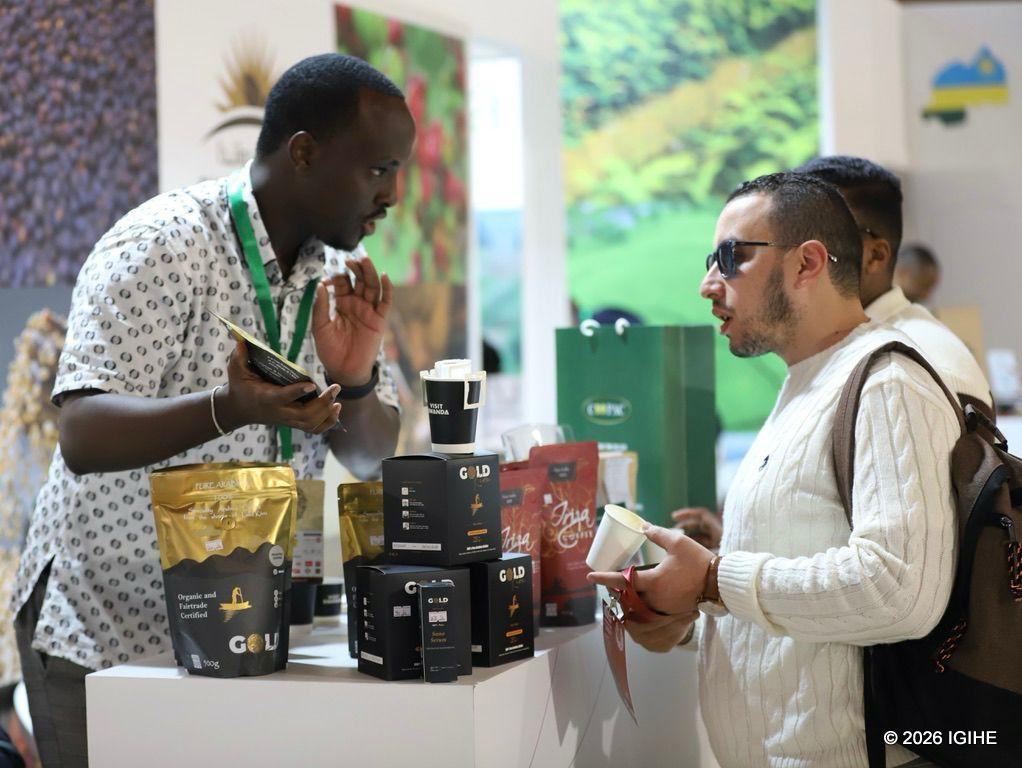
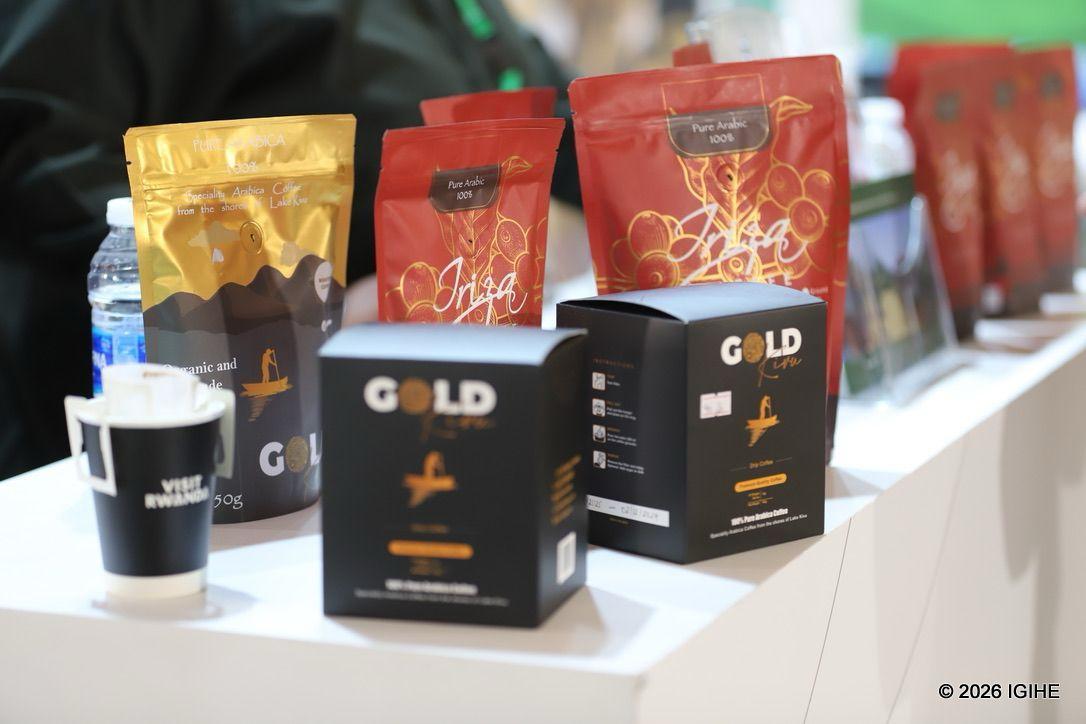
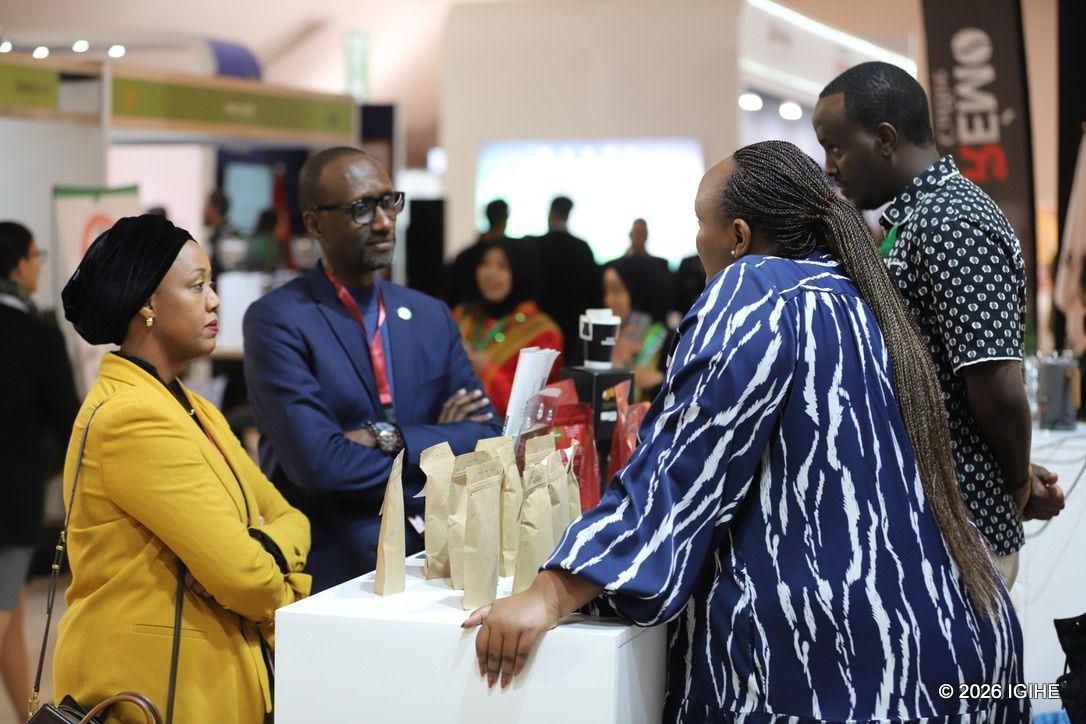
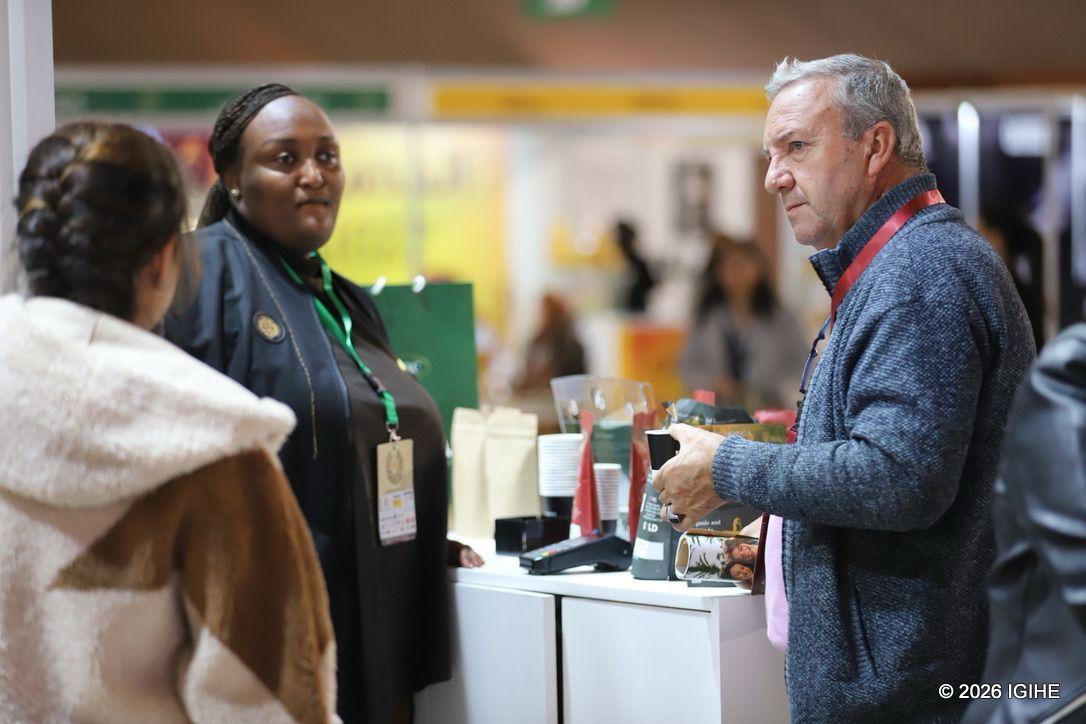
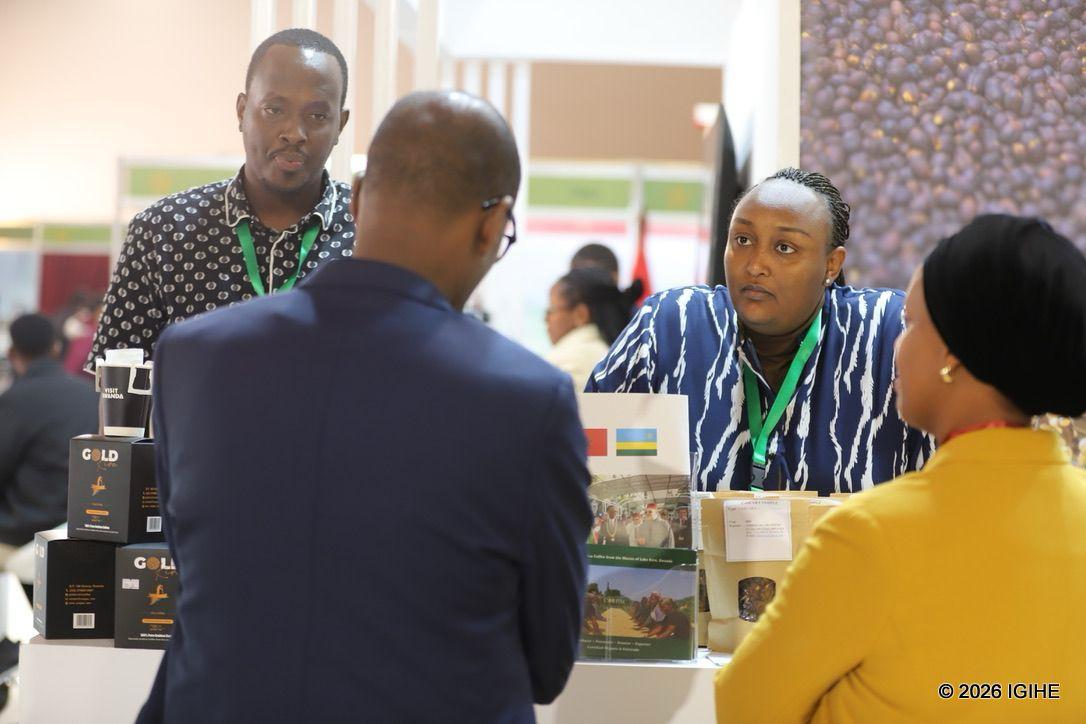
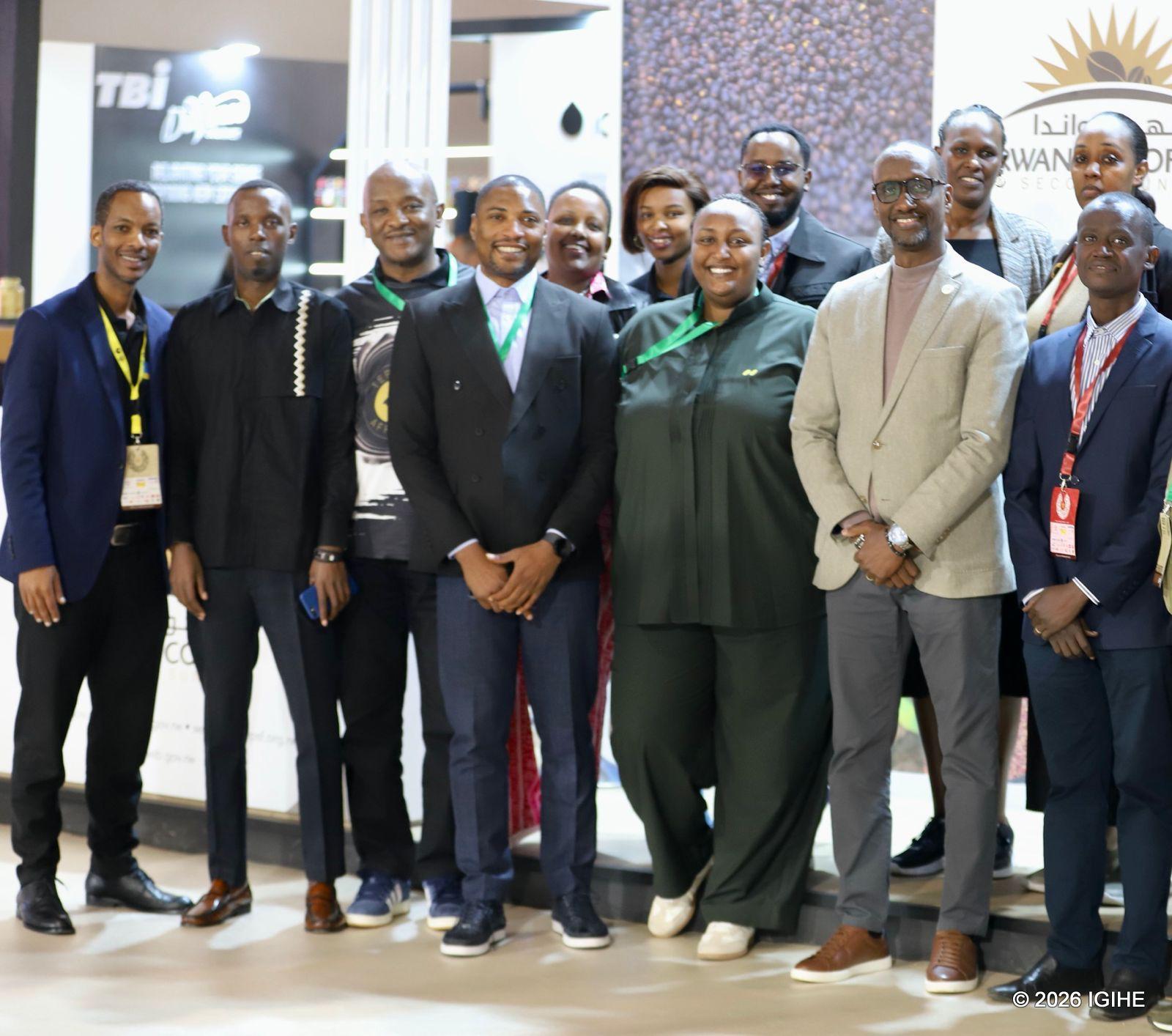
Clarisse Nzungize is the Managing Director of COOPAC Ltd Clarisse Nzungize, Managing Director of COOPAC Ltd, takes part in many exhibitions showcasing Rwanda. This illustration photo was taken in Morocco.Clarisse Nzungize, Managing Director of COOPAC Ltd attends many exhibitions.This photo shows her along with officials including NAEB CEO, Claude Bizimana at a past exhibition and Amb. Umutoni Shakilla, Rwanda’s Ambassador to Morocco.COOPAC Ltd stand at a past exhibition in Morocco. This photo shows samples of COOPAC Ltd coffee presented at the exhibition held in Marrakech.
The race will test riders’ speed, endurance, and determination as they navigate the rugged terrain. Open to all motorcycle enthusiasts, the event welcomes both experienced racers and newcomers eager to experience the thrill of enduro racing.
Spectators can expect a day filled with high-energy action as riders take on the demanding track. With free entry for all attendees, the event promises an exciting outdoor atmosphere, where fans can enjoy watching powerful bikes tackle the course while sipping on ice-cold Virunga Beer.
For those interested in competing, registration is open by calling 0789 628 762. Sponsored by Virunga Beer, the event is set to be an unforgettable gathering for motorsport fans, combining adrenaline-fueled racing with the vibrant energy of the crowd.
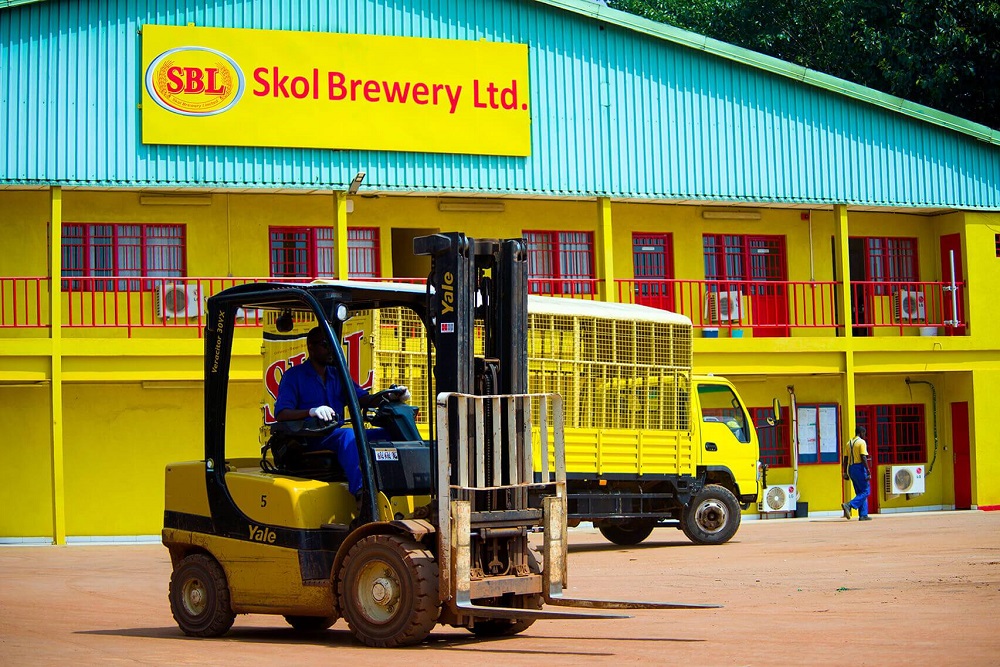
The event is sponsored by SKOL BREWERY through Virunga Beer brand
This growth highlights the success of the Group’s strategic transformation, which includes diversified revenue streams, enhanced efficiency, and strong regional contributions.
The Group’s balance sheet expanded by 9% to KSh1.97 trillion, with customer deposits rising by 4% to KSh1.46 trillion and net loans increasing by 8% to KSh882.5 billion. Additionally, the number of customer accounts grew to 22.4 million, supported by a robust regional distribution and digital ecosystem.
Equity’s total income increased by 12% to KSh217.7 billion, reflecting strong performance across various income streams, including a 17% rise in net interest income and a 7% growth in non-funded income.
Operational efficiency saw a notable improvement, with the cost-to-income ratio dropping from 58.2% to 51%. Over 98% of customer transactions were processed outside branches, with 88.4% of these through digital channels, demonstrating the continued demand for digital services.
Dr. James Mwangi, Equity Group’s Managing Director and CEO, attributed the performance to the Group’s successful transformation into a diversified regional financial services group.
“Our regional subsidiaries now contribute about half of our banking profitability, demonstrating the value of our pan-African footprint,” he said.
Equity’s regional operations, including those in the DRC, Uganda, Rwanda, and Tanzania, contributed significantly to the Group’s profitability, with profits rising by 58% in the DRC and 500% in Uganda.
Subsidiaries accounted for 51% of banking profit before tax and 48% of banking profit after tax.
Equity Bank Kenya Limited (EBKL) also posted a strong performance, with a 63% increase in PAT to KSh39.2 billion, driven by a 28% rise in net interest income. The Bank’s leadership in MSME financing was recognized at the Kenya Bankers Association Sustainable Finance Initiative (KBA SFI) Awards, where it was named the Best Bank for MSME Financing, contributing 45% of all bank lending to SMEs.
The Group’s insurance subsidiary, Equity Insurance Group, also saw substantial growth, with gross written premiums rising 75% to KSh9.17 billion. Profit Before Tax for the insurance unit grew by 36%, and insurance revenue surged by 150%.
Equity’s strong performance is underpinned by its commitment to social impact. Through the Equity Group Foundation (EGF), the Group supported 1,115 scholars with global university scholarships, empowered nearly 1 million entrepreneurs, and provided over KSh401 billion in credit to MSMEs.
Additionally, EGF is training over 600,000 youth in AI, machine learning, and data analytics, further contributing to the continent’s sustainable growth.
As part of its growth strategy, Equity Group continues to execute its 2030 vision, which includes expanding its operations to 15 countries and serving 100 million customers by 2030. The Group is positioning itself as a “Transformation Finance Institution,” mobilizing capital and driving inclusive prosperity across Africa.
Dr. Mwangi concluded, “Through our Africa Recovery and Resilience Plan, we are investing in next-generation digital and AI-enabled capabilities that enhance customer experience, strengthen risk management, and lower the cost-to-serve, while extending access to affordable credit, insurance, and investment solutions.”
Equity Group remains focused on building a future-ready institution that drives inclusive, sustainable growth across Africa, leveraging digital transformation and strategic partnerships.
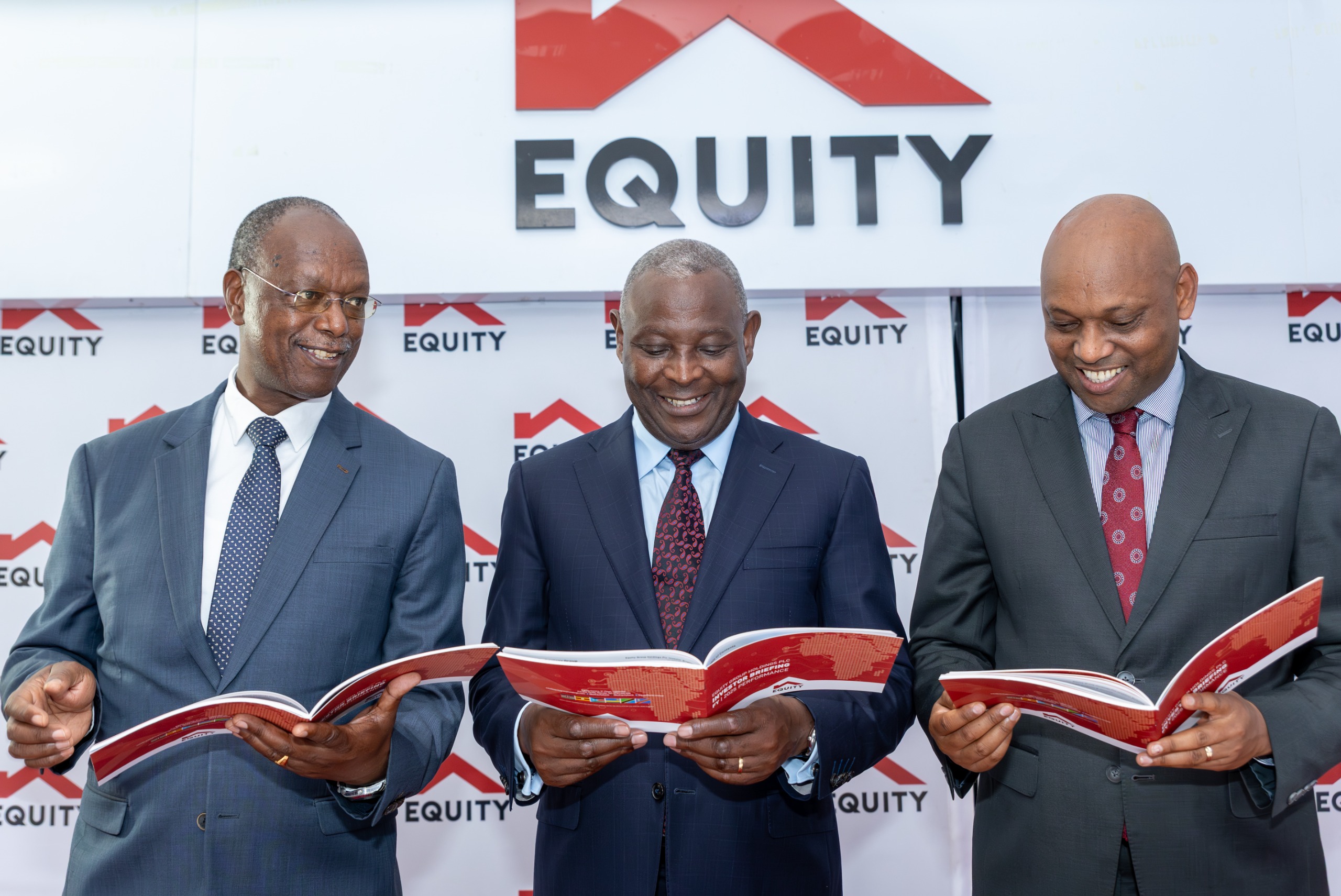
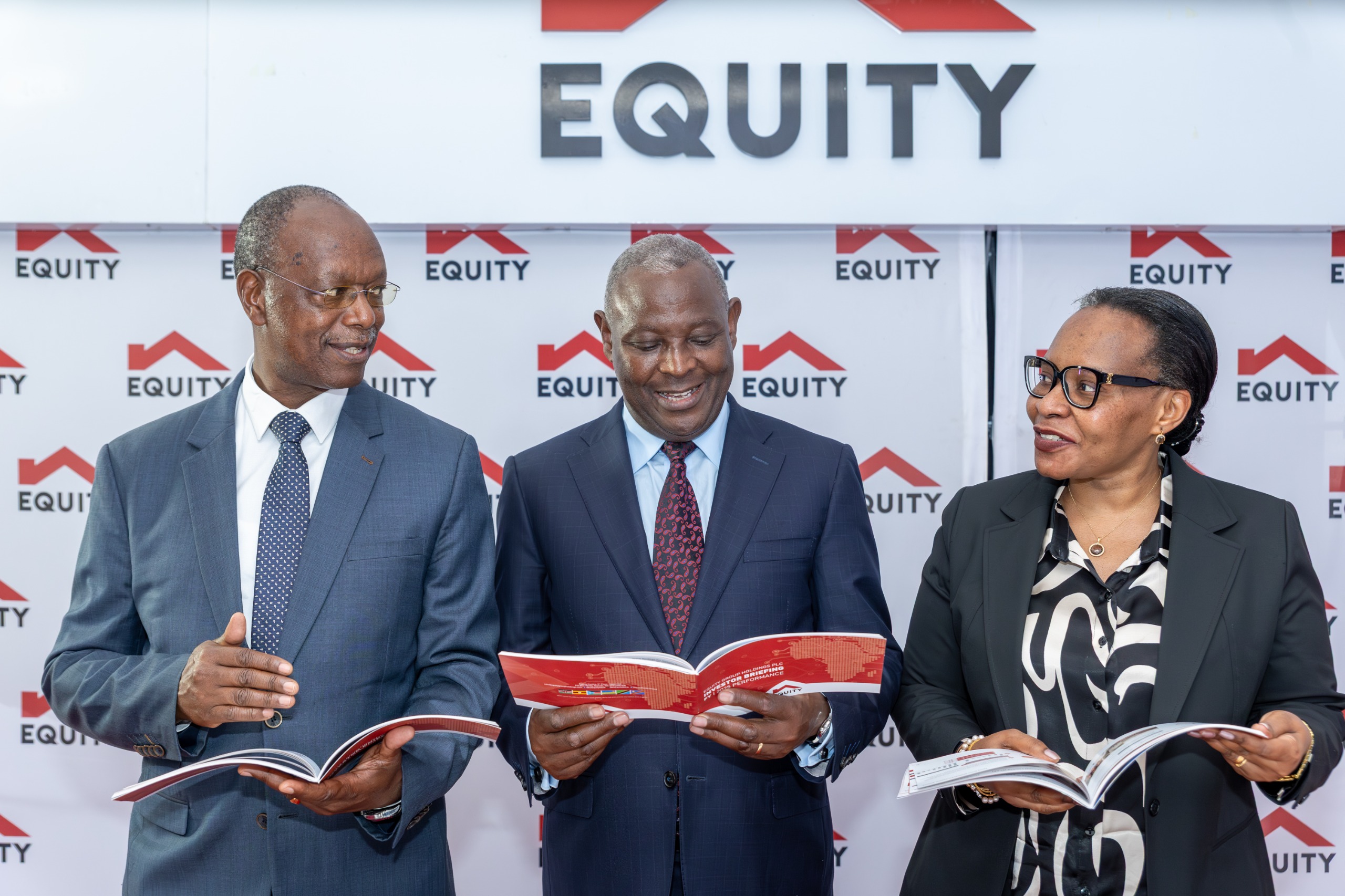
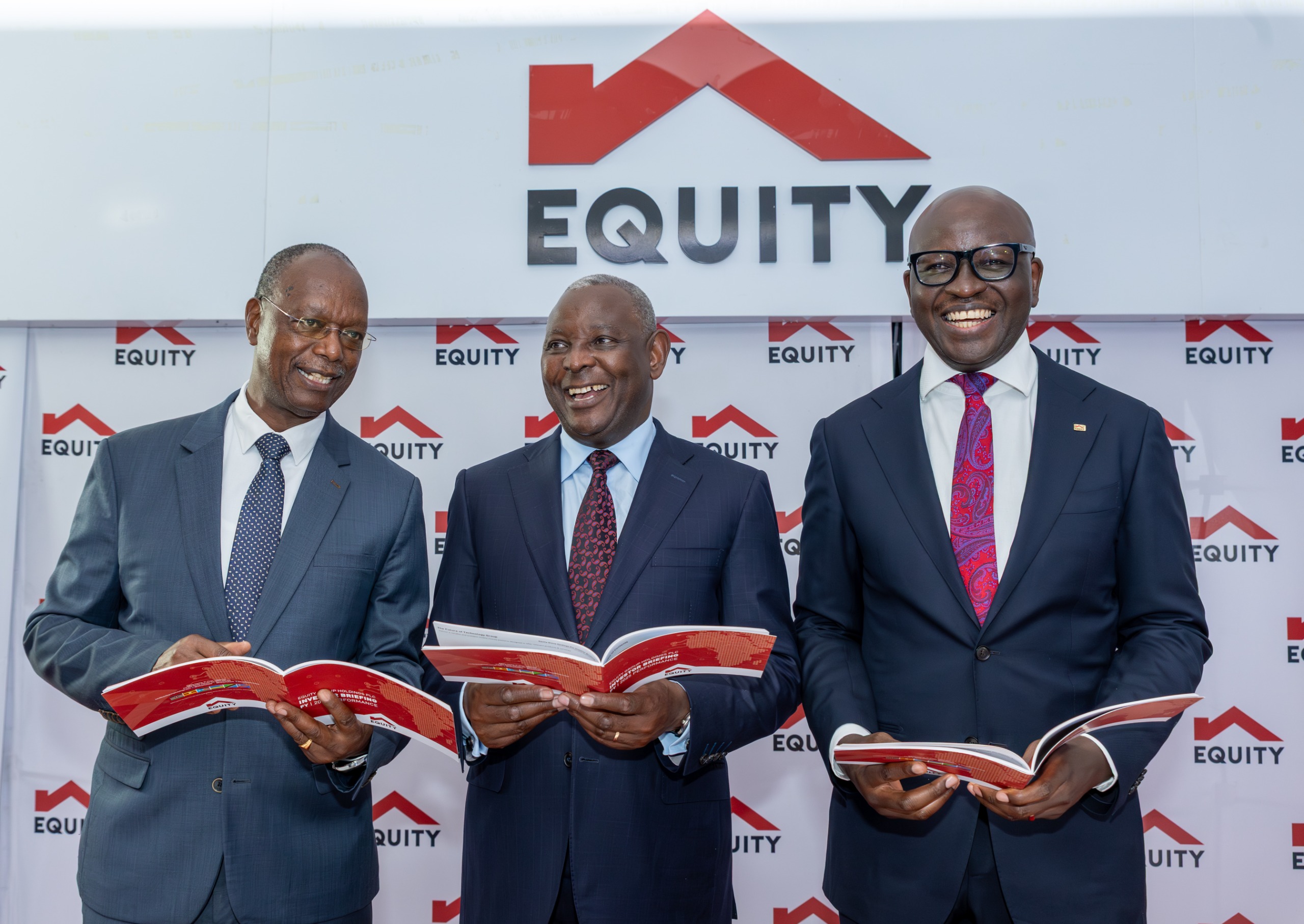
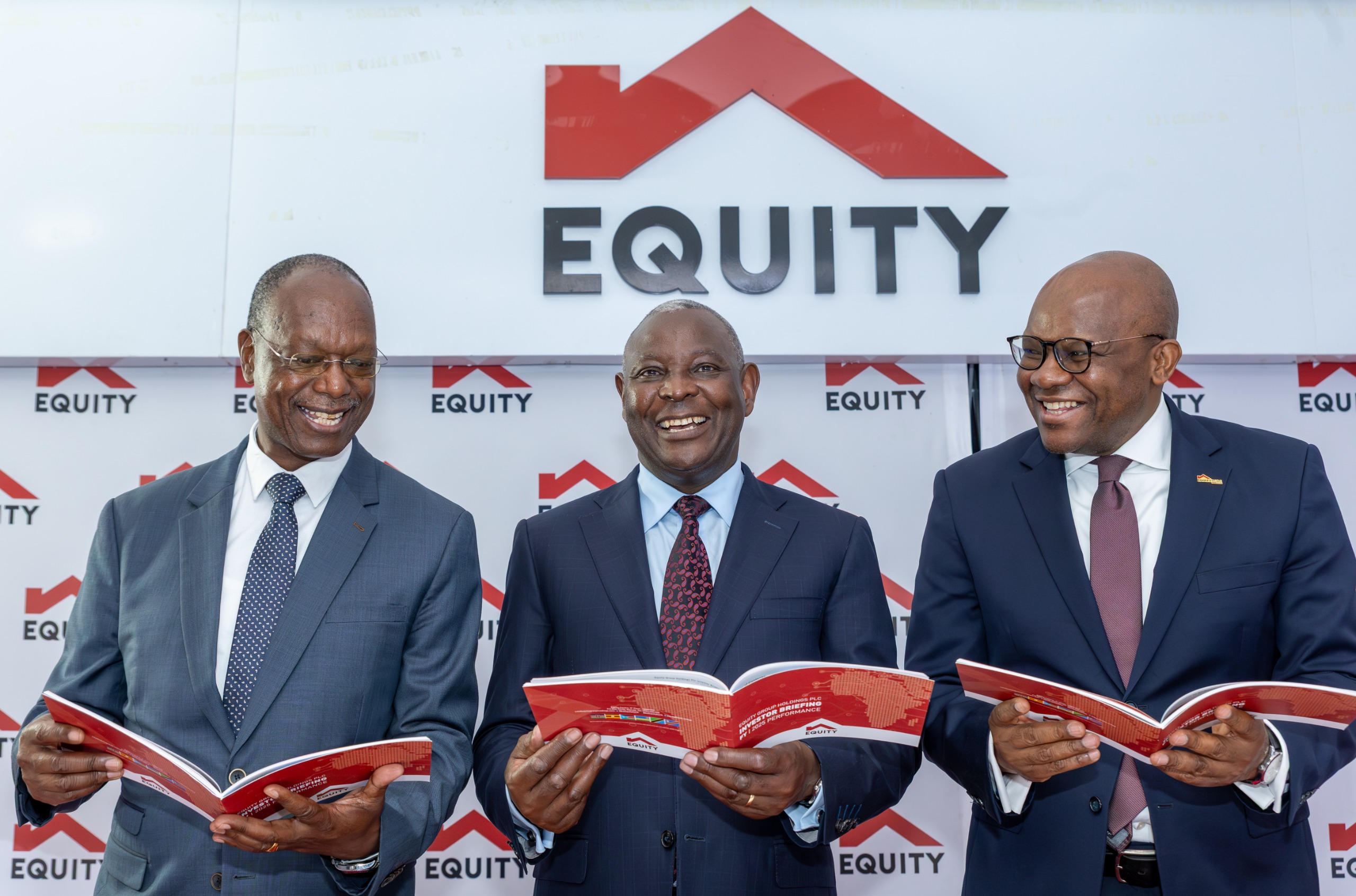
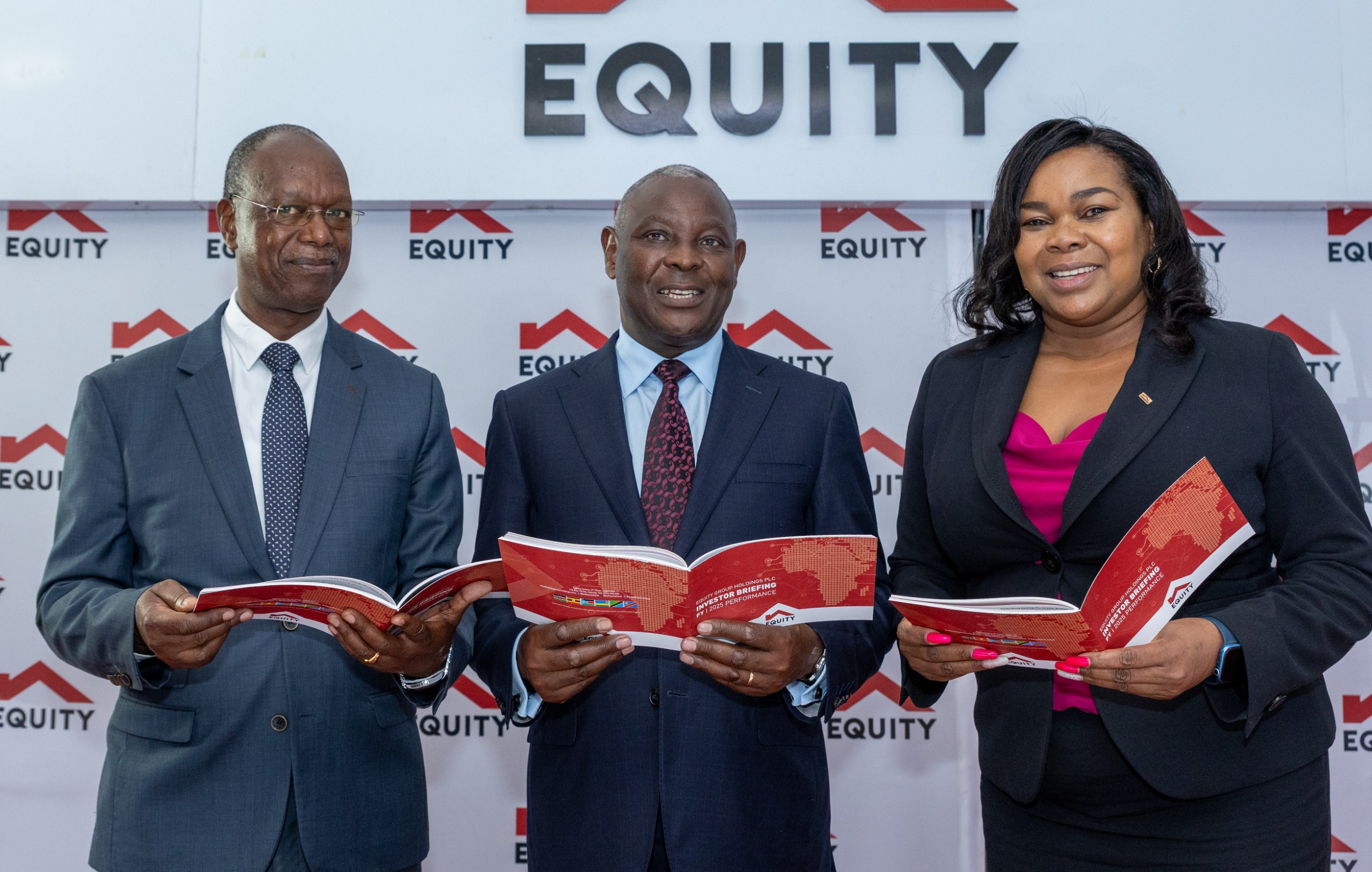
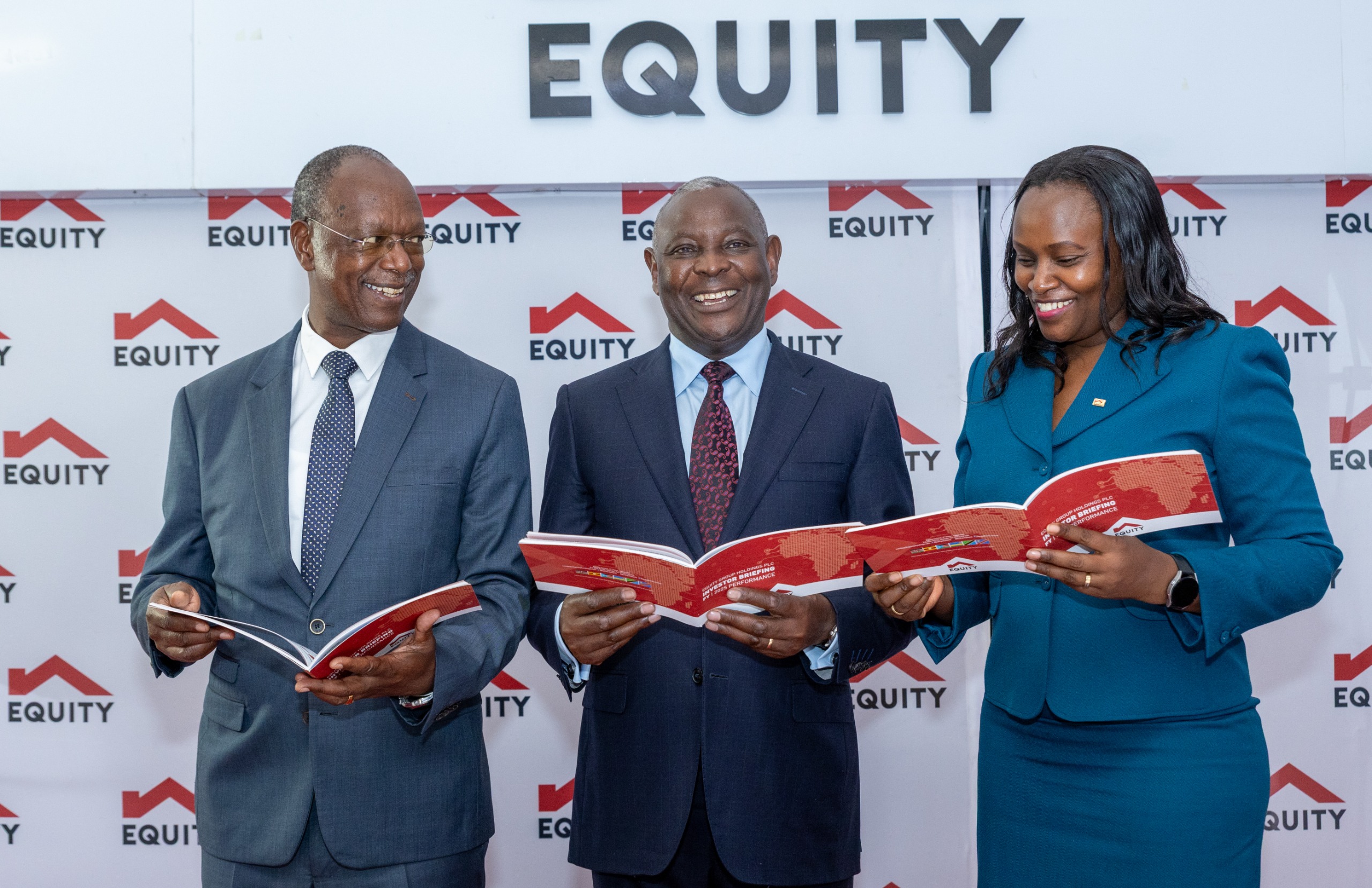
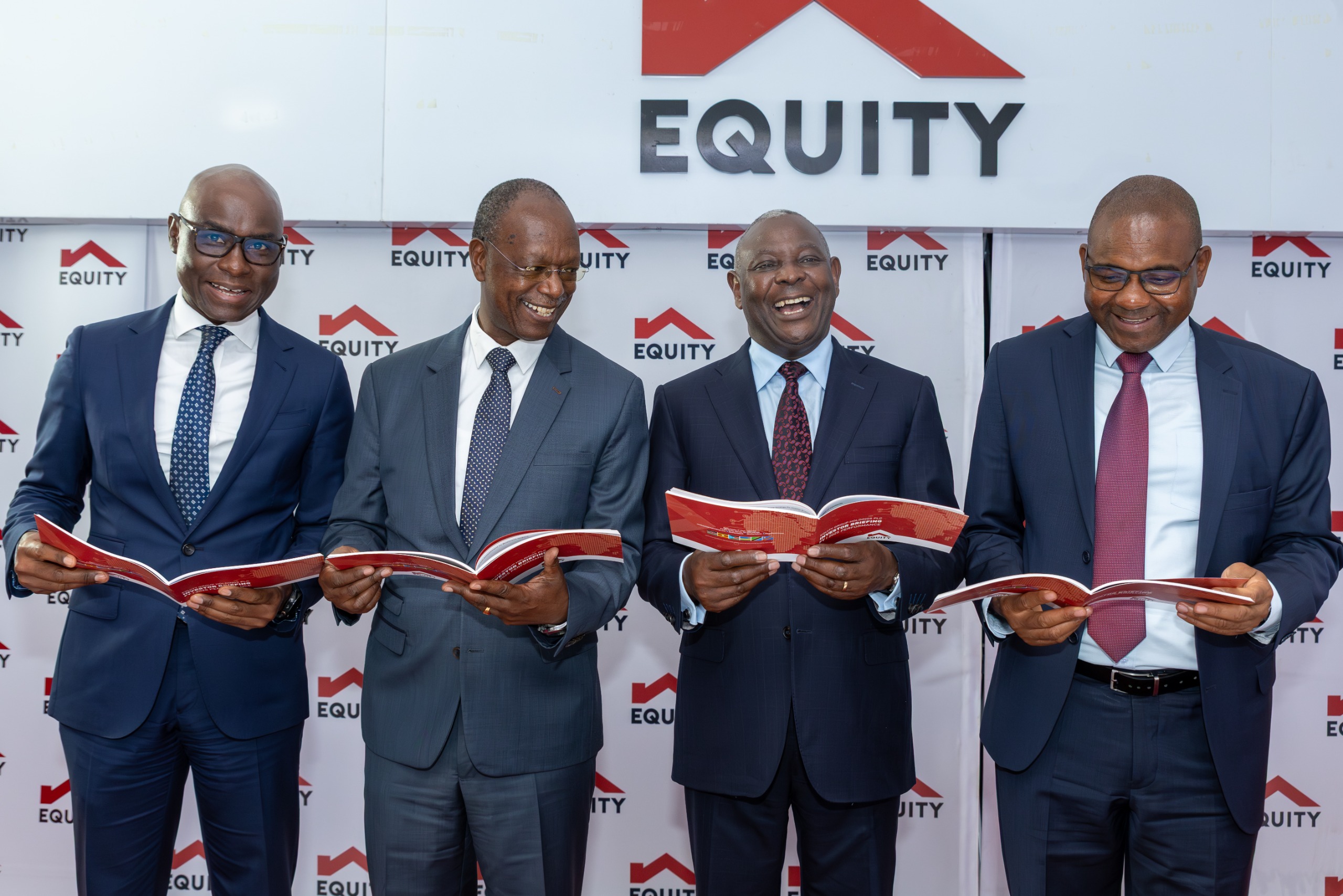
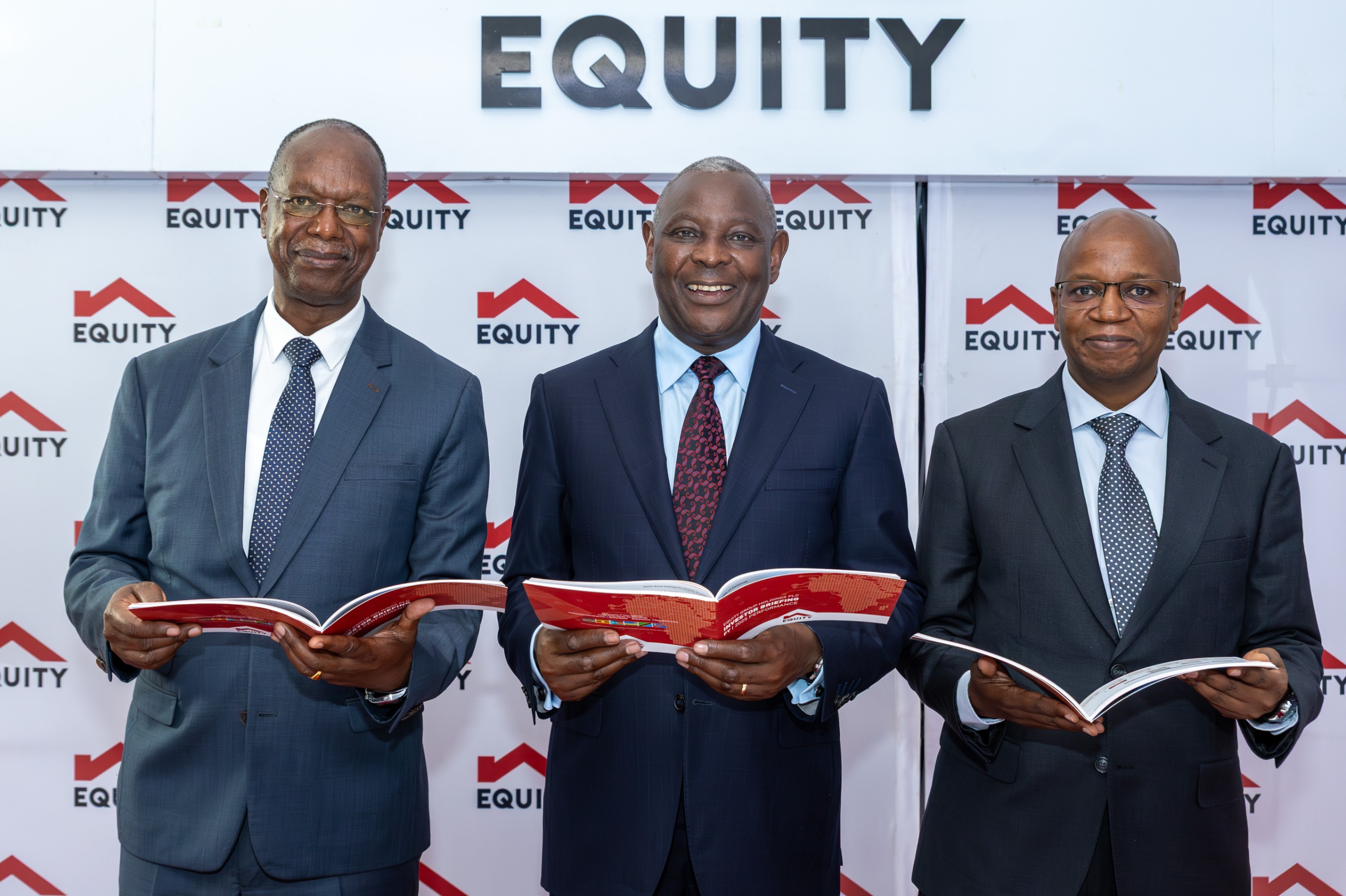
From L-R: Equity Group Chairman, Prof. Isaac Macharia, Group Managing Director and CEO, Dr. James Mwangi and Equity Bank Tanzania Managing Director, Isabela Maganga, during the FY 2025 Investor Briefing event.From L-R: Equity Group Chairman, Prof. Isaac Macharia, Group Managing Director and CEO, Dr. James Mwangi and Equity Bank Rwanda Managing Director, Hannington Namara, during the FY 2025 Investor Briefing event. From L-R: Equity Group Chairman, Prof. Isaac Macharia, Group Managing Director and CEO, Dr. James Mwangi and Equity Bank Kenya Managing Director, Moses Nyabanda, during the FY 2025 Investor Briefing event.From L-R: Equity Group Chairman, Prof. Isaac Macharia, Group Managing Director and CEO, Dr. James Mwangi and EquityBCDC Managing Director, Willy Mulamba, during the FY 2025 Investor Briefing event. From L-R: Equity Group Chairman, Prof. Isaac Macharia, Group Managing Director and CEO, Dr. James Mwangi and Equity Life Assurance Kenya Limited Managing Director, Angela Okinda, during the FY 2025 Investor Briefing event.From L-R: Equity Group Chairman, Prof. Isaac Macharia, Group Managing Director and CEO, Dr. James Mwangi and Director Equity Group Foundation Operations, Dr. Joanne Korir, during the FY 2025 Investor Briefing event. From L-R: Equity Bank Uganda Executive Director, Claver Serumaga, Equity Group Chairman, Prof. Isaac Macharia, Group Managing Director and CEO, Dr. James Mwangi and Equity Bank Uganda Managing Director, Gift Shoko, during the FY 2025 Investor Briefing event.
He made the remarks at the tribunal as hearings over an unimplemented asylum agreement between Rwanda and the United Kingdom began on Monday, March 18, 2026.
The three-day session runs March 18–20, with Rwanda represented by Minister of Justice and Attorney General Emmanuel Ugirashebuja.
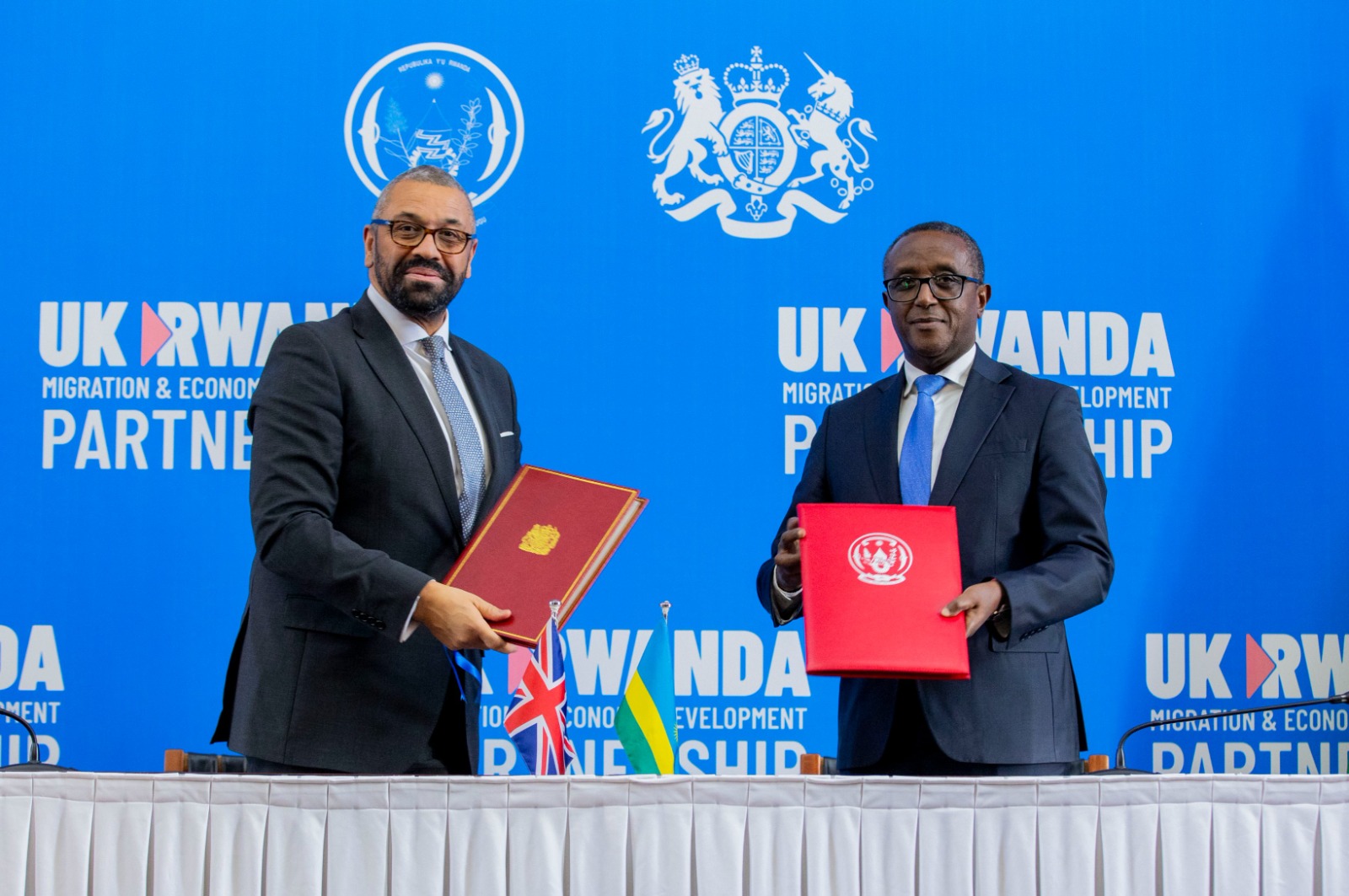
Rwanda accuses the UK of abandoning the Migration and Economic Development Partnership (MEDP), formalized in 2024 after initial agreements in April 2022, without honouring its commitments, including a £100 million fund (ETIF) intended to support refugees and host communities.
Rwanda initiated arbitration following the UK’s decision under new Prime Minister Keir Starmer in July 2024 to abandon the “Rwanda scheme,” a move that Rwanda learned about through media reports.
Speaking before the tribunal, Dr. Ugirashebuja, highlighted Rwanda’s historical empathy for displacement.
“Many Rwandans have experienced what it means to be displaced. It is this collective experience which has shaped the Rwandan Government’s policies on migration and asylum,” he noted.
Rwanda currently hosts over 130,000 refugees and asylum seekers registered with the United Nations High Commissioner for Refugees (UNHCR) welcoming people from neighboring countries like the Democratic Republic of Congo and Burundi, as well as from Libya and Afghanistan.
Recent examples include receiving 164 asylum seekers from Libya last month and relocating the School of Leadership Afghanistan (SOLA) to Kigali in 2021 for Afghan girls barred from education under the Taliban regime.
In 2023, Rwanda welcomed over 200 Sudanese medical students displaced by civil war.
Dr. Ugirashebuja explained Rwanda’s progressive refugee philosophy, noting that ‘Rwanda firmly believes that refugees make social, cultural and economic contributions to the societies in which they integrate, if they are allowed to do so’.
He referenced the 2021 joint UNHCR-Rwanda strategy for economic inclusion, contrasting it with traditional “warehousing” of refugees.
The MEDP, he said, aligned with this approach by deterring dangerous irregular migration while promoting economic opportunities.
“Both Parties described their partnership as the Migration and Economic Development Partnership, or MEDP… It reflected Rwanda’s commitment to protecting vulnerable people and built on Rwanda’s track record of welcoming and hosting refugees from around the world.”
Rwanda implemented reforms swiftly, including constitutional changes, legislation, an appeals tribunal, and reception facilities. The agreement included the Economic Transformation and Integration Fund (ETIF), with binding commitments in a June 2024 exchange of notes for £50 million payments in April 2025 and 2026.
However, after the UK government changed, the new Prime Minister declared the scheme “dead and buried.”
According to Dr. Ugirashebuja, the UK did not formally notify Rwanda in advance, with termination notice caming in December 2025.
“The simple fact remains that the United Kingdom did not give notice to terminate the Treaty until December 2025. The termination took effect only on Monday.
“The MEDP was in force for just over two months under the previous British Government, and the Finance Note for just over two weeks. Both of these binding legal instruments have been in force for over 18 months under the British Government that won the elections in July 2024.”
Rwanda claims breaches of financial obligations and Article 19 resettlement provisions for vulnerable refugees.
Dr. Ugirashebuja explained that Rwanda ‘seeks a modest sum in compensation, less than 10% of the UNHCR’s budget for Rwanda for one year alone, or alternatively an apology for the United Kingdom’s blatant disregard of this obligation’.
“The United Kingdom may well have wished Rwanda to forgo significant sums of money… Rwanda ultimately chose not to provide its consent,” Dr. Ugirashebuja said, noting Rwanda’s clear refusal in diplomatic notes.
He concluded by expressing regret over the need for arbitration but confidence in the tribunal; “Rwanda has enormous faith in this Tribunal to reach the right legal result. Whatever the outcome, Rwanda remains committed to finding solutions to the global migration crisis, including providing safety, dignity and opportunity to refugees and migrants who come to our country.”
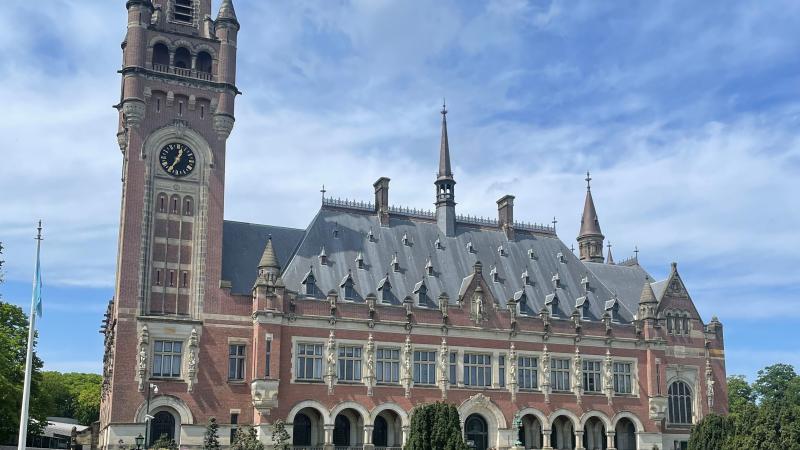
The Peace Palace is an international law administrative building in The Hague, the Netherlands that is often called “the seat of international law” because it houses the Permanent Court of Arbitration and International Court of Justice. Photo by Stephanie YeowThe Migration and Economic Development Partnership between Rwanda and UK had been signed in April 2022, before unilateral cancellation.