In the study titled ‘A Large Retrospective Cohort Study on the Risk of Alzheimer’s Disease and Related Dementias in Association with Vascular Diseases and Cancer Therapy in Men with Prostate Cancer’, researchers analyzed 1,693 patients with confirmed primary lung cancer who had at least two chest CT scans before diagnosis.
Tumours were considered fast-growing if they doubled in size or mass in less than 400 days.
The study found that 18% of patients had fast-growing cancers. Solid nodules were especially aggressive, with 41% growing quickly, compared to just 9% of subsolid lesions. Key factors associated with rapid growth included solid tumour density, male sex, smoking history, and personal or family history of cancer.
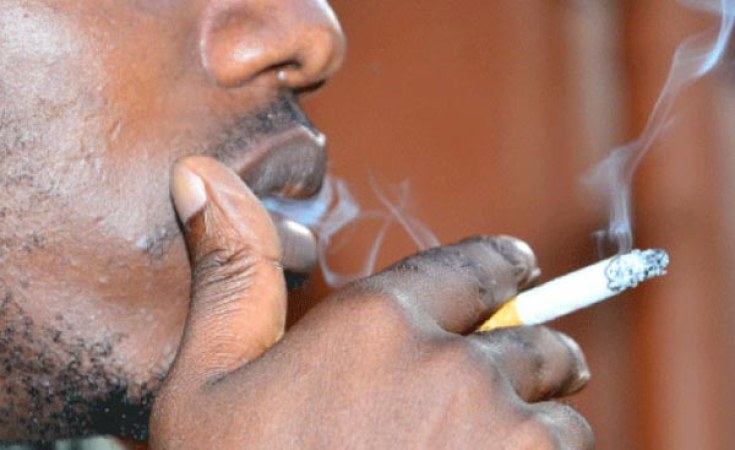
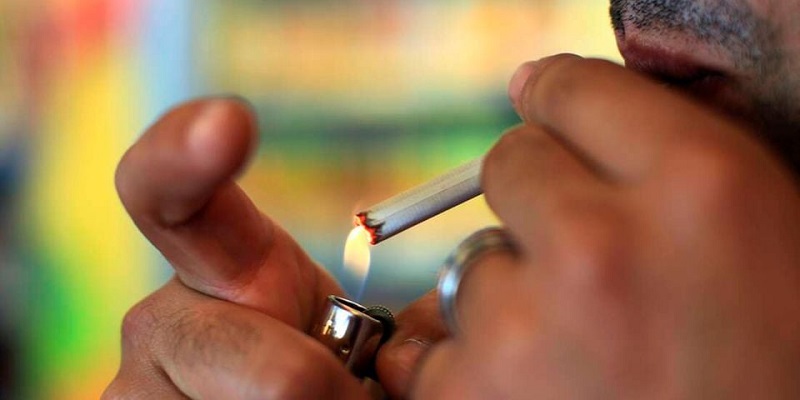
Smoking stood out as a consistent risk factor, driving faster tumour growth in both solid and subsolid nodules. Genomic analysis in 128 patients also showed that mutations in the TP53 gene were linked to aggressive tumour behavior, affecting roughly 18% of that subgroup.
These findings highlighted the need to combine clinical, imaging, and genetic information to identify patients at higher risk. Those with solid nodules, a history of smoking, or cancer in the family may require closer imaging follow-up.
Skytrax is a United Kingdom–based aviation research and consulting firm that specializes in evaluating airlines and airports around the world.
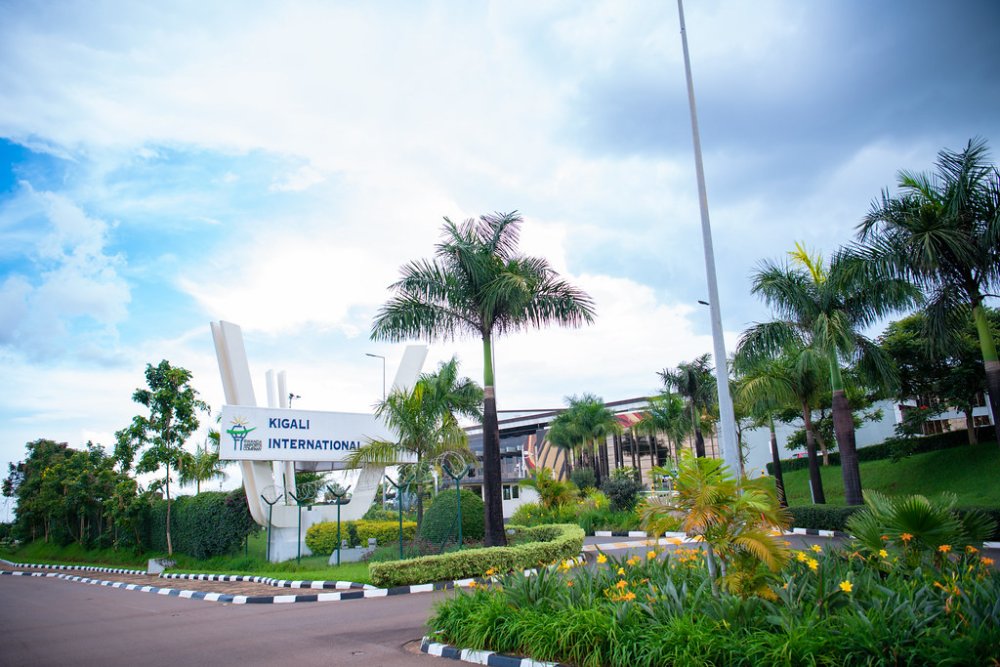
According to the report released on March 19, the airport earned its place among the continent’s top performers due to its modern infrastructure, cleanliness, and quality services, including food and beverage offerings. It was also recognized for its calm environment and strong security standards.
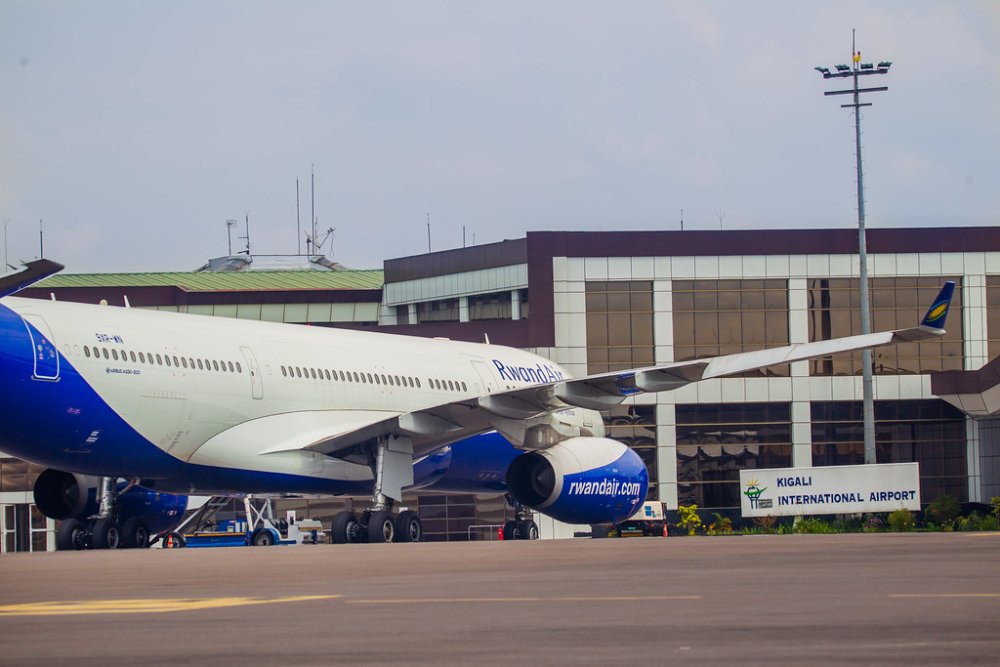
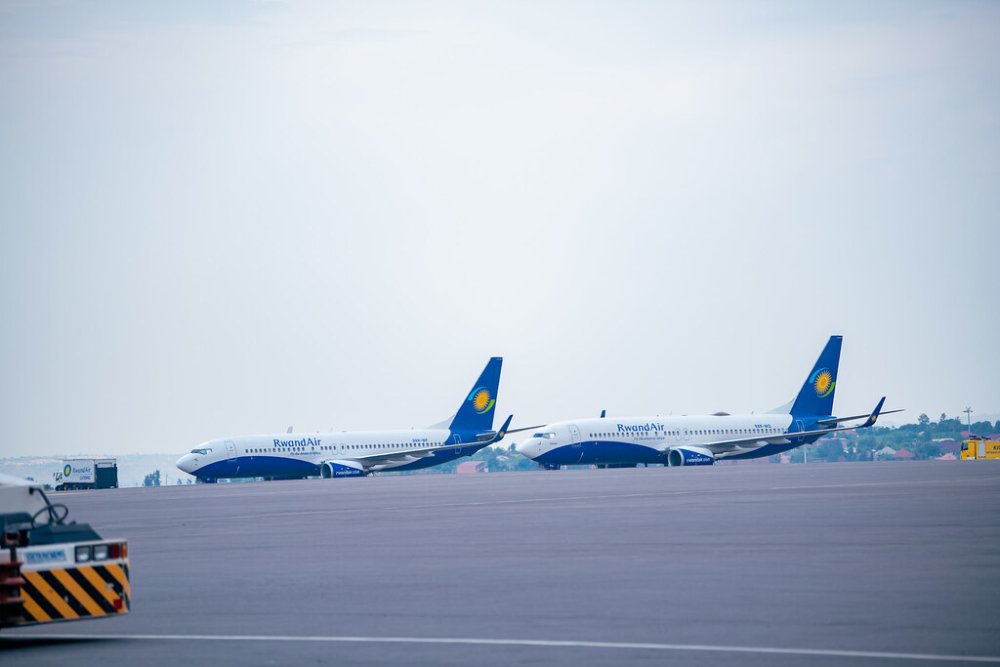
Skytrax noted that while Kigali International Airport is relatively small, it continues to handle a growing number of passengers, largely driven by the expansion of RwandAir.
The ranking is based on a star rating system that assesses various services, with five stars representing the highest standard. Kigali scored particularly well in passenger convenience, including reduced walking distances and efficient communication supported by multilingual staff.
Renovation works launched in July 2022 have also boosted the airport’s capacity, enabling it to accommodate more than 50 aircraft on the ground.
Skytrax noted that Kigali is a relatively small airport, but passenger numbers continue to grow, largely driven by the expansion of RwandAir.
The rankings are based on a star rating system that evaluates different services, with five stars representing the highest standard. Kigali scored highly in areas such as passenger assistance, reduced walking distances, and efficient communication, supported by multilingual staff.
In July 2022, renovation works began to expand the airport’s capacity, enabling it to accommodate more than 50 aircraft on the ground.
Across Africa, Cape Town International Airport ranked first, praised for its modern facilities and premium services. It is the only airport on the continent to receive a four-star rating.
O. R. Tambo International Airport came second due to its high passenger traffic and global connectivity, while Marrakesh Menara Airport ranked third, recognized for its architectural design and passenger comfort.
Other airports listed among Africa’s top ten include King Shaka International Airport in South Africa, Mohammed V International Airport in Morocco, Cairo International Airport in Egypt, and Sir Seewoosagur Ramgoolam International Airport in Mauritius.
Addis Ababa Bole International Airport ranked just behind Kigali but received a lower rating due to concerns over service quality.
Meanwhile, Ivato International Airport placed tenth, with Skytrax noting challenges in accessibility despite adequate basic infrastructure and efforts to provide decent services.
Renovation works launched in July 2022 have also boosted the airport’s capacity, enabling it to accommodate more than 50 aircraft on the ground.Skytrax has ranked Kigali International Airport eighth among the best airports in Africa in 2026.
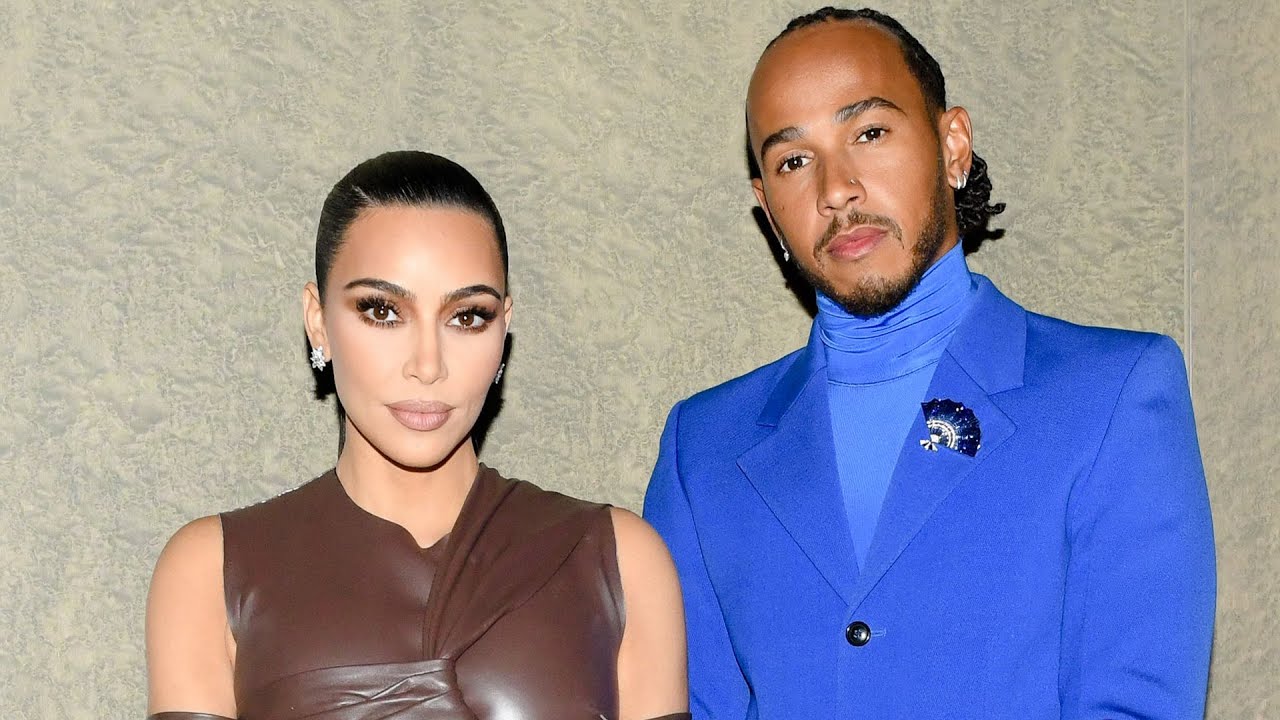
The two were seen enjoying an outing on March 22, alongside Kim’s sister, Khloé Kardashian. In photos shared online, Kim appeared relaxed and happy, wrapping her arm around Hamilton as they walked together.
Kim wore a fitted gray dress with a thigh-high slit paired with black boots, while Hamilton kept it casual in a brown jacket and loose-fitting pants.
The Tokyo appearance comes amid ongoing rumors about the pair’s relationship. Earlier in March, Hamilton drew attention after commenting with a heart-eyed emoji on Kim’s Instagram post from the 2026 Oscars after-party, where she wore a gold Gucci gown.
Speculation about the duo first emerged in February when they were reportedly seen boarding a private jet together in Europe. They were also said to have attended the same New Year’s Eve celebration in Aspen and later appeared side-by-side at the 2026 Super Bowl.
While neither Kim nor Hamilton has confirmed the rumors, their recent public appearances continue to spark curiosity among fans.
Neither Kim nor Hamilton has confirmed the romance rumors
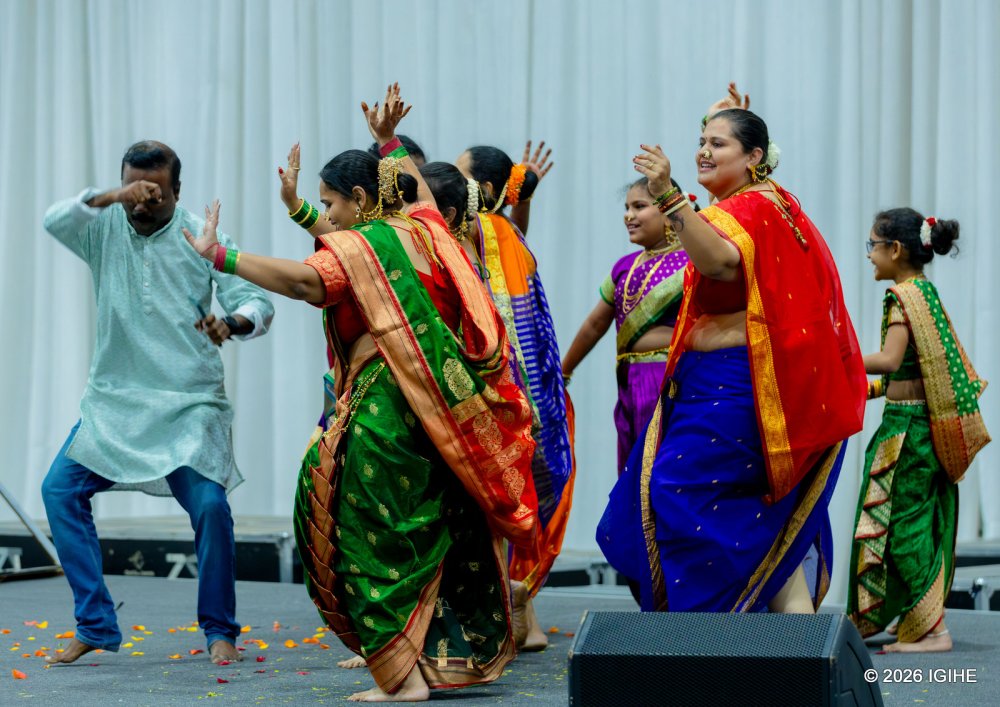
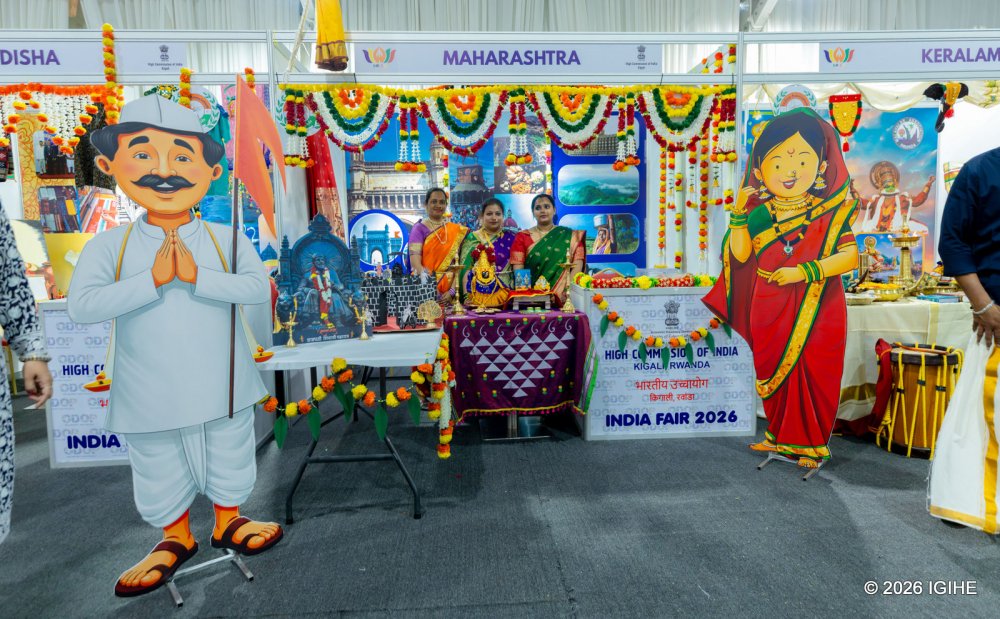
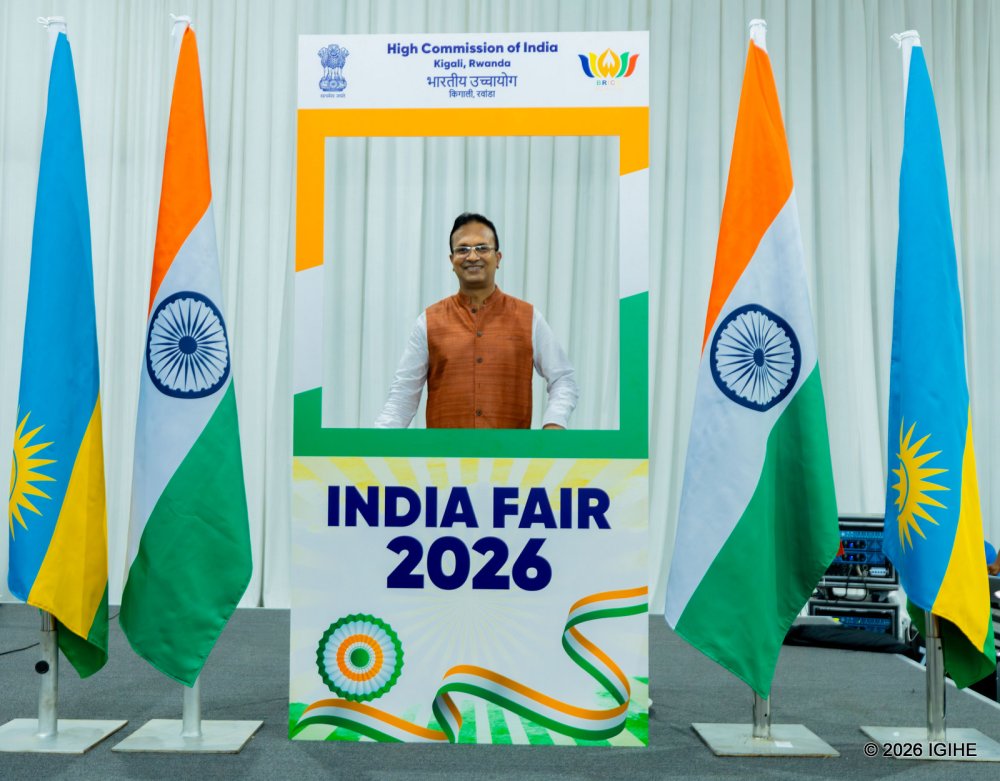
The event, organized by the High Commission of India in Rwanda, took place on March 22, 2026, at Camp Kigali. It marked the second edition of the annual cultural showcase.
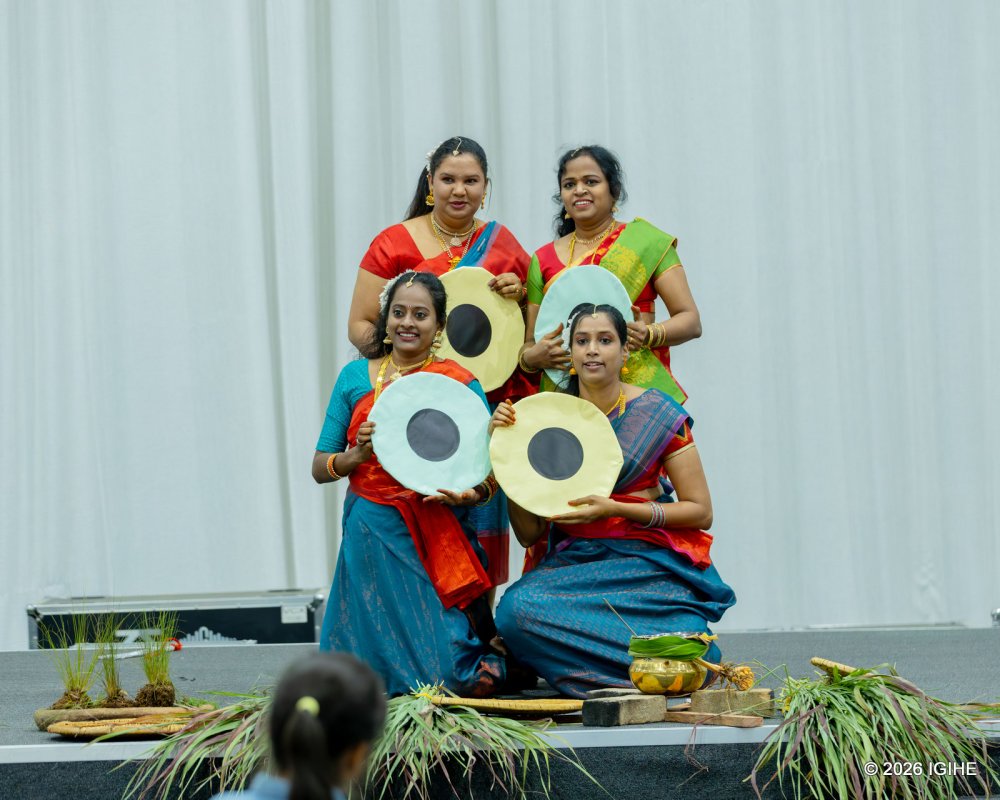
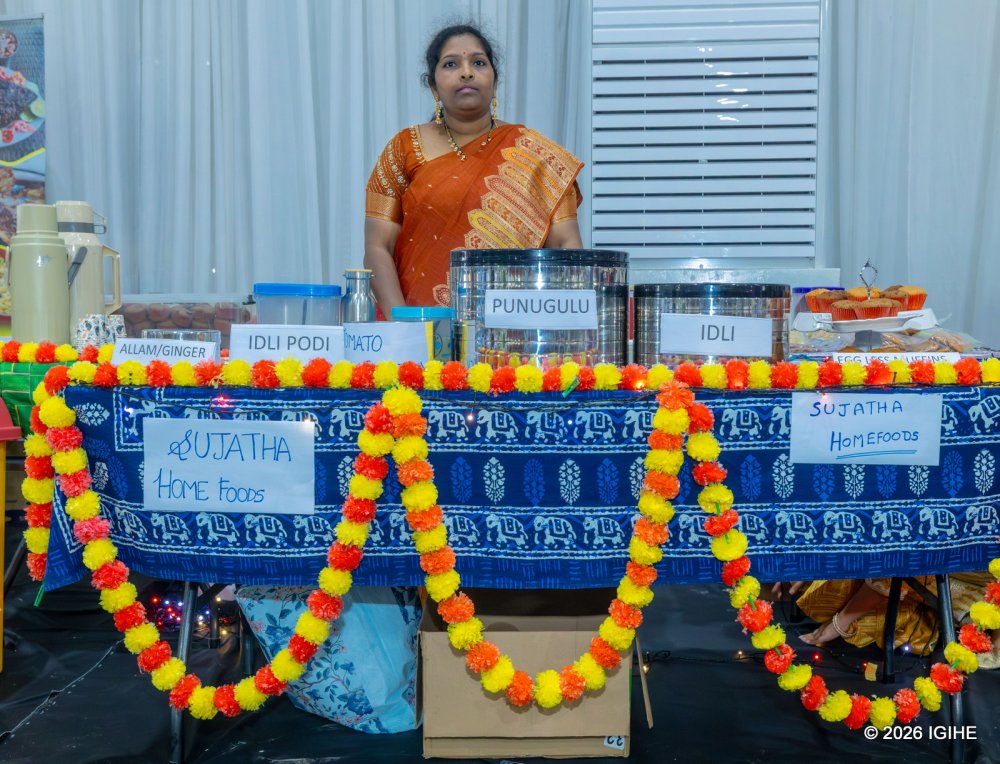
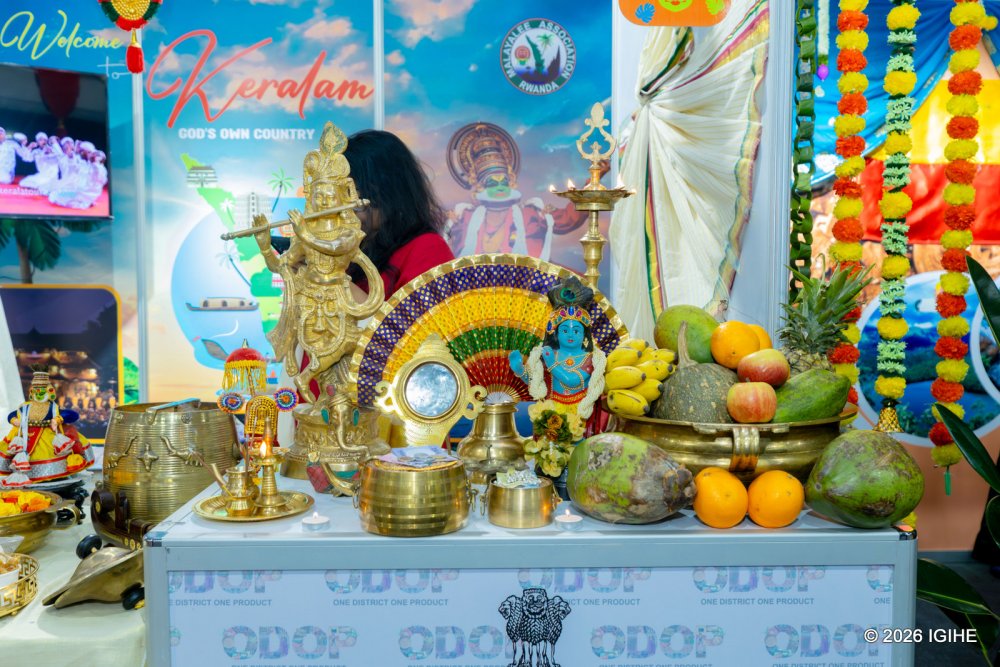
Out of India’s 28 states, 15 participated in the exhibition, each presenting unique elements of their heritage through performances, traditional meals, and cultural displays.
India’s High Commission to Rwanda, Mridu Pawan Das, said the initiative is intended to introduce Rwandans and other foreign residents to the diversity of Indian culture.
“We started this event last year with the idea of showing Rwandans and the international community that India is culturally diverse, yet united as one people,” she said.
The High Commissioner added that such initiatives also play a role in strengthening ties between Rwanda and India. She noted that more than 3,000 Indians live in Rwanda and are actively contributing to the country’s economy and social life.
Participants praised the exhibition for promoting cultural exchange and unity. Neha Jain, originally from Rajasthan, described it as a valuable platform to share traditions while also learning about other Indian cultures.
“This is my first time attending, and it’s a great opportunity to showcase our culture while discovering others. It teaches unity despite our diversity,” she said.
Visitors also expressed appreciation for the experience. Dody Umutesi, who attended the event for the second time, said it helped her better understand Indian culture and connect with new people.
“I learned a lot, especially about traditional clothing and food. The cuisine is rich in spices, and it was exciting to try something new. Events like this bring people together,” she said.
The exhibition, first held in 2025, has now been established as an annual event celebrating cultural diversity and fostering stronger people-to-people connections.
Visitors explored colorful displays of traditional attire representing different Indian states at the annual cultural showcase in Kigali.India’s High Commissioner to Rwanda, Mridu Pawan Das, addresses attendees during the second edition of the cultural exhibition in Kigali.Members of the Indian community perform traditional dances during a cultural exhibition held at Camp Kigali on March 22, 2026.Participants from across India’s states presented their unique customs and traditions during the event aimed at promoting cultural exchange.A variety of Indian dishes were served as part of the exhibition highlighting the country’s rich and diverse cuisine.
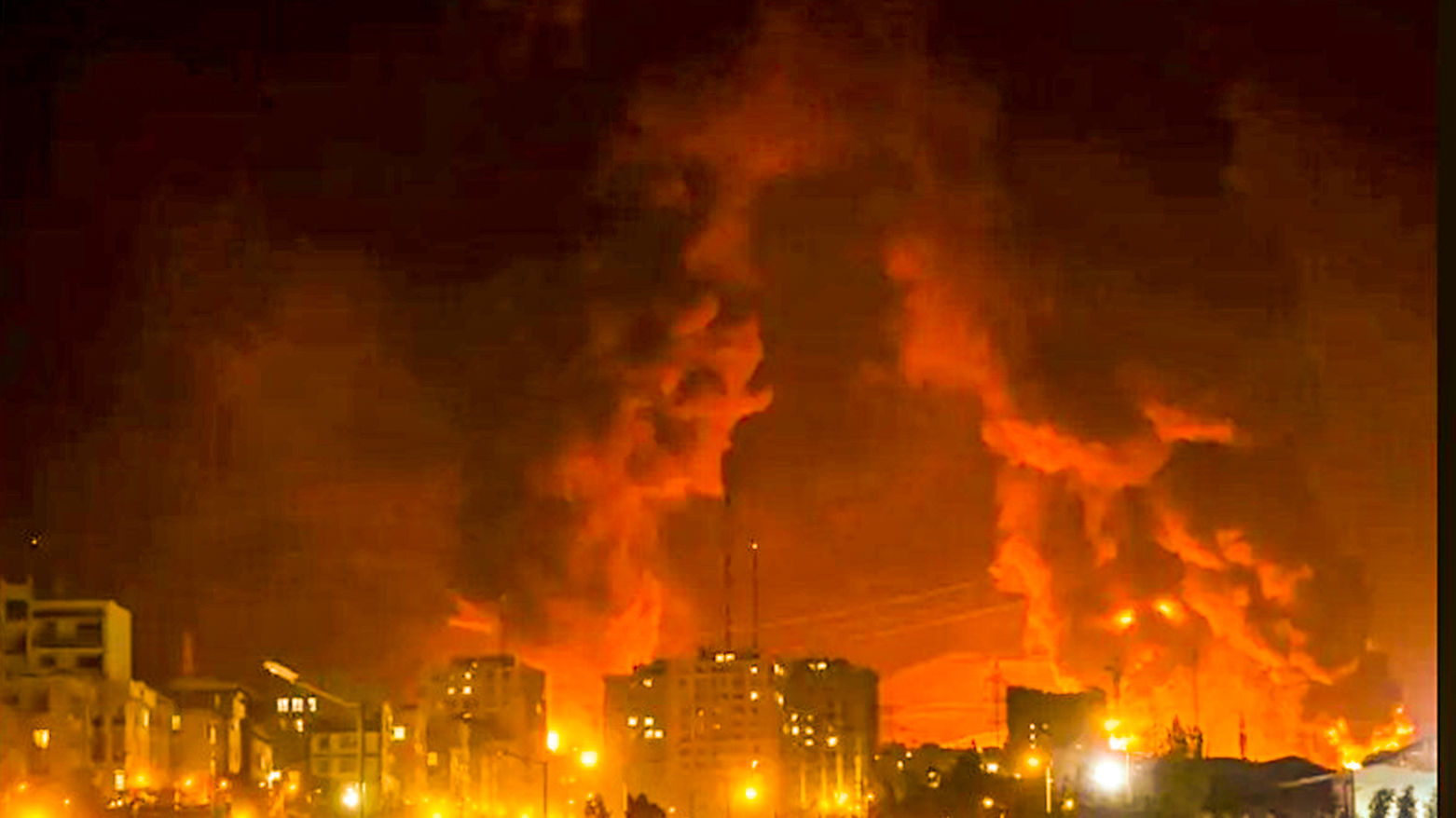
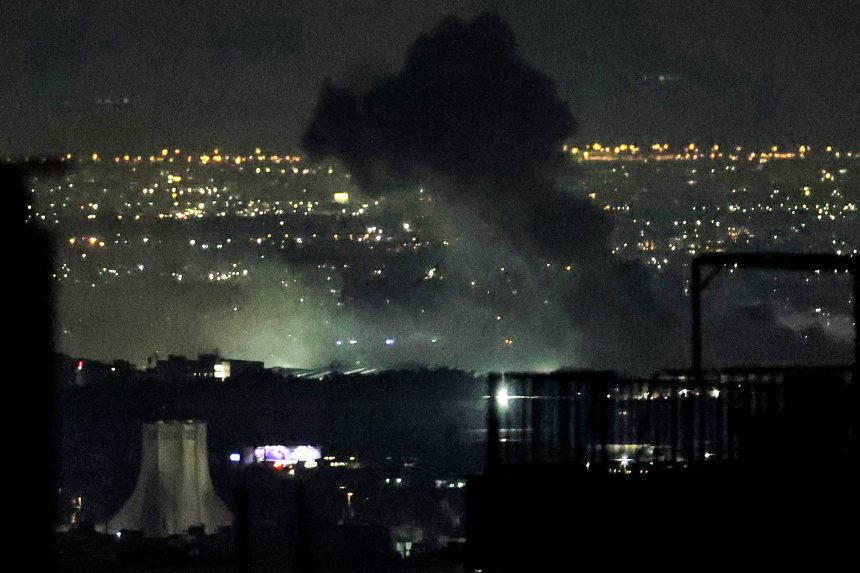
The Israeli military said it had begun a “wide-scale wave of strikes” targeting infrastructure in Tehran, though it did not provide further details. The attacks come as tensions between Iran, Israel, and the United States continue to rise.
During the ongoing conflict, Iran tightened control over the Strait of Hormuz, a key route for nearly a fifth of the world’s oil supply, raising concerns about disruptions to global trade.
US President Donald Trump issued a 48-hour ultimatum on Sunday demanding Iran reopen the strategic Strait of Hormuz to all shipping. He warned that failure to comply could result in US strikes on Iranian power plants.
Iran responded with strong warnings. The Islamic Revolutionary Guard Corps said any US attack would trigger retaliation against energy infrastructure supplying American bases, as well as wider economic targets in the region.
Amid the escalating threats, civilians have been urged to take shelter with US Central Command chief Brad Cooper advising Iranians to remain indoors, warning that further strikes could target areas where military assets are allegedly embedded in civilian zones.
The conflict is also spreading across the Gulf where air defenses in countries including the United Arab Emirates and Saudi Arabia intercepted missiles and drones on Sunday.
Israel has launched a new wave of strikes targeting infrastructure in Iran
He made the remarks on March 19, 2026, during a session with the Parliamentary Committee on Governance, Gender Equality, and Women’s Empowerment.
According to Dr. Nsanzimana, the addition of services that were previously not covered has significantly raised the cost borne by the Rwanda Social Security Board (RSSB). These new services are expected to increase annual expenditure by at least Rwf 21 billion.
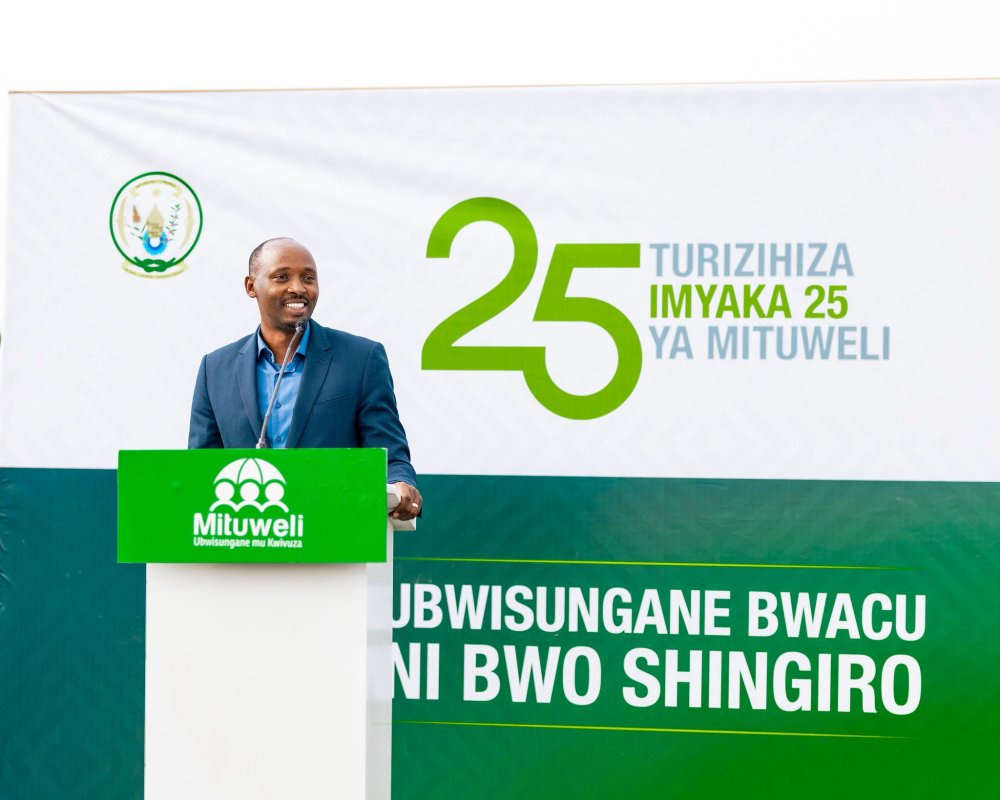
On February 24, 2026, the government announced reforms aimed at strengthening Mutuelle de Santé, a program that has been in place for 25 years and is rooted in the principle of solidarity to improve access to healthcare for all Rwandans.
Initially, citizens contributed Rwf 1,000, a figure that was later raised to Rwf 3,000 in 2011. Under the new structure, contributions are now categorized based on socio-economic status: citizens in the first social registry will be fully subsidized by the government; those in the second category will pay Rwf 3,000; the third category Rwf 5,000; the fourth Rwf 8,000; while those in the fourth social registry will contribute Rwf 20,000. RSSB estimates that about 90% of members will pay between Rwf 4,000 and Rwf 8,000.
The minister emphasized that the increase reflects the inclusion of costly but essential treatments such as cancer care, kidney dialysis, organ transplants, orthopedic and spinal surgeries, and assistive devices for people with disabilities, including hearing and vision impairments.
Last year, the scheme spent Rwf 98 billion, while member contributions totaled Rwf 31 billion, just 34% of total funding, highlighting the financial gap the reforms seek to address.
Dr. Nsanzimana detailed the distribution of contributors: 6.89% of citizens are fully covered by the government due to extreme poverty; 23% will pay Rwf 3,000 with a government top-up of Rwf 1,000; over 35% will pay Rwf 5,000; 26% will contribute Rwf 8,000; and 8% will pay Rwf 20,000.
He noted that efforts are underway, led by the Ministry of Local Government (MINALOC) and RSSB, to correct misclassifications in socio-economic categories to ensure fairness. These adjustments are expected to be completed by July 2026, when the new insurance year begins.
Despite the increase, the minister stressed that contributions remain relatively low compared to the cost of services provided. For instance, the inclusion of cancer treatment drugs alone has added at least Rwf 9 billion annually to RSSB expenditures.
“These costs are substantial, which is why we had to review how to strengthen the scheme financially, while ensuring that the burden on citizens remains manageable,” he said, noting that earlier proposals had considered raising contributions up to Rwf 15,000 from Rwf 3,000.
He warned that failing to adjust contributions over time had strained service delivery. “It was like trying to draw water from an empty container. We must reinvest in the system, especially now that we have added very expensive services,” he said.
The expansion of coverage is already improving access to care. Previously, dialysis sessions covered by the scheme were limited to 18 per patient, after which individuals had to cover the costs themselves.
Each dialysis session costs about Rwf 75,000, and patients typically require at least three sessions per week, making it unaffordable for many without insurance support.
Dr. Nsanzimana also highlighted progress in specialized treatments, including kidney transplants now performed by Rwandan doctors trained abroad, as well as plans to expand services such as heart surgery.
He noted that in 2024, more than 6,000 patients in need of orthopedic surgery had been unable to access care, but have since been treated following the inclusion of such services under Mutuelle de Santé.
Lawmakers called for increased public awareness to ensure citizens understand the reasons behind the changes. MP Deogratias Nzamwita pointed out that similar resistance was observed when RAMA and Mutuelle de Santé were first introduced, but public understanding later improved.
MP Etienne Mvano Nsabimana added that clear communication would help ease public concerns.
Meanwhile, Anastase Nabahire, Chairperson of the committee, urged authorities to address persistent issues such as inconsistencies in prescribed medication, where treatments recommended by specialists are sometimes altered by RSSB-affiliated doctors, raising questions among patients.
The revised contributions have already begun to be collected and will officially take effect in July 2026.
On 20 March 2026, residents of Kiryanongo village in Bananywa reportedly attacked the home of Semasaka and Hakiza Damascene following the detection of a strong, unpleasant smell.
Upon searching the house, they found body parts belonging to a woman from Nakabugo village who had been reported missing for several days. Some of the remains were reportedly stored in a bag. Angered by the discovery, the residents allegedly beat the two men to death.
Following the incident, the Kiryanongo village leader alerted Bananywa Police, who involved district authorities to investigate the case.
Luke Kigozi, spokesperson for the Uganda Police in the Wamala region, condemned the violence and confirmed that an investigation has been launched into both the death of the woman and the attack on the two men.
The bodies of Semasaka, Hakiza, and the woman were taken to Ntwetwe Health Centre for examination.
An investigation has been launched into both the death of the woman and the attack on the two men.
The measures, worth over 5 billion euros (5.75 billion U.S. dollars), were laid out in two decrees. The first was aimed at supporting businesses, while the second focused on curbing rising housing and rental costs.
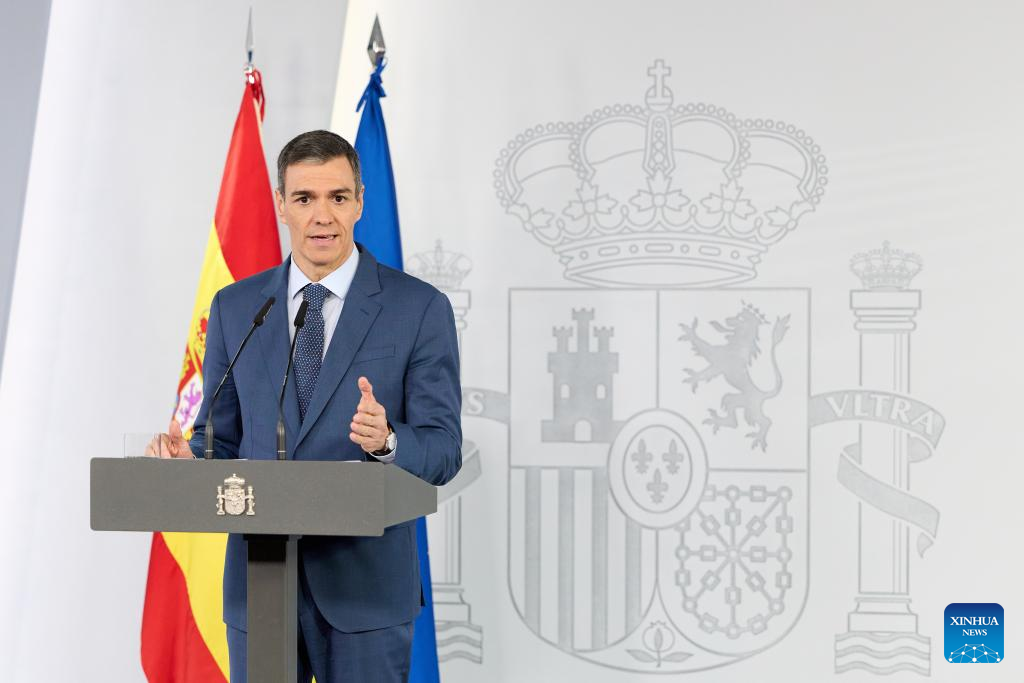
Speaking to the press, Sanchez admitted that the measures “won’t prevent the effects of this illegal war from reaching Spain,” but promised that “at least they will make them less corrosive and somewhat more bearable.”
Among the measures approved in an emergency cabinet meeting were a reduction of VAT from 21 percent to 10 percent on automotive fuels, electricity, and natural gas, as well as a reduction on special tax on hydrocarbons.
The Spanish government will also temporarily suspend its tax on electricity generation, while introducing a 15 percent personal income tax deduction for the purchase of electric and plug-in vehicles, along with additional tax deductions to support energy efficiency improvements, self-consumption and heat pumps, according to the measures.
“Extraordinary situations require extraordinary measures,” insisted Sanchez, who highlighted the decrees contain “80 measures that will come into effect as soon as they are published in the Official State Gazette (BOE).”
The United States and Israel launched massive attacks on Iran on Feb. 28, disrupting global shipping, sending oil prices soaring and shaking the global economy.
European gas and oil prices rose sharply in early trading on Thursday. The Dutch TTF benchmark, a key reference for European gas supply contracts, surged more than 30 percent to 70.7 euros (81.3 U.S. dollars) per megawatt-hour at the open, before easing to around 67 euros (77 dollars) per megawatt-hour. The price has more than doubled from around 32 euros (37 dollars) megawatt-hour before the conflict began.
Oil prices also moved higher. Brent crude, the international benchmark, rose to above 116 dollars per barrel in early trading on Thursday.
Spanish Prime Minister Pedro Sanchez attends a press conference in Madrid, Spain, on March 20, 2026.
“A well-conceived 15th Five-Year Plan and its effective implementation will ensure we have even stronger foundations for basically achieving socialist modernization by 2035,” Xi Jinping, general secretary of the Communist Party of China (CPC) Central Committee, once said.
Xi, also Chinese president and chairman of the Central Military Commission, stressed that socialist modernization can only be realized through a historical process of gradual and ongoing development. It requires the unremitting hard work of one generation after another.
Building new growth momentum
The world is undergoing accelerated changes unseen in a century, with the challenges of securing peace, development, security and governance intensifying, while geopolitical risks are increasing, and global economic growth momentum remains weak.
Notably, China’s economic transformation and upgrading are deepening, with reform efforts tackling deep-seated problems. In addition, new quality productive forces are being fostered at an accelerated pace.
“Efforts should be redoubled to gain experience in analyzing new situations and solving new problems,” Xi said during China’s “two sessions” earlier this month.
Developing new quality productive forces is an essential requirement for building a modern industrial system and fueling a powerful engine for advancing high-quality development.
As a new driver of future development, new quality productive forces should be cultivated in line with local conditions. It is necessary to leverage local resource endowments, industrial foundations and research capabilities to selectively foster emerging industries, new business models and new growth drivers.
Guided by scientific and technological innovation and anchored in the real economy, efforts should be made to speed up the transformation and upgrading of traditional industries and foster the growth of emerging industries and future-oriented industries, so as to accelerate the development of a modern industrial system.
Meanwhile, improving the national innovation system and stimulating the vitality of various innovation entities remain key priorities. With a focus on the frontiers of global science and technology, sustained efforts should be made to strengthen basic research and enhance original innovation capacity, while intensifying breakthroughs in core technologies in key fields and frontier technologies.
Amid a rapidly changing international environment and various uncertainties, focusing on managing the country’s own affairs well and enhancing its development quality is crucial in ensuring a good start to the 15th Five-Year Plan.
For China, it is imperative to advance high-quality development, build a unified national market and expand high-standard opening up to explore global markets.
China still faces challenges of uneven and inadequate development, including declining labor demand in traditional industries due to technological and industrial transformations, and growing pressure on public services and social security because of an aging population. Addressing these issues is essential for sustaining growth and ensuring that development benefits all.
Global vision of China’s modernization path
“Chinese modernization delivers benefit to the Chinese people and also advances common development of the world. It is a sure path for us to build a stronger nation and realize the rejuvenation of the Chinese nation. It is also a path we must take to seek progress for humanity and harmony for the entire world,” Xi said in a keynote address at the CPC in Dialogue with World Political Parties High-level Meeting in 2023.
These remarks situated Chinese modernization within the historical context of China’s relations with the world, highlighting its inclusive character and pursuit of win-win outcomes.
Chinese modernization is fundamentally characterized by proactive global engagement. Since the reform and opening up, China’s developmental trajectory, guided by successive five-year plans, has been inseparable from international cooperation.
Openness has always been the defining feature of Chinese modernization. From “the world factory” to “the world market,” and from a land for global investment to a global innovation hub, each leap in China’s development drives cooperation with the world into broader areas and deeper levels.
As industrial transformation accelerates, China’s massive market will continue to offer significant demand for countries worldwide. In pursuit of smart, green and integrated growth, China aims to share its manufacturing experience and technical innovations to drive global sustainable development.
Beyond that, the global significance of the Chinese model of modernization lies in its success in shattering the myth that modernization is synonymous with Westernization, thereby creating a new form of human advancement.
“China will do well only when the world does well, and vice versa,” Xi once said.
Leveraging the China-proposed Global Development Initiative, Global Security Initiative, Global Civilization Initiative and Global Governance Initiative, the world’s second-largest economy is committed to the building of an open, inclusive, clean and beautiful world of lasting peace, universal security and common prosperity.
Faced with global changes not seen in a century, China will continue to stand on the right side of history and remain a steadfast, reliable and constructive force in a turbulent world.
CPC leadership as core
Chinese modernization is characterized by unique features: the modernization of a huge population, the modernization of common prosperity for all, the modernization of material and cultural-ethical advancement, the modernization of harmony between humanity and nature, and the modernization of peaceful development.
In advancing Chinese modernization, the key lies in upholding the overall leadership of the CPC, which has been the strong leadership core in developing socialism with Chinese characteristics.
By integrating the basic tenets of Marxism with China’s specific realities and its fine traditional culture, the Party has, through years of dedicated efforts, deepened its understanding of the laws that underlie governance by a communist party, the development of socialism, and the evolution of human society.
The Party has led China in building one of the world’s most complete industrial systems, in eliminating absolute poverty, in growing into an economy of 140 trillion yuan (about 20.32 trillion U.S. dollars), and in becoming a major trading partner for more than 150 countries and regions.
Advancing Chinese modernization requires solid work and sustained efforts over time, and sound planning must go hand in hand with effective implementation. Party members and officials are urged to establish and practice a correct view on governance performance, remain committed to serving the public and improving people’s well-being, make well-grounded decisions, and focus on practical work.
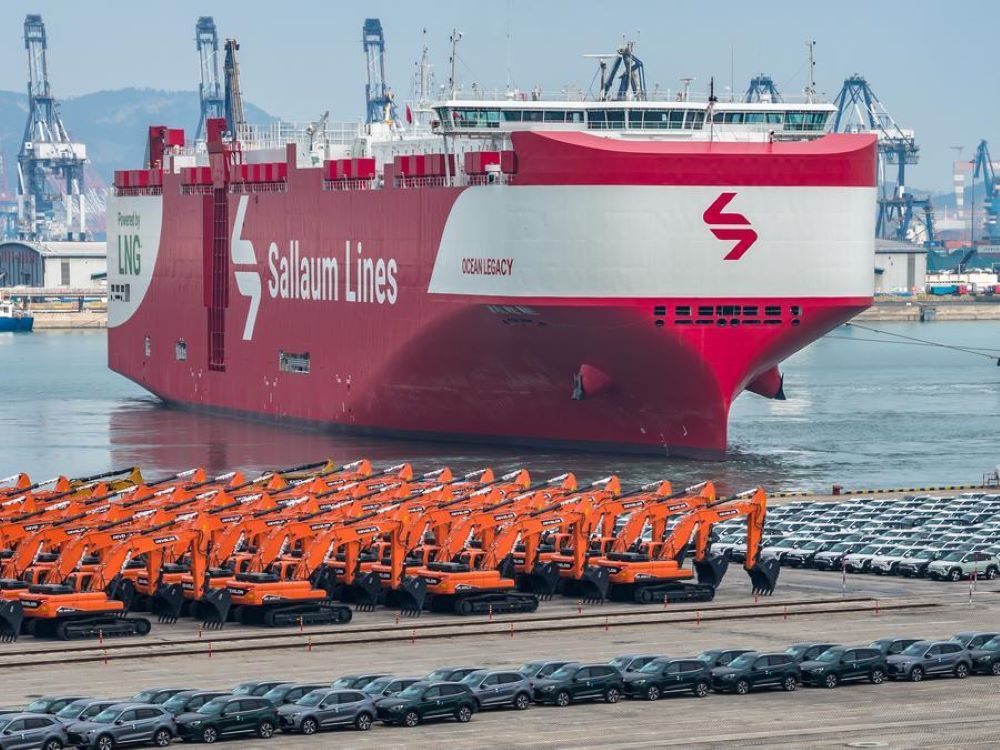
An aerial drone photo taken on Feb. 10, 2026 shows a dual-fuel car carrier loaded with vehicles for export setting sail at Yantai Port in Yantai, east China’s Shandong Province.
What unfolded was more than a demonstration of martial arts. It was a story of cultural exchange, healing, and transformation.
Eric Mugisha, secretary general of Rwanda Kung Fu Wushu Federation, highlighted the steady growth of Kung Fu across the country in an interview with Xinhua.
Representing the federation at the event, he noted the widespread presence of clubs and the unique place tai chi holds within them.
“Many clubs are based in Kigali, and we have some others in different provinces, normally we have around 30 clubs in total,” he said.
Unlike other forms of kung fu, tai chi stands apart. “This is a form of art that is not about fighting, the energy from tai chi is from within oneself, it is there to balance the harmony between body and mind,” said Mugisha.
For many Rwandans, tai chi is more than just movement – it is a personal journey.
Emile Ndagijimana, a tai chi teacher, shared a deeply rooted story of passion that began in childhood with Xinhua.
“I started practicing kung fu at the age of nine,” he recalled. Over the years, his curiosity led him from martial arts films to deeper study and eventually to tai chi.
His turning point came when he began to understand its philosophy.
“A Chinese teacher who teaches at the Confucius Institute told me that to succeed, I needed to balance and move my arms while breathing and master the balance technique of tai chi. That’s when I started loving tai chi.”
Today, Ndagijimana teaches hundreds of students and integrates tai chi into community life, especially for healing and wellbeing.
“In Rwanda, people do not know about tai chi; they think it’s fighting,” he explained. “Tai chi is a form of medicine, it helps them move their joints, and those who are sick.”
His mission is clear, bringing tai chi to both young people and the elderly. “The reason I teach tai chi is that I see that it helps in healing, if more Rwandans learn tai chi, it could assist them in healing.”
Sumaya Uwase Niyonzima is a martial art lover whose enthusiasm reflects a growing appreciation among youth. Her introduction to tai chi came through her martial arts club and visiting Chinese instructors. “I love tai chi because I hear it is the medicine of the health. It helps our body, it helps our feelings, also our brain,” she said.
Though she admits the practice requires dedication, but the benefits keep her committed.
“I feel good when I am doing tai chi, my blood goes well. I didn’t get sick again like how I got sick before I practiced tai chi.”
At a broader level, the impact of tai chi in Rwanda reflects years of cultural collaboration. Zeng Guangyu, Chinese director of the Confucius Institute, emphasized how far the practice has come since its introduction in 2009.
“More than a decade later, it’s no longer us who practice tai chi best. It’s the Rwandans,” he said proudly.
Today, thousands of practitioners and dozens of trained instructors are helping embed tai chi into local communities. Beyond physical exercise, Zeng underscored its deeper significance: “Tai chi does not advocate confrontation; instead, it champions the principles of ‘overcoming hardness with softness’ and ‘tolerance and inclusiveness.’”
As Rwanda joined the global celebration of the first International Taijiquan Day, the message is clear – tai chi is no longer just a foreign tradition. It is becoming a shared cultural bridge, a tool for health, and a symbol of harmony.
Local people practice Taijiquan, a kind of Chinese traditional martial arts, at the Confucius Institute at the University of Rwanda, in Kigali, Rwanda, March 18, 2026.Sumaya Uwase Niyonzima (C) practices Taijiquan, a kind of Chinese traditional martial arts, at the Confucius Institute at the University of Rwanda, in Kigali, Rwanda, March 18, 2026.Zeng Guangyu (front R), Chinese director of the Confucius Institute, communicates with local people for Taijiquan, a kind of Chinese traditional martial arts, at the Confucius Institute at the University of Rwanda, in Kigali, Rwanda, March 18, 2026.