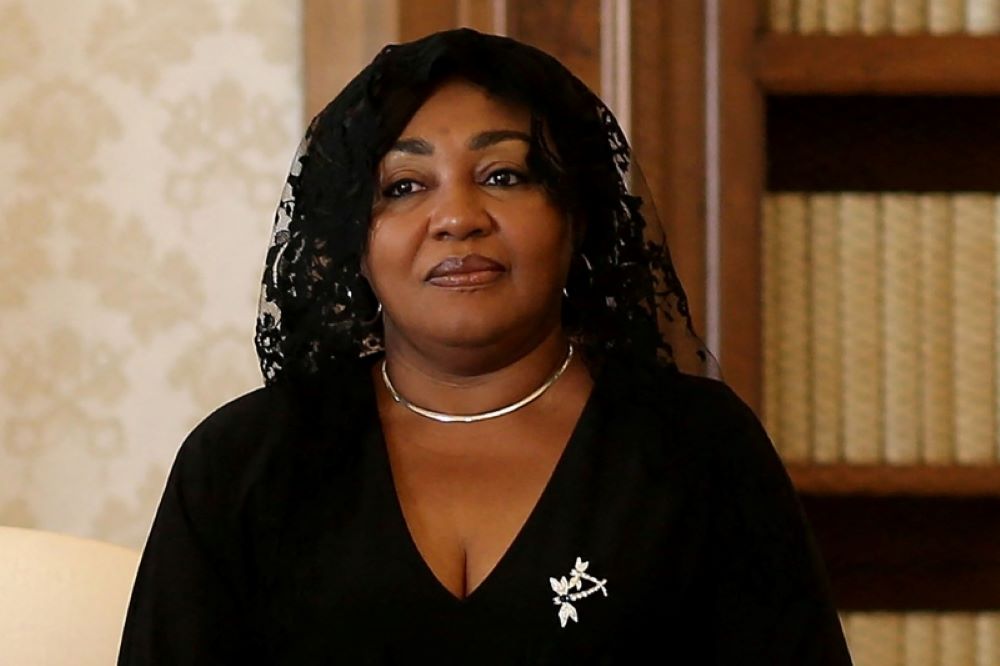
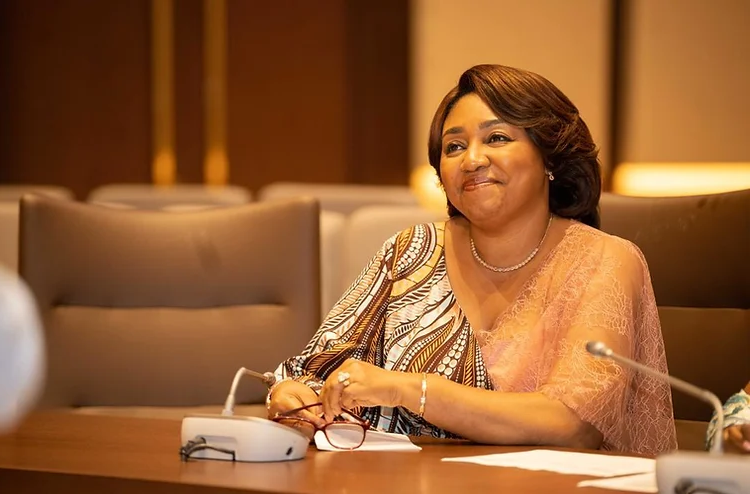
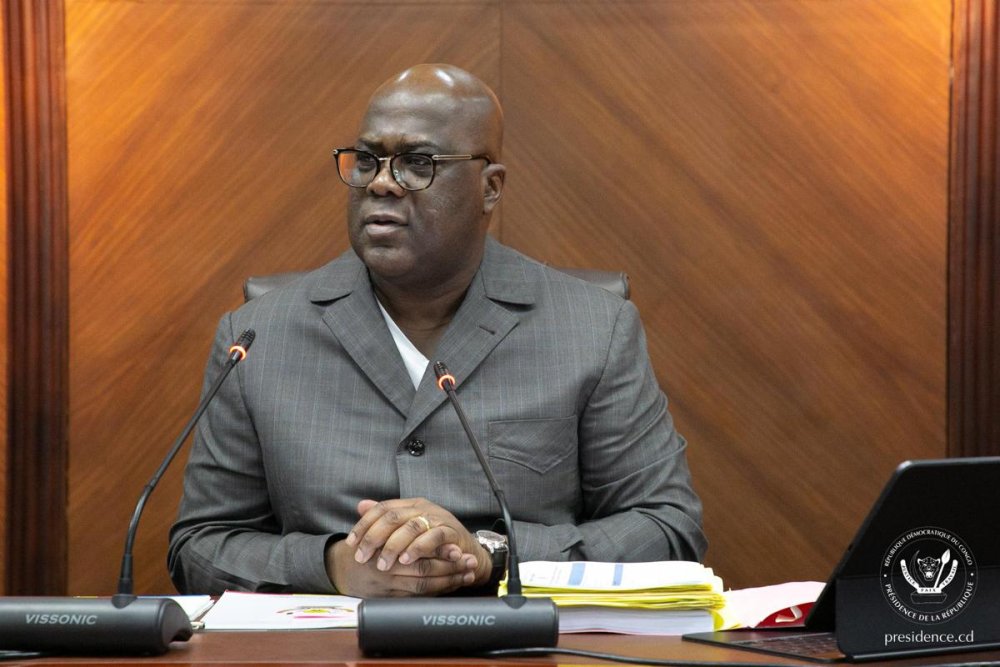
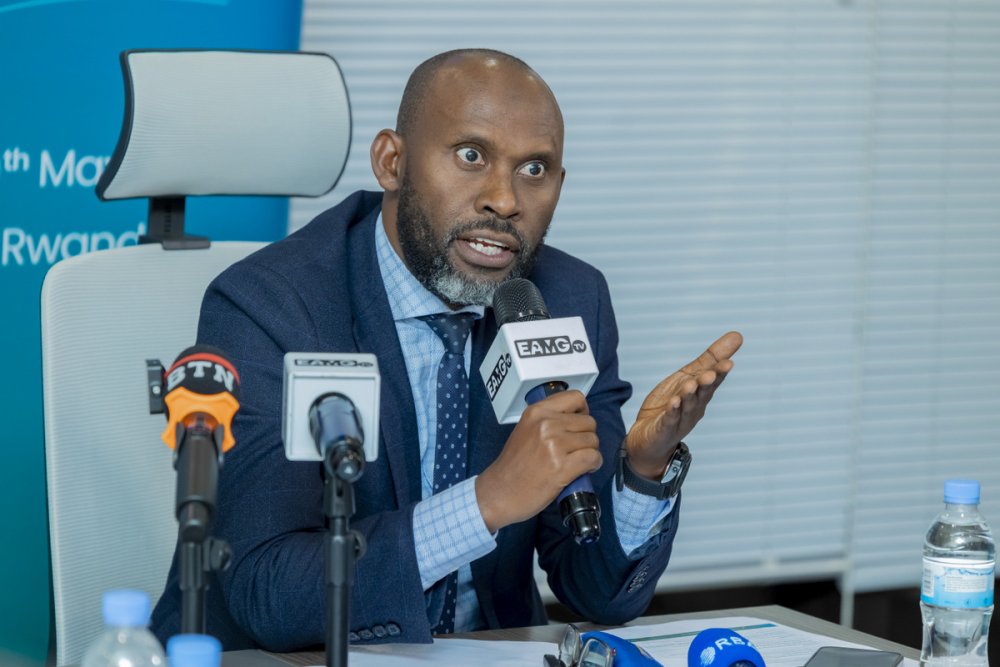
Earlier reports from Congolese sources suggested an attempted intrusion at the hotel, with government spokesperson Patrick Muyaya asserting that assailants who allegedly targeted Nyakeru were neutralized by presidential security.
Rumors from DRC side quickly circulated in media and social circles linking the incident to external actors, including Rwanda, though these claims remain unverified.
In a statement released on Wednesday, the embassy clarified that reports of an attempted intrusion were misleading and misrepresented the actual events.
The statement explained that an unarmed member of a Rwandan VIP security detail “inadvertently encountered security agents of a DRC delegation in a hotel hallway accessible to all guests,” as both delegations were staying at the same hotel.
The embassy added that the Rwandan security member was “briefly restrained from accessing the elevator by the DRC security agents, which was inappropriate and wrong behavior in a common area,” but emphasized that the situation “was eventually resolved without further escalation.”
“Following this incident, the Rwandan party made a decision to change hotels, but were harassed and filmed by unknown persons as they checked out and departed. Despite this provocation, the Rwandan team was restrained and professional at all times, and carefully avoided any confrontation,” the statement reads.
“There has been gross misrepresentation of what transpired, including blatant dishonesty by the DRC Minister of Information in a press conference last night. These contemptible lies should be disregarded and condemned,” the embassy added.
Nyakeru has traveled to the United States for an official visit.
Cabinet Secretary for Youth Affairs, Creative Economy and Sports Salim Mvurya said the competition will feature host Kenya’s Harambee Starlets alongside Australia, India and Malawi.
“Being able to host a tournament of this nature reflects the progress Kenya is making in sports development. It shows that we are moving in the right direction,” he told journalists in Nairobi.
Australia and Malawi will open the tournament before the hosts take on India on the first day of competition.
On April 15, the third-place playoff between the losers of the opening matches will be followed by the final between the two winners.
Football Kenya Federation President Hussein Mohammed welcomed the development.
“Hosting this tournament is a big step for Kenya’s football. It not only gives our national team valuable international exposure but also strengthens our capacity to organise and deliver competitions at the highest level.”
Cabinet Secretary for Youth Affairs, Creative Economy and Sports Salim Mvurya said the competition will feature host Kenya’s Harambee Starlets alongside Australia, India and Malawi.
“We’re saying goodbye to the Sora app,” the Sora team said in a statement posted on the social platform X.
The team thanked users who had created and shared content on the platform, saying “what you made with Sora mattered” and acknowledging that the decision would be disappointing to many in its user community.
Sora, launched as a standalone app in September 2025, has been positioned as one of OpenAI’s major products in generative video.
OpenAI’s help-center materials as recently as March showed ongoing updates to Sora’s features, including editing tools and support for the newer Sora experience, suggesting that the shutdown represents a sharp shift in the company’s product direction.
In December 2025, OpenAI and The Walt Disney Company announced a three-year licensing agreement and a 1 billion-U.S.-dollar investment from Disney. Media outlets reported that the arrangement will no longer move forward following Sora’s shutdown.
“As the nascent AI field advances rapidly, we respect OpenAI’s decision to exit the video generation business and to shift its priorities elsewhere,” Disney said in a statement Tuesday, adding that it would “continue to engage with AI platforms to find new ways to meet fans where they are.”
Sora had launched as a standalone app in September 2025
Among those who reportedly traveled to Kinshasa is Jean-Luc Habyarimana, the son of former Rwandan president Juvénal Habyarimana.
According to sources, President Félix Tshisekedi took a particular interest in him, viewing him as someone who could be easily leveraged. Tshisekedi is said to have considered appointing him as a figurehead leader of a restructured coalition of Rwandan opposition groups.
Reports suggest that this coalition could include members of the FDLR, a group designated as a terrorist organization, along with other Rwandans in exile, including former politicians and military figures such as Kayumba Nyamwasa.
Intelligence sources in both the DRC and France indicate that Tshisekedi’s interest in Jean-Luc is not solely based on his family background. Instead, they point to his public visibility and perceived vulnerability, suggesting he may be easier to influence and mobilize.
Jean-Luc Habyarimana has no known political party affiliation and has not held any leadership position. However, sources claim Tshisekedi sees him as someone who could be used in propaganda efforts targeting the Rwandan government, particularly if provided with financial support.
Historical context also plays a role. Following the death of President Habyarimana in 1994, his family fled to what was then Zaïre, where they were received by Mobutu Sese Seko, who ruled the country from 1971 to 1997 before it became the DRC.
Reports indicate that Mobutu showed particular attention to Jean-Luc, even portraying him as a heroic figure and allegedly granting him financial support worth USD5,000.
The family later relocated to Gabon, where then-President Omar Bongo is also said to have provided additional financial assistance equivalent to USD3,000 before Jean-Luc moved to France.
Despite this reported financial backing, Jean-Luc’s economic situation is said to have remained unstable. Sources describe a pattern of spending without long-term planning, leading to financial difficulties. He reportedly had a relationship in Gabon and fathered two children, but the relationship ended amid financial strain.
Currently, Jean-Luc and his children are said to live with his mother, Agathe Kanziga Habyarimana, rather than in their own residence.
Observers suggest that Tshisekedi may view Jean-Luc’s circumstances as an opportunity, providing him with financial support in exchange for his involvement in anti-government activities, effectively positioning him as a symbolic figure rather than an established political actor.
Intelligence analysts further argue that Tshisekedi may see Jean-Luc as a way to amplify propaganda efforts by drawing on the historical legacy of the Habyarimana name. However, they caution that such a strategy would depend heavily on continued financial backing.
On the other hand, reports from Kinshasa indicate that the plan may already be encountering difficulties. Officials within the DRC government suggest that although Jean-Luc received funds intended for mobilization and anti-Rwanda campaigns, his tangible output has been limited, reportedly extending little beyond the creation of a media platform known as Xtrafrica Media Group.
Sources indicate that President Félix Tshisekedi took a particular interest in Jean Luc Habyarimana, viewing him as someone who could be easily leveragedJean-Luc Habyarimana, the son of former Rwandan president Juvénal Habyarimana is among individuals who have been travelling to Kinshasa in an anti-Rwanda mobilization.
With MoFlex, MoMo users can now access microloans tailored to their unique needs. This innovative service offers customers the freedom to choose repayment periods that suit their financial situations.
MoFlex users can request loans ranging from Rwf 1,000 to more than Rwf 1,000,000, with transparent and competitive interest rates from 7% to 14%, tailored to their chosen repayment period. Customers can choose to pay between 7, 14, and 30 days. This ensures both affordability and clarity for all users. Accessing a MoFlex loan is fast and hassle-free. Customers can dial 1825*4#, follow the prompts, and receive funds directly into their MoMo accounts within minutes.
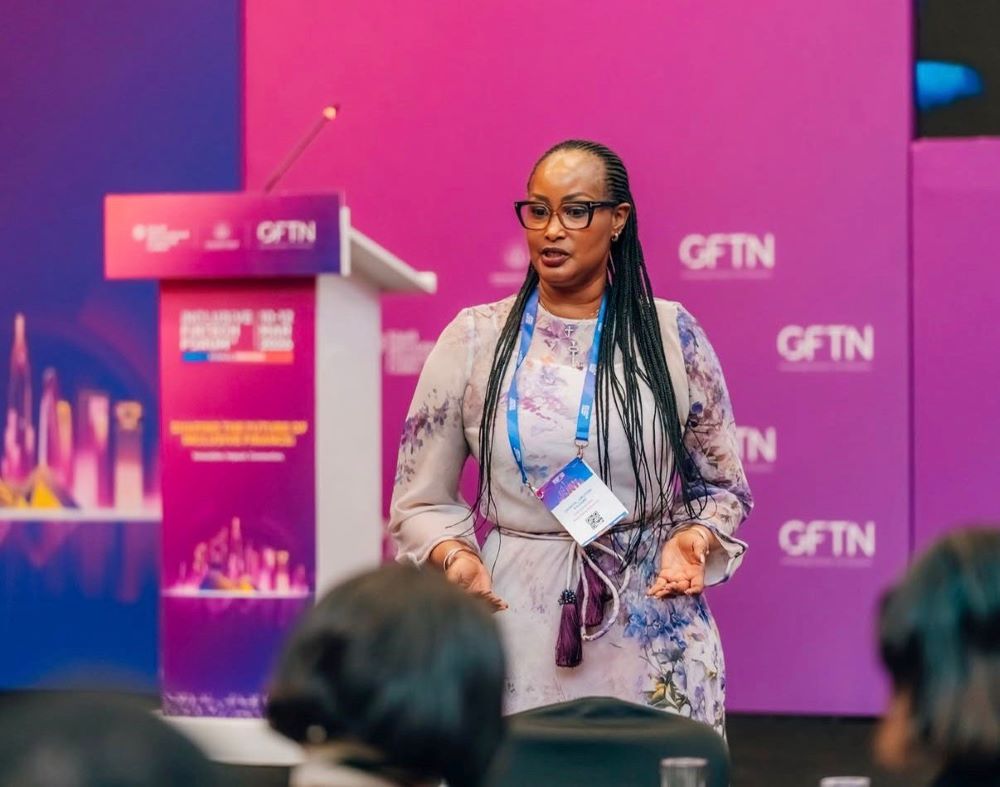
Speaking at the launch, Chantal Kagame, CEO of Mobile Money Rwanda Ltd, shared: “We are delighted to introduce MoFlex as part of our ongoing commitment to fostering financial inclusion in Rwanda. “This product is designed to address the evolving needs of our customers, providing not only access to funds but also the flexibility to manage their finances effectively. At MoMo, we are dedicated to delivering solutions that truly come from the heart – ‘BivaMoMotima.’”
On the launch of MoFlex, Puneet Chopra, Chief Growth Officer at Yabx, highlighted that it combines flexible loan options with instant digital access, enabling customers to borrow and repay in a way that fits their financial needs.
“Behind this simple experience is a sophisticated digital lending infrastructure that brings together real-time data analytics, credit decisioning, and deep ecosystem integration. Through our partnership with Mobile Money Rwanda and Ecobank, we are creating a scalable model that has the potential to extend responsible access to credit across Rwanda’s large and growing base of MoMo users,” he said.
Carine Umutoni, Managing Director, Ecobank Rwanda Plc, also explained how the bank attaches great relevance to helping individuals access credit, as a powerful catalyst for economic empowerment in Rwanda, particularly for underserved communities who often face barriers to formal financing. “Through our partnership with Mobile Money Rwanda Ltd and YABX, MoFlex provides customers with convenient and responsible access to short-term financing directly through their mobile phones. This collaboration reflects our commitment to leveraging digital innovation to expand financial inclusion and deliver practical financial solutions that support everyday needs and small businesses across Rwanda,” she noted.
Empowering communities
MoFlex represents MoMo Rwanda’s unwavering dedication to leveraging digital innovation to transform lives and empower communities across the country. By offering accessible and user-friendly financial services, MoMo continues to lead the charge toward achieving a fully cashless economy in Rwanda.
Mobile Money Rwanda Ltd is MTN Rwanda’s FinTech subsidiary, established on 27th April 2021 to provide and manage Mobile Money services in Rwanda. The company has about 5.1 million subscribers, over 65,000 Mobile Money agents, and over 500,000 MoMoPay merchants across the country.
With continuous innovations in services such as MoMoPay, MoKash Loans & Savings, Tap&Go bus payments, Bill Payments, and International & Regional Remittances, Mobile Money Rwanda is positioning itself at the forefront of driving financial inclusion and supporting the digital economy in Rwanda.
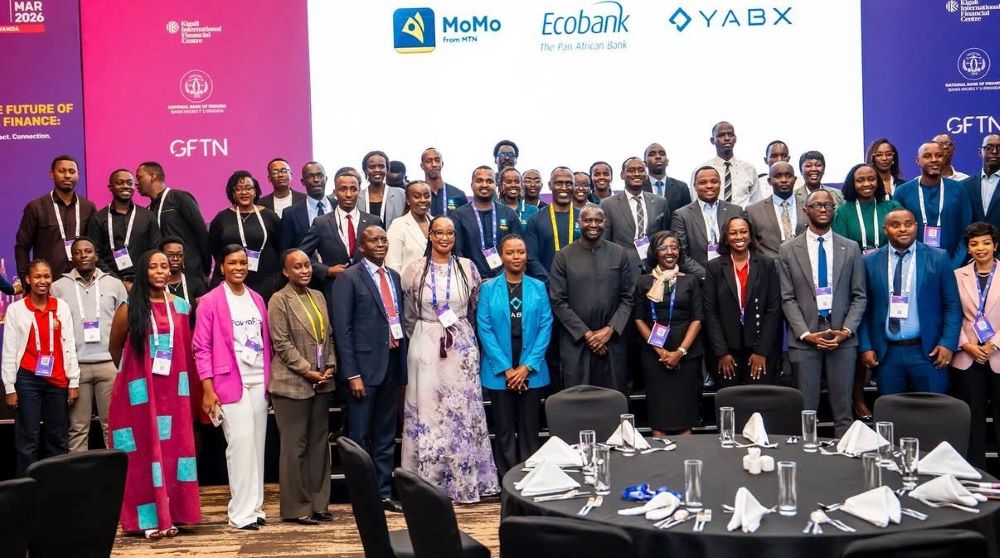
Participants of the launch in a group photo. Chantal Kagame, CEO of Mobile Money Rwanda Ltd, speaking at the launch
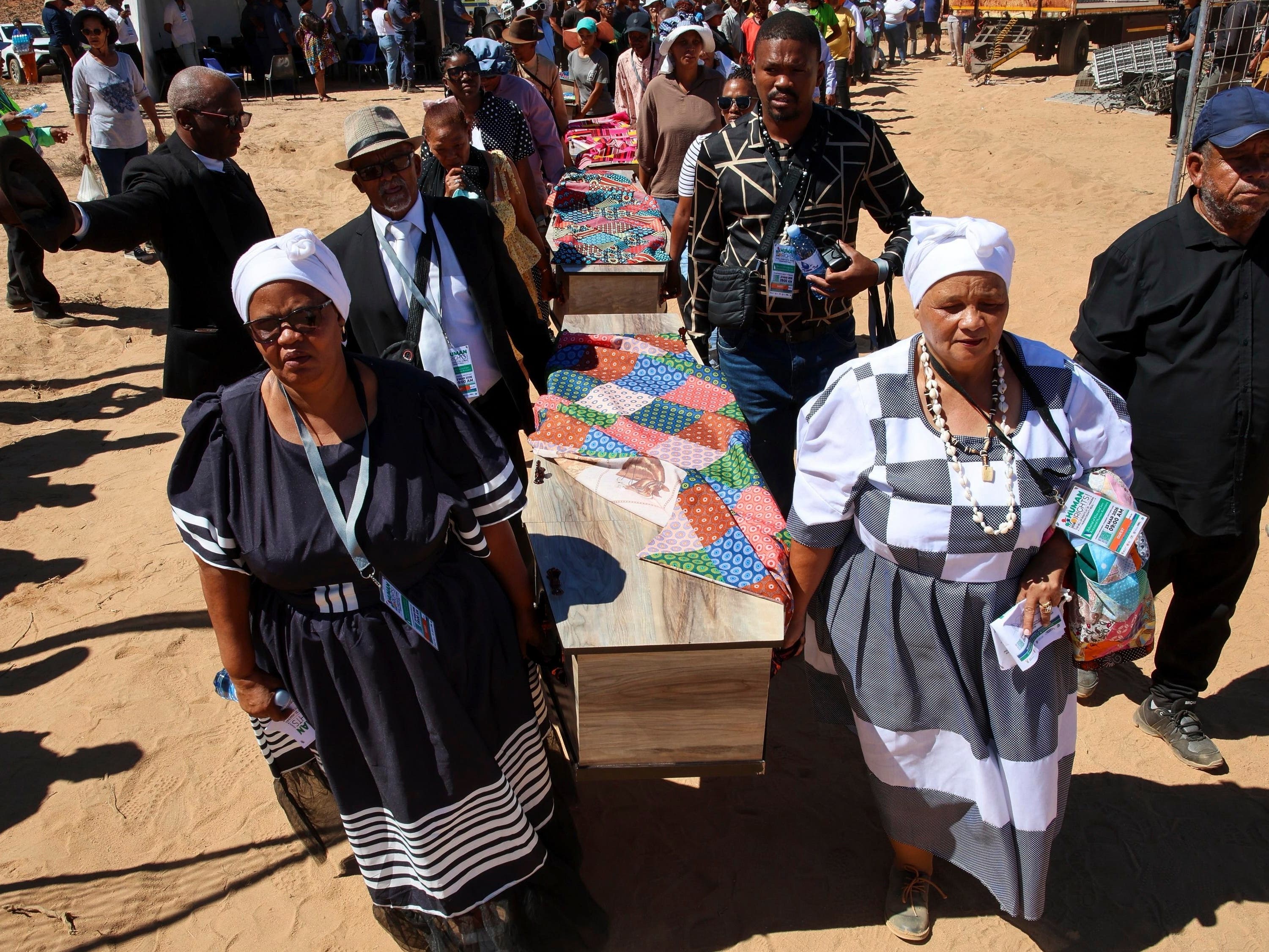
President Cyril Ramaphosa officiated the ceremony at the Kinderle Monument in the Northern Cape province, where the remains, which had been taken to Europe and held in local museums and other institutions during the colonial era, were laid to rest following a years-long repatriation process involving South African authorities and overseas institutions.
The remains included six individuals repatriated from Scotland and others long held at Iziko Museums, formerly the South African Museum, since the early 20th century. Many were originally exhumed without consent between the late 1800s and early 1900s, during a period when the remains of indigenous people were collected, traded and studied in support of racist scientific theories.
“A dignified burial is but the least we can do as the democratic government to honor these, our countrymen and countrywomen, who were victims of a terrible past,” Ramaphosa said.
He described how indigenous communities were dispossessed of land and subjected to violence and exploitation under colonial rule, adding that “not even death would spare them from indignity.”
“Their remains were dug up from graves and sold to museums and medical institutions in Europe,” he said.
The reburial forms part of a broader national program led by the Department of Sport, Arts and Culture to repatriate human remains and heritage objects taken during colonialism and apartheid.
“The return of our ancestors to their descendant communities is a vital act of restoration and restitution that goes beyond acknowledging the colonial legacy. It is also a manifestation of Ubuntu, a recognition of our common humanity,” Ramaphosa stressed.
“Today, as their remains are finally returned to the land from which they were taken, we restore the dignity that was so cruelly denied to them in life and even in death,” he said.
“They were not nobodies … They were our people,” he added.
Ramaphosa reaffirmed South Africa’s commitment to restoring dignity to the victims of colonialism and apartheid, noting that the Constitution calls for healing the divisions of the past and advancing social justice.
“Our Constitution obliges us to advance restitution for all those who were the victims of colonial and apartheid atrocities,” he said.
Coffins are carried during the reburial of remains of dozens of Africans
The two-day summit, hosted by The European House-Ambrosetti, brought together global leaders, private sector players and investors to champion climate finance, environmental stewardship and a just transition.
Kenya’s Cabinet Secretary in the Ministry of Agriculture and Livestock Development Mutahi Kagwe warned that failure to finance climate-smart agriculture in Africa could trigger far-reaching consequences for global food systems.
Kagwe said that climate change is already dismantling traditional agricultural systems across Kenya, with extreme weather patterns now defining the country’s reality.
“Climate shocks are no longer future risks. They are present disruptions. If agriculture in Africa fails, global food systems will feel the shock,” he warned.
The summit aims to catalyze a global discussion on the crucial role of industry in building a climate-resilient Africa.
Through a series of plenary sessions and panels, participants, including more than 150 CEOs, institutional leaders and influential stakeholders from Africa and beyond, will have the opportunity to examine best practices, innovations and policies needed to mitigate the impacts of climate change on the African continent.
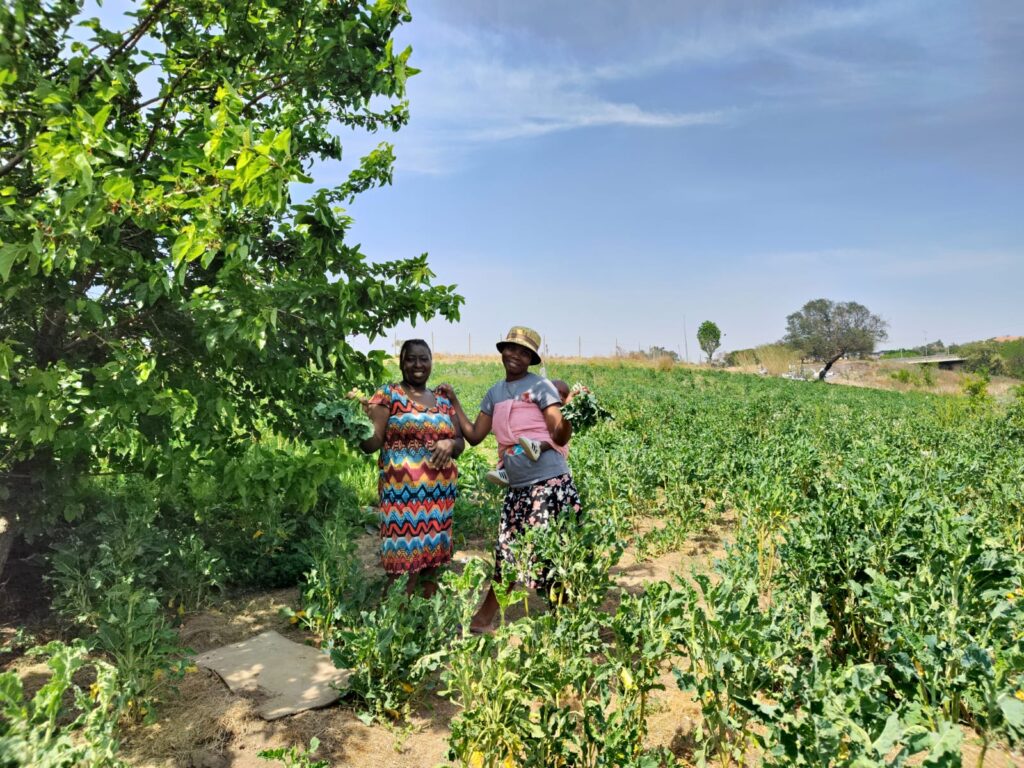
Kagwe said that Kenya’s heavy reliance on rain-fed agriculture, which accounts for 98 percent of farming, leaves millions exposed to climate variability.
He said the consequences have already been severe, including five failed rainy seasons between 2020 and 2023, 4.4 million people pushed into food insecurity, and the loss of over 2.5 million livestock.
“Even in 2026, the crisis persists. While some regions face deadly floods, others are battling drought and extreme heat, with over two million Kenyans currently in need of emergency food and livestock support,” Kagwe said.
But beyond the statistics, Kagwe said that Africa must no longer be sidelined in climate decision-making or subjected to externally designed solutions.
“There is no one-size-fits-all solution. Climate change is a lived experience for our farmers. The answers must come from the ground, not from boardrooms in Brussels, New York or Paris,” he said.
The summit called on international investors to finance climate-smart agriculture to boost food security on the continent.
Miramago was previously the CEO of the Institute of Certified Public Accountants of Rwanda (ICPAR), where he played a pivotal role in advancing the accounting profession and improving financial governance in the country.
His appointment to the PSF comes at a time when the organization continues to play a crucial role in the development of the private sector and the country’s economic growth.
Miramago assumes his new position as PSF recently elected new leaders, including François Twagirumukiza, who has prioritized initiatives like establishing a new insurance fund for traders and encouraging businesses to operate 24/7.
Twagirumukiza emphasized that in the next three years, they will work closely with members, especially to promote participation in the new health insurance fund for traders.
This newly established insurance fund aims to assist traders who are unable to afford conventional insurance by providing a community-based safety net for them during times of crisis. Currently, the fund has nearly 900 members.
Additionally, one of the key initiatives PSF is focusing on is encouraging businesses to operate around the clock to ensure continuous service availability, addressing concerns about the lack of services during nighttime or weekends.
Amin Miramago’s leadership is expected to strengthen PSF’s efforts in advancing the private sector and contribute further to the country’s economic development.
During his tenure at ICPAR, he helped the organization become a permanent member of the International Federation of Accountants (IFAC), and he supported several reforms aimed at enhancing public financial management and transparency in government spending.
Miramago was previously the CEO of the Institute of Certified Public Accountants of Rwanda
He made the remarks during the opening of the one-day consultation meeting of senior government officials and local leaders at Gako Military Academy.
The meeting discussed the ideal conduct for leaders in advancing the country and delivering quality services.
Dr. Nsengiyumva highlighted the importance of improving planning and coordination between various levels of government, stating that working in isolation often leads to inefficiencies and failed projects.
An example was shared about how some ministries implement projects fail to work with private sector partners to build additional infrastructure, which often results in unproductive outcomes.
The meeting takes place at a time when Rwanda Governance Board scorecard shows a decline in service delivery performance from 78.2% in 2023 to 75.8% in 2024, and 71.7% in 2025.
He urged leaders to commit to delivering timely and quality services, emphasizing that citizens have an inalienable right to good service. “We must ensure that citizens see the government as approachable, responsive, and focused on improving their lives,” he said.
The Prime Minister also discussed the worsening issue of drought, exacerbated by climate change, and the importance of leaders being close to the people to identify and address their challenges. He stressed that when leaders are close to their communities, they can identify needs, such as lack of seeds, ensuring that expected results are achieved.
Dr. Nsengiyumva also called on leaders to understand the living conditions of the people they lead and act quickly to address problems. He encouraged timely reporting of issues to higher authorities to allow the government to intervene when necessary. “Leaders must be proactive and ensure they follow up on issues in their communities,” he added.
Addressing the issue of malnutrition, the Prime Minister urged every district to have a target to eliminate malnutrition, particularly among children. He also raised concerns about poor hygiene and inadequate sanitation in some areas, where people live without basic sanitation facilities or with livestock in their homes.
Another critical issue raised was the substandard alcohol being produced, which not only harms citizens’ health but also impedes economic development.
Dr. Nsengiyumva also discussed the failure of many projects due to poor management, stating that stalled projects result in job losses and hinder economic growth. He gave the example of a market in Nyagatare that cost Rwf1.5 billion but was unused for two years, becoming overgrown with grass.
He urged leaders to follow up on projects, ensuring they meet their objectives and addressing any issues that arise. “You must take an active role in planning, monitoring, and solving issues related to the projects in your respective districts as you have what it takes to do so,” he stated.
Dr. Yusuf Murangwa, the Minister of Finance and Planning, emphasized the need for strategic planning to prioritize urgent projects, allocate resources, and ensure timely execution. He also pointed out that some projects are poorly aligned with actual needs, leading to inefficiency.
Mulindwa Prosper, the Mayor of Rubavu, stressed that poor planning erodes citizens’ trust in their leaders, leading to widespread dissatisfaction.
Dr. Nsengiyumva highlighted the importance of improving planning and coordination between various levels of government.
Data from restaurant booking platform CatchTable shows that reservations jumped an average of 303% in the five weeks following the second season premiere compared to the five weeks prior.
The show distinguishes chefs as “Black Spoons” (hidden masters) and “White Spoons” (elite), highlighting both street food and fine dining. Fans, particularly millennials and Generation Z, are increasingly seeking these culinary experiences as part of cultural travel, according to Euromonitor International’s Asia-Pacific 2025 lifestyle survey.
Travel experts note the trend is shaping tourism strategies across Asia. South Korea has incorporated food tourism into its 2026 plans, while Singapore saw a 15% rise in tourist spending on food and beverages in 2025. In Japan, more than 80% of tourists now expect to experience local cuisine during visits.
Hotels are responding by enhancing culinary offerings. Hilton’s 2025 Trends Report found that 60% of luxury travelers prioritize hotels with quality food options, and nearly one in five travelers actively seek new culinary experiences.
Singapore’s Amara Holdings and Capella Hotel provide guided market tours and interactive cooking sessions with chefs, combining food, culture, and storytelling for travelers.
According to Erik Wolf, founder of the World Food Travel Association, tourists increasingly value authentic experiences and local culture, from rural food markets to historical culinary traditions.
Overall, “Culinary Class Wars” demonstrates how entertainment can influence travel, turning dining experiences into a key driver for tourism and cultural exploration.
Participants Jung Ho-young, Hudukjuk, Monk Sunjae, Son Jong-won, producers Kim Eun-ji and Kim Hak-min, Yoon Jumo Yoon Nara, French Papa, Chinese Cuisine Witch, and Baby Beast pose during a press conference for the Netflix series Culinary Class Wars: Black and White Chef Season 2 at JW Marriott Dongdaemun Square in Jongno-gu, Seoul. (Photo by iMBC/Imazins via Getty Images)