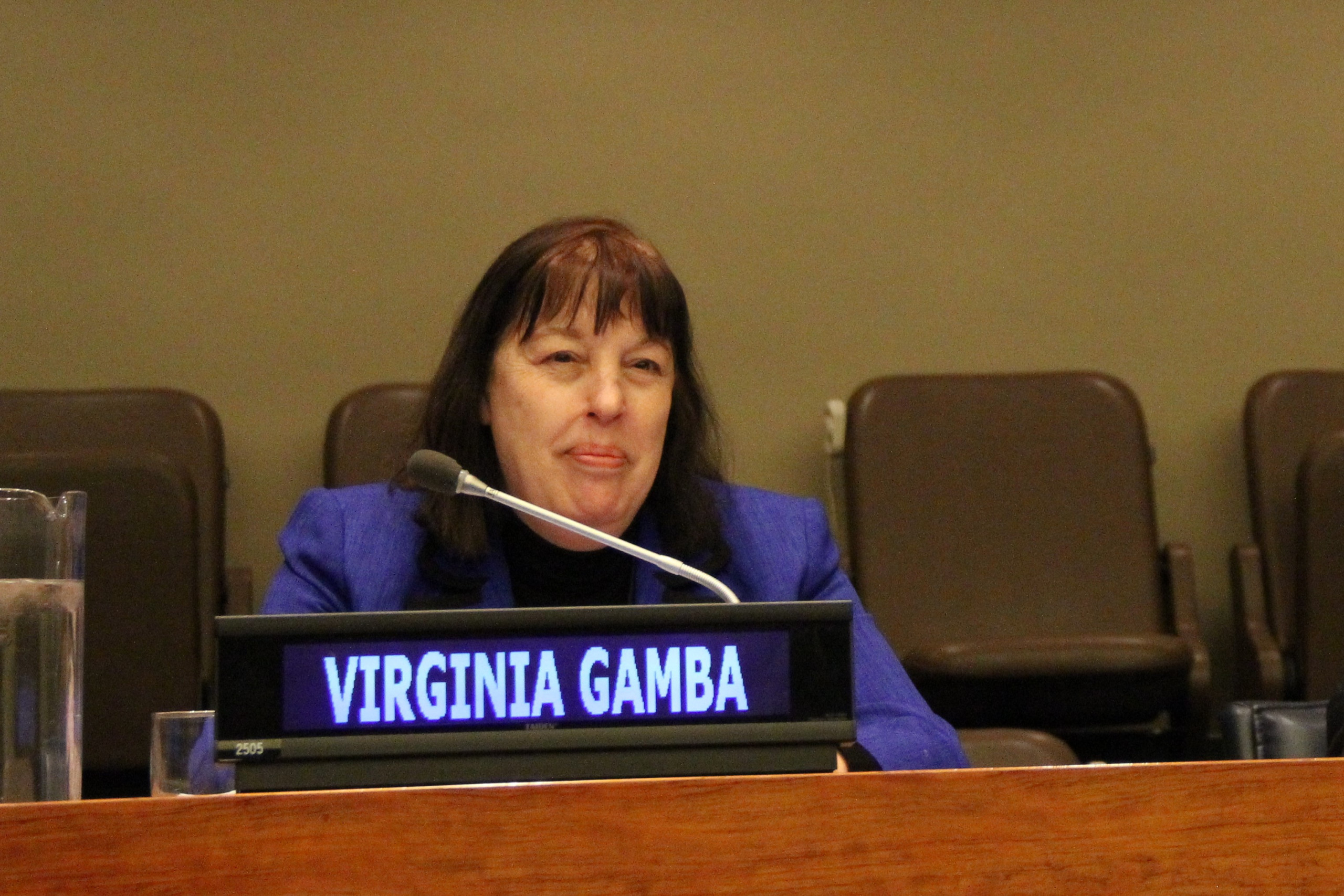
The Maldives has notified the president of the UNGA and the president of the Security Council of its decision to withdraw its nomination of Gamba, according to a note to correspondents issued by the spokesperson of the Office of the President of the UNGA.
With the withdrawal, there are four candidates for the next UN secretary-general: former Chilean President Michelle Bachelet, originally nominated by Chile, Brazil and Mexico; Rafael Grossi, the current director general of the International Atomic Energy Agency, nominated by Argentina; Macky Sall, former president of Senegal, nominated by Burundi; and Rebeca Grynspan, economist and former vice president of Costa Rica, nominated by Costa Rica.
According to documents posted on the website of the United Nations on Thursday, Chile has withdrawn its nomination of Bachelet, but she will remain as a candidate nominated by Brazil and Mexico.
Antonio Guterres, the current and ninth secretary-general of the United Nations, took office in January 2017. The next UN secretary-general will take over the role from Jan. 1, 2027.
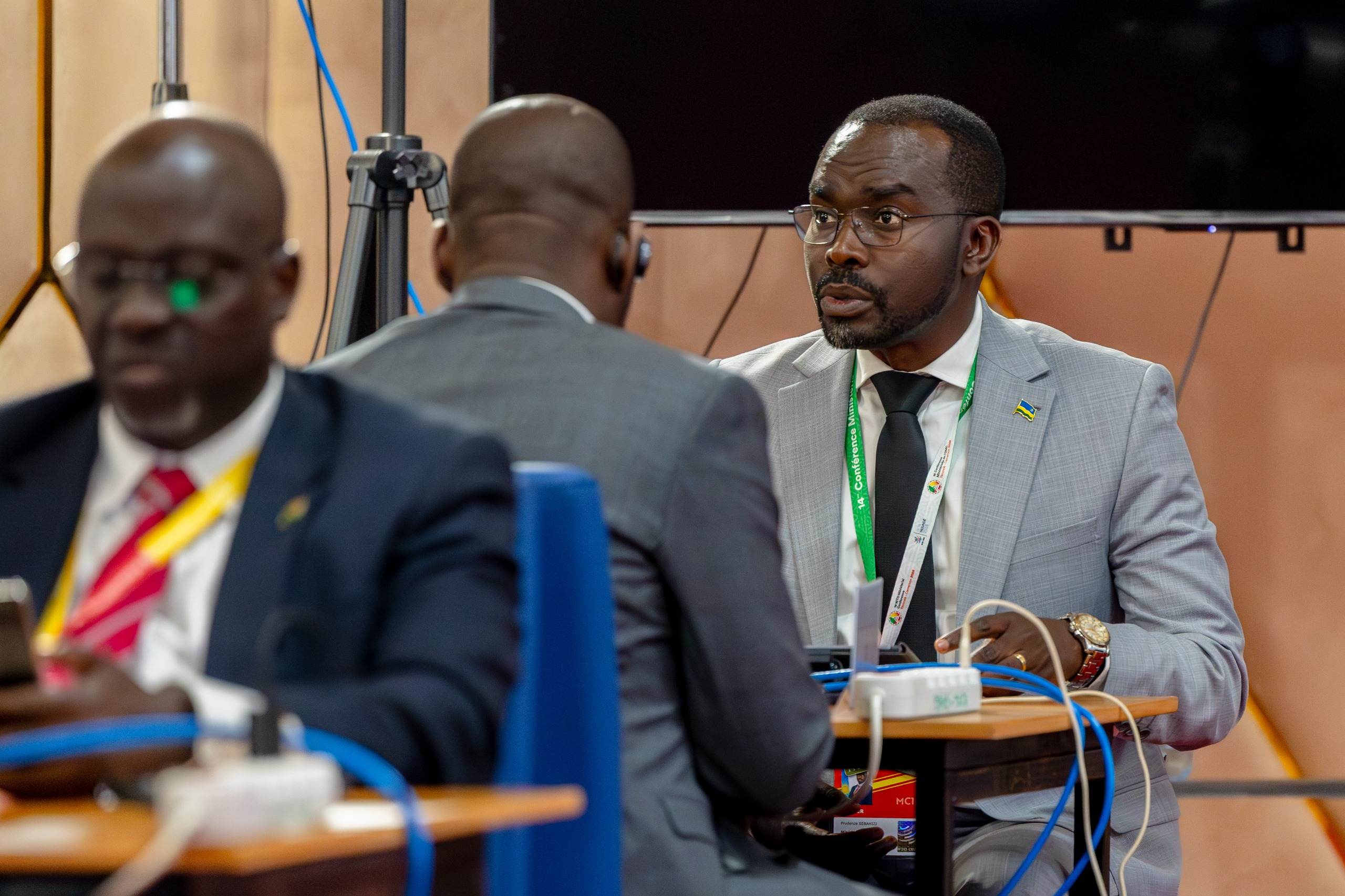
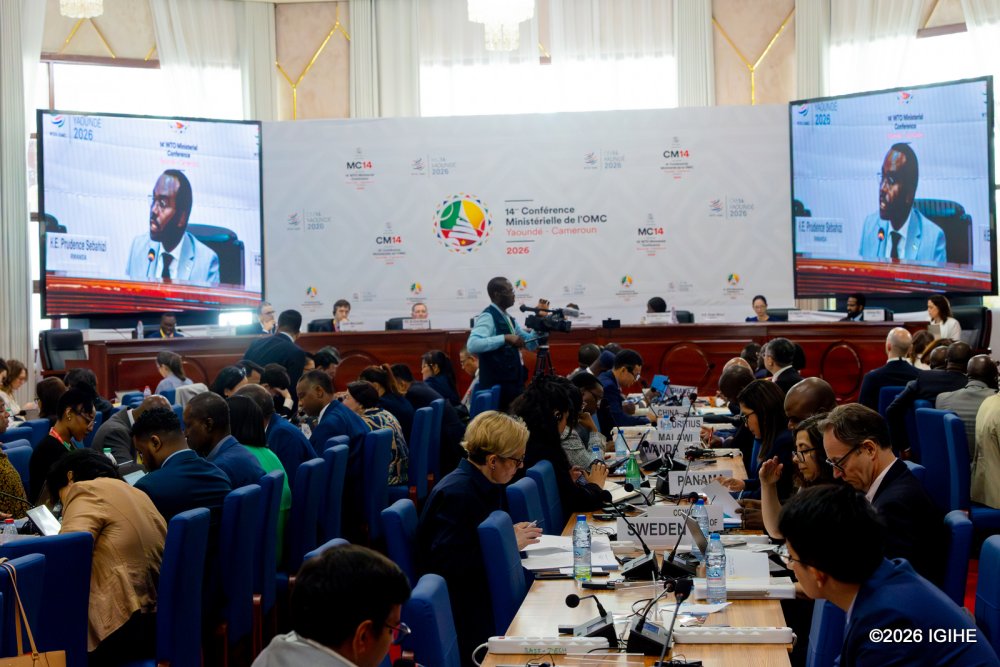
Speaking at the WTO Ministerial Conference, Rwanda’s Minister of Trade and Industry, Prudence Sebahizi, emphasized the challenges facing global trade and their impact on smaller economies.
“This Ministerial takes place at a critical moment for the multilateral trading system,” he said, citing geopolitical tensions, climate challenges, and supply chain disruptions affecting global markets.
He noted that these challenges have particularly significant implications for developing countries and Least Developed Countries.
Rwanda used the platform to advocate for reforms that prioritize development and ensure equitable participation in global trade.
“WTO reform must remain development-centred, ensuring that the interests and capacities of developing countries and Least Developed Countries are fully reflected,” Sebahizi said.
He added that reforms should strengthen the WTO’s key functions while maintaining inclusiveness and consensus-based decision-making.
A major concern raised by Rwanda was the weakening of the dispute settlement system, which the country described as essential for fairness and predictability.
“A fully functioning and accessible dispute settlement system remains a cornerstone of the multilateral trading system,” he said.
Rwanda also emphasized the importance of Special and Differential Treatment and Aid for Trade in helping developing countries overcome structural challenges, improve infrastructure, and participate more effectively in global trade.
The minister highlighted agriculture as a key priority, calling for progress in negotiations to address long-standing imbalances in global agricultural trade.
“Progress remains critical to addressing long-standing imbalances in global agricultural trade and ensuring food security,” he said.
Rwanda also expressed support for discussions on emerging areas such as digital trade and investment facilitation. “We support continued engagement on electronic commerce, while ensuring that discussions take into account the development needs and digital capacities of developing countries,” Sebahizi said.
He added that initiatives aimed at improving the investment climate could contribute to sustainable development, particularly for developing countries.
As the conference continues, Rwanda urged WTO members to deliver concrete outcomes that restore confidence in the system.
“Let us use this Ministerial Conference to reaffirm our shared commitment to a fair, inclusive, and development-oriented multilateral trading system,” Sebahizi said.
The Director-General of the World Trade Organization, Ngozi Okonjo-Iweala, warned that the global trading system is at a turning point.
“The world order and multilateral system we used to know has irrevocably changed. We will not get it back… we must look to the future,” she said, urging WTO members to take decisive steps to adapt the system to new economic realities and ensure it continues to deliver for all.
Rwanda’s Minister of Trade and Industry, Prudence Sebahizi has called for development-driven WTO reforms, stressing the need for a fair and inclusive global trading system.
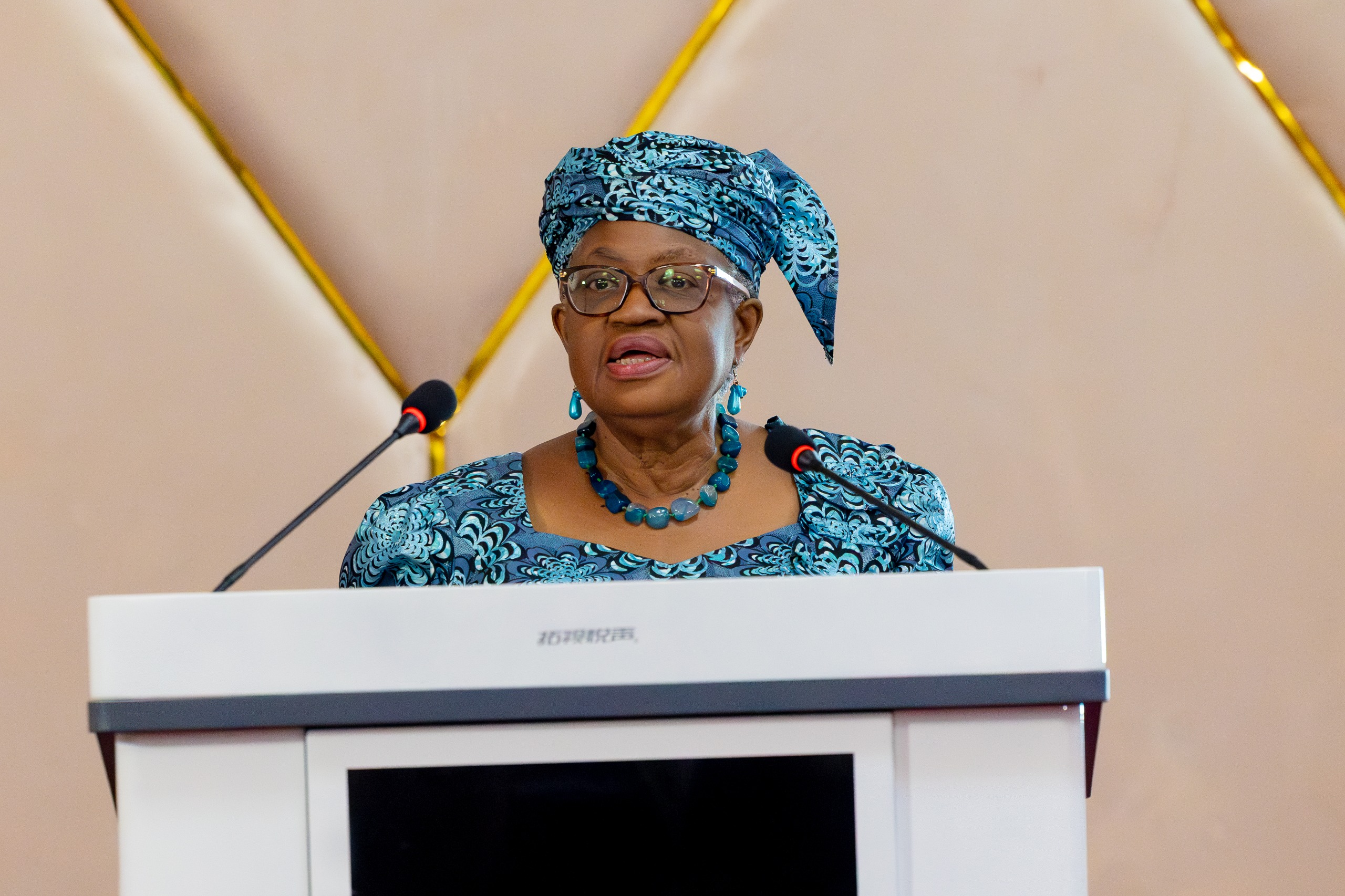
Opening the 14th WTO Ministerial Conference in Yaoundé, Ngozi Okonjo-Iweala delivered a stark message about the future of global trade.
“The world order and multilateral system we used to know has irrevocably changed. We will not get it back… we must look to the future,” she told ministers and delegates.
She said the current disruptions from geopolitical tensions to climate pressures are not temporary shocks, but part of a broader transformation shaping the global economy.
The WTO chief also outlined a cautious outlook for global trade, noting that growth is expected to slow significantly in the coming year.
“For 2026, our economists are forecasting slower growth… reflecting geopolitics, energy prices, and policy uncertainty,” she said.
According to WTO projections, goods trade growth is set to decline from 4.6% in 2025 to 1.9% in 2026, with risks of dropping further to 1.4% if high oil prices persist. Services trade is expected to grow by 4.8%, though this could fall to 4.1% if disruptions in transport and travel continue.
Despite these pressures, she stressed that the system remains resilient.
“Our latest analysis shows that around 72% of global goods trade still remains on WTO terms… providing global trade with a stable core,” she noted.
Okonjo-Iweala also highlighted growing structural challenges within the WTO, particularly a lack of transparency among members.
“Lack of transparency leads to a lack of trust, and that breeds suspicions of unfairness and anti-competitive behaviour,” she warned.
She noted that only 64 members had submitted subsidy notifications, undermining confidence in the system and contributing to delays in reform.
At the same time, she pointed to the growing role of technology in global trade, noting that digitally delivered services reached $5.26 trillion, accounting for about 15% of global trade, while AI-related products contributed significantly to recent growth.
She urged ministers to use the conference to push forward reforms and restore trust in the system.
“We cannot forever complain and then miss the opportunity to fix the problems,” she said, calling for stronger political will among member states.
During the meeting, Rwanda called for a more balanced and development-driven global trading system, warning that without meaningful reforms, smaller economies risk being left behind.
“WTO reform must remain development-centred, ensuring that the interests and capacities of developing countries and Least Developed Countries are fully reflected,” said Rwanda’s Minister of Trade and Industry, Prudence Sebahizi, urging members to translate ongoing reforms into tangible gains, particularly in agriculture, digital trade and access to a fair dispute resolution system.
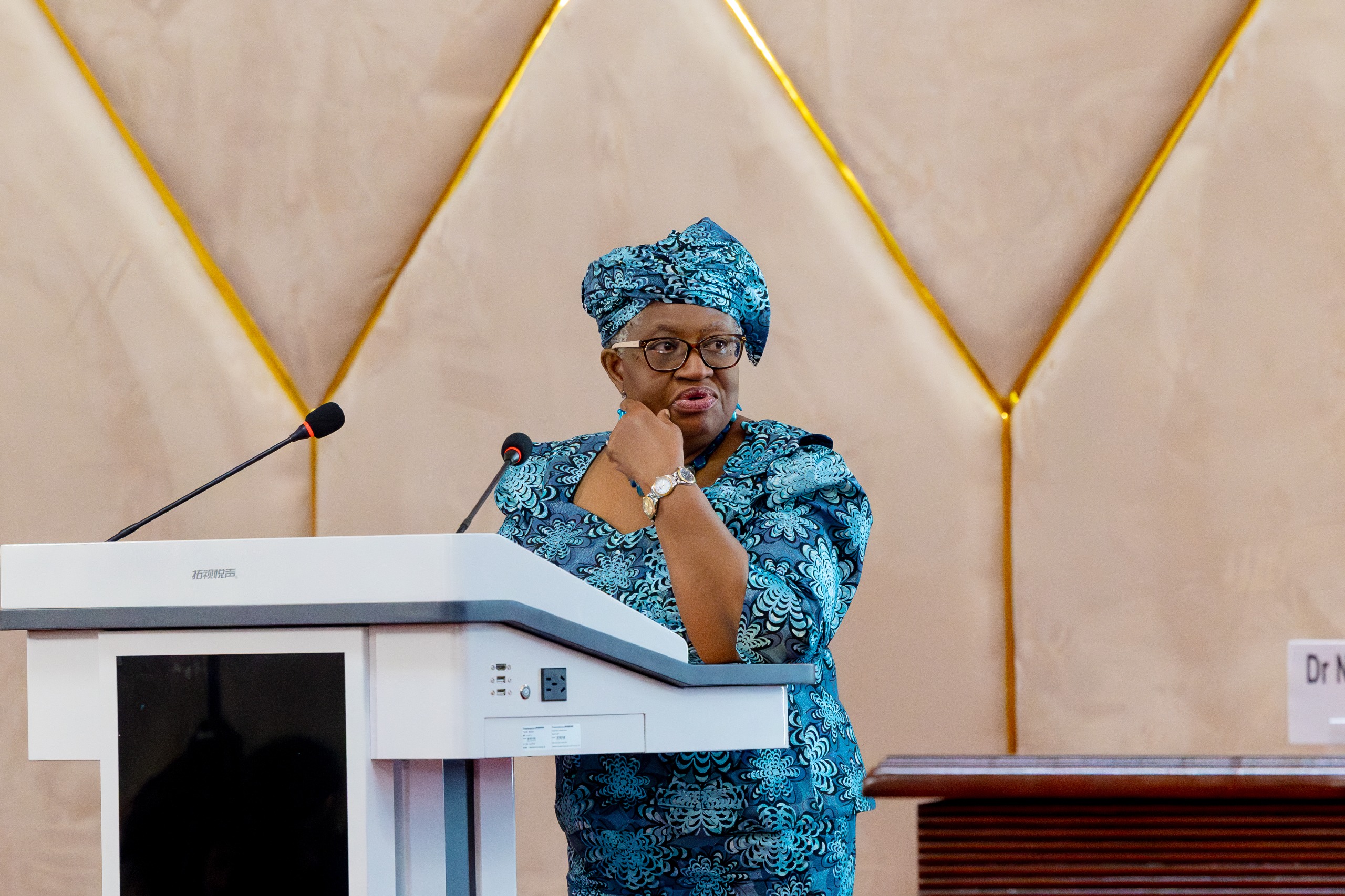
WTO Director-General Ngozi Okonjo-Iweala delivering remarks at the 14th WTO Ministerial Conference in Yaoundé.
Oral diseases are a global issue, not just limited to Rwanda. According to the World Health Organization (WHO), about 3.5 billion people worldwide suffer from some form of oral health problem. Over 2.5 billion people experience tooth decay, and many others struggle with gum disease.
Additionally, an estimated 350 million people lose at least one tooth, and $380 billion is spent annually on treating these issues globally.
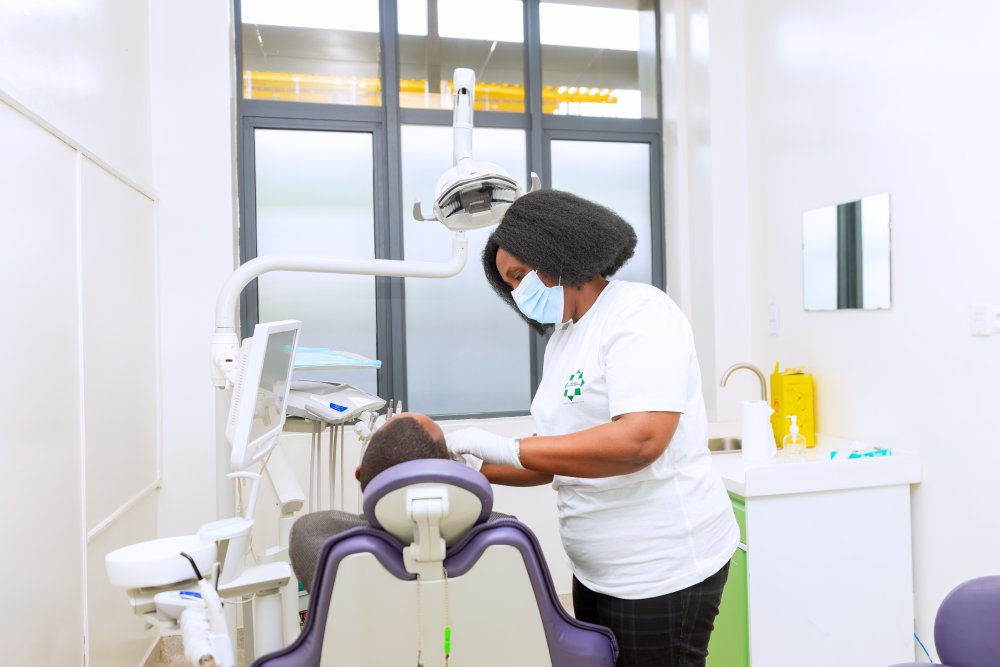
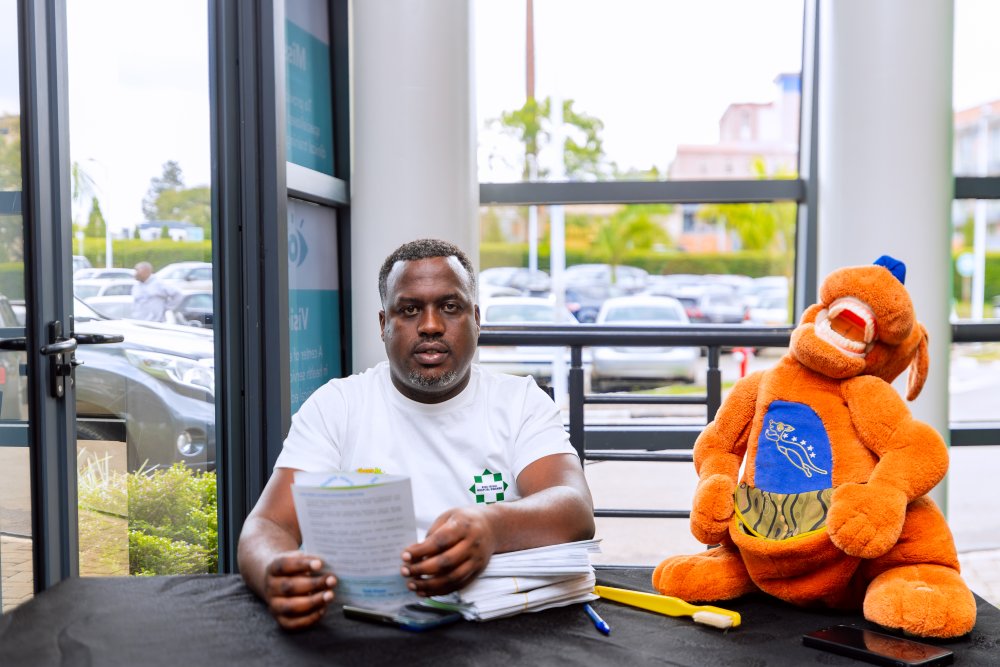
In honor of World Oral Health Day, KFH has committed to assess the oral health of its staff, patients, and visitors to evaluate their oral hygiene and needs.
Dr. Madeleine Uwamahoro, the Head of the Oral and Dental Surgery Department at KFH, emphasized that oral health affects not only the teeth but also the surrounding tissues, and these conditions are becoming increasingly prevalent.
“During routine examinations, it is rare to find a person without dental problems or oral health issues. You could examine people for a month and hardly encounter someone with perfect oral health,” she said.
Consequences of neglecting oral health
A 2021 study by Rwanda Biomedical Centre (RBC) found that 57% of people do not regularly seek dental checkups, with 92.8% only visiting a dentist when they experience pain. Only 1% of individuals engage in routine dental visits.
Dr. Uwamahoro stressed that untreated oral health issues can lead to serious health complications, such as miscarriage and stroke.
“Oral diseases have a direct impact on the bloodstream. Pregnant women with poor oral health are at risk of giving birth to underweight babies, and in some cases, this could lead to miscarriage. Hormonal changes during pregnancy can exacerbate gum issues, and combined with inadequate nutrition, it becomes a significant health risk for both mother and child.”
She also pointed out the challenges children face, particularly with severe dental issues that often go untreated. Some young children lose all their teeth, requiring anesthesia for proper treatment, which complicates care.
Dr. Uwamahoro further highlighted the social stigma faced by individuals with crooked teeth, who may have difficulty eating, speaking, or facing other challenges, including heart-related issues.
“Certain bacteria in the mouth can contribute to heart disease. Some people develop swelling due to bacteria in the mouth, which can enter the bloodstream and cause a stroke. These infections can also affect the respiratory system.”
The need for advocacy and timely treatment
Dr. Uwamahoro noted that issues like gum disease and jawbone problems are long-term conditions that require consistent care.
With over 10 years of experience at KFH, Dr. Uwamahoro shared that tooth decay and gum diseases are the most common oral health concerns in Rwanda.
“On average, we treat between 700 and 800 patients each month, including returning patients. This is a high number, and it shows that people need to be more proactive about their oral health,” she added.
She encouraged the public to adopt proper oral hygiene practices, such as brushing their teeth at least twice a day, changing toothbrushes every three months, and scheduling regular dental visits every six months.
KFH has pledged to assess the oral health of over 500 individuals to provide them with the necessary guidance and recommendations for maintaining good oral hygiene.
A woman who recently visited KFH for a dental checkup shared her thoughts on the initiative: “I’ve had dental issues for a while, mainly due to sugary drinks, but this initiative has been incredibly helpful. I’ve been considering seeing a dentist but was concerned about the costs. I encourage others to take advantage of this opportunity.”
Focusing on prevention and early diagnosis
KFH is not only focused on diagnosing oral health problems but also on preventive measures. The hospital is dedicated to educating the public about proper oral care, identifying early signs of disease, and making treatments more accessible.
The hospital is working to ensure that dental care services are readily available, particularly for common issues such as tooth decay, gum disease, tooth replacement, and restoring appearance with prosthetics.
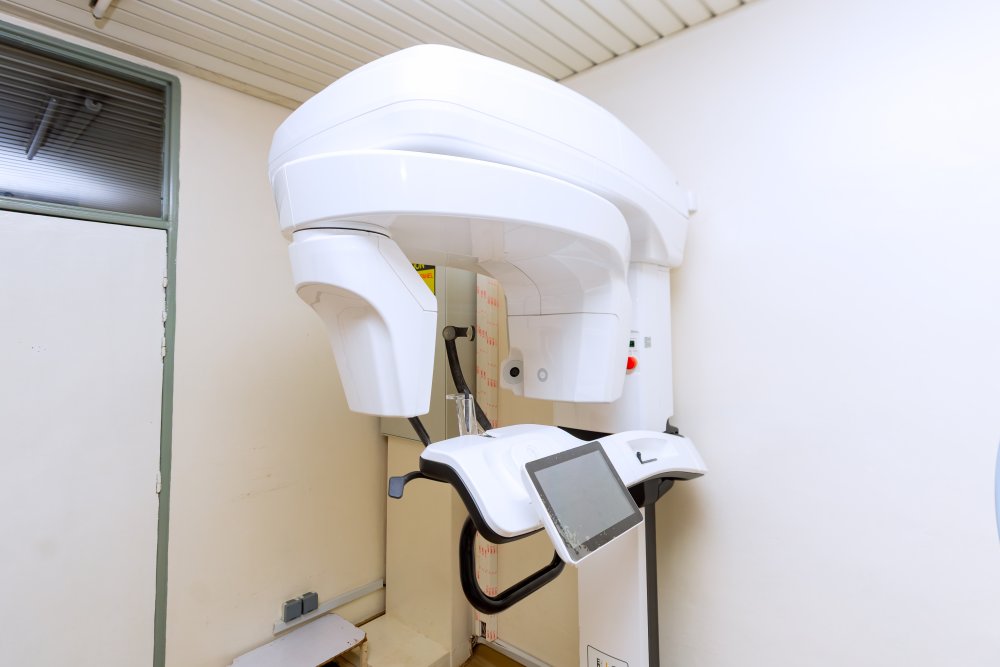
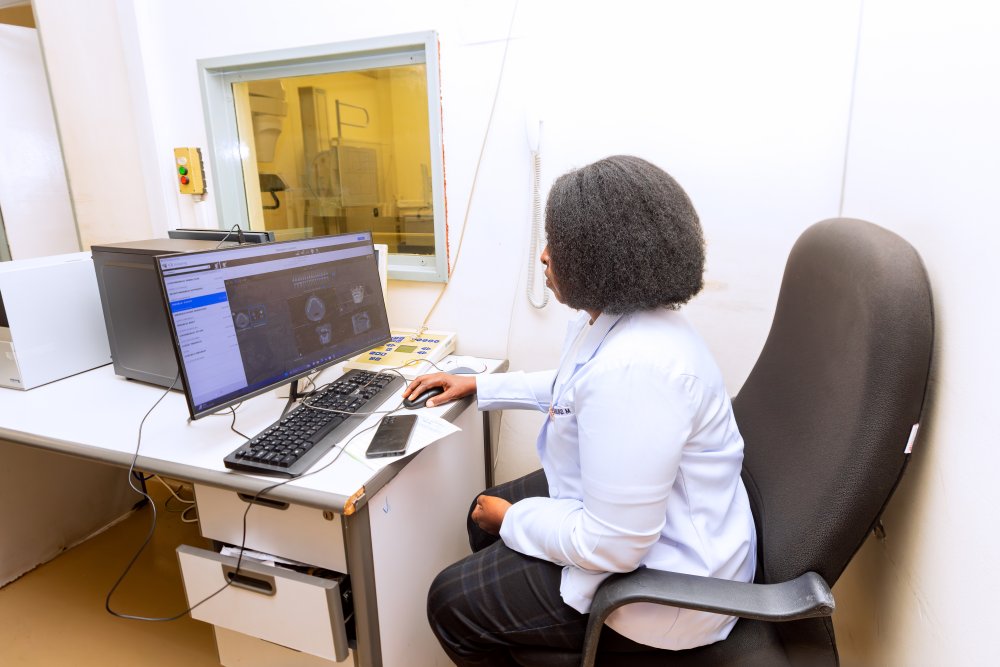
KFH provides specialized care, including treatments for damaged teeth, oral surgeries to correct dental problems, cleaning, aligning teeth, advanced diagnostic tools for detecting serious diseases, and gum disease treatment. The hospital also offers surgeries for abscesses and other dental issues.
Additionally, KFH offers special services for children, which may require full or partial anesthesia to ensure they receive the necessary care and support.
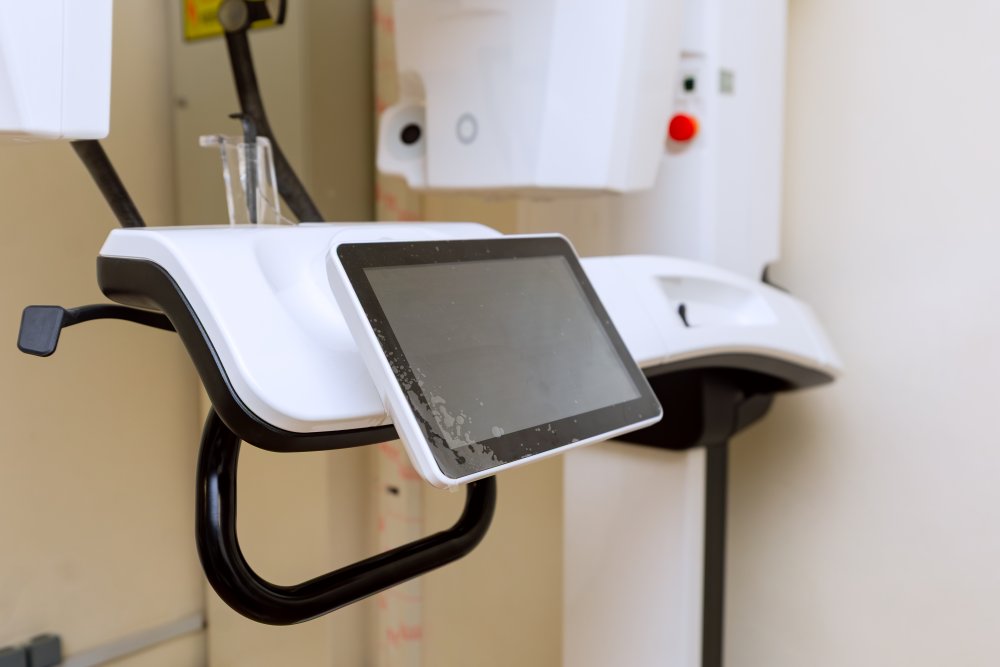
King Faisal Hospital’s new campaign aims to screen 500 people for oral health diseasesKing Faisal Hospital is equipped with state-of-the-art technology for oral health checkupsState-of-the-art equipment at King Faisal Hospital ensures comprehensive oral health screeningsKing Faisal Hospital has intensified efforts in the fight against oral health diseasesKing Faisal Hospital is located in Kacyiru
The company aims to assist those with small businesses who have previously struggled to obtain loans from traditional financial institutions.
The official launch event took place in Kigali on March 24, 2026. Small business owners who previously found it difficult to access loans from banks are now able to apply for loans via a digital platform without having to leave their locations.
Using Numida’s mobile app, applicants can fill out the required forms and receive loans ranging from 800,000 Rwandan Francs(Rwf) to Rwf12 million. The approval process takes less than 24 hours.
To qualify for the loan, applicants need to have a smartphone to download the Numida app, provide their national ID, a photo, and have a business that has been operating for at least six months in Rwanda.
They must also have the necessary registration documents from the Rwanda Development Board (RDB) proving ownership.
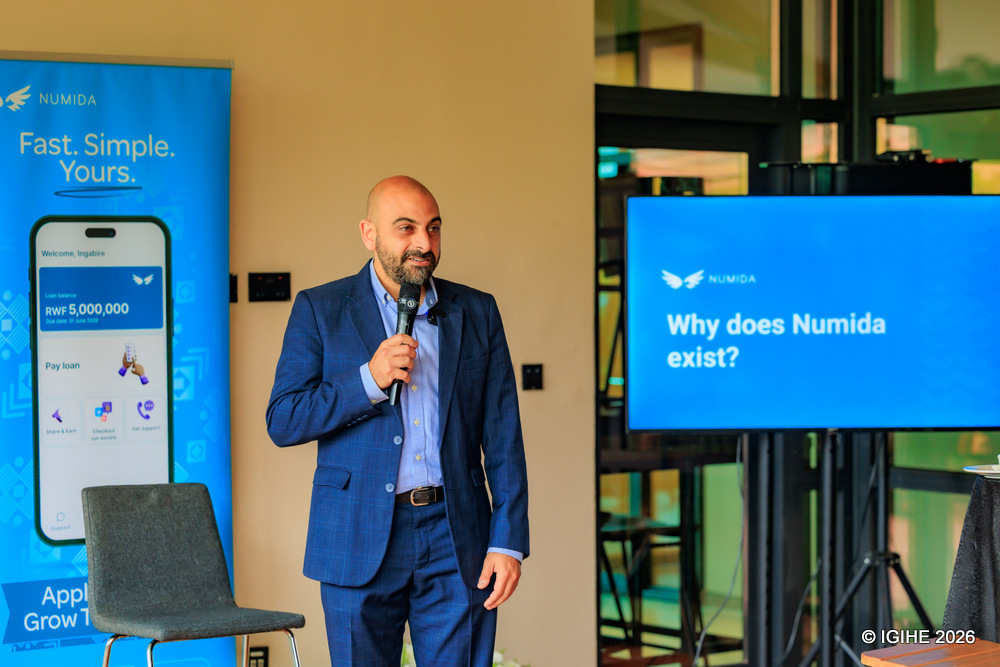
Mina Shahid, the CEO of Numida, stated that the loan process for small business owners is part of a broader initiative to align with Rwanda’s Vision 2050, which aims to speed up development and ensure financial services are accessible to all.
He said, “Our company’s goal aligns with Rwanda’s Vision 2050, to ensure everyone has easy access to financial services. Numida’s mission is to make the dreams of one million people across Africa come true.”
James Rwagasana, Manager of Supervision of Non-Deposit Taking Lending Financial Institutions at the National Bank of Rwanda (BNR), reassured potential clients of Numida’s legitimacy.
He emphasized that the company is fully licensed by BNR and does not require deposits for the loans.
“This new institution is authorized by the National Bank of Rwanda and operates legally. It is part of the national strategy to increase access to financial services, especially loans, so that Rwandans can grow their businesses,” Rwagasana explained.
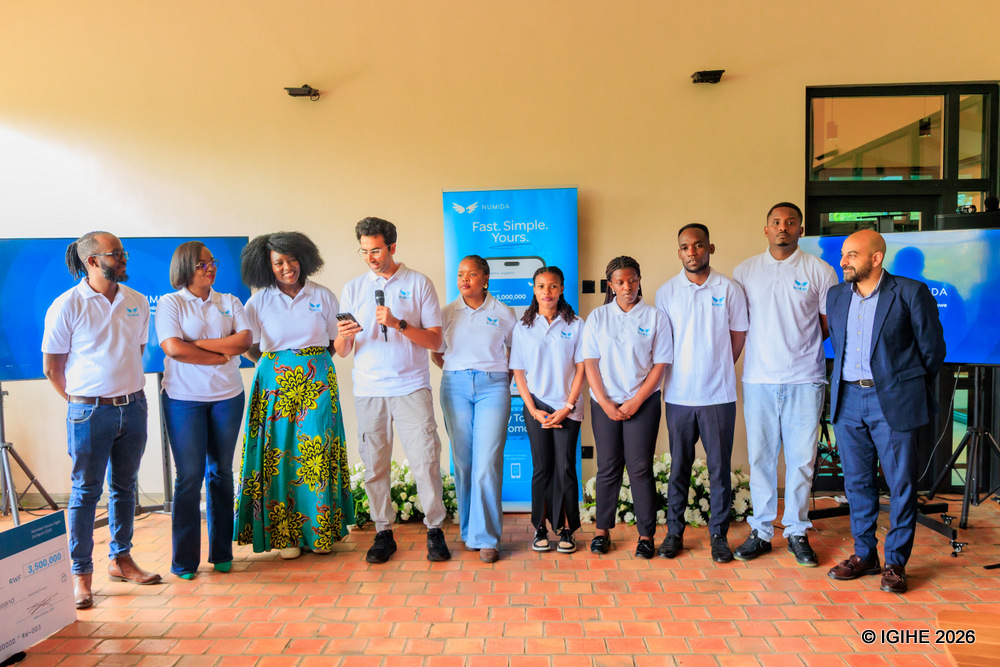
One of the beneficiaries, Teddy Nishimwe, a Rwandan entrepreneur, received a loan of Rwf3.5 million from Numida. She confirmed that the process was simple and quick, and the loan would help her expand her business.
Since its launch in Rwanda in March 2026, Numida has already disbursed over Rwf120 million in loans to 150 Rwandans using its digital platform.
Numida has been operating in Uganda since 2017 and in Kenya since 2023. The company has provided over $150 million in loans to support the growth of more than 100,000 businesses across these three countries. The goal is to have disbursed loans to 5,000 businesses in Rwanda by the end of 2026.
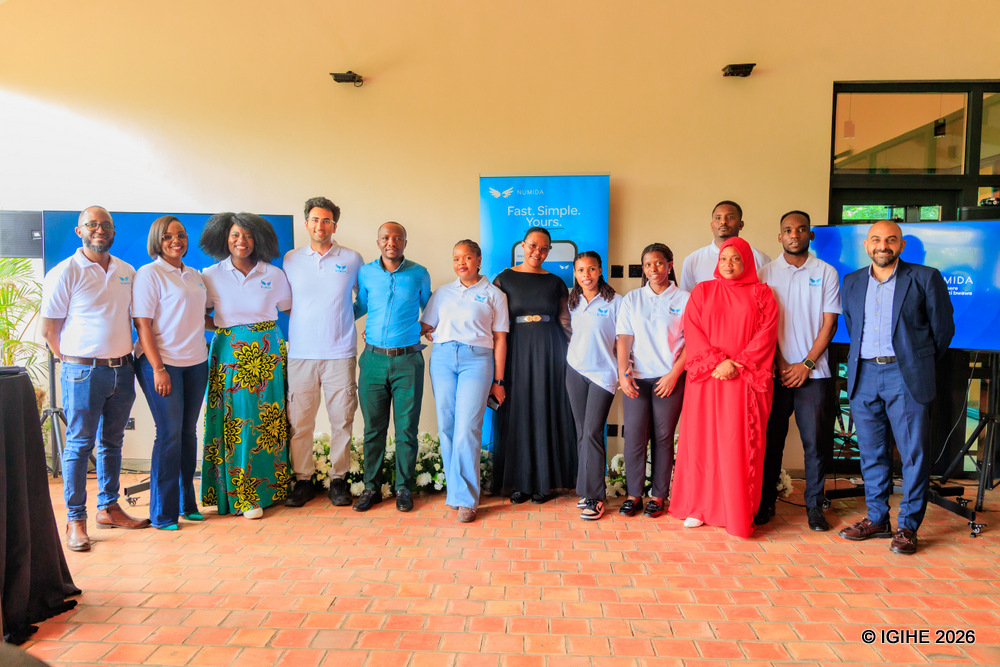
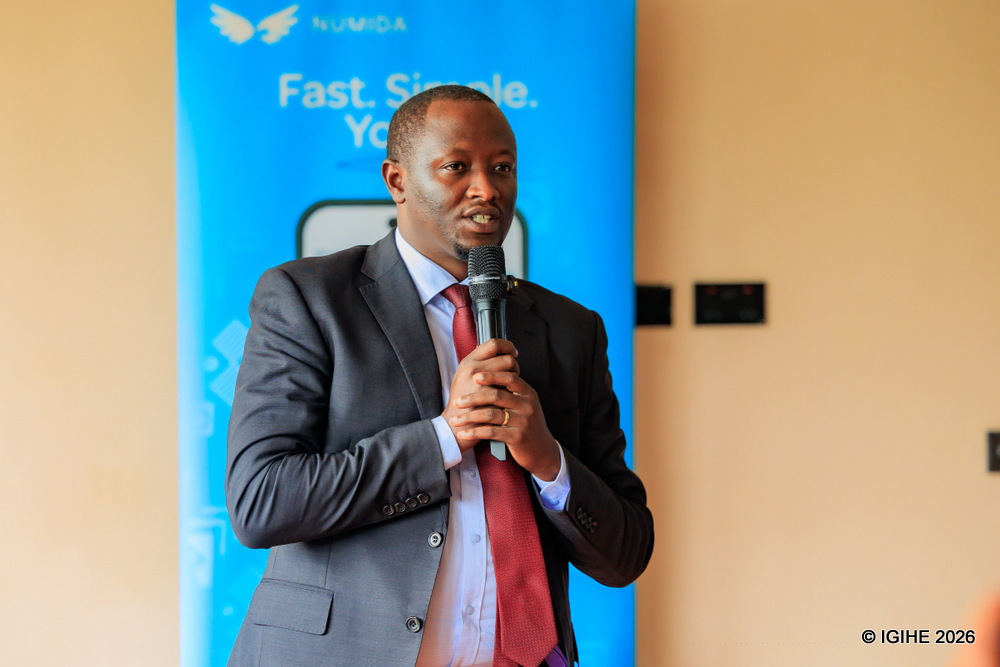
Numida’s CEO, Mina Shahid, emphasized that the company will help small businesses in Rwanda grow and expand.Numida aims to have granted loans to at least 5,000 business owners in Rwanda by the end of 2026.Numida is committed to bridging the gap in loan distribution in Rwanda.James Rwagasana, Manager of Supervision of Non-Deposit Taking Lending Financial Institutions at the National Bank of Rwanda (BNR), reassured potential clients of Numida’s legitimacy. At the launch event, some attendees received the loans they had applied for.Jean Marie Vianney Bana was also granted a loan he requested from Numida.Numida is also committted to supporting women-owned businesses in Rwanda.
This statement was made by Rwanda on March 25, 2026, in Geneva, Switzerland, during a session of the United Nations Human Rights Council.
The session discussed a resolution condemning the acts of aggression initiated by Iran against countries including Bahrain, Kuwait, Oman, Qatar, the United Arab Emirates, Saudi Arabia, and Jordan.
Iran has been accused of provoking these nations after the United States, in cooperation with Israel, began launching attacks on Iran on February 28, 2026. In retaliation, Iran launched attacks on neighboring countries in the Middle East.
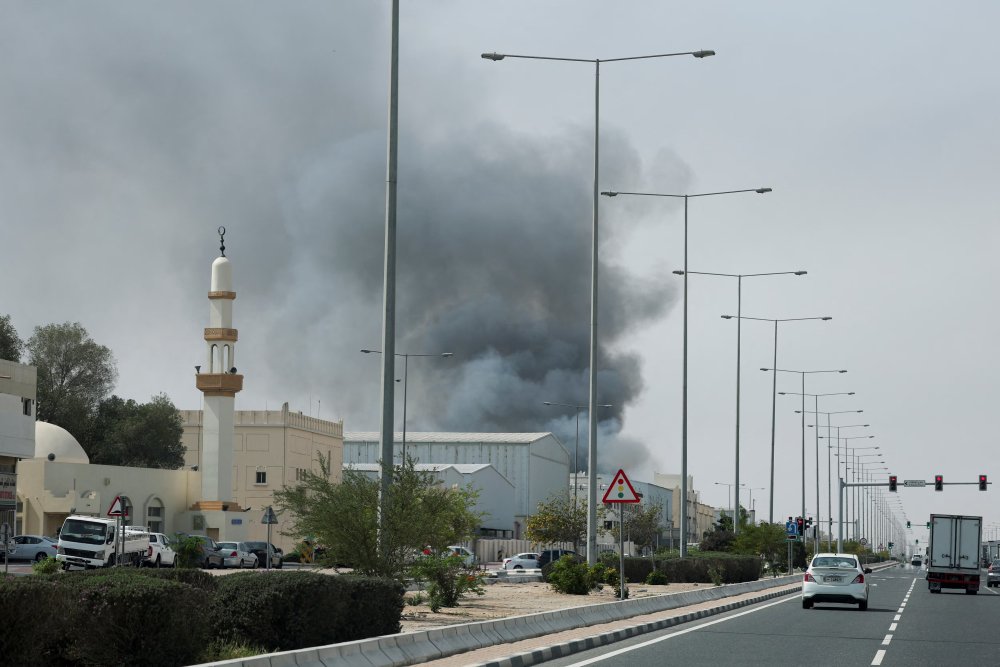
The attacks targeted infrastructure in these Gulf states and Jordan, accusing them of collaborating with Western nations and harboring U.S. military bases. Civilian infrastructure, including hotels and airports, was severely damaged.
Iran is also accused of further aggression for closing the Strait of Hormuz, a vital waterway serving as a transit for 20% of the world’s oil. This action continues to have significant economic repercussions globally.
During the UN session, Rwanda made it clear that it supports the resolution condemning Iran’s actions.
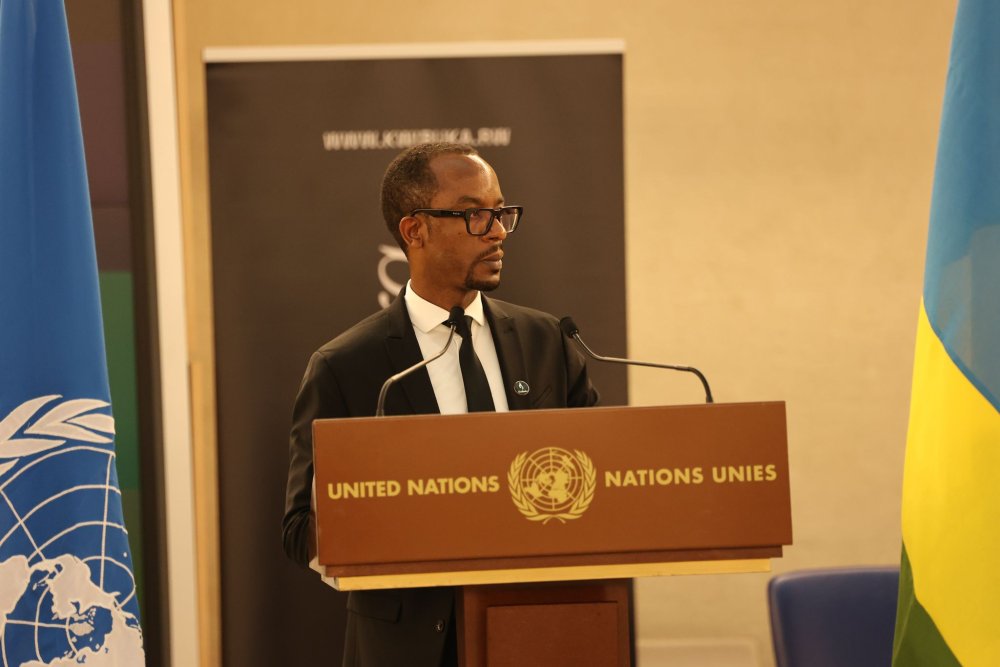
Edmond Tubanambazi, First Counsellor and Chargé d’Affaires a.i. of the Permanent Mission of Rwanda in Switzerland and the UN offices in Geneva, stated that Rwanda is concerned about the escalating conflict in the Middle East.
“Rwanda remains deeply concerned by the ongoing escalation in the Middle East. We reaffirm that the protection of civilians and civilian infrastructure, as well as the respect for the sovereignty and territorial integrity of all states, are a fundamental obligation under international law,” he said.
“In this context, Rwanda supports a resolution before this Council, as it underscores these essential principles. We stress that its implementation must contribute to de-escalation with ceasefire efforts and a pursuit of sustainable peace, prioritized by all parties concerned,” added Tubanambazi.
Tubanambazi further stressed that Rwanda supports an immediate ceasefire and the reopening of critical maritime trade routes.
“Rwanda calls for an immediate de-escalation, a cessation of hostilities, and urgent measures to protect civilian populations, preserve vital infrastructure, and ensure the safety of economic and maritime goods,” he noted, highlighting the need for renewed diplomatic engagement to prevent further loss of life.
The United Nations Human Rights Council adopted the resolution, titled “The effects of the recent military aggression carried out by Iran,” with support from more than 100 countries from multiple regional groups.
The countries most affected by Iran’s attacks are also significant partners of Rwanda.
Qatar, for instance, collaborates with Rwanda in various sectors, including air transport, and is expected to play a role in the construction of the new Kigali International Airport in Bugesera, which will further strengthen its investment in Rwanda.
The United Arab Emirates is another close trading partner of Rwanda, as it imports a significant amount of Rwanda’s products.
Rwanda also has a strong relationship with Jordan. In 2024, the governments of Rwanda and Jordan signed cooperation agreements in sectors such as agriculture, economy, trade, health, and medical services.
These agreements were signed on January 7, 2024, during a visit by King Abdullah II Ibn Al-Hussein of Jordan to Rwanda.
These agreements built upon existing relations, focusing on political dialogue to strengthen trade and investment partnerships, tourism, and agriculture.
Additionally, in January 2026, Rwanda and Oman signed four agreements and cooperation programmes aimed at strengthening bilateral partnership and expanding areas of joint cooperation.
These agreements cover logistics, dry ports, supply chains, data centres, cloud computing, infrastructure, artificial intelligence projects and services, cloud services and enhancing air connectivity between the two countries.
Another agreement was signed on air transport, laying ground for Oman Air to operate two weekly direct flights to Kigali starting June this year.
Edmond Tubanambazi, First Counsellor and Chargé d’Affaires a.i. of the Permanent Mission of Rwanda in Switzerland and the UN offices in Geneva, stated that Rwanda is concerned about the escalating conflict in the Middle East.Qatar is among countries seriously affected by Itanian attacks.
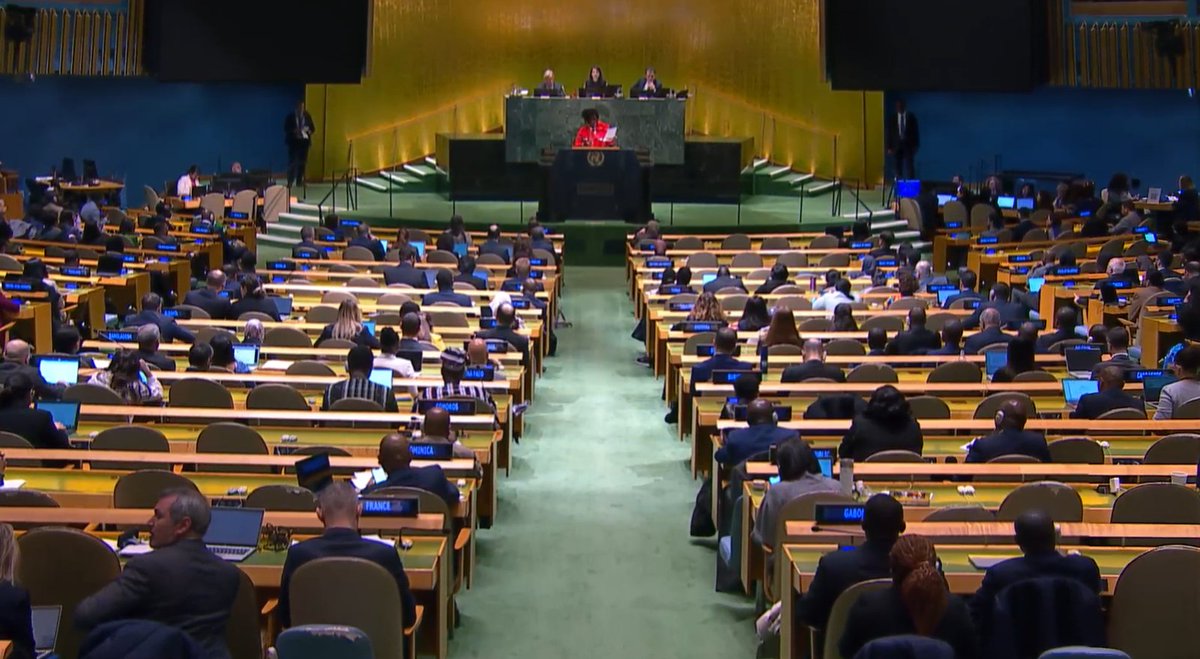
The draft resolution was adopted by a vote of 123 in favor, 52 abstaining and three against. Argentina, Israel and the United States voted against it.
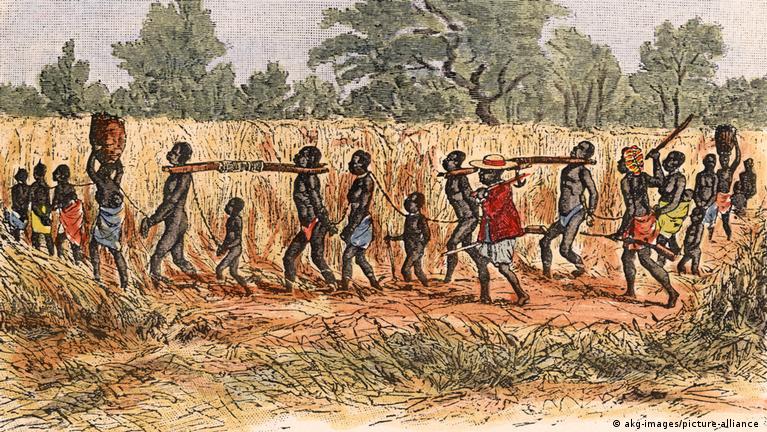
Presented by Ghana on behalf of the African Group, the resolution declares “the trafficking of enslaved Africans and racialized chattel enslavement of Africans as the gravest crime against humanity,” and affirms “the importance of addressing historical wrongs affecting Africans and people of African descent in a manner that promotes justice, human rights, dignity and healing, and emphasizes that claims for reparations represent a concrete step towards remedying historical wrongs against Africans and people of African descent.”
“Today the international community has taken a significant, considerate and historic step forward by adopting this landmark resolution,” Samuel Okudzeto Ablakwa, Ghana’s foreign minister, told reporters after the vote.
With the adoption of the resolution, he said: “We have not simply passed a text, we have affirmed a truth. We have chosen remembrance over silence, dignity over erasure and shared humanity over division. We have advanced the course of justice and we have done that so emphatically.”
In his remarks at the UNGA commemorative meeting to commemorate the International Day of Remembrance of the Victims of Slavery and the Transatlantic Slave Trade, UN Secretary-General Antonio Guterres said: “We will never forget the victims of slavery. And we must never forget the malevolent system that sustained it for so long.”
He welcomed steps taken by some countries to apologize for their role in slavery and to engage in honest dialogue about its lasting consequences, and called for “far bolder action by many more countries,” including respecting African countries’ ownership of their natural resources and ensuring their equal participation and influence in the global financial architecture and the Security Council.
Annalena Baerbock, the UNGA president, said that “the slave trade and slavery stand among the gravest violations of human rights in human history — an affront to the very principles enshrined in the Charter of the United Nations and the Universal Declaration of Human Rights.”
While slavery has been abolished, its consequences endure and continue to shape lives today, she said, stressing that addressing these injustices is a moral imperative, rooted in a collective responsibility to confront past wrongs and to shape a more just future.
The draft resolution was adopted by a vote of 123 in favor, 52 abstaining and three against.
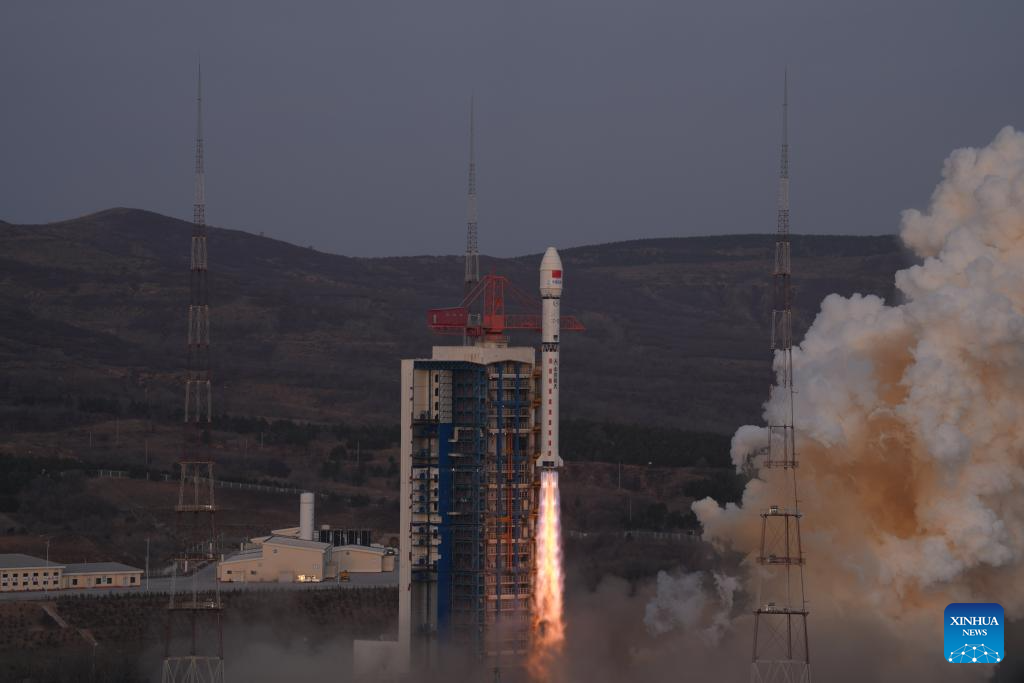
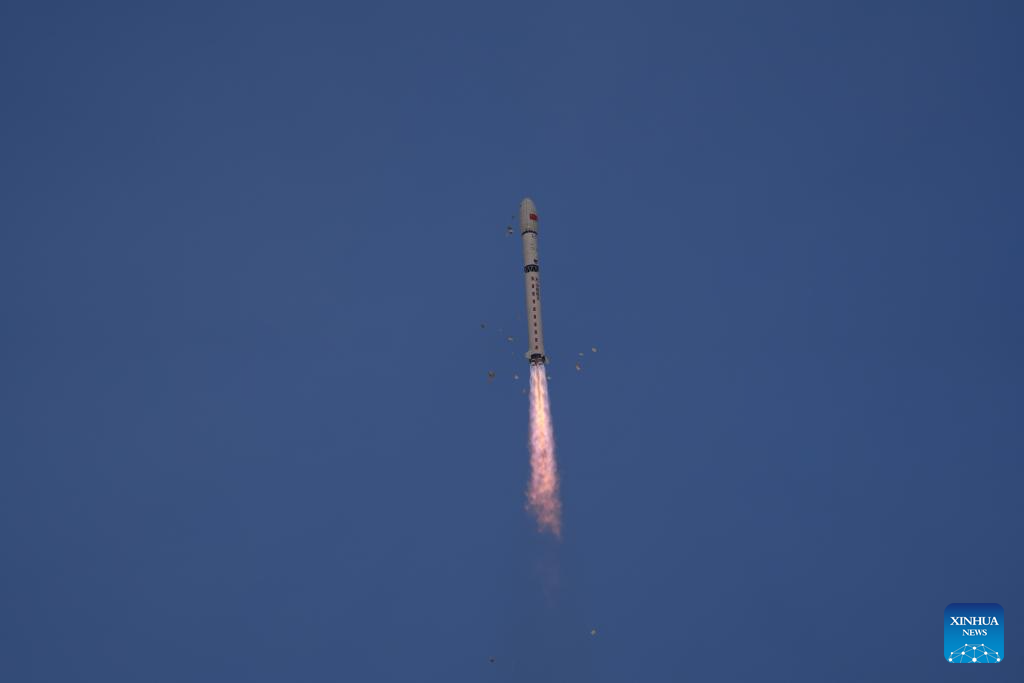
The rocket blasted off at 6:51 a.m. (Beijing Time) from the Taiyuan Satellite Launch Center in north China’s Shanxi Province and sent the pair of satellites, Siwei Gaojing-2 05 and Siwei Gaojing-2 06, into their preset orbit.
It was the 634th flight mission of the Long March series rockets.
A Long March-2D carrier rocket carrying two new satellites blasts off from the Taiyuan Satellite Launch Center in north China’s Shanxi Province on March 26, 2026.A Long March-2D carrier rocket carrying two new satellites blasts off from the Taiyuan Satellite Launch Center in north China’s Shanxi Province on March 26, 2026. The rocket blasted off at 6:51 a.m. (Beijing Time) and sent the pair of satellites, Siwei Gaojing-2 05 and Siwei Gaojing-2 06, into their preset orbit.A Long March-2D carrier rocket carrying two new satellites blasts off from the Taiyuan Satellite Launch Center in north China’s Shanxi Province on March 26, 2026.
Arnault has nearly 40 years of experience in international diplomacy, focused on peace settlements and mediation, and an extensive background leading UN missions in Africa, Asia, Europe and Latin America, according to a note to correspondents issued by the Office of the Spokesperson for the UN secretary-general.
Arnault’s most recent assignments include his service, between 2015 and 2018, as delegate of the secretary-general to the Colombia peace talks and then as special representative of the secretary-general for Colombia, when he led UN efforts to verify the implementation of the 2016 Final Peace Agreement in that country.
From 2019 to 2020, he was the secretary-general’s personal envoy for Bolivia, and in 2021, Arnault was named the secretary-general’s personal envoy on Afghanistan and regional issues.
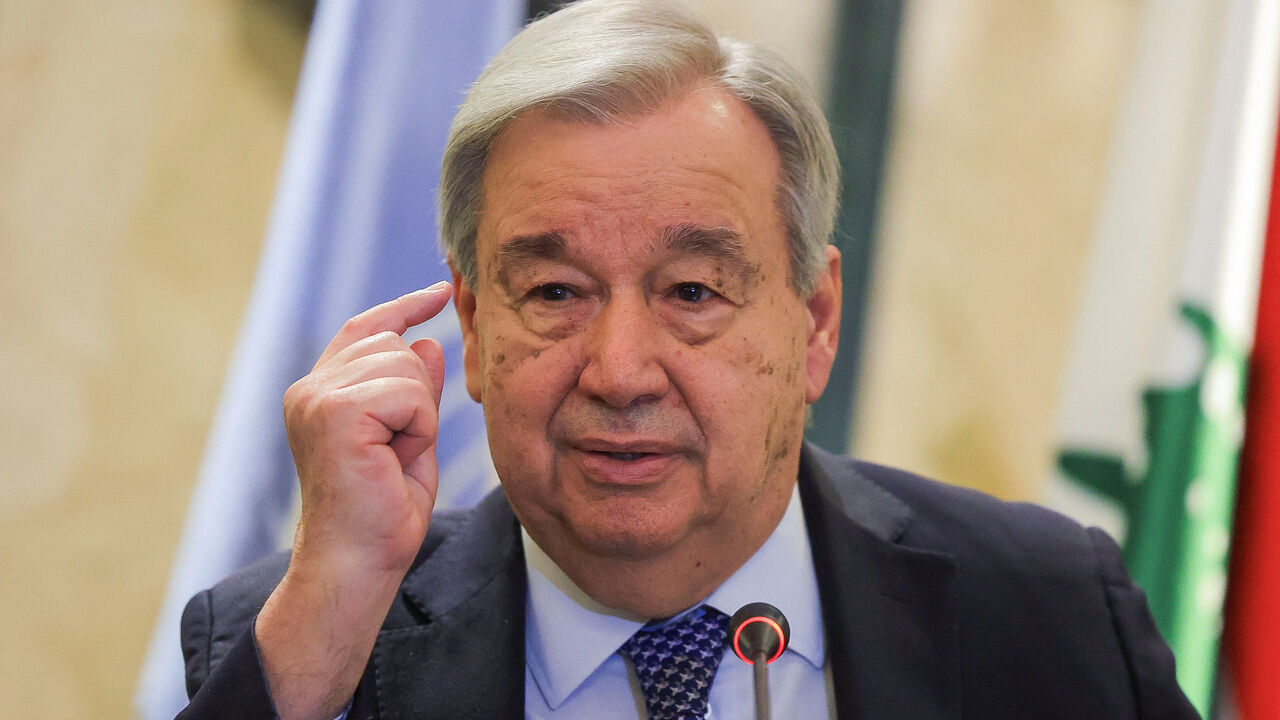
United Nations Secretary-General Antonio Guterres gestures during a press conference, following an escalation between Hezbollah and Israel amid the U.S.-Israeli conflict with Iran, in Beirut, Lebanon, March 14, 2026. Photo by Reuters
The funding, approved during the WTO Ministerial Conference in Yaoundé, falls under the third phase of the Enhanced Integrated Framework (EIF), a global initiative designed to help poorer nations strengthen their participation in international trade.
The EIF was established by developed countries to support least developed nations in improving their trade capacity, particularly by helping them access international markets. The program focuses on building technical skills, enhancing production standards, and supporting small and medium-sized enterprises (SMEs).
It also provides training for workers and entrepreneurs seeking to expand into global markets. Since its launch in 2005, the program has been updated every ten years and is now entering its third phase.
Speaking to IGIHE on the sidelines of the conference, Sebahizi welcomed the development, noting that Rwanda will have another decade to leverage such support in strengthening its SME sector.
“This means we have another 10 years to support small and medium enterprises in Rwanda to meet quality standards and access international markets,” he said.
He highlighted that many of Rwanda’s existing export promotion initiatives, such as the “Zamukana Ubuziranenge” program, already benefit from donor funding, including resources from the EIF.
Institutions like the International Trade Centre (ITC) also play a key role in supporting SMEs through training and export facilitation, using funds from the same framework. Similarly, several United Nations Development Programme (UNDP) initiatives supporting entrepreneurs rely on EIF financing.
“In essence, many of the programs in Rwanda that help SMEs export their products are supported by these funds,” Sebahizi explained.
Although there are no precise figures showing how many businesses have benefited so far, Rwanda is preparing to actively compete for the newly approved funding.
To access the funds, the country must submit detailed proposals outlining how the money will be used.
“If we need, for example, $2 million, we must present a solid business plan and compete with other countries seeking the same support,” the minister said.
Minister Prudence Sebahizi speaks during the WTO Ministerial Meeting in Yaoundé.Rwanda’s Trade Minister Prudence Sebahizi addressing a joint WTO–World Bank session in Cameroon.