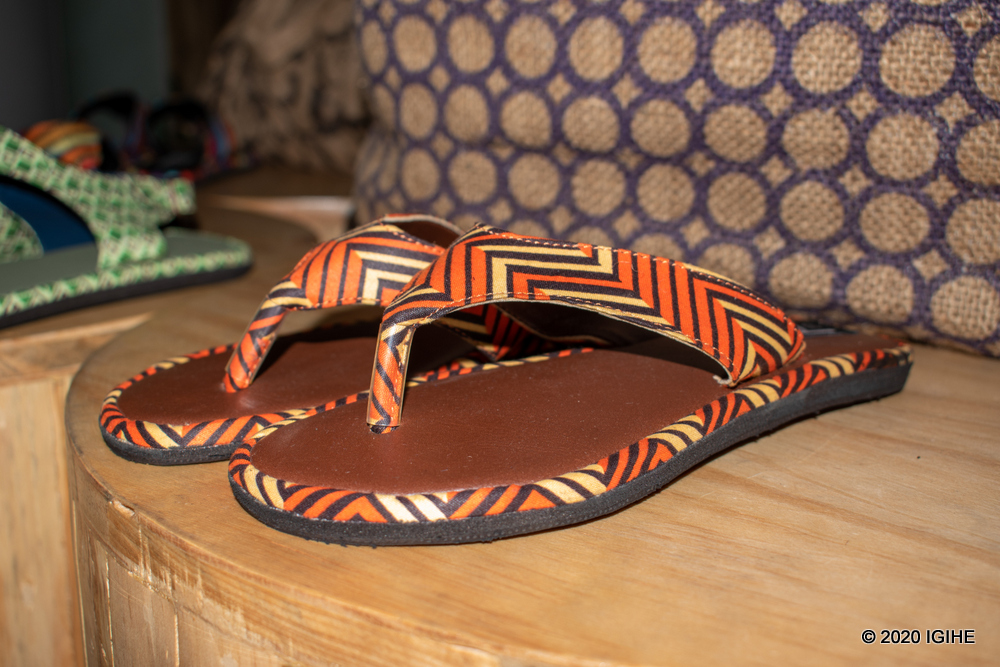
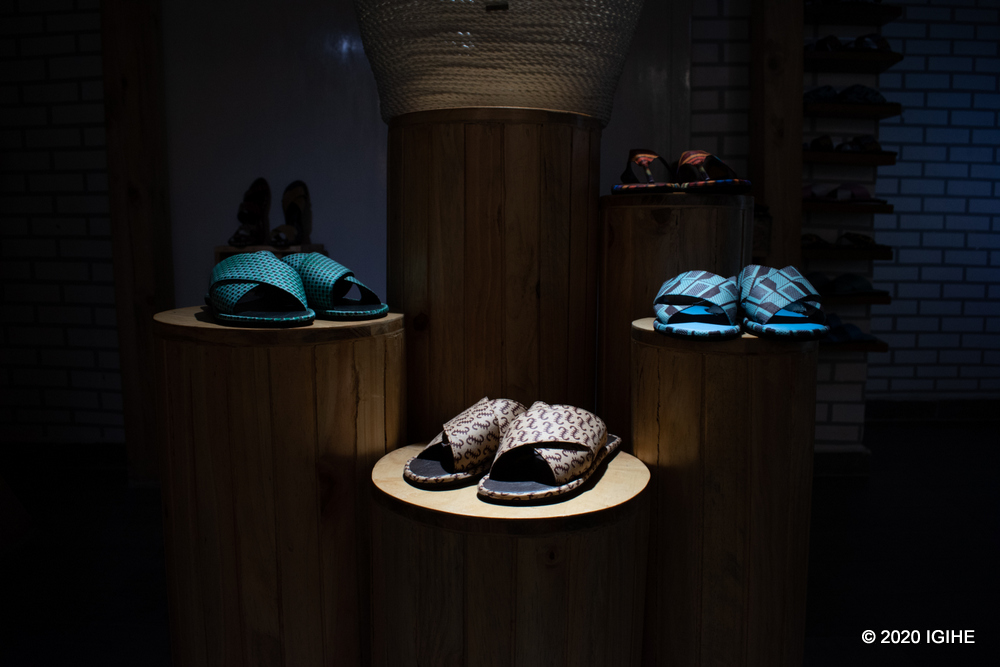
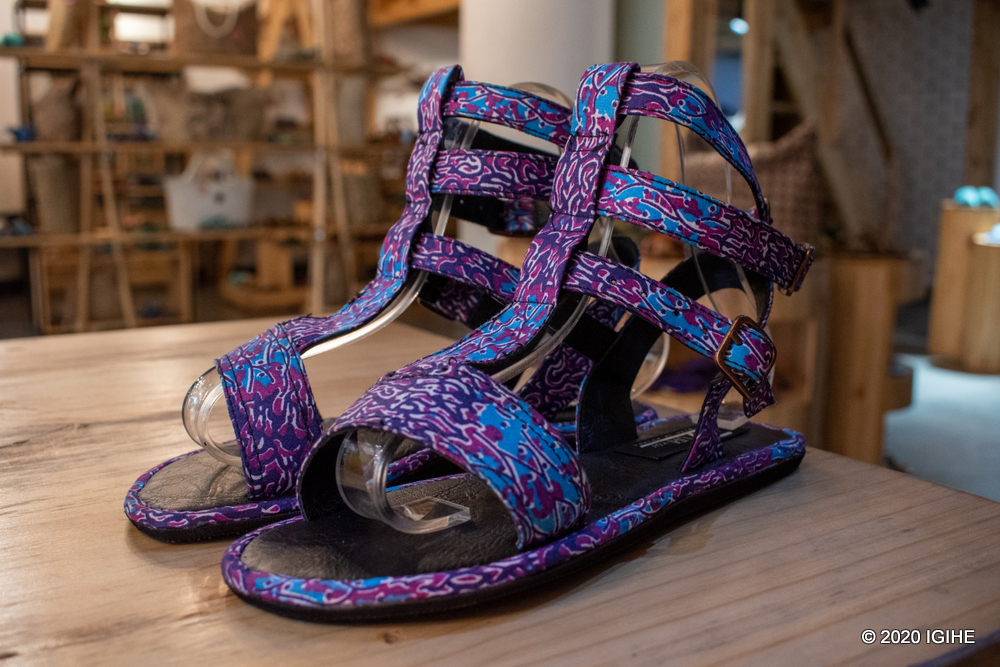
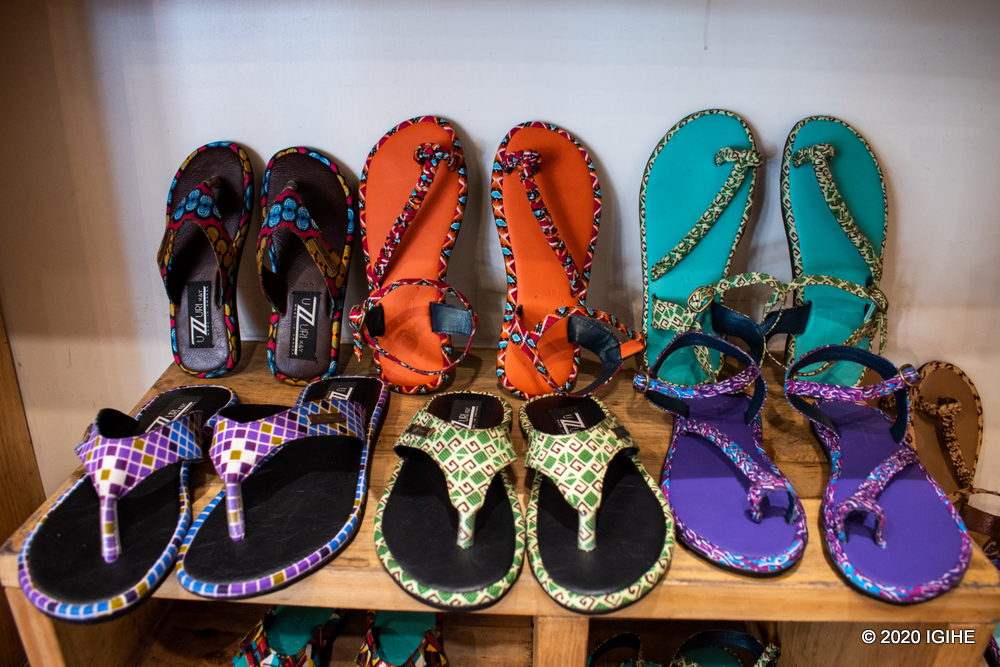
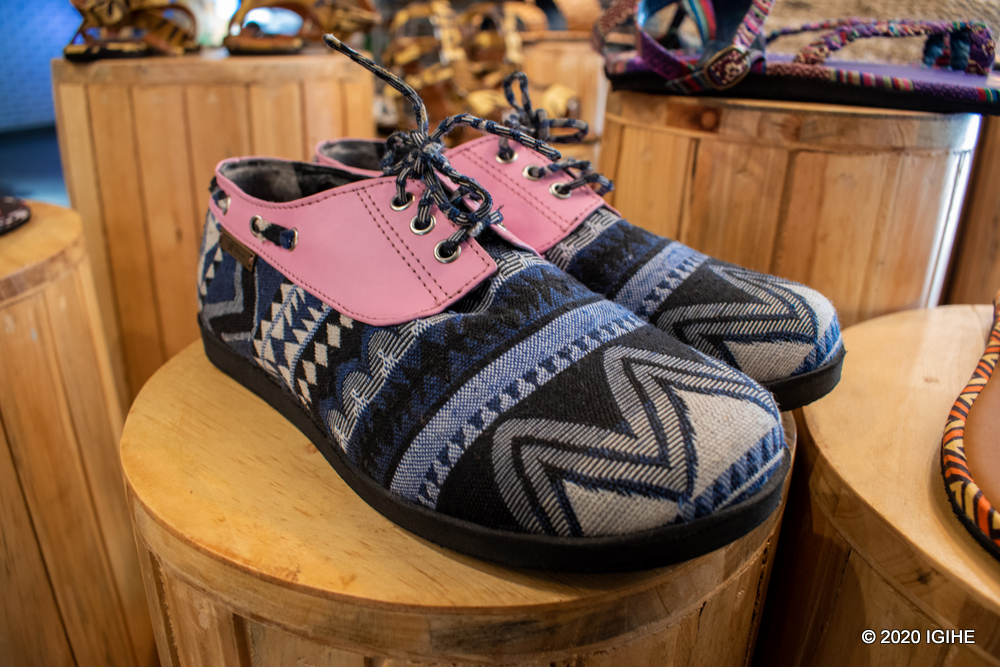
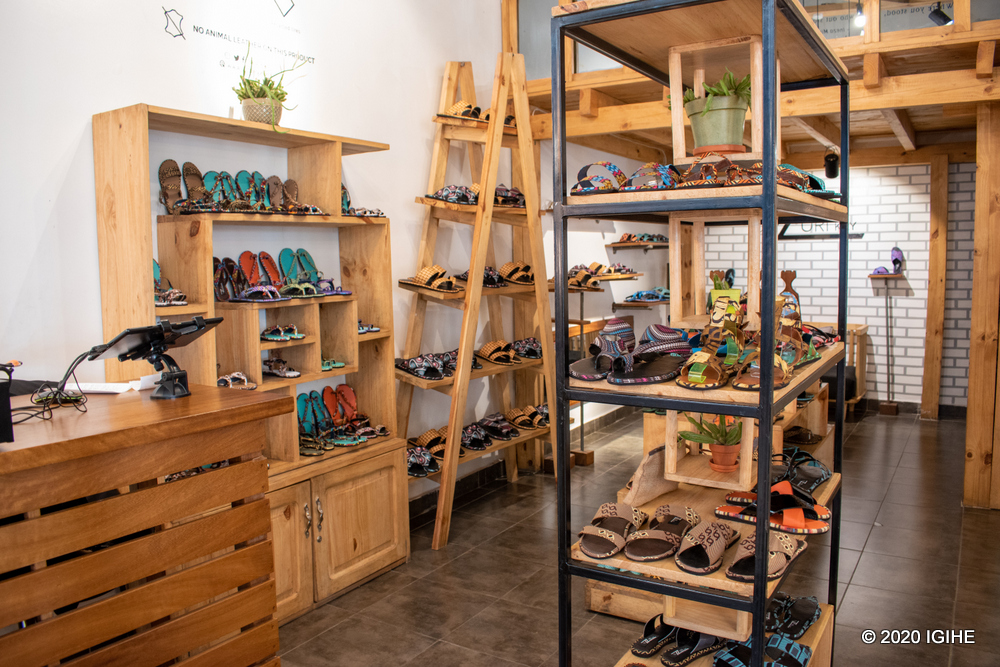
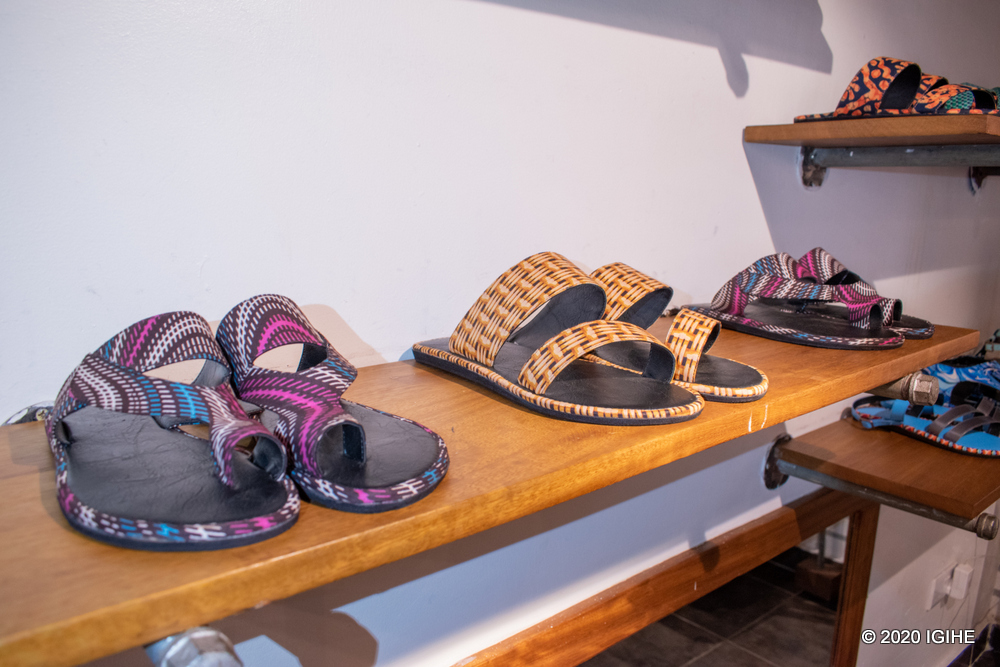
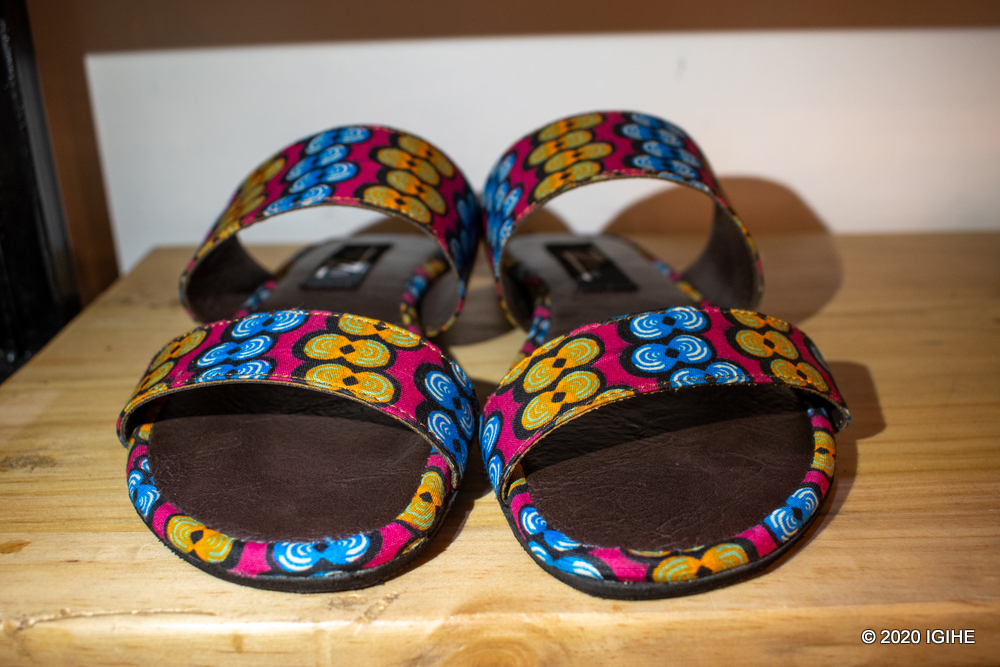
As a loyal customer of UZURI K&Y, here are 10 things you should know about the brand:
{{1. The first client who bought a pair at UZURI K&Y still wears them}}
The brand focuses on product durability to keep customers from going over their budget to purchase shoes every month. Six years and a half after the shoe company was founded, their first client still rocks the pair she bought.
{{2. Shoes are made with soles cut from recycled tires}}
In the beginning, UZURI used rubber to manufacture shoes but later on, as Shimwe and Kagirimpundu strolled through Kigali, they saw old tires which had been dumped on the roads and realized they could make better use of the tires more than rubber.
To this day, shoe soles are cut from recycled tires and final products are more durable and environment-friendly
{{3. The largest shoe size made by UZURI K&Y was 51 and the smallest 34 for a grown-up }}
Since 2015, the largest shoe size that the brand has ever produced was size 51. While it is known that 34 is a shoe size for children, UZURI once sold a size 34 pair of sandals to an Asian lady.
{{4. It took nearly two years for UZURI K&Y to perfect their craft}}
Since 2013, the brand strived to produce comfortable and durable shoes, it wasn’t until 2015, after various training, that the brand succeeded in manufacturing shoes which they believed met the standards they desired for their market.
5. UZURI tries on all the styles before putting them on the market
To access the quality, comfortability, and steadiness of all the shoes manufactured by the brand. The design team tries on samples of all the styles they produce before outing them on the market.
{{6. The brand employs entire families}}
It is usually not common to find a company where siblings or parents and their children work together but at UZURI, there is a father who was hired along with his two children and his sister-in-law.
{{7. UZURI K&Y transformed lives of hundreds of people}}
In 2013 when the company was founded, it only employed 3 people including its two owners. Currently, the brand employs more than 50 staff and provides training to youth aspiring for a career in the shoe-making industry.
{{8. Masiyiwa thinks UZURI K&Y is the NIKE of the future}}
During the Entrepreneurship Town Hall held last year in Kigali, London-based Zimbabwean billionaire businessman and the owner of Econet Wireless said that NIKE started small but that it currently has a $60 billion net worth. He believes that UZURI K&Y is on a good path to become the NIKE of the future.
{{9. Shimwe and Kagirimpundu were acquainted to each other because of a class assignment}}
Shimwe and Kagirimpundu first met at university while they were studying Creative Design. They weren’t friends at that time but after they were put together to work on a group assignment, they became friends and later decided to join hands on their entrepreneurial journey.
{{10. The owners declined one million Rwandan Francs to sell the company 6 years ago}}
Judging by how well the shoe brand is doing now, you would find it hard to believe an investor once offered Kagirimpundu and Shimwe one million Rwandans Francs to sell the company and become employees. The two owners turned down the offer because the investor’s vision for the brand did not match theirs.
{{
Rukundo Jean, 40, originates from Gitesi sector, Karongi District, and has been a security guard at one of the banks in Karongi.
The Western Province Police spokesperson, CIP Twizere Karekezi Bonaventure, told IGIHE that Rukundo shot himself around 12:45 Tuesday at his workstation.
“Investigations have got underway to establish the cause for the suicide. He did not have any problem at his workplace,” CIP Karekezi said adding that they are following on other possible causes.
Rukundo is the second employee of ISCO to commit suicide in 2020 following another, one Ntatinya Audace born in Gicumbi district, who took his life using a gun in January in Kicukiro.
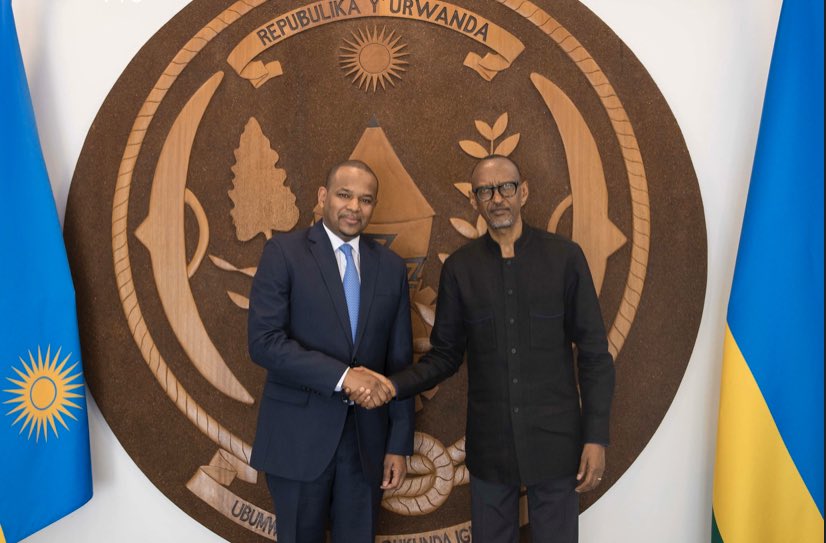
The office of the Prime Minister of Mali announced yesterday via their Twitter account that “Dr. Boubou Cissé was received by President Kagame on Monday, March 2nd, bringing a message from President Keïta.”
Cissé thanked President Kagame on the support the government of Rwanda continuously offers to Mali regarding political matters as well as his personal engagement in the Sahel region to counter the growing threats from Islamic Jihadists.
In March 2018, Rwanda donated a million dollars (Rwf 860 million) to support G5 Sahel, an alliance of Burkina Faso, Mali, Mauritania, Niger and Chad aiming at fighting against terrorist groups in the Sahel region.
The Sahel region spreads between the Sahara Desert to the North and the Sudanese savanna to the South. Security threats caused by Boko Haram terrorist group in Libya in 2011 and in Mali in 2012 intensified political instability in the Sahel region.
President Kagame reiterated the government of Rwanda commitment to uphold good diplomatic relations with Mali and its people as well as mutual support with President Keïta.
Rwanda and Mali are on good political terms. In 2018, Dr. Edouard Ngirente, Prime Minister of Rwanda attended the swearing in ceremony of President Ibrahim Boubacar Keïta
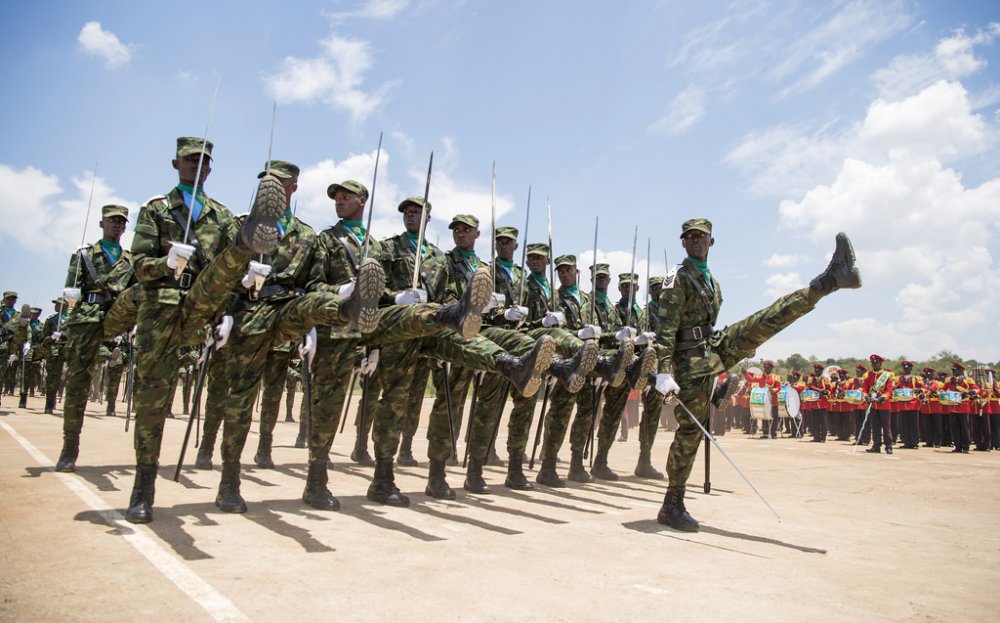
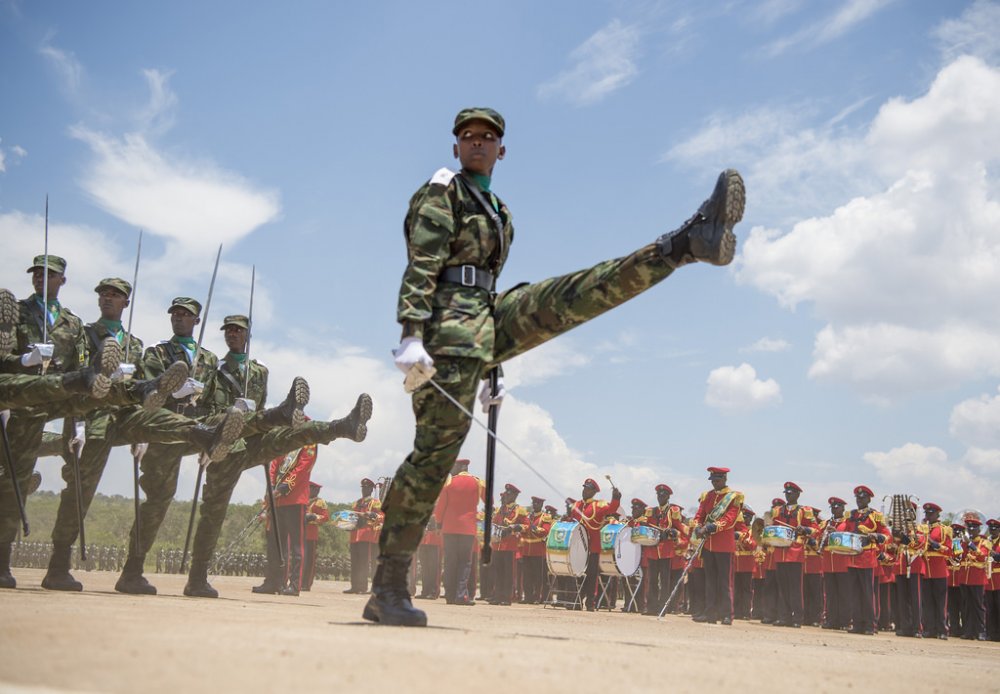
For prospective officers, requirements include having completed three to six years of high school and being aged between 18 and 23.
Applicants must be Rwandan who are willing to serve and must present their medical records verified by an accredited physician as well as a criminal record. They must also be single, capable of observing integrity and succeeding entrance tests which will be provided.
Applicants who will register to become officers are required to present a certificate confirming they have completed three to six years of high school while applicants who will register to become cadets are required to present a high school certificate.
Applicants who fulfill all the requirements will register in their respective districts from March 3rd to March 15th, 2020.
Entrance tests are scheduled from March 16th to March 23rd, 2020.
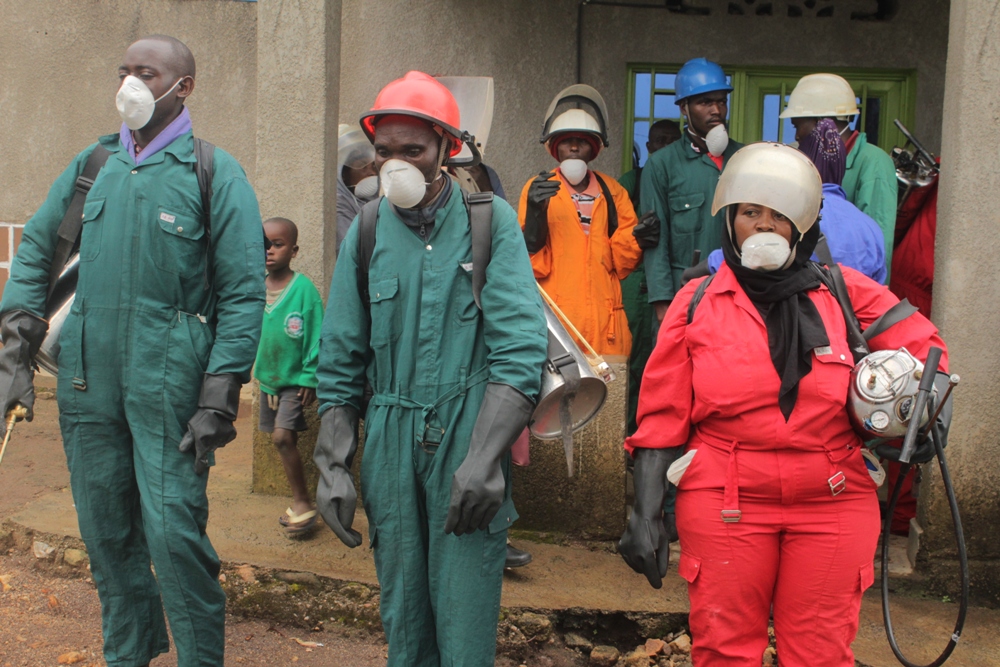
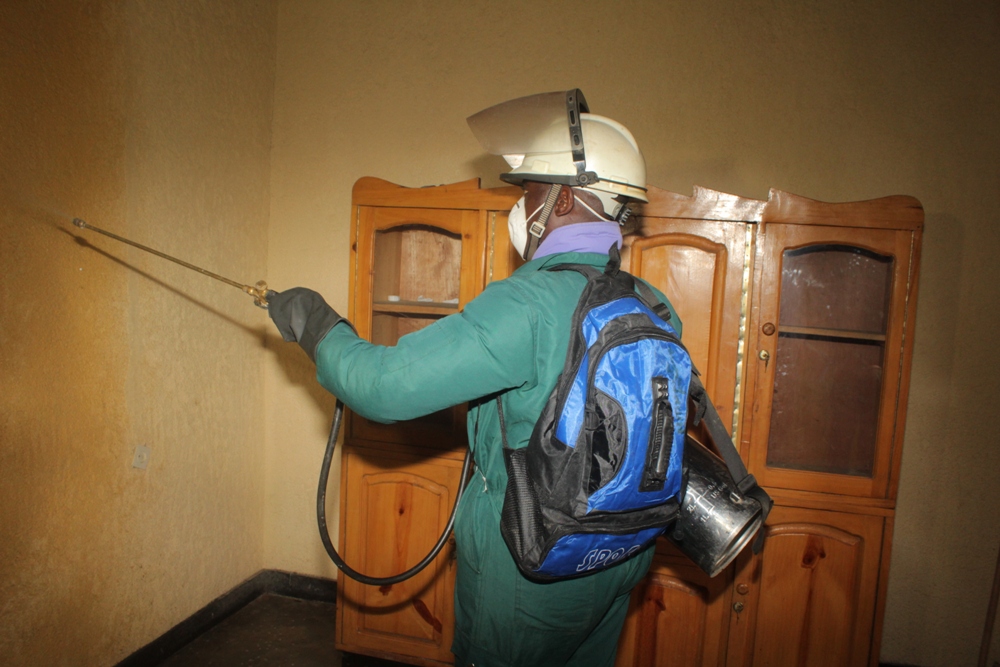
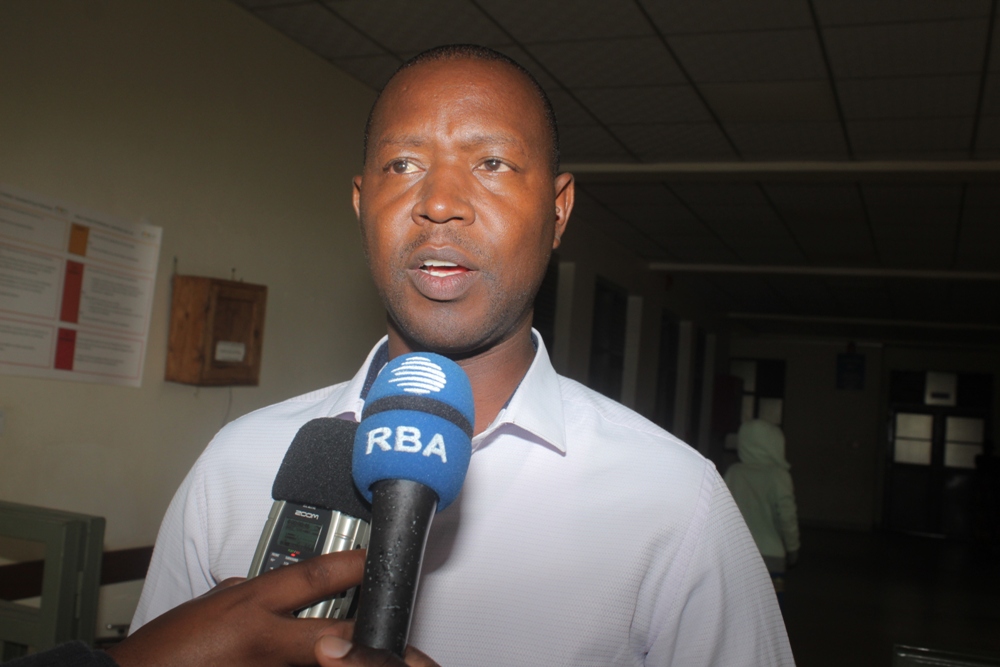
Tuyishime attributes the low numbers of Malaria patients to sensitization that has been made to inform Nyanza residents about the transmission and prevention of Malaria. All residents also received free insecticide-treated mosquito nets and houses sprayed with residual insecticides.
“In 2015, we welcomed at least 180,000 Malaria patients but in 2019, the number reduced to 50,000. In 2019, there were no cases of death by Malaria and it is an incredible step given that we used to record at least 44 deaths annually.”
Tuyishime said that apart from spraying Nyanza residents’ houses with insecticides and distributing mosquito nets, most stagnant waters were removed as they are a breeding ground for the mosquitoes that transmit Malaria.
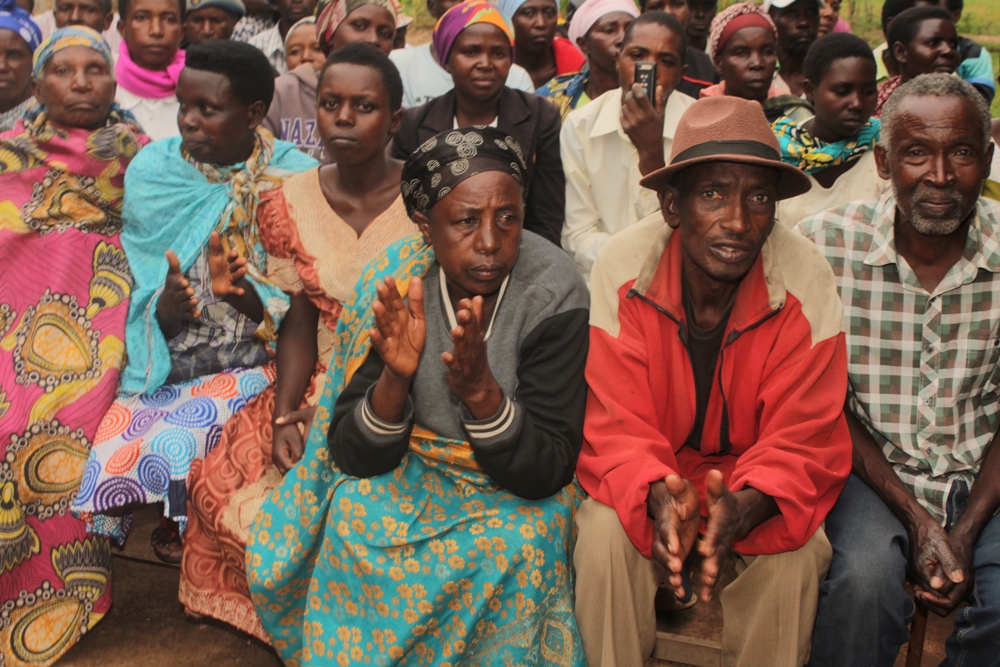
Nyanza residents who were interviewed by IGIHE confirmed they had not contracted Malaria in the past 3 years.
Ntihinyuzwa said “Ever since I received a mosquito net and my house was sprayed I haven’t had Malaria. I have also cut bushes around my house as well as stagnant waters.”
Nyirakamana Francoise, a resident of Kigoma sector, Nyanza district said “We have been instructed about all the preventive measures against Malaria and my family and I have been safe ever since.”
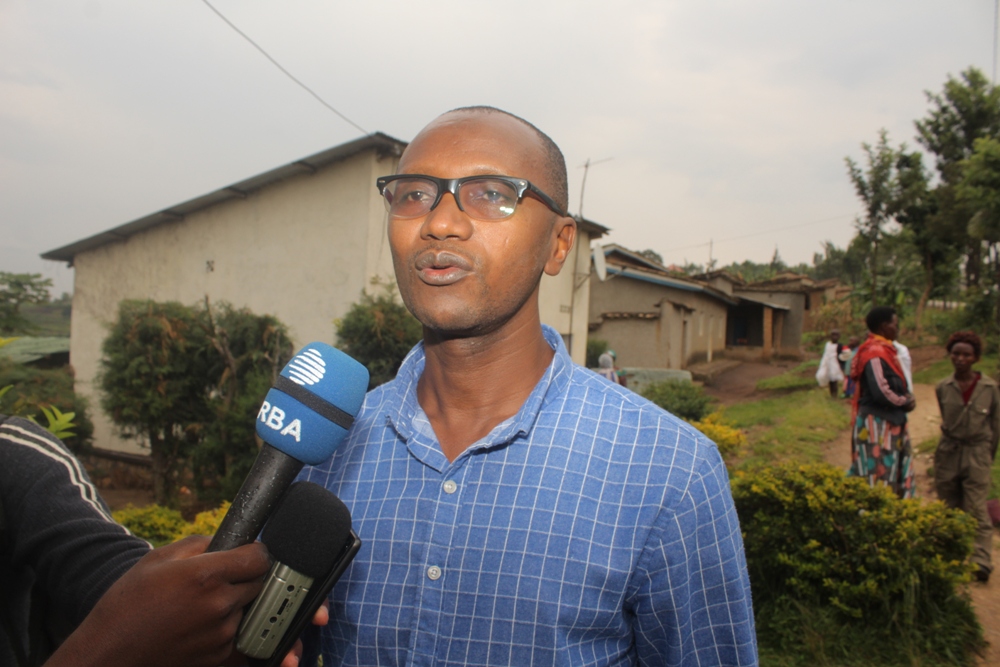
Ntazinda Erasme, Nyanza district Mayor said that the district has expanded access to vector control interventions and applied effective insecticide resistance management strategies.
2020 is the fourth year since Nyanza district started spraying insecticides inside residents houses. This year, at least 80,000 houses will be sprayed.
In 2019, statistics from Rwanda Biomedical Center (RBC) showed that 80% of Malaria cases were reported in the Southern and Western Provinces and that residents from Nyanza, Gisagara and Huye districts were at a considerably higher risk of contracting malaria.
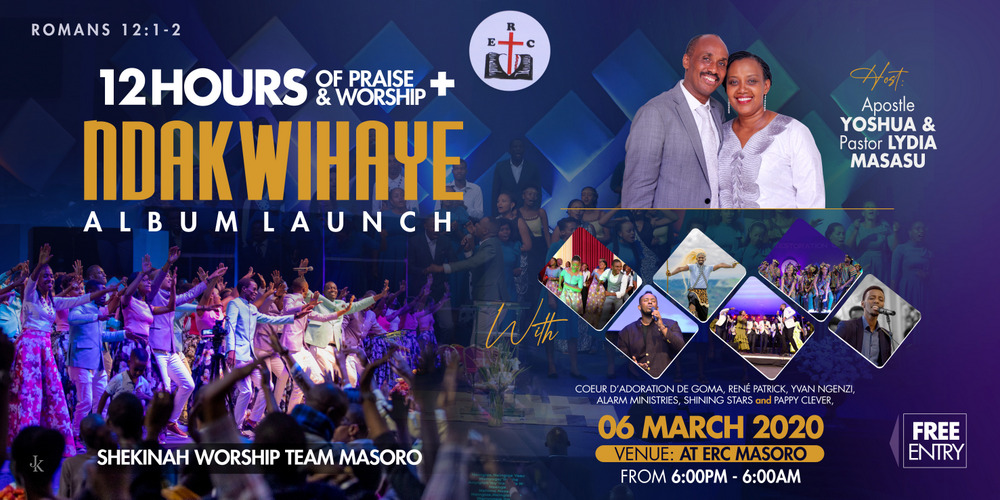
The album, which is the worship team’s first, is titled Ndakwihaye and has 10 songs; the entrance will be free.
The album title is adopted from Romans 12:1-2 where Christians are asked to offer bodies as a living sacrifice, holy and pleasing to God, true and proper worship, also, these words are part of the mission of the Evangelical Restoration Church, led by the Apostle Ndagijimana Yoshua Masasu.
The inauguration of Evangelical Restoration Church Remera Parish, formerly called Casa Bonita, in 2003, saw the birth of the Shekinah Worship Team Masoro. Back then, the team faced a rough time as singers had to move from Kimisagara Parish to Remera.
As time moved on, the team expanded and saw the entrance of new members to the level that currently, thanks to God, it has become established and sings in such gospel concerts as Gentil Misigaro’s, Nice Ndatabaye’s, Patient Bizimana’s, Gaby Kamanzi’s, and Serge Iyamuremye’s.
One of this team’s chorists, Pastor Lysette had this to say about this album launch.
“Offering our bodies, lives, and all our possessions to God is what pleases Him. We have come to an understanding that true worship, true service to God is not only talents and intelligence, instead is voluntarily giving Him all our things, letting him lead us day by day. The idea of an album launch came long ago. However, it officially started in 2017 and the main album was finalized in 2019.”
Shekinah Worship Team Masoro is one of a kind, having a huge number of renowned gospel singers like Serge Iyamuremye, Arsene Tuyi, Patient Bizimana, Justin Cubaka, and Christian Irimbere.
Other gospel singers who will perform in the overnight are Rene Clever, Yvan Ngenzi, and such teams as Alarm Ministries, Choeur d’adoration from Goma, RDC, and Shining Stars that is already part of Evangelical Restoration Church Masoro. Also, both Apostle Ndagijimana Yoshua Masasu and his wife Pastor Lydia Masasu will be present in the overnight.
The victim was a resident of Ndera sector, Gasabo district and the injured victims are from Gasabo, Rulindo, and Rutsiro districts.
The rain also destroyed 16 houses and barns in Rutsiro district.
MINEMA announced that citizens whose houses were damaged will be compensated and that they have sought shelter with their neighbors in the meantime.
IGIHE sources confirmed the death of a 44-year-old resident of Musenyi sector, Bugesera district. Reports state that the victim’s house crumbled on him and that he died on the spot.
Meteo Rwanda predicted torrential rains in March, April, and May. The heavy rainfalls are attributed to the change in the distribution of heat and wind across the Pacific which alter rainfall patterns.
In Ngoma, Kayonza, Kirehe, parts of Rwamagana and Bugesera districts, Meteo Rwanda predicts heavy rainfalls between 320 and 400 millimeters per day.
In the Northern Province, the City of Kigali, all districts of the Southern Province except Nyamagabe and parts of Nyaruguru district, there will be heavy rainfalls between 400 and 500 millimeters per day. The same applies to Nyagatare, Gatsibo, and parts of Rwamagana and Bugesera districts.
In the Eastern Province, Nyamagabe district and parts of Nyaruguru district bordering Rusizi district, rains will range between 500 and 600 millimeters.
Marie Michelle Umuhoza, Rwanda Investigation Bureau (RIB) spokesperson confirmed the arrest and said that further investigation is being conducted.
“The suspect is currently held at RIB Gisenyi station in Rubavu district while investigation proceeds.”
Article 133 in the Rwandan Constitution states that “any person who is convicted of rape shall be liable to imprisonment for a term of not less than ten years and not more than fifteen years, and a fine of not less than one million Rwandan Francs and not more than two million Rwandan Francs.”
The penal code stipulates 20 to 25 years of imprisonment to defilement convicts. When rape or defilement is done on a minor of less than 14 years old, the penalty is life sentence.
Last week, the National Commission for the Fight Against Genocide (CNLG) published a book titled ‘Jenoside yakorewe Abatutsi mu cyahoze ari commune Cyangugu’ loosely translating to ‘The genocide against Tutsi in former commune Cyangugu.’
The book was released as a result of a research which was conducted by Donatien Nikuze, a genocide scholar under the supervision of Dr. Gasanabo Jean Damascène, Director General of the National Research and Documentation Centre on Genocide at CNLG.
It elaborates on allegations that French military forces worked closely with Interahamwe militia during the genocide, supplied them with weapons and offered them cover, under the United Nations (UN) auspices.
The book also shows that France was not in Rwanda to rescue thousands of Tutsi families who were trapped amidst ruthless and brutal massacres but that they were sent to halt FPR Inkotanyi soldiers which had outstripped the Armed Forces of Rwanda (FAR), the army of the ethnic Hutu-dominated Rwandan regime which executed the genocide.
{{Rape allegations}}
The book shows that French soldiers who were sent in Rwanda for ‘Operation Turquoise’ a French-led military operation in Rwanda in 1994 under the mandate of the United Nations reached former Cyangugu Prefecture and divided into two units.
One unit stayed at Kamembe airport in Cyangugu while the other unit went to Nyarushishi, Bugarama, Ntendenzi and Kirambo sectors. In Nyarushishi, French soldiers patrolled through the camps and a few days later knew which tents sheltered women and girls.
The soldiers then started a rape spree, dragging women and girls from their tents to rape them every day while they were supposed to protect them.
Kambongo Constance who witnessed the atrocities committed by French soldiers in Nyarushishi said “French soldiers would come in the morning, pick women and girls in their tanks and raped them. Later on, we learned that the women and girls were not picked to clean French soldiers’ houses as they lied about but that they were violently raped once they reached French camps.”
Claudine who survived the rape spree in Nyarushishi was 14 years old at the time. She developed post-traumatic stress disorder (PTSD) as a result of rape. Other rape survivors include Mukayiranga Mado, Mukayeze Pascasie, Mukayitesi Jacqueline, Umulisa and girls from Ecole Agricole Et Veterinaire (EAV) Ntedezi.
Page 360 of the book reads “Women and girls were subjected to unimaginable atrocities where French soldiers would insert pepper in their genital parts, force them into oral and anal sex and take naked pictures of their victims. The soldiers would then offer them portions of their field ration to buy their silence.”
The book also shows facts that French soldiers raped women at Kamembe Airport and Kamarampaka stadium.
Habimana Jean Bosco, a genocide convict and former member of the Interahamwe militia worked closely with French soldiers. He said that French soldiers asked him to collect Tutsi women for raping and that he executed their orders because they had supplied him with firearms.
The first time, he brought them Beata, a 15-year old Tutsi girl from Mururu. After they raped her, they ordered the Interahamwe militia not to kill her.
The second victim Habimana brought was 14-year-old Mukasine Florence from Winteko sector, former Bugayi cell whom he found hiding after her entire family was decimated.
On page 361, the book reads “At Kamarampaka stadium, Mukasine was gang-raped to a point she was unable to walk. The soldiers then ordered that she shall not be killed as well.” Habimana said that the soldiers would reward him with food.
Beata and Mukasine were captured as they moved out of Nyarushishi camp to look for food. They were brought to French camps, raped and sent back to Nyarushishi where they fortunately survived the genocide.
Another victim was an unidentified 19-year-old girl whom Habimana brought to a French soldier. After raping her, the soldier denied Habimana a portion of his field ration as it had become the routine. He got angry and threatened he was going to kill the girl. The French soldier was indifferent to the threat and said he did not care at all. Habimana then killed the girl in front of the soldiers and left her corpse lying there.
{{Complicity with killers}}
Bisengimana Elisée who was a teacher at Groupe Scolaire de Gihundwe at the time of the genocide said that the French government was a close ally of the Rwandan regime that planned and perpetrated the mass slaughter of more than a million Tutsi.
In Rusizi, French soldiers collaborated with Interahamwe militia at roadblocks and barricades.
They verified identity cards and those who were identified Tutsi were sent to Interahamwe to be killed. The soldiers also provided firearms and grenades to the killers.
On page 355, the book reads “soldiers sent in the United Nations-sanctioned humanitarian mission in Rwanda in 1994 only offered back up to the killers and pushed further their agenda of totally wiping out the Tutsi minority in complete impunity.”
Sinzabakwira Straton explained that French soldiers also joined the killing spree. In Gasare, former Karengera commune, French soldiers killed Tutsi, packed the corpses inside bags and dumped them in the middle of the Nyungwe forest.
The victims were accused of supporting FPR Inkotanyi. The soldiers helped genocide perpetrators erase evidence of the genocide by picking corpses of Tutsi in Kamembe and dumping them in the Nyungwe forest.
{{Erasing evidence}}
The French government thought the Interahamwe militia to erase all evidence of the genocide. In Cyangugu, French soldiers saw corpses floating in Lake Kivu and alerted the killers that if anyone took a photo of it, it would cost them a lot. Habimana said, “the soldiers instructed us to incise the victims’ bellies and fill them with stones so that they could sink into the lake.” The killers used bayonets to execute the evil plan.
Kayitsinga Abdallah who lived in Kamembe during the genocide explained that not only did the French soldiers participate in the genocide, they also looted processed tea from Shagasha and Gisakura tea factories and exported it to be sold in the Democratic Republic of Congo (DRC).
Ndikubwabo Jean who admitted having been a broker for French soldiers said they also looted cars and sold them in DRC. He was paid between $20 and $30 for each car they sold.
FPR Inkotanyi victory was disadvantageous to the French Government
By July 17th, 1994, FPR Inkotanyi had conquered almost all the country with the exception of the ‘zone humanitaire sure’ (ZHS), a safety zone spreading over former Gikongoro, Cyangugu and Kibuye prefectures where French soldiers had established camps.
The book explains that after realizing that FAR forces were outnumbered on all fronts, French soldiers in ‘Operation Turquoise’ urged génocidaires in Cyangugu to flee the country. French soldiers and government officials patrolled through Cyangugu calling killers to flee Rwanda as soon as they could
.
Bisengimana Elisée said, “they used microphones to call upon all génocidaires in Kamembe to leave the country.”
The message was informing génocidaires that the next day, French soldiers would leave the country and that they would have no protection. “Tomorrow, FPR Inkotanyi will conquer Cyangugu and will kill every Hutu on their way. We urge you all to flee to DRC before the last French soldier leaves Rwanda. You are warned!”
Upon realizing that they would be killed, génocidaires destroyed their houses and moved to Congo in search of permanent asylum.
Surwumwe Bernard, an ex-FAR soldier said that as they fled to Congo, they were shielded all the way by French soldiers.
“When we reached DRC, French soldiers helped us move our weapons across Lake Kivu to Panzi military camp. General Bizimungu and Minister Kambanda later came to see us accompanied by two French soldiers.”
In Panzi Military Camp, FAR soldiers and other génocidaires conspired to come back in Rwanda to finish the ‘job’ they had started and destabilize its security.
Despite independent reports released by the Government of Rwanda and accusing French officials of complicity in the 1994 genocide, France continuously denied playing any role.
Last year, President Macron appointed a panel of experts to investigate France’s actions in Rwanda during the 1994 genocide against Tutsi. He also announced the creation of a judicial unit in charge of prosecuting genocide suspects.
The meeting will be held at the French National Assembly, Palais Bourbon, in Paris under the pretext of studying issues Great Lakes countries are currently facing.
The agenda shows that genocide deniers and other researchers who in the past advanced the double-genocide theory will be invited to freely express their ideologies.
CRF and IBUKA France stated “It is highly inappropriate for a respectable government body to give a platform to genocide deniers and double-genocide theorists especially when France prepares to commemorate the 1994 genocide against Tutsi as stated in Decree No. 2019-435 of May 13th, 2019 that “The 1994 Genocide against Tutsi shall henceforth be observed and commemorated in France every year on April 7th.”
“We demand that senators and the French parliament condemn genocide ideologies and deny support to all forms of hate propaganda.”
The petition condemning the meeting and its agenda has so far been signed by 2693 people of 5000 needed and follows various social media posts urging the French Senate to cancel the meeting.
Some notorious genocide ideologists expected in the meeting include Charles Onana, Judi Rever, Hubert Vedrine, and Vincent Hervouët.
Vedrine is a French Socialist politician and was President Mitterand’s diplomatic and advisor, spokesperson and finally as Secretary General of the French Presidency from 1991 to 1995. Mitterand’s government vehemently supported the 1994 genocide against Tutsi.
Judi Rever is a Canadian freelance print and broadcast journalist. She is the author of many books denying the 1994 genocide against Tutsi as it is the case for Charles Onana.
Vincent Hervouët is a journalist on the LCI channel who is notorious for offering a platform to genocide perpetrators and ideologists.