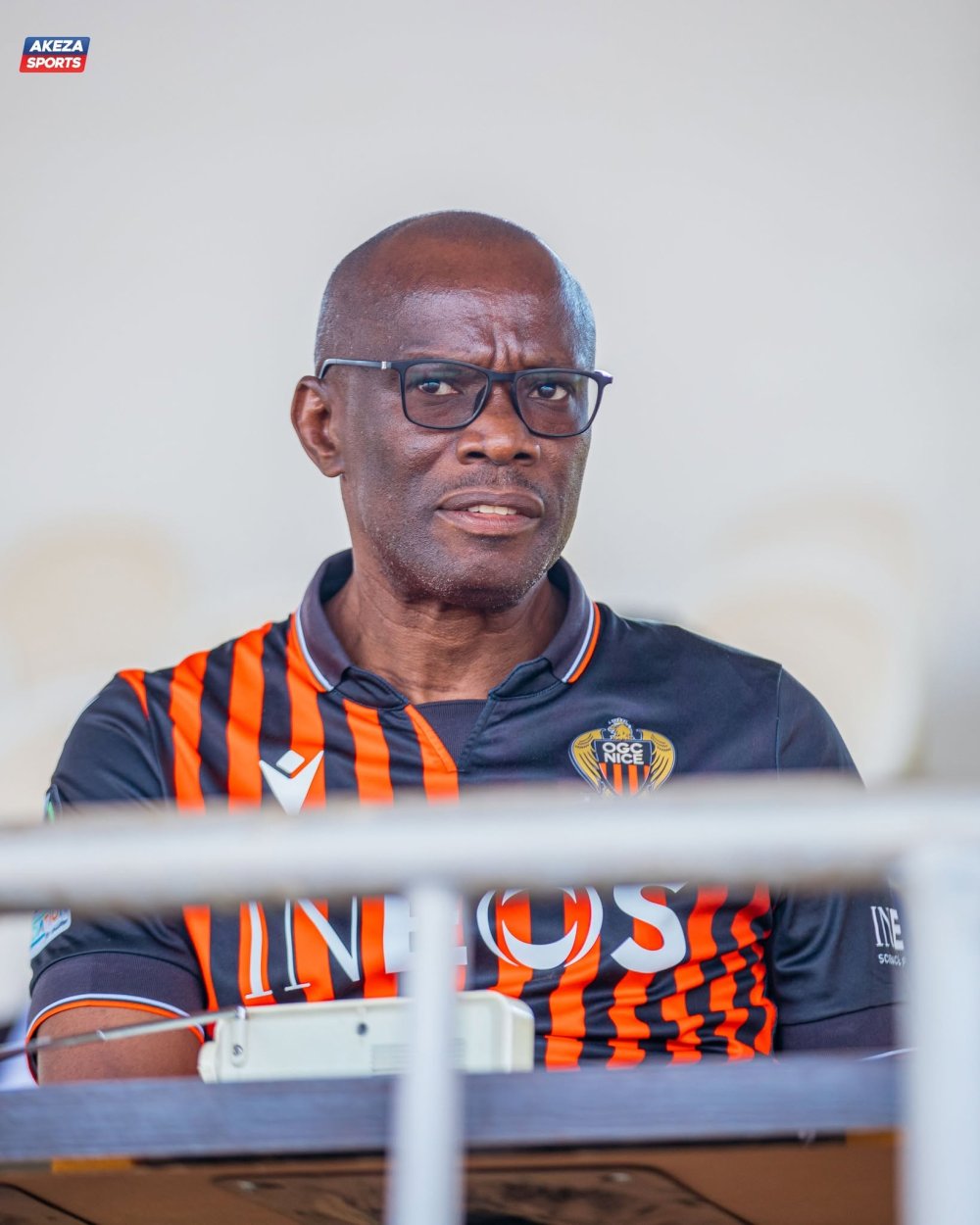
Ndikuriyo had planned to travel to Kigali with Aigle Noir FC for its CAF Champions League qualifying match against Sudan’s Al-Hilal.
He revealed his plans to journalists on August 22, 2026, while discussing CNDD-FDD activities.
“Do you think I am afraid of Kigali? After all, I am an officer! Do you think there is an everlasting fire? The only thing is that I do not know how my work schedule will be because we plan things day by day. So, if the Eagles [Aigle] were going to Kigali to play football, would I miss going there to enjoy myself? Only work would prevent me from going there,” Ndikuriyo said.
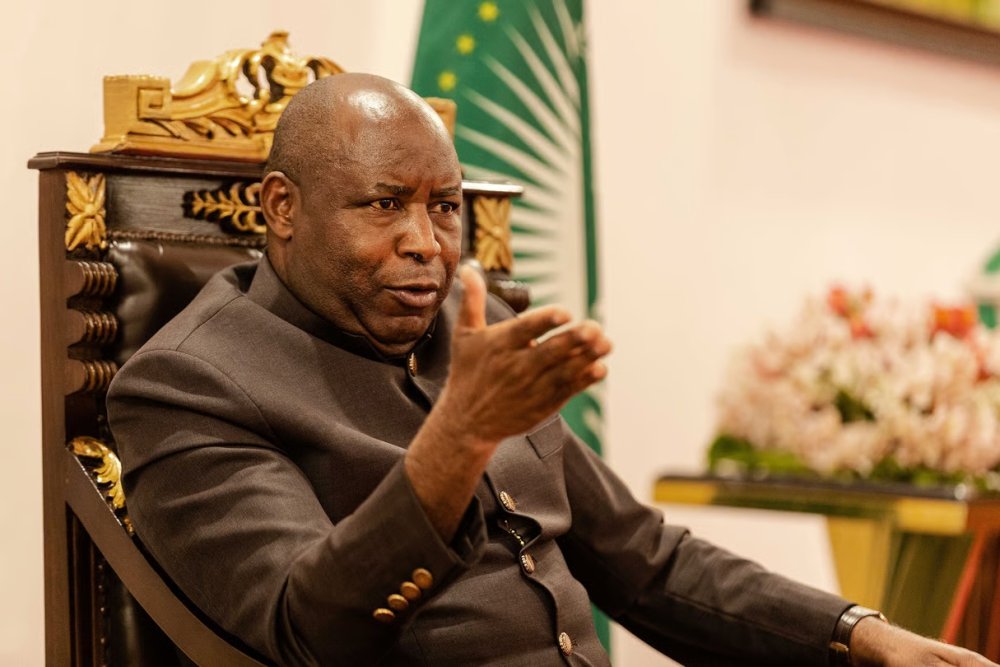
Sources familiar with the matter said Ndikuriyo’s planned four-day visit raised concerns for President Évariste Ndayishimiye amid strained relations between Burundi and Rwanda.
According to the sources, Ndayishimiye questioned the CNDD-FDD Secretary General about why it was necessary for him to accompany his team to Rwanda and instructed him not to travel to Kigali.
Although the trip was presented as an effort to support Aigle Noir FC, analysts say Ndikuriyo’s political influence in Burundi made the planned visit more significant than an ordinary football trip.
Some CNDD-FDD members and opposition figures describe Ndikuriyo as one of the party’s influential figures with the political weight to challenge Ndayishimiye.
He is also said to have a strong following at the grassroots level of the ruling party, making his movements and activities a subject of close attention from the country’s top leadership.
Against this background, his planned stay in Kigali for several days was viewed by some as having political implications beyond football.
Burundi-Rwanda relations remain strained
The reported disagreement comes as relations between Burundi and Rwanda remain tense. Burundi closed its land borders with Rwanda after accusing Kigali of supporting the RED-Tabara rebel group, which opposes the government in Gitega. Rwanda has denied the allegations.
The strained relations have affected movement between the two countries, cross-border trade and other activities involving their citizens.
Analysts say the prospect of a senior CNDD-FDD official spending several days in Kigali may have been viewed through a political lens rather than as a routine sporting trip.
The episode also highlights how tensions between Burundi and Rwanda can extend beyond politics into areas such as sport and business.
In 2024, Burundi’s Dynamo BBC refused to wear jerseys bearing the “Visit Rwanda” logo after the country’s basketball federation, FEBABU, instructed the team not to display the sponsor’s branding amid worsening relations between the two countries.
Dynamo BBC was taking part in the Basketball Africa League (BAL) at the time. The team was forfeited after refusing to play in the sponsor-branded jerseys and was subsequently eliminated from the competition.
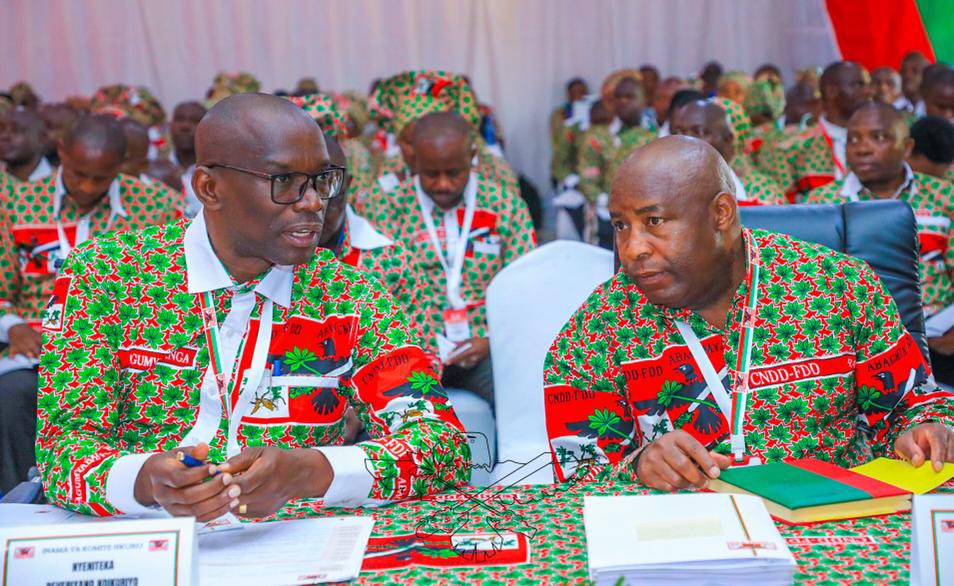
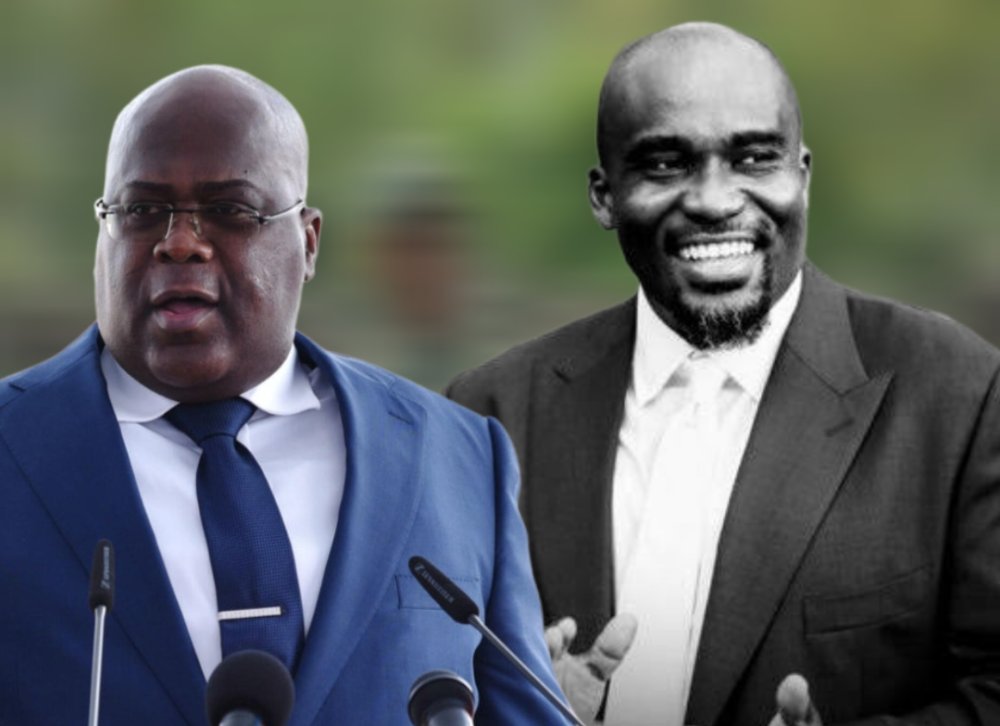
Révérien Ndikuriyo is the president of Aigle Noir FC and Secretary General of Burundi’s ruling CNDD-FDD party.Aigle Noir FC president and Secretary General of the ruling CNDD-FDD party Révérien Ndikuriyo (left) with Burundian President Ndayishimiye during a past public engagement in Burundi.
In an interview with Main Switch 27 published on August 17, 2026, Bizimana said Burundi maintains good relations with most countries, except Rwanda.
According to Bizimana, the strained relations stem from Rwanda’s refusal to hand over people accused of involvement in the attempted coup against former Burundian President Pierre Nkurunziza in May 2015.
“The only slight problem is with Rwanda. You know that it is the country hosting those who attempted to overthrow the government in Burundi in 2015. We continued talking to them, but sometimes we found that what they said was not being implemented because they had agreed to return those people to Burundi so that they could face justice, but they did not.
They kept misleading us and then used them on opposing sides in Congo to attack us and create chaos in the country. But God helped us, and we are vigilant. They will not find a way through,” he stated.
Rwanda has repeatedly said it cannot extradite the individuals because it received them as refugees and that refugee matters are governed by international law.
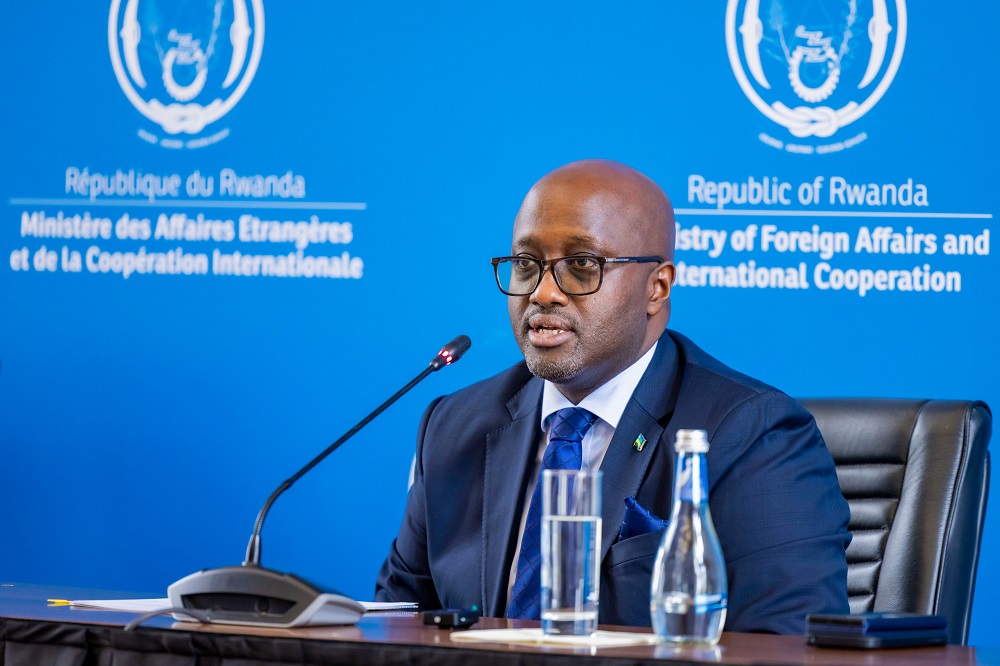
Rwanda’s Minister of Foreign Affairs and International Cooperation, Olivier Nduhungirehe, recently said Kigali had never agreed to send the individuals accused of involvement in the coup attempt back to Burundi.
He said discussions on the matter took place in 2023 but failed to reach a conclusion because some conditions requested from the Burundian side were not fulfilled.
Bizimana said dialogue on the issue was still ongoing, arguing that improved relations between the two countries were necessary for security and economic development.
“We are talking. There are institutions that are communicating to see whether things can return to normal because we know, and they also know, that without security in our countries and without proper trade relations, we will not achieve development.”
Bizimana and ethnic rhetoric
One of the most controversial parts of the interview came when Bizimana compared the paths Burundi and Rwanda have taken after their troubled histories.
He said Burundi had chosen to accommodate Hutu, Tutsi and Twa communities, while suggesting that Rwanda had taken a different path and excluded part of its population.
“They took another path. They continued saying, ‘You have no place here,’ while ignoring that God gave the country to all its people. We saw this clearly: Hutu, Tutsi, Twa and others have nowhere else to go. We have one country, which is the country God gave us, and we are all expected to live in it, share what it has, help one another and build it together.”
He added: “Others took that path too, and I believe that path is not right because we saw it in Burundi’s history. You saw how it ended, and I believe they will realise that the path they have taken offers no solution.”
Bizimana did not specify which section of Rwanda’s population he claimed had been excluded. However, the remarks bring ethnic framing back into discussions about Rwanda, more than three decades after the country’s devastating history of divisionism.
Pacifique Nininahazwe, head of the Burundian civil society organisation FOCODE and a prominent commentator on Burundian politics, has previously criticised Bizimana’s rhetoric.
Nininahazwe said one of the decisions the government of President Evariste Ndayishimiye could come to regret was appointing Bizimana as foreign affairs minister, arguing that his language could undermine Burundi’s diplomacy.
He has described Bizimana as a minister whose rhetoric is often harsh and confrontational, potentially creating diplomatic problems rather than resolving them.
Bizimana downplays FDLR threat
Bizimana’s comments on the FDLR were another major focus of the interview.
The minister was asked about allegations that Burundi cooperates with the FDLR. He rejected the suggestion that the armed group poses a significant threat to Rwanda and spoke about it in terms that downplayed the group’s history and activities.
“The FDLR has never attacked Rwanda. For more than 30 years, they have been talking about it, but the group has never launched an attack against Rwanda. Since 1996, there have been attacks, and they have worked with the Congolese government to fight them […] We cannot support the FDLR because we know it has no benefit.”
Bizimana has previously expressed similar views. In early July 2025, after President Paul Kagame said Rwanda expected the Democratic Republic of Congo to dismantle the FDLR, Bizimana wrote on X that “the FDLR card no longer works.”
He has also previously argued that the FDLR is no longer a threat to Rwanda and that Kigali uses the group as a pretext.
The FDLR, however, remains a central issue in regional security discussions. Its dismantling is among the commitments contained in the Washington peace agreement between Rwanda and the Democratic Republic of Congo, while international actors have repeatedly called for the armed group to be dismantled.
Claims about hunger in Rwanda
Bizimana also moved beyond diplomacy and security during the interview, making false claims about the socio-economic situation in Rwanda.
He alleged that some Rwandans cross into Burundi to steal crops because of hunger in Rwanda.
“I think they see the problems they have. We have heard that Rwandans often come to Burundi to steal, with some entering farms to steal crops because of the hunger they are experiencing.”
Bizimana did not provide figures or other evidence to support the claim. The remarks add another layer to the increasingly confrontational rhetoric. Bizimana has previously attracted controversy over statements on regional affairs.
A regional affairs analyst who spoke to IGIHE described Bizimana as one of Burundi’s worst diplomats, citing the harsh language he frequently uses when speaking about Rwanda.
“Minister Bizimana lacks diplomatic decorum. Whenever Rwanda is concerned, he uses inflammatory language and appears to support anyone who is against Rwanda. You have seen how he downplays the threat posed by the FDLR and how he attacked Qatar, which has been facilitating talks between the DRC government and AFC/M23 in Doha,” he noted.
On January 3, 2026, he accused Qatar of using its financial influence in the Democratic Republic of Congo conflict to prevent the United States from imposing sanctions on Rwanda.
The comments triggered significant debate and pressure on Burundi, with President Ndayishimiye later apologising on social media. Bizimana subsequently stayed away from social media platforms for some time.
Diplomacy depends not only on keeping channels of communication alive; it also requires language that creates room for trust and compromise. Bizimana’s latest remarks risk doing the opposite, reinforcing tensions at a time when both countries need to rebuild confidence and find common ground.
His statements raise a broader question over whether Burundi’s diplomatic messaging is helping to repair relations with Rwanda or making reconciliation more difficult.
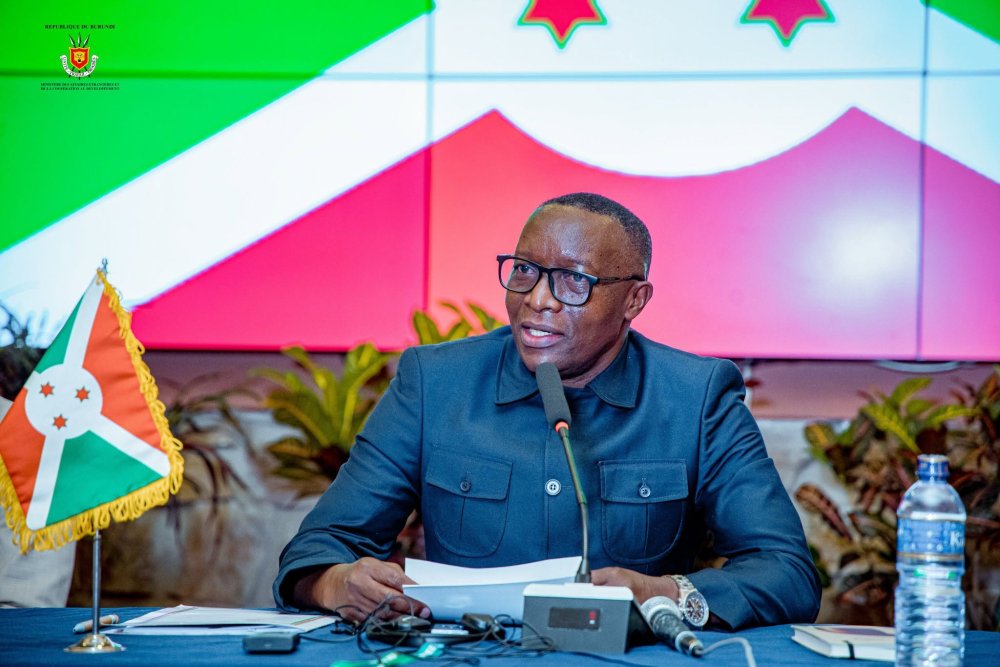
Burundi Foreign Minister Edouard Bizimana has again revived inflammatory rhetoric against Rwanda while downplaying the threat posed by the FDLR.
Jambo ASBL, which was founded in Belgium in 2008, is largely composed of descendants of individuals who participated in the 1994 Genocide against the Tutsi.
The organisation has for years said it advocates for Rwandan refugees and seeks ways for them to return to Rwanda in accordance with international law. The Rwandan government, however, maintains that it has never prevented Rwandans who wish to return from doing so. Rwanda receives civilians returning to the country as well as former members of armed groups operating in eastern DRC, including former FDLR combatants.
Those who surrender are provided with support intended to help them reintegrate into civilian life and live peacefully alongside the communities where they settle.
The latest disagreement follows the DRC government’s announcement of an agreement with the FDLR on the disarmament and demobilisation of the group’s fighters.
Rwanda has rejected the agreement, describing it as a diversion from the security threat posed by the FDLR and questioning the ongoing collaboration between Kinshasa and the terrorist group.
Rwanda has also reminded the DRC that its agreement with the FDLR is not provided for in the peace agreements signed by Rwanda and the DRC in Washington in June and December 2025, with the support of the United States.
On August 6, Jambo ASBL welcomed the agreement between the DRC and FDLR, describing it as an “important political step” in the implementation of the Washington peace agreements.
The organisation said lasting peace in the region cannot be achieved without resolving the issue of Rwandan refugees.
It argued that Rwandans who fled after the 1994 Genocide against the Tutsi should be given the opportunity to return voluntarily, safely and with dignity.
Jambo’s position bears similarities to recent statements by Cure Ngoma, the political spokesperson of the FDLR, who explained some of the provisions of the agreement between the group and the DRC government.
The FDLR has repeatedly presented the issue of Rwandan refugees as one of the reasons behind its continued activities, arguing that a political solution to the refugee question should come before the group’s complete dismantling.
Security analysts in the Great Lakes region have, however, argued that the FDLR has used the refugee issue as a means of justifying its continued existence, while Rwanda maintains that the armed group must be dismantled.
As the FDLR faced the prospect of being dismantled, it did everything possible to hold Rwandans who wanted to return home hostage, forcibly recruiting some of them, particularly young people and boys, into its ranks.
Following the AFC/M23 coalition’s capture of large parts of North Kivu, including Goma, many Rwandans who had been held by the FDLR were released and assisted in returning to Rwanda.
Jambo ASBL criticised the AFC/M23’s actions in helping the Rwandans return, a position that has drawn scrutiny because the releases reduced one of the arguments that had been used to justify the continued presence of the FDLR.
The organisation called on the United Nations High Commissioner for Refugees (UNHCR) and the UN peacekeeping mission in the DRC, MONUSCO, to protect the Rwandans against what it described as forced repatriation.
The description, however, ignores the fact that UNHCR and MONUSCO were involved in facilitating the return of some of the Rwandans, where their involvement demonstrates that the returns were not carried out in violation of international law.
The FDLR, which has operated in eastern DRC for decades, has carried out attacks against Rwanda and been accused of serious abuses in the DRC. The group’s history and leadership are also closely associated with individuals linked to the 1994 Genocide against the Tutsi.
The group continues to promote genocide ideology in the region and considers its presence a security threat rather than a refugee issue.
The government has therefore rejected attempts to frame the FDLR primarily through the refugee question.
While Jambo ASBL and the FDLR place the question of Rwandan refugees at the centre of their positions, Rwanda insists that the armed group’s military presence, ideology and activities make it fundamentally a security issue.
Jambo ASBL has echoed FDLR position, reinforcing perceived ties between the two sides
The case accuses Rwanda of deploying troops on Congolese territory over the past 30 years and violating several international conventions, including the 1948 Genocide Convention, conventions against torture and racial discrimination, and those protecting women’s rights.
Through its Minister of Justice and Attorney General, Guillaume Ngefa, the DRC government asked the ICJ to formally declare that Rwanda was responsible for these alleged violations.
These are serious allegations that deserve careful judicial examination. However, the political motivations behind the lawsuit also warrant scrutiny.
By taking Rwanda to The Hague, analysts say, Kinshasa is not only pursuing legal action but also advancing a broader political strategy aimed at portraying Rwanda as the principal culprit while diverting attention from the DRC government’s own role in the conflict, particularly its collaboration with armed groups operating in eastern DRC.
The proceedings are therefore likely to be more than a legal dispute. They also represent a contest over international perception, responsibility, and accountability under international law.
The issue is not that the DRC has chosen to seek justice through international courts, every sovereign state has that right. Rather, the concern lies in what Kinshasa chooses to emphasize and what it chooses to ignore.
The ICJ case and the battle over responsibility
While asking the international community to examine its accusations against Rwanda, the Congolese government has largely overlooked allegations concerning its own cooperation with the Democratic Forces for the Liberation of Rwanda (FDLR), an armed group founded by individuals responsible for the 1994 Genocide against the Tutsi, as well as its collaboration with the Wazalendo coalition of militias and the use of foreign mercenaries.
The FDLR is not an ordinary armed group. It was established by former members of the Rwandan Armed Forces and Interahamwe militia who fled to the DRC after participating in the 1994 Genocide against the Tutsi.
FDLR ties raise questions over Kinshasa’s accusations
For years, the group has been accused of ethnic killings, rape, child recruitment, and numerous other serious human rights violations. It is also under sanctions imposed by both the United Nations and the United States.
A UN Group of Experts report published in late June 2026 concluded that the FDLR continues to pose a major threat to peace and security in eastern DRC and the wider region, while rebuilding its capabilities with support from the Kinshasa government.
The FDLR itself claims to have more than 10,000 fighters, with nearly half actively engaged in military operations. The group’s special force unit (CRAP) claims to have more than 20,000 combatants.
However, UN experts and intelligence assessments estimate that the FDLR has between 3,500 and 4,500 fighters, while the Washington Peace Agreement estimated the group’s strength at between 3,000 and 3,500.
In June 2025, the Rwanda Defence Force stated that the FDLR had between 7,000 and 10,000 fighters at the time and noted that the group routinely blends into civilian populations when anticipating military operations.
Despite these assessments, the Kinshasa government has continued to regard the FDLR not as a terrorist organization to be dismantled but as a key military partner in its campaign against AFC/M23.
The June 2026 UN Group of Experts report on the DRC found that the Congolese government continued to use Wazalendo militias as auxiliary forces while maintaining cooperation with the FDLR despite previous commitments to dismantle the group.
According to the report, FDLR fighters and Wazalendo militias operated alongside the Armed Forces of the DRC (FARDC) on several front lines.
UN investigators also documented continued financial and logistical support for these groups, including substantial monthly payments channelled through provincial authorities.
Congolese military aircraft reportedly transported uniforms, weapons, ammunition, and food supplies to FDLR positions on multiple occasions, while the FARDC provided air support during joint operations.
The report further cited government and military officials who allegedly assured FDLR leaders that their cooperation would continue because the group remained strategically important in the fight against AFC/M23.
The DRC continues to maintain ties with the FDLR and strengthen military cooperation with the armed group.
Retired Colonel Augustin Nshimiyimana, commonly known as “Bora” and a former senior FDLR commander, recently claimed that cooperation between the DRC government and the FDLR remains active, noting that several senior FDLR figures now occupy positions within the FARDC command structure in Kinshasa.
A government that claims to be committed to combating genocide-related crimes struggles to maintain credibility while working alongside an armed group established by individuals implicated in genocide.
Similarly, the DRC faces questions about presenting itself before an international court as a defender of Congolese civilians while supporting armed groups that have been accused of targeting the same civilians.
For Rwanda, the continued presence of the FDLR near its borders represents a serious national security concern rooted in the legacy of the 1994 Genocide against the Tutsi and the genocidal ideology the group continues to promote.
This explains why Kigali views continued cooperation with the FDLR as a significant regional security threat.
Hate speech and ethnic tensions deepen the regional crisis
The consequences of that alliance have been particularly severe for Congolese Tutsi communities, who have increasingly been portrayed as foreigners, spies, or proxies for Rwanda.
Political rhetoric has frequently conflated Rwanda, AFC/M23, Congolese Tutsi communities, and Kinyarwanda-speaking Congolese into a single perceived enemy.
In 2023, former minister and Member of Parliament Justin Bitakwira appeared on television portraying Tutsi and Banyamulenge communities as foreigners and enemies. His remarks were followed by violence and the displacement of civilians.
UN experts warned that his statements risked inciting discrimination, hatred, and violence. The 2026 UN report also linked him to efforts to coordinate recruitment into Wazalendo militias.
UN reports have documented the displacement of thousands of Congolese Tutsi fleeing attacks by Wazalendo militias and the FDLR.
In one incident, the armed groups burned the village of Nturo in Masisi Territory, North Kivu Province. Videos circulated online celebrating the destruction of Tutsi homes.
Although Rwanda is frequently associated with the AFC/M23 conflict, the country maintains that it is not behind the crisis.
Instead, the country voiced concerns over the continuing threat posed by the FDLR, whose stated objective remains to destabilize Rwanda.
Minister Nduhungirehe recently dismissed the DRC’s case against Rwanda at ICJ as ‘a political manoeuvre’.
Human Rights Watch has also documented killings, beatings, looting, and other abuses committed by Wazalendo militias backed by Kinshasa, targeting civilians on the basis of their ethnicity.
Amnesty International has similarly reported that the Congolese government’s failure to address hate speech directed at Banyamulenge and other Congolese Tutsi has fostered a climate of impunity.
Such rhetoric has also reached the country’s highest security institutions. In December 2025, then FARDC spokesperson Maj. Gen. Sylvain Ekenge appeared on national television making derogatory remarks about Tutsi women, urging Congolese men not to marry them and suggesting such marriages could provide a pathway for enemies to infiltrate the country.
For a senior military official to make such statements on state television illustrated how deeply ethnic hostility had penetrated state institutions.
During armed conflict, hate speech is far from trivial. When political or military leaders repeatedly associate a particular ethnic community with treason or disloyalty, they create conditions that can facilitate discrimination, arbitrary detention, forced displacement, and violence against that population.
From a political perspective, the DRC’s case before the ICJ also serves a domestic purpose.
It reframes the country’s complex security crisis as the result of foreign aggression, directing both domestic and international attention toward Rwanda rather than toward longstanding challenges within the DRC itself, including corruption, weaknesses within the national army, poor governance, support for armed groups, and the promotion of ethnic divisions.
If Kinshasa truly wants justice, it should first end its cooperation with the FDLR, dismantle networks supporting armed groups, prosecute officials spreading ethnic hatred, and protect Congolese Tutsi who are treated as foreigners.
The government should also allow independent investigations into alleged crimes committed by FARDC forces and their Wazalendo allies.
Otherwise, the DRC’s case before the International Court of Justice could be seen as a way of diverting attention rather than a genuine pursuit of justice.
Rwanda’s Minister of Foreign Affairs and International Cooperation, Ambassador Olivier Nduhungirehe, has criticised the case filed by the DRC government before the ICJ.
Speaking to France 24 journalist Marc Perelman in a recent interview, Minister Nduhungirehe dismissed the move as “a political manoeuvre” by the Government of DRC which is collaborating with the FDLR genocidal group.
“First, who collaborates with the genocidal force? It is the Congolese government. Second, who is shelling the civilian population? It is the government of Tshisekedi. who is fueling hate speech against the Congolese Tutsi? There are people linked to Tshisekedi including former spokesperson of the army Maj. Gen. Sylvain Ekenge”
The Tshisekedi administration is accused of seeking to tarnish Rwanda’s image while ignoring violations of international law.
In an interview with Jeune Afrique published on May 10, 2026, Ndayishimiye discussed the closure of the Gatumba and Vugizo border crossings between Burundi and DR Congo on the South Kivu side. He claimed the decision was linked to the proximity of M23 fighters near Burundi’s borders, alleging that the group operates with Rwanda’s backing.
According to Ndayishimiye, Burundi considers the presence of M23 fighters near its borders as a security concern, although he expressed hope that the Washington peace agreement would increase pressure aimed at ending the tensions.
The Burundian leader also repeated accusations that Rwanda supports RED Tabara, a group Burundi describes as a terrorist organization responsible for attacks inside the country. Rwanda has consistently denied the allegations, insisting that it does not support any group seeking to destabilize Burundi.
Under bilateral agreements signed between Burundi and DR Congo in 2022 and 2023, Burundi deployed more than 20,000 troops to South Kivu. The deployment was reduced in early December 2025 after M23 fighters captured several areas in the Ruzizi Plain and the city of Uvira.
Ndayishimiye maintained that Burundian troops were sent to DR Congo to assist Congolese forces against their enemies rather than to defend Burundi itself. He explained that the deployment was carried out under regional arrangements that assigned South Kivu as Burundi’s operational zone.
He further argued that despite efforts by regional actors, fighting continued because some countries failed to contain the conflict. According to him, only Uganda and Burundi remained actively engaged, with Burundian troops operating under the directives of the Congolese army.
Between 2022 and 2023, Burundi maintained two categories of troops in DR Congo. One contingent operated under bilateral agreements between Burundi and DR Congo, while another formed part of the East African Community Regional Force (EACRF), which had been deployed to separate warring parties and create conditions for peace talks.
The bilateral contingent, known as TAFOC, began operations in South Kivu in 2022 alongside Congolese forces against armed groups including RED Tabara, FOREBU, FNL and Twirwaneho.
Meanwhile, Burundian troops under EACRF were deployed to Masisi Territory in North Kivu in 2023. The regional force had not been mandated to conduct offensive operations but rather to position itself between M23 and FARDC forces in order to support de-escalation and encourage dialogue.
However, the Congolese government later requested that troops from Burundi, Kenya, Uganda and South Sudan join military operations against M23. While the EACRF leadership rejected the proposal, Burundi increasingly aligned itself with FARDC and the Wazalendo militias.
At the end of 2023, the East African Community resolved to withdraw its regional force. Troops from participating countries returned home, but Burundi kept its forces in Masisi, where they continued operating alongside Congolese forces in a manner similar to deployments in South Kivu. The former EACRF Burundian contingent effectively became integrated into TAFOC operations.
Since November 2021, Uganda has also maintained troops in North Kivu and Ituri under “Operation Shujaa,” targeting the Allied Democratic Forces (ADF). Although Ugandan troops serving under EACRF later withdrew, those operating under the anti-ADF arrangement remained in place.
Unlike the EAC regional force, whose mission focused on preventing clashes, both Burundian and Ugandan troops currently operating in DR Congo are deployed under bilateral agreements that permit combat operations.
Reports have also suggested that Ndayishimiye initially sought to avoid international attention regarding Burundi’s continued military presence in Masisi after the withdrawal of other EACRF troops. During a regional summit, while discussions emerged about Burundian soldiers allegedly captured by M23, he reportedly denied that the fighters were members of the Burundian army.
At one stage, Ndayishimiye claimed that the individuals presented by M23 as captured Burundian soldiers were in fact RED Tabara fighters because they spoke Kirundi. However, the explanation later faced scrutiny after the individuals were reportedly found carrying identification documents issued by the Burundian military.
Questions over alleged cooperation with FDLR
During the interview, journalist Romain Gras also raised Rwanda’s accusations that Burundi collaborates with the FDLR, a errorist group founded by individuals responsible for the 1994 Genocide against the Tutsi and which Rwanda accuses of threatening its security from eastern DR Congo.
In response, Ndayishimiye argued that he had previously asked President Paul Kagame to provide intelligence on FDLR positions, insisting that Burundi would attack the group if such information were made available.
He maintained that Burundi could not be accused of supporting FDLR without proof, arguing that military action against the group would demonstrate Burundi’s willingness to dismantle it.
When asked how Burundian troops could avoid cooperating with FDLR while operating alongside FARDC, which has repeatedly been accused of collaborating with the group, Ndayishimiye acknowledged that Congolese forces work with FDLR. However, he argued that Burundian troops operate separately under Congolese command structures and do not mix with those groups because each force has distinct operational methods and areas.
He also indicated that he had advised Congolese President Félix Tshisekedi to avoid situations likely to fuel suspicions regarding cooperation between Burundian troops and FDLR.
Ndayishimiye further stated that regional leaders, including Tshisekedi, agreed on the need to fight FDLR, though he argued that limited operational capacity remained a challenge. He proposed coordinated military action involving Rwanda, DR Congo, Burundi and Uganda against armed groups operating in the region, saying such cooperation could help reassure Rwanda about its security concerns.
Despite Ndayishimiye’s denials, reports by United Nations experts indicate that relations between Burundi and Rwanda deteriorated again in late 2023, accompanied by increased cooperation between Burundi and armed groups opposed to Rwanda.
Reports also emerged alleging that Burundian military officials met in Bujumbura with leaders of FDLR and CNRD-FLN to discuss plans related to destabilizing Rwanda.
Burundian President Évariste Ndayishimiye has again attracted attention following false remarks on the strained relationship between Burundi and Rwanda.
According to sources familiar with the matter, the alleged strategy hinges on cooperation with the Democratic Forces for the Liberation of Rwanda (FDLR), an terrorist group formed by individuals linked to the perpetrators of the 1994 Genocide against the Tutsi in Rwanda. The effort reportedly seeks to create a broader coalition of groups opposed to Rwanda’s government.
At the center of the reported initiative is Jean‑Luc Habyarimana, the son of the late president. Sources indicate he is being positioned as a figure capable of rallying remnants of the Hutu Power network and helping reorganize opposition groups under a new structure.
During a recent visit to Kinshasa, Jean-Luc reportedly met Désiré Cashmir Eberande Kolongele, President Tshisekedi’s special advisor on security matters.
According to individuals familiar with the meeting, he conveyed a message that plans were being developed to form a strong military alliance initially focused on confronting AFC/M23, before potentially expanding operations toward Rwanda.
Sources further claim that Jean-Luc, working with officials in the Congolese Ministry of Communication and Media, helped establish a platform known as Xtrafrica. The platform is reportedly used to promote narratives rehabilitating the image of Habyarimana, criticize the Rwandan government and support Tshisekedi’s regional agenda.
Meanwhile, Agathe Kanziga, the widow of Habyarimana, along with other figures associated with the Hutu Power ideology, is said to have advised Jean-Luc to rebrand the FDLR under a new name, the FCLR (Front Commun pour la Libération Rwandaise), in an effort to improve its international image while maintaining its existing structure and ideology.
The broader strategy reportedly involves bringing together political and military figures opposed to Rwanda’s government by offering them refuge and support in Congo.
Attention has also reportedly turned to Nyamwasa, a former senior officer in the Rwanda Defence Force who later founded the Rwanda National Congress (RNC).
Sources say he has been attempting to unite armed, political and propaganda networks in opposition to Rwanda’s leadership.
During a reported trip to Kinshasa in September 2024, Nyamwasa is said to have met leaders of the FDLR to discuss strengthening cooperation. Congolese officials familiar with the matter claim he has remained in close contact with Gaston Iyamuremye, the commander of the FDLR, a relationship described as key to efforts to align the RNC with the group.
In January 2026, Byiringiro reportedly appointed his brother-in-law Cyprien Ngabo as a liaison between the FDLR and an RNC faction led by Frank Ntwali, further indicating growing coordination between the groups.
Sources also claim that cooperation dates back several years. In early 2025, Byiringiro is said to have sent Emmanuel Hakizimana, an RNC member based in Canada, to the United States to represent the FDLR at a meeting of so-called Rwandan opposition figures.
The meeting was reportedly part of a long-running effort to unite fragmented groups opposed to Rwanda’s government. With alleged financial and political backing from individuals close to Tshisekedi, recruitment into the anti-Rwanda coalition is said to have intensified, involving supporters based in Uganda and prominent RNC-associated figures such as Charles Kambanda, Eugène Gasana, and Christine Uwizera Coleman.
Sources claim the initiative is becoming increasingly visible, pointing to alleged logistical support for the FDLR and outreach to individuals linked to or associated with the genocide, as part of a broader effort to unite groups opposed to Rwanda’s government under a single front.
New details have emerged on the coordination between President Félix Tshisekedi of the Democratic Republic of the Congo and son of former Rwandan President Jean Luc Habyarimana.
The report, produced by intelligence services in the Democratic Republic of the Congo in February 2019, details the activities of a coalition of armed groups known as P5, which was reportedly formed with the aim of overthrowing the Government of Rwanda.
According to the document, the coalition brought together several political and armed groups, including the Rwanda National Congress (RNC) led by former Rwandan army officer Kayumba Nyamwasa; FDU-Inkingi associated with Victoire Ingabire Umuhoza; CNRD-FLN linked to Paul Rusesabagina; RUD-Urunana led by Nshimiyimana Cassien; and the FDLR commanded by Victor Byiringiro.
The report claims that fighters from this coalition were recruited and trained at a military camp in Bijabo, located in Balala-Sud Groupement in the Tanganyika sector of Fizi Territory, South Kivu.
On the night of January 22, 2019, more than 1,500 fighters from the FDLR reportedly moved from Masisi Territory in North Kivu toward Shanje in Lowa-Numbi, within the Buhavu Chiefdom, where they were expected to link up with other P5 elements led by Nyamwasa.
The document further alleges that the coalition intended to establish operational bases in Burundi before launching attacks into Rwanda. At the time, Burundi was led by former president Pierre Nkurunziza, whose government is said to have provided logistical support and coordination for the coalition’s activities.
According to the report, Agricole Ntirampeba, then a senior adviser to President Nkurunziza, was responsible for coordinating FDLR activities in the region.
He reportedly facilitated cooperation among the various P5 groups with the goal of strengthening their ability to destabilize Rwanda and attempt to overthrow its government.
The 2019 attack in Musanze
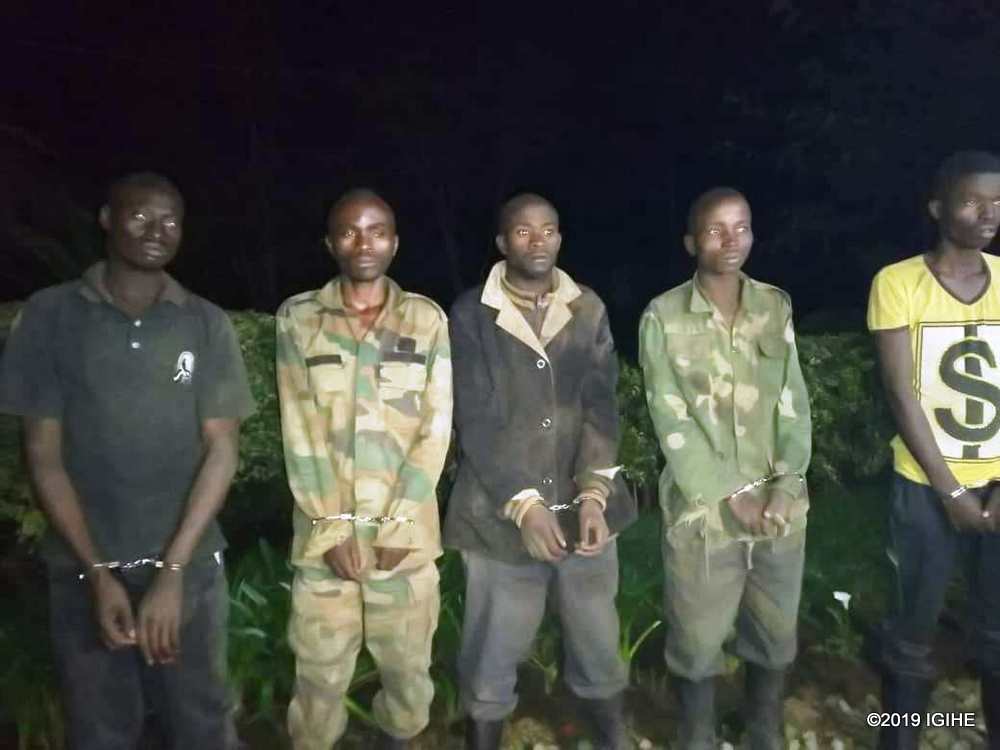
In October 2019, about 67 fighters affiliated with groups linked to the P5 coalition, mainly members of RUD-Urunana, entered Rwanda through Volcanoes National Park near Kinigi, close to the border with the DRC.
According to figures from the Rwandan government, the attackers killed 14 civilians and injured several others. Homes and businesses were looted, shops were destroyed, and food supplies were stolen during the assault.
Rwandan security forces launched operations to pursue the attackers, killing some and arresting others.
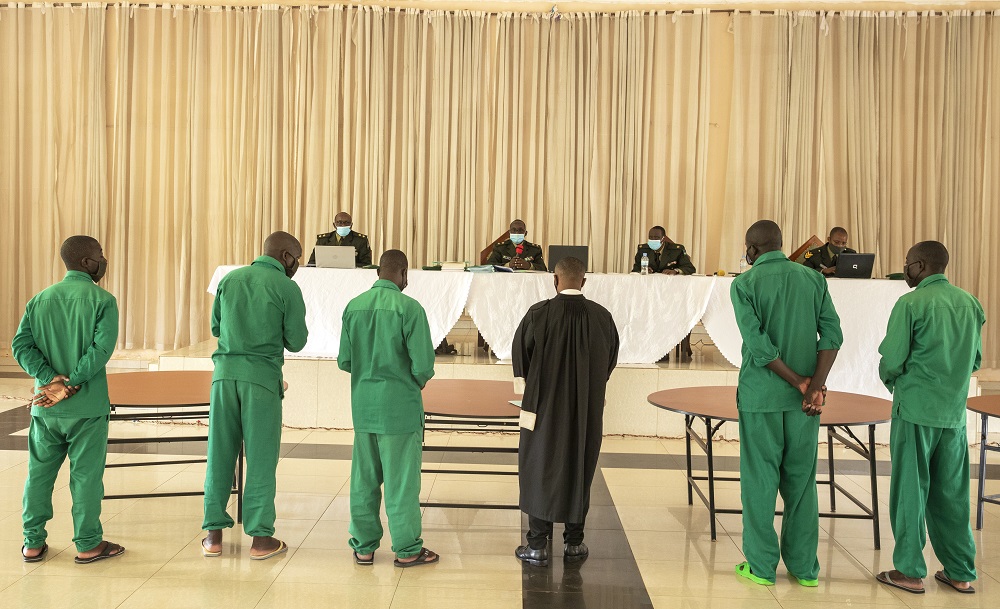
Those captured were later brought before the Military High Court in Kigali, where prosecutors charged them with crimes including membership in an illegal armed group, attempting to wage war against the state, and terrorism-related offenses.
Allegations of long-standing cooperation
The report also points to what it describes as a long-standing relationship between Burundi and the FDLR. According to the document, members of the armed group have at times found refuge in Burundi, and some of their activities have allegedly been facilitated from within the country.
It further claims that Burundi’s ambassador to Kinshasa at the time, Agricole Ntirampeba, helped facilitate communication between Félix Tshisekedi, president of the DRC, and the FDLR.
This reportedly contributed to joint military operations involving Congolese forces, the FDLR terrorist group formed by individuals responsible for the 1994 Genocide against the Tutsi in Rwanda and Burundian troops against the AFC/M23 coalition.
On December 5, 2019, the then commander of CNRD/FLN, Wilson Irategeka, was reportedly assisted by Burundian officials to travel to Bujumbura for medical treatment via Nyangezi-Ngomo and Kamanyola in South Kivu. Congolese soldiers stationed in the region allegedly helped transport him by motorcycle and ensured his security during the journey.
Recently, when asked about Burundi’s cooperation with the FDLR, President Évariste Ndayishimiye acknowledged the relationship, citing the adage: “The enemy of my enemy is my friend.”
Critics argue that despite presenting himself as a stabilizing figure in the region, Ndayishimiye’s policies and continued engagement with armed groups have contributed to ongoing instability in the Great Lakes Region.
Attackers were tried before the Military High Court.Some of arrested assailants who took part in Kinigi attack in 2019.
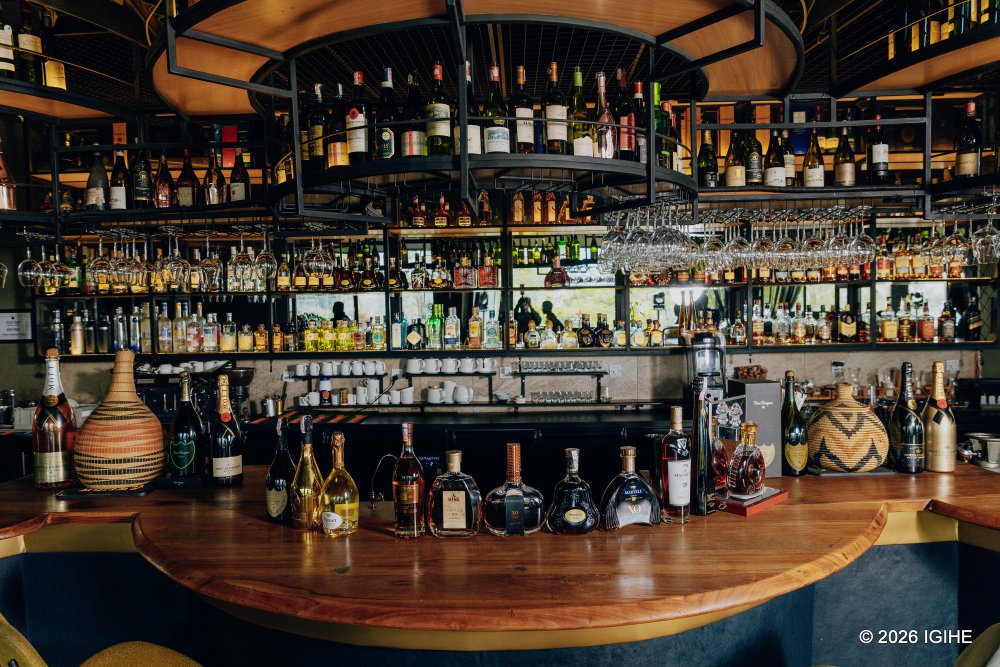
In Rwanda, the industry is also evolving. Beyond mass-market beverages, a growing niche of premium and ultra-luxury products is carving out space in the country’s hospitality and fine-dining sector, reflecting shifting consumption patterns and rising purchasing power among certain segments of the population.
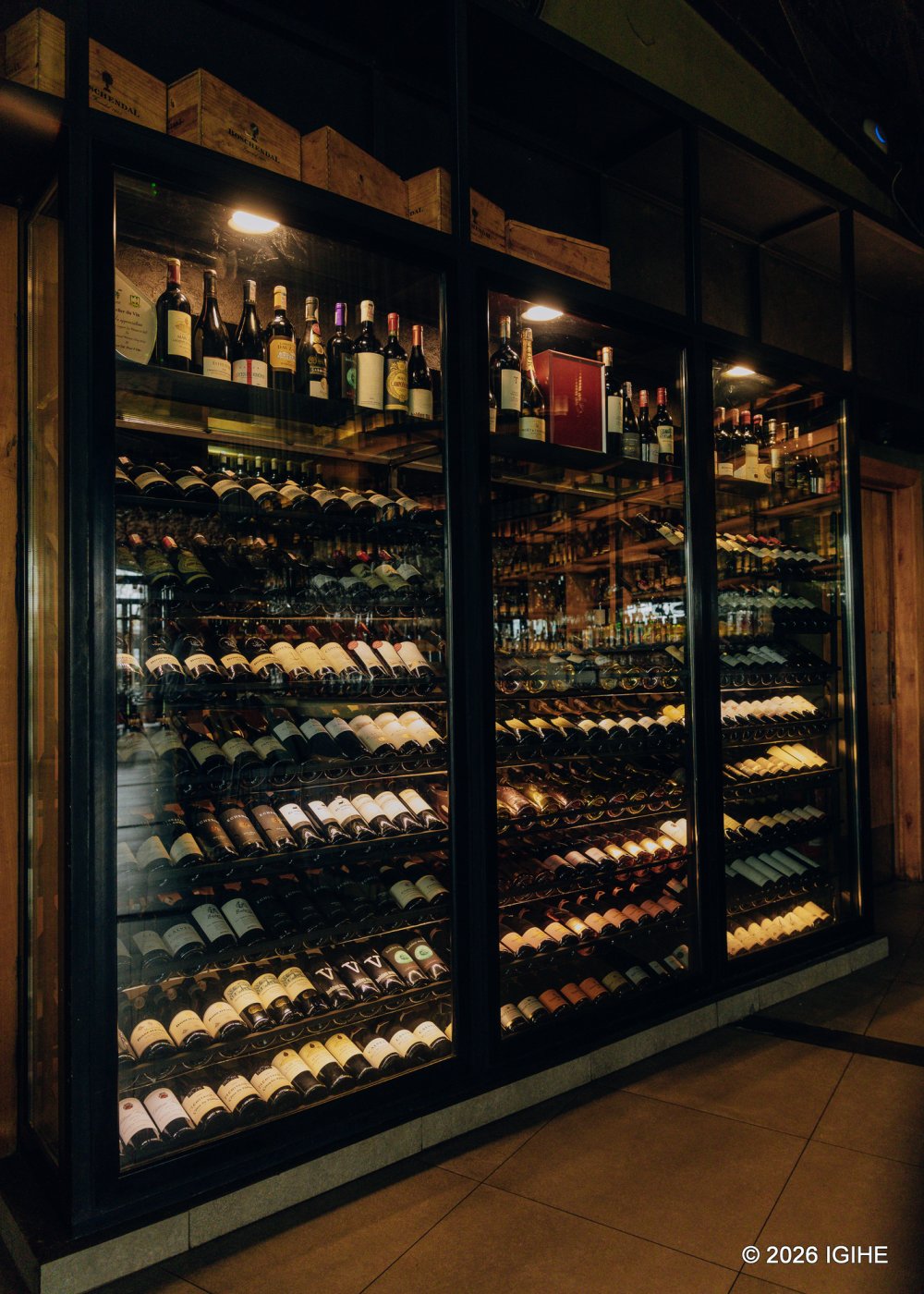
A recent visit to Atelier du Vin, a high-end restaurant operating under Akagera Trading, a subsidiary of Akagera Motors, offered insight into the scale of this emerging luxury market.
A bottle worth Rwf 5.5 million
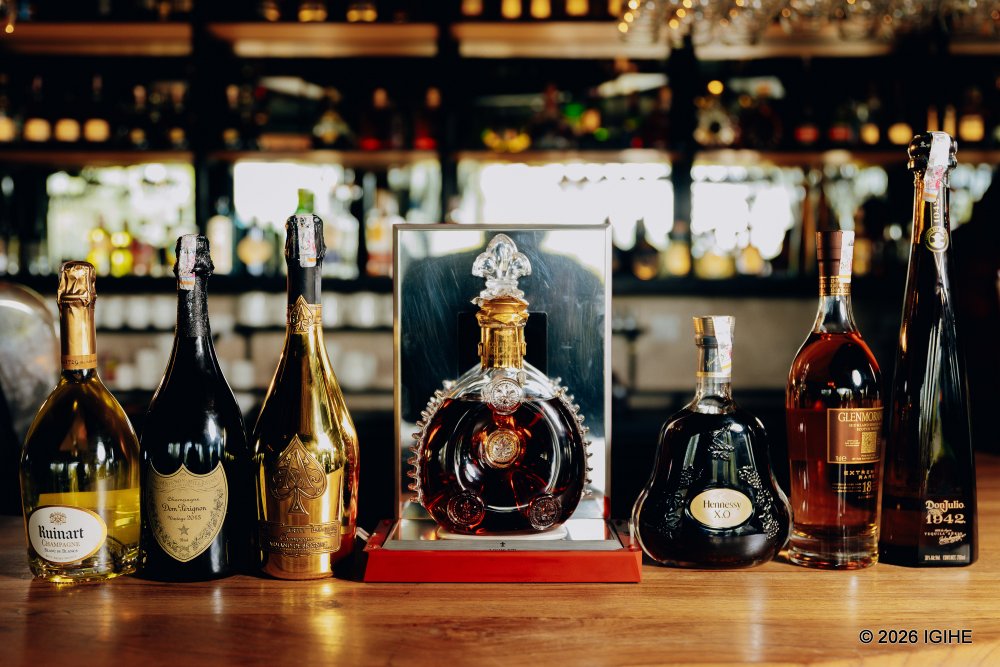
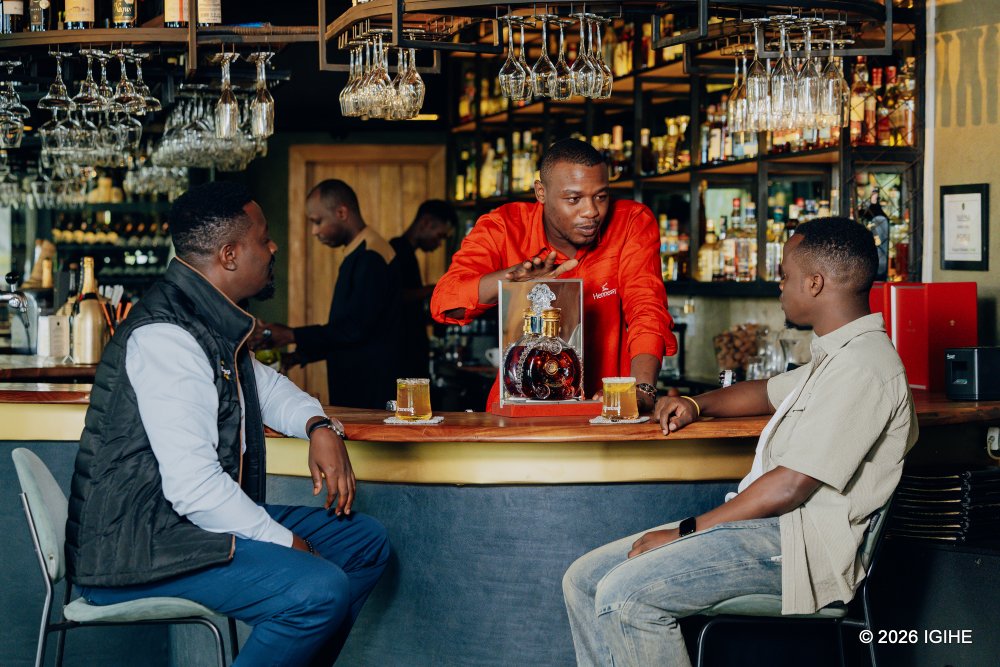
Among the most striking offerings is Louis XIII de Rémy Martin, a luxury cognac first created in 1874 and crafted from a blend of approximately 1,200 eaux-de-vie aged between 40 and 100 years. At the Kigali establishment, a single bottle retails for Rwf 5.5 million, making it one of the most expensive alcoholic beverages publicly available in the country.
Louis XIII de Rémy Martin retails for Rwf 5.5 million.
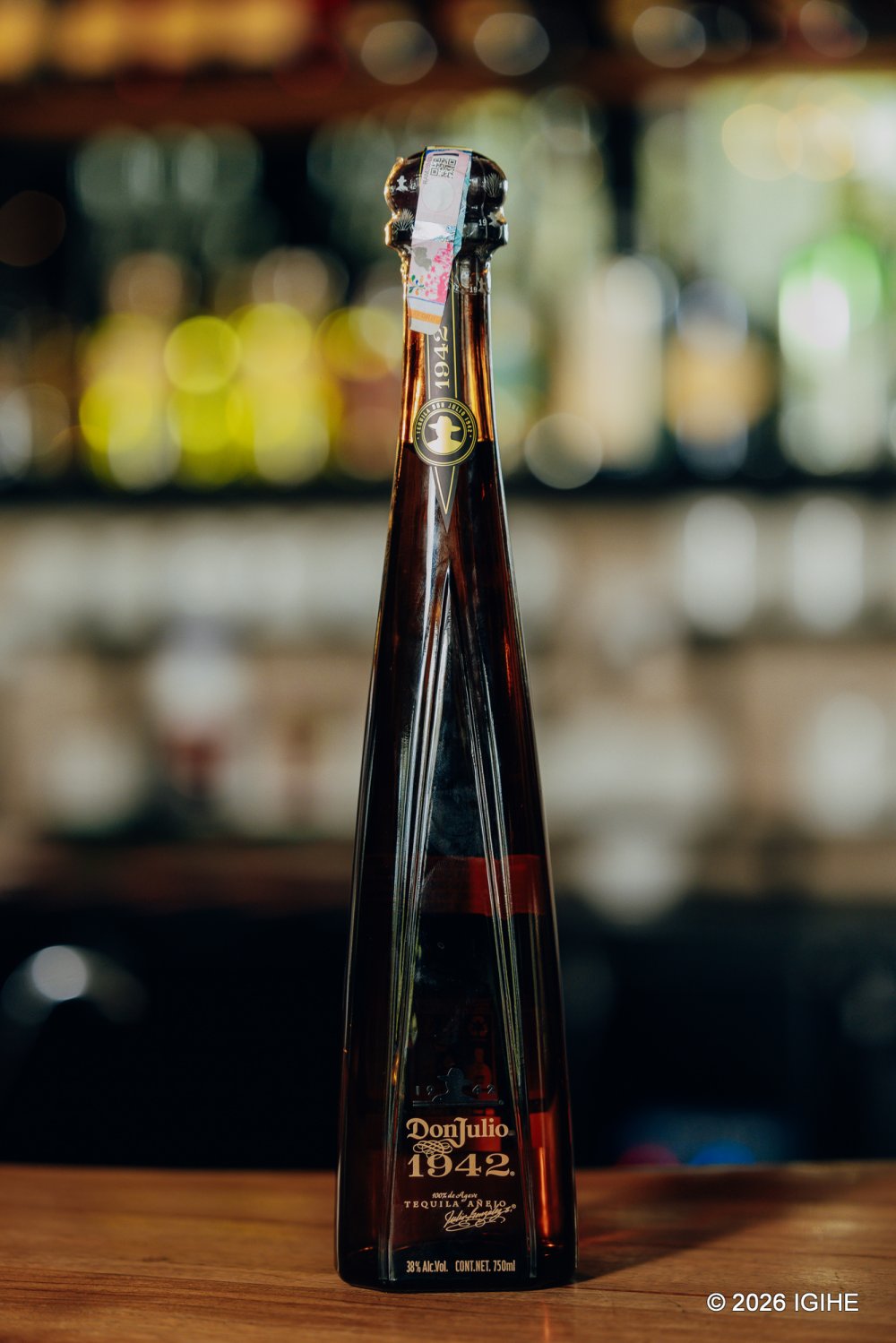
In addition to Louis XIII, the restaurant’s premium catalogue features several other high-end labels. These include Don Julio 1942, retailing at Rwf 1.2 million; Armand de Brignac, popularly known as Ace of Spades, priced at Rwf 650,000; Hennessy X.O at Rwf 600,000; and Dom Pérignon Vintage 2013, which sells for Rwf 540,000 per bottle.
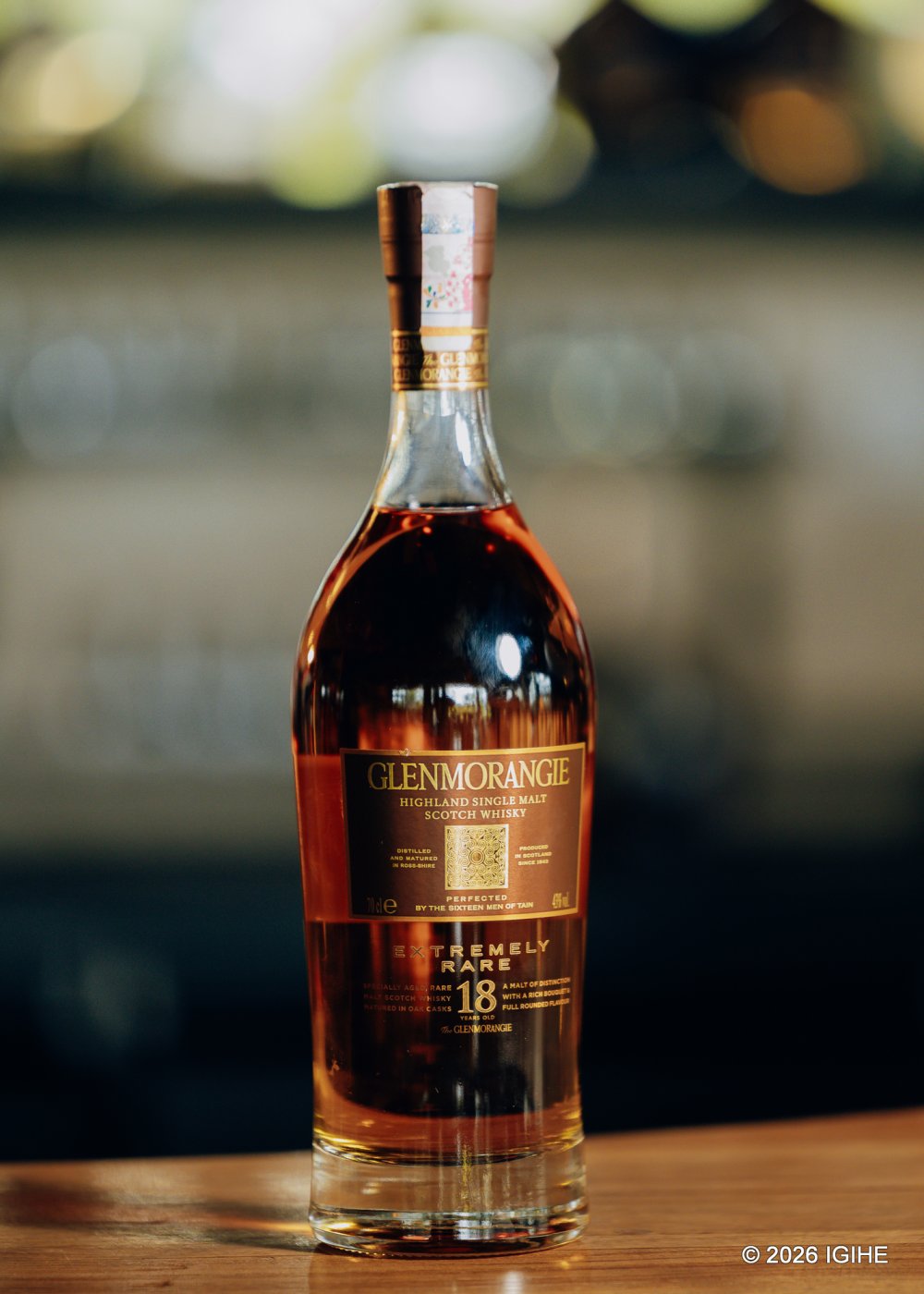
Other high-end selections such as Ruinart 1729 and Glenmorangie 18 retail at Rwf 315,000 per bottle.
The 1942 edition of Don Julio is priced at Rwf 1.2 million.This Armand de Brignac, famously called Ace of Spades, sells for Rwf 650,000.
A niche but active market
According to Richard Ahadi, Head of Sales and Marketing at Akagera Trading, demand for these products remains consistent throughout the year.
“These premium beverages generate more than Rwf 100 million annually,” Ahadi said. “Between 50% and 60% of the purchases are made by Rwandans. On average, we sell between 120 and 180 bottles per year.”
Richard (left) disagrees with those who claim that Rwandans live modest lives.
While the company distributes to regional markets including the Democratic Republic of the Congo, Burundi and Uganda, Ahadi noted that approximately 80% of its business is conducted within Rwanda.
“Our largest market is domestic,” he said, pointing to steady local demand for luxury imports.
The company also imports limited-edition releases produced in small quantities worldwide. Certain editions of Dom Pérignon P2 (2002), for example, are limited to fewer than 500 bottles annually worldwide, with only a handful allocated to Rwanda. Similarly, limited releases of Hennessy Paradis are capped globally at around 150 bottles per edition, with fewer than two dozen reaching the Rwandan market.
“These limited editions usually launch in April and typically retail between Rwf 10 million and Rwf 12 million,” Ahadi explained, noting that buyers include high-net-worth individuals, private companies, and international visitors.
Taxation and pricing dynamics
Industry observers attribute the high retail prices in Rwanda largely to excise duties and import-related costs.
In 2023, the Government of Rwanda revised aspects of its tax framework as part of broader domestic revenue mobilization reforms. The Rwanda Revenue Authority (RRA) states that excise duty rates vary depending on alcohol content, product category and sourcing of raw materials.
Beer, wine, liqueur, whisky and other spirits are generally taxed at 40%. Beverages with higher alcohol content may attract rates between 60% and 65%, depending on whether inputs are locally sourced. Premium wines and high-value spirits may be subject to excise duties of up to 70% per litre under specific valuation thresholds.
When combined with import costs, insurance, freight and distributor margins, these tax structures significantly influence final retail prices.
A bottle of Hennessy X.O goes for Rwf 600,000.This 2013 Dom Pérignon Vintage sells for Rwf 540,000.A bottle of Ruinart 1729 Champagne goes for Rwf 350,000.This Glenmorangie 18 goes for Rwf 315,000.A selection of high-end drinks found in Rwanda.
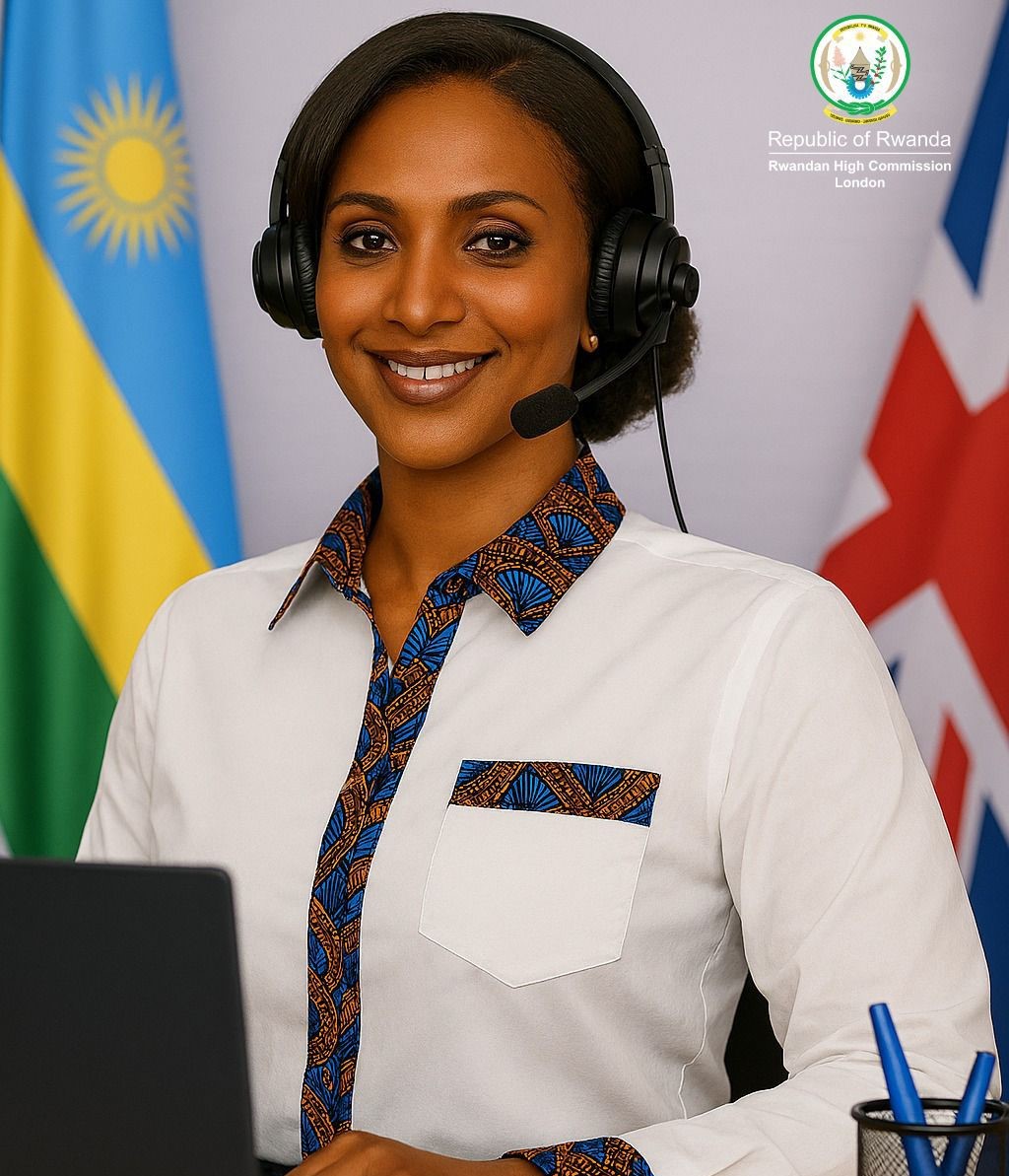
Accredited to the United Kingdom and Malta, with representation in Ireland, the diplomatic mission aims through this initiative to enhance service delivery and facilitate access to information for the Rwandan diaspora as well as anyone seeking its services.
Designed as an interactive digital tool, Nshuti was developed as part of the High Commission’s digital transformation strategy. The virtual assistant provides instant guidance and answers to frequently asked questions via WhatsApp or directly through the institution’s website.
This solution is intended to simplify administrative procedures, reduce waiting times, and minimise the need for phone calls while ensuring the provision of reliable and up-to-date information.
In practical terms, Nshuti supports users across a wide range of consular procedures. It offers information on passport applications and renewals, enquiries related to Indangamuntu (National ID), document legalisation and certification, appointment scheduling, and guidance on various consular services. The assistant also responds to general enquiries regarding the High Commission and its activities.
Beyond its administrative function, the tool also serves as a community communication channel. Nshuti shares updated information on national celebrations, diaspora events, locations and contacts of community organisations, as well as details of community representatives in the countries covered by the diplomatic mission.
The introduction of this virtual assistant is expected to significantly improve the High Commission’s internal efficiency by reducing incoming call volumes while ensuring continuous responsiveness to enquiries. Accessible anytime and from anywhere, the service provides permanent support aligned with the realities of a mobile and digitally connected community. Users can send a WhatsApp message to +44 7427 941212 or start a conversation via the High Commission’s website to obtain the information they need.
In a statement accompanying the launch, the High Commissioner emphasised that Nshuti reflects the institution’s ongoing commitment to innovation and excellence in public service. The adoption of digital solutions, he noted, helps make consular services more accessible, responsive, and efficient for diaspora communities and all service users.
With Nshuti, the High Commission of Rwanda in the United Kingdom further affirms its shift toward a more modern, user-centred consular diplomacy, where technology serves as a key tool for bringing public services closer to citizens and meeting the demands of today’s digital era.
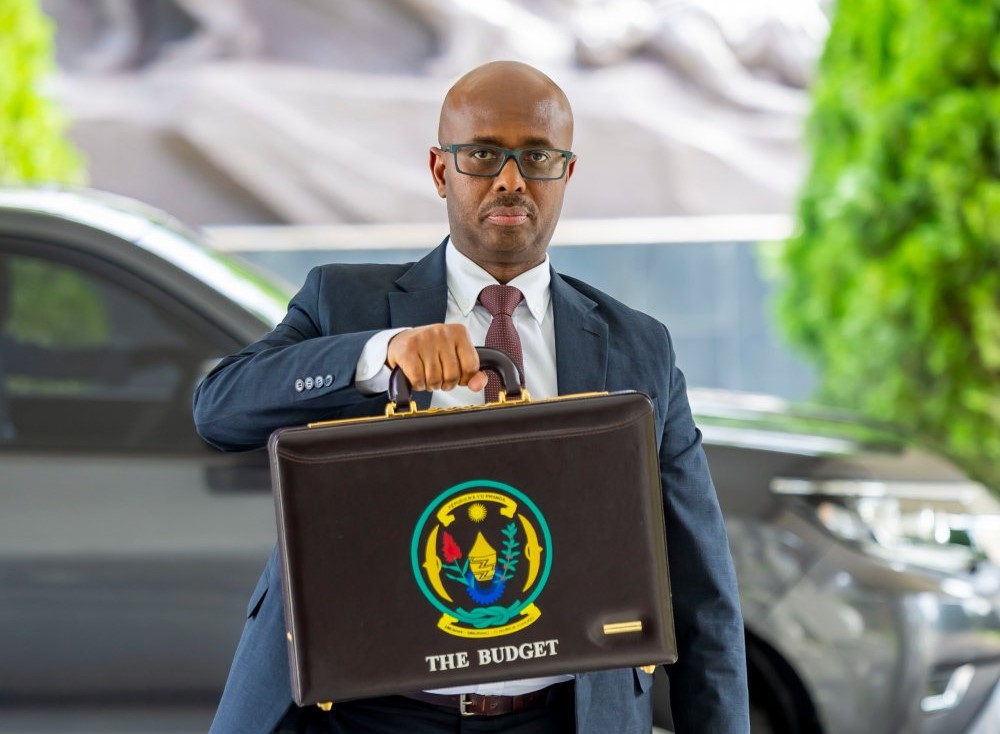
On February 12, 2026, the Minister of Finance and Economic Planning, Yusuf Murangwa, announced that the national budget for 2025/2026 had been revised downward from Rwf 7,032.5 billion to Rwf 6,952.1 billion.
The reduction stems largely from adjustments in financing arrangements for Phase II of the new Kigali International Airport project, which lowered the amount required in the 2025/2026 fiscal year by Rwf 168.2 billion. Changes were also made to the repayment plan for loans owed by RwandAir, with repayments now scheduled to begin gradually from the 2026/2027 fiscal year.
On February 18, 2026, the Senate plenary concluded that the revised budget is well structured and aligned with the pillars of Rwanda’s second National Strategy for Transformation (NST2, 2024–2029).
Funding for social transformation has increased from Rwf 1,526.9 billion to Rwf 1,641.8 billion, representing 23.6% of the total budget. Allocations for good governance have also risen, from Rwf 1,088.3 billion to Rwf 1,105.1 billion, accounting for 15.9% of total expenditure.
Meanwhile, funding for economic transformation has been reduced from Rwf 4,417.2 billion to Rwf 4,205.1 billion, representing 60.5% of the budget. Overall development expenditure, however, has increased from Rwf 2,719.7 billion to Rwf 2,837.2 billion, an increment of Rwf 117.5 billion. Funding for projects alone has risen by Rwf 253.3 billion, reaching Rwf 2,115.8 billion.
Government projections also indicate higher domestic revenue collections than previously expected. Tax and non-tax revenues are projected to rise from Rwf 4,105.2 billion to Rwf 4,146.2 billion, an increase of at least Rwf 41 billion.
Chairperson of the Senate Committee on Economic Development and Finance, Fulgence Nsengiyumva, said the projected growth in tax revenue reflects increasing taxpayer awareness and strengthens Rwanda’s path toward self-reliance.
Data from the Rwanda Revenue Authority show that between July and November 2025, tax collections reached Rwf 1,456.3 billion, surpassing the target of Rwf 1,449.5 billion. Revenue collected on behalf of districts also exceeded expectations.
Domestic borrowing is set to increase significantly, nearly tripling from Rwf 136.6 billion to Rwf 468.4 billion. Minister Murangwa noted that domestic borrowing provides more affordable financing while supporting the growth of local financial institutions.
He added that borrowing in foreign currencies can expose the country to exchange rate losses, whereas local banks remain sufficiently capitalized to support both public and private investment.
External borrowing, on the other hand, will decline by Rwf 512.1 billion, dropping from Rwf 2,151.9 billion to Rwf 1,639.8 billion. Grants are expected to increase from Rwf 585.2 billion to Rwf 649.6 billion.
Combined tax revenues and borrowing will account for 90% of the total budget, slightly down from 91% in the initially approved budget, an indication of continued progress toward financial self-reliance.
The Senate’s recommendations will now be submitted to the Chamber of Deputies, where the Committee on National Budget and State Patrimony will conduct a clause-by-clause review before final approval.
The Government of Rwanda also reported that by December 2025, 65% of the budget approved by Parliament in June 2025 had already been implemented.
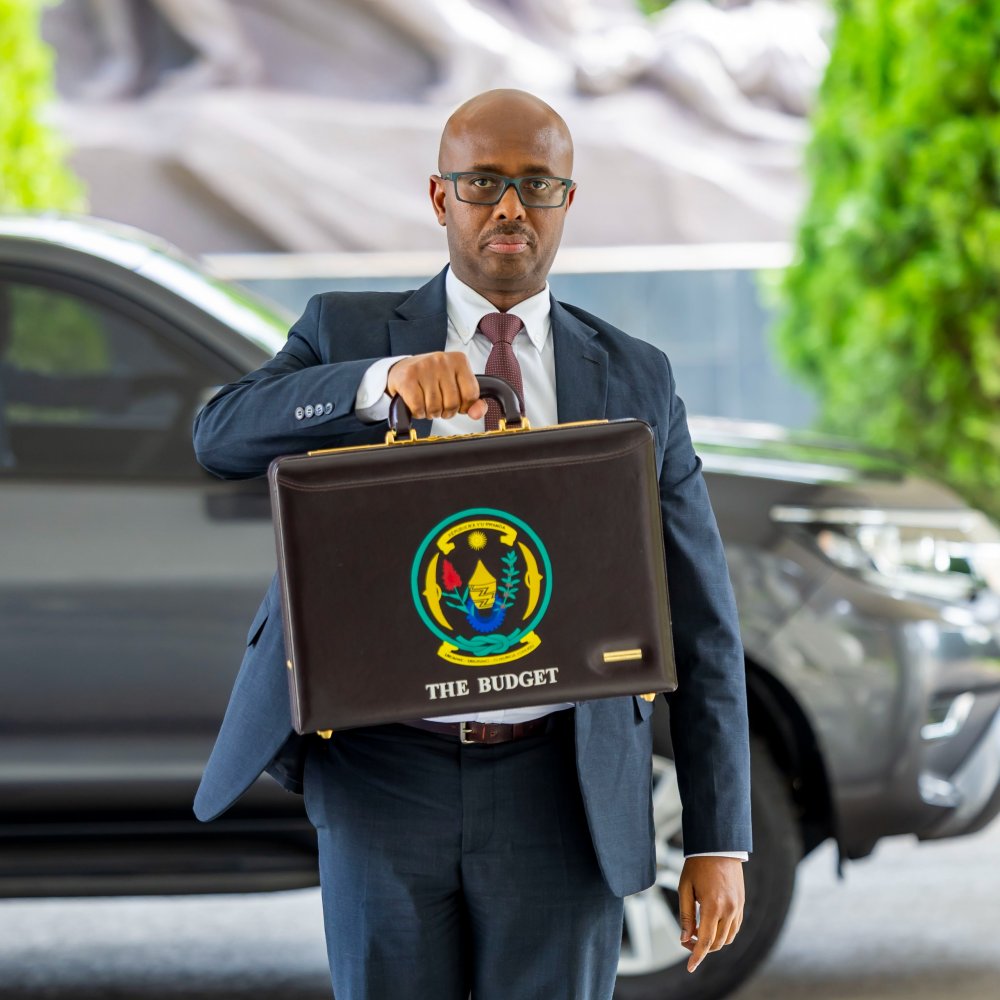
The Minister of Finance and Economic Planning, Yusuf Murangwa presented the revised national budget for 2025/2026 to the parliament on February 12, 2026.