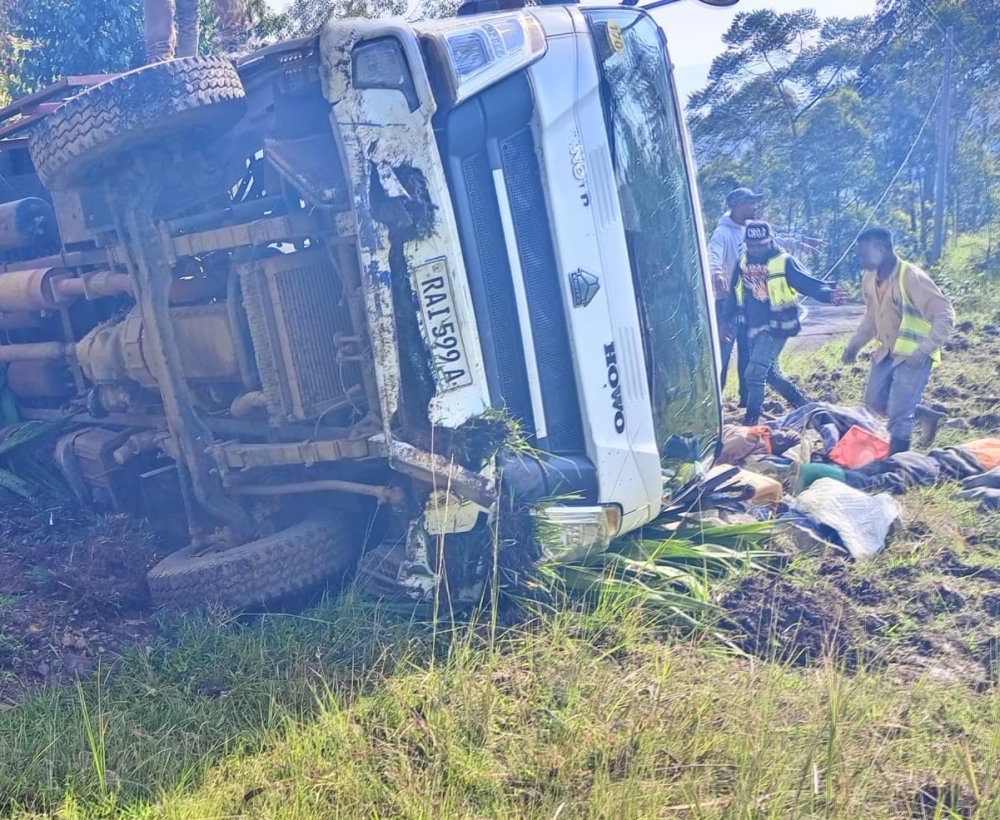
The accident occurred in Rukerereza Village, Kanazi Cell, Ruharambuga Sector, at a spot locally known as Shangazi.
Witnesses said the driver failed to negotiate a sharp bend, causing the vehicle to leave the road and overturn, injuring all 16 workers on board.
Traffic Police spokesperson Emmanuel Kayigi said the victims suffered minor injuries.
“Those who were in the truck sustained minor injuries and were taken to Bushenge Hospital for treatment, and most have already been discharged. The accident was caused by poor speed control and improper vehicle handling,” he said.
He urged motorists to remain vigilant, warning that negligence on the road can have serious consequences for lives and property.
The accident which occurred in Nyamasheke on February 18, 2026, left 16 people injured.
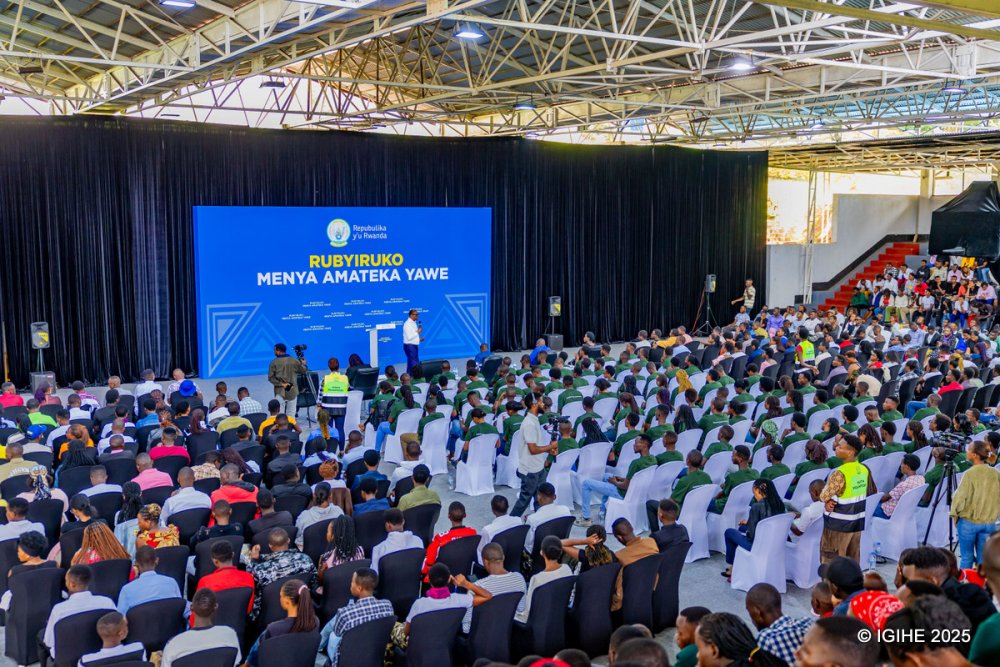
Scheduled for February 21, 2026, in Paris, the event will bring together nearly 500 Rwandans, particularly young people born abroad or those who left Rwanda at a very young age in 1994 during the Genocide against the Tutsi, along with representatives of diaspora associations and community leaders from several European countries.
Designed as a space for exchange, sharing, and information, this dialogue will provide an opportunity to better understand Rwanda’s journey in building national unity, addressing the challenges encountered over the years, and presenting the opportunities available to the diaspora to remain connected to their country of origin.
At the heart of this initiative is the desire to create a welcoming environment where everyone can share their life experiences, their attachment to Rwanda, and the ways in which they keep Rwandan culture alive in Europe. Discussions will focus in particular on identity transmission, the importance of family narratives, the role of youth in preserving cultural reference points, and the contribution of associations to community cohesion.
The day’s program will revolve around keynote speeches, expert panels, the sharing of lived testimonies, and plenary discussions.
Beyond the formal exchanges, this gathering is above all intended as a moment of reunion and sociocultural dialogue, where the Rwandan diaspora can strengthen its ties, value its shared identity, and pass on to younger generations the values of solidarity, respect, and resilience that define the community.
Dr. Jean Damascene Bizimana, Minister of National Unity and Civic Engagement, interacts with youth on Rwandan history at a past event.
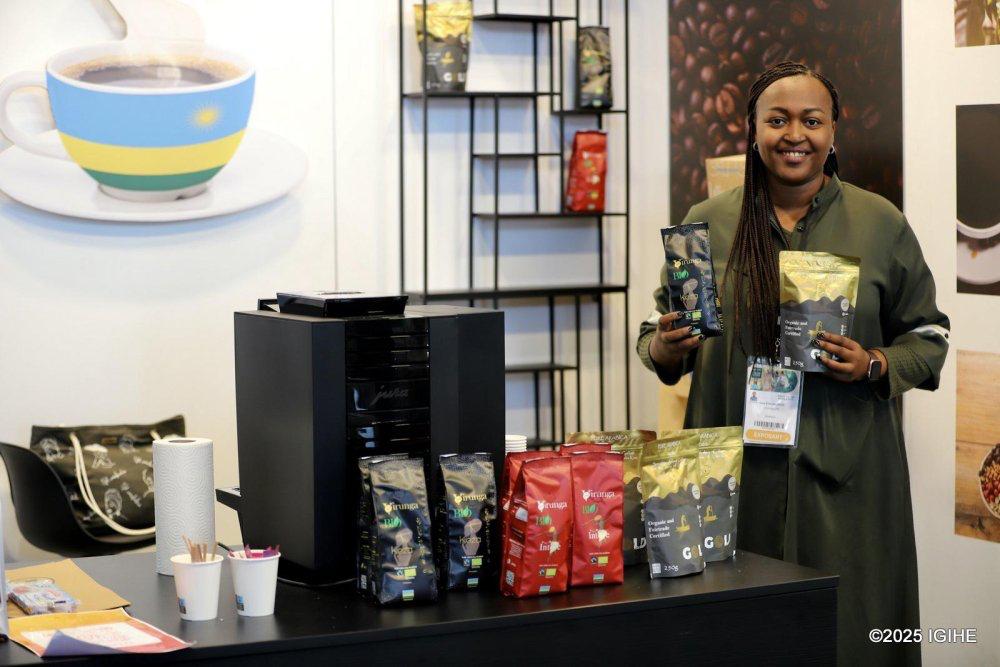
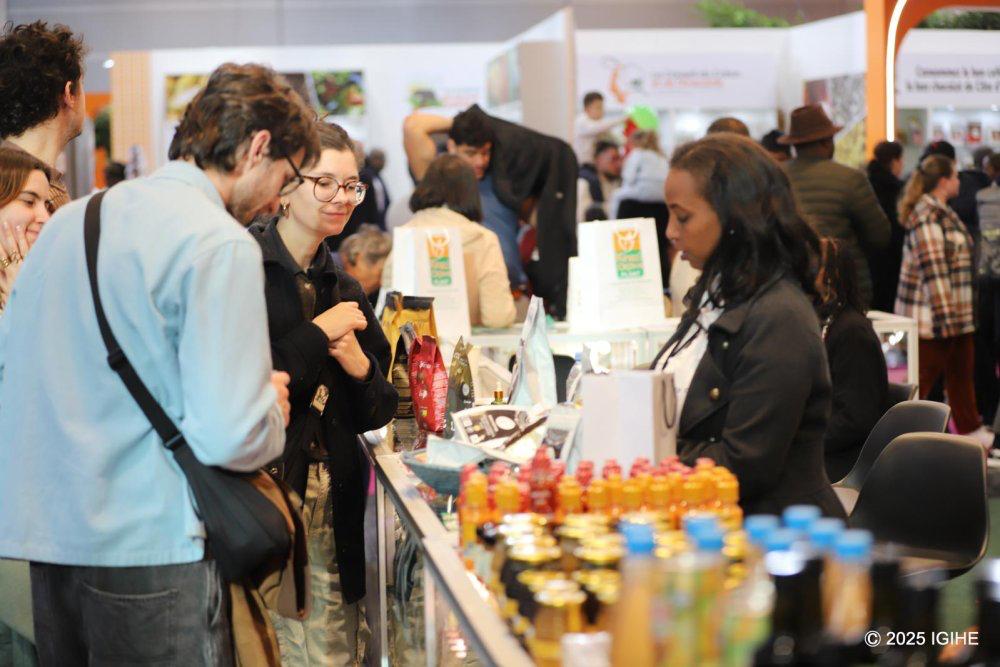
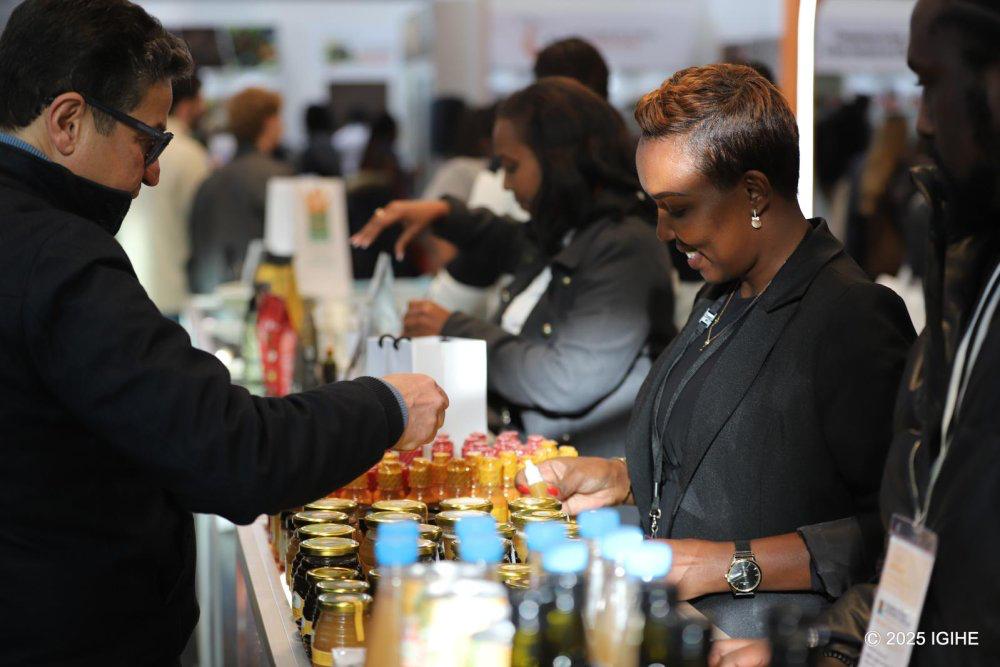
Recognized as a major crossroads for global agriculture, the event brings together professionals, institutions, investors, and visitors from around the world, creating a unique space for dialogue, exchange, and strategic partnerships.
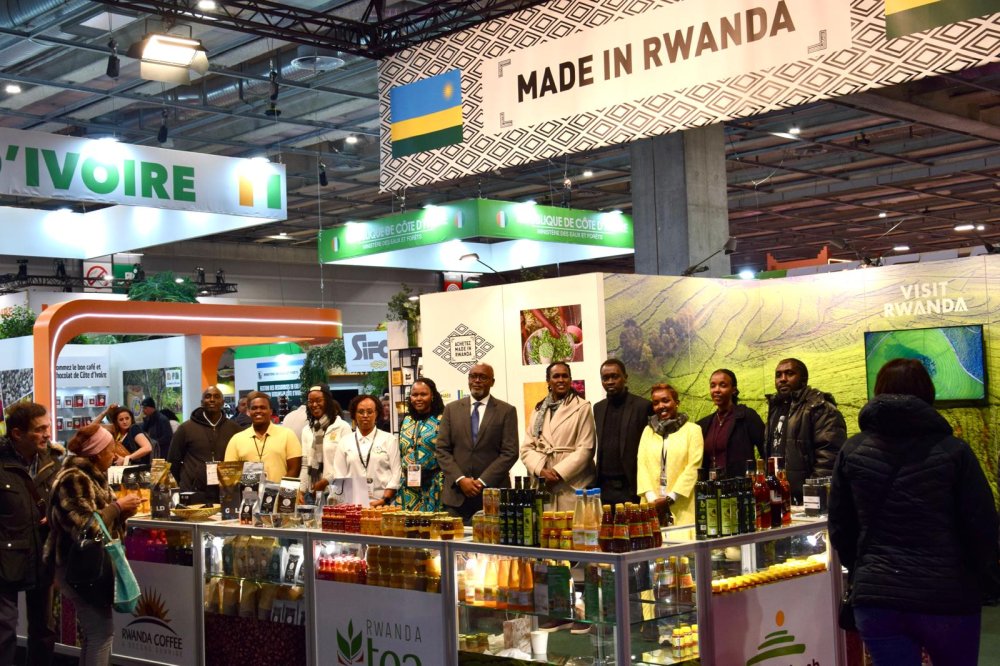
This year again, Rwanda will take part in this major international gathering to showcase its agricultural potential, its expertise, and its ambitions in agro-processing and investment.
Rwanda’s participants will be led by theNational Agricultural Export Development Board (NAEB), in collaboration with the Embassy of Rwanda in France, alongside fifteen companies and entrepreneurs traveling from Rwanda.
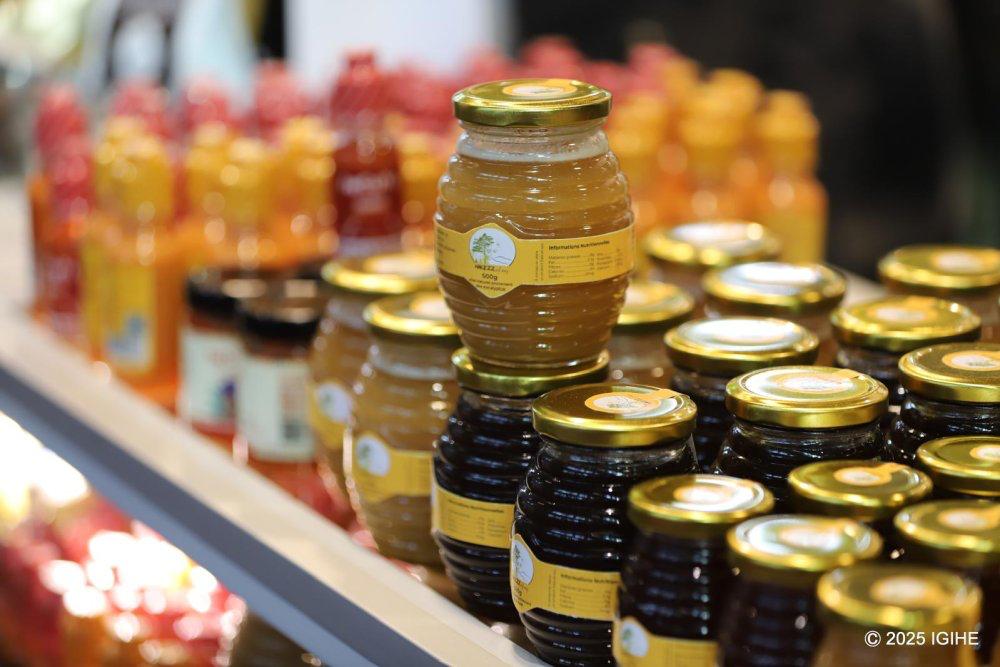
Through this participation, Rwanda will highlight the modernization of its agricultural sector, the quality and diversity of its export products such as coffee, tea, and horticultural products, as well as the growing investment opportunities within its agri-food industry.
The country will also emphasize its commitment to sustainable and resilient agriculture, in line with global challenges related to climate change and food security.
The show continues to serve as a strategic platform for participating countries, offering opportunities to develop commercial partnerships, attract investors, and promote a strong and dynamic national image.
By taking part in this international event from February 21 to March 1, 2026, Rwanda once again affirms its place among the nations contributing to the future of agriculture and strengthening cooperation within the global agricultural community.
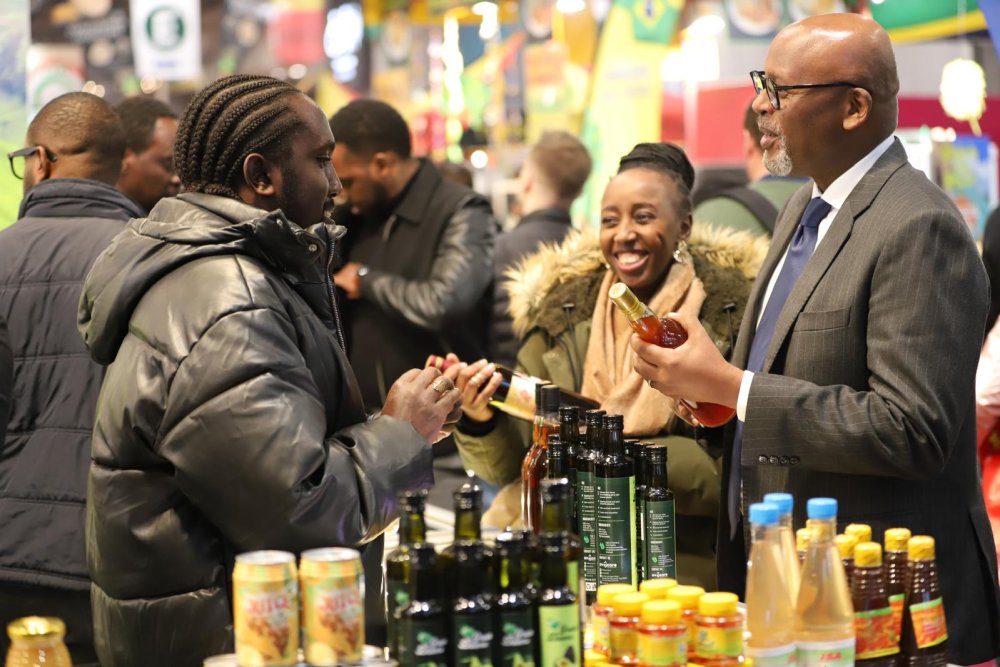
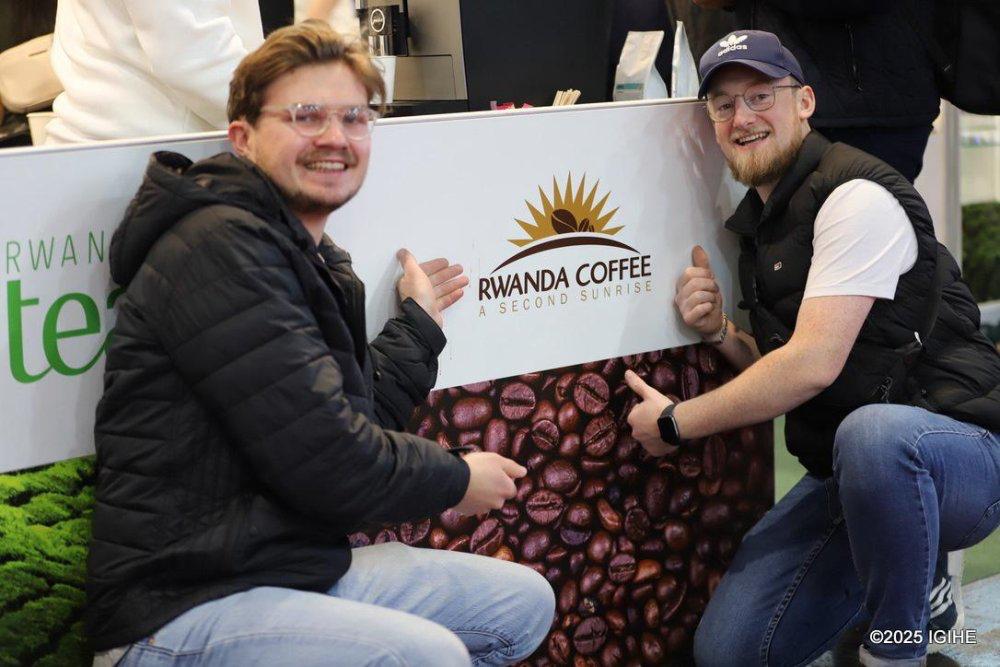
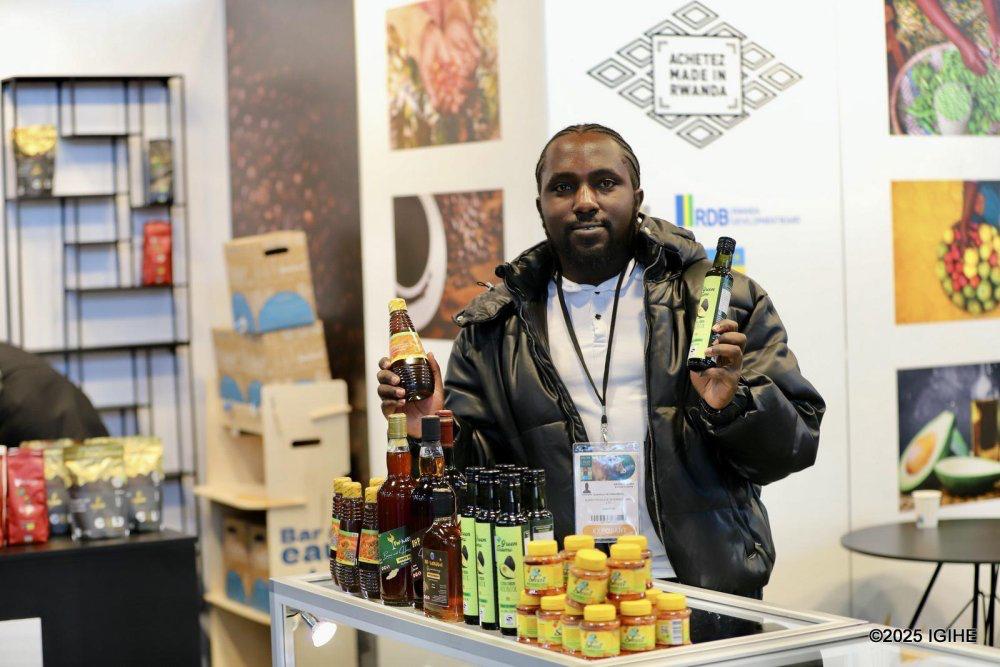
Photos from Rwanda’s participation in the previous edition
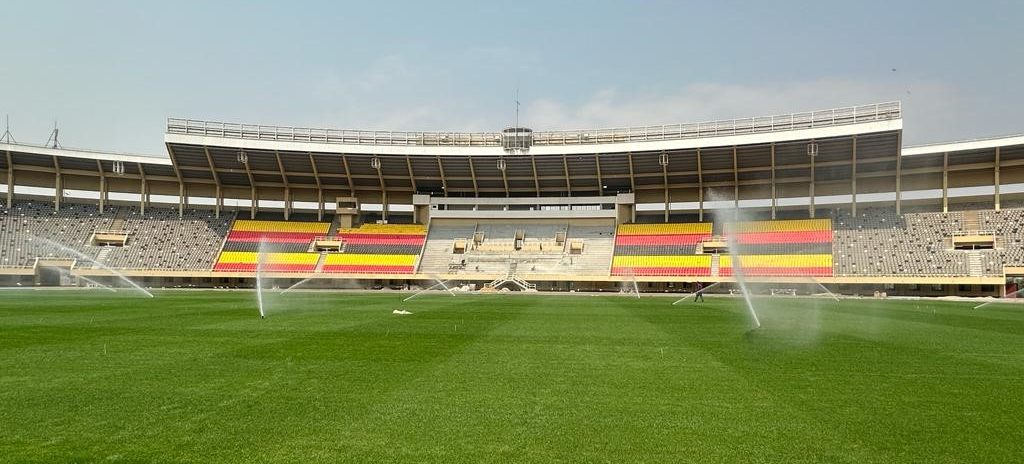
“It is the first time we are announcing this, but we submitted a bid late last year and now we have experts in the country to carry out evaluation of the facilities to determine if we meet all that is required,” Patrick Ogwel, General Secretary of the National Council of Sports (NCS), told Xinhua.
“The comments from the evaluators are very promising,” he added.
Ogwel also pointed out that Uganda is already preparing to co-host the CAF Africa Cup of Nations 2027 alongside Kenya and Tanzania, and that hosting the African Games would further demonstrate the country’s capacity to stage major international competitions.
“The government of Uganda is ready to host as many international competitions as possible because this will also help boost tourism in the country,” added Ogwel.
Previously known as the All Africa Games and later the Pan African Games, the African Games are held every four years and are organized by the African Union in collaboration with the Association of National Olympic Committees of Africa (ANOCA) and the Association of African Sports Confederations (AASC).
The report shows that the financial sector attracted $299.1 million in 2024, a 27.2% increase. Industry received $267.1 million, construction $150.5 million, while agriculture, education and health together drew $107.7 million in foreign investment.
By country of origin, investors from Mauritius led with $251.1 million, followed by Kenya with $140.3 million, China with $108.6 million, the United States with $103.9 million, and Germany with $65.3 million.
Viewed by regional blocs, the Common Market for Eastern and Southern Africa (COMESA) accounted for $418.6 million in investment inflows, followed by the Organisation for Economic Co-operation and Development (OECD) with $340.6 million, the Southern African Development Community (SADC) with $293.4 million, Asia with $228.2 million, and the East African Community with $159.1 million.
Foreign loans to Rwandan businesses rose to $543.6 million, a 28.5% increase from $423 million the previous year. The report attributes the rise mainly to borrowing from affiliated companies abroad, which accounted for 60.8% of external loans, while 39.2% came from non-affiliated foreign entities.
More than 380 companies participated in the survey. Their combined turnover reached $3.9 billion in 2024, up from $3.6 billion in 2023.
Profitability and employment
The report indicates that in 2024, private companies with foreign ownership exceeding 10% recorded profits of $179.5 million, up 36.4% from $176.5 million in 2023. Reinvested earnings rose by 34.6% to $125.4 million, while dividends distributed to shareholders increased by 15.2% to $38.3 million.
Foreign investment generated 69,341 jobs in 2024, with 97.6% of positions held by Rwandans. In 2023, foreign investment-related employment stood at 59,916 jobs.
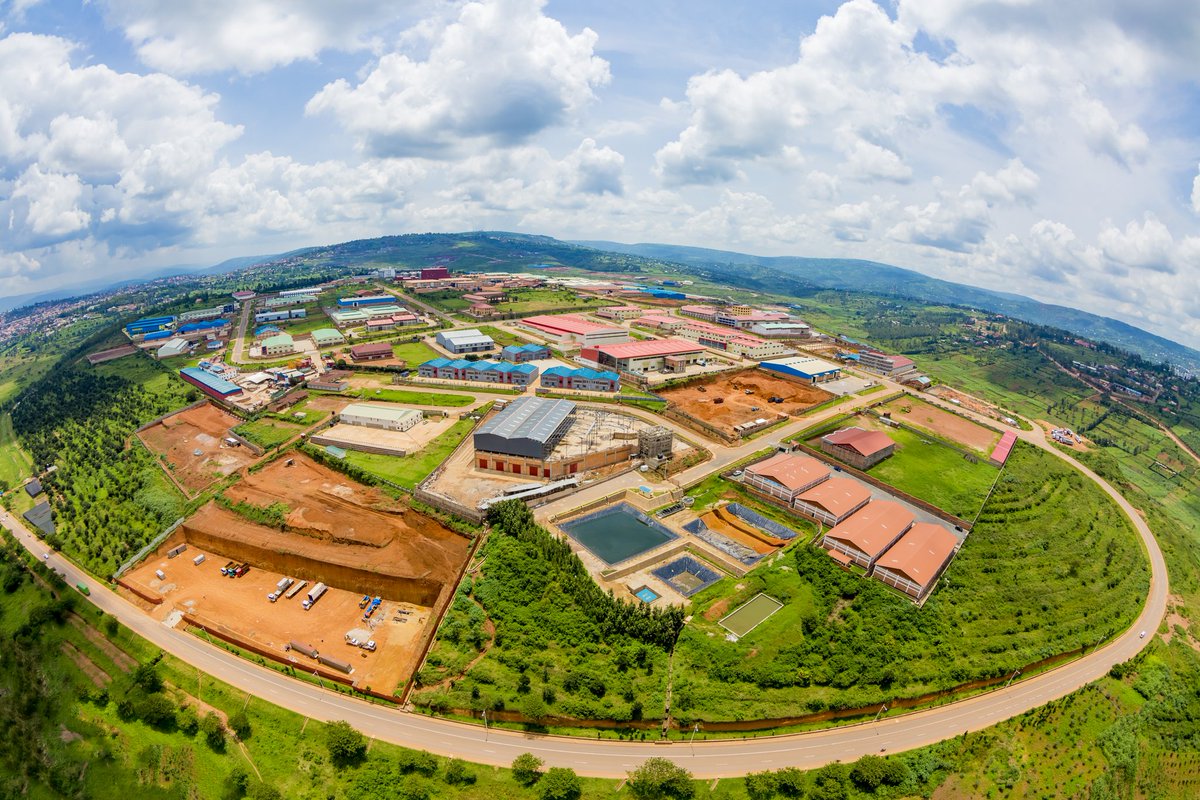
Ths photo shows the view of Kigali Special Economic Zone in Masoro.
The 12 resolutions, published on February 17, 2026, include measures to further improve the quality of education, with a particular focus on strengthening the teaching of languages, especially English, as well as improving public awareness of available government services and where to access them.
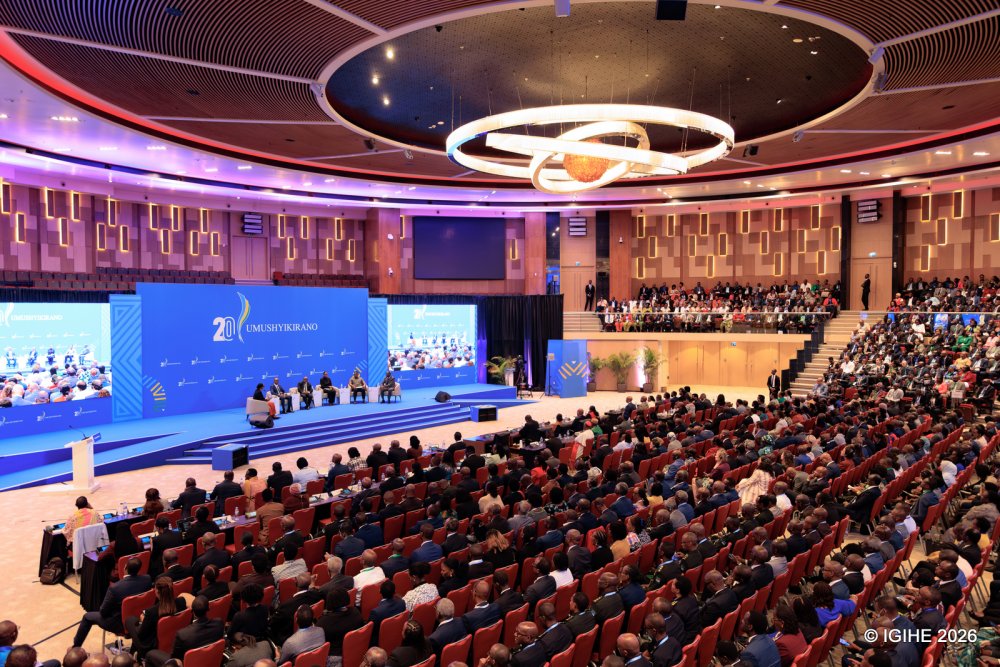
The 20th session of the National Dialogue Council was held in Kigali from February 5 to 6 and was chaired by President Paul Kagame.
The meeting brought together participants from across society, including government leaders, representatives of the private sector, members of the Rwandan diaspora, diplomats accredited to Rwanda, international organizations, development partners, and the media.
In his opening remarks, President Kagame emphasized the importance of implementing the Council’s resolutions, describing them as a cornerstone of national development and self-reliance. He also highlighted the responsibility of leaders to promote unity among Rwandans, strengthen self-reliance, and build public confidence.
The Head of State urged leaders to further improve performance and coordination, consistently place citizens at the center of service delivery, and remain accountable for their responsibilities.
Discussions during the 20th National Dialogue Council focused on key issues including the implementation of the National Strategy for Transformation (NST2), sustainable economic development, Rwanda’s position in the international arena, good governance, education, and employment.
Following these discussions, the following resolutions were adopted:
1. Strengthen project planning, monitoring, and accountability to ensure timely completion and achievement of objectives.
2. Continue professionalization of mining activities and prioritize processing and value addition.
3. Intensify efforts to increase agricultural and livestock productivity, including through expanded access to fertilizers, improved seeds, irrigation services and artificial insemination.
4. Provide targeted support to industries to boost production and competitiveness, improve value addition, and address packaging challenges.
5. Resolve outstanding issues in One Stop Centres by streamlining processes and procedures, to ensure adequate public awareness of the existence of these services.
6. Accelerate the integration of SACCOs at district and national levels.
7. Advance education quality to align with labor market needs, nurture talents, and significantly strengthen language instruction, particularly in English.
8. Promote youth recreational activities, talent promotion and skills development for productive and decent jobs.
9. Support Rwandan content creators and creatives to effectively monetize digital platforms and online content.
10. Improve planning and implementation of performance contracts (Imihigo) to better respond to citizens’ concerns, enhance service delivery, and raise overall performance.
11. Reinforce citizen engagement for behaviour change to enable communities to be more active in addressing social welfare and development challenges.
12. Strengthen campaigns and educational measures against teenage pregnancies, school dropout, alcohol and drug abuse.
The 20th session of the National Dialogue Council, held in Kigali from February 5 to 6, was chaired by President Paul Kagame.
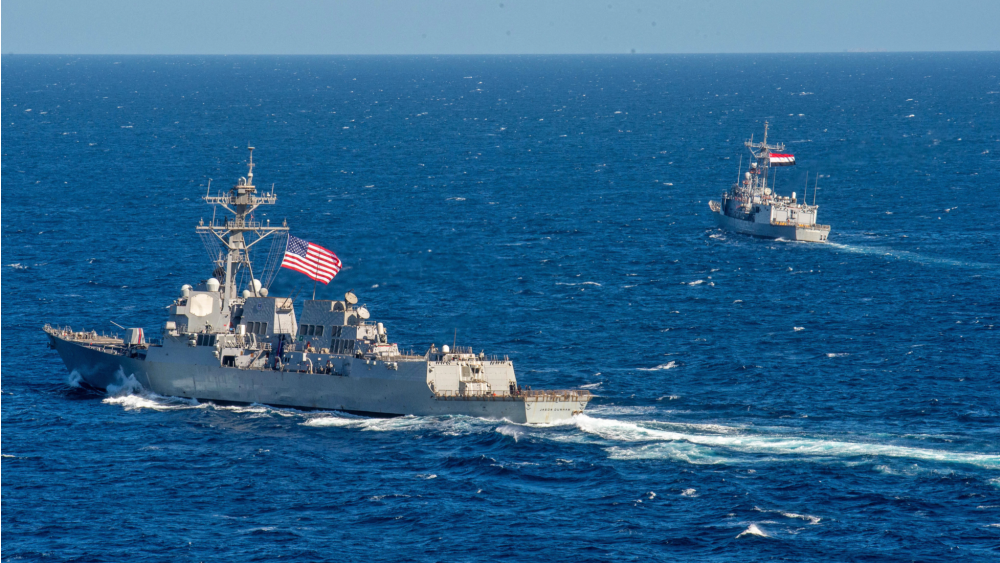
Four people were killed on the first vessel in the eastern Pacific, four on the second vessel in the eastern Pacific, and three on the third vessel in the Caribbean, the command said on X.
“Intelligence confirmed the vessels were transiting along known narco-trafficking routes and were engaged in narco-trafficking operations,” the command claimed.
It added that no U.S. military forces were harmed.
The U.S. administration has not provided evidence supporting its allegations about the boats, cargo or the people killed.
Since early September, the U.S. forces have launched about 40 known strikes on alleged drug-smuggling boats in the Caribbean and the eastern Pacific, killing more than 130 people.
The Pentagon resumed strikes on boats in late January following a Jan. 3 U.S. military raid in which Venezuelan President Nicolas Maduro and his wife were forcibly seized.
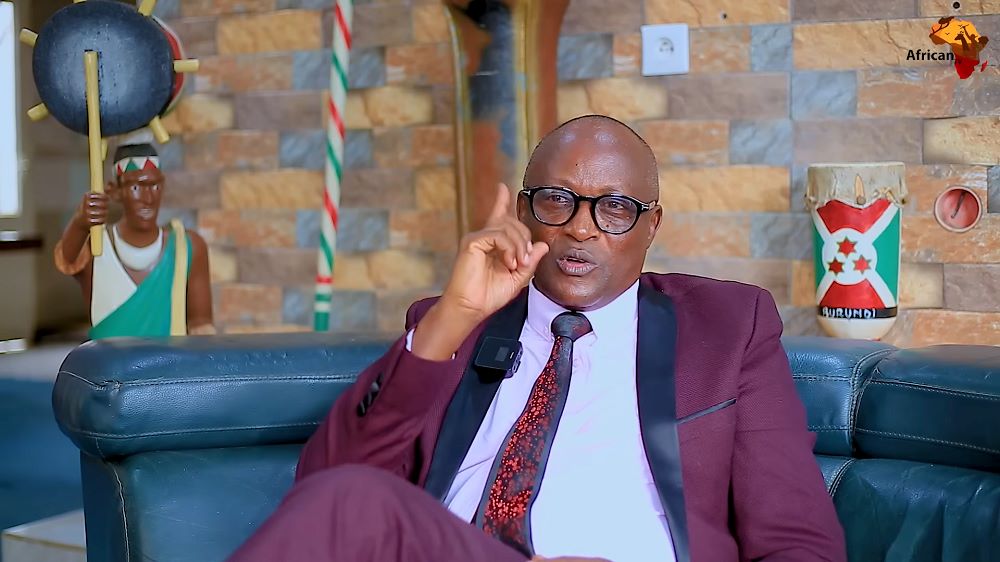
Speaking on Africa TV YouTube channel, Sindimwo suggested that those pressuring Rwanda to lift security measures along its border may have ulterior motives.
“If you come and tell me to lift my country’s defensive measures, what do you want? You want to attack me,” he said. “As for the Washington agreement, I don’t see anything meaningful in it given the ongoing tensions in the DRC.”
The government of the Democratic Republic of the Congo has called on countries including the United States to impose sanctions on Rwanda, accusing it of violating a peace agreement signed in Washington on December 4, 2025.
Sindimwo argued that sanctions would have little real impact on a country, noting that Burundi itself faced sanctions in 2016 yet continued to function. In his view, such measures mainly serve to intimidate.
“There are things that make me laugh,” he said. “They impose sanctions on you, so what happens? Were we not sanctioned? Did we stop existing? That is intimidation.”
At the National Dialogue Council held on February 5, 2026, President Paul Kagame explained that Rwanda deployed defensive measures along its border to prevent attacks by the FDLR terrorist group operating in eastern DRC.
President Kagame stressed that Rwanda will not accept any situation that undermines its security.
Sindimwo expressed support for Kagame’s decision to safeguard Rwanda’s security, saying no form of intimidation should prevent a leader from protecting their country and its citizens.
Gaston Sindimwo served as the Vice President of Burundi from 2015 to 2020.
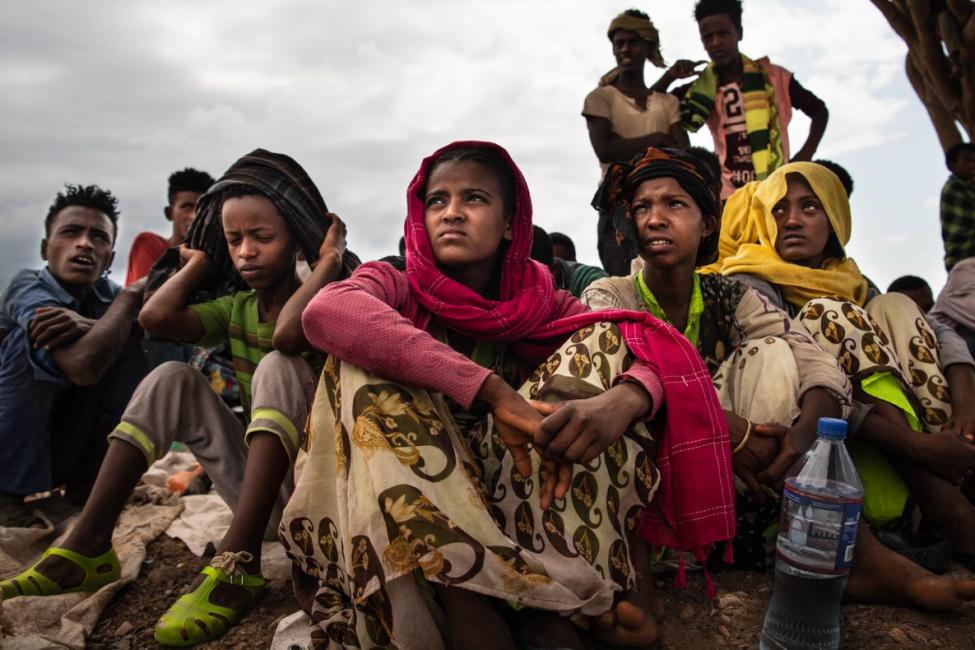
The funding appeal, launched under the Regional Migrant Response Plan for the Horn of Africa to Yemen and Southern Africa, was unveiled in Nairobi, the Kenyan capital.
IOM Director General Amy Pope stressed in a video message that sustainable financing is key to tackling the migration crisis in the Greater Horn of Africa and southern Africa regions, fueled by climate change, instability, and poverty.
Pope said the migrant response plan aims to protect the rights, dignity, safety, and livelihoods of migrants and host communities in a region grappling with sporadic conflicts, climate shocks, and high youth unemployment.
Adequate funding is required to provide humanitarian support to these migrants and their host communities, and to enhance stability, resilience, and inclusive growth across the region, Pope said.
“This support is not just humanitarian; it is an investment. We must turn this migrant response plan into protection, solutions, and hope for the people who depend on us,” Pope added.
Migrants traveling from the Horn of Africa to the Southern Africa region, including women, children, and youth, face significant risks of violence, trafficking, abduction, torture, dehydration, and forced labor, according to IOM.
IOM Chief of Staff Mohammed Abdiker noted that both regions have become global hotspots for risky and irregular migration, adding that the new funding will support livelihood projects for migrants, as well as their return and reintegration into their countries of origin.
The International Organization for Migration (IOM) on Tuesday launched a 91 million U.S. dollar funding appeal to support about 1.2 million migrants and host communities in the Greater Horn of Africa and southern Africa regions.
So far, the country has experienced sporadic and isolated outbreaks of water-borne diseases typically associated with the rainy season, Information, Publicity and Broadcasting Services Minister Zhemu Soda said during a post-cabinet media briefing.
He said that although no major outbreaks have been officially declared, risks remain elevated due to current wet conditions, population movements, and increased strain on water and sanitation infrastructure.
“In response, the government of Zimbabwe has intensified its preparedness efforts by conducting comprehensive risk and hazard mapping, enhancing alertness among response agencies, and expanding public health communication initiatives,” Soda said.
He said the measures aim to prevent isolated cases from developing into large-scale outbreaks, and to reduce undue pressure on the healthcare system.
Additionally, the Zimbabwean cabinet on Tuesday approved a contingency fund to support the country’s preparedness and early response activities for seasonal disease outbreaks, Soda said, adding that a multi-sectoral approach involving relevant ministries and agencies responsible for water and sanitation, local government, transportation, education, environment, and social services will be strengthened.
Zimbabwe’s rainfall season typically runs from October to March, with the wet conditions heightening the risk of water-borne disease outbreaks.
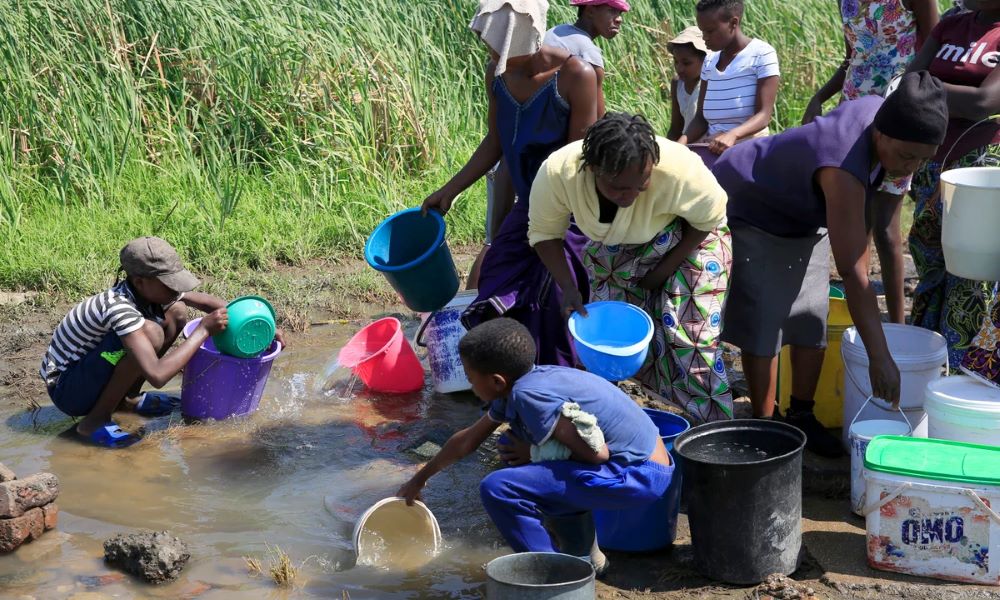
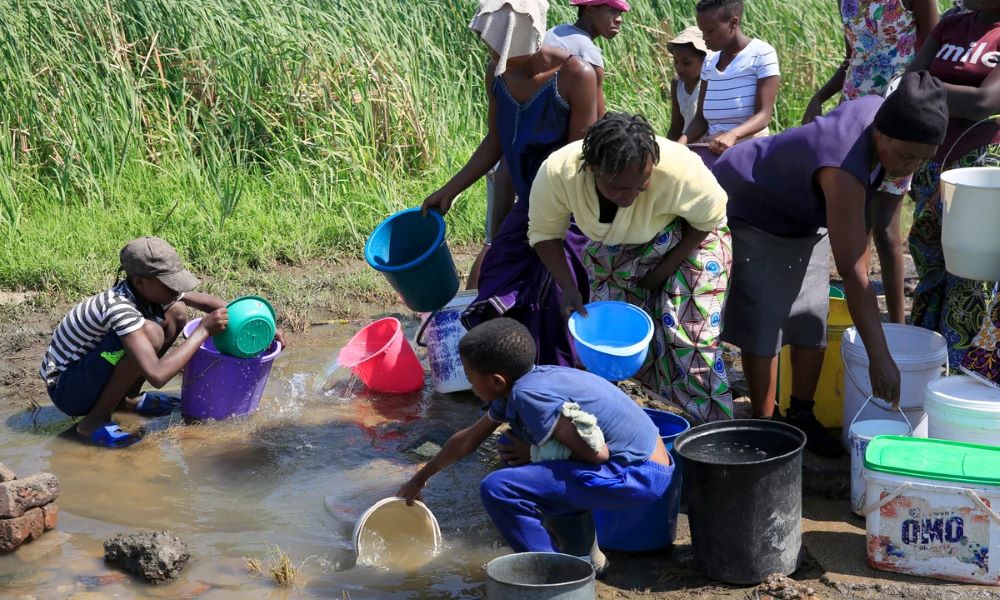
Women and children fetch water in the township of Luveve in Bulawayo. Photograph: Aaron Ufumeli/EPA