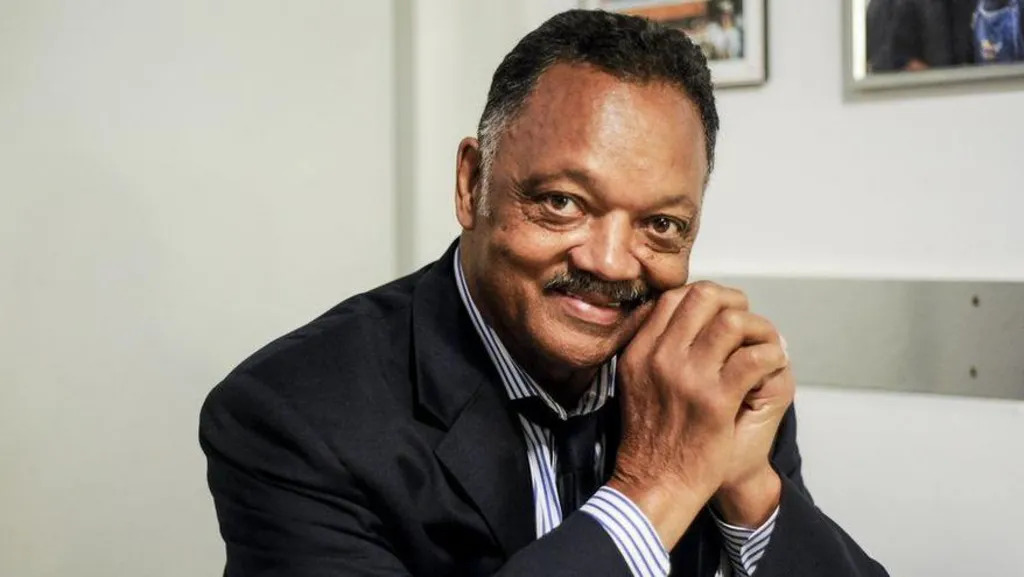
Jackson marched alongside Martin Luther King Jr. and led the Civil Rights Movement for decades after the latter’s assassination.
“He died peacefully on Tuesday morning, surrounded by his family,” the statement posted on Instagram said.
“His unwavering commitment to justice, equality, and human rights helped shape a global movement for freedom and dignity. A tireless change agent, he elevated the voices of the voiceless — from his presidential campaign in the 1980s to mobilizing millions to register to vote — leaving an indelible mark on history,” the statement said.
In 2017, Jackson revealed that he had been diagnosed with Parkinson’s disease, which affects the nervous system and slowly restricts movement and daily activities.
Jackson had built a very strong political influence both inside the United States and abroad, and he spent his life dedicated to pursuing civil rights for disenfranchised groups.
“Our father was a servant leader — not only to our family, but to the oppressed, the voiceless, and the overlooked around the world,” the statement said.
Jesse Jackson, the famed U.S. civil rights leader, has died at the age of 84.
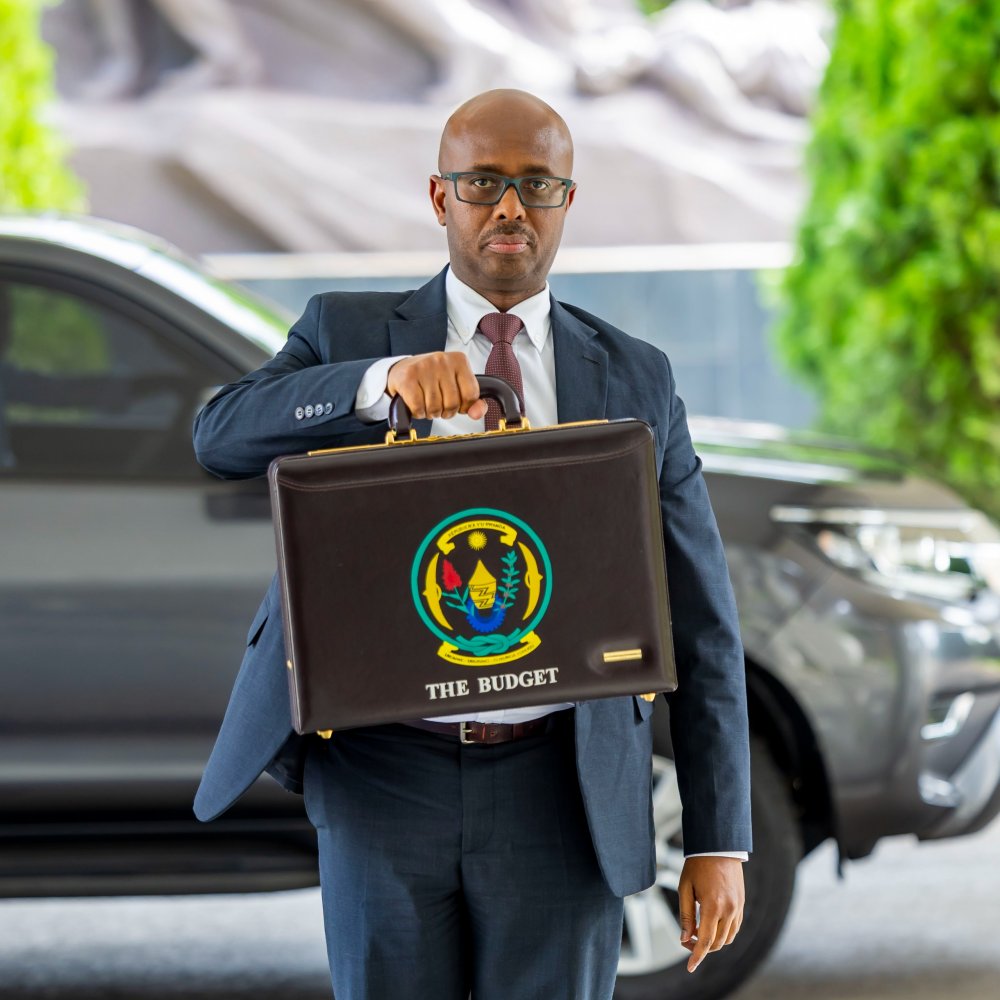
The originally approved budget stood at Rwf 7,032.5 billion. The proposed adjustment trims Rwf 80.4 billion, primarily through more favorable financing terms for major initiatives like the New Kigali International Airport and a rescheduled RwandAir loan repayment, bringing the revised total to Rwf 6,952.1 billion.
Revenue collection from July to September 2025 reached Rwf 1,156.6 billion, closely aligning with the targeted Rwf 1,157.2 billion.
Presenting the progress update, Minister of Finance and Economic Planning Yusuf Murangwa highlighted advances across agriculture, infrastructure, energy, health, and social protection.
Agricultural production support featured prominently during the first quarter of the fiscal year. Farmers received 4,162 tonnes of improved seeds, including maize, wheat, and soybean, along with 50,452 tonnes of mineral fertilizer.
Climate resilience efforts are expanding through irrigation development, with Mahama I and II agricultural zones in Kirehe District now 75% complete. Crop and livestock insurance coverage also broadened, protecting 14,783 hectares of farmland, more than 16,000 cattle, and over 96,000 small livestock.
Industrial supply chains performed above expectations, with processing plants receiving more raw materials than initially projected. Export revenues remained strong, generating $104.6 million from coffee, $49.5 million from tea, $3.1 million from flowers, and $53.2 million from fruits and vegetables.
Transport infrastructure works continue to reshape connectivity across the country. Construction of 184.8 kilometers of tarmac roads is progressing steadily, including major corridors linking eastern and northern regions. Rehabilitation of feeder roads is also advancing, particularly in Rutsiro District and Karongi District, improving access between production areas and markets.
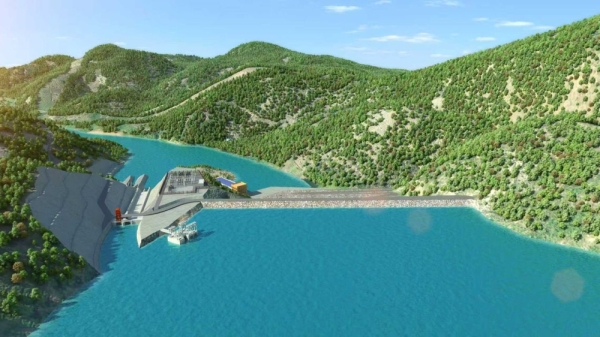
Energy access has expanded through grid extension, solar installations, and network upgrades. More than 34,000 households have been connected to the national electricity grid, while over 8,000 households now use solar power and dozens of public institutions have been electrified. Construction of the Nyabarongo II Hydropower Plant, expected to generate 43.5 megawatts, has reached 60% completion.
Water supply projects are advancing in multiple districts. Pipeline construction is underway in Nyamagabe District and Gisagara District, while rehabilitation of water networks across 13 districts is nearing completion under programs aimed at improving nutrition and public health outcomes.
Urban development initiatives are expanding housing and basic infrastructure. Servicing works are underway for more than 500 housing units in Gasabo District, while development of the planned Nyabisindu model settlement is progressing as part of broader efforts to promote organized urban growth.
Education and health investments remain central to the budget’s implementation. Thousands of teachers have been recruited, and new teacher training colleges are approaching completion.
Technology-focused education infrastructure continues to expand, while the modernization of Masaka University Teaching Hospital is nearing completion.
Digital health systems are now operational in hundreds of health centers, strengthening patient record management and continuity of care. At the same time, thousands of patients diagnosed with non-communicable diseases have begun receiving structured follow-up treatment.
Social protection programs have provided employment and direct support to vulnerable households. Public works initiatives created jobs for tens of thousands of people, while nutrition programs supplied milk and fortified foods to young children, pregnant women, and breastfeeding mothers.
Environmental management efforts are also advancing. Restoration of major wetlands in Kigali has reached 78%, and tens of thousands of fuel-efficient cookstoves have been distributed to reduce reliance on firewood.
In the justice sector, community mediation committees and legal aid services resolved the vast majority of cases received, while authorities reported the recovery of approximately Rwf 300 million in misappropriated public funds.
Minister of Finance and Economic Planning Yusuf Murangwa highlighted advances across agriculture, infrastructure, energy, health, and social protection in the 2025/2026 fiscal year.
Bahati Musanga Erasto, the AFC/M23-appointed governor of North Kivu Province, made the announcement on Monday during a visit to Kitshanga trading center in Masisi Territory.
According to Bahati, the government in Kinshasa cut off telecommunications services in areas controlled by the group, a decision he said has negatively affected civilians. He stated that AFC/M23 is working on measures to ensure communication services are restored and cannot be disrupted again.
“The Kinshasa government is the one that shut down the network,” he said. “We are working to ensure that the network will no longer be shut down. We are in the process of introducing another network provider that will be under our control. It will reach Goma, Kitshanga and all other areas. No one will be able to interfere with these towers again in a way that disrupts connectivity.”
He added that currently only residents in the cities of Goma and Bukavu are able to access mobile phone services, while people in other areas remain without reliable telecommunications access.
It remains unclear whether AFC/M23 intends to launch a newly created telecommunications company or partner with an existing operator active in other countries.
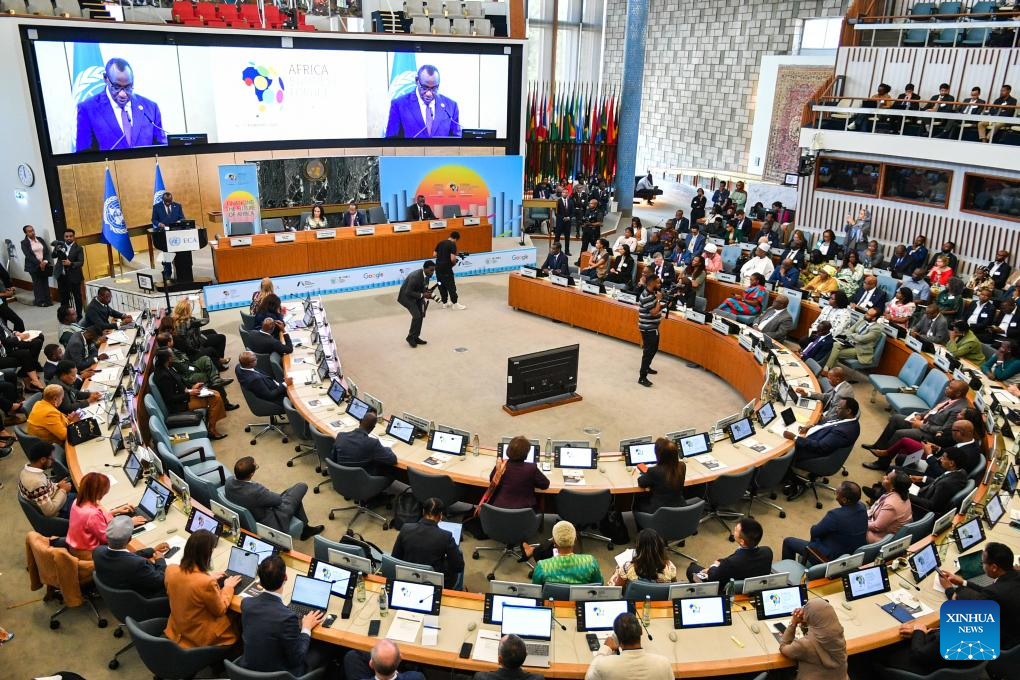
The urgent call came at the 9th Africa Business Forum 2026, the continent’s flagship business gathering, which opened Monday at the UN Conference Center in Addis Ababa, Ethiopia’s capital, under the theme “Financing the Future of Africa: Jobs, Innovation and Creative Capital.”
The two-day forum, convened annually by the UN Economic Commission for Africa (UNECA) in collaboration with the African Union (AU) and other partners, is a premier platform for high-level engagement among African heads of state, private sector leaders, and investors.
This year’s forum centered on fostering partnerships and leveraging blended finance to advance Africa’s youth economy.
Addressing the forum, Ethiopian President Taye Atske Selassie emphasized the crucial importance of harnessing the potential of Africa’s youth. Noting that the AU’s 50-year continental development blueprint, Agenda 2063, designates the youth as the primary drivers of Africa’s renaissance, he said with over 70 percent of the continent’s population under the age of 30, Africa is yet to exploit its “immense” demographic potential.
“During this decade, 362 million youngsters entered the working age population. However, our current job market can only provide jobs to 161 million people,” Atske Selassie said. “This demographic reality can become Africa’s greatest strength if we succeed in turning our youth into productive capital and our innovation into scalable enterprises.”
Experts and policymakers at the forum stressed that while global capital has become more selective, Africa’s demographic and market fundamentals make it an “irresistible frontier.” They highlighted the need to address the existing gap between available funds and viable projects.
Emphasizing that transformation is already underway in multiple sectors across Africa, with the continent beginning to export value, not just commodities, UNECA Executive Secretary Claver Gatete said that despite these successes, the pace of transformation remains below potential.
“Africa faces a huge infrastructure financing gap and further loses billions annually to illicit financial flows. Even so, the continent holds over 1.1 trillion U.S. dollars of domestic institutional capital in pension funds, insurance pools, and sovereign assets. The paradox, therefore, is not a lack of capital, but the lack of mechanisms that connect capital to bankable projects,” he said.
Gatete proposed four strategic measures for collective action. These include scaling up domestic capital and deploying innovative financing instruments, stronger credit ratings and more credible African capital markets, full implementation of the African Continental Free Trade Area, and investing decisively in innovation, skills, and data systems.
This photo taken on Feb. 16, 2026 shows a scene of the 9th Africa Business Forum 2026 at the UN Conference Center in Addis Ababa, Ethiopia.
The decision on Sunday “could lead to the dispossession of Palestinians of their property and risks expanding Israeli control over land in the area,” said a statement issued by spokesperson Stephane Dujarric.
Such measures, including Israel’s continued presence in the occupied Palestinian territory, “are not only destabilizing but, as recalled by the International Court of Justice, unlawful,” it added.
The UN chief called on the Israeli government to immediately reverse these measures, and again warned that the current trajectory on the ground is eroding the prospect for the two-state solution, the statement said.
Guterres reiterated that all Israeli settlements in the occupied West Bank, including East Jerusalem, and the regime associated with them, have no legal validity and are in flagrant violation of international law and relevant UN resolutions.
“The Secretary-General calls on all parties to preserve the only path to lasting peace, a negotiated two-State solution, in line with relevant Security Council resolutions and international law,” the statement said.
UN Secretary-General Antonio Guterres on Monday condemned the Israeli government’s decision to resume land registration procedures in Area C of the occupied West Bank.
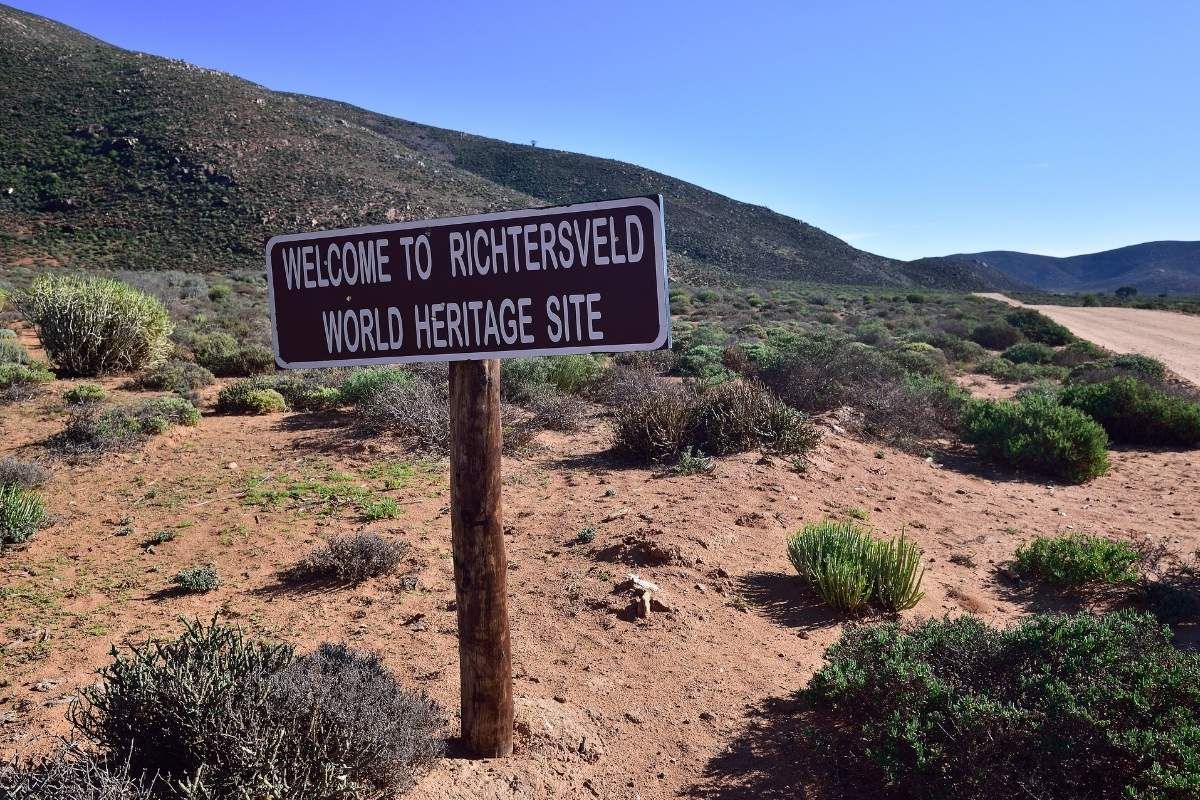
According to SA News, the discovery was made by Dr. Massimo Meregalli from Italy and Dr. Roman Borovec from the Czech Republic.
These respected entomologists recently published their research on flightless weevils found in remote parts of the park. These tiny insects live in the soil, hidden under shrubs, and mostly come out at night, making them very hard to find and study. Therefore, their discovery required meticulous fieldwork in the Richtersveld’s challenging environment.
SA News quoted a statement by South African National Parks (SANParks) as saying, “With the support and guidance of Richtersveld National Park Nursery Curator Pieter van Wyk, the researchers explored the remote Armmanshoek Valley, an area not previously surveyed for soil insects.”
“Their efforts resulted in the identification of multiple new species, further confirming the Richtersveld as a hotspot of endemism and scientific importance,” it said.
To honor the park’s importance for conservation and SANParks’ support for research, the scientists named a newly found group and species “Richtersveldiella sanparkensis.”
This is the first insect species to be officially named after SANParks and Richtersveld National Park. The researchers have also previously honored the local culture by naming other groups, Khoisan and Nama, recognizing the long history of connection between the communities and this unique land.
“These discoveries highlight the importance of continued scientific exploration within protected areas and reinforce SANParks’ commitment to conserving not only iconic wildlife and landscapes, but also the often-overlooked species that form the foundation of healthy ecosystems,” SANParks said.
“The naming of Richtersveldiella sanparkensis stands as a lasting scientific tribute to the Richtersveld and SANParks’ ongoing dedication to biodiversity conservation,” it added.
To honor the park’s importance for conservation and SANParks’ support for research, the scientists named a newly found group and species “Richtersveldiella sanparkensis.”
Over the years, BRALIRWA’s involvement in Tour du Rwanda has evolved beyond sponsorship, becoming an integral part of the race’s identity and fan experience.
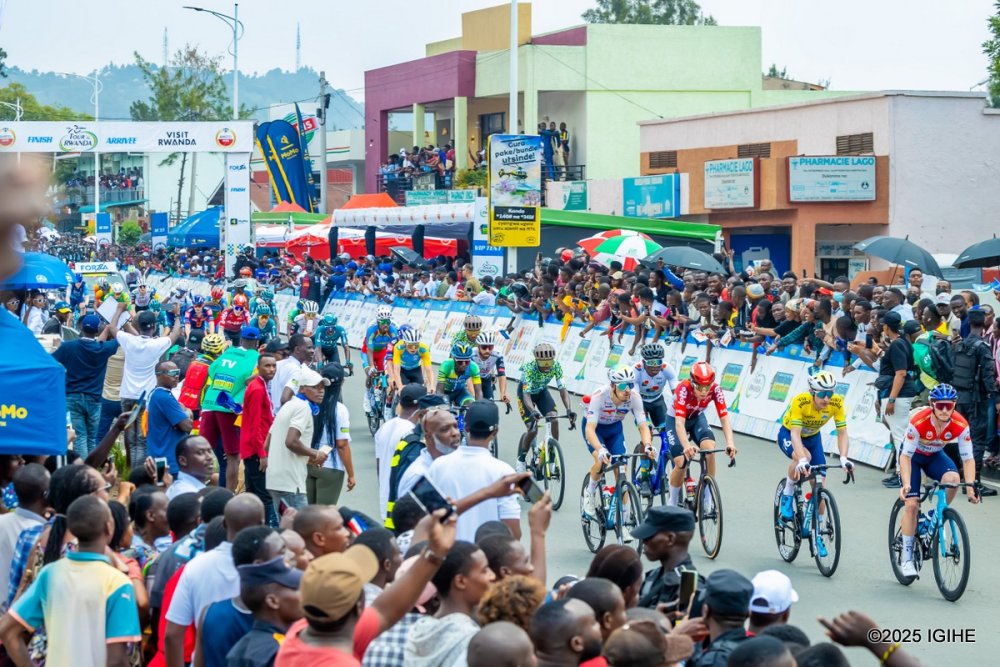
For the 2026 edition, scheduled to take place from February 22 to March 1, the leading beverage company will participate through its premium beer brand Amstel, which has long been a Gold Sponsor of the race for several consecutive years.
Celebrating performance and authenticity
At the heart of BRALIRWA’s Tour du Rwanda engagement is Amstel 100% PURE MALT, a brand whose values of authenticity, craftsmanship, and consistency align naturally with the discipline and endurance of professional cycling.
As part of its sponsorship, Amstel will once again award the daily stage winners, a tradition that has become a defining moment of each racing day, celebrating excellence, resilience, and achievement on Rwanda’s demanding routes.
Beyond the competitive aspect, BRALIRWA continues to elevate the Tour du Rwanda experience for fans by hosting After-Race Experiences at stage finishes. These moments bring spectators together to celebrate the day’s racing, reinforcing Tour du Rwanda as not just a sporting competition, but a shared national celebration.
Bringing fans closer
In line with its commitment to shared moments and friendship, BRALIRWA, through Amstel, will actively participate in the Tour du Rwanda Social Ride, a unique experience allowing cycling enthusiasts to ride selected race routes ahead of the professional peloton.
The Social Rides will take place on February 26 and March 1, 2026, with participants standing a chance to win exciting rewards. Across the two rides, four sports bicycles—two per ride—will be given away, alongside branded goodies and prizes, making the experience both inclusive and rewarding for cycling fans across the country.
BRALIRWA’s presence will further extend to the Tour du Rwanda Festivals, which will be hosted in four locations nationwide, including: Kigali, Huye, Rubavu, and Musanze.
At each festival stop, Amstel will add to the excitement by giving away one sports bicycle per festival, reinforcing its support for grassroots cycling enthusiasm while celebrating the diverse communities that make Tour du Rwanda a truly national event.
Responsible celebration at the core
As a leading beverage company, BRALIRWA has stated that all Amstel activities during the upcoming Tour du Rwanda 2026 will follow regulatory requirements and responsible drinking guidelines.
Alcoholic beverages will not be sold to persons under 18 or to pregnant women. The company also emphasizes the messages “Drink Responsibly” and “Don’t Drink and Drive,” highlighting its commitment to public safety and responsible consumption.
BRALIRWA’s partnership with Tour du Rwanda continues to blend world-class cycling, fan engagement, and responsible brand leadership, cementing Tour du Rwanda as a celebration that extends far beyond the race itself.
As part of its sponsorship, Amstel will once again award the daily stage winners. BRALIRWA, through Amstel, will actively participate in the Tour du Rwanda Social Ride, a unique experience allowing cycling enthusiasts to ride selected race routes ahead of the professional peloton.
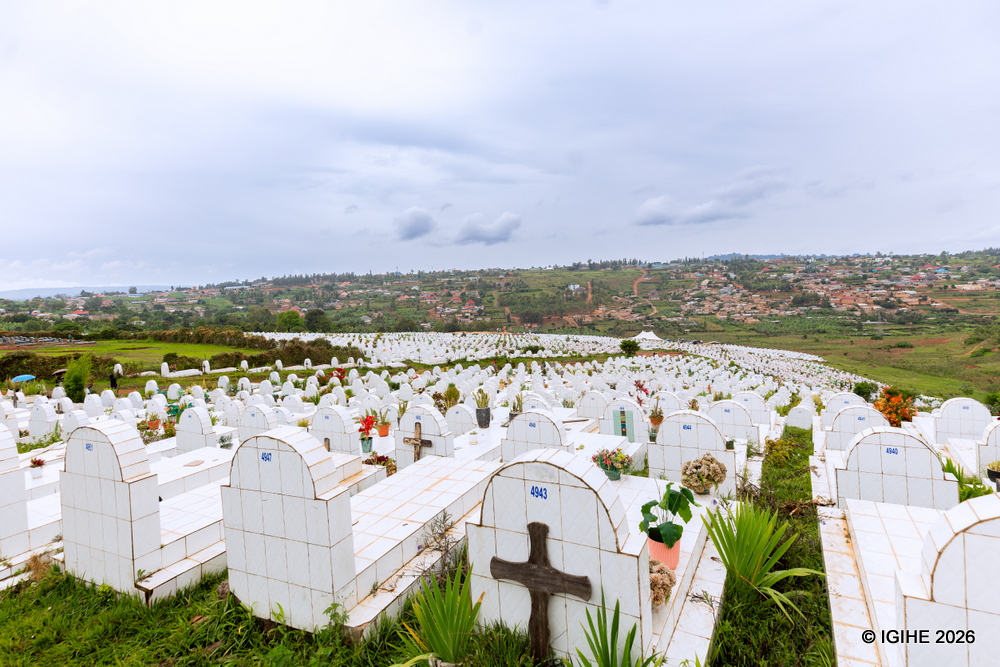
The cemetery was established in 2011 after Remera Cemetery in Gasabo District was permanently closed. Remera had been in use long before 1994, and by the time it closed, 9,525 burials had taken place on seven hectares of land. Since its opening, Rusororo Cemetery has accommodated 13,396 burials across 18 hectares.
Rwandan law sets specific standards for burial plots, including maximum dimensions and spacing between graves, and allows multiple burials in a single grave if the family consents.
Despite these provisions, the remaining space at Rusororo is limited, prompting authorities to explore options for expansion.
According to Anselme Nkusi, the Director of Cons Tech Ltd, which manages the cemetery, “The land we currently have will last about seven to eight months. When additional space is needed, the City of Kigali relocates nearby residents to create more room for burials.”
Cremation has been legally permitted for over ten years as a potential solution to land shortages, but adoption remains low among Rwandans, who are often reluctant to burn the remains of loved ones. Since the law was enacted, only 28 cremations have been performed in Rwanda, primarily by foreign residents accustomed to this practice in their home countries.
Authorities have also considered stacking two coffins in a single grave to maximize space, but cultural sensitivities have made this approach difficult.
“We tried burying two people in one grave with family consent,” Nkusi said. “Some families initially agreed but later withdrew, insisting no additional burial should be added above. This illustrates the challenge of balancing practical needs with cultural preferences.”
Attitudes, however, appear to be shifting. A 2025 study by the Ministry of Unity and Civic Engagement found that 61 percent of respondents agreed that cremation could help address the growing shortage of burial space.
Of more than 12,000 people surveyed, 32 percent strongly supported cremation, 29 percent moderately supported it, while 34 percent opposed it and 5 percent were undecided.
Since its opening, Rusororo Cemetery has accommodated 13,396 burials across 18 hectares.
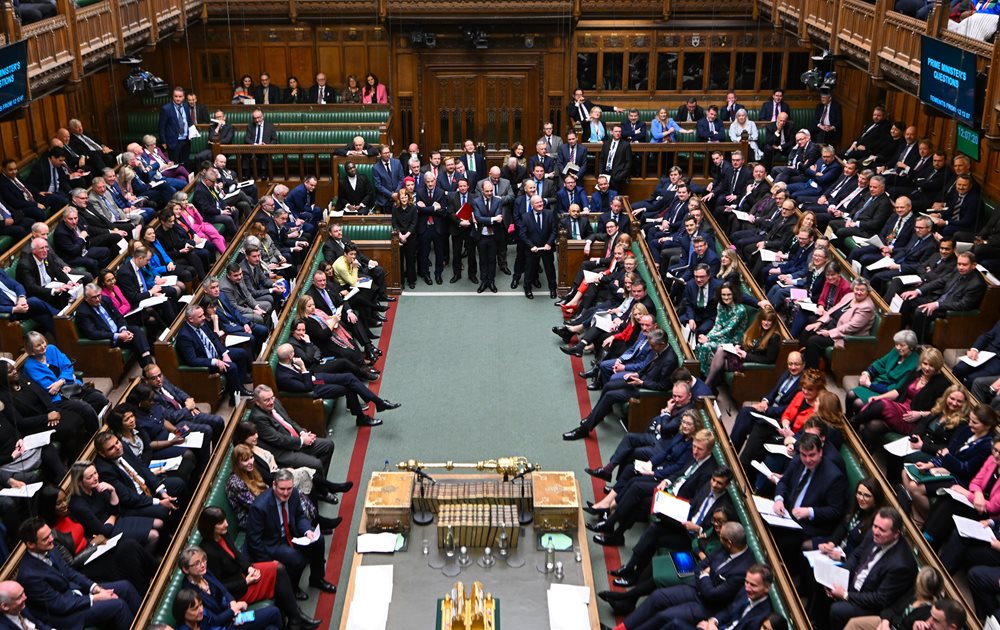
In the vote taken on Monday, April 15, a majority of the MPs disagreed with Lords amendment 1B, which had sought to ensure the Bill has “due regard” for domestic and international law.
The MPs also shot down the Lords proposal for Rwanda to be only regarded as safe for as long as the provisions of the UK’s treaty with that country are in place.
Other amendments rejected by the MPs include a provision for age assessment for the persons facing removal to Rwanda and exemption of victims of modern slavery and human trafficking from the Rwanda asylum scheme.
The House of Commons also rejected the Lord’s proposal which sought to exempt agents, allies and employees of the UK overseas seeking asylum in the UK from being removed to Rwanda.
The Bill, which has elicited intense debate in the UK, will now return to the upper chamber for further scrutiny today.
The Bill will not become law until both the Upper and Lower chambers agree on the final wording, a process known as parliamentary ping-pong.
The Bill was introduced to Parliament after the UK Supreme Court ruled that the government’s scheme was unlawful.
The judges argued that genuine refugees being removed to Rwanda faced the risk of being returned to their home countries, where they could face harm.
The scheme, first announced in April 2022 by former Prime Minister Boris Johnson’s government following a deal with Rwandan authorities, seeks to act as a deterrent to people from arriving in the UK on small boats across the English Channel.
UK government says failed asylum seekers would be offered £3,000 (Rwf4,866,727) to move to Rwanda under the new voluntary scheme.
The government reportedly plans to replicate the Rwanda scheme in other countries, including Armenia, Costa Rica, and Ivory Coast if the Bill sails through.
But the Labour Party strongly opposes the scheme, insisting that it’s doomed to fail.
“The boats have kept coming, the backlog has kept growing, and the people smugglers are still laughing all the way to the bank,” Shadow Home Office minister Stephen Kinnock lamented.
“Two years of headline-chasing gimmicks, two years of pursuing a policy that is fundamentally unworkable, unaffordable and unlawful. Two years of flogging this dead horse,” he added.
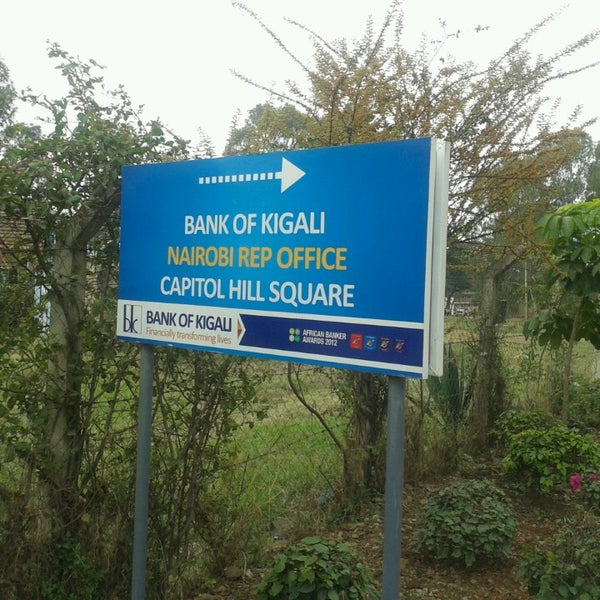
In a press statement on Friday, April 5, 2024, CBK Governor Kamau Thugge said the lender had taken a strategic decision to close the office to focus on digital service.
The termination took effect on April 2.
“The Central Bank of Kenya (CBK) announces the cancellation of the authority granted to the Bank of Kigali (BoK) to operate a Representative Office in Kenya under Section 43 of the Banking Act, effective April 2, 2024.
“The voluntary termination of BoK’s presence in Kenya follows a strategic decision taken by the Bank of Kigali Group Plc (BoK’s parent company) to focus more on digital service delivery channels. CBK authorised the establishment of Bank of Kigali’s Representative Office in Kenya on February 12, 2013,” CBK stated.
Bank of Kigali, headquartered in Kigali, was established in 1966. It’s licensed and supervised by the National Bank of Rwanda under the Law governing the organisation of banking.
In 2023, BK Group recorded a 25 per cent year-on-year increase in net profit, reaching Rwf74.8 billion in 2023. The group saw its profit before tax cross the $100 billion mark, growing at 23.8 per cent.