The decision follows the relocation of wetland dwellers which was conducted in the last months of 2019. The relocation was part of the City of Kigali urban plan aimed at improving the ecological functioning, aesthetics and recreational potential of the wetland areas.
Meteo Rwanda predicted that in March, April and May, Kigali will be affected by torrential rains more than other parts of the country.
The Ministry of Local Government stated that the relocation initiative was driven by the need to protect citizens who live in high-risk zones and wetlands and urged landlords not to increase rent prices due to the high number of people in need of homes.
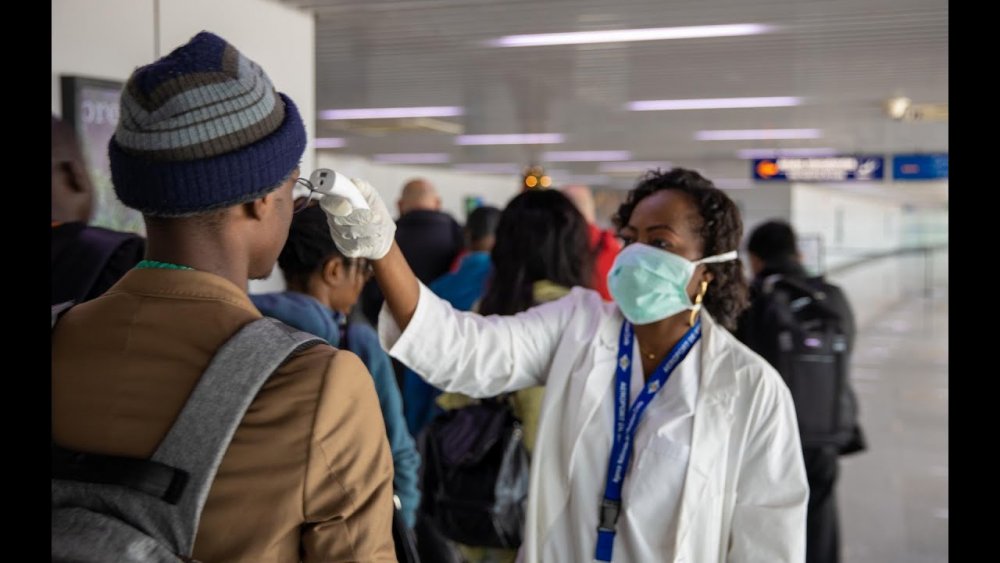
The new protocols follow various preventive measures which are already in place in the country including sensitization on proper hygiene and stopping unnecessary travels as well as the temporary ban on music concerts, exhibitions and other public gatherings in the city of Kigali.
In statement from the Minister of Health, Dr. Daniel Ngamije issued on March 8th 2020, the minister advises that all people who travel to Rwanda will be tested for COVID-19.
If results show any of the symptoms of the virus especially for people coming from pandemic areas, they will immediately be quarantined while further tests will be conducted.
People who will test positive for the virus will be sent for treatment to specialized health institutions across Rwanda while those who will test negative will be asked to temporarily isolate themselves and will be closely followed up on for 14 days after dismissal from hospital.
MINISANTE has granted to Rwanda Biomedical Center (RBC) personnel, the right to reach out to infected people or those who are suspected of having the virus in order to follow up on them closely.
People who are suspected of carrying the virus are advised to wear masks which cover their nose and mouth, to remain far from public spaces and to dial 114, RBC short code to receive new instructions. People coming from Corona pandemic countries will be supervised for at least 14 days after their arrival in Rwanda.
MINISANTE stated that even though no quarantine is imposed on people who test negative for the virus, they are requested to reach out to health institutions in case they develop one or many symptoms of the virus within 14 days after their arrival in Rwanda.
No COVID-19 case has been identified in Rwanda so far but the government has implemented strict measures to prevent it and treat it in case it spreads to Rwanda.
Currently, hand sanitizers and access to clean water and soap have been reinforced in all public institutions and spaces.
Statistics show that up to 108,000 cases of COVID-19 have been identified while 3800 were killed by the virus.
However, In China especially in Wuhan, Hubei Province where the virus was first spotted, numbers continue to decrease.
On Sunday, March 8th, the Ministry of Health of the people’s republic of China announced that 40 new cases of COVID-19 had been identified including 36 from Wuhan where the virus originated from.
The Coronavirus spreads through direct contact with the infected person, sneezing and coughing. To prevent the spread of the virus, the World Health Organization advises regular hand washing with alcohol-based hand sanitizers or clean water and soap, covering mouth and nose when coughing and sneezing. In addition, it is important to avoid close contact with anyone showing symptoms of respiratory illness such as coughing and sneezing.
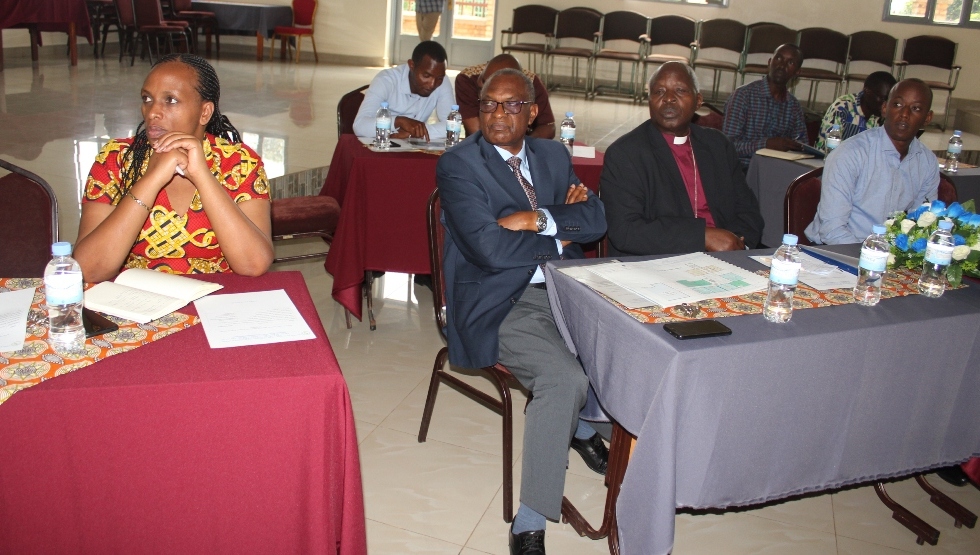
Ex-Archbishop Dr. Onesphore Rwaje, PIASS Council President said that the faculty comes at a critical time where environmental degradation is at its peak.
“We introduced the faculty with the aim of protecting the environment, contributing to the conservation of natural resources and the existing natural environment and repairing environmental degradation where possible.”
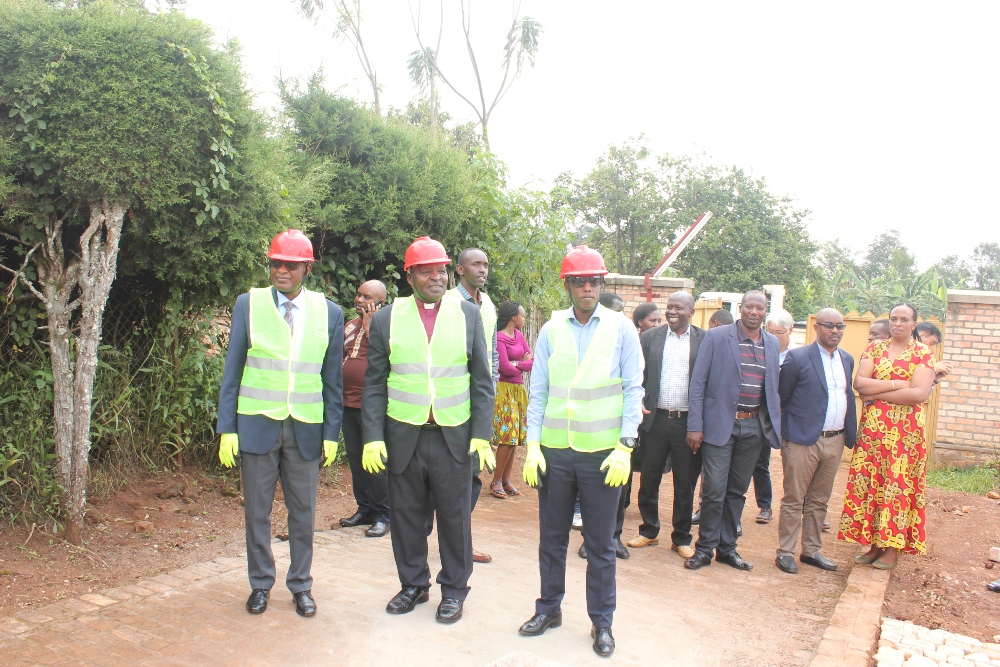
Construction activities will be completed within 9 months costing an estimated Rwf 1 billion.
Rwaje explained that before launching a faculty, the university council meets and suggests ways the new faculty will benefit the society or contribute to improving the livelihoods of Rwandans.”
PIASS Vice-Chancellor, Prof. Elisée MUusemakweli said that the architecture of the building will be different from all others.
“In line with our objective of conserving natural resources, the building will be powered with solar energy. We have also allocated space for a botanical garden which will be dedicated to the study and conservation of plants as well as exploring the world’s plant species diversity.”
Sebutehe Ange, Huye district mayor commended PIASS dedication towards environmental protection and said the faculty will generate employment opportunities for Rwandans.
“Besides generating jobs, this initiative is in line with the government of Rwanda’s agenda of promoting a knowledge-based economy.”
Besides the faculty of Architecture and Green Technology, PIASS offers other programs in education, Development Studies as well as Theology and Religious Studies. The university has two campuses, one in the Taba sector, Huye district and the other in the Rubengera sector, Karongi district.
In January this year, during the UK-Africa Investment summit, President Kagame announced at King’s College in London that Rwanda would waive visa requirements for member countries of the AU, Commonwealth and all countries which use French as a customary language (Francophonie).
The policy was approved during a cabinet meeting which was held on March 6th, 2020, in a statement which read “Waiver of entry visa requirements to the citizens of member States of African Union, the Commonwealth and Francophonie countries to foster the implementation of Rwanda’s openness policy.”
Formerly, tourist visa cost $30, an official diplomat visa $30 valid for 30 days while a business visa cost $50 and was valid for a year.
A communique released on November 17th, 2017, by the Directorate of Immigration and Emigration said citizens of all countries of the world could enjoy 30 days visa on arrival.”
The visa regime allowed visa reciprocity for specific countries allowing citizens to get free visas with a 90 days validity. Those countries in question are Benin, Central African Republic, Chad, Ghana, Guinea, Indonesia, Haiti, Senegal, Seychelles and Sao Tome and Principe.
Clare Akamanzi, Rwanda Development Board (RDB) Chief Executive Officer explained that the revenues the country received from visa fees are nothing compared to the opportunities that will be opened with the visa-free regime.
“We only receive Rwf 4 billion per year from visa fees but with the visa-free regime, our revenues will be incomparable. If a citizen from the AU, Commonwealth or Francophonie pays say $50 to enter country and zero fees on visa, we anticipate that he will spend at least $300 inside the country and that is only a modest estimation.”
The Visa free regime is also in line with the highly anticipated 26th Commonwealth Heads of Government Meeting (CHOGM) which will be held in Rwanda from June 22nd to June 27th, 2020.
In January this year, during the Annual Luncheon for Diplomatic Corps in Rwanda, President Kagame said that the visa free regime would touch many other countries besides member countries of the AU, Commonwealth and la Francophonie.
“We intend to waive visa requirements for all countries in the world as well as a way of reinforcing Rwanda’s openness policy.”
News on the visa waiver were received cheerfully with diplomats saying other countries needed to learn from Rwanda.
Margret, a French citizen said “It is a great initiative and it will allow young people who had no means of travelling a chance of visiting Rwanda.”
Ahmed from Egypt said “The visa free regime will open so many opportunities between Rwanda and African countries especially in trade and will allow all Africans to travel freely”
In 2018, Rwanda received more than 1.7 million visitors and 1.6 million in 2019.
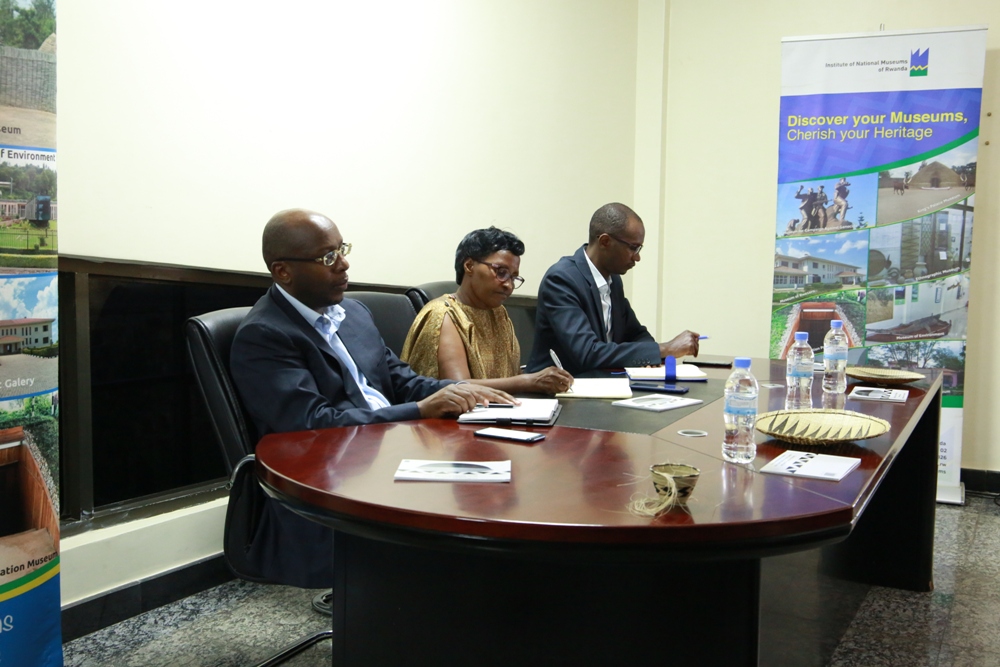
The book was launched at the King’s palace museum, Rukari, Nyanza district.
Amb. Masozera Robert, INMR Director General said that the book was released with the intention of sharing documented and preserving Rwandan history for future generations.
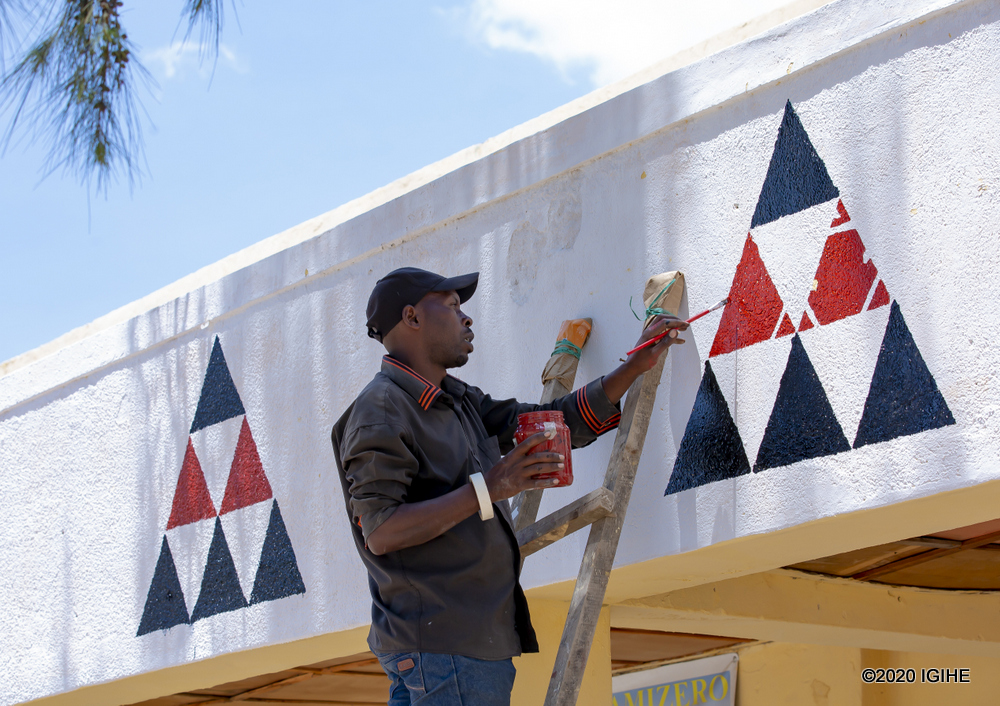
“We have collected all sorts of decorative patterns which were used in ancient Rwanda. With the release of the book we are claiming intellectual property for the patterns to avoid all forms of cultural appropriation.”
The book illustrates at least 136 decorative patterns commonly known as ‘Imigongo’ which are refered as ‘Imitako gakondo’ given that ‘Imigongo’ is just one type of decorative pattern.
Some of the names of the decorative patterns illustrated in the book are amababa y’ Intashya; Umuhigo; Umwashi; Igitoki; Intege z’abasaza; Itweka; Amaso y’ Inuma; Iraza; Ingeembe; Ibigobe by’ Uruzi; Akarizo k’Ingwe and Umugore wishe Inzu.
There are also Amanyamanza; Umwashi; Ibishyamirane; Basangira; Imikako; Ingondo; Umugongo w’Inzovu and Ubusonga among others.
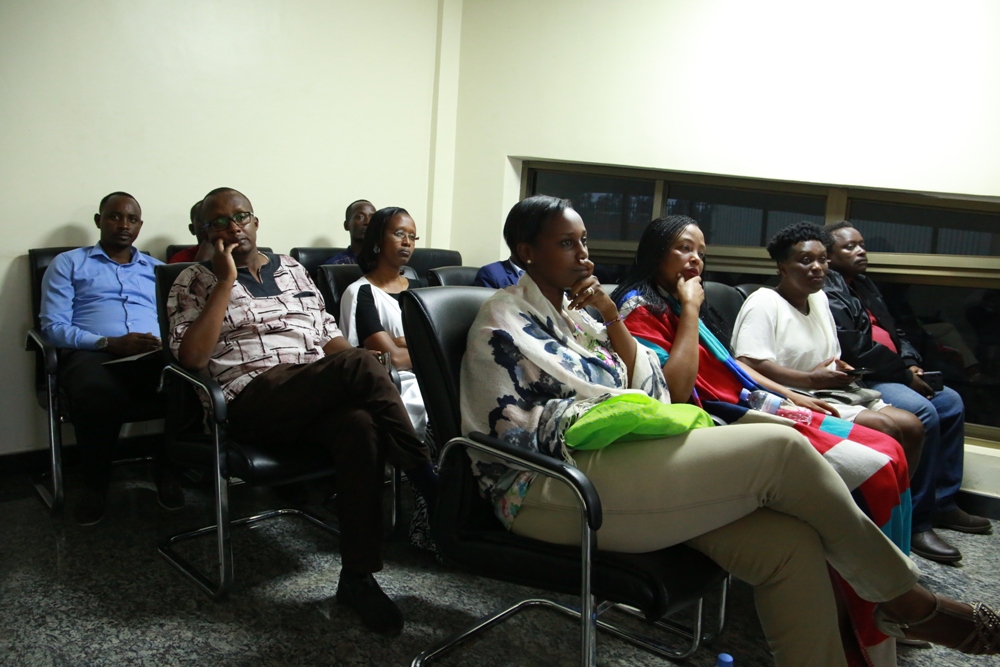
Nyanza residents who attended the launch said that documenting Rwandan history is a way of avoiding culture loss and connect people of different backgrounds.
Uwihinema Béatrice said “Preserving culture is the best way to educate our children about the history of Rwanda and ensure they do not incorporate othef cultures as theirs before knowing their own.”
Musengima Gérard said “As a cultural hub, Nyanza attracts many tourists and we have started decorating our houses with those patterns as a way of supporting the museum’s initiative.”
Ntazinda Erasme, Nyanza district mayor noted that preserving cultural artifacts, art or music will reinforce Nyanza reputation as a cultural hub. He said local authorities will keep sensitizing Nyanza residents to decorate their houses with those patterns as a way of calling tourists to witness the hidden gems of Rwanda.
This year’s theme is ‘{{Go Green with Affordable Housing}}’.
The ‘Going Green’ concept is learning and practicing an environmentally-mindful lifestyle that contributes towards protecting the environment and preservation and conservation of the natural resources, habitats, and biodiversity.
It involves environmental preservation through reducing, reusing, and recycling items.
The Chief Executive of ‘RG Consult Inc’, the event organizers, Mr. Remmygious told Igihe, that this Property Bazaar will offer clients an opportunity to strike deals, shop for houses/ homes and other property-related materials during the 5-day experience.
Mr. Remmygious also said that there is a lot that players in the real estate business can pick from the bazaar but most importantly, those who are interested in building or purchasing environmentally friendly homes have much more to gain.
He pointed out that this is an opportunity for those in the industry or those interested in joining, to learn about the new and modern ‘green construction methods’ that can save construction companies money during the building process and save home purchasers money when they move in.
“It’s important that we practice green living because healthy living requires it. We need to preserve clean air, food, safe drinking water and getting resilient to the harsh effects of climate. If indeed we are interested in avoiding issues of global warming and life-threatening illnesses, going green is the only answer,” he said.
The advantages for contractors include recycling certain materials and minimizing construction waste.
Kigali City has been transitioning into a ‘green city’ for years now.
Last month, the Kigali Green City project received its first capital injection from the German government through KFW Development Bank worth €10 million (Approximately Rwf 10 billion).
The Green City Kigali is a model green city to be developed on 620ha in Kinyinya Sector, Gasabo District at an estimated $1.5 billion.
The model city will be a pilot project in green urbanization and will serve to establish the viability of green cities in Rwanda and possible replication across the country.
Several companies that are expected to participate in this year’s Bazaar include ‘DND Developers’, ‘Phoenix Plaza’, ‘Silk Plaster Rwanda’, ‘House In Rwanda’, ‘Remote Group’, ‘Troika Design Workshop’, ‘Savanna Creek’, ‘Kigali Heights’, ‘Rwanda Housing Authority’ and ‘IN My Seat’, Riverside City Estate,’ among others.
To register please contact the sales team on +250 787 099 332 / 783 886 396 or simply go on www.rgtickets.com or www.propertymagazinerwanda.com or email info@rgconsultinc.com
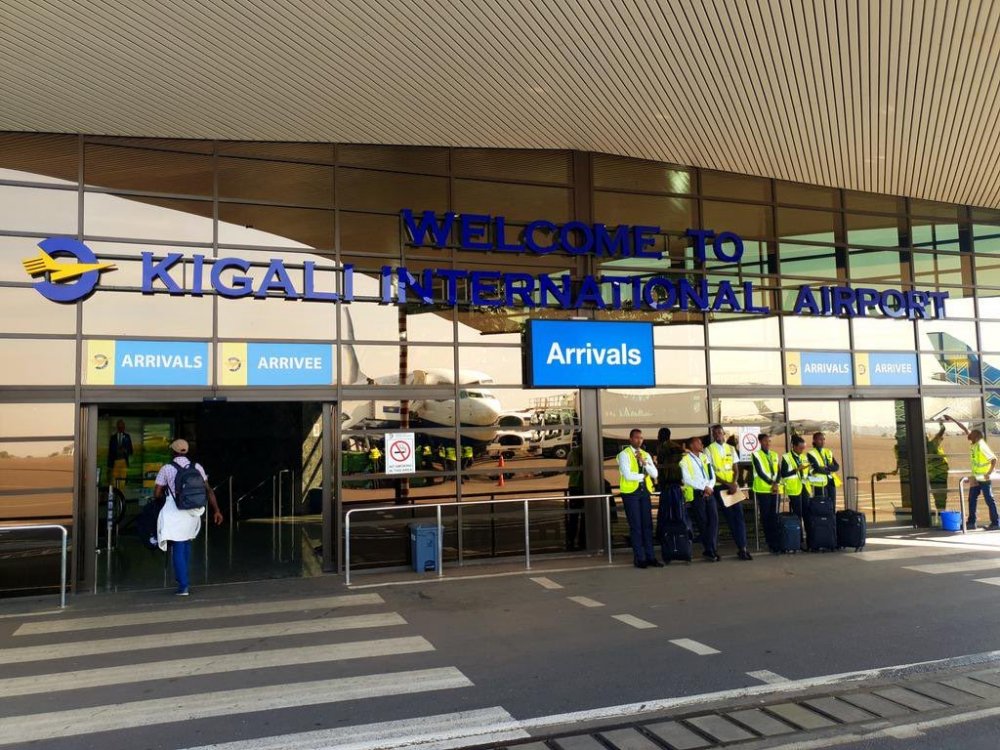
The campaign was launched on March 4th, 2020 specifically in Remera sector as it is where Kigali International Airport is located.
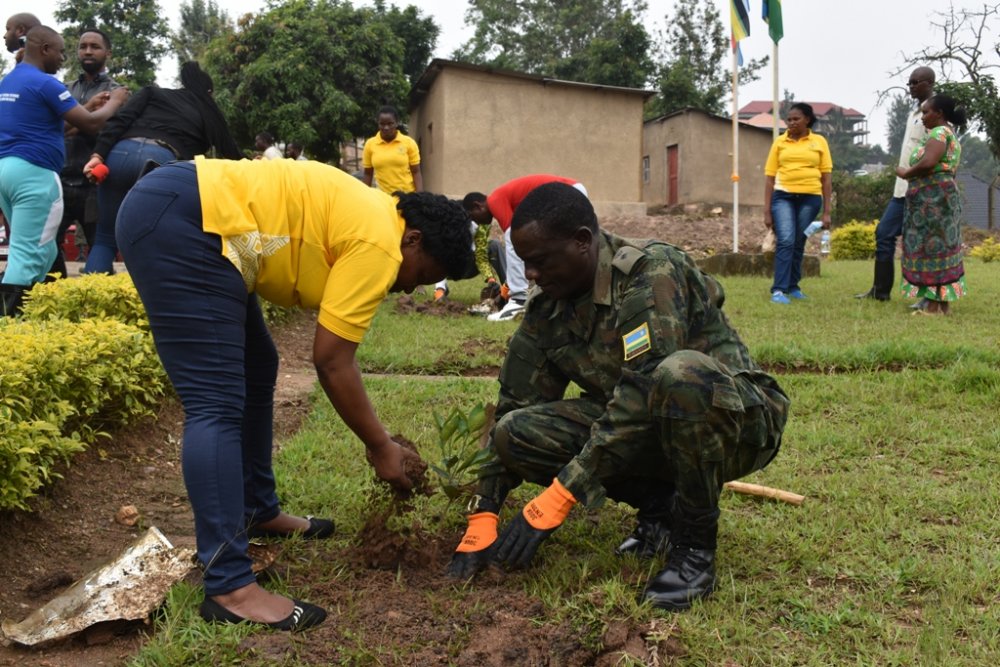
The campaign aims at promoting security and cleanliness through planting trees on street-sides and between lanes and sensitizing the public on Coronavirus preventive measures.
Residents of Remera sector showed commitment towards the campaign by participating in all activities organized by the district’s administration.
Bizimana Patrick said “we are getting ready for the meeting by planting trees on street sides and painting our compounds. We are ready to uphold the reputation of cleanliness Kigali has.”
Mukahirwa Clementine said “I cannot wait for the meeting to happen so that visitors can personally witness the beauty of our country.”
Murekatete Patricia, Remera sector executive secretary explained that the campaign will bring about change and that it includes many activities such as planting flowers and sensitizing Remera residents to paint their compounds with matching colors and redesign them to grills.
Gasabo district executive secretary Mudaheranwa Nyirimbibi said “to ensure that Kigali will be ready enough to host CHOGM, we provide reports to the Ministry of Local Government (MINALOC) every Wednesday and inform the public on resolutions to be implemented. To reassert our preparedness, we have distributed hand sanitizers in public spaces to prevent the spread of Coronavirus.”
CHOGM will be held on July 22nd, 2020 in Kigali and will bring together Heads of States from 53 member countries of the Commonwealth.
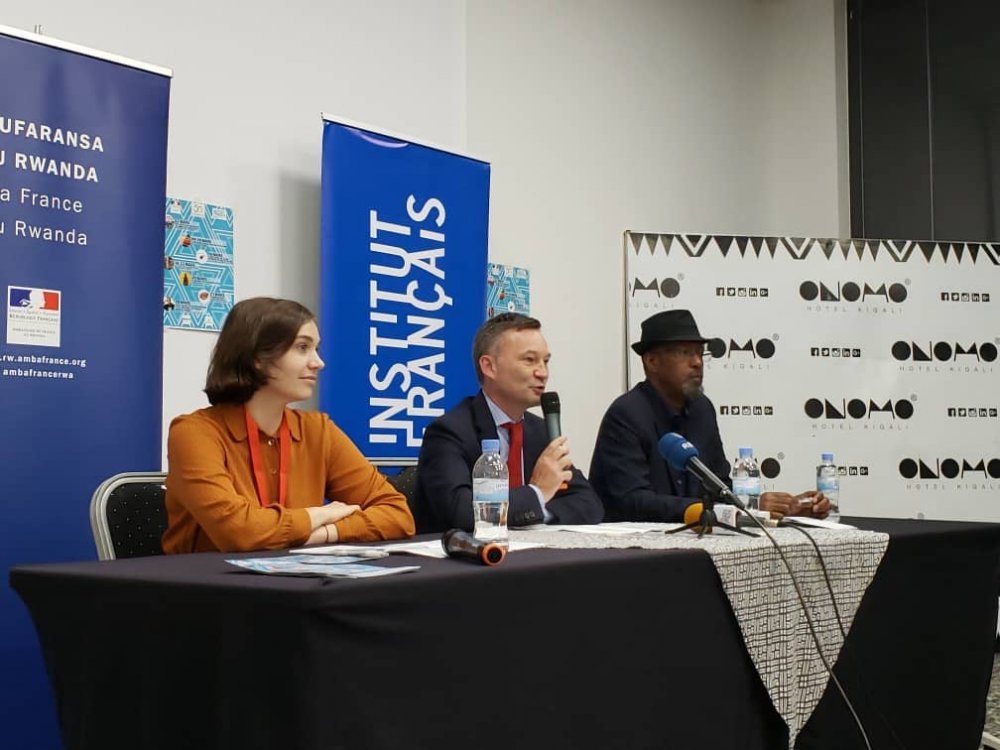
The reopening of the center was announced during a press conference which was held on March 4th, 2020 ahead of the 50th anniversary of Organisation internationale de la Francophonie (OIF) with the Chargé d’Affaires of the Embassy of France in Kigali, Mr. Jérémie Blin and Juliette Bigo, the Managing Director of the French Cultural Centre.
Blin said that it has been a pivotal time for the OIF since Louise Mushikiwabo took office.
“We believe that support the OIF future transformations and contribute to promoting the French language and Francophone values.”
He confirmed that the French Cultural Center will reopen by the end of 2020 near Kigali Convention Centre, replacing the old one which was located in the city center of Kigali.
“As we prepare to celebrate the OIF 50th anniversary, we intend to mend relations between Rwanda and France as it was agreed with both countries’ heads of state. It is in this vein that we plan to reopen the French Cultural Center.”
The new center will have two buildings, one for library activities and offices and the other for cultural exhibitions and meetings. It will be a platform for young Rwandans to learn the French language and for Rwandan artists to showcase their work.
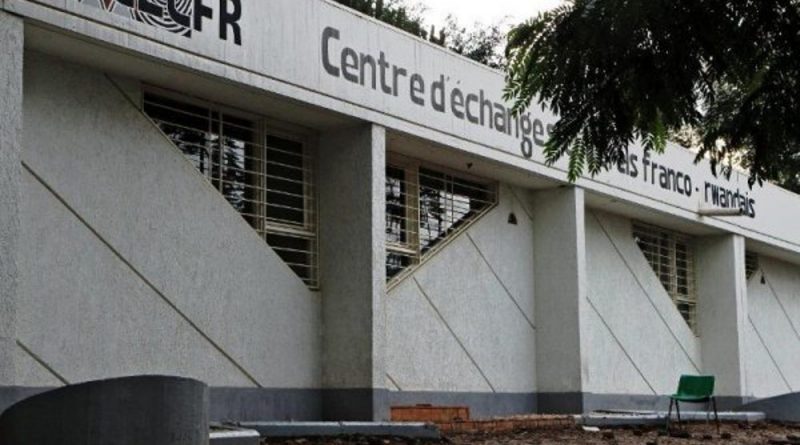
The former French Cultural Center ‘Centre D’Echanges Culturel Franco-Rwandais (CECFR) was located near Kigali center roundabout. In 2014, the center closed its doors as the building that hosted it did not conform with Kigali City Master Plan.
News about the center’s closing were linked to the tense relations between Rwanda and France at the time but Kigali city administration explained that the reason behind was not political.
The center boasted entertainment spaces and a library and hosted cultural shows and training.
The OIF represents one of the biggest linguistic zones in the world with 75 member states and governments. Throughout March 2020, different activities have been organized to celebrate the OIF 50th anniversary including entertainment activities and trainings.
The activities were organized with the collaboration between Rwanda, the embassy of France and government institutions in Rwanda including the ministry of foreign affairs and the ministry of education.
Among the activities planned for the celebration are a concert with Yvan Buravan who won Radio France Internationale (RFI) ‘Prix découverte’ talent contest in 2018. The concert will be entrance free and will be held at Kigali Serena Hotel on March 20th starting 8 pm.
There will also be talent shows on March 14th at ‘Maison des Jeunes’ in Kimisagara, where people will compete through poems in the French language. The poem of the talent show winner will be broadcasted during Buravan’s concert.
During this month, a comic book competition organized by ‘Edition Bakame’ is scheduled where the winner will be announced on March 21st. The winning comic book will be showcased at Kigali Public Library for a week.
Celebrating the OIF 50th anniversary will end on March 28th with a comedy show dubbed ‘Francofourires’ featuring Michael Sengazi, winner of ‘Prix RFI talents du rire’ in 2019 and Hervé Kimenyi at Kigali Cultural Village.
The OIF was founded in Niamey, Niger on March 20th, 1970 and started with 21 member states most of them former French colonies. The organization currently has 84 member states (54 states and 26 observers). Louise Mushikiwabo, former Minister of Foreign Affairs and Cooperation of Rwanda is the fourth and current Secretary General of the OIF.
In an interview with British Broadcasting Corporation (BBC), Clément Boursin, ACAT representative in Africa said that Kizito had consulted them asking how he could leave Rwanda and they advised him to wait for conflicts between Rwanda, Uganda, and Burundi to settle.
“We advised him that the political situation between Rwanda and its neighboring countries was precarious at the moment and told him it would be a bad move to flee Rwanda.”
ACAT advised him not to violate his conditional liberty and wait for a good political atmosphere. “After all the advice we gave him, we were surprised to hear he had been apprehended trying to leave the country.”
Kizito had lost all hope of ever building a career in music in Rwanda given that his fan base had considerably reduced after he was convicted.
The sneaky ways Kizito used to flee the country further testify on how different he was from the renowned gospel singer figure he had built over the years.
News of his death evoked different reactions including Rwanda dissidents especially Kayumba Nyamwasa who compared him to a ‘savior’.
Many other people testified about Kizito’s plans to perpetrate genocide denial and that he had concocted the evil scheme since the release of ‘Igisobanuro cy’urupfu’, a song which advanced the double genocide theory.
Over the years, he had built a network with leaders of anti-Rwanda terrorist groups including RNC, FDLR, Jambo ASBL and notorious genocide revisionist, Charles Onana.
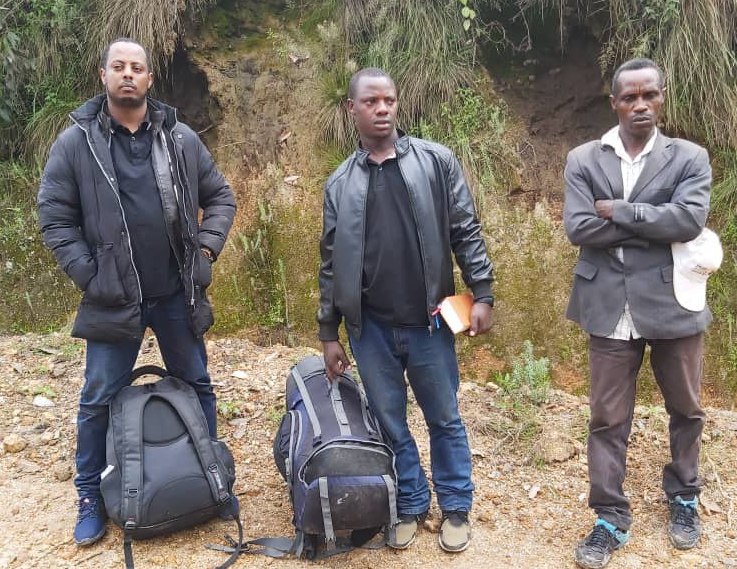
The 38-year old singer died from suicide three days after he was apprehended in Nyaruguru district as he tried to escape to Burundi.
Rwanda Investigation Bureau(RIB) confirmed he had plans of joining terrorist groups aiming at destabilizing the security of Rwanda.
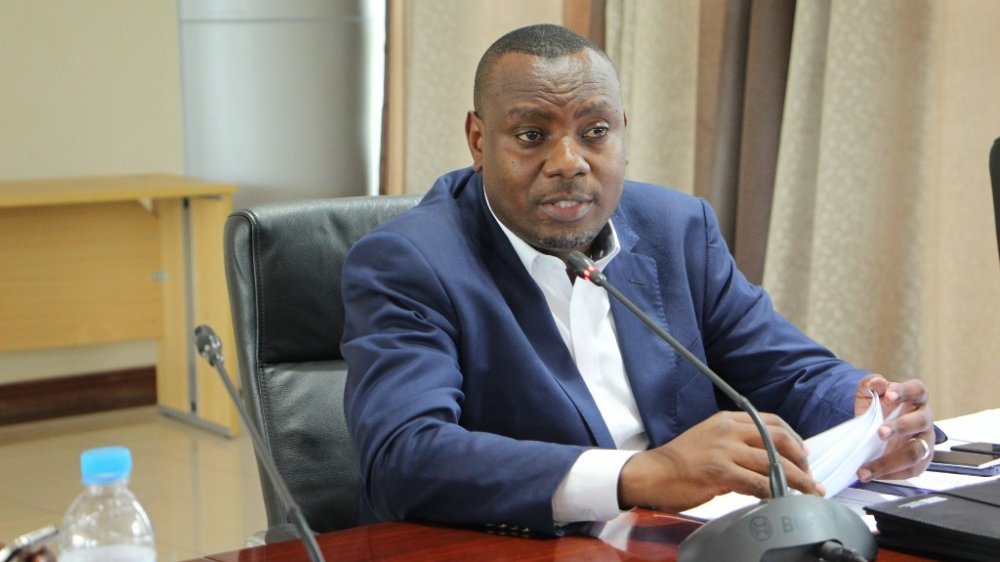
The party expulsion follows Munyakazi’s resignation as a state minister on February 6, 2020, occasioned by his dishonesty by doctoring school performance ranking in national exams where he is suspected of placing a school among the best 10, yet it was among those in hundreds by rating.
The PDI president, Sheikh Musa Fazil Harelimana, has told IGIHE that his dismissal from the party follows the confession of his wrongdoing, which dented the trust the country had placed in him.
“So as an organization that respects national values, we have decided to dismiss him from the party,”
Harelimana said that Dr. Munyakazi had just written to quit from the party “for personal reasons”, where he was the second vice-president of the PDI. In his letter, he had asked to suspend involvement in the party’s activities for an unspecified period.
Harelimana, however, scorned at the ‘personal reasons.’: “His personal reasons were the ones we hold in much contempt. They were not his personal reasons but despicable acts that are harming the country. Due to that, we expelled him. We did not accept his resignation, but we expelled him.”
Harelimana said taking this decision was to take a message to other leaders from the party, to always exercise exemplary performance and should be role models in workplaces and while in other national duties.
“When a person has been trusted, he brings trustworthiness to the party; when he involves in reprehensible acts, he shames himself and humiliates the party,” lashed Harelimana.
During the National Leadership Retreat hosted at the Gabiro Military Training Centre last month, President Paul Kagame revealed that had taken a bribe of Rwf500,000
“Munyakazi met officials of some school that had been ranked last and they asked him to rank it among the top schools. He complied by putting the school among the top schools. He was awarded just Rwf500,000 for it. If I had not fired him, he would be here with us and none of you would come up to ask me why. That is how you have normalized bad behavior,” President Kagame told the officials.
Dr. Munyakazi was not the only PDI member in the government. Other senior officials include Harelimana, who is currently the Vice President of Parliament – the Chamber of Deputies – and Senator Murangwa Hadija.