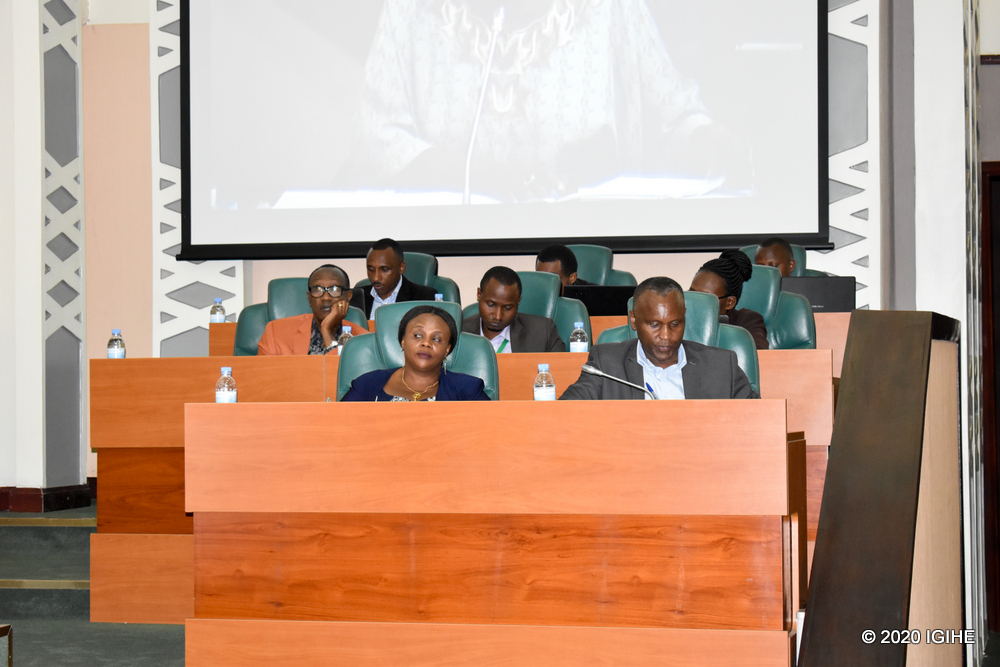
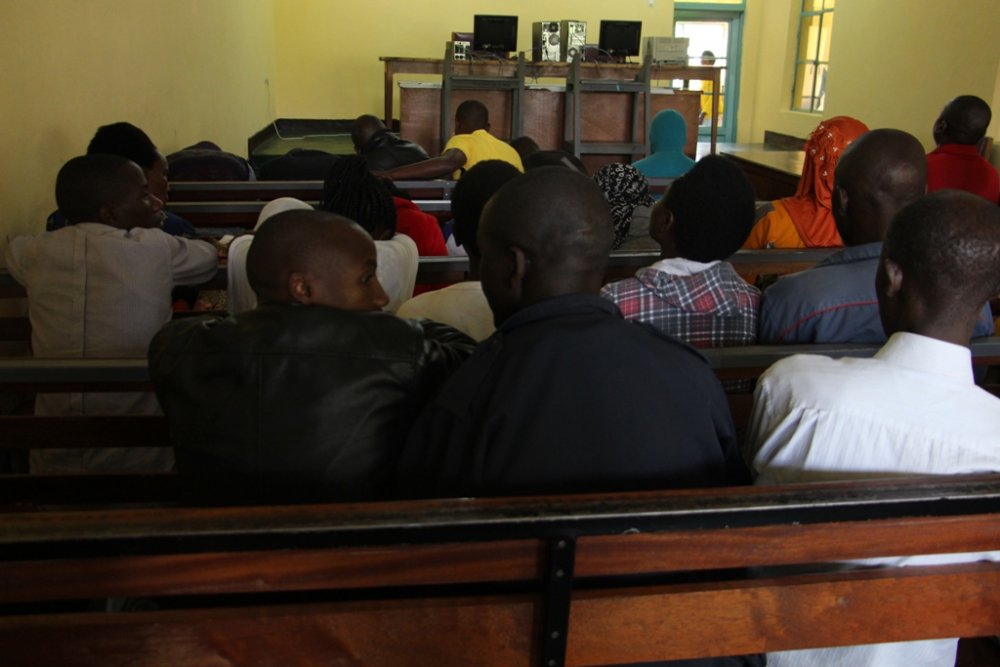
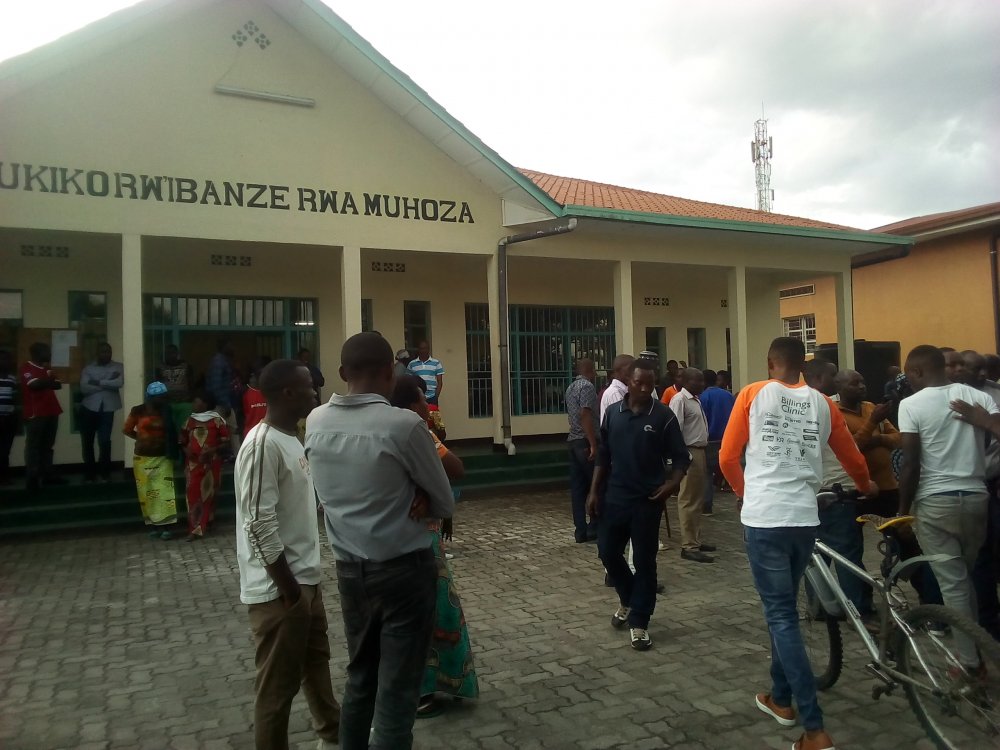
The court hearing which was postponed twice attracted huge crowds from Muhoza village where the crimes were committed.
It is alleged that on February 22nd, 2020, the suspects were involved in a heinous crime by burning a house where two minors, Célestine and Sifa, daughters of Manirafasha Jerôme, lost their lives. At the time of the arson, the mother of the two deceased had gone to a nearby trading center for groceries.
It is said that on a fateful day, the suspects broke the house windows, poured gasoline inside and burned the house, instantly killing one of the girls. The other girl survived but was gravely injured. She is currently being treated at Rwanda Military Hospital where one of her legs has been amputated.
All the 6 suspects denied committing the crimes and gave the alibi that it happened during working hours and that they were all at their respective jobs.
The prosecution said that even though all the suspects claimed innocence, Munyakazi Evariste admitted that his daughter who is currently in jail did it along with his wife and his two sons. The incident happened as a result of a long-time conflict between Munyakazi’s family and the victims’ family.
Nsengiyumva who is accused of complicity in committing the crimes allegedly advised Munyakazi to keep a low profile, pretend to reconcile with Manirafasha and kill him afterward.
Both Munyakazi and Nsengiyumva denied the crimes before the court and claimed they were pushed by fear to tell that story and that the testimony should be rendered inadmissible before the court.
The prosecution asked the court to maintain the validity of their testimony since none of them was coerced into speaking and prayed before the court that unless any of them claims mental illness, only then will the testimony be dismissed.
During the hearing, the suspects applied for bail but prosecution asked they remain in custody as investigations get underway.
The next hearing of the case will be on March 13th, 2020.
One of the events that have been postponed is the Water Africa and East Africa Building and Construction Exhibition that was scheduled for 11-13 March 2020 in Kigali
“As was stated in our recent email, we were faced with the fact that the coronavirus pandemic is causing serious disruption throughout the world and as a result, Rwanda is taking stringent precautions to limit population exposure to the virus. Exhibitions and seminars are seen as high-risk areas for people to attend, particularly where international visitors from affected countries are present.
In addition, the government of Rwanda through their Prime Minister have called upon their people to avoid touching in the form of handshaking, hugging, etc. and to avoid close contact with anyone who may be potentially infected with the virus,” the statement reads in part.
In addition, the statement says, organizers have we learned that Kenya had the previous day declared that all events are to be canceled for 30 days.
“This is an unprecedented move and one which we are sure will follow in other neighboring countries”.
Organizers say they also had to consider the possibility of exhibitors and visitors having problems when returning to the home countries as several countries have now placed a 14-day quarantine moratorium on all passengers arriving back from foreign travel.
“With these issues in mind and the fact that we were advised that visitors would boycott the event, we felt compelled to postpone the event for 6 months in the hope that coronavirus will have been brought under control and that business and travel are back to normal. We have provisionally rescheduled the event to take place from 16th to 18th September 2020 but will monitor the ongoing problems which are still on the increase,” concludes the statement signed by Tracey Nolan-Shaw. Managing Director of ACE Event Management.
The Police Spokesperson Chief Inspector Police (CIP) Alexis Rugigana, has said that the suspect was apprehended in Kabashotsi village, Nyamabuye cell, Kagogo sector after locals alerted the police.
“Residents called the police informing them the suspect was in possession of counterfeit bills and that she was planning on scamming them.”
Rugigana said that as soon as they received the call, they immediately headed to Kabashotsi village expecting to catch the suspect red-handed but she attempted to flee when she saw the police.
“When she saw us, she boarded a motorcycle and told the rider to speed off. She hid the bag which contained the fake bills and came back on foot not knowing we saw her hiding it.”
After intensive interrogation, she admitted to possessing the fake bills and showed the police where the bag was hidden. She had Rwf 319,000 fake bills in Rwf 2000 and Rwf 5000 denominations.”
Rugigana commended the cooperation of local residents and advised them to always provide information to the police on all suspected criminal activities.
“Our country’s security concerns us all. It is important to report all criminal activities especially the distribution of counterfeit bills as they impact the value of the Rwandan Franc and impede economic progress.”
The suspect is currently held at Rwanda Investigation Bureau (RIB) station in Cyanika as further investigation get underway.
Under article 269 of the Penal Code, any person, who fraudulently counterfeits, falsifies or alters coins or bank notes which are legal tender in Rwanda or abroad, notes issued by the Treasury with its stamp or brand, either banknotes or alike that have legal tender in Rwanda or abroad, or one who introduces or issues in Rwanda such effects or notes with knowledge that they are forged or falsified, commits an offence.
On conviction, the culprit is liable to imprisonment for a term of not less than five years and not more than seven years.
Starting last week, the Ministry of Sports held various meetings with football associations to identify ways in which COVID-19 can be prevented.
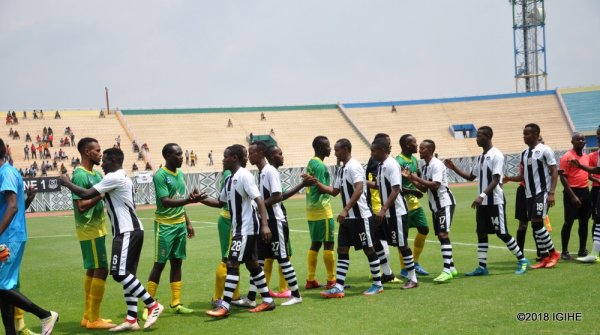
On Monday, March 9th, 2020, FERWAFA issued a notice to all football clubs in Rwanda banning handshakes in response to the COVID-19 pandemic.
The notice reads: “In response to the outbreak of the Coronavirus across the world and following measures which have been put in place by the government of Rwanda to prevent and fight the virus, FERWAFA has set measures to prevent the virus spread.”
Some of the measures FERWAFA imposed include availing soap and clean water or hand sanitizers at all stadiums entrance, a handshake ban between players and prohibition to host games before the aforementioned hygiene requirements are fulfilled.
All football teams that are not able to fulfill the COVID-19 prevention requirements are required to inform FERWAFA not later than March 10th, 2020 at 10 am for FERWAFA to inform the guest football teams regarding match cancellation.
Due to the outbreak of the Coronavirus, many countries around the world including China and Italy banned football matches until April 3rd, 2020.
In the United Kingdom, Morocco and France, teams will be playing behind closed doors with no fans in the stadiums.
Rwanda joined the Commonwealth in 2009 and was the second country which is not a former British colony to join after Mozambique.
Commonwealth Day was formerly known as Empire Day. This year, the annual celebration, often held on the second Monday in March was held under the theme “Delivering a common future”
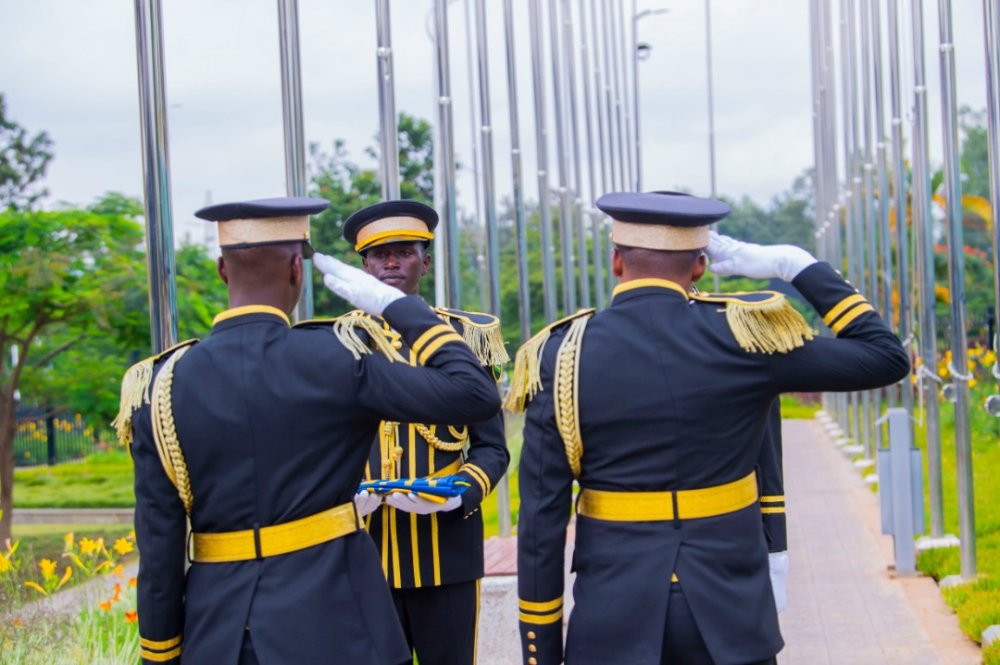
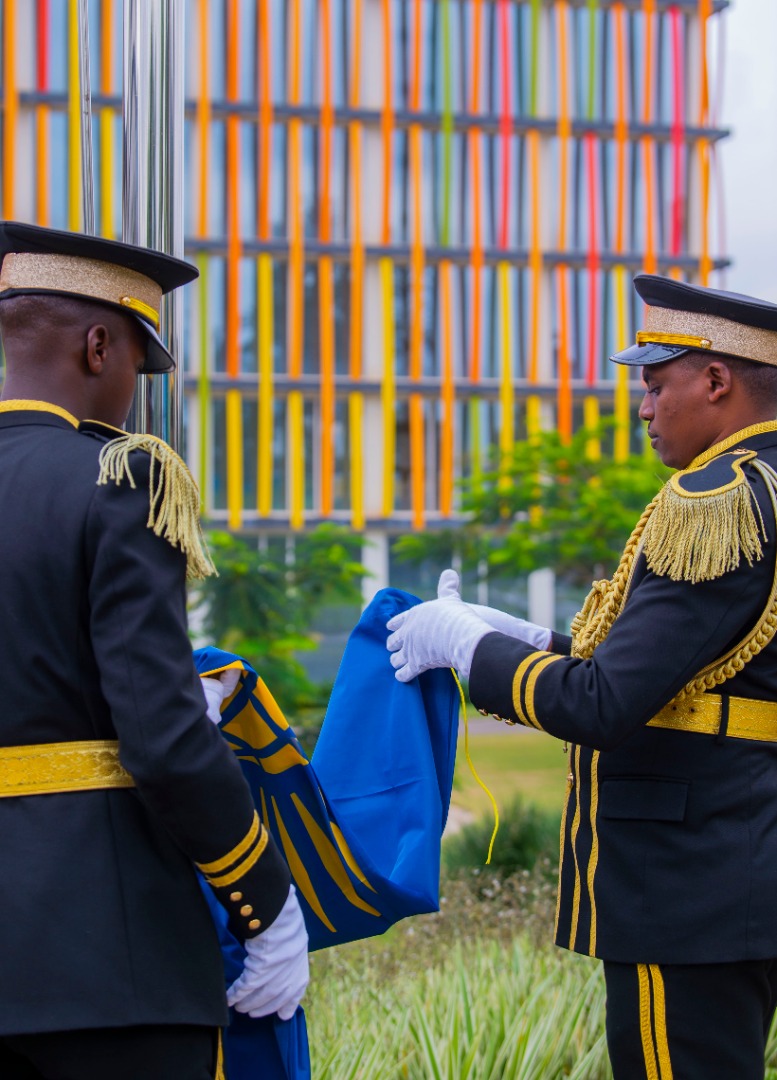
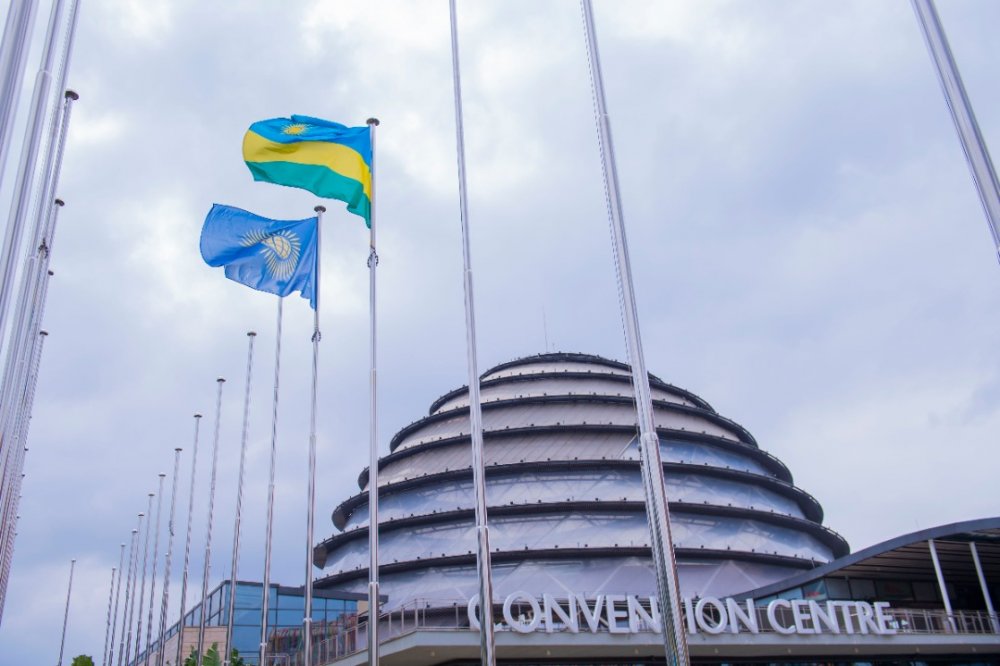
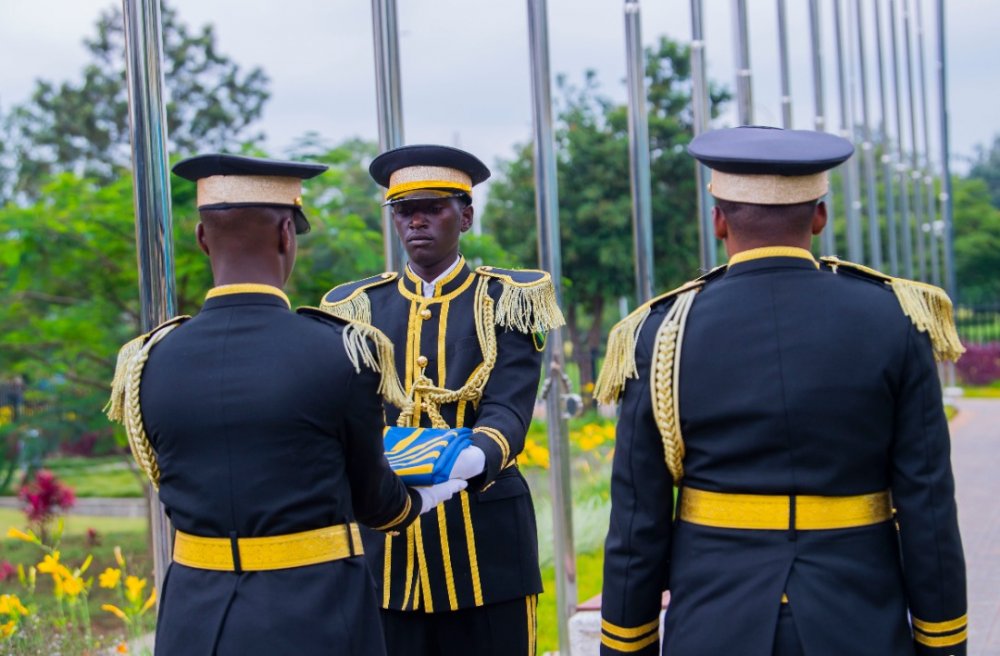
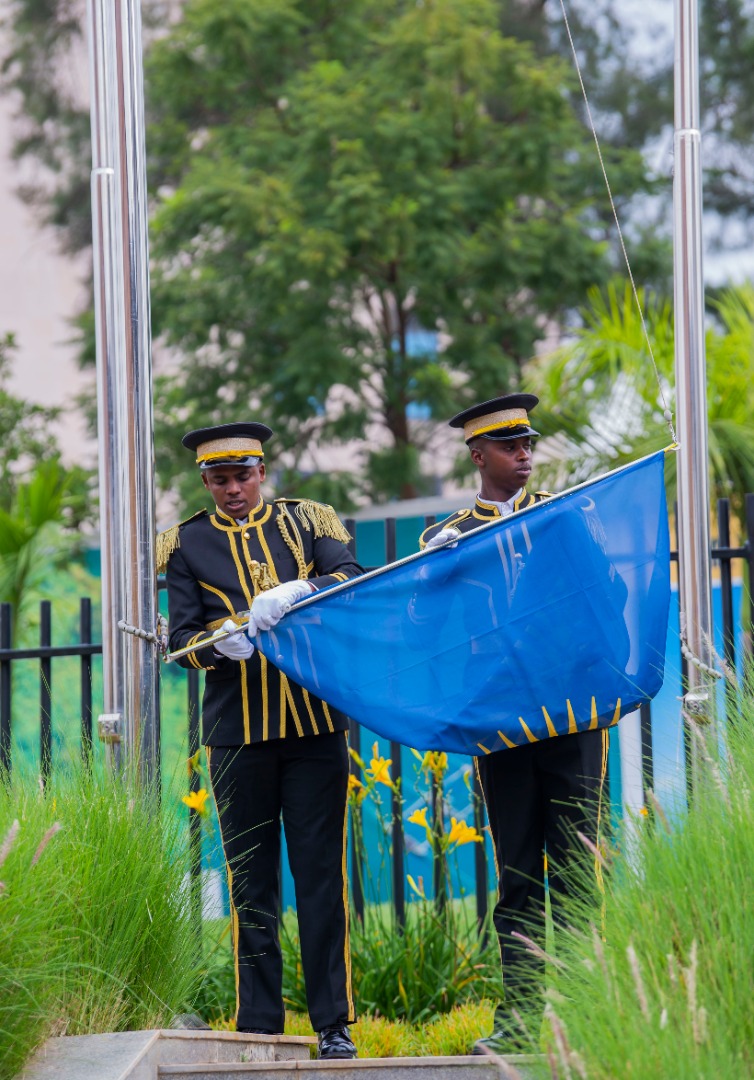
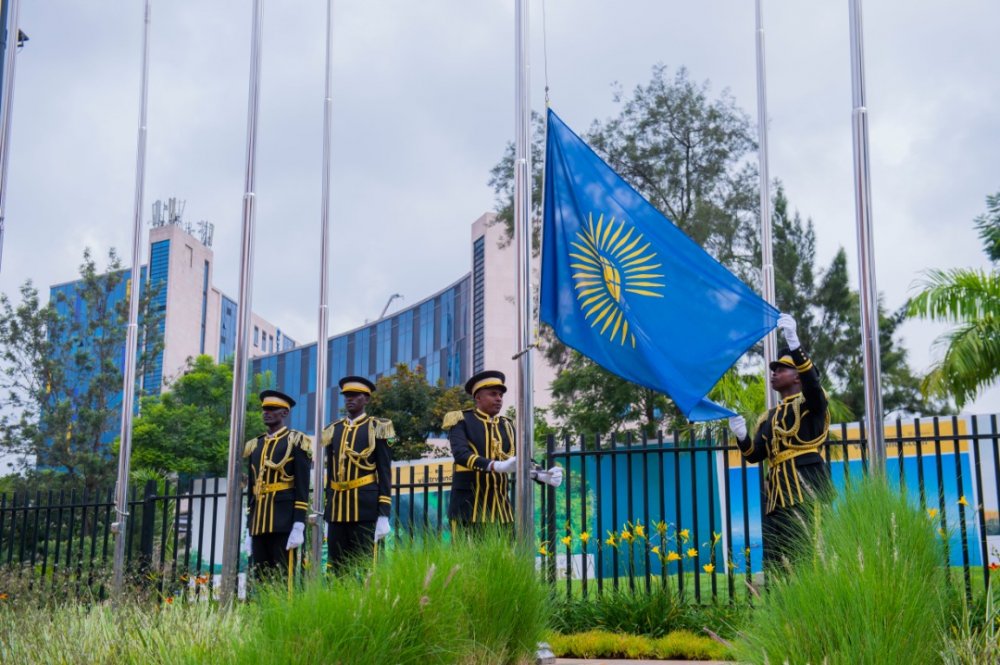
The Commonwealth flag was raised at KCC as it will host the Commonwealth Heads of Government Meeting (CHOGM) in June this year.
The Commonwealth Day Ceremony was held in London and was graced by the presence of Queen Elizabeth II, Head of the Commonwealth along with the Commonwealth Secretary-General and Commonwealth High Commissioners.
On April 20th, 2018, it was approved that Rwanda will host CHOGM. The meeting is scheduled in Kigali from June 22nd to June 27th, 2020 and will be attended by 53 member countries of the Commonwealth.
The theme for the meeting is ‘Delivering A Common Future: Connecting, Innovating, Transforming’.
Five sub-themes have been identified for discussion including governance and rule of law, ICT & Innovation, youth, environment, and trade.
In September 2019, President Kagame and Patricia Scotland, Commonwealth Secretary-General reaffirmed CHOGM will be held in Rwanda.
Dr. Denis Mukwege announced he will not attend the meeting because the ideas he suggested should be discussed about were not put on the agenda. Mukwege is the one who brought the idea of the meeting and led to its implementation with the support of senator Gérard Longuet.
Pierre Gény, the Executive Secretary of the Royal Academy for Overseas Sciences (RAOS) was also expected in the meeting, withdrew his attendance following the decision of Mukwege to not attend it.
Vincent Hervouët, a journalist on the LCI channel who is notorious for offering a platform to genocide perpetrators and ideologists announced he would not be attending as well due to time limitations.
The theme of the meeting is “Africa Great Lakes region, 60 years of political instability.”
Two panel discussions will be conducted one focusing on history, 60 years of killings, torture, and crimes against humanity and the second one exposing individuals who perpetrated killings, torture, and crimes against humanity both in the affected regions in the Great Lakes and internationally.
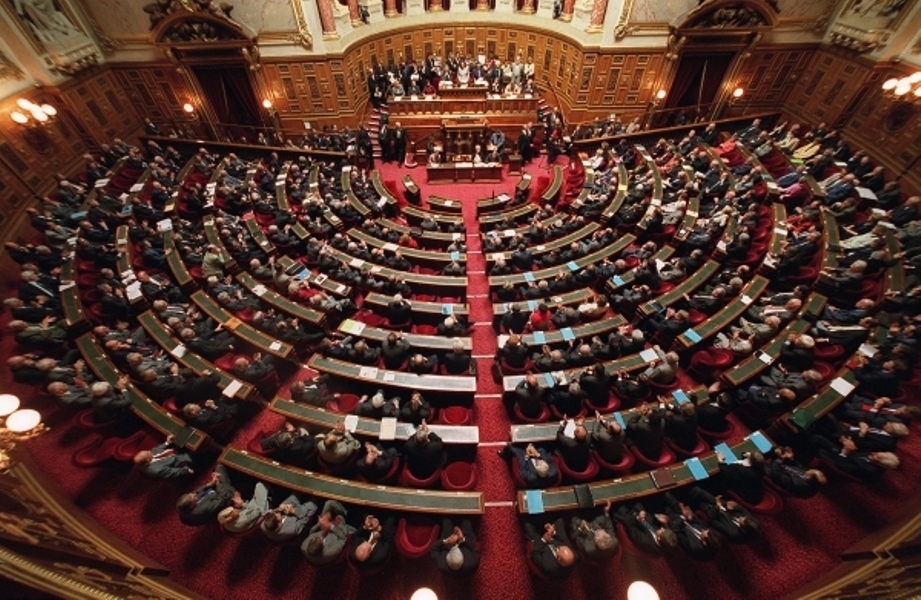
The meeting was organized with the support of two French politicians including Alain Richard, former French Minister of Defense and Gerard Longuet who also served as Minister of Defense from 2011 to 2012.
The Rwandan community in France (Communauté Rwandaise de France, CRF) and IBUKA France have urged the French senate to condemn the meeting and call out all acts denying the 1994 Genocide against Tutsi.
Among the guests are Judi Rever, a Canadian freelance print and broadcast journalist who is the author of many books denying the 1994 genocide against Tutsi. One of her books titled ‘In Praise of Blood, the Crimes of the Rwandan Patriotic Front’ brought polemic, controversial disputes and received negative reviews from genocide scholars.
In attendance is also Jean Marie Vianney Ndagijimana, former Ambassador of Rwanda to France who has also gained notoriety for advancing the double genocide theory through his speeches and manifestos.
There will also be Charles Onana, a French journalist and author who also claims that there was no genocide between 1990 and 1994. He is currently under investigation for the denial of crimes against humanity.
Hubert Vedrine, a French socialist politician, and former President Mitterrand’s diplomatic advisor, and former Secretary-General of the French Presidency from 1991 to 1995 will also be attending the meeting. Mitterrand’s government vehemently supported the 1994 genocide against Tutsi.
The meeting was initially organized by Dr. Denis Mukwege who received the Nobel Peace Prize in 2018. On the meeting’s agenda, Mukwege suggested to condemn the United Nations Mapping Report showing war crimes which were committed in the Democratic Republic of Congo between 1993 and 2003. After his suggestion was rejected, his secretary and La Croix newspaper announced he would not be attending the meeting.
Rumors that Gérard Longuet is the mastermind behind the meeting were not cleared.
Like all French senators, Longuet is allowed to organize one meeting per year at Palais Bourbon with no restrictions whatsoever, even from Gérard Larcher, the French Senate President.
Given that most of the people who will attend the meeting are genocide deniers, many people have voiced concerns on the fact that the meeting will be held on French territory especially at a critical time where France prepares to commemorate the 1994 Genocide against Tutsi on April 7th.
As stated in Decree No. 2019-435 of May 13th, 2019 that “The 1994 Genocide against Tutsi shall henceforth be observed and commemorated in France every year on April 7th.”
In May 2019, French President Emmanuel Macron announced the establishment of a body of genocide scholars and researchers led by Prof. Vincent Duclert which will assess the role of France during the 1994 Genocide against Tutsi. The report on the research will be published within two years and findings will be incorporated in History programmes and curriculum in France.
With the support of the multidisciplinary team, surveillance measures at all points of entry have been reinforced mainly through using high-tech equipment and medics to screen and check travel histories of all visitors to Rwanda.
A notice issued by Rwanda Development Board (RDB) stated that no case of the Coronavirus has been identified thus far. However, RDB advised tourists to reschedule their travel plans and restrict international travel until the pandemic is contained. Based on this advice, some rules have been imposed to visitors including the removal of the 7-day notice prior to visit date, for tourists to postpone their park permits and the removal of the 30-day requirement for tour operators to have submitted the final payment for reserved permits.
Visitors who wish to postpone their park permit due to flight cancelations, travel ban or being infected with COVID-19 were offered up to 2 years to postpone their bookings with no extra charges.
Tourists who purchased low season discounted permits for gorilla trekking will have up to 2 years to postpone and consume their permit.
Finally, Meetings, Incentives, Conferences and Events (MICE) tourists who have purchased Gorilla trekking permits will have up to 2 years to postpone and consume them.
The Coronavirus spreads through direct contact with the infected person, sneezing and
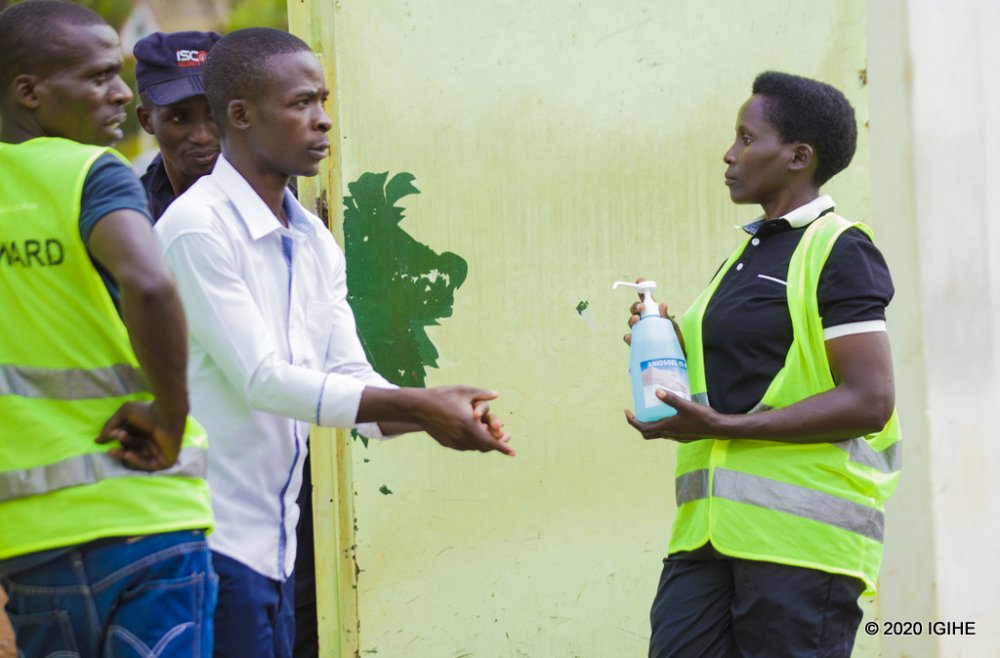
coughing. To prevent the spread of the virus, the World Health Organization advises regular handwashing with alcohol-based hand sanitizers or clean water and soap, covering mouth and nose when coughing and sneezing. In addition, it is important to avoid close contact with anyone showing symptoms of respiratory illness such as coughing and sneezing.
The decision follows the relocation of wetland dwellers which was conducted in the last months of 2019. The relocation was part of the City of Kigali urban plan aimed at improving the ecological functioning, aesthetics and recreational potential of the wetland areas.
Meteo Rwanda predicted that in March, April and May, Kigali will be affected by torrential rains more than other parts of the country.
The Ministry of Local Government stated that the relocation initiative was driven by the need to protect citizens who live in high-risk zones and wetlands and urged landlords not to increase rent prices due to the high number of people in need of homes.
The new protocols follow various preventive measures which are already in place in the country including sensitization on proper hygiene and stopping unnecessary travels as well as the temporary ban on music concerts, exhibitions and other public gatherings in the city of Kigali.
In statement from the Minister of Health, Dr. Daniel Ngamije issued on March 8th 2020, the minister advises that all people who travel to Rwanda will be tested for COVID-19.
If results show any of the symptoms of the virus especially for people coming from pandemic areas, they will immediately be quarantined while further tests will be conducted.
People who will test positive for the virus will be sent for treatment to specialized health institutions across Rwanda while those who will test negative will be asked to temporarily isolate themselves and will be closely followed up on for 14 days after dismissal from hospital.
MINISANTE has granted to Rwanda Biomedical Center (RBC) personnel, the right to reach out to infected people or those who are suspected of having the virus in order to follow up on them closely.
People who are suspected of carrying the virus are advised to wear masks which cover their nose and mouth, to remain far from public spaces and to dial 114, RBC short code to receive new instructions. People coming from Corona pandemic countries will be supervised for at least 14 days after their arrival in Rwanda.
MINISANTE stated that even though no quarantine is imposed on people who test negative for the virus, they are requested to reach out to health institutions in case they develop one or many symptoms of the virus within 14 days after their arrival in Rwanda.
No COVID-19 case has been identified in Rwanda so far but the government has implemented strict measures to prevent it and treat it in case it spreads to Rwanda.
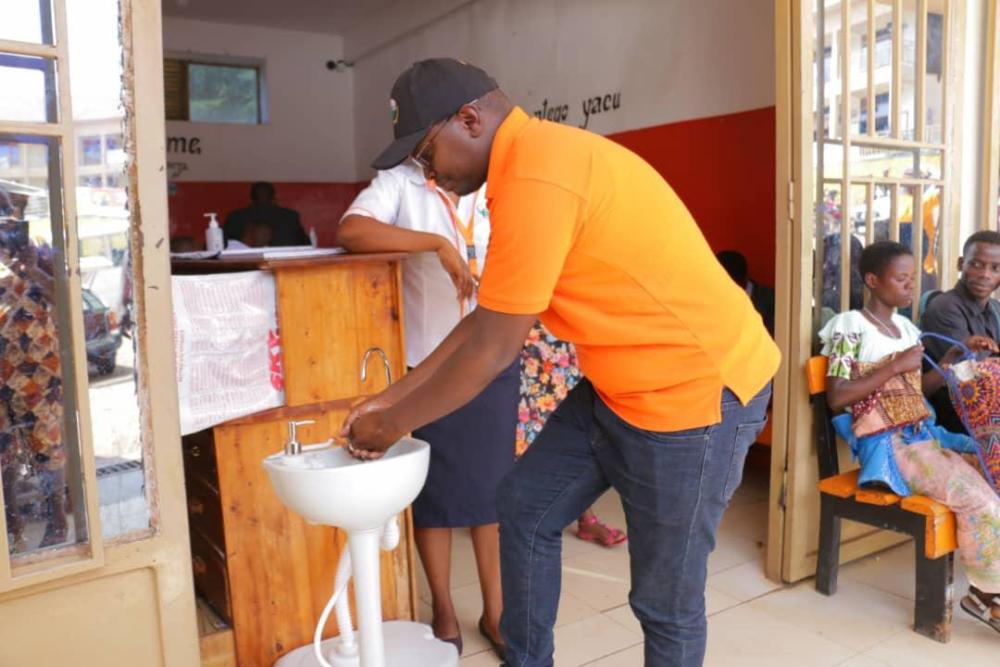
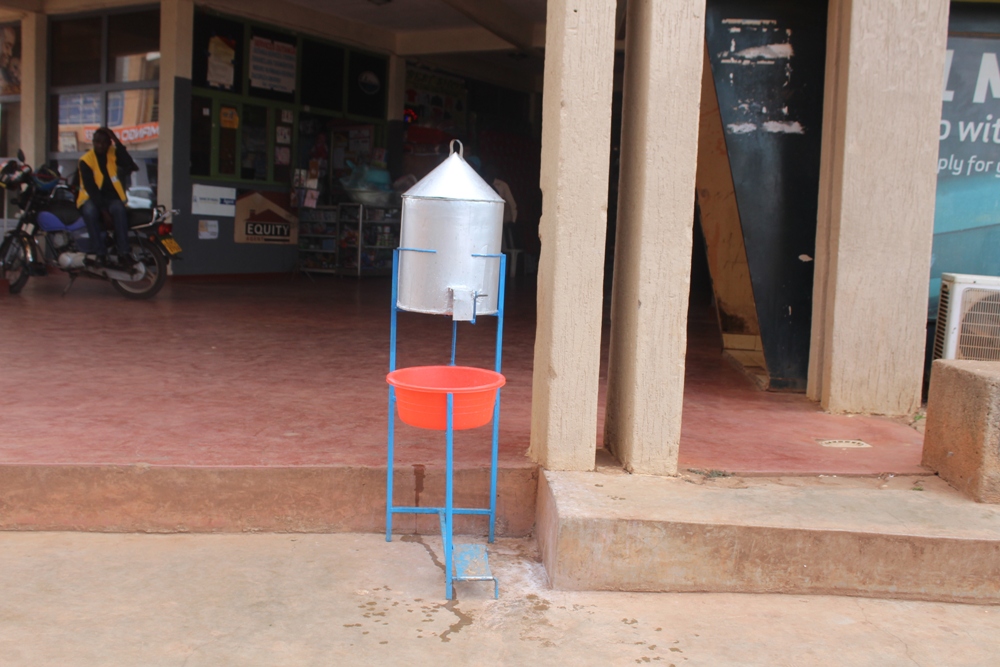
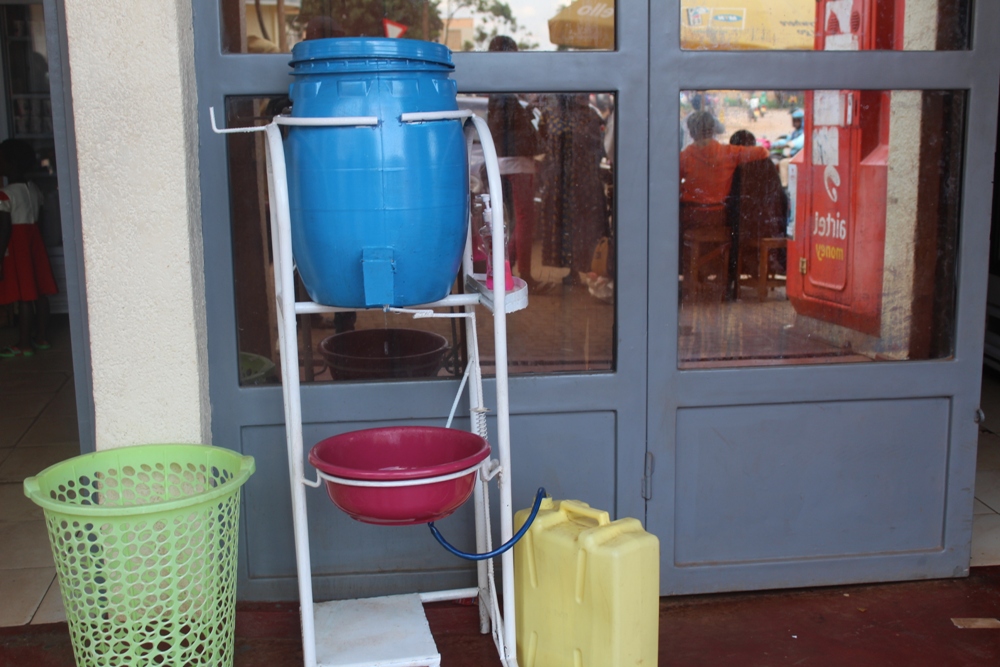
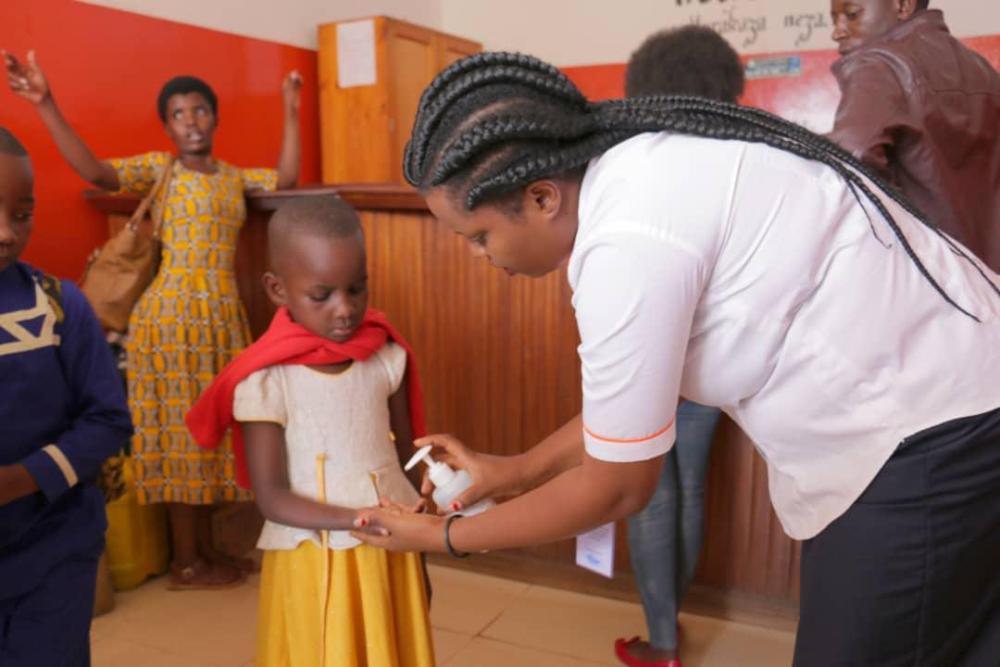
Currently, hand sanitizers and access to clean water and soap have been reinforced in all public institutions and spaces.
Statistics show that up to 108,000 cases of COVID-19 have been identified while 3800 were killed by the virus.
However, In China especially in Wuhan, Hubei Province where the virus was first spotted, numbers continue to decrease.
On Sunday, March 8th, the Ministry of Health of the people’s republic of China announced that 40 new cases of COVID-19 had been identified including 36 from Wuhan where the virus originated from.
The Coronavirus spreads through direct contact with the infected person, sneezing and coughing. To prevent the spread of the virus, the World Health Organization advises regular hand washing with alcohol-based hand sanitizers or clean water and soap, covering mouth and nose when coughing and sneezing. In addition, it is important to avoid close contact with anyone showing symptoms of respiratory illness such as coughing and sneezing.
Ex-Archbishop Dr. Onesphore Rwaje, PIASS Council President said that the faculty comes at a critical time where environmental degradation is at its peak.
“We introduced the faculty with the aim of protecting the environment, contributing to the conservation of natural resources and the existing natural environment and repairing environmental degradation where possible.”
Construction activities will be completed within 9 months costing an estimated Rwf 1 billion.
Rwaje explained that before launching a faculty, the university council meets and suggests ways the new faculty will benefit the society or contribute to improving the livelihoods of Rwandans.”
PIASS Vice-Chancellor, Prof. Elisée MUusemakweli said that the architecture of the building will be different from all others.
“In line with our objective of conserving natural resources, the building will be powered with solar energy. We have also allocated space for a botanical garden which will be dedicated to the study and conservation of plants as well as exploring the world’s plant species diversity.”
Sebutehe Ange, Huye district mayor commended PIASS dedication towards environmental protection and said the faculty will generate employment opportunities for Rwandans.
“Besides generating jobs, this initiative is in line with the government of Rwanda’s agenda of promoting a knowledge-based economy.”
Besides the faculty of Architecture and Green Technology, PIASS offers other programs in education, Development Studies as well as Theology and Religious Studies. The university has two campuses, one in the Taba sector, Huye district and the other in the Rubengera sector, Karongi district.