Chief Inspector of Police (CIP) Emmanuel Kayigi, the Police spokesperson for the Western region, said that Iyakaremye was arrested in Gisenyi Sector following a tip-off by local residents.
“Police responded and arrested her, red-handed, with 2000 rolls of cannabis. She said she works with another person, who traffics the narcotics from Democratic Republic of Congo (DRC) through illegal borders,” he said.
“It is a chain of drug dealers from DRC to Rubavu and to other parts of the country; Iyakaremye was at the time of her arrest trying to send the narcotics to another dealer in Kigali. She was supposed to be paid Rwf50, 000. Law enforcement agencies are working together to track and arrest other members of the ring,” CIP Kayigi explained.
He added that illicit drugs pose a threat to the country’s future as it is mostly used by the youth that they are also among major influences for other criminal acts like theft, assault, GBV, and other child-related crimes.
CIP Kayigi commended the role of the public in breaking chains of drug dealers. He further warned of an increased crackdown on dealers and called for strengthened efforts through information sharing.
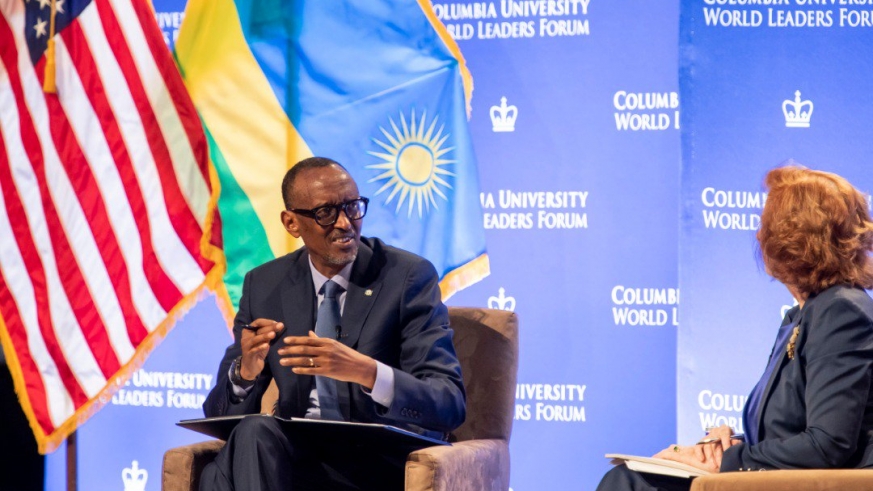
The forum hosted over 100 heads of state and world leaders from over 85 countries since it was first established in 2003 by President Lee C. Bollinger.
In his address, Kagame shared Rwanda’s home-made recipe for sustainable development.
“Exactly four years ago, the topic was how to speed up and sustain development. In Rwanda, the recipe has three main ingredients: smart policy, finding the money to put those policies into effect, and good politics.” he said.
Kagame was last at Columbia University in September 2015 where he addressed the International Conference on Sustainable Development (ICSD).
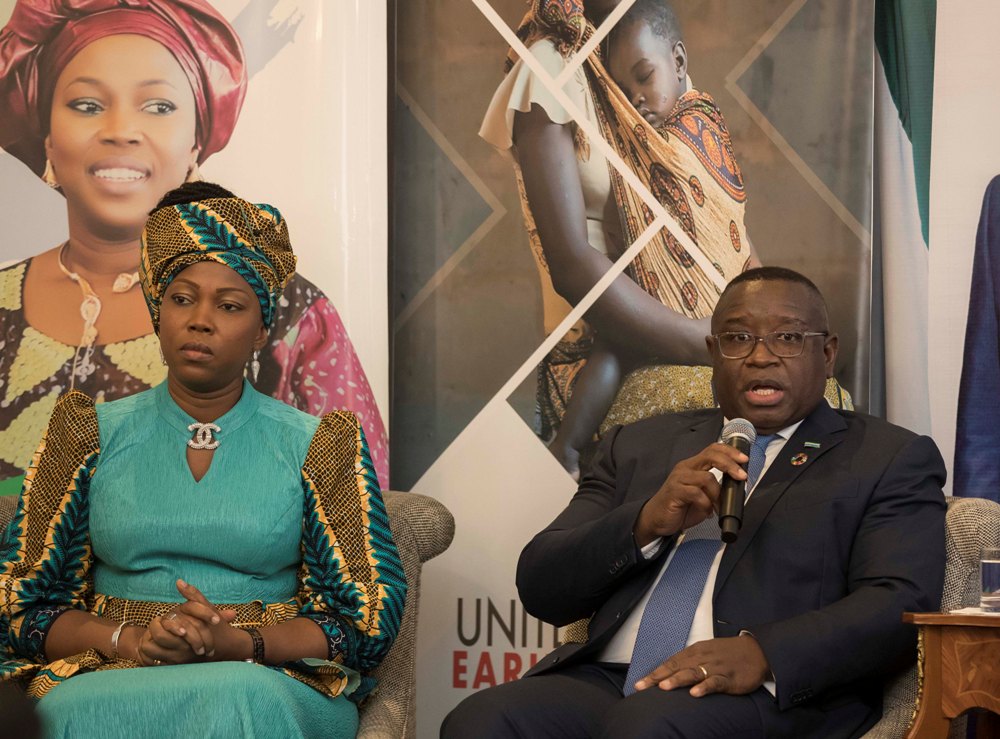
The meeting bringing together members of the Organization of African First Ladies for Development (OAFLAD) took place on the sidelines of the 74th United Nations General Assembly.
It was also attended by the President of Sierra Leone, Rtd Gen. Julius Maada Bio among other partners.
Discussions centered on the theme: ‘Advancing the campaign on the reduction of early marriage and rape in Africa’.
Central and Western parts of Africa record the highest rate of early marriages and are ranked at the second place worldwide following Southern Asia.
Child marriage costs African countries tens of billions of dollars in lost earnings and human capital, according to the World Bank report (Educating Girls and Ending Child Marriage) launched in 2018.
According to the report, more than three million (or one-third of) girls in Sub-Saharan Africa marry before their 18th birthday each year.
Today, the region has the highest prevalence of child marriage in the world. Child brides are much more likely to drop out of school and complete fewer years of education than their peers who marry later.
They are also more likely to have children at a young age, which affects their health as well as the education and health of their children.
While many African countries have achieved gender parity in primary education, the report notes that girls lag behind boys at the secondary level.
In Sub-Saharan Africa, seven out of 10 girls complete primary education, but only four out of 10 complete lower secondary schools
.
Madam Fatima Maada Bio requested to make early marriages and rape as a global concern negatively impacting the world’s development and adopt strict policies to address the issue.
The research carried out to 12 countries having half of the African population indicated that early marriage consequences incur a loss of US$ 63 billion every year to these countries.
These include Burkina Faso, DRC, Egypt, Ethiopia, Malawi, Mali, Mozambique, Niger, Nigeria, Congo, Uganda, and Zambia.
Mrs. Jeannette Kagame also attended an event to raise awareness and mobilizing stakeholders on ensuring adequate, safe and sustainable blood in Africa, especially for mothers.
During the session, Sandrine Umutoni, the Director-General of Imbuto Foundation shared Rwanda’s experience in availing safe and adequate blood, through national initiatives such as the National Centre for Blood Transfusion, blood delivery by Drones and initiatives promoting access to health for all.
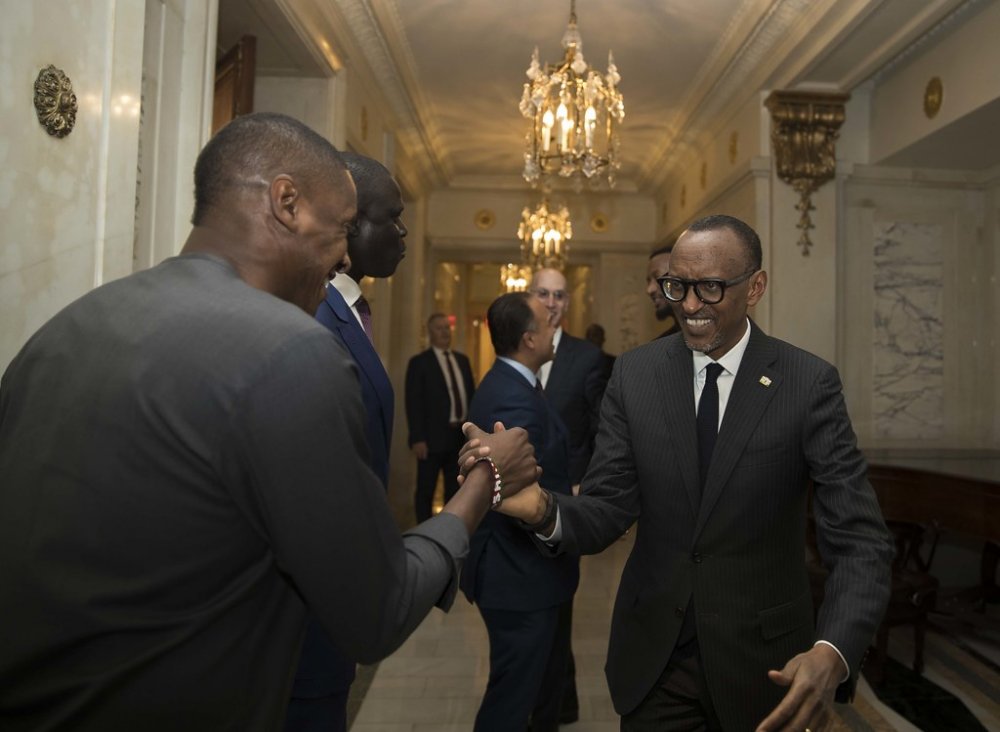
Both leaders met in New York, the United States of America on the sidelines of the 74th United Nations General Assembly.
Following the discussions, Dr. Hamdok expressed delight to have met with Kagame because Rwanda is an inspiring model in building peace, restoring unity, reconciliation and promoting social-economic transformation.
“I was pleased to meet Paul Kagame. Rwanda has been inspiring in its peace and reconciliation efforts as well as its development and economic growth. We discussed solidifying relations between both countries. I look forward to his plan to provide RwandAir direct flights to Sudan,” he said in a tweet.
Dr. Hamdok was recently appointed an interim leader of Sudan following power-sharing agreements that put an end to civilians’ protests.
He replaced former president Omar Hassan al-Bashir, a former military ousted in April after 30 years in office.
The leaders of Sudan’s pro-democracy movement and the country’s ruling military council signed the power-sharing agreement in July 2019.
The two sides held a signing ceremony in the capital, Khartoum, marking the end of three months of protests and negotiations.
Rwanda enjoys existing cordial relations with Sudan extended to peacekeeping missions in Darfur.
Figures in July 2019 indicated that Rwanda is the largest contributor to Sudan peacekeeping operations with 1126 soldiers followed Pakistan with 899 and Ethiopia with 834 soldiers.
I was pleased to meet @PaulKagame. Rwanda has been inspiring in its peace & reconciliation efforts as well as its development & economic growth. We discussed solidifying relations between both countries. I look forward to his plan to provide RwandaAir direct flights to Sudan. pic.twitter.com/WgGGGnvEQp
Simon Gicharu, founder and chairman MKU, said the entity has applied for a charge following growth in its Rwanda Campus, necessitating it to scale up operations in the country as well as the need to overcome cross-border challenges in running the institution.
He added that the institution expects to be granted a charter by Rwanda in the coming months and give it room to operate as a fully-fledged university.
The move will make the Rwanda institution autonomous and will be a boon for students who have currently have to travel to Thika to sort out administration issues as well as graduations on completion of studies.
“With the growing number of students, now at 4 000, we thought it would be wise to make MKU, Rwanda autonomous to serve them better. And the government of President Paul Kagame continues to be very supportive. We thank him for this,” he said.
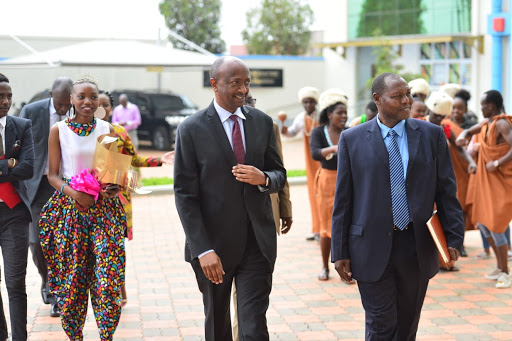
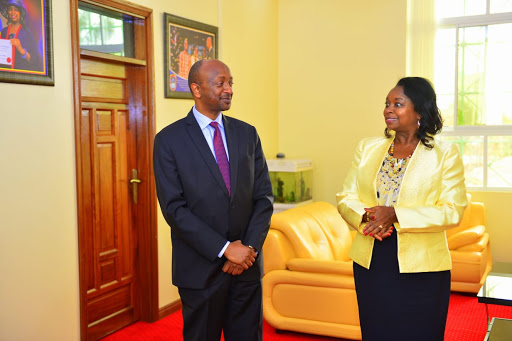
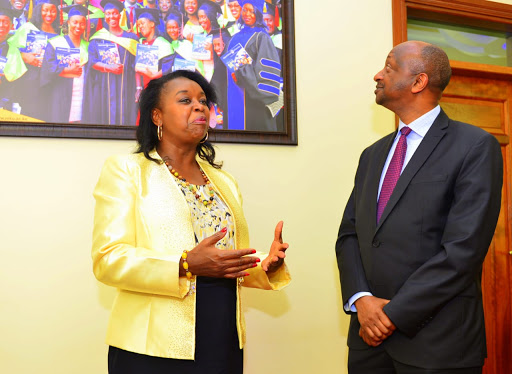
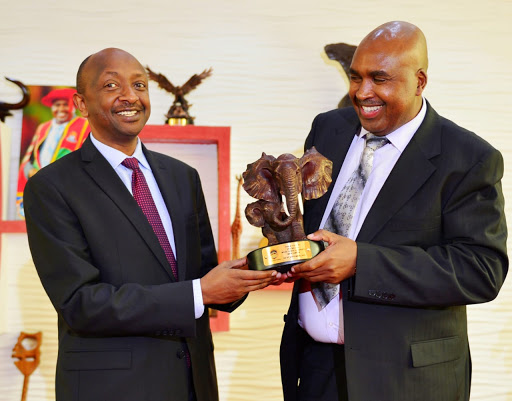
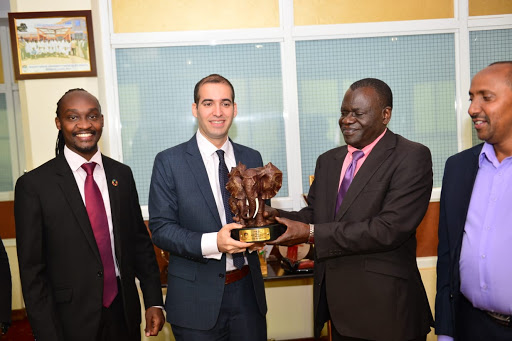
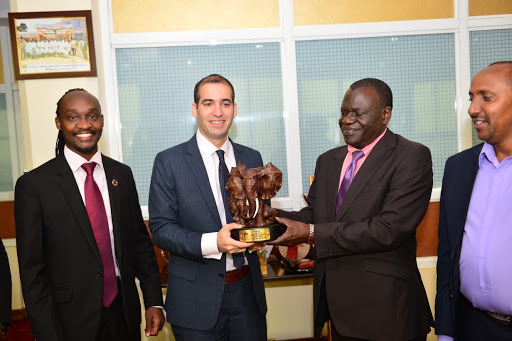
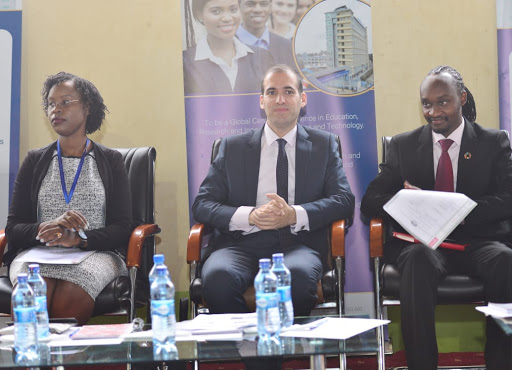
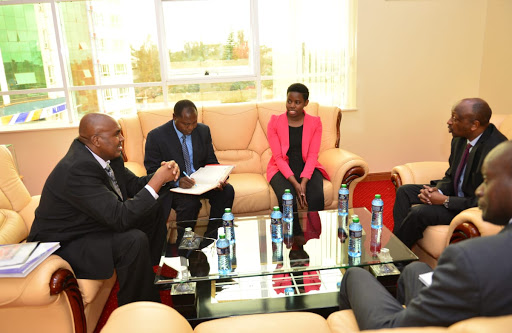
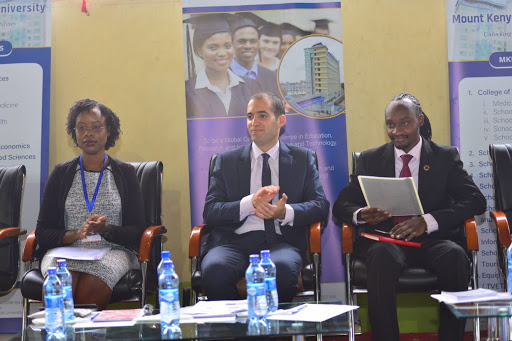
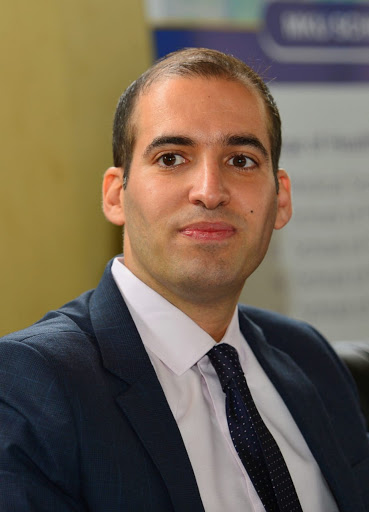
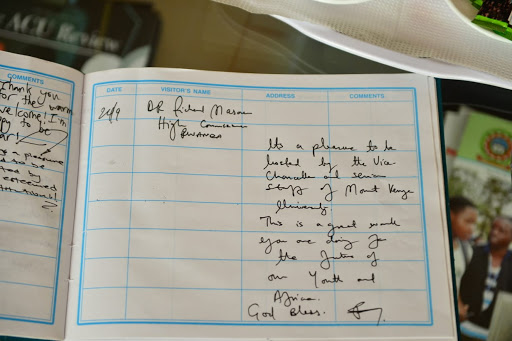
Prof Gicharu spoke at a meeting with Dr. Richard Masozera the Rwandan High Commissioner to Rwanda when he paid the university a courtesy call on Tuesday 24th September 2019.
The High Commissioner had earlier been received by the MKU Vice-Chancellor Prof Stanley Waudo who noted that the Government of Rwanda had accorded MKU an enabling environment to join other private institutions of higher learning in the country.
Dr. Masozera’s visit also included a one-hour session with the Rwandan students studying at MKU’s main campus in Thika. In their presentation to the Ambassador, the Rwandan students expressed their deep appreciation to MKU for the great support so far offered to them by the University, as well as individual growth received while in Kenya. Dr. Masozera urged the Rwandan students to take full advantage of their stay at MKU by working hard on their studies.
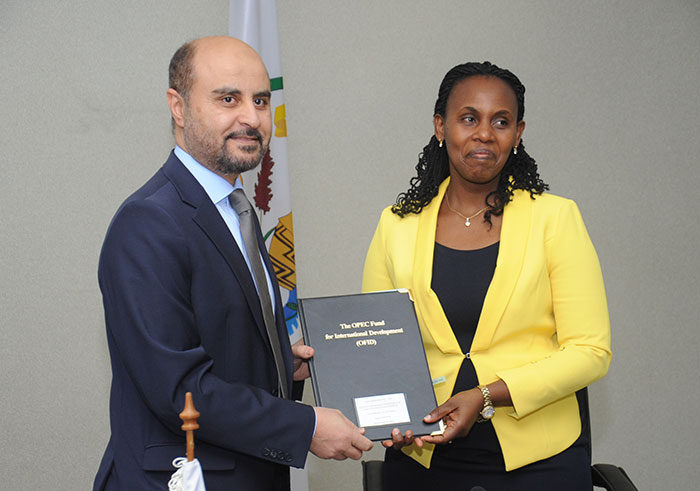
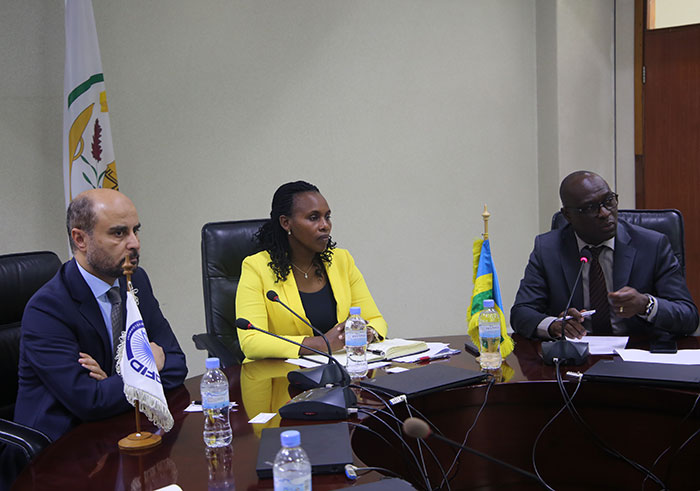
The Minister of State in charge of Economic Planning Dr. Claudine Uwera and the Director-General of OFID. Dr. Abdulhamid Al-Khalifa signed on behalf of their institutions.
The financing will cover water supply infrastructure mostly in areas having low access. It will contribute to the construction of Kagaga and Busogwe Water Supply systems in Muhanga, Kamonyi, and Ruhango districts.
This will build 9,000 m3/day and 12 000 m3/day water treatment plant and distribution network to provide water supply services to 350,000 people of which 150,000 are in pre-urban and rural areas.
Speaking after the signing, the Minister of State in charge of Economic Planning Dr. Claudine Uwera said: “This financing is coming to support and complement Government of Rwanda efforts and commitment to achieve universal access to the water and sanitation services by 2024 as stipulated in our National Strategy for Transformation (NST). By the completion of this program (phase I and II), it is expected that the water and sanitation access will reach 81% of national coverage.”
OFID The Director-General Dr. Abdulhamid Al-Khalifa said that the project is consistent with OFID’s commitment to supporting Rwanda’s National Strategy for Transformation which places a strong emphasis on scaling-up investments in reliable, affordable and environmentally sustainable infrastructure.
The Rwanda Sustainable Water Supply and Sanitation Program aims at improving water and sanitation infrastructure in Kigali and six satellite cities.
Benefits include reducing waterborne diseases and related healthcare costs, improving living standards for nearly 1.6 million people.
The OFID has in the past approved more than US$182 million in public sector lending to Rwanda across a wide range of sectors and initiatives including energy, transport, and agriculture. Private-sector funding of US$25 million was also extended to the Bank of Kigali to expand lending to small and medium-sized businesses.
Rwanda has also benefited from OFID’s regional and national grants for emergency assistance, agricultural research, HIV/AIDS programs, and polio eradication.
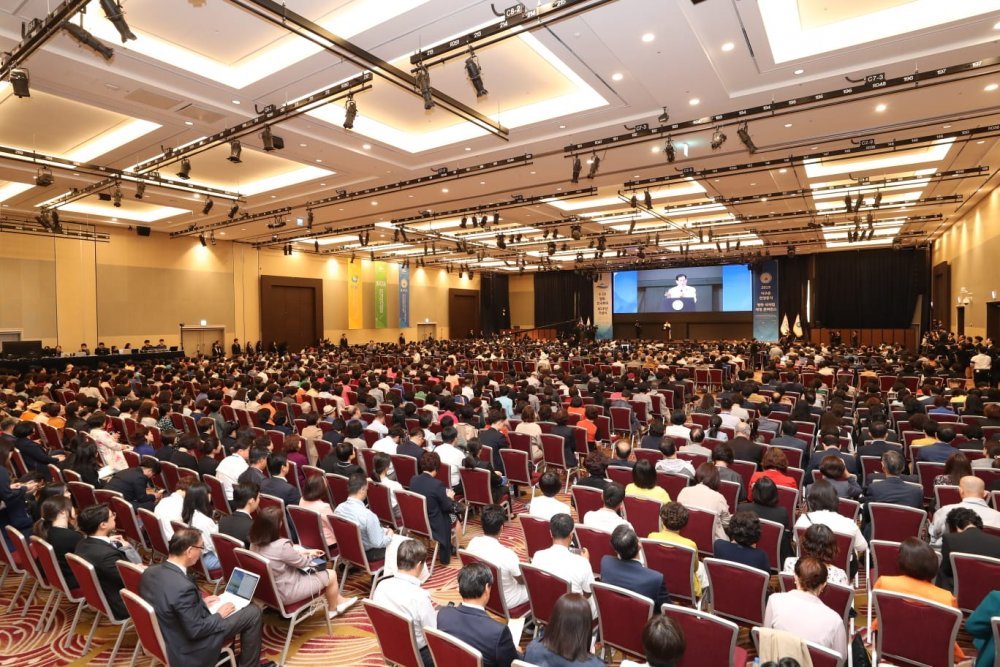
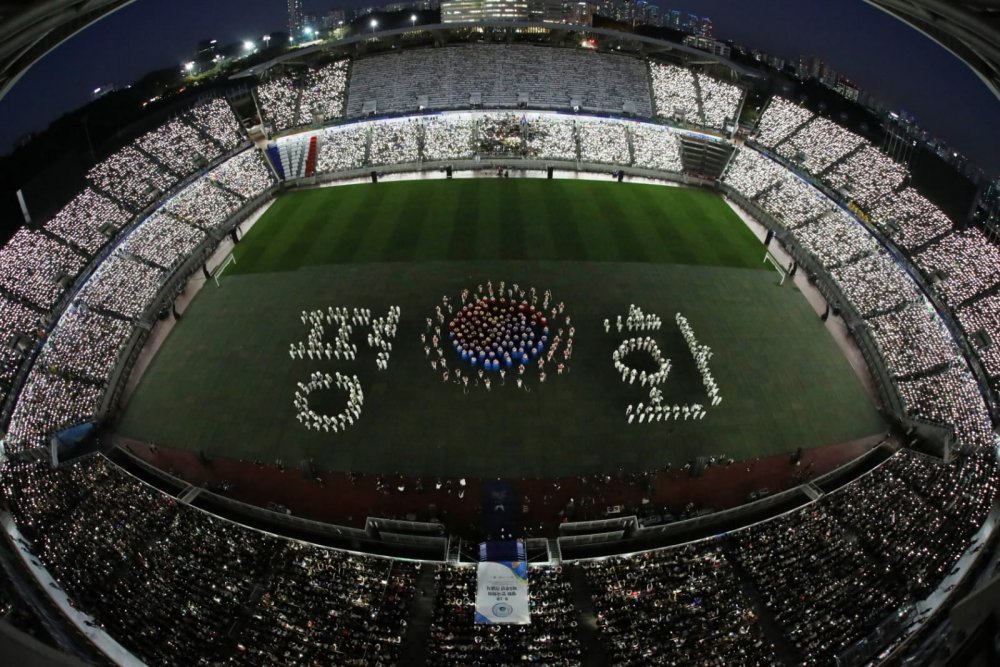
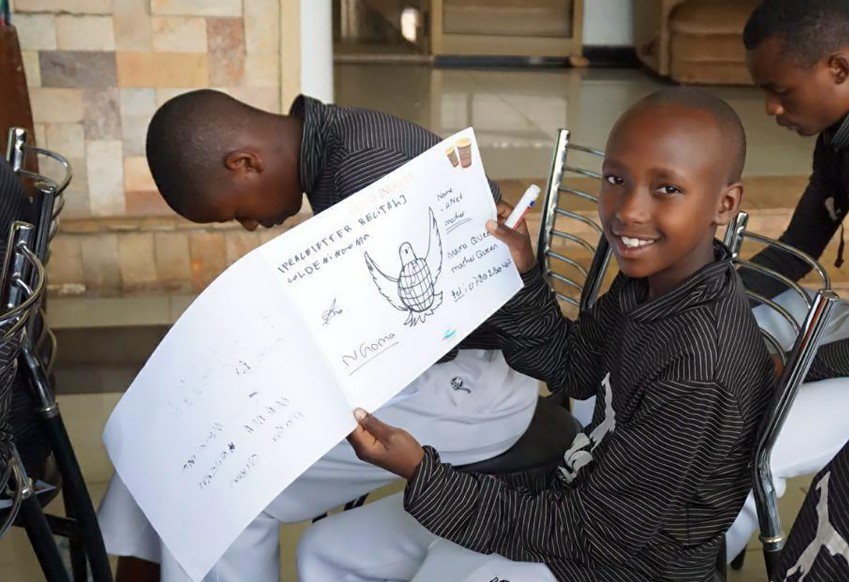
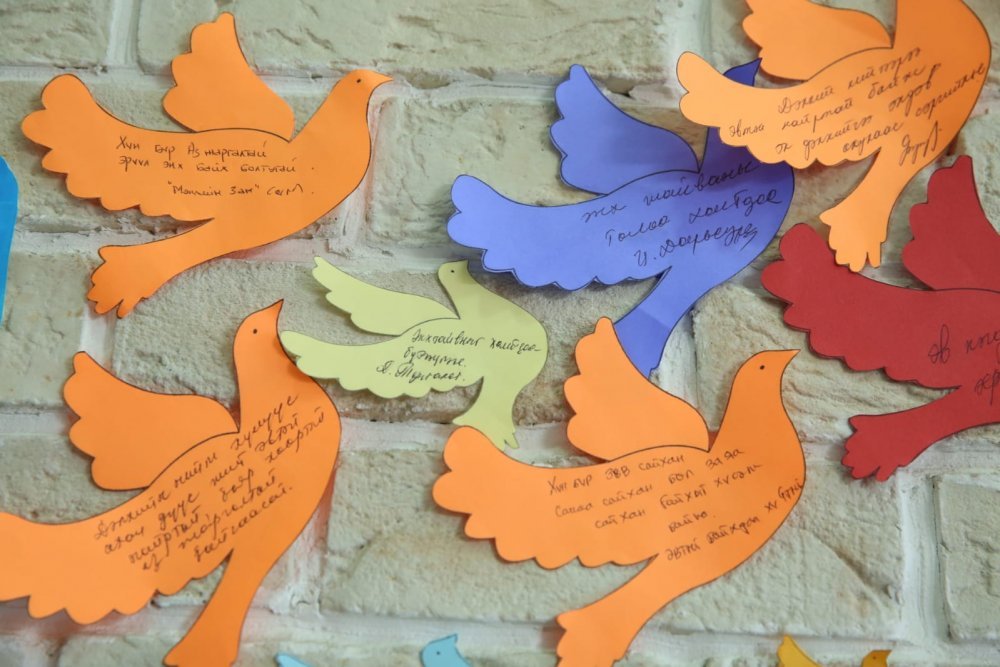
Held under the theme “Legislate Peace”, was hosted by an international peace NGO called HWPL in South Korea for 2 days from 18th to 19th of September.
With the aim of building sustainable peace and development, the host organization has carried out global initiatives including the establishment of international law for peace based on the Declaration of Peace and Cessation of War’ (DPCW), promotion of religious harmony through interfaith dialogue, creation of a culture of peace with peace education as well as building peace-actors’ network in the field of media, youth, and women.
The 10 articles and 38 clauses of the DPCW – Declaration of Peace and Cessation of War – were drafted with the intent of representing marginalized voices of all those yearnings for peace at the same time calling the united efforts of states to practice the principles of the Declaration, ultimately ceasing all conflicts and hostilities and facilitating peace in a cultural asset.
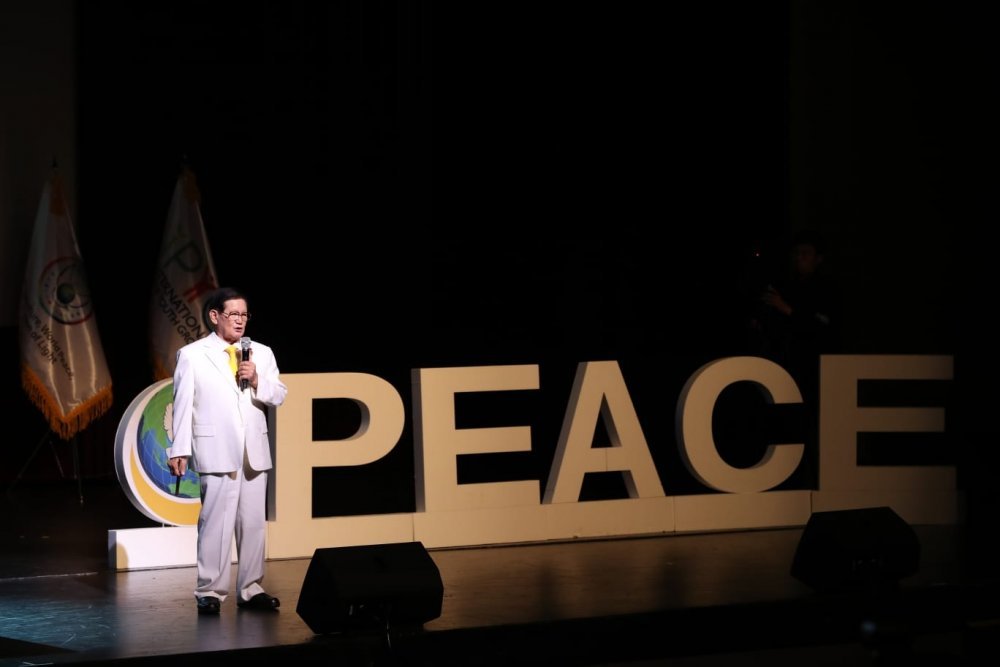
“On the day of the Peace Summit 5 years ago, politicians determined to support drafting an international law for peace, religious leaders pledged to make religions one under peace, and social representatives promised to encourage and support these efforts. We are gradually achieving the promises. Each country in the globe holds this event. These efforts will be the light in global history. We must be one to fulfill the promised goal – peace,” said Mr. Man Hee Lee, Chairman of HWPL.
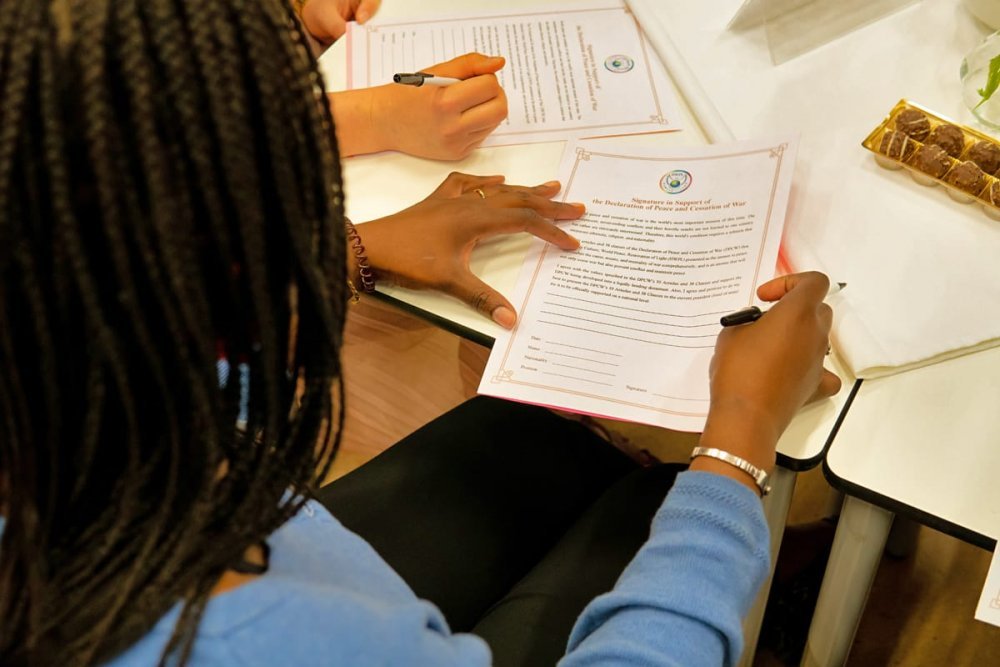
This year’s summit, in particular, addressed the “Legislate Peace (LP)” project that urges national leaders to support to build a legally binding international framework for peace and cessation of war. The LP project is a global citizen-led peace movement that includes the “Peace Letter” campaign, “Sign your Support” campaign, and “Peace Walk.”
Starting with the peace festival that promoted the spirit of peace and harmony on 18th, various sessions on 19th covered the following topics:
1) Expanding support at international level for introducing the DPCW to the UN General Assembly as a draft resolution; 2) Spreading a culture of interfaith understanding and dialogue based on religious scriptures; 3) Strengthening the ability of youth and women’s peace network; 4) Implementing peace education for building the character of global citizens with peace values; 5) Expanding a global peace media network.
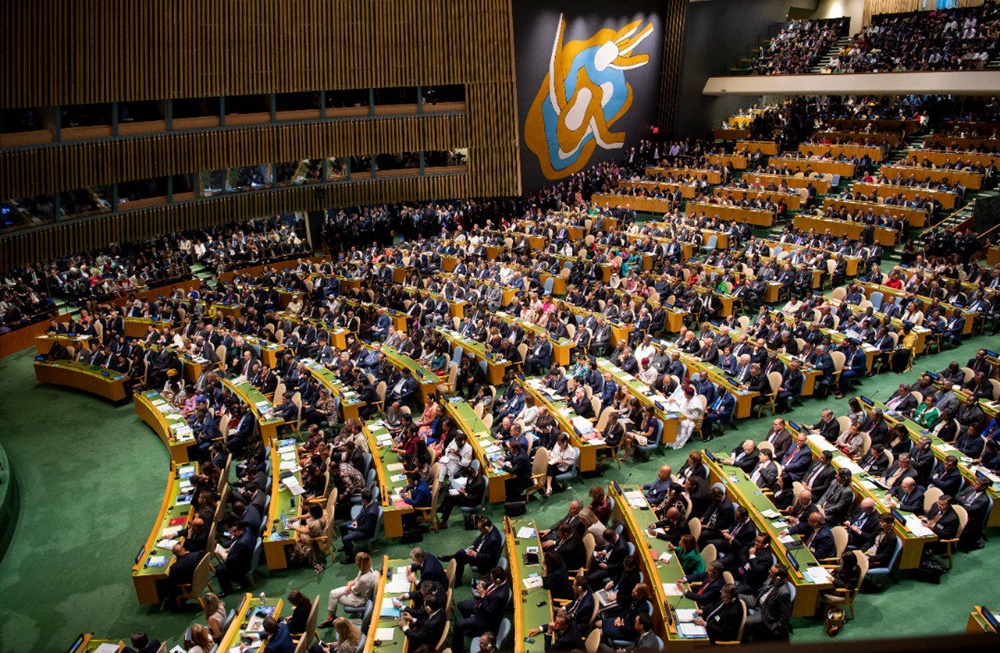
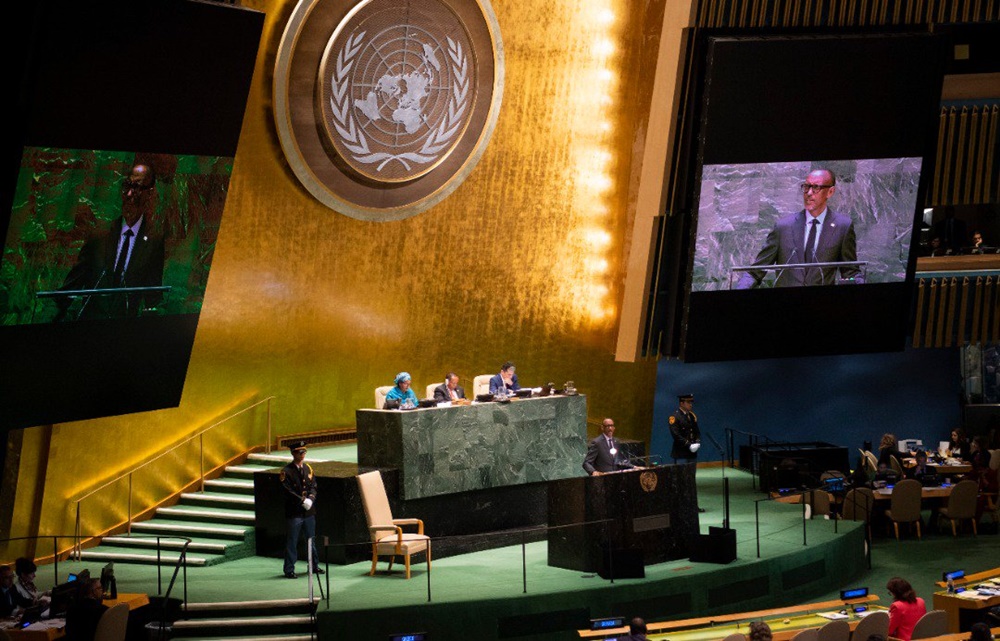
Kagame revealed it yesterday as he delivered Rwanda’s Statement at the General Debate of the 74th United Nations General Assembly held in New York, United States of America.
As he delivered the remarks, Kagame said that Africa itself is also a source of solutions to address complex problems including issues related to health equity access, migrants among others.
The President observed that the two-thousand-twenties (2020) could be remembered in history as a turning point, or as the moment when multilateralism lost its way.
“Fortunately, the path forward is clear. Never before have we had such well-defined road-maps for joint action on development, climate change, and global health,” he said.
He also reminisced on Rwanda’s preparations to host refugees from Libya following signed agreements to host migrants stranded in Libya on 10th September 2019.
“In the coming weeks, Rwanda is preparing to receive and protect a number of refugees and asylum-seekers from detention camps in Libya. The support of the United Nations High Commissioner for Refugees, and the African Union is greatly appreciated,” he said.
Kagame called on every member of the United Nations to uphold their legal obligations in a spirit of solidarity noting that this partnership is a clear sign that cooperation can address complex problems.
“Africa itself is also a source of solutions. There is no doubt that the challenge of global inequality can only be addressed by working together. Rwanda stands ready to do our part. That includes guaranteeing the rights and opportunities of women and girls,” he said.
Kagame also thanked the outstanding leadership of the World Health Organisation and many other stakeholders for efforts that put the transformational potential of Universal Health Coverage at the top of the global health agenda.
In Rwanda, more than 90 percent of the population has insurance coverage.
Kagame said that this has contributed to significant improvement in health outcomes and shows that it is possible for countries at every income level to make health care affordable and accessible for all.
He, therefore, called the world for commitment to replenishing the Global Fund, and Gavi, the Vaccine Alliance.
Kagame emphasized that the 2030 Sustainable Development Goals are also Africa’s goals because it has the means and feels it is a responsibility.
“This is despite the fact that our continent is home to several of the fastest-growing economies in the world. Growth must be fully inclusive so that inequality within countries continues to diminish. The fundamentals needed to unlock this transformation are already in place,” he said.
“With a concerted push, involving all partners, including the private sector, it is indeed possible to make up for lost time with the Sustainable Development Goals. Closer cooperation between the African Union and the United Nations is streamlining the implementation and measurement process,” Kagame further stated.
This year’s general debate is themed “Galvanizing multilateral efforts for poverty eradication, quality education, climate action, and inclusion”.
All 193 Member States of the Organization are represented in the General Assembly – one of the six main organs of the UN – to discuss and work together on a wide array of international issues covered by the Charter of the United Nations, such as development, peace and security and international law among other subjects.
The 73rd UN General Assembly took place from 24th to 27th September 2018.
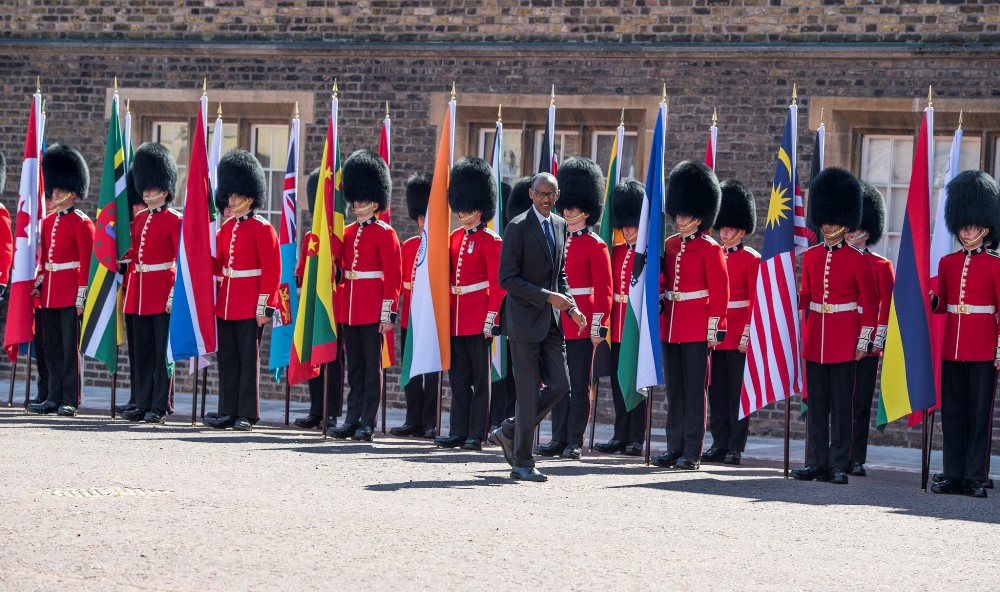
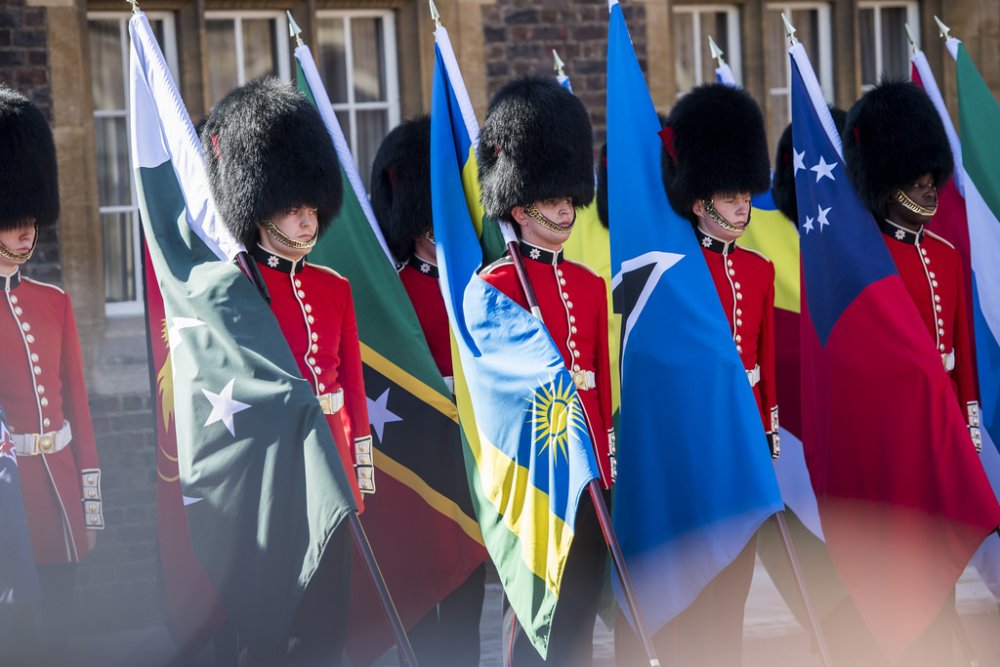
President Paul Kagame and Secretary-General Patricia Scotland yesterday evening announced that CHOGM 2020 will be held at the Kigali Convention Centre during the week starting 22 June.
Leaders from all 53 Commonwealth countries are expected to attend.
Kagame and Scotland made the statement in New York, United States of America.
The theme for the meeting is ‘Delivering A Common Future: Connecting, Innovating, Transforming’. Five sub-themes have been identified for discussion: Governance and Rule of Law, ICT, and Innovation, Youth, Environment, and Trade.
Building on progress since CHOGM 2018 in London, leaders are expected to discuss ways the contemporary Commonwealth can transform societies, in accordance with Commonwealth Charter values of democracy, multilateralism, sustainable development, and empowerment of women and youth.
President Kagame said: “It will be a great pleasure to welcome leaders of the Commonwealth when they gather in Kigali. We will work hard to make everybody feel Rwanda is an extension of their home.
“The distinctive aspect of CHOGM 2020 will be connectivity including what young people can do with technology to create vibrant societies and develop our economies.”
Secretary-General Scotland stated: “I think the youth demographic we have now is a real opportunity. It’s going to be a very exciting chance for us to enable our young people to develop and deploy the skills they need so they can fulfill their potential.
“By connecting, innovating and transforming, the Commonwealth opens up scope for mobilizing the talent of people of all ages and backgrounds.”
As well as the meeting of heads of government, the week will include a meeting of foreign ministers and forums to engage young people, civil society, women and the business community.
Rwanda joined the Commonwealth in November 2009, becoming its 54th member.
The previous Commonwealth meeting took place in the United Kingdom.
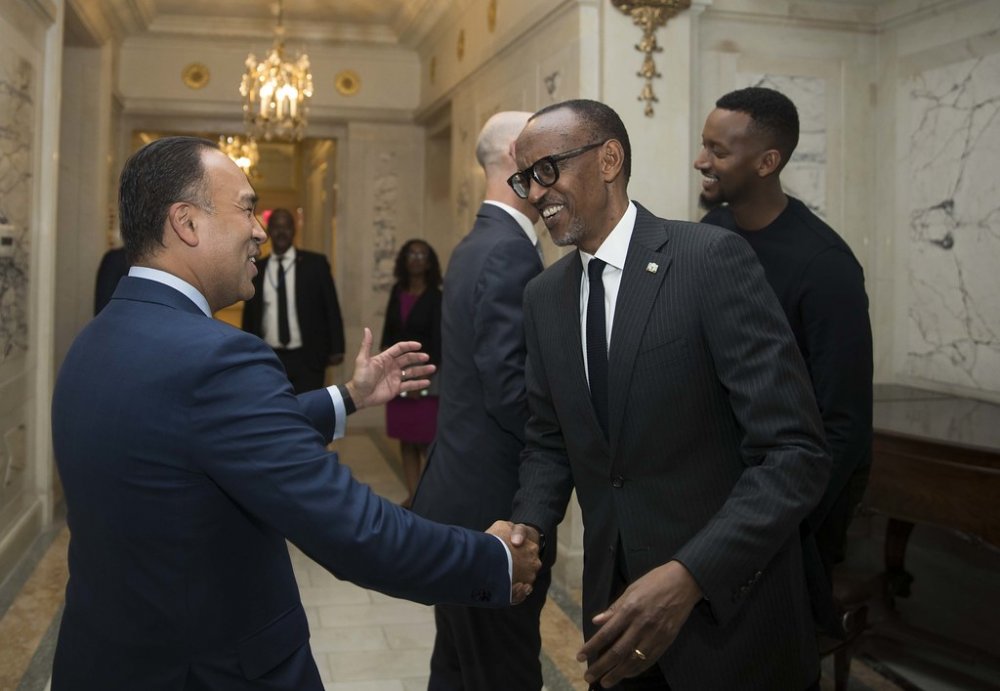
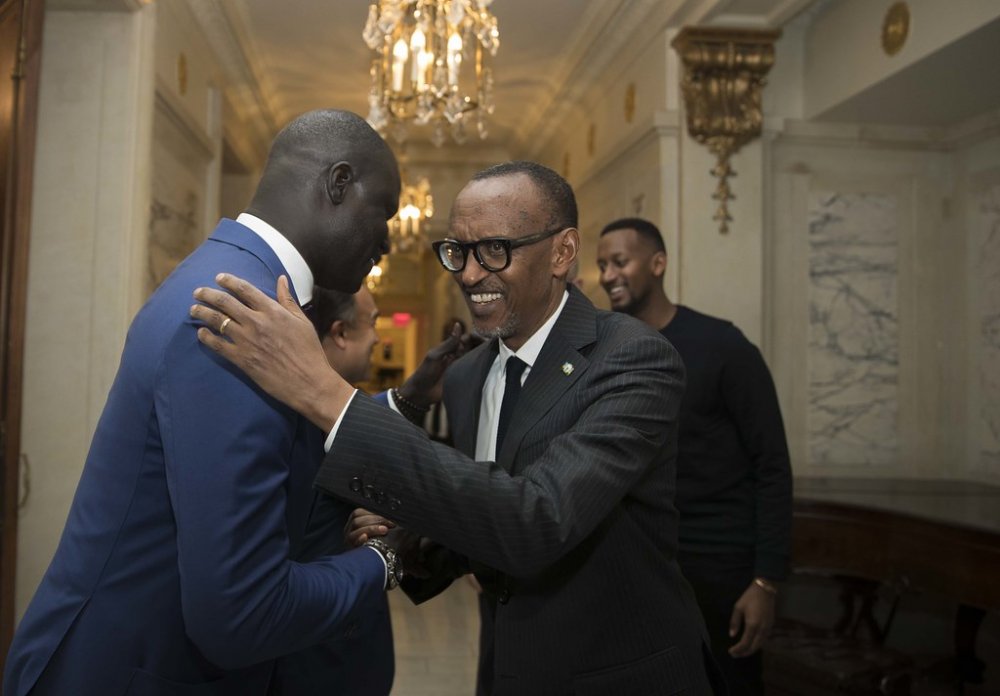
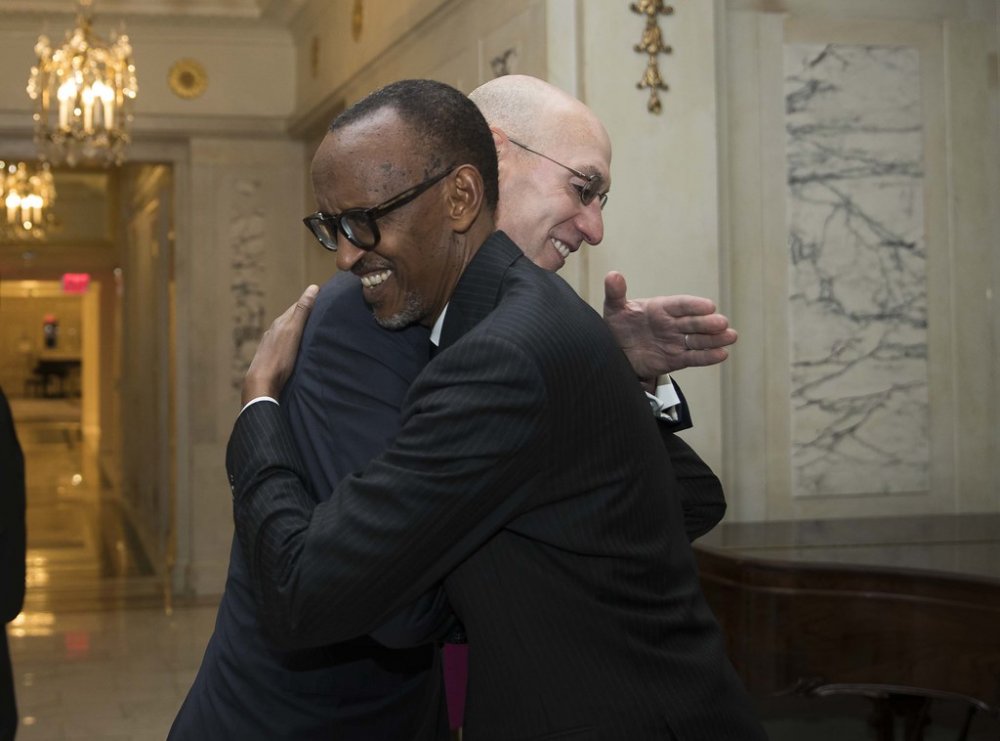
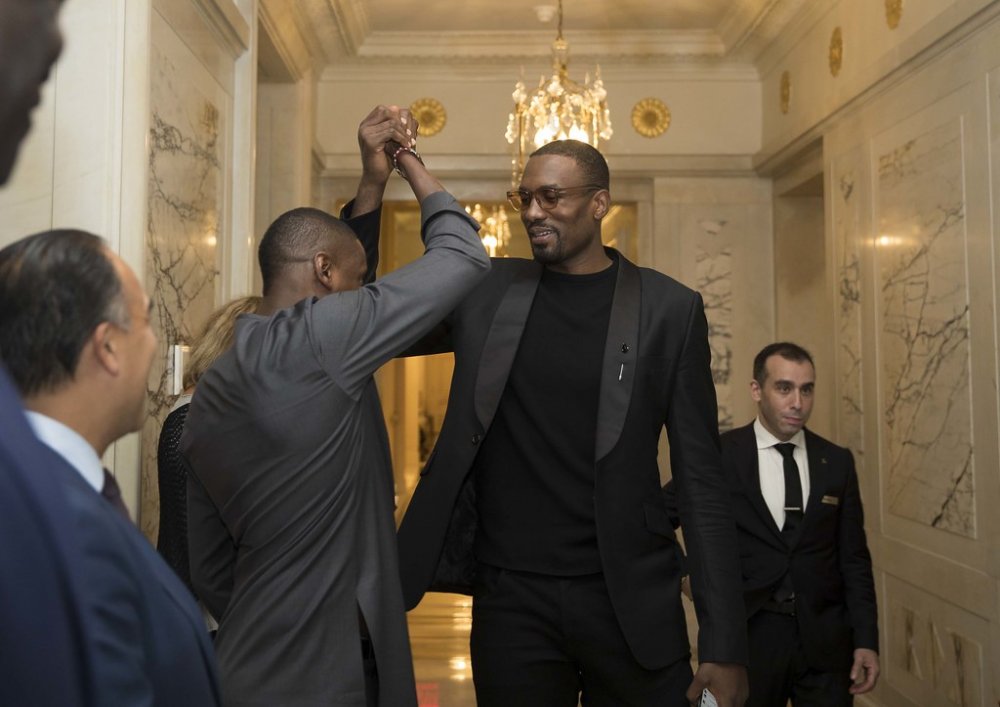
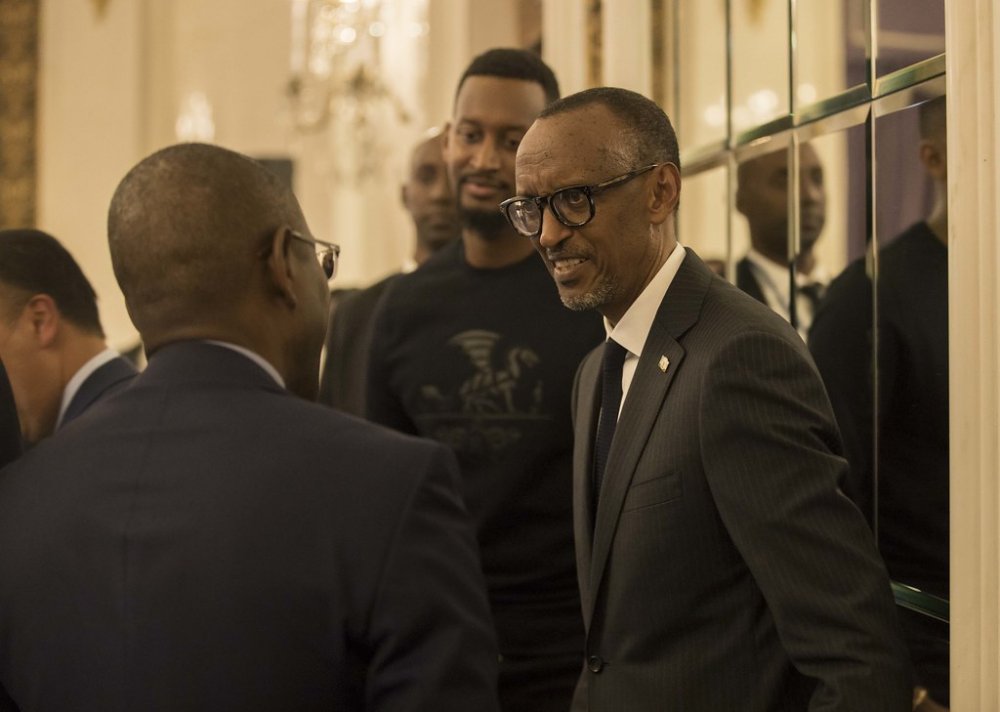
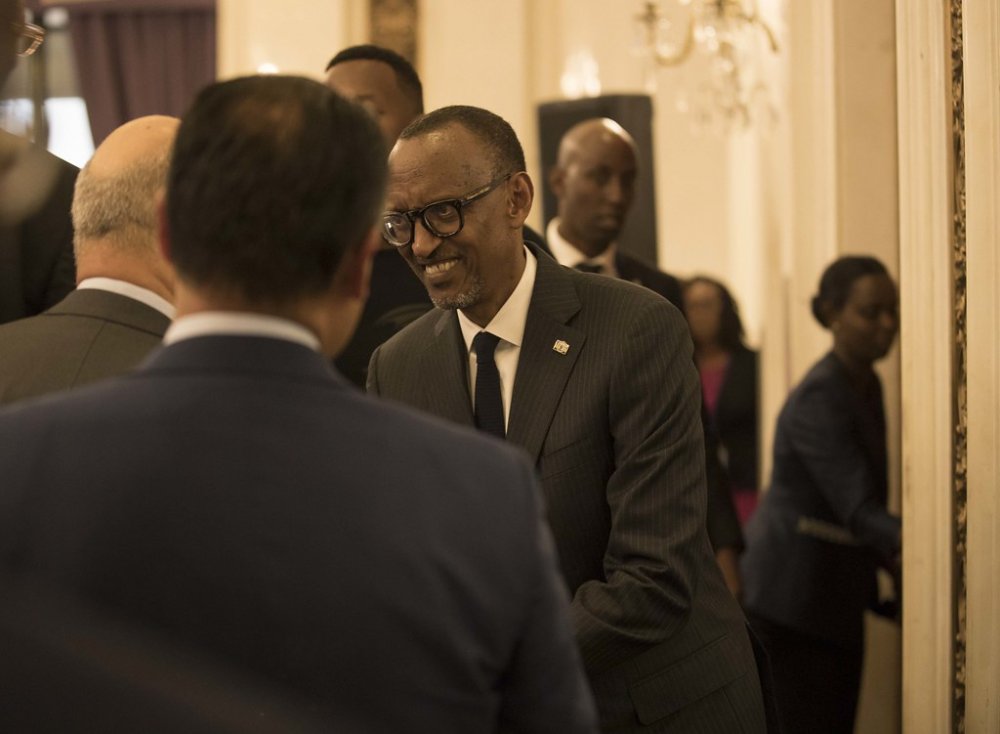
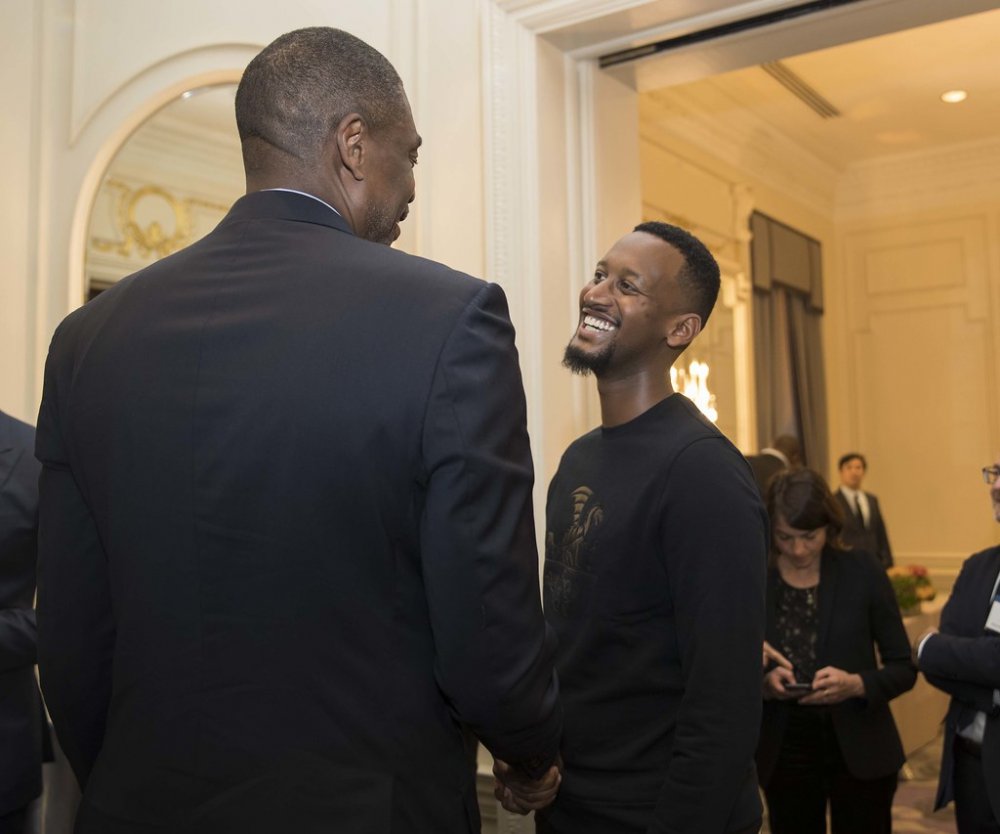
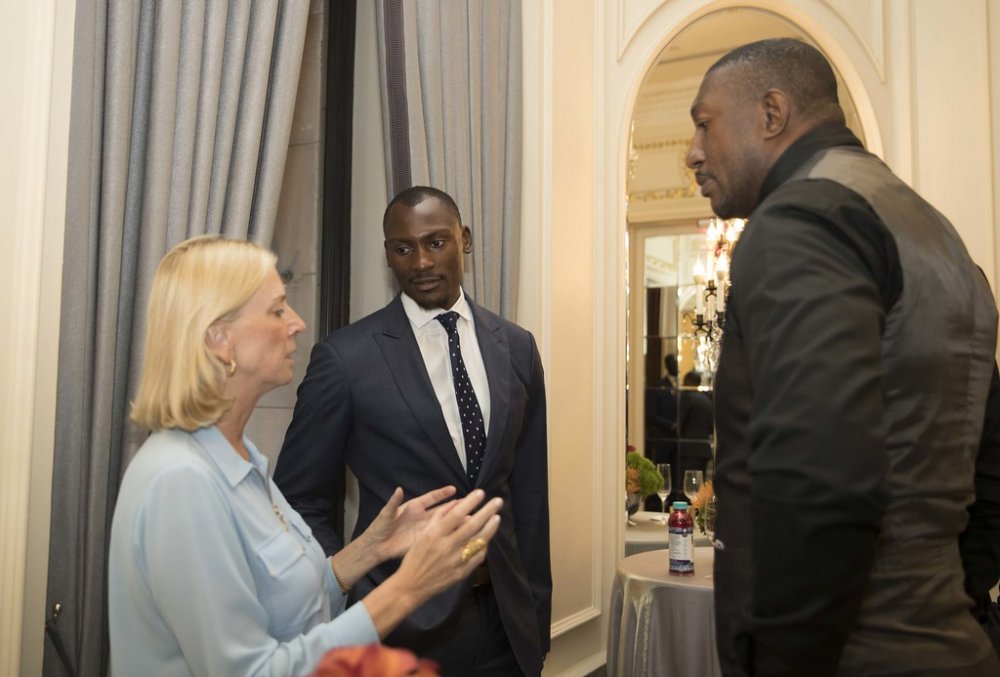
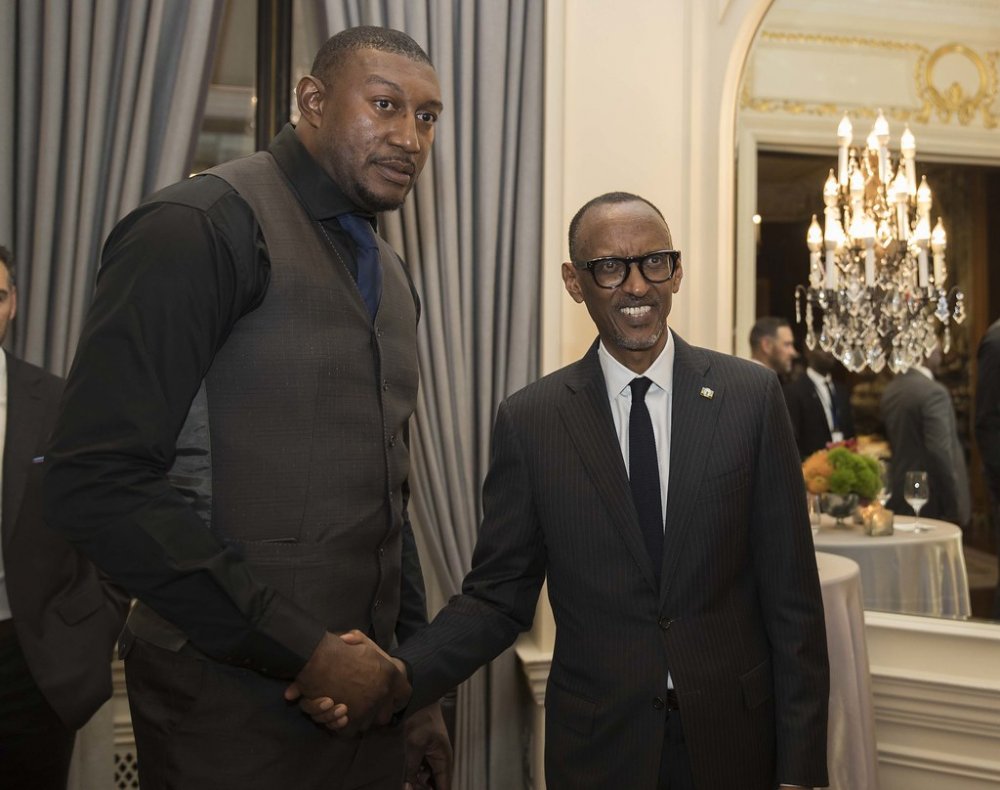
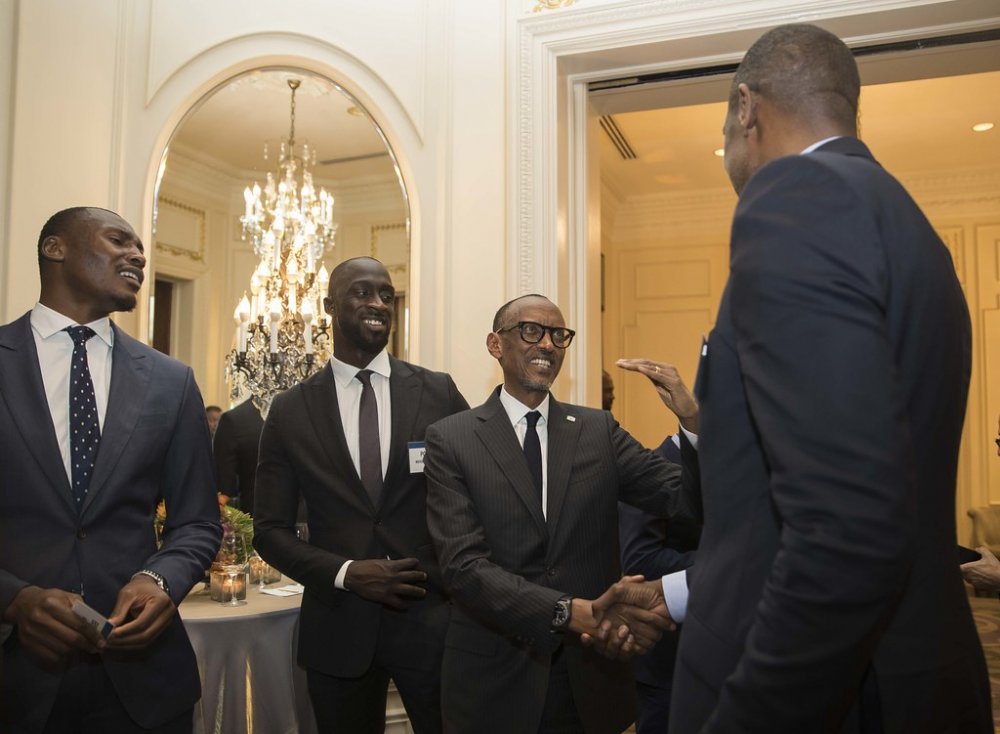
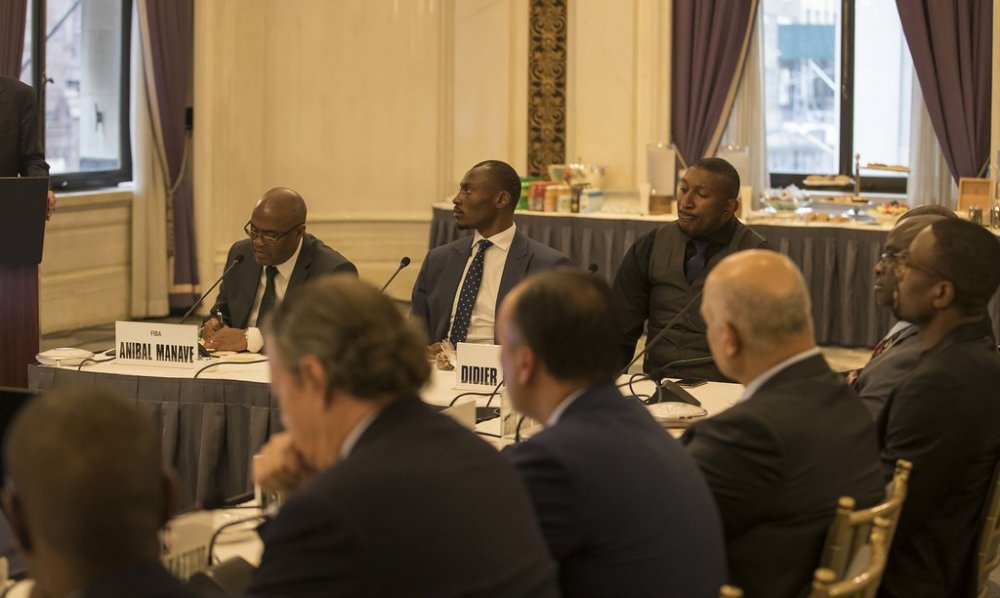
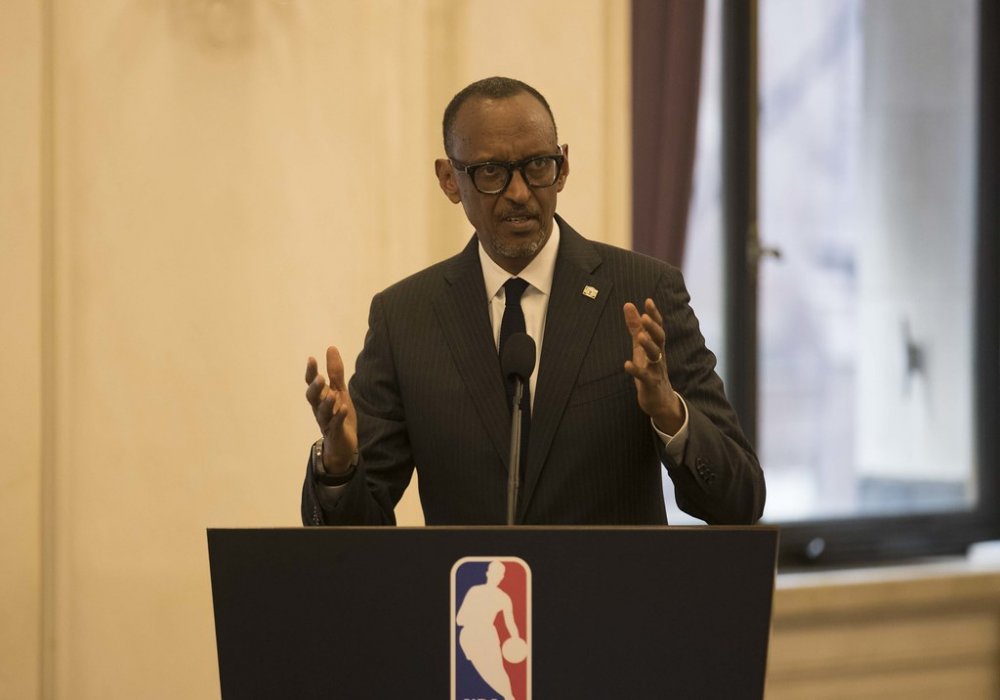
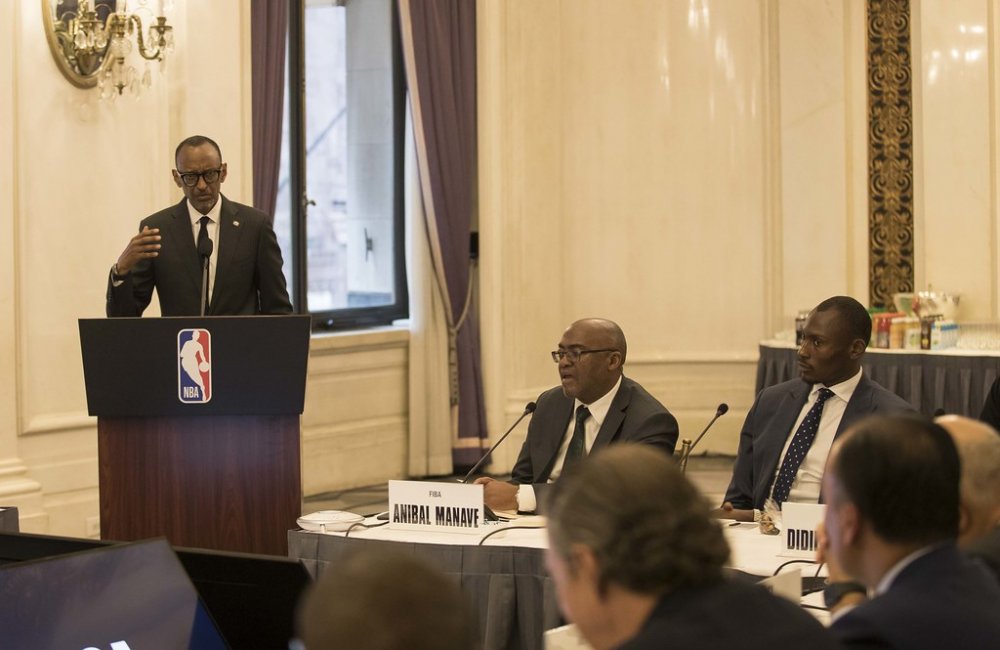
The forum attracted the participation of current and former famous basketball players from the United States of America.
These include Congolese with Belgian nationality, Didier Ilunga-Mbenga who played for New York Knicks, Golden State Warriors and Los Angeles Lakers; Bismack Biyombo from DRC playing for Charlotte Hornets as well as Dikembe Mutombo from DRC who played for Houston Rockets among others.
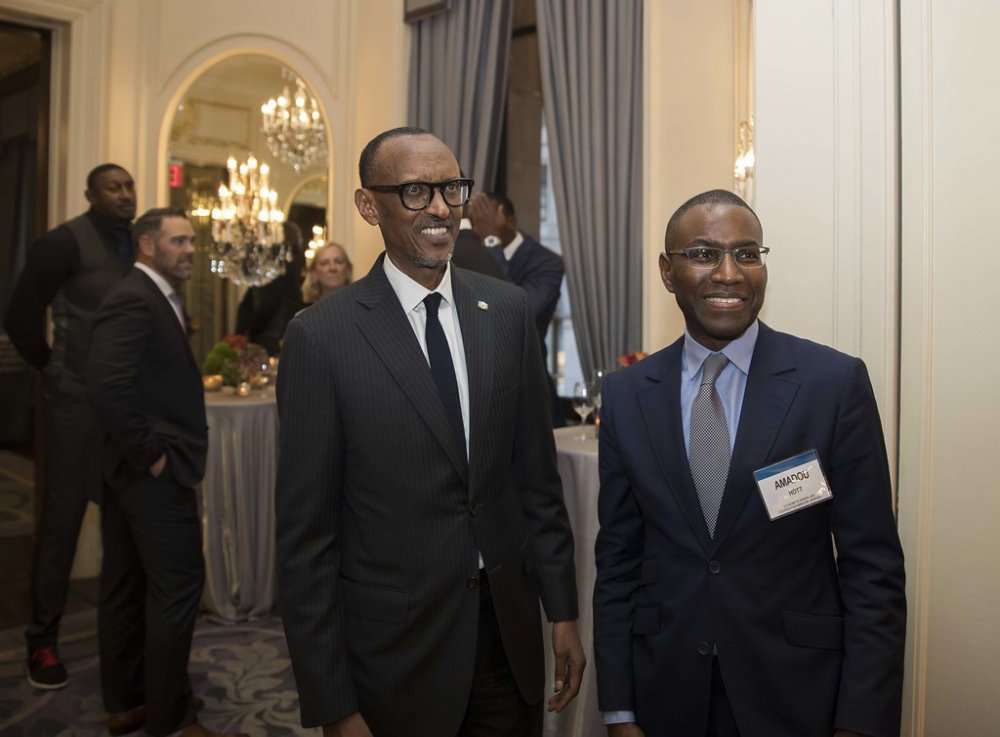
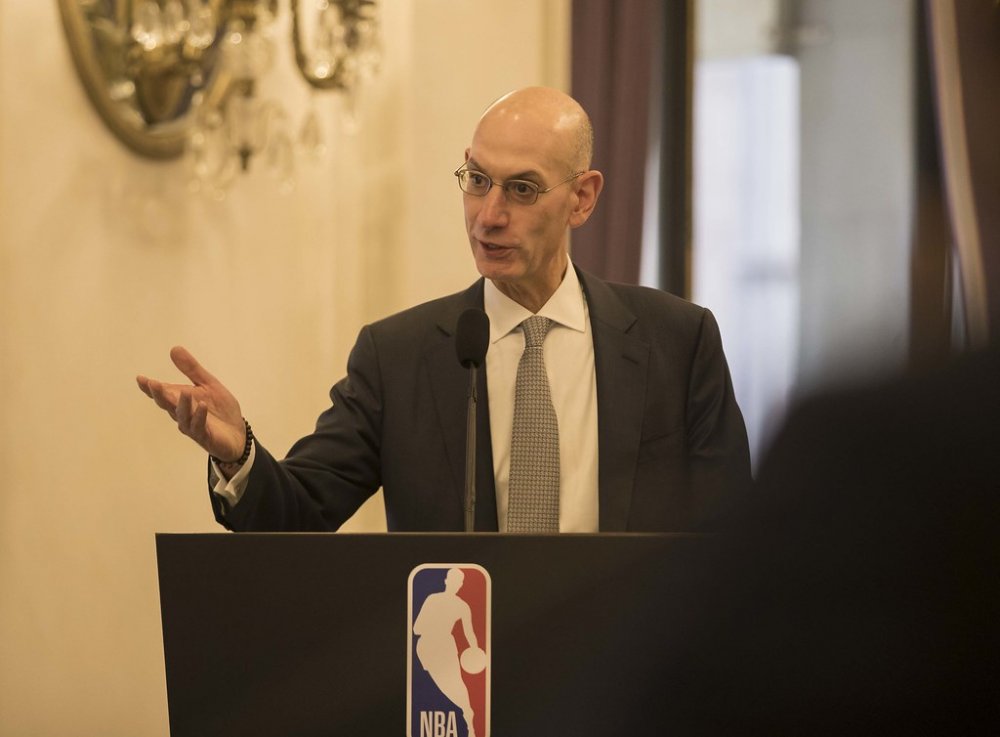
It was also attended by NBA Commissioner Adam Silver, Toronto Rapters President Masai Ujiri and NBA Africa VP Amadou Fall.
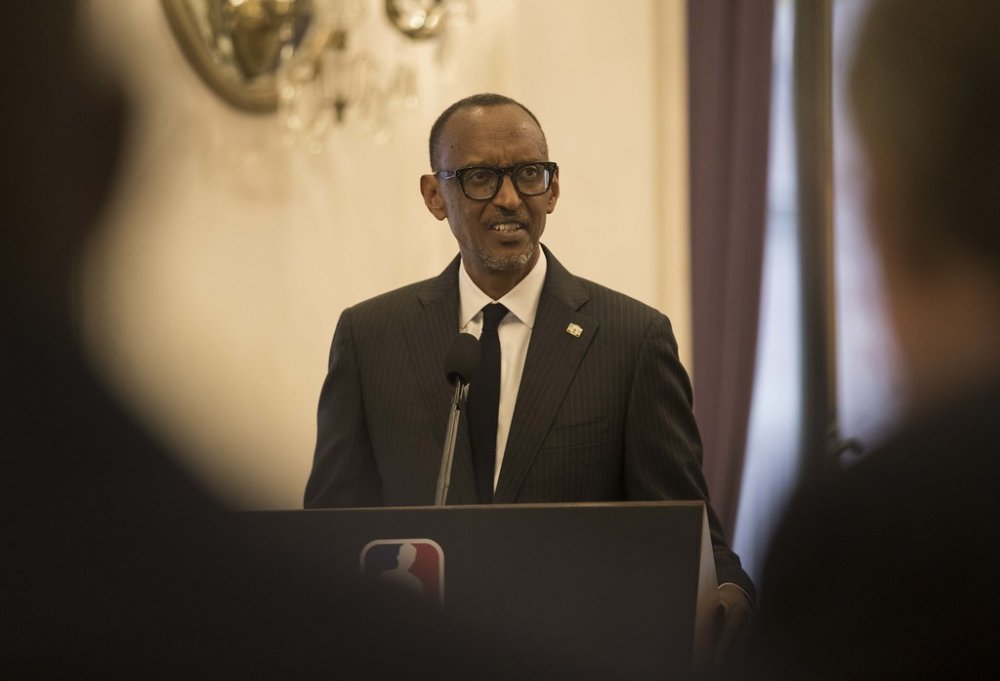
Kagame told participants that Kigali Arena was completed in Rwanda to create opportunities for those who are coming up and have the potential.
“We were thinking of putting facilities so that young people who like the game and have the potential can tap into this opportunity. I couldn’t think of any better thing than creating this facility for them. It took 6 months to build it with 70% of 1000 people building it being Rwandans while the remaining 30% were external experts. The main issue is not money, it is always possible to find the money for what you are committed to do,” he said.
Kagame said that when it came to the finals of the best teams (REG BBC and Patriots BBC,) in Rwanda recently, ‘the arena filled up 100%’.
“When I saw it filled I started wondering why we didn’t build it for 15,000 or 20,000.
Anywhere you go in Africa, young men and women want to express themselves in different ways and when something like that comes up they want to make use of it. What has happened is much bigger than what anyone ever imagined,” he noted.
“What we are doing is because of the inspiration you are creating around us. We have come together to make some of these ambitions a reality and that arena is part of that reality unfolding,” shared Kagame.
As he inaugurated Kigali Arena on August 2019, Kagame urged the youth to take advantage of the facility to train and become international players.