The executive secretary of the Cyanzarwe sector, Heritier Kazendebe attributed the death to drunkenness.
“It was around 8 pm when the duo shared a drink but the deceased was drunk at the time. The bar owner forced the drunk person to get out because we instituted regulations to close any bar found serving alcoholic drinks to drunk people,” he said.
Kazendebe went on to say that the bar owner took the drunk person outside and pushed him, hitting his head on the ground. His colleagues came to take Vuganeza home without knowing that he had sustained head injuries after falling down.
“He was seen around midnight with foam coming out of his mouth, taken to hospital and died along the way,” he explained.
Kazendebe said that the bar owner escaped after learning that the person he pushed had died.
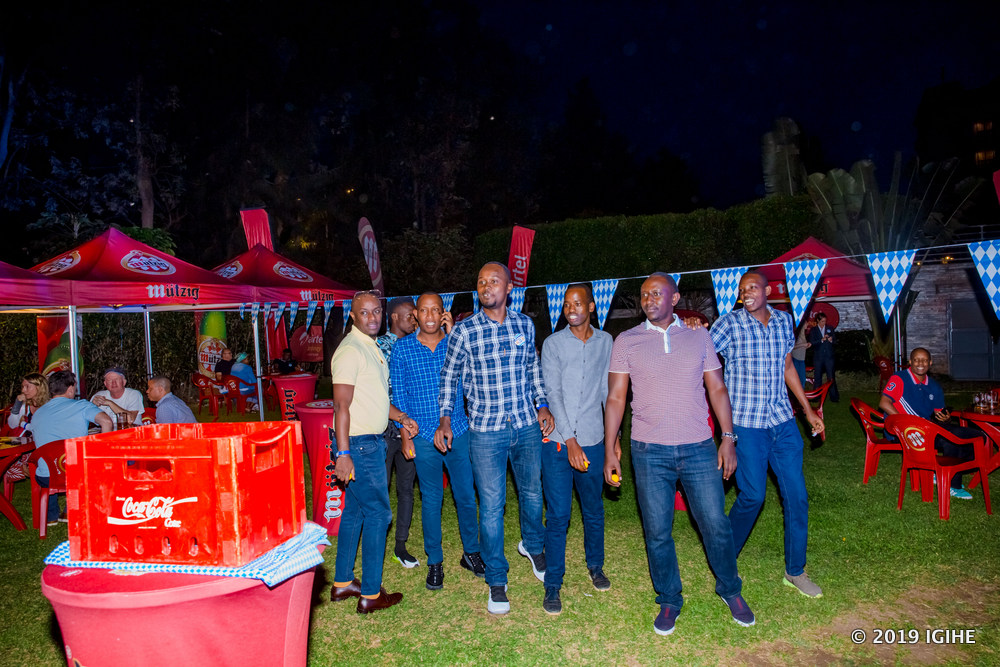
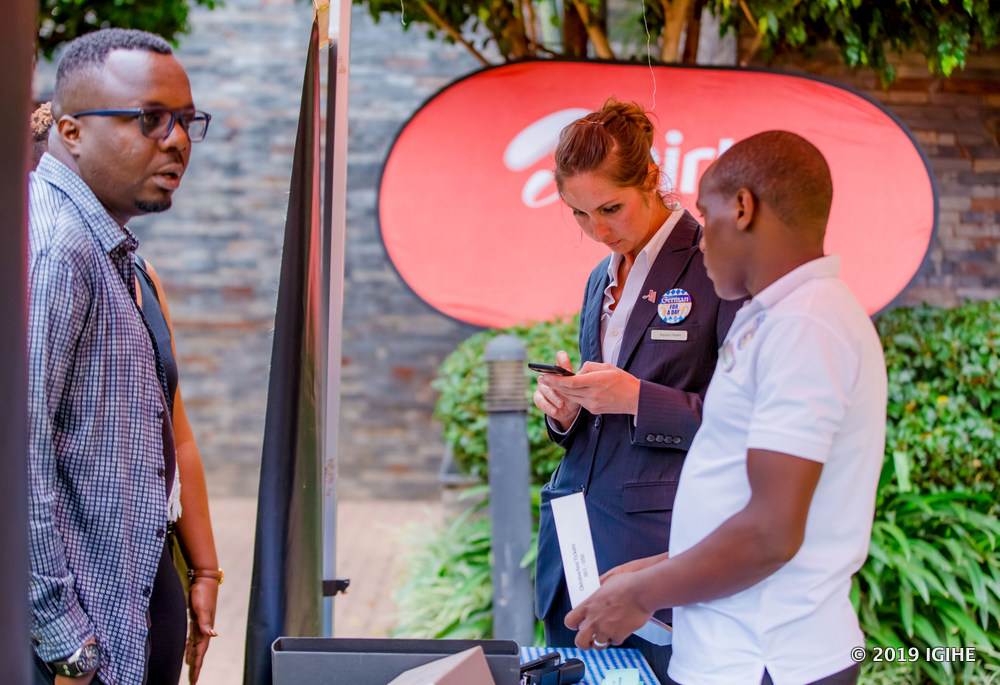
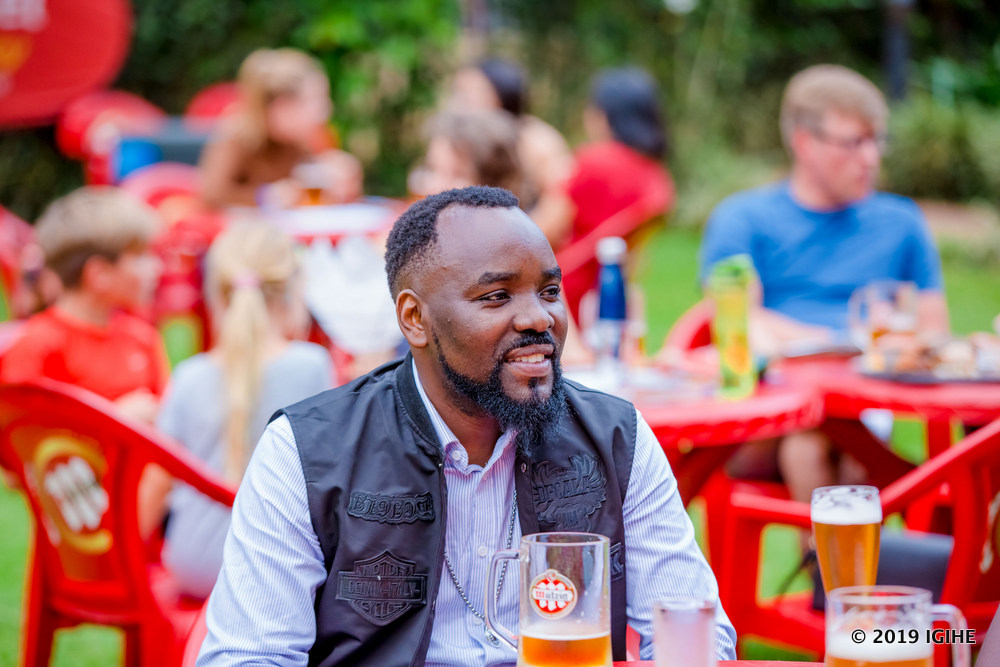
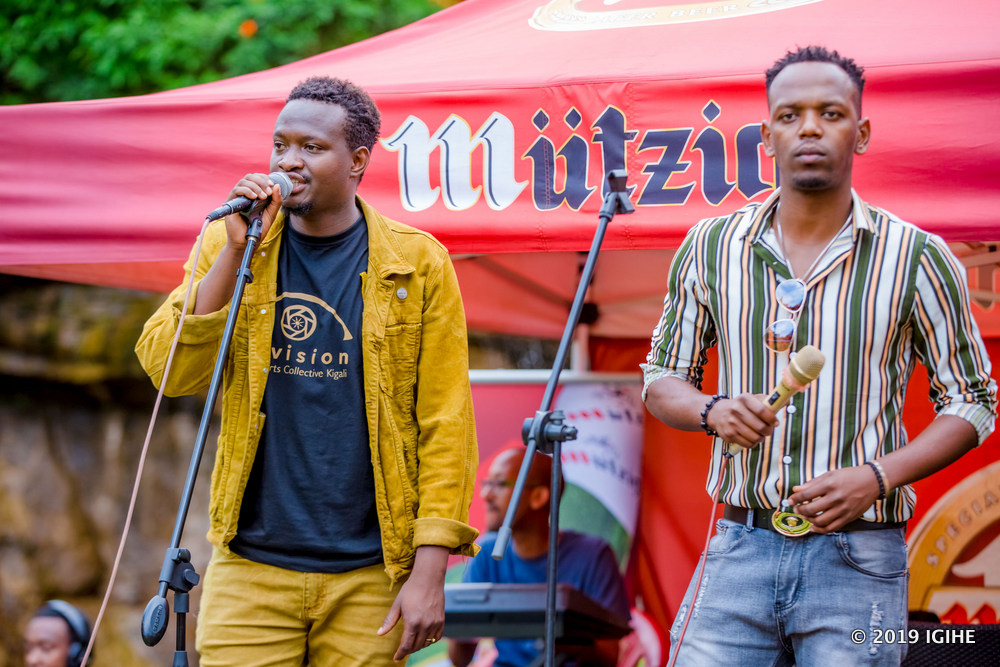
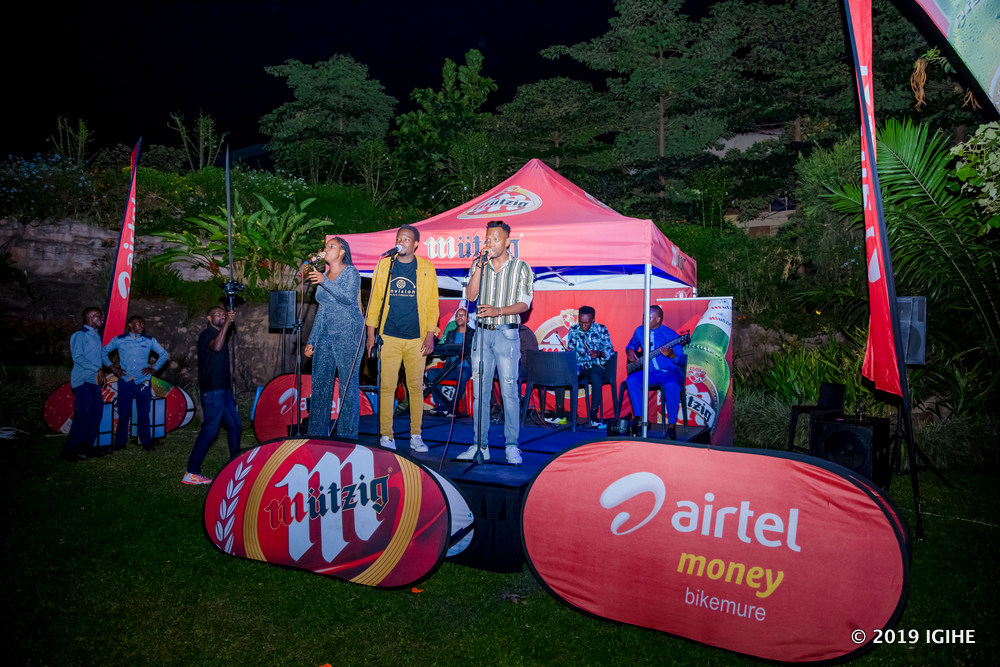
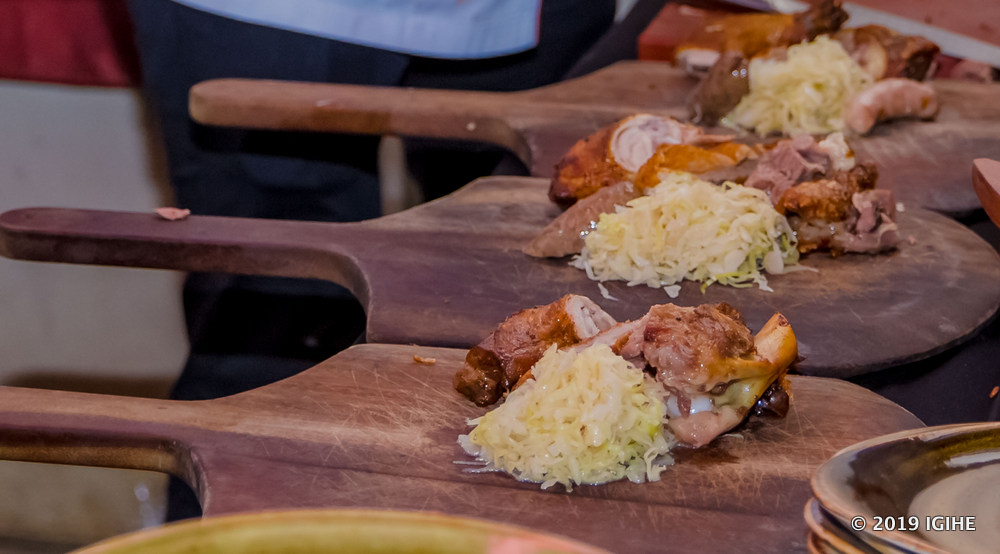
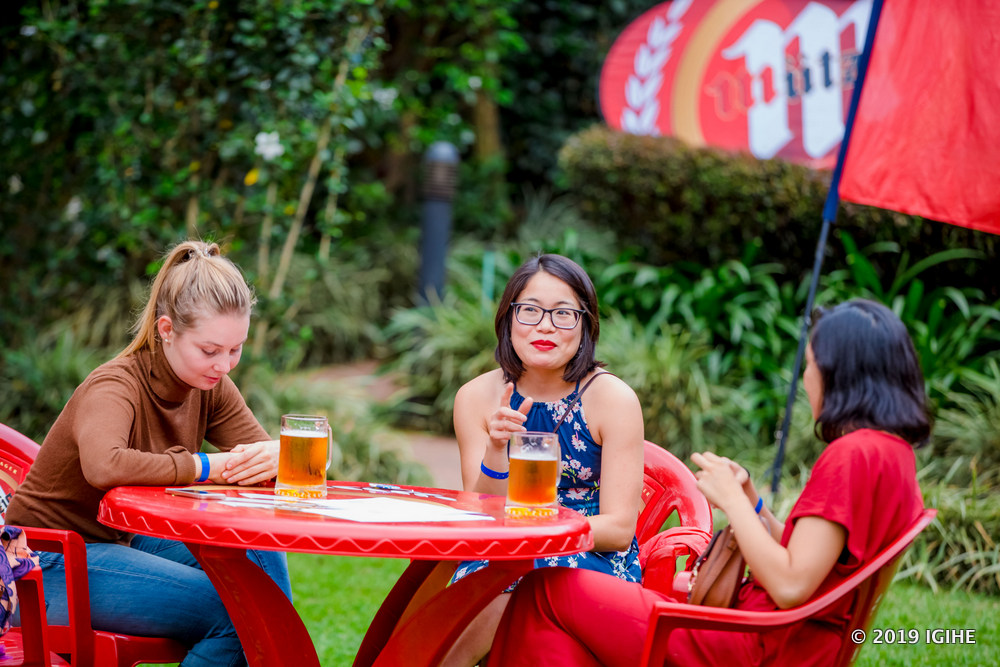
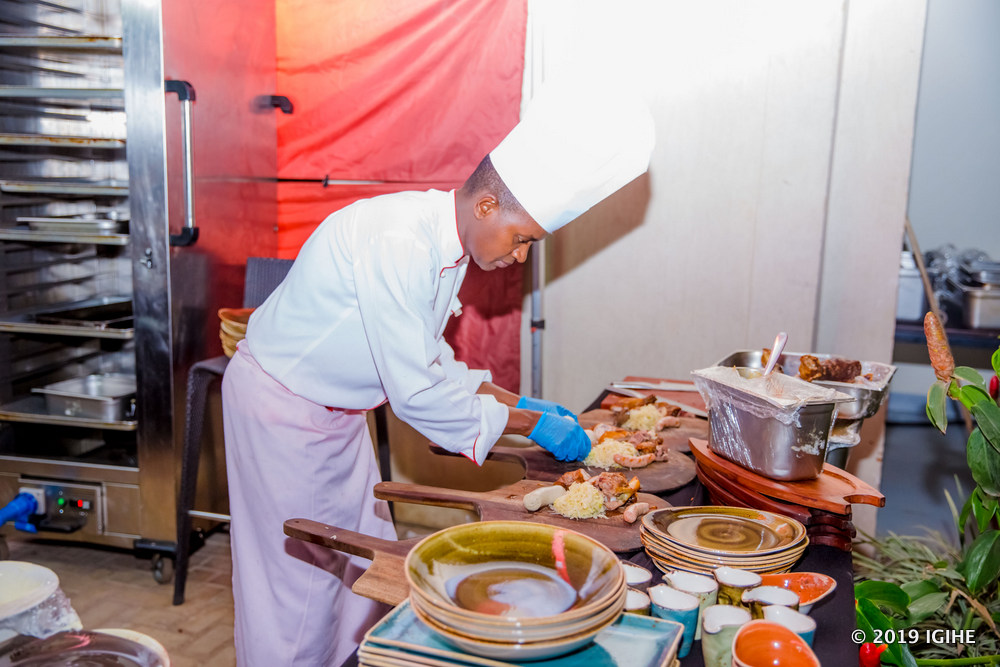
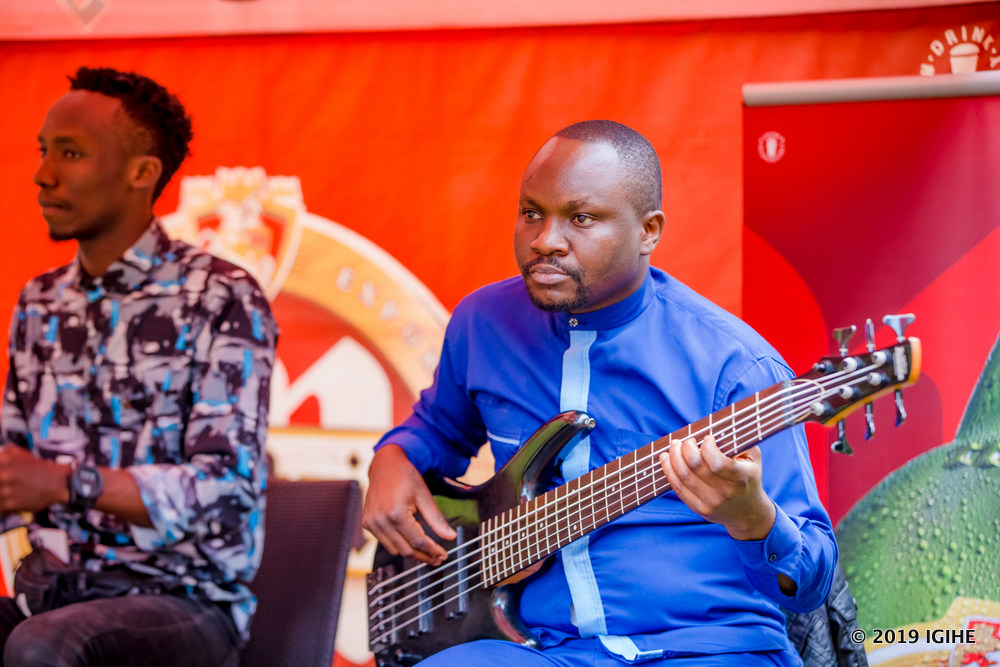
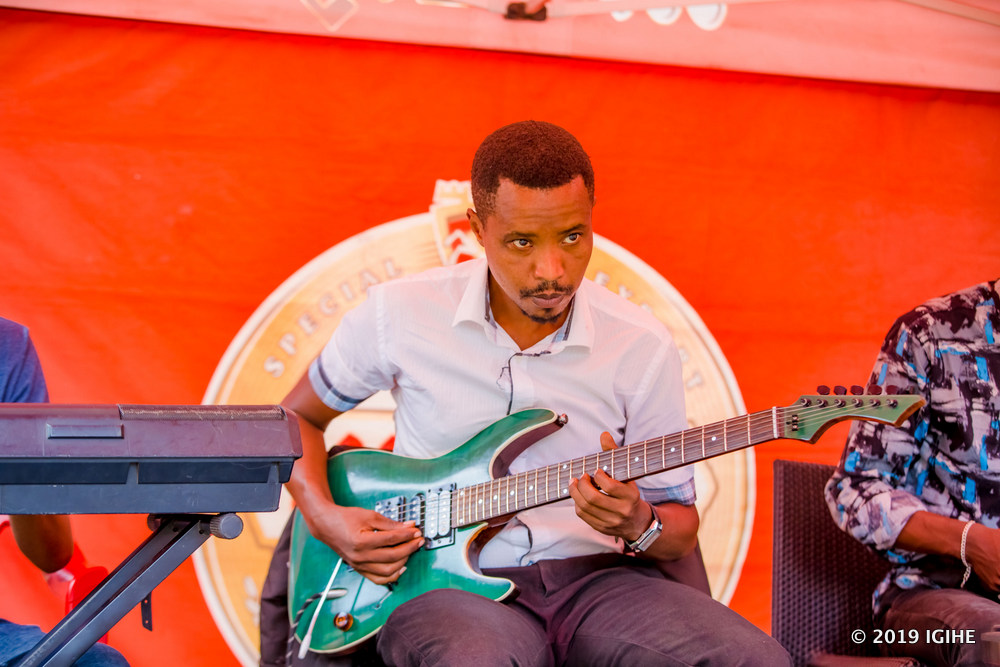
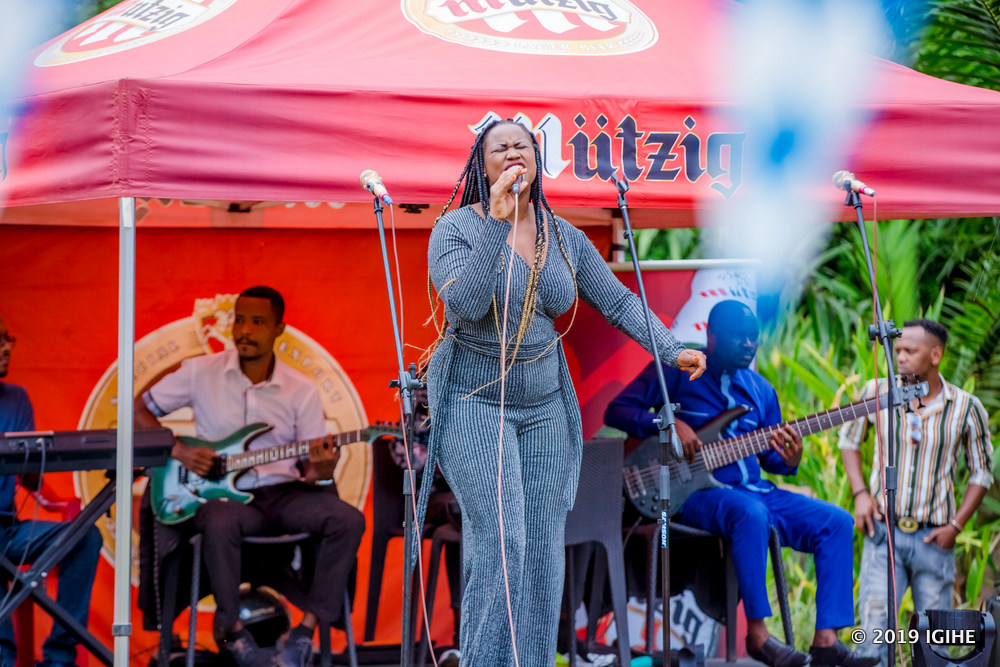
The event that took place respectively on Saturday and Sunday was characterized by performances of Micho Band, children games, enjoying foods and drinks while participants participated in a raffle draw during which lucky winners walked away with different gifts among others.
Participants ranged from Rwandans and foreigners, especially from Germany.
Having started in Germany in 1810, Oktoberfest has become popular in different countries where people organize a two-week party from the end of September until the first week of October celebrating achievements.
The event started in Munich city and spread to other towns later.
During such celebrations, people enjoy drinks, visit touristic attractions, play different games and cook traditional food among others.
Kigali Marriott Hotel is one of the hotels with the exclusivity of serving clients with great perfection on a daily basis maintaining their loyalty in return.
It has introduced an initiative aimed at entertaining clients at the end of every week bringing iconic artistes and Deejays for their excitement.
It also organized competitions like “Battle of the Bands’ bringing together legend live bands to promote music talents in Rwanda.
“UNHCR estimates that US$10 million will be spent on initial investments and to run the Emergency Transit Mechanism between Libya and Rwanda through the end of the year. This includes initial costs of construction and renovation works and basic aid and services for evacuated refugees. UNHCR is using flexible funding for the Rwanda ETM, which was not budgeted at the beginning of the year, and is actively soliciting additional donor support,” he said.
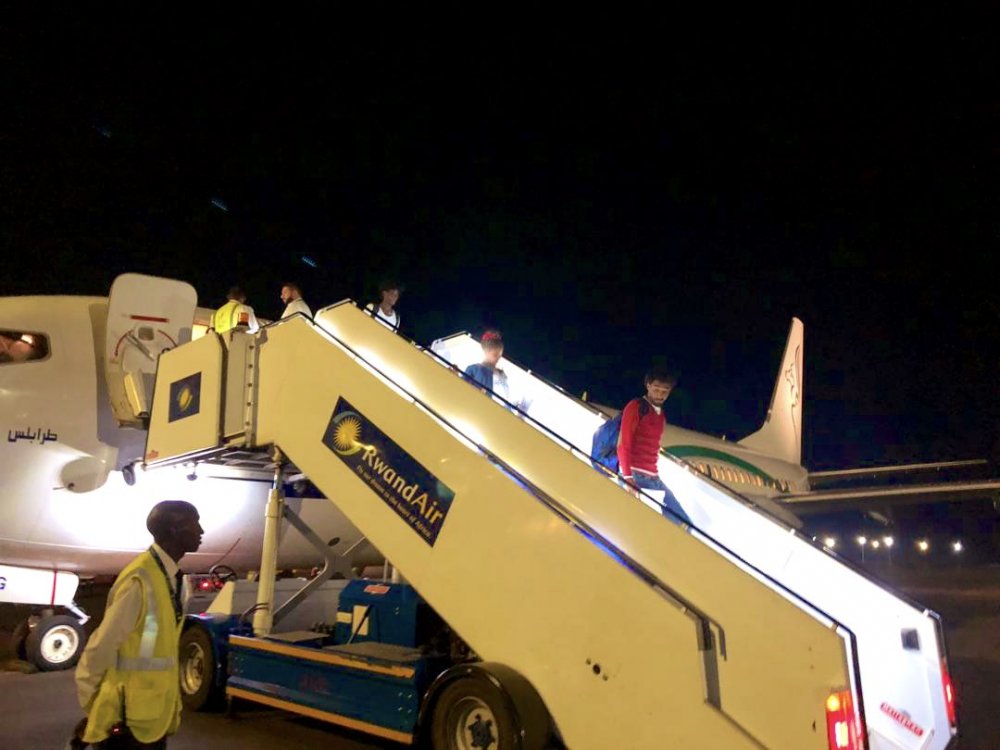
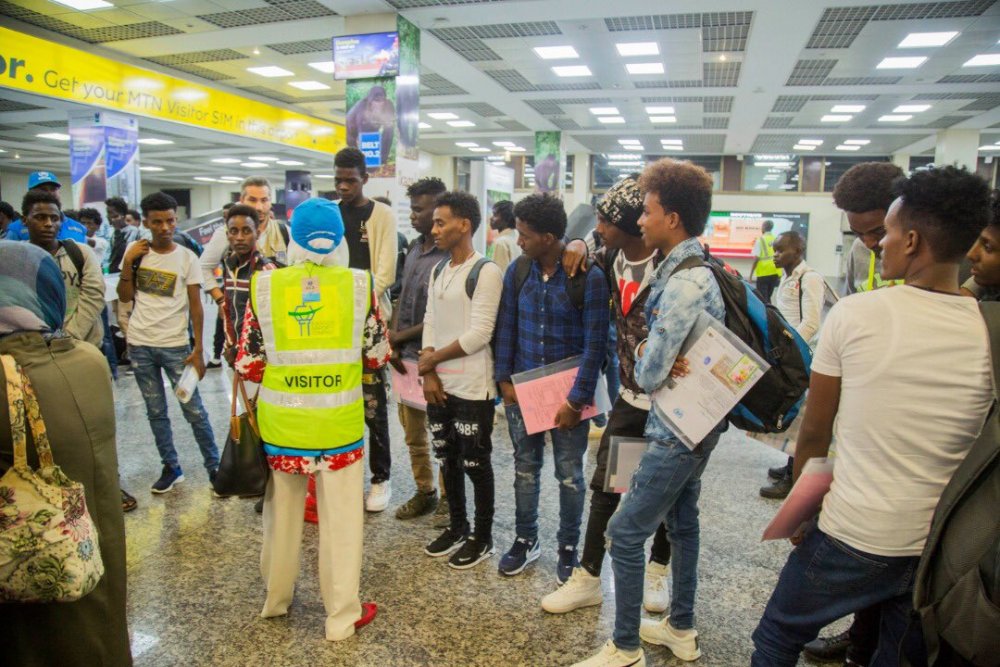
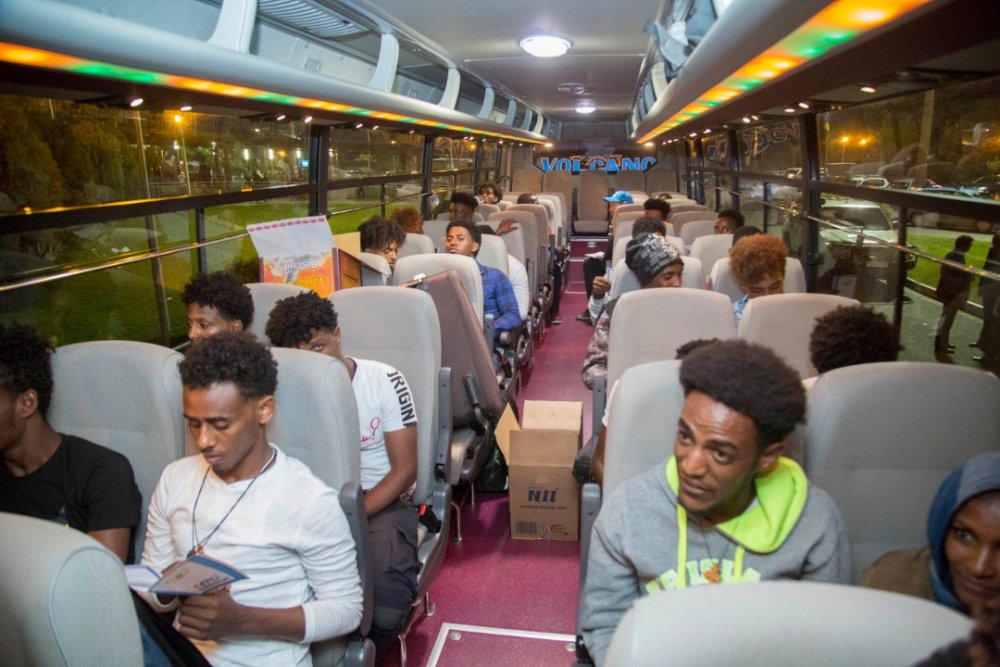
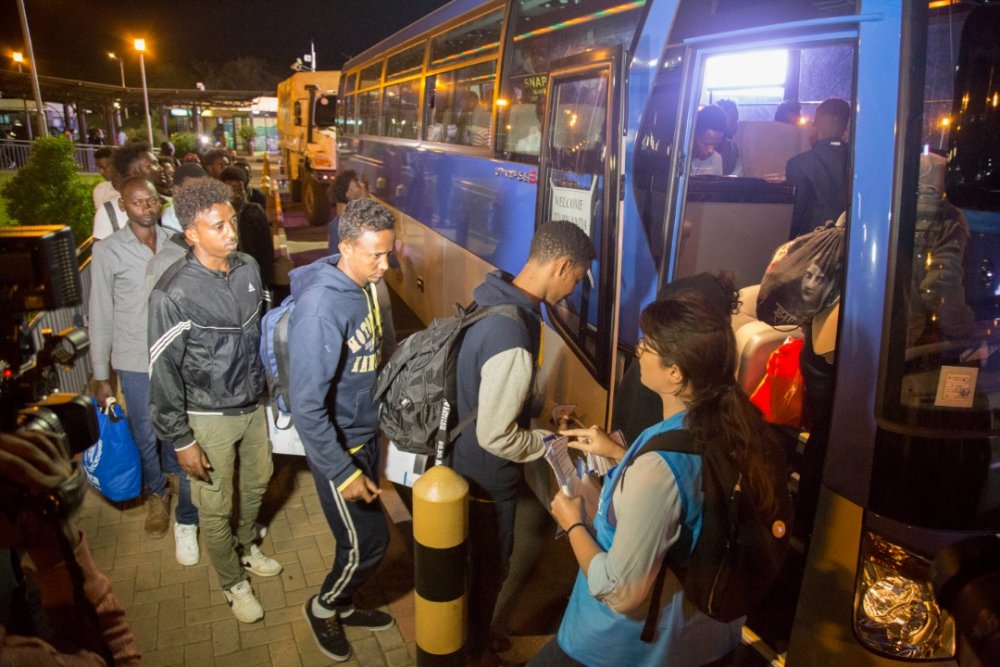
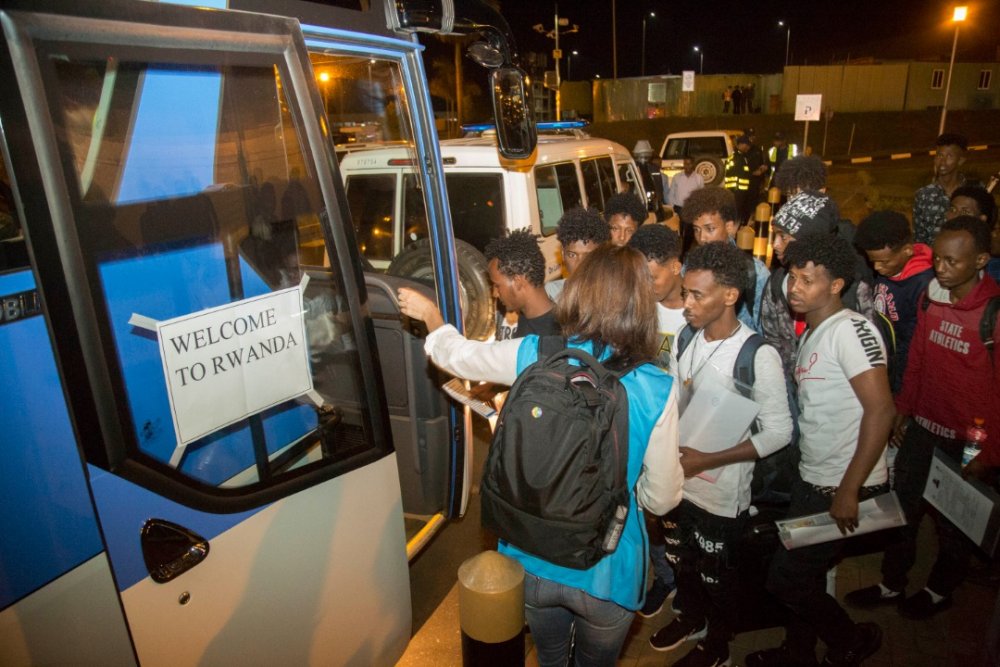
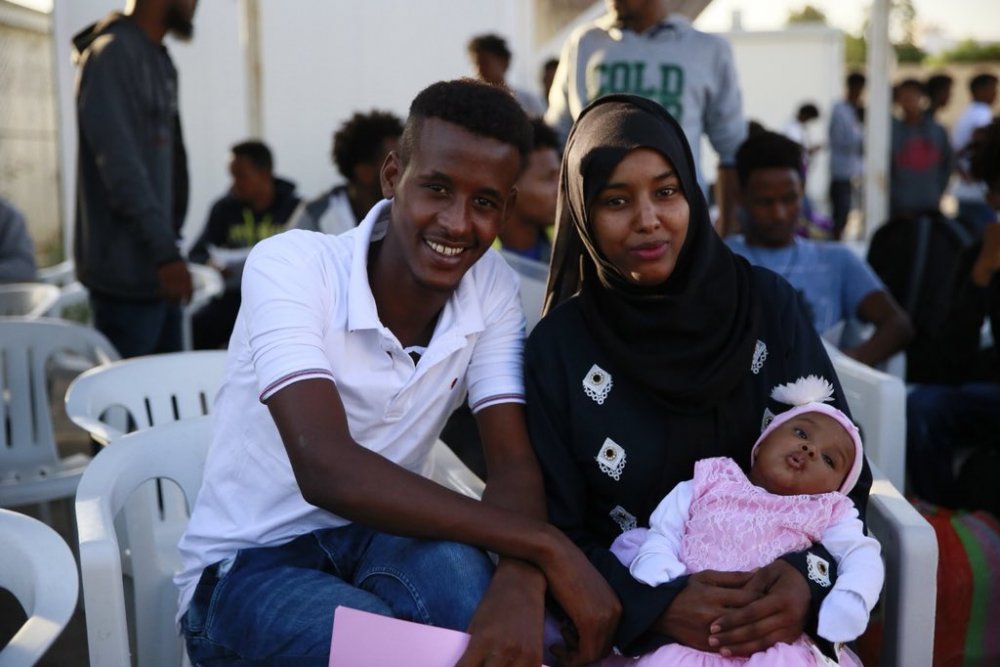
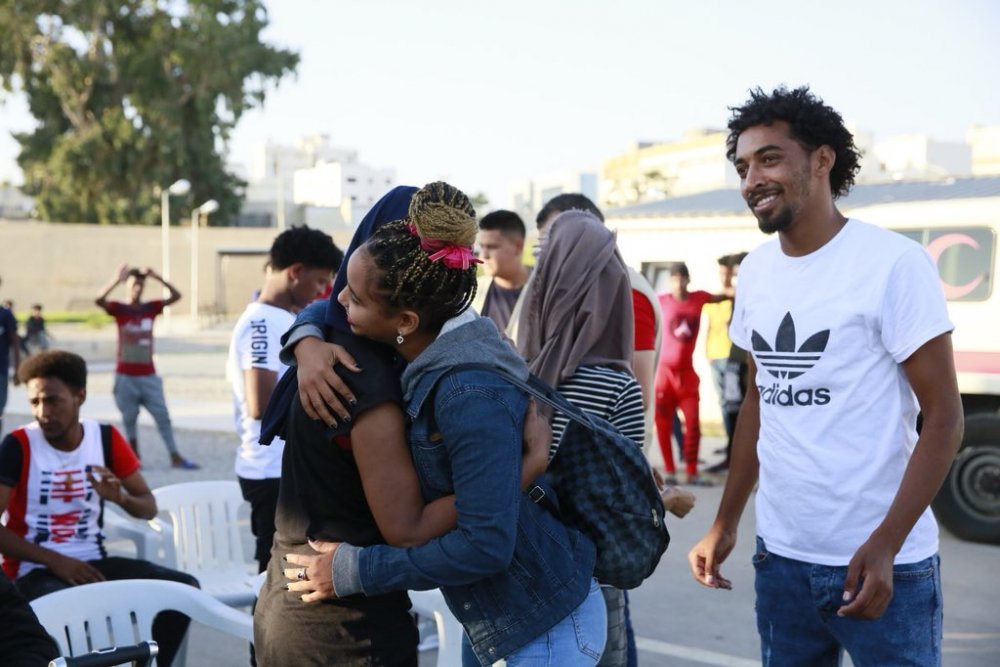
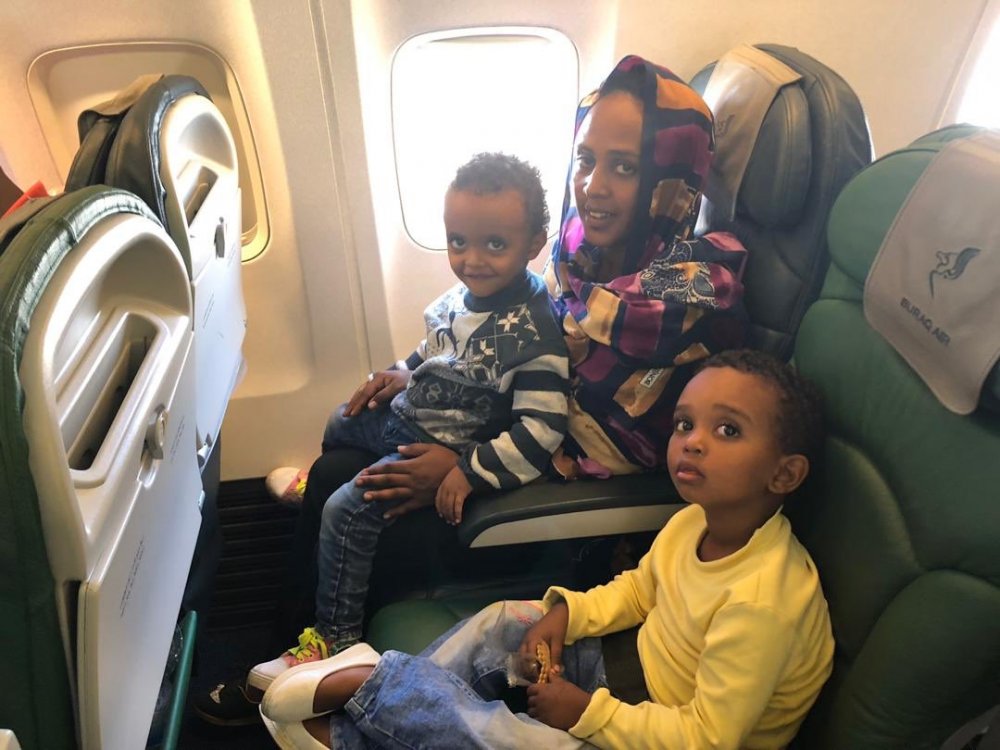
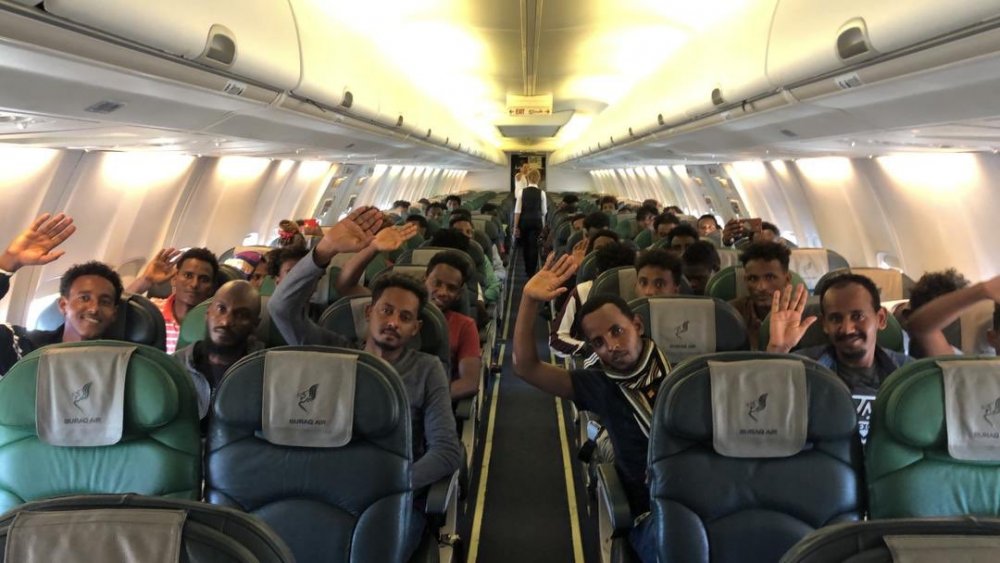
A group of 66 vulnerable refugees was evacuated from Libya to Rwanda on Thursday night last week on a UNHCR-chartered flight. They are the first to benefit from the Emergency Transit Mechanism, recently agreed and set up by the Government of Rwanda, UNHCR, the UN Refugee Agency, and the African Union.
The group which landed at Kigali international airport around 9:30 pm local time included a baby born in Libyan detention just two months ago. In total, 26 of the evacuees were refugee children, nearly all of them unaccompanied, without a family member or parent.
One evacuee had not been outside a detention center for more than four years. All evacuees were Sudanese, Somali or Eritrean.
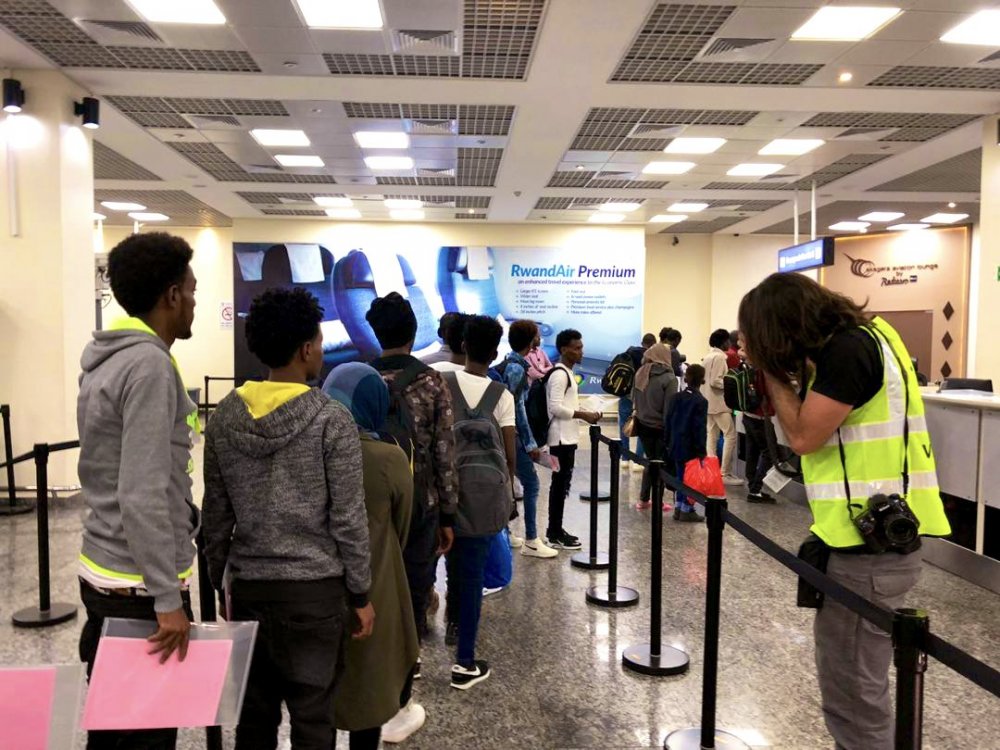
Upon arrival, refugees were registered and provided with documentation, before being taken to a transit center in Gashora some 60 kilometers south of the capital, Kigali, where UNHCR will provide them with accommodation, food, water, kitchen sets, blankets, mosquito nets, and other core relief items.
A team of nine health professionals, including a psychologist, will work alongside counselors specialized in working with children and survivors of sexual violence to provide health care and assist evacuees who survived torture, sexual violence, and human rights abuses during their time in Libya.
The entire group has been granted asylum-seeker status, pending an assessment of their refugee claim by UNHCR. They have the same rights as other refugees in Rwanda, including access to education and healthcare, and freedom of movement and to work.
All evacuees will be invited to attend language and vocational training classes to help them integrate with local communities during their time in Rwanda.
Further solutions will then be pursued for refugees, including resettlement for some. Other solutions include voluntary return to countries where they had previously been granted asylum, return home if safe and voluntary, or integration into local Rwandan host communities.
Anyone found not to be in need of international protection will be either assisted to return home or given the possibility of regularizing their status in Rwanda.
A second evacuation flight is expected in the coming weeks as UNHCR continues every effort to get vulnerable refugees in Libya out of harm’s way and to safety.
According to UNHCR, faster and increased evacuations and initiatives such as the Emergency Transit Mechanism, are urgently needed and urges the international community to support Rwanda’s gesture of solidarity with refugees by providing financial support and resettlement places.
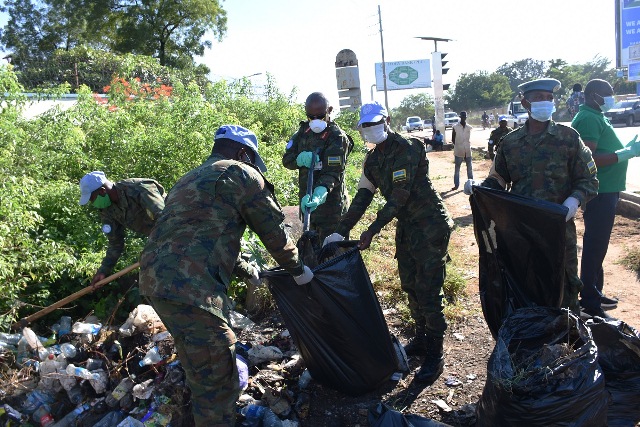
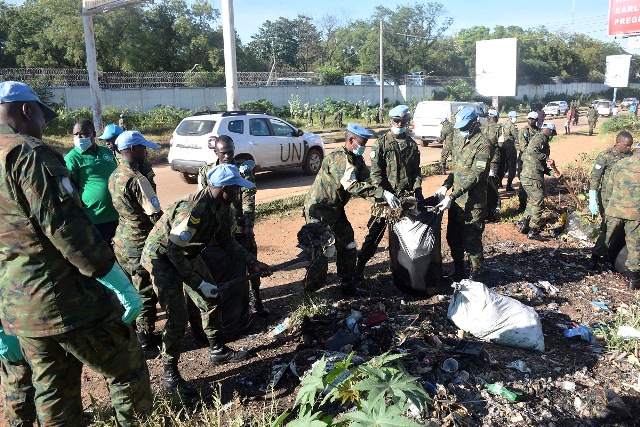
They were joined by other Juba Sector Contingents and Officials from Juba City. The community work was done on different roads in Juba City Council.
While addressing the media after community work, the Deputy Mayor of Juba City Council, THIIK THIIK Mayardit said that Juba City leadership is thankful for what Peacekeepers in general and those from Rwanda, in particular, are doing in terms of protection of civilians and helping South Sudanese people particularly Juba residents to clean and protect their environment.
The UNMISS Sector Juba Commander, Brig Gen Eugene Nkubito thanked the Juba city leadership and all participants for sparing their time to carry out such an activity that aims to protect the environment. He urged Juba residents to adopt the community work concept as a solution for a clean and safe environment.
The Juba Sector leadership has opted to conduct community work in Juba City every last Saturday of the month.
This was initiated in order to share with brothers and sisters of South Sudan the idea of homegrown solutions as Rwandans often do back home.
The participants included members of Chinese Battalion, Rwanbatt3; Ethiopia Battalion; Nepalese High Readiness Company and officials from Juba City.
According to figures, 630 teens were impregnated in nine months of 2019 raising the number to 3035 within three years.
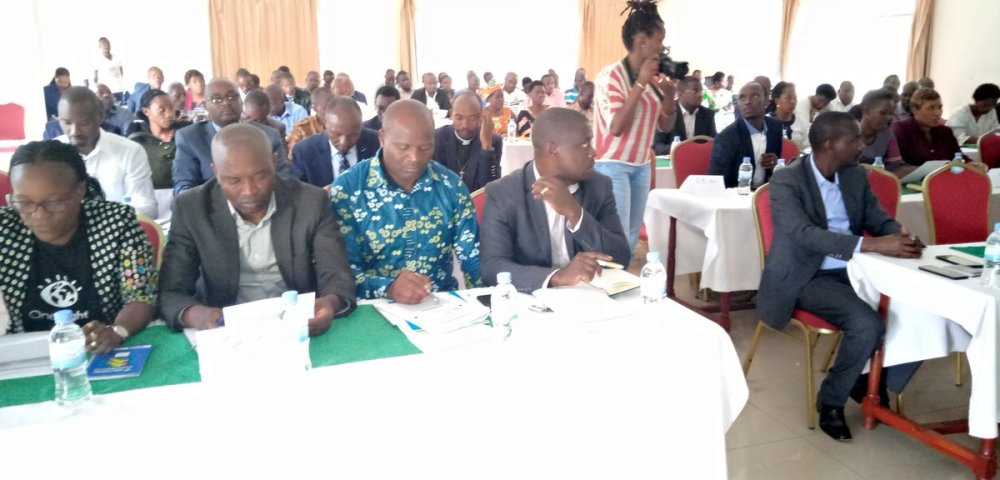
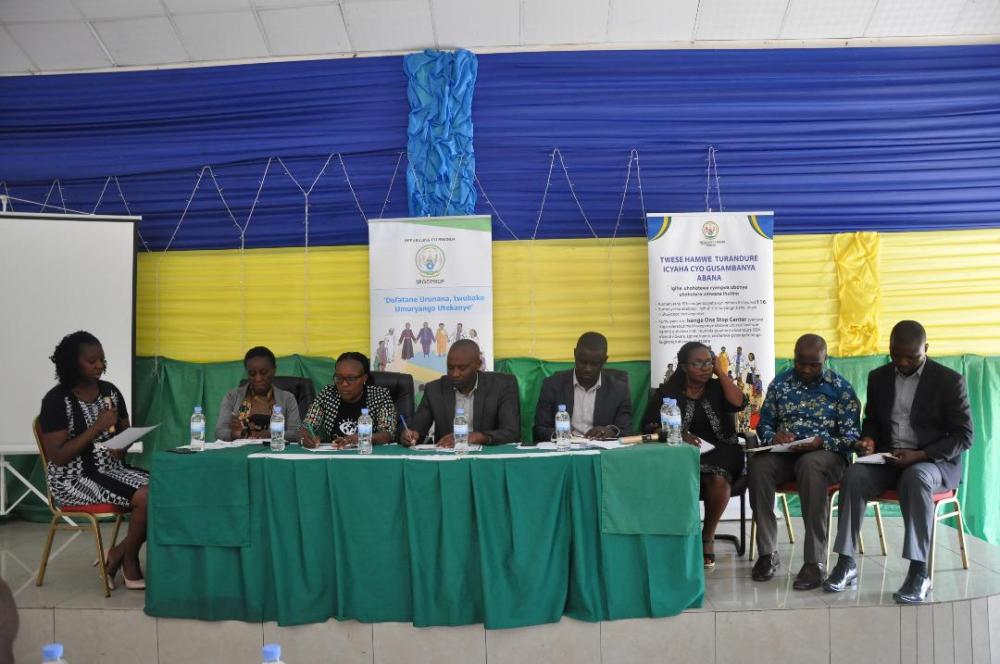
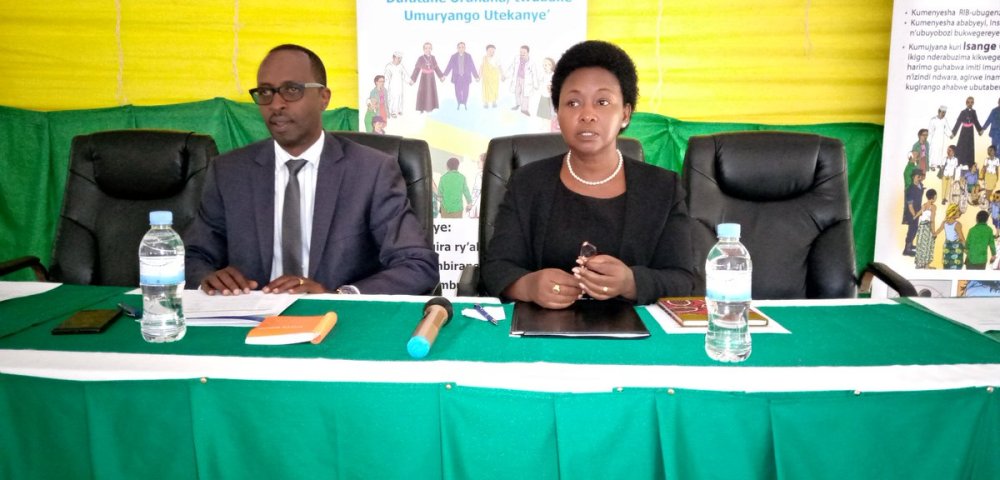
This was revealed yesterday in an executive meeting organized by the Ministry of Gender and Family Promotion bringing together leaders of all district in Western Province.
The mayor of Rubavu district, Gilbert Habyarimana attributed the numbers to domestic conflicts and urban migration.
“These cases are attributed to domestic conflicts and youth’s growing number migrating to town,” he said.
Habyarimana further stated that the latter is additional to inadequate knowledge on reproductive health.
He, however, explained that they have strengthened measures against the issue with an emphasis on teaching reproductive health among schools.
Western Province Governor, Alphonse Munyantwari said they are going to increase awareness on reproductive health and hold accountable those who impregnate teens.
Among others, Nyabihu district has 418 impregnated teens while Rutsiro has 404. Western province records 2873 impregnated teens out of 15 696 countrywide.
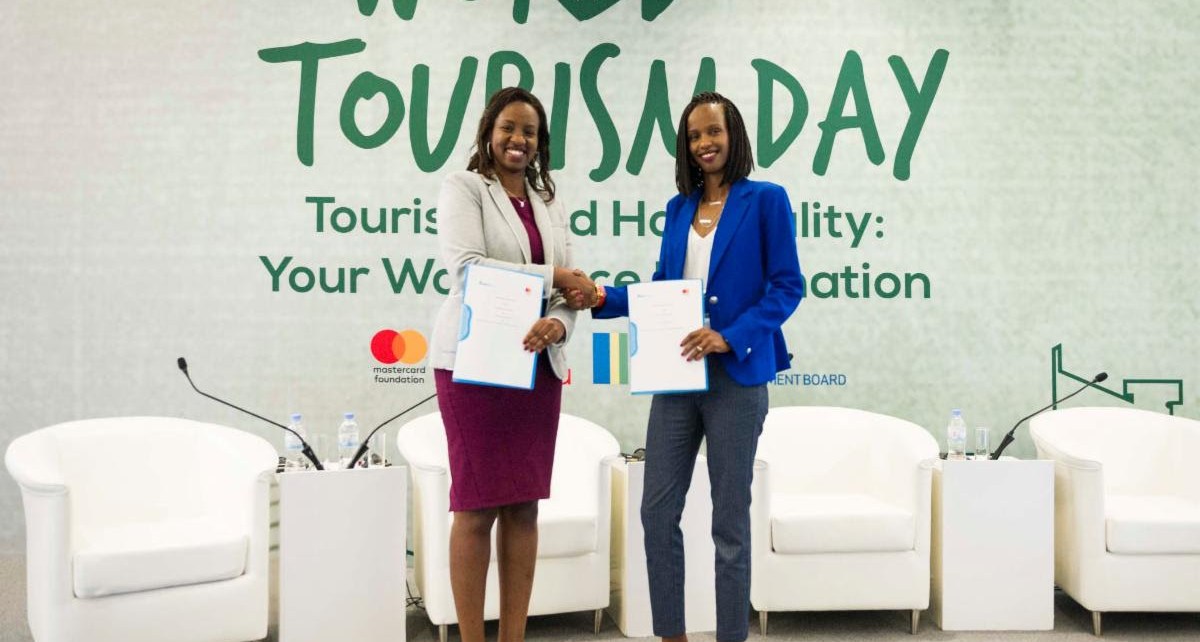
The partnership will build critical links between young job-seekers and employers, work with employers to develop skills training programs for young employees, and identify skills gaps in Rwanda’s tourism and hospitality sector.
Hanga Ahazaza is a US$50 million initiative from the Mastercard Foundation to create work opportunities for 30,000 Rwandan youth over five years.
Hanga Ahazaza, meaning “create the future”, is a consortium of 12 partners from the education, development, and private sectors.
Working together, they are supporting small businesses and entrepreneurs in the tourism and hospitality sector through increased access to financial services and training, and by connecting them to young people with the skills needed to be successful employees.
Since its launch in 2018, the Hanga Ahazaza initiative has enabled 2,607 Rwandan youth to access dignified and fulfilling work and supported 183 youth-owned businesses.
Commenting on the partnership, Belise Kariza, Chief Tourism Officer of the Rwanda Development Board said that the Government believes in promoting tourism and hospitality and has tirelessly supported the creation of a conducive environment for the sector to prosper and benefit the people.
She, however, observed: “We require a skilled workforce to cope with the growing trends of the industry. The Mastercard Foundation Hanga Ahazaza initiative is playing a significant role in addressing this challenge.”
Rica Rwigamba, the Acting Country Representative and Senior Program Manager of the Mastercard Foundation said: “Our partnership with the RDB is a significant step in the right direction for ensuring the success of the Hanga Ahazaza initiative and supporting young people to thrive in Rwanda’s growing tourism and hospitality sector.”
Growth in Rwanda’s tourism and hospitality sector is a key national priority and is growing at a rapid pace, with ripple growth effects in other sectors, such as agriculture and food processing.
However, challenges remain for young job-seekers and entrepreneurs, including gaps in skills development, work placement and experience, and access to financial services.
Gisele Ikuzwe, a student at Vatel Rwanda observed that hospitality is an open-door opportunity that provides youth with the skills and goals they need to thrive while at the same time contributing to Rwanda’s economic development.
“As a youth, we need to adopt an entrepreneurial mindset and not only think of becoming job-seekers – you also need to have the mindset and responsibility to create jobs,” she said.
Partners collaborating in the Hanga Ahazaza initiative include Cornell University, Dalberg, partners, GIZ, GroFin, Harambee, Horwath HTL, I&M Bank Rwanda, Inkomoko, Question Coffee, and Vatel Rwanda.
{{About the Mastercard Foundation}}
The Mastercard Foundation seeks a world where everyone can learn and prosper. The Foundation’s work is guided by its mission to advance learning and promote financial inclusion for people living in poverty.
One of the largest foundations in the world, it works almost exclusively in Africa. It was created in 2006 by Mastercard International and operates independently under the governance of its own Board of Directors. The Foundation is based in Toronto, Canada.
{{About Rwanda Development Board}}
The Rwanda Development Board is responsible for tourism and conservation, as well as the entire investor experience. The Rwanda Development Board manages the tourism industry in Rwanda and ensures that the tourism and conservation goals of the Government of Rwanda are successfully implemented.
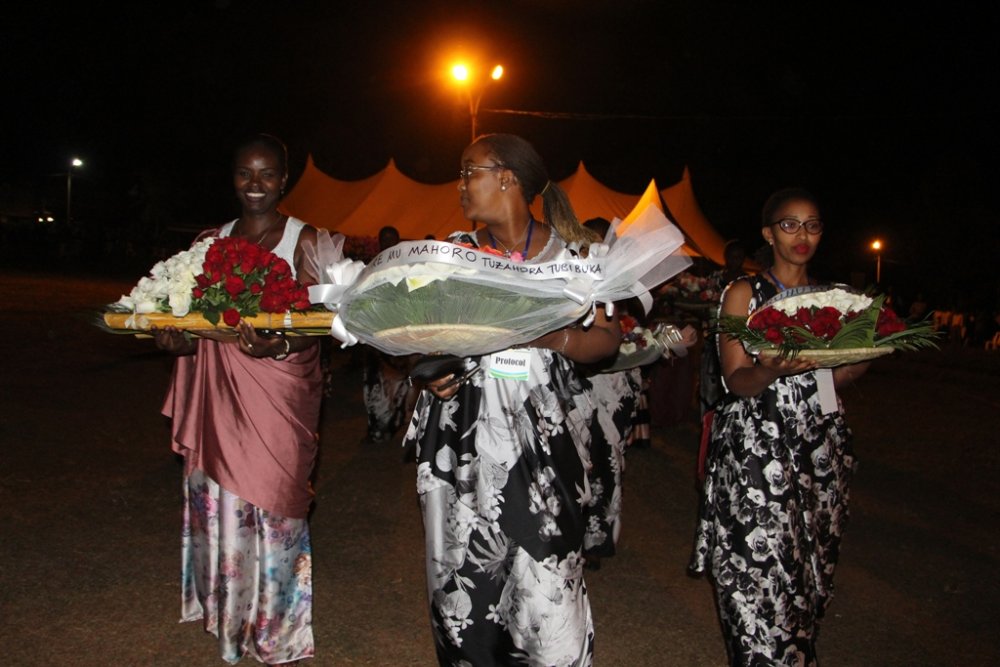
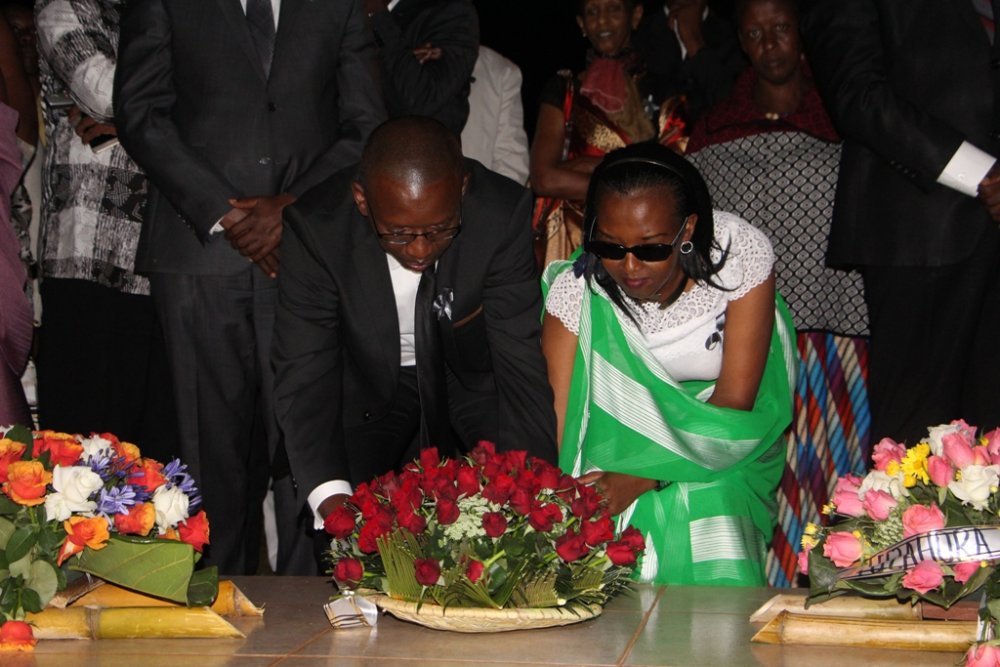
They were buried on Thursday evening at the Nyanza genocide memorial in Kicukiro district.
Information on whereabouts the 100 victims killed at the home of late genocide victim, Rwagasana was unveiled 13th September 2019.
After learning about it, children of late Rwagasana living in Europe and relatives of victims killed as they sought refuge at the home went for the search of relatives’ remains to be buried decently.
During the burial, genocide survivors expressed delight for finding remains of relatives for decent burial after 25 years.
Karambizi Carine, one of the survivors from the family of late Rwagasana thanked all relevant institutions for support in finding and exhuming the remains of the relatives. She also requested for support to hold accountable genocide perpetrators who killed relatives wandering freely across the globe.
The representative of mourning families, Eric Rutayisire asked relevant institutions to draw attention on information provided by residents.
The Minister of Justice and State Attorney General, Busingye Johnston thanked those who provided information and urged the rest to do the same.
“Firstly, I condole with relatives of victims buried today. It was mentioned that we accord decent burial to remains of victims exhumed from the home where the sought refuge but it is evident that more people lost lives there. I want the search for their remains continued,” he said.
The United Nations High Commissioner for Refugees, (UNHCR) in Libya the majority of them are children away from their families, single mothers and families.
Rwanda signed agreements to host refugees stranded in Libya on 10th September 2019 with the African Union (AU) and UNHCR.
Rwanda committed to receiving 500 refugees at the head first of whom 66 arrived yesterday in the first batch aboard the airplane of Buraq Air.
Gashora camp previously hosted thousands of Burundian refugees since 2015 before they were relocated to other sites.
It is equipped with a playground, accommodations among other basic needs.
The camp is being upgraded to accommodate more refugees and get the status of a permanent camp.
UNHCR in Libya said that relocating these refugees will accord them dignified life following years of struggle.
Rwanda made the commitment to host refugees from Libya in 2017 following revelations that thousands of people from across Africa were stranded in the country after their failure to reach Europe and subjected to slavery.
Chief Inspector of Police (CIP) Emmanuel Kayigi, the Police spokesperson for the Western region, said that Iyakaremye was arrested in Gisenyi Sector following a tip-off by local residents.
“Police responded and arrested her, red-handed, with 2000 rolls of cannabis. She said she works with another person, who traffics the narcotics from Democratic Republic of Congo (DRC) through illegal borders,” he said.
“It is a chain of drug dealers from DRC to Rubavu and to other parts of the country; Iyakaremye was at the time of her arrest trying to send the narcotics to another dealer in Kigali. She was supposed to be paid Rwf50, 000. Law enforcement agencies are working together to track and arrest other members of the ring,” CIP Kayigi explained.
He added that illicit drugs pose a threat to the country’s future as it is mostly used by the youth that they are also among major influences for other criminal acts like theft, assault, GBV, and other child-related crimes.
CIP Kayigi commended the role of the public in breaking chains of drug dealers. He further warned of an increased crackdown on dealers and called for strengthened efforts through information sharing.
The forum hosted over 100 heads of state and world leaders from over 85 countries since it was first established in 2003 by President Lee C. Bollinger.
In his address, Kagame shared Rwanda’s home-made recipe for sustainable development.
“Exactly four years ago, the topic was how to speed up and sustain development. In Rwanda, the recipe has three main ingredients: smart policy, finding the money to put those policies into effect, and good politics.” he said.
Kagame was last at Columbia University in September 2015 where he addressed the International Conference on Sustainable Development (ICSD).