According to a statement from Rwanda National Police, the assailants were armed with traditional arms and guns.
” During the night of 4th to 5th October 2019, armed gangs of whom the majority were equipped with traditional arms raided Kinigi sector in Musanze district where they killed and injured residents,” reads part of the statement signed by Police Spokesperson, John Bosco Kabera.
” These assailants killed eight people including six, with traditional weapons and two-shot dead. They also injured 18 others who were taken to hospital,” adds the statement.
Security officials rushed for intervention and comforting residents affected by the attack.
The development was confirmed by Minister of State in charge of primary and secondary education, Dr. Isaac Munyakazi yesterday as he visited ‘Centre de la Fraternite’ where the students will be tutored as they prepare to resume normal studies next academic year.
He also explained that Congolese living in Rwanda wishing to further education in Rwanda are welcome for the program.
“We stopped them from studying in DRC because the country has what it takes to advance their knowledge. Indeed, there are Congolese who appreciated our education and find no need to return to DRC yet they can afford courses of their choice in where they run businesses,” said Munyakazi.
According to Munyakazi, Rwandans were stopped from studying in DRC over the Ebola outbreak recurrently reported in DRC.
Every student will resume from the previous level of education without repeating courses so long as they are familiar with the English language.
During her previous visit to Rubavu district, the Minister of Health Dr Gashumba Diane advised residents against unnecessary travels to DRC over the Ebola outbreak reported in Goma.
Rwandan students were stopped from crossing the border from Gisenyi town to DRC on 2nd September 2019 as they were crossing to start the academic year 2019-2020 in Goma.
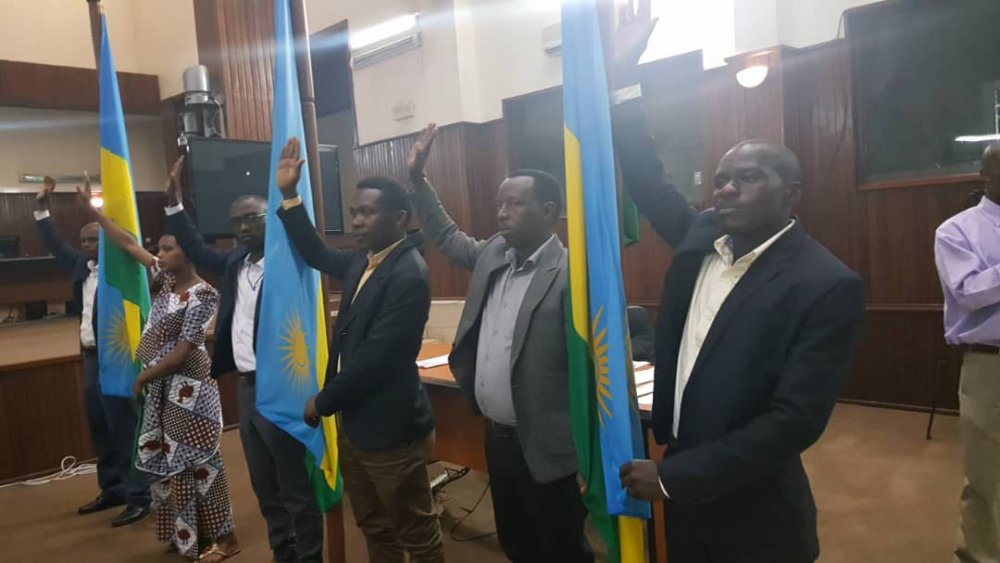
The Minister gave the advice yesterday as he administered oaths of 50 professional court bailiffs, 78 non-professional bailiffs, 20 public notaries, and 30 public notaries.
“Your duty as court bailiffs is key to equitable justice delivery. We cannot presume justice was rendered when court cases were not handled effectively without delays,” he said.
“You have the ultimate duty of delivering justice in all situations. Doing it effectively shall reflect your role towards building a country respecting laws,” added Busingye.
Busingye advised them on professionalism respecting legal provisions.
He specifically emphasized that Rwandans expect improved notary services delivery, hence pushing for the need to put citizens at the center of national development.
“I take this opportunity to remind you that we shall not tolerate whoever tends to deviate from the oath taken today leadership is keen on promoting common interest leading them into positive social-economic transformations,” advised Busingye.
Rwanda has 500 professional court bailiffs. Non-professional court bailiffs include local leaders from cell levels, sectors and others from public institutions.
His body was discovered yesterday around 7 am after his wife who had gone to take care of her elder sister in hospital returned home the evening before and found the house locked, spending the night neighbors.
The woman broke the doorknob next morning and found her husband hung dead.
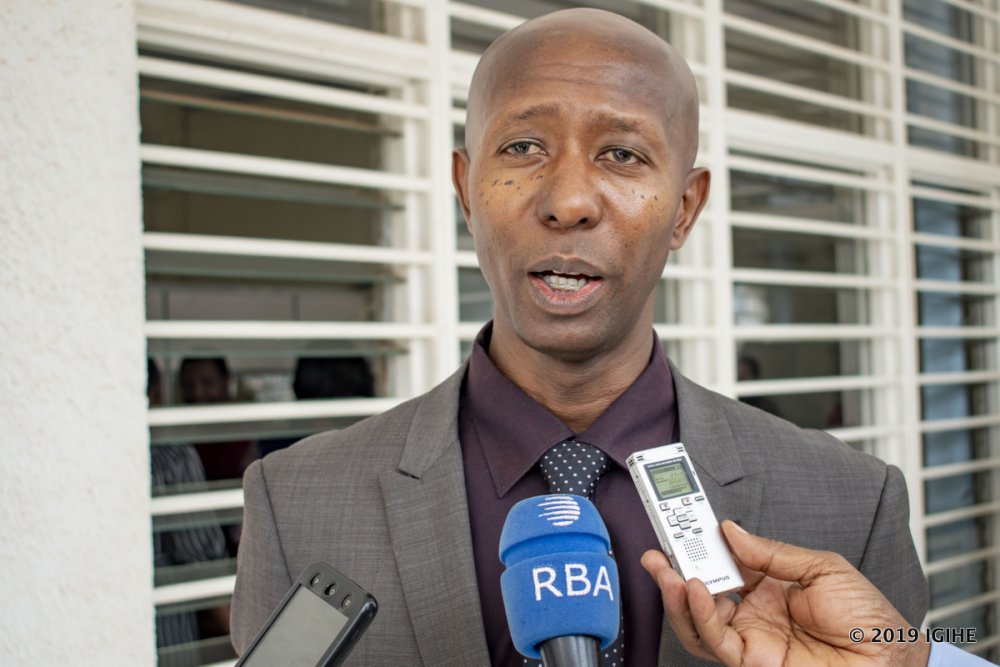
The executive secretary of the Rubona sector, Byaruhanga John Bosco has told IGIHE that the man might have drunk excessive alcoholic drinks leading him to suicide.
“We found him hung dead in the morning. We immediately took him to hospital for postmortem,” he said.
“Neighbors told us that he had no reported wrangles with members of the community but we have learned that he used to abuse alcoholic which is a thought to have driven him to take his life. Investigations are underway,” he added.
Lody Hakizimana, 44, allegedly offered the bribe in an attempt to rescue his vehicle, which was impounded with smuggled goods, and his driver, who had been taken into custody over the same crime.
The vehicle; RAB 471X Fuso type was intercepted at about 3:30 am in Kibuye along Karongi-Nyamasheke highway.
The District Police Commander for Karongi, Chief Inspector of Police (CIP) Julien Nkurikiyinka, said that the vehicle was intercepted at a check-point mounted in Bwishyura Sector.
“Police officers stopped the Fuso, searched and found it was loaded with smuggled bales of secondhand clothes; they first arrested its driver identified as Lorien Nteziryimana,” CIP Nkurikiyinka said.
He added: “The driver called his boss [Hakizimana], who was in another vehicle ahead; Hakizimana came back and tried to seduce the officers with a bribe of Rwf1 million in order to release his vehicle, goods and the driver; he was immediately taken into custody.”
The DPC warned against smuggling and bribery, and appealed to the general public to “respect and follow the law.”
“It is one crime to engage in smuggling activities but worse when you try to offer bribes, which is a serious crime,” he warned.
Clause 2 of article 2 of Law N° 54/2018 of 13/08/2018 on fighting corruption, defines corruption as “any act performed or caused to be performed in public organs, private institutions, civil society and international organizations operating or wishing to operate in Rwanda, which is aimed at soliciting, receiving or offering an illicit benefit in order to unlawfully obtain illicit enrichment or a given favor of sexual nature to unlawfully render a service or carry out an activity whether carried on by himself or herself or through another person.”
Article 4 of the same article provides a term of imprisonment of between five and seven years, and three to five times the value of the offered bribe, upon conviction.
Under the East African Community Management Act, especially in its article 199, anyone caught driving a vehicle with smuggled goods is slapped a fine of US$5000 while the vehicle and the goods are auctioned.
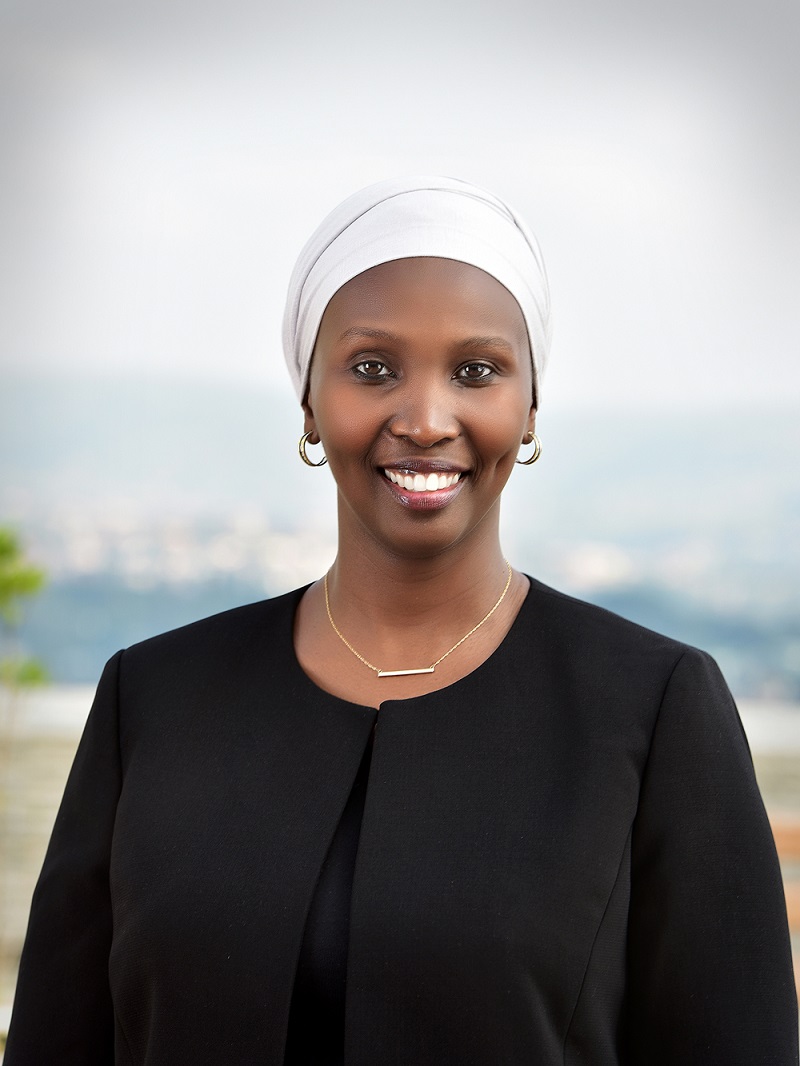
Murangwa replaces Uwamurera Salama elected previously and denied a senate seat by the Supreme Court attributing her disqualification to inadequate experience.
Elections to replace Uwamurera took place today at the headquarters of NFPO in Kacyiru.
Murangwa Hadidja from PDI won out of three contestants with 32 votes. Other contestants include Athanase Nahimana from PS Imberakuri who obtained four votes while Jacky Masozera Icyizanye from Democratic Green Party of Rwanda got 7 supporting votes.
The Chairman of PDI, Fazil Harerimana thanked representatives of the political forum for trusting the party he heads.
He said that Hadidja has experience qualifying her for good cooperation with other members of the Senate.
“We have greatly welcomed the trust bestowed to our party and promise them, good candidates, whenever necessary,” he said.
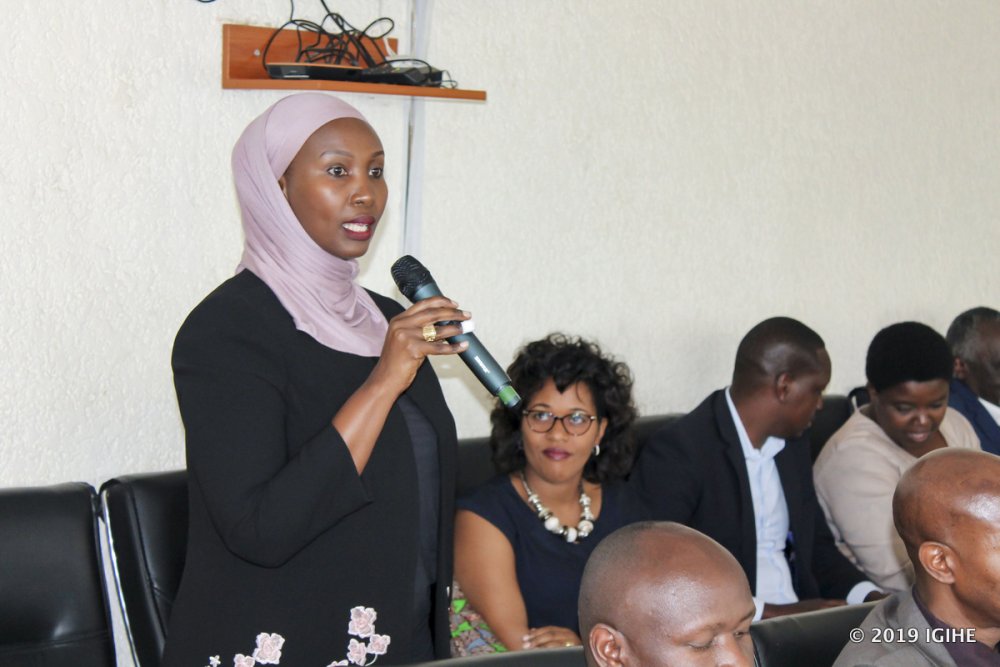
The Chairperson of the National Consultative Forum of Political Organisations, Christine Mukabunani expressed optimism that the newly elected representative will be approved by the Supreme Court.
MURANGWA Ndangiza Hadija (LLM), is a Senior Tax Expert and Legal Practioner, with massive experience in tax advisory work.
She is a member of Kigali International Arbitration Center (KIAC) with a Certificate of Associate of The Chartered Institute of Arbitration (London).
{{Career achievements }}
She was engaged in tax and legal advice in the Rwandan Public and Private sector; · Conducted and participated in influential reviews of various Tax and Trade projects supported by the Government of Rwanda, the GIZ, IFC – World Bank Group, ATAF and · Instrumental in delivery of East African Community Tax harmonization programs.
Notable Advisory Positions: International Finance Corporation (IFC – World Bank group) EAC Tax Harmonisation project; · GIZ, Senior Advisor, Tax advisory project; TradeMark East Africa (TMEA) EAC Regional Integration Specialist – Legal Reform; · African Tax Administration Forum (ATAF): Consultant; and ·
She currently works as a Consultant in charge of Strategy and Institutional Sustainability at the Institute of Certified Public Account of Rwanda (ICPAR).
Hadija has served on various Boards, including; The Development Bank of Rwanda (BRD); The Military Medical Insurance (MMI) and Rwanda Biomedical Center (RBC)
Murangwa joins Nkusi Juvenal from PSD elected previously to represent NFPO.
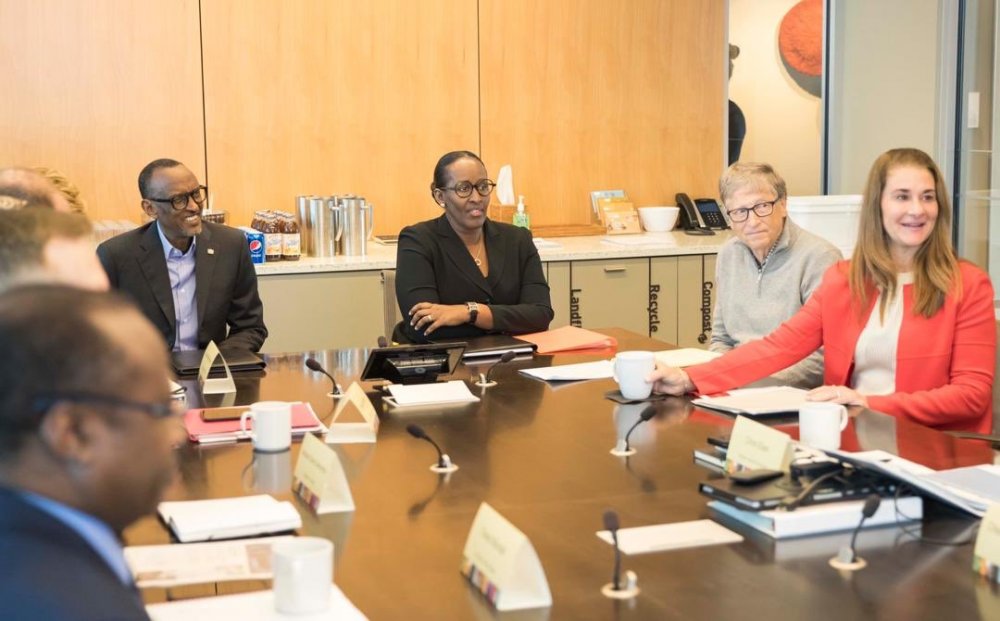
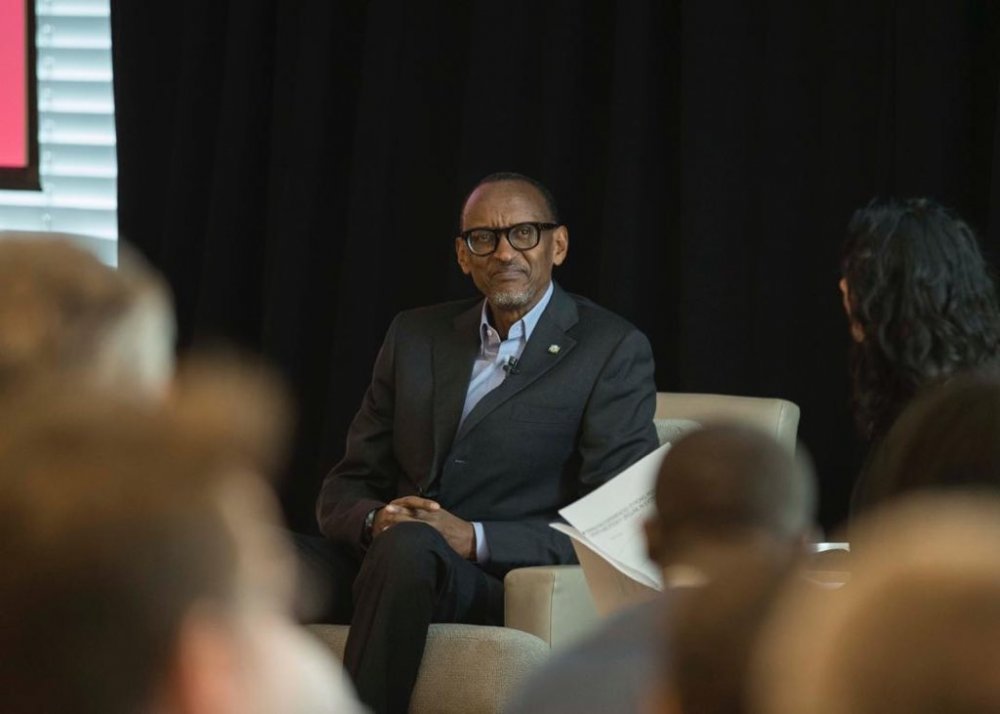
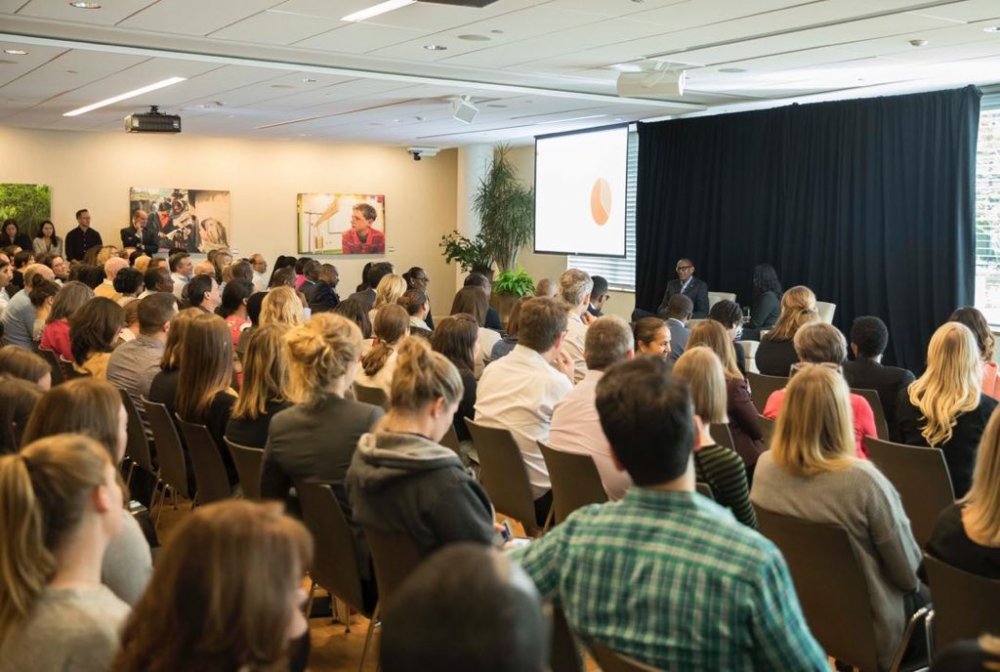
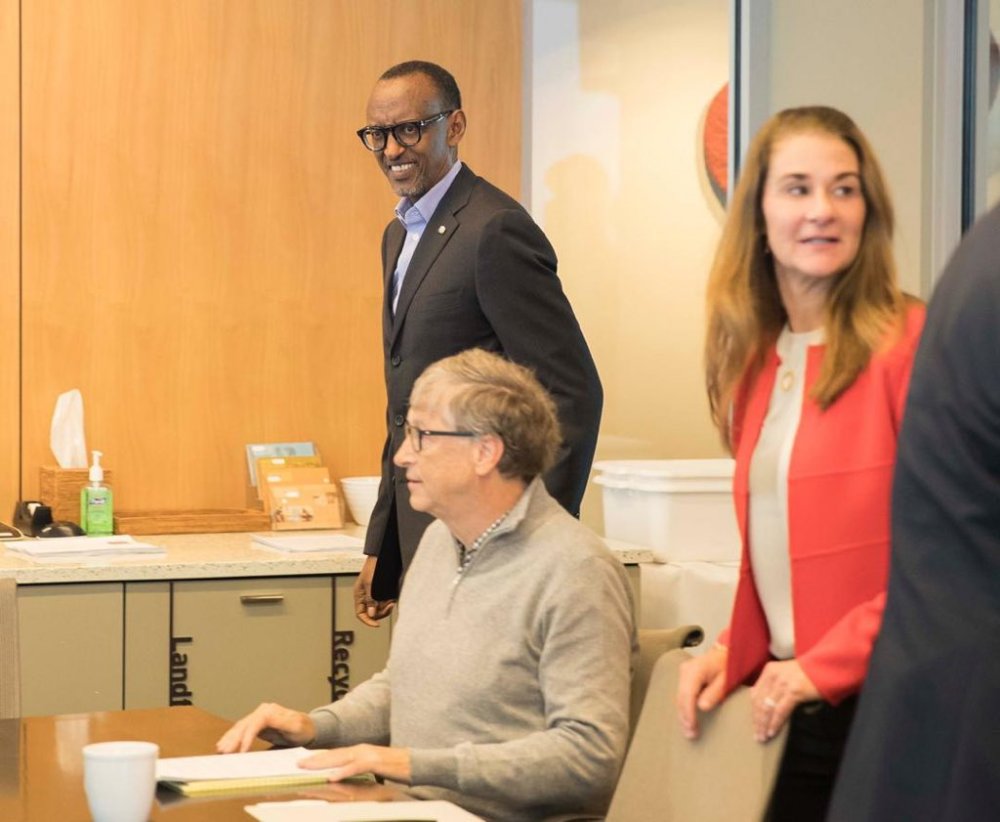
He made the observation yesterday in Seattle, Washington during discussions held with employees from Gates Foundation after interacting with founders including magnate Bill Gates and his wife Melinda Gates.
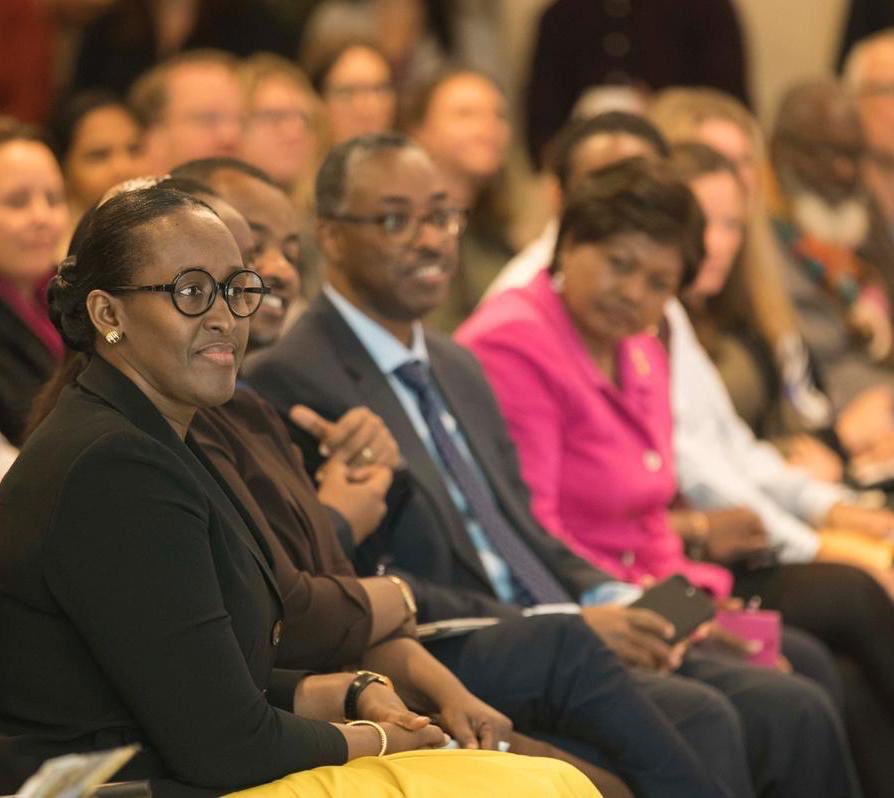
Kagame was with First Lady Jeannette Kagame for the discussions on Achieving Impact at Scale in Africa.
He highlighted that the growth of the economy should be about the wellbeing of people and what can be done to improve their living standards and for most of them to achieve their aspirations.
Kagame explained that Rwanda’s progress rooted in putting citizens’ welfare at the center.
He pointed out an example of community-based health insurance where the country had to cultivate in people’s minds even for the category of poor people at the bottom that if they contribute even the smallest amount they can afford, ‘they own it and they feel it is theirs’.
“We have to do more with less. We have been thrust into this position because of history and geography: the tragic history we have gone through and being a small country and landlocked. There is no way you can survive if you do not innovate,” Kagame said.
The President said that it had a positive impact on reducing maternal and child mortality rates significantly as well as have hugely increased life expectancy by 20 and 21 years.
“Prioritizing is a problem for people in our situation, everything is a priority, putting priorities in order is difficult. We prioritized healthcare, we looked at ordinary people, that is where we started from,” stated Kagame.
“How do you save children and mothers and make sure that they take the next day, week and year for granted. Especially when the history has been different and people have not been sure their babies will last until five. We have reversed that,” added the President.
Kagame observed that in the next 25 years, Africa should be in a much better place than now.
He underscored that the latter will emanate from deep integration into different areas.
“In the next 25 years, Africa should be in a much better place than we are now. This will be based on how deeply we integrate, on trade, investment, sharing best practices and how we leverage the resources the continent has. The continent has a huge capacity. We have been let down by the quality of governance,” Kagame observed.
He stated that the good thing is that every leader, every country, every African is talking about what needs to be done to make this improvement which he believes is good and starting point that must be translated into action.
The World Bank figures indicate that in 2015, 41 % of the Sub-Sahara African population lived in poverty while 27 of 28 of the world poorest countries are from Sub-Saharan Africa.
Africa has developed the Agenda 2063 which encapsulates not only Africa’s Aspirations for the Future but also identifies key Flagship Programmes which can boost Africa’s economic growth and development and lead to the rapid transformation of the continent.
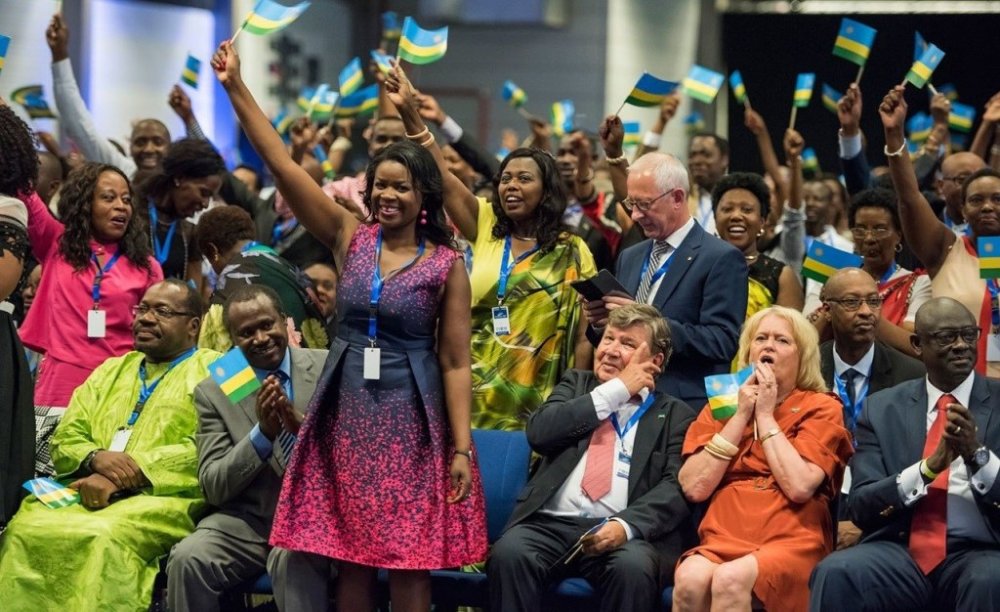
The figures have been released ahead of the upcoming edition of Rwanda Day scheduled on Saturday 5th October 2019 where Rwandans and friends will meet President Paul Kagame in Bonn city, Germany.
According to BNR, Funds transferred by Rwandans from abroad ranged from US$3.6 to 8.8 million before the introduction of Rwanda Day between 2000-2005.
The funds increased from US$ 25 to 98.2 million between 2006 and 2010.
The introduction of Rwanda Day saw the funds tremendously increasing by 158% from US$ 98.2 million in 2010 to US$ 250 million in 2018 translating into over Rwf 250 billion.
Thomas Kigabo, Chief Economist at BNR said the contribution of Rwanda Day to the increase of funds transferred from the diaspora is self-evidencing.
“Rwanda Day editions made Rwandans from abroad to trust national economy. When someone working abroad spends earnings to invest in his home country signifies long-lasting trust bestowed to his country. He/she invest in their own country with a belief that deeds will induce pride in their advanced age,” he said.
Louis Antoine Muhire was 12 years old when he left Rwanda in 1994. He returned after 20 years following Rwanda Day held in Toronto, Canada in 2014.
“My family was among perpetrators of the 1994 Genocide against the Tutsi. I always felt guilty and wondered whether I won’t be charged for what my family did. I went to Rwanda Day in Canada to interact with officials from Rwanda and ask them whatever kind of questions because I believed my security was guaranteed in a foreign country,” he said.
“All the fears I had disappeared after engaging with them and later visited Rwanda as a tourist. I was attracted with the beauty of my native land. I returned to Canada and bid farewell to my former employment at Mont Real police. I came back home for good in the next month and have now spent five years enjoying the beauty of the motherland,” added Muhire.
Michaella Rugwizangoga, the chief executive officer of Volkswagen Mobility Solutions Rwanda who spent seven years studying in Germany requests fellow Rwandans to be fond of their country.
“Young Rwandans studying abroad should closely follow up the development of their native country and develop strong partnerships with the rest to build the nation. You better come to Rwanda often, take part in Rwanda Day programs to learn about the country’s progress and future and be part of it. The country wants to create innovations from your abilities,” she enthused.
During Rwanda Day held in Belgium in 2017, President Kagame emphasized that the contribution of the diaspora should not be disregarded.
The President also emphasized that Africans who are living in Europe can greatly contribute in positively changing lives back home in Africa because they have gained skills that can be used on the continent.
“Living abroad does not mean forgetting your home. You can use what you gain to improve your nation from where you are,” Kagame told participants.
Rwanda Day 2019 is a gathering that brings together Rwandans living abroad and their friends.
It was previously set for Saturday 24th August 2019 but has been postponed to 5th October 2019 in Bonn city, Germany as announced by Rwanda’s embassy in Germany.
Rwanda Day has been held since 2010 and serves as a platform for bringing together all Rwandans from the diaspora and their friends to discuss how to further advance the development of the country and get up to speed on the current progress.
The latest Rwanda Day took place on 10th August 2017 in Flanders Expo, a multipurpose hall in Ghent town, Belgium.
Rwanda Day presents opportunities for attracting foreign investments and networking.
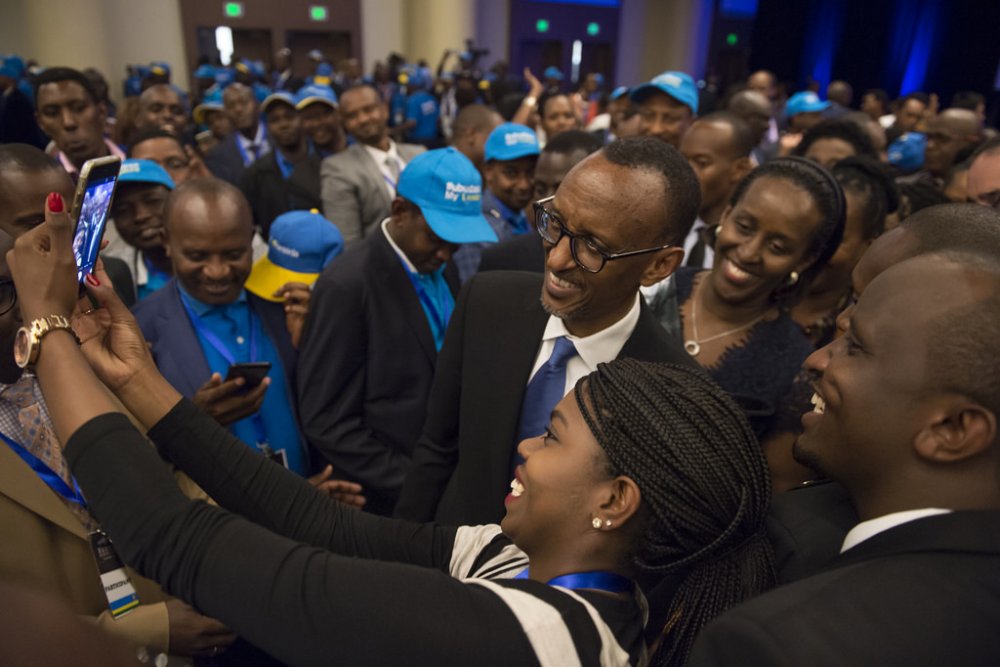
Participants are given the floor to address their questions directly to the Head of State, share ideas and express their wishes as well.
At the occasion, Rwandans get insights into Rwanda’s progress and share ideas on ways forward.
Since 2011, Rwanda Day has been taking place in Chicago, Boston, and Atlanta in the United States of America, Paris in France, Toronto in Canada, London in the United Kingdom, Amsterdam in the Netherlands, San Francisco in USA (Rwanda Cultural Day), and Ghent in Belgium.
According to sources, the man was estranged with her wife Rebecca Umumararungu who had left two children sired together.
A domestic servant at their home said that Nshimiyimana took his life as he returned home on Tuesday and found the two children taken away by her wife.
The man is believed to have climbed onto the top of an avocado tree and hang himself with a rope. The domestic worker alerted residents to rescue the hanging man but it was too late to save his life.
Speaking to IGIHE, the executive secretary of Nyamata sector, Innocent Mushenyi attributed the man’s suicide to estrangement with his wife.
“The cause is not yet established but he had persistent conflicts with his wife that was no longer reported to officials,” he said.
Mushenyi appealed to residents to report domestic conflicts on time and take part in Government’s programs including parents’ forum where various issues are collectively addressed.
The Pick-up vehicle, RAB 384Y was intercepted on Monday in Runda Sector, Kamonyi district with three sacks of poultry meat while the motorcycle registration number RE 581E was intercepted in Sheri cell, Rugarika sector transporting 75kgs of pork.
The driver and rider identified as Albert Nzabagerageza, 46, and Theoneste Uwamahoro, 26, respectively, were taken into custody.
The Ministerial Order n°013/11.30 of 18/11/2010 on transport and trade of meat, particularly article 2 stipulates that “…the transport of fresh chilled or frozen meat for food purpose shall be carried in such a manner to not be seen from outside. The meat shall be properly covered and protected against the sun, rain mud, dust, and flies.”
Article 3 of the same order states that the motor-vehicle transportation of fresh, chilled or frozen, non-packed meat shall use closed vans, separate from the driver, internally covered with galvanized brass or any other stainless material.
The acting District Police Commander for Kamonyi, Chief Inspector of Police (CIP) Gaspard Ndayisaba said that the motorcyclist was at the time transporting pork to someone at Giti cy’Inyoni from Gacurabwenge Sector.
The vehicle was also transporting poultry to Kigali from Musambira Sector, he added.
“A concerned resident called the Police at about 9:30am about a motorcycle, which was transporting untested pork, as a prerequisite. Indeed, when it was tested by veterinary personnel they found it had gone bad and not for human consumption. The poultry meat had also gone bad,” CIP Ndayisaba said. The vet ordered for immediate burial of the pork and chicken meat.
While thanking those who informed the Police about the “illegal and harmful acts”, the DPC advised the general public against “unhealthy and unlawful transportation of meat” and called for real time information sharing on anyone, who breaks such health standards.