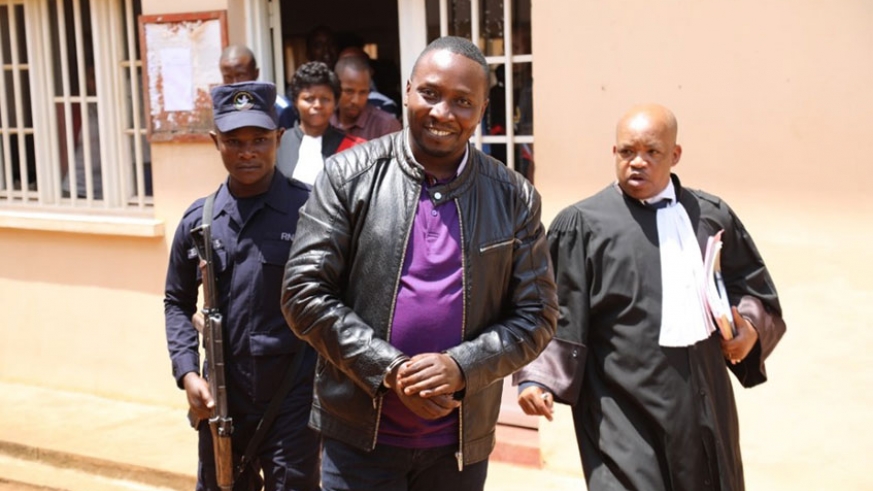
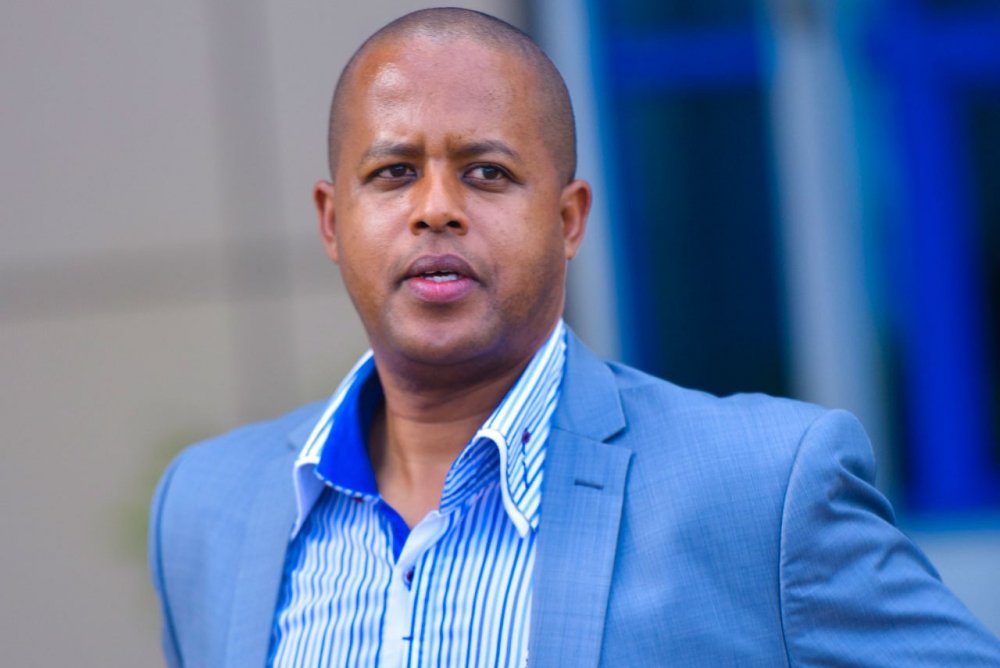
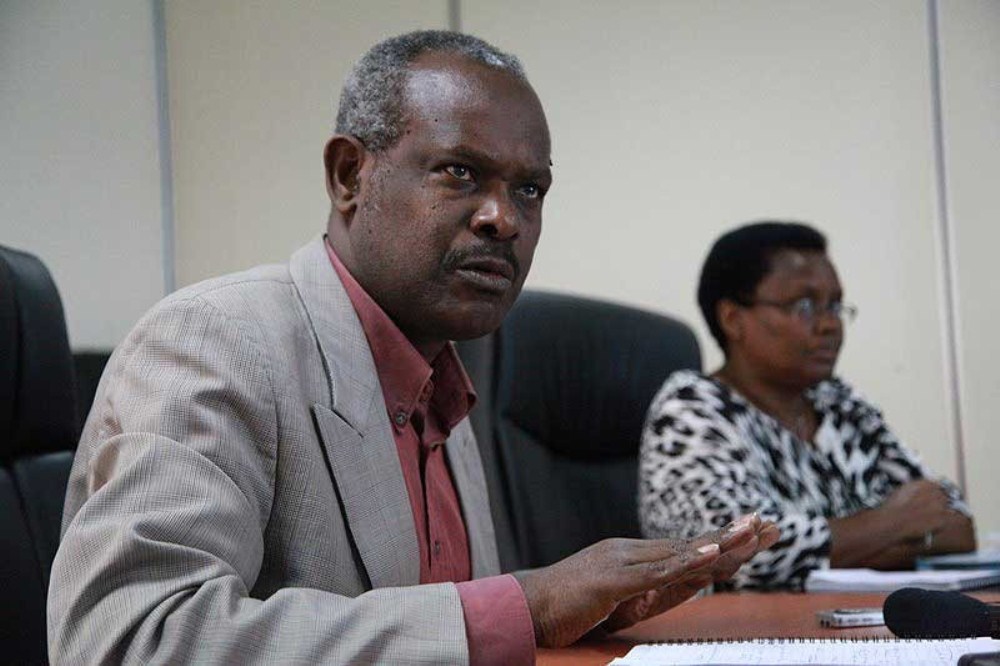
Habumugisha is accused of assaulting a female employee, Diane Kamali on 15th July 2019 during a meeting at the office of Goodrich TV.
During the hearing on bail application recently, the prosecution requested for his remand lest the suspect tampers with investigations.
The court ruled his release on bail yesterday citing that two months when at large after the alleged assault he did not tamper with investigations.
The court accepted the two people that Habumugisha had presented as his sureties. Some of his properties were held as a guarantee while he is on bail.
Dr. Habumugisha was obliged to report to prosecution every Monday and was restrained from attending any meeting.
The presiding judge also restrained him from making any interviews with the media, or any video explanation while he is out.
He ruled Dr. Habumugisha must present original documents of the land presented as a guarantee within a few days.
The suspect and his defense lawyers were not present during the ruling while the prosecution was represented.
While delivering the ruling, the presiding judge said that the charges that Habumugisha is facing have a maximum penalty of five years in jail in case of a conviction.
In such a case, the judge said the law makes provision for the defendant to be given bail if he fulfills other requirements.
During the previous hearing on 13th September 2019, Habumugisha denied charges against him hence applying for bail.
Lawyer Idahemuka Tharcisse defending Dr. Habumugisha said that no evidence has been adduced pinning his client to have assaulted Diane and that he should be released.
The businessman was arrested earlier this month and appeared in court days after where prosecutors charged him with slapping Diane Kamali destroying her property (a mobile phone), as well as verbally insulting her in public during a staff meeting on July 5.
His arrest followed a video that Kamali tweeted in which Habumugisha appeared to be slapping her and tagged President Paul Kagame who later promised a follow-up.
Two suspects; a mother identified as Consolée Mwavita and her daughter Hadidja Vumiliya Nyiragaju, were arrested in Byahi Cell, Rubavu Sector with 3500 rolls of cannabis.
The third suspect named Etienne Manizabayo was arrested in Rukoko Cell also in Rubavu Sector with 18kgs of cannabis.
The suspects had just sneaked the narcotics into Rwanda from the Democratic Republic of Congo (DRC), Chief Inspector of Police (CIP) Emmanuel Kayigi, the Police spokesperson for the Western region, said.
“The Anti-Narcotics Unit, based on credible information from members of the public, arrested Vumiliya, who traffics cannabis from DRC. Her mother was an accomplice because she was hiding the daughter’s narcotics in her house, which was being used as a store,” CIP Kayigi said.
It is said that Vumiliya had brought the 3500 pellets earlier that day.
Another suspect; Etienne Manizabayo was arrested at an illegal border as he crossed into Rwanda from DRC, with the 18kgs of cannabis, the spokesperson said.
“The Rwanda National Police successful operations are largely facilitated by the information we get from the public. We urge communities, especially those residing on borderlines to be responsive and work with the Police against such traffickers to break chains of supply.”
“Effective response against drug trafficking chains requires individual and collective ownership where we walk or live; drug dealers either operate in our communities or use neighborhoods as transit routes. We have to work together and deny them any space to operate by identifying and reporting those involved so that they can face justice,” CIP Kayigi said.
According to article 263 of the penal code, any person convicted as a “major drug dealer” faces between 20 years and life in prison.
During the weekend operations by the Police and local leaders, about 30 children were found in bars taking alcoholic.
The operations were in line with the implementation of the law on child protection, with focus mainly on bars and entertainment spots serving alcohol to minors as well as child labor.
Article 3 section 6 of the law no 71/2018 of 31/08/2018 relating to the protection of the child, defines a child as “any person under eighteen (18) years of age.”
In its article 27, paragraph 3, the same law stipulates that any person, who sells alcoholic beverages or tobacco to a child, causes or encourages a child to drink alcoholic beverages, to smoke or to go to bars commits an offense.
Upon conviction, he or she is liable to imprisonment for a term of not less than three (3) months but not exceeding six months and a fine between Rwf100, 000 and Rwf200, 000.
At least three bars were closed in Kigali and one bar manager arrested after seven children were found taking alcoholic drinks. The closed bars in Kigali are Service Club locate in Muhima, Nyarugenge District; Carioka in Nyarugunga, Kicukiro District and New Hirwa in Remera, Gasabo District.
The arrested bar manager is Innocent Ndayisenga of Service Club.
In Ngororero District, the proprietor of Tama-Tamu bar, Silas Ngendahimana was arrested after Police and local leaders found four minors in his bar drinking.
Claudine Nikuze and Ziripa Nyiranshimiyimana were arrested in Runda and Rukoma, respectively, in Kamonyi District after four children were found taking alcohol; Fils Uzamukunda of Rwamiko of Busanze, Nyaruguru District was also taken into custody after he was found serving alcohol, including illicit drinks to students of Groupe Scolaire Rwamiko, while Jean Baptiste Bihoyiki was apprehended in Mata also in Nyaruguru where minors were served alcoholic drinks.
In Musanze District, Police is still searching for one Esperance Muzirankoni, who fled after six children, including one aged 12, were found in her bar–Chez Esperance Muzirankoni—located in Muhoza Sector drinking alcohol, with some of them already drunk.
Rwanda National Police (RNP) spokesperson, Commissioner of Police (CP) John Bosco Kabera warned owners of bars, night clubs and other joints that sell alcohol against “destroying children.”
“Children are protected in all ways and that includes protecting them against alcohol and child labor; we appeal to the general public to respect the law and desist from such unlawful acts,” CP Kabera said.
During the weekend operations, four other people were arrested in Kamonyi and Nyaruguru for employing children. The duo was using minors to fry and sell pork.
“It’s a combination of operations and awareness; we are engaging owners of bars and entertainment spots to emphasize this and ensure that messages related to child protection are pinned in their premises, and these include messages prohibiting people from driving while drunk, which is risky to oneself and other road users,” CP Kabera said.
About 90 drivers were also arrested over the weekend after they were found driving while drunk, with 144 others arrested the previous weekend.
More than 1170 drunk drivers were arrested between January and August this year, across the country. Last month, five people lost their lives at the hands of drunk-drivers.
The recommended maximum of alcoholic content is 0.8.
Africa lags the rest of the world on many health measures. Life expectancy is 10 years below the global average while maternal and under-five mortality rates are double. The region is home to 10 of the 11 countries with the world’s highest burden of malaria and has the highest rates of HIV infection. Neglected tropical diseases such as leishmaniasis and Buruli ulcer still take an unacceptable toll.
But these facts only tell part of the story. At a time when the rest of the world is grappling with the challenges of ageing populations, Africa has the world’s youngest. Africa is also home to four of the world’s 10 fastest-growing economies and becoming a hub for innovation, research and development.
Last year, the World Health Organization ran its first “Innovation Challenge” to promote scalable health solutions for Africa. It received more than 2,400 applications. The winners included a Ghanaian company that uses mobile technology to combat counterfeit medicines; a Nigerian entrepreneur who makes essential eye-care available in rural villages; and the Ugandan developer of a diagnostic test for the early detection of viral haemorrhagic fevers, including Ebola.
What this underlines is that talent is universal; opportunity is not. This lack of opportunity perpetuates the cycle of poverty, drives African nurses to leave their homes for better-paid jobs abroad and forces others to attempt perilous journeys across the Mediterranean in search of a better future.
How can we ensure that future generations of Africans enjoy the opportunities their talent deserves? One of the best ways of doing that is by investing in health. Good health enables people to learn and earn, to start businesses and to thrive. It is the foundation for the dynamic and prosperous Africa we all want to see.
This is not theory; it is history.
Both the United Kingdom and Japan, two of the world’s best examples of universal health coverage, started investing in their health systems in the aftermath of the second world war, when their economies were in ruins. Those investments laid the platform for both countries to become industrial powerhouses of the latter 20th century.
This underscores a vital point: that health is not just an outcome of development; it’s a prerequisite.
Similar stories can be told about our two countries. In Rwanda, health system reforms over the past 15 years, including the provision of free preventive services to more than 90 percent of the population, have resulted in dramatic declines in maternal and child mortality. The burden of HIV, tuberculosis, and malaria has fallen significantly and life expectancy has doubled.
Likewise, Ethiopia invested heavily in building primary healthcare and training thousands of workers — mainly women — to deliver basic health services at the village level. It increased the annual enrolment of doctors tenfold and overhauled the pharmaceutical supply system. These reforms are delivering results.
And yet access to quality essential health services is still lower in Africa than any other region. Today, 114m people in Africa live in poverty because of healthcare costs.
These gaps not only imperil the health of millions; they also threaten Africa’s growth and prosperity.
That is why the World Health Organization has made universal health coverage its top priority. No one should get sick and die simply because the health services they need are either unaffordable or inaccessible.
At the UN in 2015, world leaders committed to achieving universal health coverage by 2030 as part of the Sustainable Development Goals.
Since then, we have seen several countries making important strides. Kenya has embarked on an ambitious universal health coverage scheme, while South Africa passed a new National Health Insurance bill last year designed to reduce the searing inequalities in that country. These countries are proving that universal health coverage is not a luxury that only rich nations can afford — it is a political choice.
In February, leaders at the African Union Summit in Addis Ababa undertook to mobilize domestic resources to invest in primary healthcare and universal coverage. The six-member states of the East African Community and the Democratic Republic of Congo are also, for the first time, working on a regional plan to tackle malaria and exploring ways to increase funding to fight the disease.
At the UN General Assembly this month, world leaders will converge for the first high-level meeting focused on universal health coverage. Now is the moment for a new era of partnership among governments, donors, philanthropists, and the private sector, building on past successes.
Much work remains to be done to close the gap between Africa and the rest of the world. But with a political commitment to universal health coverage and the right investments in strong health systems, the future of Africa is not just healthier; it is also more prosperous and more powerful.
{{First published in Financial Times, September 24, 2019}}
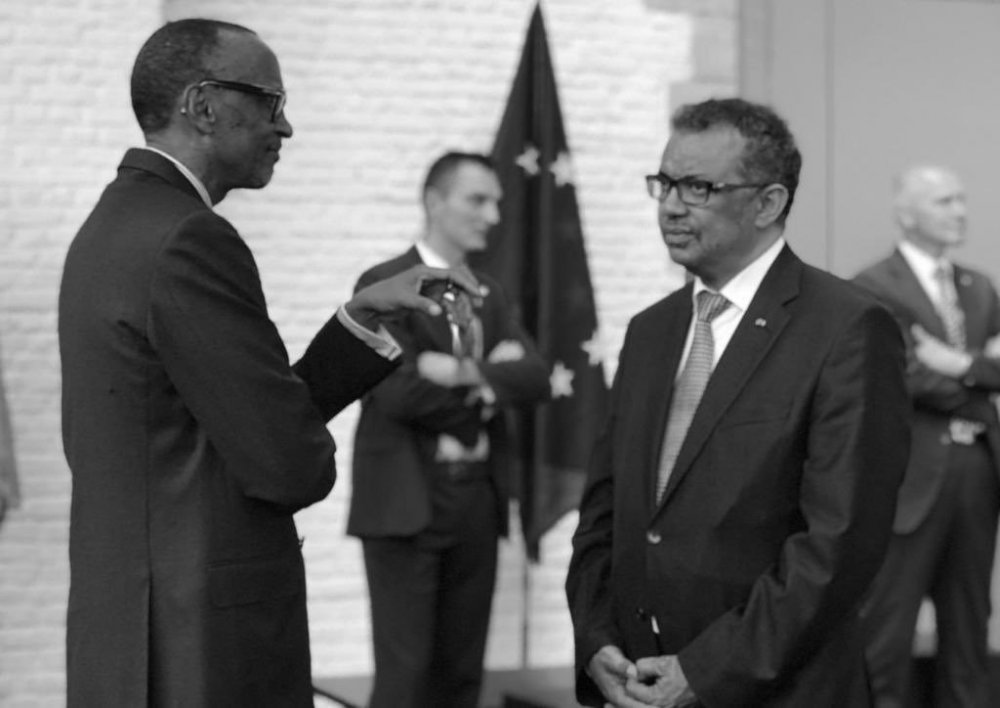
Paul Kagame is president of Rwanda
Tedros Adhanom Ghebreyesus is director-general of the World Health Organization
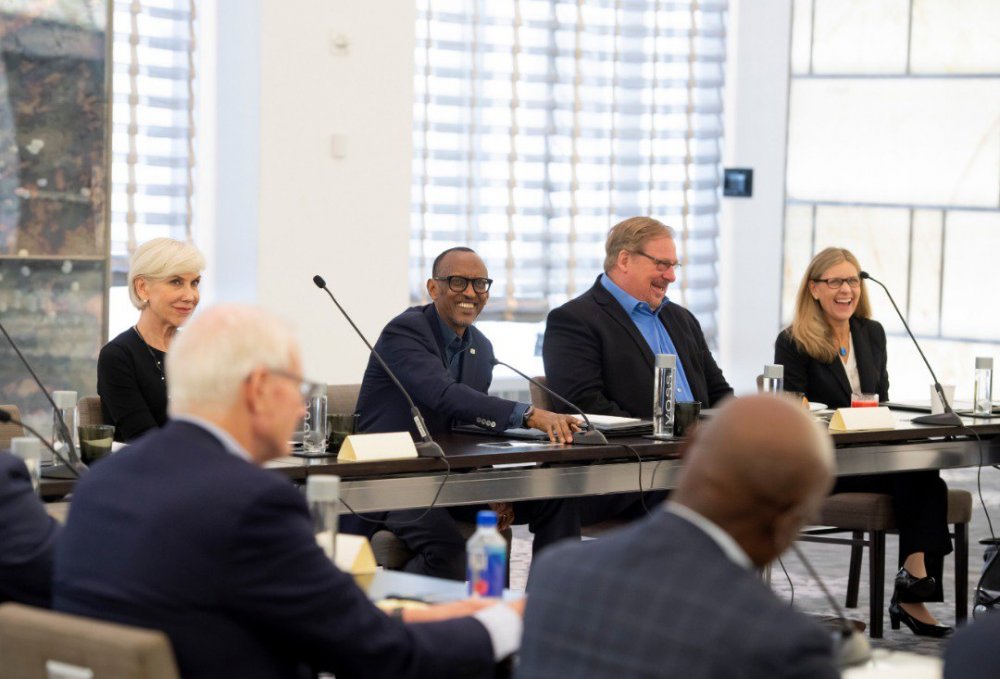
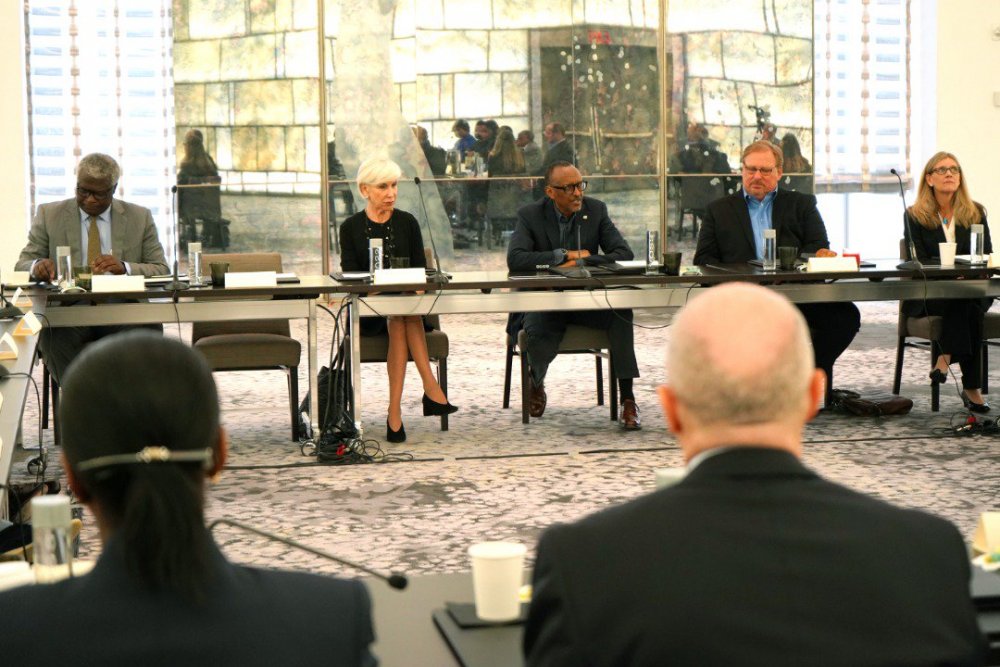
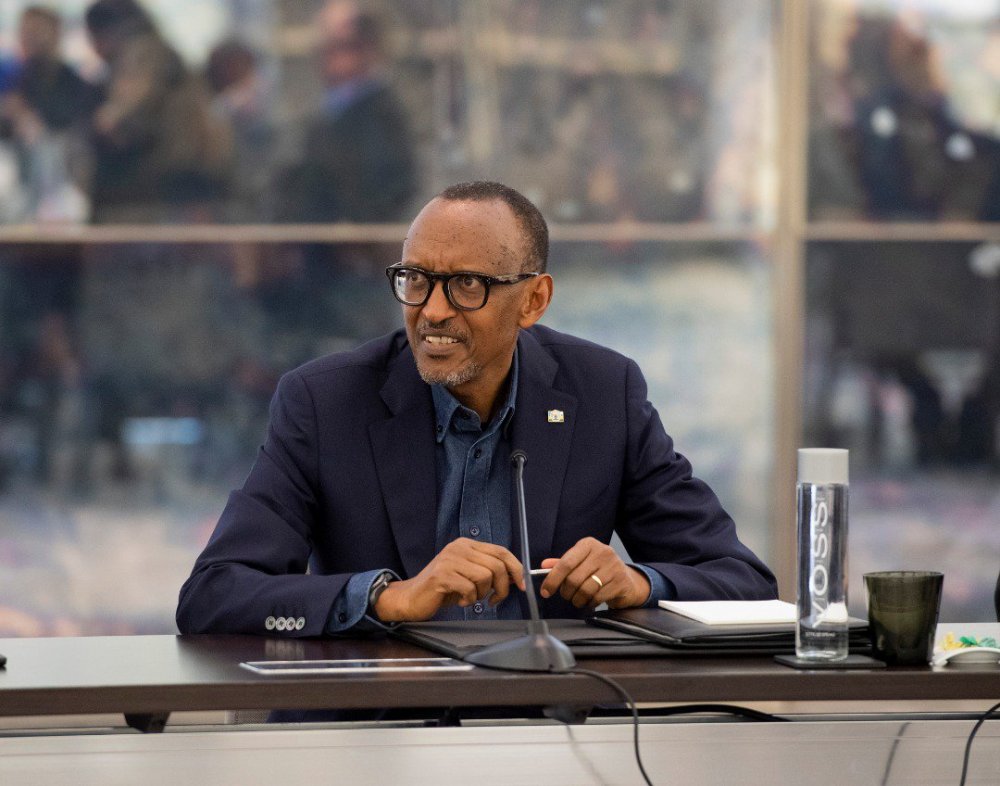
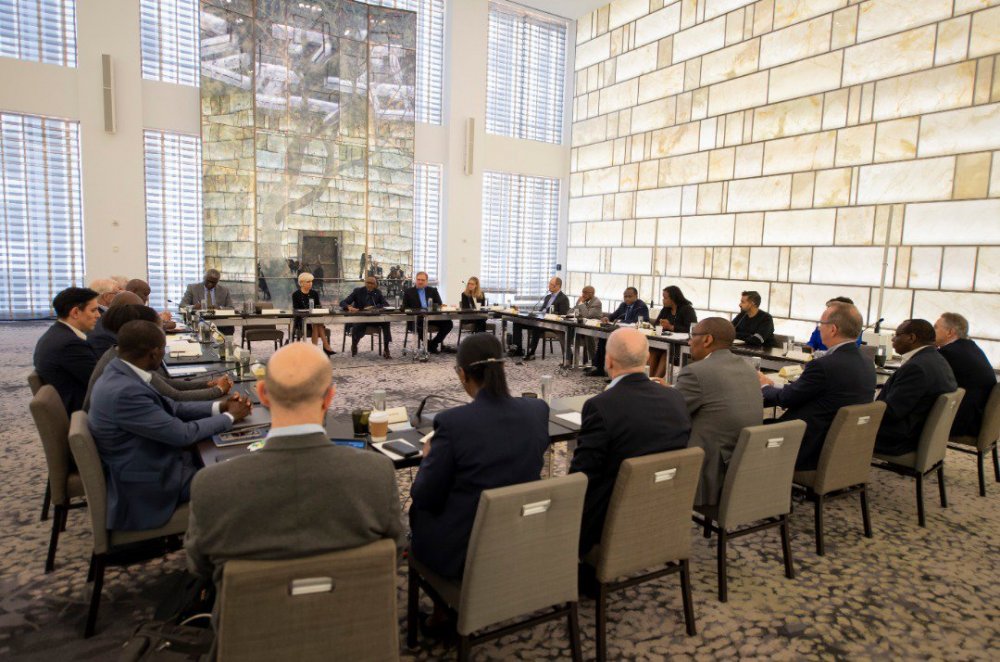
The president who was chairing the Presidential Advisory Council (PAC), a group of eminent Rwandan and International experts who offer strategic advice and guidance to the President also thanked members of the council for staying the course and sticking with Rwanda for a very long time 25 years after Genocide adding that Rwandans have good stories to tell.
“After so many years of being together in PAC, things keep changing and they change for the better. People have been working hard, and the people of Rwanda have been a central part of this story. Today, we can say that we have good news in a sense of where the country is. We are not yet there as we all know, but we have made progress. It is still a work in progress,” he said.
Kagame said that in collaboration with Rwandans and advice from the council, Rwanda continues to progress while many countries’ economies are not stable.
Figures reveal that Rwanda’s economy grew by 8.6 % last year, grew by 8.4 % in the first quarter of 2019 and 12.2 % in the second quarter.
He said numbers are self-evidencing that anyone with doubts should talk to Rwandans.
“Numbers also tell a very good story and they are built on many things. The good news is continued good progress even at a time when the world is also struggling. I never knew the world would come to struggle as we struggled,” said Kagame.
“I want to thank you because this story that we’ve built-in and outside Rwanda, we’ve done it together; and Rwandans are actually happy. If anyone has doubt about that go talk to them,” he added.
The President said there are times when many people gave up on Rwanda including own people but observed that those who stayed have carried on and have nothing lacking in the spirit of fighting on.
He explained that many Rwandans were born 25 years ago or were under 10 back then.
The President stressed that some of them didn’t have any hope that they would even go to school.
“Some of them didn’t have any hope that they would even go to school; that they would live for 25 years. Now, the same people are young, proud, men and women who tell you these stories of how they’ve made it. They can be as proud as they want, as anyone in the world,” he said.
Kagame explained that such testimonies are better told by Rwandans, not the media.
“They tell you these stories themselves. It is not something to wait to be told by some journalists. And all of them have something to show. It’s real. This story resulted from the partnerships, the friendships, and the hard work and resilience of the people of Rwanda themselves,” he said.
Established in 2007, the Presidential Advisory Council (PAC) is held twice a year in April and September.
Discussions at PAC are aimed at identifying innovative and pragmatic interventions that drive Rwanda’s socio-economic development. President Kagame thanked members for staying the course over a decade.
The discussions took place in New York, the United States where Kagame traveled to attend the 74th United Nations General Assembly that starts today.
Ahead of the summit which opens today, the Head of State on Sunday chaired the Presidential Advisory Council (PAC), a group of eminent Rwandan and International experts who offer strategic advice and guidance to the President and the Rwandan government at large.
Discussions at PAC are aimed at identifying innovative and pragmatic interventions that drive Rwanda’s socio-economic development. President Kagame thanked members for staying the course over a decade.
“There are times when many people gave up on us including our own but those who stayed have nothing lacking in the spirit of fighting on. From that time, we have rebuilt and the people of Rwanda have been a central part of this story,” said Kagame.
Launched on 26 September 2007, PAC meets in April and in September every year.
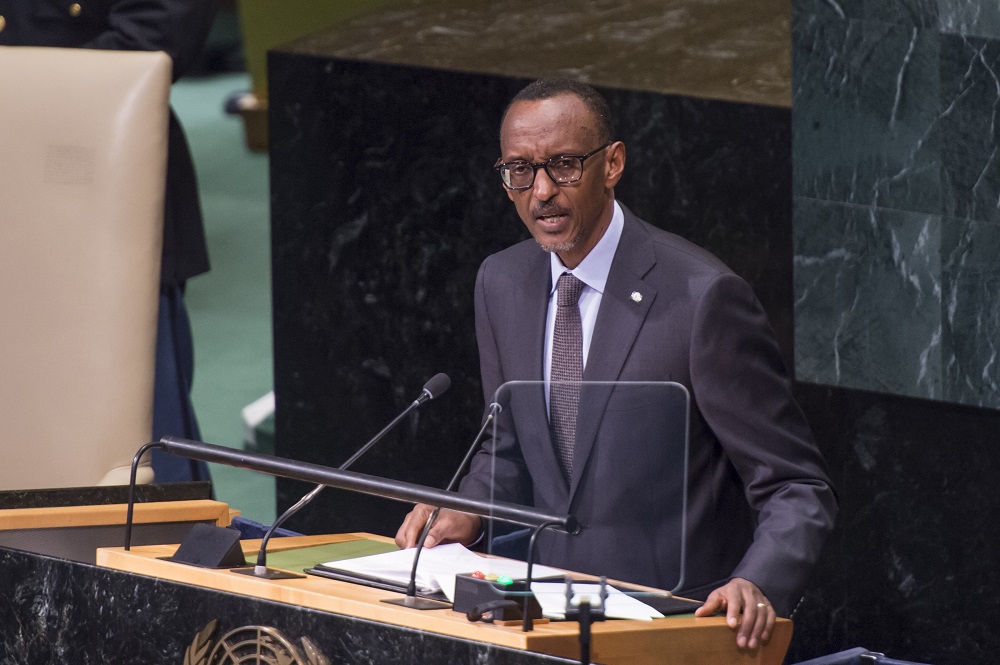
The statement released by the presidency reads that President Kagame is on Tuesday this week expected to address world leaders at the 74th United Nations General Assembly.
This year’s general debate is themed “Galvanizing multilateral efforts for poverty eradication, quality education, climate action, and inclusion”.
All 193 Member States of the Organization are represented in the General Assembly – one of the six main organs of the UN – to discuss and work together on a wide array of international issues covered by the Charter of the United Nations, such as development, peace and security and international law among other subjects.
The 73rd UN General Assembly took place from 24th to 27th September 2018.
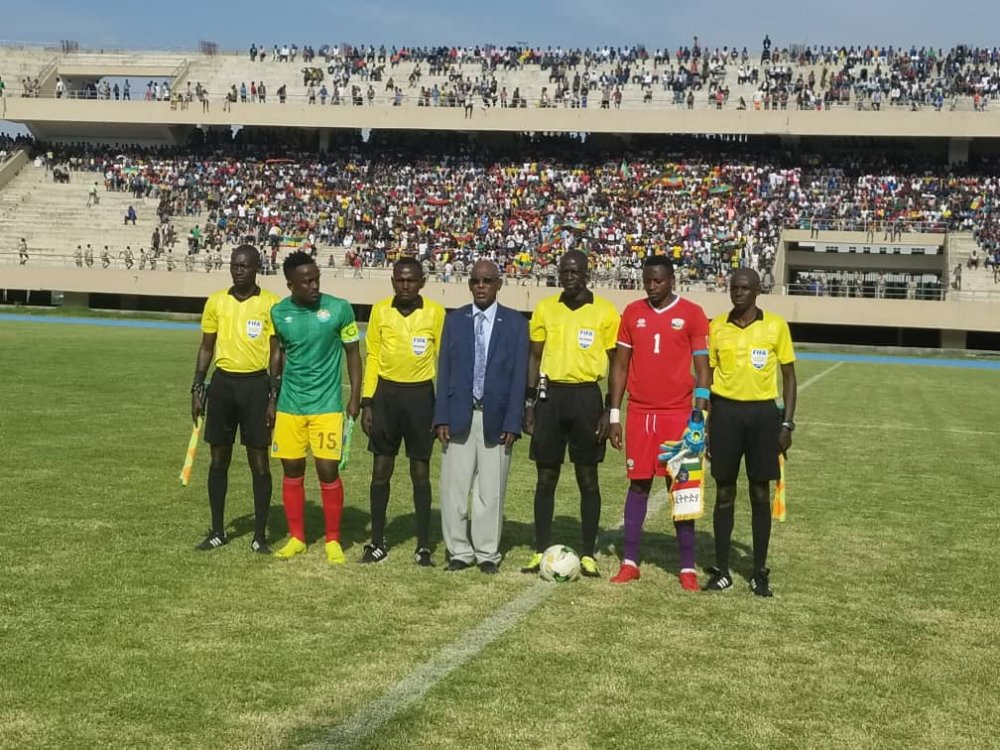
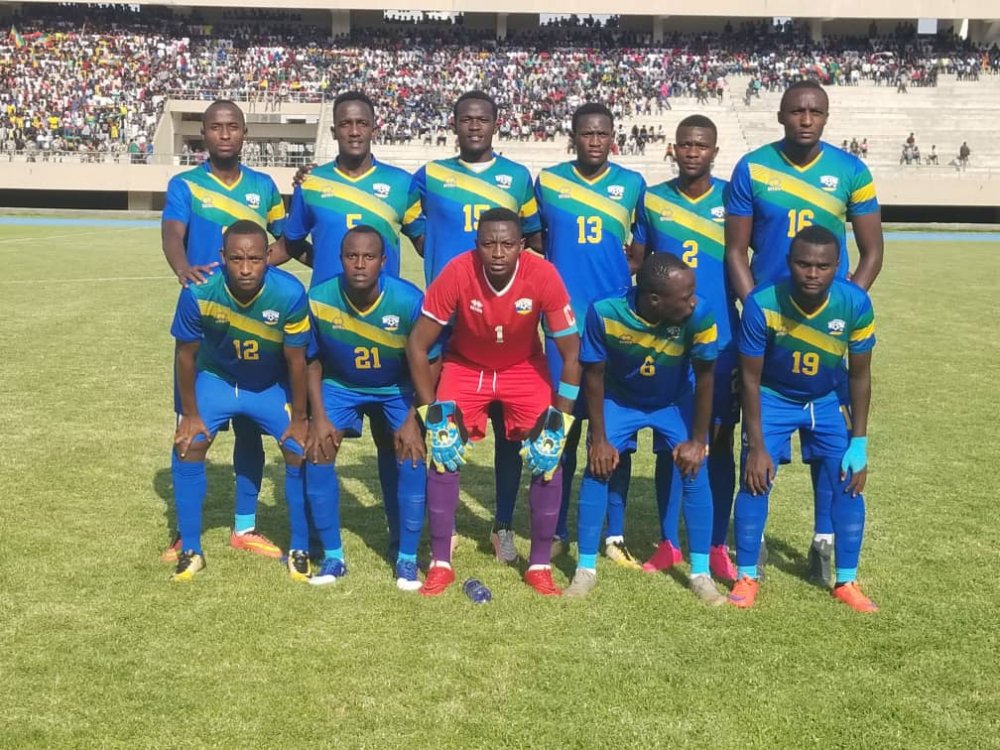
Striker Sugira Ernest scored a bicycle goal in the 62nd minute to give Rwanda a first-leg advantage ahead of the return leg to be played in Kigali next month.
Sugira’s goal comes a few days after he was on the score sheet as Rwanda edged DR Congo in a 3-2 international friendly match which was played away in Kinshasa on September 18, 2019.
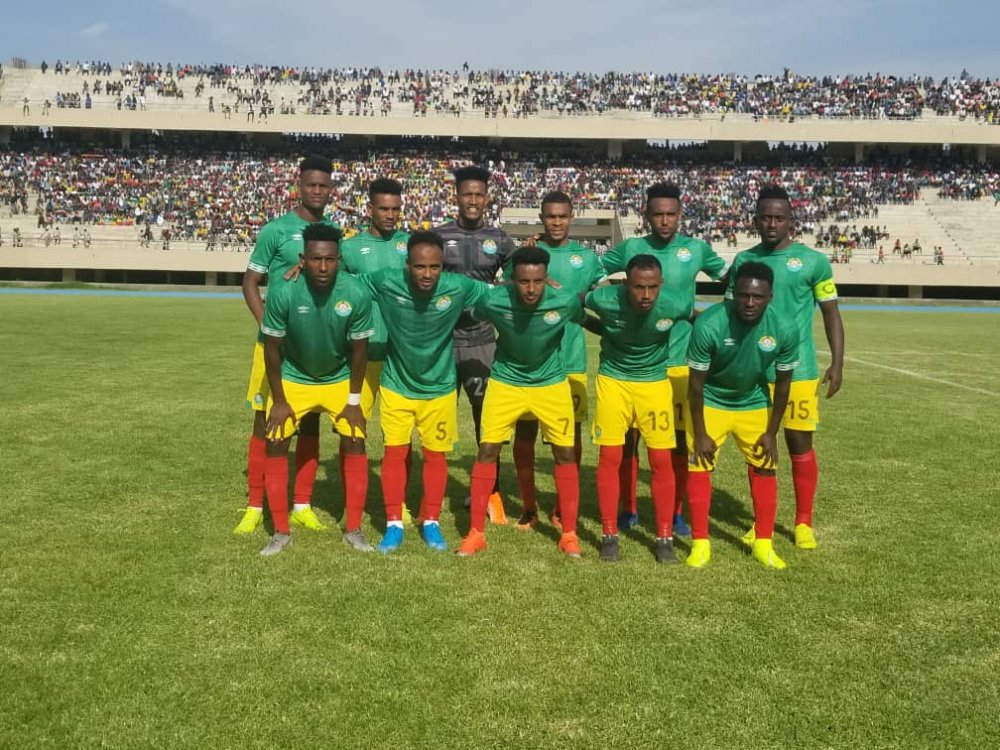
Good goalkeeping and defending tactics helped Coach Mashami Vincent’s side to seal the win despite efforts from Ethiopian forwards which were unproductive.
The winner over the two legs will automatically secure a ticket to the 6th CHAN finals tournament. Rwanda is on the quest for a fourth appearance in the biennial tournament, having only missed the inaugural (2009) and 2014 editions.
Previously Rwanda qualified for the 2018 CHAN tournament, held in Morocco, after beating Ethiopia 3-2, thanks to goals from Abeddy Biramahire, Eric Rutanga, and Muhadjiri Hakizimana, hosted the 2016 edition in Kigali after taking part in the 2011 edition which was held in Sudan.
The CHAN qualifiers will also act as a preparation advantage for Rwanda ahead of the Total AFCON Cameroon 2021 qualifications, which will kick-off also against Mozambique away in Maputo on November 15 and Cameroon on November 19, 2019, in Kigali.
{{2020 CHAN Qualifier}}
Final Round, First Leg Results
Ethiopia 0-1 Rwanda
Burundi 0-3 Uganda
Madagascar 1-0 Namibia
Algeria 0-0 Morocco
Tunisia 1-0 Libya
Mauritania 0-0 Mali
Senegal 1-0 Guinea
Chief Inspector of Police (CIP) Roger Rwakayiro, the District Police Commander (DPC) for Gakenke said the suspects were arrested in Rutamba well.
They are Pierre Mpariyabarimba, 29, Elaste Nshimiyimana, 25, Vedaste Dufashingabo, 28, Pascal Bansibaniye, 45, Said Bamenyayabo, 29, and Vianney Dushimiyimana, 29.
The arrest came a few days after other illegal miners were caught in a concession located in Ruli Sector also in Gakenke.
“The majority of illegal miners use the cover of the night, which itself is dangerous because anything can happen in that darkness, that’s how some of them tamper with weak cliffs causing landslides, and some people have died in such scenarios,” the DPC said.
He explained that illegal mining activities in wells and rivers also affect such water bodies and turn them brown.
“These activities are not only unlawful and risky, but they also affect the economy and the environment. We appeal to the public to join efforts against them by sharing information on people involved and locations where they’re conducted,” CIP Rwakayiro said.
He also urged owners of mining concessions to take precautions against illegal mining activities and theft of minerals in their sites.
Gakenke is rich in cassiterite and wolfram, and the DPC warned that “operations are continuous” to arrest anyone found in such unlawful acts.
Article 54 of the law on mining and quarry operations, states that “any person, who undertakes mineral or quarry exploration, exploitation, processing or trading without a license commits an offense.”
Upon conviction, the offender is liable to imprisonment for a term of between two and six months and a fine of not less than Rwf1 million and not more than Rwf5 million or only one of these penalties.
These include Jerome Gasana, the former director-general of WDA and the head of finance and administration at the institution.
“Rwanda Investigation Bureau has arrested eight people for alleged misuse and swindling of public funds. These include the former director-general, project coordination officer, the head of finance and administration and the head of human resources at WDA along with the head of investment and human resource department at RSSB,” reads RIB announcement.
Other arrested leaders include the former investment officer at WASAC, Ruhinyura Joseph and the head of resources and administration Nyiringango Alfred.
They were investigated since 2017.
RIB announced that investigation is ongoing within other public institutions pointed out for misuse and misallocation of public funds by the Auditor General’s report to hold accountable those behind it and recover the funds.
Since 2016/17, WDA was blamed for the misuse of public funds as pointed out in the Auditor General’s report. It was reported to have placed orders for a large number of equipment which remained idle while others got ravaged inside stores.
WASAC was also blamed for misuse of public funds which left members of the management arrested in 2017. Those include the former CEO, Sano James who was later acquitted of accusations related to the illegal offering of tenders.
Nyiringango and Ruhinyura were among other leaders who were fired and investigated by the time of Sano’s arrest.
WASAC was also reported for an illegal offering of tenders worth Rwf 10 billion as indicated by the 2016/2017 audit report.
The Auditor General’s report indicates that WASAC implements recommendations at 28% which is considered the lowest rate compared to other audited institutions.
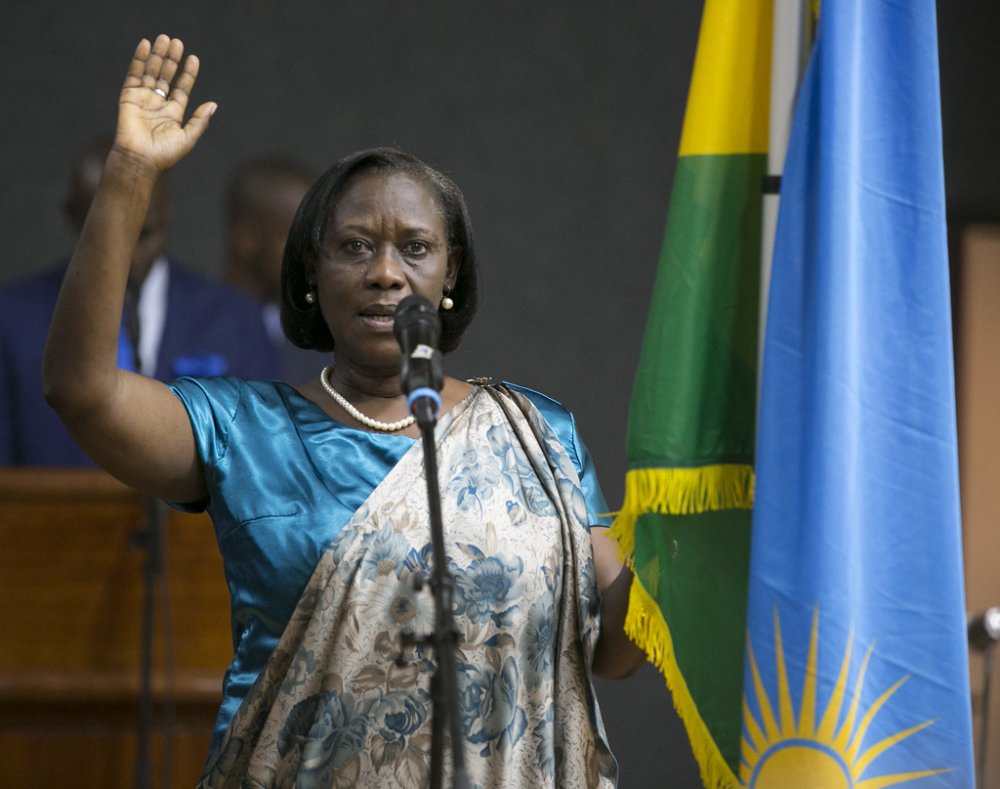
The aforementioned senators were appointed yesterday following the confirmation of 14 senators elected to represent the four provinces and the City of Kigali, public and private institutions of higher learning as well as political organizations.
Dr. Mukabaraba has been the State Minister for social affairs at the Ministry of Local Government, Esperance Nyirasafari is the former Sports and Culture Minister, Francois Habiyakare has been working at the Public Service Commission while Dr.Iyamuremye has been serving as the Chairperson of Rwanda Elders Advisory Council.
The nomination follows senatorial elections in other spheres to pick candidates to fill up the 26-seat upper chamber of parliament.
Rwandan Senate comprises of 26 members with the President appointing 8 Senators while 12 Senators are elected at the provincial local government level.
Four Senate members are sent by Political Parties through their forum while two are elected by public and private institutions of higher learning.
Kagame will appoint more senators after one year.
Ashingiye ku Itegeko Nshinga rya Repubulika y'u Rwanda ryo mu 2003 ryavuguruwe mu 2015, cyane cyane mu ngingo yaryo ya 80 igika cya mbere, agace ka 2, n'igika cya 5, none ku wa 20/9/2019, Nyakubahwa Perezida wa Repubulika ashyizeho Abasenateri bakurikira: