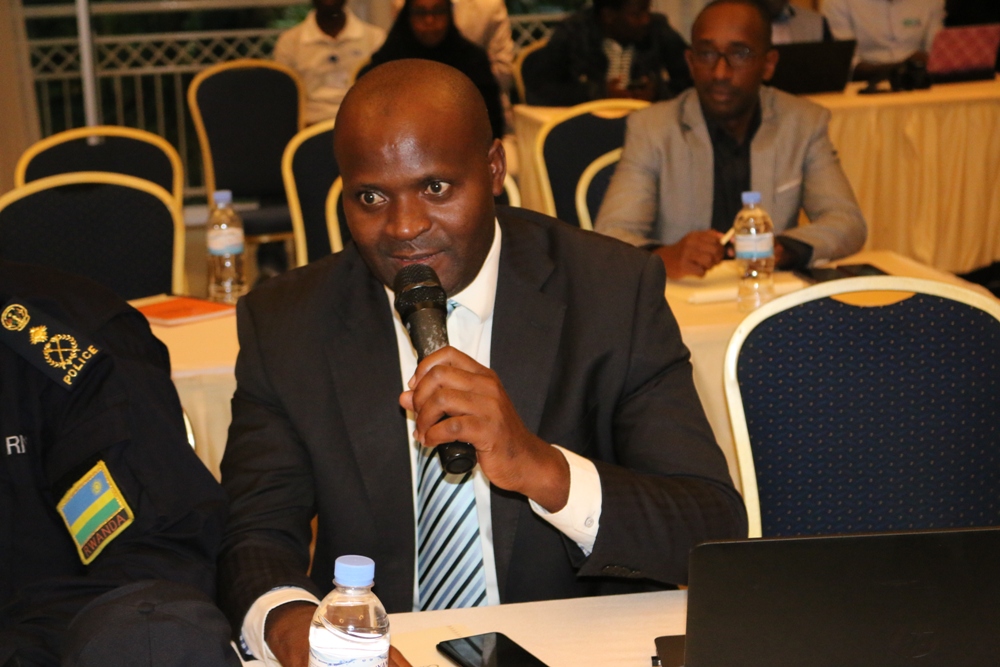
The forum organized by the United Nations Educational, Scientific and Cultural Organization (UNESCO) officially opened today on 18th to conclude on 22nd September 2019.
Other participants from Rwanda include Rwanda’s Minister of Sports and Culture, Espérance Nyirasafari and a delegation of students from Nyundo School of music to entertain attendees.
Speaking to IGIHE, Jolly Mutesi revealed that she will deliver a talk on “Role of youth in peace and security process.”
The forum attracted 400 participants including Ministers of sports and Culture from African countries.
Moussa Faki Mahamat, the Chairperson of the African Union Commission and Angolan President, João Manuel Gonçalves Lourenço among other dignitaries also graced the opening session of the forum held in Luanda, Angola at Central Convention Center Talatona Hotel.
Miss Mutesi Jolly is the coordinator of ‘Africa Unesco Youth Forum’ in Rwanda and was appointed following the success of ‘Intergeneration Dialogue’, she organizes.
The idea of launching the Biannual forum for a Culture of Peace draws its inspiration from the Charter for African Cultural Renaissance2, which advocates for culture as the most effective means of enabling Africa to increase its share of worldwide scientific production and overcome the challenges of globalization.
It is said that he was killed in Bwito of Northern Kivu Province.
Mudacumura served in Rwanda’s military before the 1994 Genocide against the Tutsi. He was the deputy commander of the Presidential Guard of the Rwandan Armed Forces during the 1994 Genocide against the Tutsi.
He attended military courses in Hamburg, Germany.
Gen. Mudacumura is killed following the arrest of Major Sabimana Iraguha known as Mugisha Vainqueur, the former commander of his guarding forces in 2016. He was arrested by the Armed Forces of the Democratic Republic of the Congo (FARDC).
Mugisha was among the top leaders of FDLR sought by the judiciary for alleged war crimes committed in Busurungi of Walikale during Umoja Wetu operations.
Those who talked about the death of Mudacumura include Simone Schlindwein, the correspondent of TAZ medium from Germany following up reports in DRC and the region.
She posted via a twitter account that Gen Mudacumura was killed today early morning ambushed by Nduma Defence Forces (NDF).
“Flash: it is confirmed now: Sylvestre Mudacumura: Rwandan Hutu Militia #Fdlr military leader, wanted by ICC for war crimes and crimes against humanity, was killed this morning in #congo nyanzale, chefferie de Bwito.. most likely by NDF militia,” tweeted Simone.
Another journalist working for DRC’s RTNC Television, Saleh Mwanamilongo posted on twitter that Mudacumura has been killed in Makomalehe, an area between Nyanzale and Bambo, in Bwito region.
Sylvestre Mudacumura, the military leader of the FDLR would be killed this morning in the locality of Makomalehe (between Nyanzale and Bambo in the chiefdom of Bwito, the territory of Rutshuru, North Kivu). In 2012 the ICC issued an arrest warrant against him for war crimes,” he said.
Gen Mudacumura was alleged of war crimes and torture among others committed in between 2009 and 2010. He took over FDLR chieftaincy following the repatriation of his predecessor, General Paul Rwarakabije.
The International Criminal Court of La Haye in Holland had issued arrest warrants against him on 13th July 2012.
Flash: its confirmed now: Sylvestre Mudacumura : #rwanda n hutu Militia #Fdlr military leader, wanted by #ICC for war crimes and crimes against humanity, was killed this morning in #congo nyanzale, chefferie de Bwito.. most likely by NDF militia. pic.twitter.com/cI8icxlqJv
URGENT: Sylvestre Mudacumura, chef militaire des FDLR serait tué ce matin dans la localité de Makomalehe ( entre Nyanzale et Bambo dans la chefferie de Bwito ,territoire de Rutshuru,Nord-Kivu.En 2012 la CPI a émis un mandat d'arrêt à son encontre pour crimes de guerre.#DRC#RDC
Eleven suspects were arrested in Byahi Cell, Rubavu Sector. One of them identified as Esperance Ingabire was arrested in Buheru trading centre with 700 pellets of cannabis.
Chief Inspector of Police (CIP) Emmanuel Kayigi, the Police spokesperson for the Western region, said that the suspects were at the time also found smoking cannabis.
“ANU responded to information about a group of drug dealers and abusers in Rubavu and arrested 10 men, who were at the time smoking cannabis; they disclosed that Ingabire and other two other women are their suppliers,” CIP Kayigi said.
“Police officers tracked Ingabire in Buheru trading centre, where she operates her criminal business. She was found in possession of 700 pellets of cannabis. Two other women are still on the run but they will also be tracked down to face the law,” he added.
Buheru is on the borderline and some drug traffickers use this area as their stores, so the ongoing operations also target houses used as stores, owners and drug traffickers.
“The general public is at the top of this fight through information sharing,” the spokesperson explained.
Meanwhile, another drug dealer identified as Jean Bosco Sebitabi was arrested in Karago Sector of Nyabihu District, with over 1000 pellets of cannabis.
Sebitabi had wrapped the pellets around his waist as he crossed into Rwanda from the Democratic Republic of Congo.
CIP Kayigi said that Police continues to sensitize communities residing on borderlines on the dangers of trafficking and abusing narcotics, criminal repercussions and their community policing role in breaking chains of supply.
Under article 263 of the penal code, any person who, in any way, eats, drinks, injects himself/herself, inhales or one who anoints oneself with psychotropic substances, commits an offence, punishable by an imprisonment term between one and two years or subjected to a penalty of community service.
The same article also provides a sentence of imprisonment between 20 years and life in prison for anyone convicted of producing, transforming, transporting, storing and selling narcotic drugs
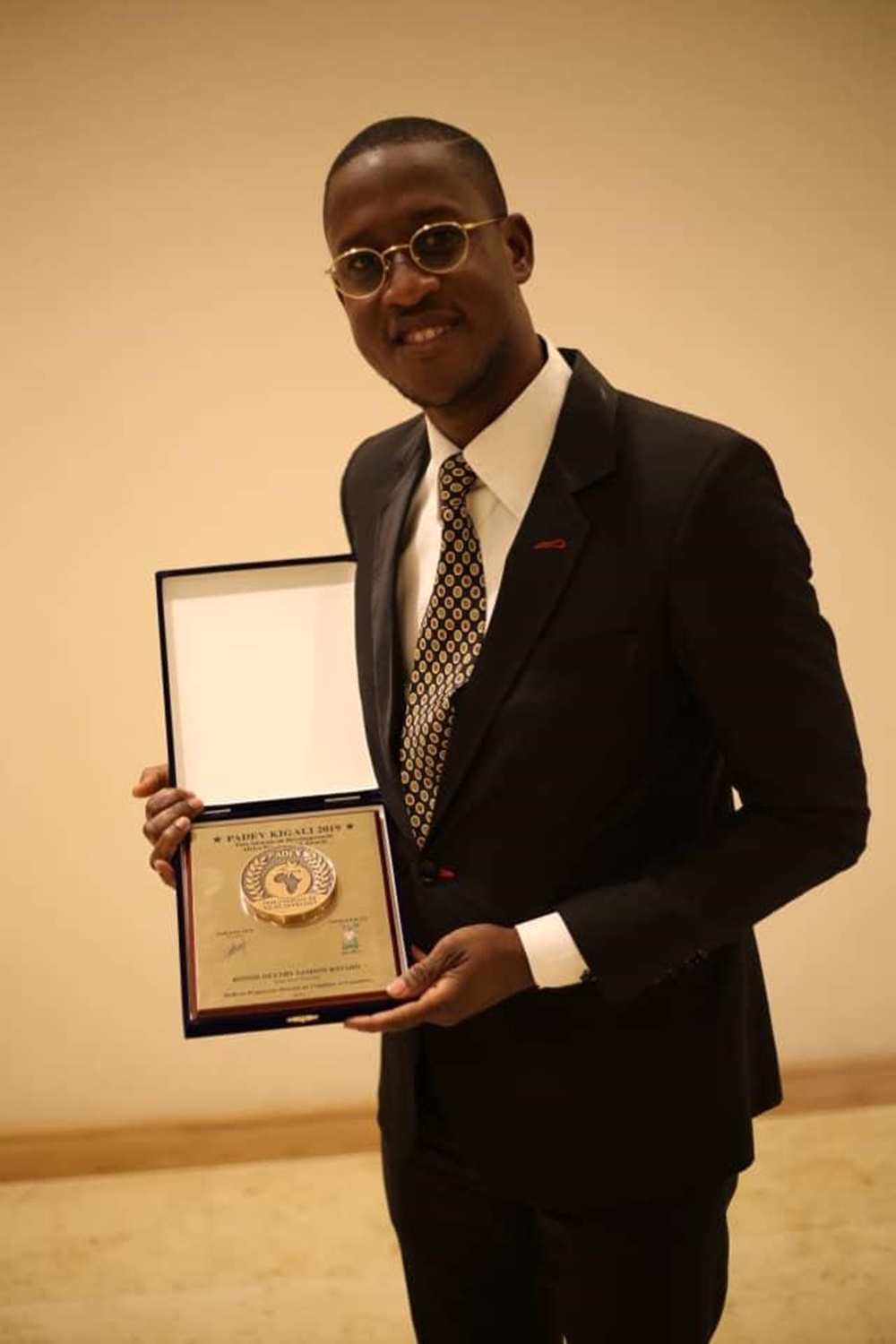
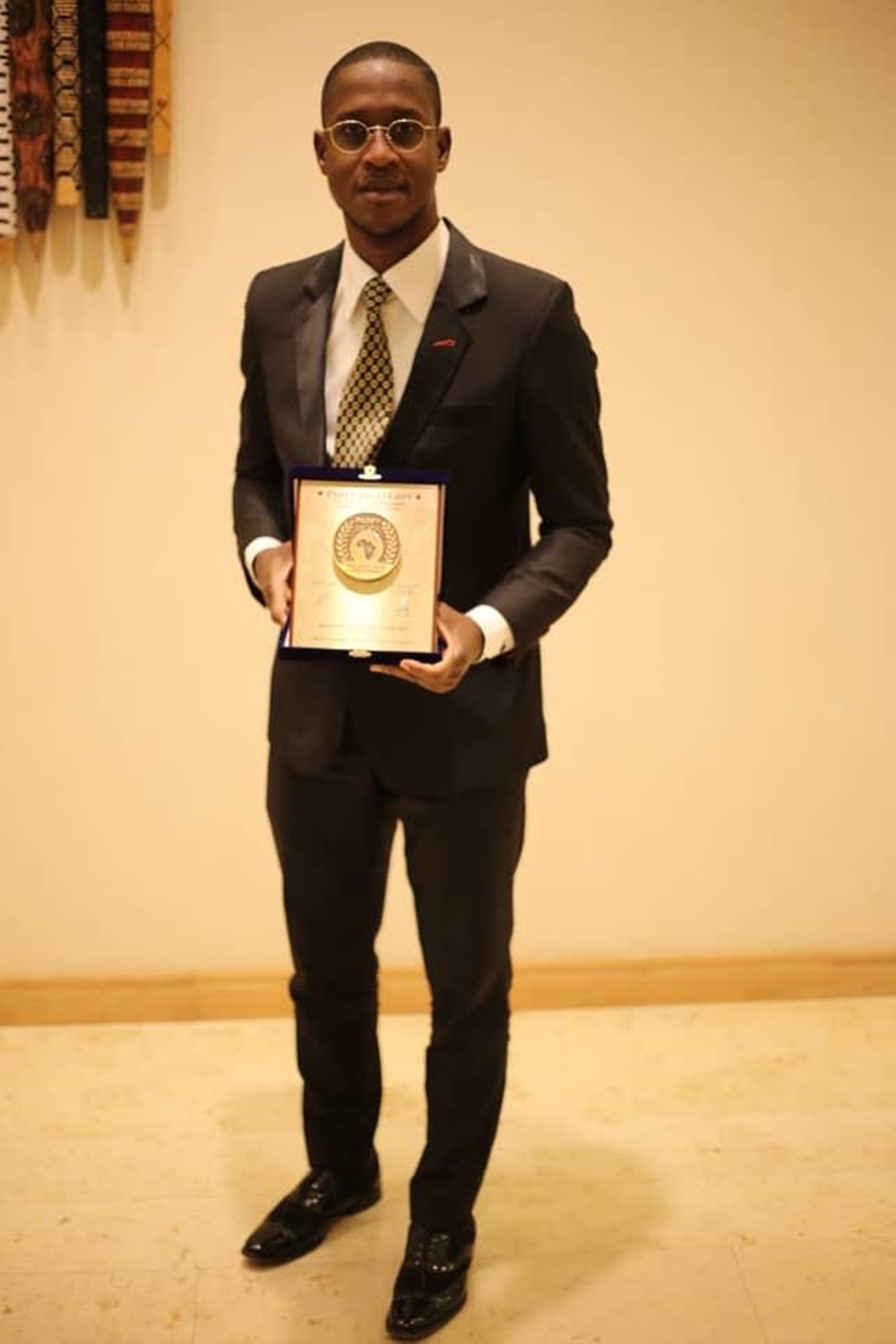
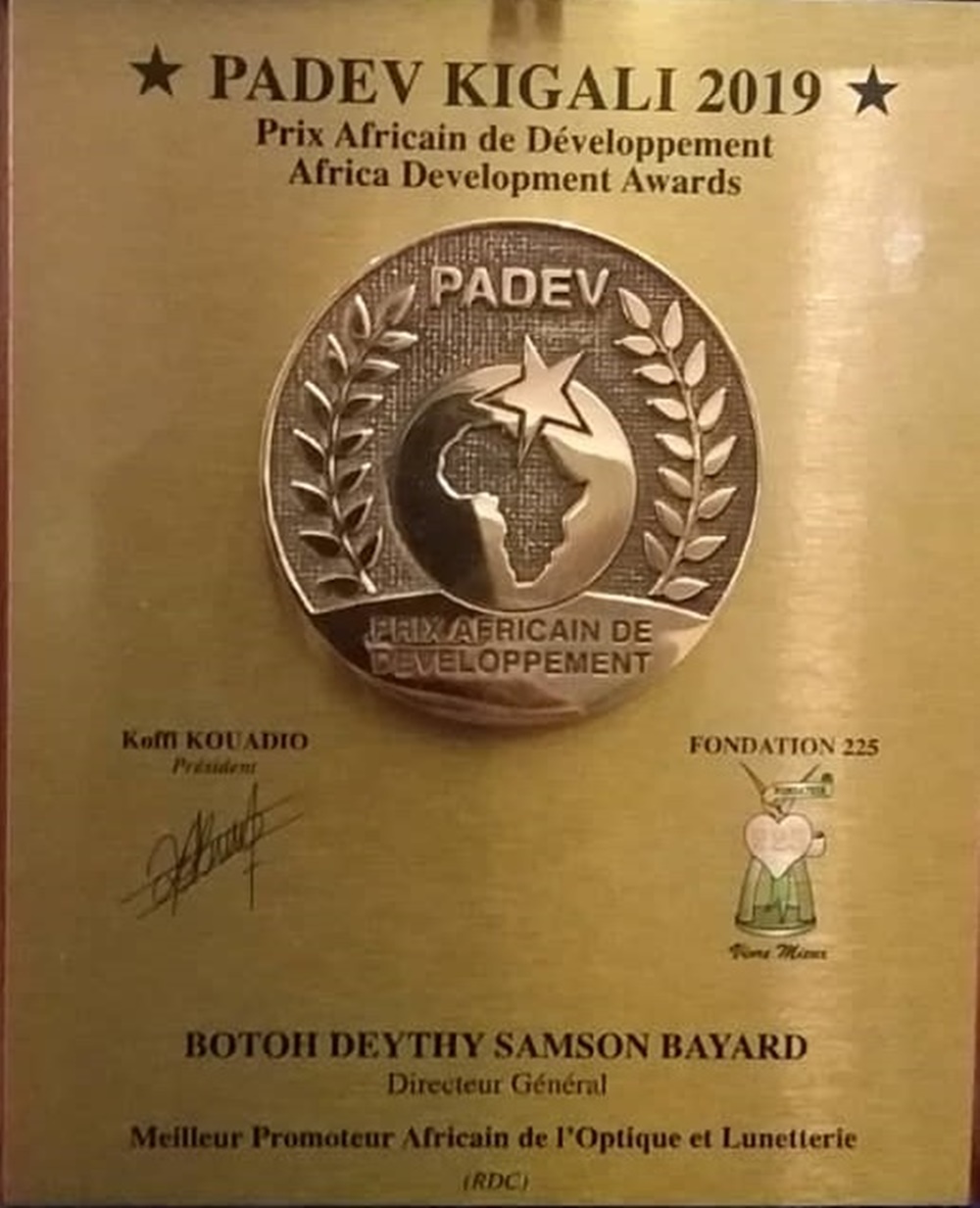
The award handover ceremony held at Marriot Hotel in early September 2019 was attended by heads of diplomatic corps to Rwanda, politicians, representatives of civil society, and experts in economics among others.
Botoh opened Classic Optic doors in the Democratic Republic of Congo (DRC) and Rwanda to extend the availability of ophthalmic equipment.
Maryse Adekpate, the ophthalmologist at Classic Optic, Maryse Adekpate expressed delight over the award bestowed to them for the first time.
“This gives us the courage and is a recognition of services we have been offering in Kigali. The prize energizes us to keep up good service delivery and providing quality eye equipment,” she said.
Running operations at Umuyenzi Plaza in the Remera sector, Gasabo district of Kigali city, Classic Optic has been operating in Rwanda for four years.
“We want to import high-quality glasses from Europe to be delivered by experts working with us from Rwanda, Ivory Coast, and Burundi,” said Maryse.
Held for the 14th edition, PADEV competition attracted over 500 participants of who only 80 are from 15 African countries and others from Europe and the USA.
Participants from Ivory Cost dominated awardees walking away with 38 awards in different categories.
This year’s PADEV prize also awarded 100 best mayors from Africa’s cities, the best African, the Compaoré Appolinaire Award for Best Young Investors.
Participants at the award-giving ceremony enjoyed a luncheon before touring different parts of Rwanda.
The PADEV prize was initiated in 2006 in Abidjan, Ivory Coast, working with the civil society from 12 African countries.
The idea behind the prize is to promote creativity and innovations and instilling among Africans the spirit of contributing to the development of the continent.
The appreciation was made yesterday during a consultative meeting held in Rubavu district to assess outcomes of recently signed cooperation agreements to contain the Ebola outbreak which has taken the lives of thousands of people in DRC.
DRC Health Minister, Dr. Eteni Longondo said cooperation during the outbreak and after eliminating it is paramount between neighbors.
“We are neighbors and need to concert efforts to prevent Ebola outbreak. We have taken strict policies in DRC and committed to collaborating with others to avoid the spreading of the epidemic. These efforts will be sustained after handling the current situation,” he said.
Rwanda’s Minister of Health, Dr. Diane Gashumba commended both countries’ cooperation especially DRC response to the Ebola crisis.
“We are reviewing together how far our cooperation is in the prevention of the Ebola outbreak. We always exchange information because Ebola is reported in their country. Their efforts are bearing fruits because they do not a single Ebola patient in Goma,” she said.
Figures from the World Health Organization indicate that Ebola has killed 2000 patients in DRC since 2018.
Ebola is transmitted through blood and body fluids, including vomit, urine, saliva, sweat. Symptoms include fever, fatigue, joint pain, headache, diarrhea, skin rash, vomiting, red eyes, stomach-ache and bleeding through different body parts.
Rwanda has a detailed National Preparedness Plan in place and has trained health workers in early detection and response, educated communities about Ebola, vaccinated health workers in high-risk areas, equipped health facilities, and continues to conduct simulation exercises to maintain a high level of readiness.
Screening for Ebola symptoms at points of entry has been ongoing since the beginning of the outbreak in the Democratic Republic of the Congo and has been reinforced since the confirmation of a case in Goma.
An Ebola Treatment Centre was put in place and 23 isolation units are being prepared in hospitals in 15 priority districts.
Ebola response simulation exercises are on a regular basis within the community, borders, airport and treatment centers to test Rwanda’s preparedness in response to a case, which includes emergency Operations Centre activation, active surveillance, case management, and laboratory testing.
About 3000 health workers in high-risk areas have been vaccinated as a preventative measure, including more than 1100 in Rubavu district.
To date, Rwanda has trained over 23,957 people including Doctors, Nurses, hospital staff, Community Health Workers, religious leaders, Red Cross
Volunteers and security organs. Meanwhile, special ambulances are in place to handle any Ebola suspected case on time.
Rwanda has in recent past stepped up efforts to prevent Ebola from spreading to the country, including scaling up screenings at all points of entry, surveillance, vaccinating frontline workers including health and immigration officers, public sensitization, among other measures.
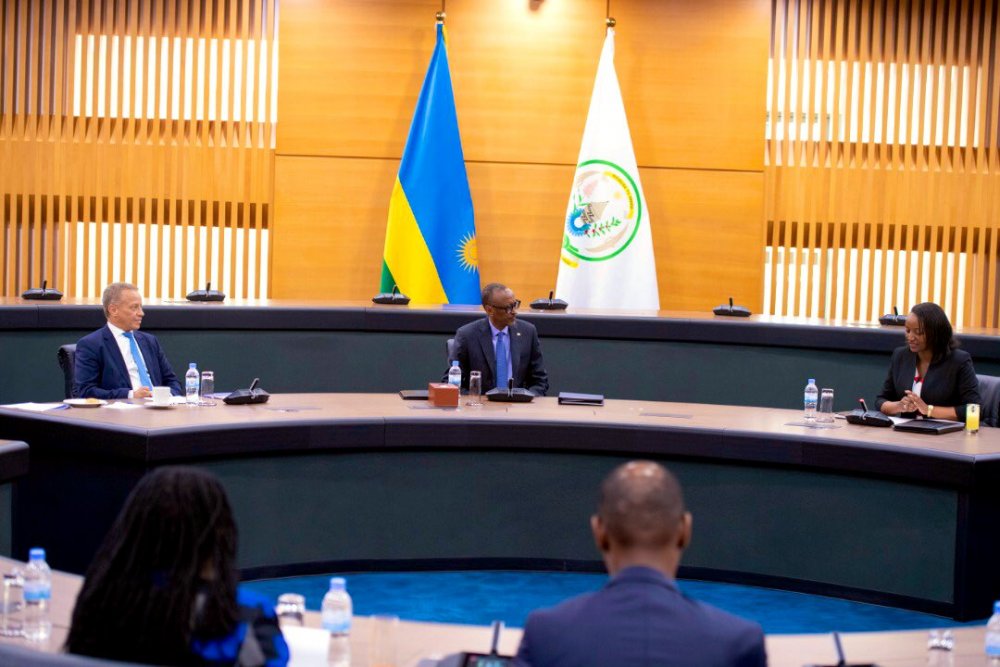
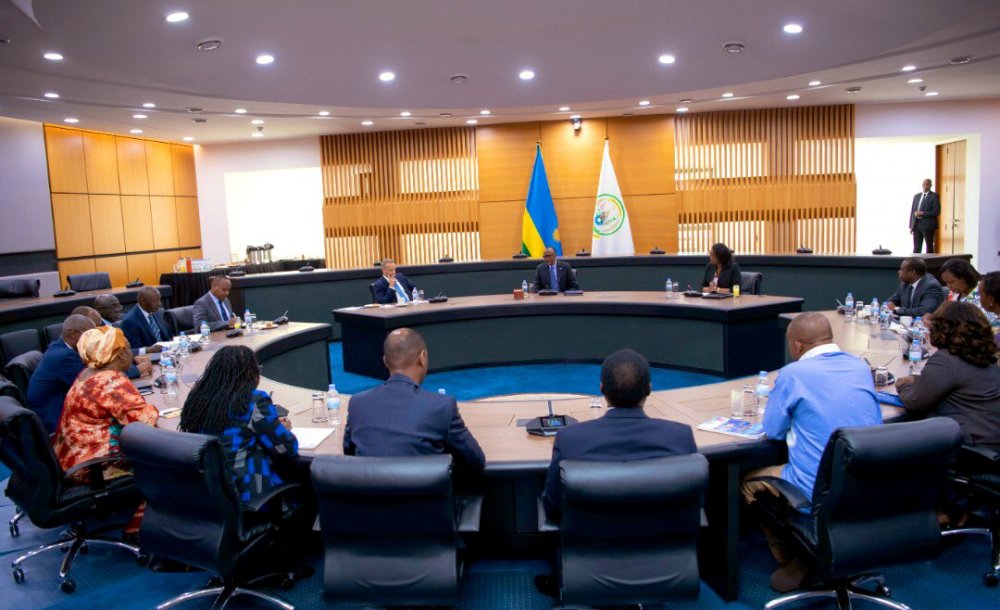
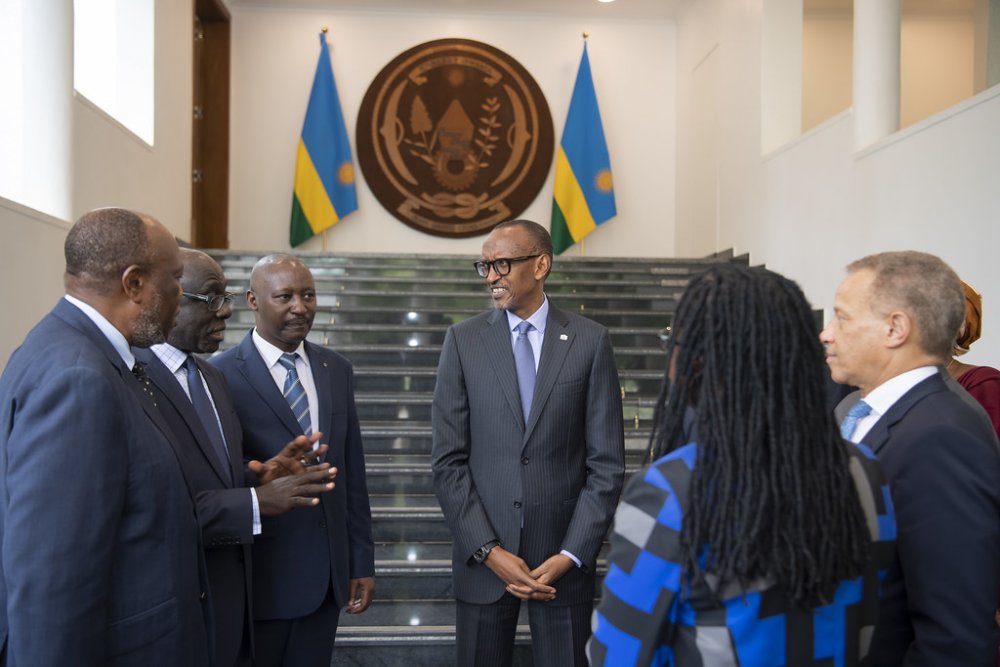
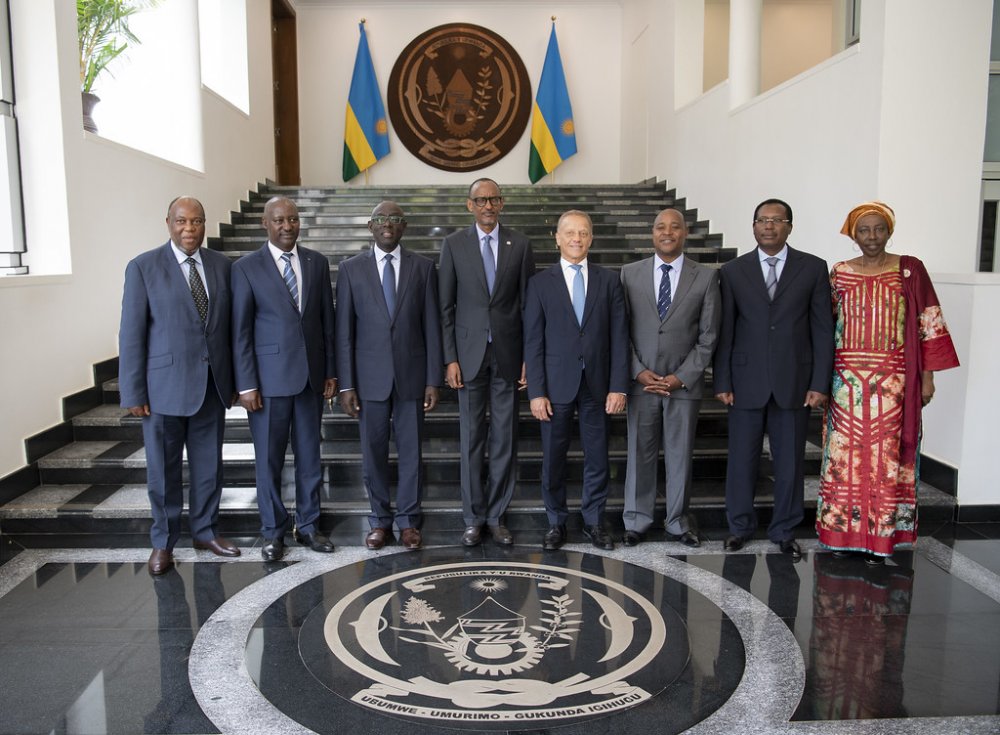
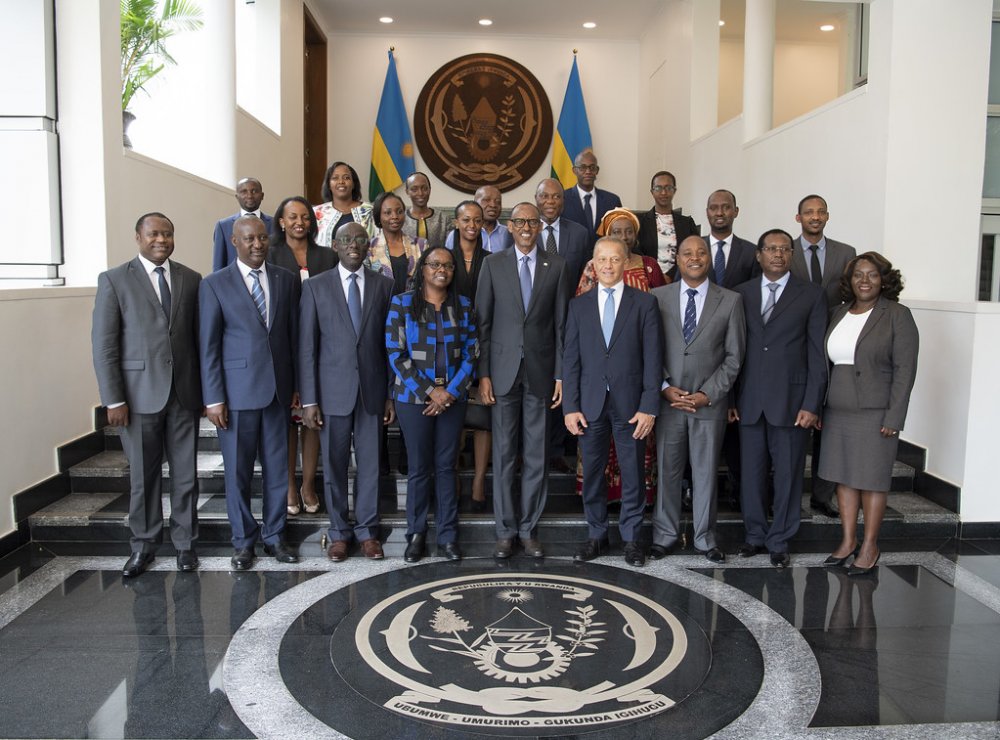
Non-tariff barriers, reduction of the high transport costs of cargo by air and how telecommunications can promote regional trade and integration were among issues that dominated the discussions.
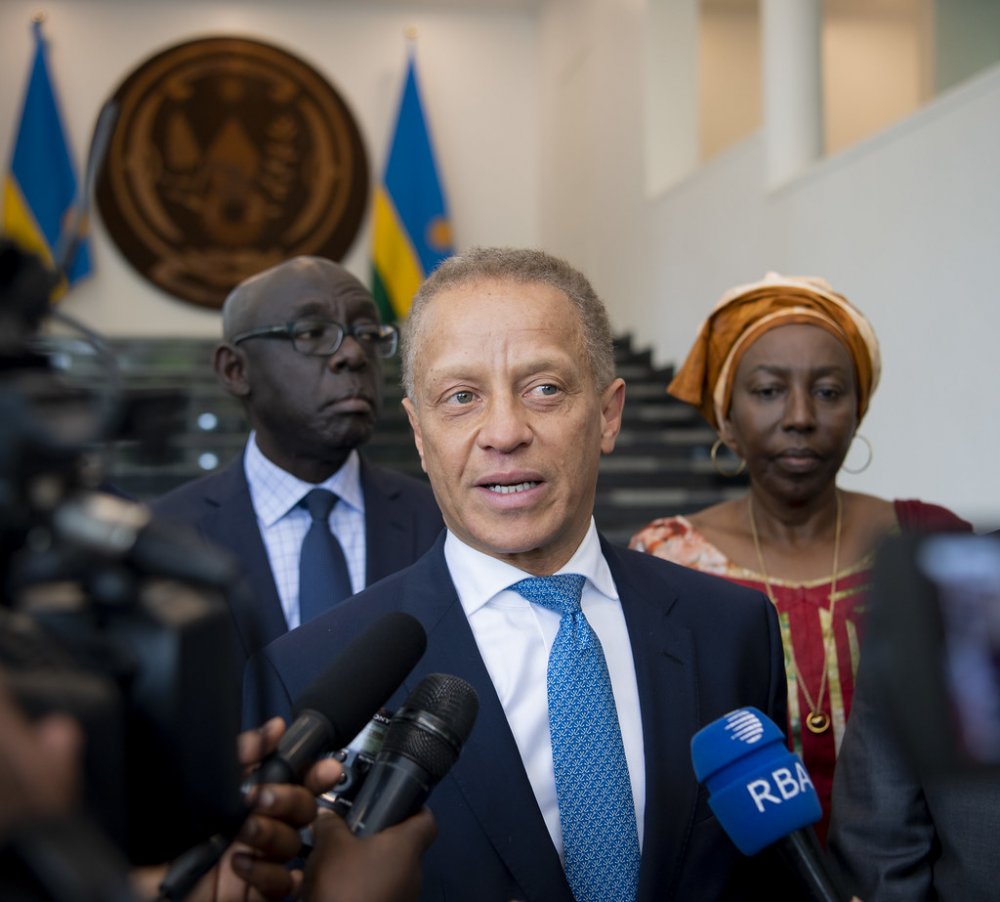
Speaking to journalists following the meet with Kagame, Nesbitt said that discussions were fruitful because President Kagame promised support to conduct advocacy on issues affecting trade in the East African Community.
EAC was established 20 years ago with the core objective of promoting regional integration to reduce barriers impeding trade and free movements.
Today, EAC intra trade is rated at 12% while intra trade within the European Union stands at 70 % and 40 % among Southern Africa countries.
Nesbitt said that trade within EAC can’t progress without removing barriers.
He highlighted that opening airspace and reducing air transport and telecommunication prices were major topics of discussions.
“We discussed opening airspace to reduce air transport costs. We also spoke about the high cost of telecommunications within EAC. We want to have one communication platform making it easier for citizens to exchange information when they move from one country to another,” he said.
Political issues affecting trade and free movements were among other points of discussion.
On political turbulence between Rwanda and Uganda, Kagame told them that both countries are holding discussions to bring back the situation to normal and urged them not to get discouraged.
EAC comprises of 6 member states with a population of of146 million people.
Kagame is the incumbent chairman of EAC.
Speaking during an orientation meeting with the inspectors on September 16, 2019, the Minister of Agriculture and Animal Resources, Dr. Gerardine Mukeshimana, urged them to critically analyze and make the right reporting of what’s really happening on the ground in a bid to effectively foster the implementation of agricultural policies.
“You’re not implementers; but part of critical evaluators of what’s happening in the field. You’re there to facilitate Rwandan farmers maximize benefits from programs initiated by the government,” the minister told the inspectors, urging them to report on a daily basis.
The newly created positions of the district agriculture inspectors were published in the Official Gazette No. Special of 18/07/2018. Representing the ministry in districts, the inspectors will coordinate the implementation of policies and strategies related to agriculture and animal resources; and disseminate the ministry’s directives, guidelines, and programs to local leaders, agribusinesses, farmers’ organizations, and NGOs.
Among other responsibilities, they will also cooperate and collaborate with all key players in the agricultural sector and work closely with district authorities to enable the smooth running of agricultural activities in the district.
At least 144 drivers were arrested for drunk driving. 80 drunk drivers were arrested Friday night, 37 in the night of Saturday while other 27 were arrested Sunday night.
Over 300 drivers have been arrested for driving while under the influence of alcohol since the operation was launched three weeks ago.
The operations came as a deliberate response against human behaviors, which are largely blamed for road carnage.
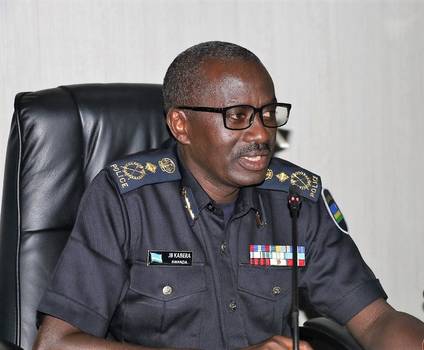
While appearing on ‘Waramutse Rwanda’ (Good Morning Rwanda), a morning show on Rwanda Television, Commissioner of Police (CP) John Bosco Kabera, Commissioner for Public Relations and Media and RNP spokesperson, said that although “security remains intact across the country”, reckless drivers continue to cause insecurity on roads, injuring and claiming lives, destroying public infrastructure and people’s property.
“Road safety is still being challenged by unacceptable human behaviors especially drunk driving and drivers who disconnect speed governor devices so as to speed, another cause of fatal accidents,” CP Kabera said.
“The advice is clear; when you drink don’t drive, it is for your own safety and the safety of those you are driving or other people on the road. Everyone has to be safe on the road; we can’t allow someone to be a security threat to other road users.”
Drunk driving is a traffic offense that attracts a fine of Rwf150, 000 and detention under investigation while tampering with speed governor device attracts a fine of Rwf200, 000. If any of the offenses leads to another offense, the traffic offender faces additional fines as the law specifies.
Drunk driving and tampering with speed governor also leads to confiscation of driver’s license and impounding the vehicle.
Announcing the economic performance for the second quarter, Yusuf Murangwa, the NISR Director-General noted that in the second quarter, GDP at market prices was estimated at Rwf 2,255 billion up Rwf 2,001 billion in the second quarter of 2018.
According to the statement released by NISR, the agriculture sector grew by 5% where food crops registered 4% growth. Export crops increased by 6% mainly due to a 21% increase in coffee production. Tea output decreased by 3%.
The industry sector grew by 21%, the construction sector registered 32% growth mainly from quarrying activities that grew by 36% while manufacturing registered 16% growth.
The service sector grew by 12% as a result of 23% increase in wholesale and retail trade activities, 17% increase in transport services, 13% rise in financial services as well as 13% in the hospitality services. Public administration services grew by 12% while professional, scientific and technical activities increased by 13%.
Reacting to whether growth projections are likely to be revised given strong growth in the first two quarters of 2019, the Minister of Finance and Economic Planning Dr. Uzziel Ndagijimana said that while growth was impressive, there are no intentions of revising the 7.8 % growth forecast.
“GDP growth of 12.2% is impressive and above second-quarter projections but we have no plans to revise our projections as there are two more quarters to monitor,” Minister Ndagijimana said.
The release is among resolutions of first Rwanda-Uganda peace talks discussing the implementation of Memorandum of Understandings to end political turbulence recently signed in Angola.
Rwanda-Uganda delegations came up with a number of issues of mutual interest and concern between both countries.
Uganda’s Minister of Foreign Affairs, Sam Kutesa has said that they will proceed with the judicial process to make it possible.
When asked if Uganda tortures Rwandans detained in Uganda, Kutesa explained that they have come to Rwanda to assess each clause of signed MoUs.
He underscored that there is time to discuss all issues raised by Rwanda following the first meeting.
Commenting on whether Uganda hosts dissidents intending to destabilize Rwanda, Kutesa said that Uganda shall never accommodate people intending to destabilize neighbor’s security.
Rwanda’s State Minister for Foreign Affairs, Olivier Nduhungirehe explained that both countries will meet again in Kampala within 30 days to assess the implementation of today’s resolutions.
“There is a willingness to restore relations between Rwanda and Uganda citizens and be assured of their security,” he said.
Both countries agreed to follow due process in dealing with each other’s citizens; reiterated commitment to refraining from acts of destabilizing each other; finalize the extradition treaty in order to provide a framework for future exchange of criminal fugitives and cease all forms of hostile propaganda in both mainstream and social media.
Both countries also agreed that the issue of free movement of persons, goods, and services across the common border and other outstanding issues shall be discussed in the next meeting.
The next meeting will be held in Kampala, Uganda after 30 days to review the implementation progress of Luanda MoUs.
The first meeting of the Ad Hoc Commission on the implementation of the Luanda Memorandum of Understandings between Rwanda and Uganda took place today in Kigali. The opening ceremony was attended by the Minister of External Relations of Angola, Manuel Domingos Augusto and Gilbert Kankonde Malamba, the Deputy Prime Minister of Interior of DRC.
The Rwandan delegation was led by Amb. Olivier Nduhungirehe, the Minister of State in charge of the East African Community while Sam Kutesa, Uganda’s Minister of Foreign Affairs leads the Ugandan delegation.
Rwanda was also represented by Gen Maj Frank Mugambage, Rwanda’s ambassador to Uganda; the Minister of Justice, Johnston Busingye; the Minister of Local Government, Prof. Shyaka Anastase; Gen Maj Joseph Nzabamwita, the Secretary-General of the National Intelligence and Security Services (NISS) and Col Anaclet Kalibata, the head of External Intelligence at NISS.
Uganda’s delegation also included the Minister of Defense, Gen. J.J Odongo Abu; Amb. Joseph Ocwet; the Director-General External Security Organisation (ESO), the State’s Attorney General, Byaruhanga and Uganda’s ambassador to Rwanda, Oliver Wonekha.
Facilitators included Angolan Ambassador to Rwanda, Horacio Uliengue; Angolan Foreign Affairs Minister and DRC Deputy Prime Minister and head of Intelligence Inzun Justin Kakiak.