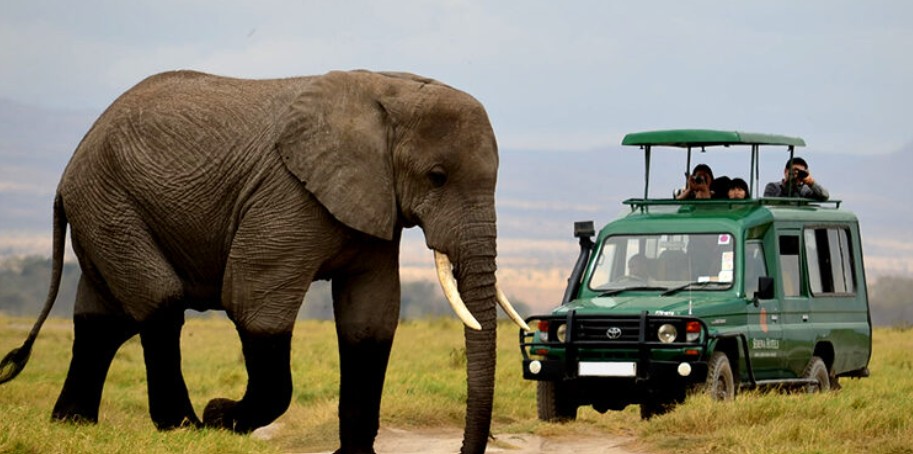
The update brings the total number of individually identified elephants in Akagera to 115, including 65 females and 50 males. These identified individuals represent approximately 80% of the park’s estimated elephant population, providing valuable insight into the composition, movements, and dynamics of Akagera’s herds.
Individual elephant identification is an important part of Akagera’s long-term conservation efforts, enabling monitoring teams to track individual animals, understand population trends, and support informed conservation and management decisions. Each new identification adds to the growing body of knowledge that helps protect and manage one of Africa’s most iconic species.
Established in 1934, Akagera National Park covers 1,120 square kilometres and is renowned for its diverse wildlife, including the Big Five — lions, leopards, elephants, and buffalo — alongside many other species that contribute to the park’s unique biodiversity.
The park’s remarkable wildlife recovery story has been highlighted by the growth of its lion population, which was revealed in August last year to have increased from just seven individuals to 62 over the past decade. This significant recovery demonstrates the impact of sustained conservation efforts, including improved protection, monitoring, and habitat management.
Additionally, in June last year, Akagera welcomed 70 southern white rhinos translocated from South Africa in a historic cross-continental conservation effort. The arrival significantly strengthened the park’s rhino population and built on the successful reintroduction of 30 white rhinos in 2021.
Together, these milestones reflect the continued success of conservation initiatives at Akagera, where careful monitoring, species reintroductions, and dedicated management are helping restore and safeguard some of Africa’s most iconic wildlife populations.
INDIVIDUAL ELEPHANT IDENTIFICATION UPDATE:
— Akagera National Park (@AkageraPark) July 14, 2026
The bi-monthly elephant survey was completed, resulting in the addition of six new individuals to the database. Akagera now has 115 individually identified elephants, comprising 65 females and 50 males, representing approximately 80% of… pic.twitter.com/kUCIOVQ1v9
Leave a Reply