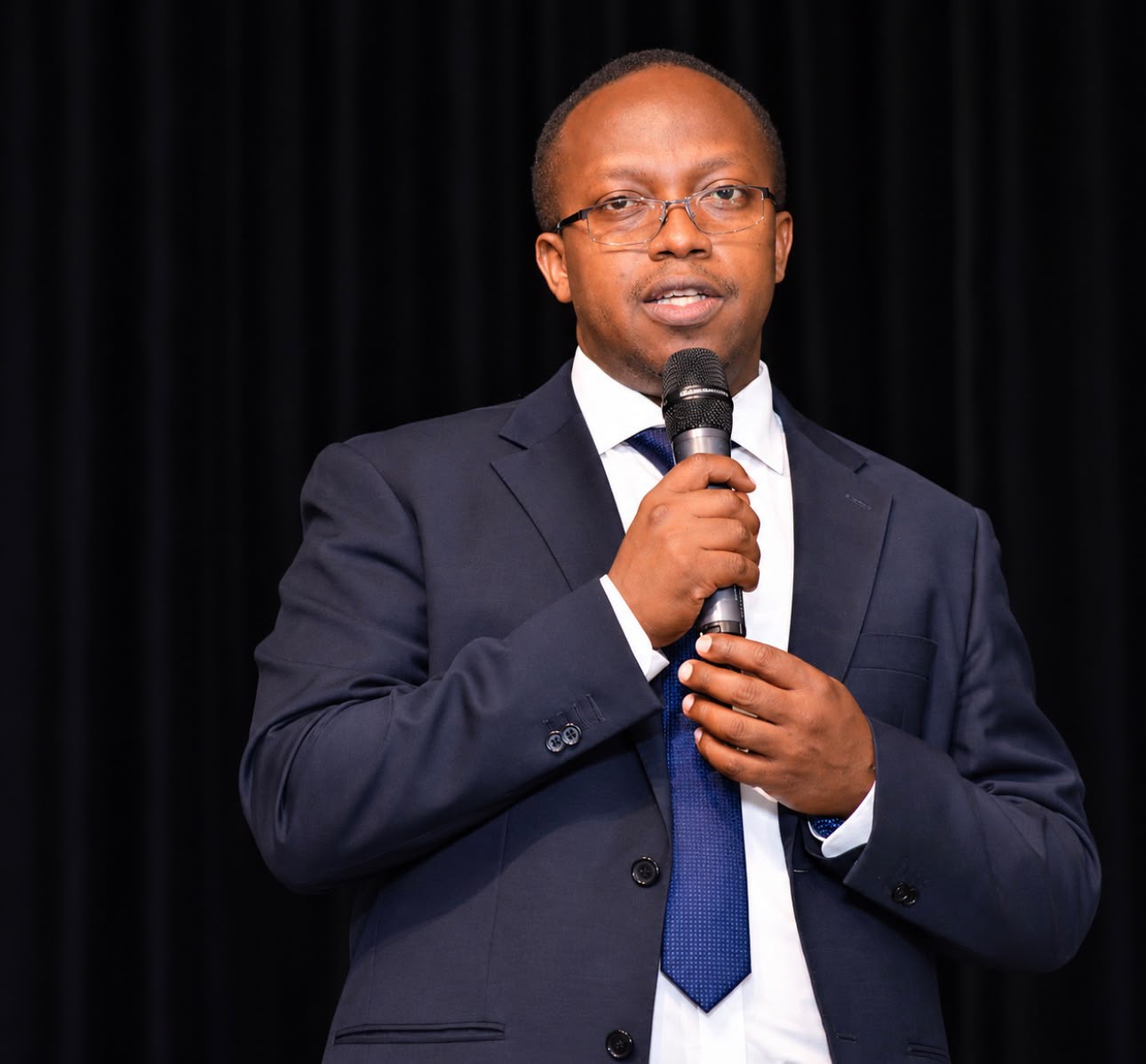
In an interview with IGIHE, César Murangira, President of Ibuka Memory and Justice – Switzerland, welcomed the publication of a Swiss Federal Council report and a University of Basel study on November 25, 2026, describing them as important steps towards establishing the truth.
However, he believes the conclusions of these publications should not mark the end of investigations into Switzerland’s role in the case.
The report examines the circumstances under which Félicien Kabuga, considered one of the main financiers and supporters of the 1994 Genocide against the Tutsi, was able to enter Switzerland on July 22, 1994, and remain there before being deported to Zaire in August of the same year.
The findings highlight several failures in the handling of his case. The Swiss Federal Council acknowledges, in particular, that his entry into Switzerland resulted from avoidable negligence and a lack of coordination between the authorities.
The University of Basel study also notes that although his deportation to Zaire was considered lawful under the legislation in force at the time, other options could have been considered, including opening criminal proceedings or waiting for a possible extradition request.
For Murangira, the fact that a decision complied with the national legislation in force at the time is not sufficient to address all the questions of responsibility raised by the case. He believes its moral, political and historical dimensions must also be examined.
He recalls that Switzerland had acknowledged before the United Nations, in May 1994, that the events unfolding in Rwanda constituted genocide. The close relations between the two countries, particularly in development cooperation, should also be taken into account, he says.
The death of Félicien Kabuga, who died in The Hague on May 16, 2026, without standing trial, should not bring the search for truth to an end, the president of Ibuka Switzerland insists.
He is calling for an independent and comprehensive historical study into Switzerland’s role in the context of the 1994 Genocide against the Tutsi.
According to him, the research should examine the “political, diplomatic, economic and financial dimensions of the issue”, as well as individual and institutional responsibilities. He also stresses the importance of preserving archives and making them accessible.
For Murangira, the publication of the two reports represents an important milestone, but efforts to establish the truth must continue, out of respect for the memory of the victims and the survivors.
Leave a Reply