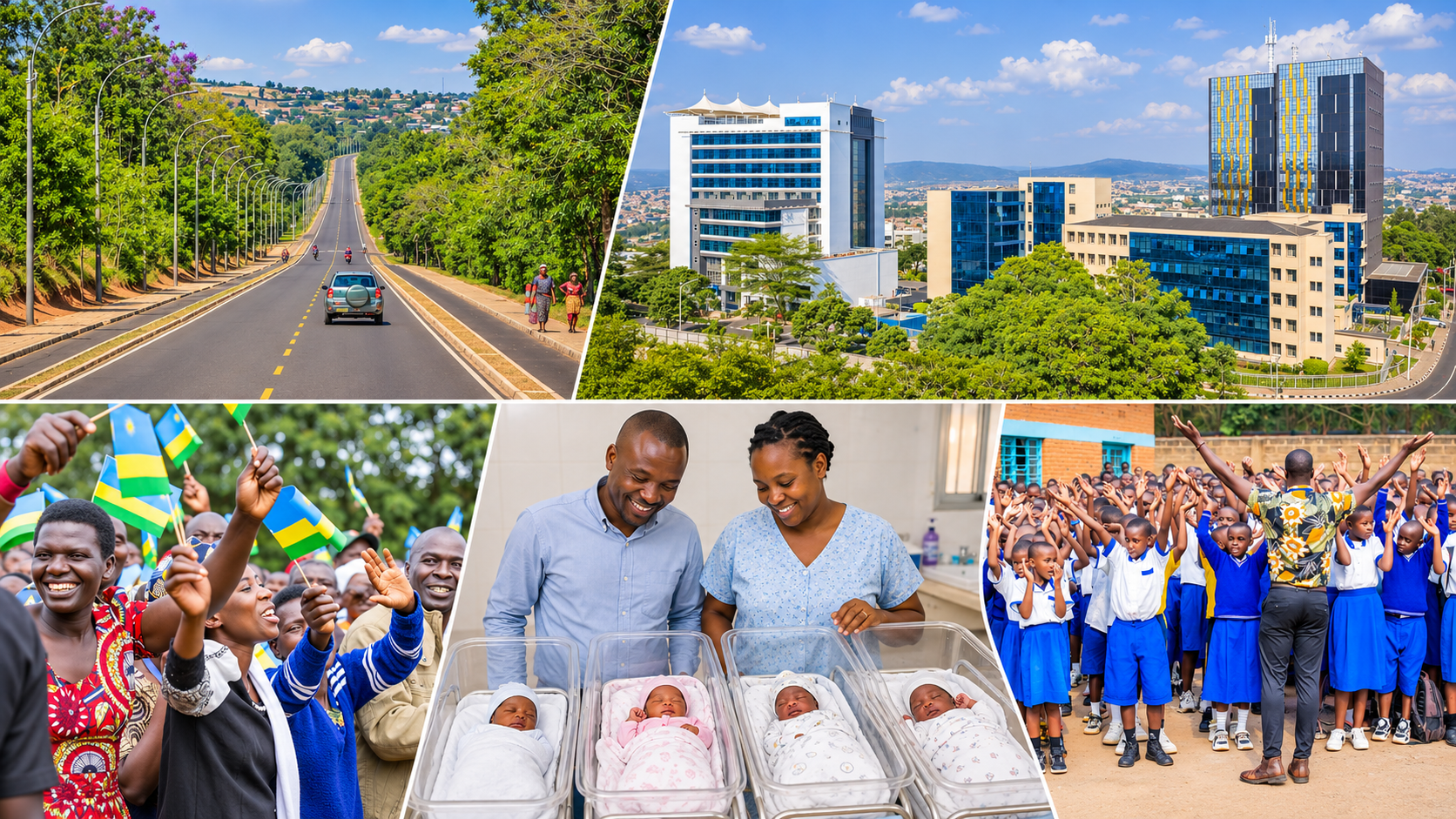
A country that emerged from the genocide with devastated infrastructure, weakened institutions and a shattered economy has since expanded access to healthcare, education, electricity, financial services and economic opportunities.
Life expectancy has increased by more than two decades, childbirth in health facilities has become almost universal, and millions of previously unbanked Rwandans now participate in the financial system.
Here are 15 milestones that help tell Rwanda’s development story.
1. Life expectancy surpasses 70 years
In 1992, life expectancy at birth stood at approximately 44 years. By 2000, it had risen to about 47 years.
According to NISR, life expectancy reached 69.6 years in 2022 and is projected at 70.5 years in 2026, reflecting long-term improvements in living conditions and healthcare.
2. Fewer children dying before their fifth birthday
Child survival has improved considerably. The 2025 Rwanda Demographic and Health Survey (RDHS) recorded 36 deaths per 1,000 live births among children under five, down from 45 in 2020.
The survey also found that 94 percent of children aged 12–23 months were fully vaccinated with basic antigens, while childhood stunting declined from 33 to 27 percent between 2020 and 2025.
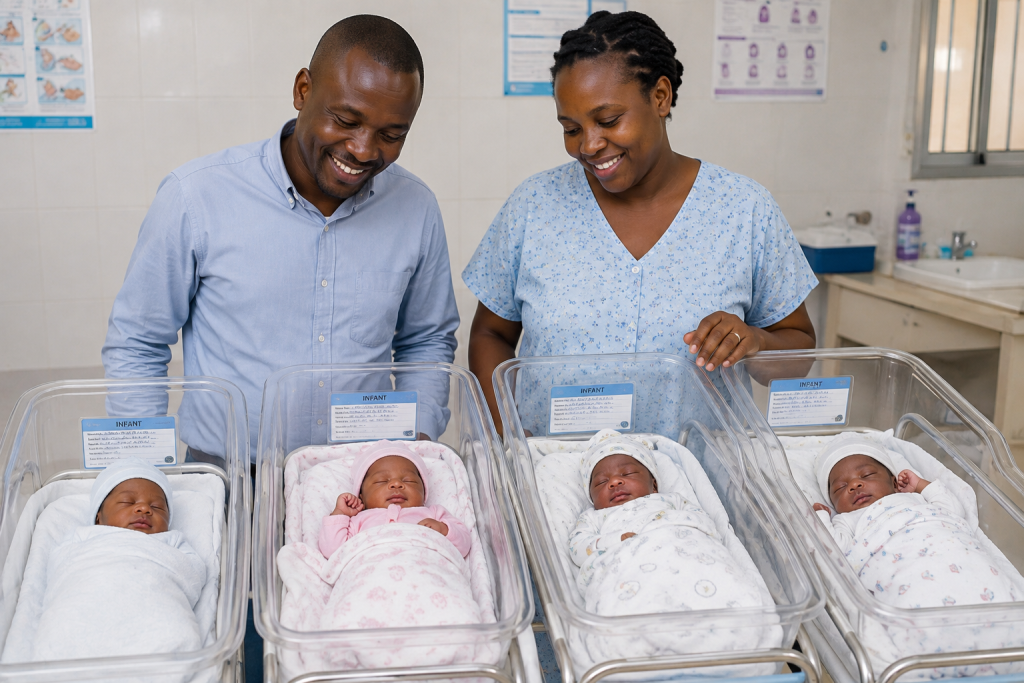
3. Childbirth moves from homes to health facilities
In 1992, more than 73 percent of births occurred at home. By 2025, according to the RDHS, 98 percent of births occurred in health facilities and were attended by skilled providers.
Maternal mortality declined from 203 deaths per 100,000 live births in 2020 to 149 in 2025.
4. Widely accessible health insurance
According to NISR, health insurance coverage increased from 43.3 percent in 2005/06 to 85.3 percent in 2023/24.
Community-Based Health Insurance, commonly known as Mutuelle de Santé, accounted for 93 percent of insured individuals.
Meanwhile, the proportion of people reporting health problems who sought medical consultation increased from 57 percent in 2017 to 71 percent in 2024.
5. Electricity reaches nearly nine in ten households
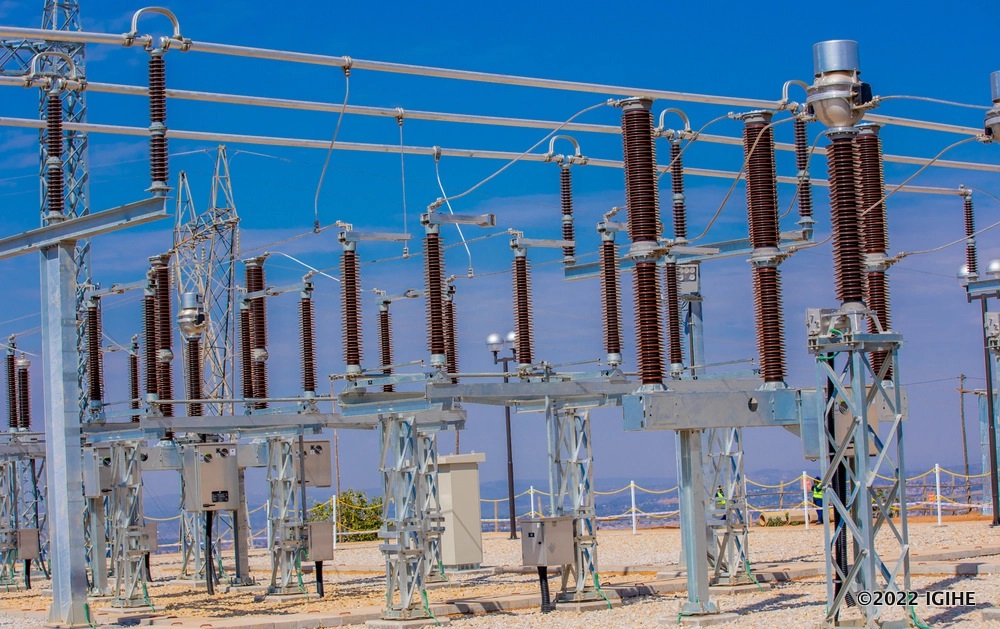
In 1992, electricity access stood at approximately 2.3 percent. As of June 2026, Rwanda Energy Group (REG) puts national household electricity access at 88.3 percent, including grid and off-grid connections.
Installed electricity generation capacity has reached 472.95 megawatts, supporting households, industries, schools and healthcare facilities.
6. Improved drinking water reaches more households
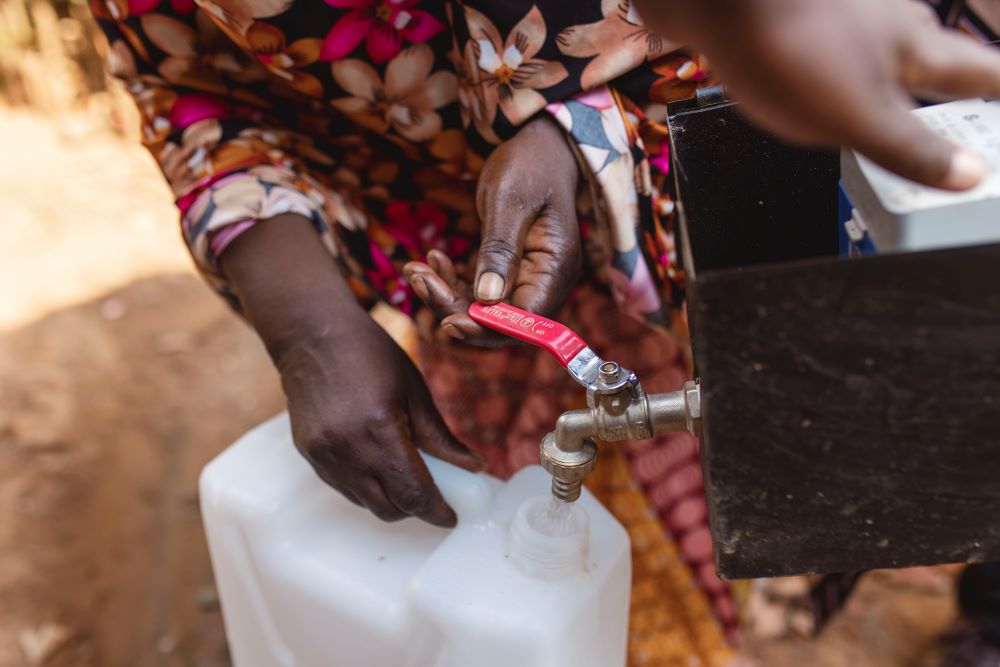
According to NISR, the proportion of households using improved drinking water sources increased from 70.3 percent in 2005/06 to approximately 90 percent in 2023/24.
However, only 16 percent had water piped directly to their homes or compounds, highlighting the need for further investment in household connections.
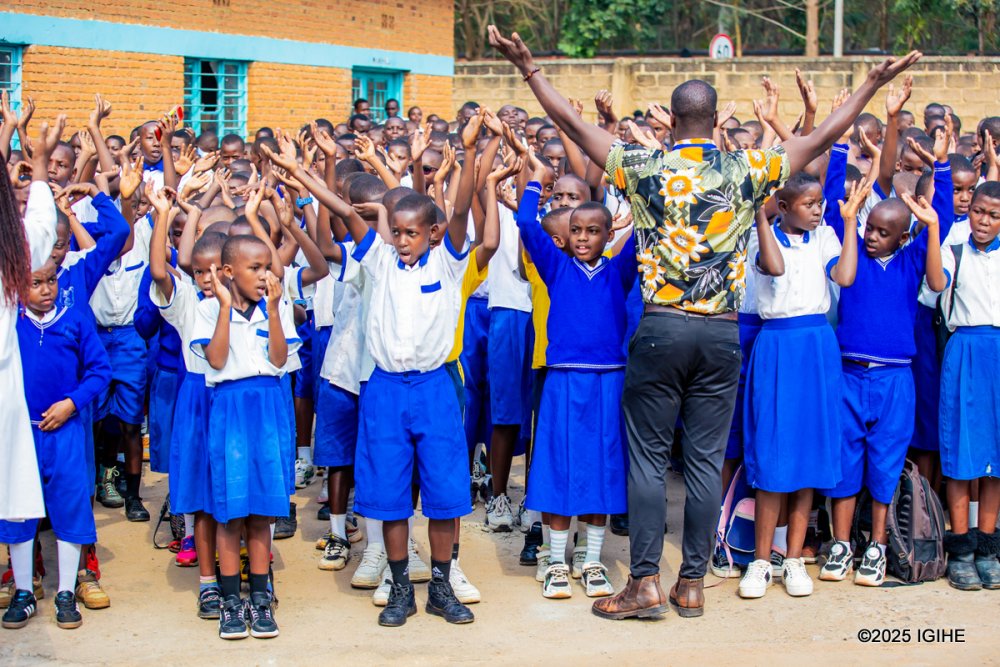
7. Education opens doors to more opportunities
In 2005/06, primary school net attendance stood at 86.6 percent, while secondary school attendance was just 10.4 percent.
By 2023/24, these figures had increased to 92.8 percent and 33.7 percent, respectively, according to NISR.
The expansion of basic education, vocational training and higher education has also been accompanied by the establishment of international institutions such as Carnegie Mellon University Africa and African Leadership University, among others.
8. Roads bring communities closer together
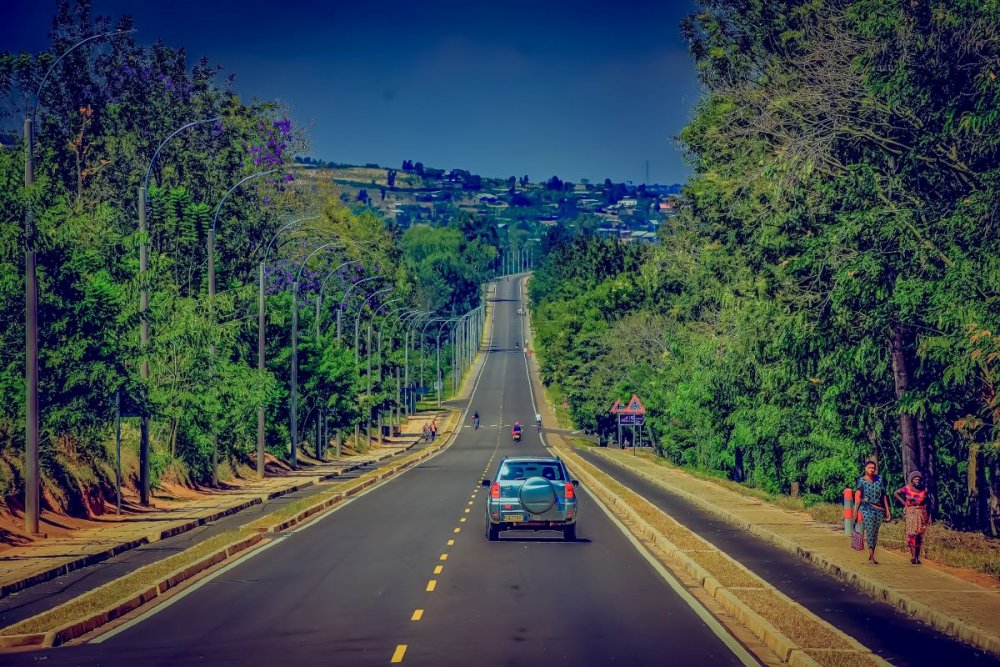
According to NISR, the proportion of households living within 20 minutes of an all-weather road increased from 93 percent in 2017 to 96 percent in 2024.
Approximately 67 percent of households now live within 200 metres of an all-weather road, improving connectivity to markets, schools and healthcare facilities.
9. From limited telephone ownership to a digital society
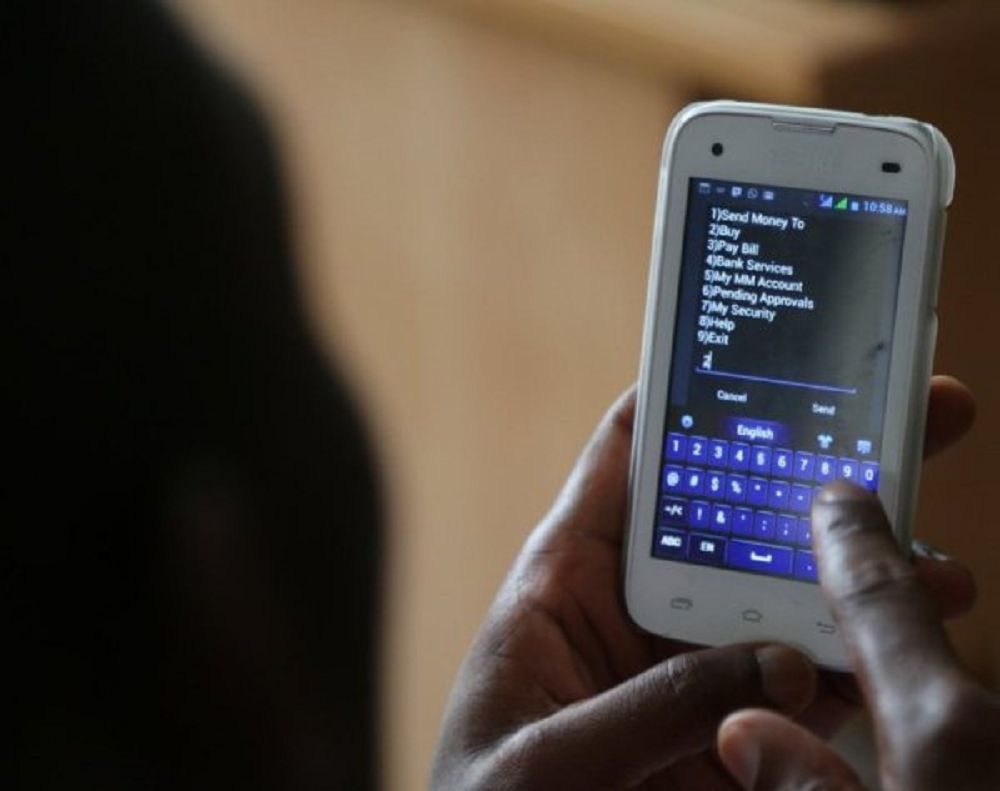
In 2005/06, only 6.2 percent of households owned a mobile phone. By 2023/24, ownership had reached 85 percent.
Household internet access increased from approximately 17 percent in 2017 to 30 percent in 2024.
Platforms such as Irembo have also transformed access to public services, reducing the need for citizens to travel to government offices.
10. Financial inclusion reaches 96 percent
According to the FinScope Survey, financial inclusion increased from 48 percent in 2008 to 96 percent in 2024, reaching approximately 7.8 million adults.
Mobile money has been central to this transformation, with 6.9 million adults having used the service.
Formal financial inclusion reached 92 percent, although only 22 percent of adults were served by conventional banks.
11. Urbanisation reshapes the country
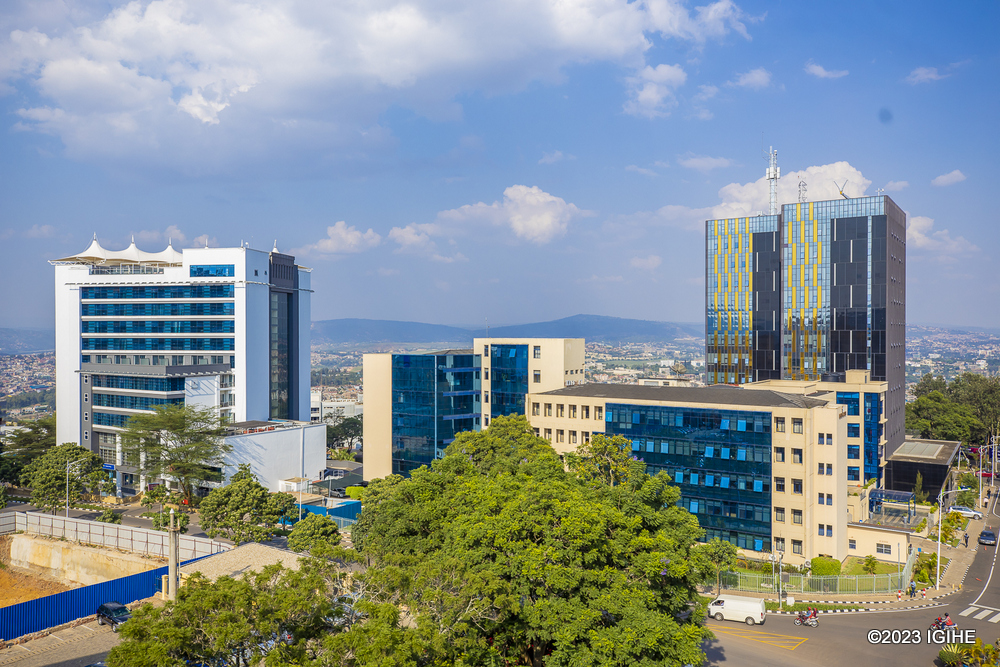
Rwanda’s urban population increased from 16.5 percent in 2012 to 27.9 percent in 2022, representing approximately 3.7 million people.
The expansion of Kigali and other urban centres has created opportunities for commercial development, housing and employment, alongside growing demand for infrastructure.
12. A growing economy and declining poverty
Rwanda’s nominal GDP increased from approximately Rwf1.7 trillion in 2000 to Rwf23.4 trillion in 2025.
According to NISR, GDP reached Rwf25.8 trillion in the 2025/26 financial year, while real economic growth stood at 9.4 percent in the second quarter of 2026.
Economic expansion has accompanied poverty reduction. Using comparable methodology, NISR estimates that poverty declined from 39.8 percent in 2017 to 27.4 percent in 2024, with approximately 1.5 million people emerging from poverty.
13. Tourism and conservation become economic assets
According to Rwanda Development Board (RDB), tourism generated $685 million in 2025, up from $647 million in 2024, while visitor arrivals reached 1.49 million.
National parks generated $40.8 million, while the meetings and conferences sector contributed $94.7 million.
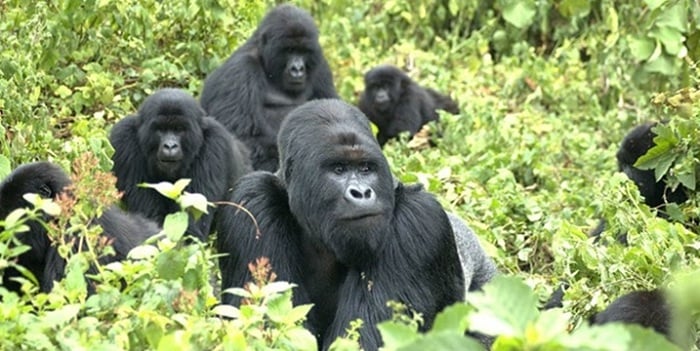
Conservation remains central to this growth, with mountain gorillas and other wildlife supporting tourism revenues and community development.
14. Women become a majority in the Chamber of Deputies
In 2003, women accounted for 48.8 percent of Rwanda’s deputies. By 2008, their representation had reached 56.3 percent.
Following the 2024 parliamentary elections, women occupied 51 of the Chamber’s 80 seats, representing 63.75 percent.
Rwanda became the first country in the world to have a female parliamentary majority in 2008.
15. Population: From 7.2 million to 14.4 million
Rwanda’s population stood at approximately 7.2 million in 1991 and reached 13.25 million in the 2022 census.
The National Institute of Statistics of Rwanda (NISR) estimates the population at 14.42 million in 2026.
Population density increased from approximately 270 people per square kilometre in 1991 to 503 in 2022, creating greater demand for housing, employment, infrastructure and public services.
Leave a Reply