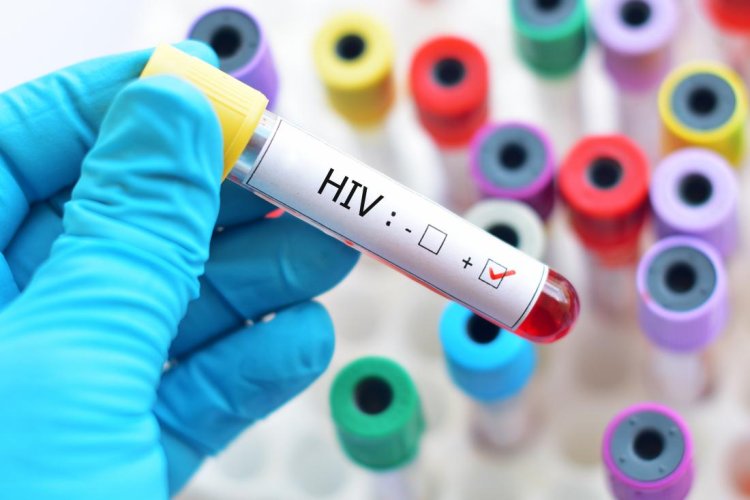
In its latest report, titled Ending AIDS Starts with Access, released on November 24, 2026, UNAIDS warns that declining financial support, the closure of community-led services and restrictions affecting civil society organisations could reverse gains made in controlling the epidemic.
The report estimates that approximately 570,000 people died from AIDS-related illnesses worldwide in 2025, equivalent to nearly 1,600 deaths daily. During the same year, 1.2 million people acquired HIV.
Although access to treatment has expanded significantly, with 32.1 million of the estimated 41 million people living with HIV receiving antiretroviral therapy in 2025, millions remain without adequate access to lifesaving services.
UNAIDS says resources available for HIV programmes in low- and middle-income countries declined by more than $1 billion in 2025, leaving a $4.3 billion gap between available funding and the annual amount required to stay on course to end AIDS as a public health threat by 2030.
“The world is sleepwalking into a preventable crisis,” said Winnie Byanyima, Executive Director of UNAIDS.
“We know what happens when HIV prevention collapses. People become infected, treatment needs rise, costs soar and lives are lost. Every clinic that closes, every outreach worker who loses their job and every young woman turned away from prevention services today risks becoming a new HIV infection tomorrow,” she added.
HIV prevention programmes face setbacks
The report highlights significant disruptions to HIV prevention programmes, particularly those targeting populations at higher risk of infection.
In 2025, approximately 446,000 fewer people accessed oral pre-exposure prophylaxis (PrEP), medication taken to prevent HIV infection, compared with the previous year across reporting countries.
Among key populations, data from selected countries showed that PrEP use declined by 59% among sex workers, 58% among people who inject drugs, 23% among transgender people and 17% among gay men and other men who have sex with men.
UNAIDS estimates that more than 20 million people will need PrEP by 2030. However, only 2.6 million had access to it in 2025.
Condom distribution also declined, falling from three billion in 2024 to 2.7 billion in 2025. Voluntary medical male circumcision procedures, another proven HIV prevention intervention, dropped by 53% across priority countries over the same period.
The organisation warns that these disruptions could eventually translate into increased HIV transmission and AIDS-related illnesses and deaths, particularly as fewer people undergo testing and receive support to remain on treatment.
“Community organizations are not an optional extra. They are often the only trusted bridge between health systems and the people most at risk of HIV,” Byanyima said.
She warned that the closure of community clinics and loss of outreach workers undermine access to services and trust in health systems.
Rwanda’s HIV prevalence at 2.2%
In Rwanda, HIV prevalence among adults aged 15–49 has declined to 2.2%, according to the final report of the 2025 Rwanda Demographic and Health Survey (RDHS), released on June 30, 2026, by the National Institute of Statistics of Rwanda (NISR) in collaboration with the Ministry of Health.
The survey found that prevalence was higher among women, at 2.8%, compared with 1.5% among men. It also showed a difference between urban and rural areas, with prevalence standing at 3.3% and 1.7%, respectively.
The City of Kigali recorded the highest prevalence at 3.7%, while the Northern Province had the lowest at 1%.
Figures from the Rwanda Biomedical Centre (RBC) indicate that approximately 234,000 people were living with HIV in the country as of December 2025, while around 2,500 people die from HIV-related illnesses annually.
Rwanda has continued to expand HIV prevention, testing and treatment services as part of efforts to reduce new infections and AIDS-related deaths.
UNAIDS calls for sustainable funding
Beyond the immediate impact on prevention, UNAIDS warns that reduced financial support is weakening health systems and community organisations responsible for delivering HIV services.
A survey of civil society organisations found that more than three-quarters had experienced disruptions to their services, while over 80% were operating at less than half their capacity by the end of 2025.
Countries are also struggling to replace international funding with domestic resources. In some highly affected countries, debt-servicing obligations are now two to three times higher than government health expenditure, limiting their ability to sustain HIV programmes.
UNAIDS cautions that the full consequences of funding disruptions may not yet be reflected in current HIV estimates because of the time it takes for reduced access to testing, prevention and treatment to translate into new infections and deaths.
Despite the challenges, the organisation says ending AIDS as a public health threat by 2030 remains achievable.
Its projections indicate that reaching this goal could prevent 3.2 million new HIV infections and avert 1.3 million AIDS-related deaths by the end of the decade.
It is calling on governments to prioritise HIV programmes, strengthen domestic financing, integrate services into inclusive health systems and remove barriers linked to stigma and discrimination.
UNAIDS also emphasises the importance of community leadership in reaching people who are often excluded from healthcare services.
The organisation, which marks its 30th anniversary in 2026, brings together 11 United Nations agencies to coordinate global efforts towards ending AIDS as a public health threat by 2030.
Leave a Reply