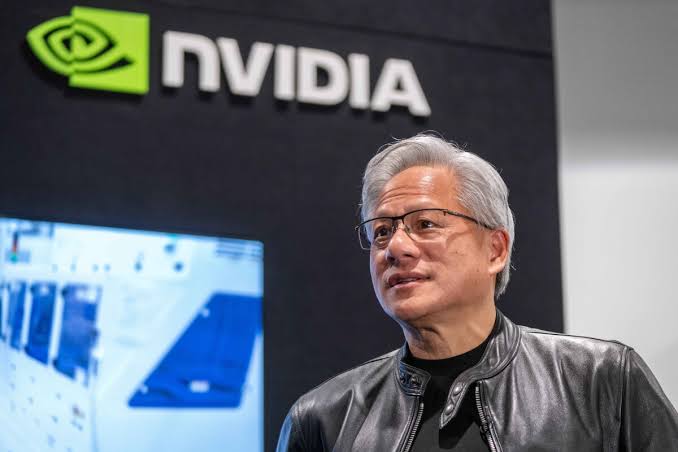
The company announced Huang’s reinstatement on Monday, just 11 days after his resignation. Nvidia shares surged 31.5 percent, marking their biggest single-day percentage gain since May 2003, while the Nasdaq Composite rose 6.51 percent.
The reversal underscored Huang’s importance to Nvidia and the wider artificial intelligence (AI) industry. It also contrasted sharply with Chairman Harvey C. Jones’s statement during the company’s Nov. 17 earnings call that the board did not intend to reinstate him.
According to a filing with the U.S. Securities and Exchange Commission, the board restored Huang’s positions on Sunday, effective immediately. Nvidia announced the decision the following day.
The company said directors voted unanimously after a series of discussions and meetings with Huang left them satisfied with his candor and ability to lead Nvidia. Input from senior U.S. government officials also made the board confident that his return posed no national security risk.
“I take this responsibility with the greatest humility and renewed commitment,” Huang said.
U.S. President Donald Trump played a prominent role in the reversal. In a post on Truth Social, he called the reinstatement the “correct and proper decision,” saying the attorney general had confirmed that the government possessed no evidence Huang had engaged in unlawful conduct.
Trump told CNBC he had communicated directly and indirectly with Nvidia’s board and persuaded directors to bring Huang back. “I felt very strongly that he should come back,” he said.
His intervention came amid calls from investors and figures in the technology industry for Huang’s return. A petition supporting his reinstatement attracted more than 180,000 signatures, while Tesla and SpaceX CEO Elon Musk also publicly voiced his support.
Steve Sosnick, chief strategist at Interactive Brokers, said the relative influence of government and shareholders was impossible to determine, but the episode suggested Huang was “too big to be fired.”
Huang’s return provides leadership continuity at a company whose chips, investments and partnerships are closely connected with much of the AI industry. However, questions remain over whether the substantial investment in AI infrastructure will generate sufficient commercial returns.
James St. Aubin, chief investment officer at Ocean Park Asset Management, cautioned that the initial market rally might not reverse the broader downward trend. Huang’s return, he said, did not answer investors’ questions about returns on AI infrastructure spending.
Regulatory scrutiny also remains. Democratic Senator Elizabeth Warren described the decision as “reckless,” saying Huang, Nvidia executives and the board still owed Congress explanations regarding the AI chip giant’s compliance with U.S. export controls. She also called on the administration to identify the officials who advised the board and disclose the nature of their input.
Nvidia said an investigation conducted by independent directors would continue until its completion, with Huang’s cooperation. The company has also established a national security and export control committee and is seeking to appoint a chief compliance officer.
Shay Boloor, chief market strategist at Futurum Equities, said the board’s rapid shifts had raised governance concerns.
While confidence in Nvidia’s leadership has recovered, rebuilding trust in the governance process would take longer, he said.
Huang’s reinstatement has restored continuity to Nvidia’s leadership, but questions over corporate governance, regulatory compliance and the commercial prospects of AI investment remain.
Leave a Reply