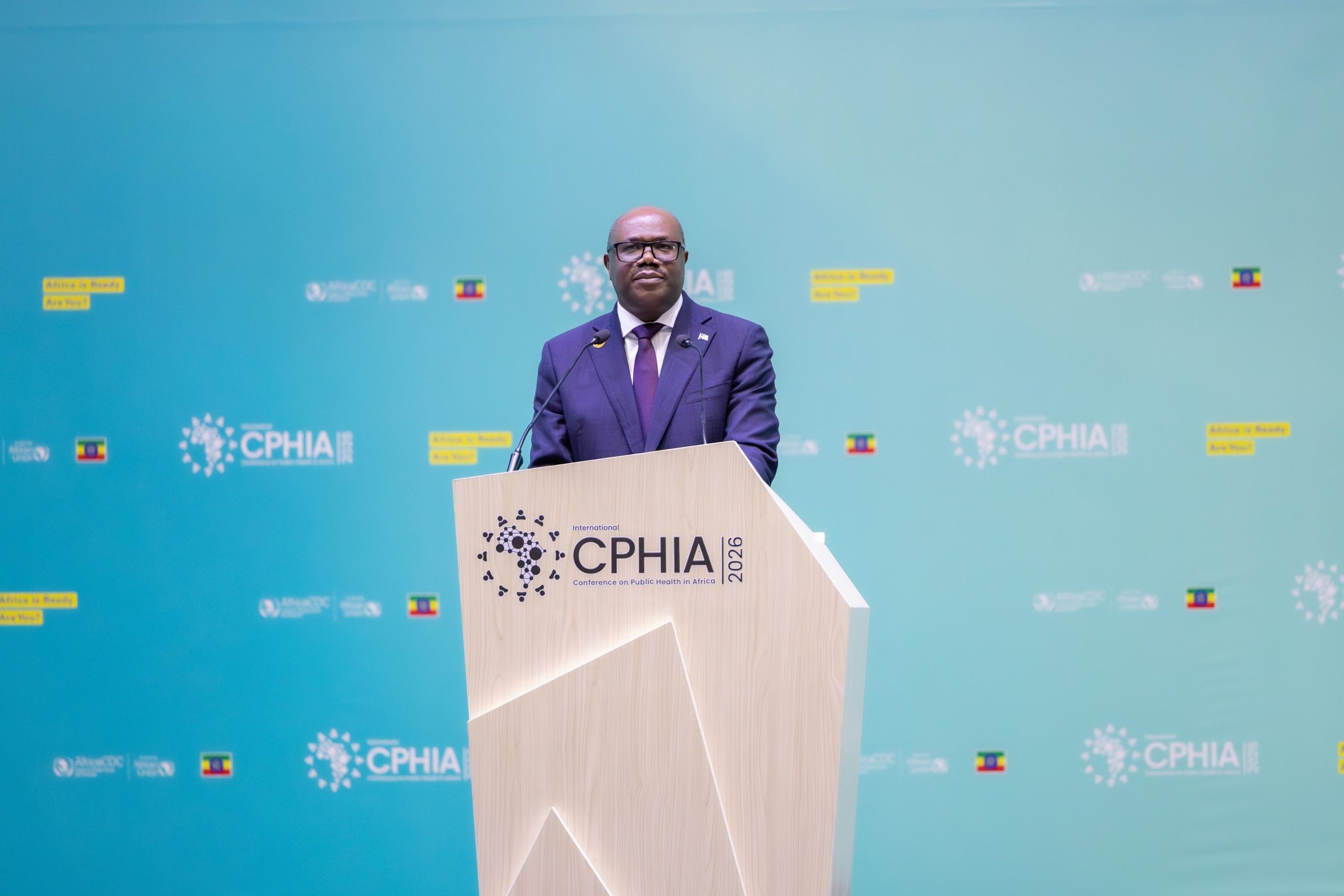
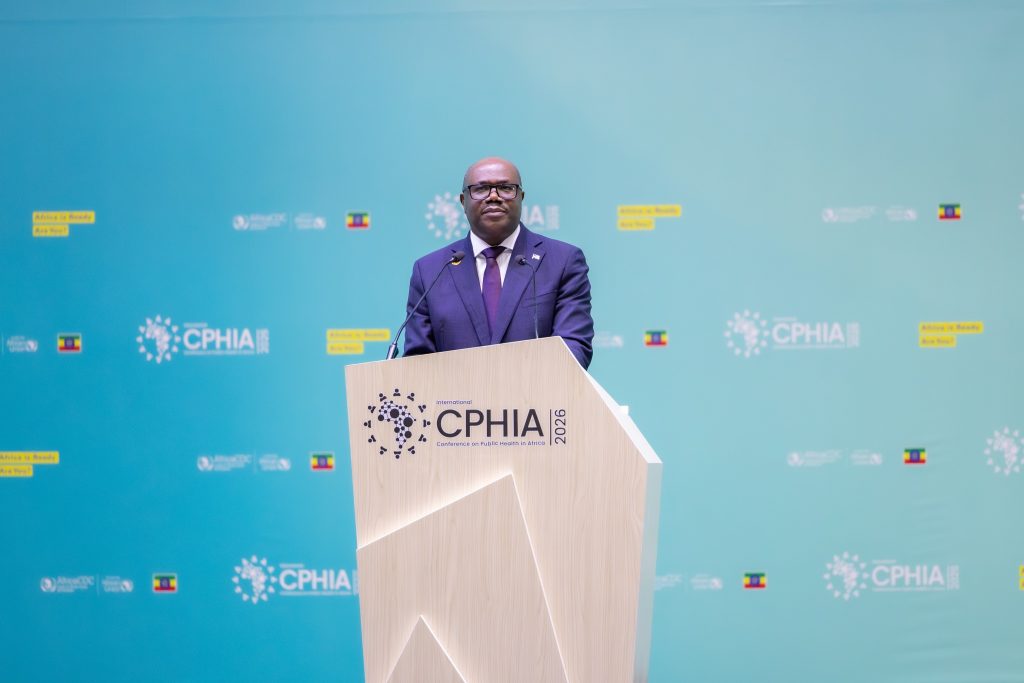
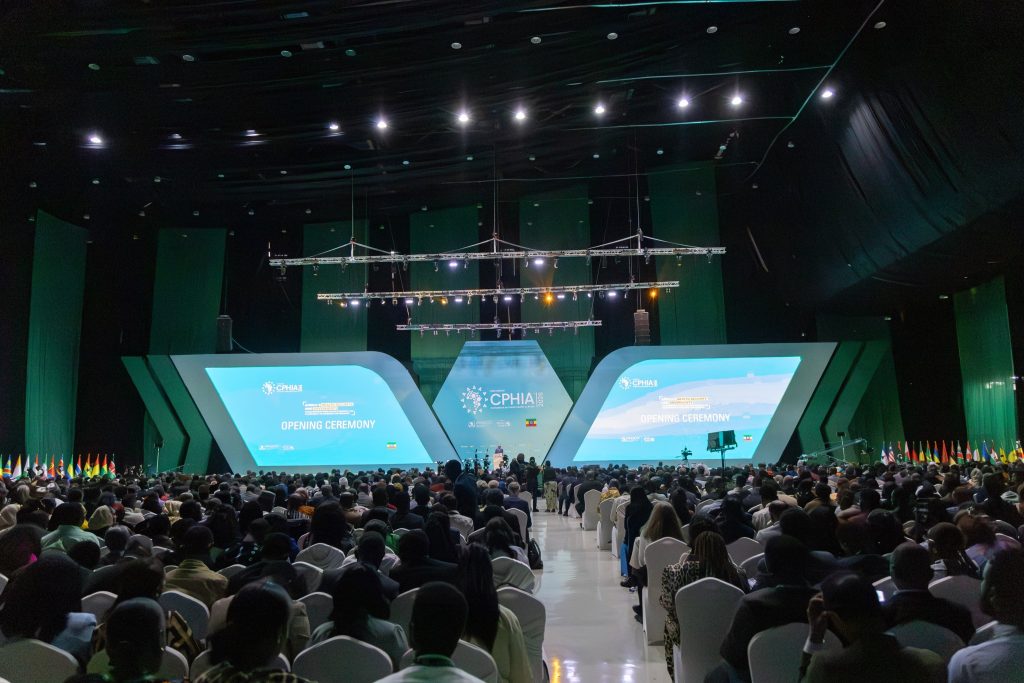
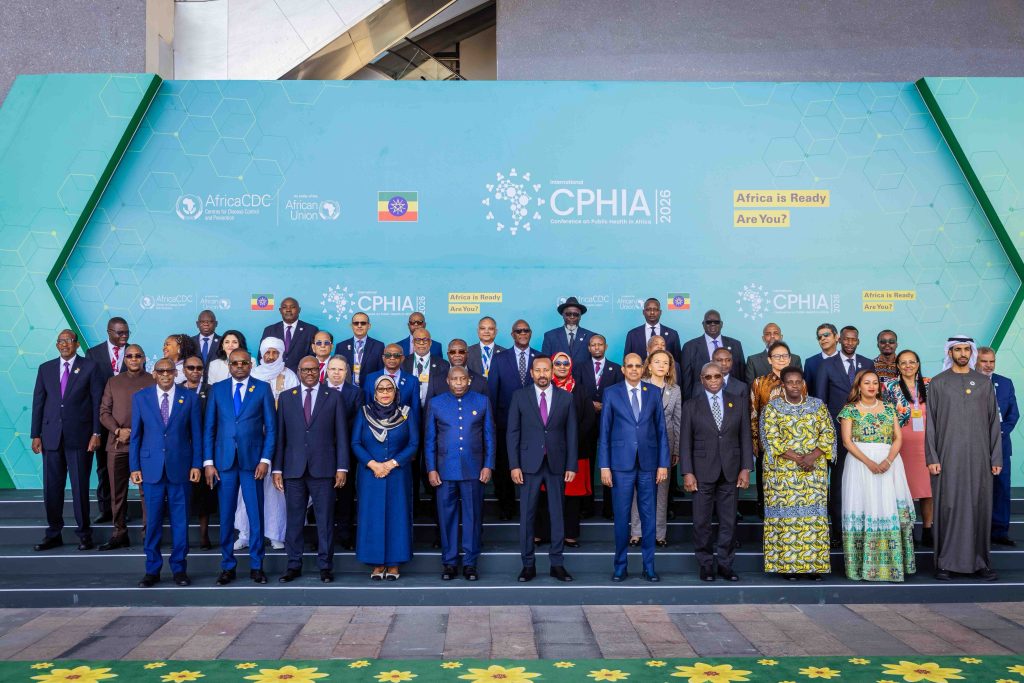
Nsengiyumva delivered the message on Monday, November 23, while representing President Paul Kagame at the opening of the 5th International Conference on Public Health in Africa (CPHIA 2026) in Addis Ababa, Ethiopia.
He said the lessons were drawn from Rwanda’s experience of developing its health system under resource constraints and responding to disease outbreaks, including the 2024 Marburg outbreak.
His remarks came as African countries face declining external health assistance amid growing demands on already stretched health systems.
“We can no longer rely on others to meet our most fundamental health needs,” he said, echoing Kagame’s call for African countries to take greater responsibility for financing their health systems.
On domestic financing, Nsengiyumva highlighted the role of Mutuelle de Santé, Rwanda’s community-based health insurance scheme, which has extended coverage to about 89% of the population over the past 25 years.
He said the scheme had helped expand access to essential medicines and specialised treatment, while contributing to improvements in key health indicators.
Since 2000, infant deaths in Rwanda have declined from 107 to 27 per 1,000 live births, while maternal deaths have fallen from 1,071 to 149 per 100,000 live births. Life expectancy has also increased from about 50 to 70.5 years.
He noted that Rwanda introduced an income-based contribution framework in 2026, under which people with greater financial means contribute more while the poorest are fully subsidised by the Government.
Members currently account for 37% of the scheme’s financing, with the remaining 63% shared between Government and the private sector.
Nsengiyumva said the approach demonstrated the importance of making health financing a shared responsibility rather than placing the burden solely on Government.
The second lesson focused on investing in preparedness before disease outbreaks occur.
He cited Rwanda’s response to the 2024 Marburg outbreak, during which community health workers screened more than 9.5 million people in a country of approximately 14 million.
Rwanda brought the outbreak under control within three months, recording a case fatality rate of 22%, which Nsengiyumva described as the lowest on record for the disease.
He said the response relied on existing community health workers, surveillance networks, laboratories and hospitals rather than building emergency systems from scratch.
He also called for stronger cross-border cooperation, citing information-sharing between Rwanda, Kenya and Uganda during the COVID-19 pandemic as an example of how countries can coordinate responses to health threats.
The third lesson concerned reducing dependence on imported medicines, vaccines and other essential medical supplies.
Nsengiyumva urged African countries to create predictable markets for locally manufactured pharmaceutical products through initiatives such as the African Pooled Procurement Mechanism, which allows countries to aggregate demand and purchase quality-assured products from African manufacturers.
He also called for international partnerships to prioritise technology transfer and skills development, noting that Rwanda hosts the African Medicines Agency in Kigali and remains committed to its full operationalisation.
The fourth lesson focused on accountability and ensuring that commitments translate into improvements in healthcare delivery.
He argued that African countries should track not only the resources pledged towards health programmes but also the amounts actually disbursed and whether they reach healthcare facilities and patients.
“Africa has no shortage of declarations and scorecards. What matters is whether resources reach facilities and patients see results,” he said.
Nsengiyumva further called for African countries to strengthen cooperation through knowledge-sharing, pooled procurement and the development of regional value chains, arguing that no single country can independently build all the capabilities required for health sovereignty.
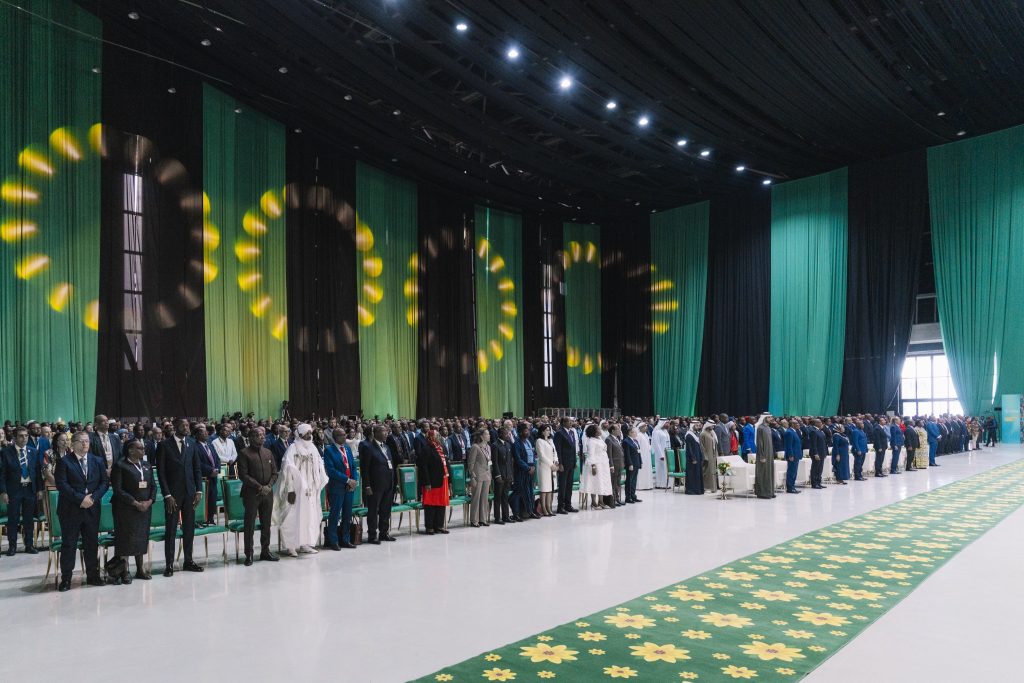
The five-day CPHIA 2026 conference, running from November 23 to 27, is organised by the Africa Centres for Disease Control and Prevention (Africa CDC) and the African Union under the theme “Africa’s Health Security and Sovereignty: Transformation from Health Dependency and Vulnerability to Ownership and Resilience”.
The gathering brings together African leaders, health ministers, policymakers, researchers and development partners to discuss sustainable health financing, pandemic preparedness, pharmaceutical manufacturing, digital health and reforms to global health governance.
The 2026 edition also marks 10 years since the establishment of Africa CDC in 2016.
Leave a Reply