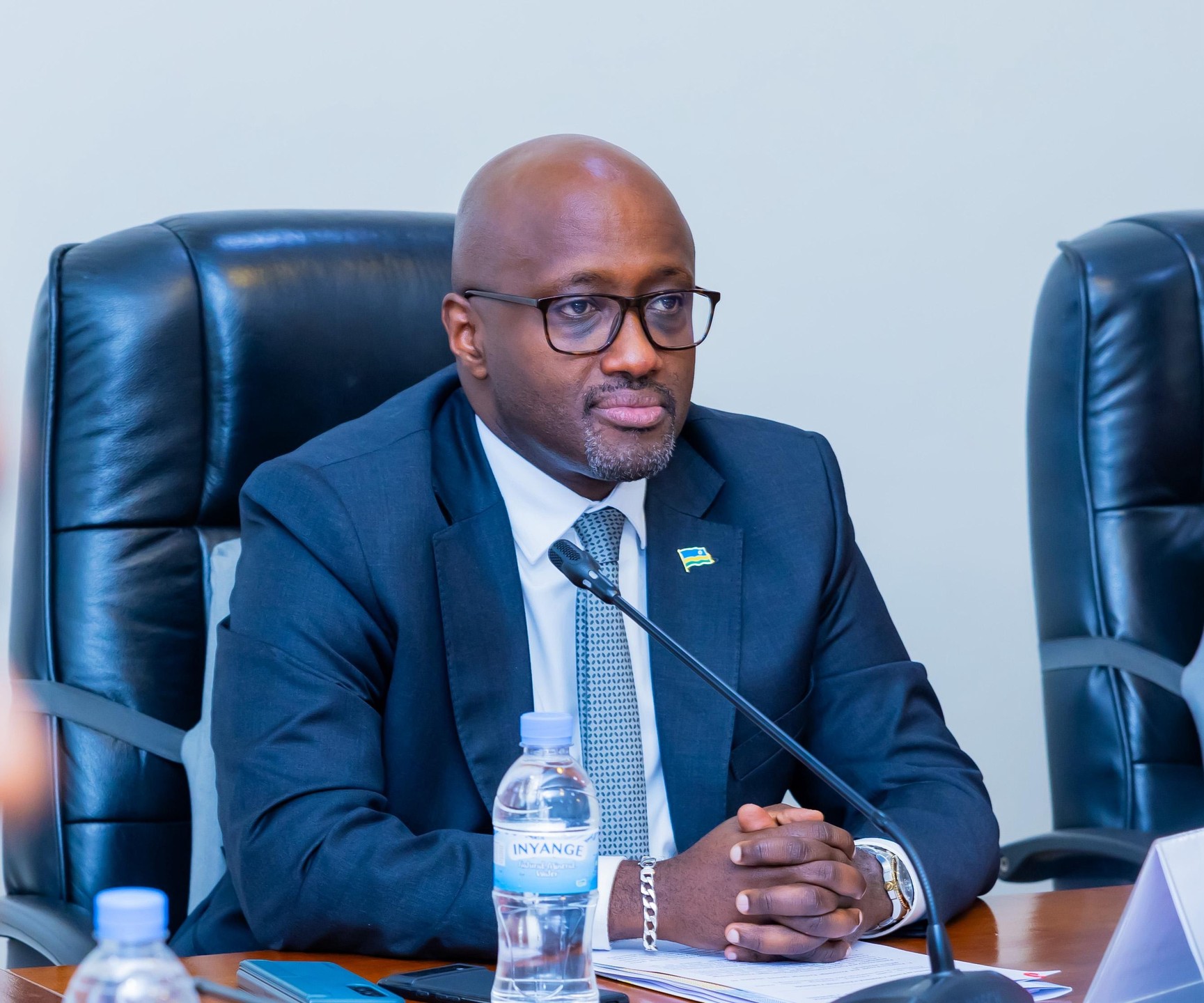
In an interview with RT International following the OIF summit in Phnom Penh, Nduhungirehe addressed the reported letter from Macron dated 12 November in which the French president urged Rwanda and the Democratic Republic of Congo to agree on a consensus candidate within two days or withdraw both their candidates.
“This is unacceptable, because all candidates had the right to run for the post of secretary general,” Nduhungirehe said.
He stressed that no member state had the right to demand the withdrawal of another country’s candidate under the organisation’s rules.
Despite the sharp disagreement, the minister was clear about the overall state of bilateral ties.
“Rwanda and France enjoy good relations. We are members of the Francophonie, we had a difficult past together, but we had to settle our history thanks to a commission set up by President Macron, a commission of historians, to really put a little clarity on the role of France in the genocide against the Tutsi.
“So our relations are good, we have good partnership. As partners, we can disagree from time to time, it’s not a problem,” he noted.
Nduhungirehe rejected any suggestion that the episode marked a deterioration or turning point.
“For us, it’s not a turning point of anything. We expressed our disagreement about how France behaved, because what we believe is that the problem was that France wishes the old Francophonie, where it had the only voice to impose its views behind this concept of consensus,” he said.
The minister noted that since 2022 the organisation has clear rules allowing a vote by simple majority if consensus cannot be reached.
The Phnom Penh summit was the first real test of this more democratic approach, he argued, yet France appeared reluctant to accept it.
The minister also accused France of yielding to pressure from Kinshasa. He said the DRC had threatened to leave the Francophonie if Louise Mushikiwabo, the Rwandan secretary-general seeking a third term, were re-elected, and that Paris “surrendered to this blackmail.”
On practical cooperation, Nduhungirehe pointed to ongoing French partnership through the French Development Agency across various sectors of the Rwandan economy.
While acknowledging differences of view, he maintained that the partnership continues on a solid foundation of mutual respect and shared membership in the Francophonie.
Following the deadlock in the OIF leadership election at the Phnom Penh summit, Louise Mushikiwabo’s mandate as Secretary-General was extended for another year.
The extension is intended to ensure continuity in the organisation’s leadership, allow it to refocus on its mission and help resolve disagreements among member states.
Mushikiwabo, who has led the organisation since 2018, had been seeking a third term. However, member states failed to reach an agreement on the next Secretary-General, resulting in the postponement of the leadership election for 12 months.
After the Democratic Republic of Congo withdrew its candidate, three contenders remained in the race: Mushikiwabo (nominated by Rwanda), former Romanian Prime Minister Dacian Cioloș and former Mauritanian minister Coumba Bâ.
The discussions had been marked by differences over whether to proceed with an election or first seek consensus on a candidate. The summit also selected Canada to host the 21st OIF Summit in 2028, with the meeting scheduled to take place in Ottawa.
Leave a Reply