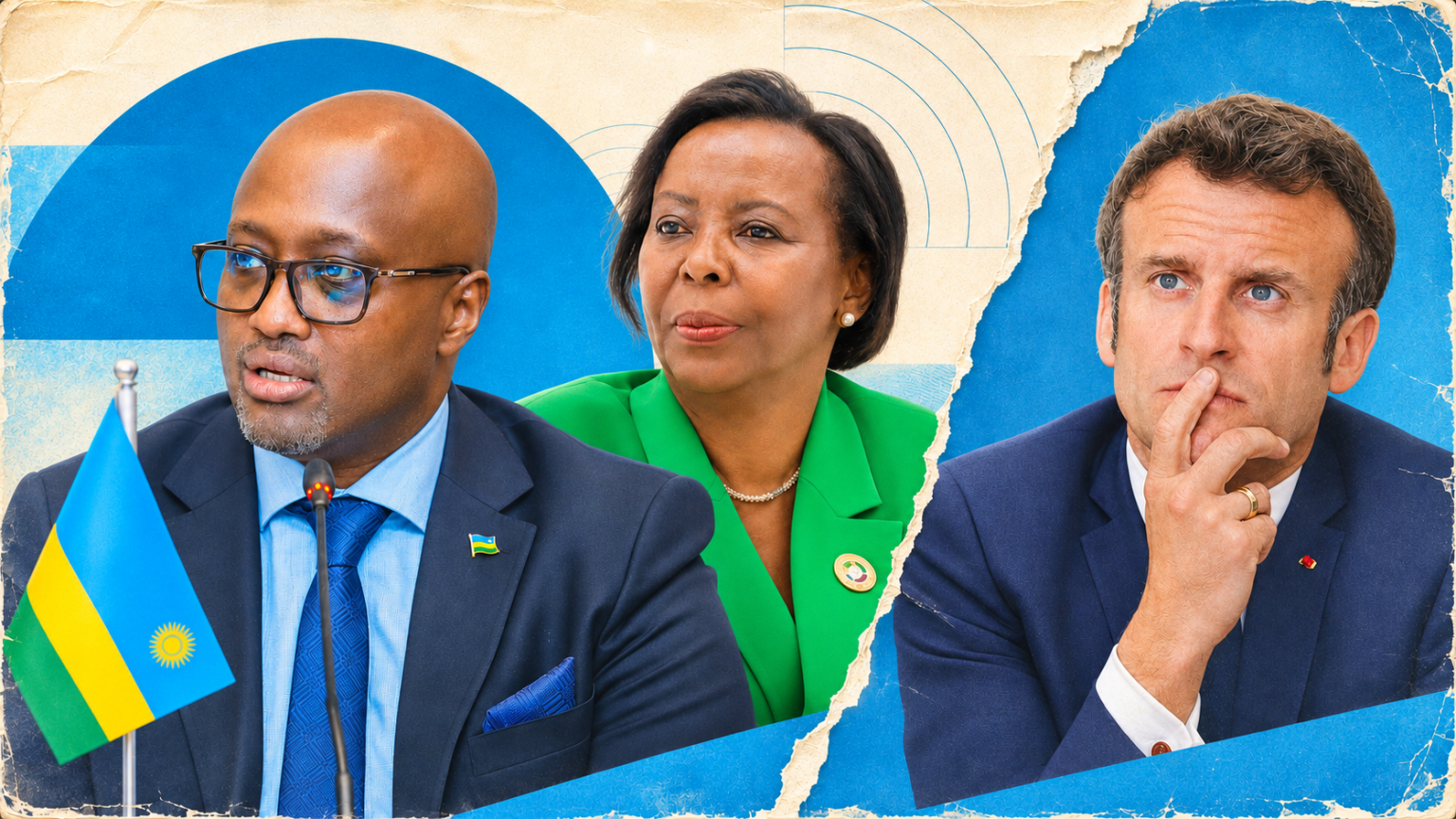
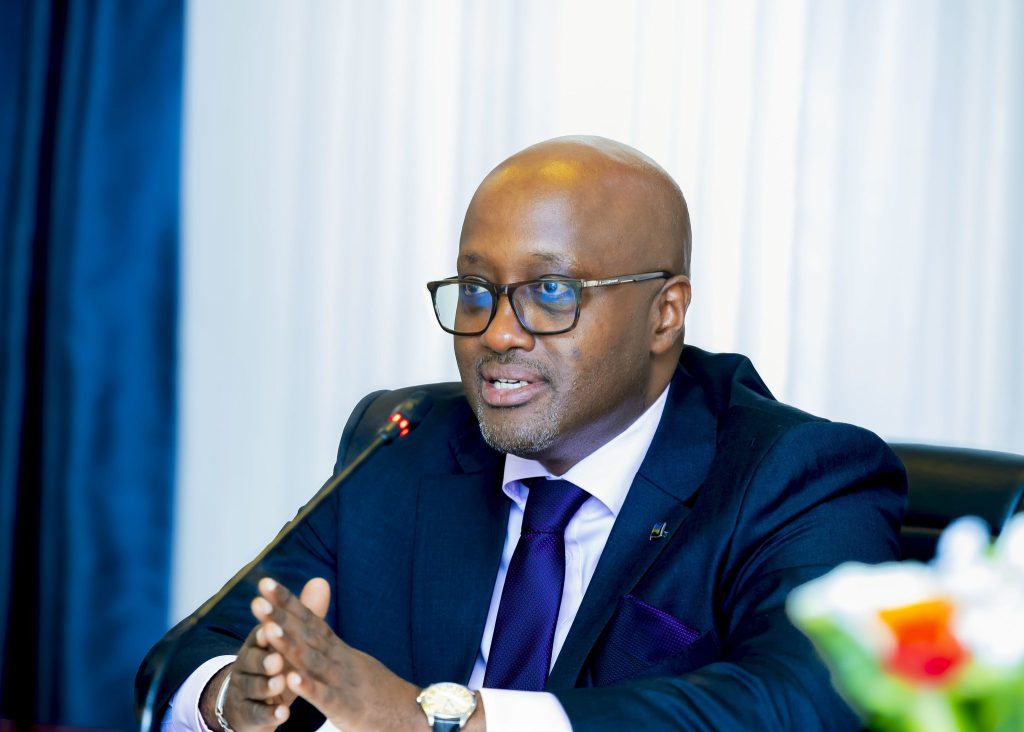
Nduhungirehe made the remarks in an interview with Rwanda Broadcasting Agency (RBA), following a November 13, 2026 report by Jeune Afrique that French President Emmanuel Macron had written to President Paul Kagame asking him to withdraw Mushikiwabo’s candidacy to pave the way for a consensus candidate and prevent the Democratic Republic of Congo (DRC) from leaving the organisation.
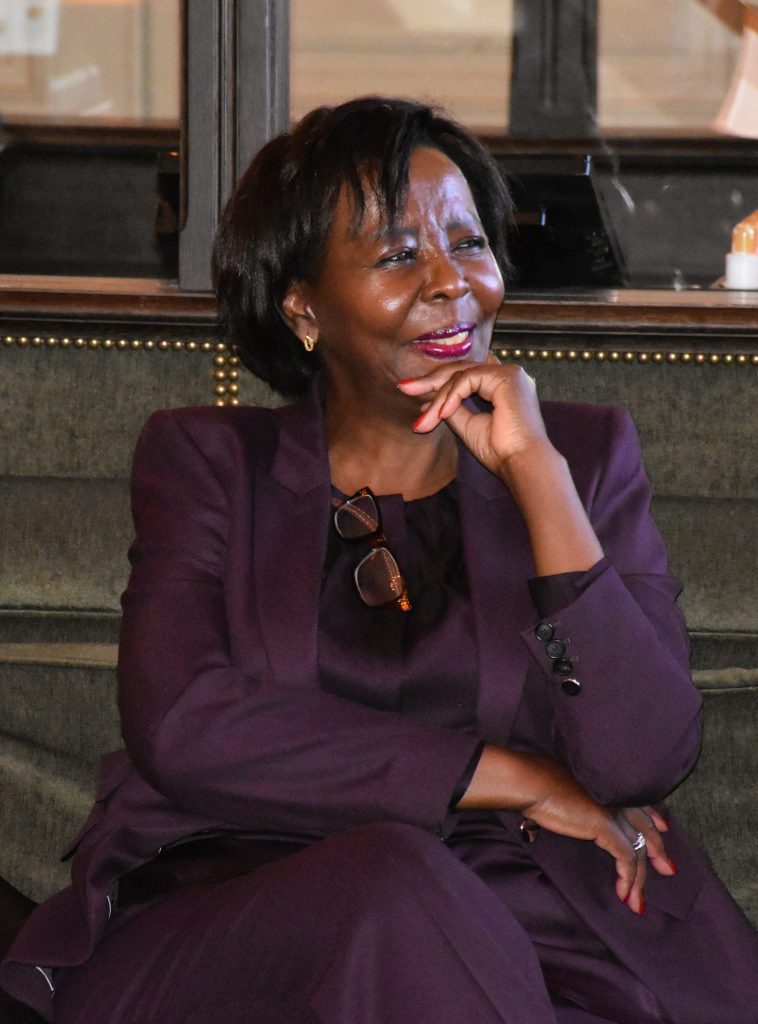
Mushikiwabo, who has served two terms as OIF Secretary-General, is seeking a third four-year term in elections scheduled for November 16 during the organisation’s 20th Francophonie Summit in Phnom Penh, Cambodia.
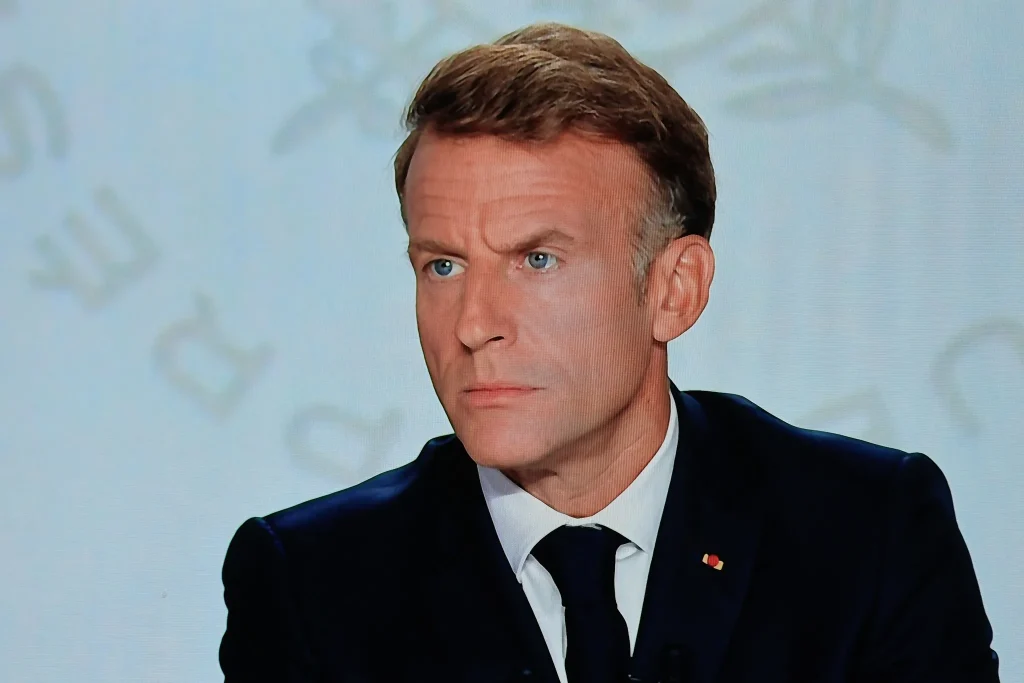
According to Jeune Afrique, Macron sent Kagame a lengthy message on the night of November 12, proposing that candidates from Rwanda, the DRC and Mauritania withdraw to leave former Romanian Prime Minister Dacian Cioloș as the sole candidate.
Macron reportedly wanted Rwanda to announce its decision before the November 14 OIF Ministerial Conference, where a contested election could deepen divisions within the organisation, particularly after the DRC threatened to leave if Mushikiwabo secured another term.
France’s request rejected
Confirming that France had made the request, Nduhungirehe said it did not reflect the rules governing the organisation.
“Rwanda is not a country that takes orders from another country, no matter how wealthy that country may be. No country has the right to tell another country that has nominated a candidate to withdraw that candidate. That is Rwanda’s right, just as it is the right of all 53 full member countries of the Francophonie,” he said.
He added that member states should first seek consensus, but proceed to an election if they fail to agree.
“Those days when one country thought it could make decisions for everyone in the Francophonie are over,” he said.
Nduhungirehe cited the 2014 Francophonie Summit in Dakar, Senegal, where several candidates contested to succeed Abdou Diouf.
France, then led by François Hollande, eventually supported Michaëlle Jean of Canada as a consensus candidate after efforts to agree on one candidate among the African contenders failed.
He said the situation was different today because OIF now has clear rules governing the election of its Secretary-General.
OIF rules provide for secret ballot
Rules revised in 2022 require member states to first seek consensus on a candidate. If no agreement is reached, the Secretary-General is elected through a secret ballot, with the candidate receiving the highest number of votes declared the winner.
Only the organisation’s 53 full members have voting rights. OIF has 90 members and governments in total, including five associate members and 32 observers.
The Secretary-General serves a four-year term, which can be renewed through the election process. The rules do not set a maximum number of terms.
DRC issues conflicting statements on candidate withdrawal
The DRC’s Foreign Ministry announced that it had withdrawn Lumumba’s candidacy and expressed support for Cioloș following discussions with Romania.
However, two statements bearing the same date and headline emerged, with different wording. One said the DRC had withdrawn Lumumba’s candidacy, while the other said Kinshasa was willing to consider doing so.
The statements also differed on support for Cioloș, with one presenting the decision as an agreement already reached with Romania and the other describing it as an option the DRC was prepared to explore.
The leadership contest comes amid strained relations between Rwanda and the DRC over security in eastern Congo. Kinshasa accuses Kigali of supporting AFC/M23, allegations Rwanda has repeatedly denied.
The DRC has also threatened to leave the OIF if Mushikiwabo is re-elected. With the November 16 vote approaching, member states face the choice of reaching consensus on one candidate or proceeding with the election provided for under OIF rules.
Leave a Reply