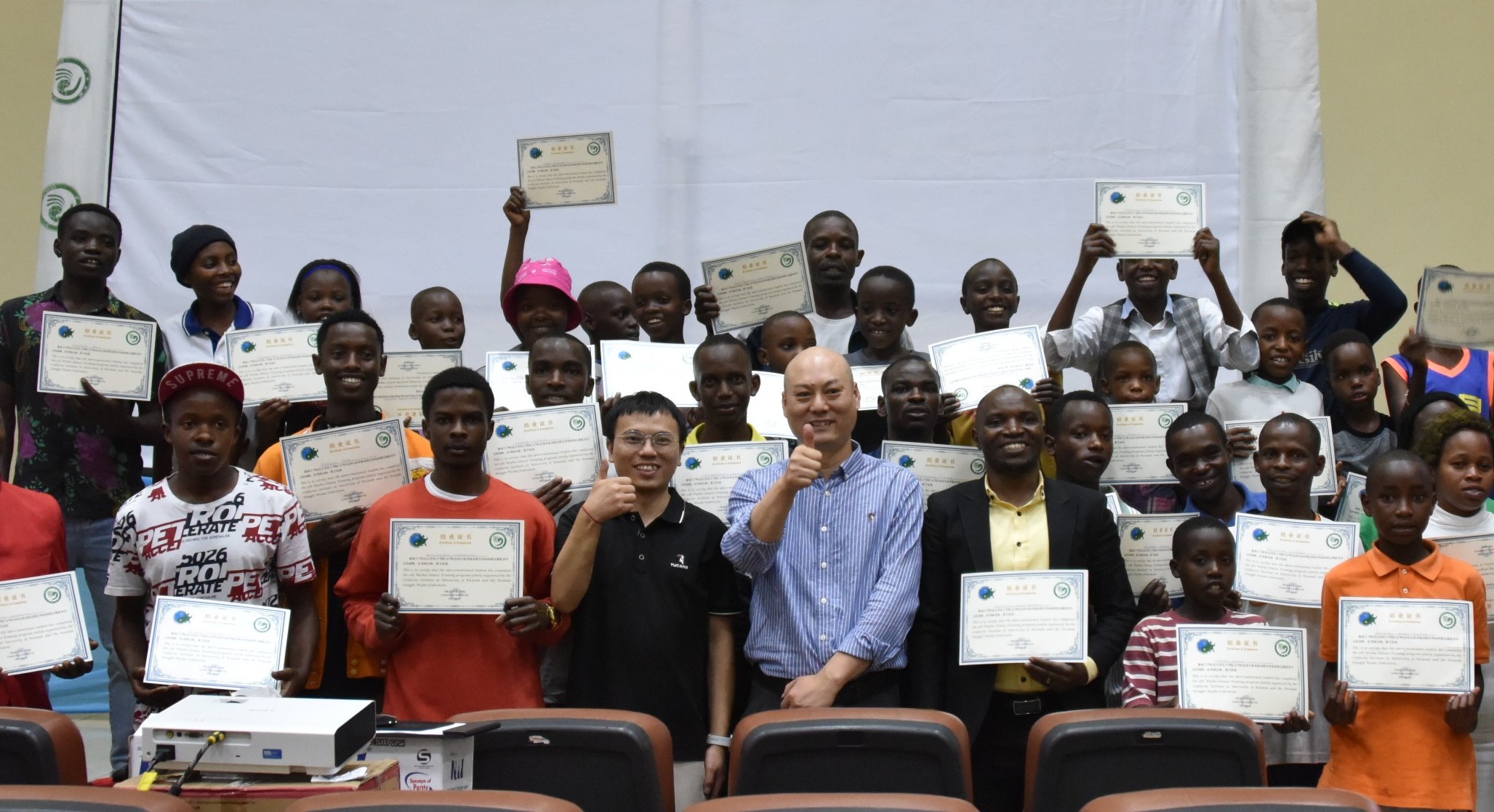
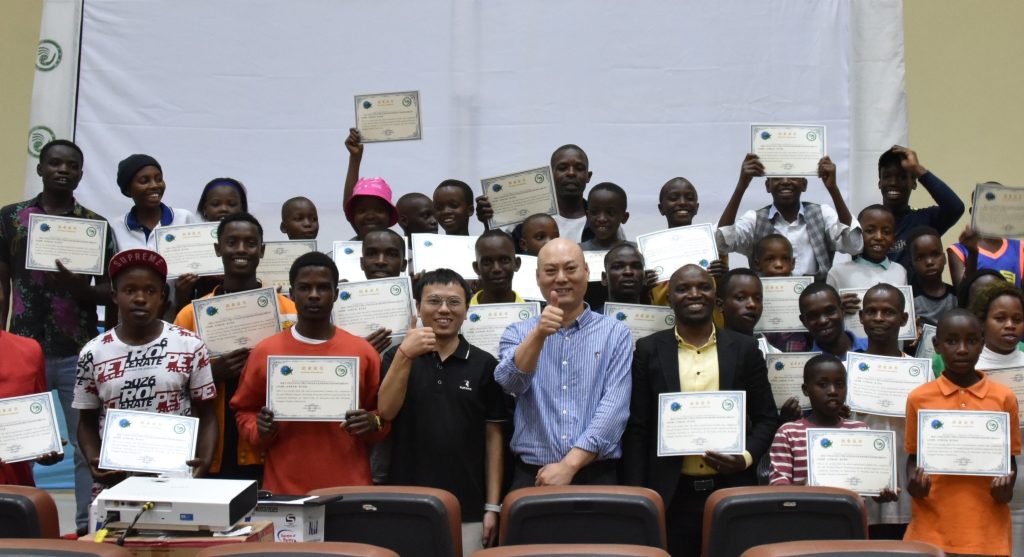
Seventeen years later, Chinese has gained a stronger foothold in Rwanda. More than 5,000 people now study it through programmes linked to the institute every year, while nearly 30,000 Rwandans have received formal training since its establishment. In the first half of 2026 alone, more than 1,000 candidates sat official Chinese proficiency examinations.
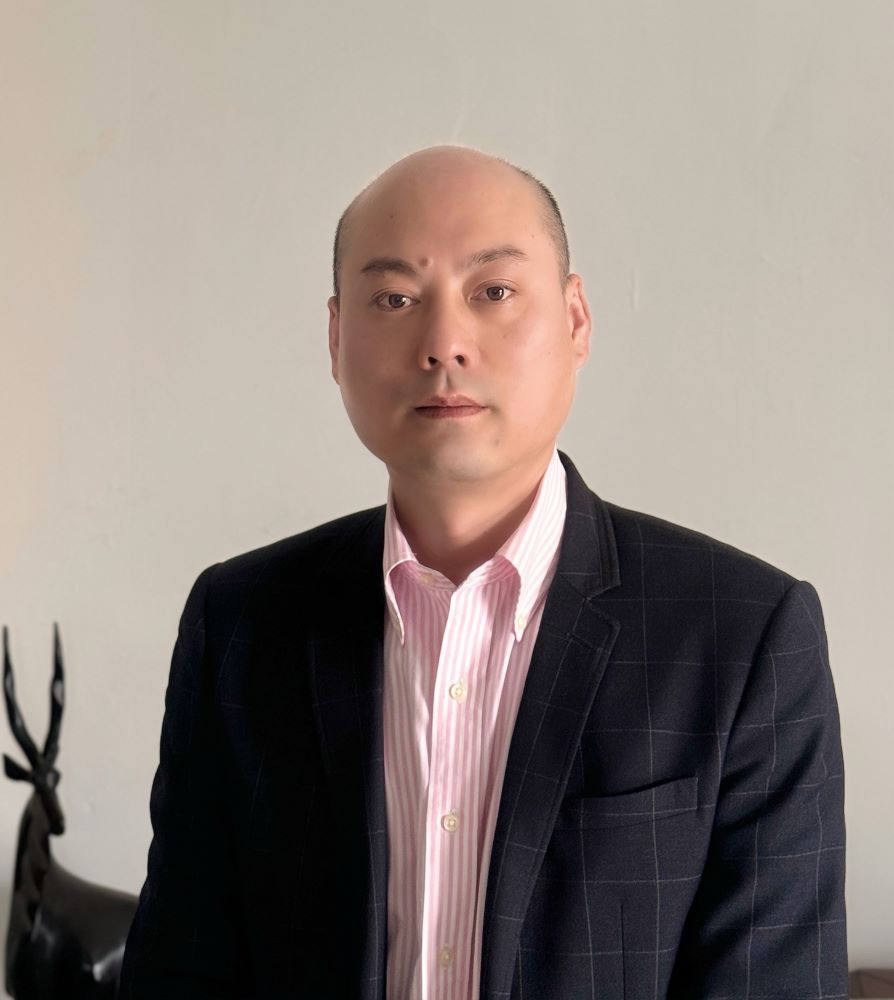
For Dr. Zeng Guangyu, Director of the Confucius Institute at the University of Rwanda (CIUR), the growth represents more than the expansion of a language programme.
In an interview with IGIHE, co-produced with the Zhejiang International Communication Center (ZICC), he described the institute as a bridge connecting people in Rwanda and China through language, education and cultural exchange.
“Our core founding vision back in 2009 was simple yet profound: to build a permanent people-to-people bridge between China and Rwanda via Chinese language education, break cultural barriers, and lay a grassroots foundation for long-term bilateral friendship and win-win cooperation,” Dr. Zeng said.
From 30 students to a nationwide network
Dr. Zeng divided the institute’s development into three phases. The first, from its inauguration in June 2009 to 2014, focused on establishing teaching systems with Chinese partner universities and the University of Rwanda, despite limited facilities and learning materials.
A key milestone was the establishment of the first Confucius Classroom in a Rwandan secondary school, extending Chinese language education beyond university level.
The second phase, from 2015 to 2019, saw courses introduced in six faculties of the University of Rwanda and six secondary schools across the country. Since 2020, the focus has shifted to quality, sustainability and localisation.
Chinese courses are now offered in three primary schools, six secondary schools, two universities, two vocational schools and several social training institutions.
Training Rwandan teachers to take on core teaching responsibilities has reduced reliance on educators and volunteers from China.
“This means Chinese language education in Rwanda has gained self-sustaining capacity, which is far more valuable than merely opening more classrooms,” Dr. Zeng said.
Demand grows as Chinese becomes a practical skill
Public attitudes have changed significantly since the institute struggled to recruit its first 30 students. It now has more than 5,000 active long-term learners annually, and nearly 30,000 Rwandans have received formal training since 2009.
Demand is so strong that schools and communities regularly approach the institute to request Chinese programmes, but a shortage of teachers limits its ability to respond.
“If more local educators join our teaching team, I firmly believe our annual learner count will easily exceed 10,000,” Dr. Zeng said.
He said employment and business prospects are major motivations for adults, while parents increasingly view Chinese as a useful skill for their children in a changing global economy.
Its programmes include HSK Level 1–6 evening classes, school courses and specialised Chinese for medical workers, airport personnel and tourism practitioners.
It also offers tailored training for government institutions and companies, as well as holiday camps and parent-child cultural workshops.
Scholarships, jobs and business opportunities
The institute supports cooperation between Rwandan and Chinese universities, including a long-term research partnership between Chongqing Normal University and the University of Rwanda.
It has helped nearly 300 Rwandan students secure Chinese government scholarships to study in China.
In the labour market, Zeng said the institute connects hundreds of Chinese-speaking graduates with opportunities each year, with around 300 positions annually linked to Chinese-funded enterprises, local import-export firms, tourism agencies and other sectors.
Some graduates coordinate between Chinese investors and Rwandan communities, while others have started businesses in trade, logistics, handicraft exports and tourism.
Language and cultural exchange
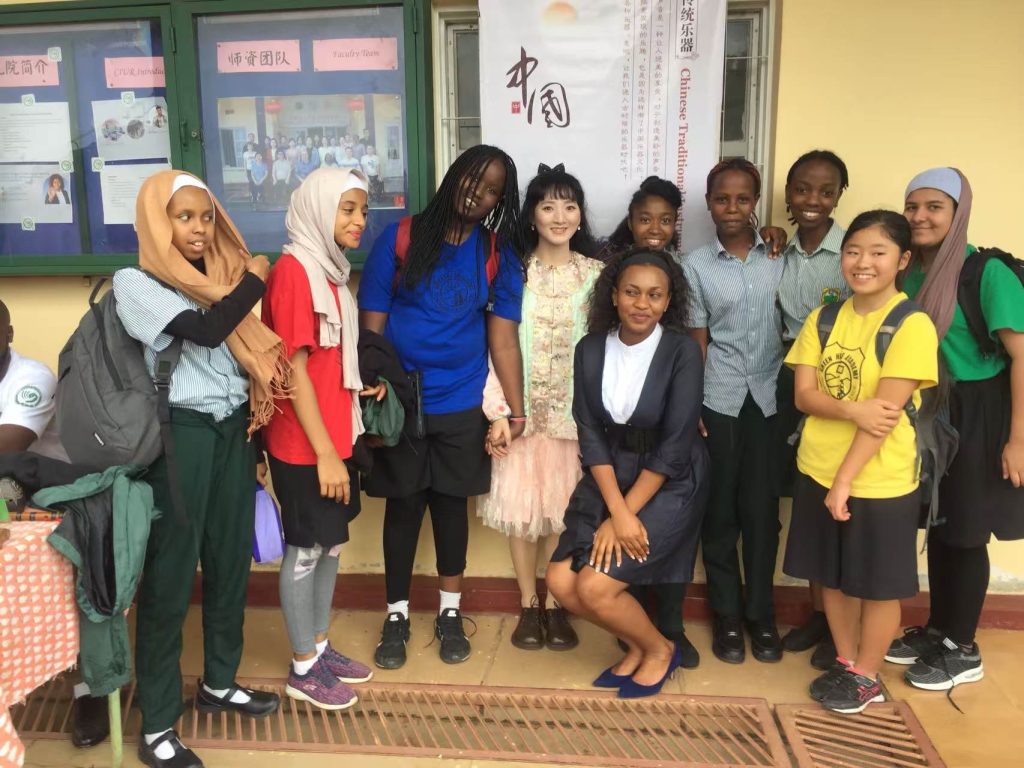
“Language is our foundation, but cultural exchange is the soul of our work,” Dr. Zeng said.
Activities include celebrations of the Chinese Spring Festival and Mid-Autumn Festival, martial arts, paper-cutting, calligraphy and tea art.
China-Rwanda cultural festivals combine Rwandan dance, drumming and handicrafts with Chinese performances.
Dr. Zeng said the exchange is mutual, with Rwandan traditions introduced to Chinese teachers and visiting delegations. Youth singing competitions, camps and school exchanges also encourage direct cultural interaction.
It works with universities, government institutions, schools and private companies on curricula, research, academic exchanges, teacher training and industry-specific courses for trade, construction, healthcare and tourism.
Dr. Zeng described its wider contribution to Rwanda-China relations through three roles: “a talent reservoir, a cultural communication hub and a grassroots liaison platform”.
It prepares bilingual Rwandans to support cooperation in trade, investment, technology, infrastructure and education, and connects institutions and communities.
Teacher shortage and plans for expansion
Despite the progress, the shortage of local Chinese teachers remains a major challenge. It is expanding teacher training, locally adapted curricula, evening classes, holiday programmes, online materials and short courses.
Looking ahead, it plans to establish more Confucius Classrooms, particularly in rural primary and secondary schools.
It also plans vocational Chinese programmes linked to Luban Workshop technical education, youth exchanges, joint cultural research and stronger university and business partnerships.
The challenge, he said, is matching growing demand with teaching capacity. He praised learners’ perseverance despite the challenges of Chinese characters and tones, adding that some graduates go on to help newcomers and promote Chinese education in their communities.
‘Learning Chinese is the skill of fishing’
For young Rwandans considering learning Chinese, Dr. Zeng said its value goes beyond speaking another language.
“I would like to share a timeless Chinese philosophy: ‘Give a man a fish and you feed him for a day; teach a man to fish and you feed him for a lifetime.’ For Rwandan youth, learning Chinese is exactly this ‘skill of fishing’,” he said.
He said Chinese can open opportunities in education, employment, entrepreneurship and China-Africa cooperation, while offering insight into Chinese culture and development.
“Our core mission as the Confucius Institute is far beyond language teaching alone: we strive to create equal platforms for cultural exchange and mutual learning between China and Rwanda,” Dr. Zeng said.
He encouraged young Rwandans to approach the language with an open mind and use it to connect with people, cultures and opportunities, describing them as “the primary bridge-builders of tomorrow’s bilateral friendship”.
All photos: Courtesy of CIUR
Leave a Reply