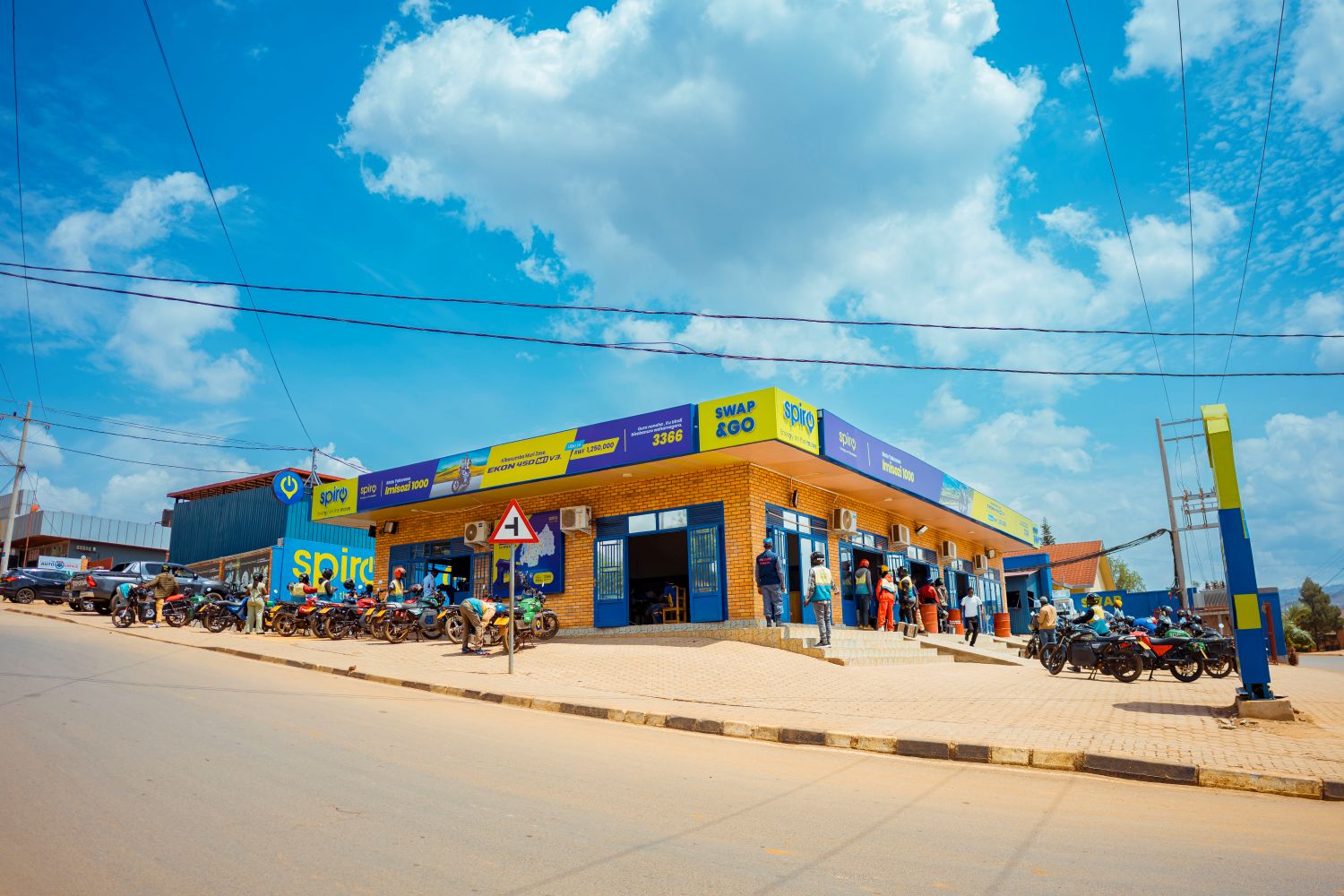
Flora Limukii, Spiro’s Head of Corporate Communications for Africa, said the company had taken complaints about delays seriously as riders switched from petrol motorcycles to electric alternatives.
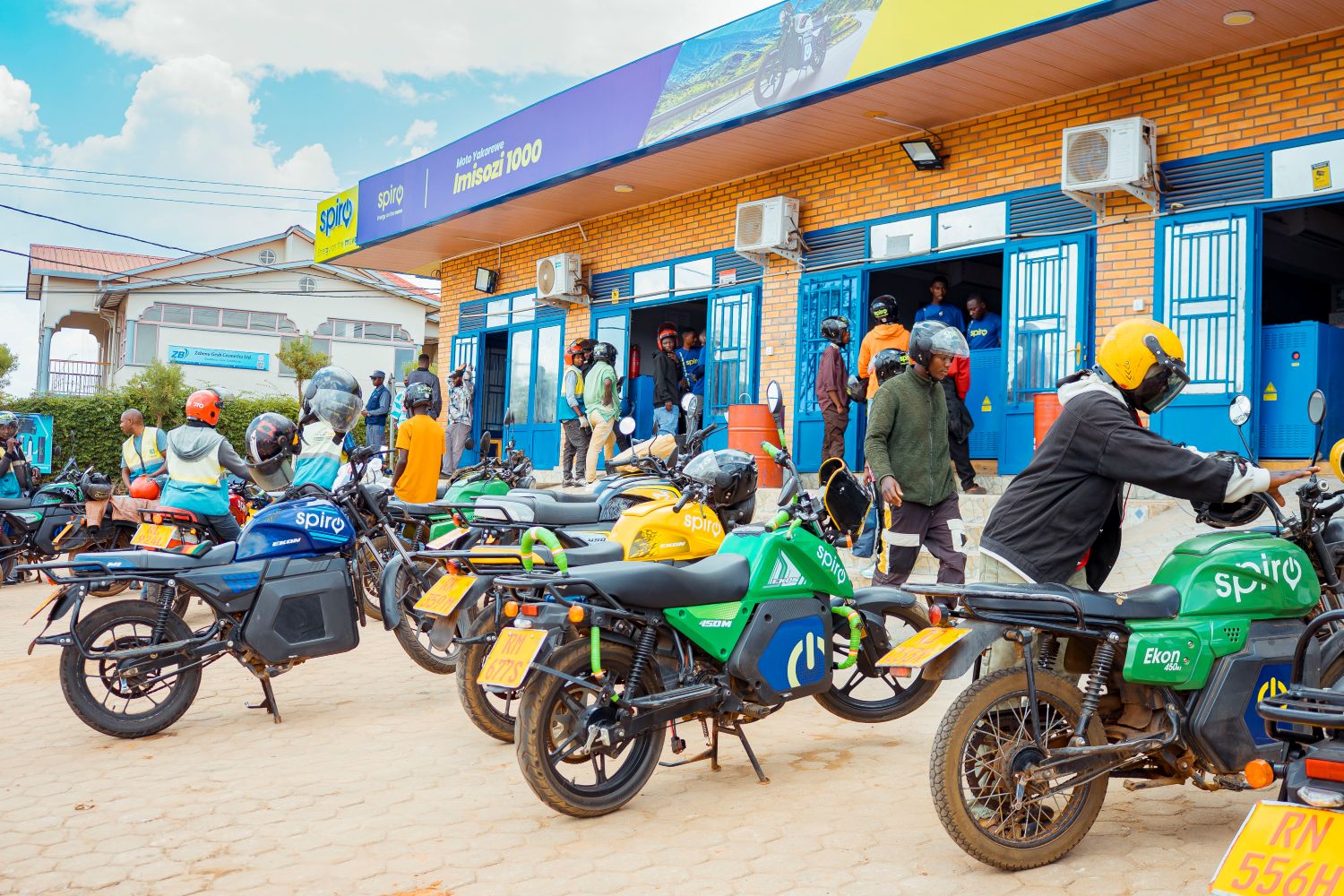
“Someone changing from a petrol motorcycle to an electric motorcycle wants the convenience of walking into a station and swapping within two minutes, like putting petrol,” Limukii told IGIHE in an exclusive interview.
She explained that the feedback had prompted Spiro to focus on mega swap stations capable of holding significantly more batteries than conventional stations.
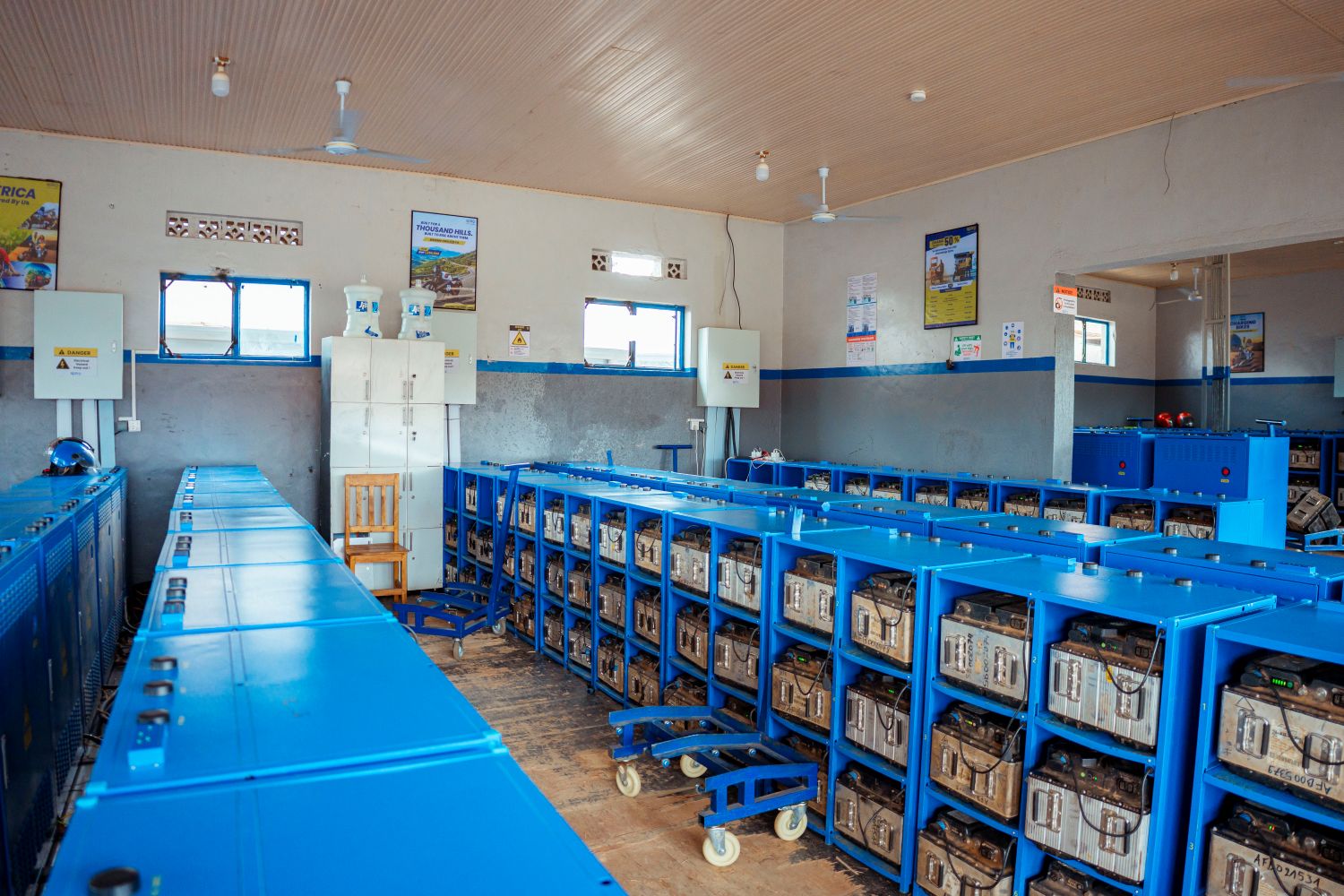
The company currently has nine mega stations in Rwanda, with each designed to charge and hold between 300 and 1,300 batteries.
The larger facilities are intended to increase the availability of charged batteries and reduce waiting times for riders, particularly in busy parts of Kigali.
“We took that feedback seriously, and that is where you’ve seen the massive investments into the infrastructure, because that’s the backbone of the business,” she explained.

Spiro has more than 300 battery-swapping stations across Rwanda, but Limukii said the company was now prioritising larger facilities as it scales its electric motorcycle network.
The company plans to expand the mega-station model beyond Kigali to districts including Rubavu, Nyagatare and Musanze.
The expansion comes as Rwanda continues to promote electric mobility through policies including incentives for electric vehicles and a special electricity tariff for electric mobility.
Limukii noted that the company’s experience in Rwanda had also reinforced the importance of building infrastructure alongside the deployment of electric motorcycles.
“If you’re deploying the bikes, you have to grow the infrastructure at the same pace,” she said.
Designing around riders
Spiro says rider feedback also plays a role in the design of its motorcycles.
Limukii revealed that the company conducted market research before launching its latest M1 V3 model, with riders highlighting features they wanted improved, including the seat height, shock system, suspension and braking system.
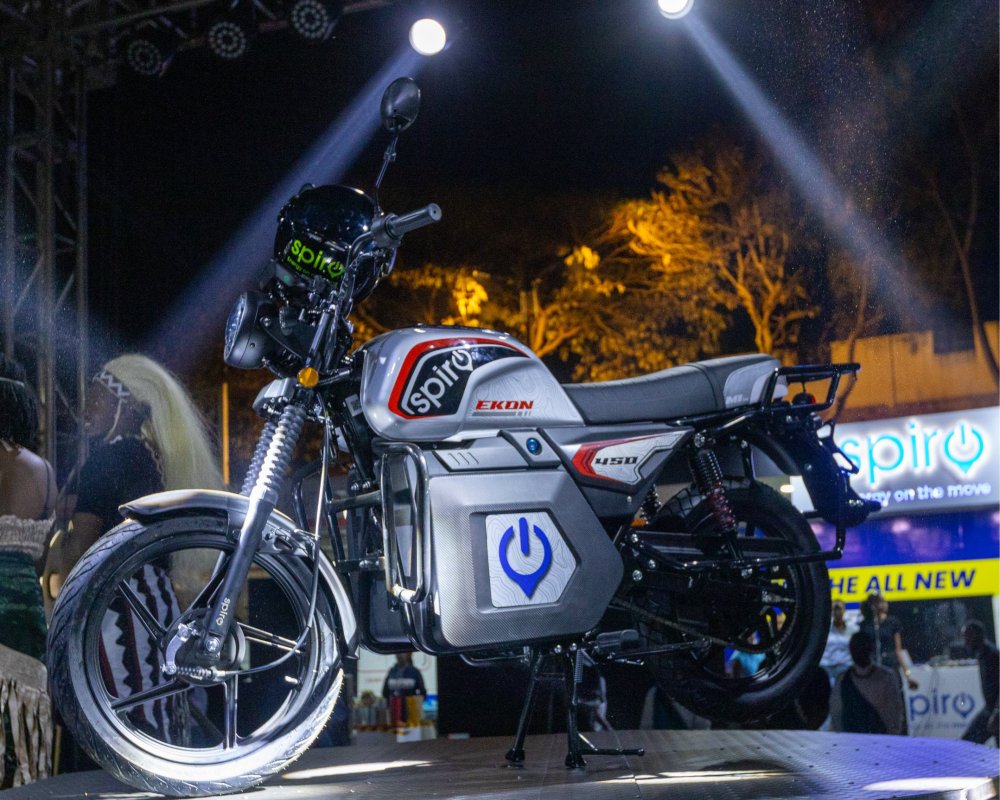
The feedback is collected through direct engagement with riders, customer service channels, social media and the company’s call centre before being passed to the product team.
“We’ve created a bike that is inspired by the rider,” Limukii said.
She described Rwanda as an important market for testing and refining electric motorcycles because of its hilly terrain and the scale of its electric mobility transition.
Spiro has more than 40,000 electric motorcycles in Rwanda, while the company has deployed more than 146,000 motorcycles across its African markets.
Tackling range anxiety
Beyond waiting times, Limukii identified range anxiety as one of the biggest challenges facing electric two-wheelers as riders move away from petrol motorcycles.
The concern is whether a motorcycle can complete a journey on a single battery or whether a rider can find a nearby station with a charged replacement.
Spiro is seeking to address this through its swapping network and the Spiro Connect app, which allows riders to identify nearby stations and check battery availability.
The app also displays a motorcycle’s battery level, while the company uses its hotline, SMS and WhatsApp channels to communicate with riders.
Limukii added that the company was exploring hybrid solutions, including solar power and energy storage systems, to reduce the impact of electricity outages on swapping operations.
She explained that the objective was to ensure that riders could find charged batteries even when there were disruptions to the power grid.
Rwanda as a model
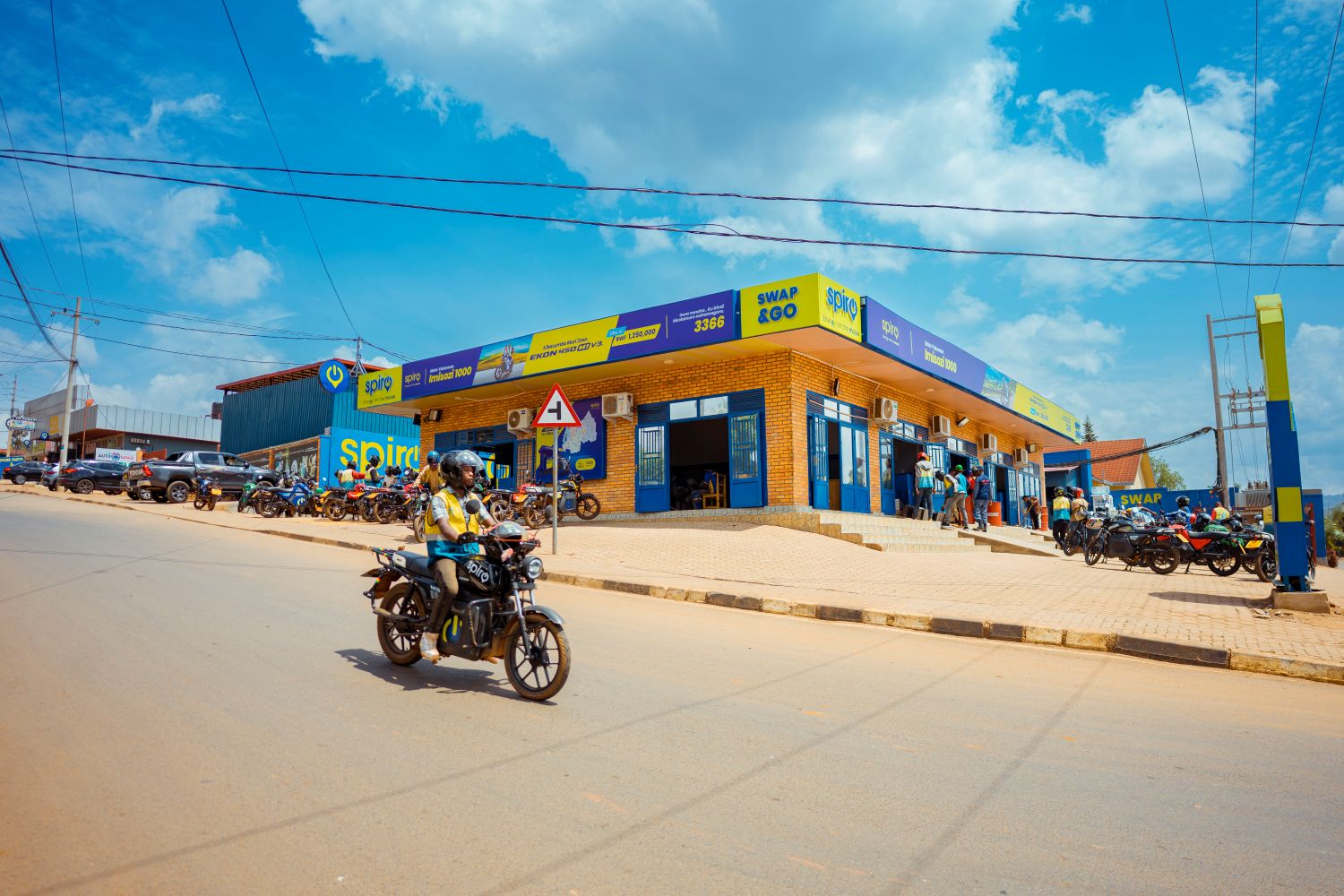
Limukii described Rwanda as a leading market for Spiro across its nine African markets, citing government policies that have supported the growth of electric mobility.
She pointed to the ban on petrol motorcycles in early 2025, fiscal and tax incentives for electric mobility and the special electricity tariff as factors that have helped create an environment for the sector to scale.
“Rwanda is one of a kind,” she said, describing the country as a model for other African markets seeking to expand electric mobility.
For Spiro, the experience has highlighted the need to combine supportive policy with infrastructure and continuous engagement with riders.
Limukii said the company’s long-term focus was on ensuring that electric motorcycles remained economically attractive to riders while expanding its charging and battery-swapping infrastructure.
“If the customer is happy, we are happy,” she added.
Spiro says it has created more than 6,000 direct and indirect jobs across its markets and completed more than 50 million battery swaps.
Watch the full video below for more on how rider feedback is shaping Spiro’s expansion of mega swap stations and its electric mobility strategy.
Leave a Reply