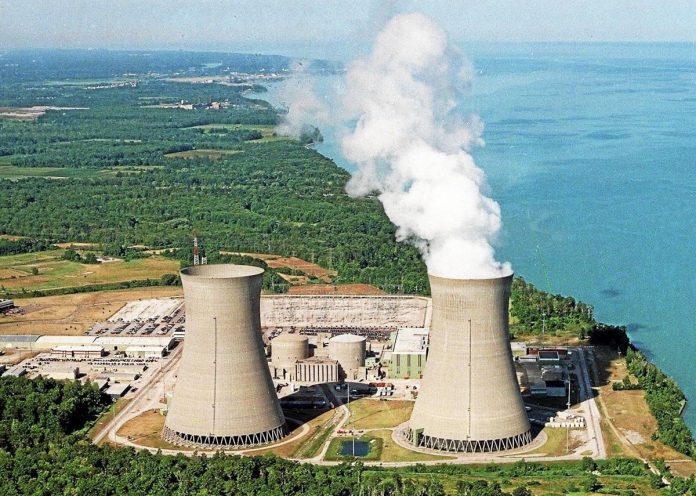
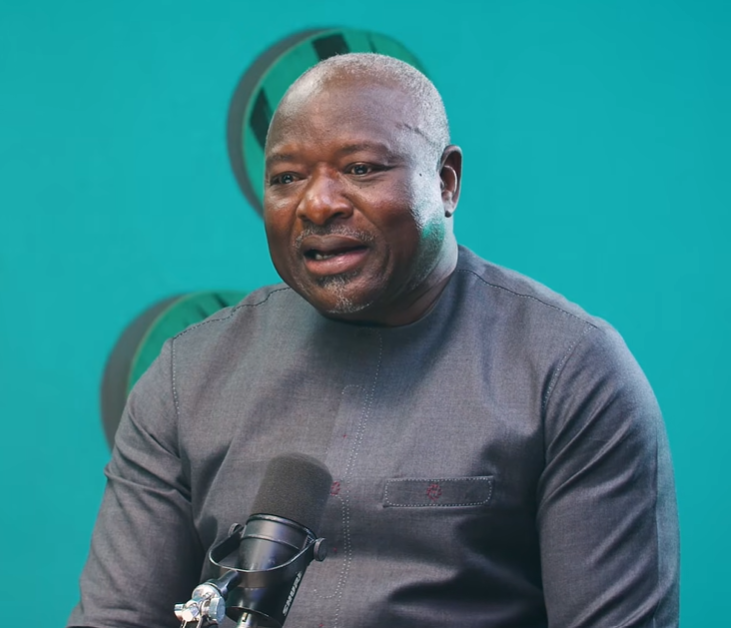
Dr. Lassina Zerbo, Chairman of the Rwanda Atomic Energy Board (RAEB), said Rwanda’s nuclear journey began about six or seven years ago with a decision to pursue small modular reactors (SMRs) while investing early in the human capacity needed to support the programme.
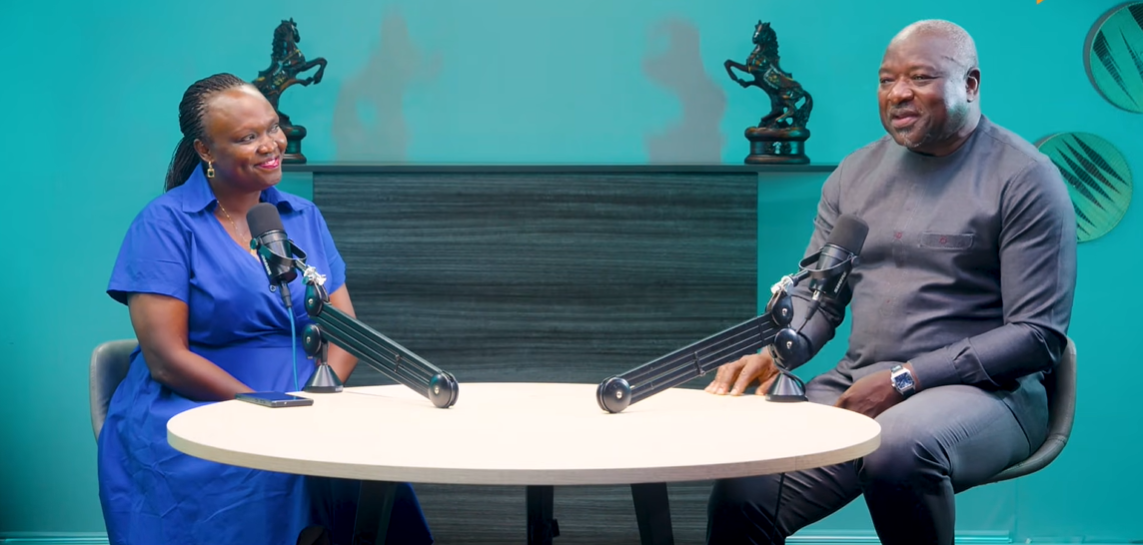
Speaking on the Dossier podcast, hosted by celebrated journalist Jackie Lumbasi, the chairperson described the approach as a deliberate effort to prepare Rwanda’s workforce before a nuclear power plant is built.
President Paul Kagame has said Rwanda remains on track to have nuclear energy operational by the early 2030s. In May 2026, he said the country’s completion of the International Atomic Energy Agency’s Phase I Integrated Nuclear Infrastructure Review confirmed that it was on course. Rwanda is targeting up to 1.5 gigawatts of nuclear generation capacity by 2050.
Rwanda is currently collaborating with the United States, Russia, and other private entities to develop small modular reactors and microreactors for its energy sector.
For Dr. Zerbo, the foundation of the programme is not the reactor itself, but the people who will eventually operate and regulate it.
“A month ago we had 26 Rwandan master’s degree graduates in nuclear science and technology,” he said, referring to graduates specialising in areas including safety, security and electrical engineering.
He said the graduates were expected to join RAEB, while Rwanda has also been sending students abroad to study nuclear science and technology.
The strategy, he argued, ensures that Rwanda does not wait until construction begins to start developing the expertise needed to support the industry.
“You don’t bring thousands of experts from the international world and then say, ‘Come to Rwanda, we want to build a plant,’” Dr. Zerbo said. “Do you have a certified welder or do you have a certified medical doctor or whatever? And then you say, ‘No, we don’t have.’”
Building an African nuclear platform
Dr. Zerbo also sees Rwanda’s nuclear programme as part of a wider effort to give African countries a stronger role in determining how nuclear technology can contribute to the continent’s development.
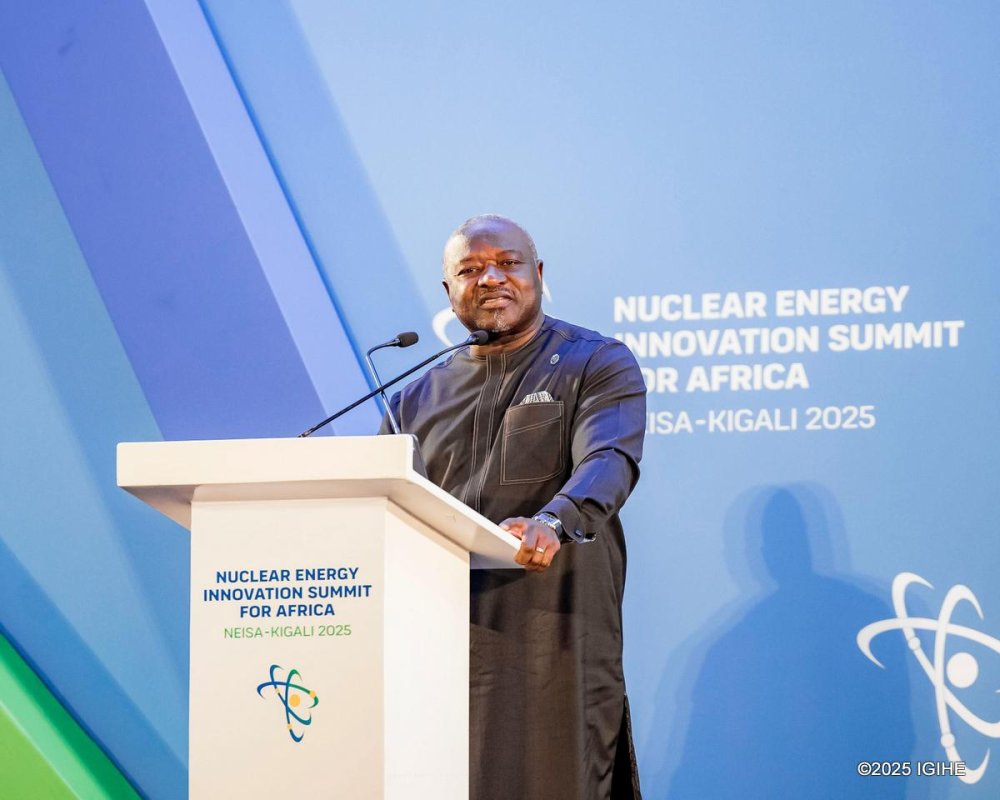
That thinking led to the creation of the Nuclear Energy Innovation Summit for Africa, which has been hosted in Rwanda for its first two editions.
The second edition attracted about 1,500 participants, according to Dr. Zerbo, bringing together African stakeholders, international institutions and companies from countries including France, Britain, Germany, Russia, China and the United States.
He said the platform was designed to allow Africans to discuss nuclear development together while working with international partners.
President Kagame has given the green light for the third edition to be held in Lomé, Togo, Dr. Zerbo said, in a move he said would make the initiative more inclusive across the continent.
The International Atomic Energy Agency has also been involved in Rwanda’s nuclear programme. Dr. Zerbo singled out IAEA Director General Rafael Mariano Grossi for supporting the summit and Rwanda’s wider efforts.
Why nuclear matters beyond electricity
The RAEB boss argues that the case for nuclear power in Africa goes beyond connecting households to electricity.
He sees reliable electricity as a prerequisite for industrialisation, agriculture and economic competitiveness, particularly at a time when African businesses face high energy costs and unreliable supply.
“If a farmer produces and processes, they need energy to process their products and keep them for longer so they can eventually export them,” he said.
For industries such as cement or glass manufacturing, Dr. Zerbo argues that intermittent power can make production difficult. Nuclear, he said, could provide the steady baseload electricity required by such industries, alongside renewable sources.
“Nuclear energy is not at the expense of, or in competition with, renewable energy,” he stressed. “We want to have an energy mix that provides a baseload and helps avoid the load-shedding that we are facing in many African countries today.”
He also pointed to nuclear technology’s applications beyond electricity, including cancer treatment, agriculture and food preservation.
The shift toward smaller reactors
A central part of Rwanda’s strategy is its interest in smaller nuclear technologies.
Dr. Zerbo described microreactors as a further evolution from conventional nuclear plants and small modular reactors. He said some concepts are being developed around units that could fit within a 40-foot container.
He gave the example of a one-megawatt microreactor potentially supplying about 3,000 families continuously for seven to 15 years without maintenance, while noting that the number of households served would vary depending on electricity consumption.
Developers are also working on higher-capacity microreactors that could supply facilities such as data centres, whose electricity requirements are growing alongside artificial intelligence.
For Rwanda, smaller reactors could potentially offer a more adaptable option for a country with a relatively small electricity system compared with the large grids of major industrial economies.
The chairperson also pointed to evolving reactor technologies that could reduce water requirements and potentially allow nuclear systems to operate in locations where conventional reactors would face greater cooling constraints.
Safety, waste and public trust
Nuclear safety remains one of the most important questions surrounding the technology.
Dr. Zerbo acknowledged that nuclear energy carries risks but argued that technological development has changed the nature of those risks, particularly with newer reactor designs.
He referenced the Fukushima disaster, noting that the Japanese nuclear accident followed a major tsunami, and argued that discussions about nuclear safety should consider the broader circumstances surrounding such events.
His argument is not that nuclear technology is risk-free.
“I’m not trying to say that there’s no risk,” he remarked. “But I believe that with the evolution of science, technology, and the innovation that we are noticing today, the risk with the small modular reactors and the micro reactors is less than the conventional ones we know of so far.”
Waste management is another challenge. Dr. Zerbo said emerging technologies could eventually allow some nuclear waste to be reused as fuel in other reactor systems, potentially reducing the amount requiring long-term management.
The financing challenge
The cost of nuclear infrastructure remains a major hurdle for African countries.
The RAEB chair said financing should be considered alongside the infrastructure that depends on reliable energy, rather than treating nuclear power as a standalone investment.
He pointed to the World Bank’s changing position on financing nuclear energy and said discussions were underway on how international financial institutions could support nuclear projects.
He argued that African institutions, including the African Development Bank, should also consider how nuclear energy fits into the continent’s infrastructure financing needs.
For countries that cannot independently finance a large reactor, the chairperson proposed another possibility: regional energy hubs.
Rather than every African country building its own large nuclear plant, countries could develop nuclear capacity that supplies neighbouring markets through existing regional electricity pools.
Rwanda could potentially become an energy hub if it develops a nuclear power plant, while coastal countries such as Tanzania could explore floating nuclear units, he said.
A long-term commitment
For the RAEB boss, nuclear development is ultimately a project that extends far beyond the political cycle.
A nuclear programme can involve commitments lasting decades, meaning countries must carefully consider technology providers, financing arrangements, regulation, safety and long-term partnerships.
“It’s like getting married,” he said of selecting a nuclear partner. “You don’t wake up in the morning and then say this is my partner. You think about it: I’m engaging my country, my population for 50 to 60 years.”
He believes Africa now has a growing pool of scientists and engineers capable of participating in that process.
“Now it’s different,” Dr. Zerbo said. “We have thousands of experts in nuclear science and technology across Africa, and more are coming. They will help make a difference for the continent.”
Watch the full conversation below as Dr. Lassina Zerbo delves into Rwanda’s nuclear ambitions, the push for small modular reactors, Africa’s growing nuclear expertise, energy security, financing, safety and what the future of nuclear power could mean for the continent.
Leave a Reply