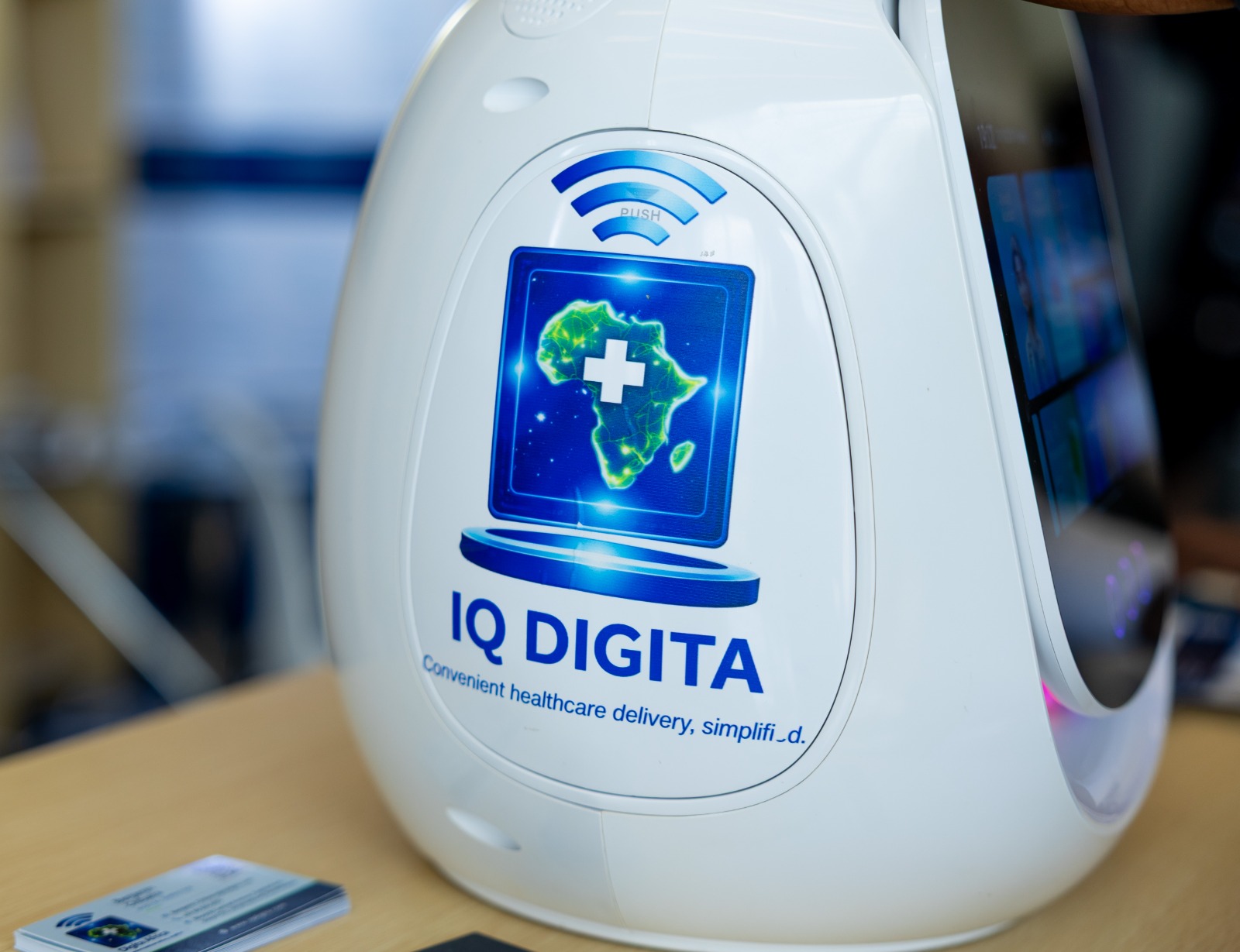
The company has established a presence in Rwanda through a strategic partnership with healthcare specialist Dr. Claude Sekabaraga and is seeking to work with the government, private healthcare providers and non-governmental organisations to expand deployment.
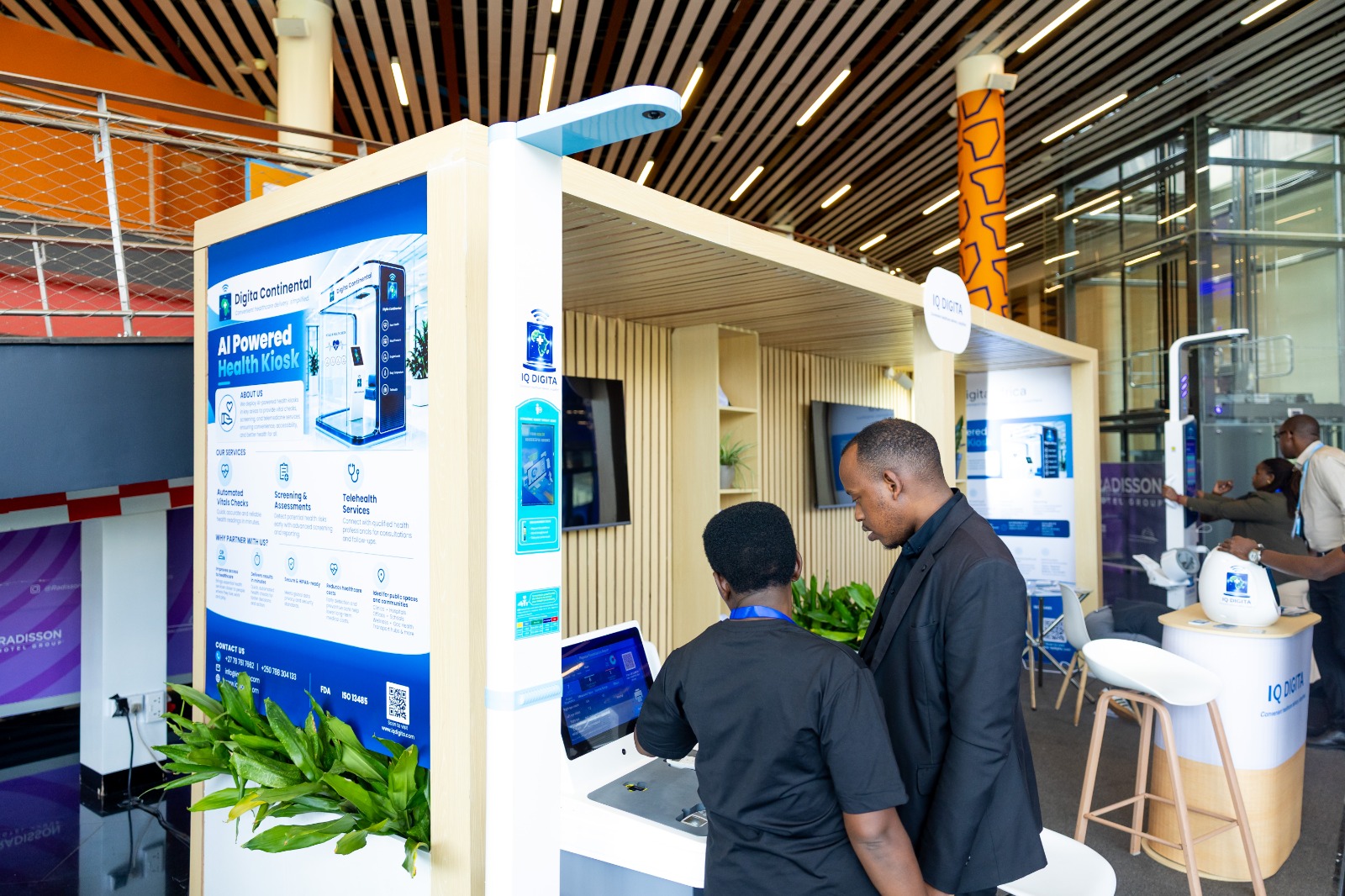
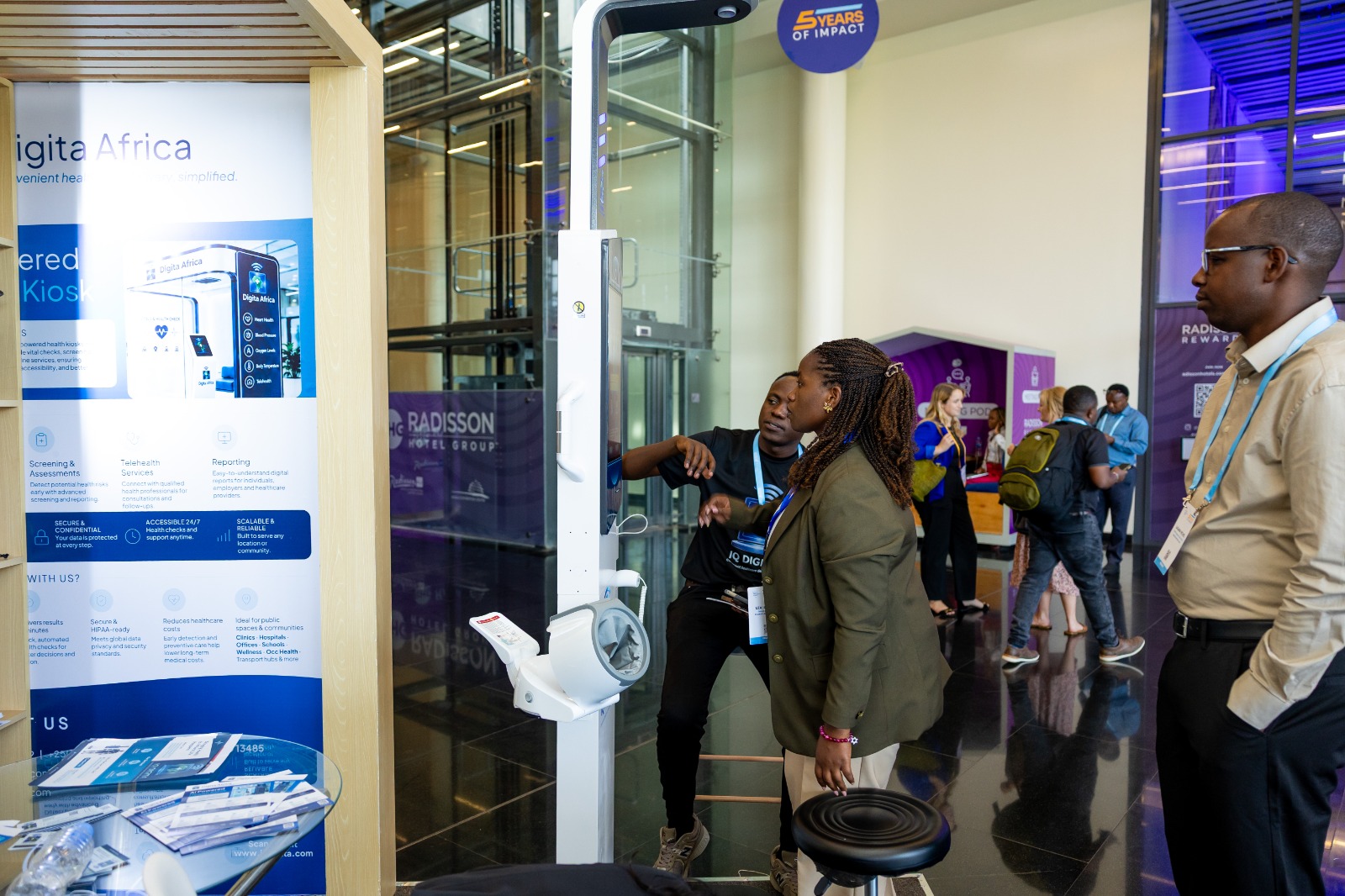
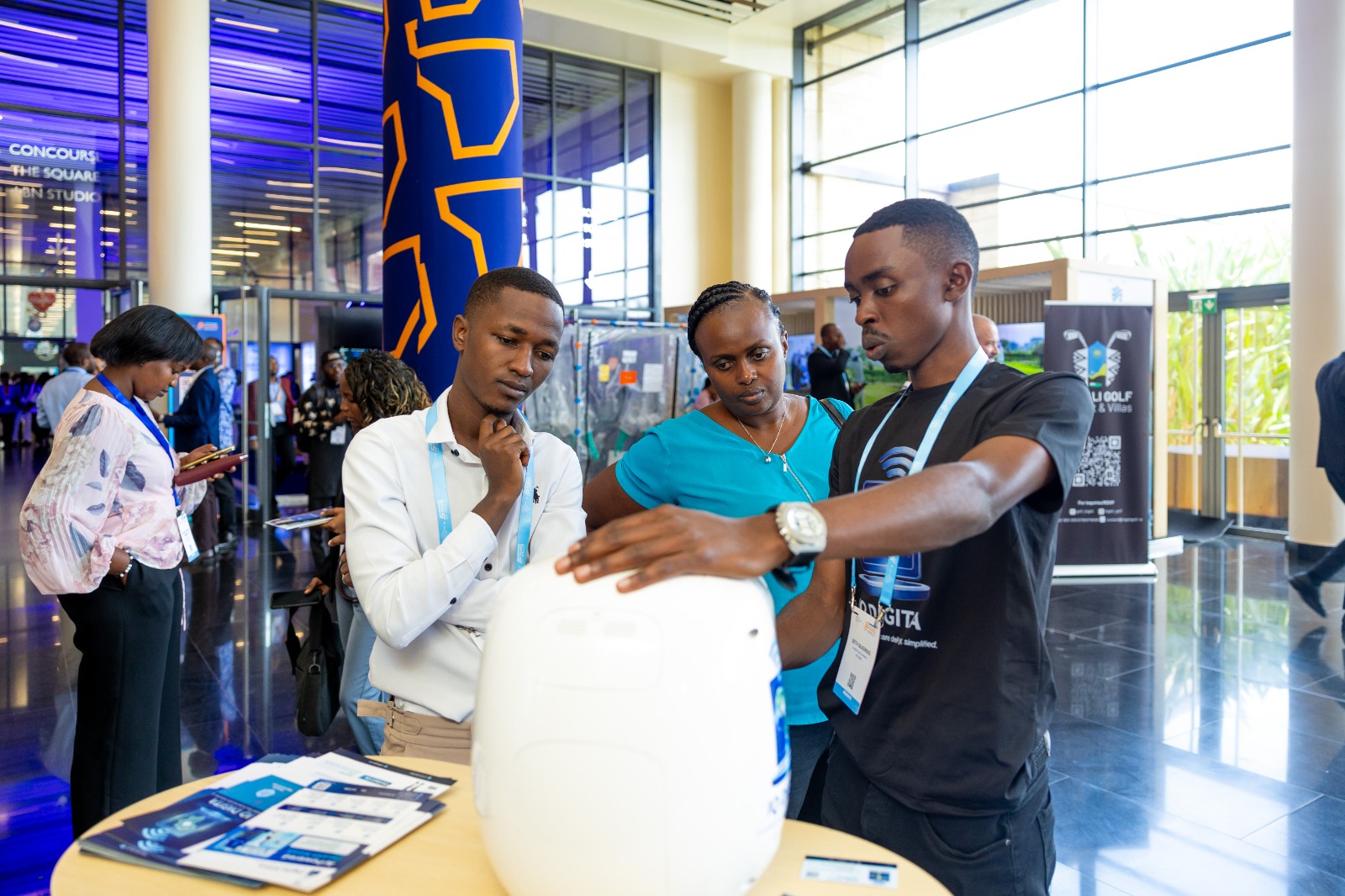
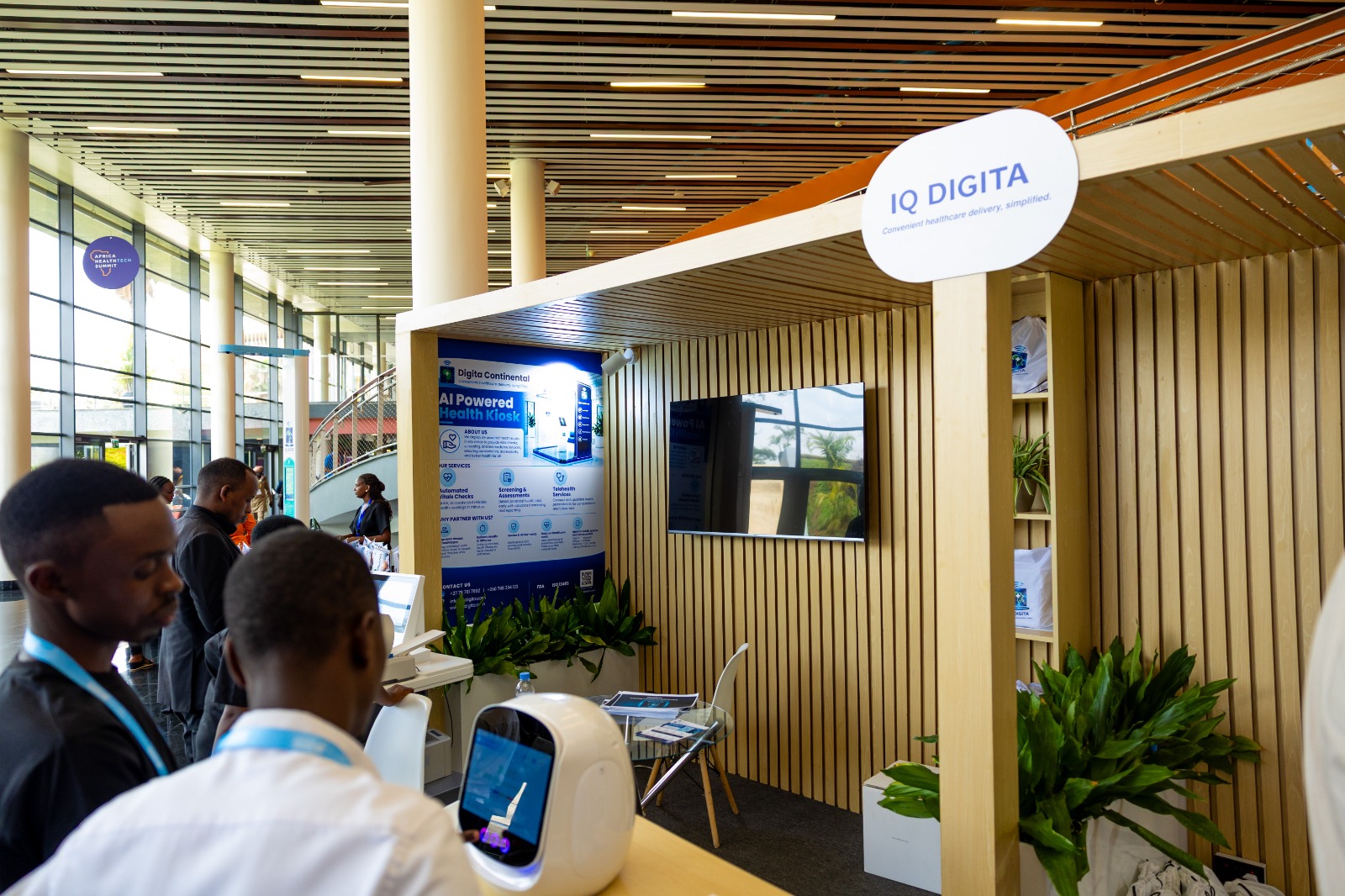
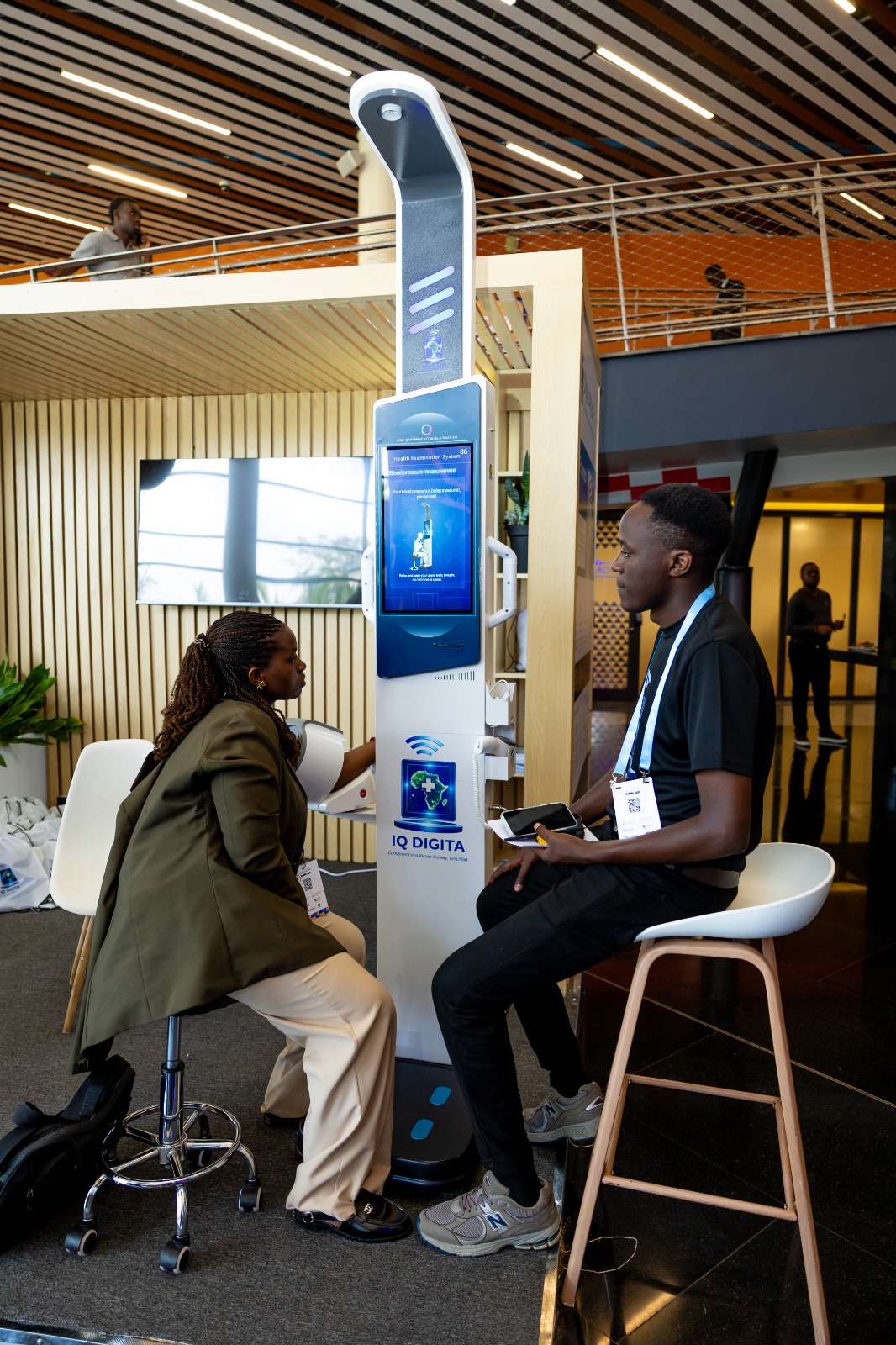
Its technology was showcased at the fifth Africa HealthTech Summit in Kigali, where hundreds of people had the opportunity to explore the company’s health kiosk during the three-day event.
IQ Digita Managing Director Dr. Karabo Maleka explained that the company’s technology is designed to make screening more accessible by placing health kiosks in locations where people already spend time, including hospitals, clinics, community centres and shopping malls.
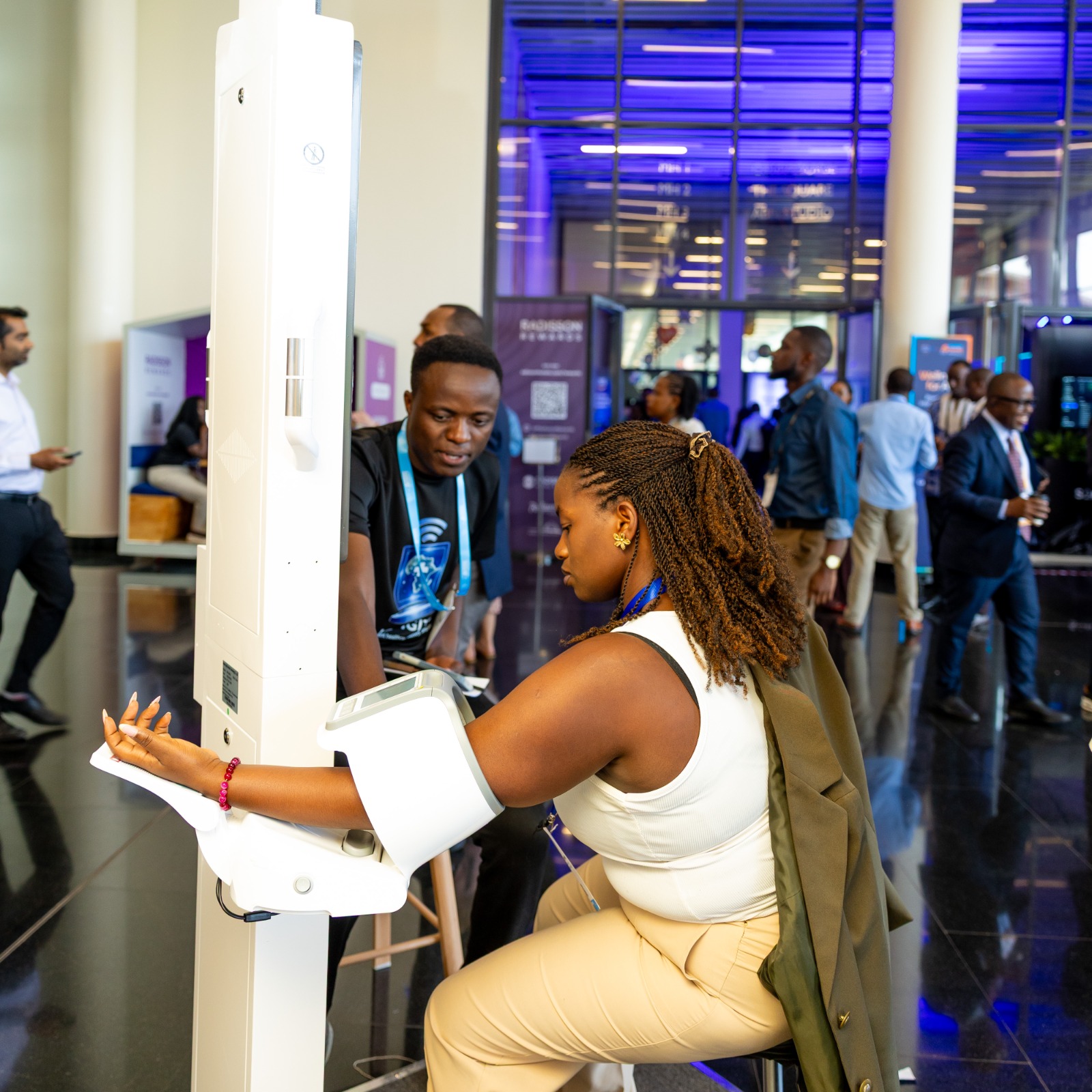
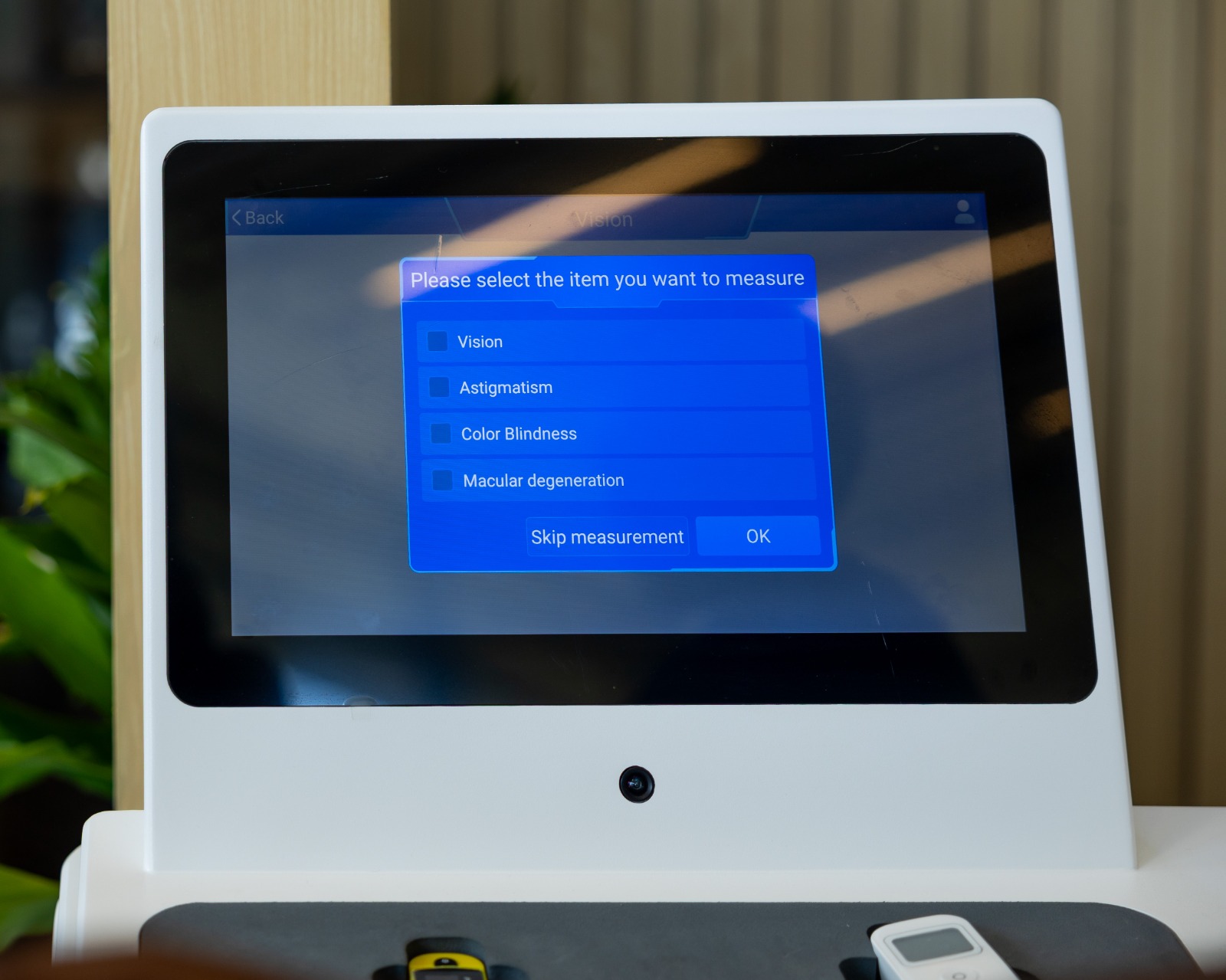
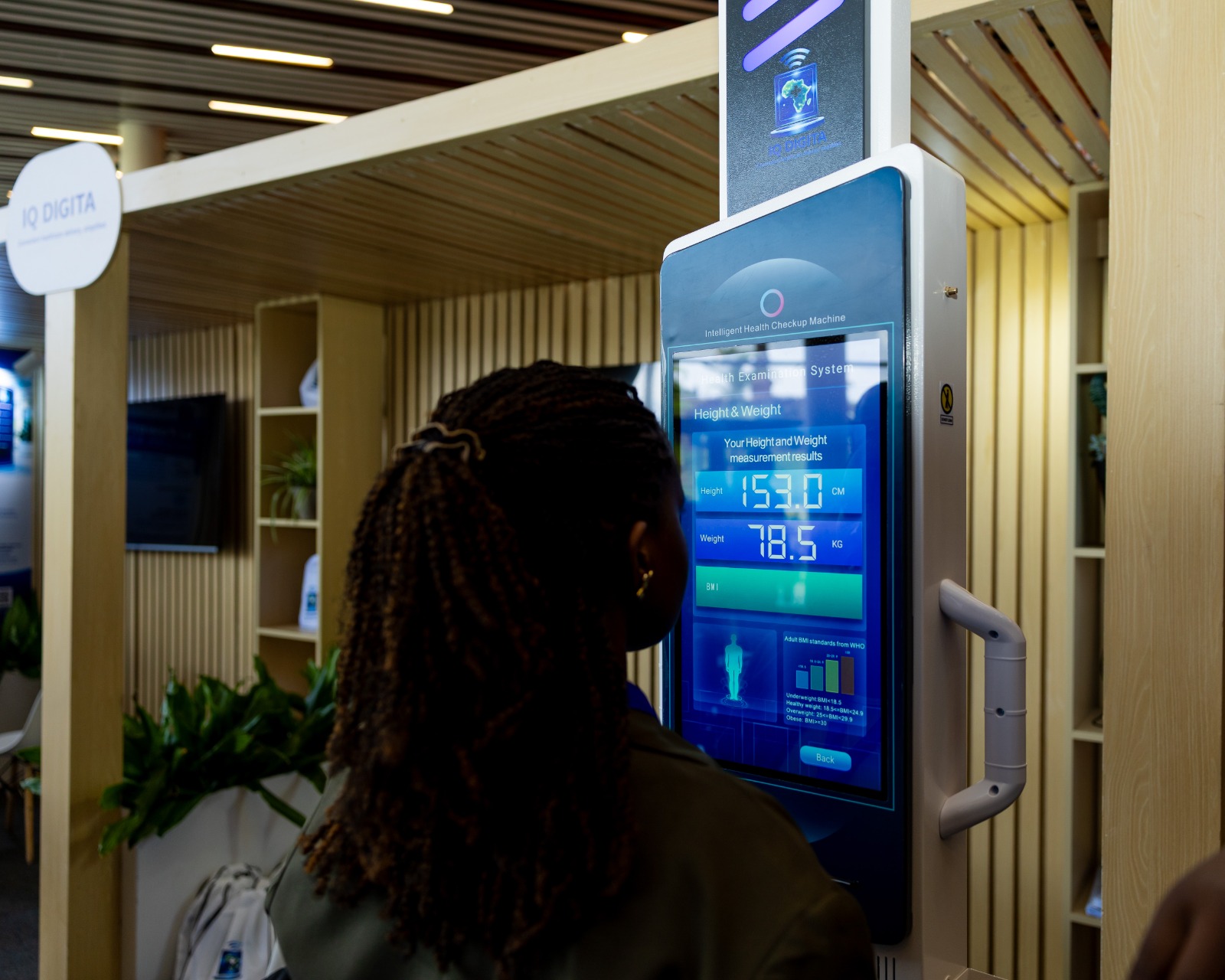
The kiosks can screen for a range of health indicators, including blood pressure, diabetes, body mass index, breast cancer and prostate cancer, depending on the needs of the facility where they are deployed.
The technology does not diagnose disease. Instead, it identifies people who may require further assessment by a qualified health professional.
“Screening is not definitive; it just says you need further attention from a medical doctor,” Maleka noted.
The company is also positioning the technology as a tool for improving how patients are prioritised in busy health facilities.
Its AI system categorises patients according to their level of need, with green indicating routine follow-up, yellow requiring medical attention but not immediate intervention, and red indicating a critical case requiring urgent attention.
For patients classified as red, the system can alert health facility staff and track how quickly they are attended to.
IQ Digita’s Clinical Head, Dr. James Mamobogo, described the approach as a shift from the conventional “first come, first served” model towards prioritising patients according to clinical need.
He gave the example of a patient arriving at a busy clinic with severely elevated blood pressure but remaining in the queue because their condition has not yet been identified.
With screening at the point of entry, such a patient could be identified as requiring urgent care and directed to the emergency department before their condition deteriorates.
Dr. Claude Sekabaraga, IQ Digita’s strategic partner for quality and equity healthcare in Rwanda, sees the same approach being applied beyond hospitals.
The technology can be deployed in community settings and connected to qualified health professionals through telemedicine, allowing people identified as higher-risk to receive further guidance or be referred for care.
“If anyone is willing to implement, let’s look at the long-term strategy whereby our people are not dying from non-communicable diseases,” Mamobogo added.
From screening to follow-up
According to the officials, IQ Digita’s focus extends beyond identifying health risks.
The company has a telemedicine capability that allows users to connect with medical professionals who can explain screening results and advise them on the next steps. Maleka stressed that the system is intended to support healthcare workers rather than replace them.
The company has also developed safeguards around patient information. When its system is integrated with a health authority, data is transferred through encrypted connections, while patient information remains under the control of the relevant patient or health authority rather than IQ Digita.
Maleka also noted that screening parameters can be adapted to different settings. A kiosk deployed in a gym, for example, would not necessarily carry the same functions as one used in a hospital.
This flexibility is central to the company’s approach to affordability and accessibility in African markets.
Building a local presence
IQ Digita has already begun building its local footprint.
Maleka revealed that the company has an office in Rwanda through its strategic partnership and has trained Rwandan operators to support its activities. Some of the operators are nursing students and others are studying in health-related fields.
“We didn’t bring any operators from South Africa, because we are here to also provide empowerment in Rwanda,” she explained.
IQ Digita is now looking to deepen its engagement with Rwanda’s health sector.
The company has invited the Ministry of Health to work with it on a model adapted to Rwanda’s healthcare needs and regulatory framework. It also sees potential for its technology to support Rwanda’s existing triage policy.
“We would like to work with the Rwandan government. We would like to work with private facilities. We would like to work with NGOs as well,” Maleka outlined.
According to the company, its devices have received approval from the US Food and Drug Administration, ISO certification and approval from South Africa’s Health Products Regulatory Authority. Maleka also confirmed that IQ Digita had received approval from the Rwanda FDA for its devices to be used in the country.

Expanding across Africa
IQ Digita began developing its technology about five years ago and started rolling it out in South Africa about a year ago. It has since expanded to Zimbabwe and Rwanda.
The company estimates that it has deployed about 1,000 health kiosks so far, with plans to increase that footprint across Africa.
For Rwanda, the immediate focus is on building partnerships and adapting the technology to local healthcare needs rather than simply importing a model developed elsewhere.
“We don’t want to come into a country thinking we know it all,” Maleka noted. “People are different, cultures are different, needs are different.”
The company says its long-term objective is to make screening more accessible while giving health facilities additional tools to identify patients who require urgent attention and connect them to appropriate care.

Leave a Reply