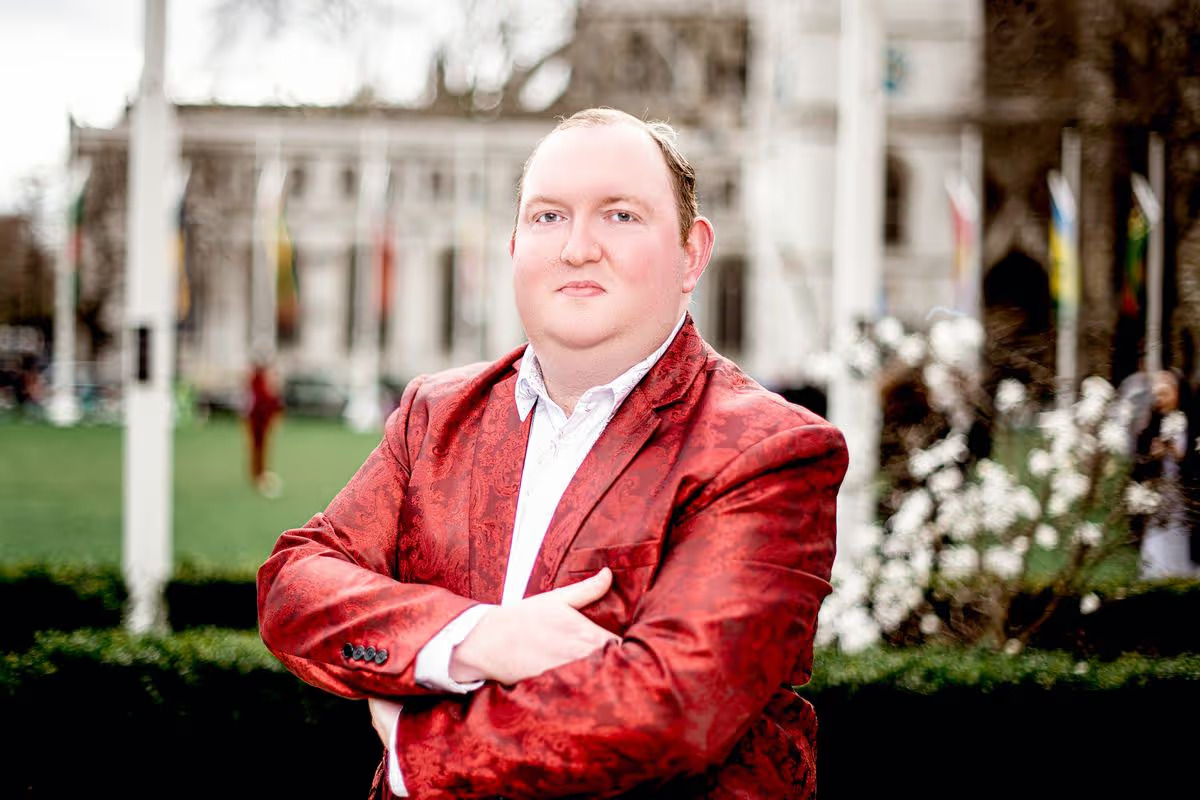
His first reaction was disbelief.
At 22, Bradford was already working on youth enterprise and social impact, but being named one of the Queen’s Young Leaders in 2016 felt far removed from the life of an ordinary young person.
“I thought it was some kind of joke. I was like, ‘No, this can’t be for real,’” Bradford recalled in an exclusive interview with IGIHE.
It was real. And the experience would become one of the defining moments of his life.
Today, Bradford is the co-founder and CEO of Green Horizon Ventures, a Kigali-based social enterprise working across environmental protection, youth development and consultancy. His work includes supporting young creatives through schools and youth centres, working with farmers and foresters on environmental sustainability, and providing technical support to development programmes.
His path to Rwanda, however, is closely intertwined with the experience that began at Buckingham Palace a decade ago.
From disbelief to the Palace
The Queen’s Young Leaders programme was established to recognise young people across the Commonwealth who were making a difference in their communities.
Bradford was among those selected in 2016, an honour he credits with opening his eyes to the scale of what young people were accomplishing around the world.
The programme brought together young leaders from across the Commonwealth, exposing Bradford to people who were tackling social problems with passion, ideas and, in many cases, very limited resources.
For him, that was as important as the award itself.
“I think we all talk about the word leadership and the word leaders all the time, but this was probably the first time really when I was 22 when I found out about the award that I actually noticed that there were so many young people who were using their passion, their ideas, their skills, some of them with very little resources to tackle issues and raise awareness and create change.”
The experience changed how he viewed leadership.
It showed him that leadership was not necessarily about age, position or resources. It could begin with an individual who simply decided to act.
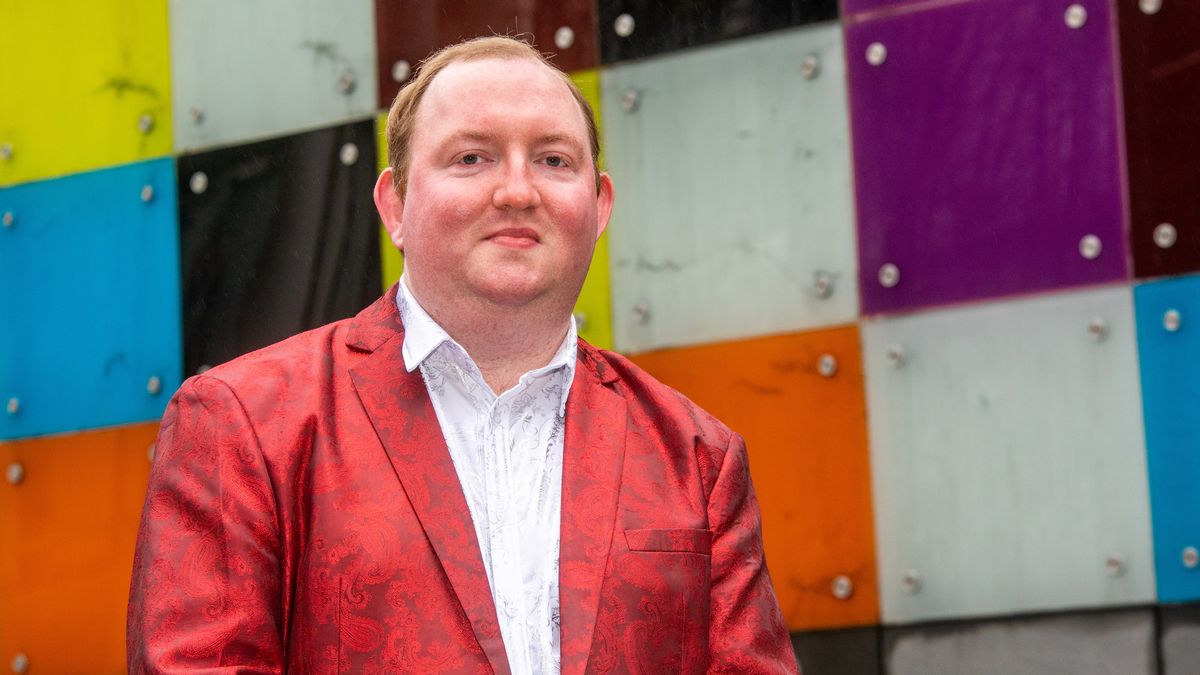
Meeting a Queen who made people laugh
Meeting Queen Elizabeth came with all the expected royal protocol.
There were formalities, the appropriate greetings and the recognition of her status.
But Bradford’s strongest memory was not the ceremony. It was the person behind it.
“She’s incredibly friendly, very approachable and very chatty,” he remembers.
The Queen, he recalls, made an effort to speak to people and put them at ease.
One of the things that surprised him most was her sense of humour.
“She has such an amazing sense of humour. She’s so funny, and she really tried to make everybody smile.”
For Bradford, that was more than a charming personal quality. It was a lesson in leadership.
He remembers leaving the encounter with the feeling that the young leaders had been taken seriously by someone who occupied one of the highest-profile positions in the world.
He also met Prince Harry during the occasion, describing him as equally “cheeky and funny”.
But it was the Queen’s message to the young leaders that remained with him.
She reminded them that the future would be shaped by their decisions and actions.
For Bradford, that was a powerful vote of confidence.
“It was an important message for someone in her position to say that she trusted us, from the highest level, to make the world a better place than it is today,” he says.
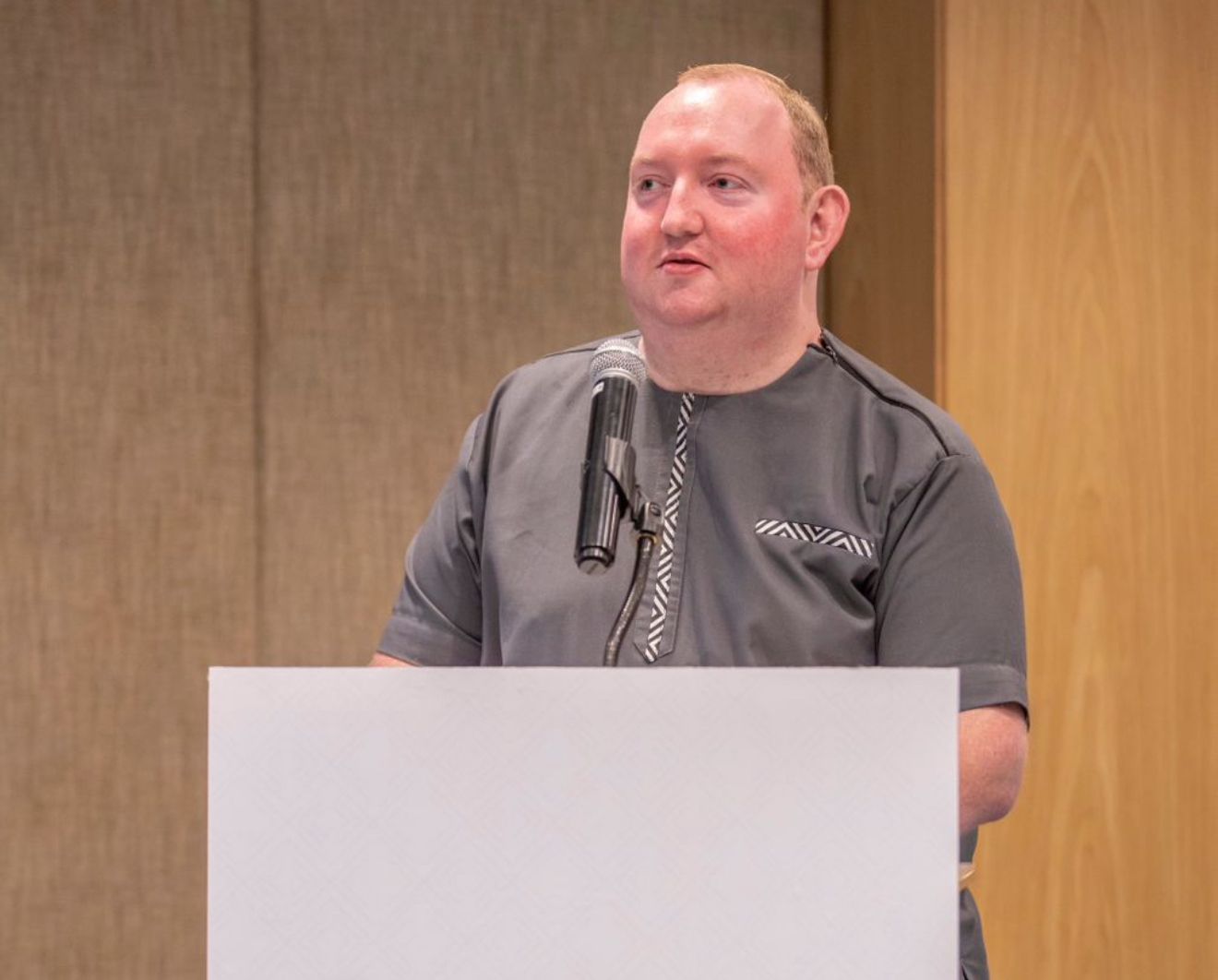
A responsibility, not just an award
The recognition did not simply give Bradford confidence. It gave him a sense of responsibility.
He came to see the award less as a personal achievement and more as an obligation to help other young people believe that they, too, could create change.
“For anybody who’s had such an award from the Royal Family, you see it as a responsibility to raise the standards for the next generation of youth,” he adds.
That mindset became central to his subsequent work.
Rather than keeping the recognition as a personal milestone, Bradford sought to use the networks and lessons from the programme to support other young people.
He also became one of the founding advisers of the Queen’s Commonwealth Trust, an initiative created to support young people leading projects across Commonwealth countries.
When he joined, the organisation was still an idea on paper.
His role involved helping shape how it could identify young people doing important work on the ground and understand what they actually needed to move their projects forward.
“It’s easy, I think, to sit and make a decision from Buckingham Palace where you have that privilege,” he observes. “But what’s happening on the ground?”
The objective was to ensure that young people in Africa, Asia, the Caribbean and other parts of the Commonwealth were not simply being spoken about, but were being listened to.
Bradford takes particular pride in seeing the initiative grow from an idea into a programme that eventually supported hundreds and thousands of young people.
The Queen and the road to Africa
Bradford believes the experience at the Palace helped influence his decision to look more seriously towards Africa.
That eventually brought him to Rwanda.
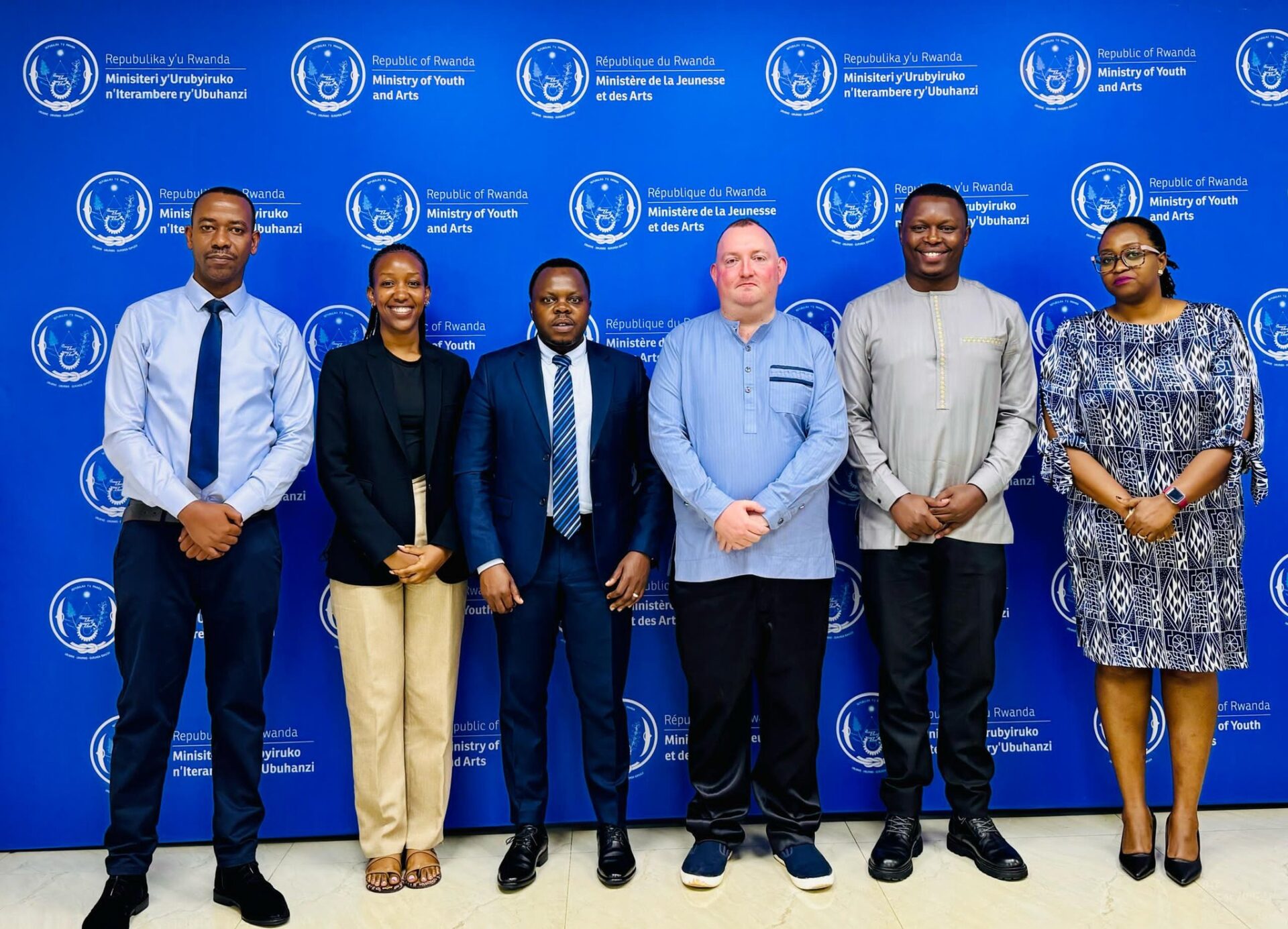
His decision to remain in Rwanda after the Commonwealth Heads of Government Meeting (CHOGM) in 2022, he explains, was driven largely by what he saw in the country’s leadership and development story.
“I think one of the most inspiring stories of development has come from Rwanda.”
For a social entrepreneur interested in environmental protection and youth development, he found a country where ambition and experimentation resonated with his own philosophy.
Bradford was particularly drawn to the idea of challenging assumptions about what is possible.
“A lot of it is what’s possible when you say, let’s break the rules as they used to be, let’s dream beyond what others have said is possible and try and do something bigger and better.”
That philosophy, he believes, is visible across sectors in Rwanda, from infrastructure and governance to environmental initiatives.
His decision to stay, he adds, was not simply about a business opportunity, but about finding a place where he felt ideas could be turned into action.
Today, through Green Horizon Ventures, he works with young people and communities on environmental and youth-development initiatives, while also consulting on projects led by others working towards social impact.
His youth programmes have engaged and trained thousands of young people, while environmental projects are reaching hundreds of people and are still expanding.
Turning personal challenges into advocacy
Bradford’s leadership journey has also been shaped by experiences far removed from royal ceremonies and international programmes.
As a teenager, he was diagnosed with autism, an experience that has influenced how he thinks about difference, leadership and inclusion.
He describes autism as something that can present challenges but also bring different ways of thinking.
For him, that different way of processing information has become useful in business, particularly when analysing problems and developing solutions.
But Bradford is equally interested in changing how society views neurodiversity.
He believes families and communities should recognise the abilities of people on the autism spectrum rather than defining them primarily through their challenges.
His own experience has made him more willing to speak publicly about autism, which he sees as a way of challenging stigma and encouraging greater understanding.
That same instinct to turn personal experience into public advocacy has appeared elsewhere in his life.
From family crisis to gambling reform
Another defining chapter began with a deeply personal family crisis.
When Bradford was in his early 20s, his father was imprisoned after stealing money connected to a gambling addiction.
The family had not fully understood what was happening until the consequences became impossible to ignore.
As the eldest son, Bradford found himself having to help support his family, deal with the financial consequences and make sense of how an addiction could push someone into such a difficult situation.
The experience led him into advocacy around gambling regulation in the United Kingdom.
He began campaigning for stronger safeguards and greater support for people vulnerable to gambling addiction, particularly young people.
His efforts contributed to changes in policy and regulation, as well as greater attention to support for people experiencing gambling-related harm.
It is a chapter of his life that now intersects with his work in Africa.
Bradford has advised and engaged with gambling-related issues in several African countries, including Rwanda, Kenya, South Africa and Nigeria.
In Rwanda, he welcomes the development of a more structured regulatory environment and hopes the gambling industry will become more conscious of the potential risks to vulnerable people.
The leadership lesson that stayed with him
For Bradford, the lasting lesson from Queen Elizabeth was that leadership can begin at a young age. He continues to encourage young people to focus on practical solutions, build sustainable ventures and remain resilient through setbacks, rather than waiting for others to solve their problems.
“She was a beacon, like a role model for all of the millions of youth in the Commonwealth and the whole world, to say that you can be a leader from a very young age and it’s a good thing to do.”
That philosophy also informs the legacy Bradford hopes to leave through his own work. He wants his projects and ideas to give people another way of thinking and show that challenges can be approached differently. For him, even influencing one person to see a new possibility and improve their life would be a meaningful contribution.
Leave a Reply