As the war ended, defeated forces of the former Rwandan Armed Forces (Ex-FAR), Interahamwe militia members and others involved in planning and carrying out the genocide, together with civilian refugees, fled to neighbouring countries, particularly then-Zaire, now the Democratic Republic of Congo (DRC), and Burundi.
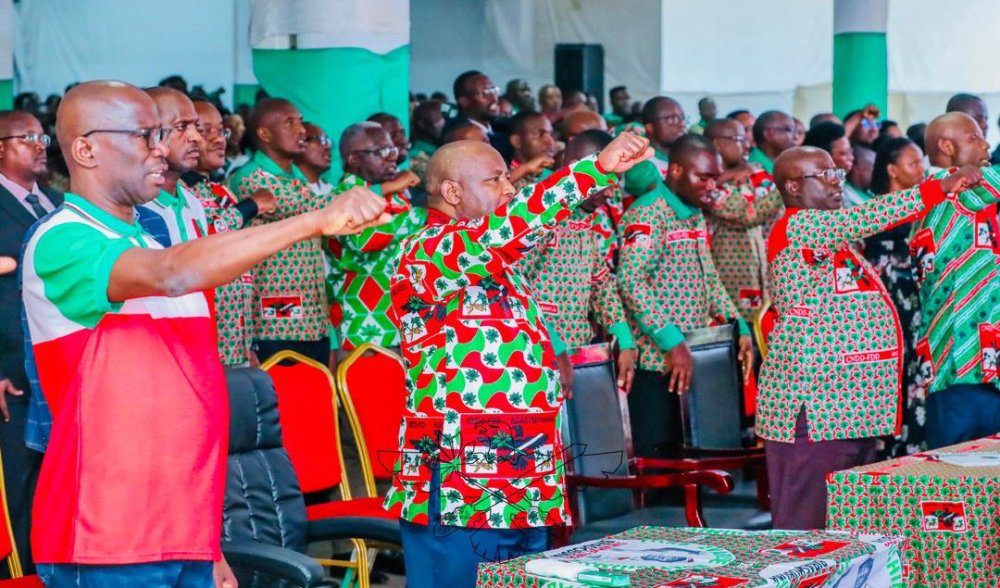
Among those who fled to Burundi were Burundian Hutu refugees who had previously been living in Rwanda. They joined others in the forests and, together with refugees from other countries, formed the armed movement FDD and its political wing, the CNDD, in September 1994.
Although some of those who formed FDD had been involved in the killings of Tutsi in southern Rwanda during the genocide, they initially lacked the military experience needed to challenge the government of Colonel Pierre Buyoya.
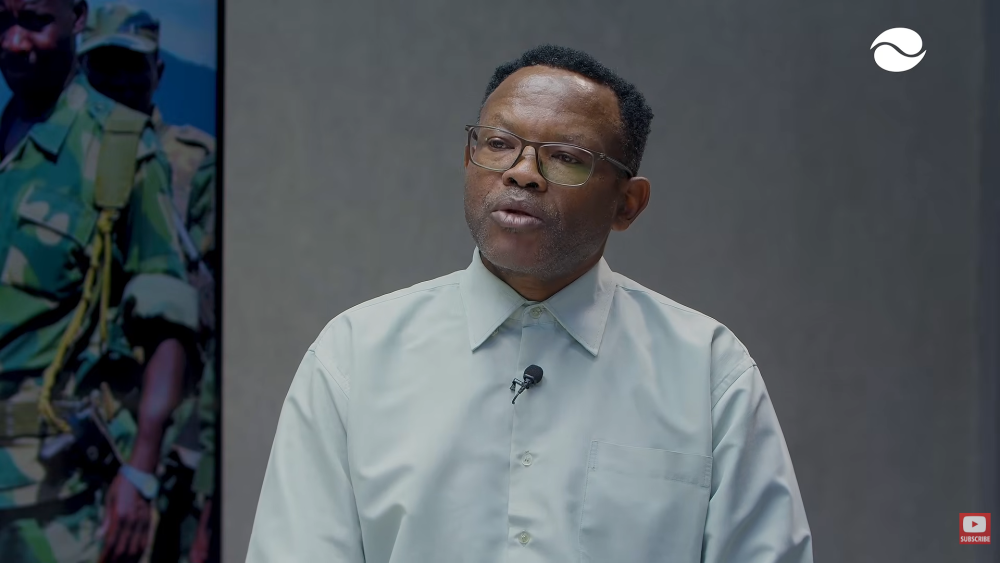
Maj (Rtd) Peter Kubwayo, a former FDLR leader, was among those who fled to Burundi after the RPA victory. Originally from Musange Sector in Nyamagabe District, Southern Province, Kubwayo told IGIHE that he and other refugees were taken to an area known as Gihunda when they arrived in Burundi, where they were assigned to train fighters belonging to the newly formed FDD.
Ex-FAR trains FDD fighters
In early 1995, FDD, led by Léonard Nyangoma, entered into a cooperation agreement with Ex-FAR, which was represented by its former Chief of Staff, Gen Augustin Bizimungu.
The agreement, signed in Bukavu, in South Kivu Province, stated that FDD and Ex-FAR shared common interests and should therefore cooperate financially and militarily in their efforts to mobilise and support Hutu refugees.
Kubwayo said the close relationship between Nyangoma and Ex-FAR commanders, including Gen Bizimungu, who had fled to Mugunga, west of Goma, helped facilitate the agreement.
“He requested assistance, and they provided officers to train officers and soldiers. An Ex-FAR team went to Burundi in March 1995, led by Lt Col Edouard Gasarabwe,” Kubwayo said.
Gasarabwe was accompanied by other Ex-FAR officers, including Maj Diogène Nkundimana, Lt Gaspard Muragijimana, Adjudant Chef Jean Ngerageze, Sgt Maj Jean Damascene Uzabakiriho and Cpl Faustin Sebutimbiri.
According to Kubwayo, the Ex-FAR officers trained FDD fighters at a military school in Musigati, in the former Bubanza Province, as well as at Gihunda. They remained there for about five months before returning to Zaire in August 1995.
Kubwayo said the cooperation was also rooted in the anti-Tutsi ideology shared by elements within FDD and Ex-FAR, both of which were predominantly composed of Hutu fighters.
He said the training covered military tactics, discipline and weapons use, but also included ethnic ideology.
“They taught them tactics, discipline and the use of weapons. But among the teachings was the ideology that ‘We are Hutu, and we must fight the Tutsi to drive them out of Burundi. Once we take Burundi, we will go and take Rwanda as well,’” Kubwayo said.
Links extend into Congo
Kubwayo said the relationship between Burundian armed groups and former Rwandan military and militia networks continued to evolve after Laurent-Désiré Kabila’s AFDL launched an offensive against Ex-FAR and Interahamwe forces in refugee camps in eastern Zaire.
Some Burundian refugees who had fled alongside Rwandans moved with them towards western parts of the country, including areas around Mbuji-Mayi.
After Kabila’s relationship with Rwanda deteriorated, he sought alliances with groups opposed to the Rwandan government. This included reaching out to former Ex-FAR and Interahamwe leaders as part of efforts to challenge the Rwandan government.
Kubwayo said Burundian refugees who had been alongside Rwandans were also incorporated into military training programmes in Congo.
“Some Burundians had fled alongside the Rwandans and went with them. They met in places such as N’Sele and underwent training in different centres, while others met in Kananga at EFO. During the military training given to Interahamwe and Ex-FAR at those centres, the Burundians were also there,” he said.
Among those trained was Gen Maj Agricole Ntirampeba, who is now Burundi’s ambassador to the DRC. At the time, Ntirampeba trained at EFO Kananga before continuing his studies at Rukango and receiving intelligence training in Mbuji-Mayi.
Kubwayo said the training was provided by Ex-FAR officers and Zimbabwean forces.
When FDD learned that Burundian refugees had received military training in Zaire, it requested that they be transferred to its ranks. Ntirampeba, who was then a Sous-Lieutenant, and other fighters subsequently went to Burundi, where Ntirampeba became one of the movement’s commanders.
Kubwayo said the relationship between the Burundian fighters and those who had trained them continued even after the former entered government.
“From that time, they never stopped working with those who had trained them. Then, when they came into government, the cooperation continued. They would communicate by telephone,” he said.
From CNDD-FDD to the M23 conflict
The networks that emerged from these relationships have continued to feature in the region’s successive conflicts, according to Kubwayo.
In 2023, Burundi deployed troops to North Kivu Province to support the Congolese army in fighting the M23 rebel movement. The deployment followed an agreement between Burundi and the DRC after the two countries expressed dissatisfaction with the performance of the East African Community regional force.
Kubwayo said that, during the deployment, Burundian troops worked alongside FDLR fighters in areas of Masisi Territory, including Bambiro, Rutobogo, Kinigi, Rusayo and Kanyaruchinya, north of Goma.
He said the two sides shared intelligence and equipment as they operated against M23.
Leave a Reply