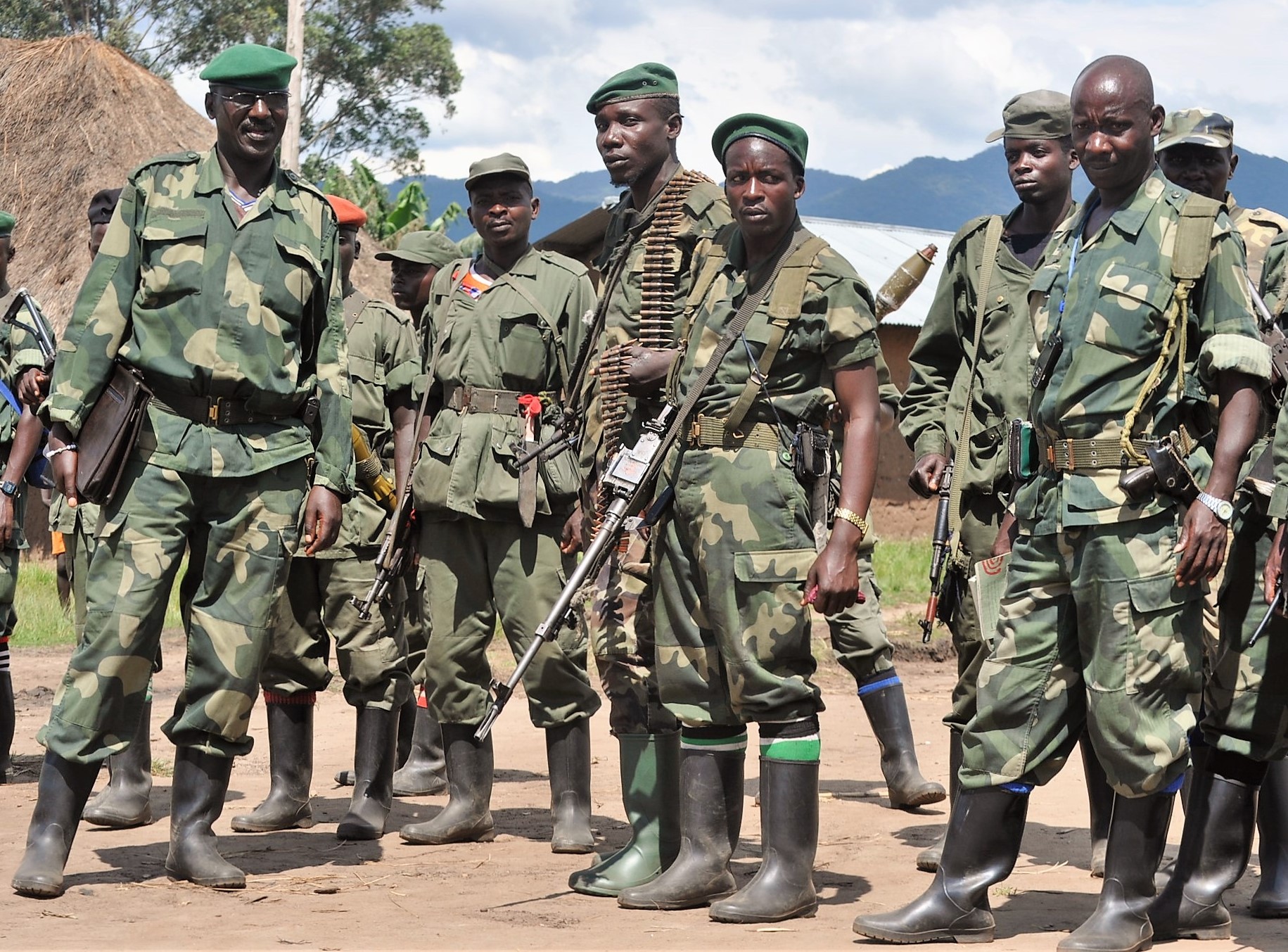
To sustain its activities, the FDLR, whose operations commander, Gustave Kubwayo, commonly known as Colonel Sirkoof, was on Tuesday sanctioned by the United States of America (USA), has relied on a network of revenue-generating activities in eastern DRC, including illegal mining, agriculture, cannabis cultivation and trafficking, and the charcoal trade. The proceeds have enabled the group to purchase weapons, maintain its operations, and recruit new fighters.
The FDLR armed group was formed by remnants of the former Rwandan Armed Forces and extremist militias that fled Rwanda after committing the 1994 Genocide against the Tutsi.
Over the years, FDLR has strengthened its presence by recruiting from Rwandan communities that have remained in the DRC and by establishing strongholds in territories such as Rutshuru and Walikale. Despite facing repeated military setbacks, the group has managed to adapt and survive.
The group’s anti-Tutsi ideology has not only targeted Rwandans but also Congolese Tutsis. In areas where it has operated, FDLR has been accused of killings, looting, and the displacement of local communities, forcing many residents to flee to neighbouring countries.
Rise of local resistance
As FDLR expanded its influence, local communities increasingly organised armed groups to defend themselves.
In 2005, residents of South Kivu, including Pastor Jean Musumbu, established the Mai Mai Raia Mutomboki militia to resist FDLR attacks.
A year later, former Congolese army officers led by Gen. Laurent Nkunda formed the National Congress for the Defence of the People (CNDP), citing the need to protect Congolese Tutsis from persecution by FDLR, particularly in North Kivu.
The emergence of CNDP highlighted growing frustration among communities that felt abandoned by both the Congolese state and the international community.
In 2008, members of the Nyanga community in Walikale created Nduma Défense du Congo (NDC) under Ntabo Ntaberi Sheka to counter FDLR violence and protect local populations.
Although NDC initially weakened FDLR’s influence in parts of North Kivu, internal divisions later led to the creation of NDC-R under Guidon Shimiray Mwisa, reducing pressure on armed group.
Joint military operations
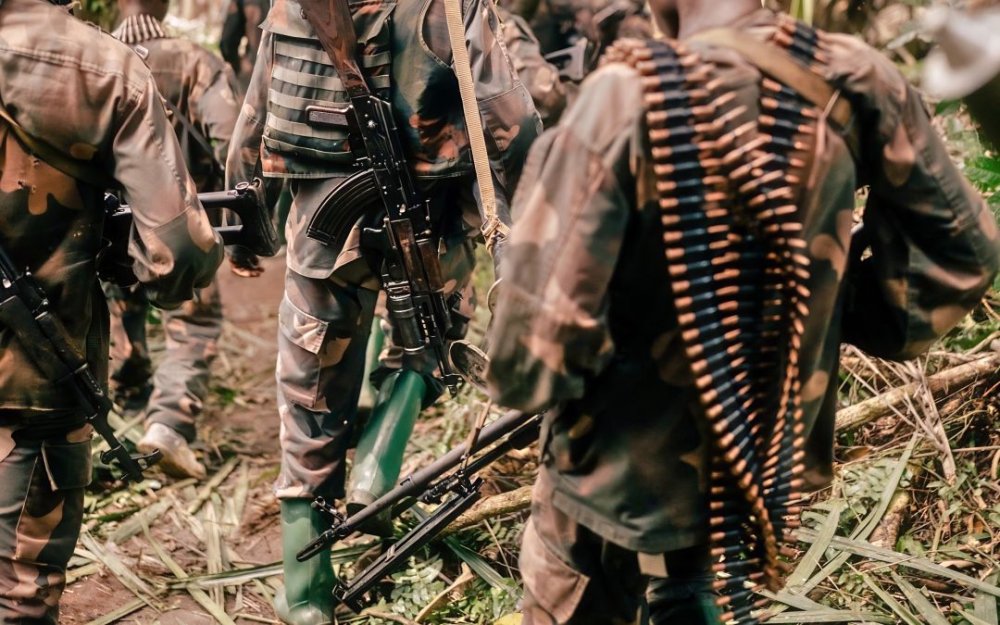
In December 2008, Rwanda and the DRC launched a joint military offensive against FDLR known as Operation Umoja Wetu, followed by Operation Kimia II.
The operations dealt significant blows to the group, killing senior commanders and hundreds of fighters while encouraging others to return voluntarily to Rwanda.
During the 35-day Umoja Wetu operation in early 2009, 153 FDLR combatants were killed, including Lt. Col. Anaclet Hitimana, commonly known as Gasasira Kabuyoya. Thirteen fighters were wounded, 37 captured, and 103 repatriated to Rwanda.
Creation of proxy forces
Facing increasing military pressure, FDLR adopted a new strategy aimed at ensuring its survival.
According to retired Col. Augustin Nshimiyimana, widely known as Bora Manassé and a former FDLR operations commander, the group began organising and training Congolese armed groups composed mainly of Kinyarwanda-speaking Congolese Hutu communities.
The militias, collectively known as Nyatura, were established as local allies that would share FDLR’s ideology and help shield the organisation from military offensives.
“I was sent to establish Nyatura on the orders of Gen. Omega, the commander of FOCA,” Bora said in testimony about the group’s strategy. He explained that FDLR sought to recruit young people from Masisi and Rutshuru after suffering losses during confrontations with Raia Mutomboki fighters.
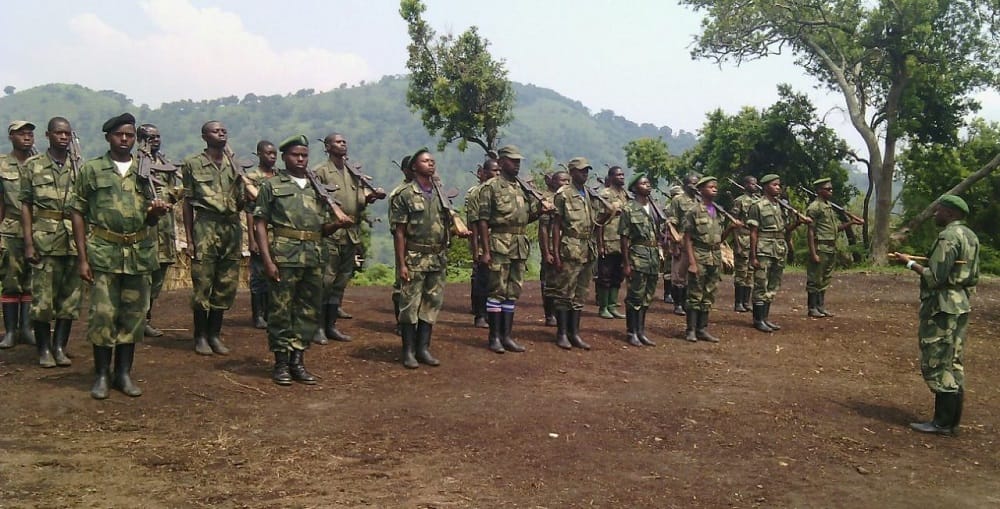
Training of the newly formed Nyatura groups reportedly began around 2010 and was conducted largely by FDLR’s elite CRAP unit under Guillaume Rurakabije.
Over time, multiple Nyatura factions emerged, including Nyatura-Domi, Nyatura John Love, Nyatura Kasongo, Nyatura Jean-Marie, Nyatura Kigingi, Nyatura Gatuza, Nyatura Abazungu, Nyatura Kalume, and Nyatura Karume.
According to former FDLR members, these groups operated in close coordination with FDLR and shared the same anti-Tutsi ideology.
Alliance with APCLS
FDLR also developed close ties with the Alliance of Patriots for a Free and Sovereign Congo (APCLS), a Hunde militia formed in 2010 under Janvier Karairi.
The two groups found common ground in their opposition to Congolese Tutsi communities and later cooperated in military operations.
APCLS traces its origins to PARECO-Hunde and previously fought alongside Congolese government forces against the M23 rebellion during earlier phases of the conflict in North Kivu.
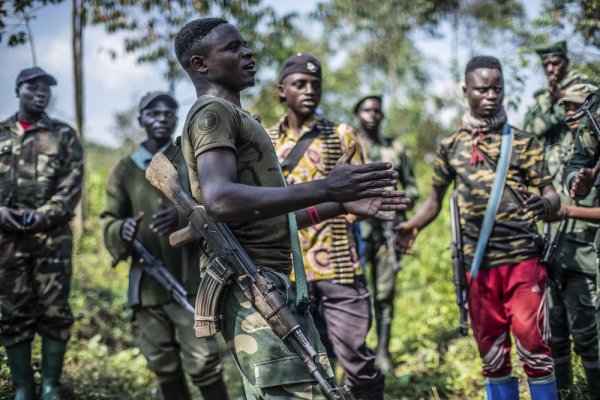
Former fighters and regional analysts say FDLR, Nyatura factions, and APCLS often operate together, making it difficult to distinguish between members of the various groups on the battlefield.
FDLR fighters have also reportedly adopted tactics designed to avoid detection, including frequently changing names, rotating between units, and blending into local communities.
Ongoing debate over FDLR’s future
The dismantling of FDLR has remained a key issue in regional diplomacy.
Since 2025, discussions involving Rwanda, the DRC, and the United States have increasingly focused on neutralising the group as part of broader efforts to restore stability in eastern DRC.
However, critics argue that progress remains limited.
According to Congolese researcher Dr. Alex Mvuka, FDLR has become deeply intertwined with armed groups operating under the Wazalendo umbrella, including some Nyatura factions and APCLS.
Mvuka argues that disarming FDLR without simultaneously addressing Wazalendo groups would be difficult because of their operational links and shared networks.
As of June 2026, estimates placed FDLR’s strength at between 7,000 and 10,000 fighters. The group’s military spokesperson, Lt. Col. Octavien Mutimura, has claimed that its actual numbers are higher.
Mvuka further argues that FDLR continues to draw recruits from segments of the Rwandan population that remain in the DRC, as well as from Congolese communities influenced by anti-Tutsi narratives, while cooperation with allied armed groups continues to bolster its capabilities.
Leave a Reply