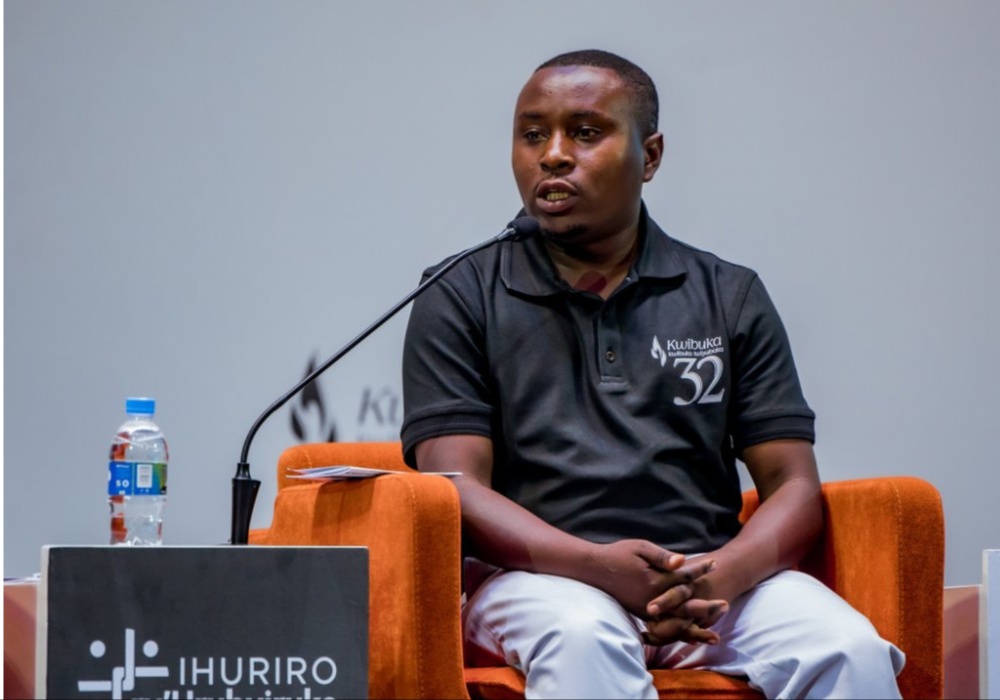
Patrick Nkurunziza, who was born in the neighboring DRC, is among those who lived a life they did not choose. At a very young age, he was recruited into the armed ranks of the FDLR militia group while still a child.
The FDLR is an armed group founded by individuals who participated in the 1994 Genocide against the Tutsi and who have, over time, maintained an agenda aimed at destabilizing the Government of Rwanda.
The group has continued to operate despite concerns over its genocidal ideology and its frequent collaboration with Congolese forces.
As some of its founding members aged and others chose to return to Rwanda, the group increasingly turned to recruiting children born in the DRC into its ranks. It also expanded its activities to include the training of Congolese youth and the creation of allied militias such as Nyatura, alongside other groups influenced by divisive ideology.
Recruitment into the group has largely targeted children born in areas where it operates, particularly Congolese nationals.
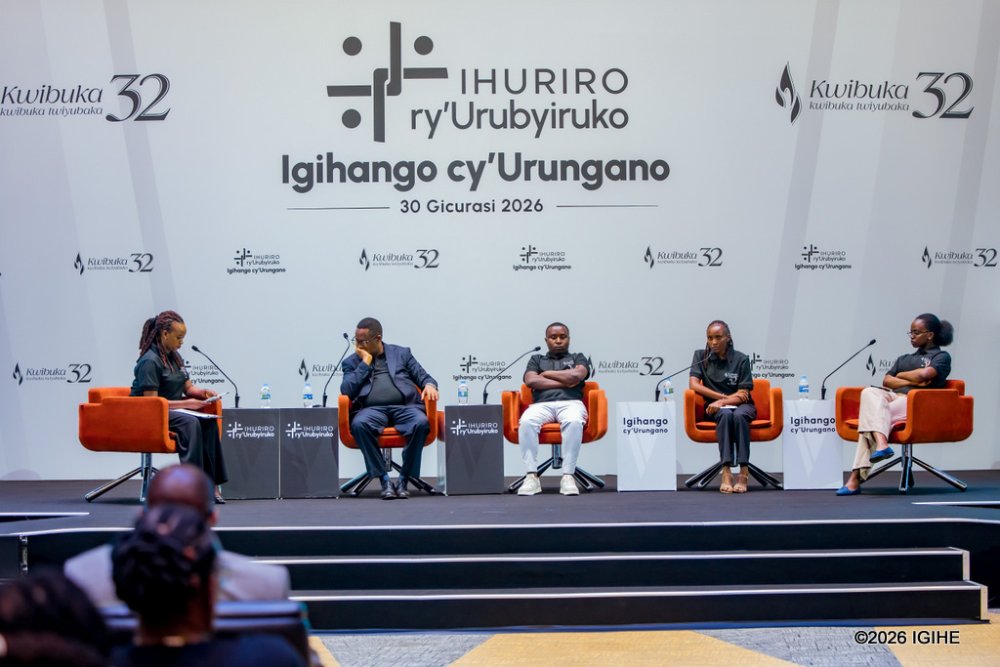
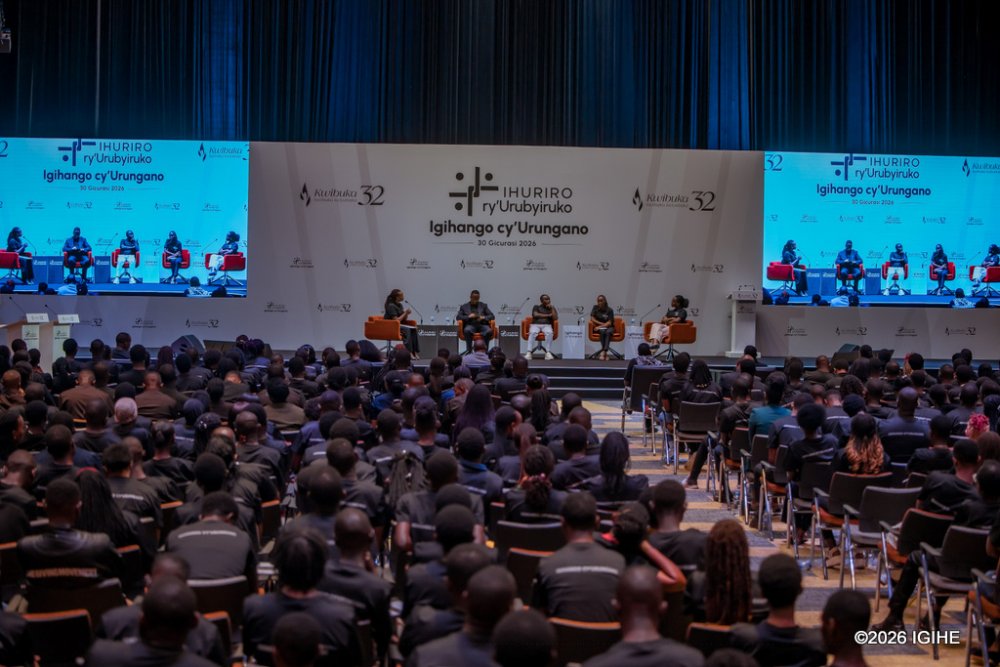
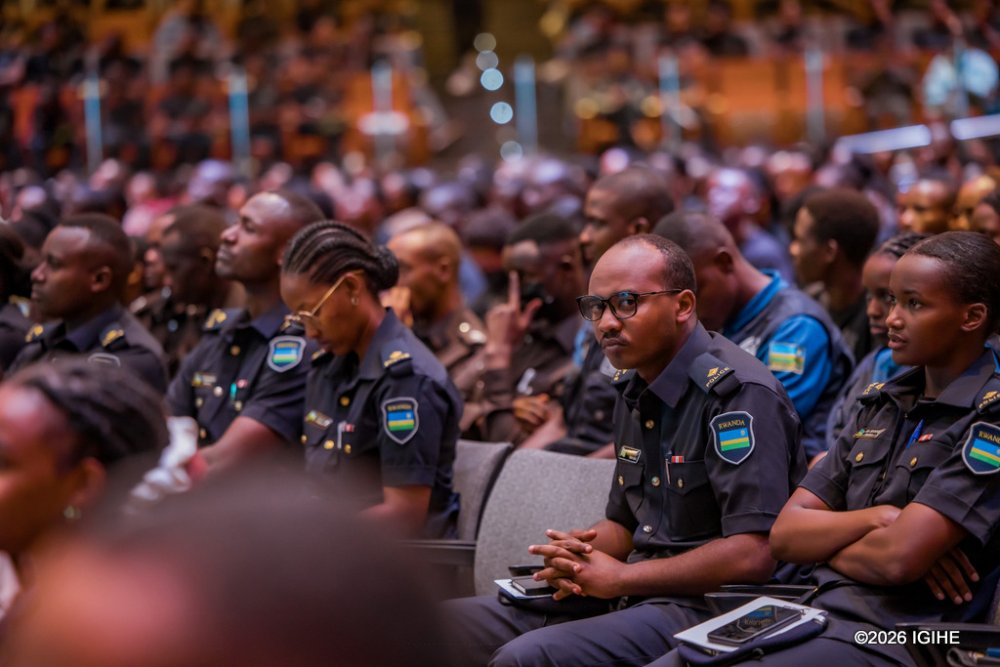
Nkurunziza shared his testimony during an “Igihango cy’Urungano” youth dialogue forum, which brings together young people from across Rwanda to reflect on the country’s history and to honor the memory of youth who were killed during the Genocide against the Tutsi.
He explained that he was born in 1997 and was forcibly recruited into the FDLR at a very young age, beginning to handle a firearm at just 14 years old.
He also noted that his father had resisted joining the FDLR despite living in the DRC, but the group attempted to pressure him by forcibly recruiting his child.
“They captured me and another boy called John, blindfolded us, and took us to Rutshuru, into the forests of Walikale. The second aspect was constant psychological pressure, torture, indoctrination, training, and forced participation in harmful narratives aimed at denying the Genocide against the Tutsi,” he recounted.
“We were beaten daily and forced into activities such as stealing, carrying heavy loads, and transporting ammunition. I was a 14-year-old child, but they did not care. I was made to carry loads of up to 60 kilograms. I had no option to refuse; I had to comply until they decided otherwise.”
After this period, he was subjected to military training. He underwent a three-month training program and was issued a firearm at the age of 14, despite lacking the physical or technical ability to use it.
“I was given a gun at 14. They did not care whether I could use it or not. I held it until I learned how to use it, and I became a soldier like others. At that time, we were trained to say: ‘Work hard, we want to attack Rwanda, we want to destroy the Tutsi completely,’” he said.
He further explained that access to food within the group often depended on looting civilians, and in some cases, this involved violence and killings.
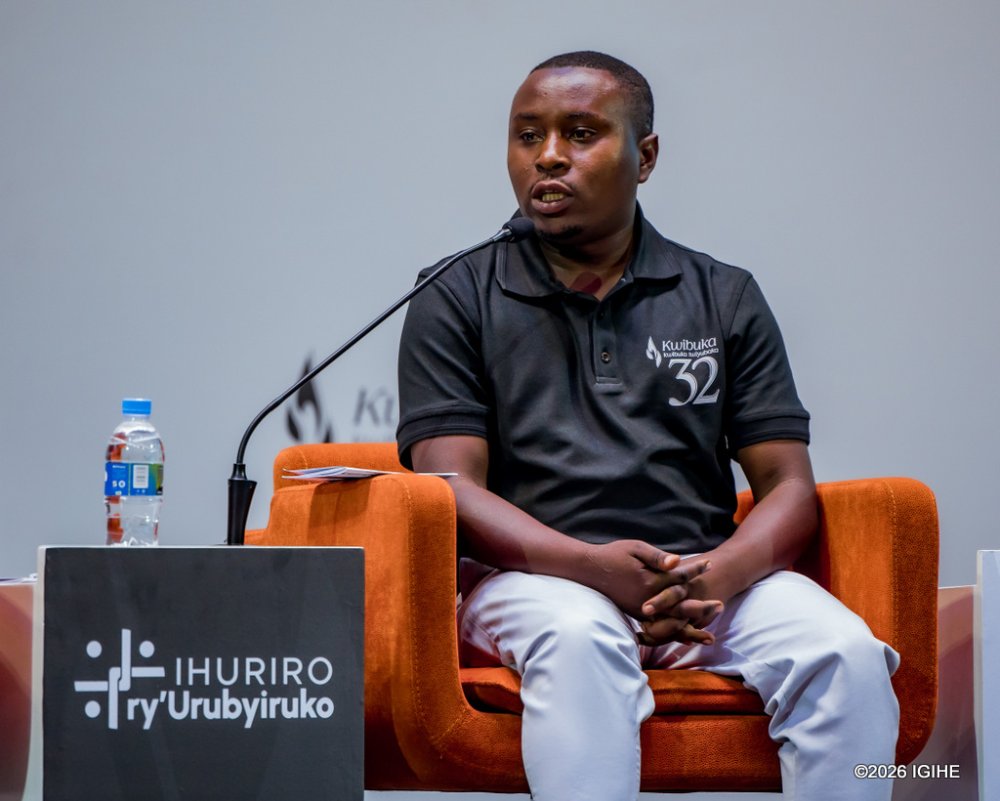
While the FDLR is often perceived as being composed mainly of older fighters due to its long history, Nkurunziza emphasized that the group also includes many young recruits, some of whom are his age or even younger, and who live under extremely difficult conditions.
After approximately six months, he began contemplating escape, despite the significant risks faced by a 15-year-old in such an environment.
He eventually approached a soldier he knew and expressed his desire to leave, stating that he no longer wished to remain in the forest due to exhaustion and continuous abuse.
“Even within the military I saw, there was no strength or hope that they would ever take Rwanda. I had no confidence in them at all,” he explained.
In 2010, he made the decision to flee the forest, embarking on a dangerous and uncertain journey.
Reaching peacekeeping MONUSCO forces proved extremely difficult for the 15-year-old and his companion. Along the way, they encountered individuals who attempted to stop them and force them back, with the intention that they be killed as a warning to others considering escape.
Despite these dangers, they managed to persevere and eventually reached MONUSCO protection after days of struggle.
Fearing capture and torture, they continued to move day and night until they reached safety.
While in Bukavu on his way home, Nkurunziza received devastating news that his parents had been killed by the FDLR in retaliation for his escape. The news was deeply distressing, but he continued his journey back to Rwanda.
“When I reached Rusizi at the border, I saw Rwandan citizens happy, healthy, and welcoming. The leaders received me with great warmth, and I heard people speaking Kinyarwanda,” he recounted.
Shock at the absence of heavy security around leaders
Nkurunziza explained that upon returning to Rwanda, he initially believed he might be killed, as he had previously been told that anyone who returned would be eliminated and used in staged recordings to discourage others from coming back.
“I told myself I might as well die like others. If they record me, so be it. In reality, I was already expecting death.”
After crossing the border, he was taken to the Nyarushishi transit center before being transferred to the Mutobo Reintegration Centre in Musanze District, a facility that supports former combatants in returning to civilian life.
At Mutobo, although he initially remained cautious and fearful, he encountered individuals he had previously seen in the DRC, including some with senior ranks, who were alive and well. This reassured him that he had indeed entered a safe environment.
He frequently recounts his experiences with a mix of humor and reflection, describing both the trauma he endured and the choices he made during that period.
During a graduation ceremony for trainees at the centre, he was surprised to see that the Mayor of Musanze District and the Governor of the Northern Province were not accompanied by armed escorts.
“In Congo, I was used to seeing mayors surrounded by soldiers and police. I wondered how there could be peace in a country we were told was full of killers, and that Tutsi were snakes who would be exterminated,” he narrated.
“Then I saw senior generals arriving with only a few soldiers. I immediately realized I had come to a peaceful country. From that moment, life began to feel different.”
Afterwards, the leadership at Mutobo sent him to the Nyarubande centre, which supports children and young people in learning Rwandan cultural values and taboos.
He later enrolled in a six-month hotel management course.
Upon completing his studies, he and other graduates were encouraged to identify and develop their talents. Having never had the opportunity to explore his own abilities due to life in the forest, he discovered his talent for singing.
He was supported and mentored, and went on to record 12 songs in both audio and video formats, marking the beginning of a new chapter in his life.
He used his music to encourage others still in the forests of eastern DRC to return home and participate in national development.
Nkurunziza also secured employment, which further helped him rebuild his life.
In 2023, after rebuilding stability, he got married and started a family. He is now a husband and father of one child.
He expressed appreciation for the Government of Rwanda, security institutions, and citizens whose efforts contributed to building a peaceful and prosperous Rwanda where movement is free and life continues without disruption.
Leave a Reply