On this occasion, they were called upon to confront those who deliberately seek to distort the tragic history Rwanda experienced.
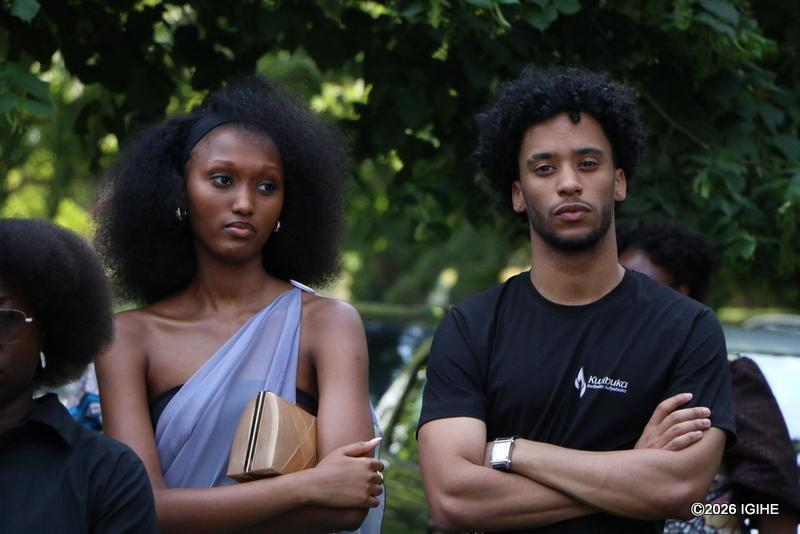
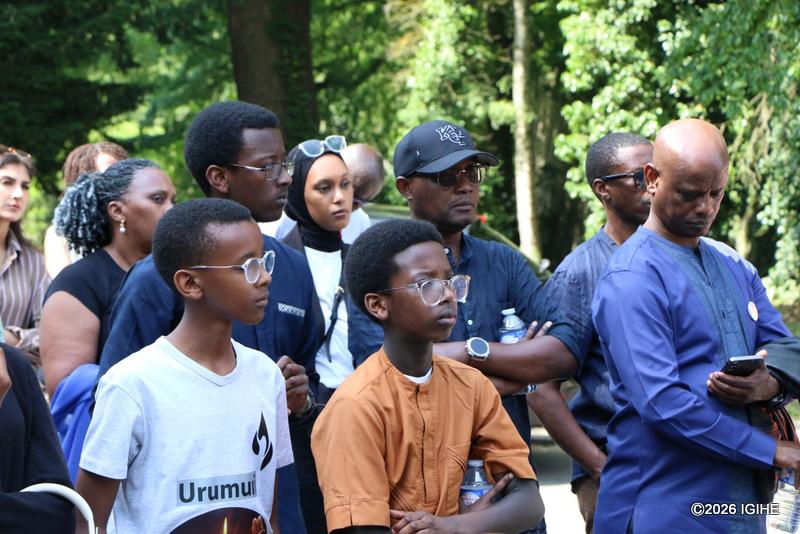
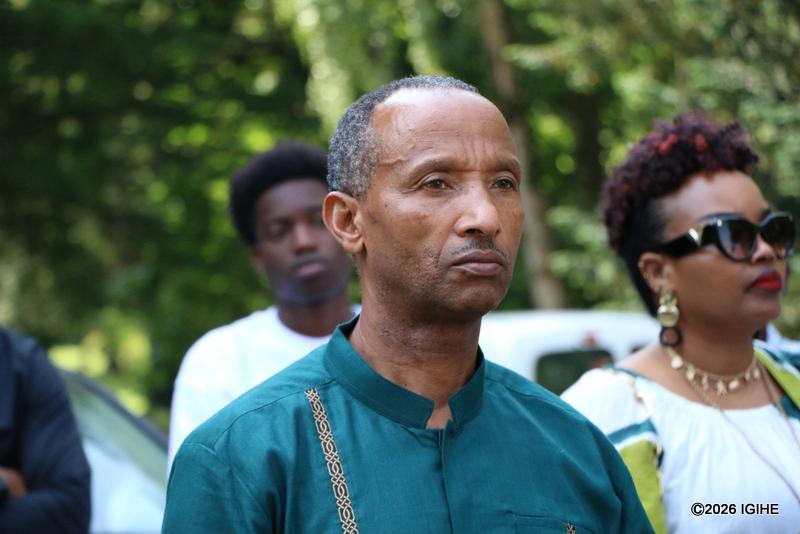
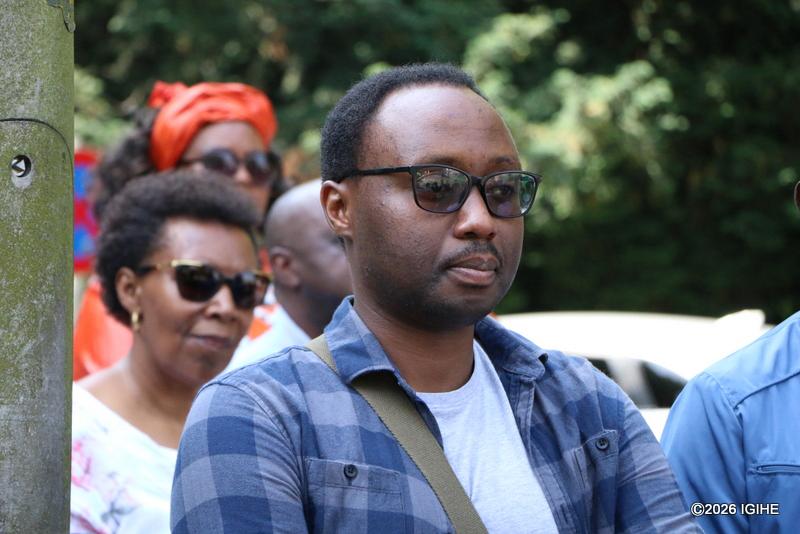
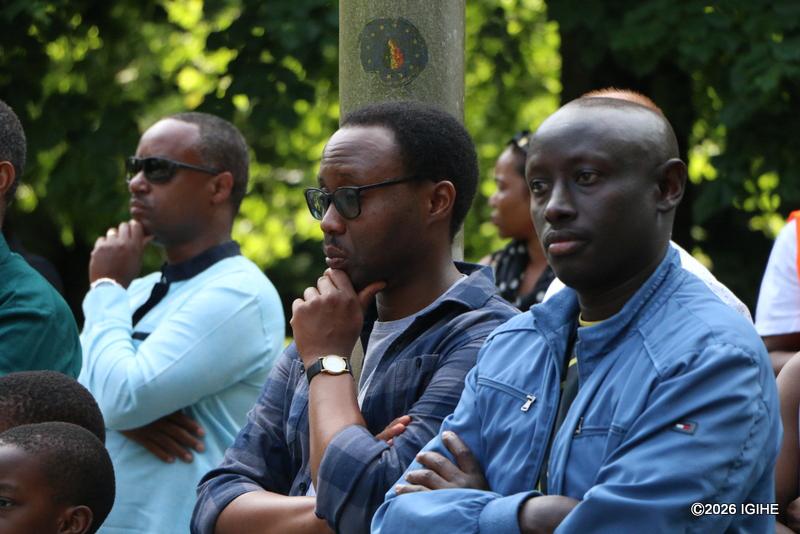
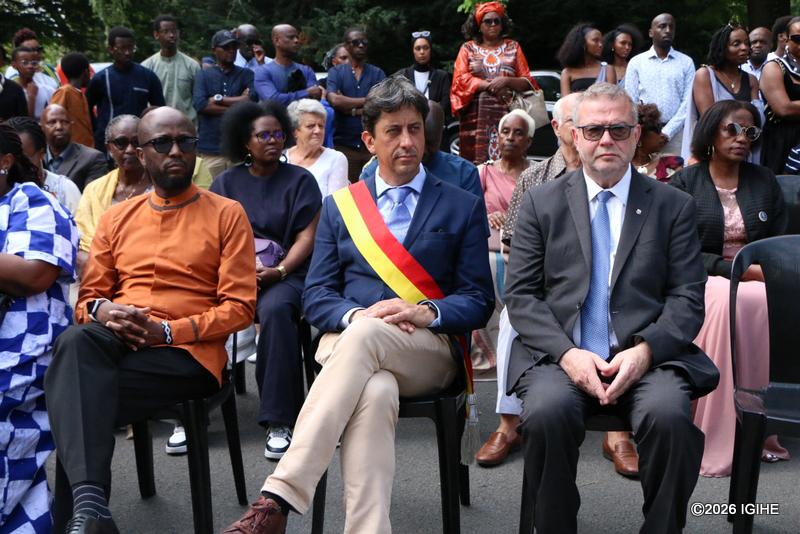
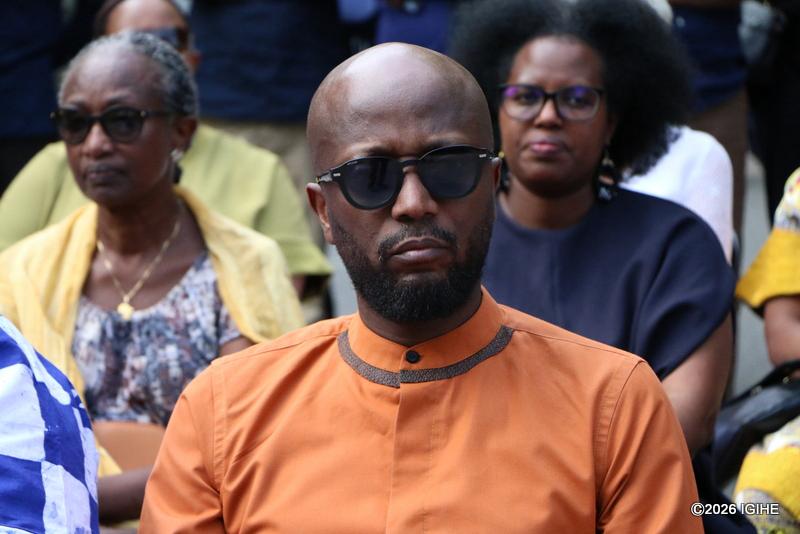
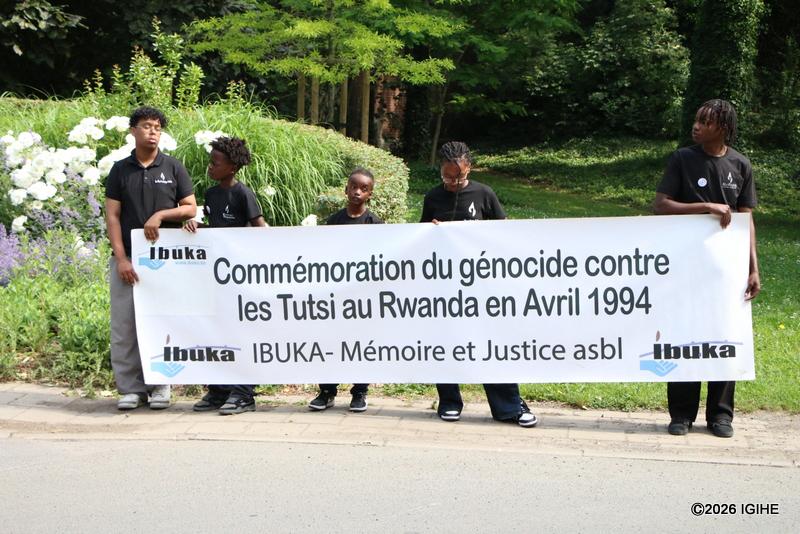
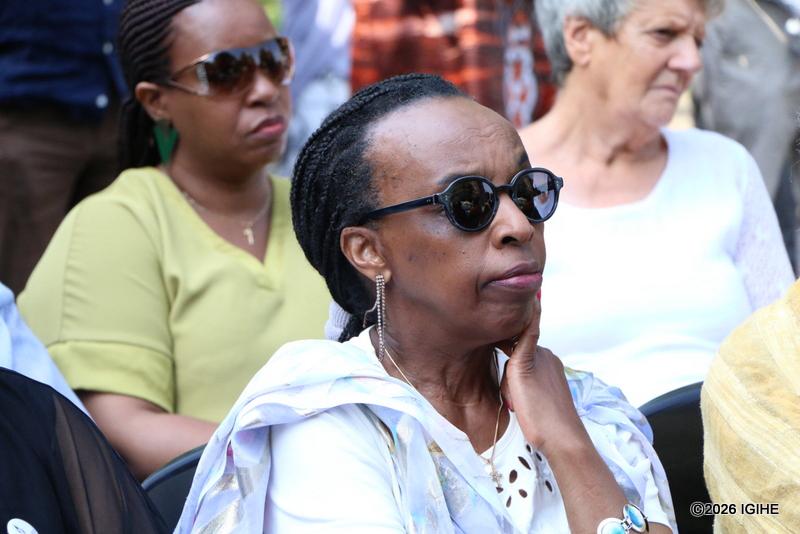
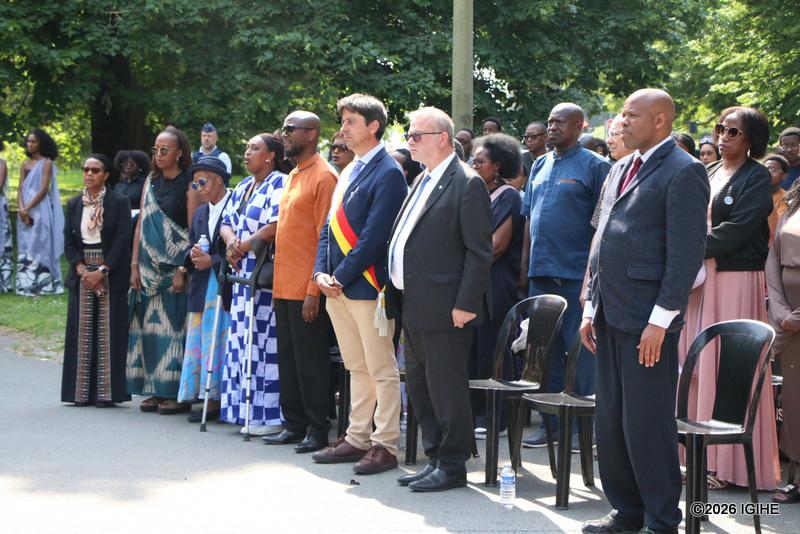
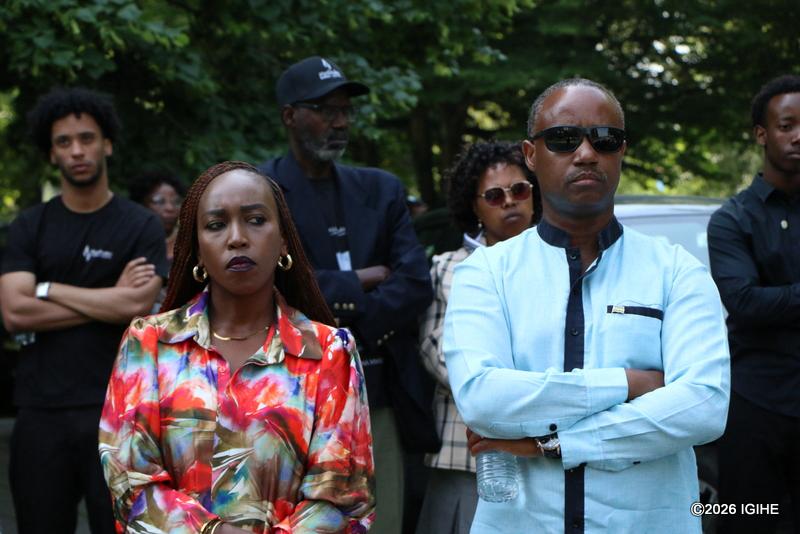
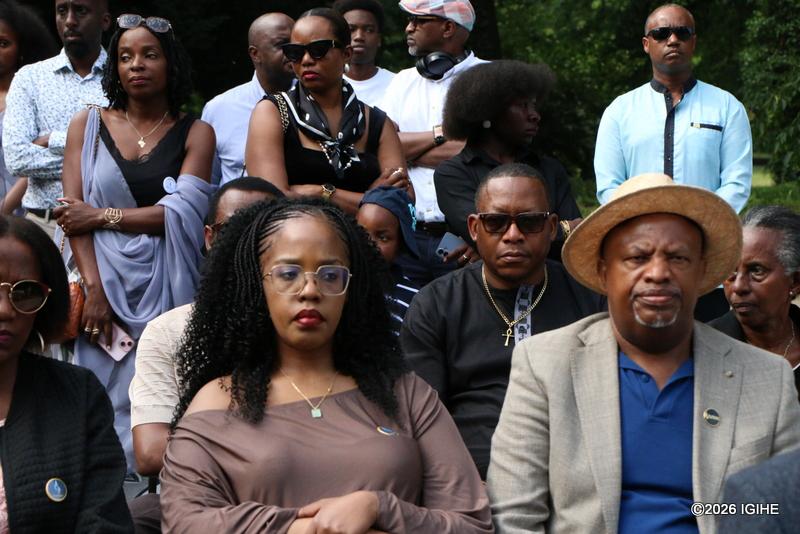
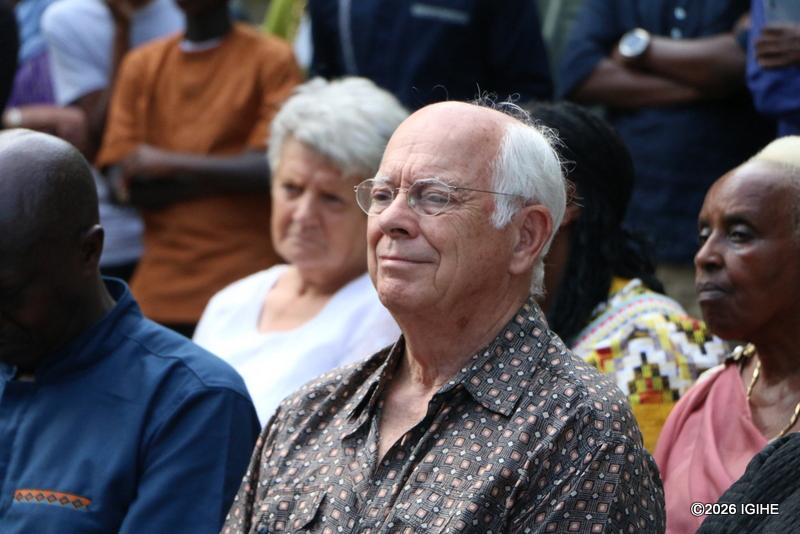
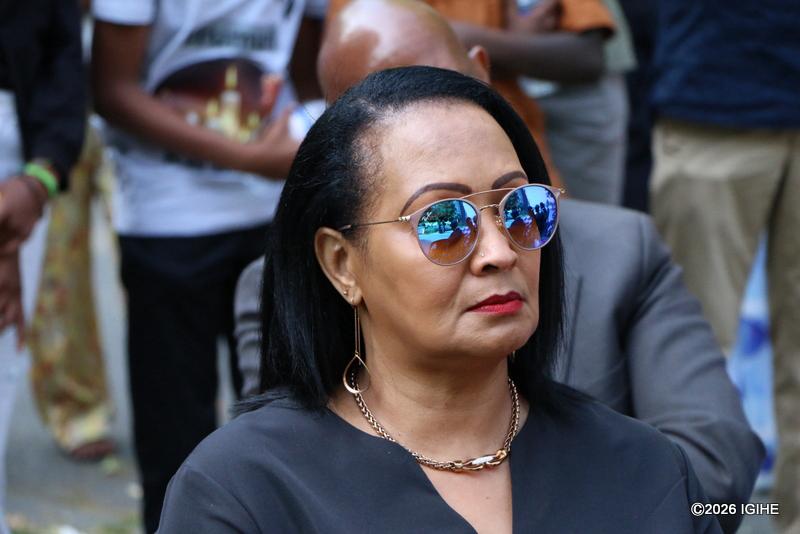
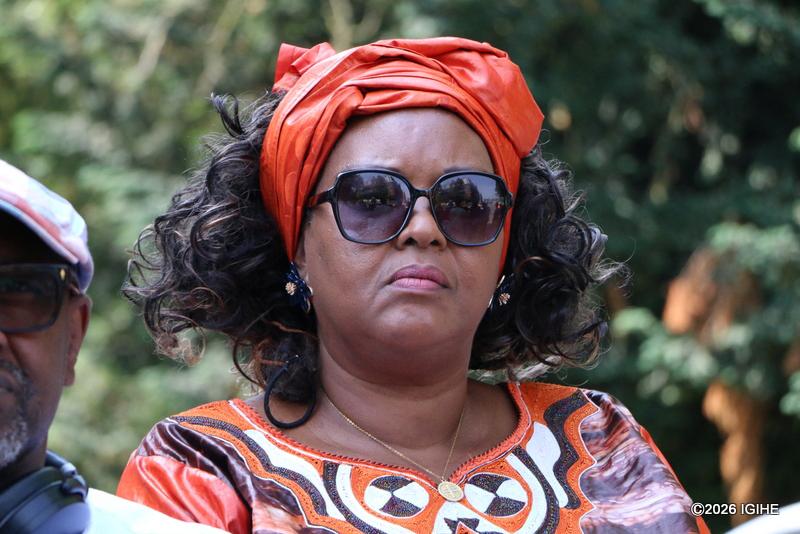
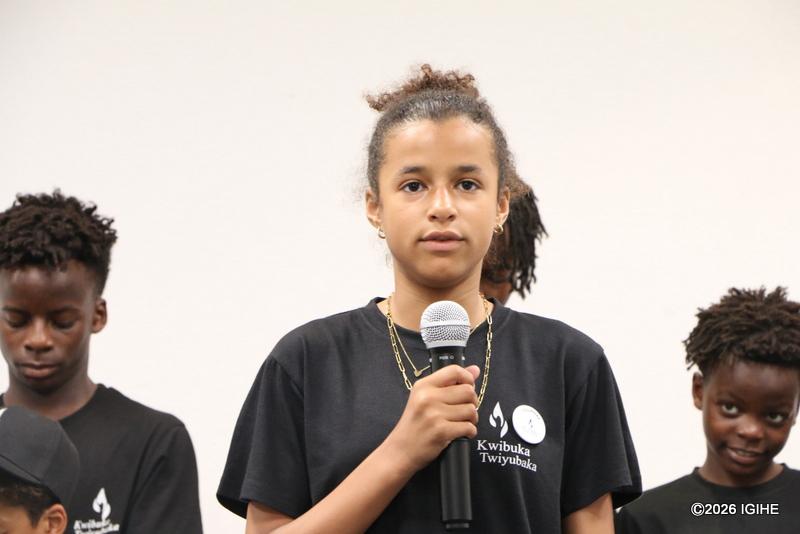
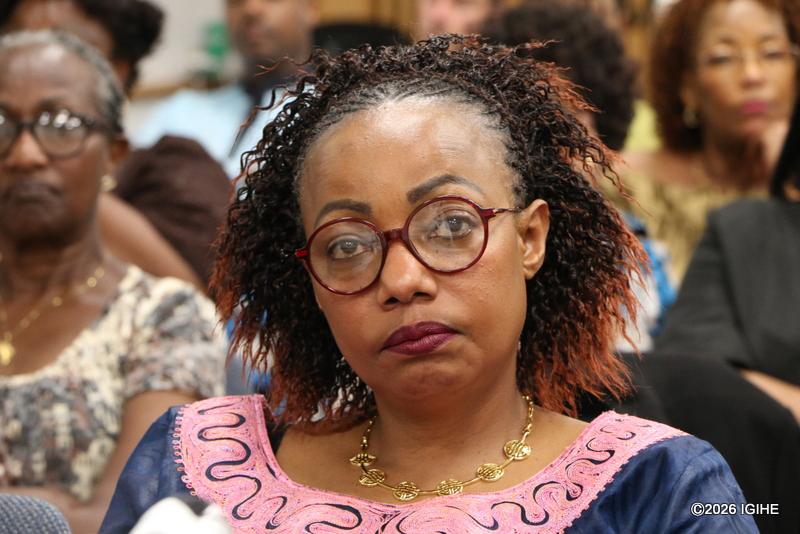
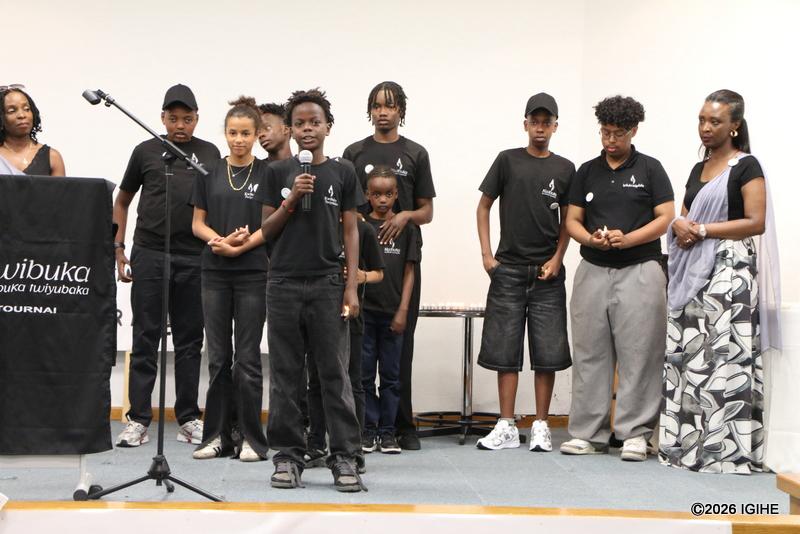
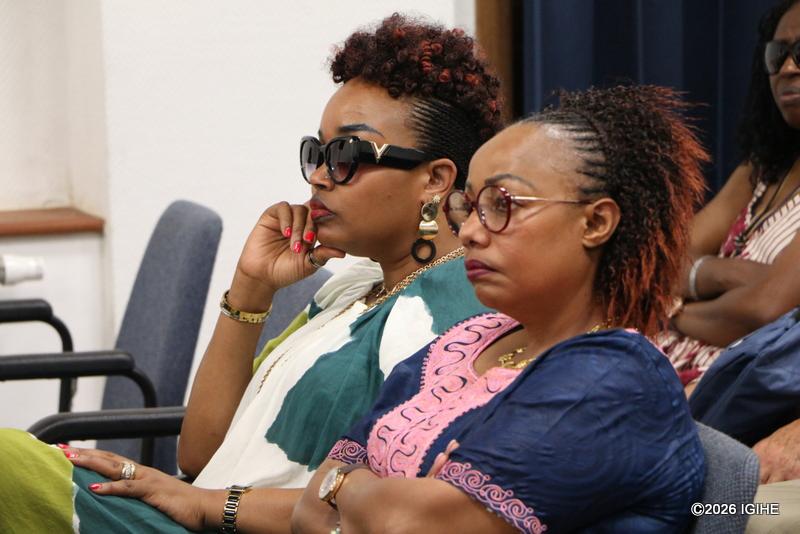
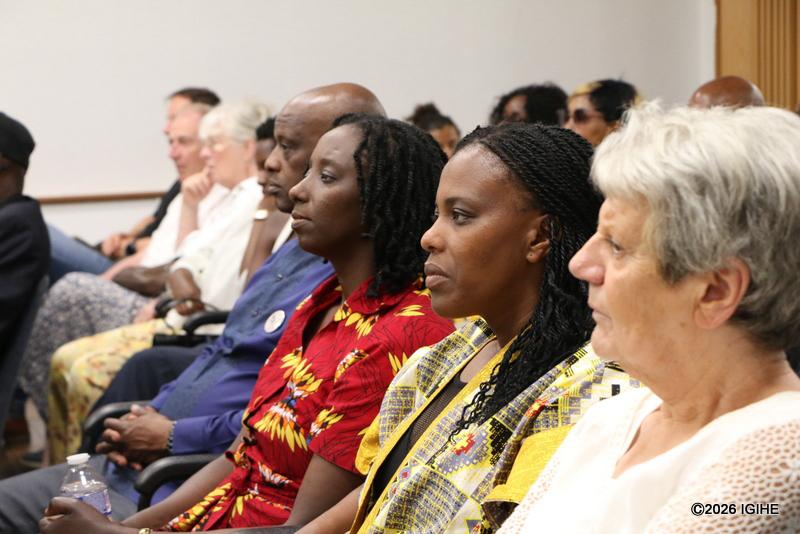
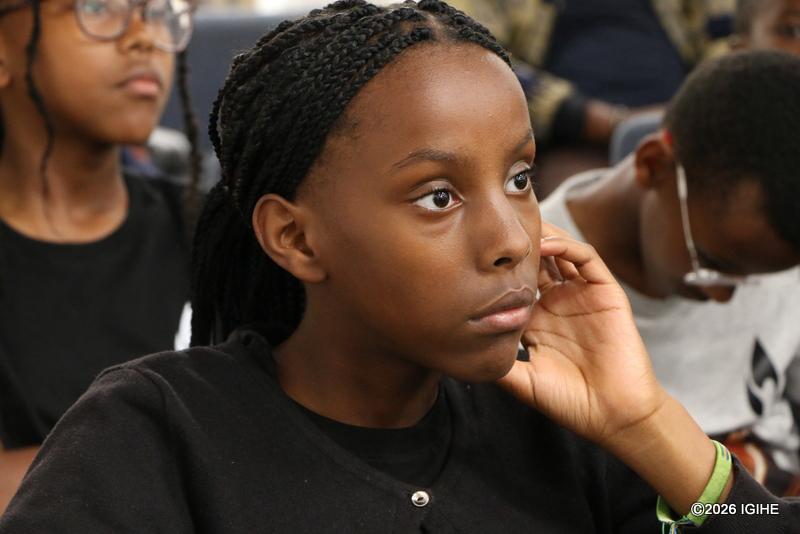
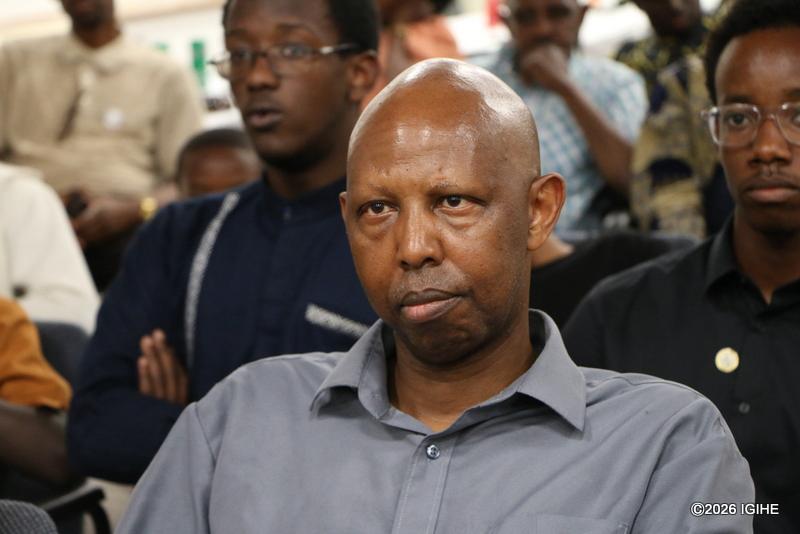
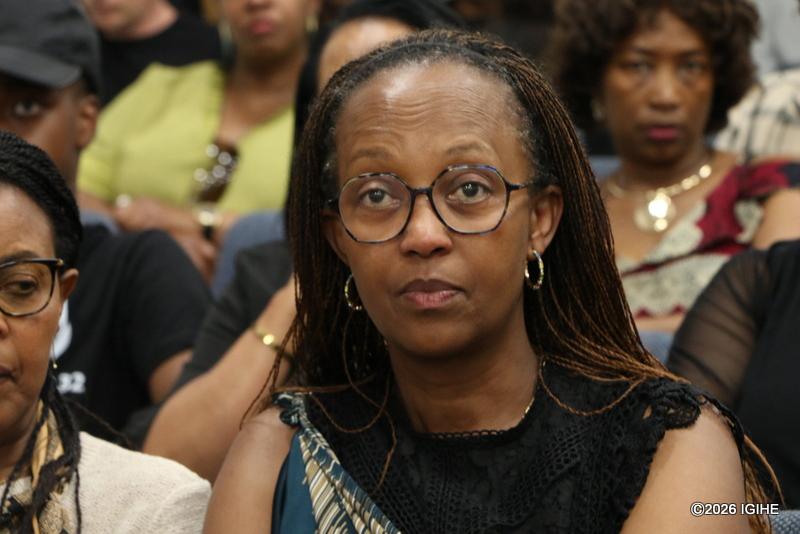
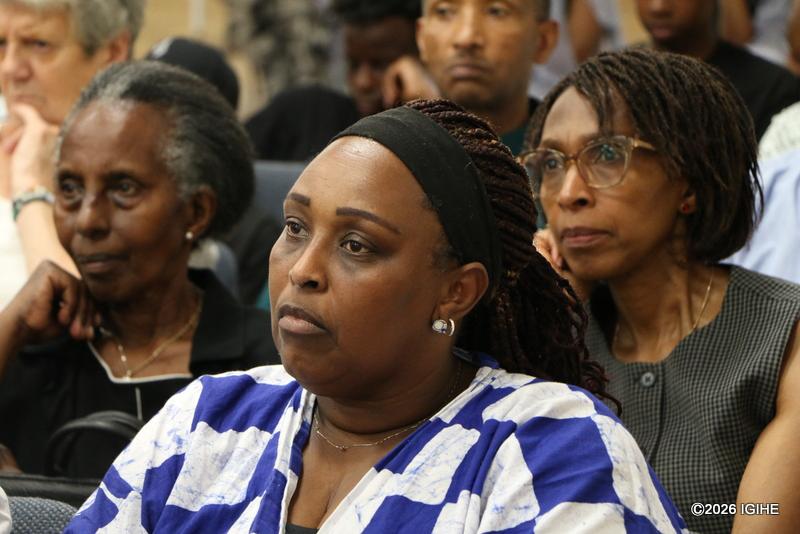
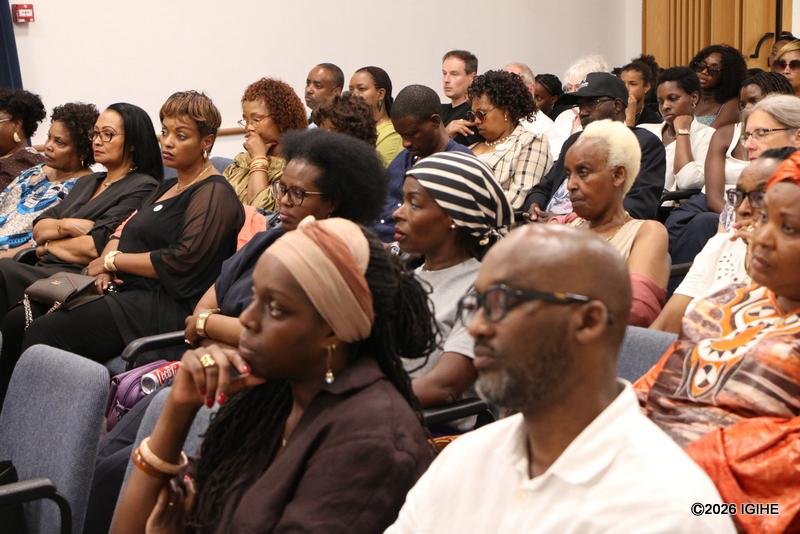
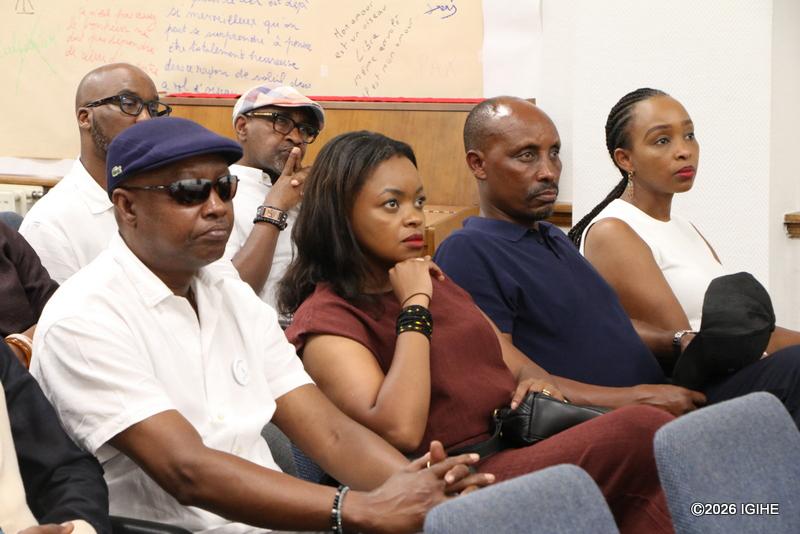
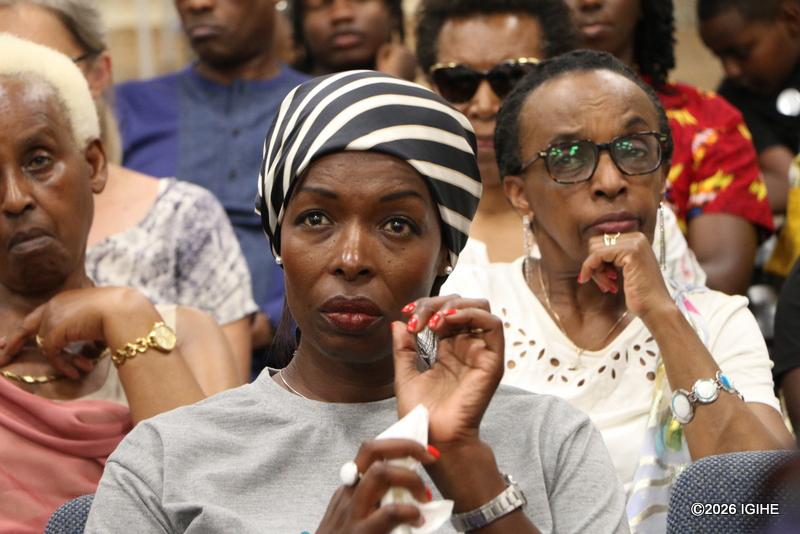
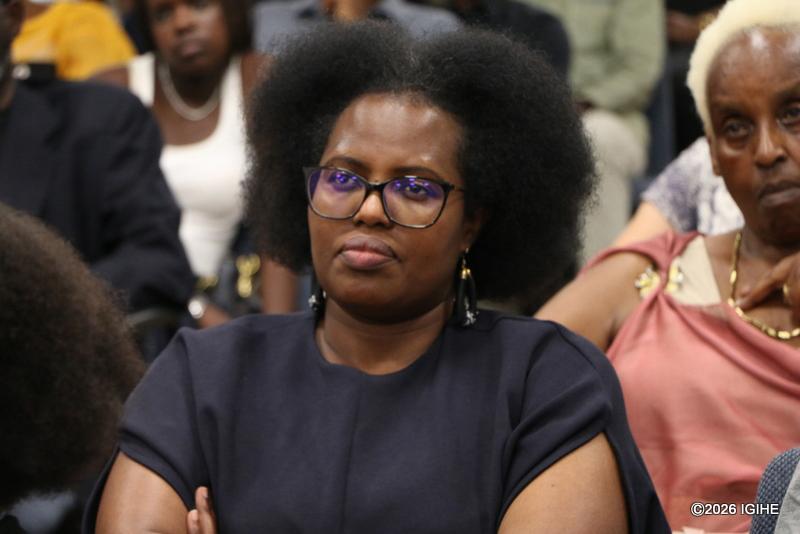
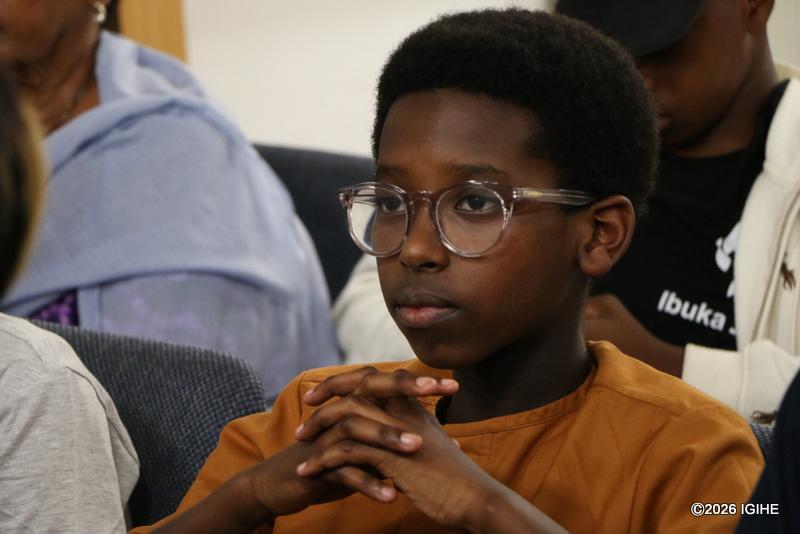
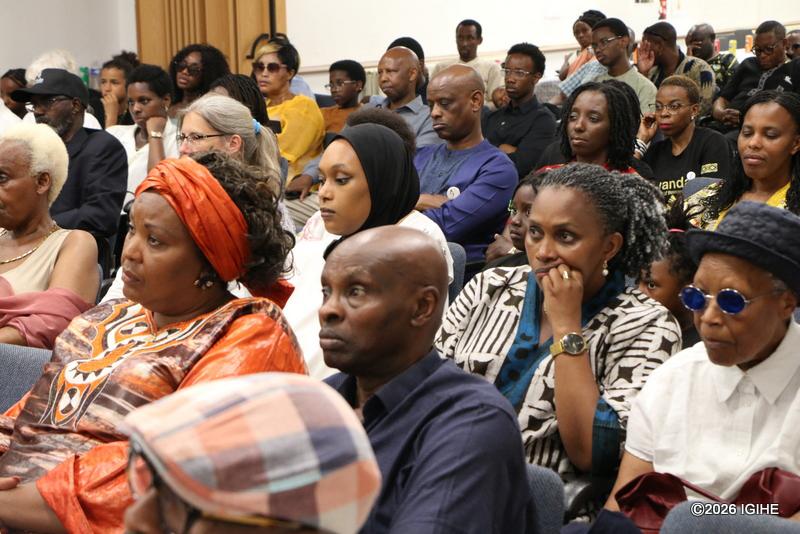
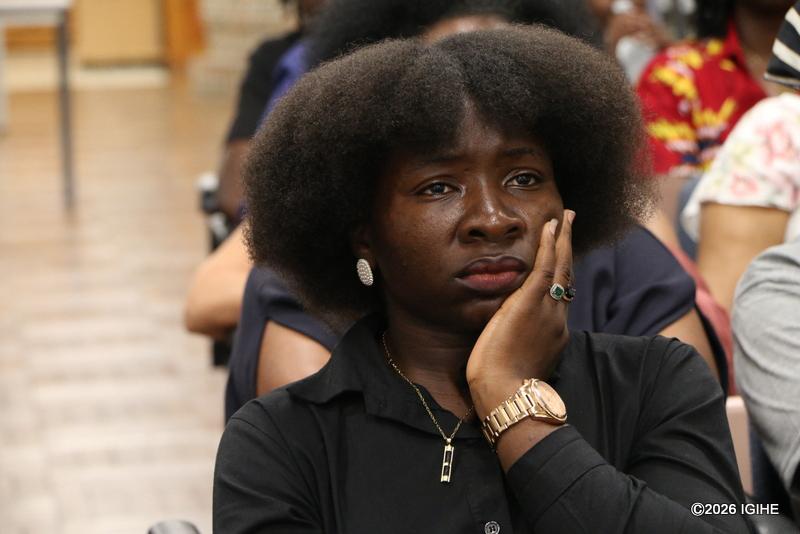
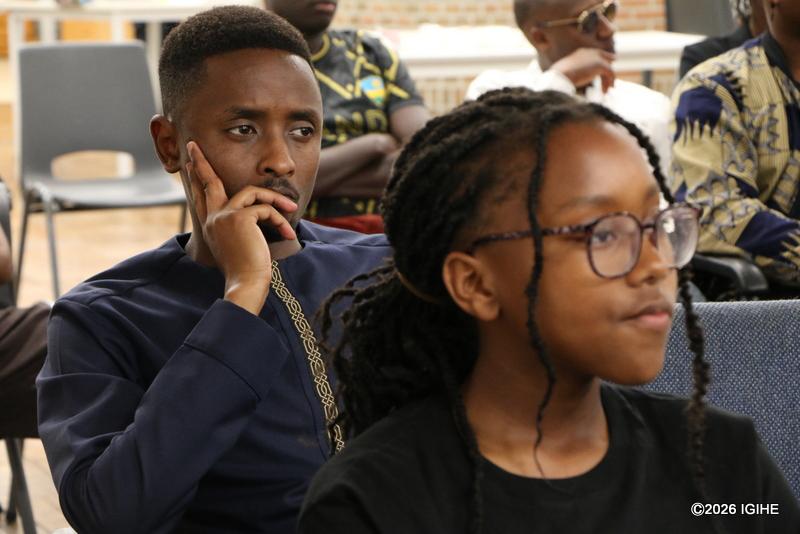
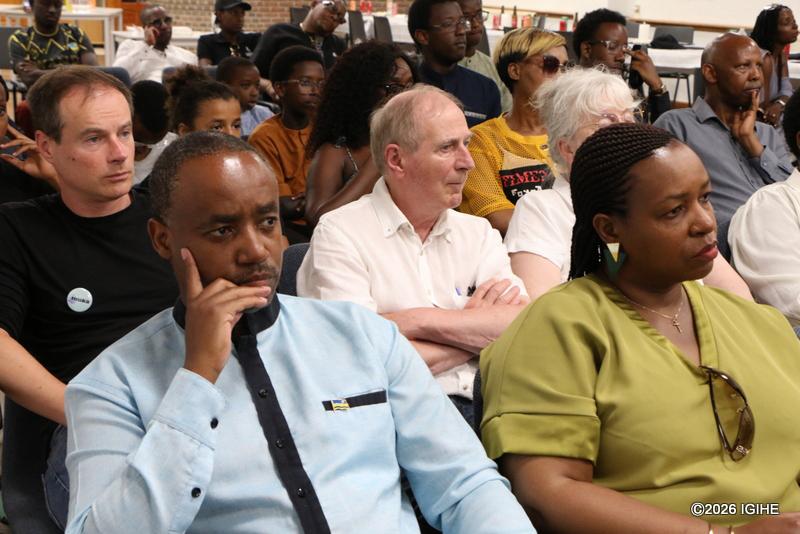
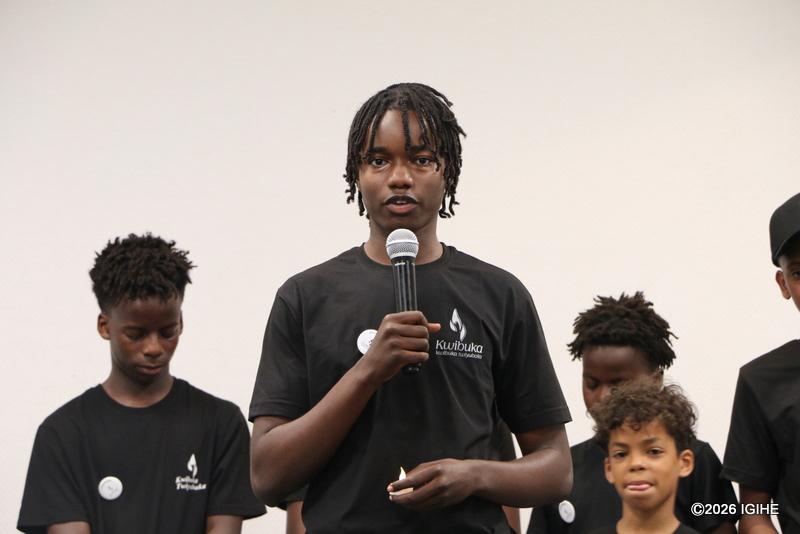
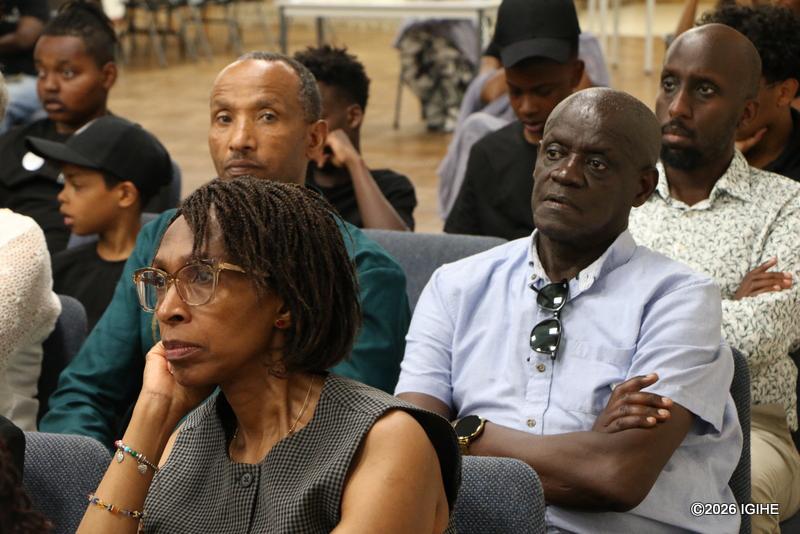
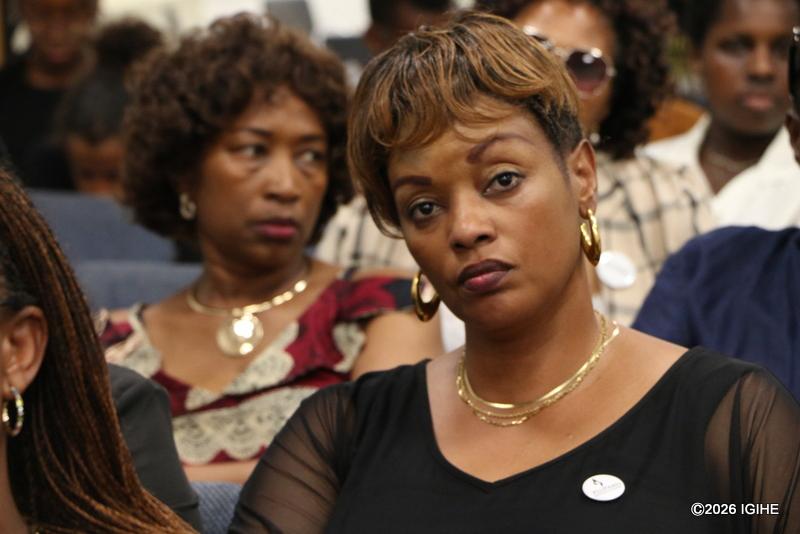
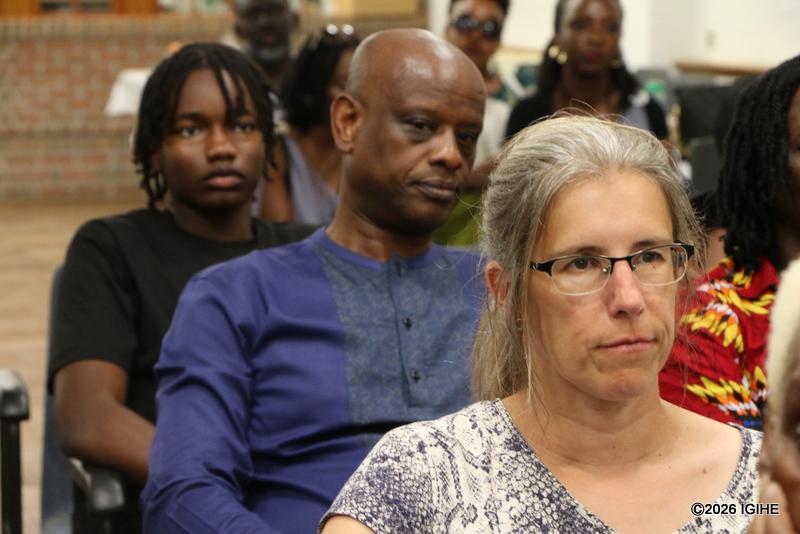
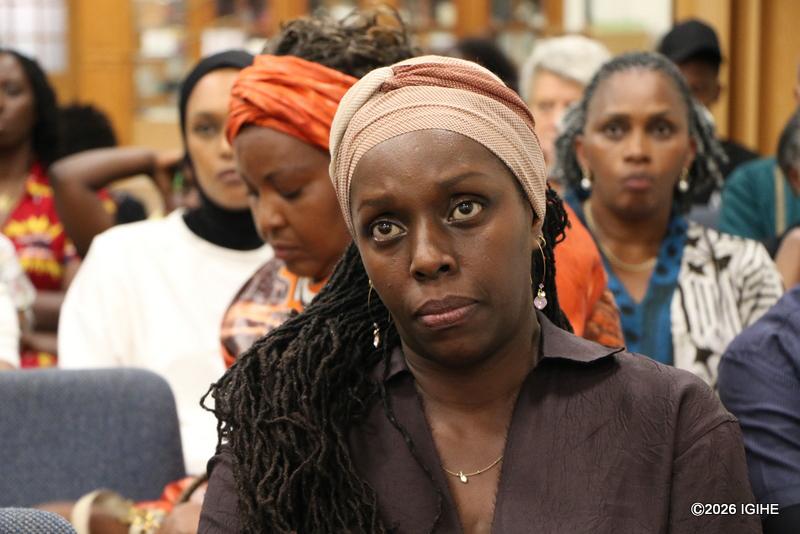
Among the participants were many young people who were reminded of the importance of preserving the memory of the victims of the Genocide against the Tutsi. They were encouraged to continue learning about the history that led Rwanda to this tragedy so that it may never happen again and so they can defend the truth against genocide denial and revisionism.
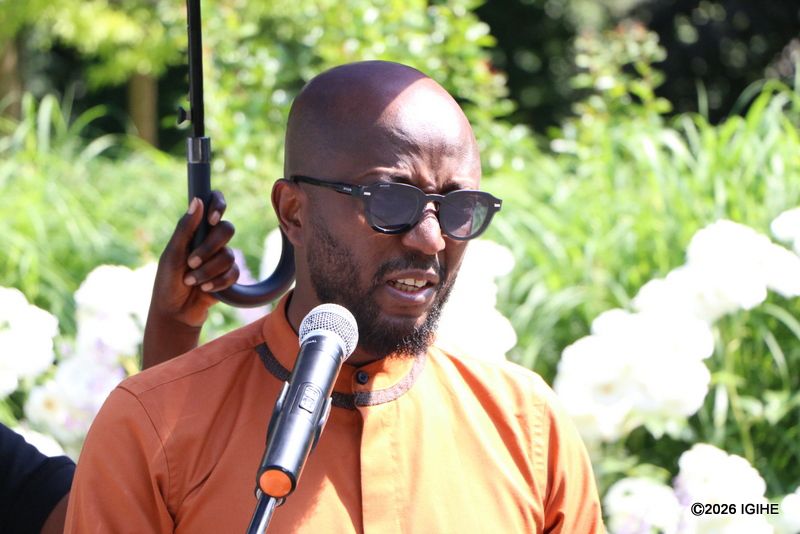
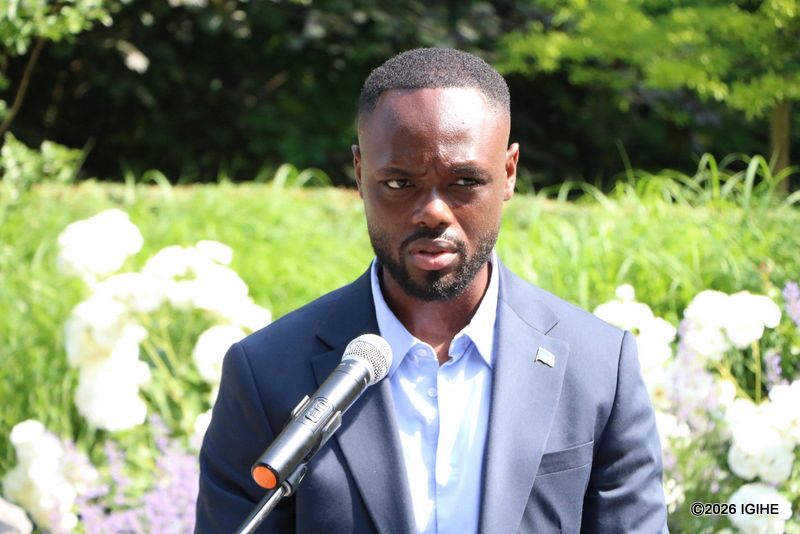
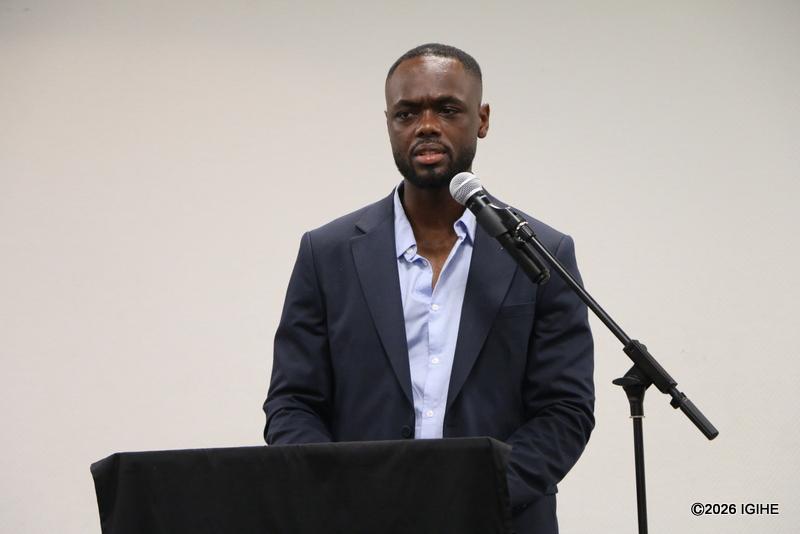
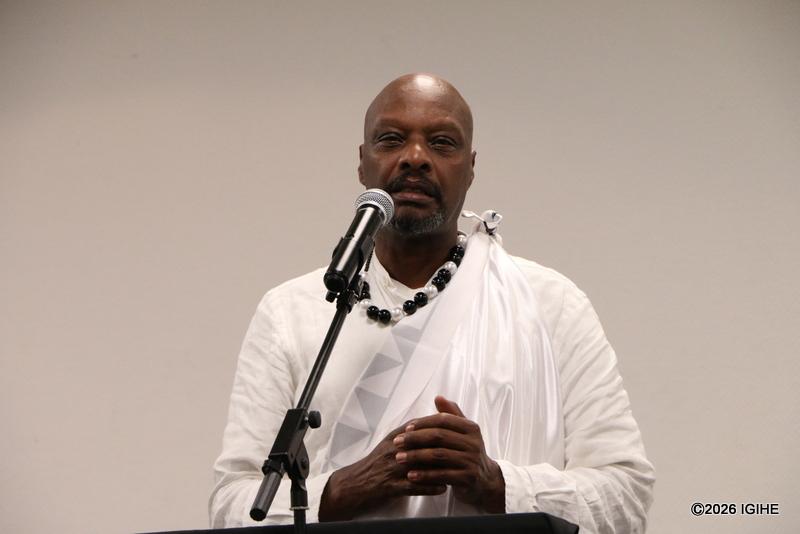
The President of the Rwandan Diaspora in the cities of Mons and Tournai, Arnold Turagara, recalled the dark periods Rwanda went through, emphasizing that the people of this city, as well as Europe in general, have also experienced difficult times marked by wars.
He stated: “Tournai is a city that has gone through difficult periods, including wars throughout its history. However, its residents managed to rebuild themselves after those painful moments.”
He also reminded participants that the 1994 Genocide against the Tutsi was carefully planned and carried out with extreme cruelty, leading to the killing of more than one million people in just one hundred days solely because of who they were.
“Commemorating today is not only about looking back at the past, but also about preserving this memory so that we are not trapped by it and can continue moving forward with life,” he added.
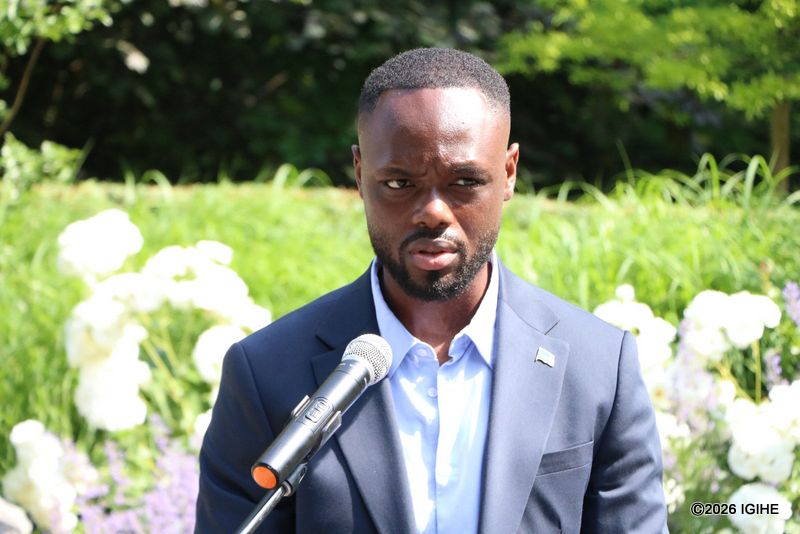
The President of the Rwandan Diaspora in Belgium at the national level, Gakuba Ernest, condemned those who continue to falsify the history of the Genocide against the Tutsi by spreading false information.
He said: “Distorting history is unacceptable because doing so indirectly supports those who planned and executed the Genocide against the Tutsi.”
He reminded attendees that the genocide did not happen by accident, but was the result of long-term preparation marked by hate propaganda spread by leaders of the time and by the dehumanization of Tutsi.
Representing Ibuka Mémoire et Justice Belgique, emphasized thatmore than one million Tutsi killed during the genocide reflects the reality of what happened.
He praised the courage and resilience of genocide survivors, who endured extremely difficult periods of persecution because of their identity.
Gakuba also criticized certain European countries for not doing enough to arrest individuals involved in the Genocide against the Tutsi who were convicted by Rwandan courts yet continue to live freely in Europe.
According to him, some of them actively contribute to spreading genocide ideology and denying the genocide.
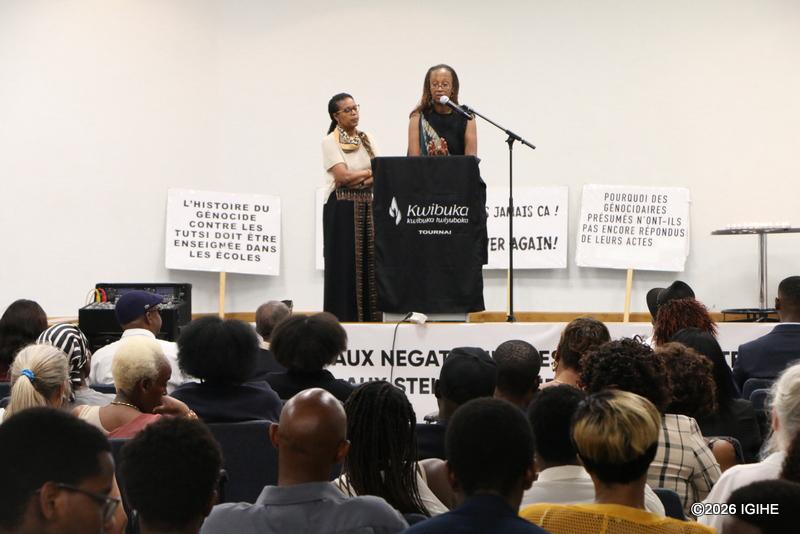
He insisted: “This history must be taught in schools so that younger generations can learn about it from an early age.”
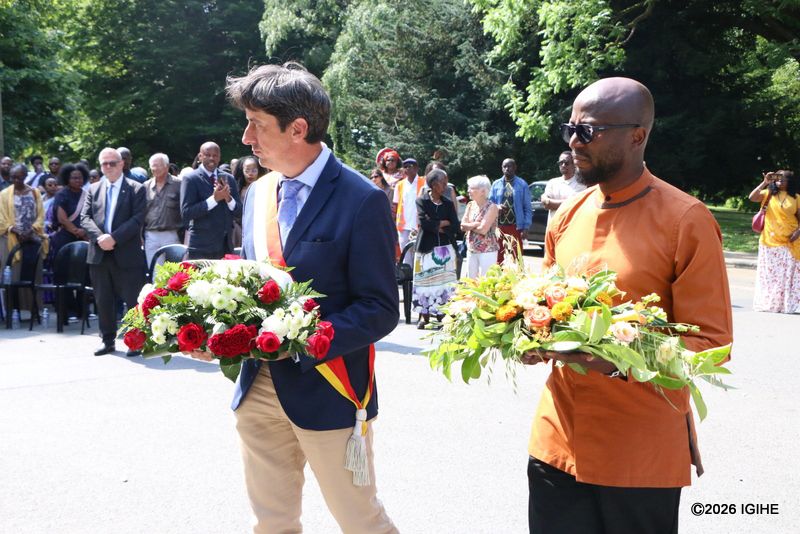
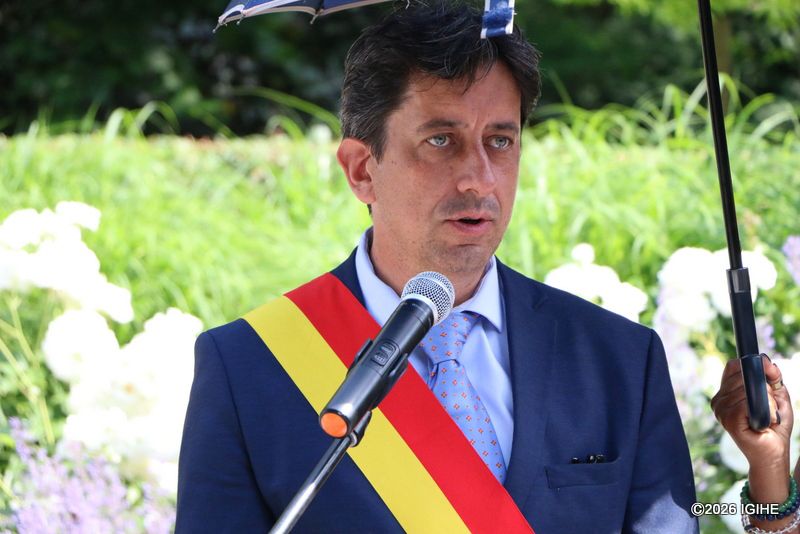
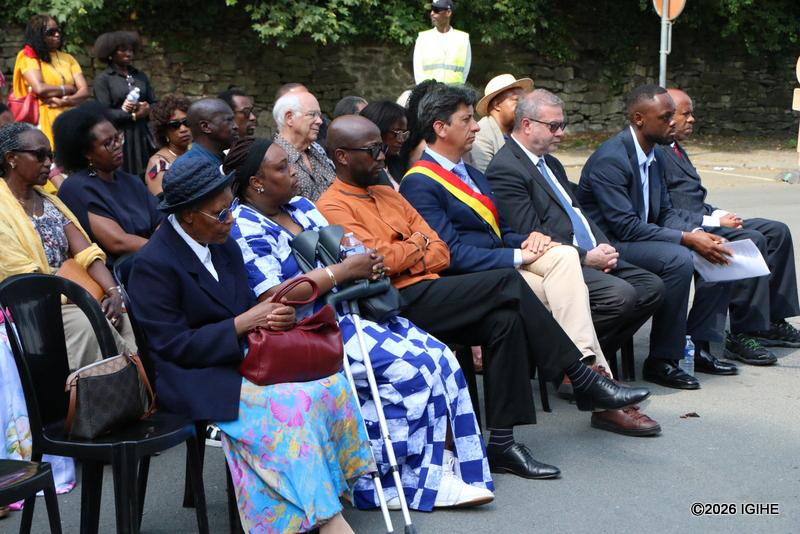
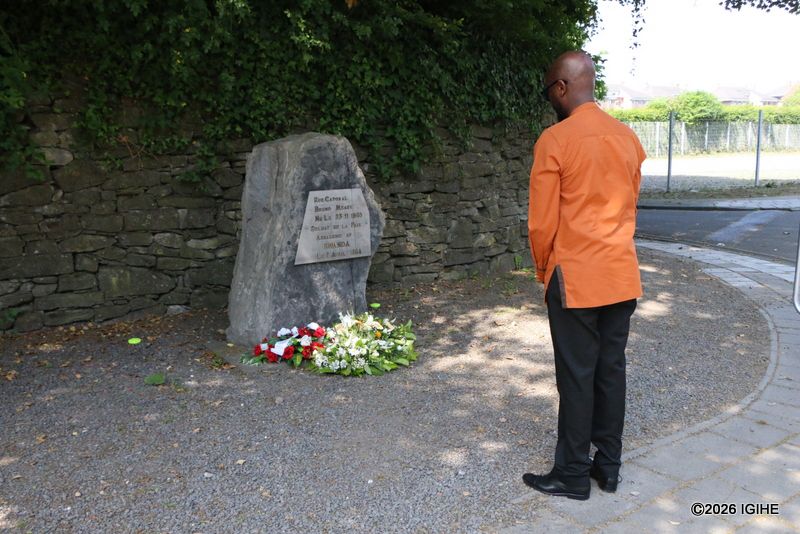
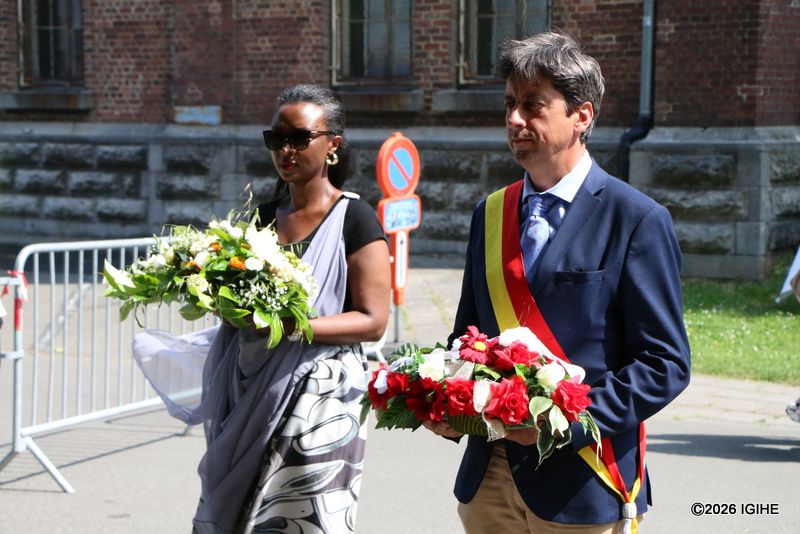
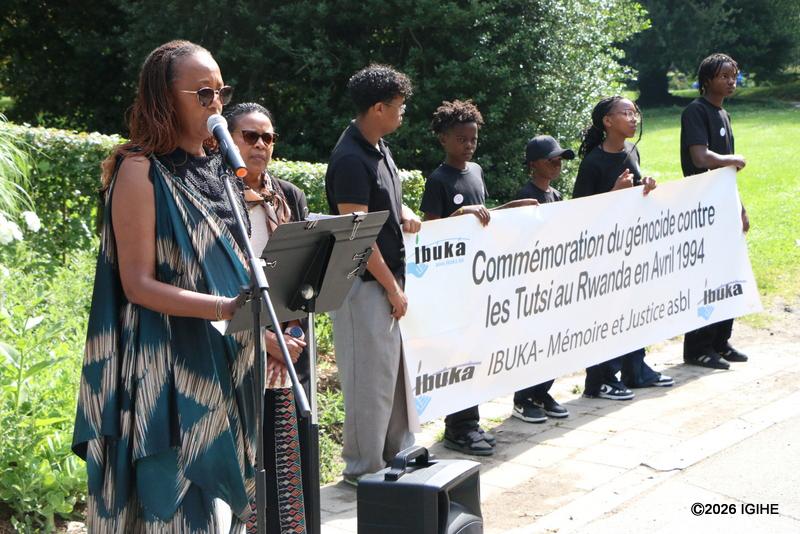
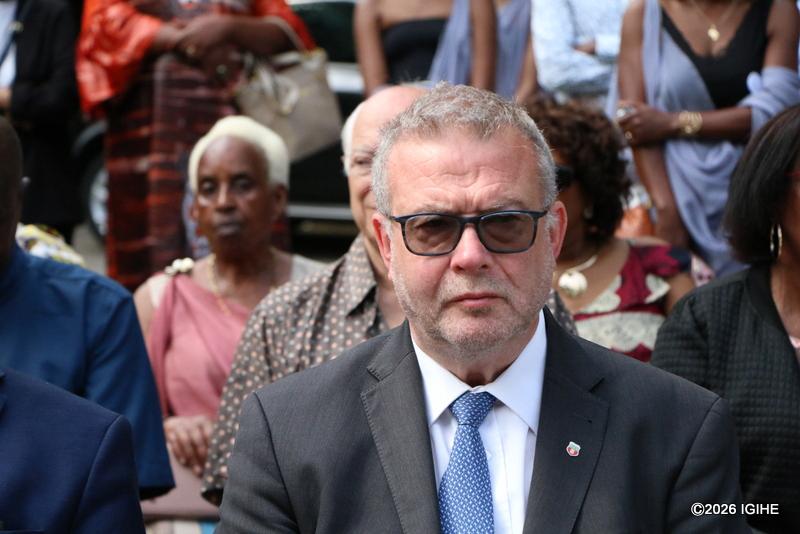
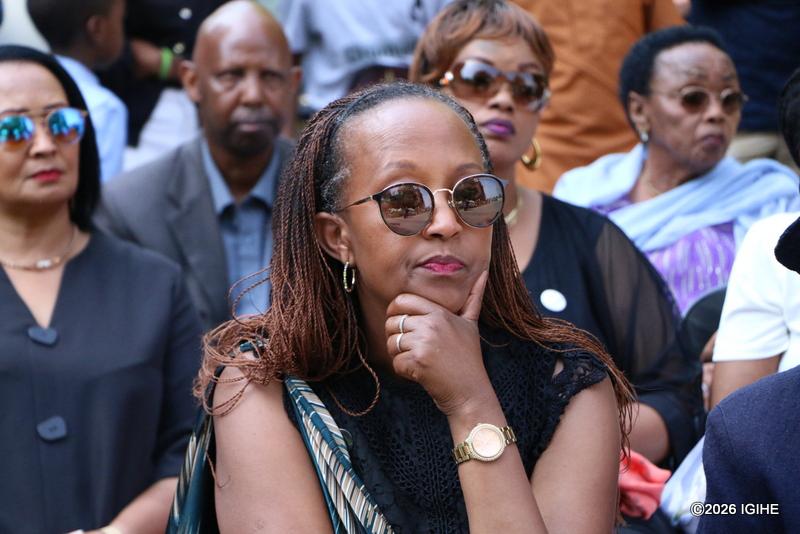
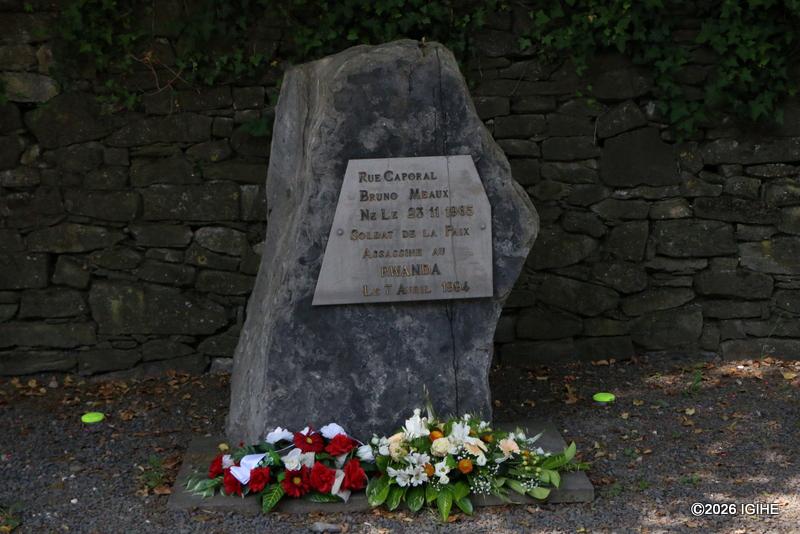
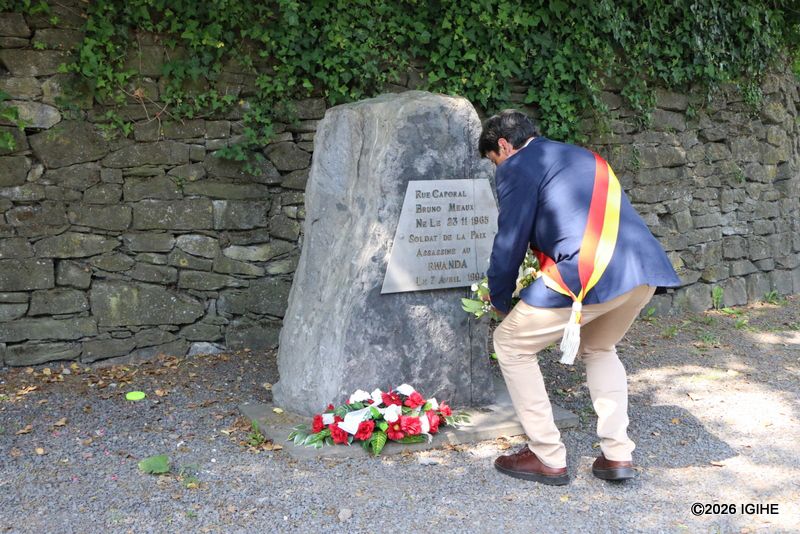
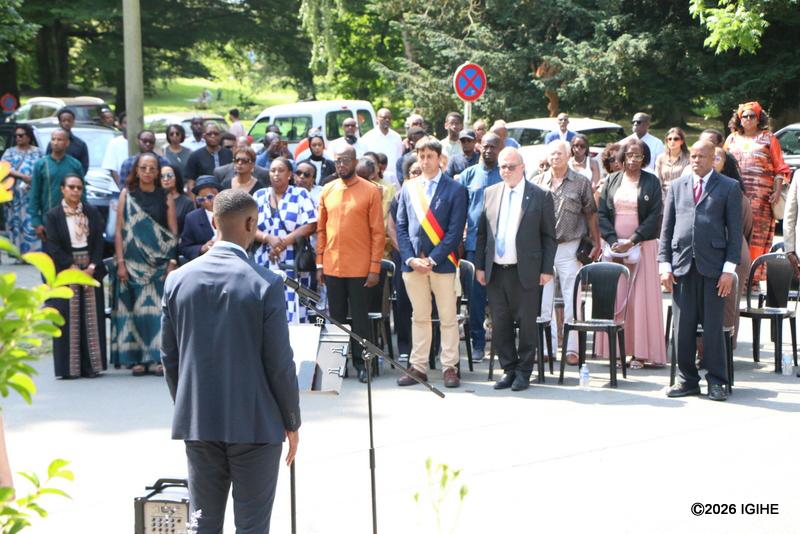
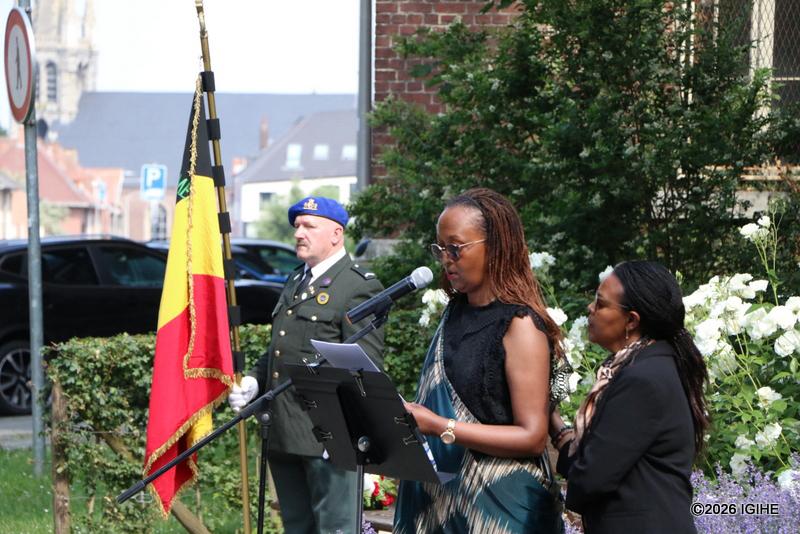
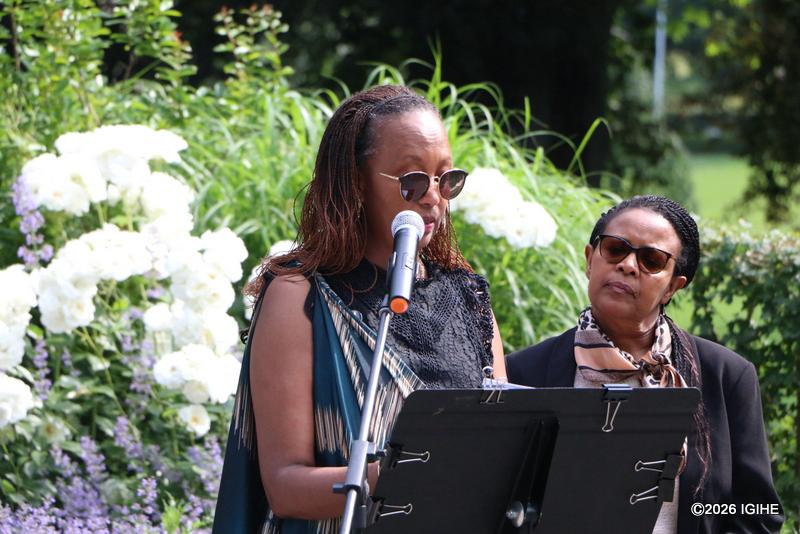
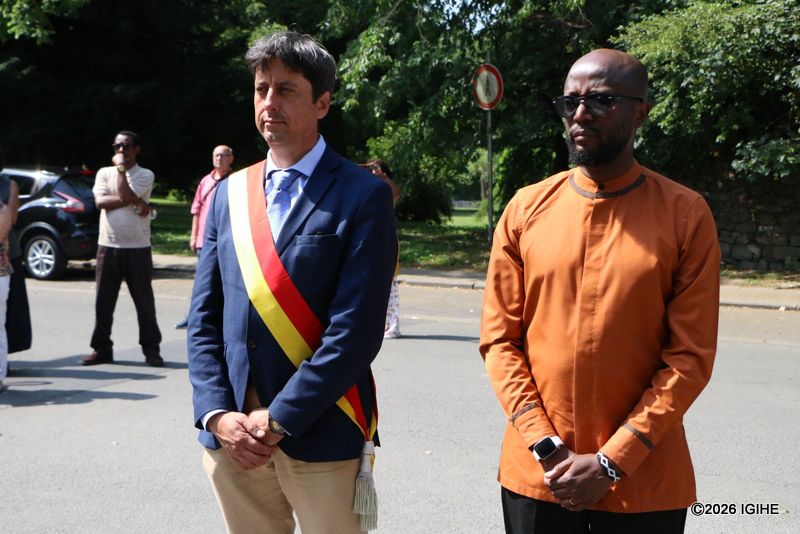
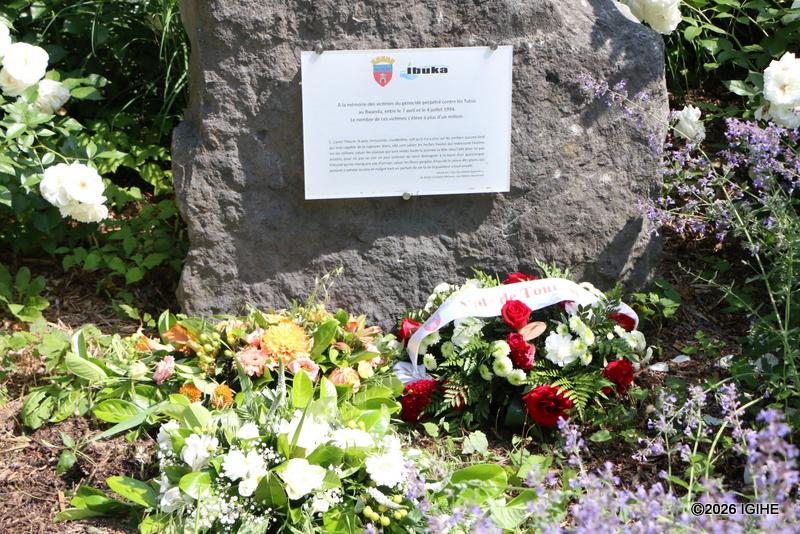
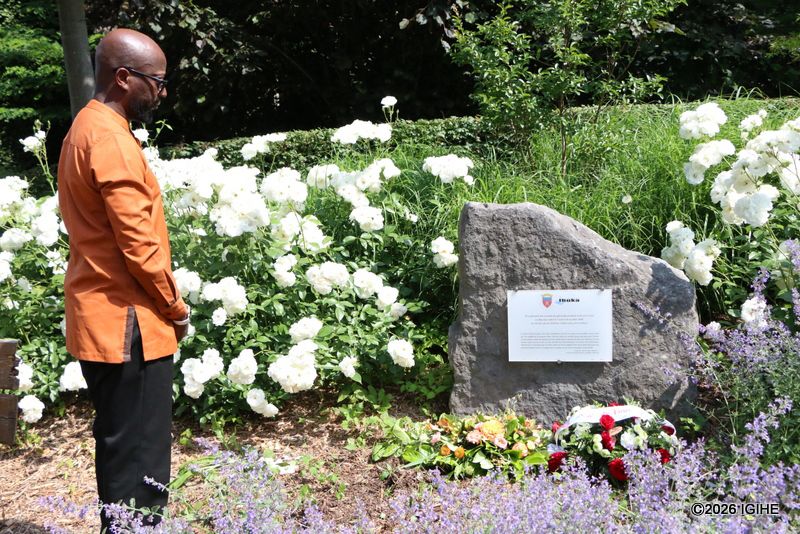
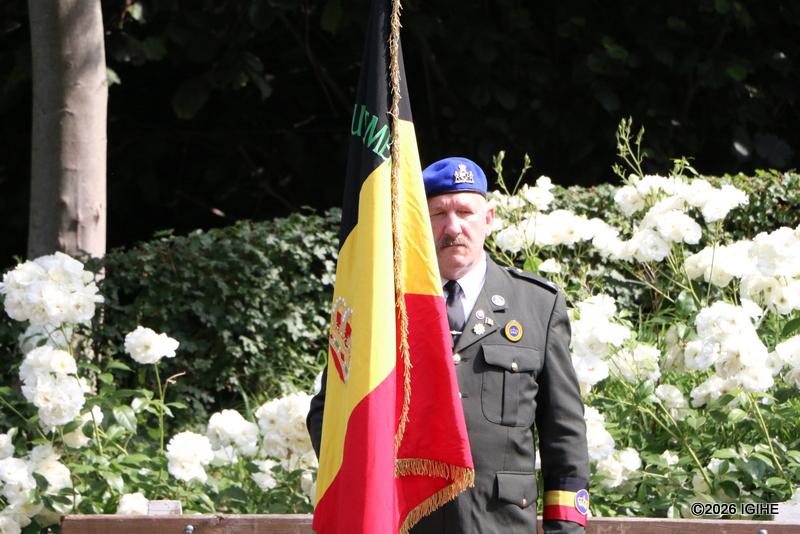
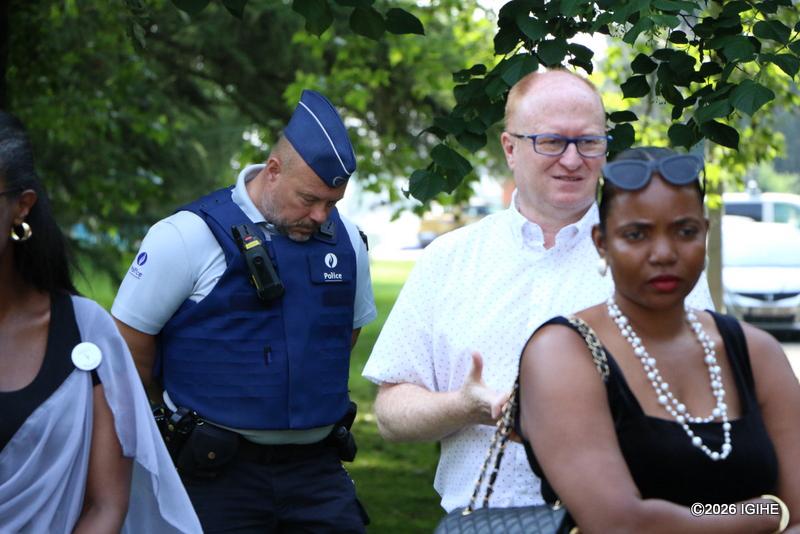
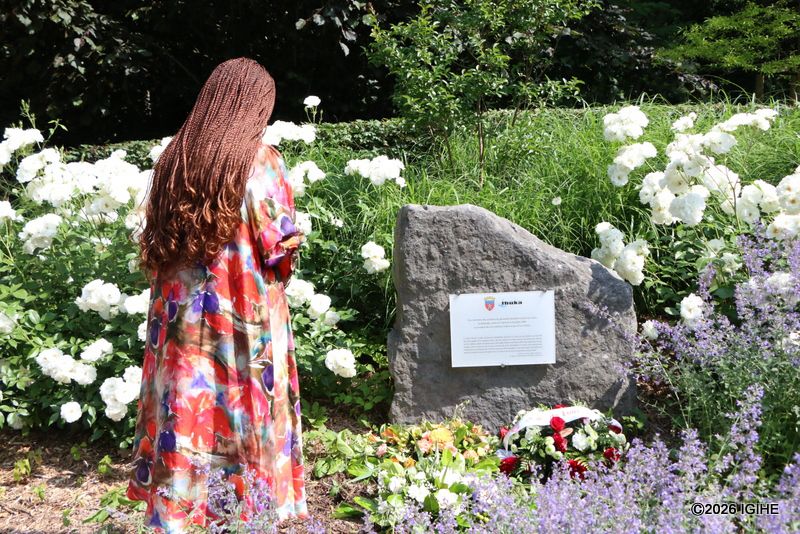
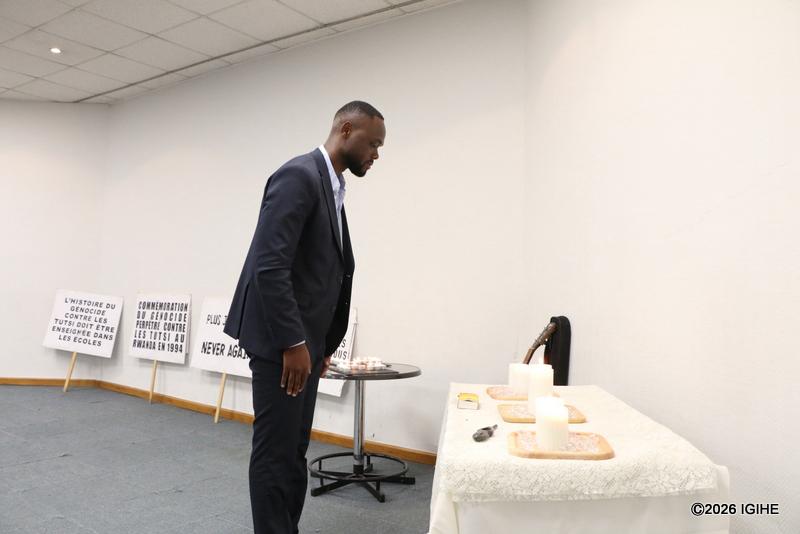
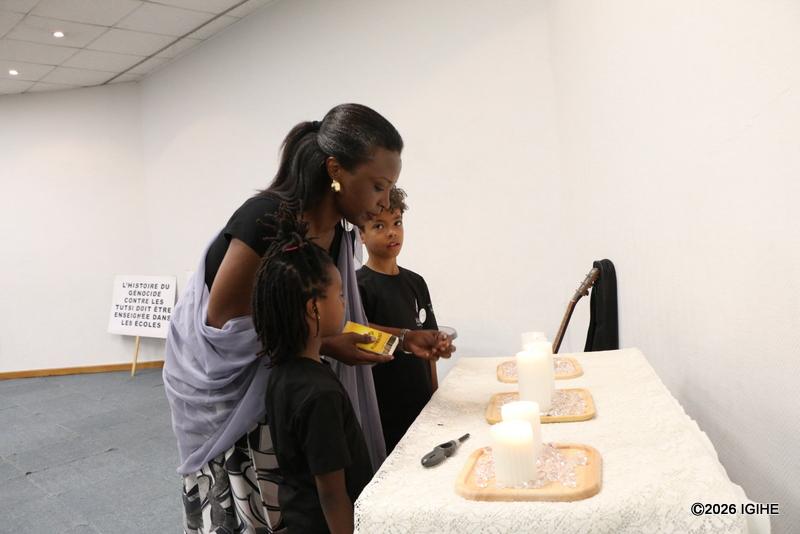
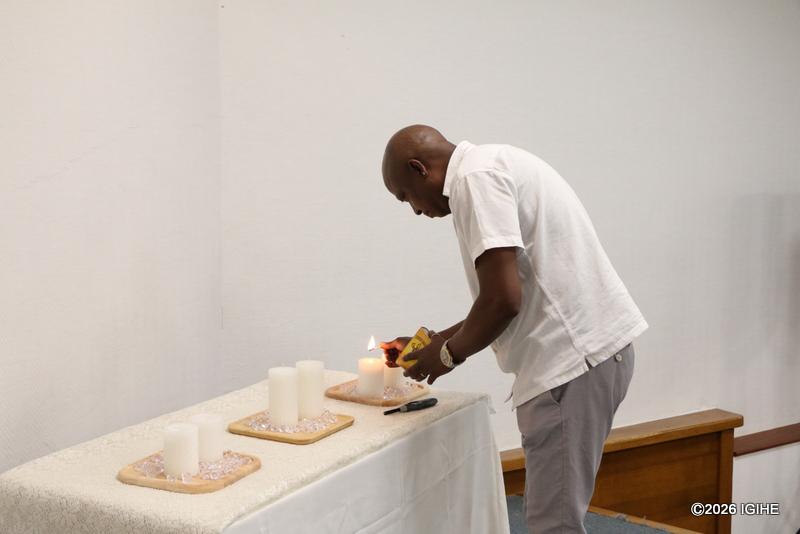
The first part of the commemoration took place near the memorial located close to the Saint-Jean Military School on Rue du Caporal Bruno Méaux in Tournai. The ceremony included wreath laying, speeches from various leaders, and tributes to the victims of the Genocide against the Tutsi.
The memorial also honors Belgian soldiers killed in Rwanda, some of whom were originally from Tournai.
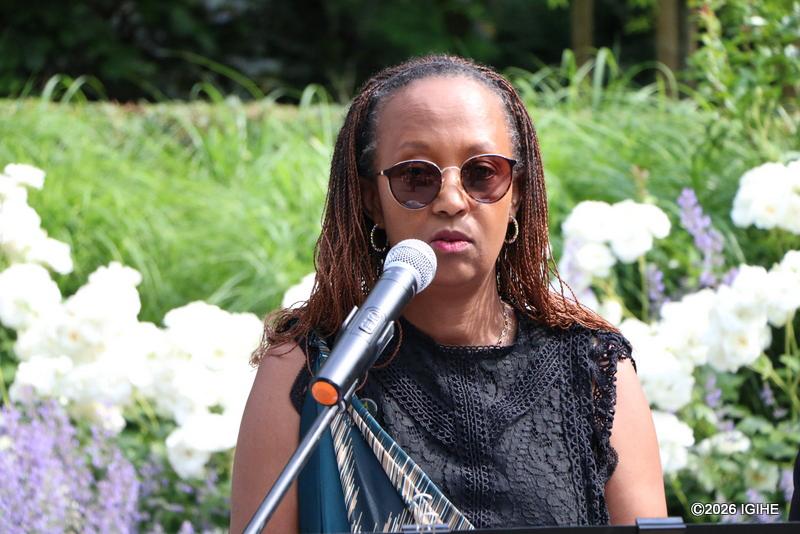
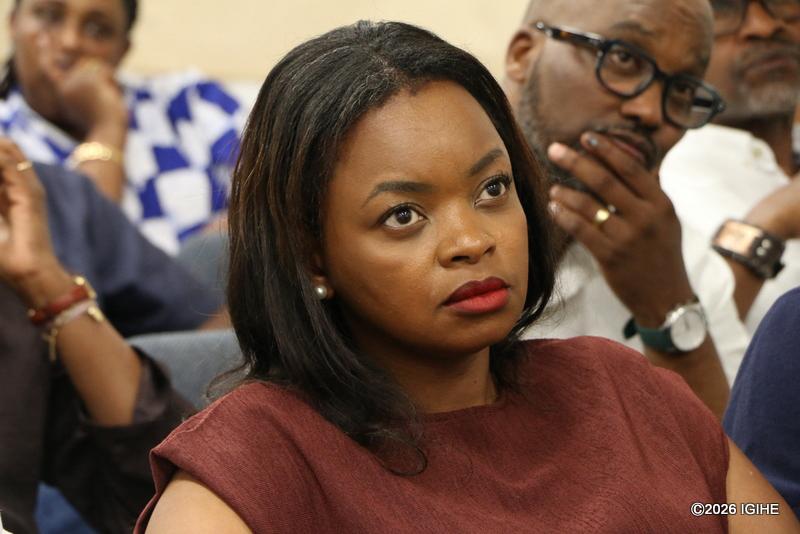
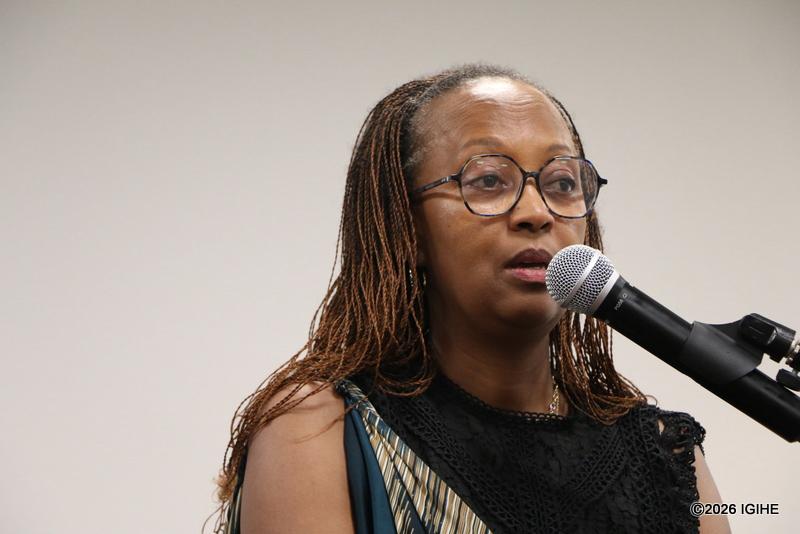
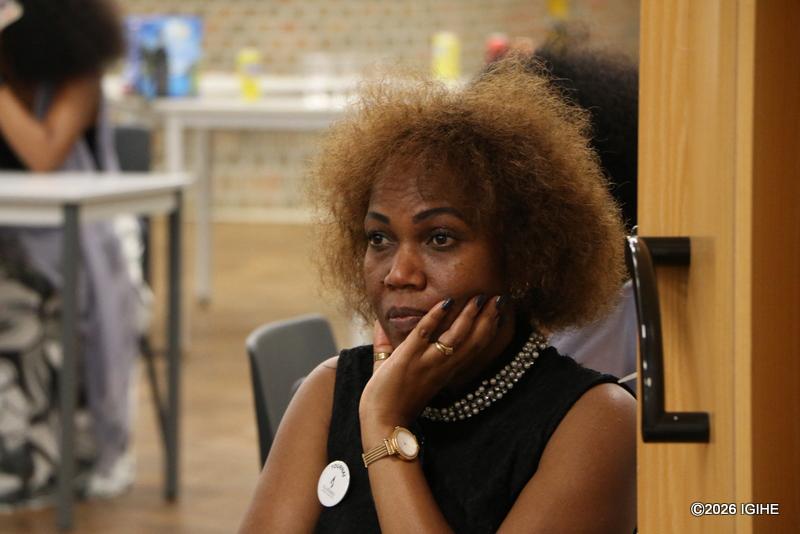
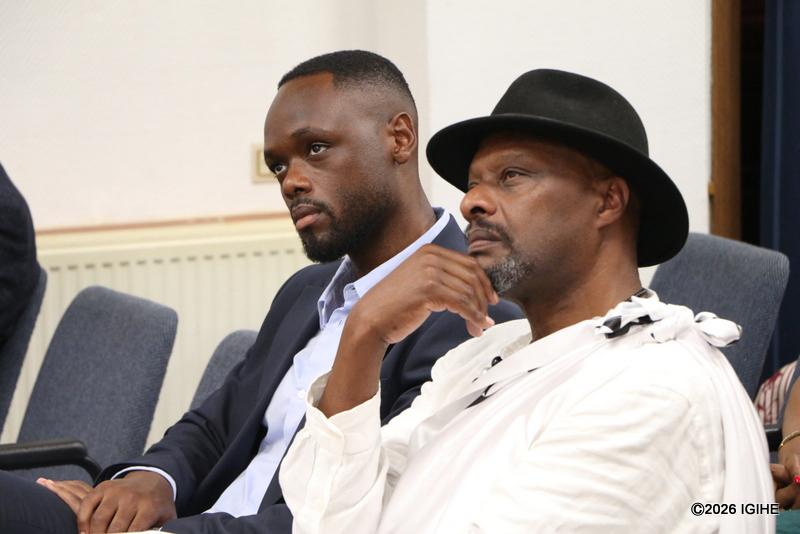
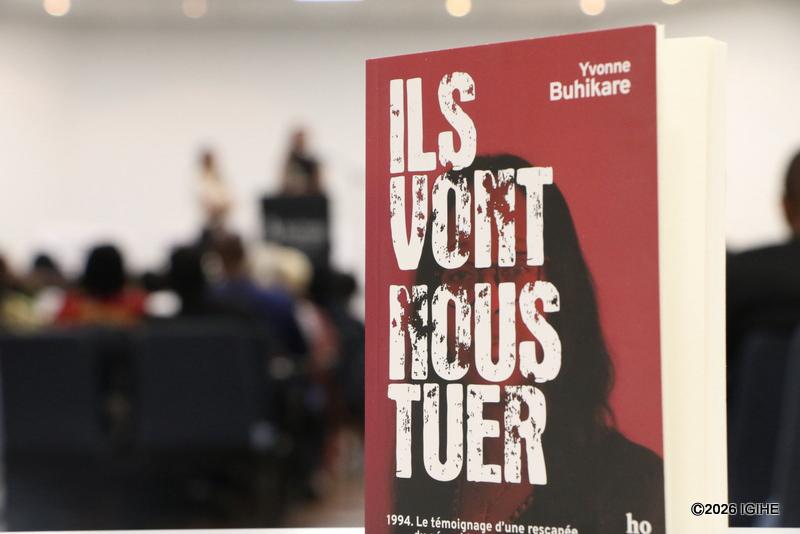
The second part of the day featured testimonies, discussions, and memorial songs aimed at strengthening messages of peace and unity.
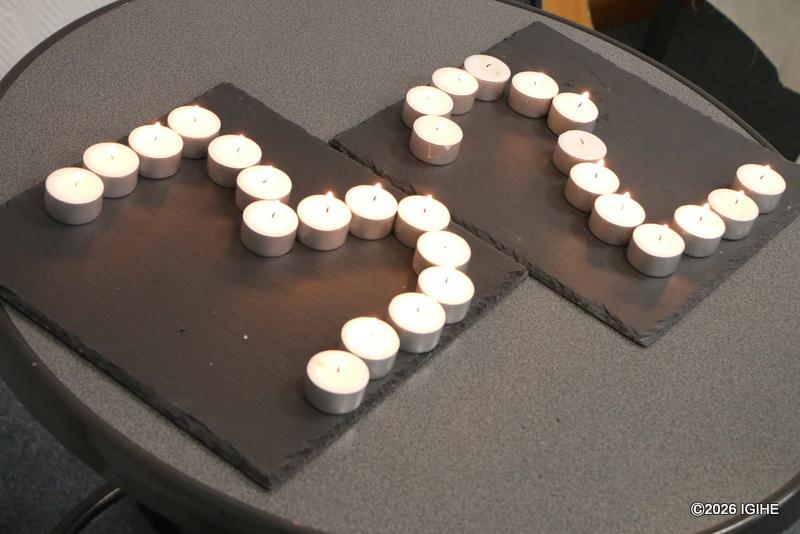
Since April 7, 2026, activities marking the 32nd commemoration of the Genocide against the Tutsi in Belgium have taken place successively in Brussels, Liège, Bruges, Namur, Louvain-la-Neuve, Mons, Charleroi, and Tournai.
The next event will take place in the city of Louvain on June 6, which will also mark the conclusion of the symbolic 100 days of commemoration in Belgium.


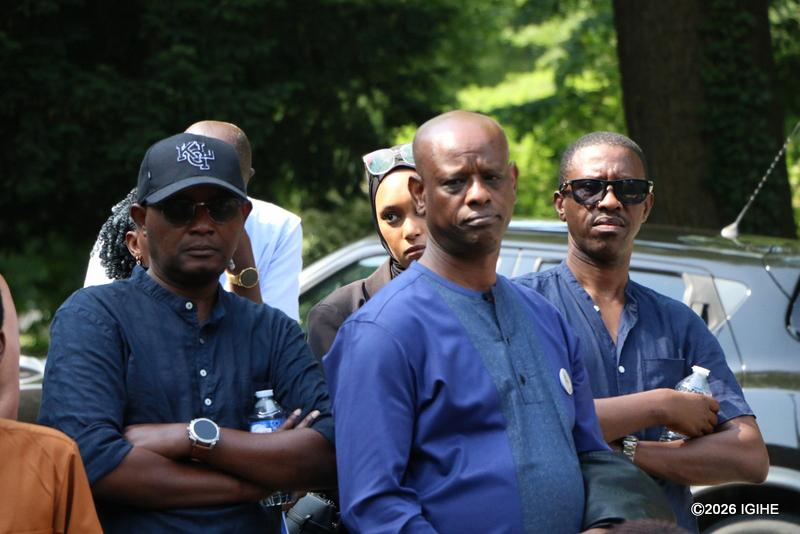
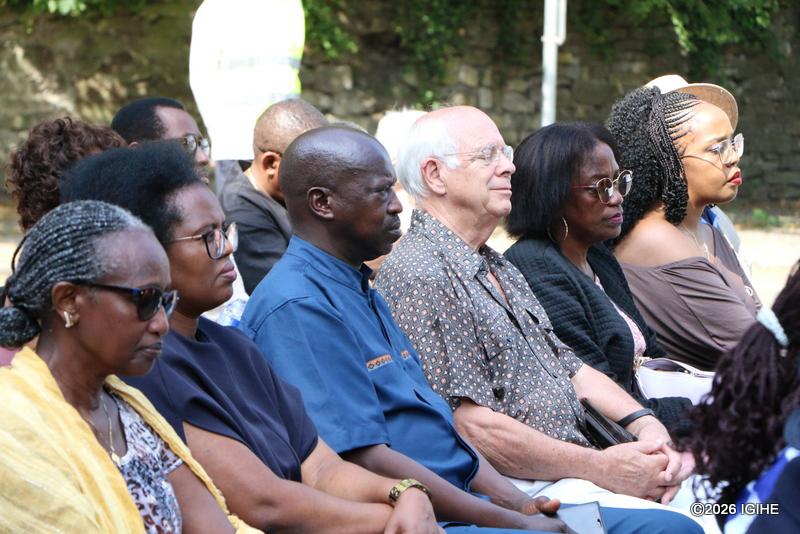
Commemoration talks


karirima@igihe.com
Leave a Reply