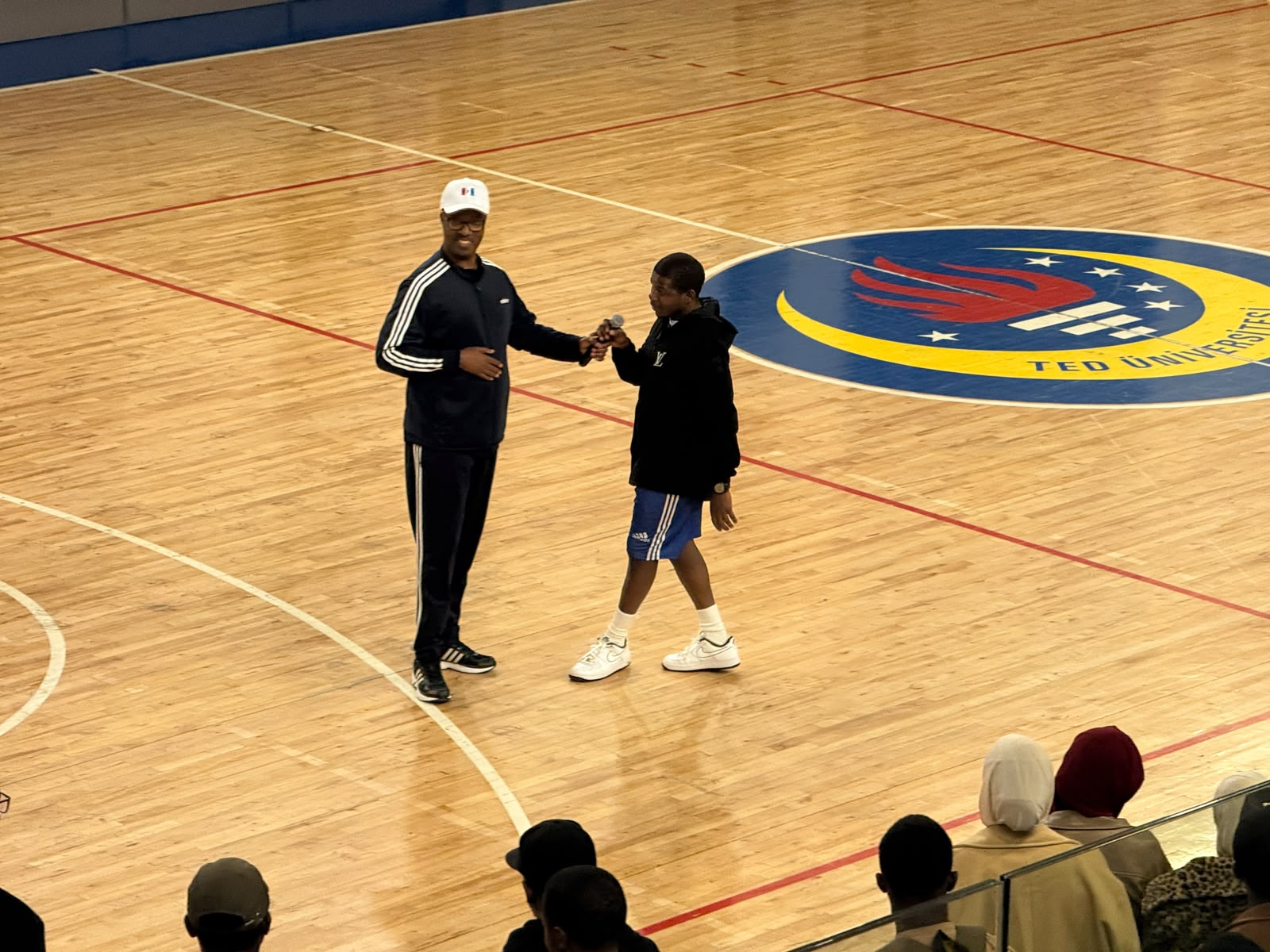
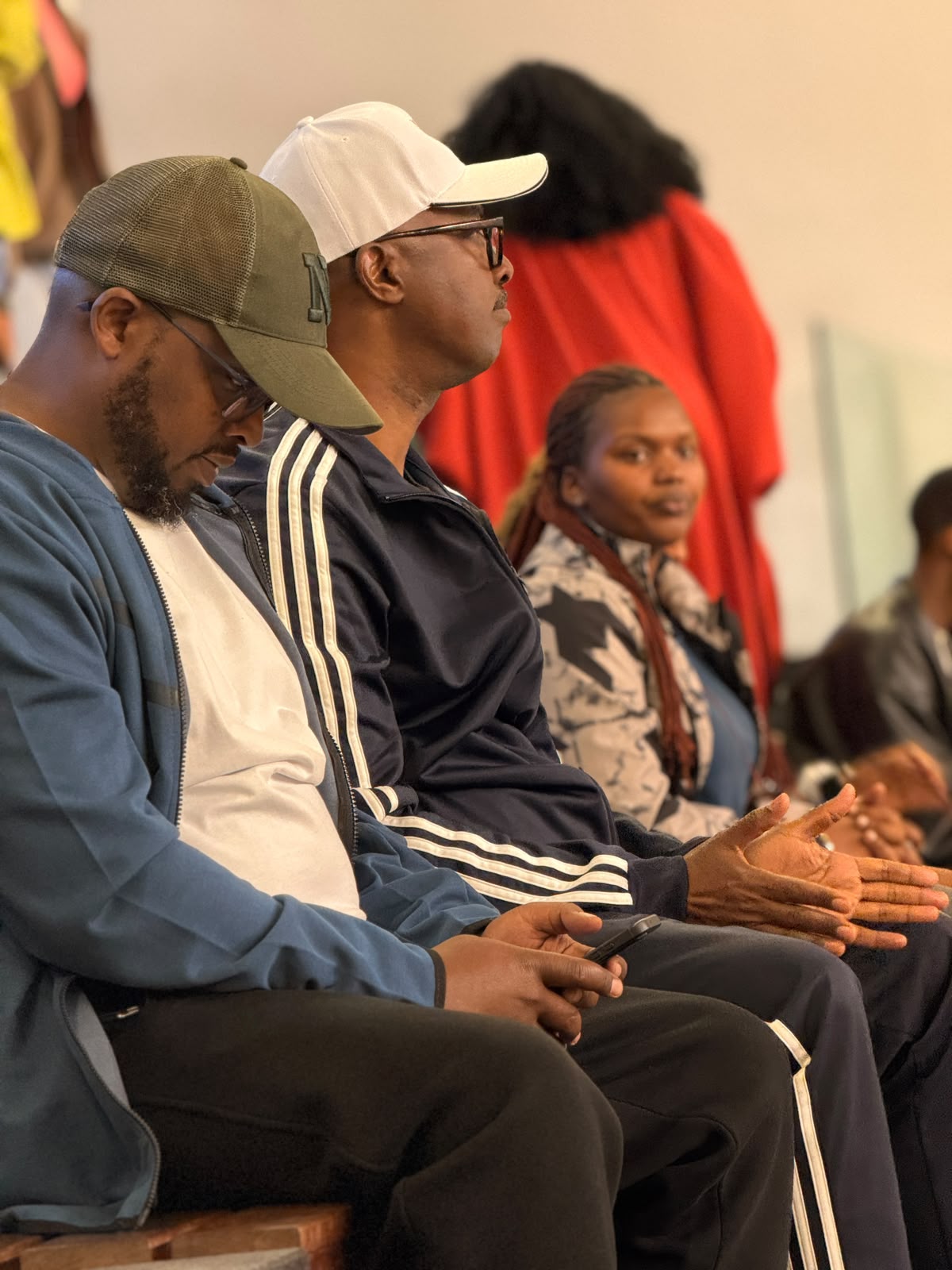
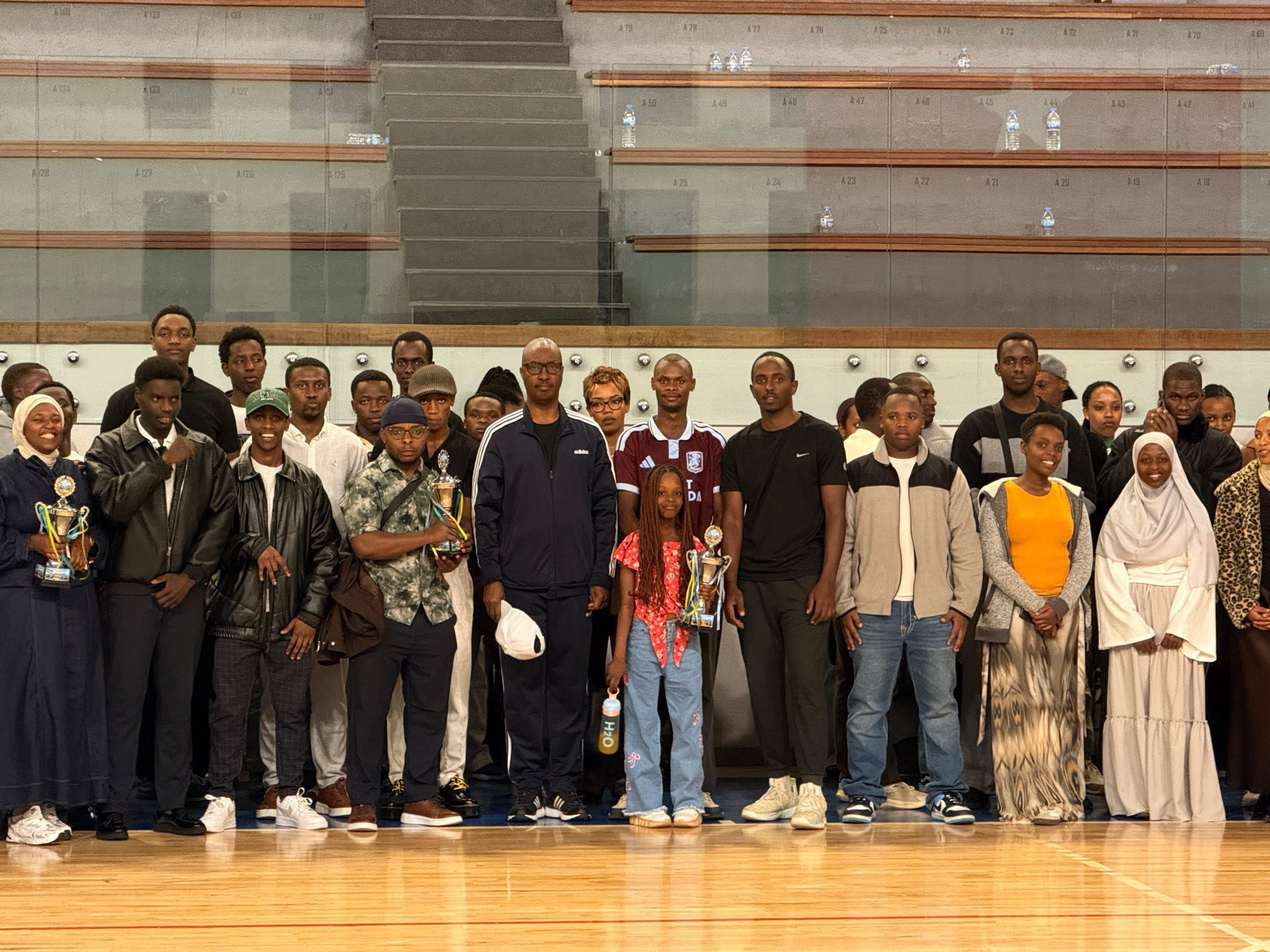
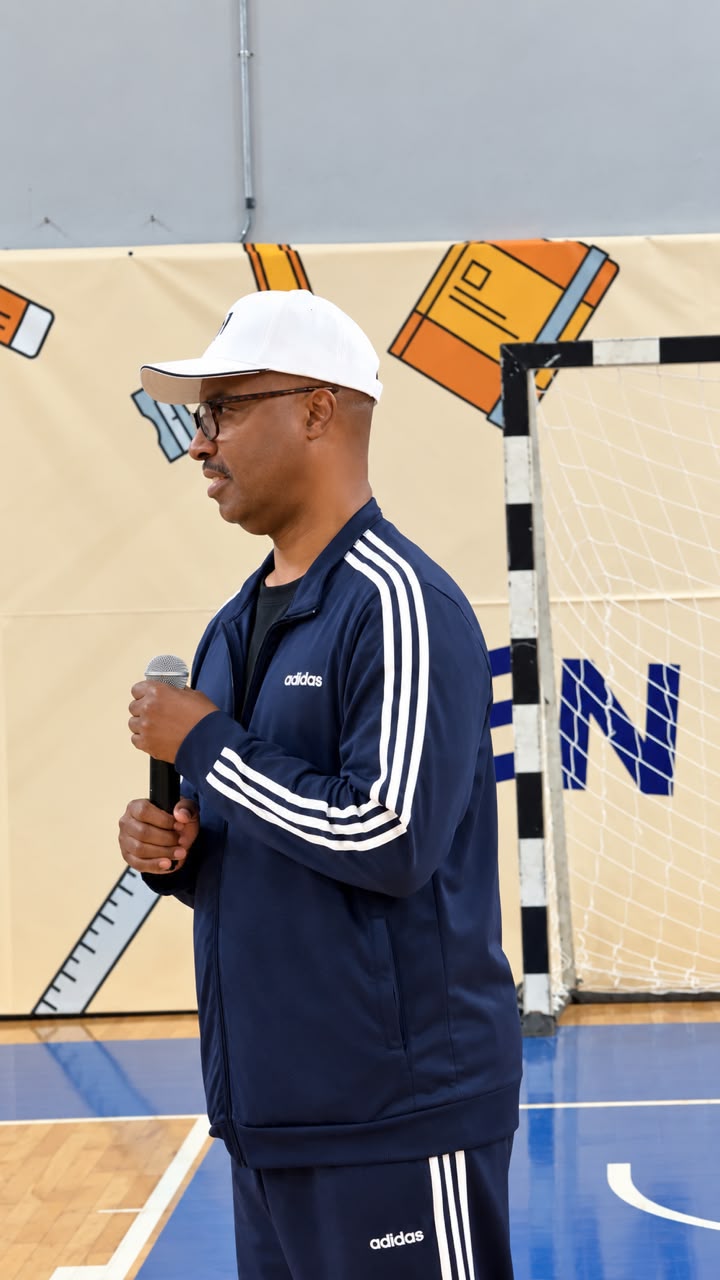
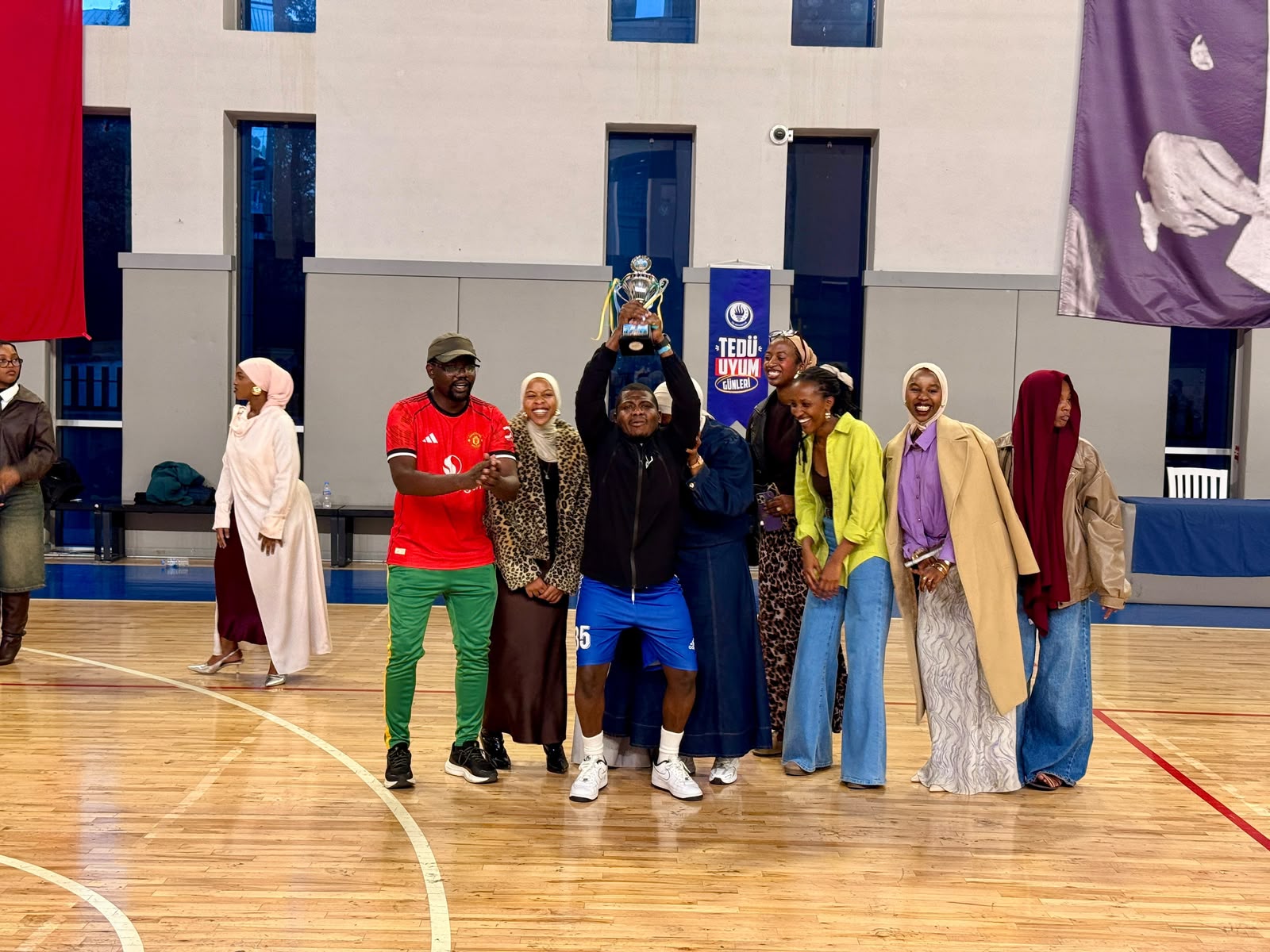
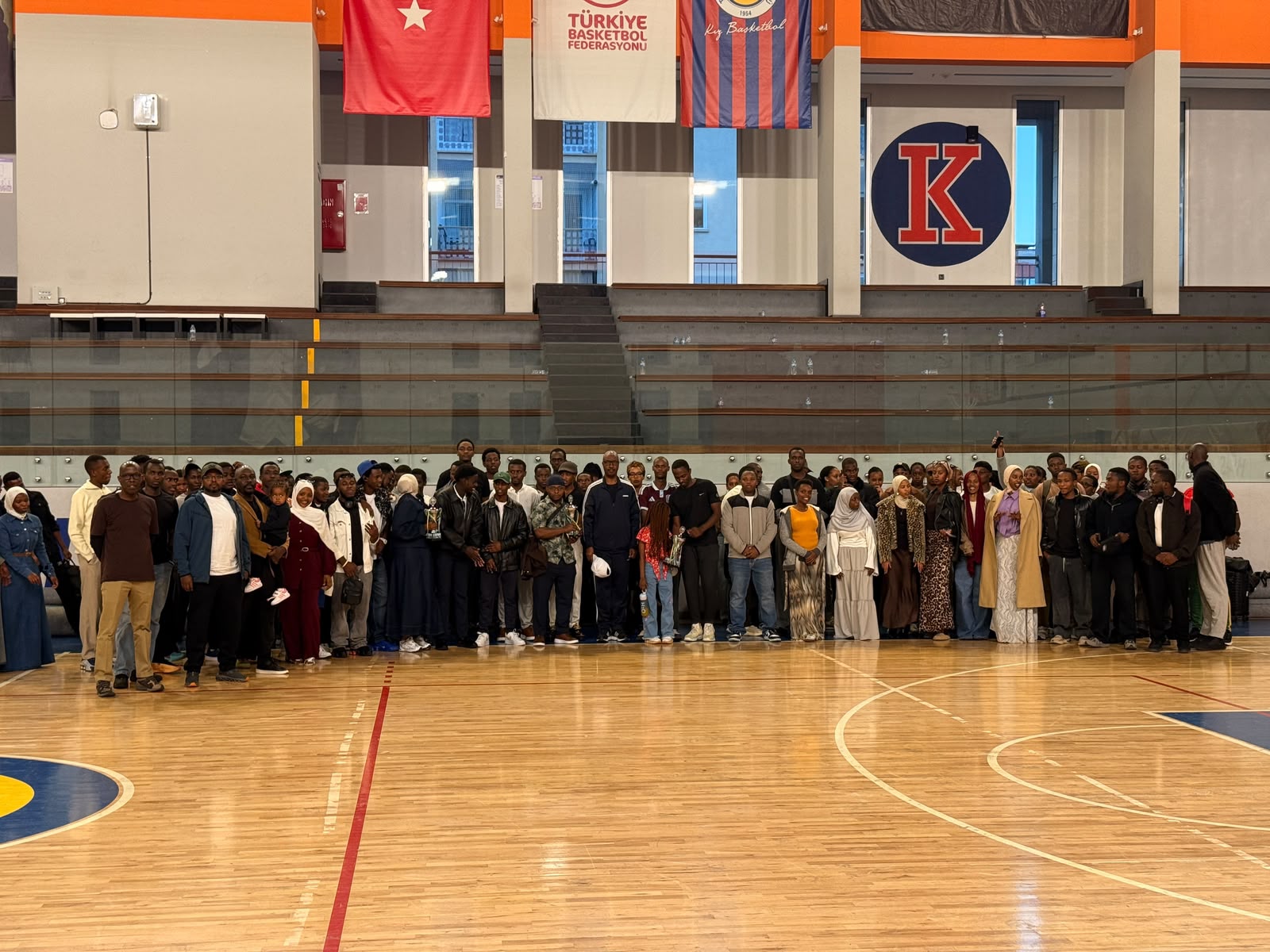
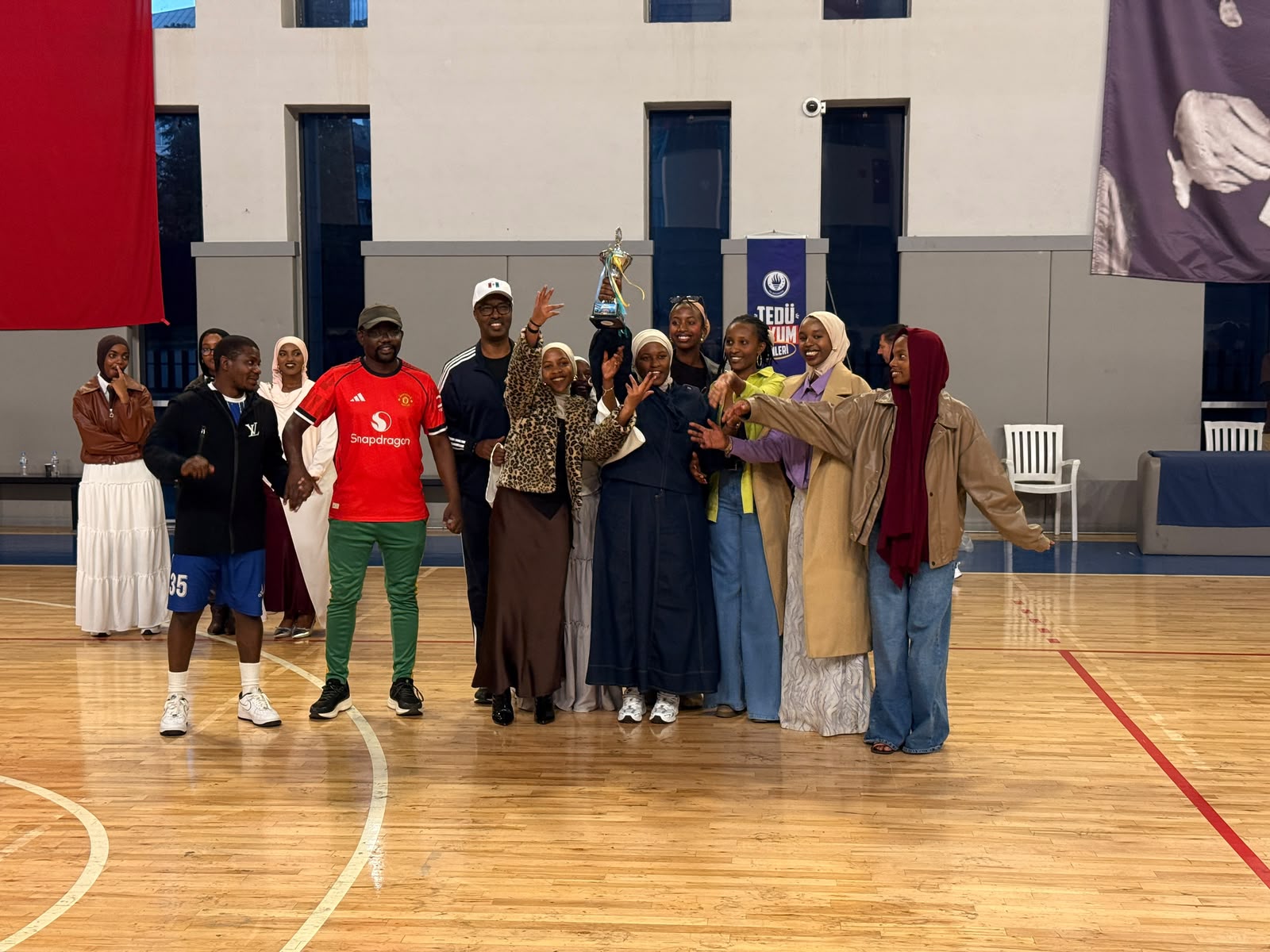
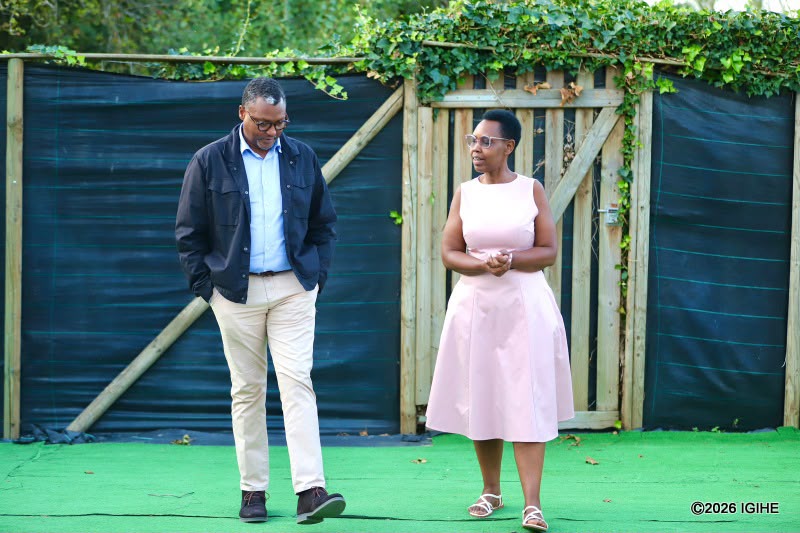
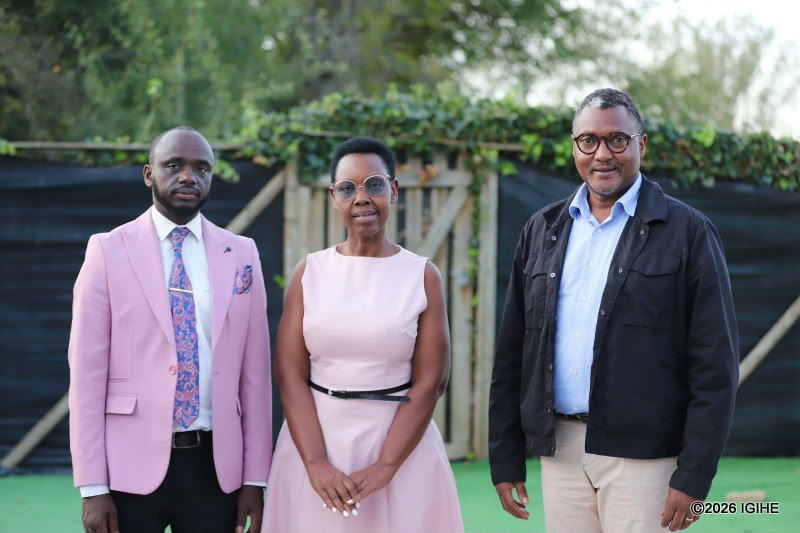
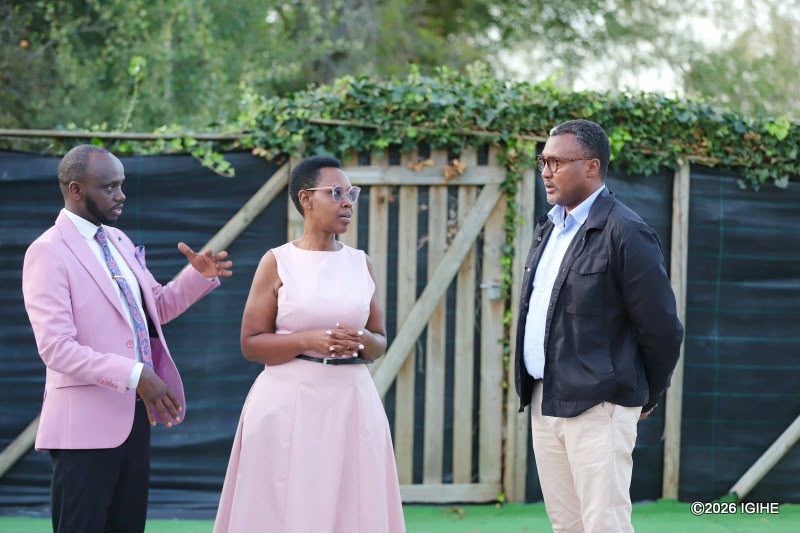
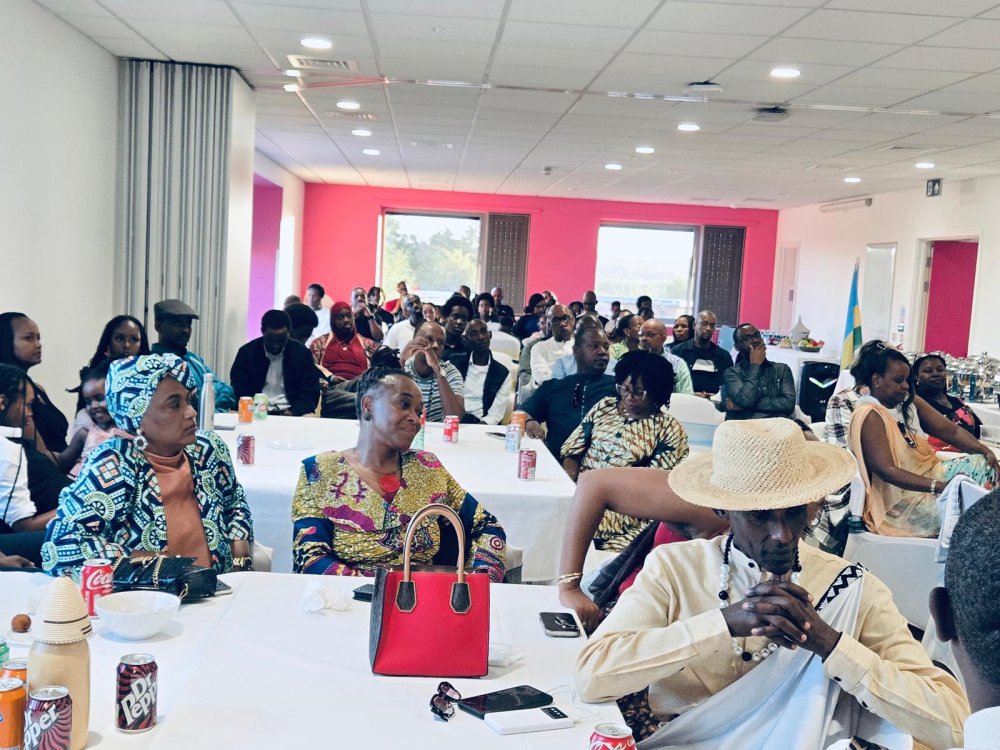
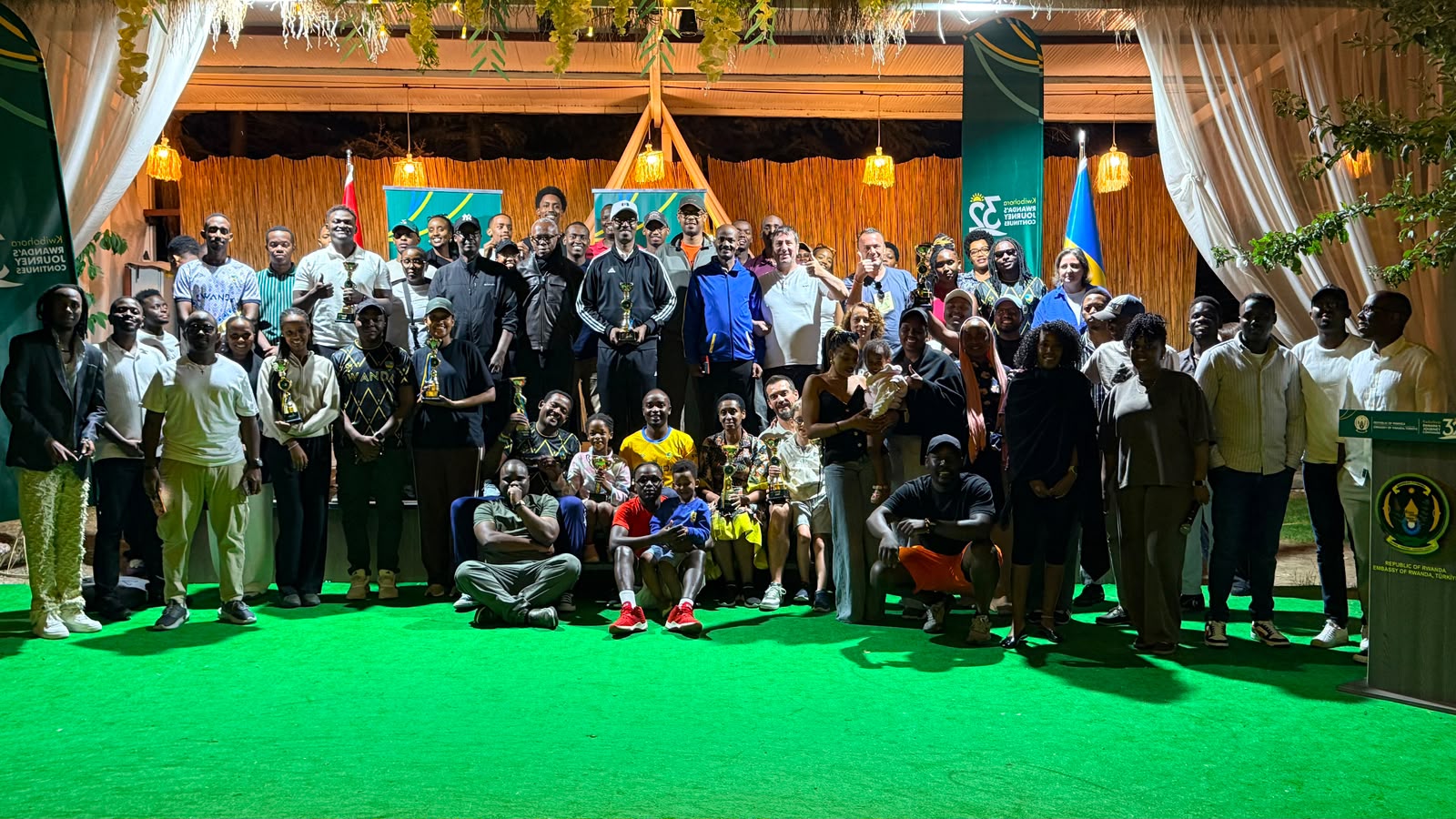
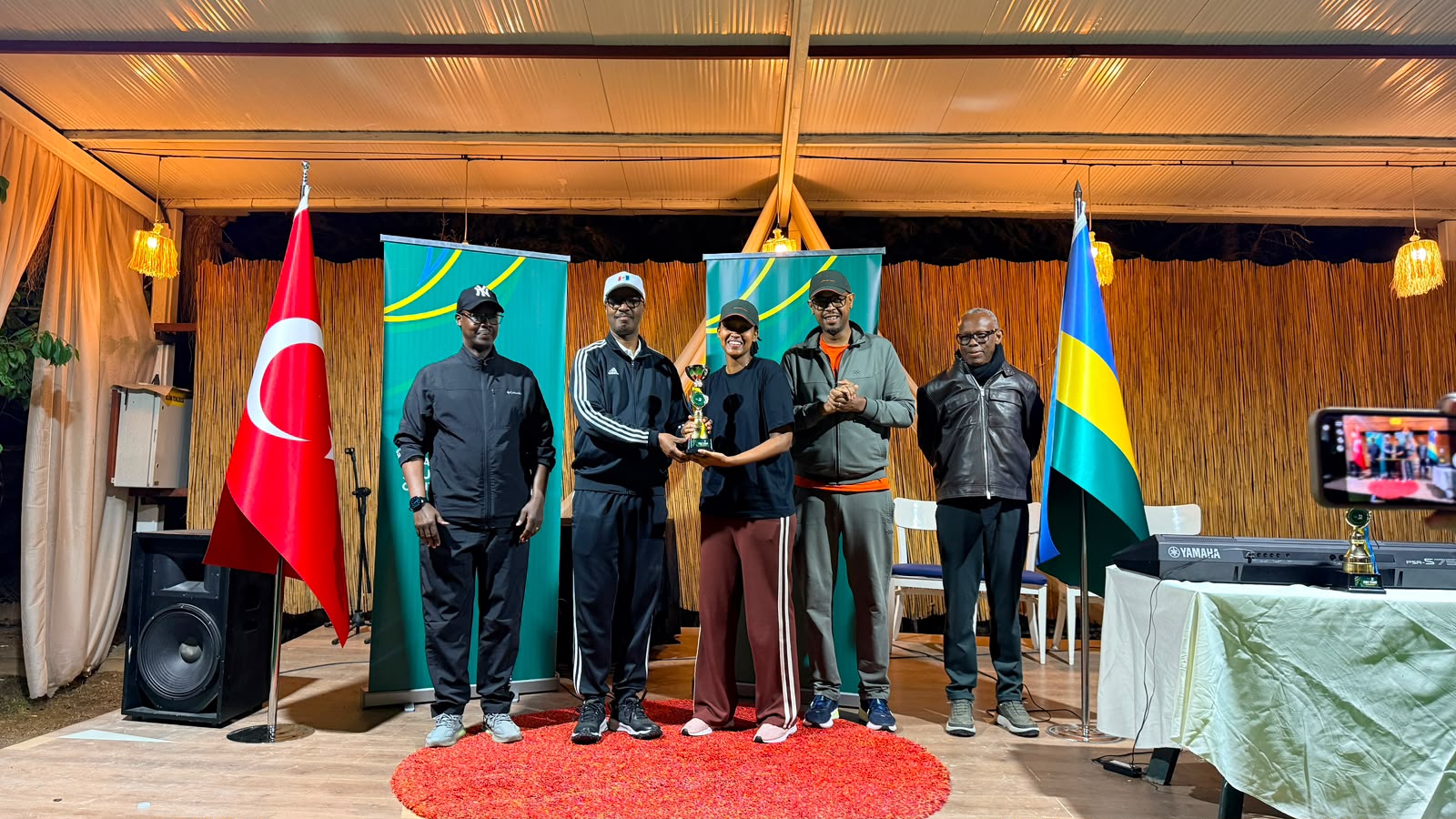
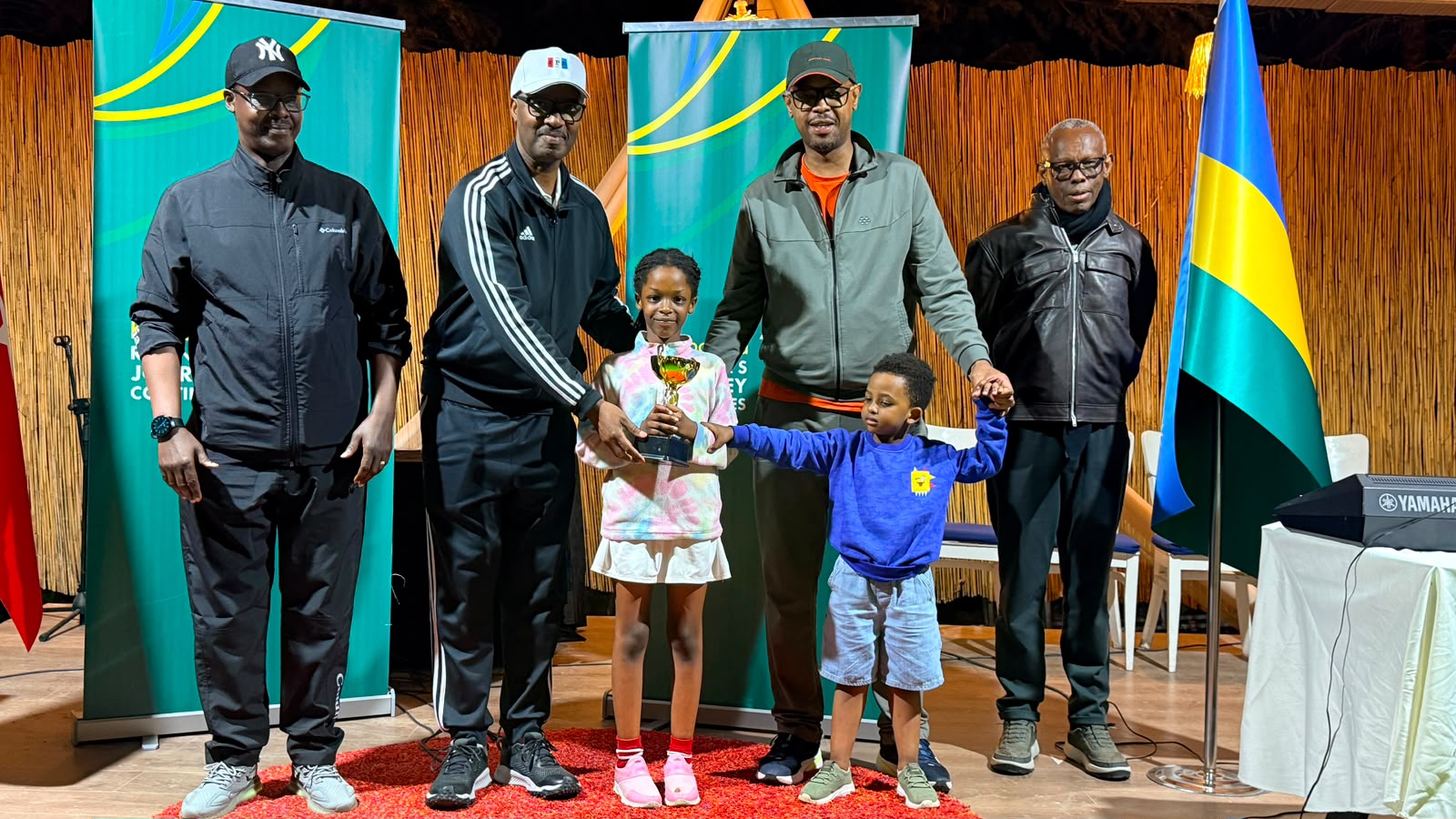
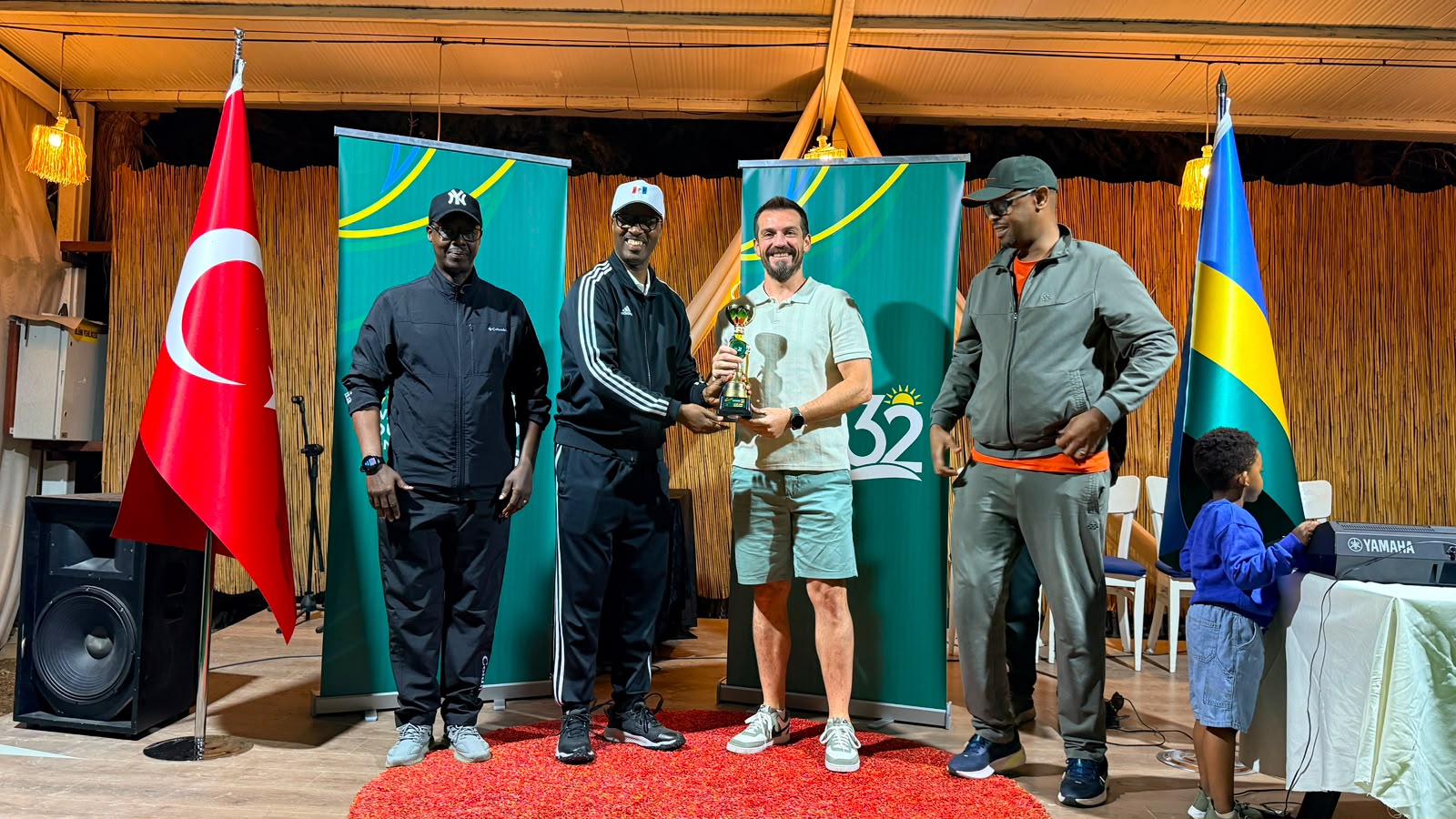
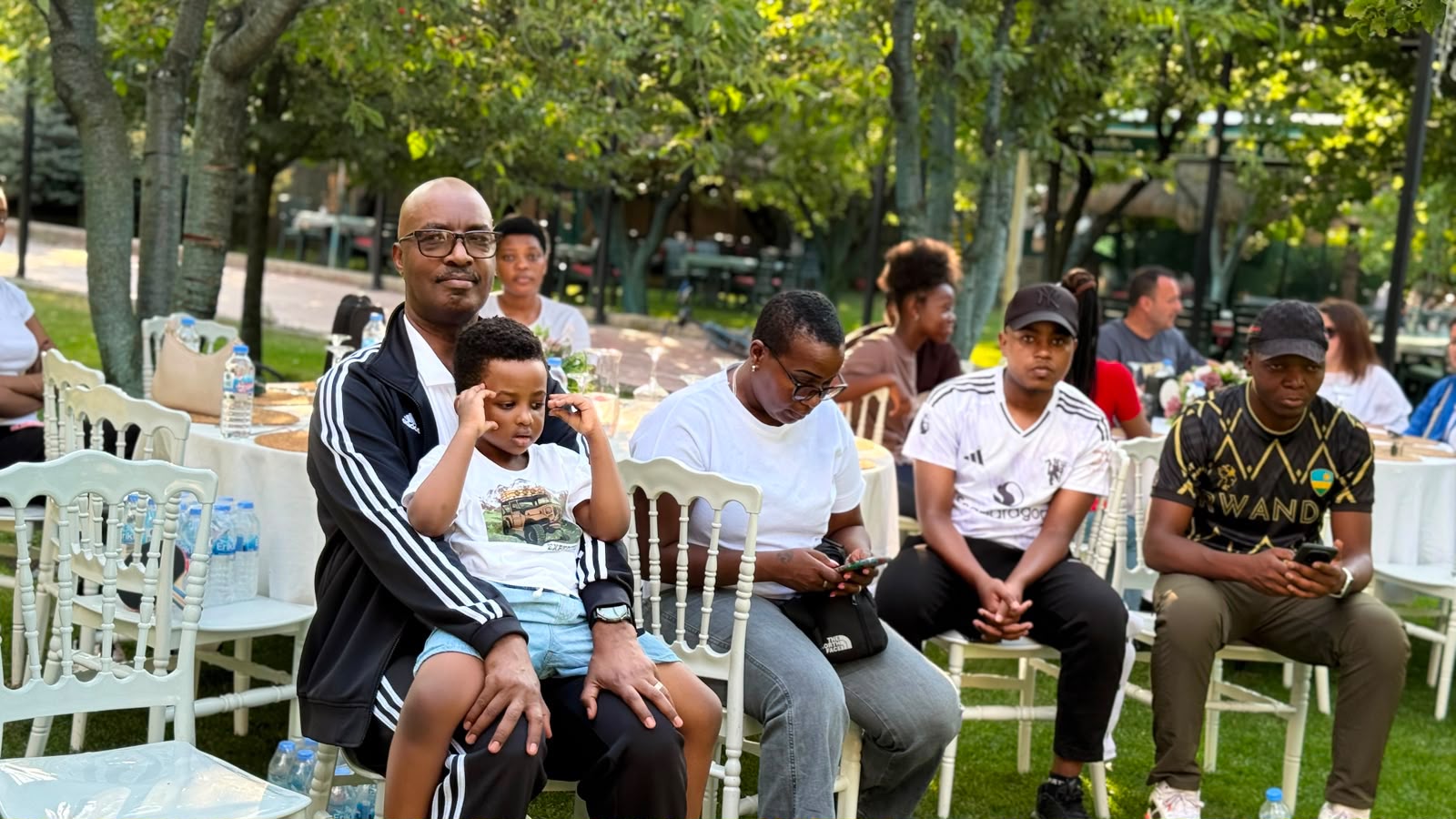
The event brought members of the Rwandan community together for fellowship and reflection on patriotism and the values that underpin Rwandan society.
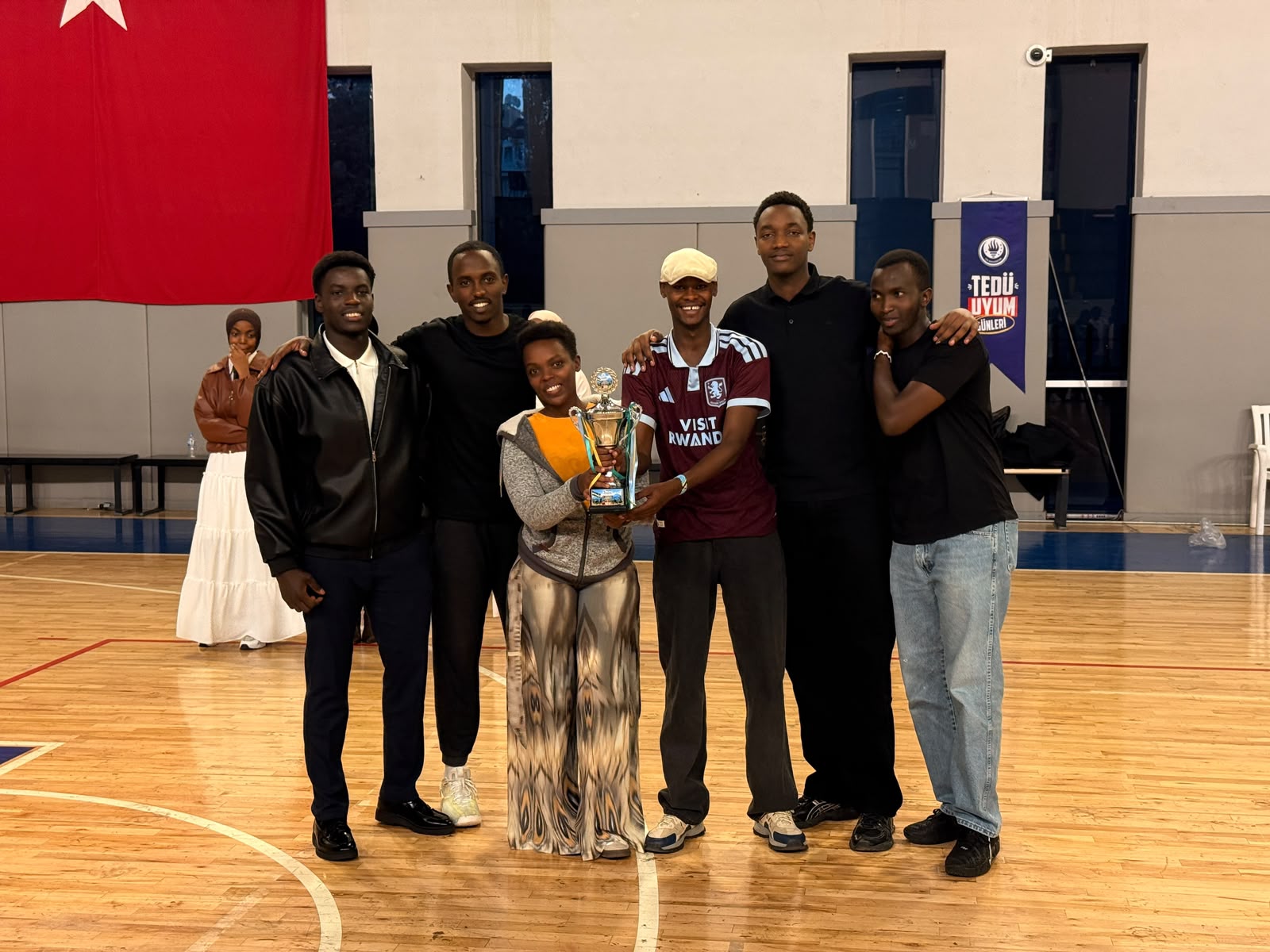
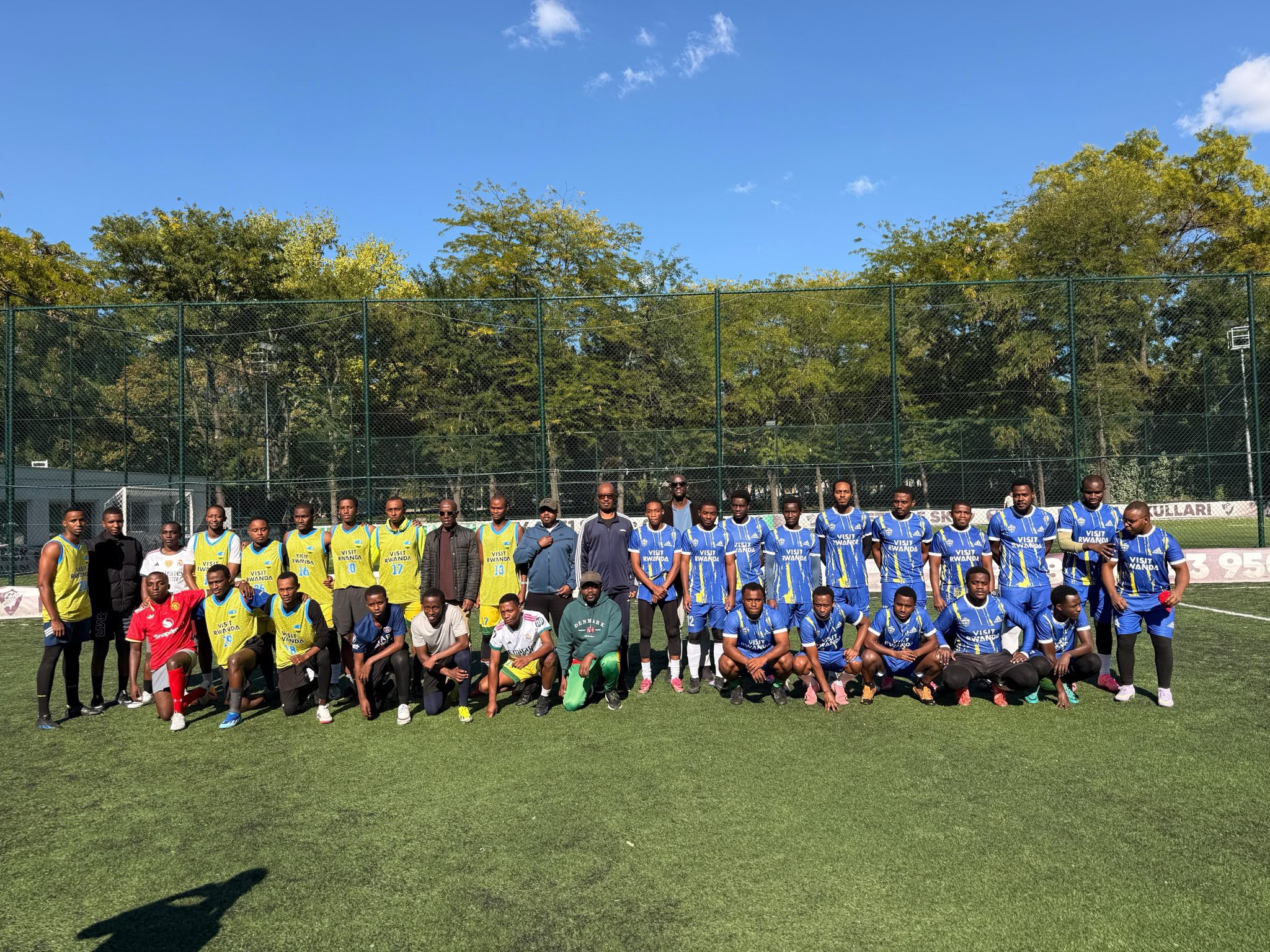
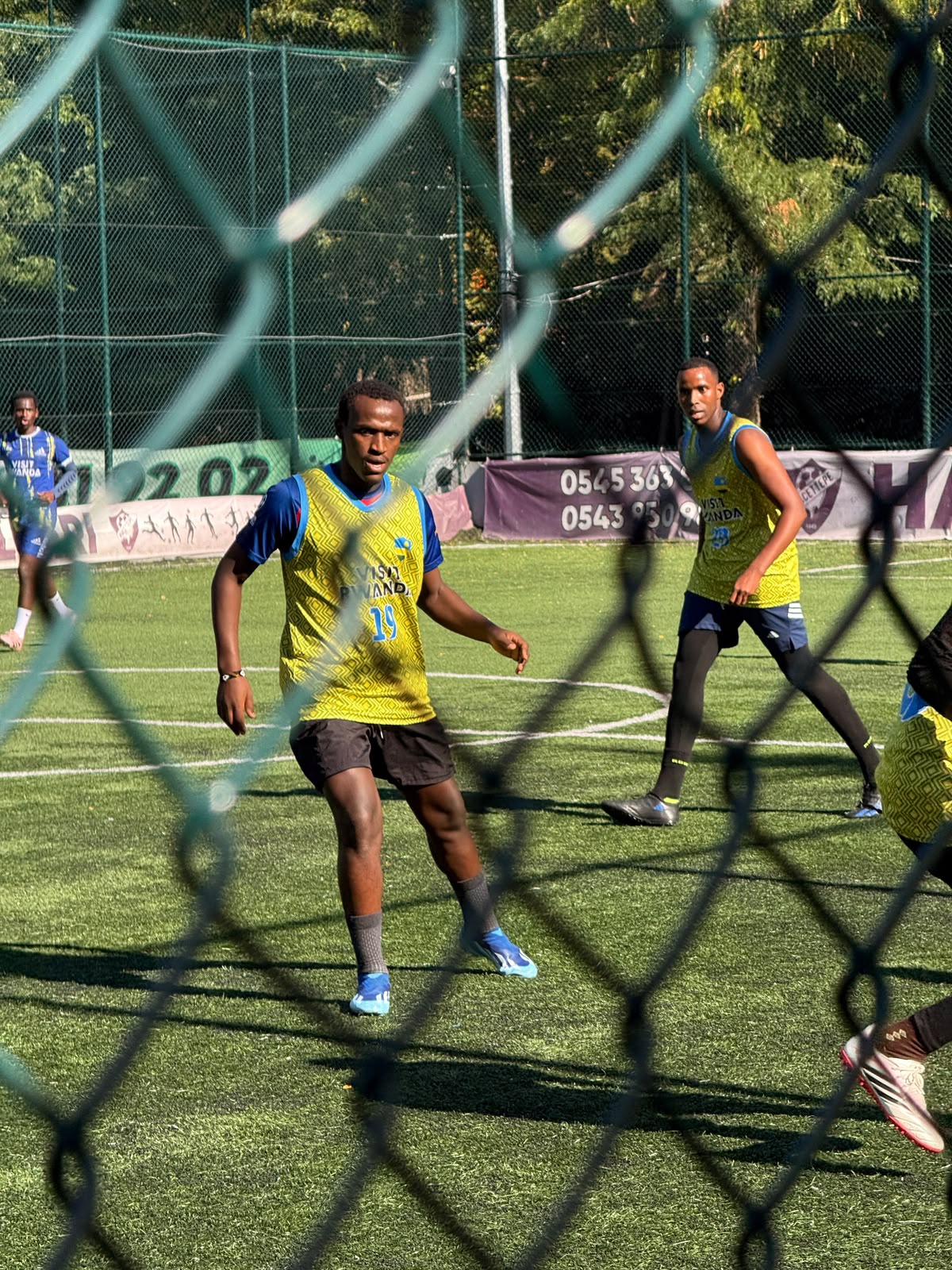
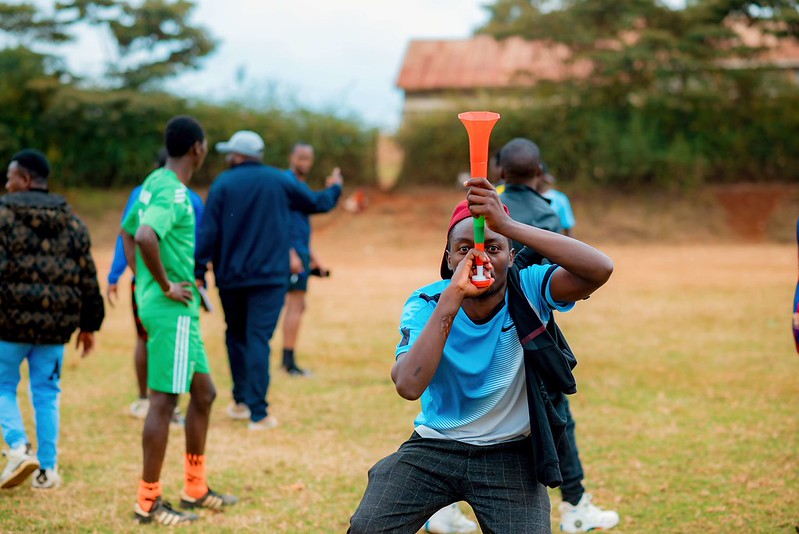
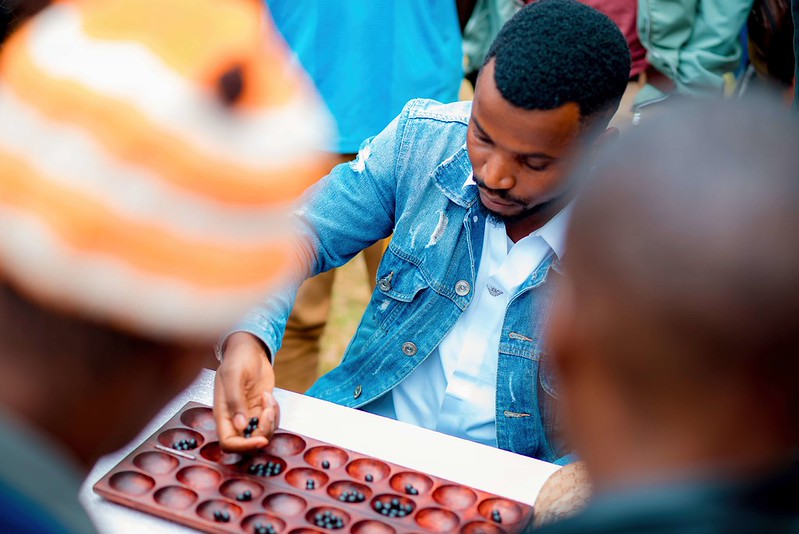
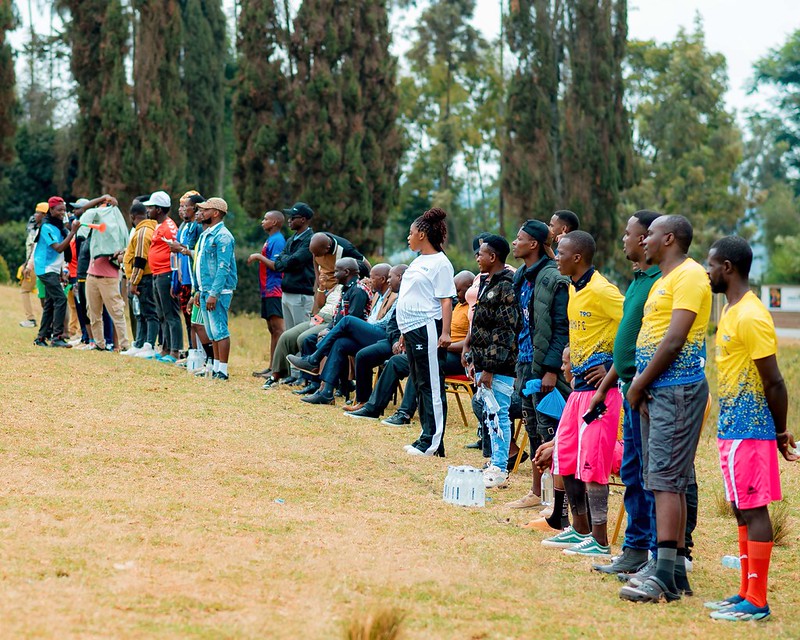
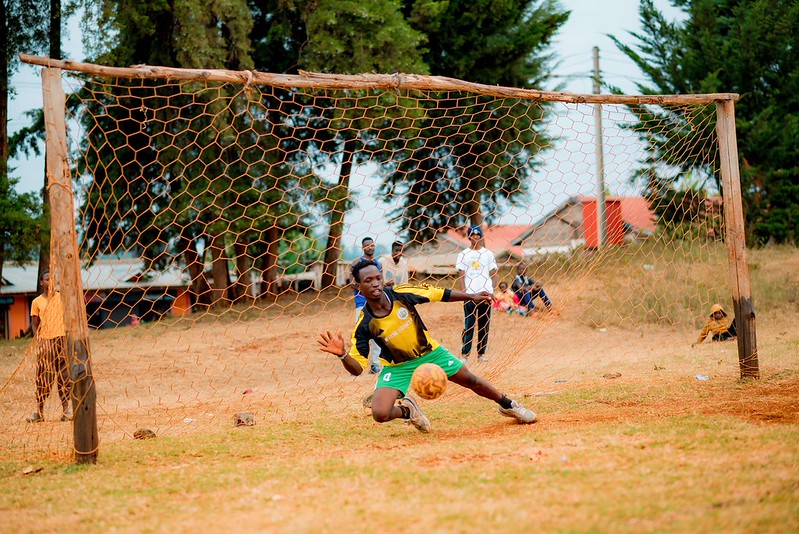
It also featured sports and recreational activities, including a football tournament, basketball competitions and the traditional Rwandan game of Agati.
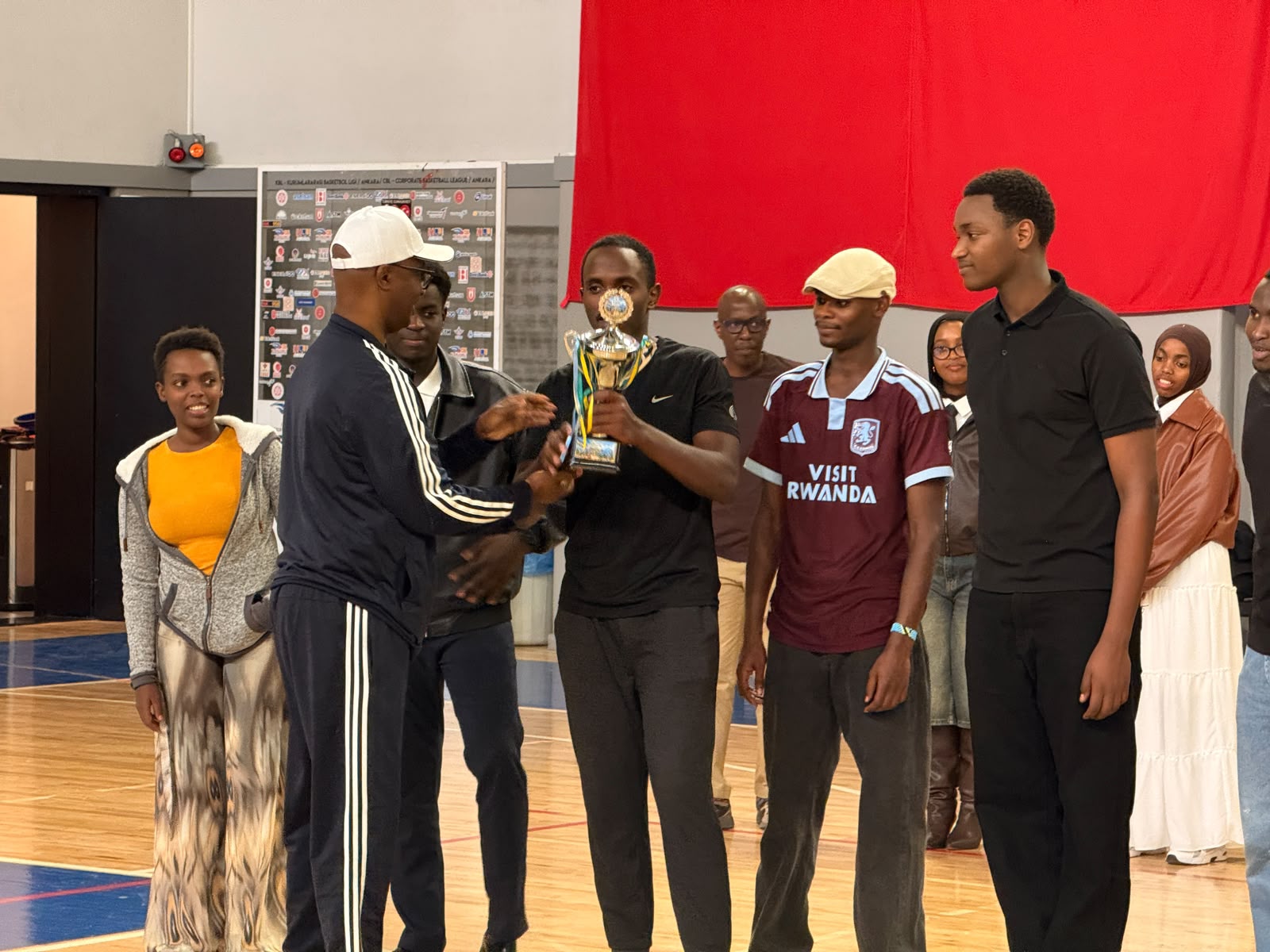
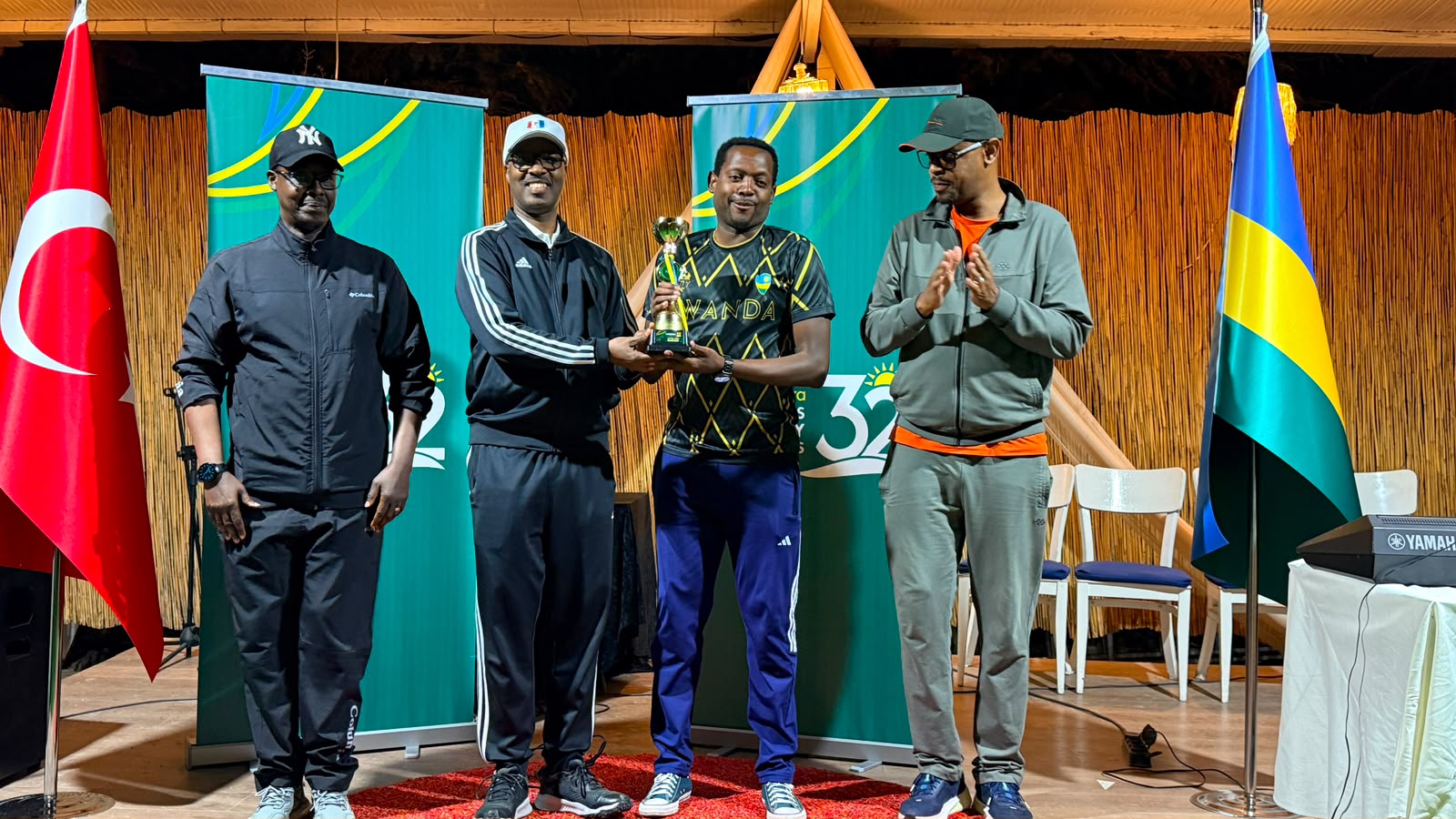
Teams that performed well in the various competitions received awards at the end of the activities.
Patriotism Day is officially commemorated every year on October 1.
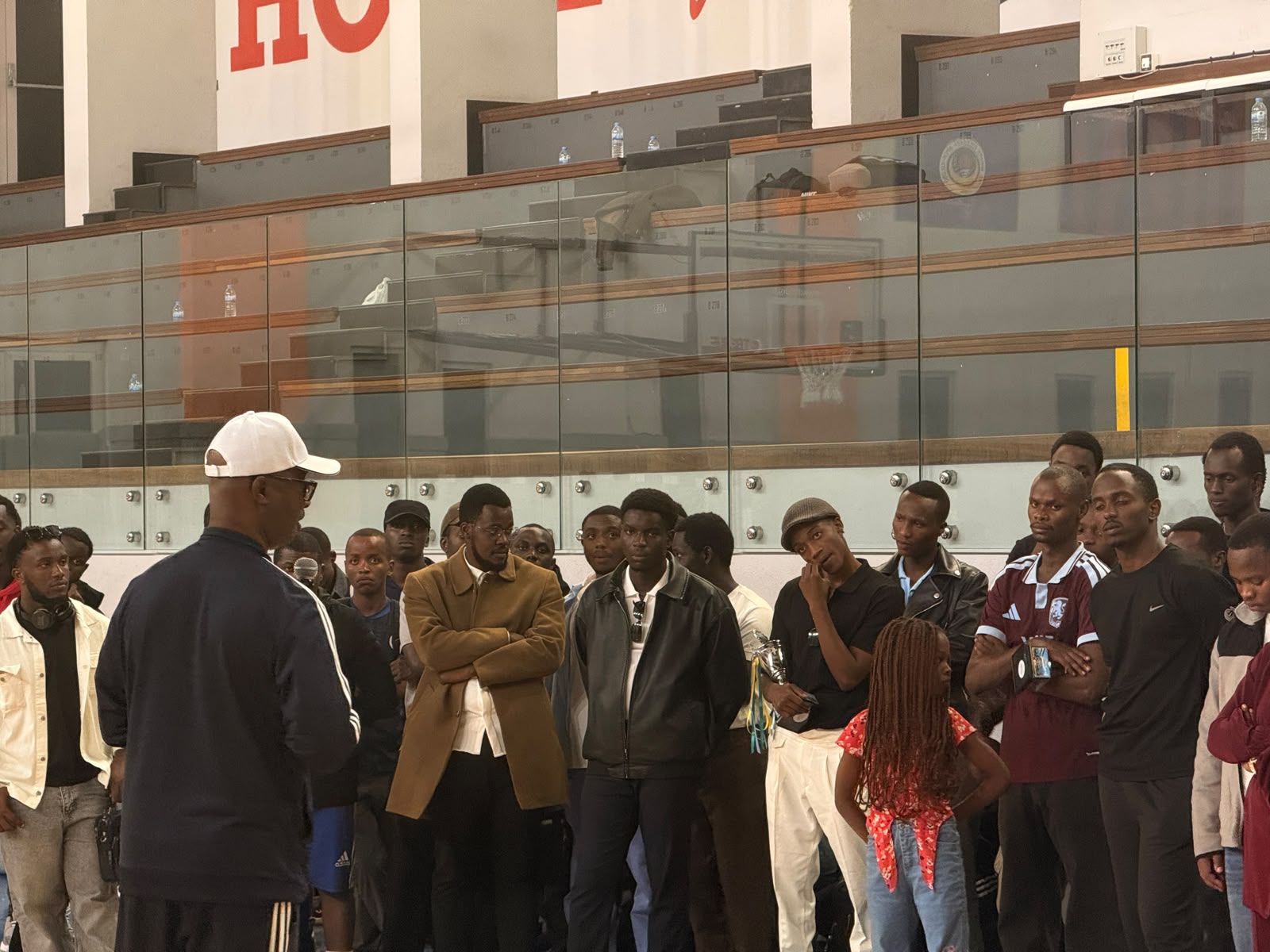
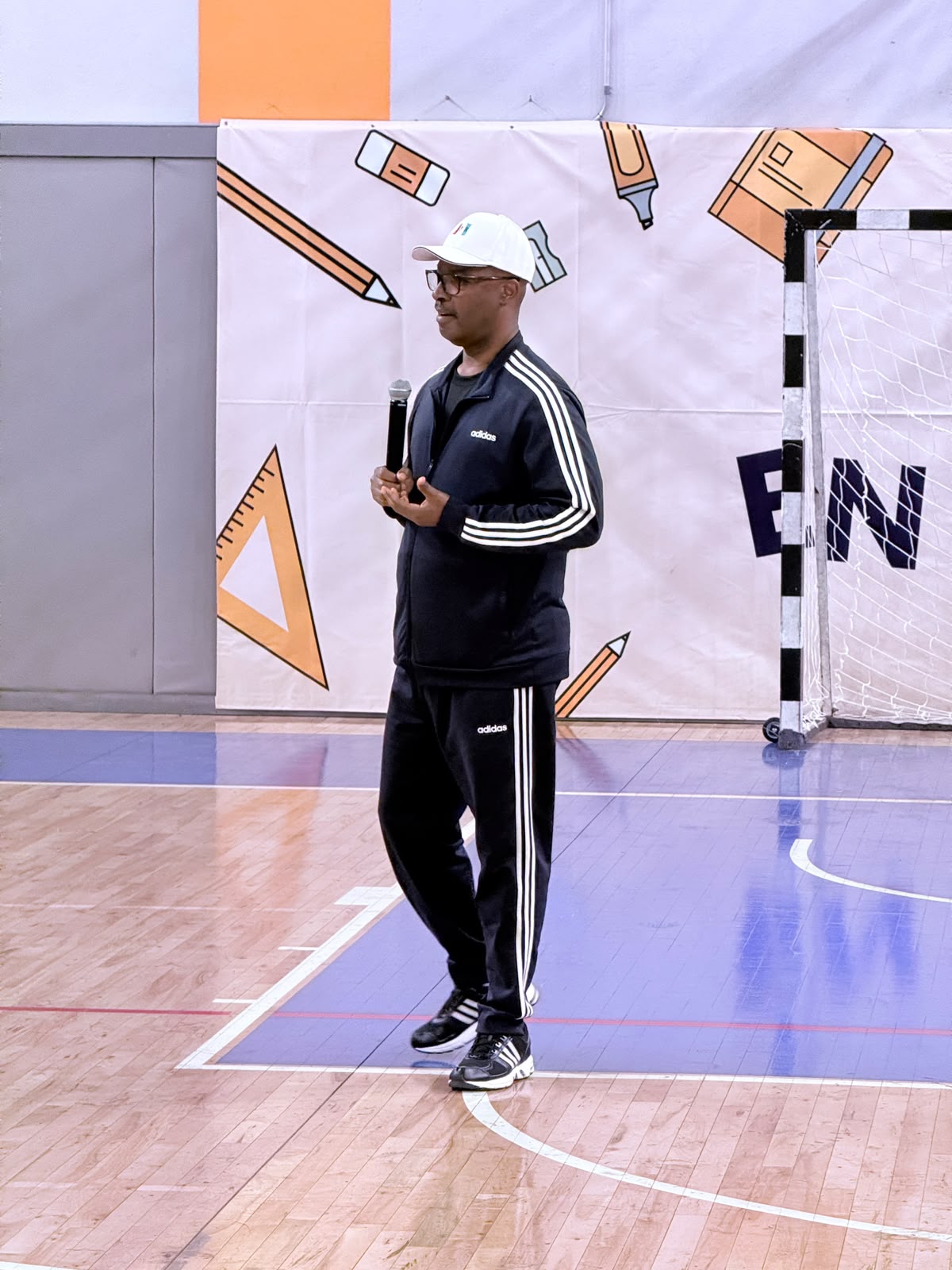
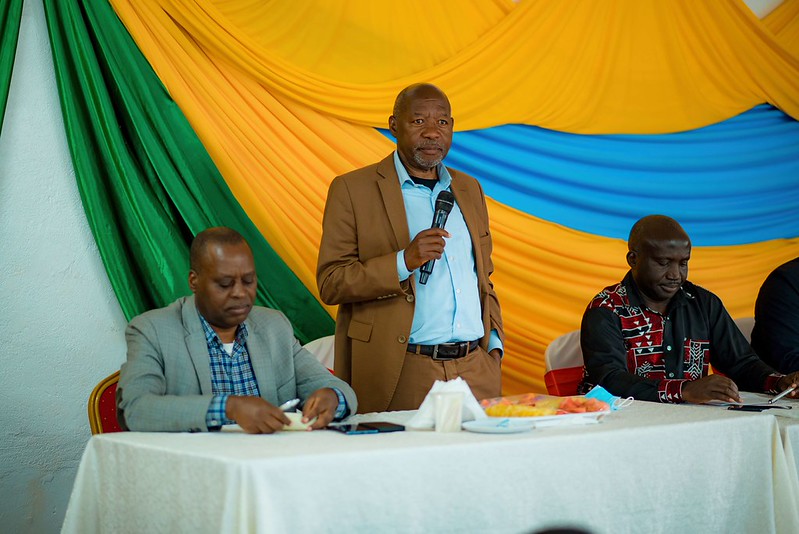
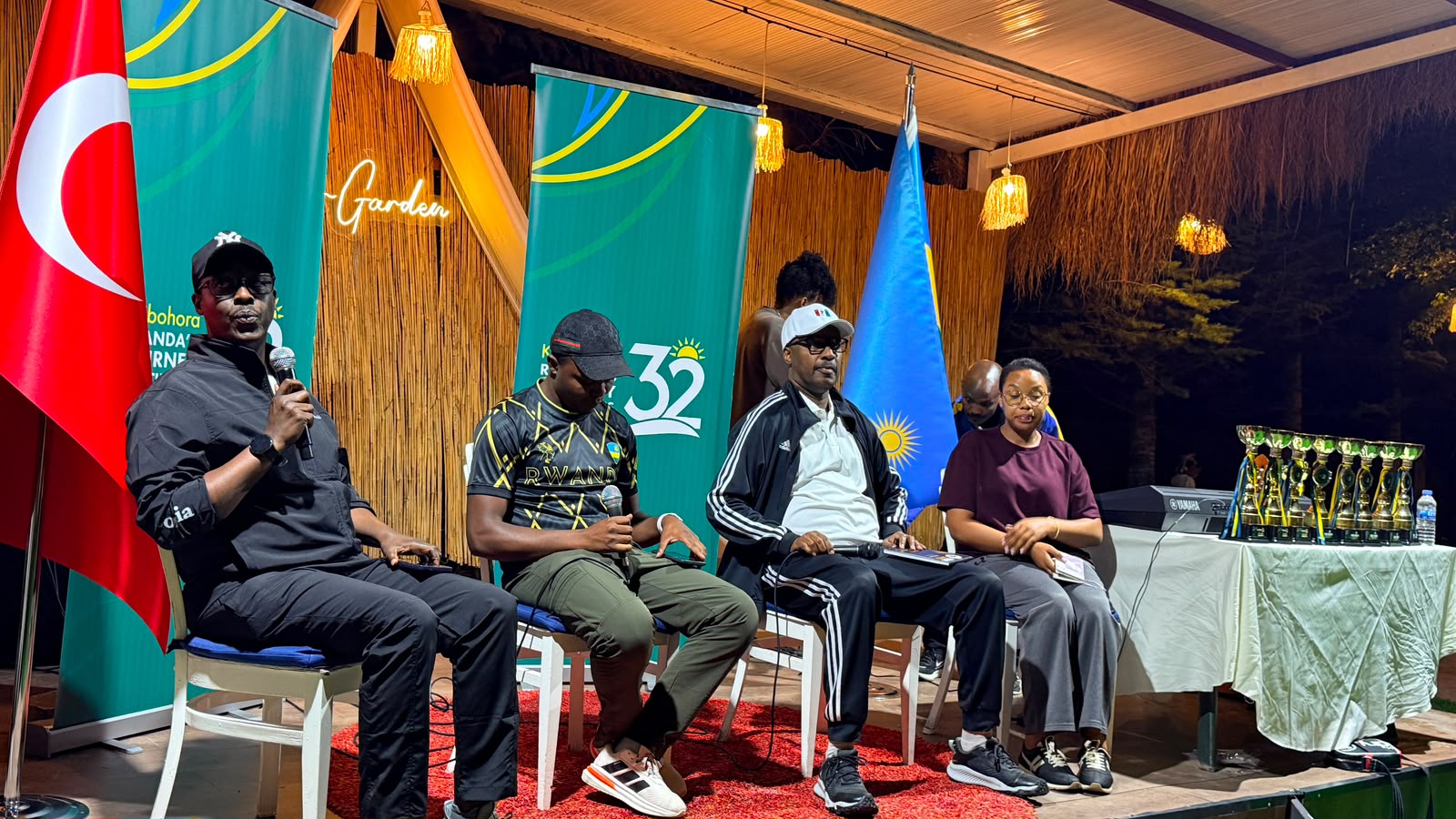
Addressing the participants, Rwanda’s Ambassador to Türkiye, Lt Gen (Rtd) Charles Kayonga, called on young Rwandans to uphold national values and play an active role in shaping the country’s future.
He explained that the October 1 commemoration provides an opportunity to remember the sacrifices made by those who placed the interests of the country above their personal interests.
The Ambassador highlighted October 1, 1990, when the Rwandan Patriotic Front (RPF), through its armed wing, the Rwandan Patriotic Army (RPA), launched its struggle for the liberation of Rwanda.
He recalled that many young people at the time chose to leave behind their personal activities and comfort to join a struggle in which they knew they faced serious risks, including the possibility of losing their lives.
He urged young people today to draw lessons from the commitment and sacrifice demonstrated by members of the RPA and, more broadly, the RPF, from the beginning of the struggle in 1990 through the end of the Genocide against the Tutsi in 1994.
Youth urged to safeguard Rwanda’s achievements
Ambassador Kayonga also highlighted some of the challenges that young people may face.
He particularly warned against the continued spread of genocide ideology and attempts to mislead young people through technology and social media.
He also identified drug use and excessive alcohol consumption as behaviours that can undermine young people’s future and weaken their ability to fulfill their responsibilities to their country.
Against these challenges, he called on young Rwandans living in Türkiye to remain committed to national values and to play their part in protecting the achievements Rwanda has made.
He encouraged them to build on these achievements and contribute to taking Rwanda towards an even better future.
A responsibility shared by all Rwandans
The Ambassador stressed that patriotism should not be viewed as the responsibility of a particular group or category of citizens.
Rather, it is a shared responsibility that concerns every Rwandan, wherever they may be.
He therefore encouraged young people to understand, preserve and put Rwanda’s core values into practice in their daily lives, while also passing them on to future generations.
Rwandans living in Türkiye have gathered in Ankara to celebrate Patriotism Day through sports, fellowship and reflection on national values. Young Rwandans in Türkiye have been encouraged to protect Rwanda’s achievements and remain committed to the values that underpin the country’s progress. Rwanda’s Ambassador to Türkiye, Lt Gen (Rtd) Charles Kayonga, has urged young Rwandans to uphold national values and contribute to the country’s future. Participants in Ankara have received awards after competing in football, basketball and other games as part of Patriotism Day celebrations. Rwandan students and other community members in Ankara have marked Patriotism Day with sports and recreational activities. Rwanda’s Ambassador to Türkiye, Lt Gen (Rtd) Charles Kayonga, has urged young Rwandans to uphold national values and contribute to the country’s future.
The story of Maranatha Teenager’s Organization did not begin in January 2021. For its president, Kasine Marie Grace, the roots of the organization go much further back, to her childhood in Rwanda, her arrival in Belgium, her academic and professional journey, and the experiences that shaped her desire to help others.
A dream born in childhood
Since childhood, Kasine says she has been particularly sensitive to the suffering of others, especially children.
She remembers witnessing, while growing up in Rwanda, the difficulties faced by some children living in blended families. Some situations of mistreatment deeply affected her.
At the time, she had a simple dream: when she grew up, she would create an orphanage to welcome and protect children experiencing hardship.
Over the years, that dream did not disappear. It simply took a different form.
Today, rather than creating the orphanage she imagined as a child, Kasine has chosen to build a space for listening, guidance and support, primarily for young people and families settling in Belgium.
From the migration experience to commitment
Her own journey also played a decisive role in the creation of Maranatha.
Kasine arrived in Belgium while she was in her fourth year of secondary school. She therefore experienced firsthand the challenges of settling in a new country: adapting to a different culture and language, a different school system, new social codes and relationships, and gradually finding her place.
This experience helped her understand that adolescence is already an important period of transition, and that it can become even more challenging when combined with migration.
“A young person arriving in a new country may have abilities, dreams and a genuine desire to succeed, while still needing someone to listen to them, guide them, encourage them and show them that moving forward is possible,” she explains.
This experience is also reflected in the word “Teenager’s”, which is directly connected to young people and this important stage of life.
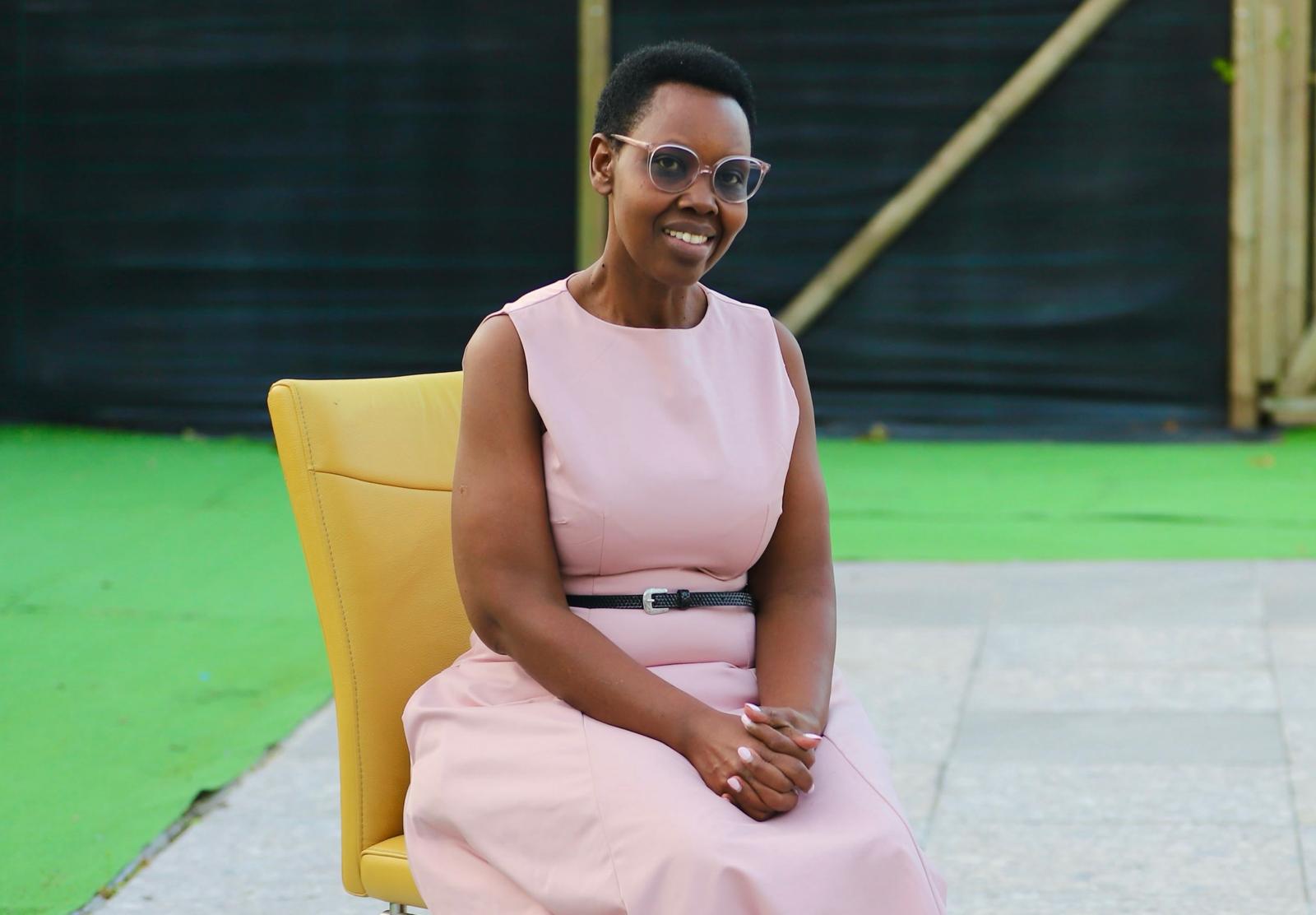
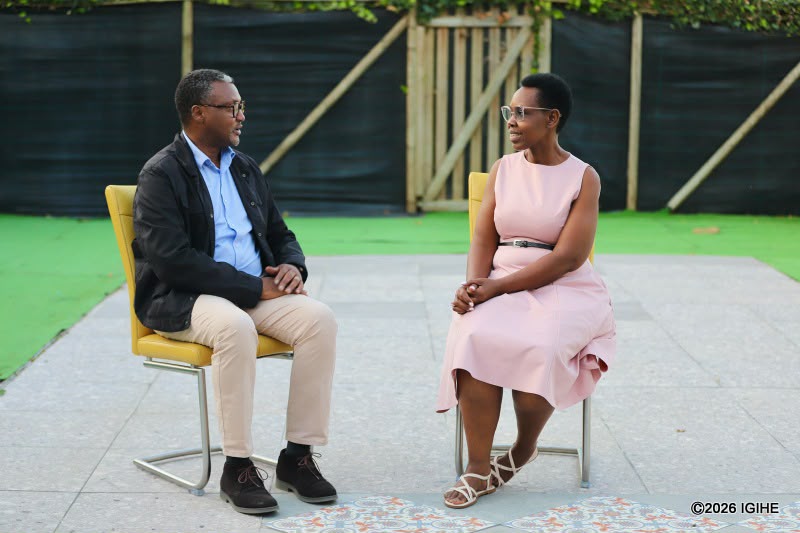
Kasine Marie Grace during an interview with IGIHE
Why “Maranatha”?
The name Maranatha also has its roots in an experience Kasine had during her youth in Rwanda.
She remembers a choir of secondary-school students at Kabusunzu Secondary School in Kigali, known as the Maranatha Choir. Despite having limited resources and having to balance their studies with other daily responsibilities, the young people managed to produce a music video album.
What particularly impressed her was not only the result they achieved, but their motivation, determination and ability to encourage one another to complete their project.
The experience left her with an important conviction: young people are not simply individuals who need help. They are also capable of generating ideas and possess talents, energy and abilities that sometimes simply need to be encouraged and supported.
For her, the name Maranatha therefore represents motivation, solidarity, mutual encouragement and the ability to turn an idea into a concrete project.
Two areas of training supporting her vision
Her academic background also helped shape her approach.
After arriving in Belgium, Kasine continued her education and trained as a social worker before obtaining a master’s degree in engineering and project management in December 2020.
These two fields, she believes, complement each other.
Her social work training taught her to consider a person as a whole: their difficulties, needs, resources, environment and the opportunities available to them.
Project management, meanwhile, gave her the tools to turn an idea into action, set objectives, mobilize resources and develop concrete solutions.
This combination has become one of the foundations of Maranatha’s approach.
Kasine Marie Grace has combined her training in social work and project management to shape the approach of Maranatha Teenager’s Organization.
Listening before looking for solutions
For Kasine, supporting someone does not simply mean providing an immediate answer to their problem.
She often uses the image of a “problem tree”: the visible problem is only what appears on the surface. Behind it may lie deeper causes.
For example, a young person who cannot find employment may be facing a language barrier, a lack of training, limited professional networks, administrative difficulties, family challenges or financial problems.
The organization therefore seeks to understand the person’s situation as a whole.
Its approach is based on several steps: listening, understanding, identifying the underlying causes, finding available resources, developing solutions together and supporting their implementation, with the ultimate goal of gradually promoting autonomy.
For the president of Maranatha, helping does not mean doing things on someone’s behalf. It means accompanying them until they are progressively able to move forward independently.
From social support to autonomy
The organization also seeks to go beyond immediate assistance.
A person may need support to find a school, housing or employment, resolve an administrative issue or access certain services. Once a certain level of stability has been achieved, however, it becomes possible to think about their professional plans and long-term autonomy.
Kasine also envisions developing collective projects or cooperatives in which several people can pool their skills, experience and resources.
The goal is to gradually transform support into the ability to take action and build one’s own future.
An organization built with limited resources
When Maranatha Teenager’s Organization was officially established in January 2021, it did not have significant financial resources.
The project began with limited means but strong determination.
There were lessons to learn, solutions to find, people to convince, activities to organize and challenges to overcome, including moments of doubt.
Five years after its creation, the organization continues its work.
For Kasine, this continuity is itself an important achievement. In her view, it demonstrates that a project can start modestly and develop through perseverance, commitment and the support of others.
The president also emphasizes the important role played by those around her.
She particularly pays tribute to her elder sister, whom she describes as someone who supported her from childhood, as well as her husband, children, volunteers, friends and many others who have contributed to the organization’s activities.
Their support gradually transformed an individual initiative into a collective project.
“What started as my personal project has become a collective story,” Kasine says.
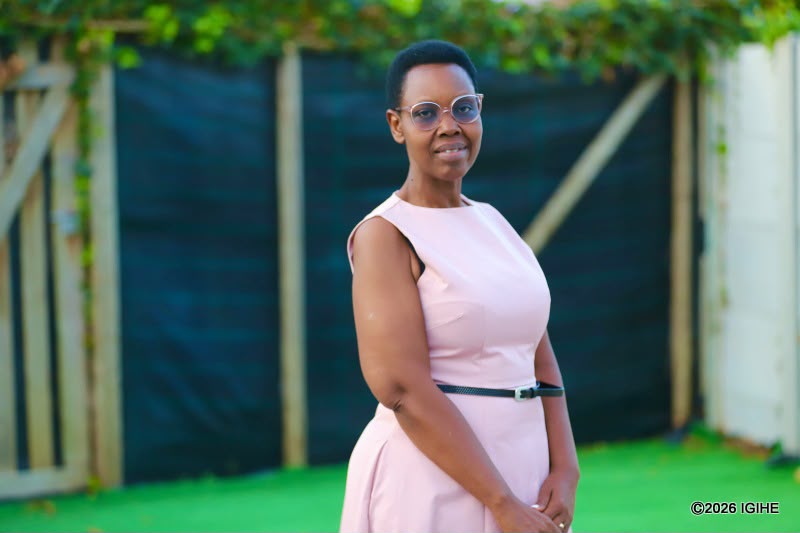
Kasine Marie Grace has said the dream she had as a child has taken a different form through Maranatha Teenager’s Organization.
An inauguration designed by and for young people
A new chapter is now being prepared: the official inauguration of Maranatha Teenager’s Organization, scheduled for 2027.
The event will have a particular feature: its activities will be led by young people from different nationalities.
For Kasine, this choice directly reflects the philosophy of the organization.
Young people should not be seen only as beneficiaries. They should also be active participants in the project, able to propose ideas, take on responsibilities, develop their talents and contribute to shaping their own future.
Diversity will also be at the heart of the event. The organization hopes to bring together young people from different backgrounds so they can share their experiences, cultures, talents and aspirations.
For its president, differences in origin should not prevent young people from building something together.
A call for collective engagement
As the inauguration approaches, Kasine Marie Grace is calling on the diaspora and everyone who wishes to contribute to the initiative.
She is seeking their support, ideas, commitment and participation in order to properly prepare for the event.
For her, supporting young people is a collective responsibility.
Helping young people integrate, build their future and develop their abilities also contributes to the development of communities and helps maintain connections with countries of origin.
The 2027 inauguration is therefore intended to be more than an official ceremony. It is expected to mark the transition from the organization’s first years of development to a new phase in the growth of Maranatha.
A dream that took a different form
Looking back at her journey, Kasine believes that the dream she had as a child has never truly disappeared.
She may not be building the orphanage she once imagined, but she has chosen, together with others, to create a space where young people can be heard, guided, supported and encouraged to build their own futures.
Maranatha Teenager’s Organization therefore carries a personal story that has become a collective one: a childhood dream shaped by a migration experience, strengthened through academic training and transformed into an initiative dedicated to young people.
And for Kasine, the story of Maranatha is only just beginning.
The announcement was made by Rwanda Community Abroad – Canada (RCA-Canada) in partnership with the High Commission of the Republic of Rwanda in Canada in a public notice dated September 23.
The decision means that the programme previously envisaged for Calgary will not take place as originally planned. According to the organizers, the Calgary programme is expected to be held at a later date, with details to be communicated in the coming months.
RCA-Canada said the change followed consultations among the organizing partners and expressed regret for any inconvenience it may cause members of the Rwandan community.
The organization has invited members of the Rwandan community and friends of Rwanda from across Canada to attend the Ottawa convention.
Further information on the programme, venue, registration and other practical arrangements will be released through RCA-Canada’s official communication channels in due course.
“RCA-Canada, in partnership with the High Commission of the Republic of Rwanda in Canada, is grateful for the continued engagement and cooperation of all those involved in the preparations, and looks forward to welcoming the Rwandan community and friends of Rwanda to Ottawa for this important gathering,” the organizers said.
The convention is expected to bring together members of the Rwandan community and friends of Rwanda for a two-day gathering in Ottawa, featuring discussions involving the Rwandan diaspora, networking opportunities, cultural activities and conversations on how participants can contribute to Rwanda’s development and strengthen ties between Rwanda and Canada.
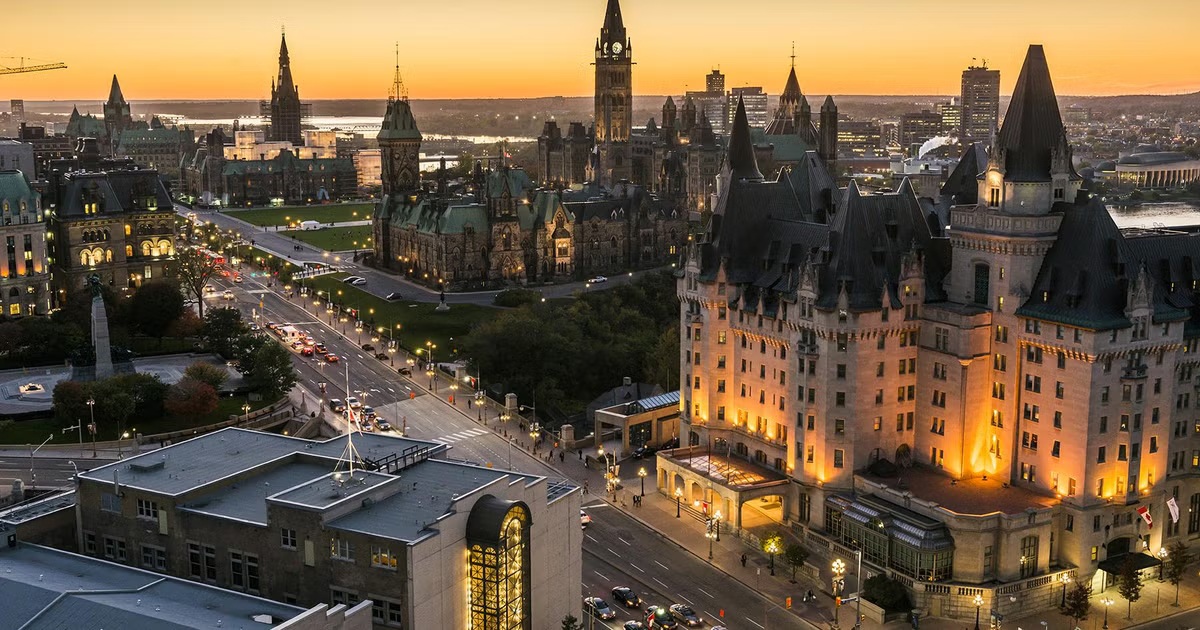
The Rwanda Convention Canada 2026 will be held in Ottawa on October 10–11, 2026.
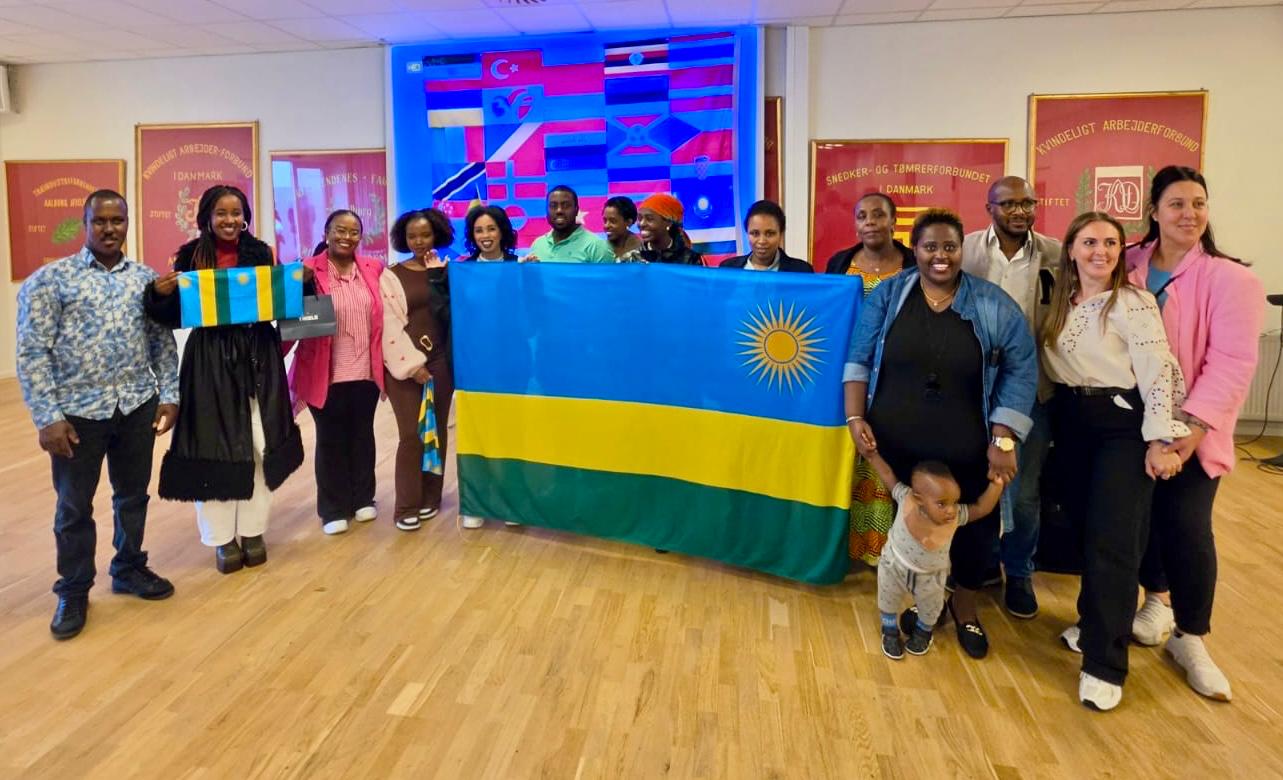
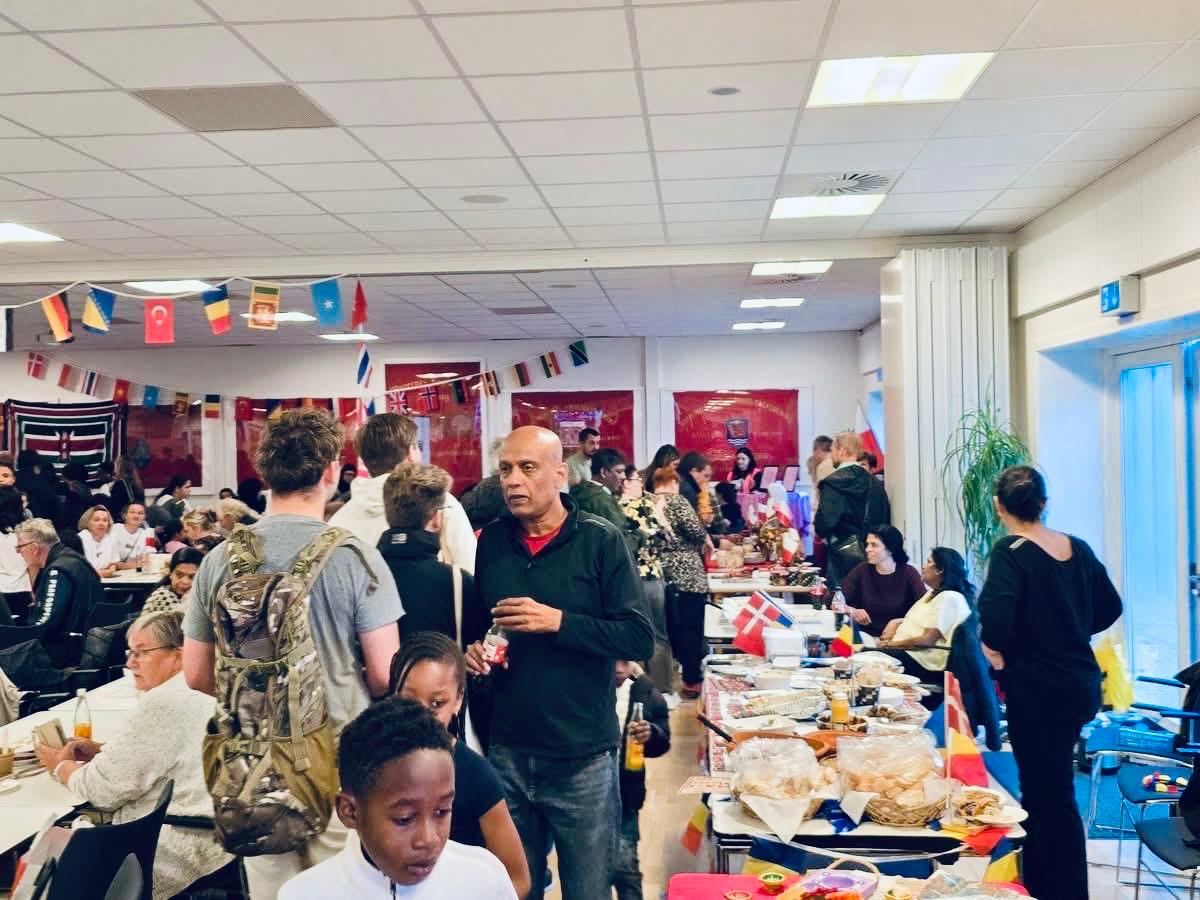
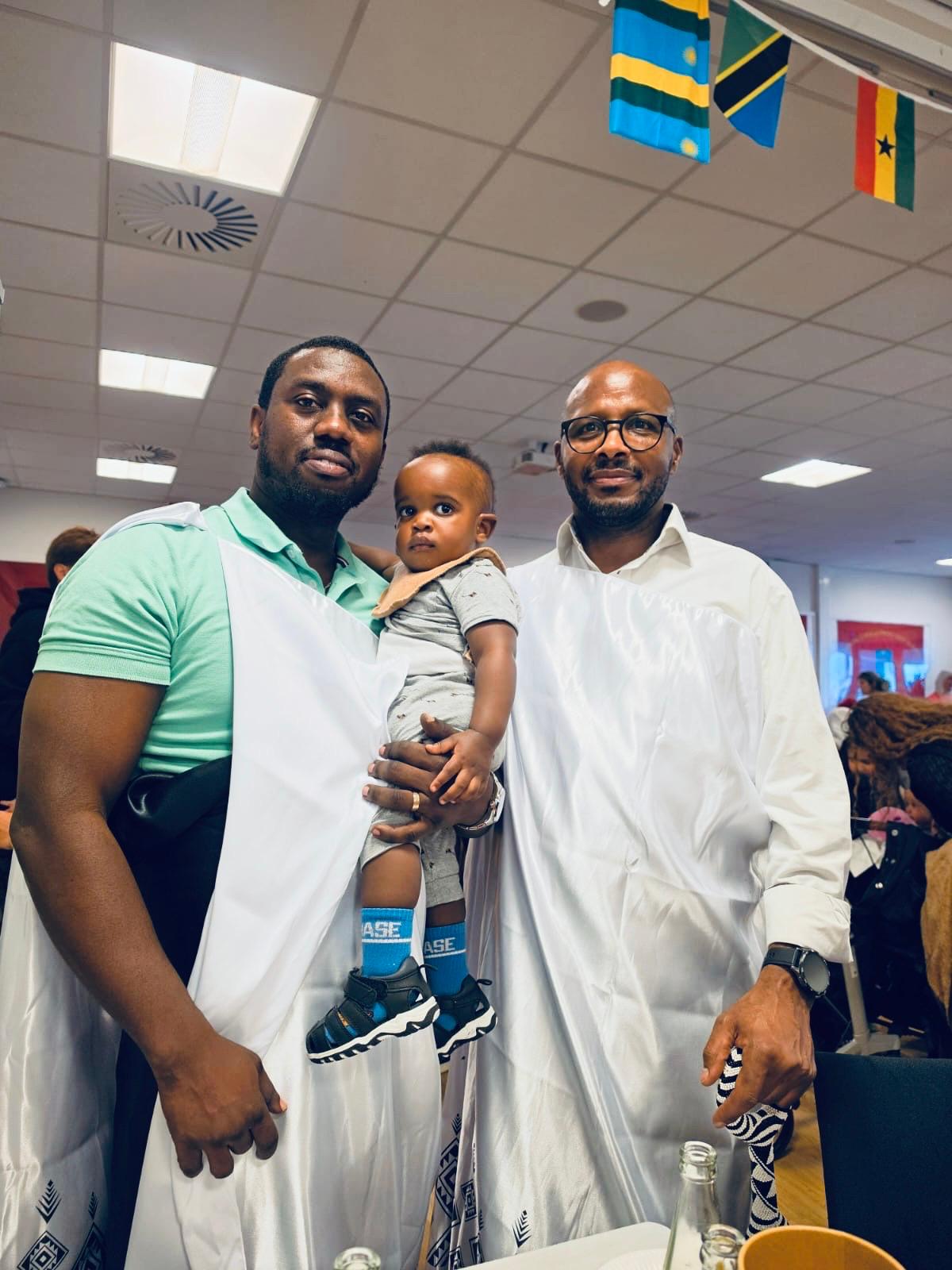
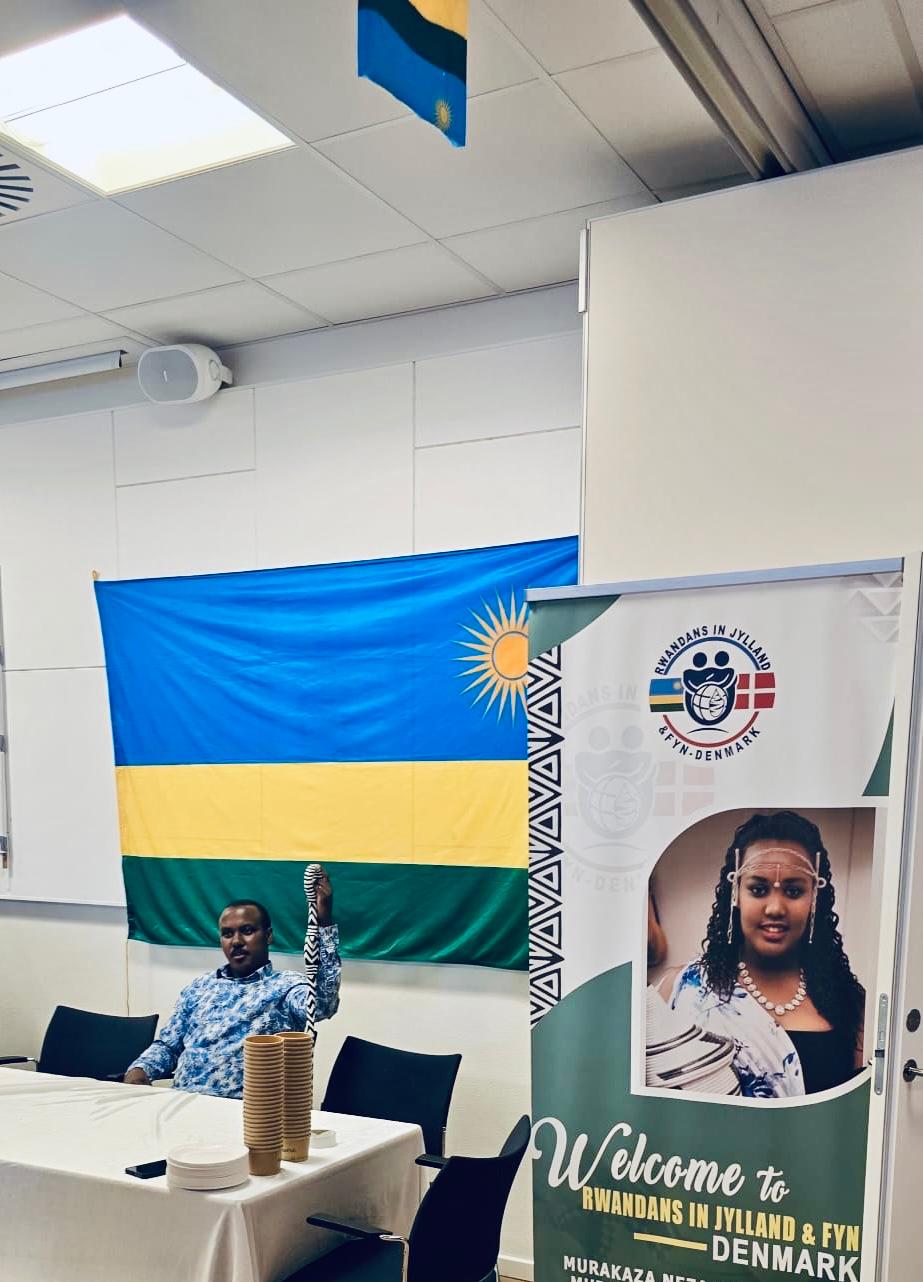
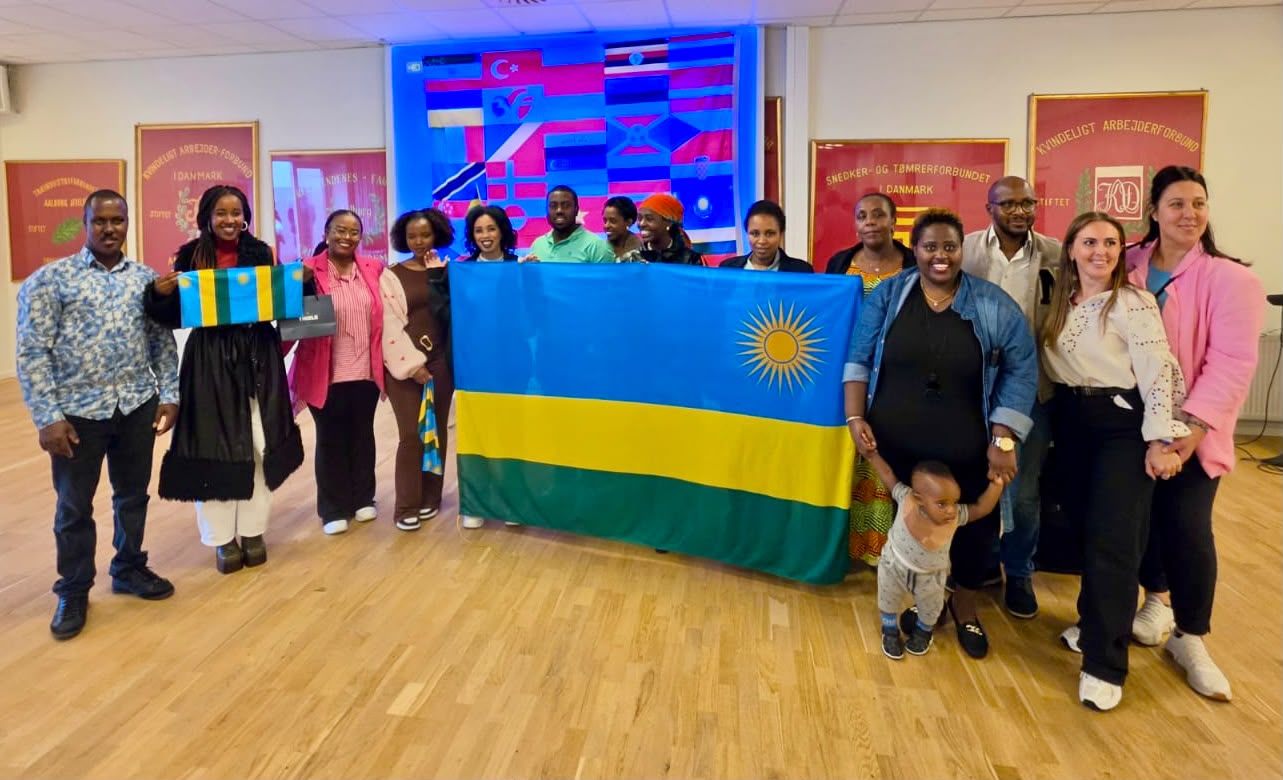
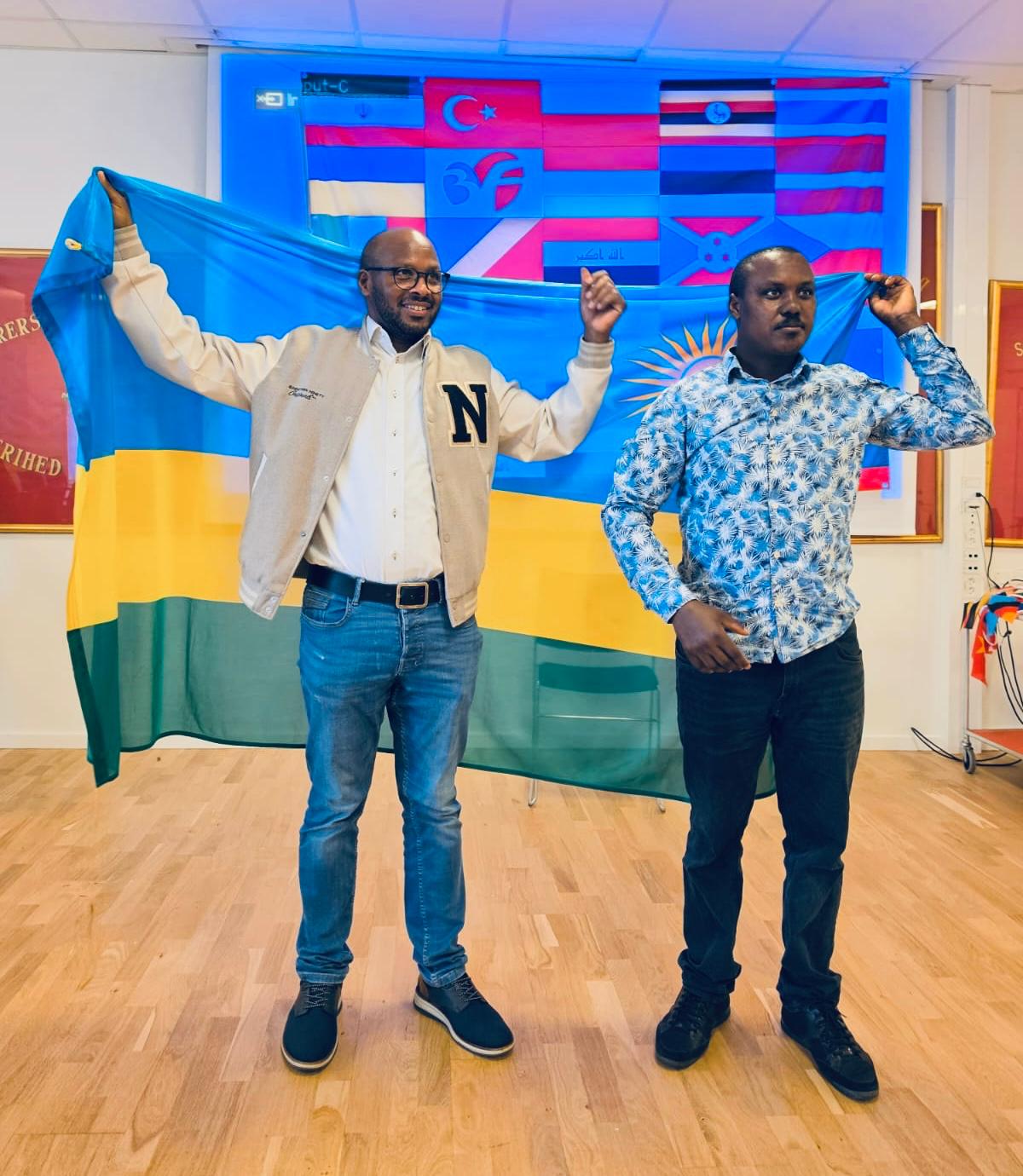
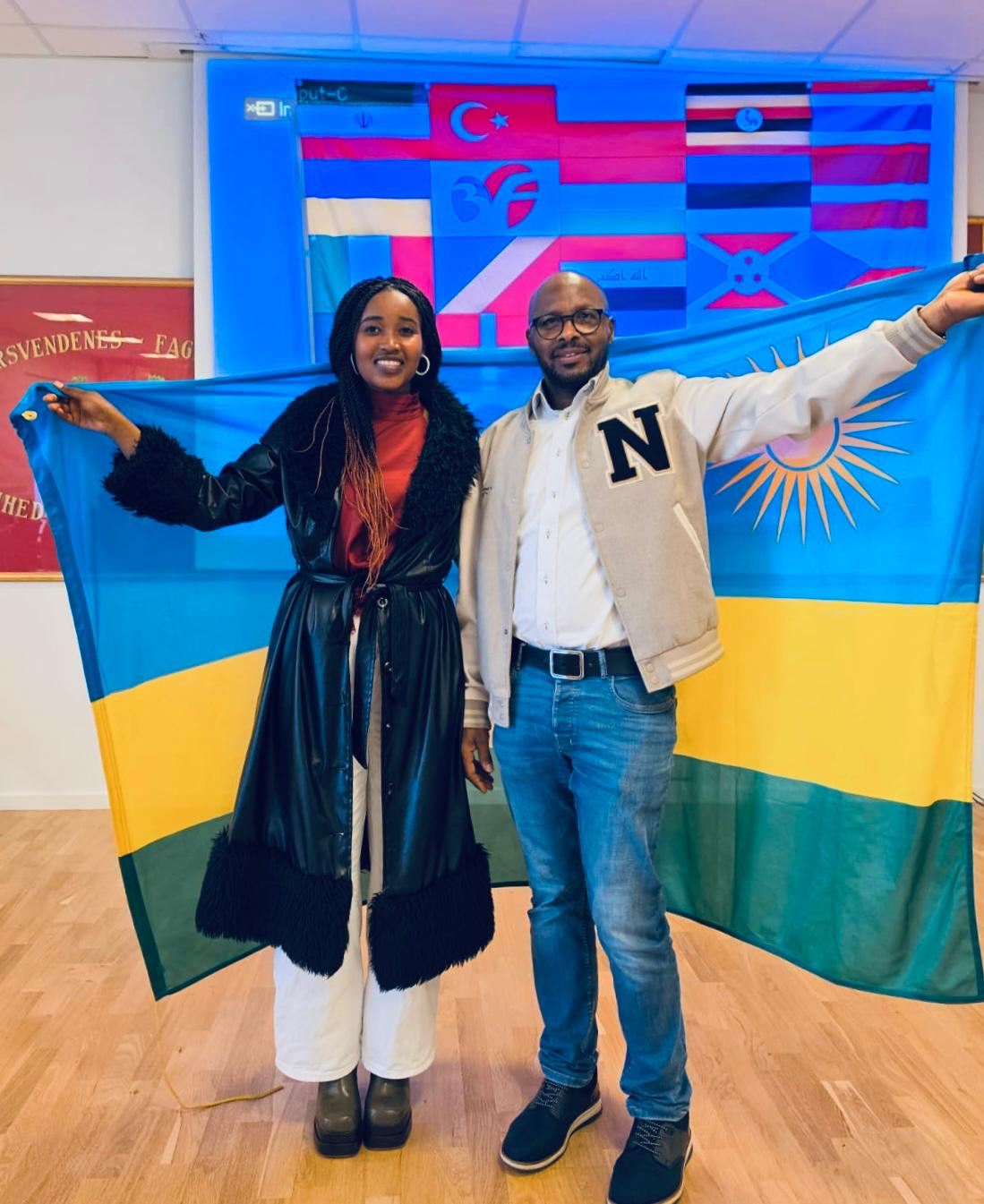
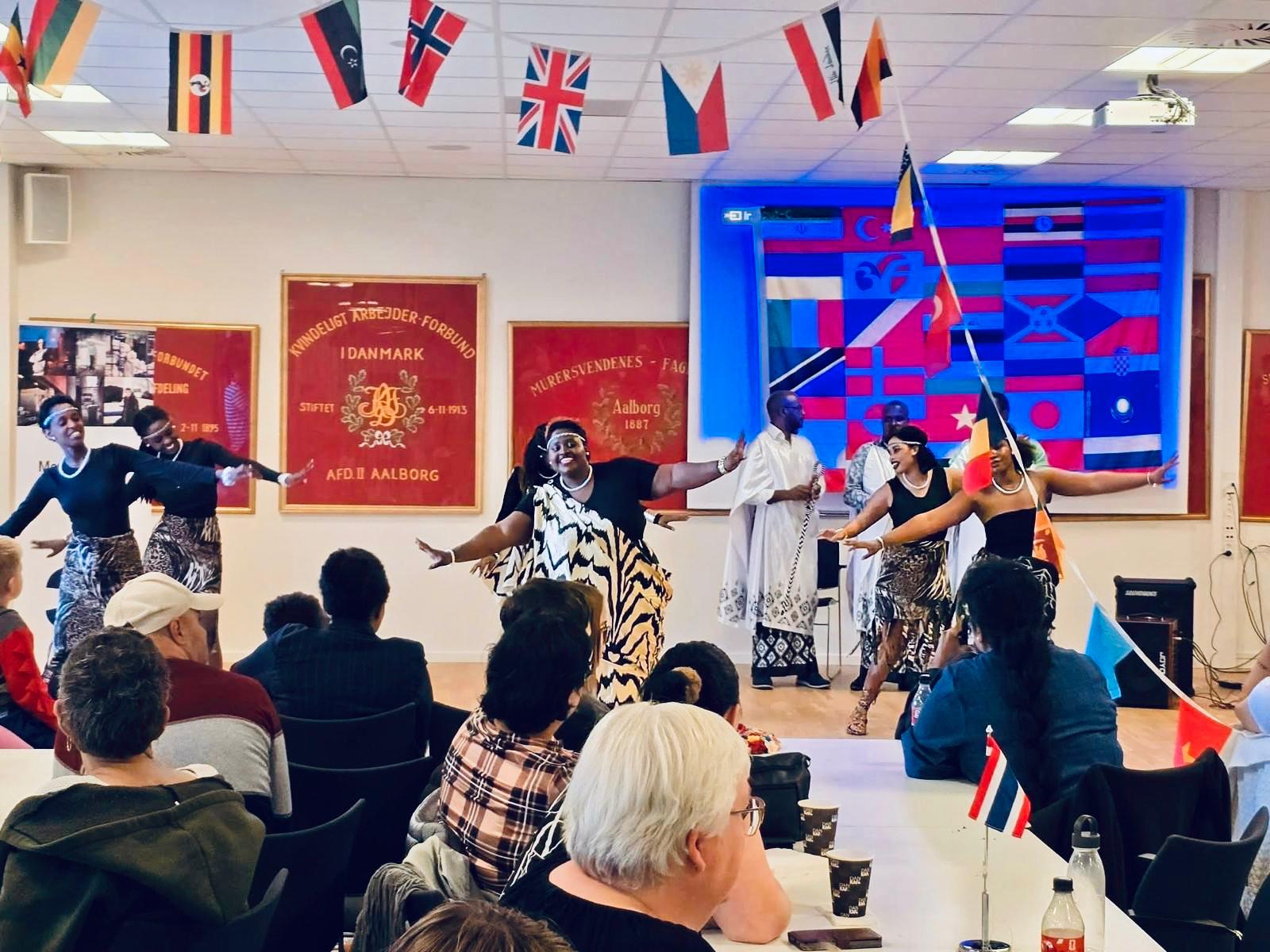
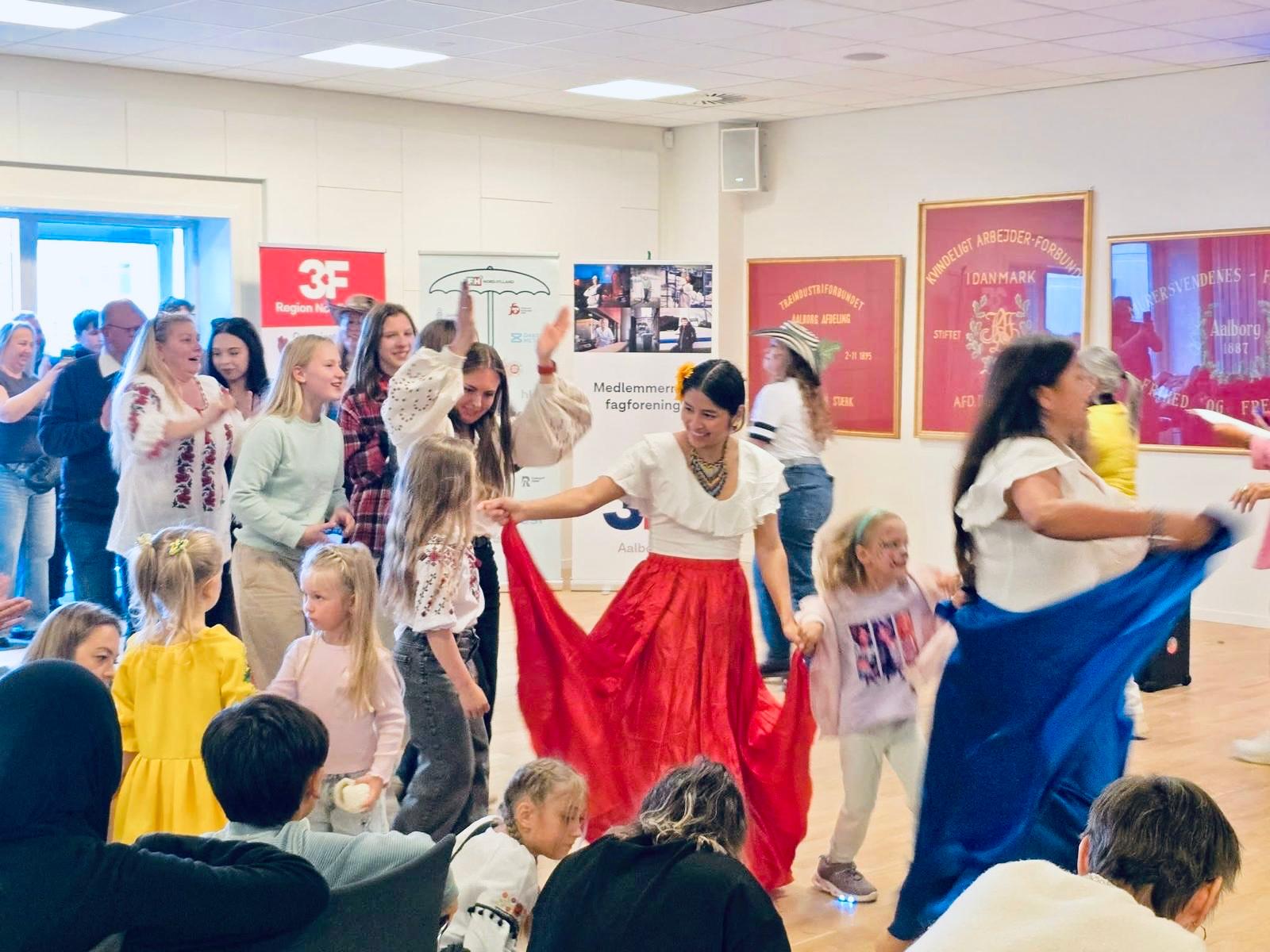
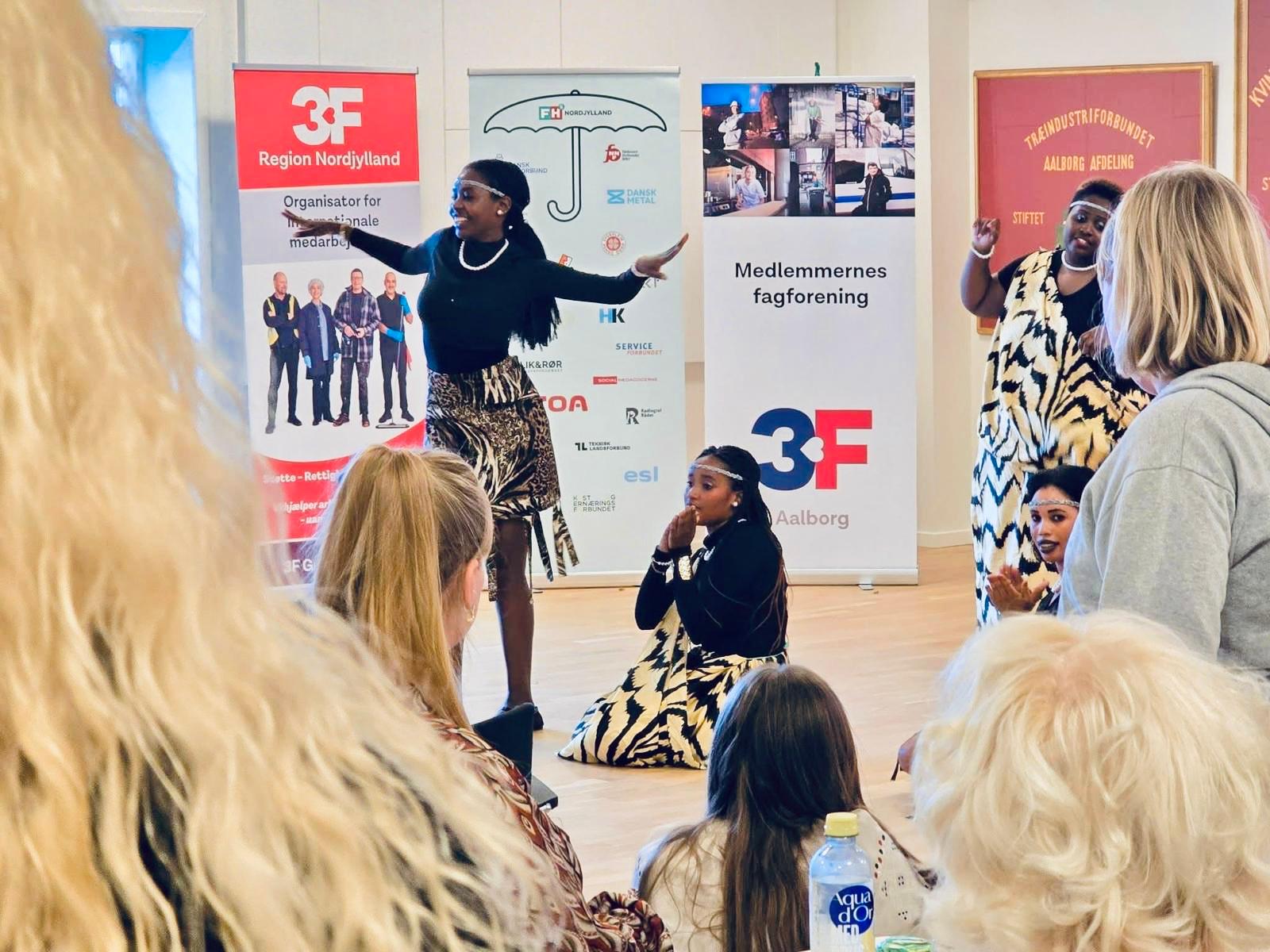
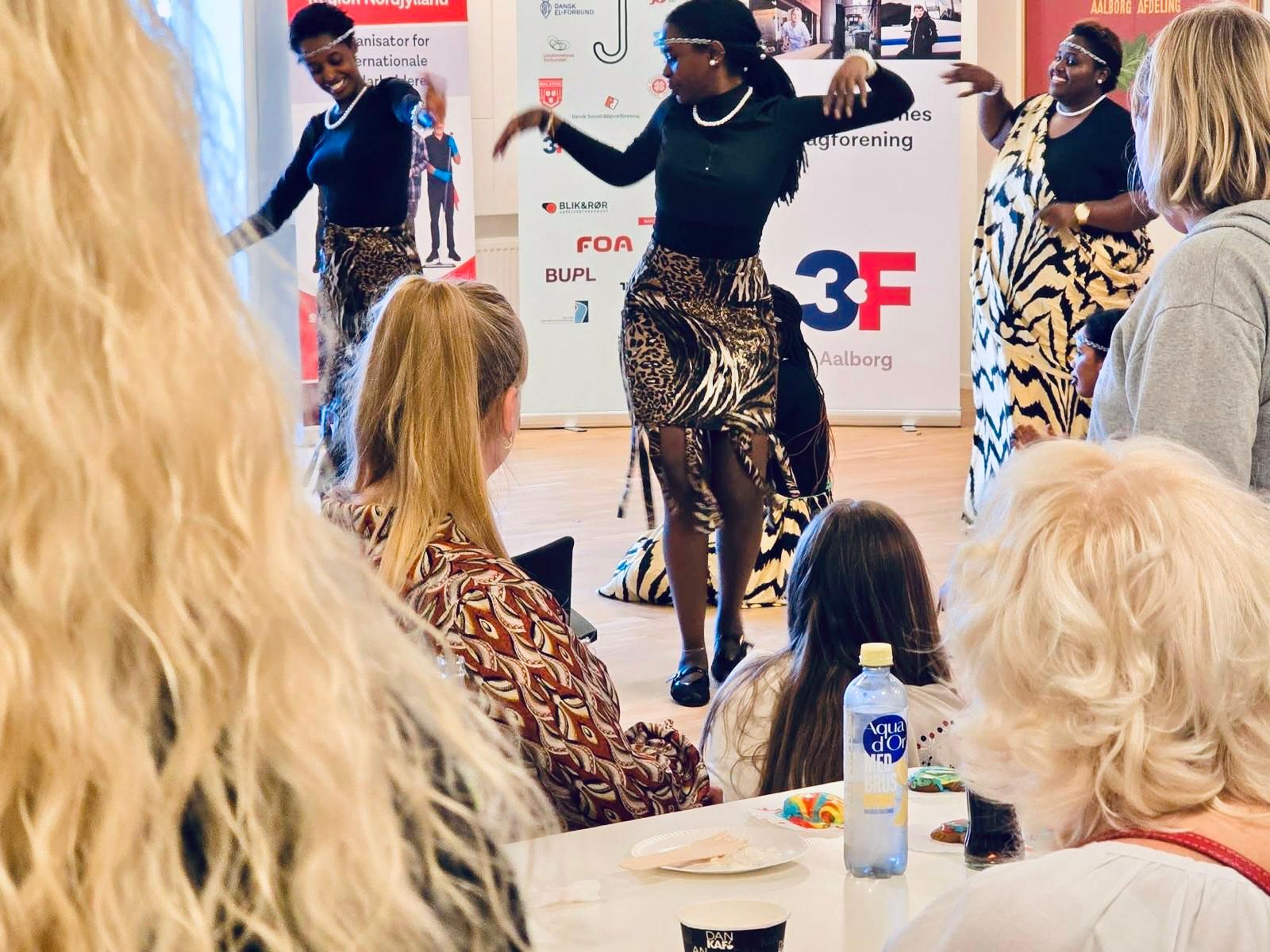
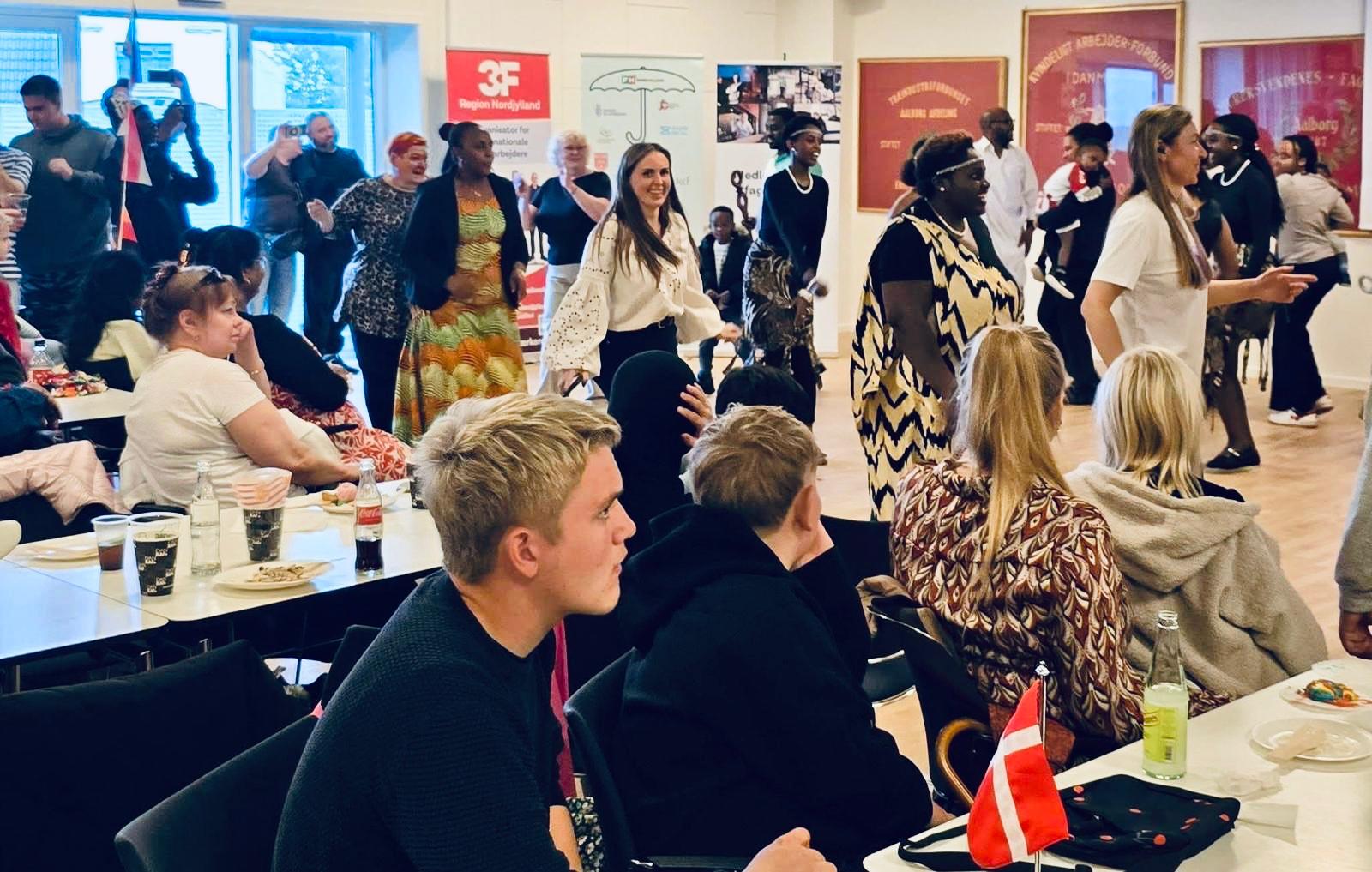
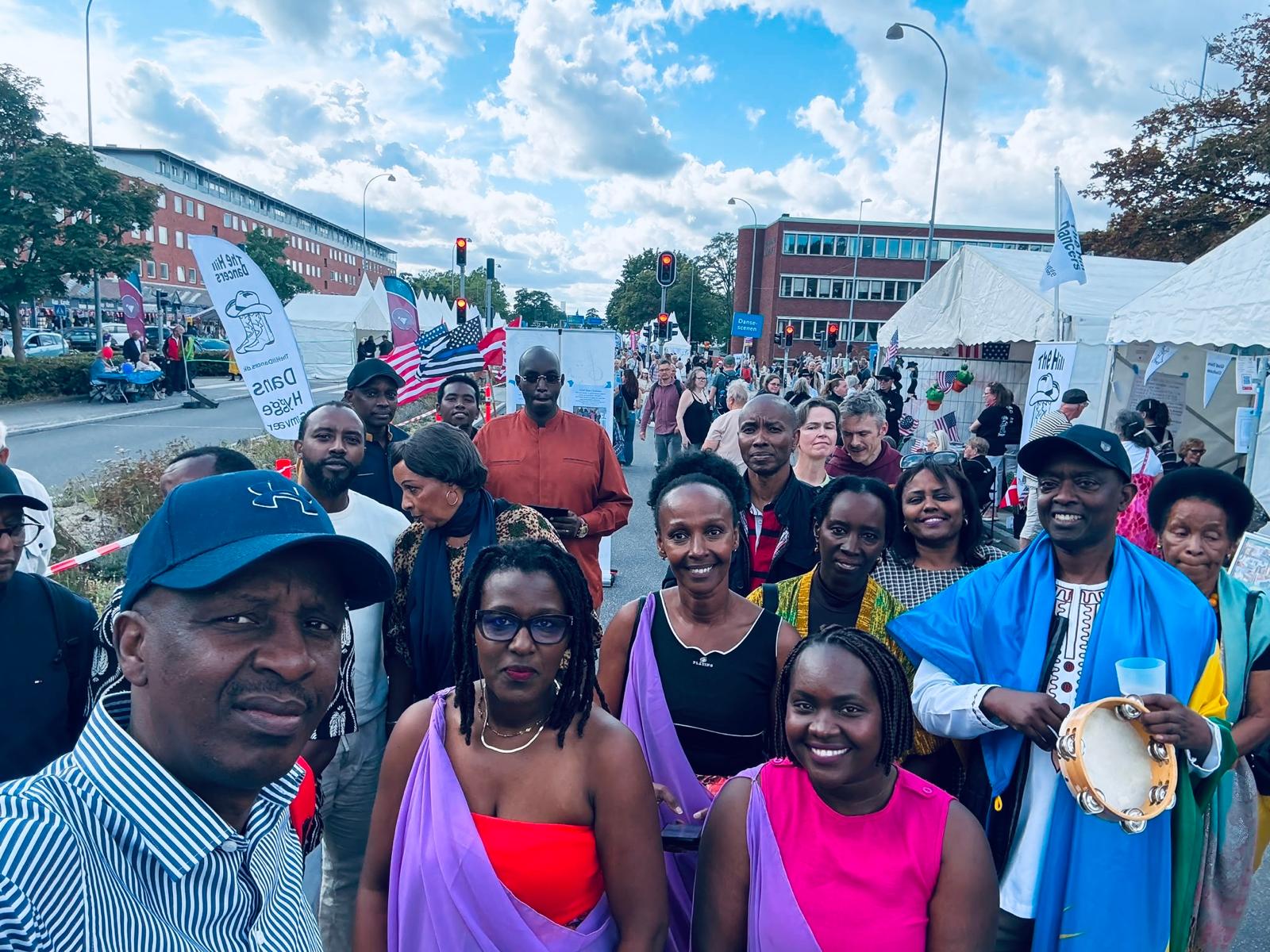
The celebration of the harvest festival by Rwandans living in Northern Europe was held as part of a major regional event organised by the 3F trade union. The event brought together union members living in Denmark, including people from different countries around the world.
Nkubana Paul, the representative of the Rwandan Diaspora in Jutland and Funen, told IGIHE that the gathering provided a valuable opportunity for the different communities to showcase their cultures.
“It was a great opportunity to come together, with each community presenting its culture through traditional cuisine, songs, dances, traditional clothing and other cultural expressions.”
Nkubana said Rwandans showcased their culture through traditional dances as well as agricultural products prepared as local dishes.
“We had the opportunity to talk about today’s Rwanda. We realised that quite a number of people already knew Rwanda and asked us many questions because they were interested in what we were presenting,” he explained.
He also said that participants from other African countries had asked Rwandans to represent them, believing that greater cooperation among African communities would help showcase the continent in a stronger and more united way.
According to him, the African communities present agreed to strengthen their cooperation through various activities, with the aim of promoting greater awareness and understanding of their respective countries and cultures.
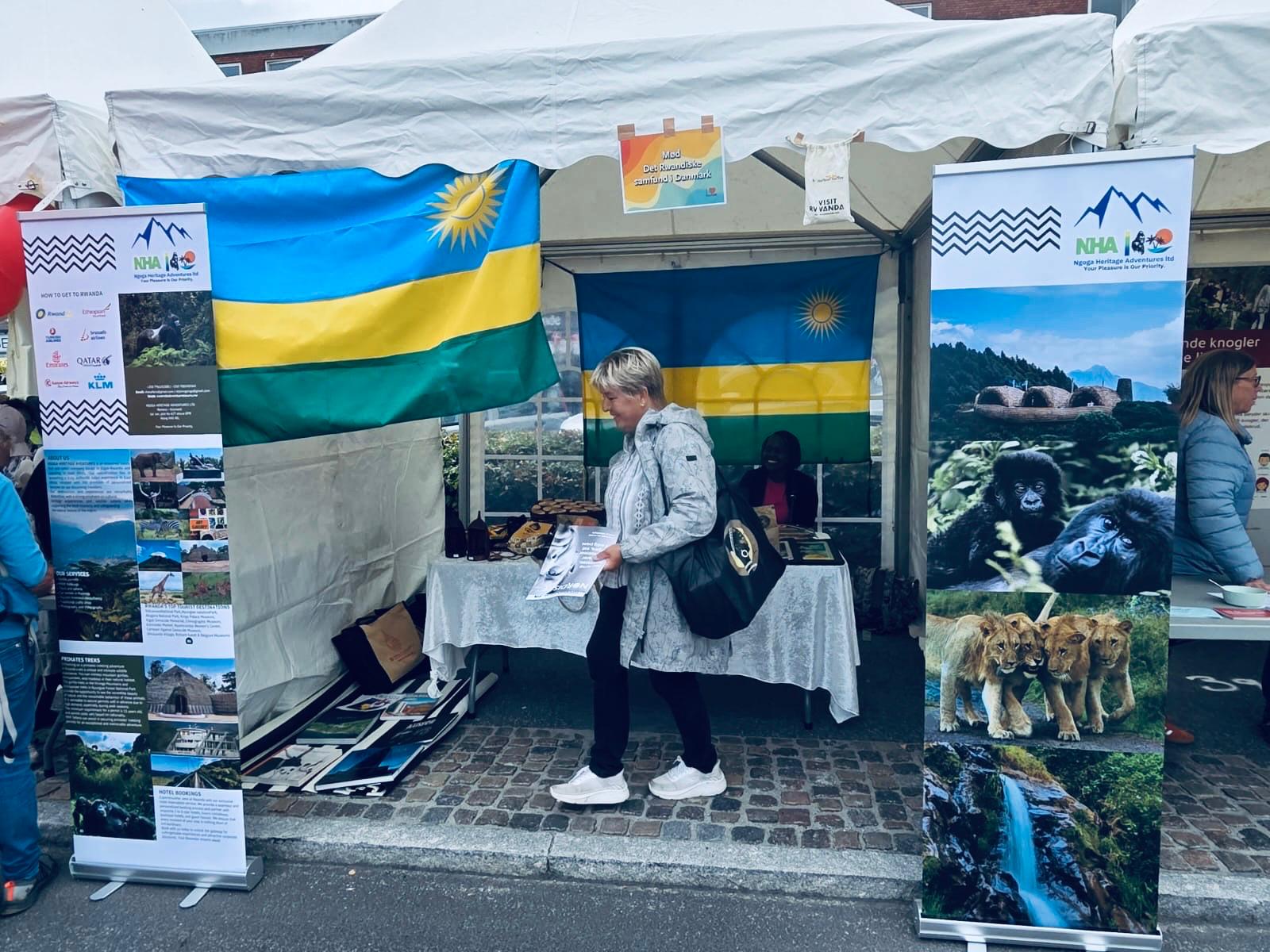
During the event, the Rwandans also presented the Visit Rwanda programme, explaining to participants the ease of travelling to Rwanda, including the possibility of obtaining a visa upon arrival at the airport.
They also highlighted some of Rwanda’s main tourist attractions, including its national parks and the diverse wildlife found there.
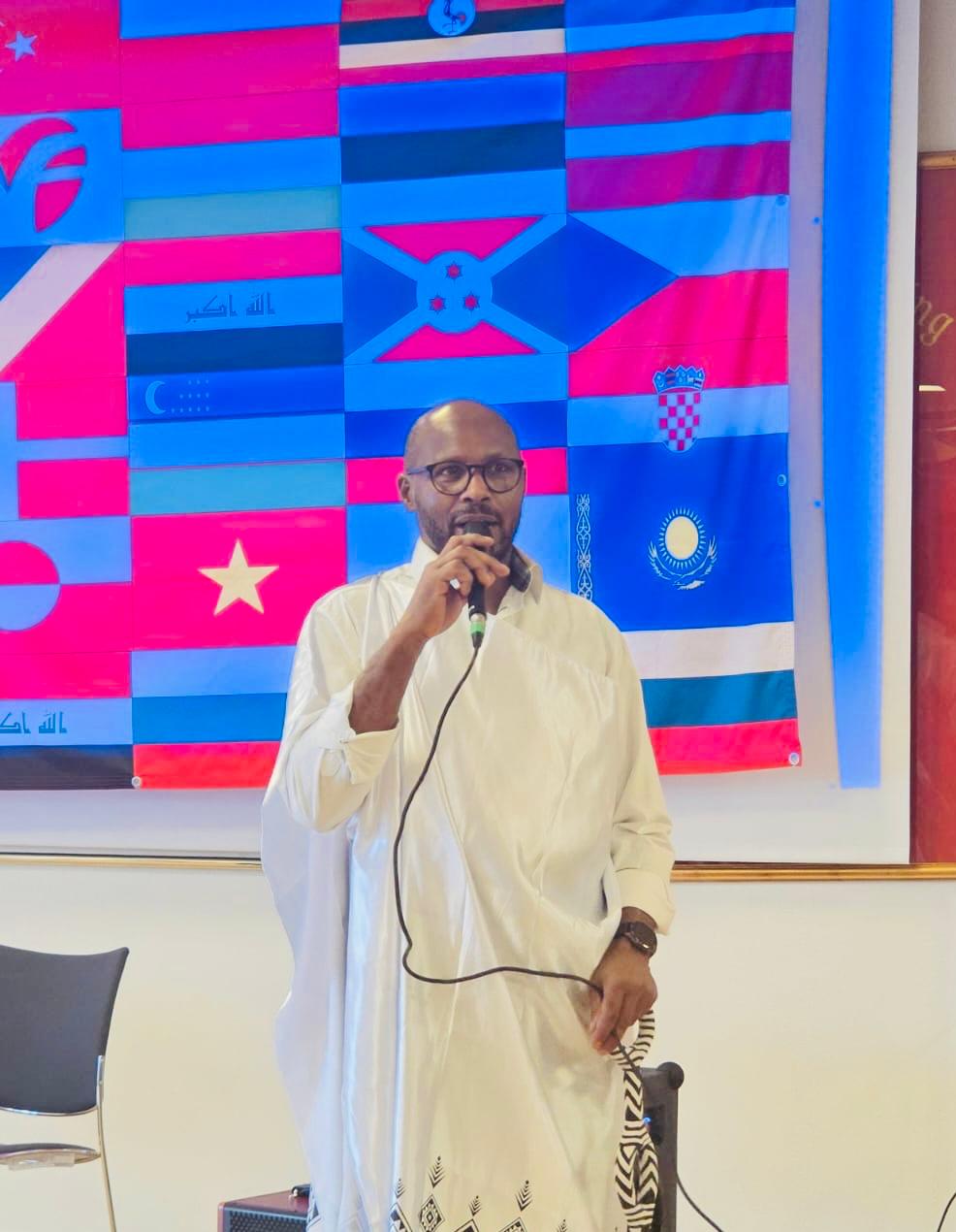
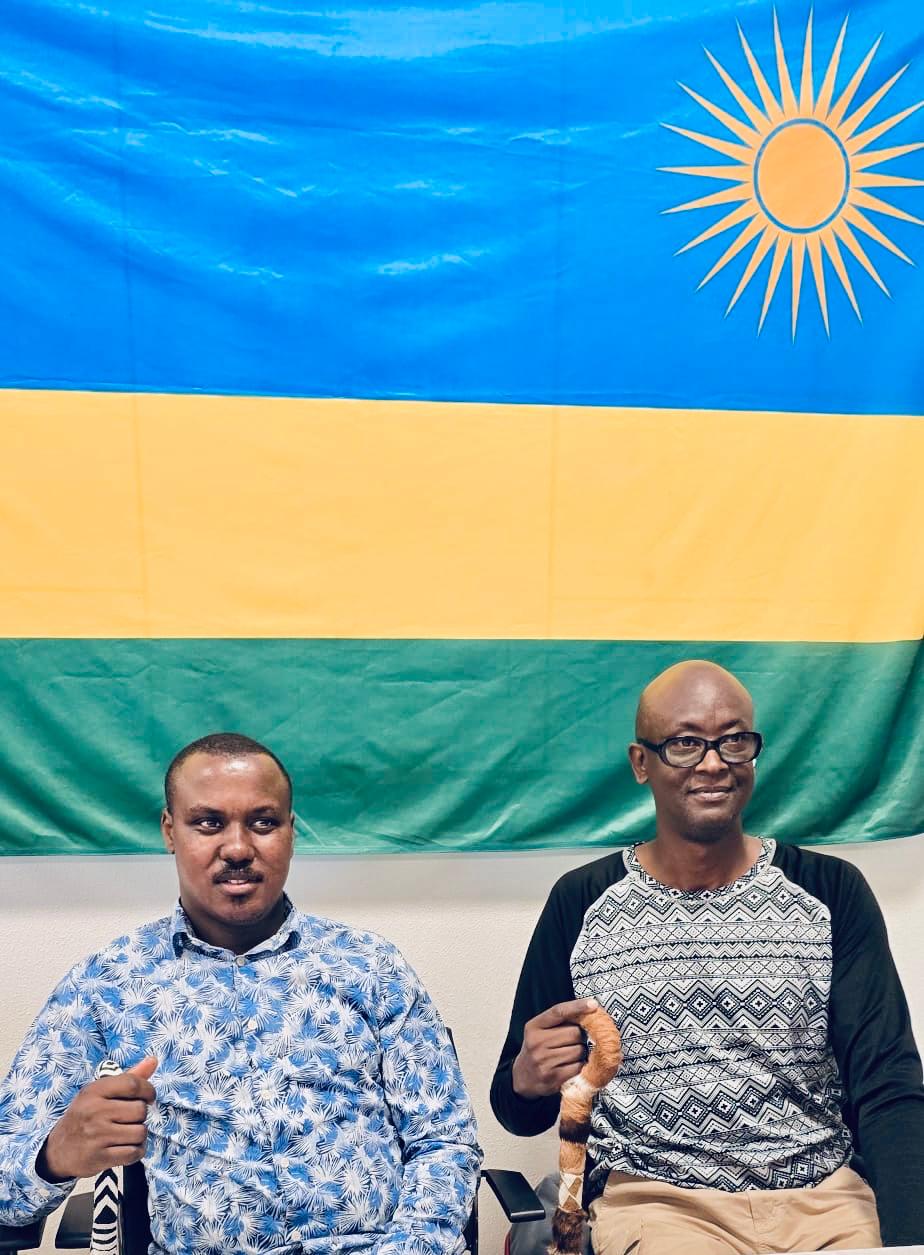
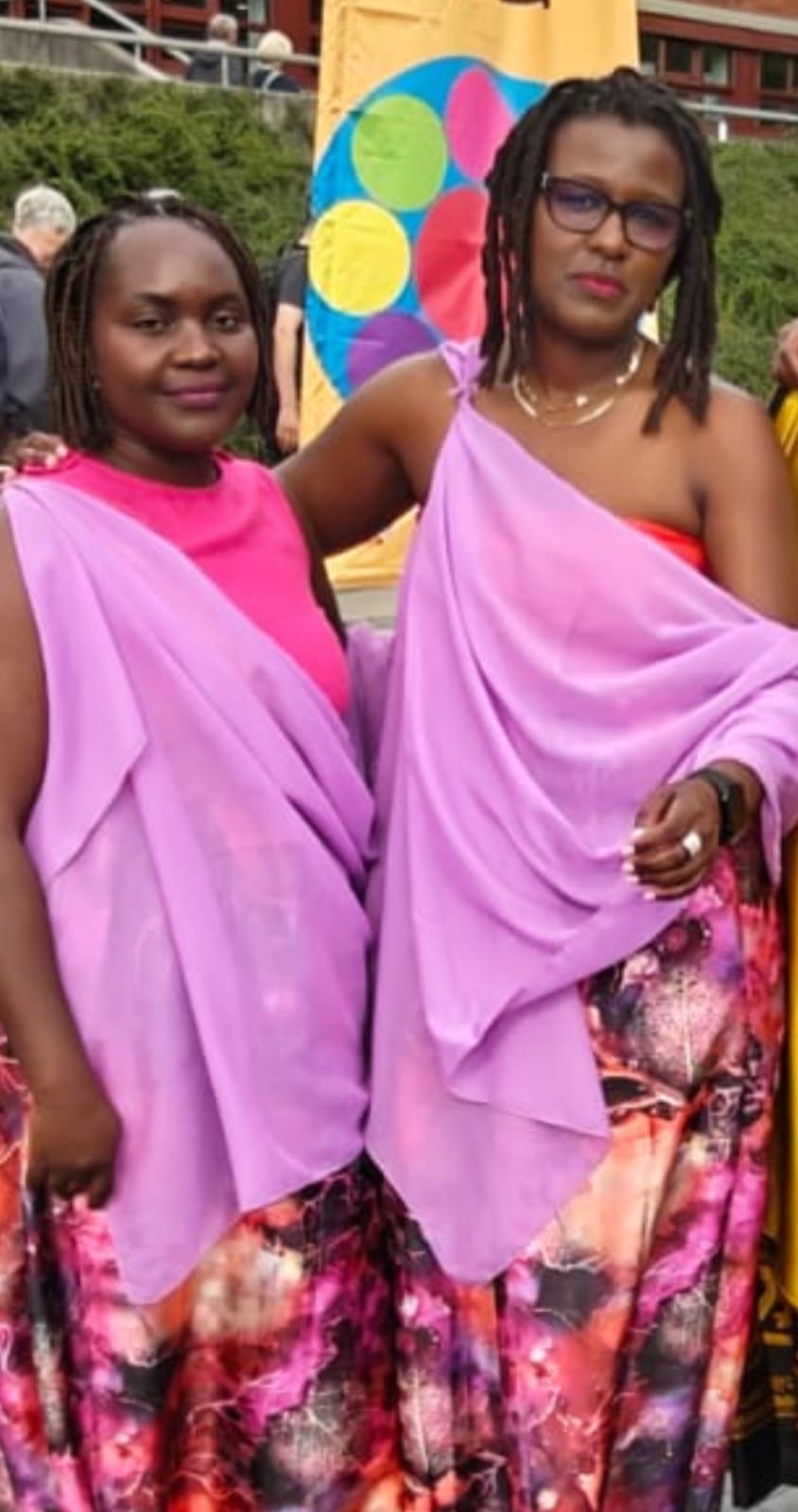
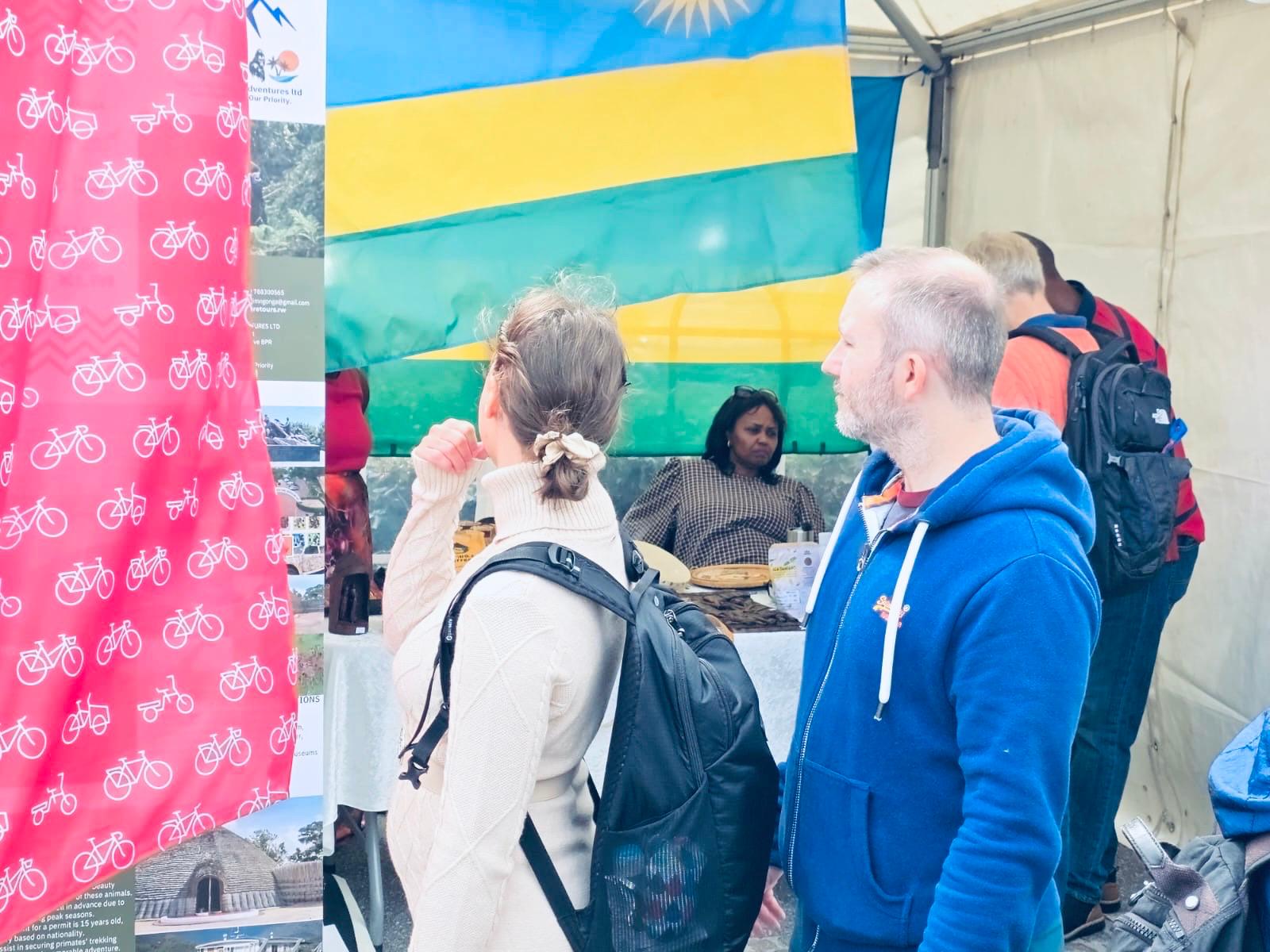
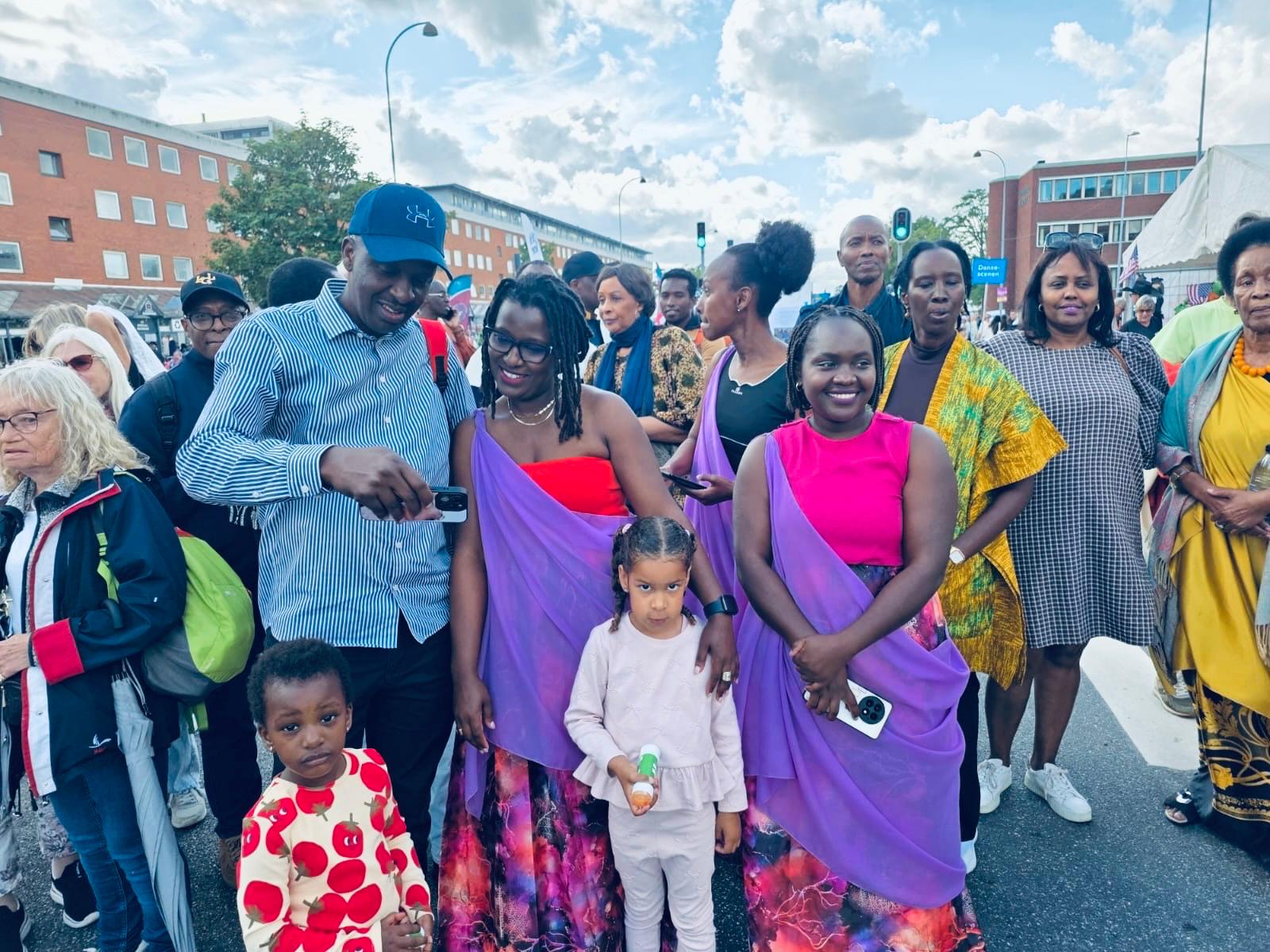
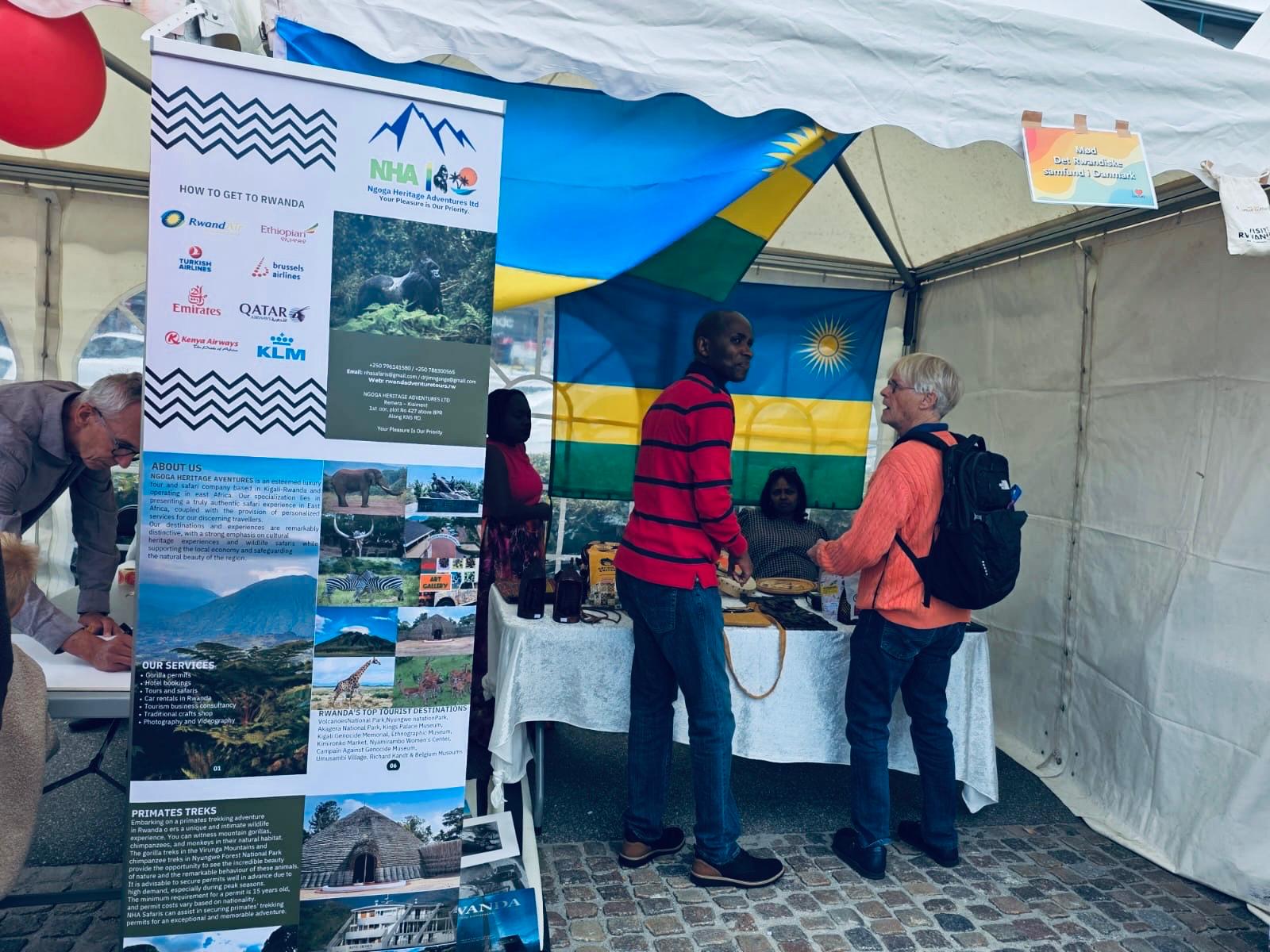
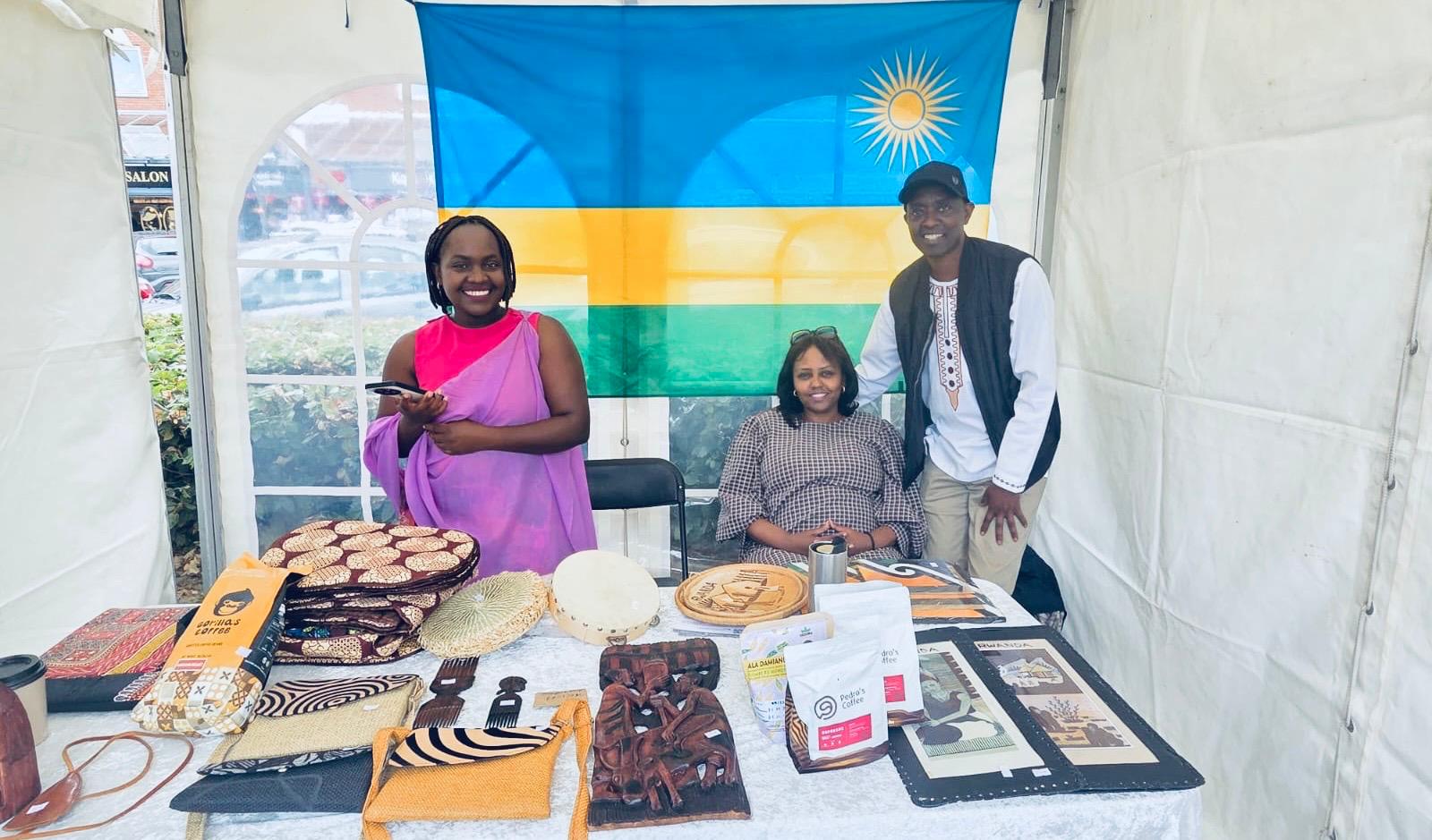
People from different countries came together to celebrate their diverse cultures at the cultural festival.Nkubana Paul, the representative of the Rwandan Diaspora in Jutland and Funen, told IGIHE that the gathering provided a valuable opportunity for the different communities to showcase their cultures.The Rwanda stand displayed the national flag and welcomed visitors interested in learning more about the country.The day brought together both young and old, dressed in traditional cultural attire.Members of the Abarerwa ba Danmark cultural troupe perform during the event.
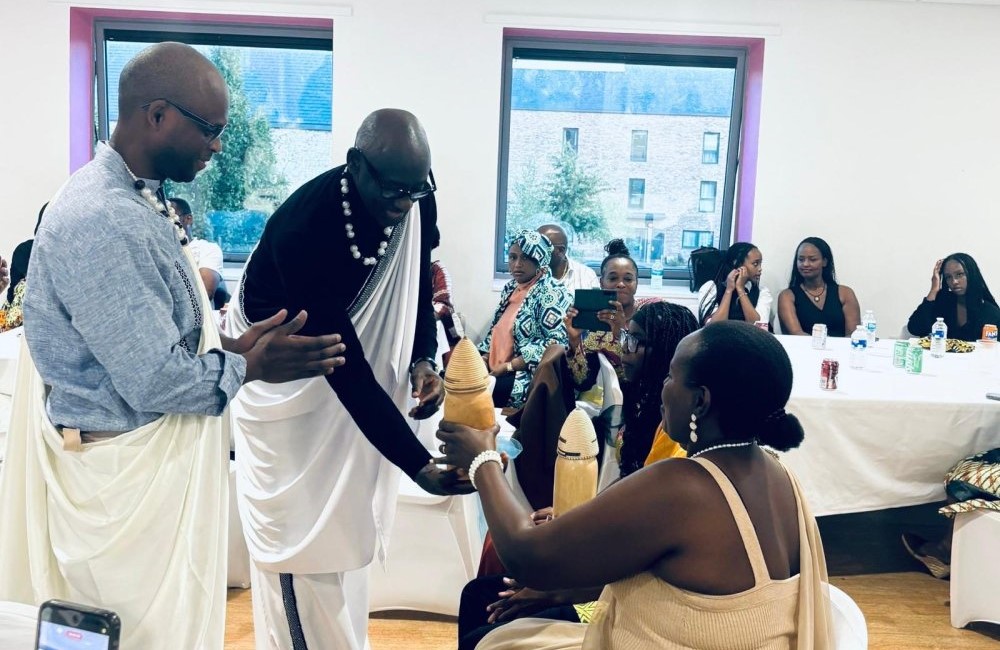
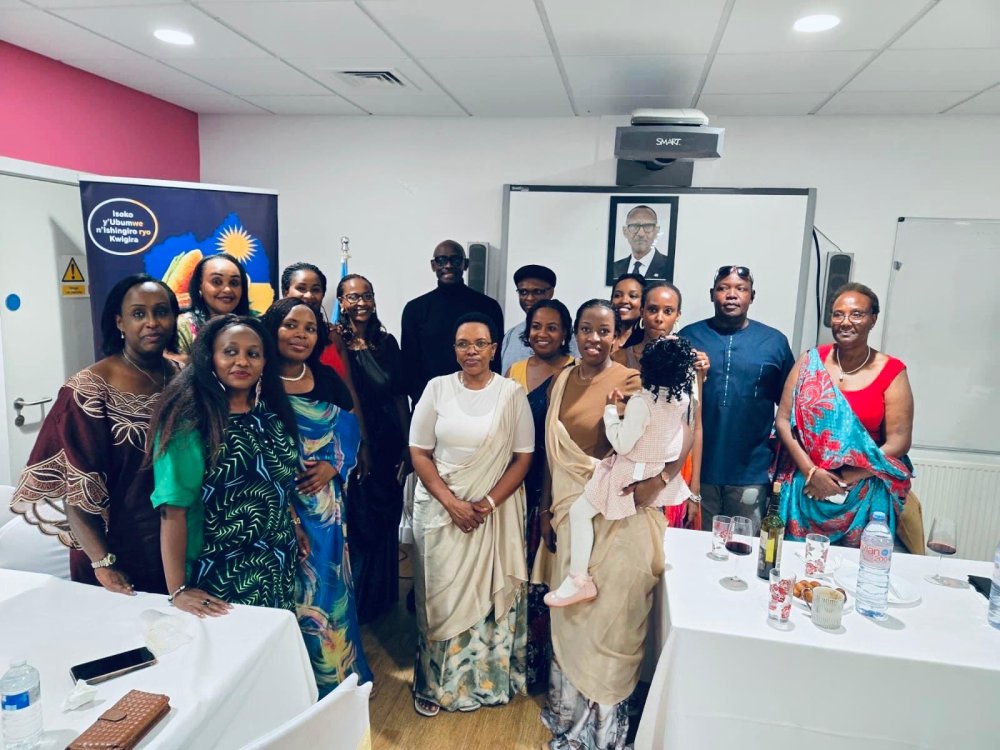
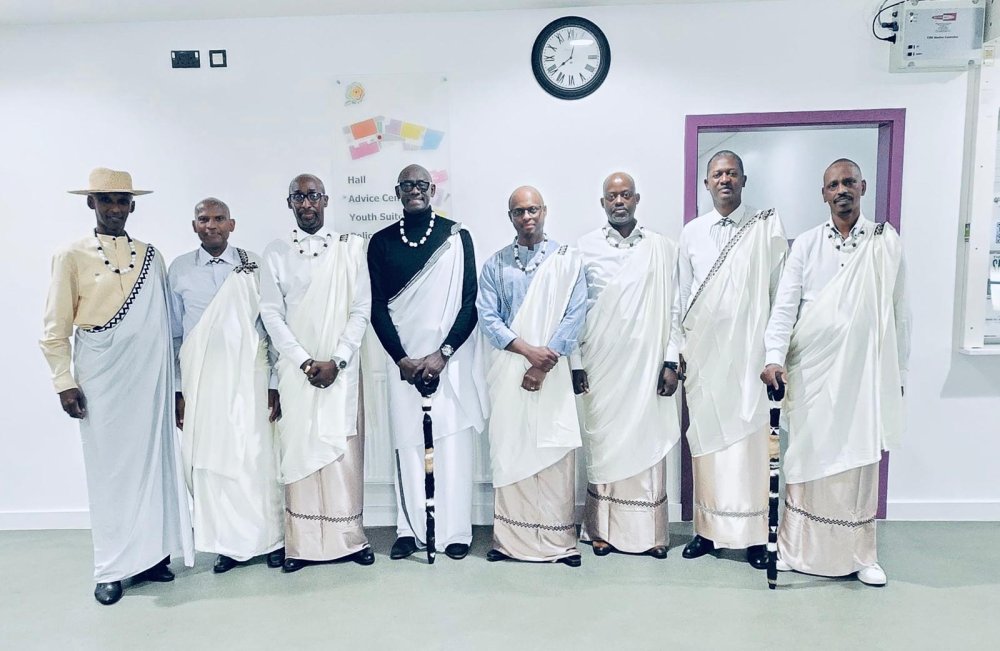
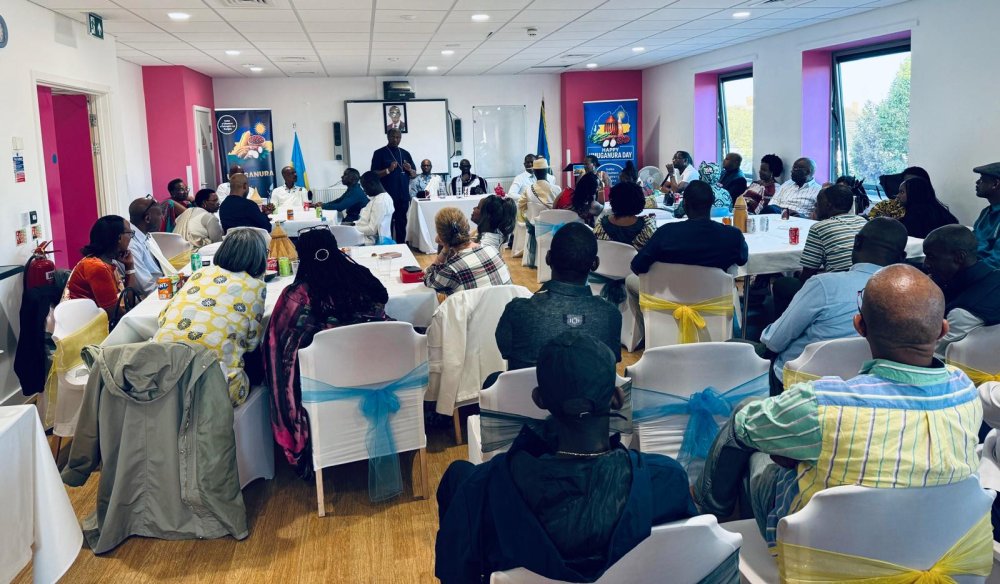
The celebration was held on August 29, 2026, and was attended by Rwanda’s High Commissioner to the United Kingdom, Johnston Busingye, who joined members of the Rwandan community and friends of Rwanda.
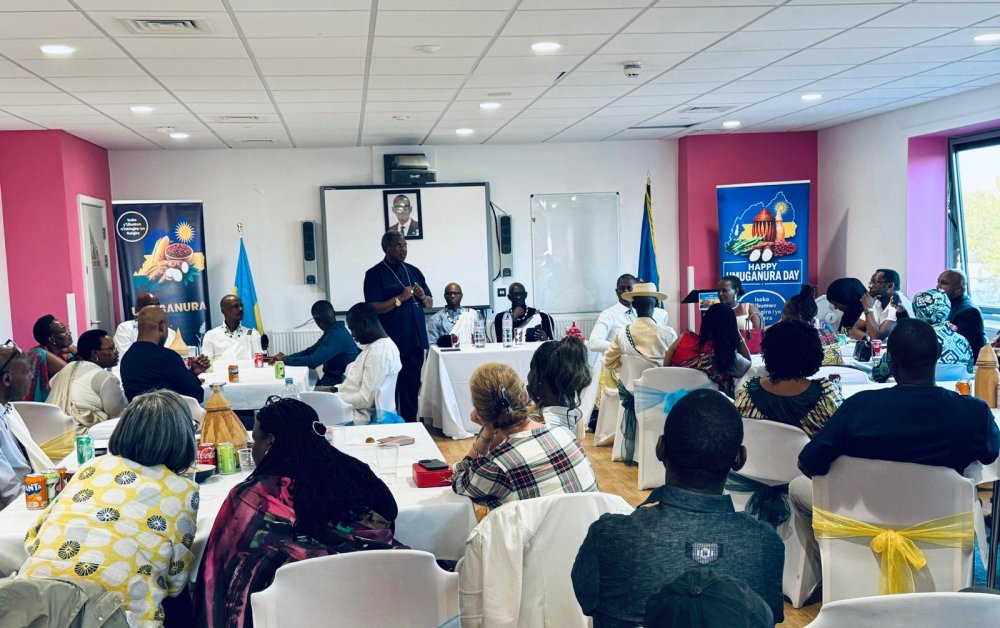
Held in Oxford, the event provided an opportunity for Rwandans living in the UK to come together, preserve their cultural heritage and share Rwanda’s values with friends and other members of the wider community.
Umuganura is traditionally known as a celebration of the harvest. Today, however, it carries a broader meaning, providing an opportunity to reflect on achievements, express gratitude and remind individuals of their role in the development of their families, communities and country.
For Rwandans living in the UK, the celebration also served as an opportunity to preserve Rwandan culture and its values while passing them on to younger generations.
High Commissioner Johnston Busingye stressed the importance of preserving Rwanda’s values.
“Umuganura reminds us that wherever Rwandans live, our values of unity, gratitude, hard work and shared responsibility remain with us,” he said.
He added that as Rwandans celebrate their achievements, they should also reflect on the contribution each person can make to the wider community and Rwanda’s development.
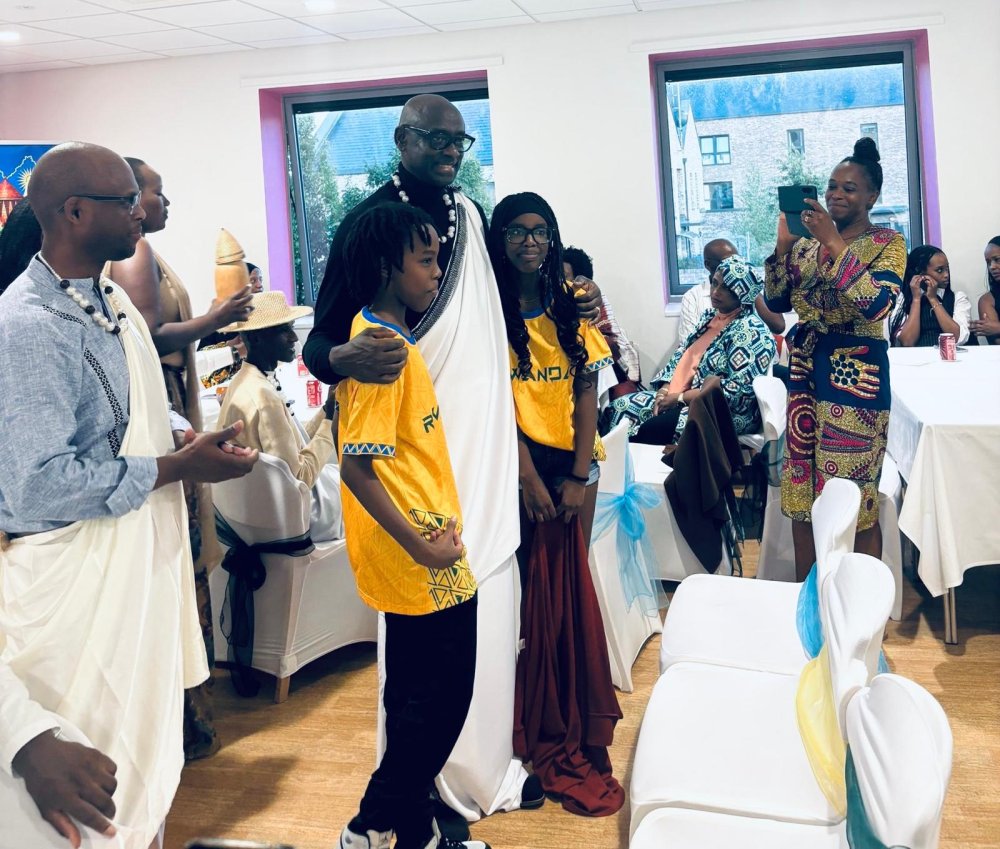
Young people were given particular attention during the celebration, with children and Rwandans who grew up in the UK given an opportunity to learn about the traditions, values and history passed down by their parents and elders.
Organisers said preserving Rwandan culture does not prevent Rwandans from integrating into the wider UK community. Instead, they said, it helps them maintain a connection with their roots and better understand their cultural identity.
Friends of Rwanda also attended the celebration, giving them an opportunity to learn more about Rwandan culture and its values while engaging with a community whose members come from diverse backgrounds but are connected by their life in the UK.
Participants learned more about Rwanda through its culture, values and the experiences of its people.
Community leaders thanked those who attended and encouraged Rwandans living in the UK to continue organising activities that bring people together and strengthen connections between generations.
The Umuganura celebration also highlighted the role of the Rwandan diaspora in strengthening ties between Rwanda and the United Kingdom.
Rwandans living in the UK continue to contribute to different sectors, including business, education, healthcare, technology, entrepreneurship and community development.
The celebration also provided an opportunity to look ahead, with participants emphasising the importance of continued cooperation, contribution and collective efforts for the benefit of future generations.
Rwandans in Oxford marked Umuganura with a celebration that highlighted culture, community and the importance of preserving connections between generations.Rwanda’s High Commissioner to the UK, Johnston Busingye, joined Rwandans in Oxford as they celebrated Umuganura and reflected on the importance of preserving the country’s cultural values.The celebration in Oxford provided an opportunity for Rwandans in the UK to come together and reflect on unity, gratitude and shared responsibility.Rwandans living in the United Kingdom gathered in Oxford to celebrate Umuganura and honour their cultural heritage.Young Rwandans growing up in the UK took part in Umuganura celebrations aimed at strengthening their connection to Rwandan culture and heritage.The Umuganura celebration brought together members of the Rwandan community in the UK, alongside friends of Rwanda.
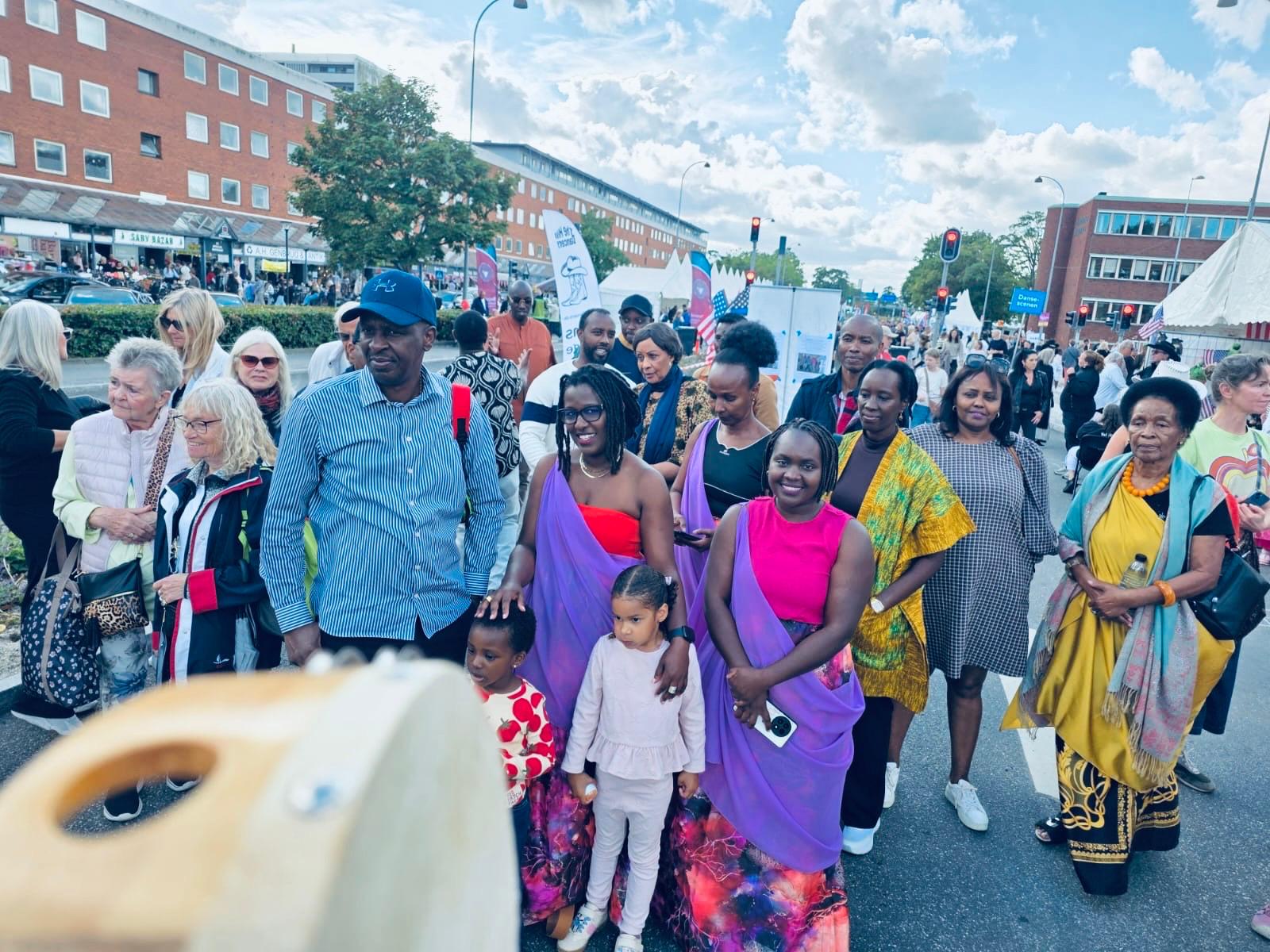
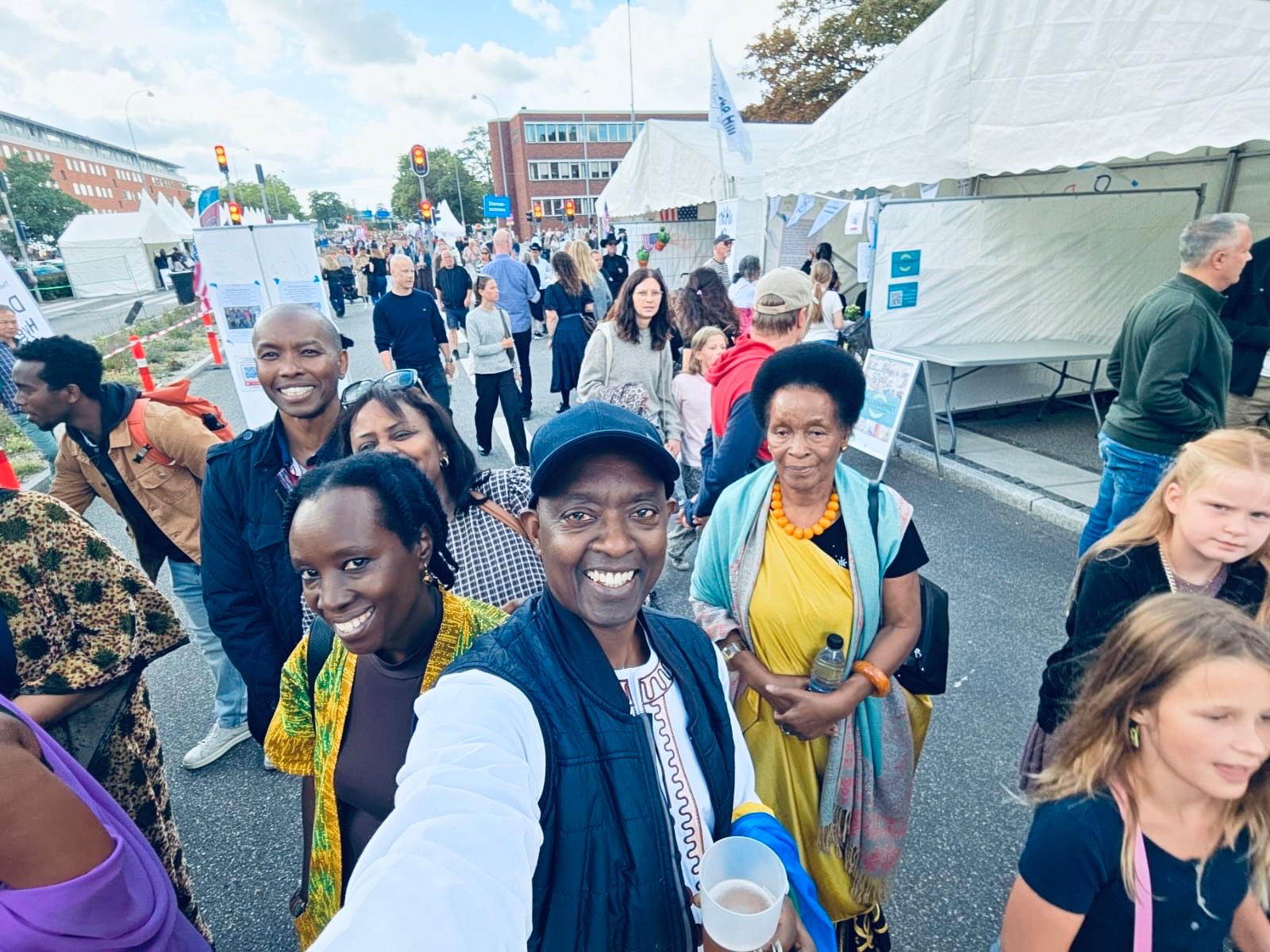
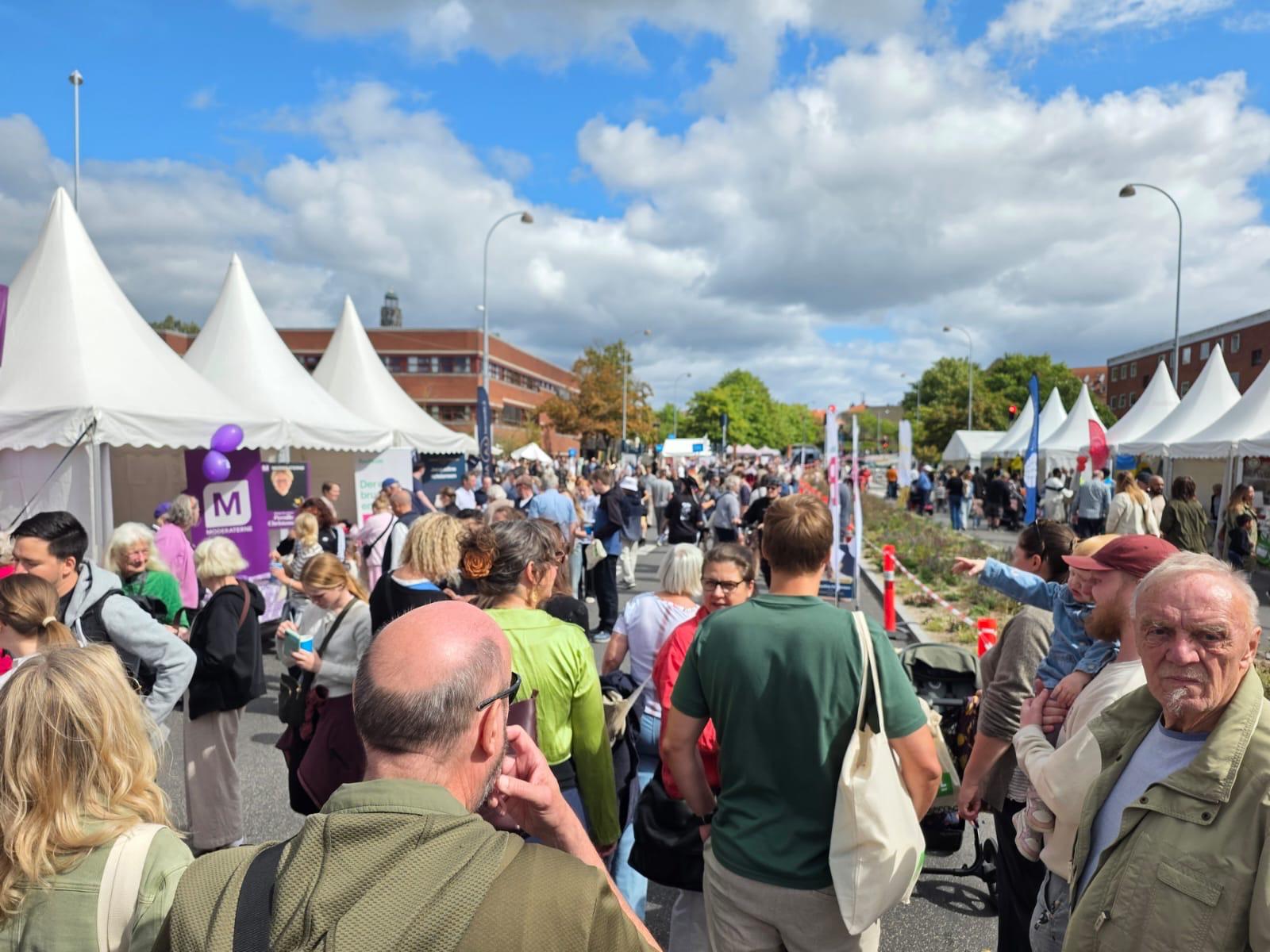
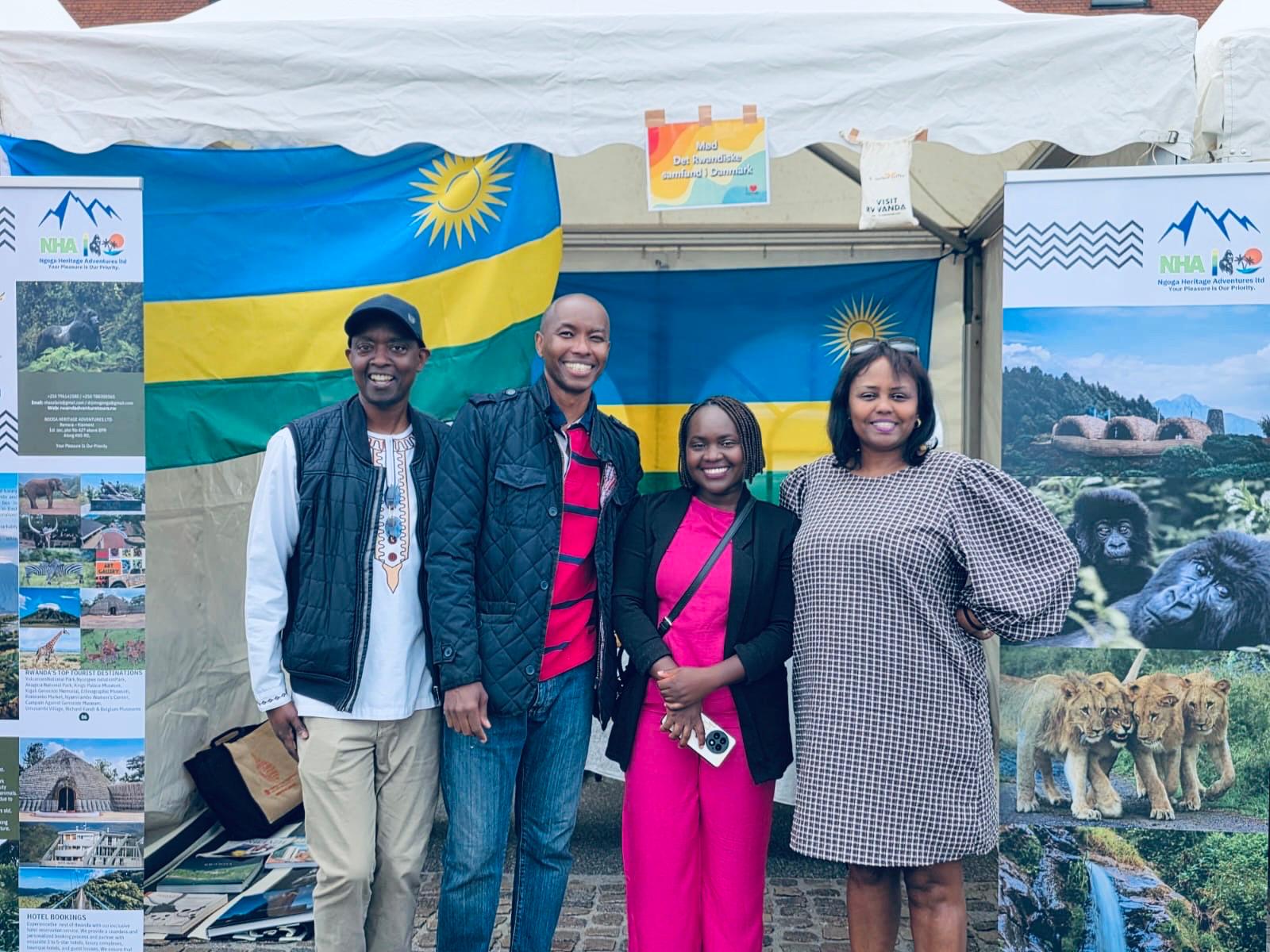
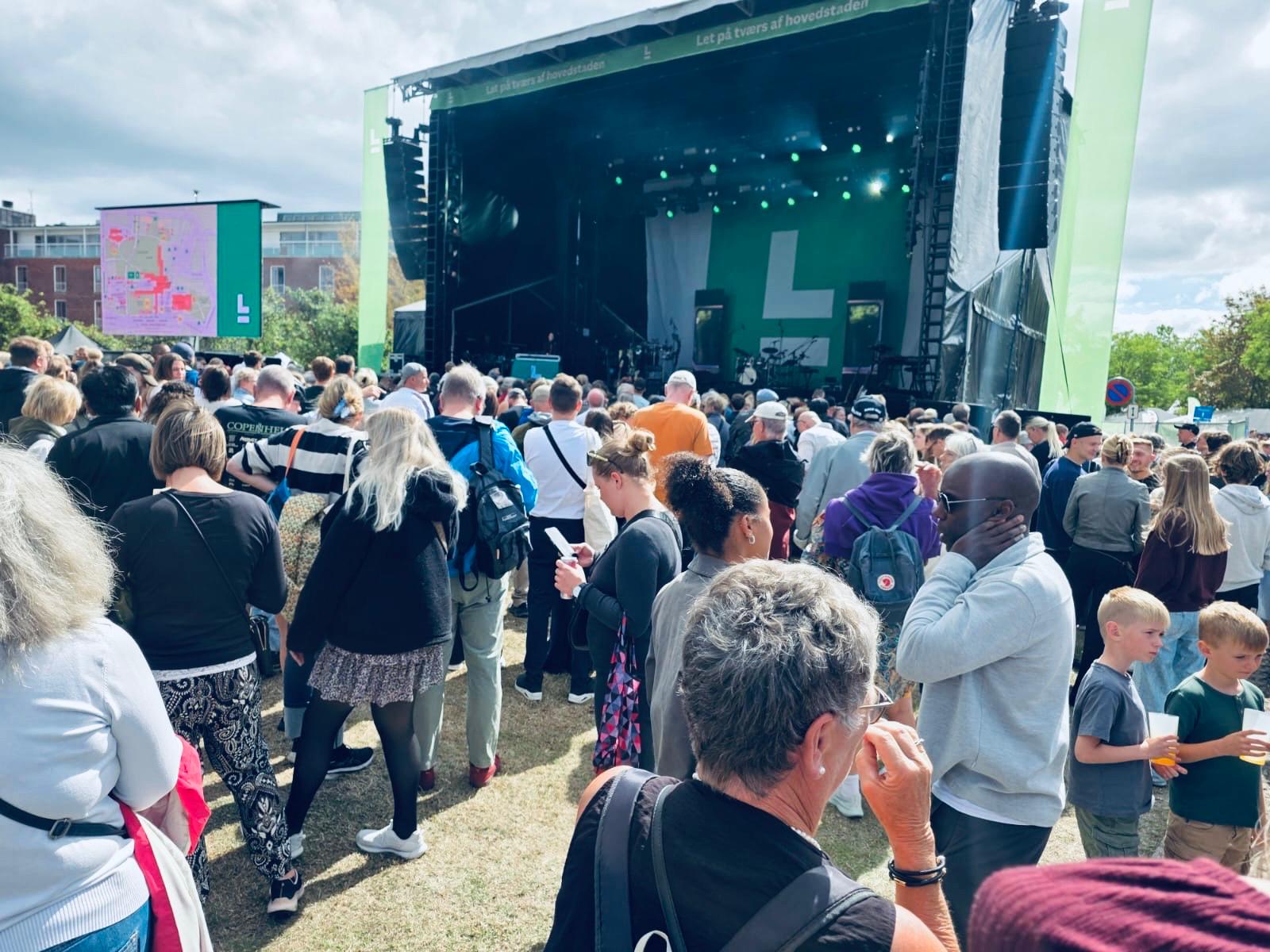
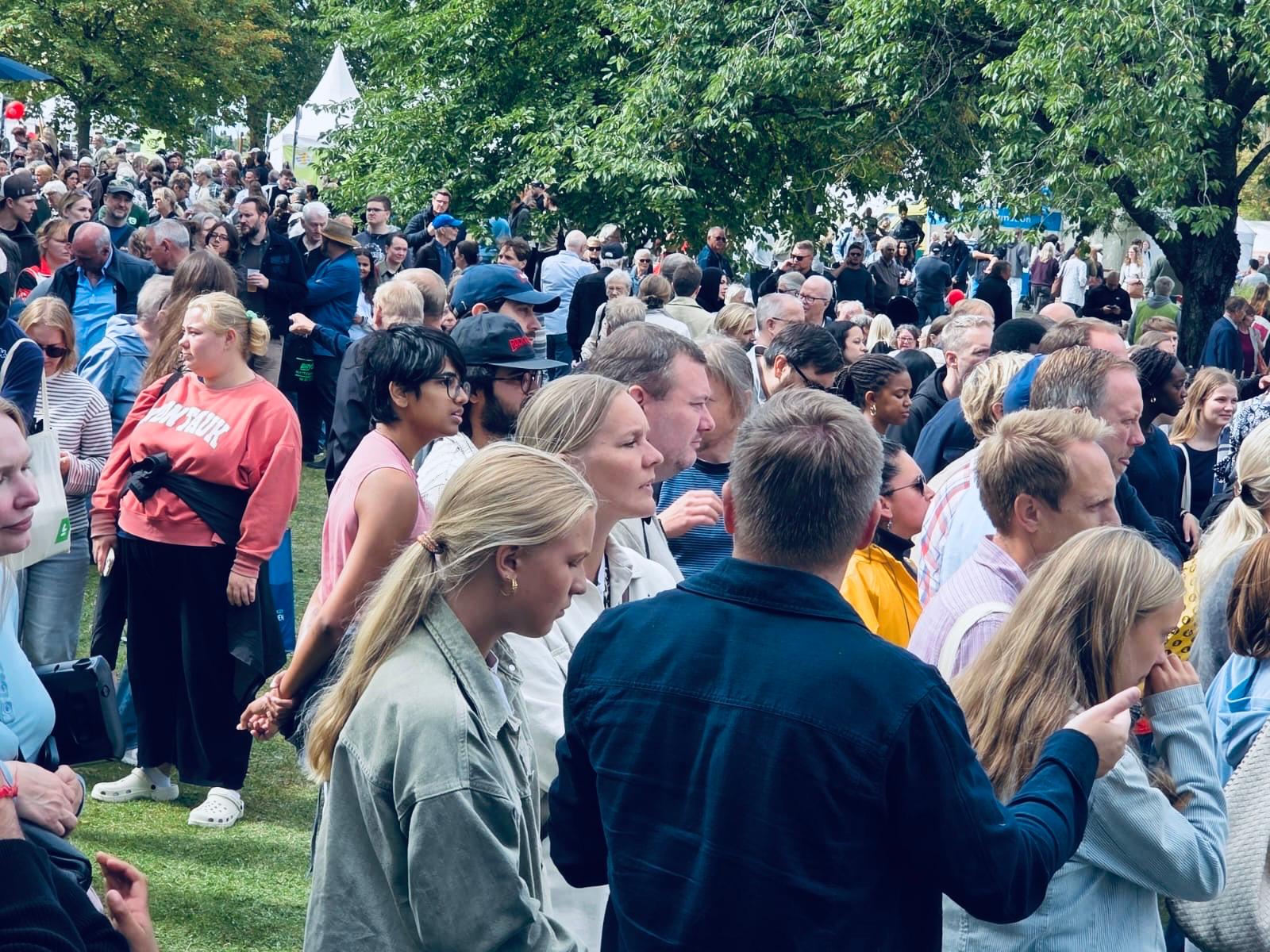
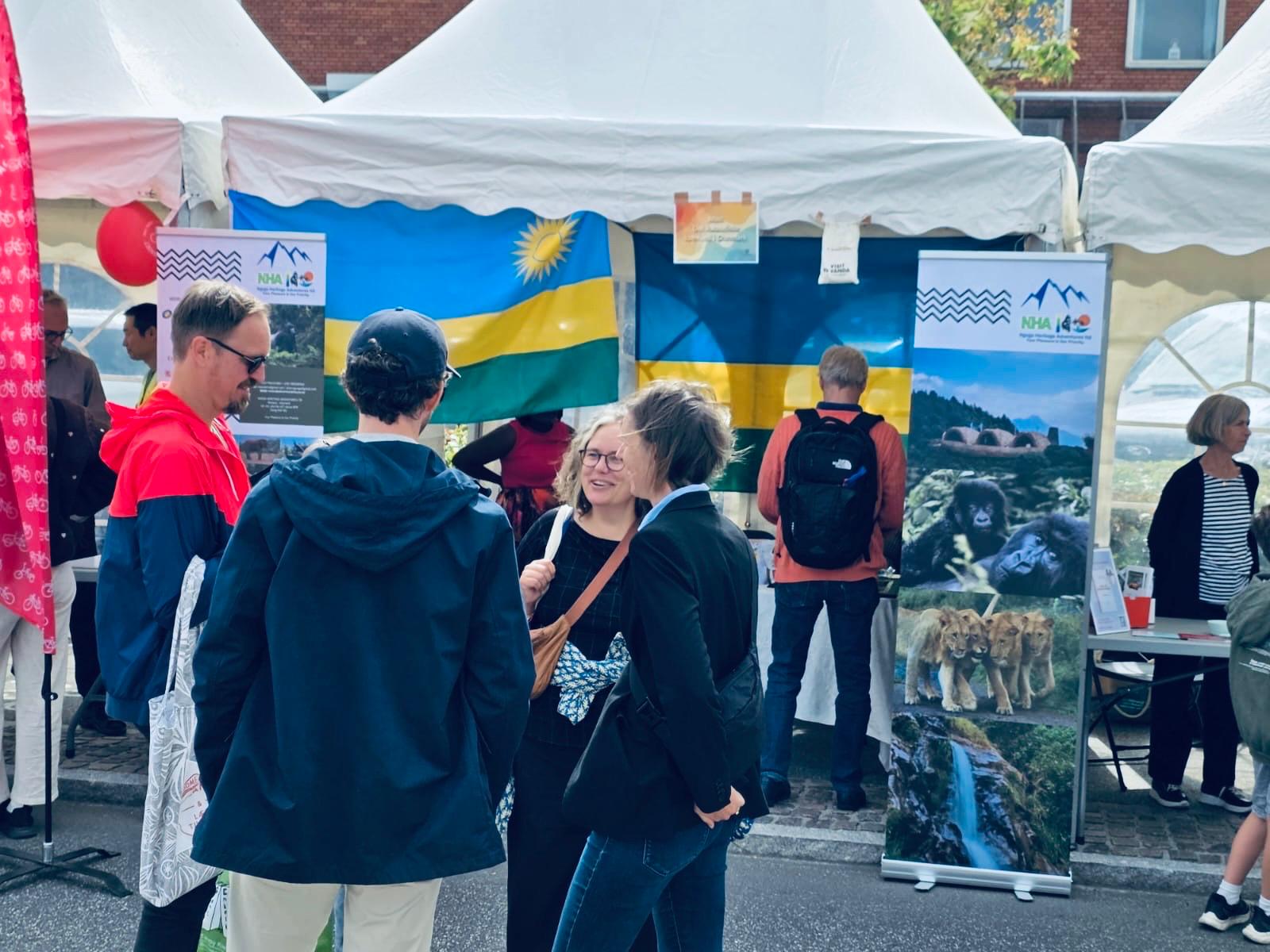
Held in the Greater Copenhagen area, the annual festival brought together residents, political representatives, associations, businesses and people from diverse cultural backgrounds, providing the Rwandan community with an opportunity to share the country’s heritage and strengthen cultural ties with the local community.
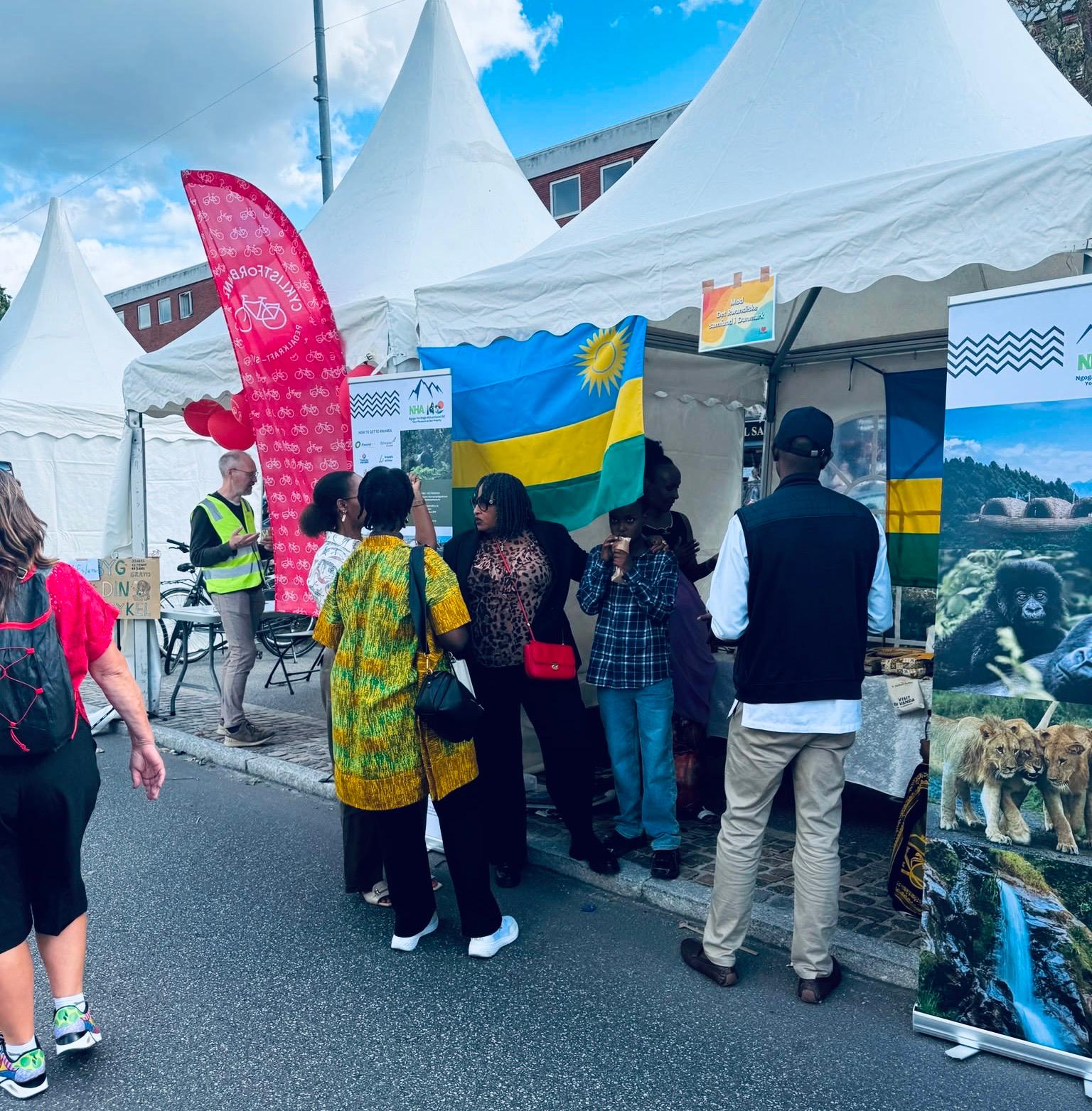
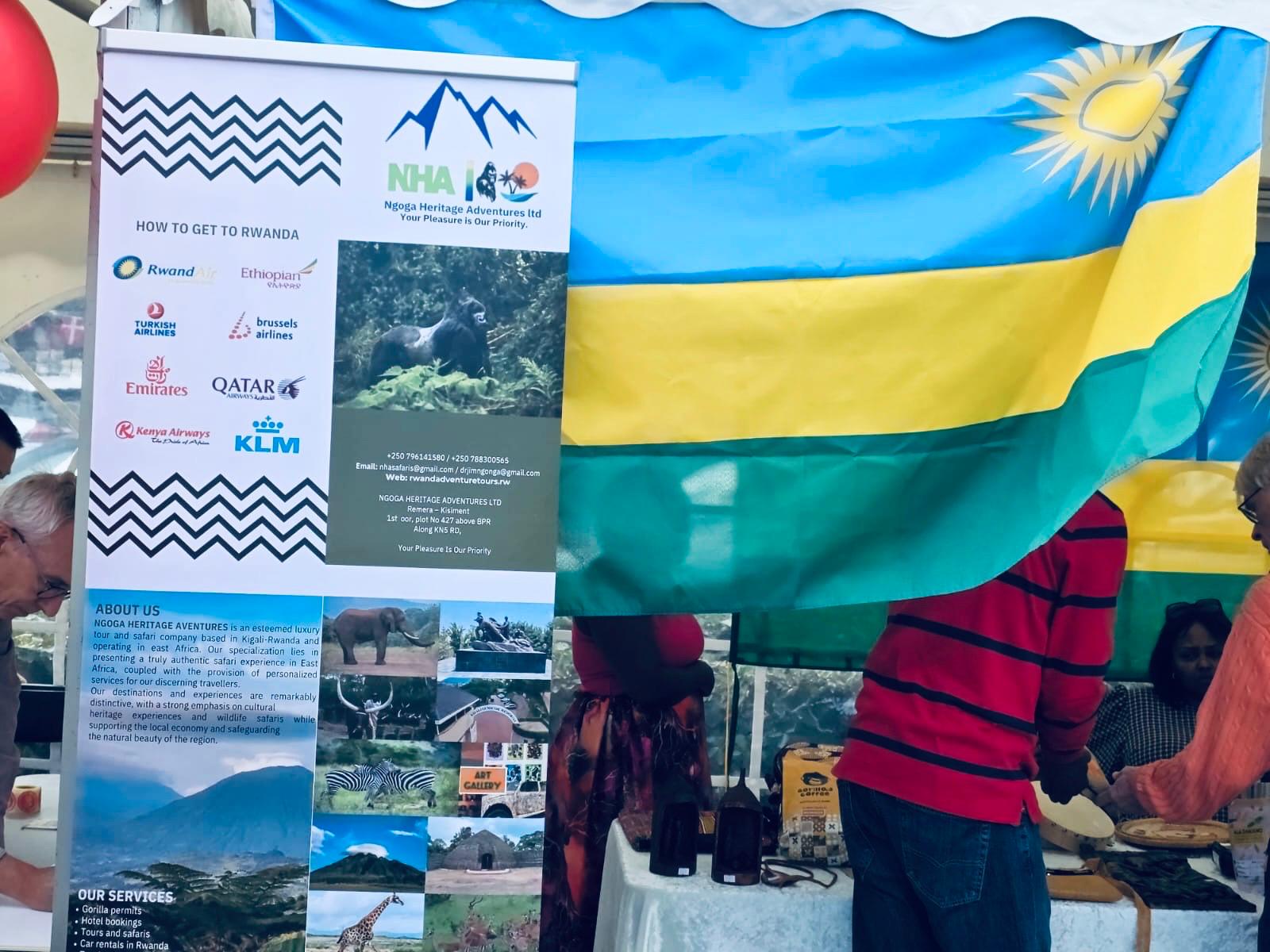
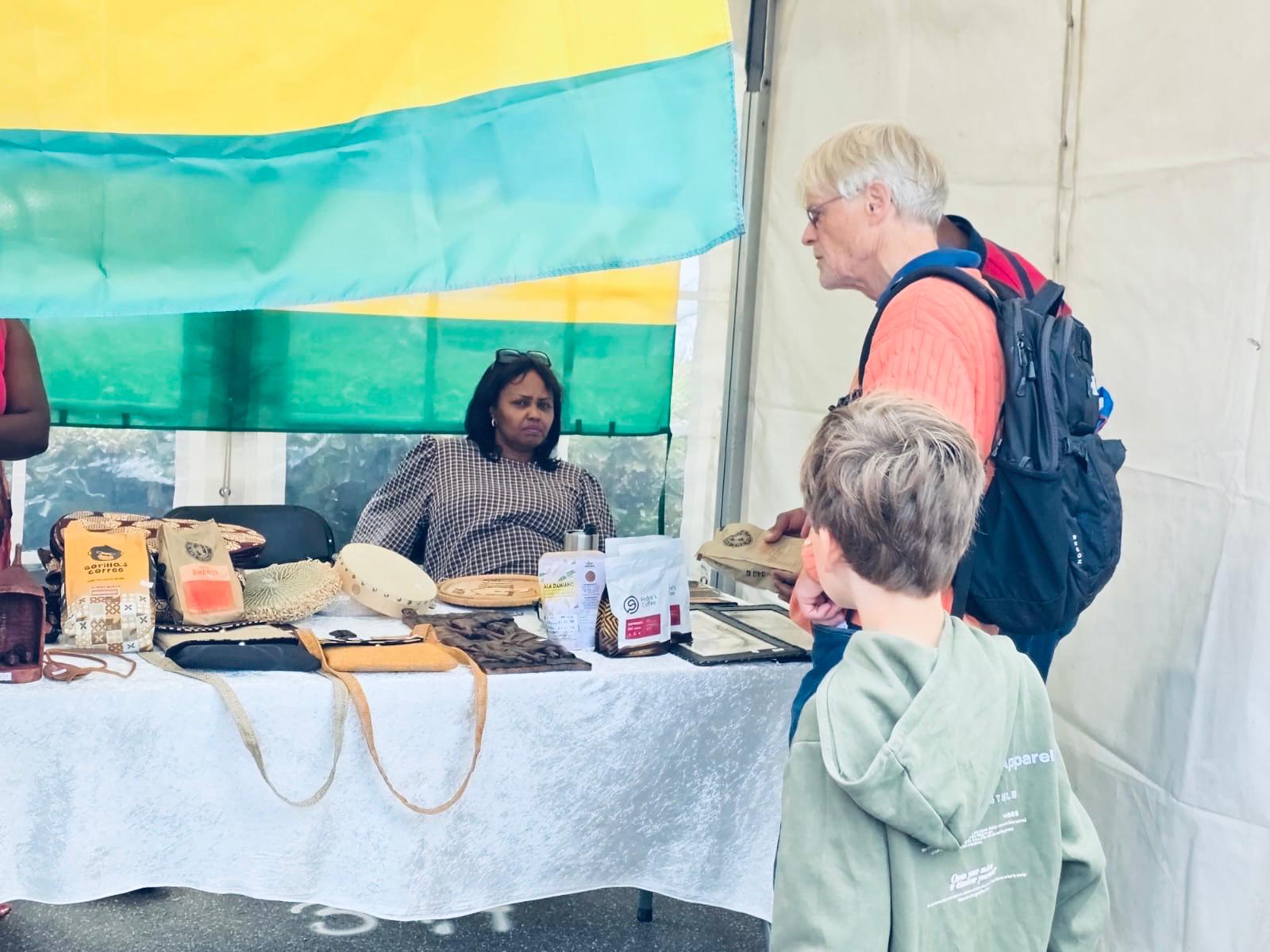
At the Rwandan stand, visitors learned about Rwanda’s tourism attractions, including its wildlife and other travel experiences, while also receiving practical information for those interested in visiting the country.
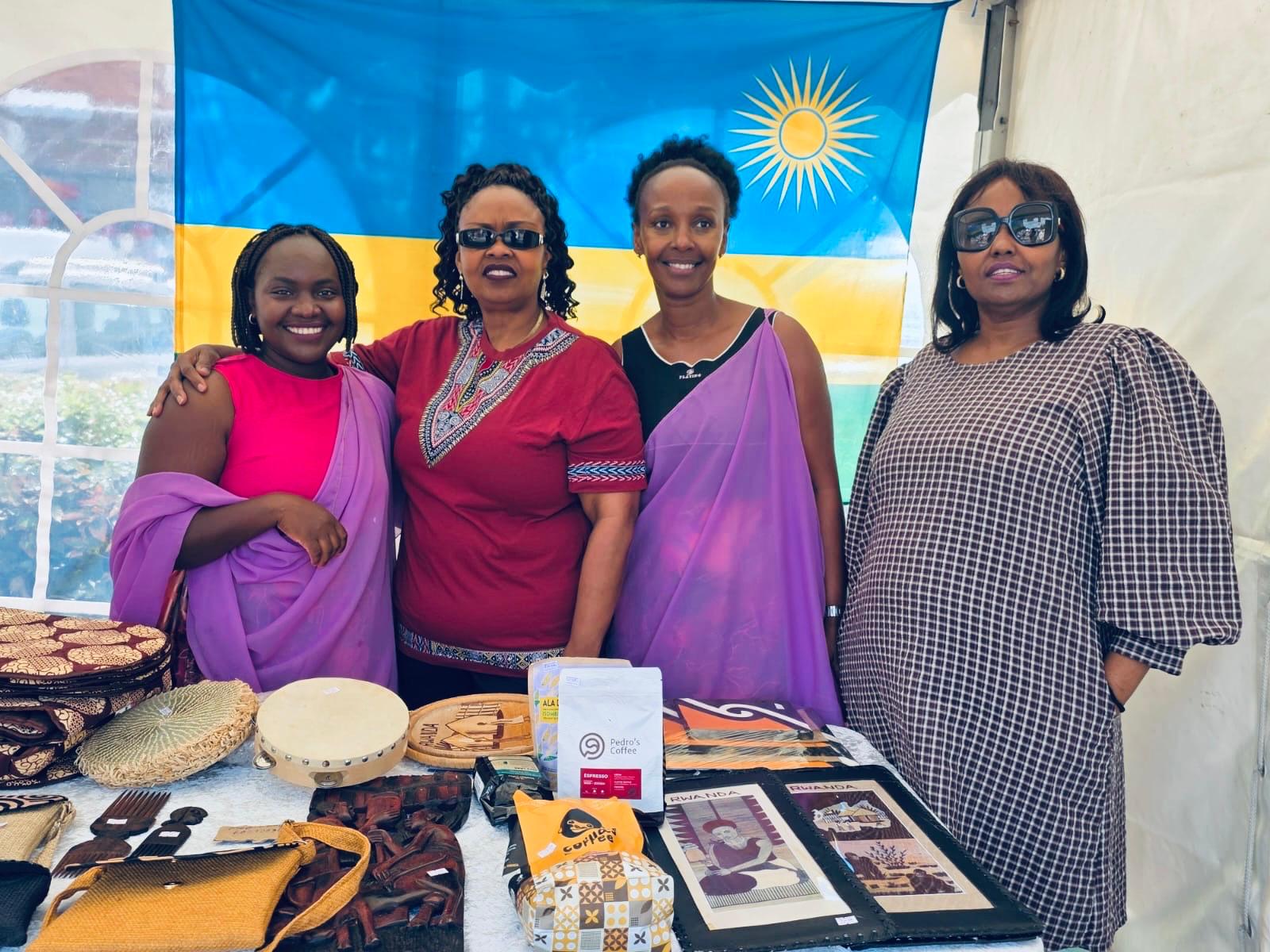
The community also presented a range of Rwandan products, including coffee, handwoven bags, artistic creations and other handcrafted items reflecting the creativity and craftsmanship of Rwandans. Rwandan coffee attracted particularly strong interest among festival participants.
Nelly Gatete, a representative of RCA Denmark, said children, young people and adults were all invited to participate in the activities.
“The goal of the Rwandan community is, above all, to help young people understand that they do not have to choose between being Rwandan and being Danish. They can have roots in both cultures, contribute to both societies, and use this unique position to serve as bridges between the two,” she said.
Gatete said the festival also demonstrated how diversity can become a strength when people have opportunities to meet, exchange and learn about one another.
Gladsaxe is home to people from different countries, cultures and backgrounds, she said, adding that such diversity becomes a source of strength when communities are given opportunities to interact.
Traditional Rwandan songs and dances were also part of the programme, with Itorero Umurage entertaining festivalgoers through performances showcasing Rwandan traditions.
Rwandan artist Suzanne Nyiranyamibwa also contributed to the event, helping introduce the public to aspects of Rwanda’s culture and history.
Gatete said the event demonstrated that people can maintain their cultural identity while building new connections in the communities where they live.
“Gladsaxedagen 2026 showed that people can preserve their roots while also putting down new roots in the communities where they live. Culture and belonging are not contradictory; they can go hand in hand, complement each other, and help build a stronger community in which everyone feels represented,” she said.
The event gave young Rwandans living abroad an opportunity to reconnect with and celebrate their heritage, while allowing Danish residents and people from other communities to discover and engage with Rwandan culture.
The participation further highlighted the role of Rwandans living abroad in strengthening links between Rwanda and Denmark through cultural exchange, tourism promotion and the showcasing of Rwandan products.
The Municipality of Gladsaxe has also regularly responded to invitations from the Embassy of Rwanda in the Nordic countries to participate in events including the commemoration of the Genocide against the Tutsi and International Women’s Day.
Such engagements have contributed to relations between the municipality, its residents and the Rwandan community in Denmark.
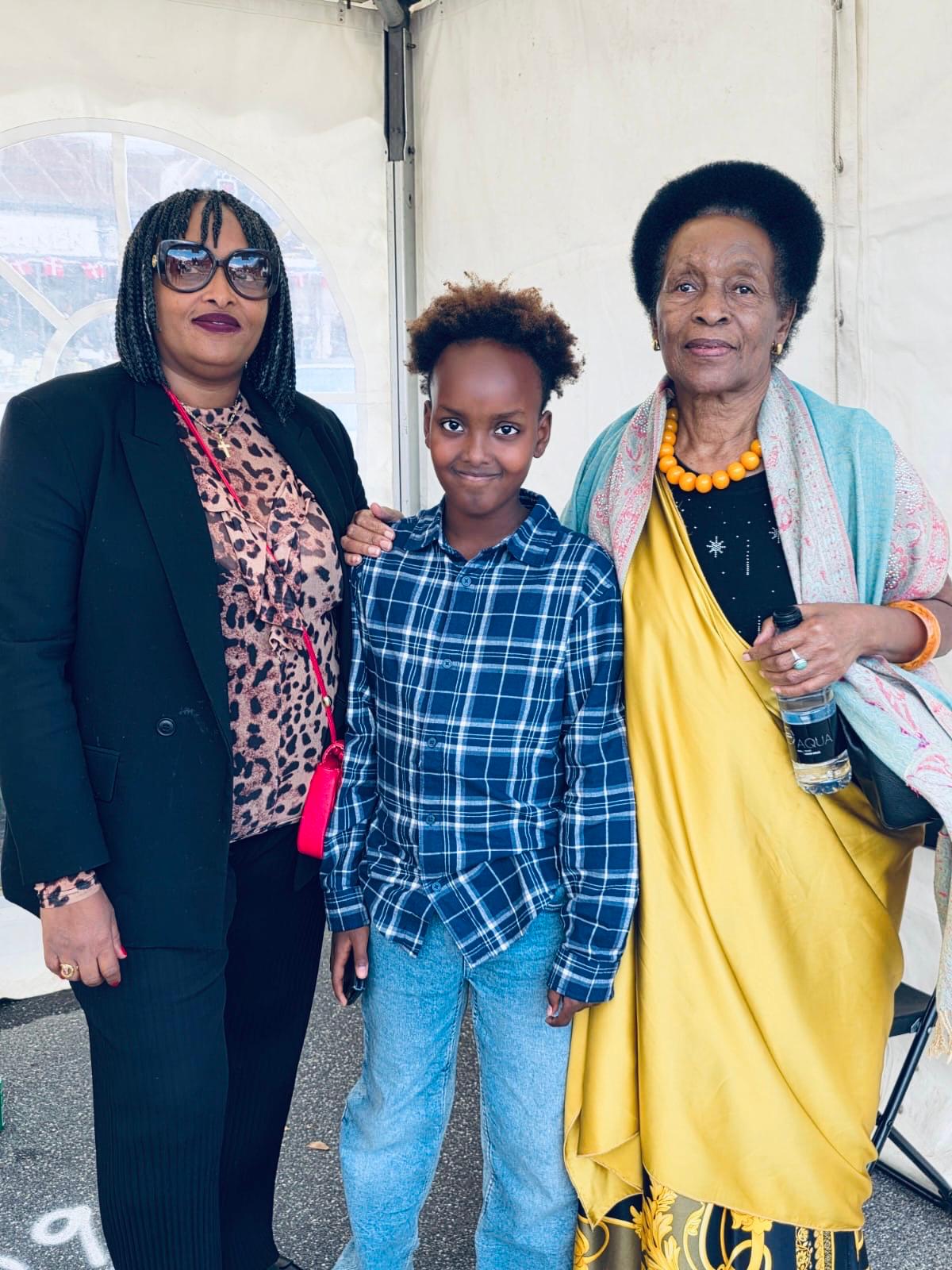
Nelly Gatete and Diane Ganza also attended the event.Rwandans living in Copenhagen use Gladsaxe Day 2026 to promote Rwanda as a tourism destination.Festival visitors learnt about Rwanda’s wildlife and other tourism experiences at the Rwandan stand in Gladsaxe.The Rwandan community in Copenhagen brought aspects of Rwanda’s culture and history to visitors at Gladsaxe Day 2026.Rwandan artist Suzanne Nyiranyamibwa contributed to the community’s cultural showcase at Gladsaxe Day 2026.Rwandan products and handcrafted items were displayed at the community’s stand during the annual Gladsaxe festival.Visitors explored Rwanda’s tourism attractions at the Rwandan stand during Gladsaxe Day 2026 in Denmark.
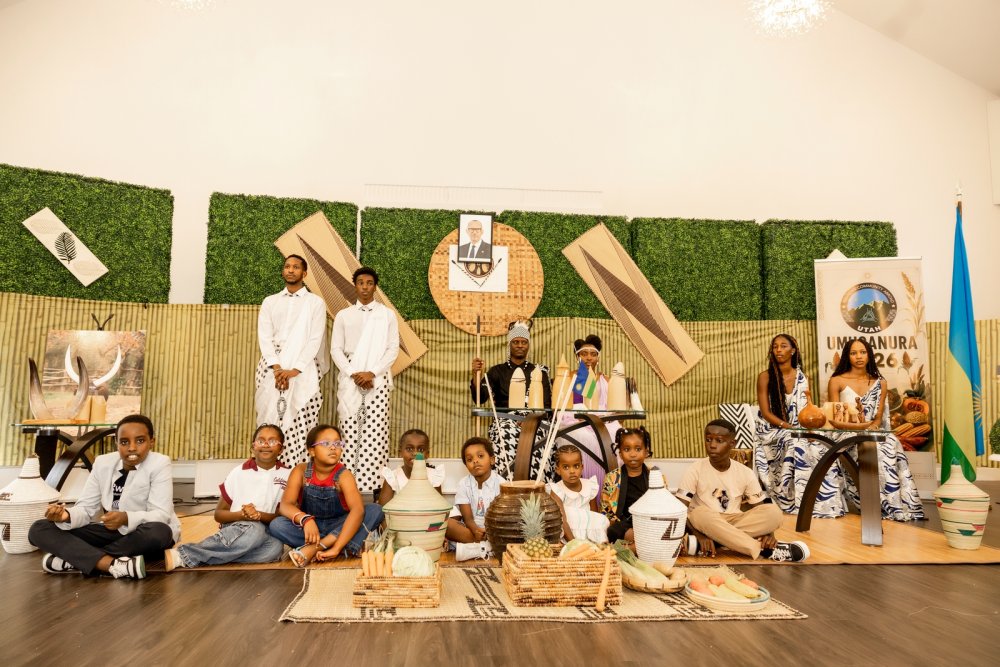
The celebration provided an opportunity to reflect on achievements, celebrate Rwandan cultural values and renew a commitment to contributing to Rwanda’s development.
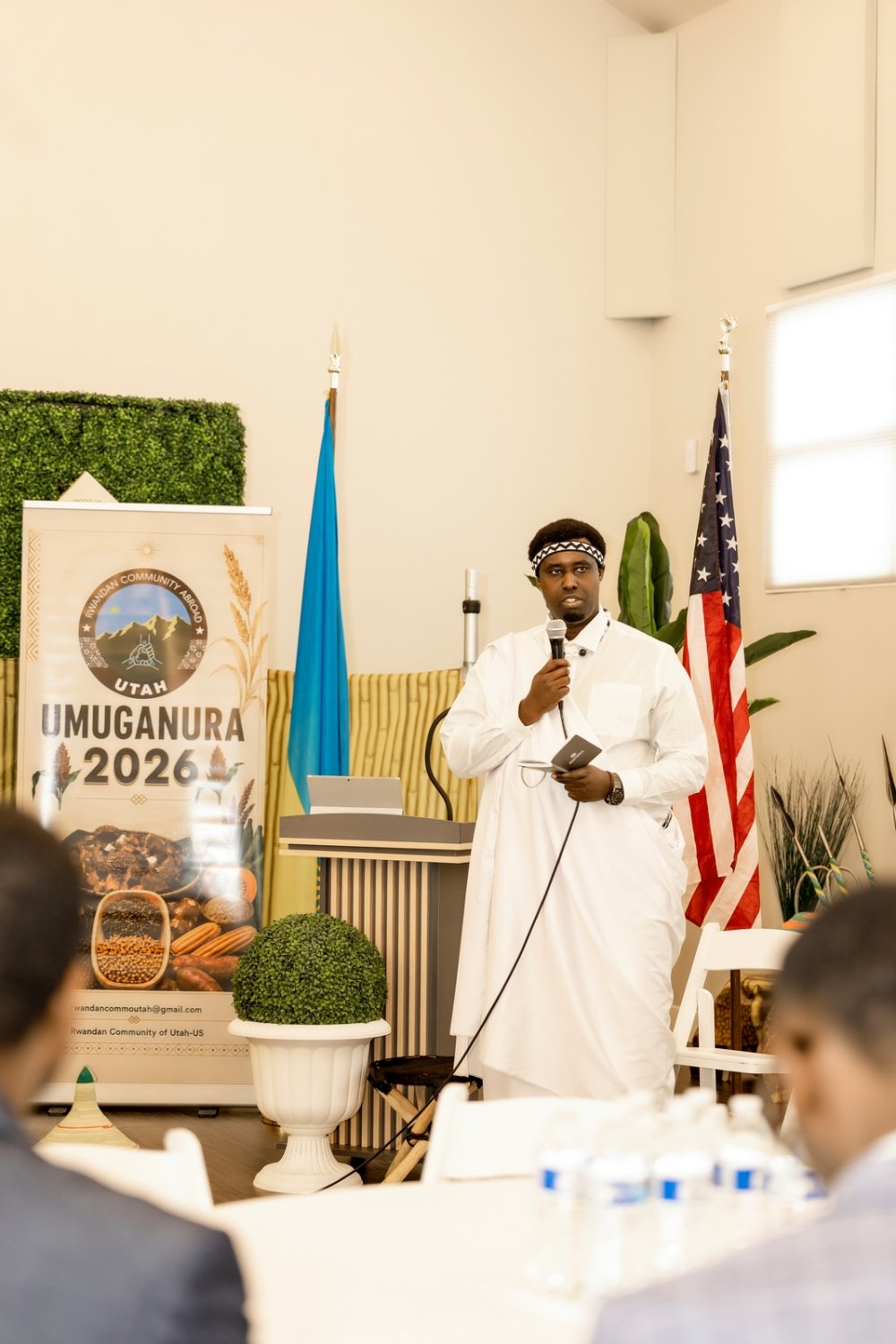
Blaise Bizimana, President of the Rwandan community in Utah, highlighted some of the key initiatives the community has undertaken, including contributing to the Dusangire Lunch programme and paying community-based health insurance premiums for 1,000 residents of Nyagatare District.
Bizimana thanked the Government of Rwanda, particularly President Paul Kagame, as well as the Rwandan Embassy in the United States, for the leadership and support provided to Rwandans living abroad.
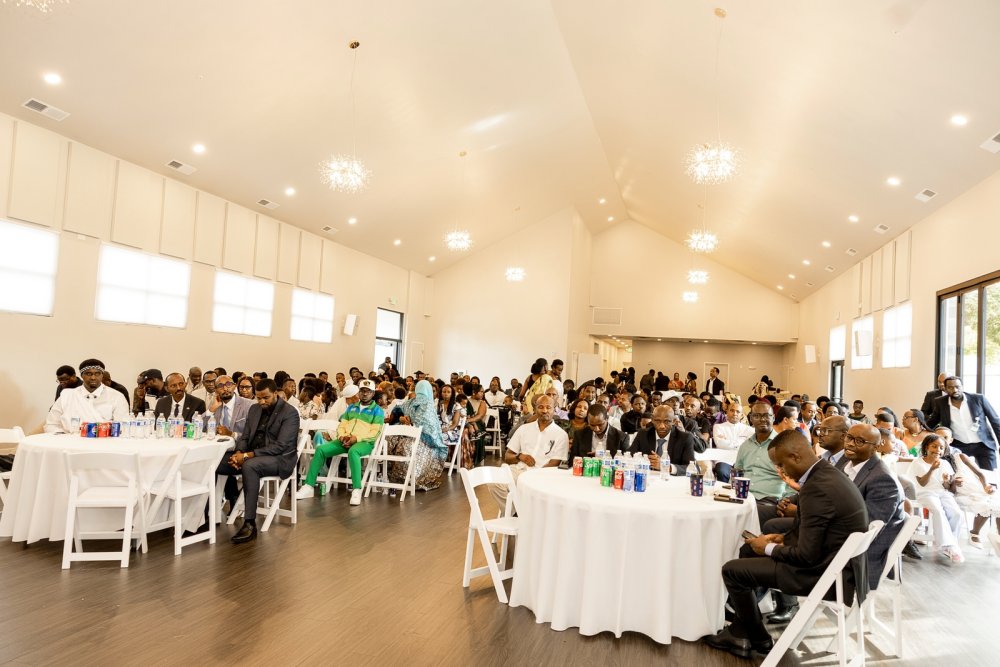
The more than 500 Rwandans living in Utah also expressed interest in hosting Rwanda Day and submitted a letter to the Rwandan Embassy formally requesting to host the event.
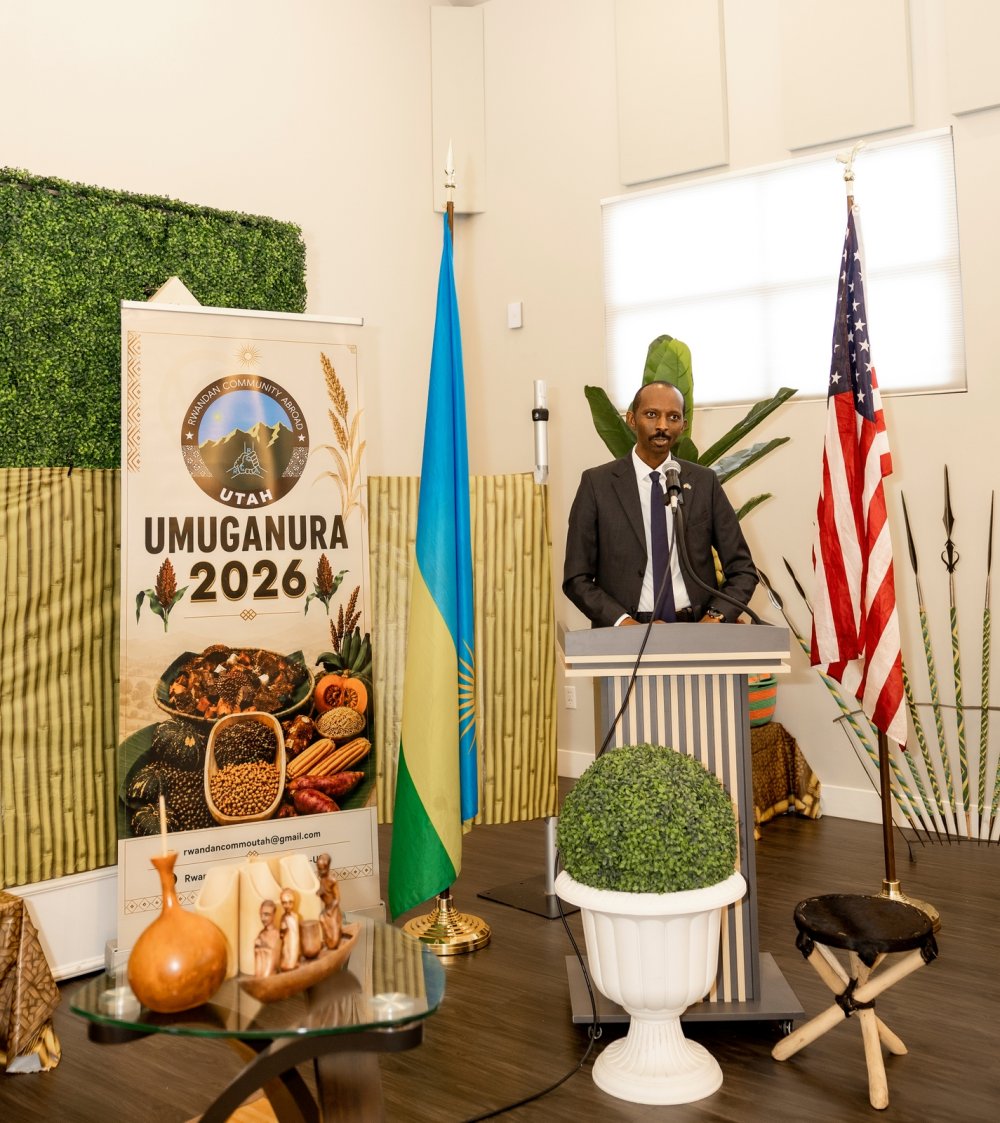
Godfrey Gasasira, First Counsellor at the Rwandan Embassy in the United States, who represented Ambassador Mathilde Mukantabana at the celebrations, commended the community for organising the Umuganura event and inviting the Embassy to join them.
Gasasira reminded participants that Umuganura is an annual occasion to celebrate the fruits of collective efforts and achievements, while also providing an opportunity to set new goals and make fresh commitments towards building Rwanda.
“Umuganura holds great significance in Rwanda’s history. It is a day to celebrate the fruits of everything we have accomplished. The Umuganura ceremony is a step towards building the Rwanda we want,” he said.
Using economic data, Gasasira highlighted Rwanda’s continued economic growth and emphasised the contribution of Rwandans living abroad to the country’s development.
In 2025, remittances sent to Rwanda by members of the diaspora reached $640 million, an increase of 27% compared with 2024. The funds support families and contribute to education, healthcare, businesses and other sectors of the economy.
He also noted that the diaspora’s contribution goes beyond sending money home. It includes attracting investors and tourists, promoting Rwandan culture and representing Rwanda positively abroad.
Participants were encouraged to remember that every Rwandan, whether living in Rwanda or abroad, has a responsibility and role to play in building the Rwanda they want.
The celebrations featured traditional Rwandan dances and a performance depicting the history and significance of Umuganura, entertaining and engaging the participants.
Members of the Rwandan community in Utah have celebrated Umuganura through traditional performances and cultural activities.The President of Rwandan community in Utah Blaise Bizimana addresses participants during the Umuganura celebration.More than 300 people attended Umuganura celebration organised by the Rwandan community in Utah.First Counsellor at the Rwandan Embassy in the United States Godfrey Gasasira addresses the Rwandan community during Umuganura celebrations in Utah.
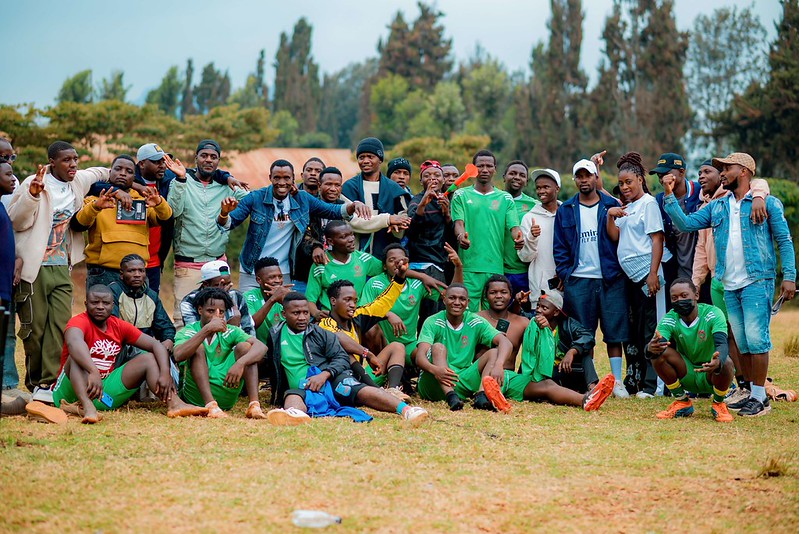
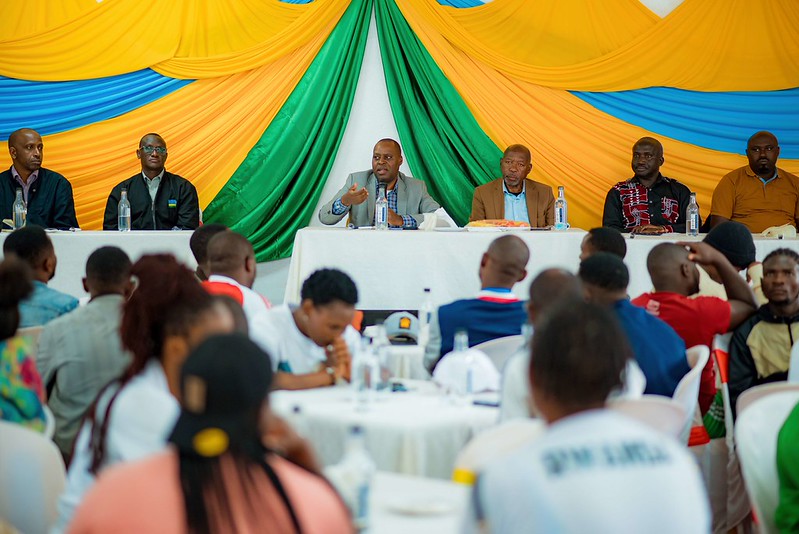
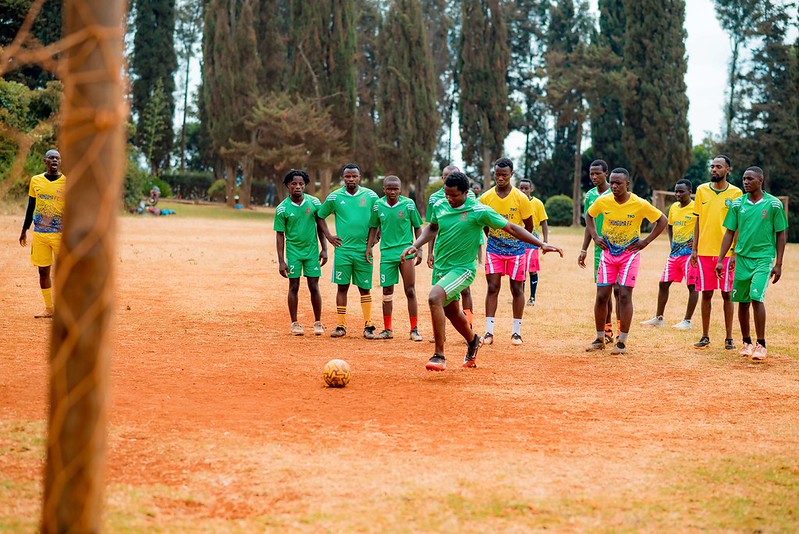
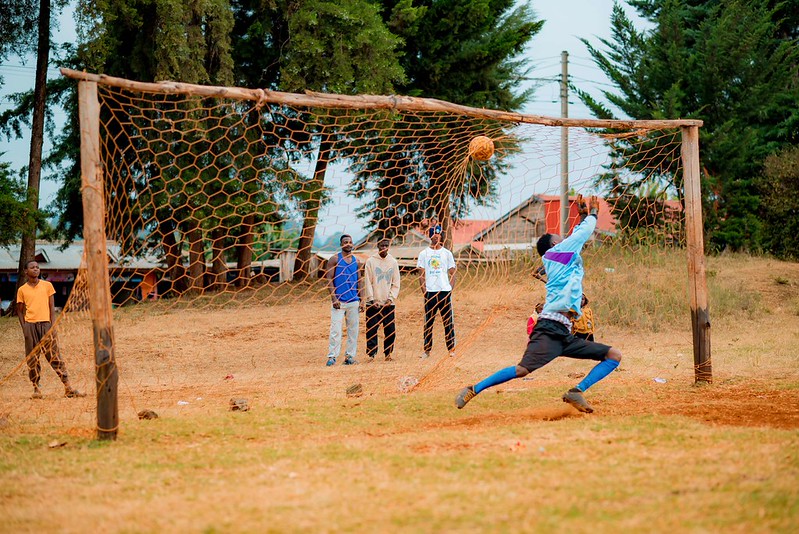
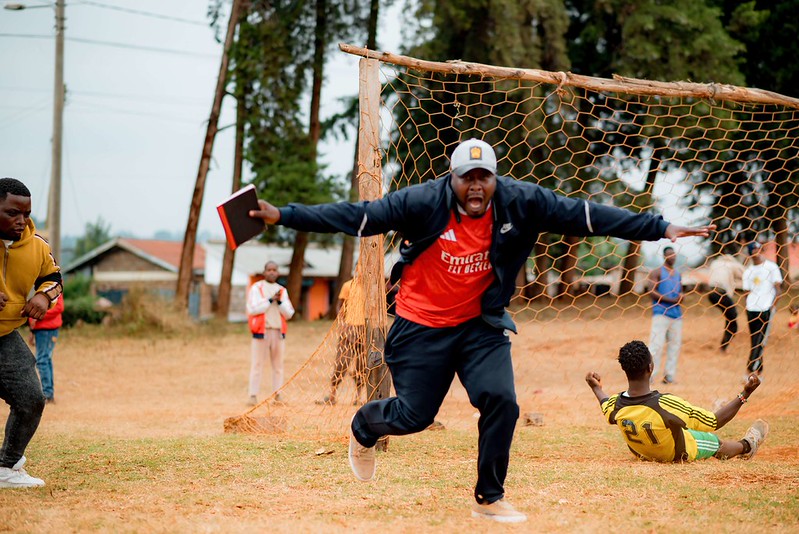
The call was made on Saturday by the Chairperson of the Rwandan Community in Kenya (RCK), Dr. Innocent Butare, during a meeting with members of the community in Nyeri County following a quarter-final match of the ongoing RCK Imena Cup 2026 football tournament.
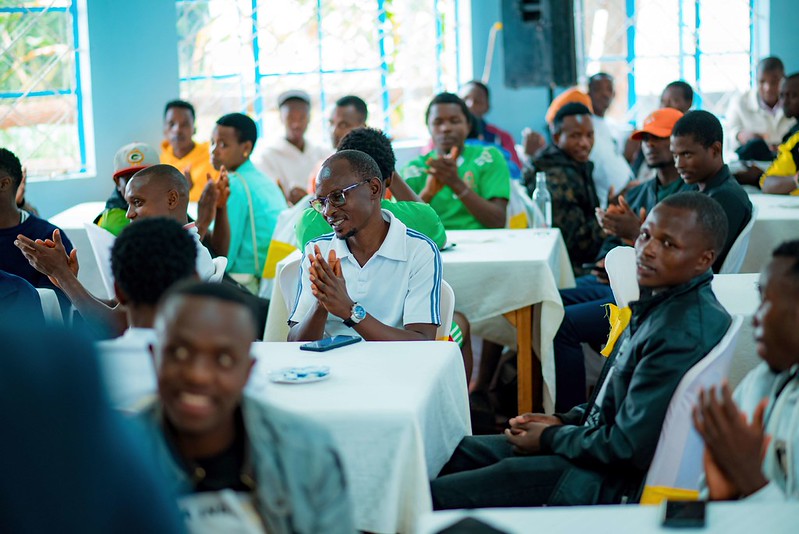
The meeting was attended by Rwanda’s High Commissioner to Kenya, Ambassador Ernest Rwamucyo, diplomats from the Rwandan High Commission, members of the RCK Committee, and 200 members of the Rwandan community from Nyeri, Embu, and Meru counties.
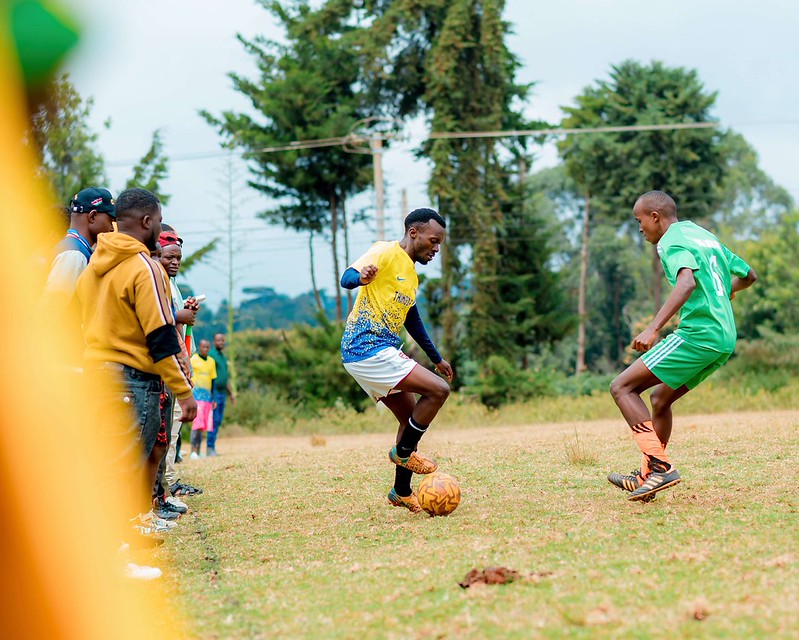
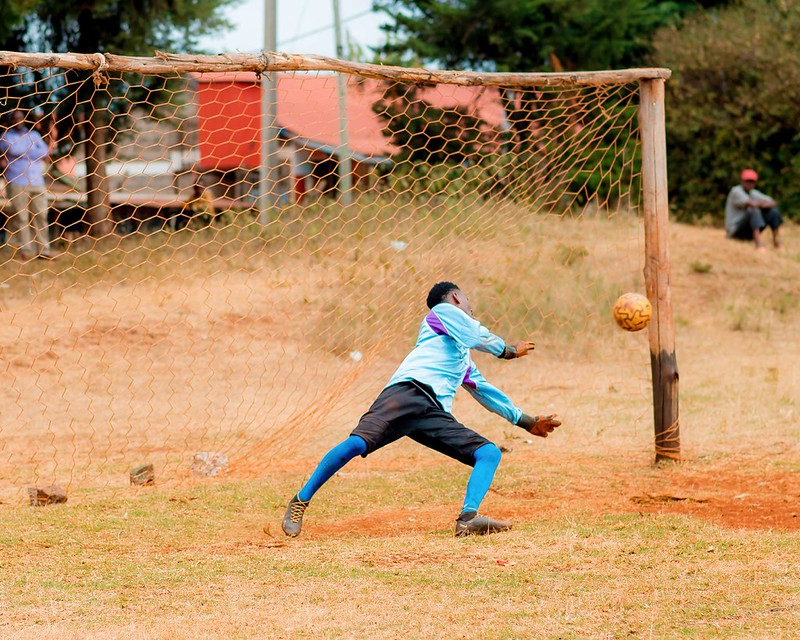
Earlier, Ambassador Rwamucyo, accompanied by diplomats from the High Commission and members of the RCK Committee, watched the quarter-final match between Elite FC and Vision de la Jeunesse FC. The tournament brings together Rwandan teams from across Kenya.
Vision de la Jeunesse FC of Embu County secured a place in the semi-finals, which will be held in Nairobi this October.
Addressing the gathering, Ambassador Rwamucyo congratulated Vision de la Jeunesse FC on reaching the semi-finals. He also highlighted the consular services offered by the High Commission and national development programmes that members of the community can participate in.
The High Commissioner encouraged Rwandans living in Kenya to continue upholding Rwandan values and to preserve the strong bilateral relations between Rwanda and Kenya by respecting the laws of their host country.
Dr. Butare urged the community to continue upholding the values of unity and social cohesion, which he said are key to fostering a strong, connected, and resilient RCK.
He also encouraged Rwandans living in Kenya to save through savings groups and urged those who are able to invest in investment schemes established by the Government of Rwanda, including Ejo Heza and the RNIT Iterambere Fund.
Rwanda’s High Commissioner to Kenya, Ambassador Ernest Rwamucyo, addresses members of the Rwandan community in Nyeri County following a quarter-final match of the RCK Imena Cup 2026.The RCK Imena Cup 2026 brings together Rwandan teams from across Kenya, strengthening connections among members of the Rwandan community.Rwandan Community in Kenya Chairperson Dr. Innocent Butare urged members to uphold the values of unity and social cohesion during a community meeting in Nyeri County.Members of the Rwandan community in Kenya gathered in Nyeri County for a meeting with Ambassador Ernest Rwamucyo and RCK Chairperson Dr. Innocent Butare.
The celebration, which is traditionally held on July 4, was postponed because several international conferences took place in Ankara during that period, leading to the temporary suspension of activities at many embassies.
Hosted in the Turkish capital, the event featured a cycling race, a road walk, a table tennis tournament, discussions on Rwanda’s liberation journey, and an evening cultural performance celebrating the country’s liberation.
Winners of the various competitions were recognized during the event. In the cycling tournament, Turkish participant Umut Akçaoğlu claimed first place, followed by Camille Niyonkuru in second and Pascal Nshuti in third. In the road walk competition, Lea Mujawimana finished first, ahead of Rulisa Briella and Laurence Uwonkunda Kayitare. In the table tennis tournament, Rwanda’s Ambassador to Türkiye, Lt. Gen. (Rtd) Charles Kayonga, emerged as the winner, while Nicole Cyuzuzo finished second.
A panel discussion was led by Rwanda’s Ambassador to Türkiye, Lt. Gen. (Rtd) Charles Kayonga, with contributions from Defence Attaché Col. Jean Paul Rulisa, Capt. Claudette Nishimwe, Commercial Attaché Lucas Murenzi, and Dr. Faustin Hategekimana.
The discussion focused on Rwanda’s liberation struggle, highlighting the courage and sacrifice of the young men and women of the Rwanda Patriotic Army (RPA) during the liberation war, as well as their contribution to rebuilding the country after ending the 1994 Genocide against the Tutsi. Speakers also reflected on the opportunities available to today’s youth as a result of the inclusive leadership established after the genocide.
Addressing participants, Ambassador Charles Kayonga explained that Rwanda’s liberation struggle unfolded in different phases. He noted that the first phase ended on July 4, 1994, when the RPA defeated the regime responsible for planning and carrying out the Genocide against the Tutsi.
He emphasized that, although the military struggle ended 32 years ago, Rwanda continues another important battle, one focused on development, transformation, and sustainable national progress.
The ambassador urged participants to reflect on how discriminatory politics can lead a nation to tragedy, recalling the lessons of the 1994 Genocide against the Tutsi. He stressed that Rwanda’s 2003 Constitution firmly rejects all forms of discrimination and divisionism.
He further noted that good governance has enabled today’s young generation to grow up in a peaceful and united Rwanda. He encouraged them to appreciate the country’s remarkable development while remaining vigilant against divisive ideologies that continue to fuel instability and undermine citizens’ rights in parts of the region. He called on young people to actively reject all forms of divisionism and to safeguard Rwanda’s unity and achievements.
Speakers also reminded participants that the goal of any liberation struggle is not only to achieve victory but also to preserve its gains. Young people were therefore encouraged to remain committed to protecting the country’s achievements and contributing to its continued development.
The celebration also honored Rwandan students who recently completed their studies at different universities across Türkiye. They were commended for their hard work and academic success and encouraged to become exemplary professionals who will contribute to Rwanda’s future development.
The event concluded with cultural performances featuring songs and dances inspired by Rwanda’s liberation struggle, bringing the celebration to a festive close.
A panel discussion was led by Rwanda’s Ambassador to Türkiye, Lt. Gen. (Rtd) Charles Kayonga, with contributions from Defence Attaché Col. Jean Paul Rulisa, Capt. Claudette Nishimwe, Commercial Attaché Lucas Murenzi, and Dr. Faustin Hategekimana.Sports competitions were also part of the event. Winners of the various competitions were recognized during the event.Young people were encouraged to remain committed to protecting Rwanda’s achievements and contributing to its continued development.
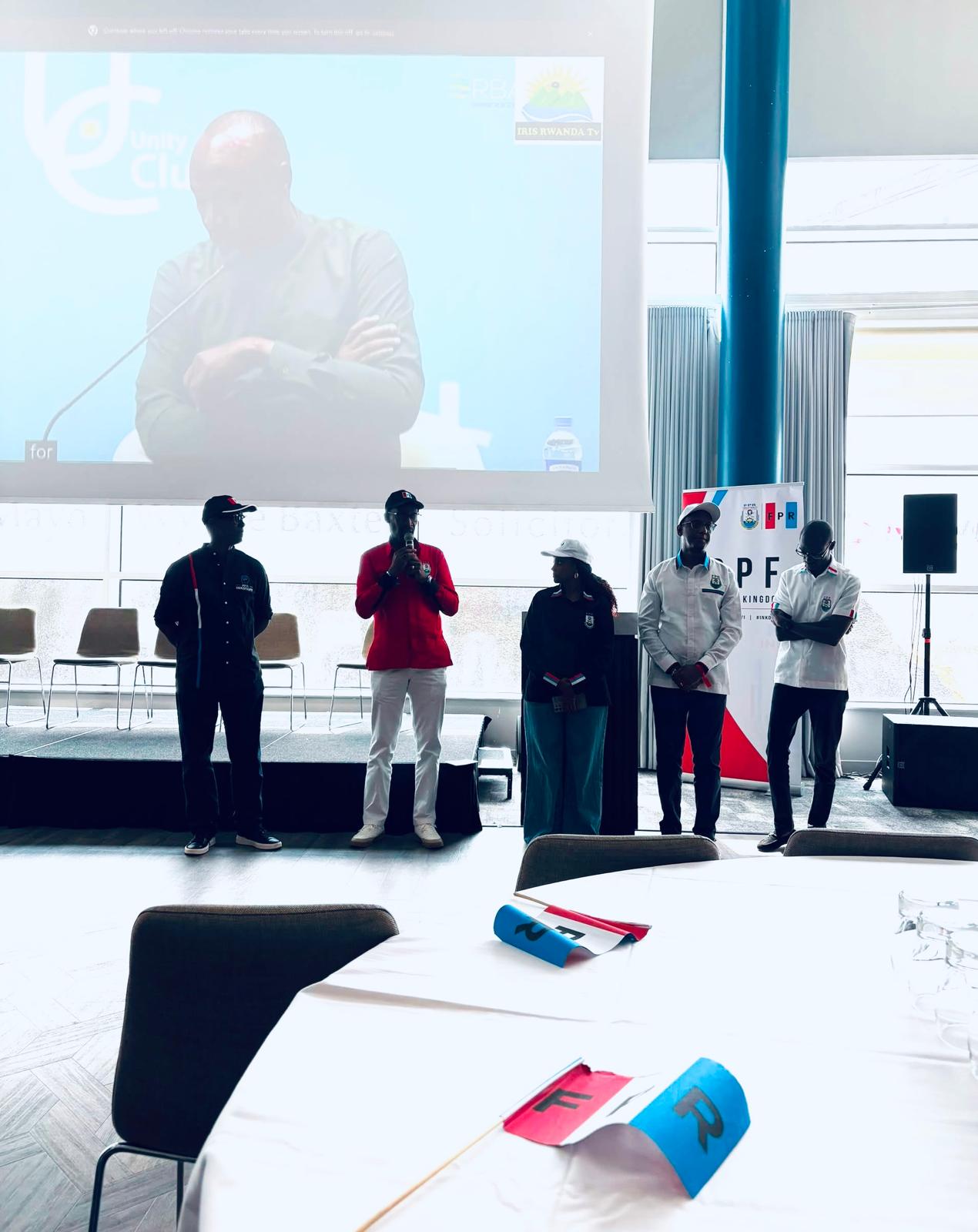
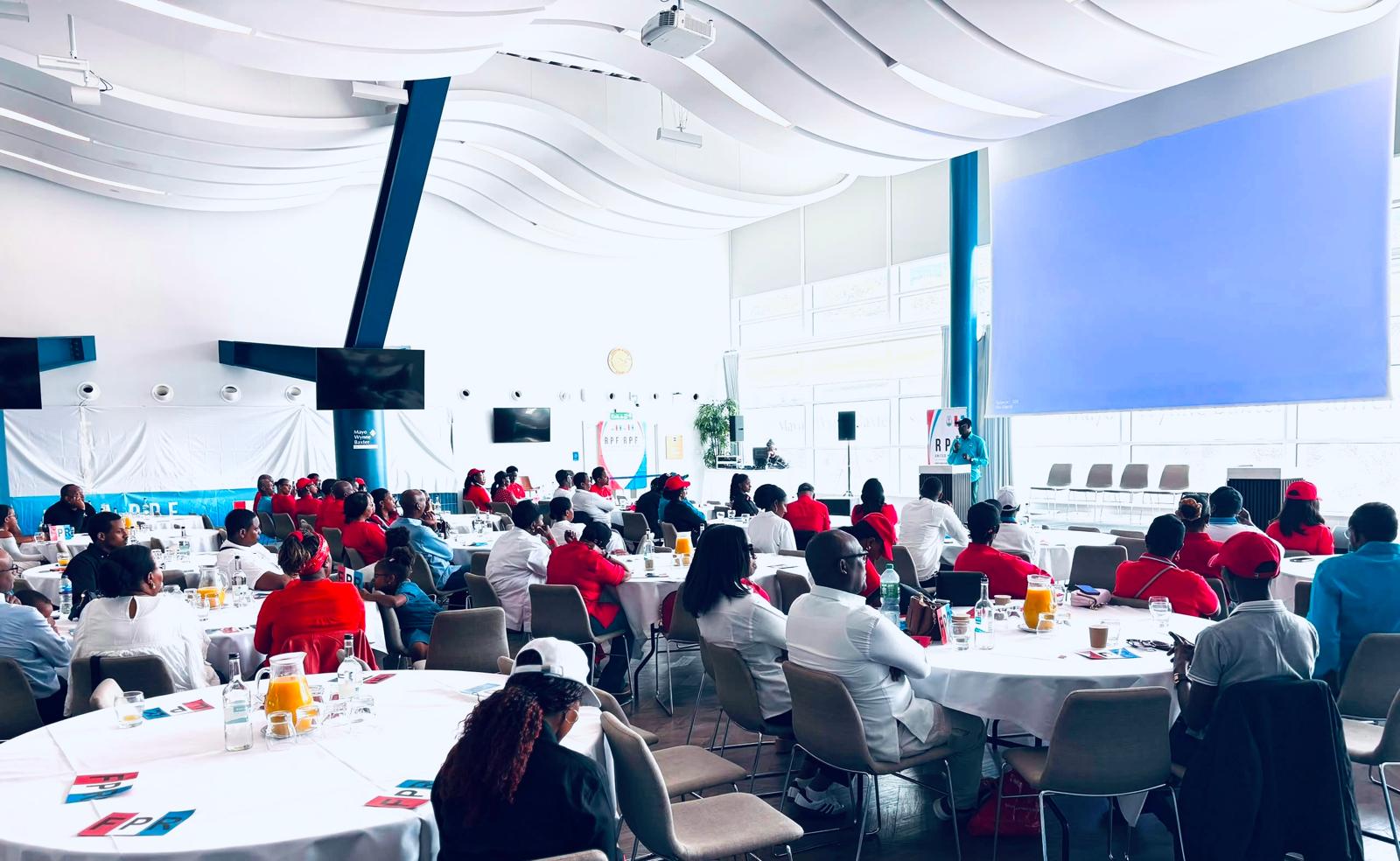
The gathering brought together RPF-Inkotanyi members from all walks of life within the Rwandan community in the UK, including professionals, entrepreneurs, students and some of the pioneers who helped establish the RPF structure in the United Kingdom. It also attracted many young Rwandans who were either born in Rwanda or in the UK and raised in Britain.
Several young participants shared their experiences of growing up in the United Kingdom while maintaining a strong connection with Rwanda. They spoke proudly about their Rwandan identity, cultural heritage and their determination to contribute to the country’s future.
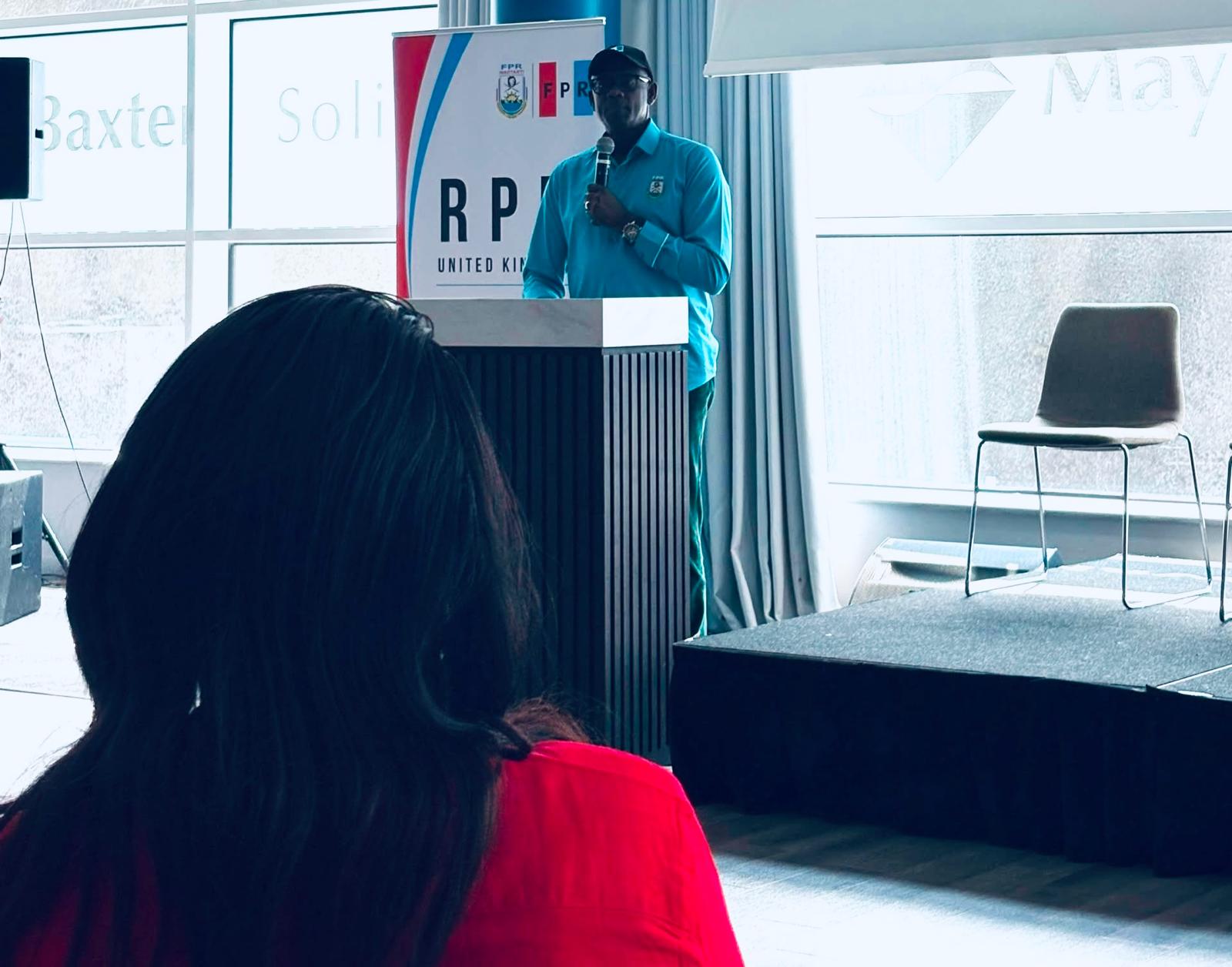
RPF UK Chairperson Egide Ruhashya praised the strong turnout and the spirit that characterized the gathering.
“This gathering demonstrated the strength, unity and commitment of Rwandans across the United Kingdom. It was particularly encouraging to see different generations coming together to reflect on our history, celebrate Rwanda’s progress and discuss how each of us can contribute to the country’s continued development. Our young people have an important responsibility as the leaders of tomorrow,” he said.
Rwanda’s High Commissioner to the United Kingdom, Johnston Busingye, who also attended the event, said Rwanda’s transformation has been built on the values of unity, accountability, equal opportunity and a shared commitment to national development.
“Rwanda’s transformation has been built on unity, accountability, equal opportunity and a shared commitment to national development. Rwandans living abroad remain an important part of this journey. By preserving our values, investing in the next generation and contributing their knowledge and experience, the Rwandan community in the United Kingdom can continue to play a meaningful role in building the Rwanda we want,” he said.
The programme also featured an expert presentation examining Rwanda’s current opportunities and challenges. Speakers emphasized the important role of the Rwandan diaspora in supporting nation-building, promoting investment and contributing to the country’s continued development.
Participants also discussed Rwanda’s culture and values, stressing the importance of preserving them and passing them on to younger and future generations.
The gathering provided an opportunity to reflect on the history of the RPF-Inkotanyi and Rwanda’s liberation struggle, paying tribute to the men and women whose sacrifices laid the foundation for unity, peace and national renewal.
Participants also reviewed Rwanda’s achievements under the leadership of the RPF-Inkotanyi over the past 32 years, highlighting progress in governance, socio-economic development, national unity and institution building.
Key priorities discussed during the event included strengthening the unity of all Rwandans, promoting equal opportunities, ensuring accountability across institutions, advancing self-reliance and maintaining an ambitious vision for Rwanda’s future.
Special attention was given to the role of young people as the country’s future leaders. Speakers encouraged young Rwandans in the diaspora to embrace leadership, remain closely connected to their heritage and use their knowledge, skills and experience to contribute to Rwanda’s continued development.
The gathering concluded in an atmosphere of enthusiasm, pride and strong unity, with participants proudly wearing RPF-Inkotanyi colours and insignia while reaffirming their commitment to contributing to Rwanda’s development from wherever they live, work or study in the United Kingdom.
The gathering brought together RPF-Inkotanyi members from all walks of life within the Rwandan community in the UK.Rwanda’s High Commissioner to the United Kingdom, Johnston Busingye, said Rwanda’s transformation has been built on the values of unity, accountability, equal opportunity and a shared commitment to national development.The gathering provided an opportunity to reflect on the history of the RPF-Inkotanyi and Rwanda’s liberation struggle, paying tribute to the men and women whose sacrifices laid the foundation for unity, peace and national renewal.Participants also discussed Rwanda’s culture and values, stressing the importance of preserving them and passing them on to younger and future generations.