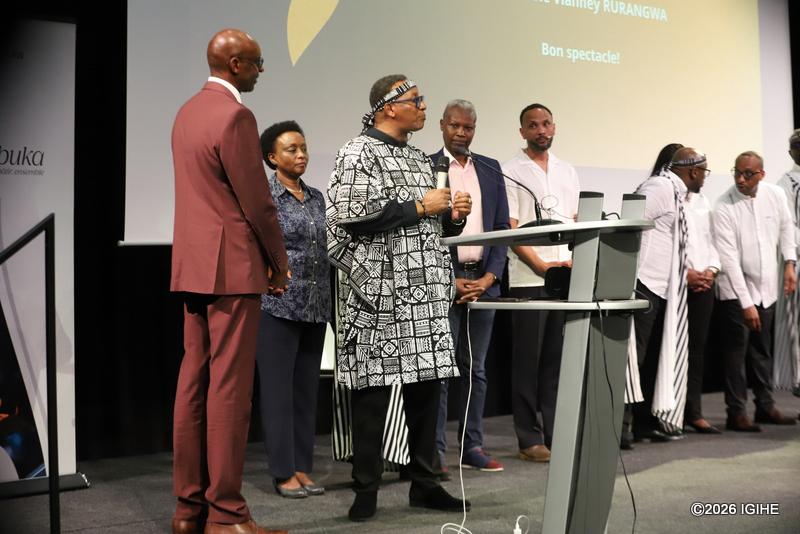
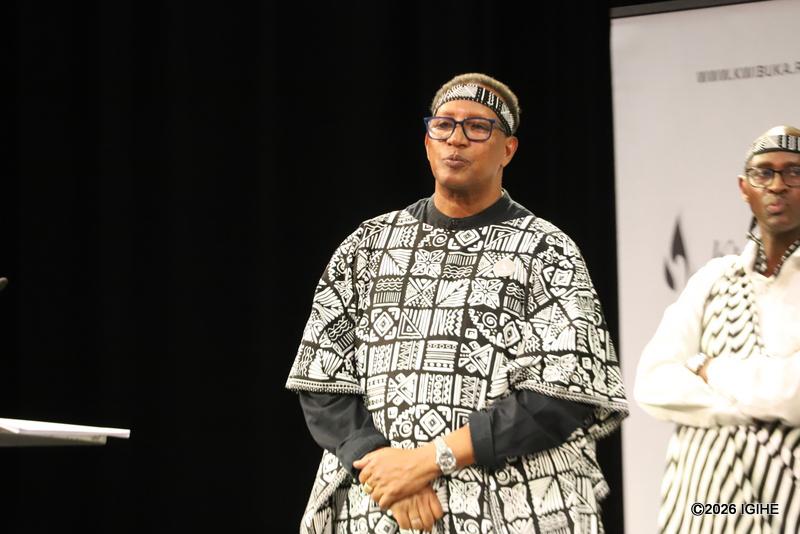
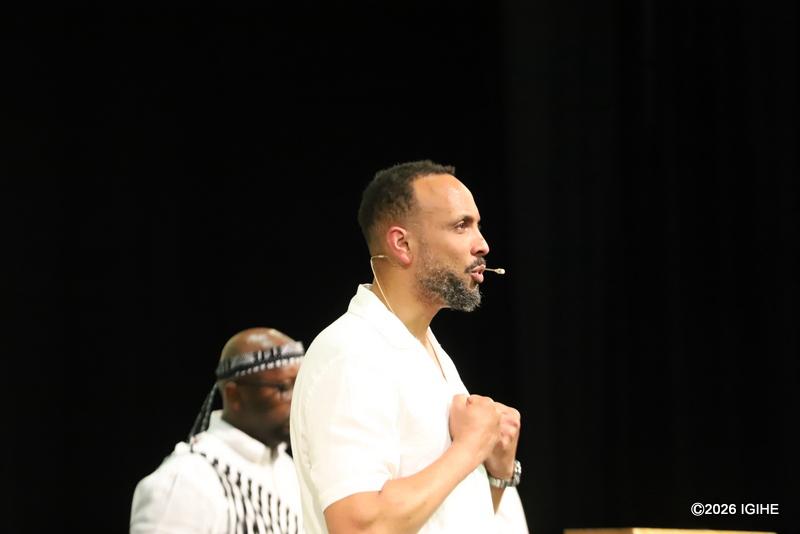
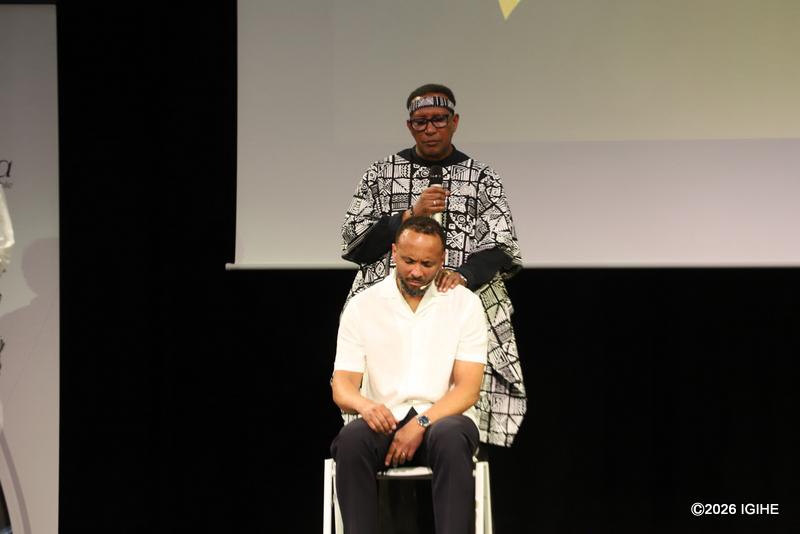
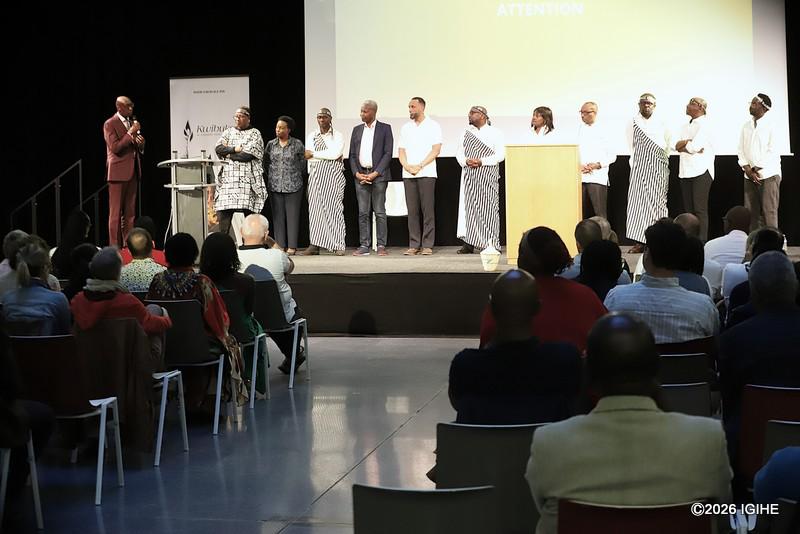
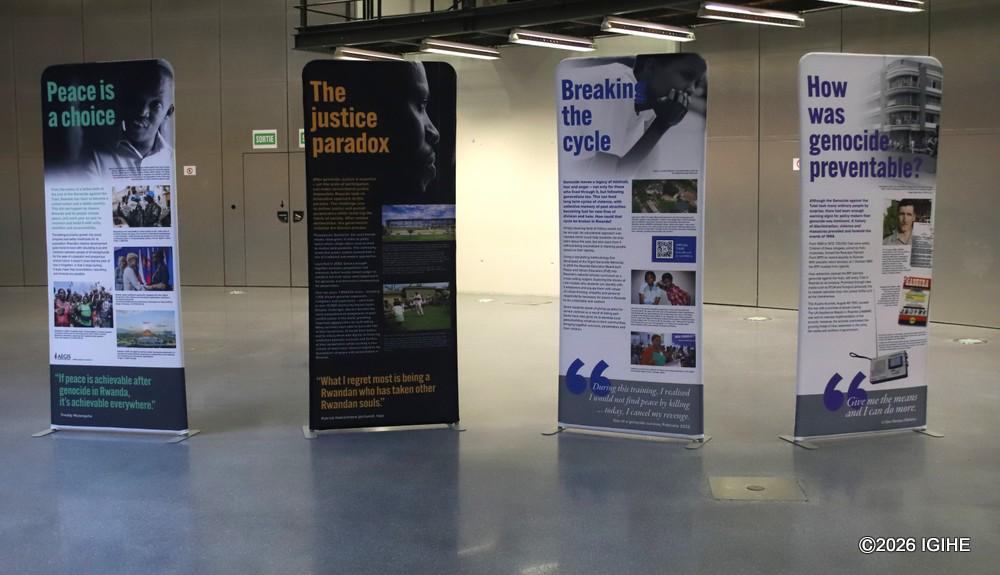
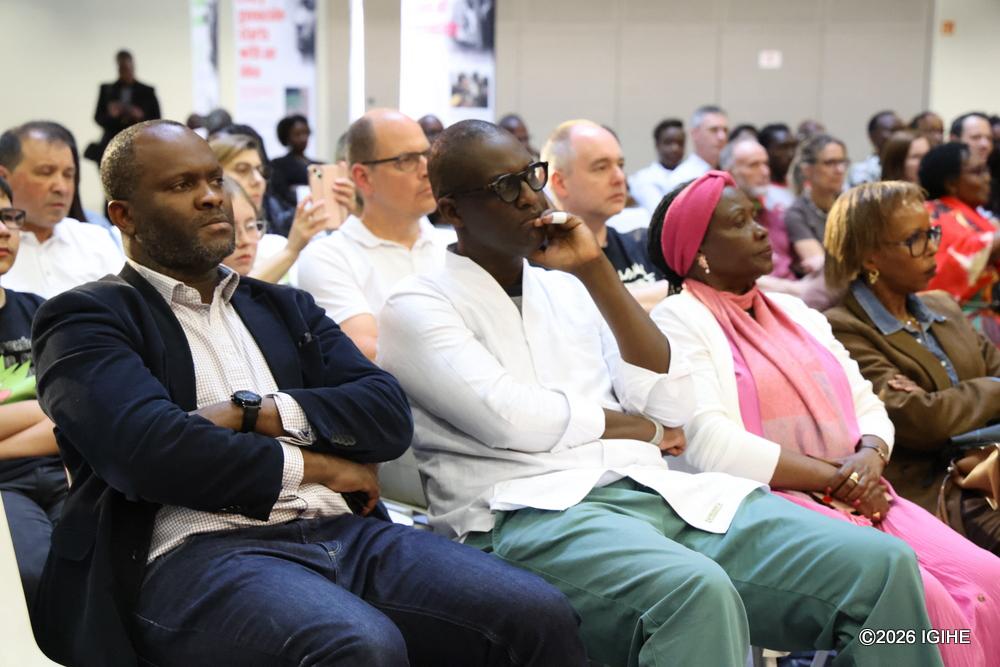
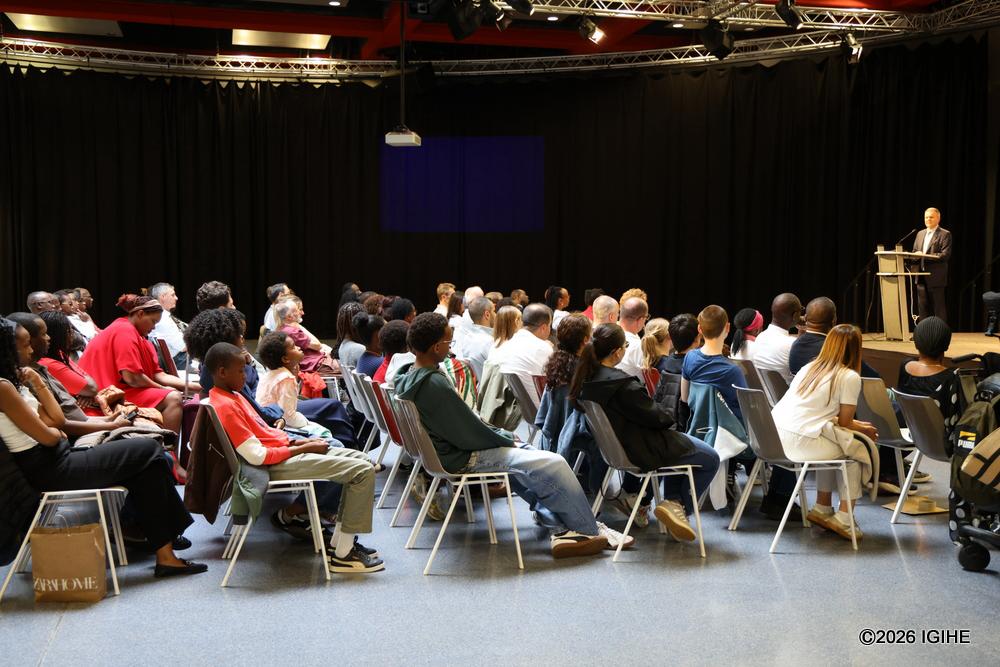
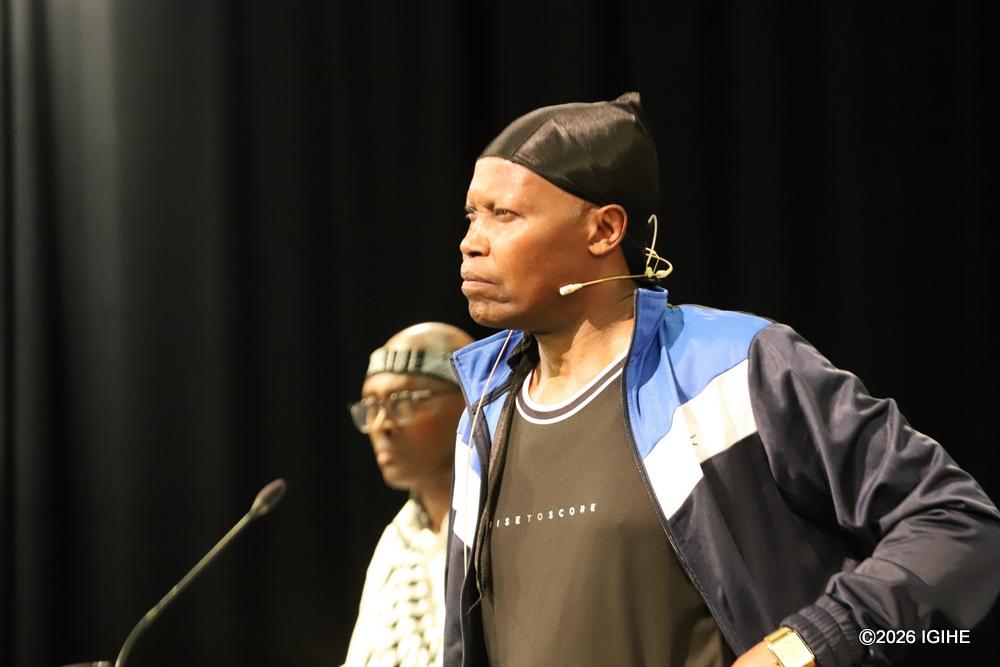
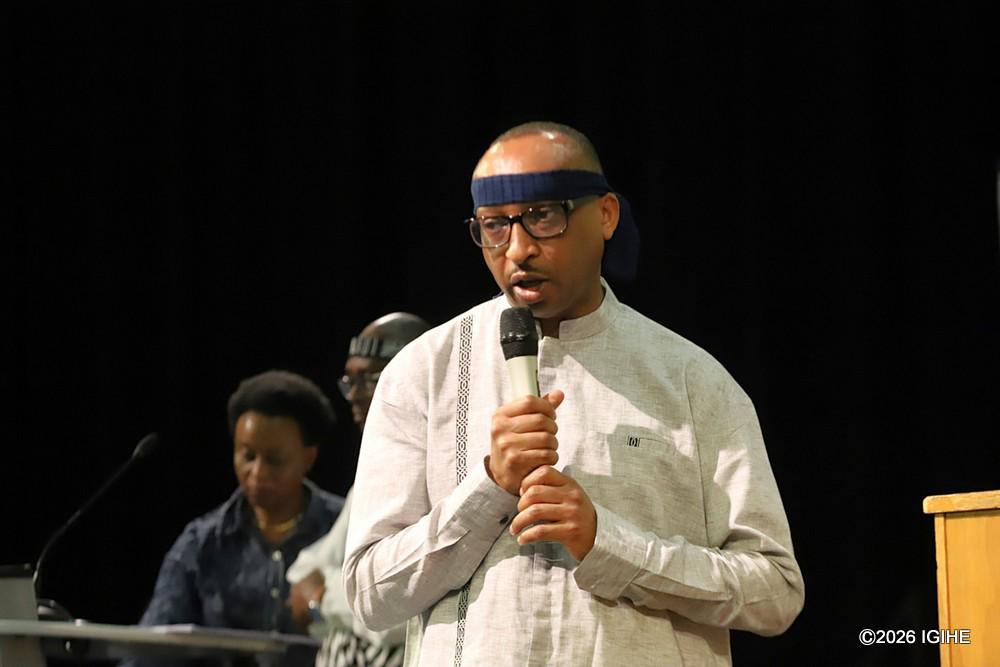
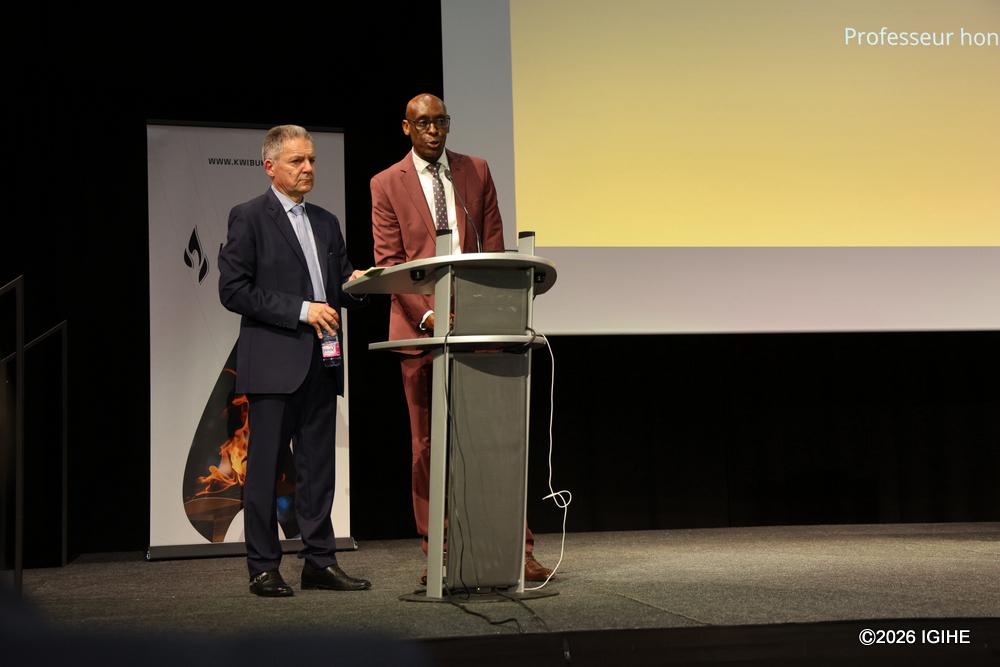
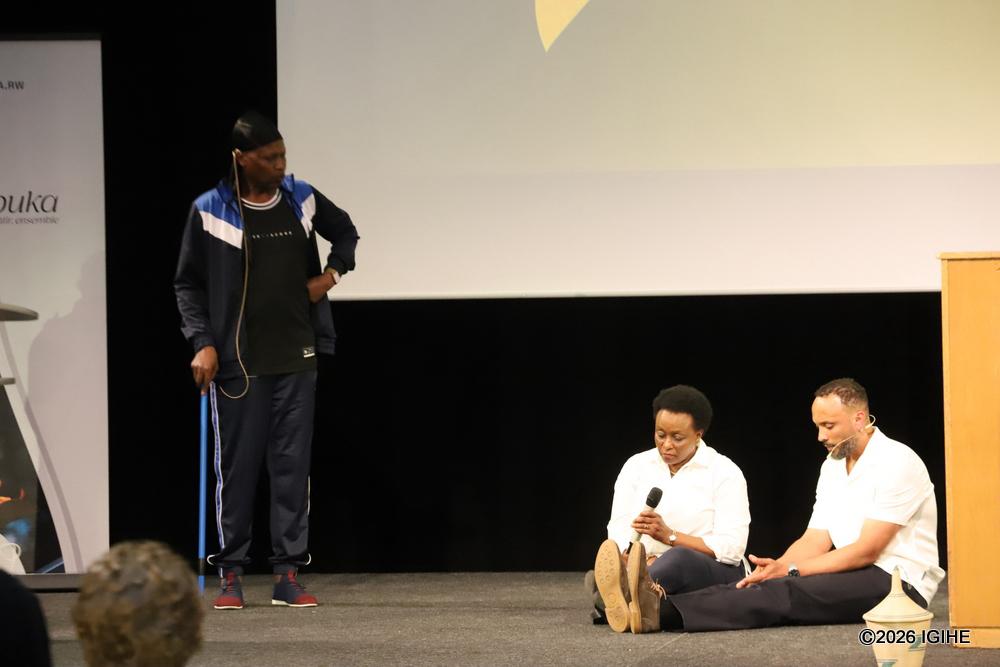
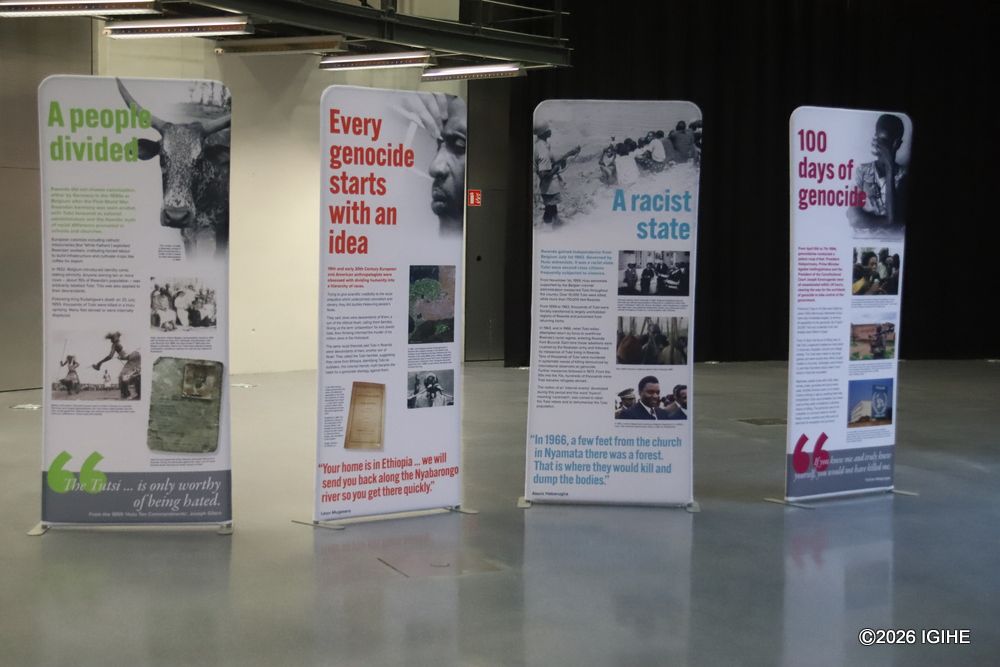
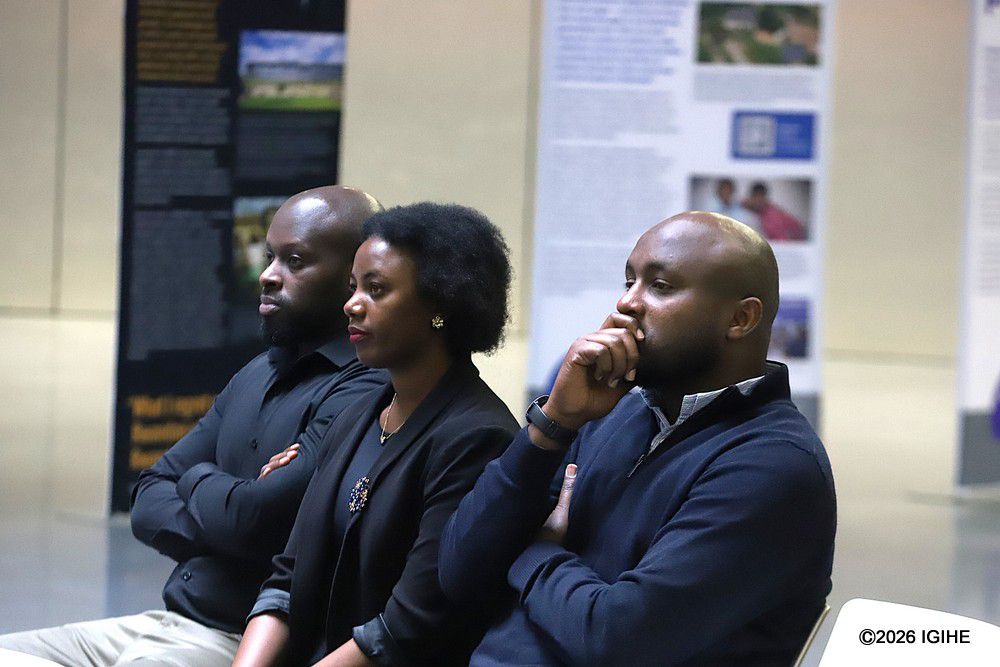
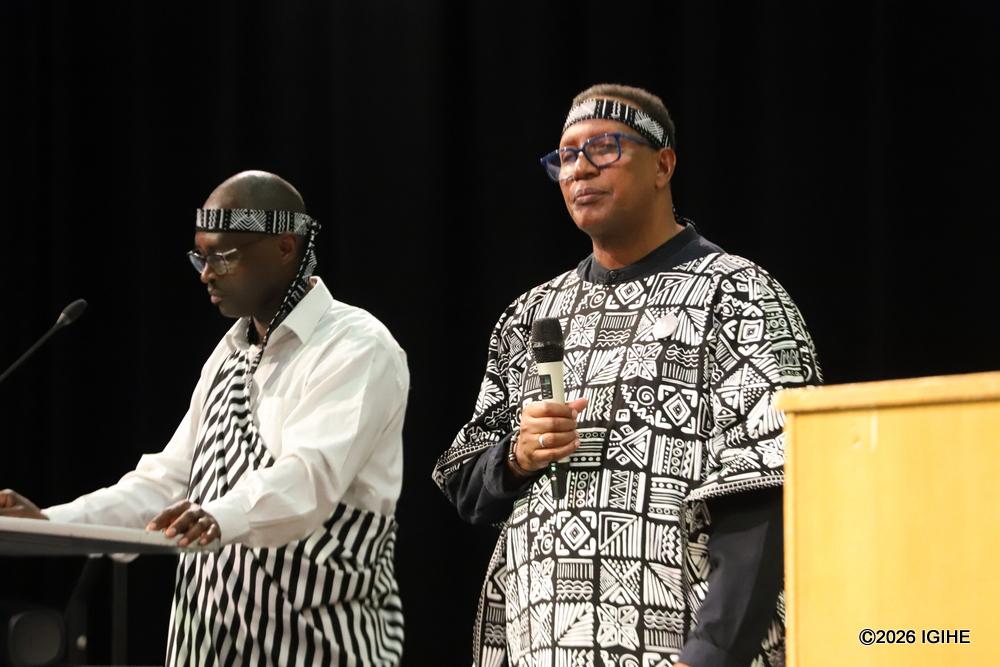
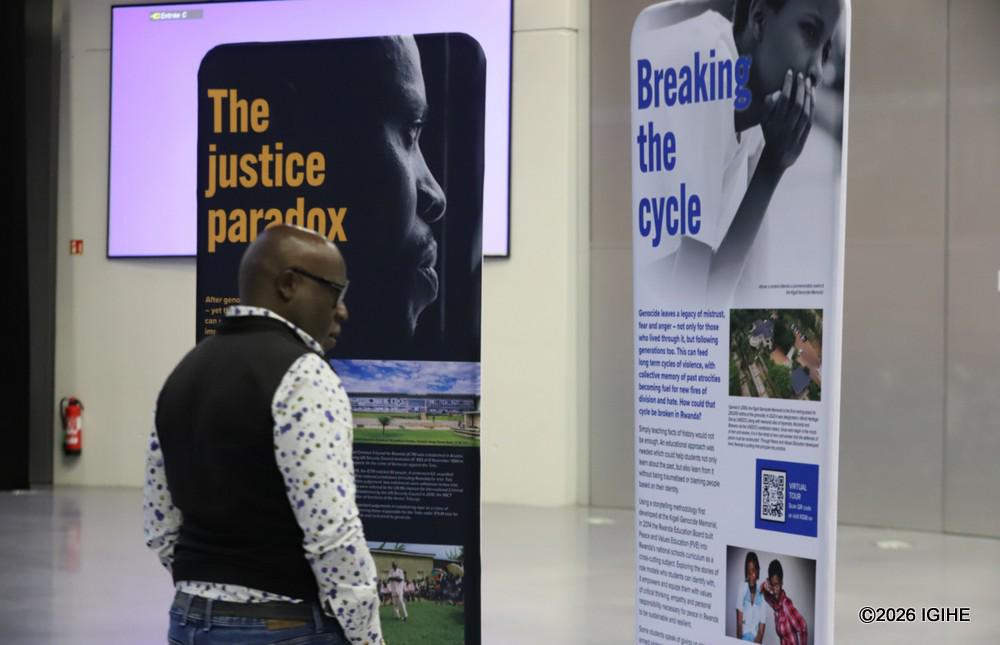
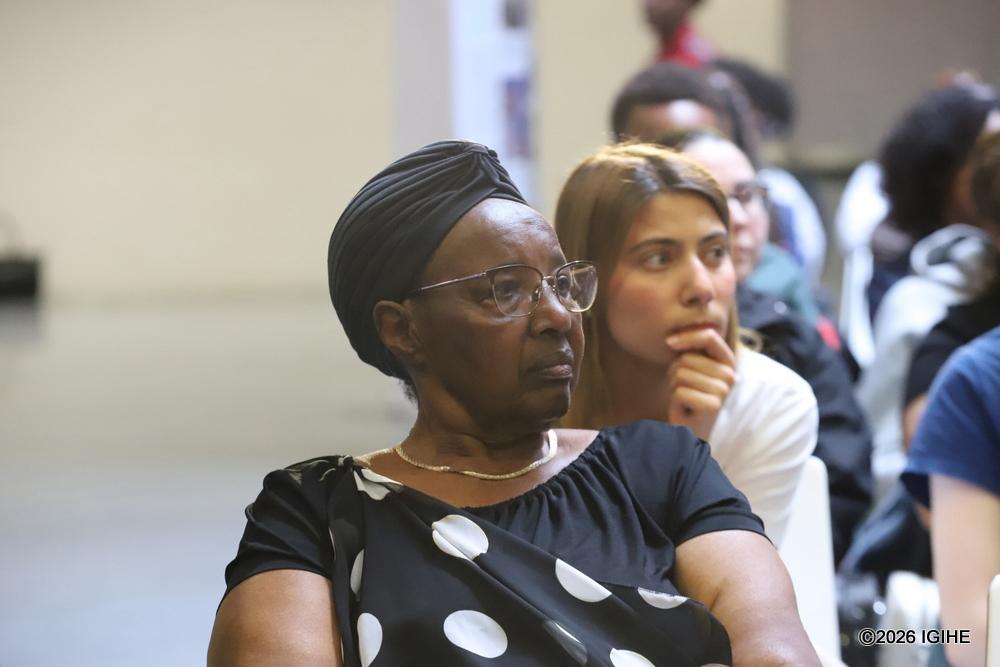
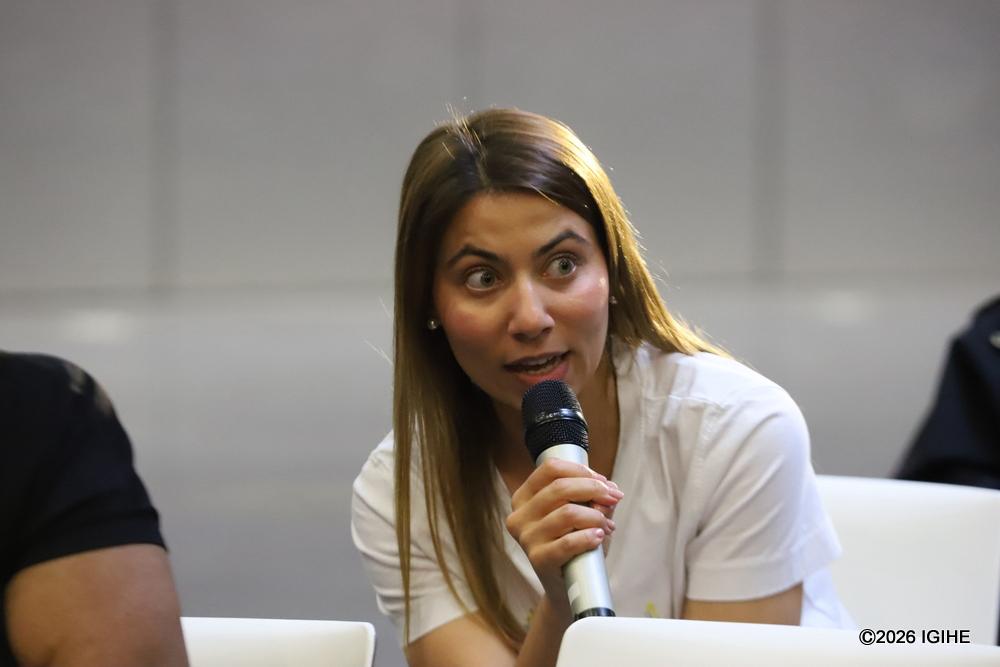
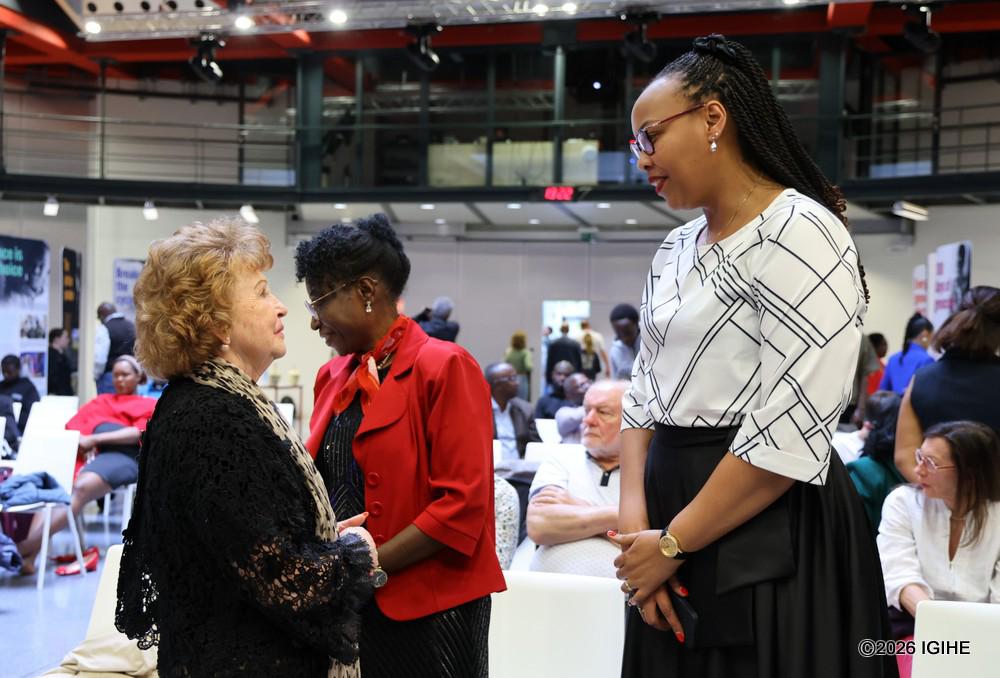
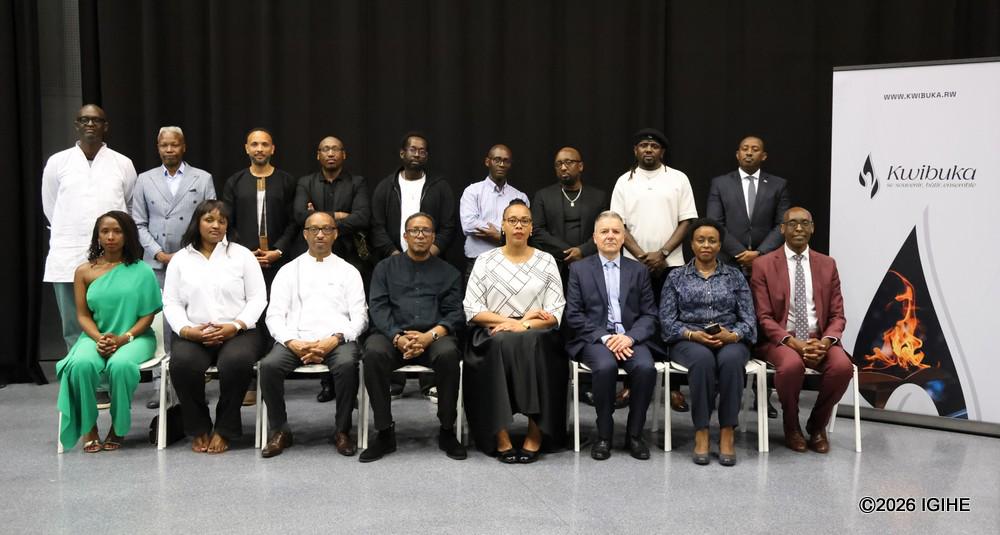
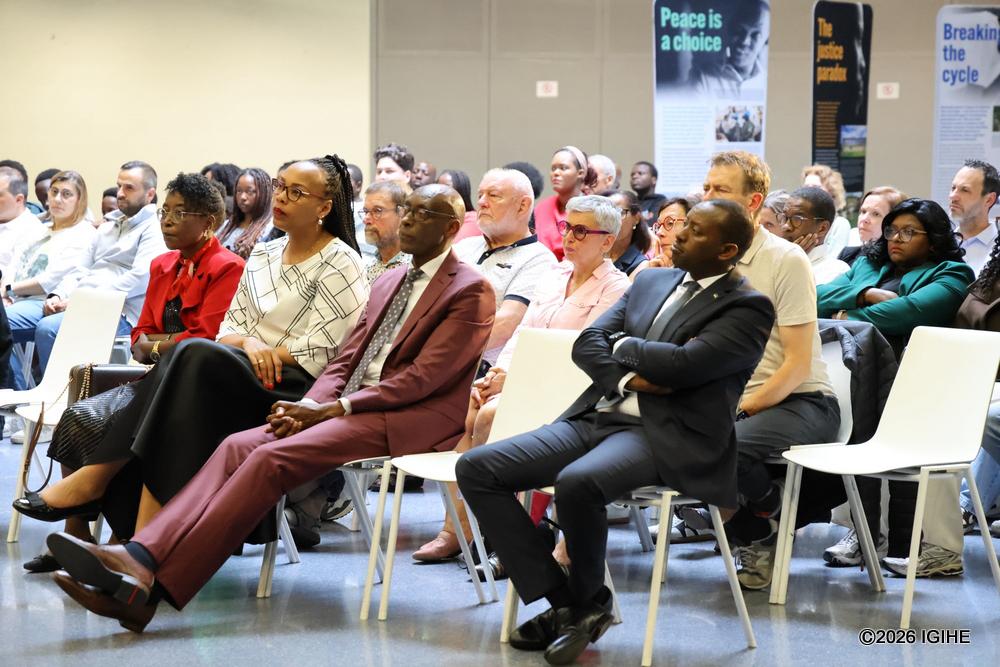
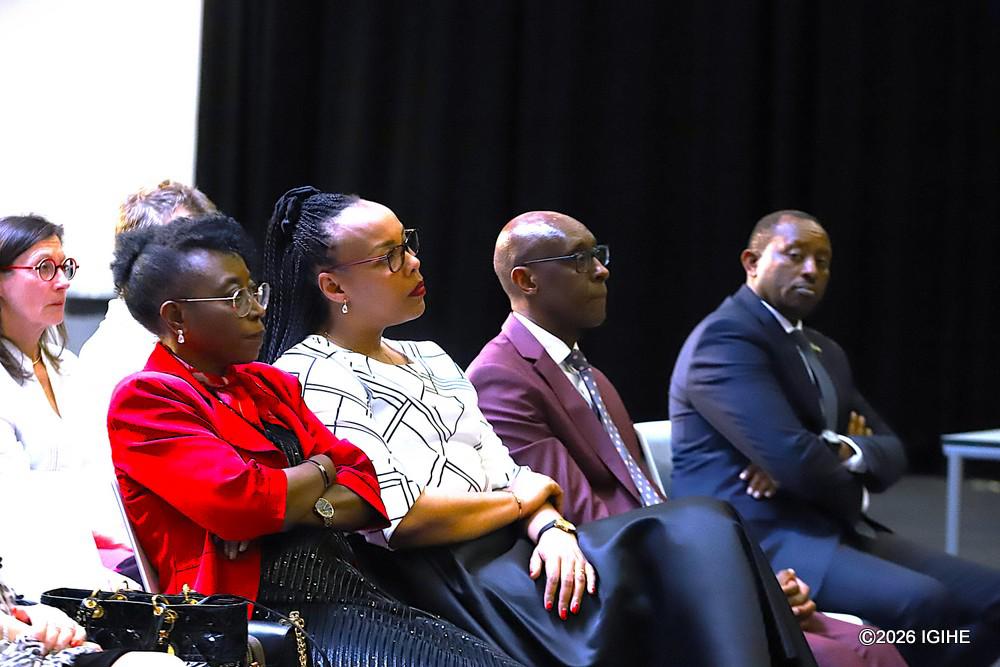
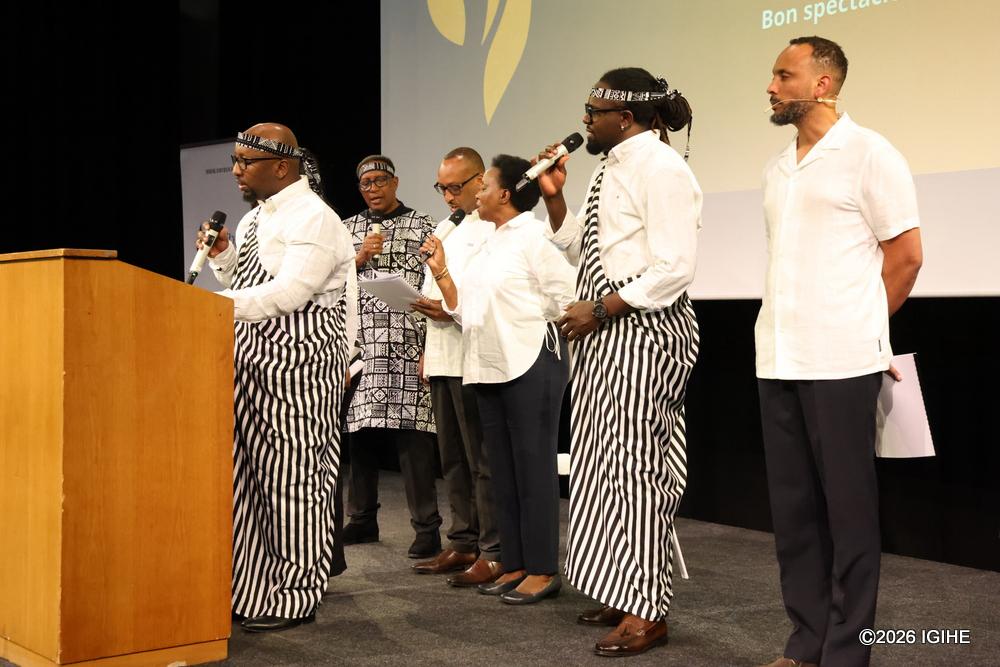
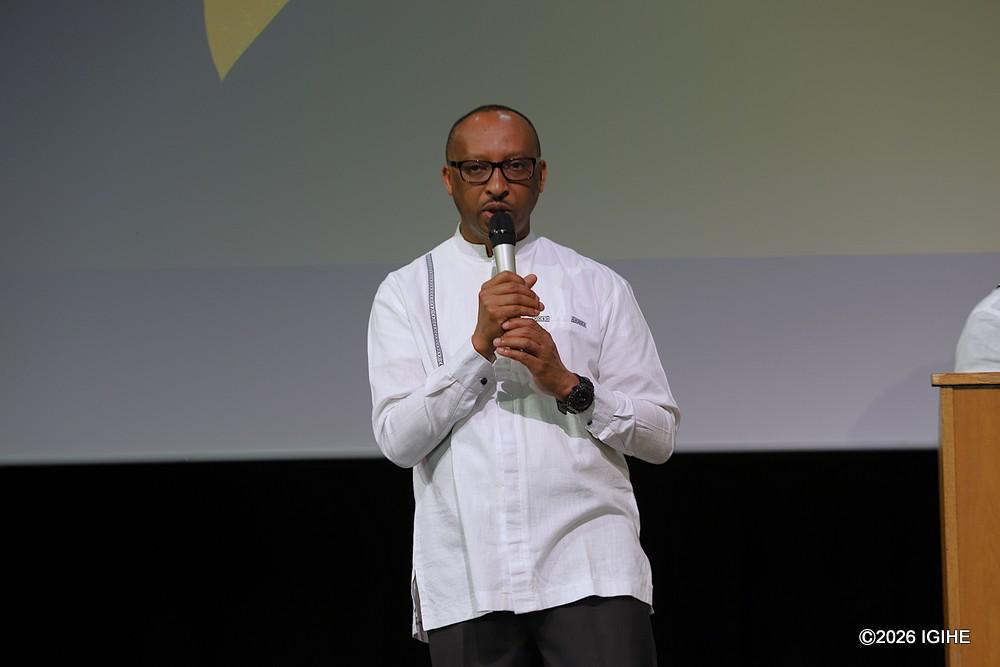
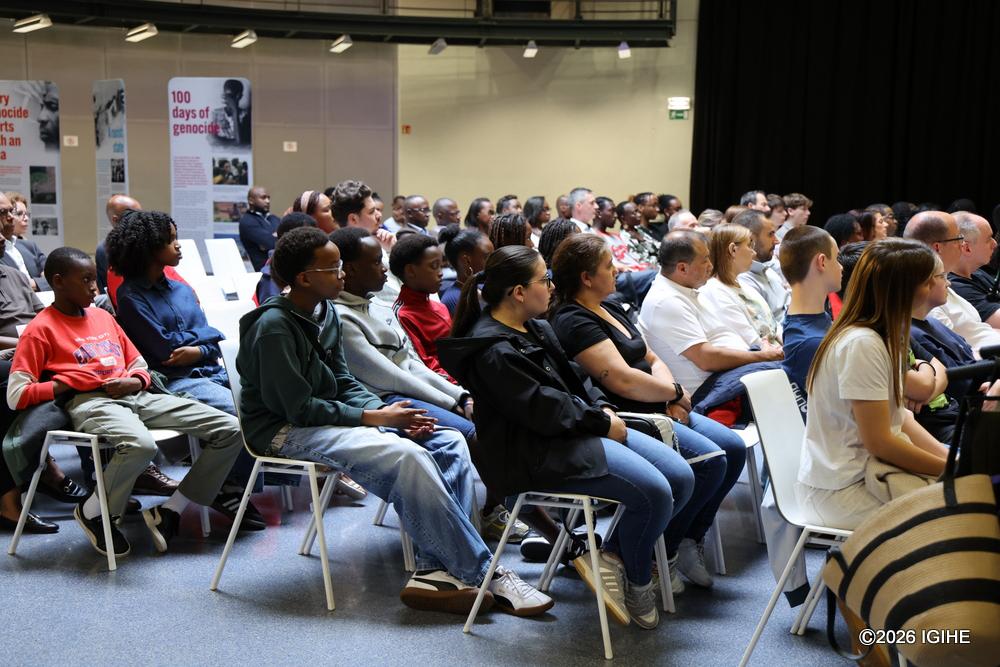
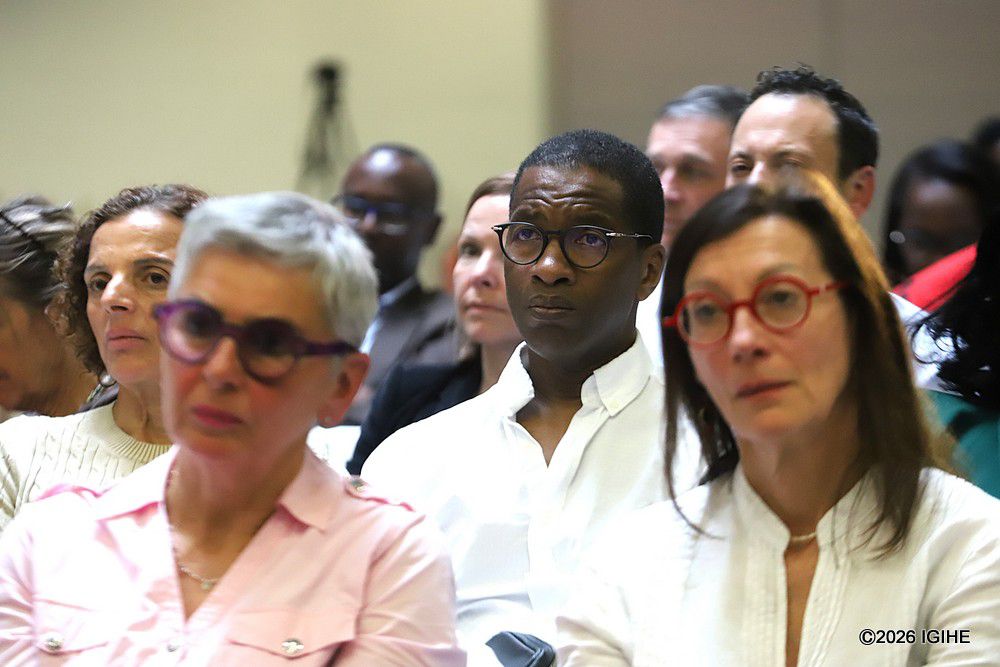
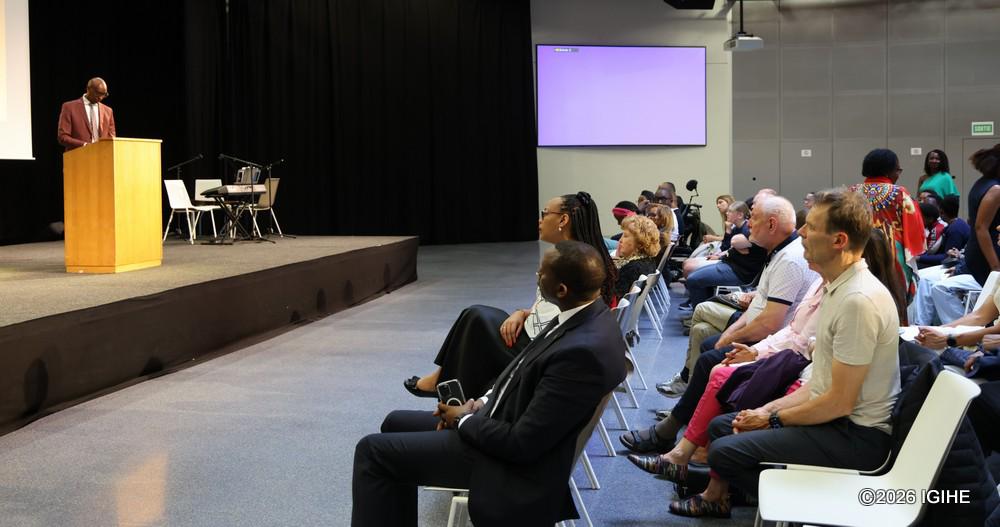
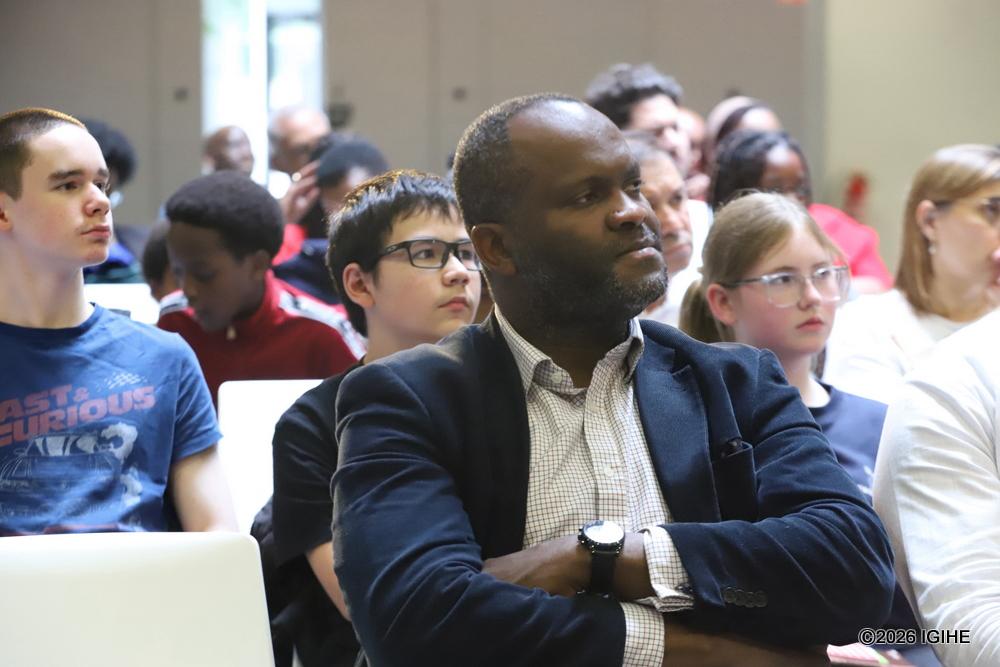
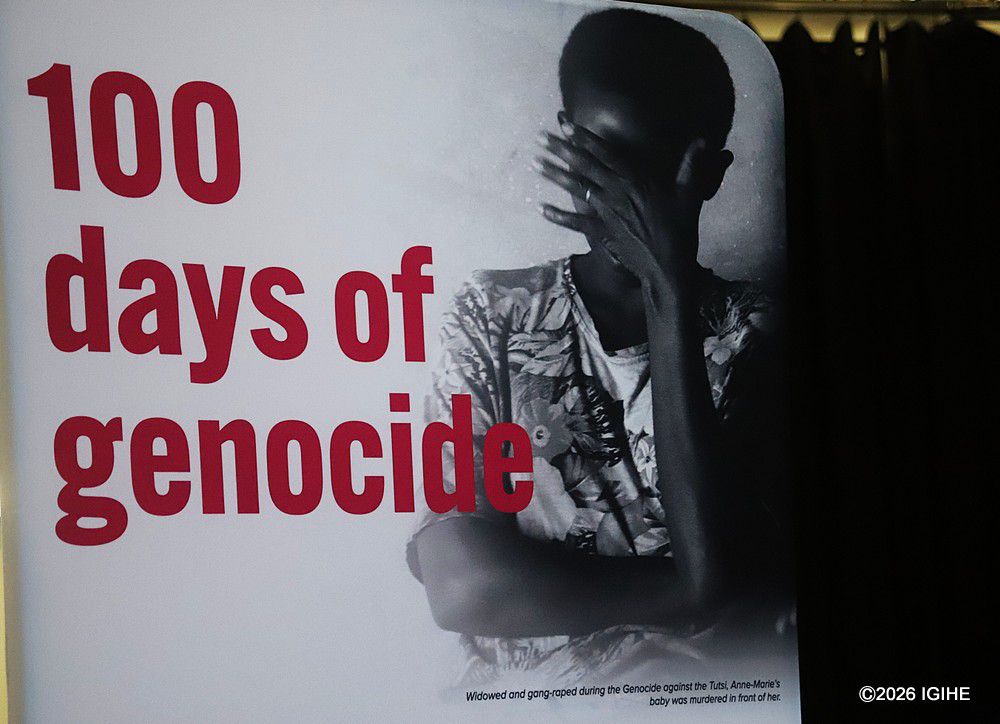
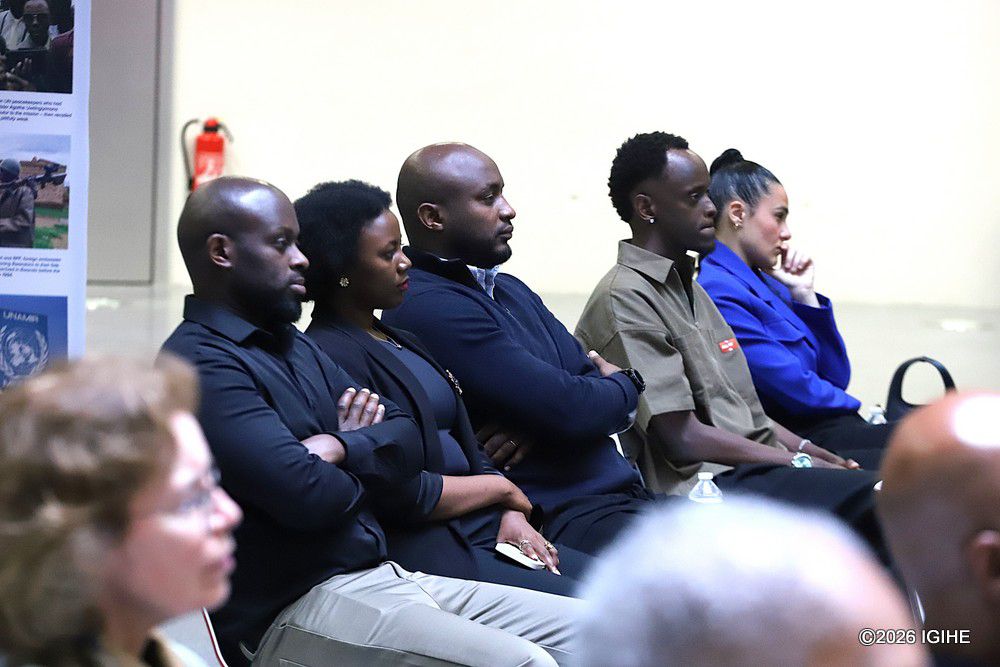
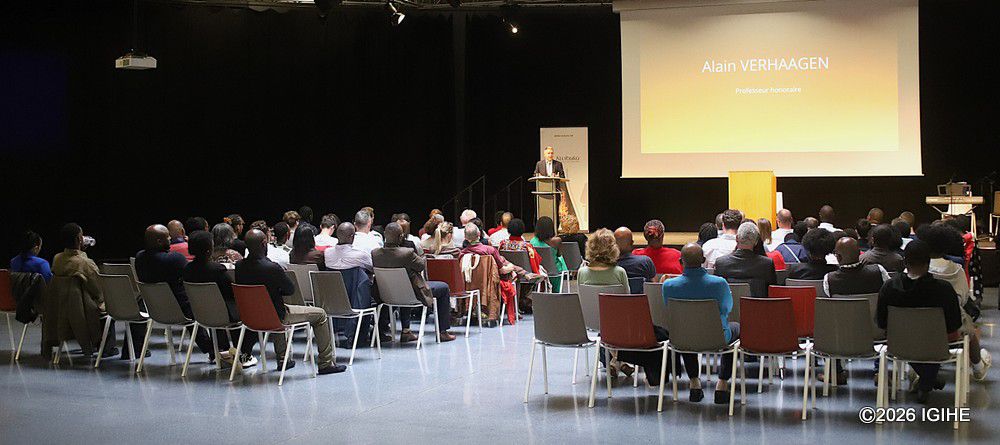
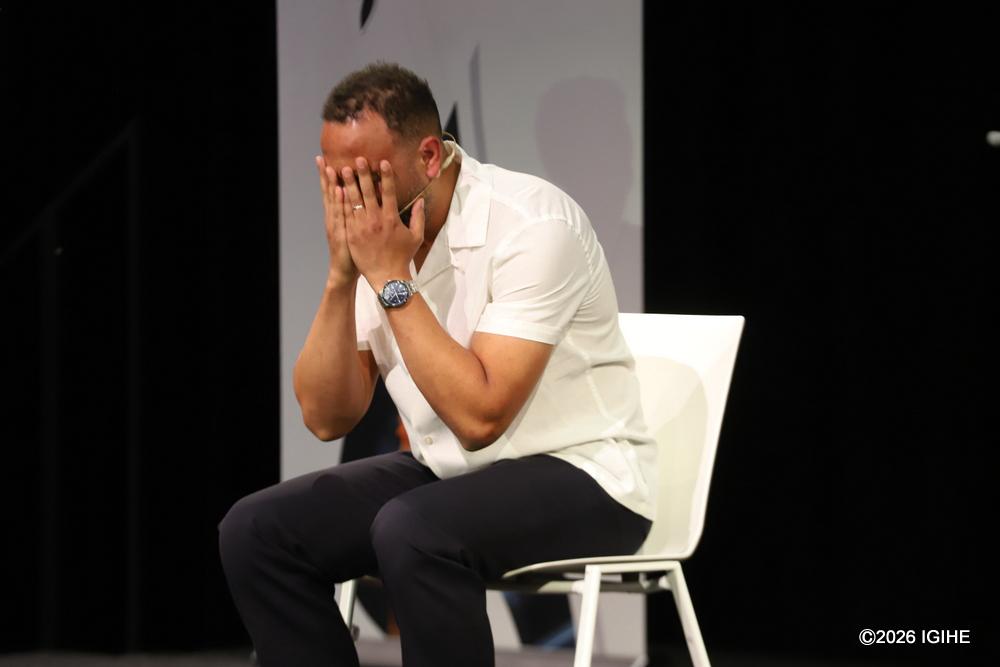
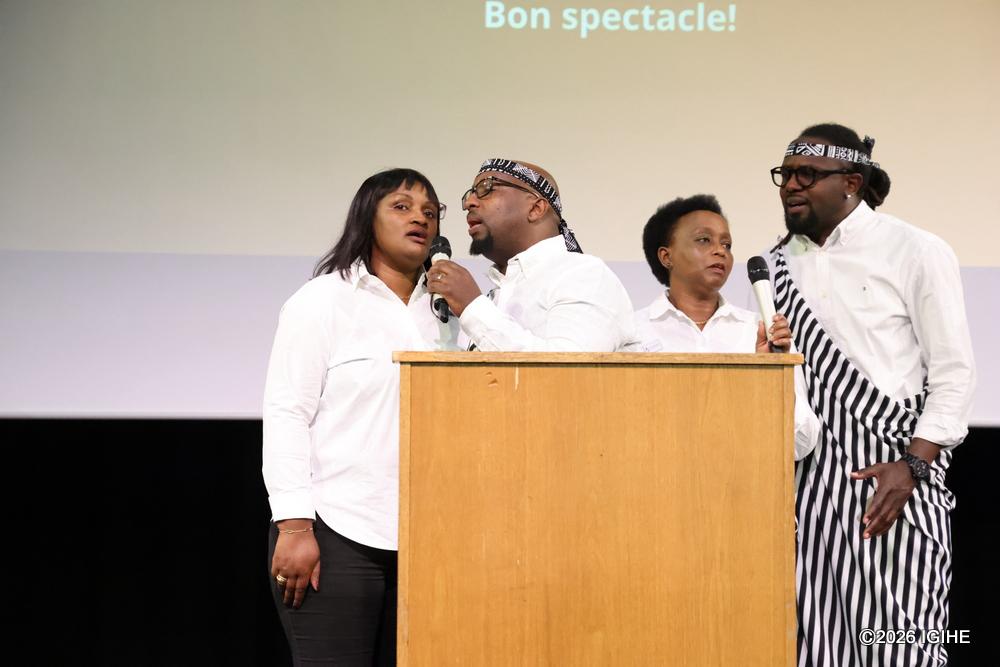
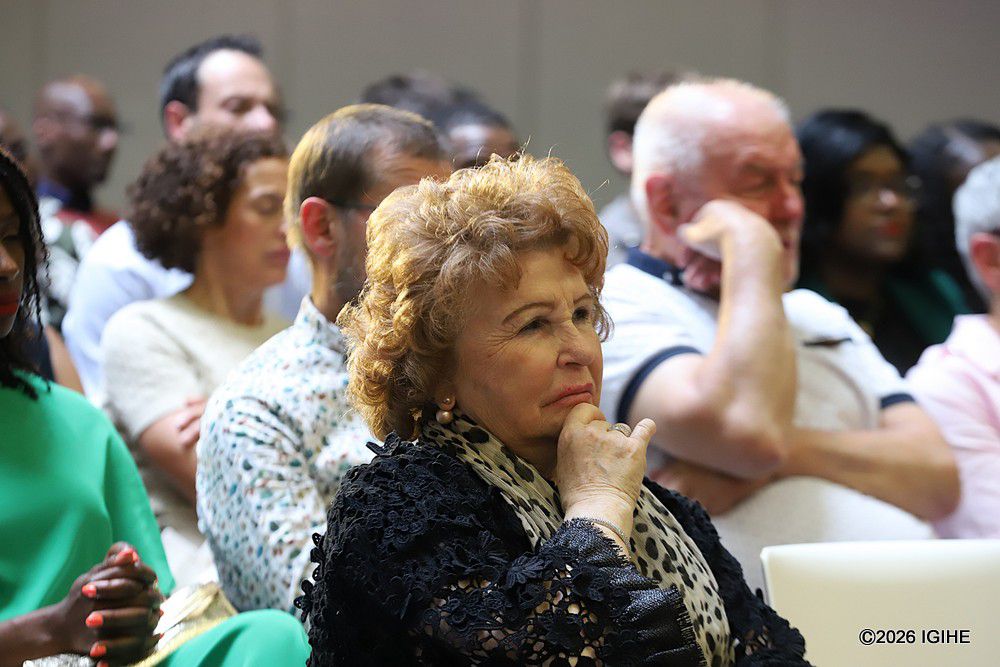
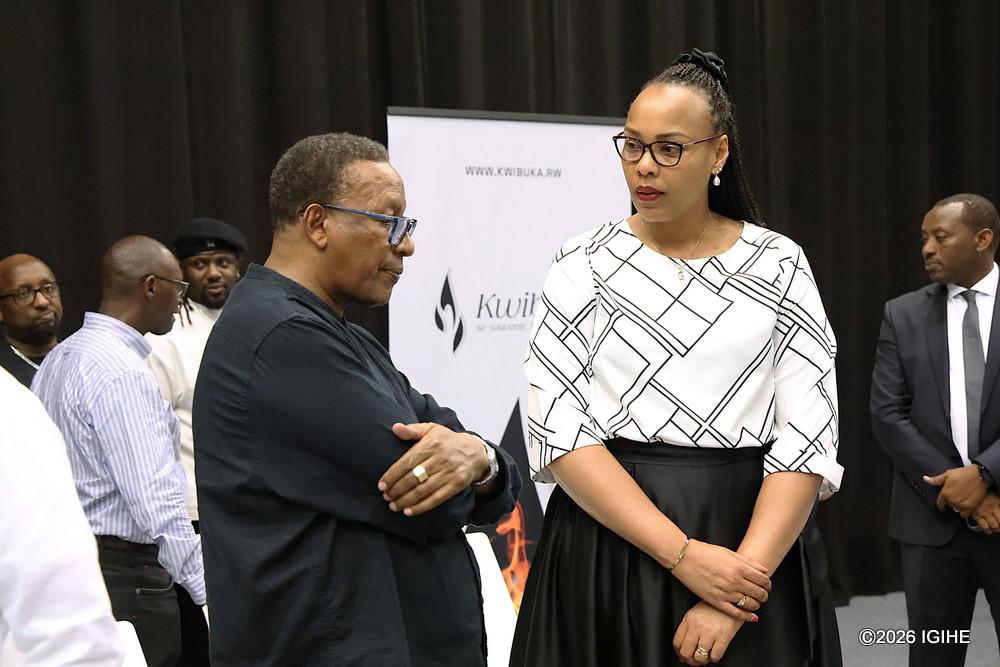
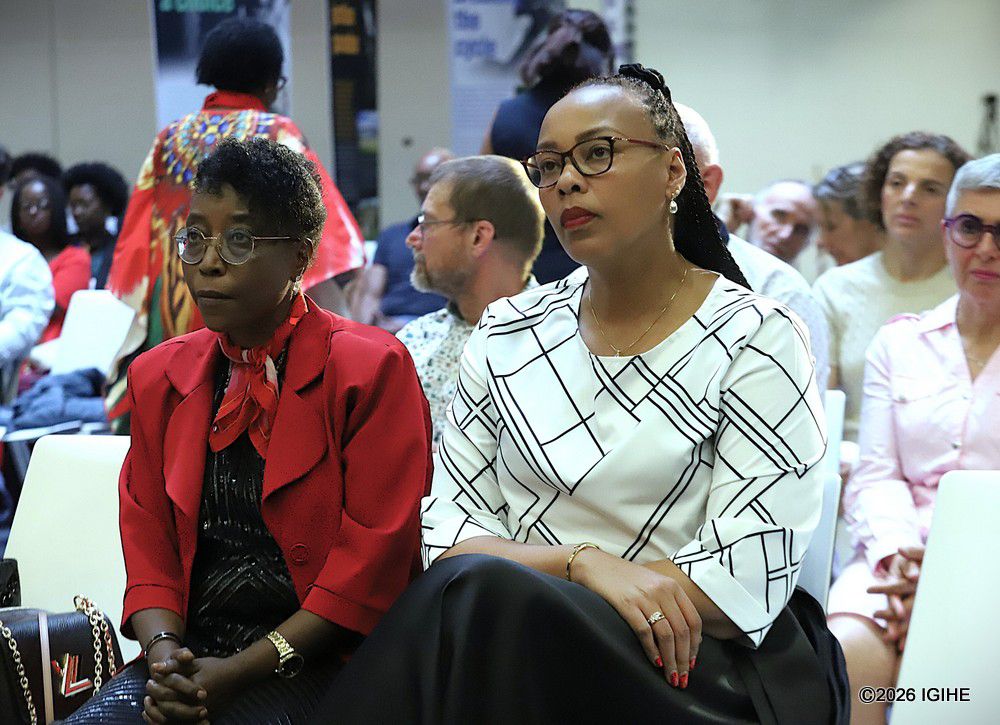
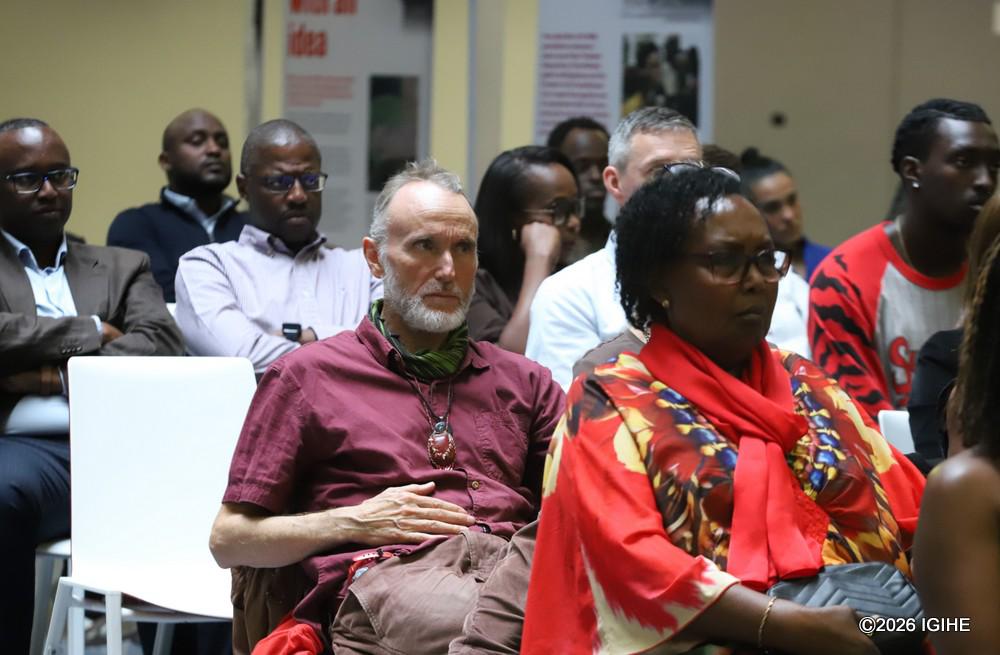
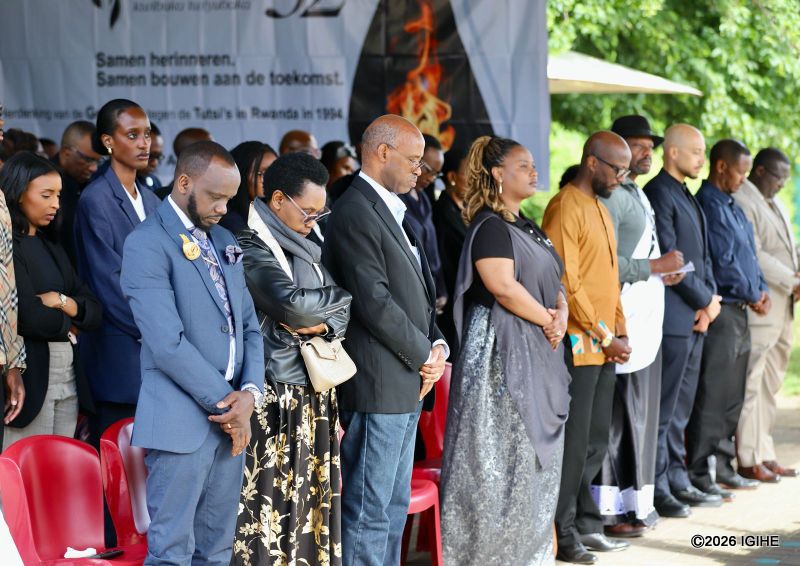
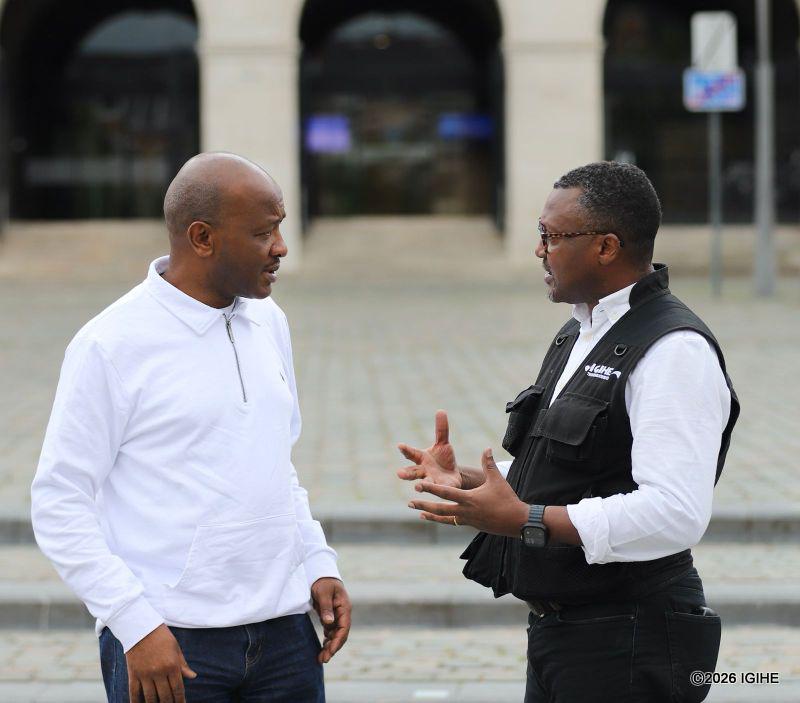
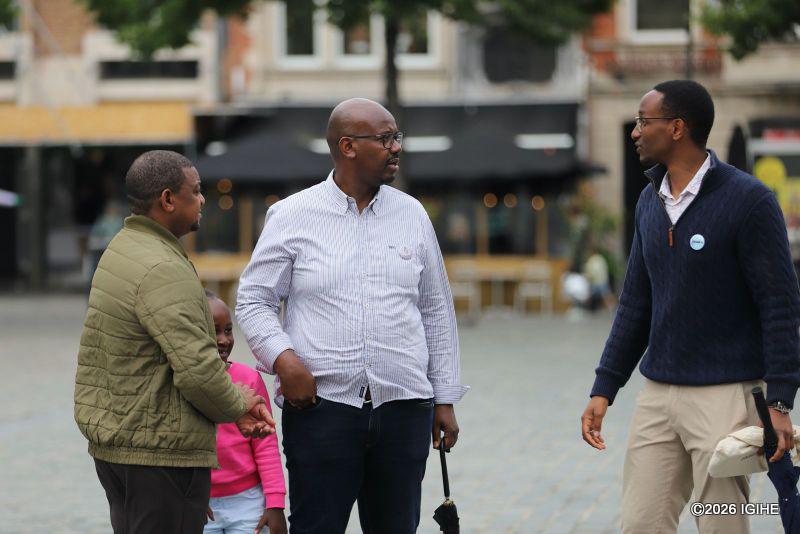
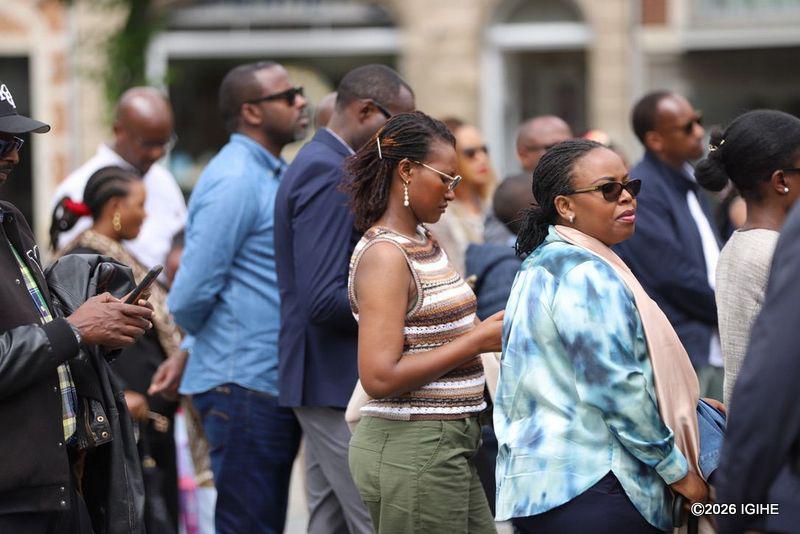
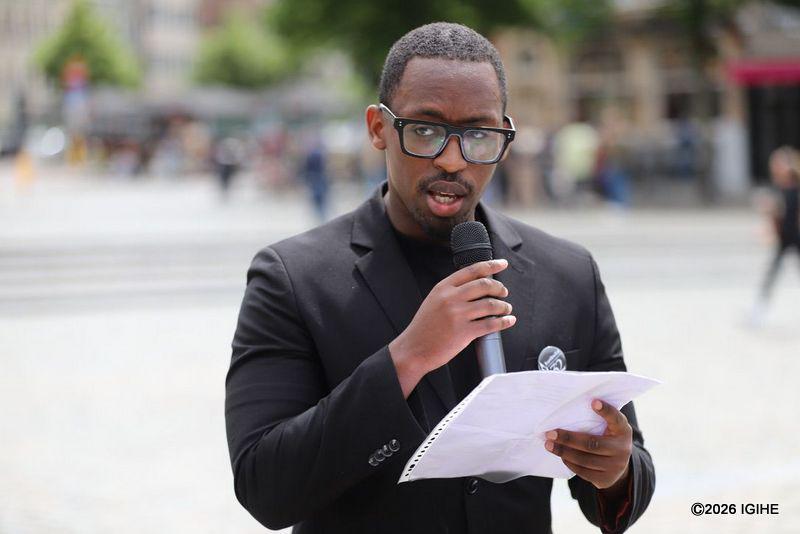
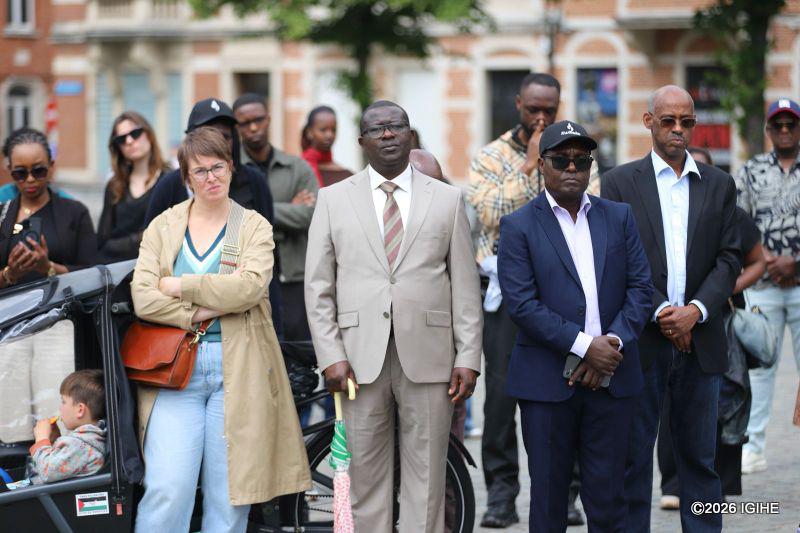
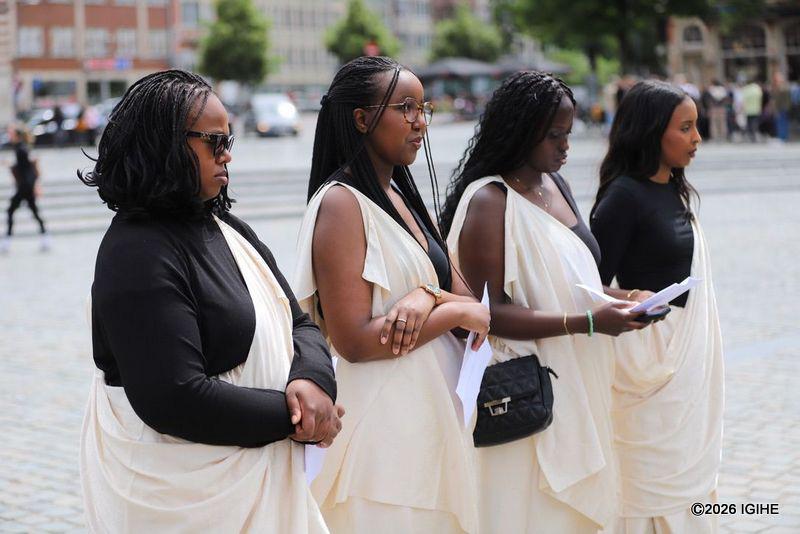
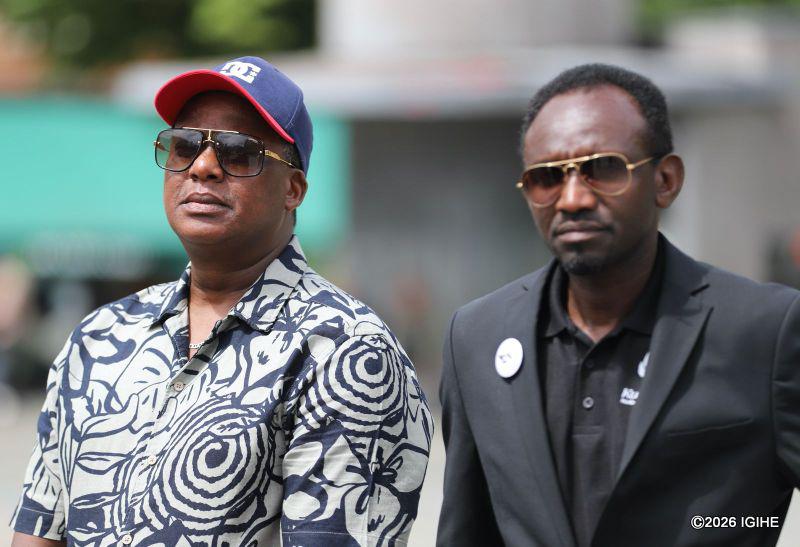
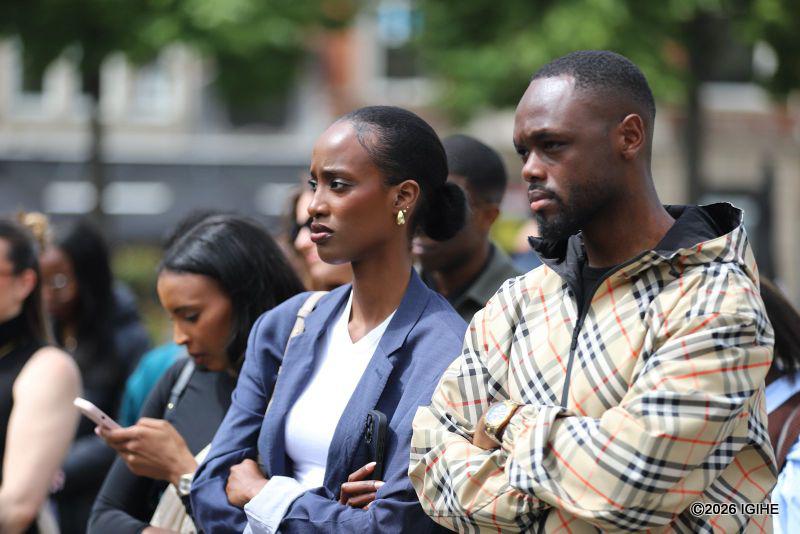
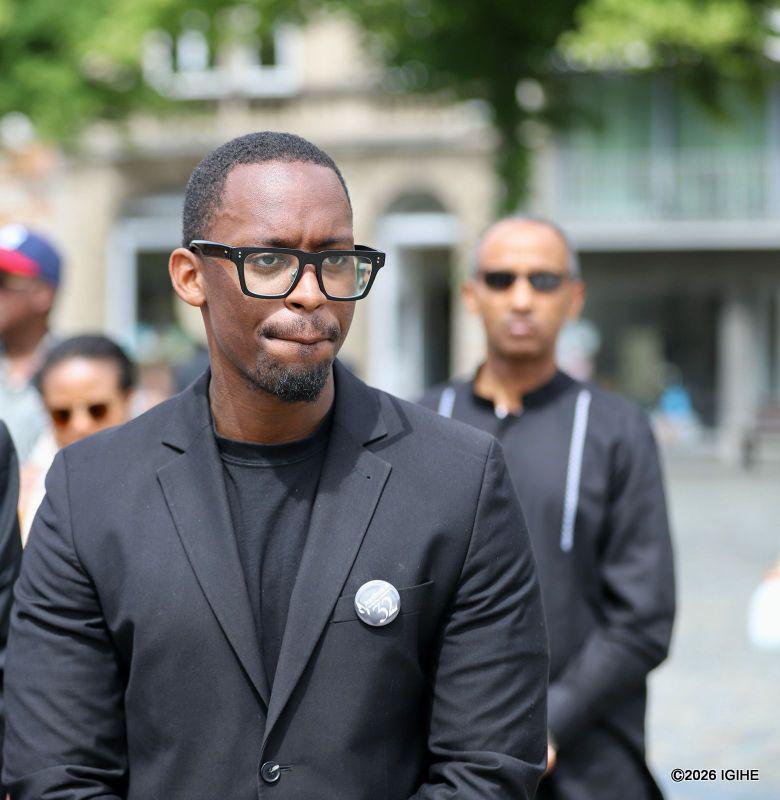
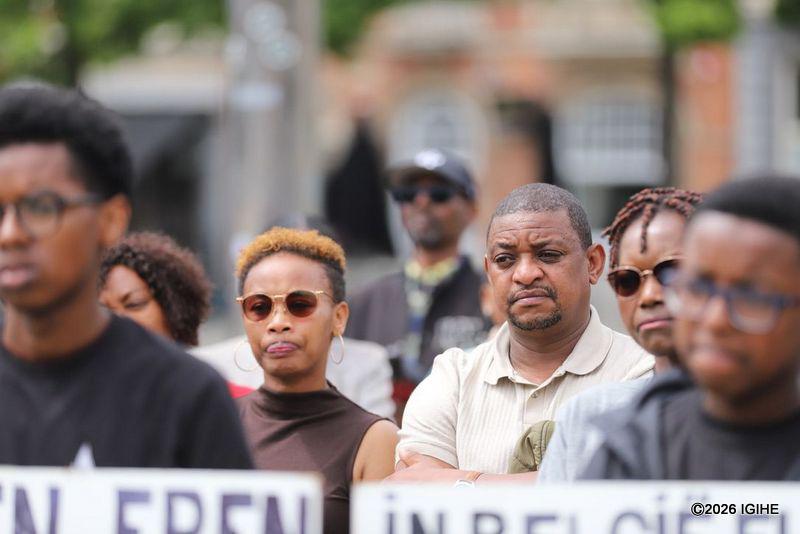
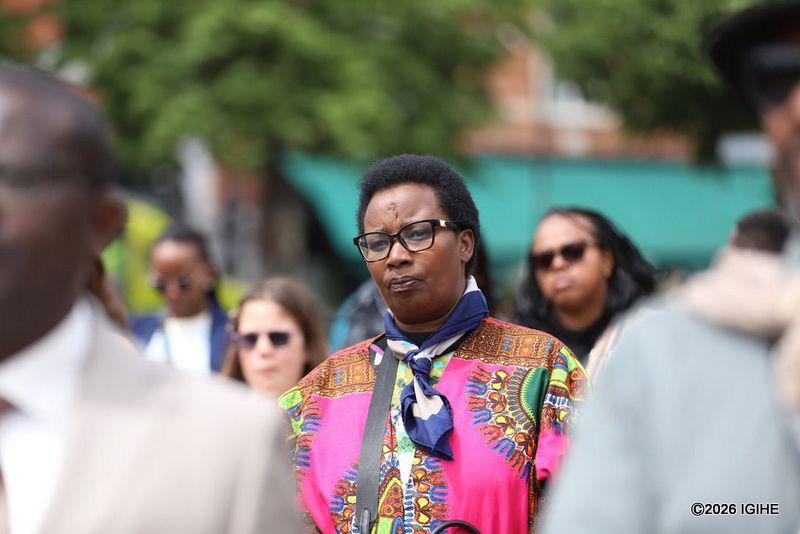
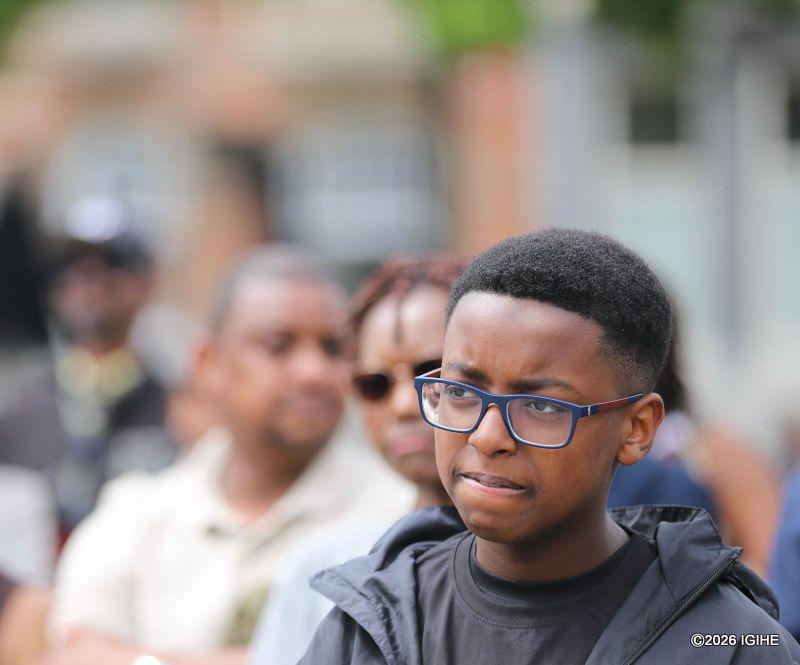
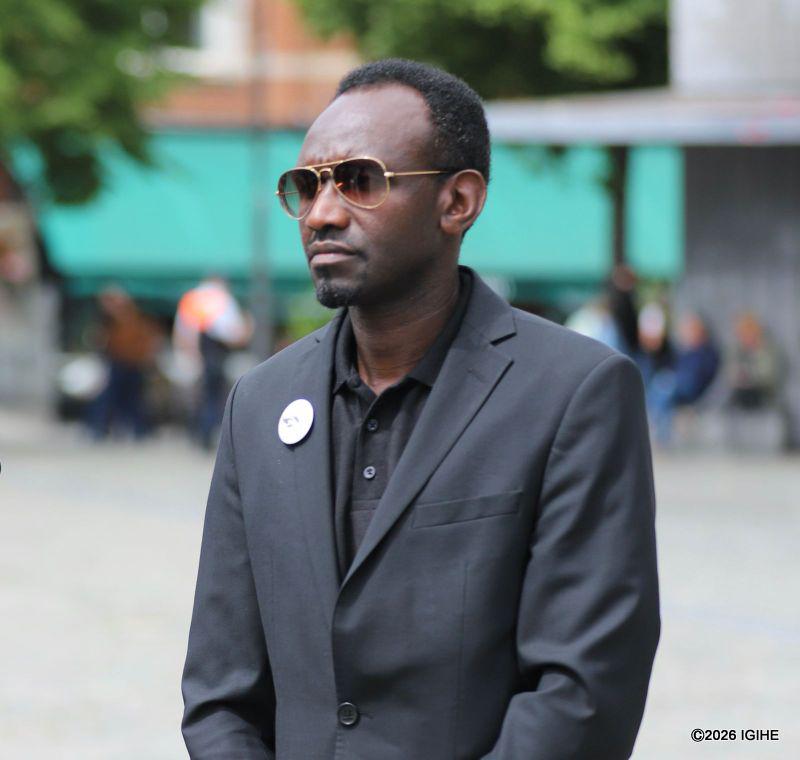
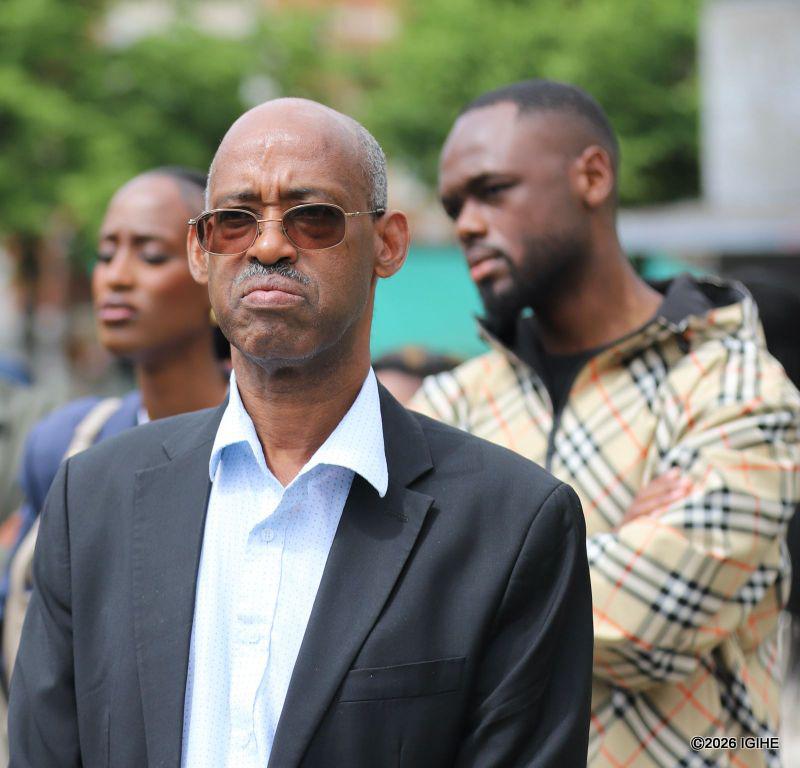
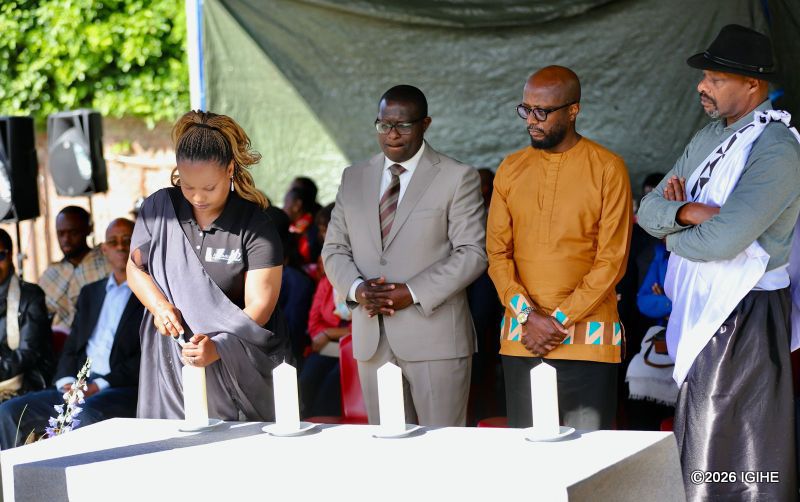
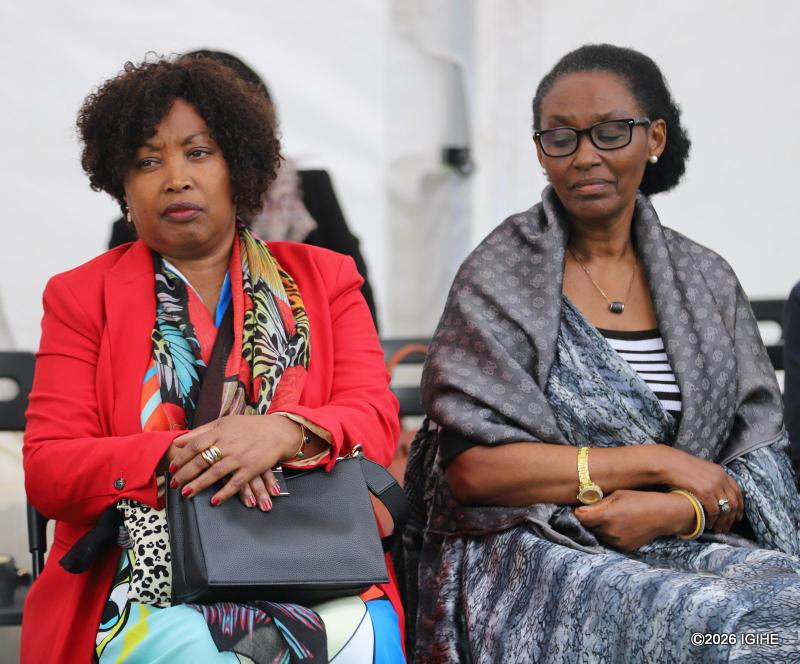
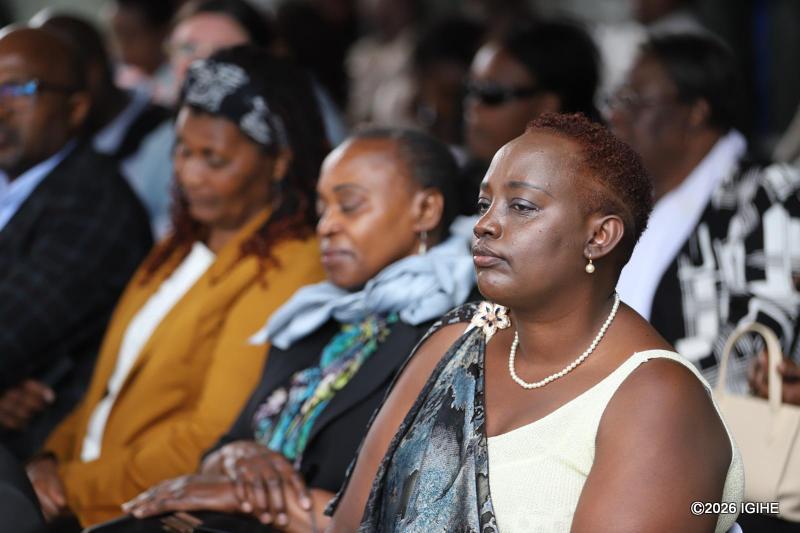
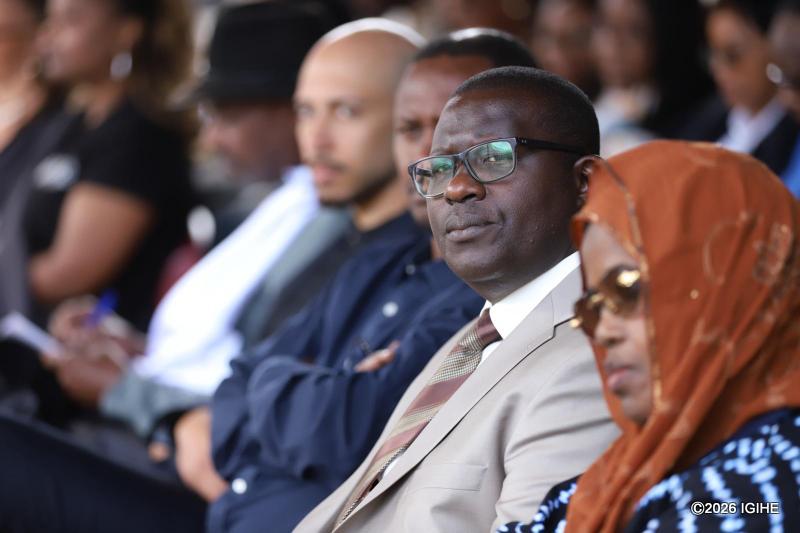
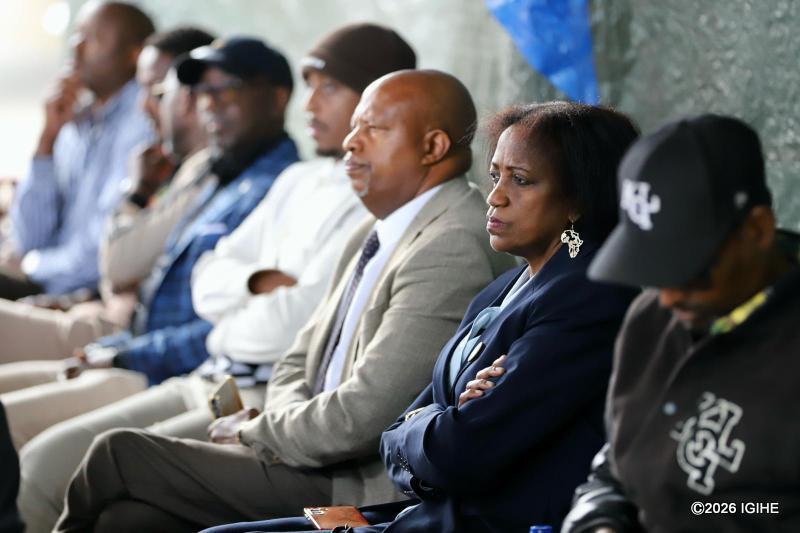
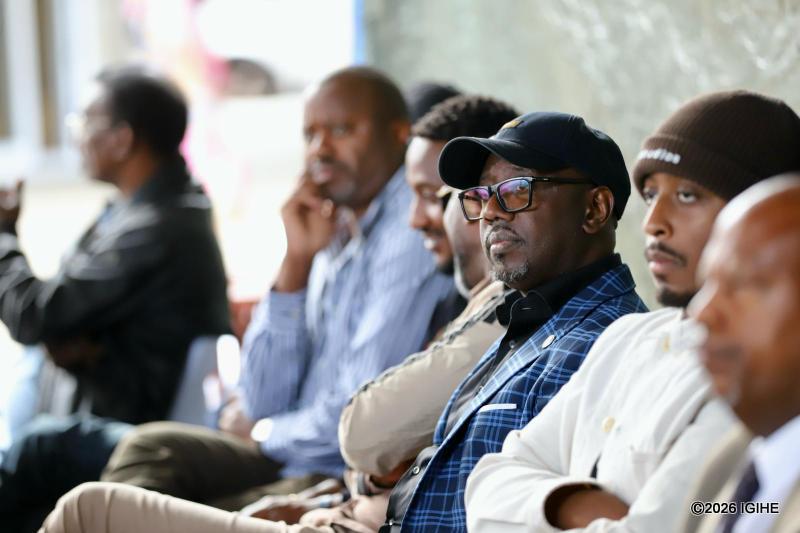
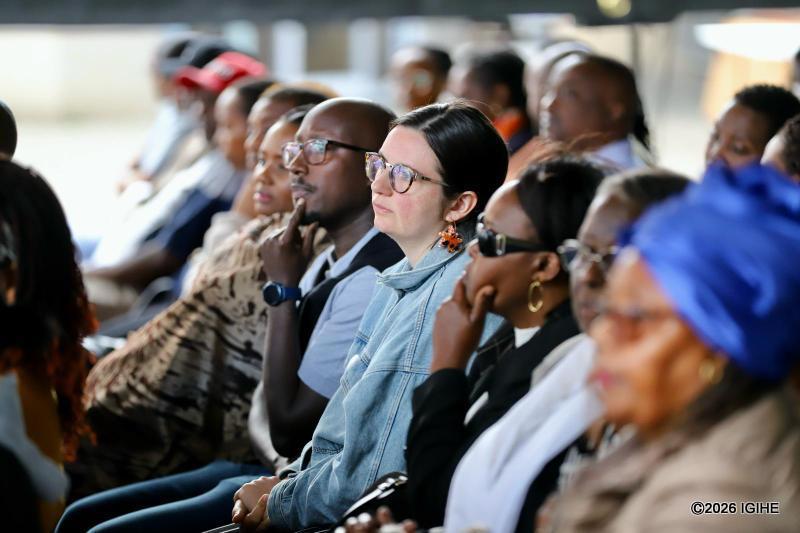
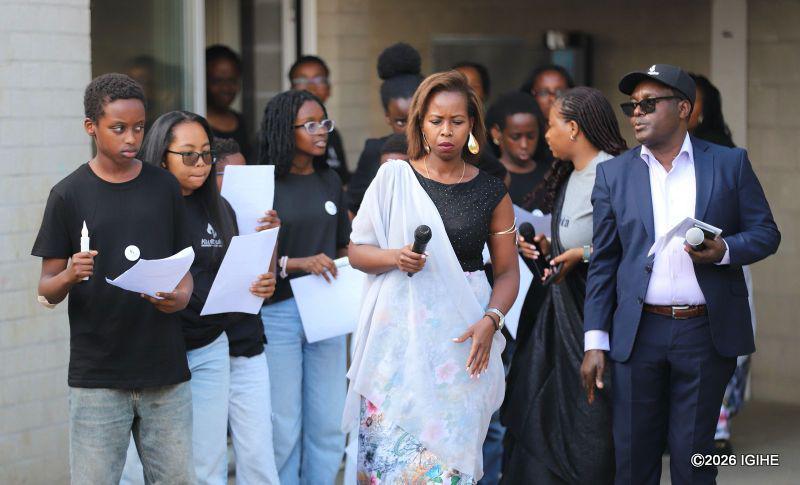
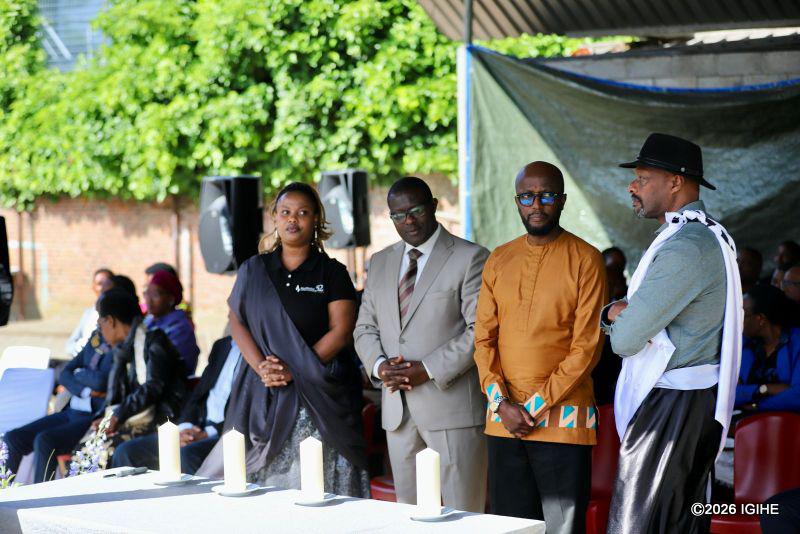
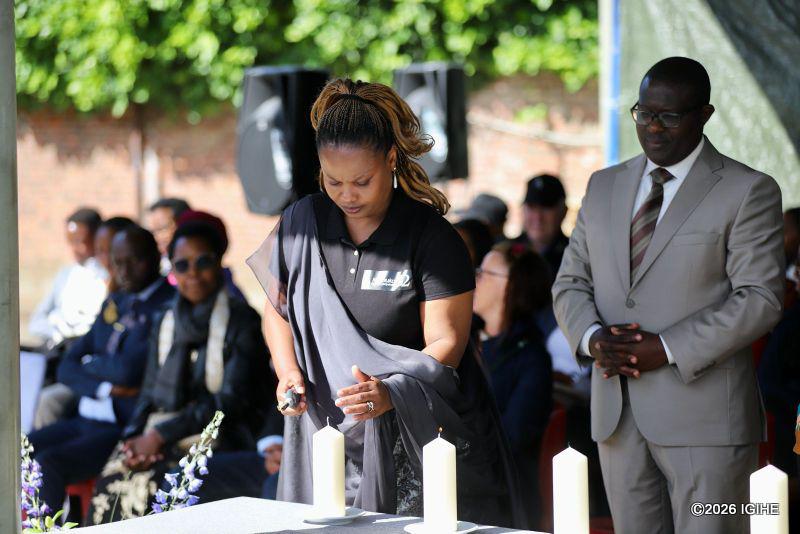
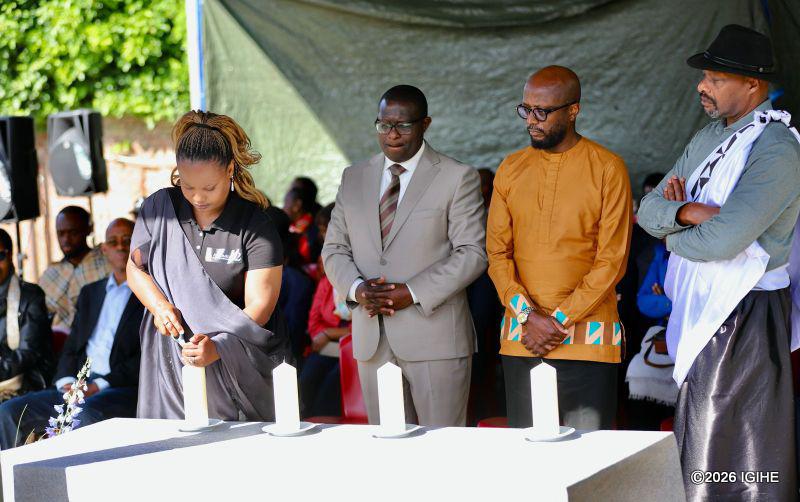
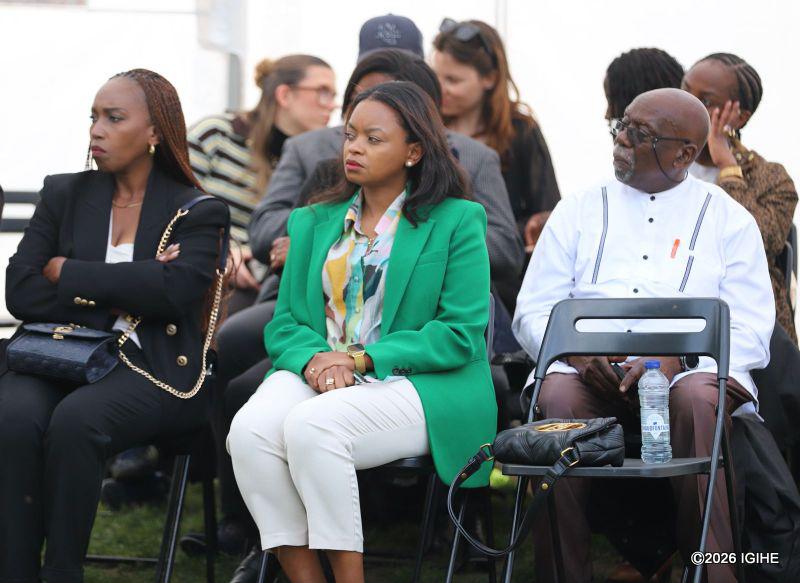
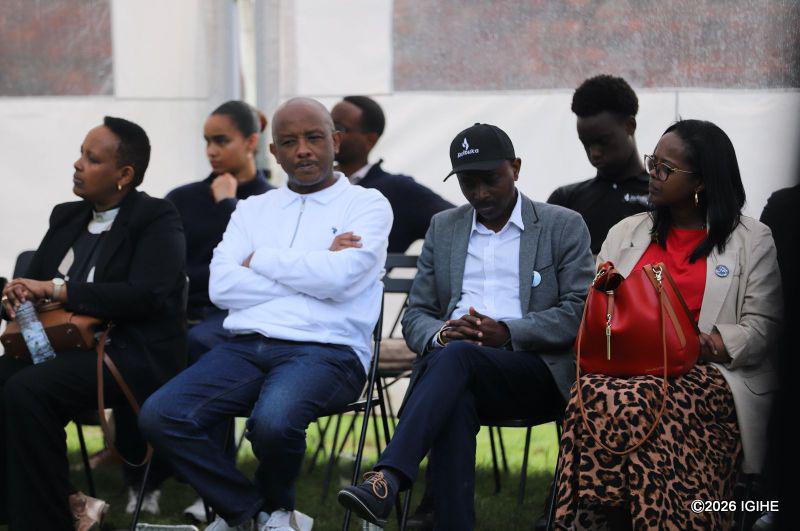
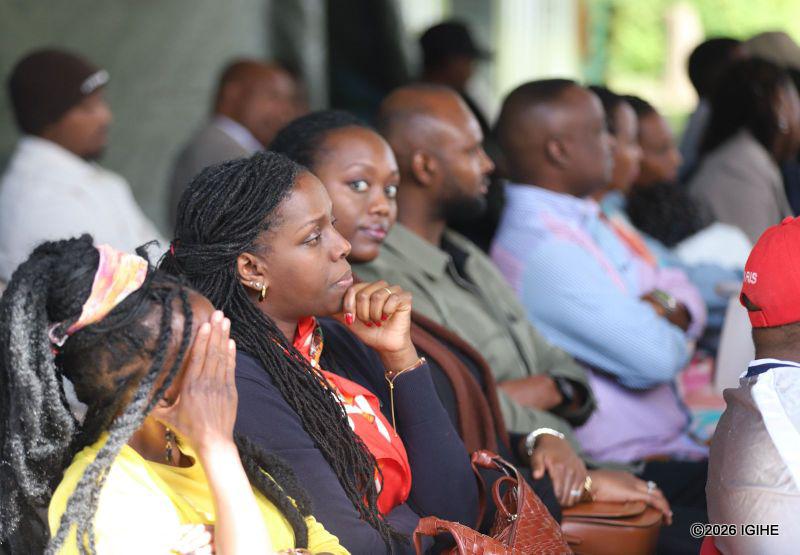
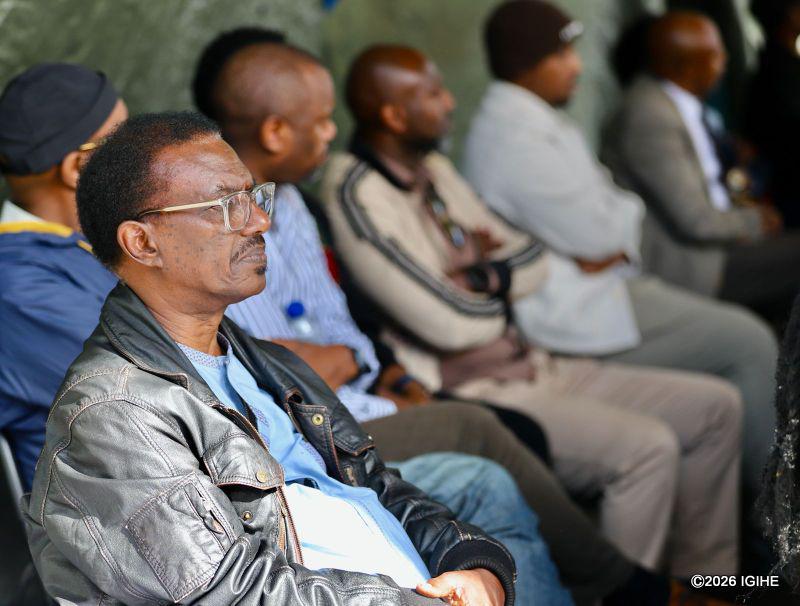
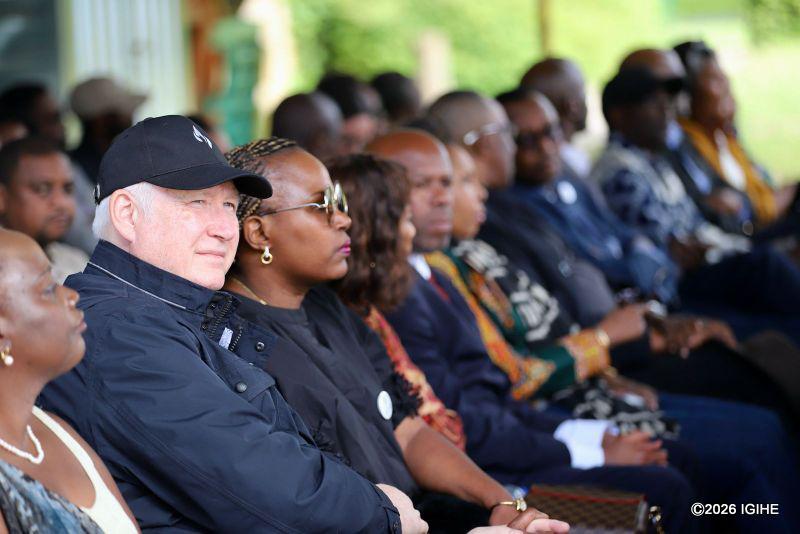
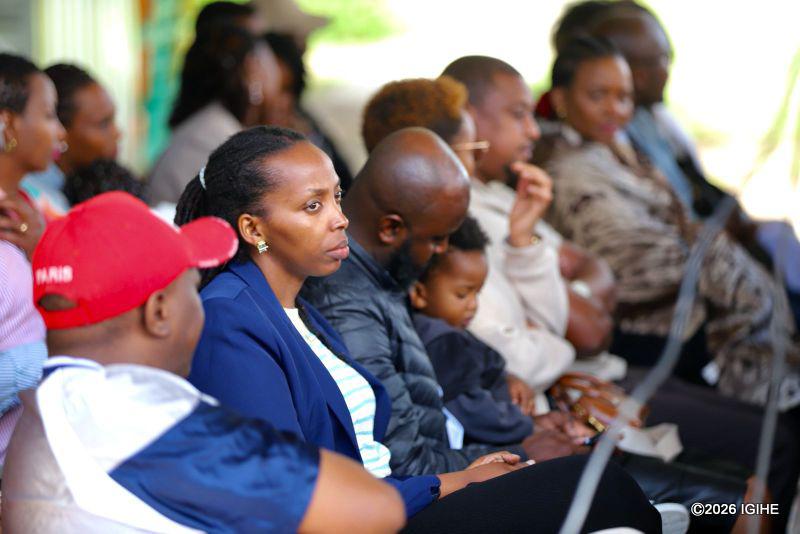
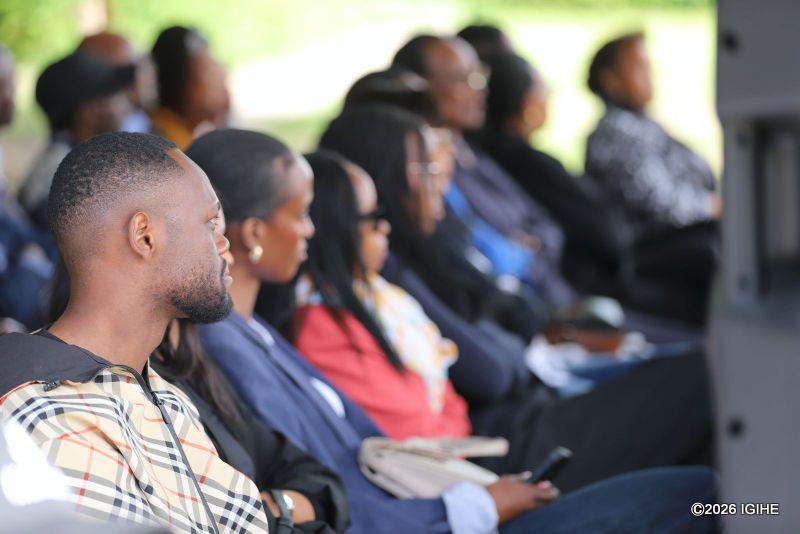
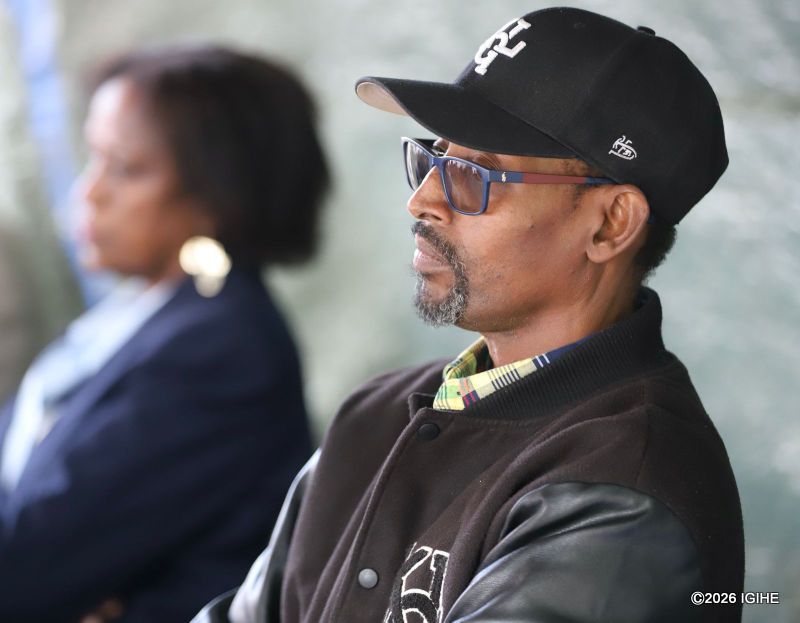
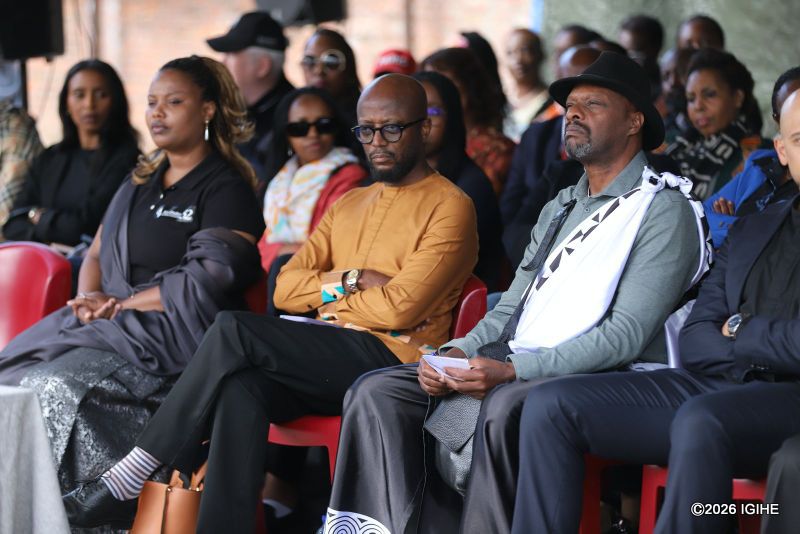
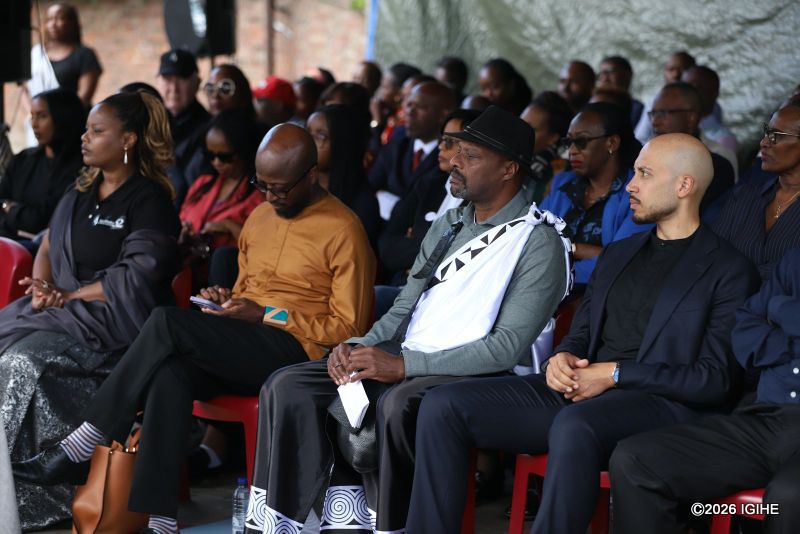
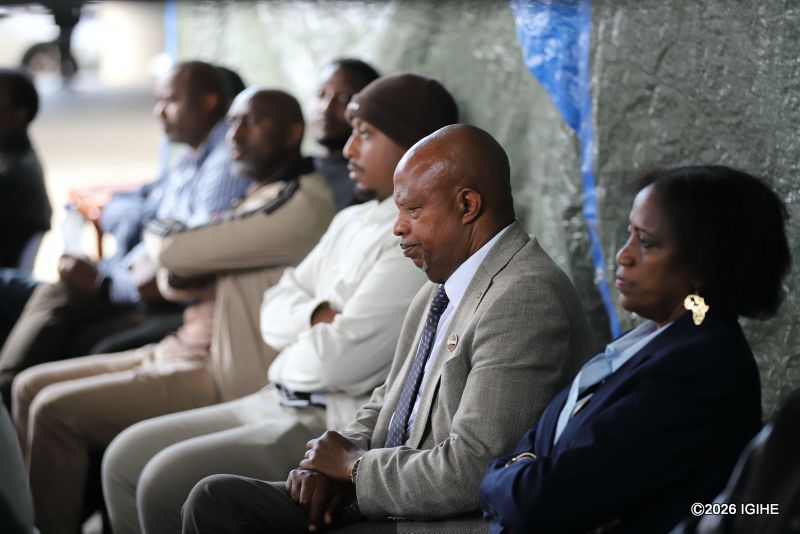
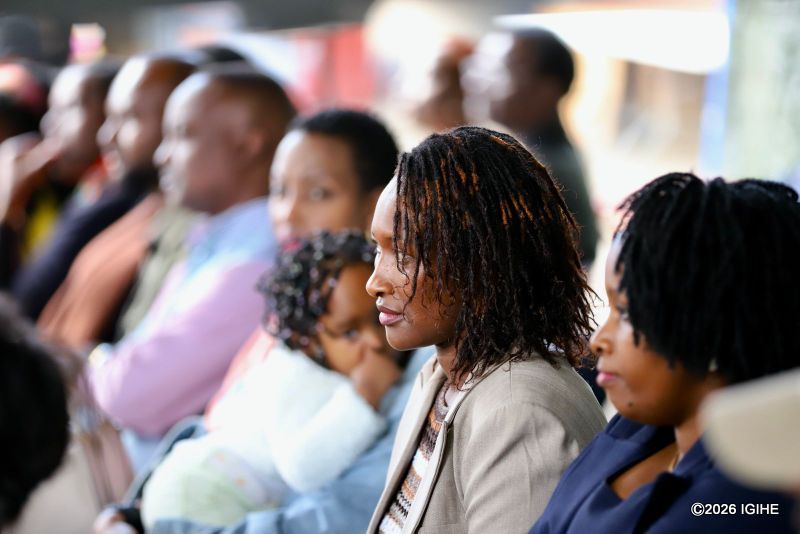
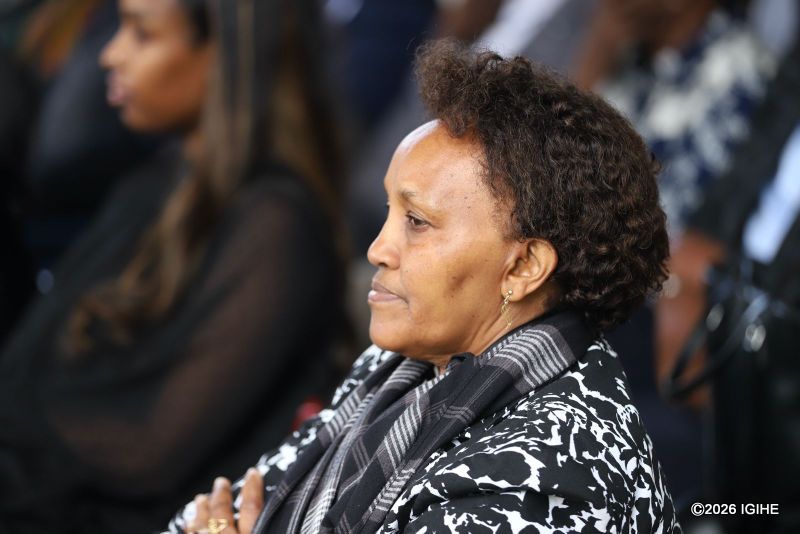
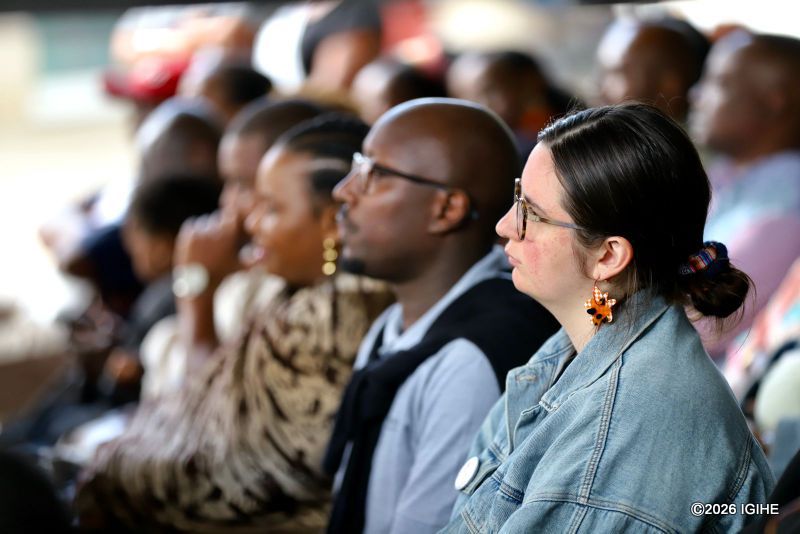
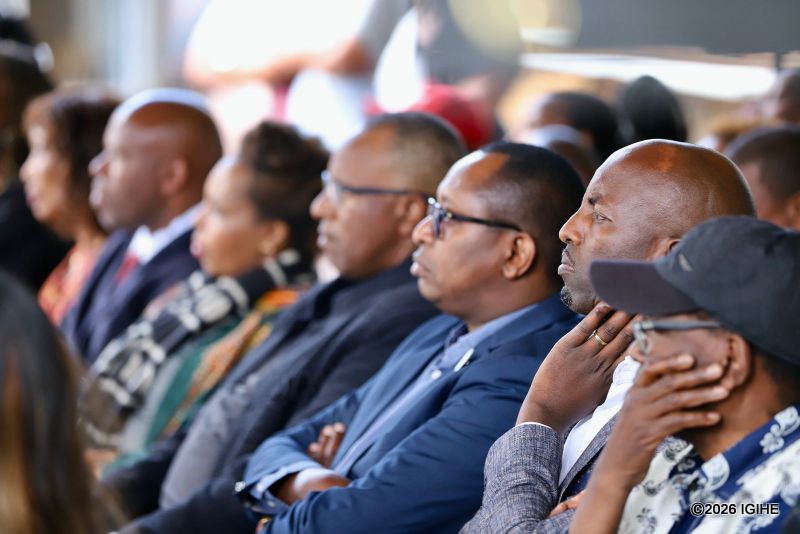
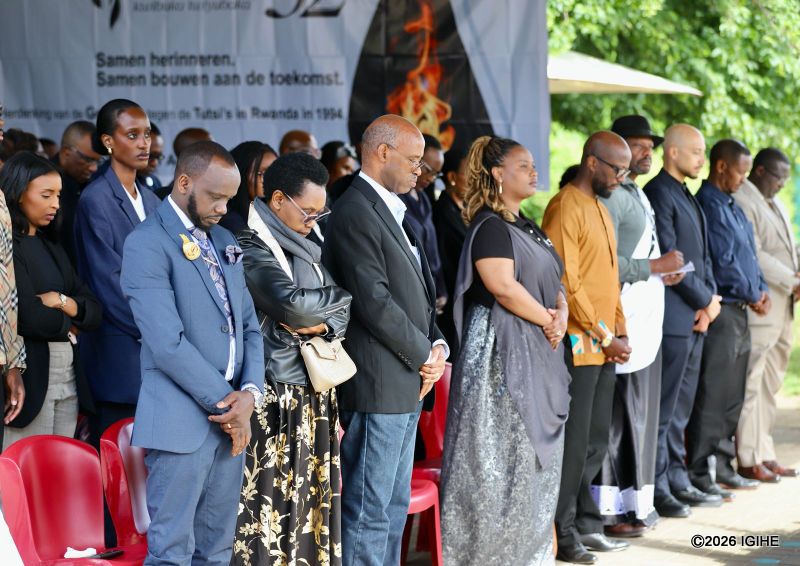
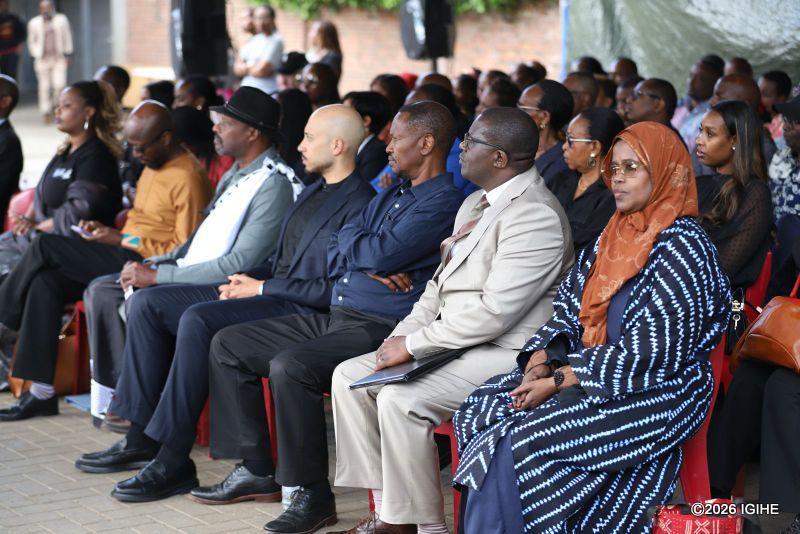
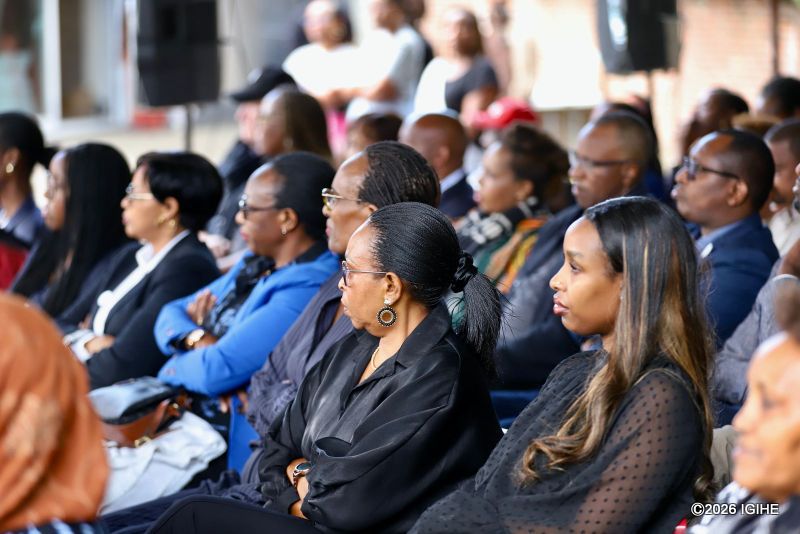
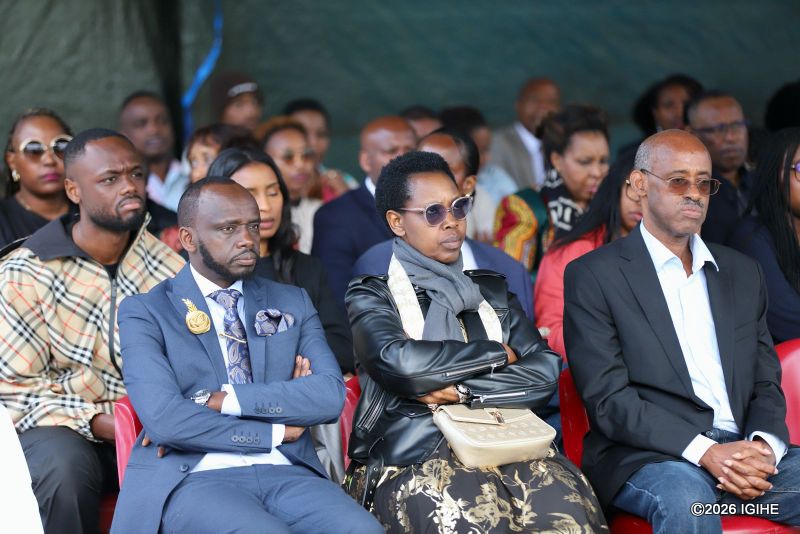
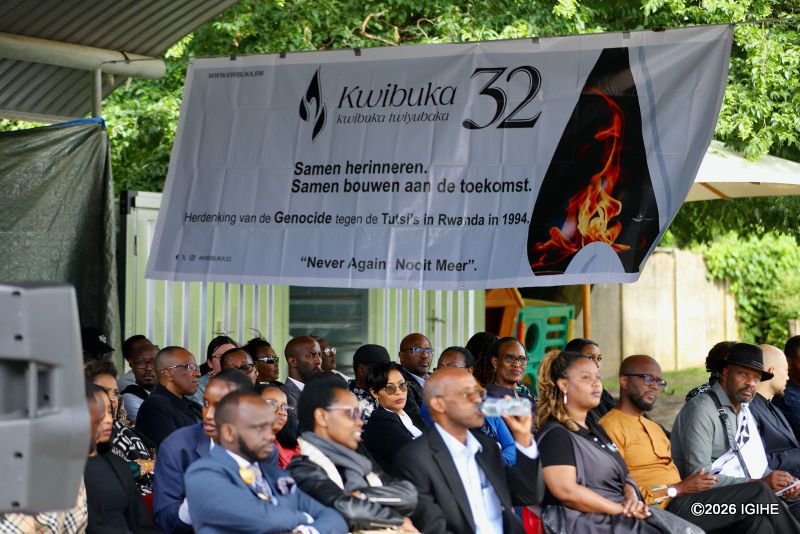
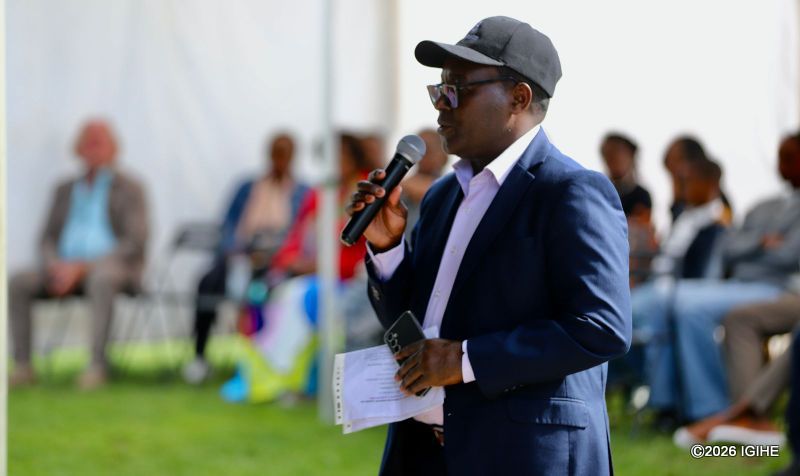
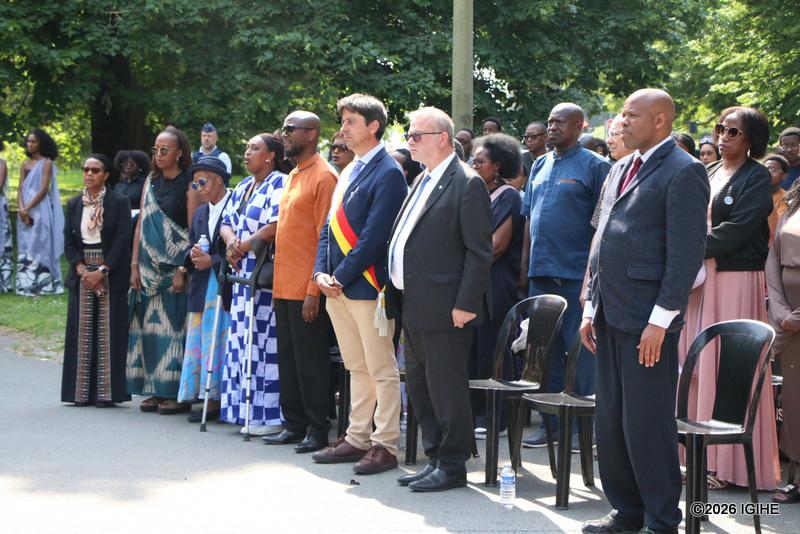
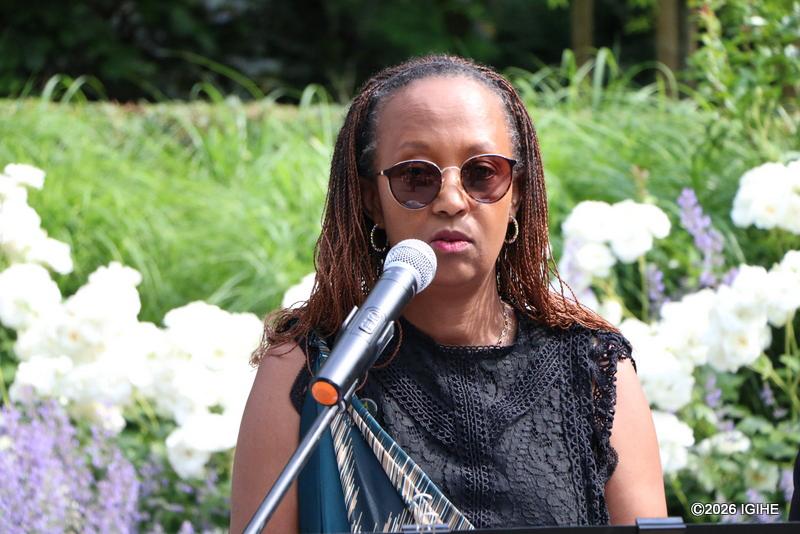
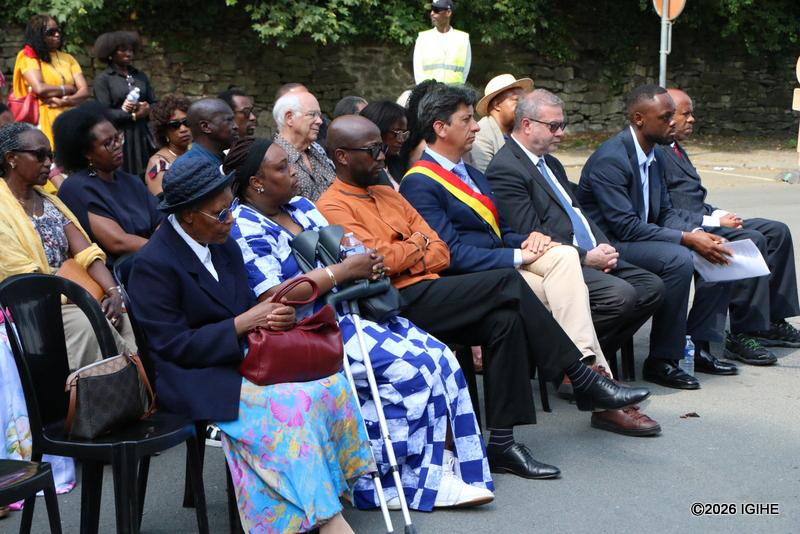
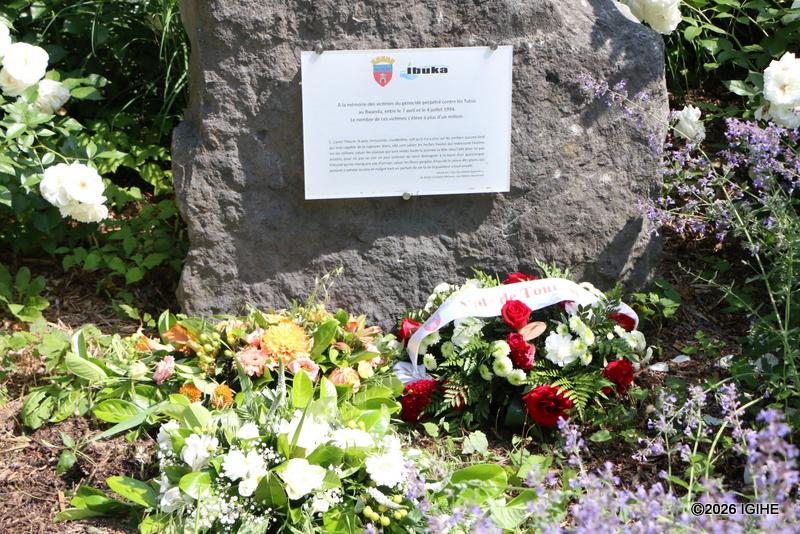
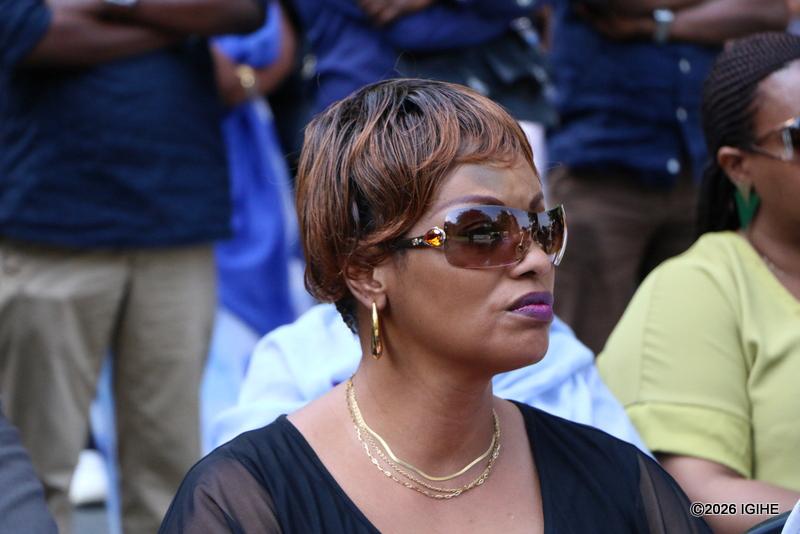
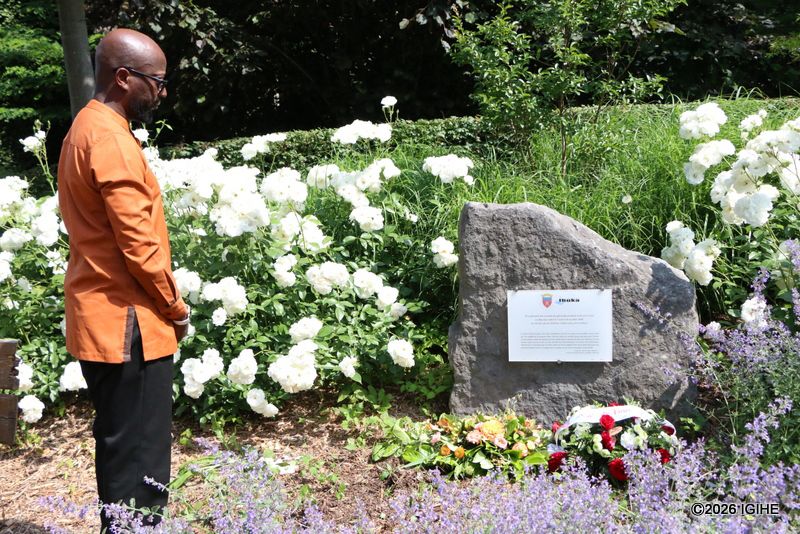
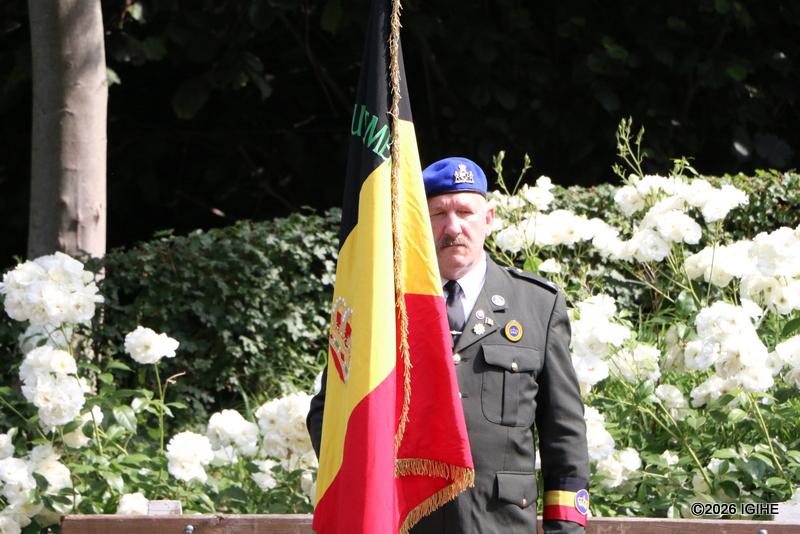
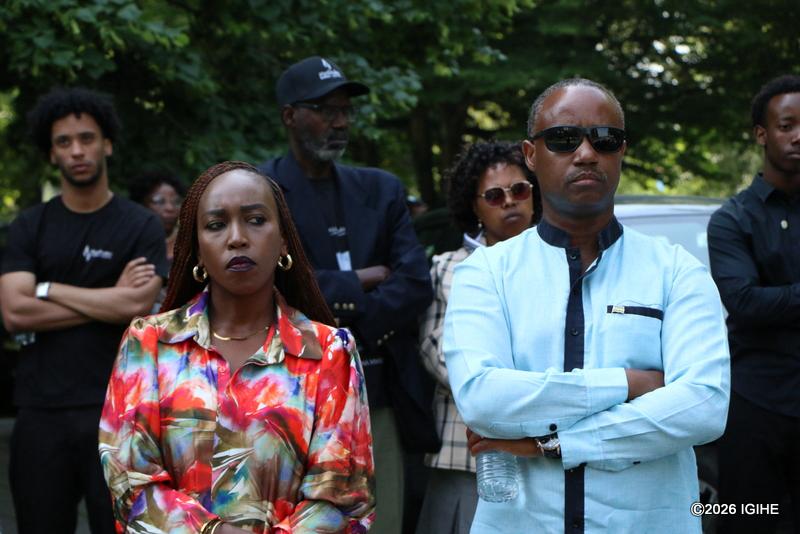
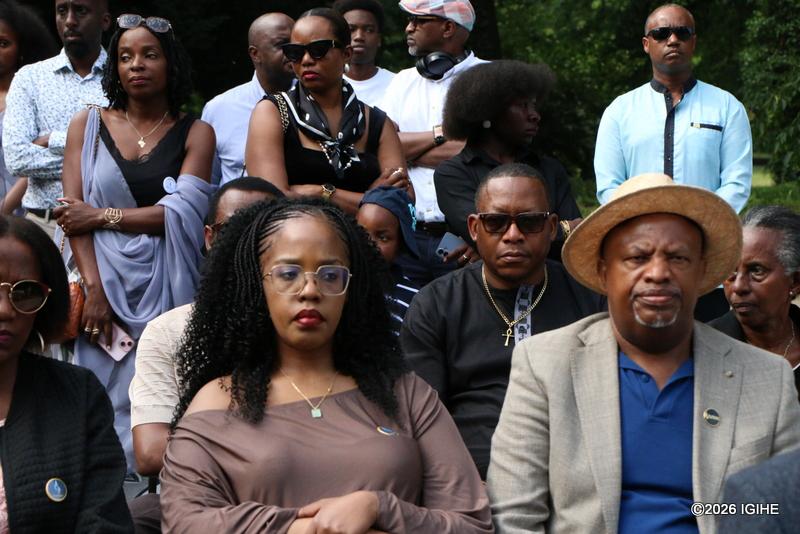
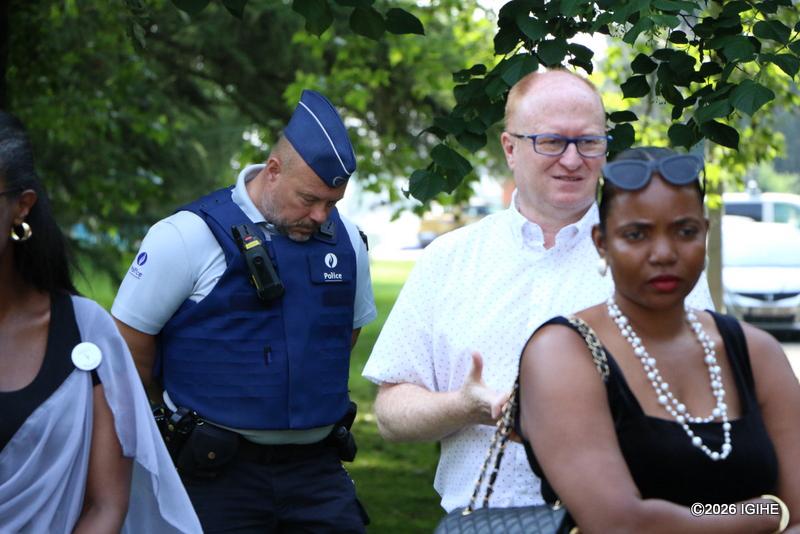
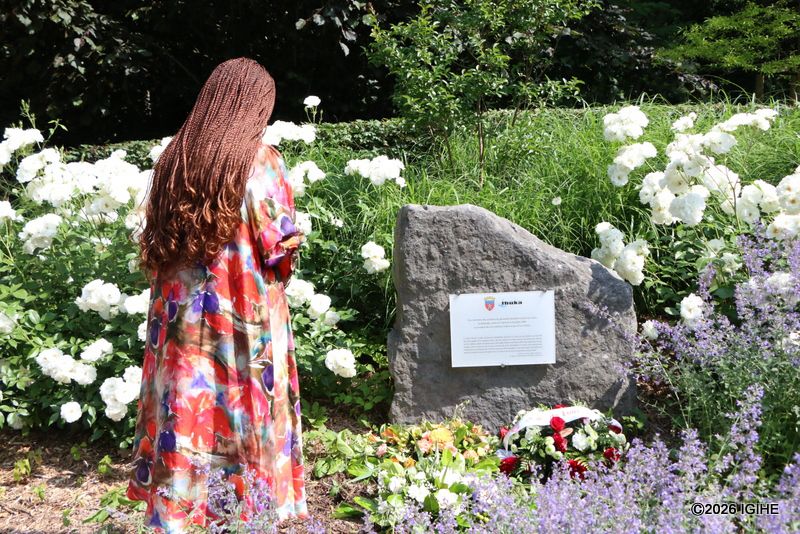
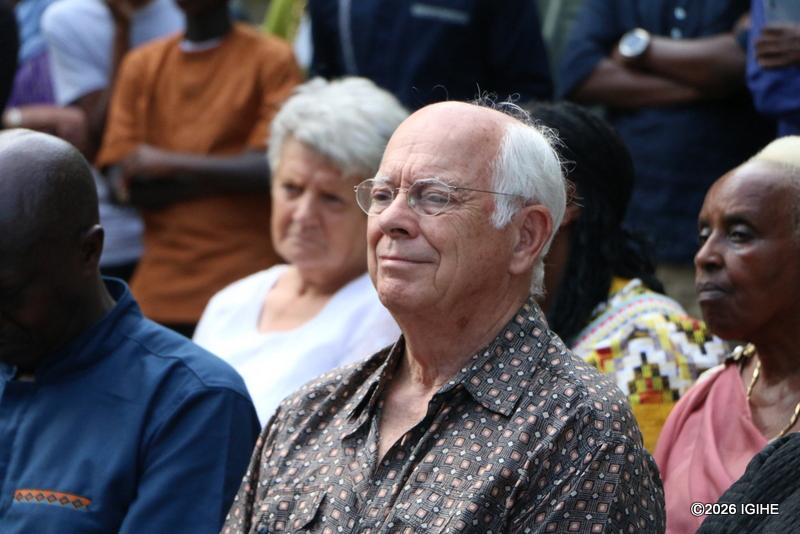
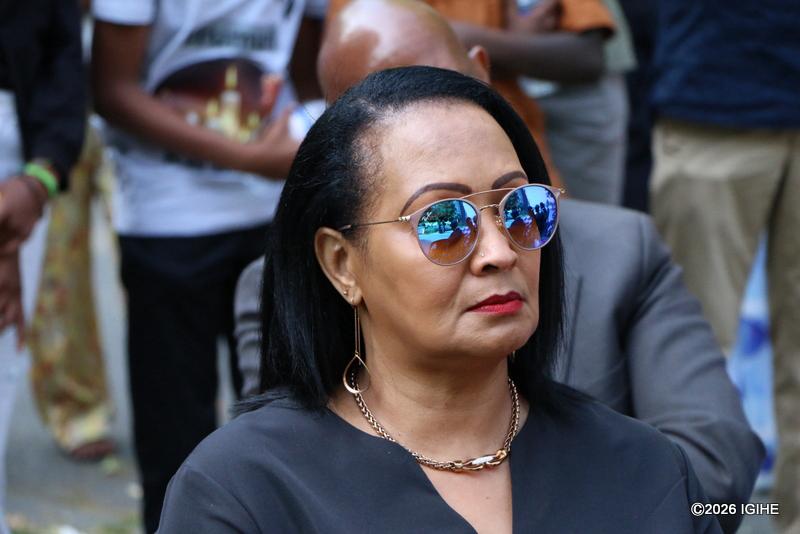
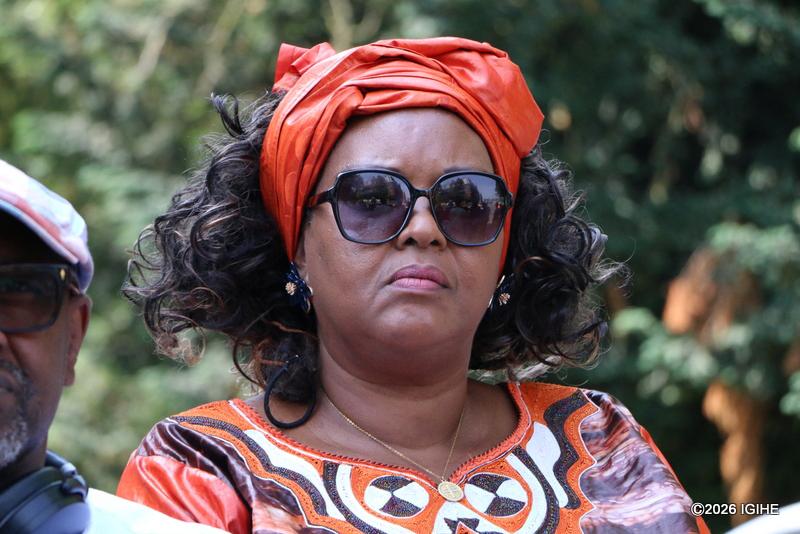
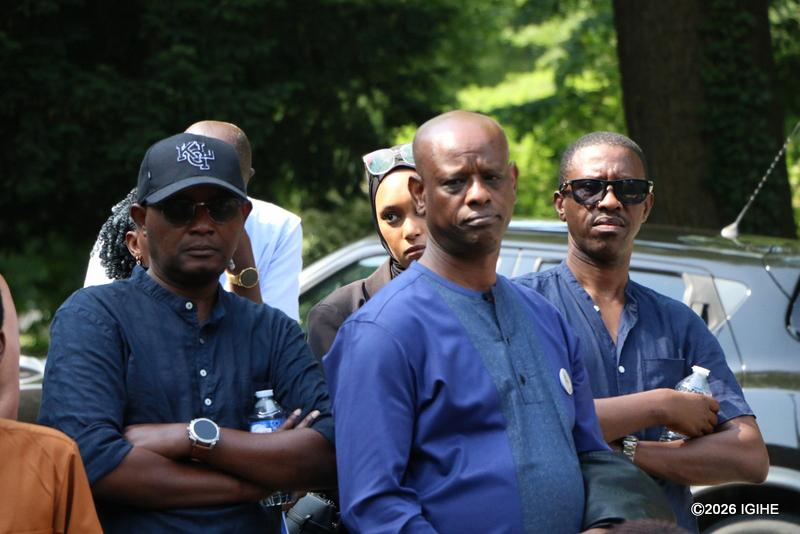
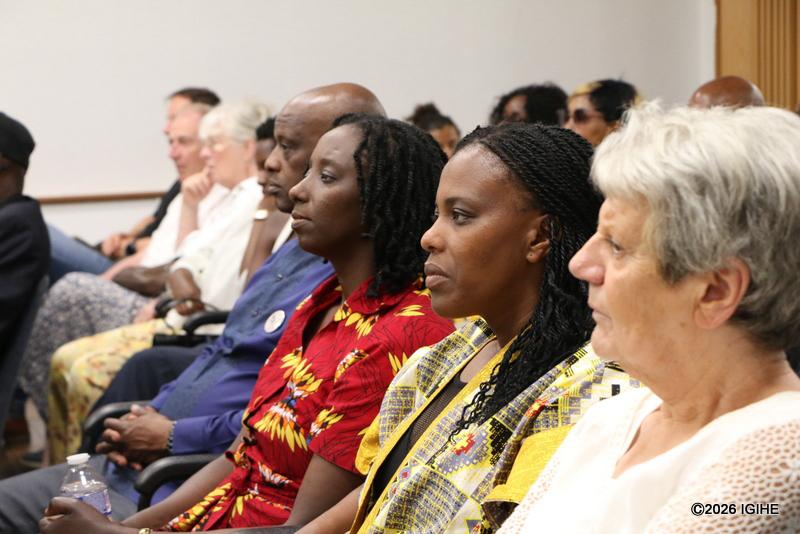
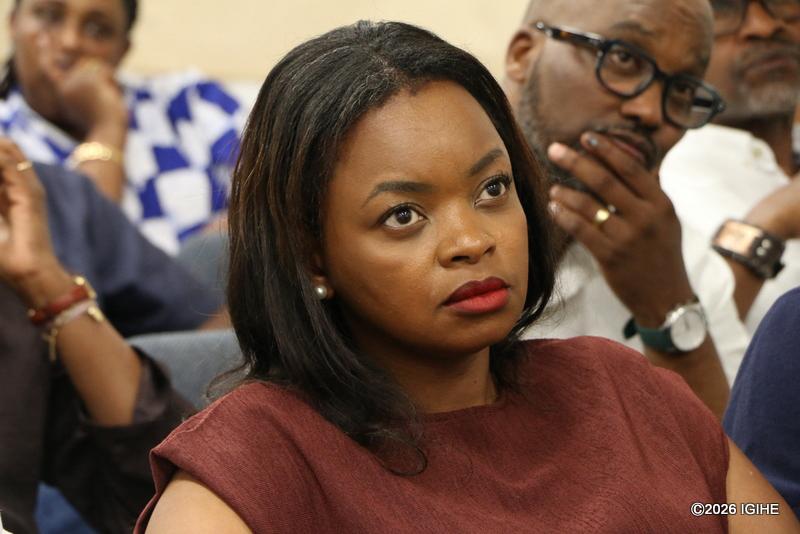
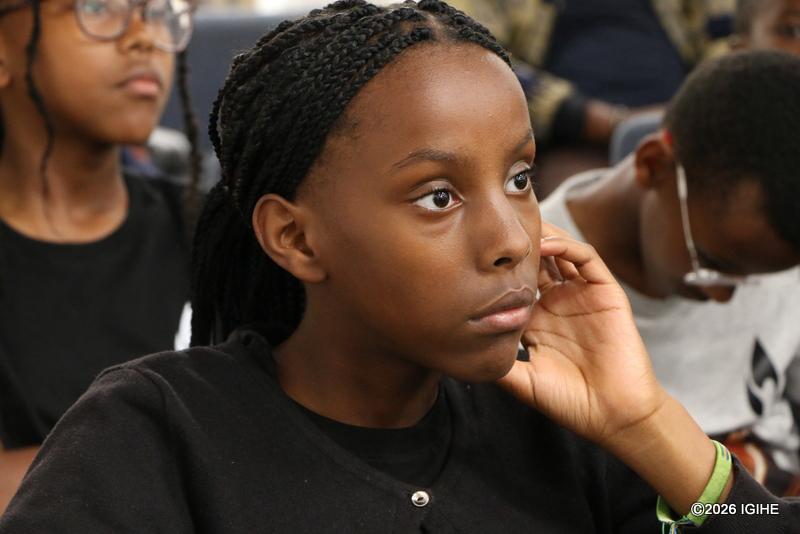
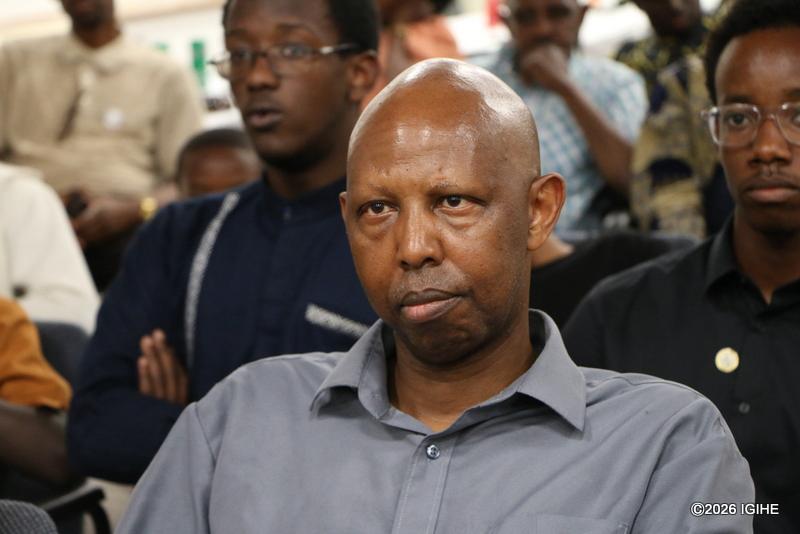
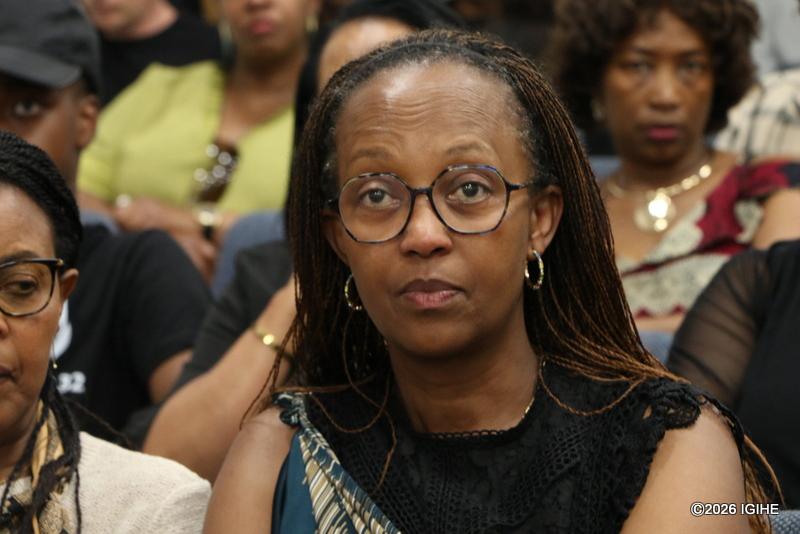
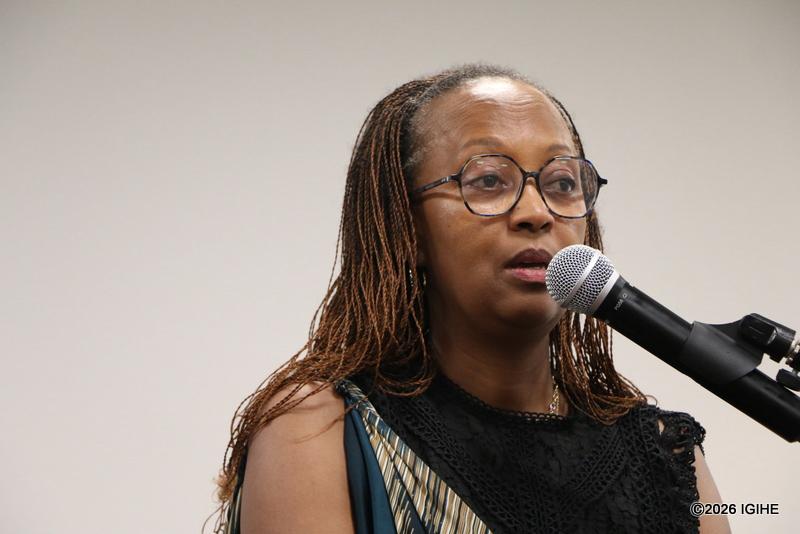
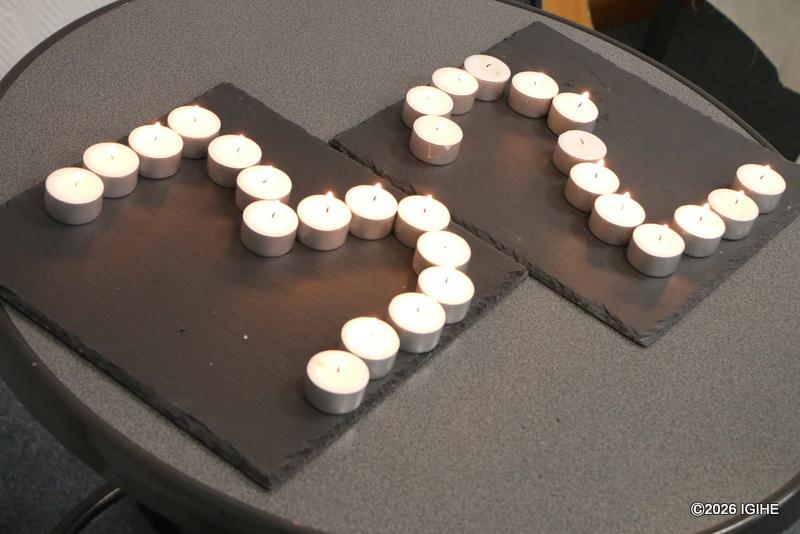
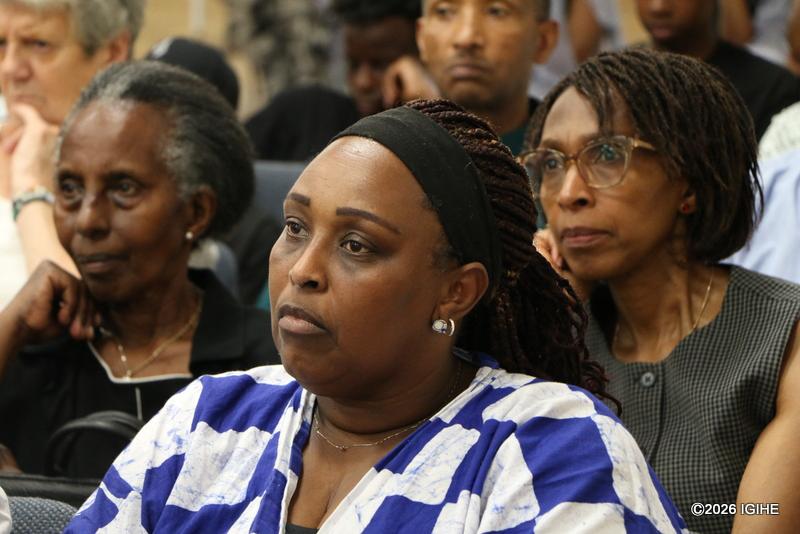
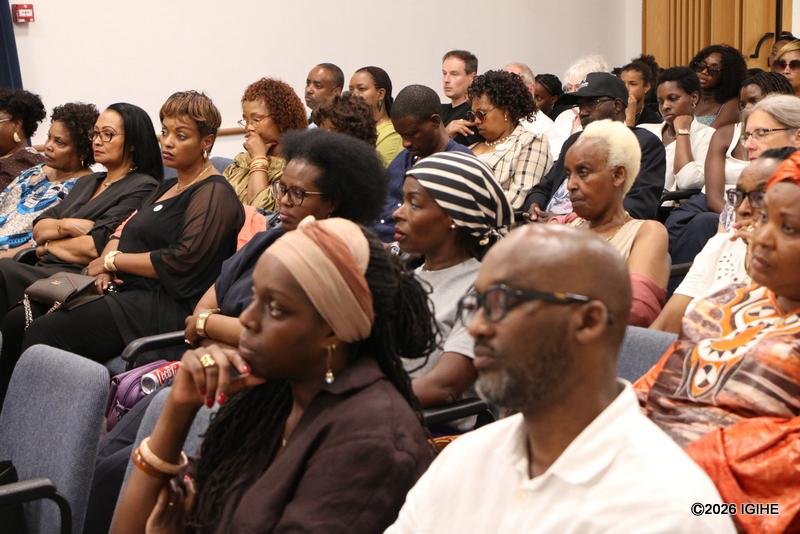
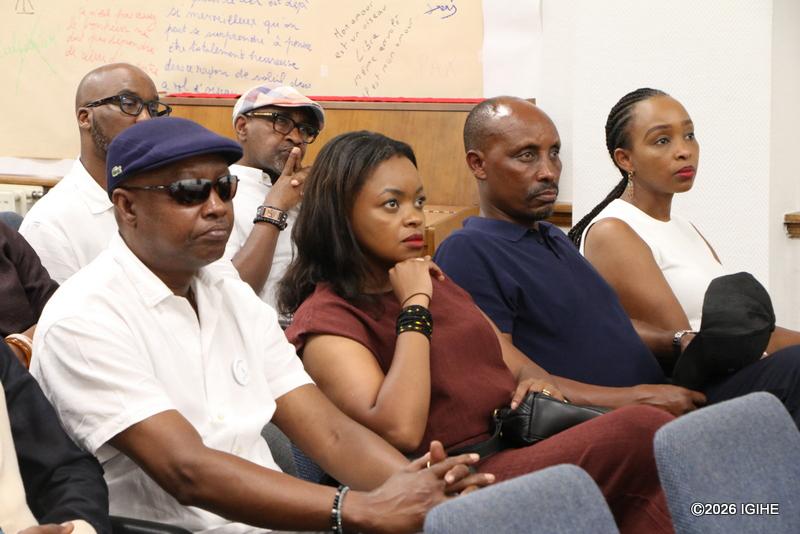
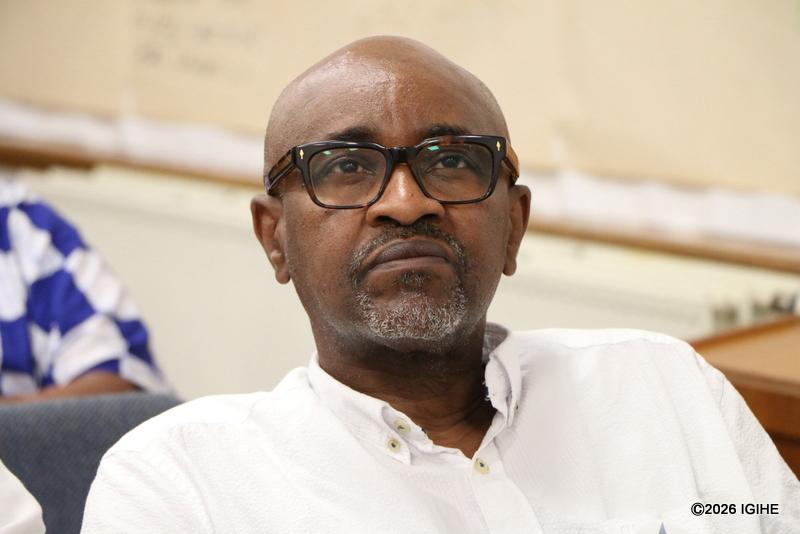
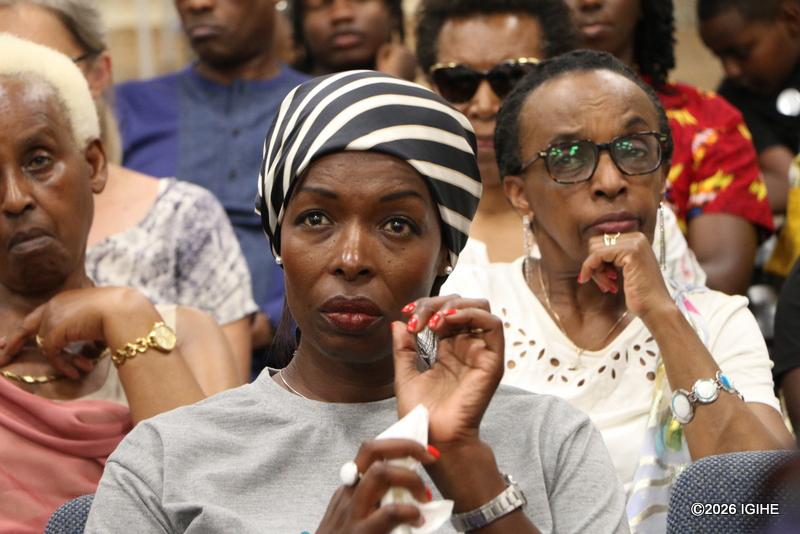
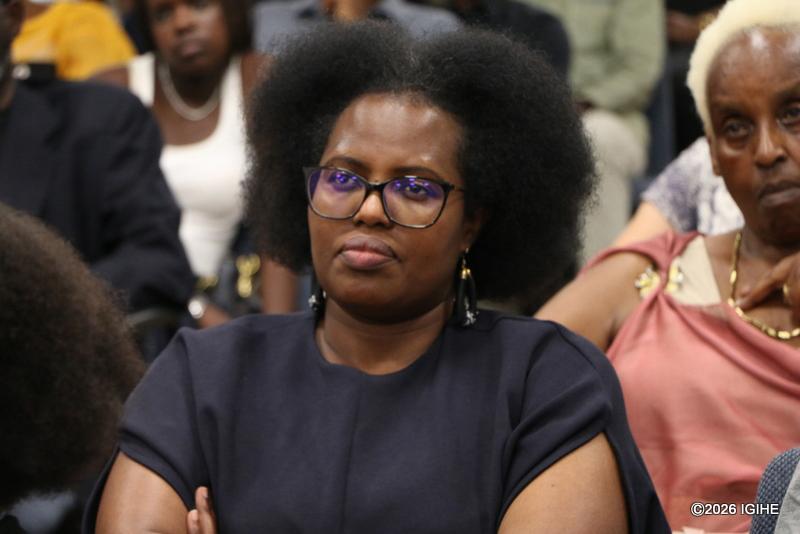
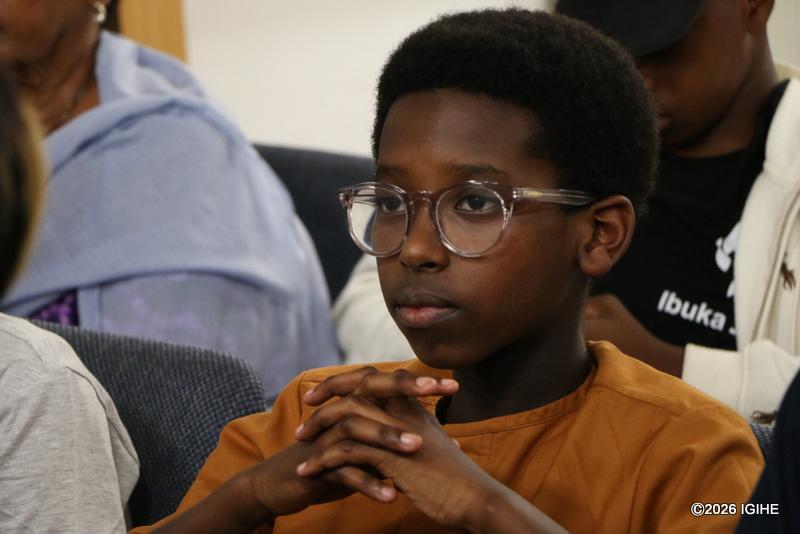
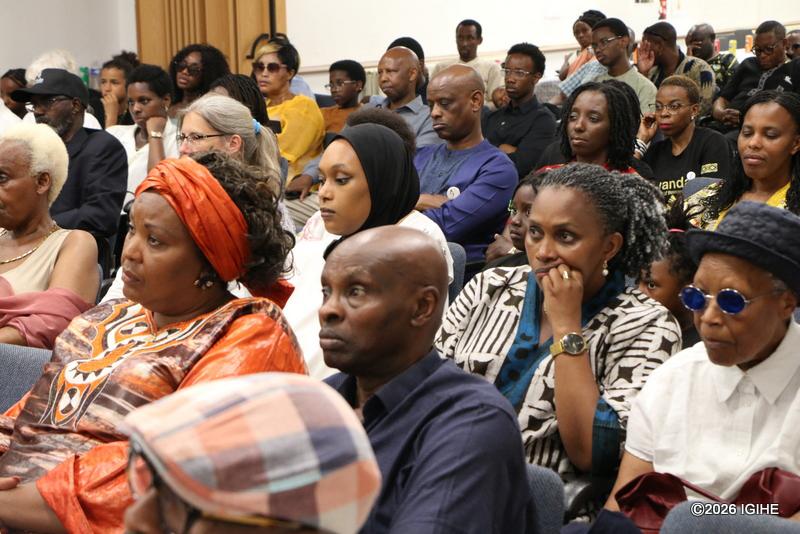
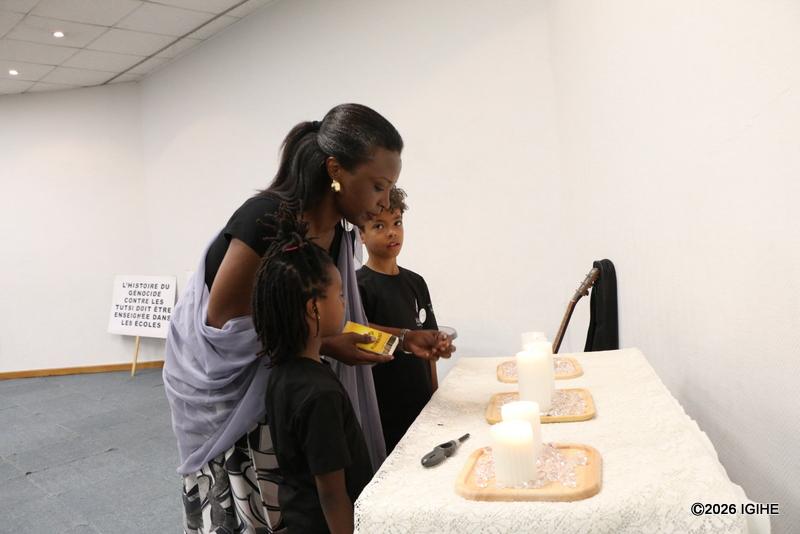
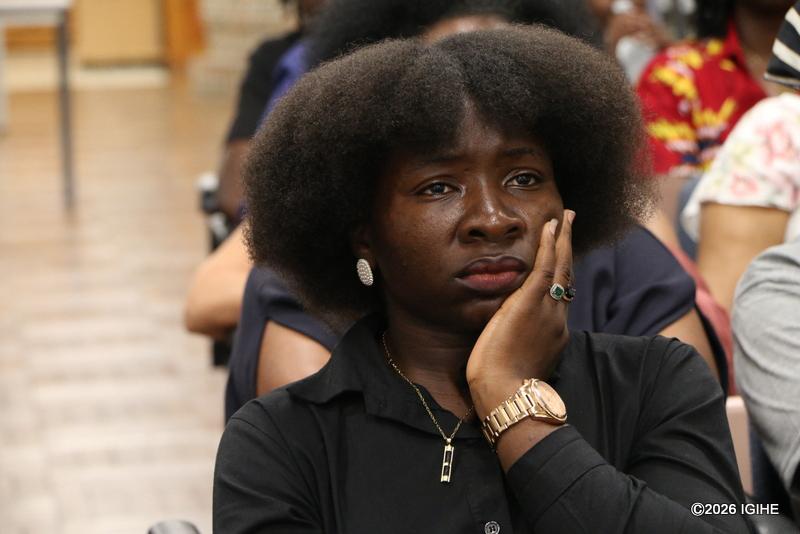
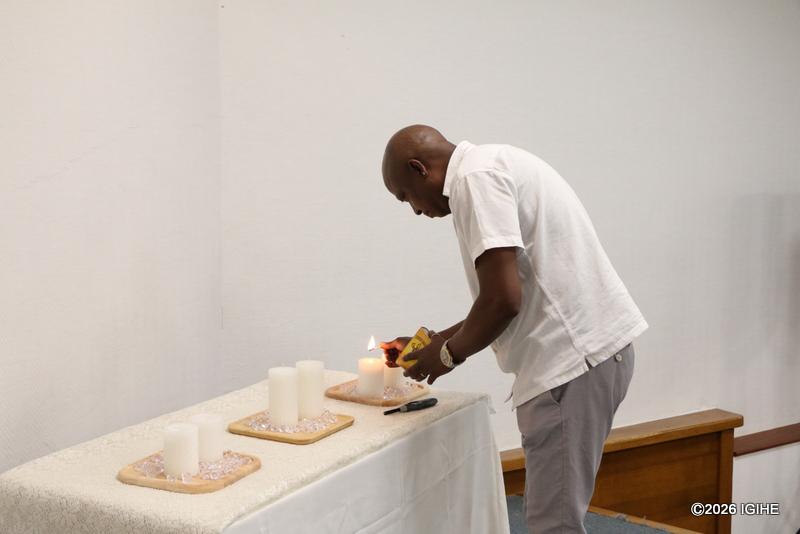
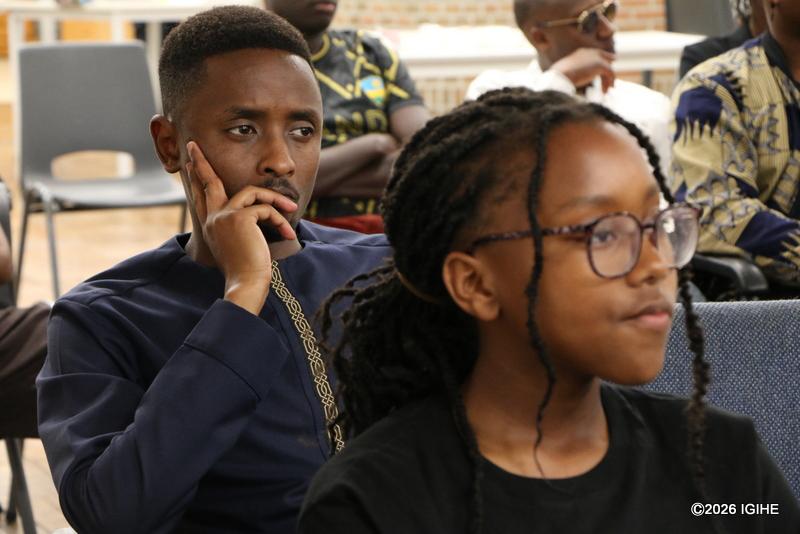
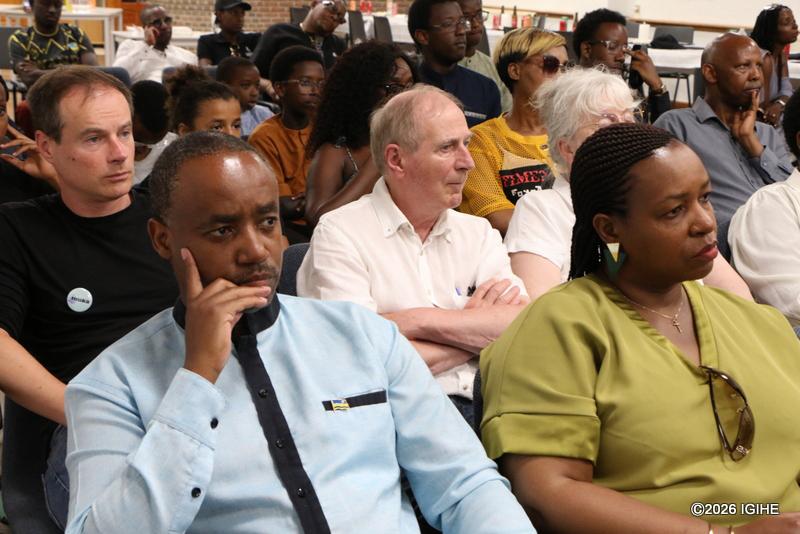
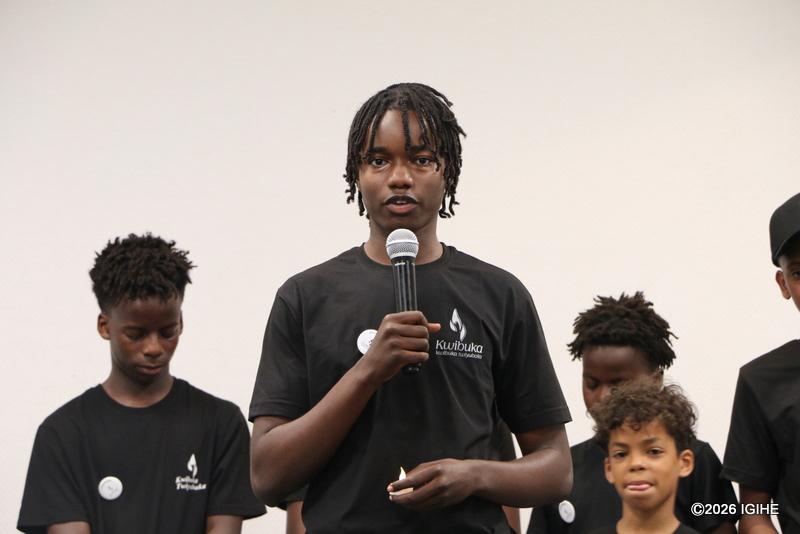
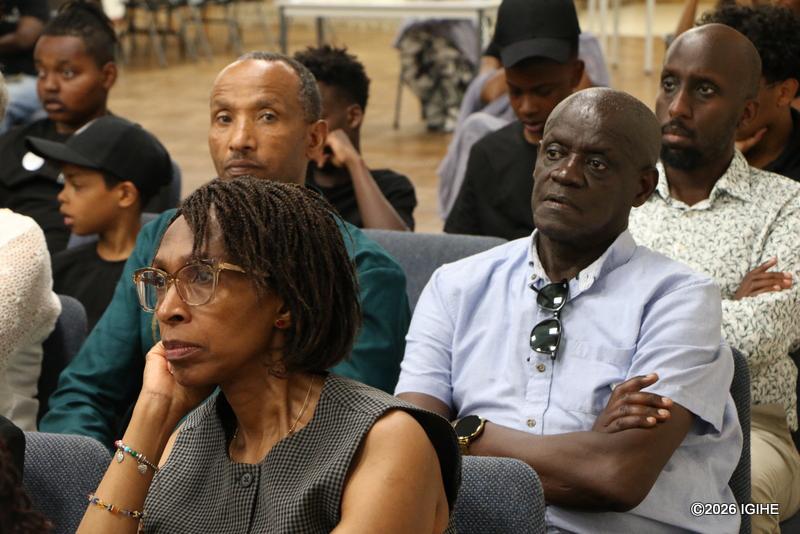
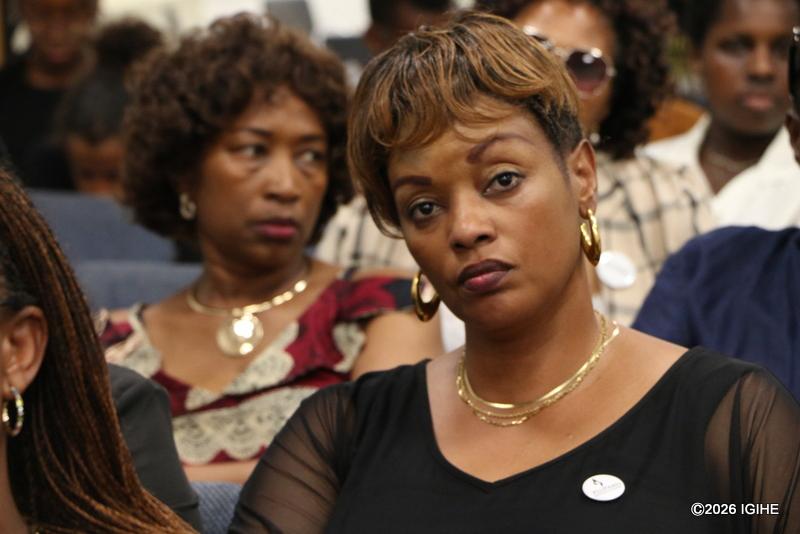
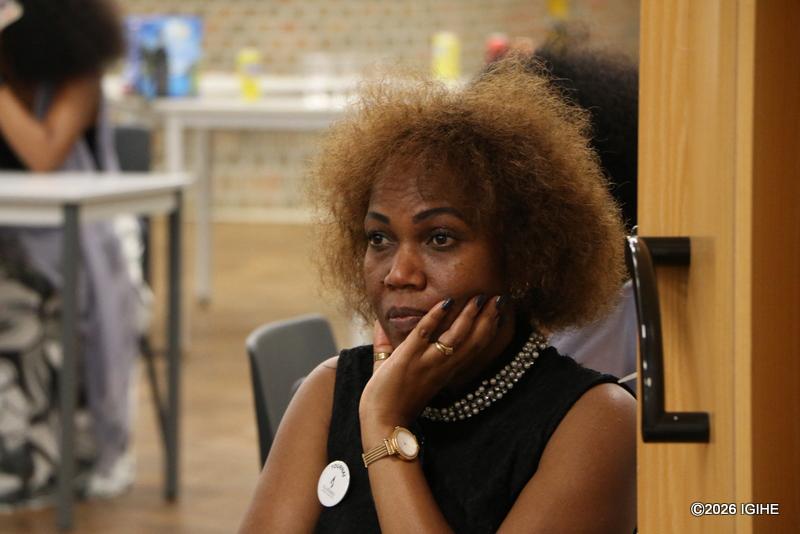
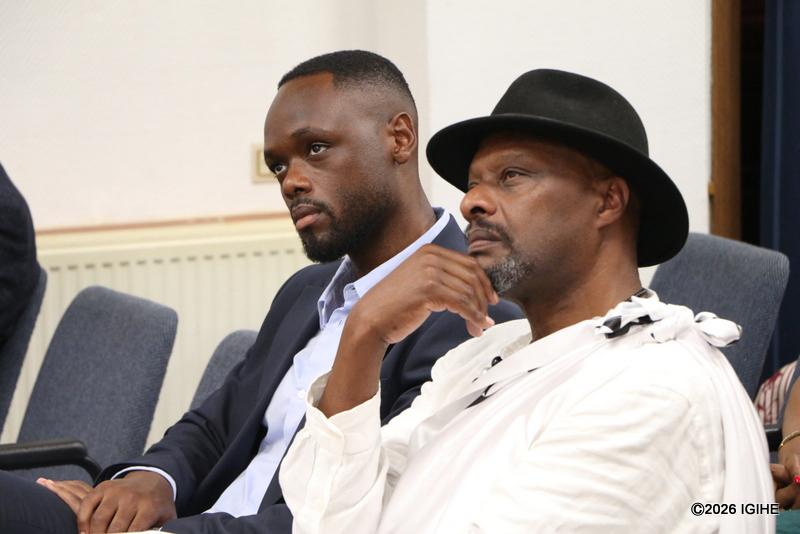
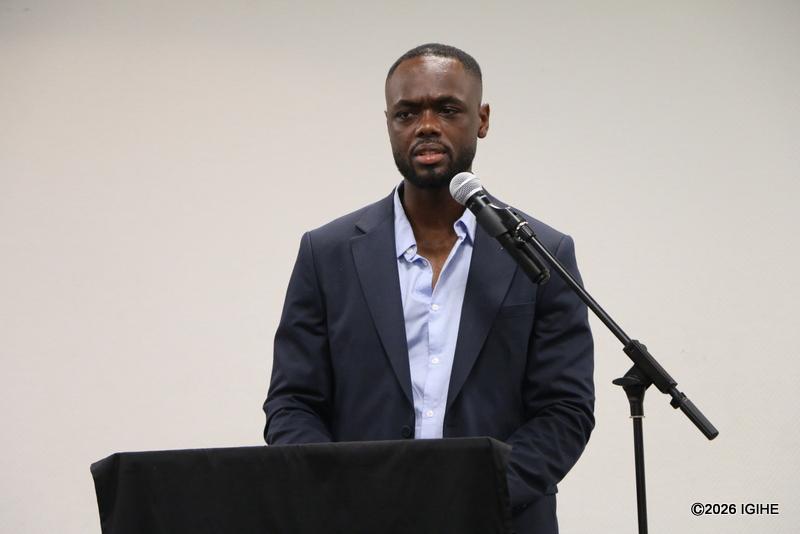
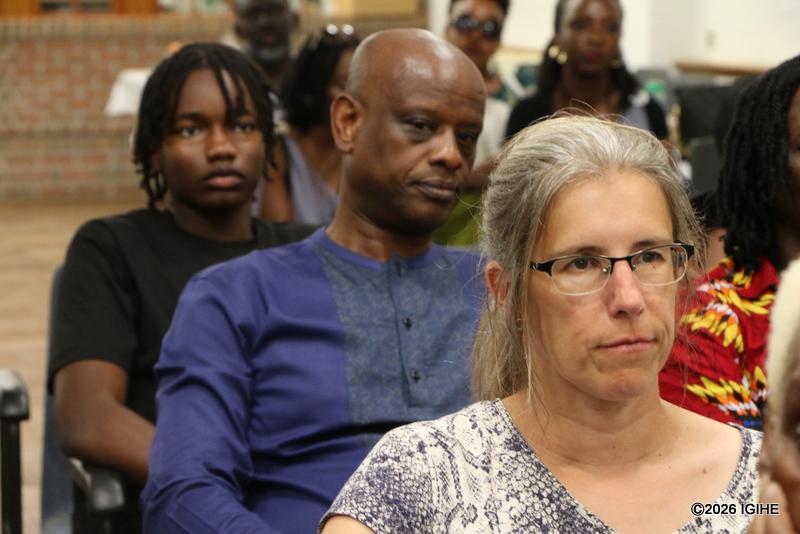
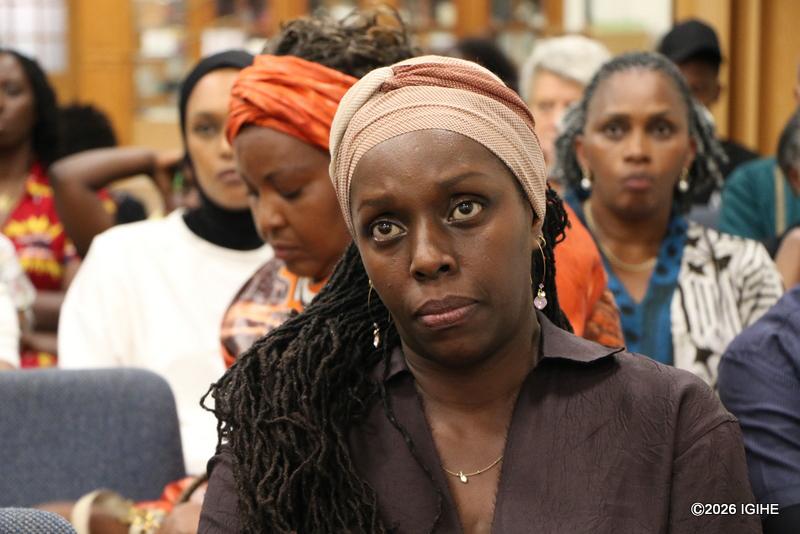
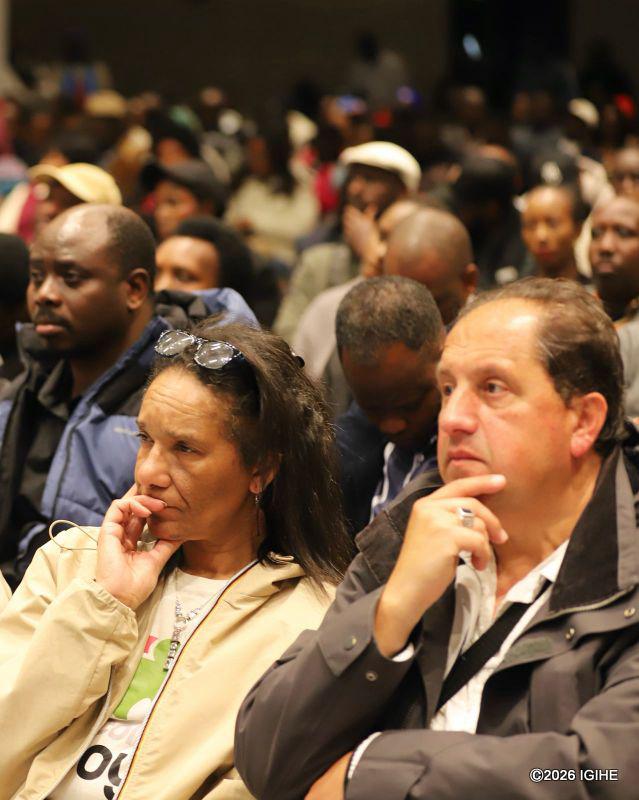
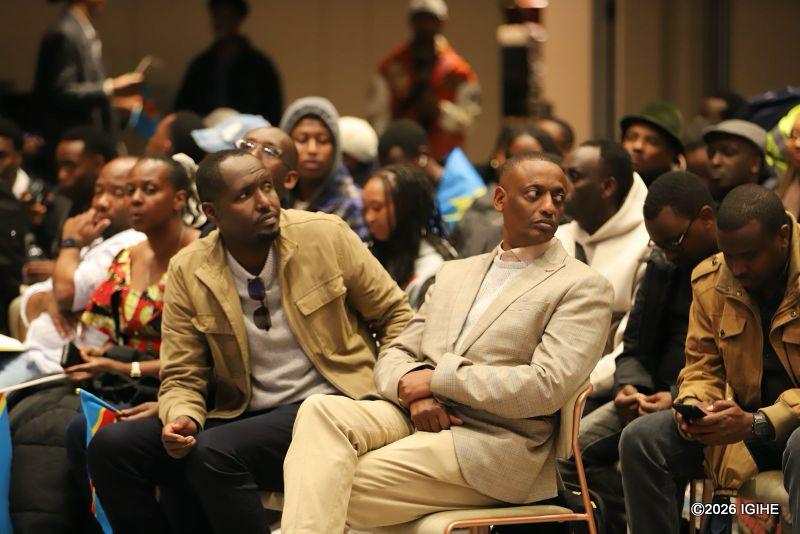
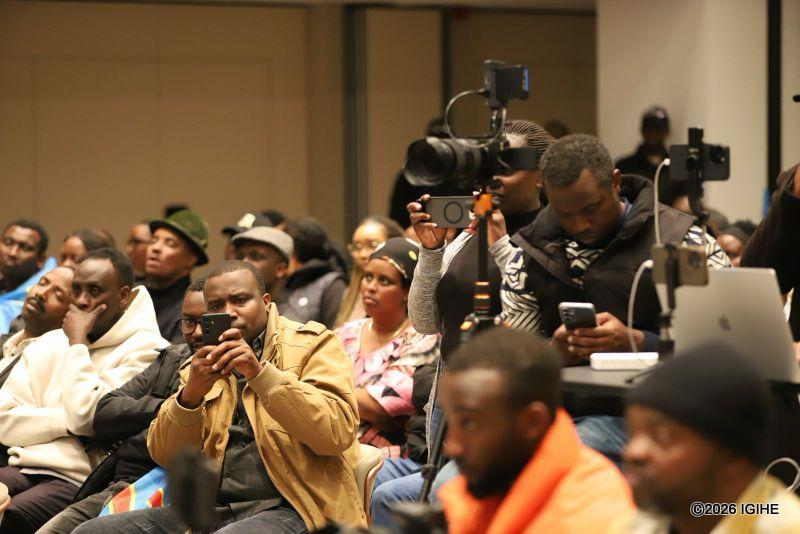
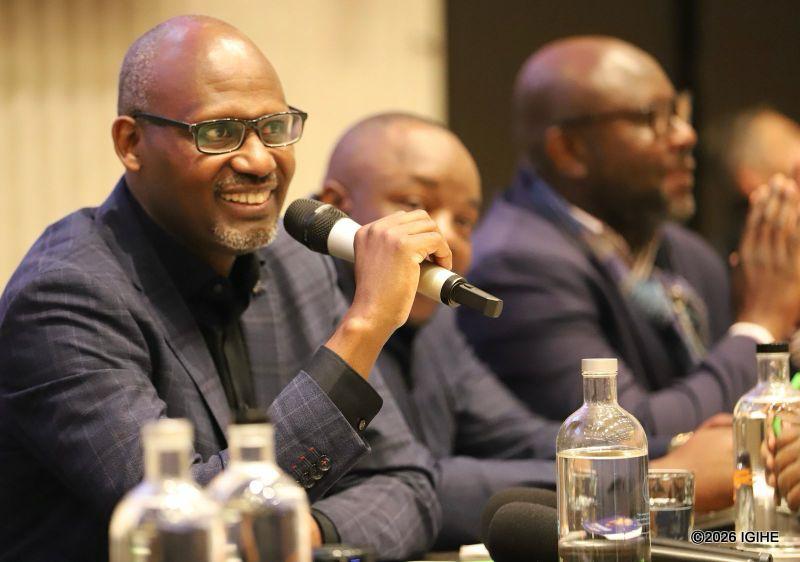
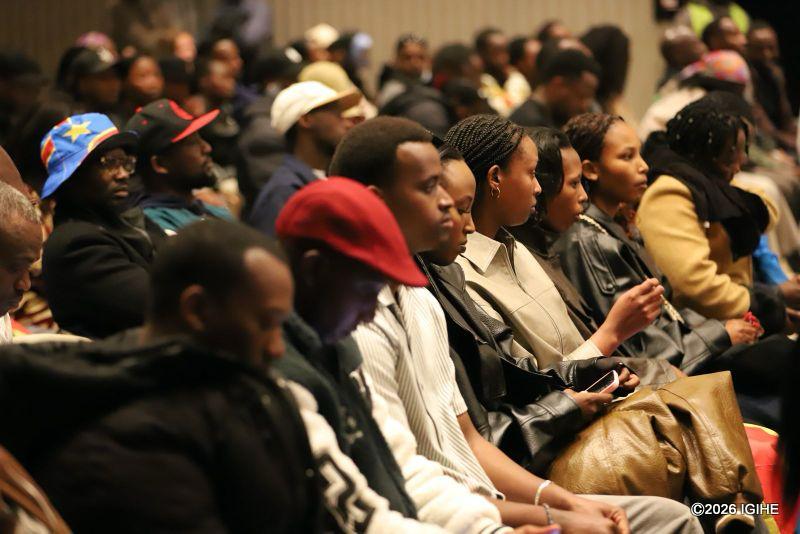
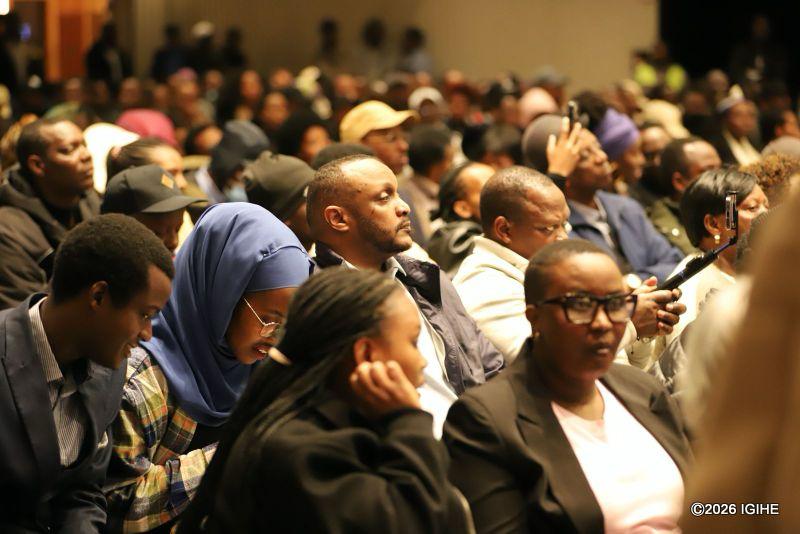
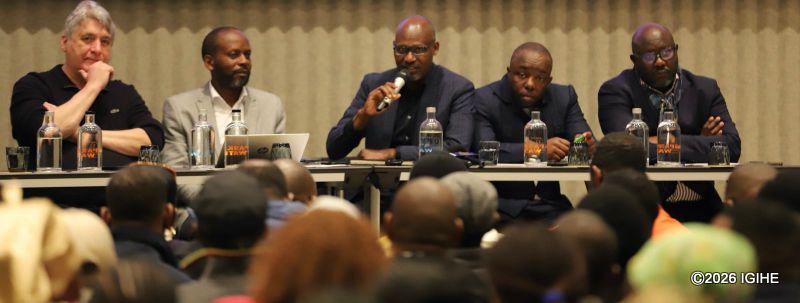
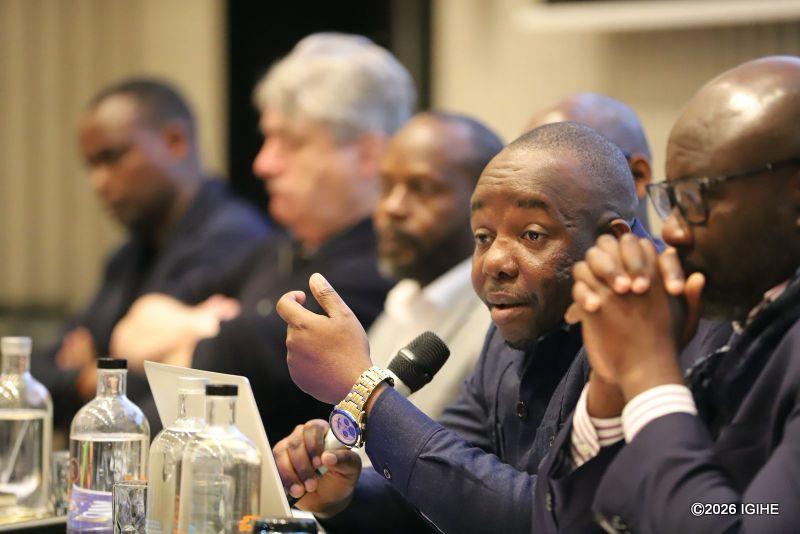
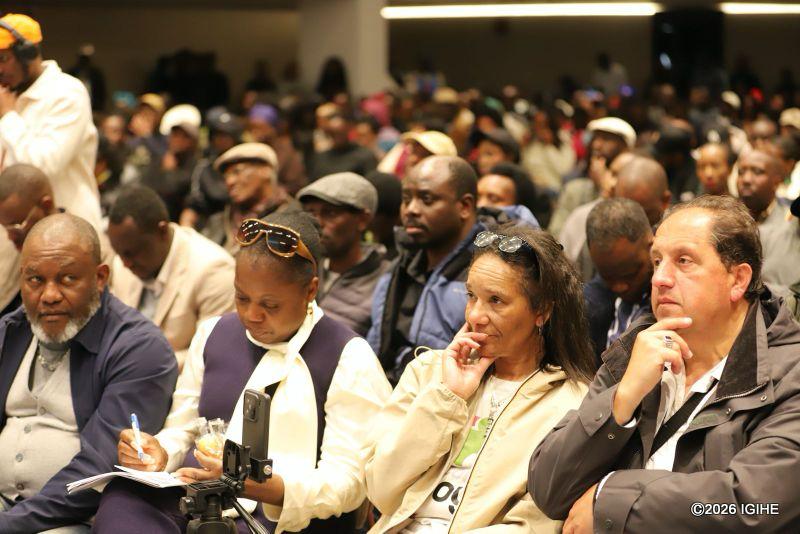
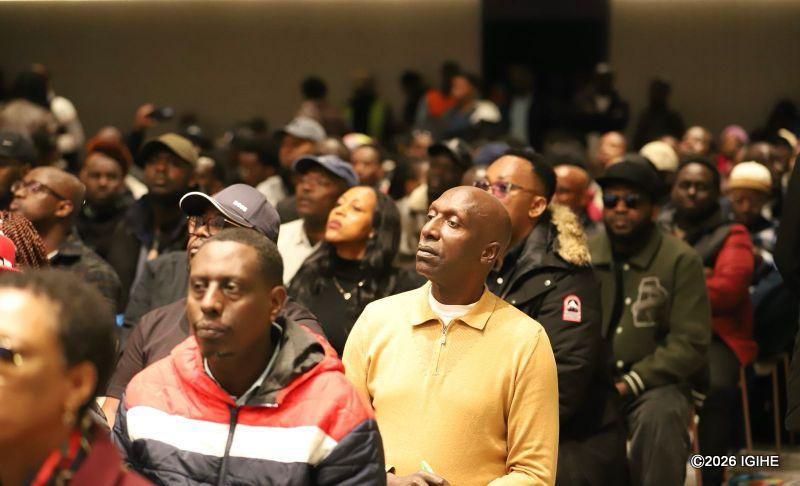
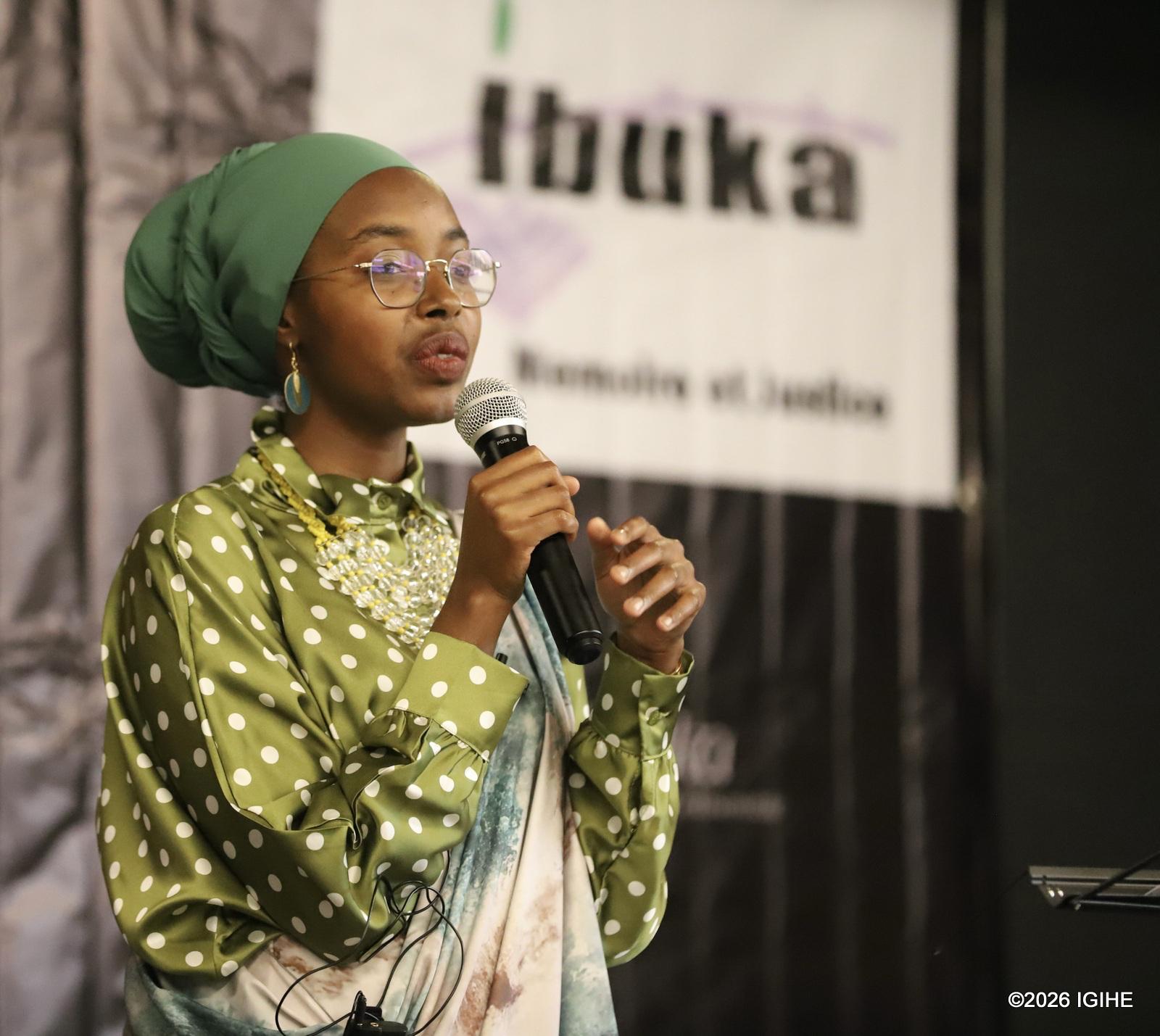
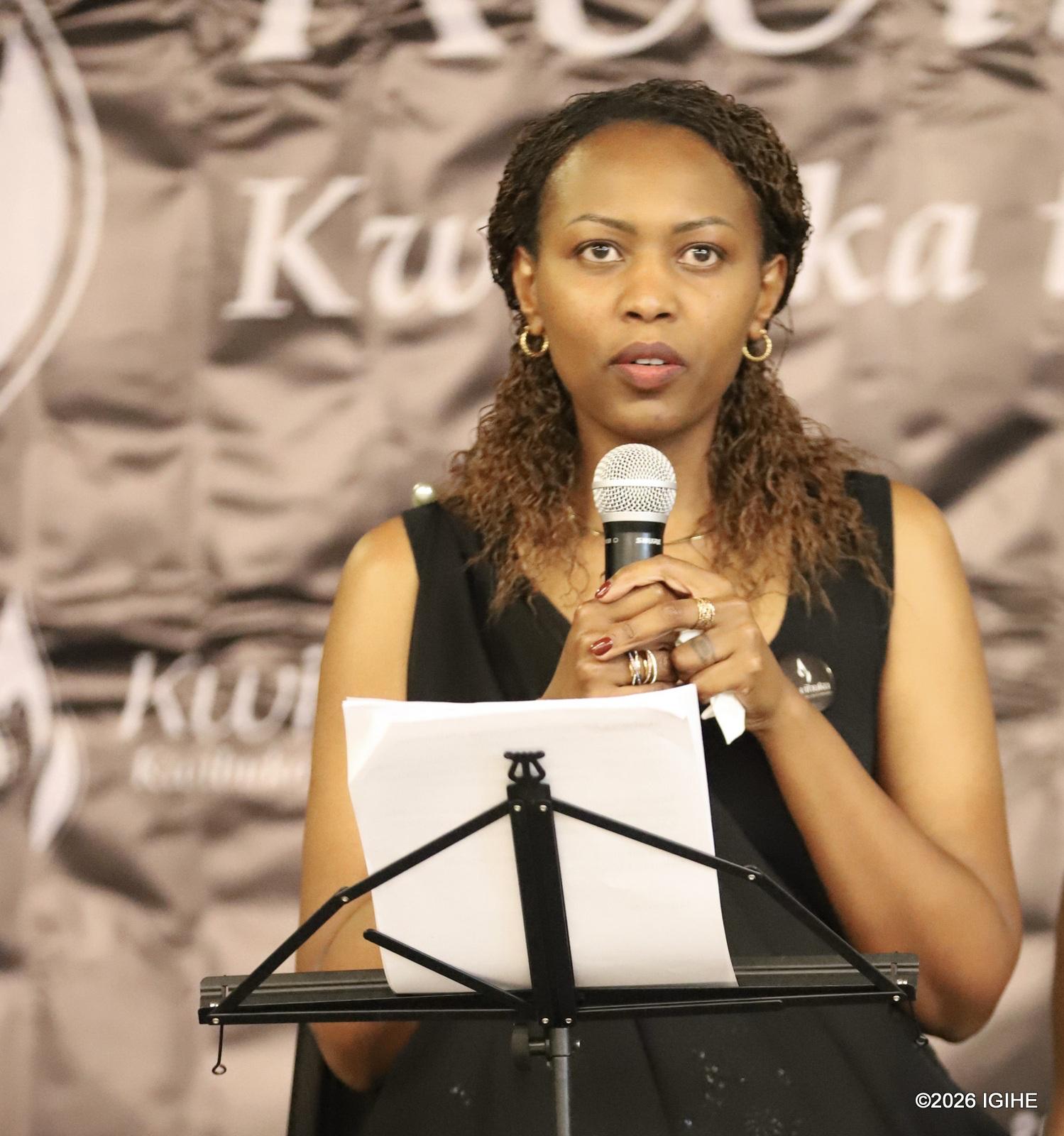
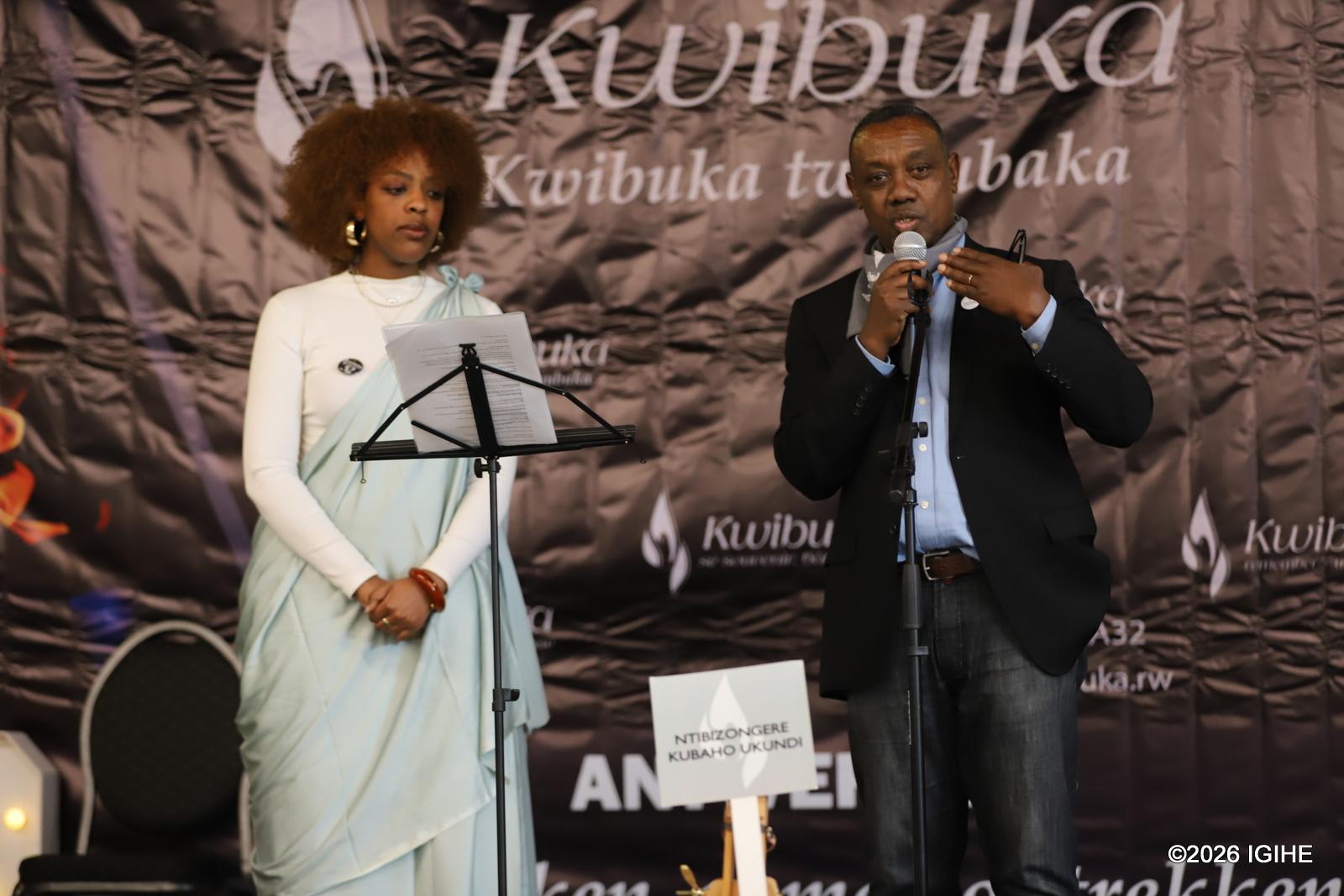
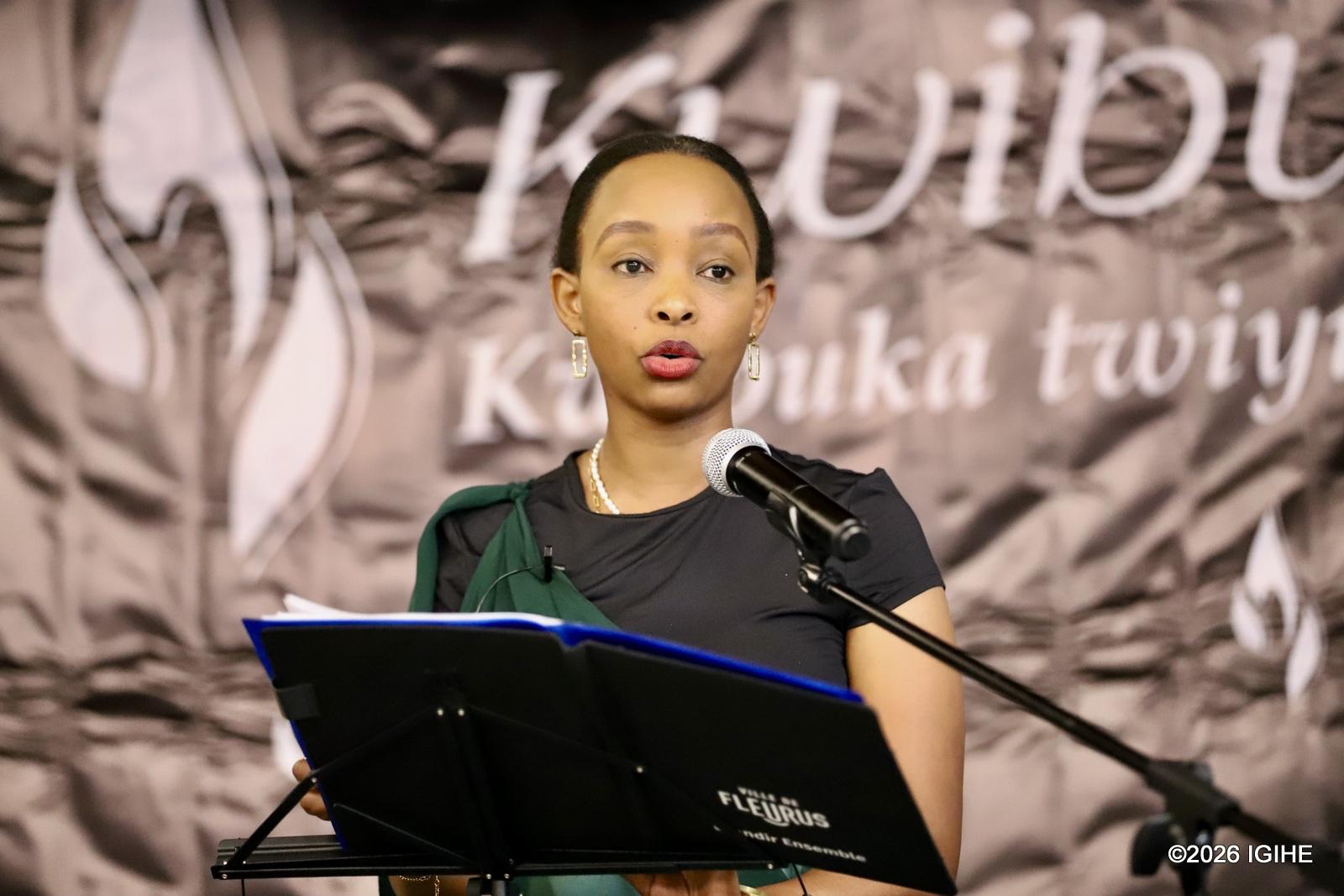
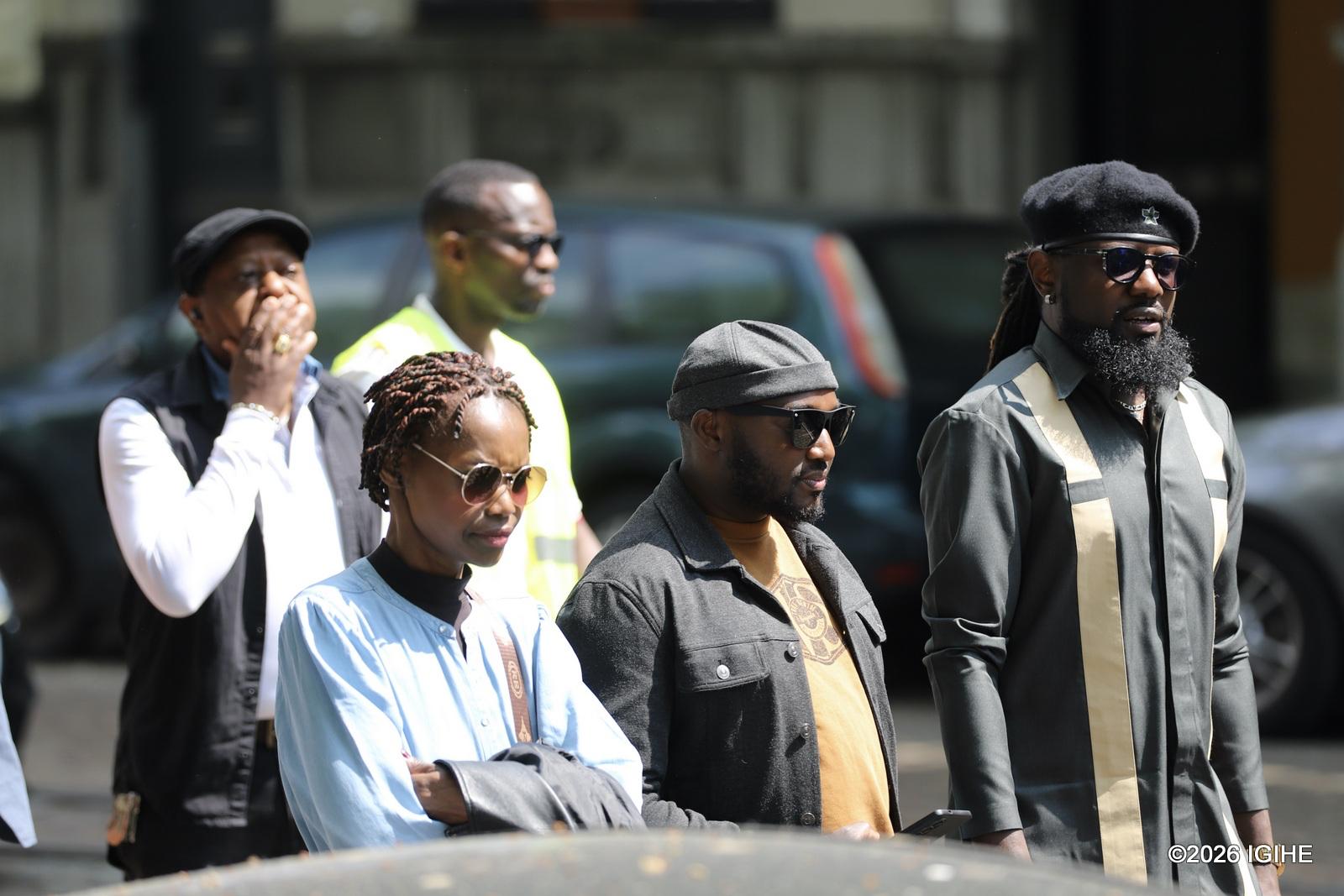
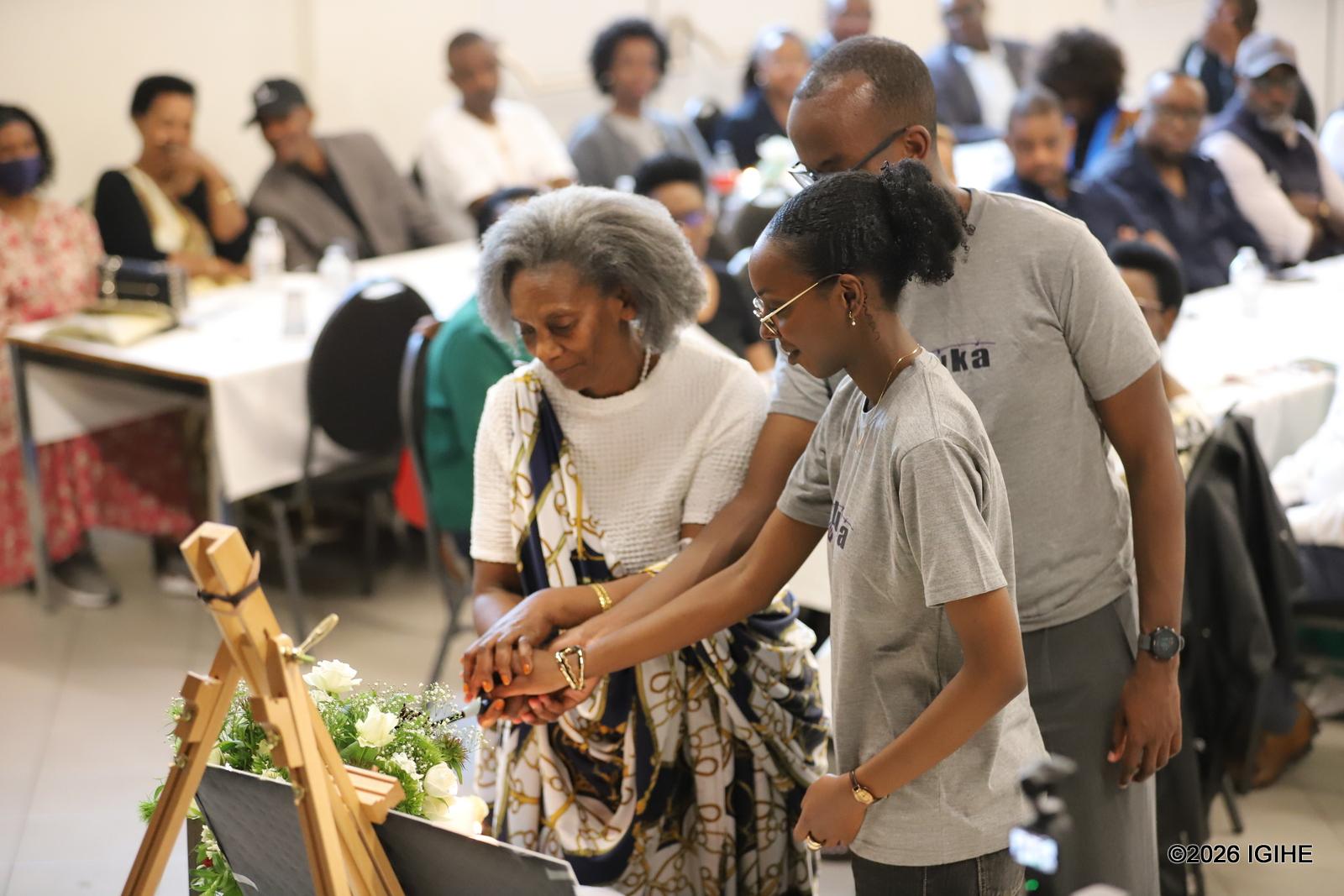
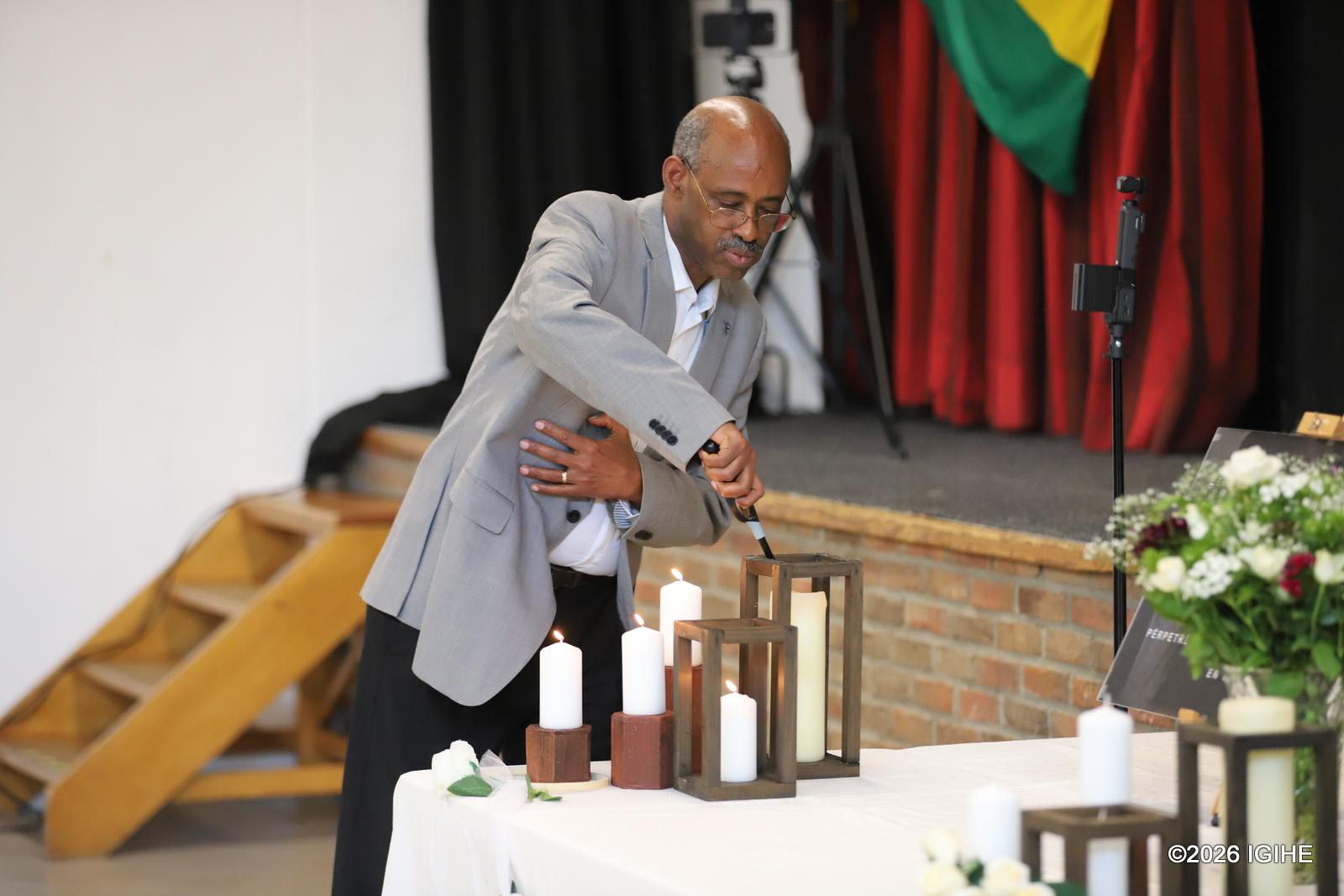
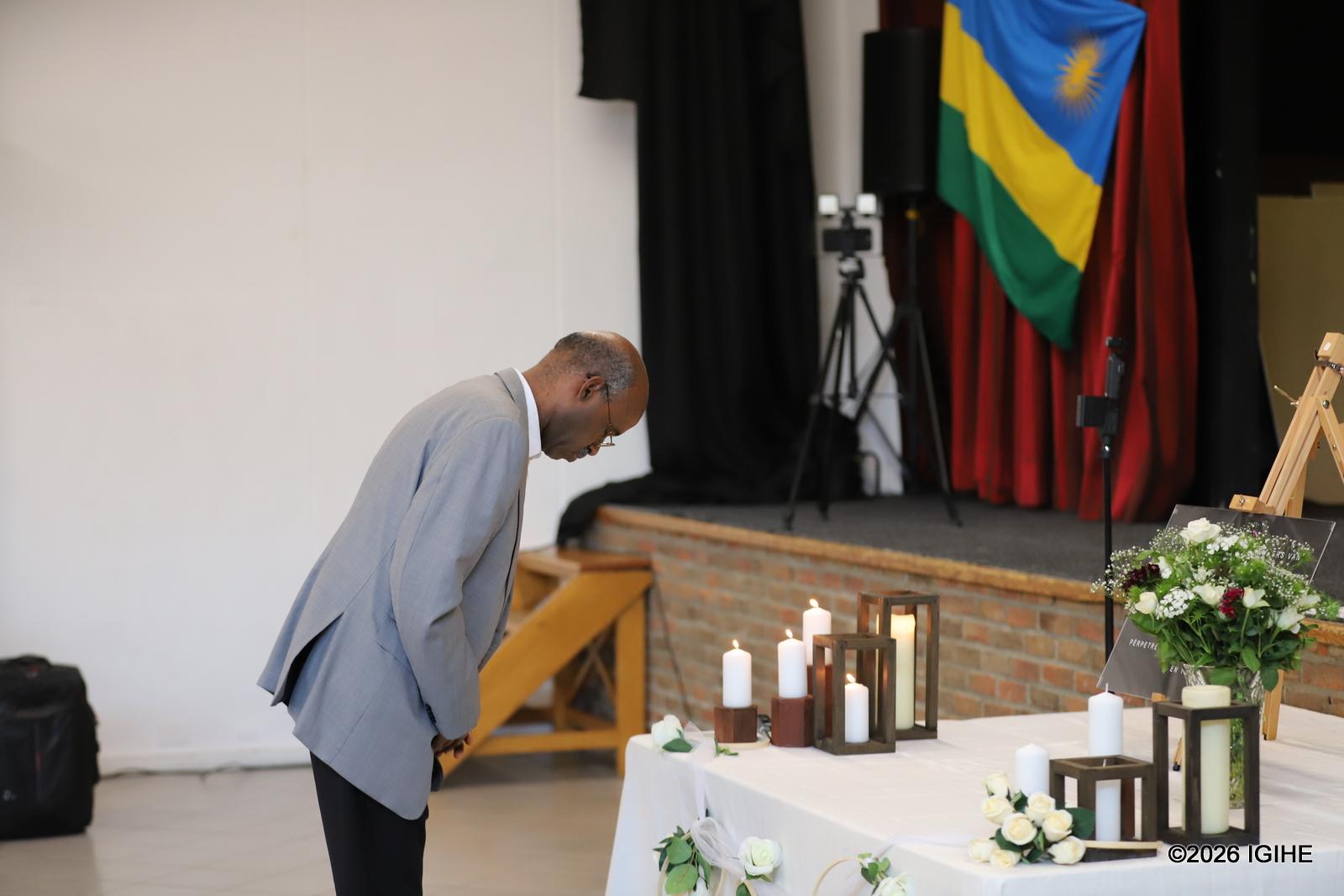
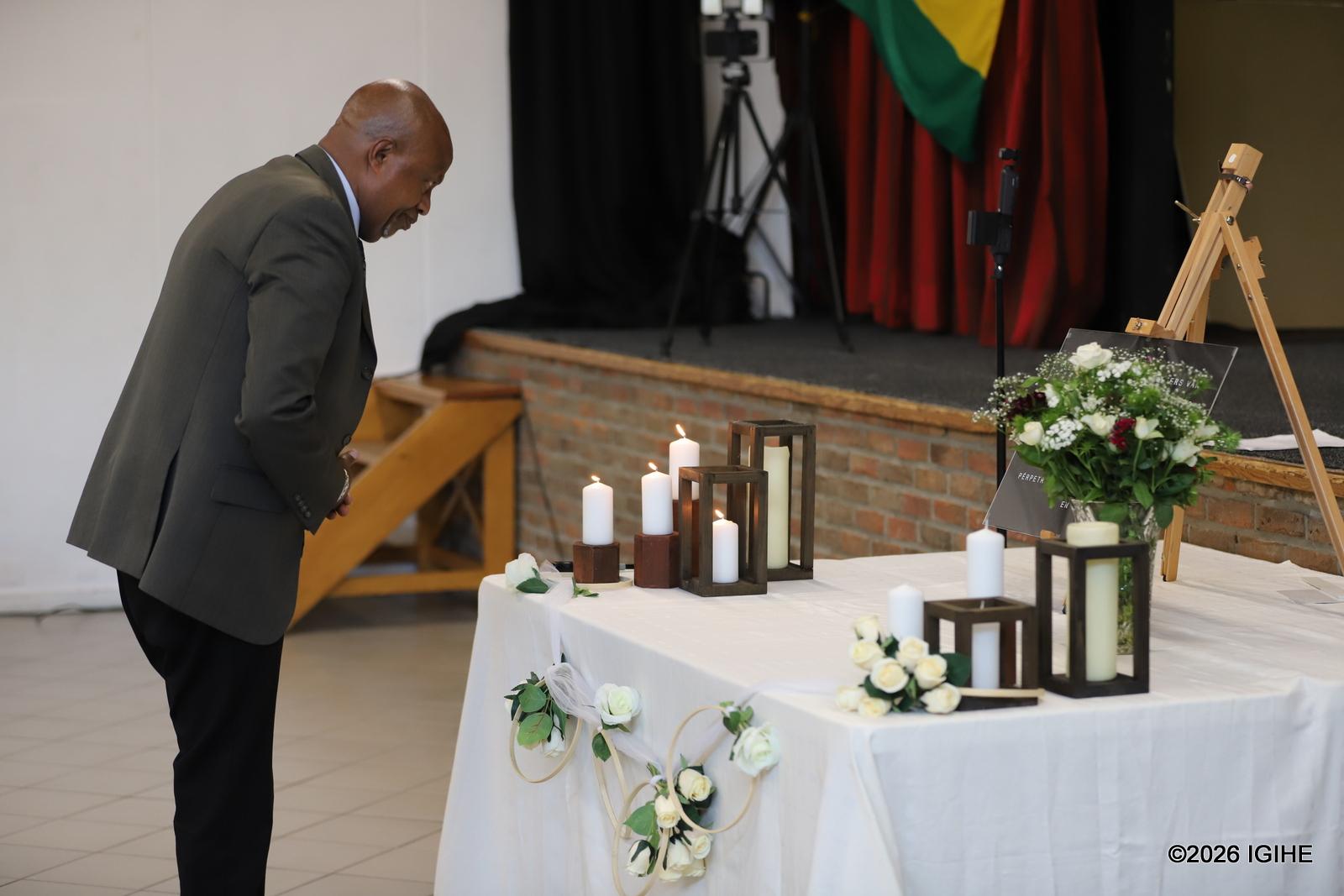
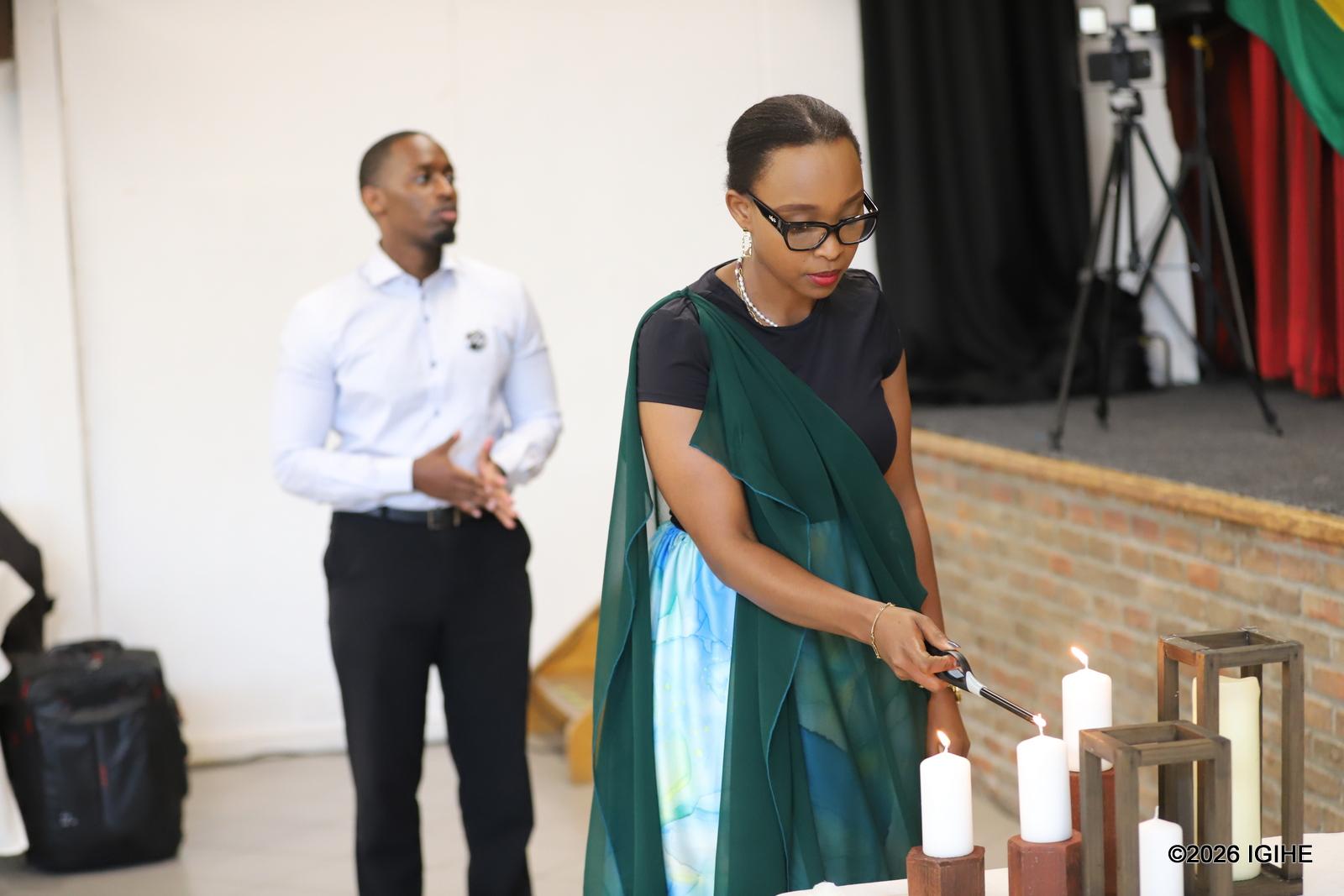
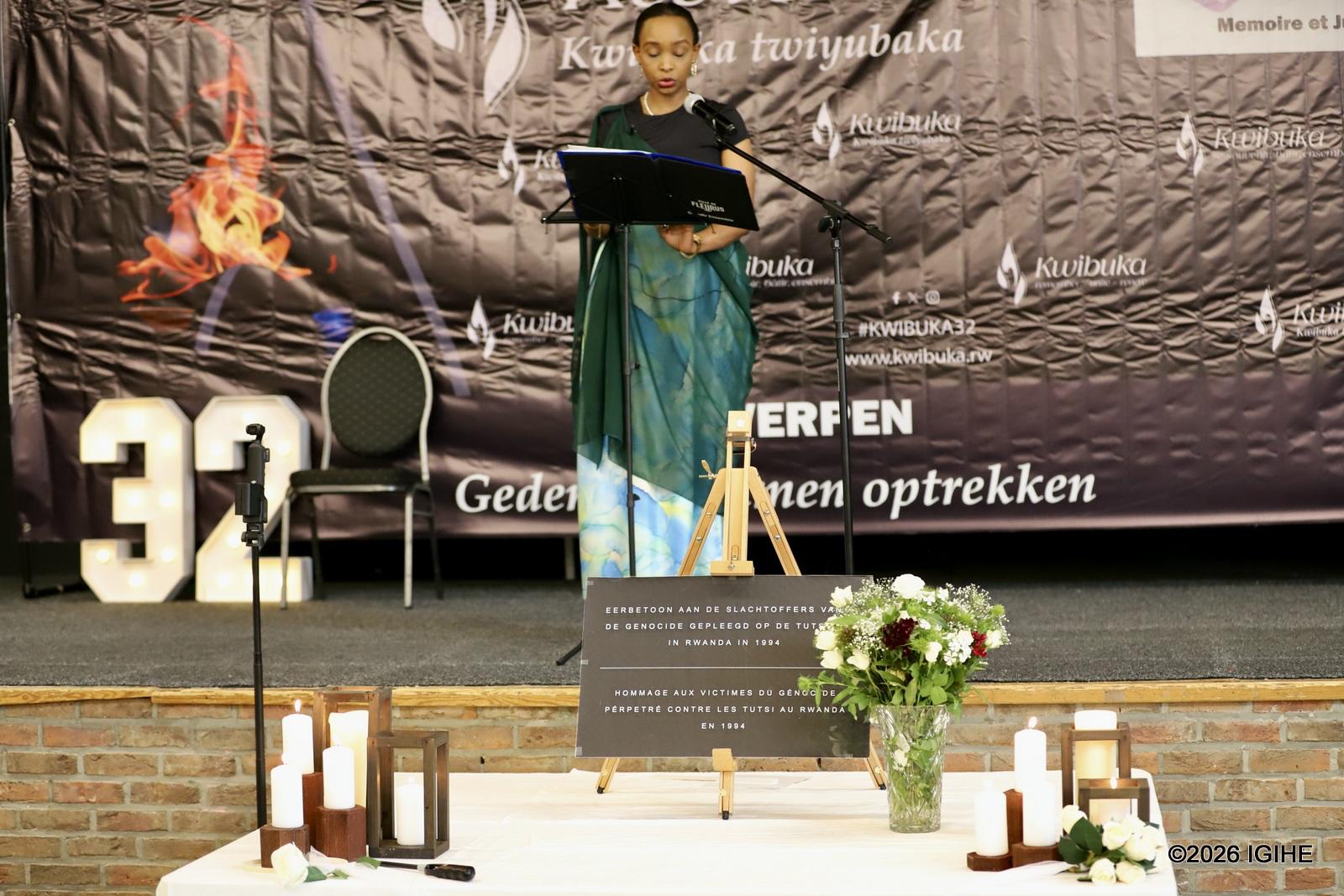
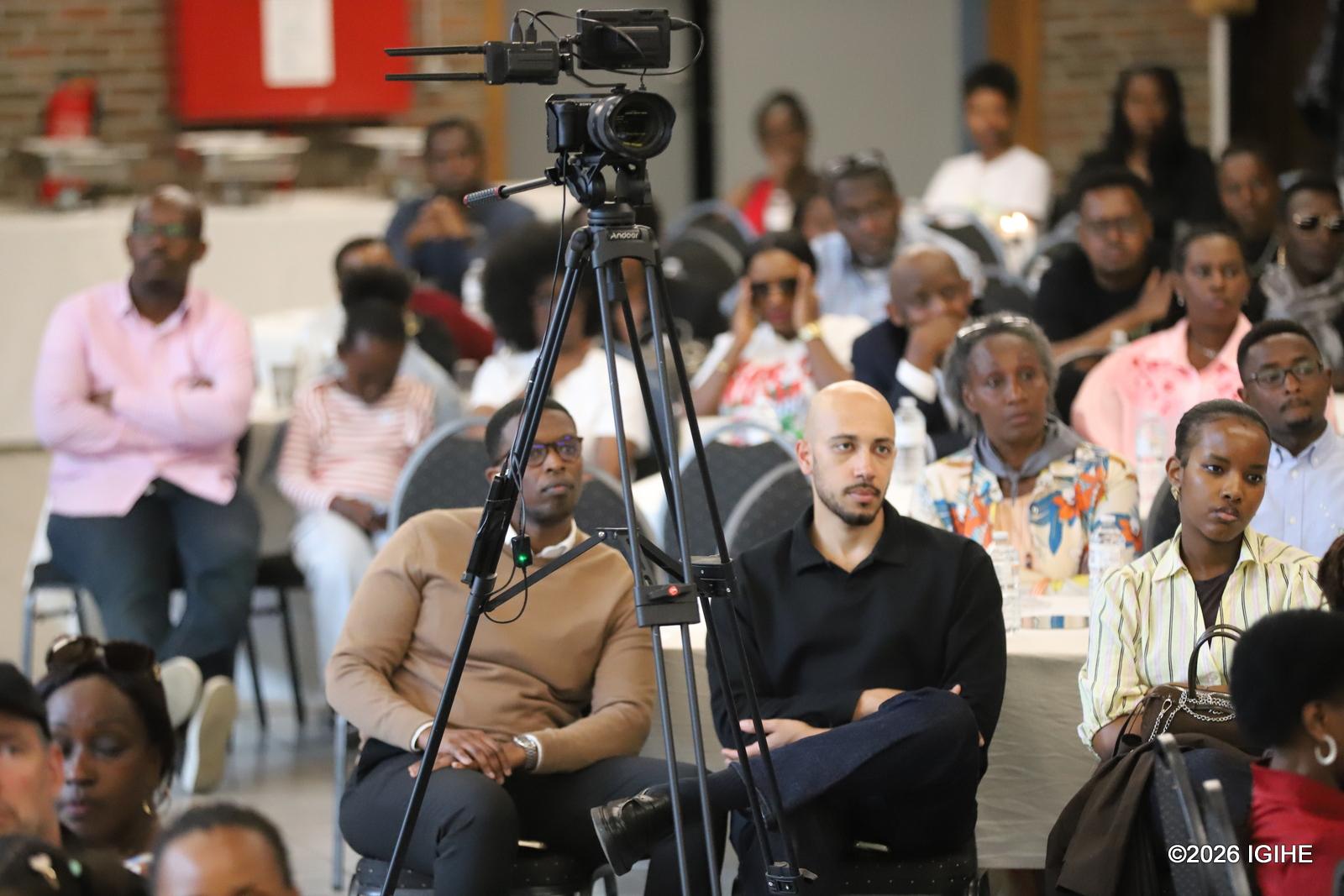
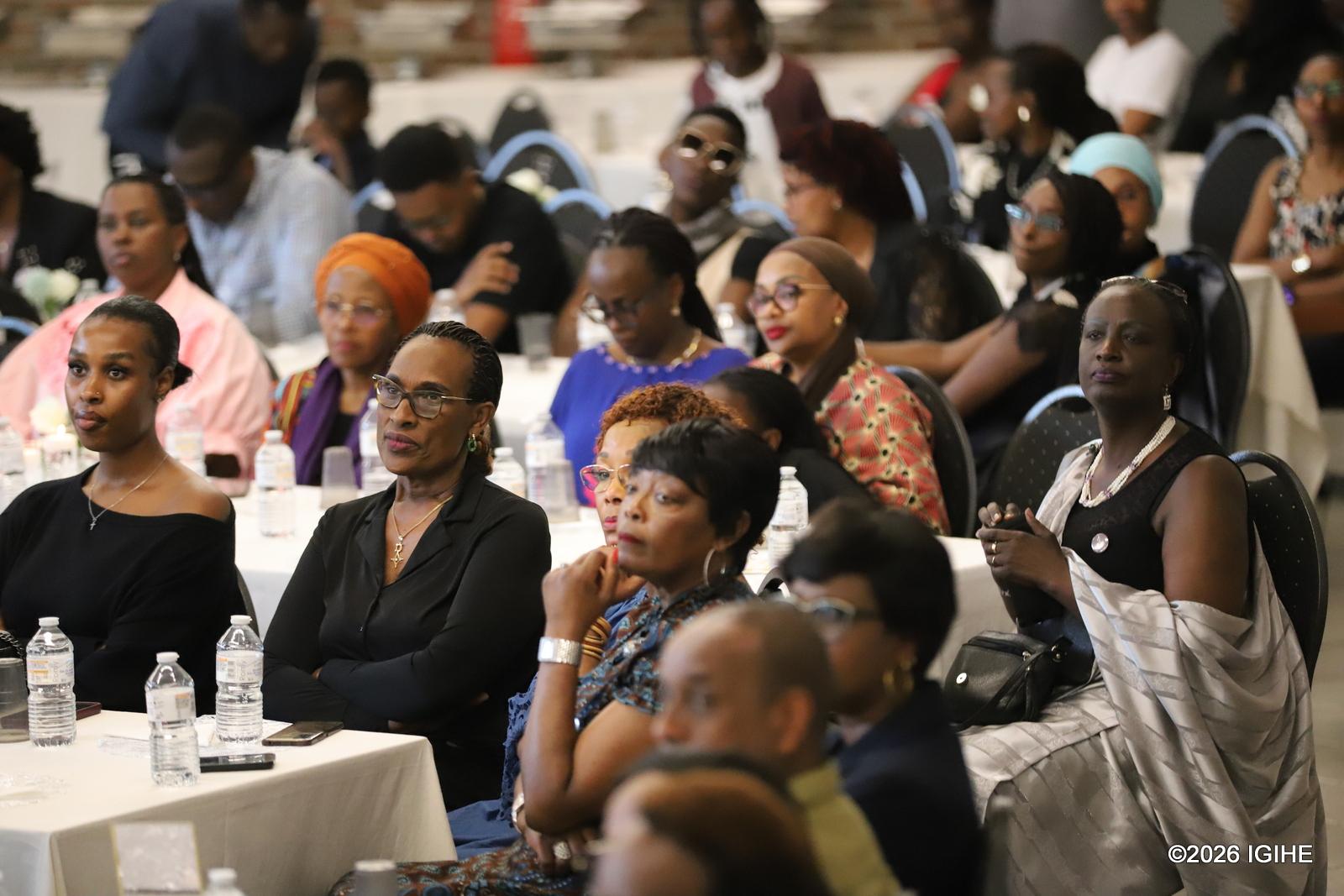
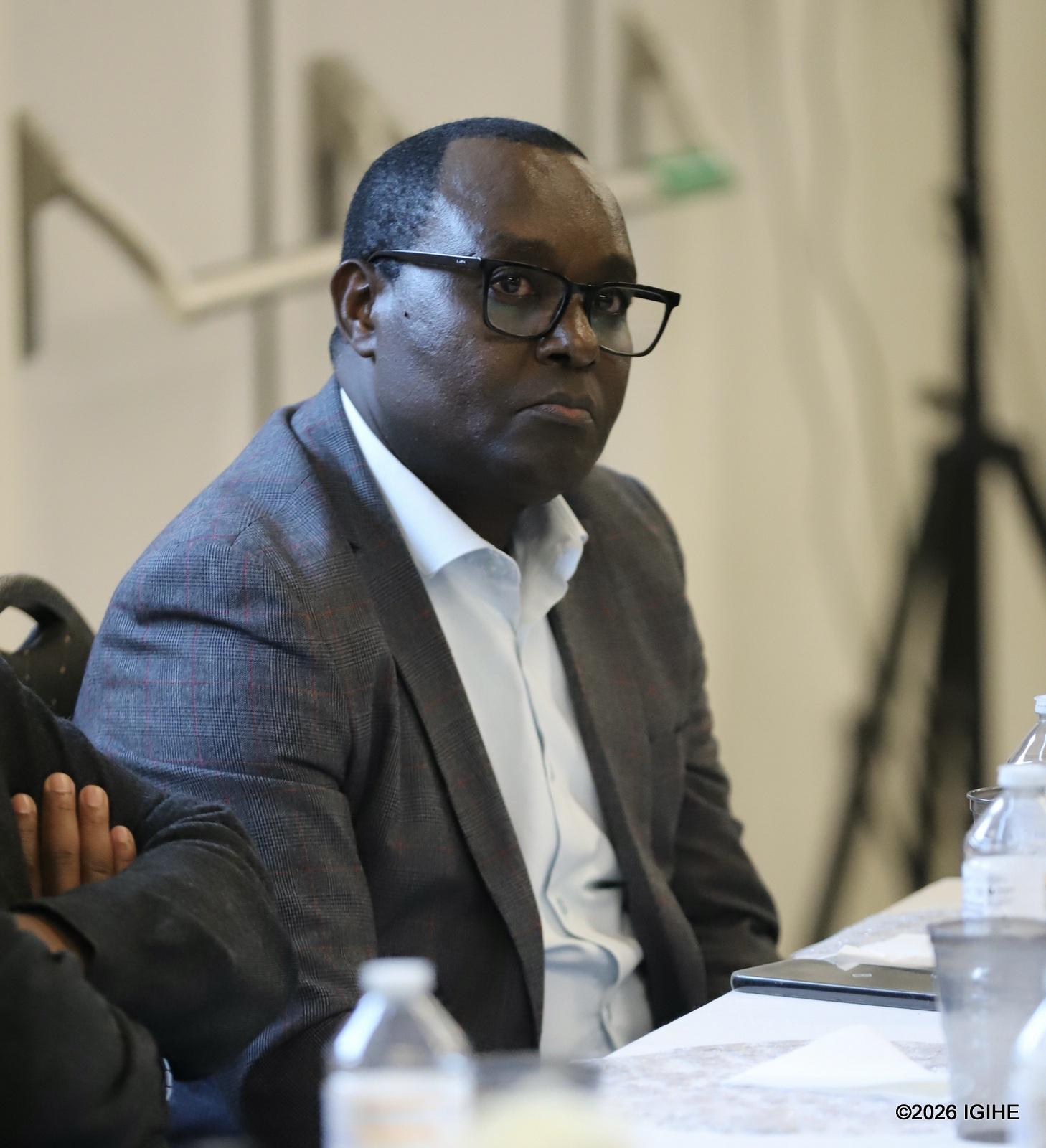
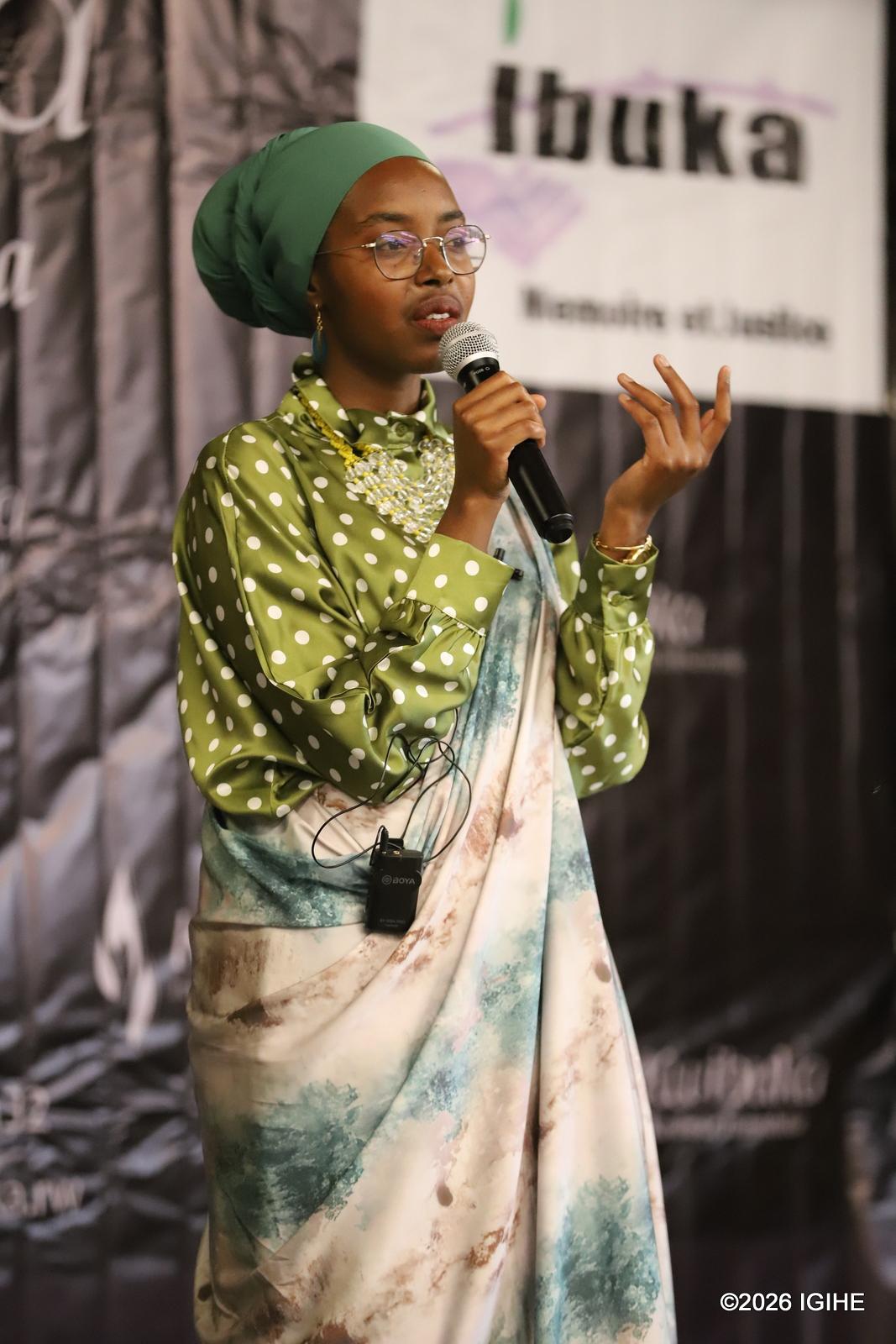
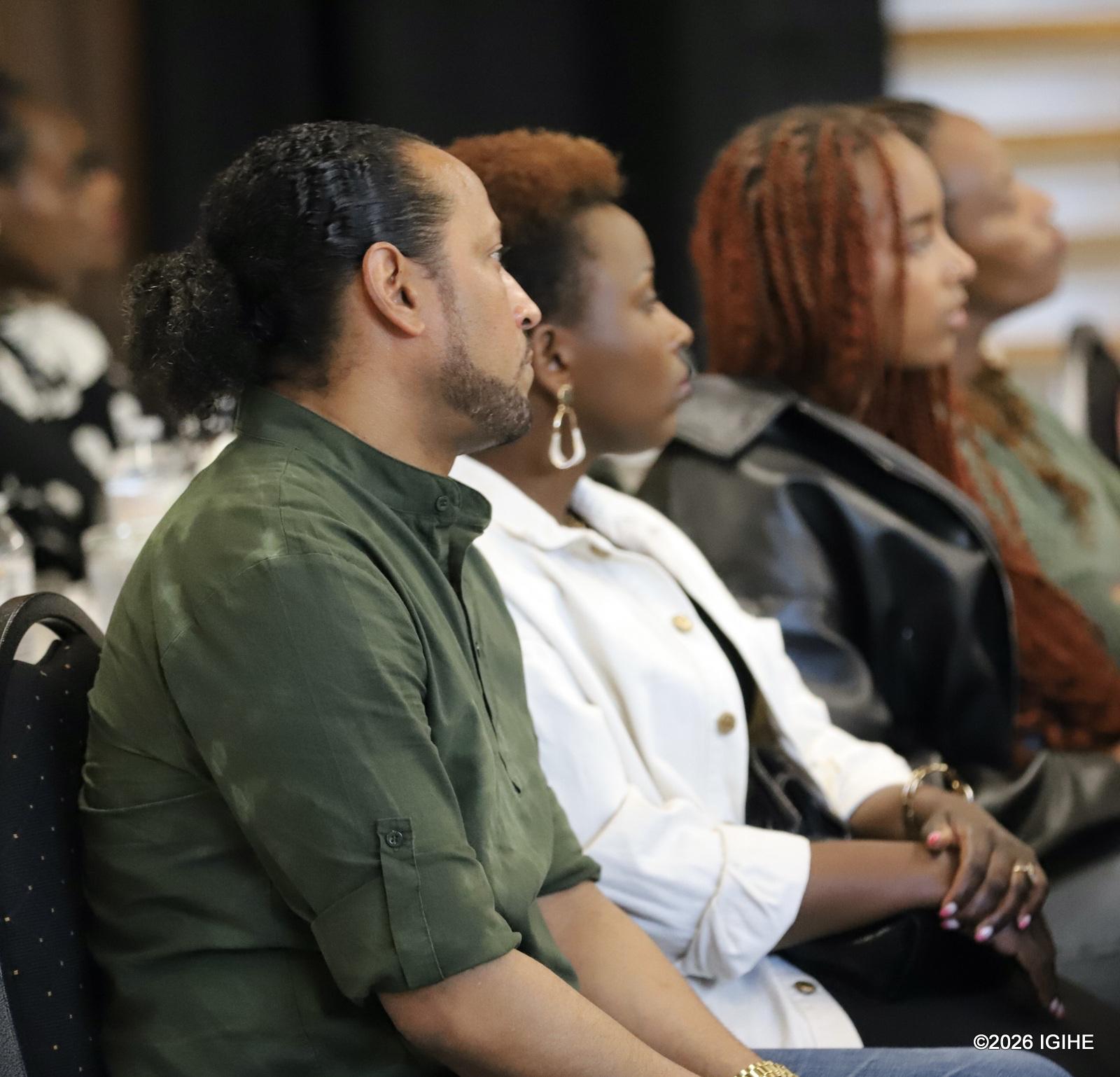
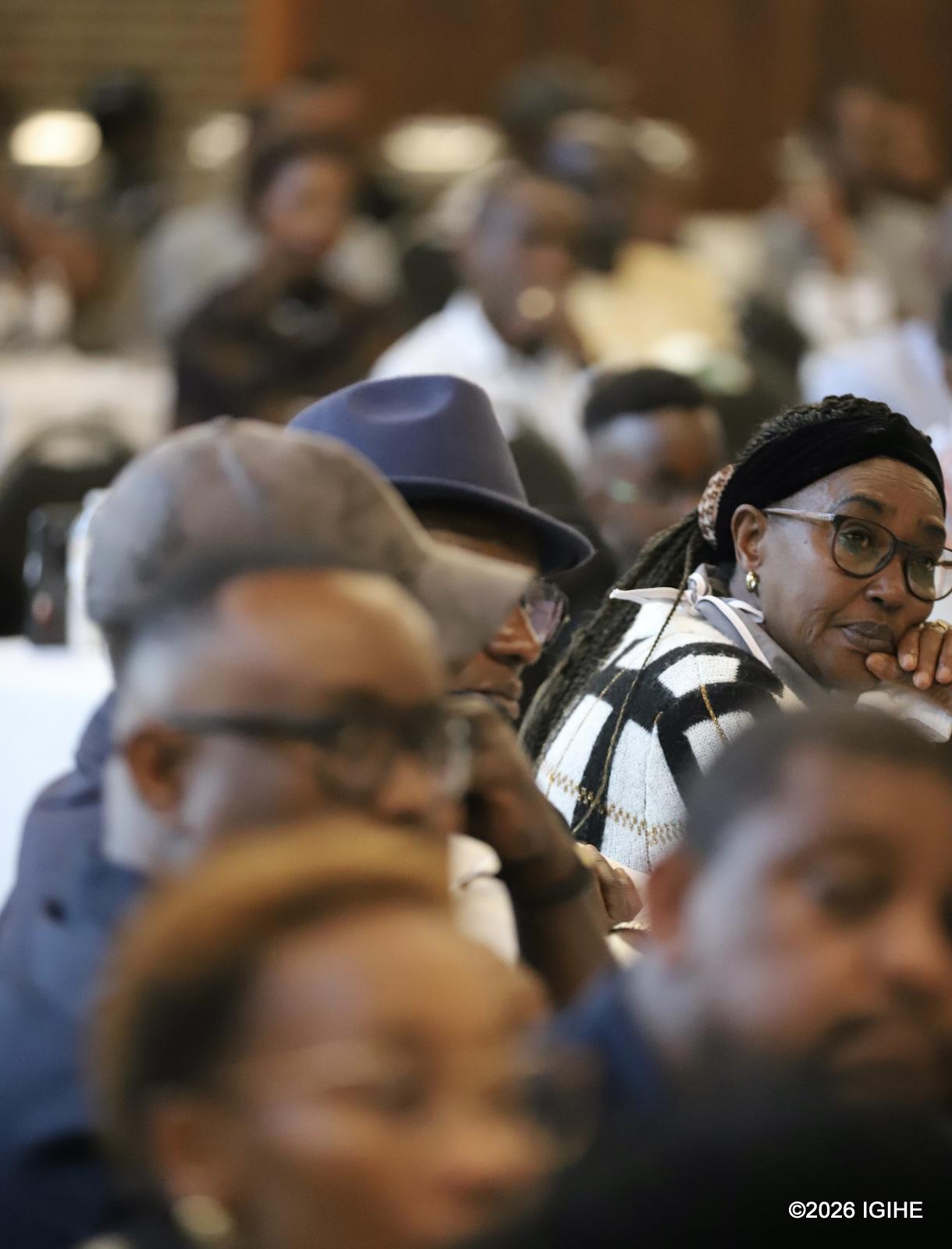
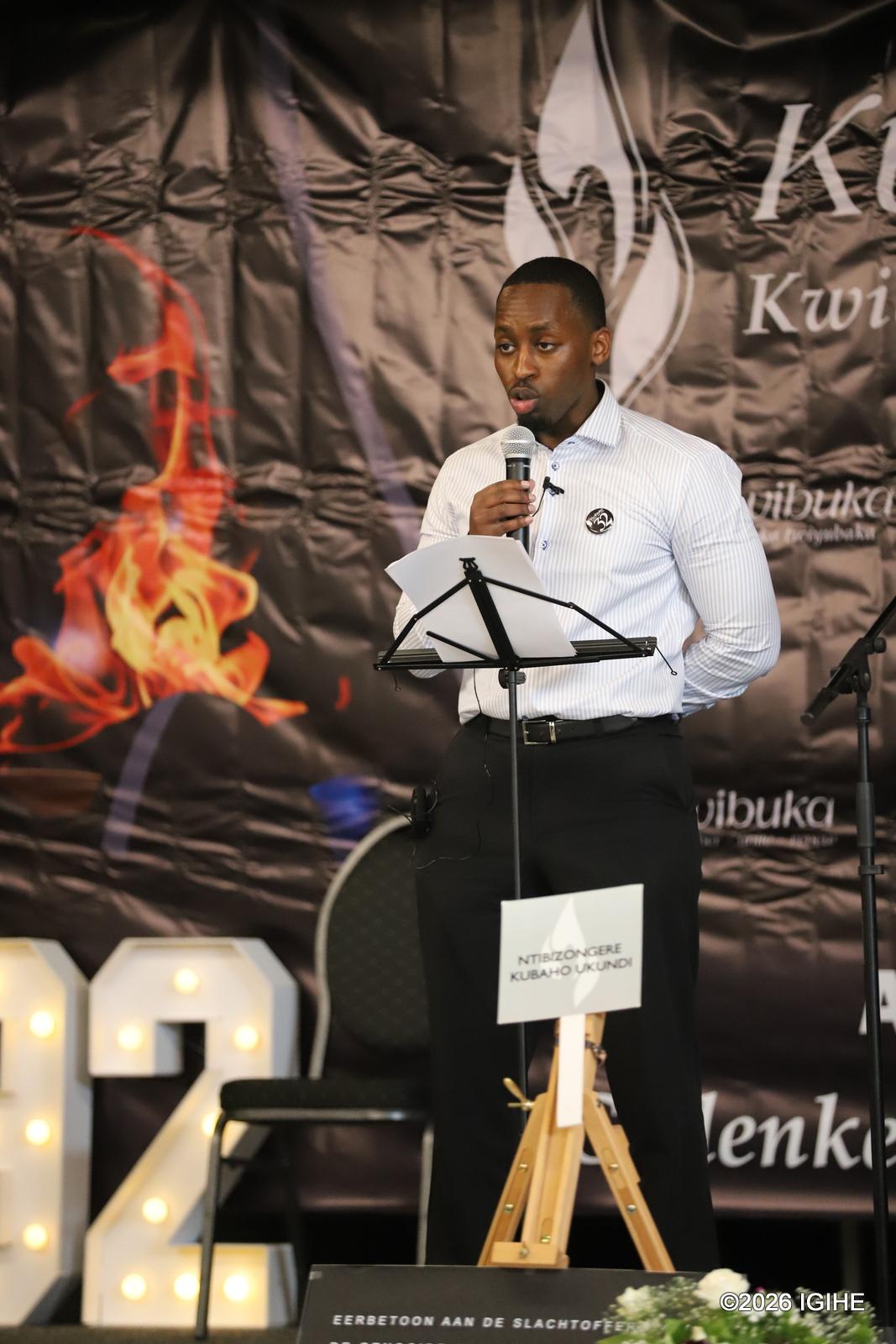
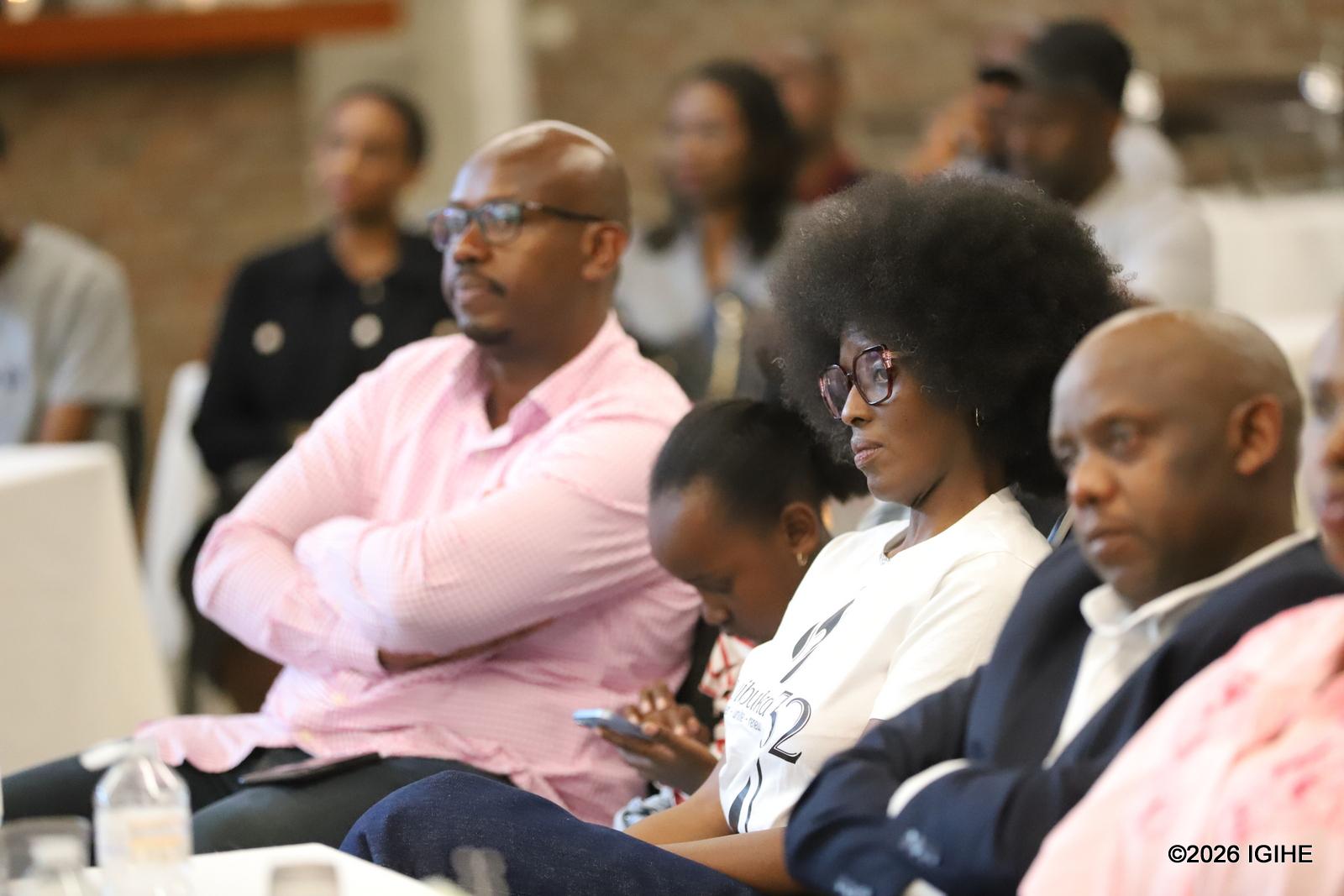
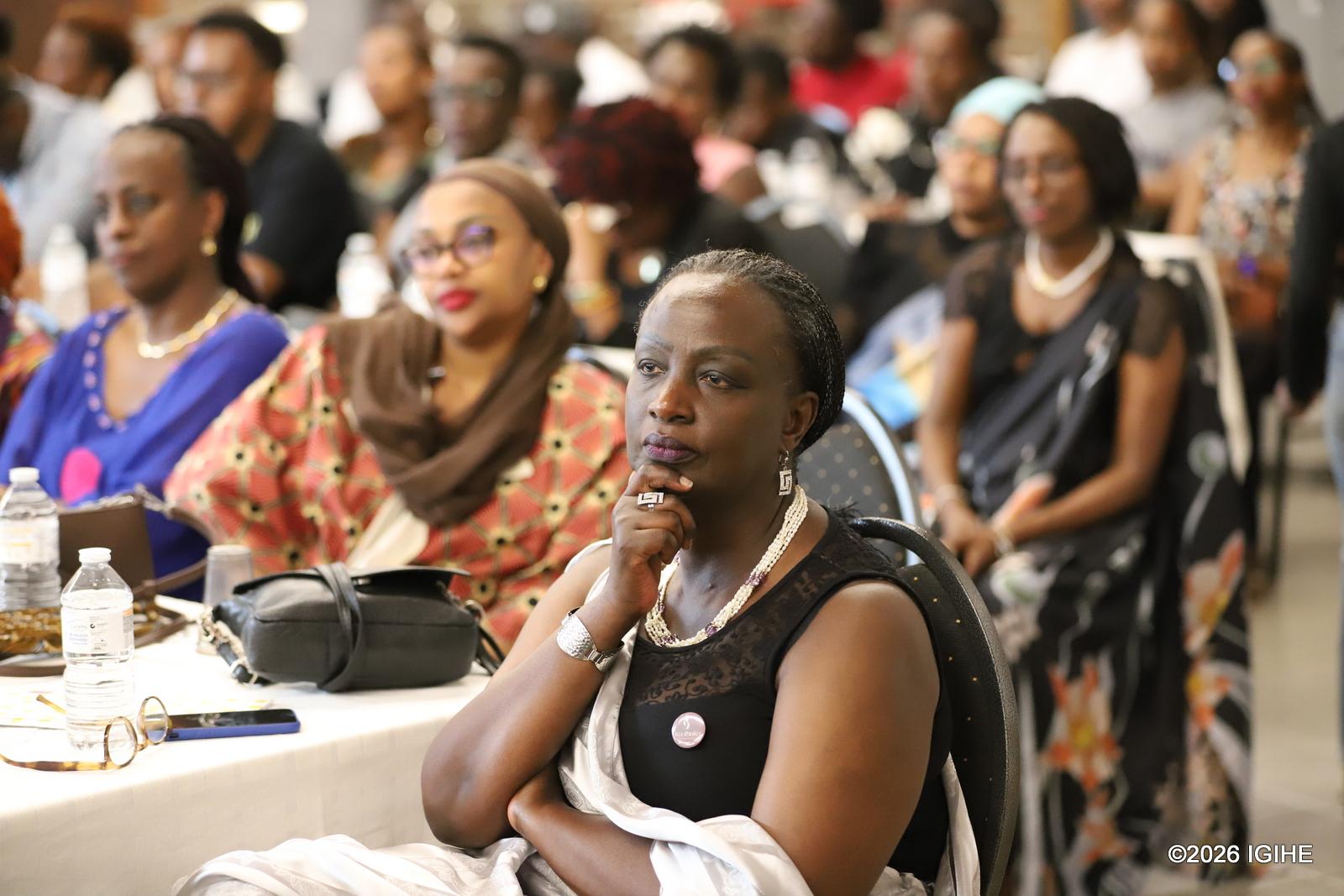
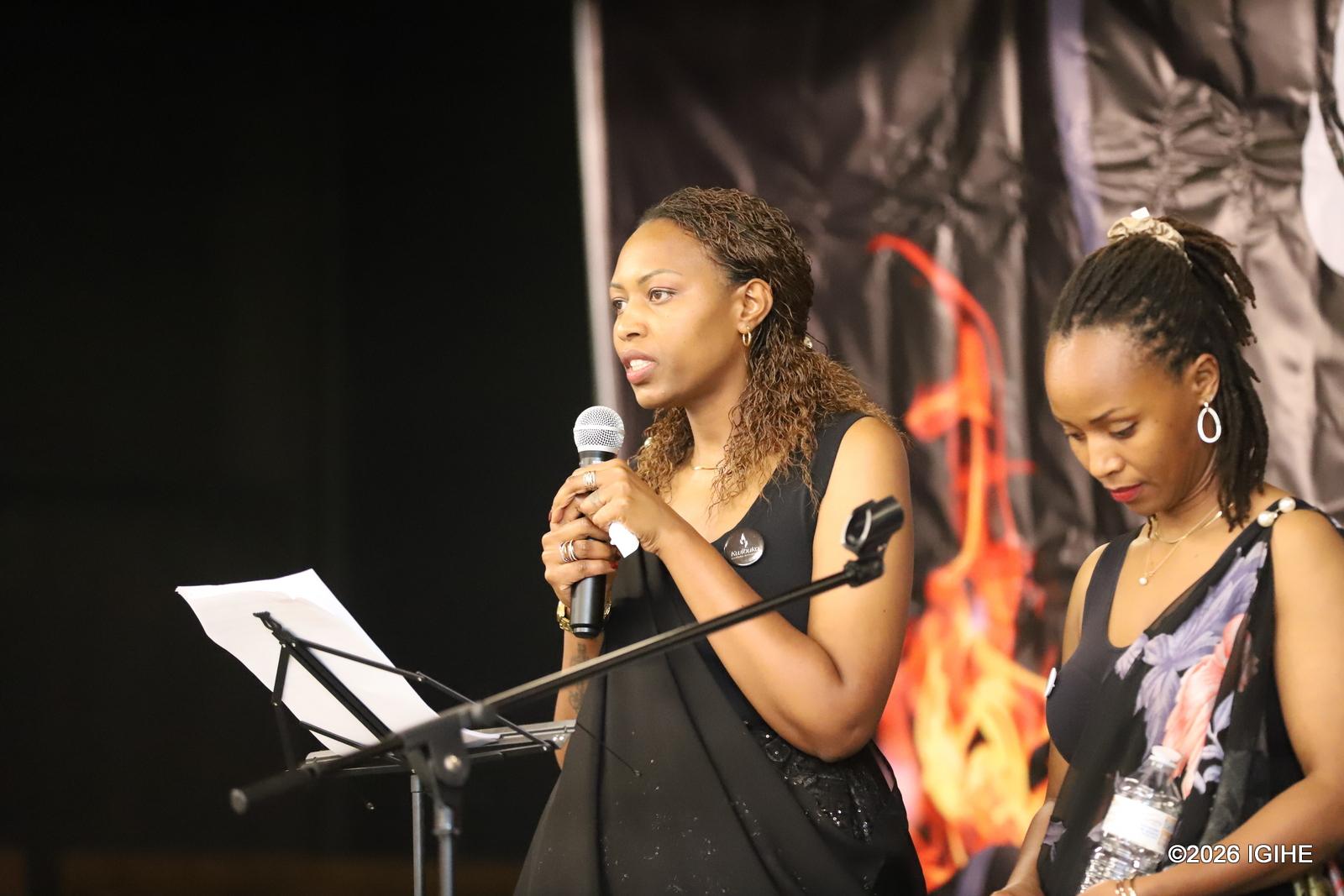
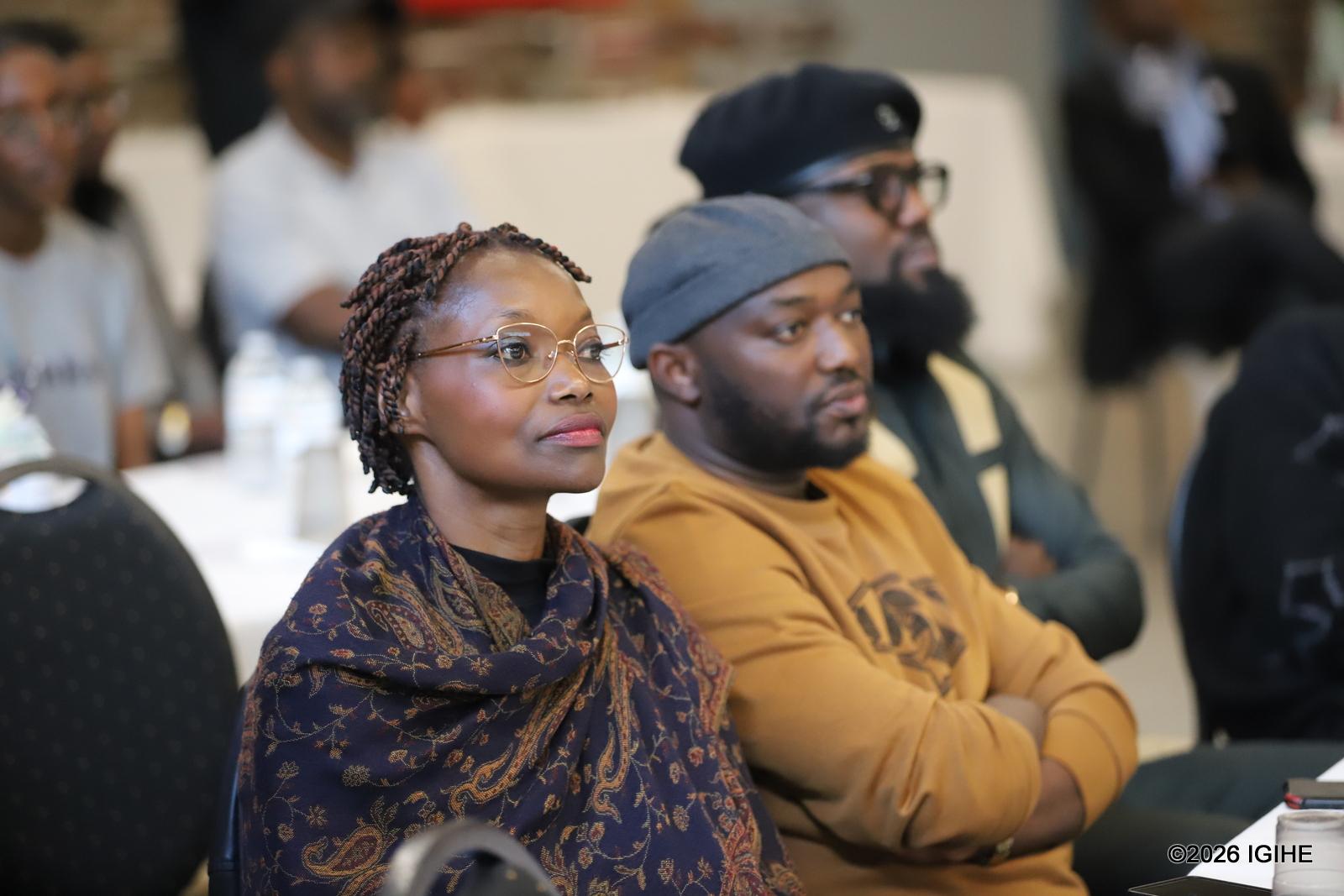
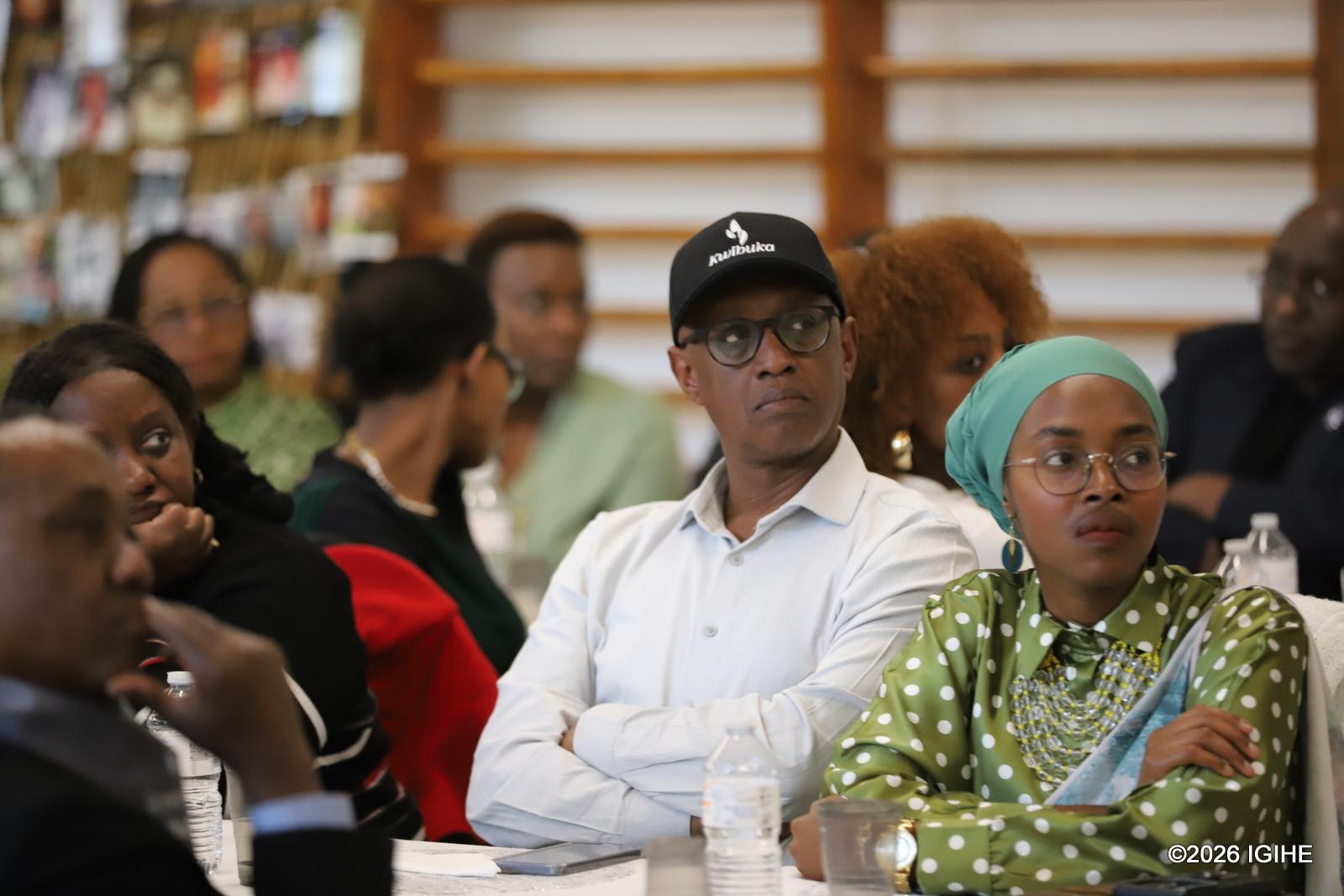
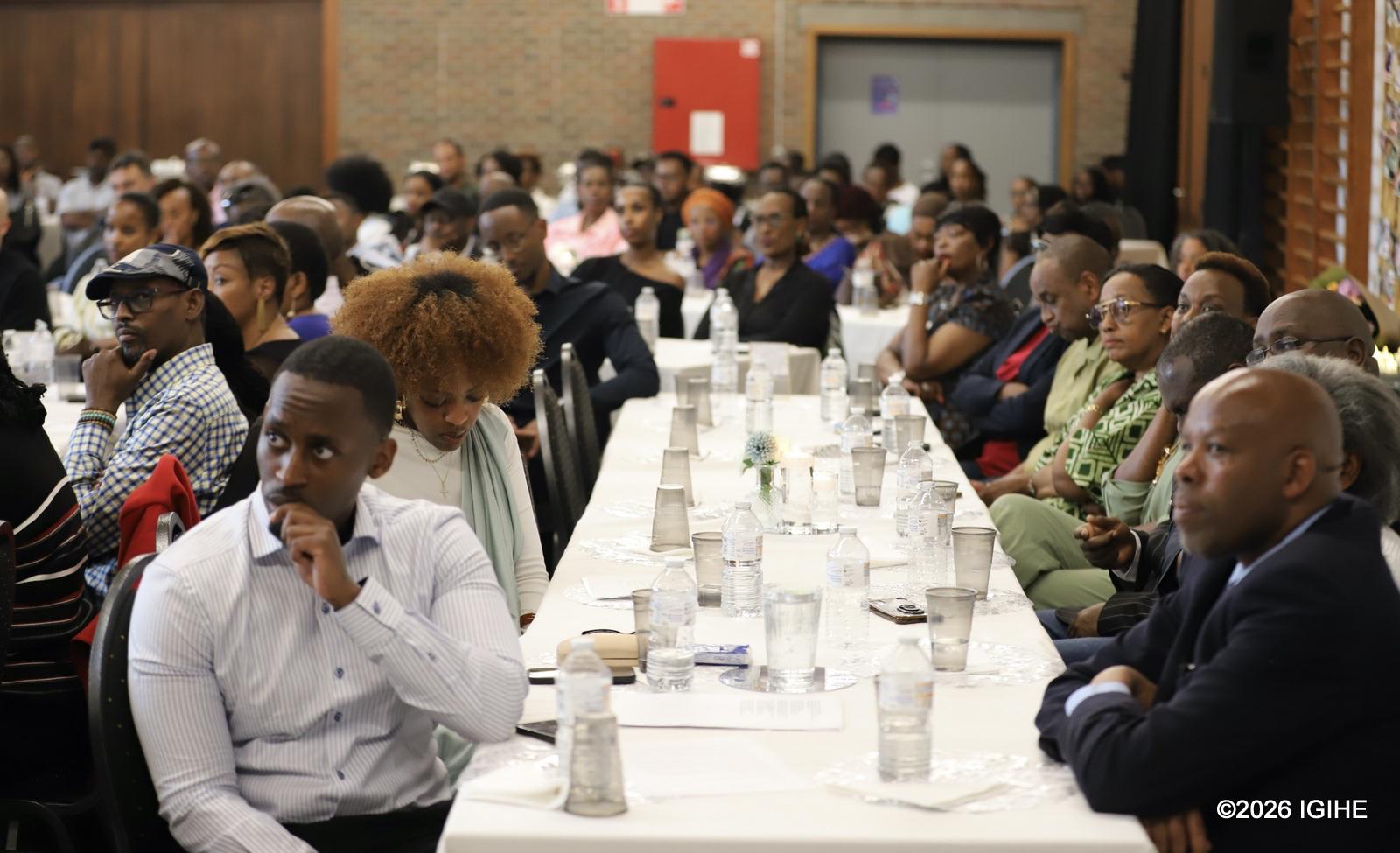
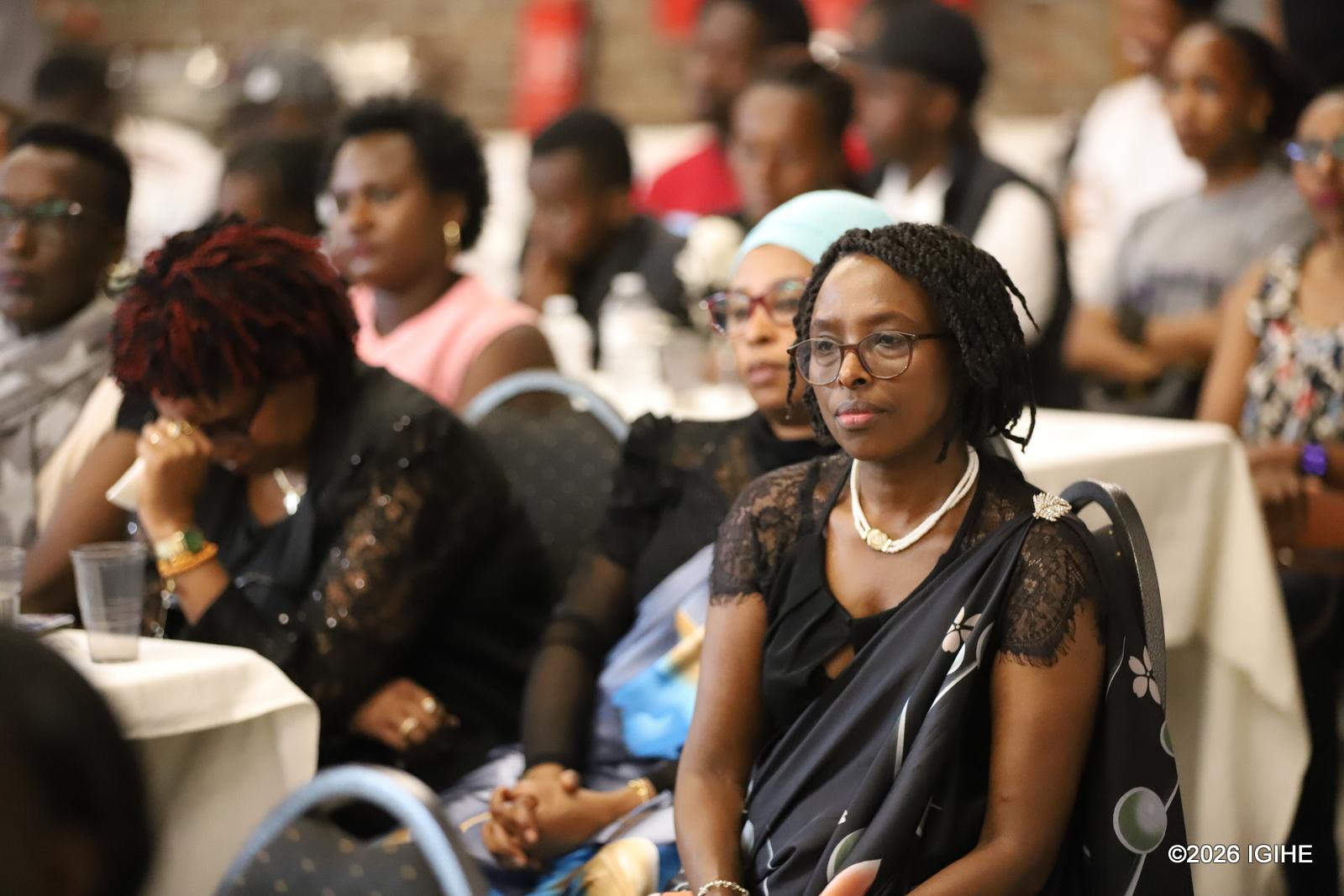
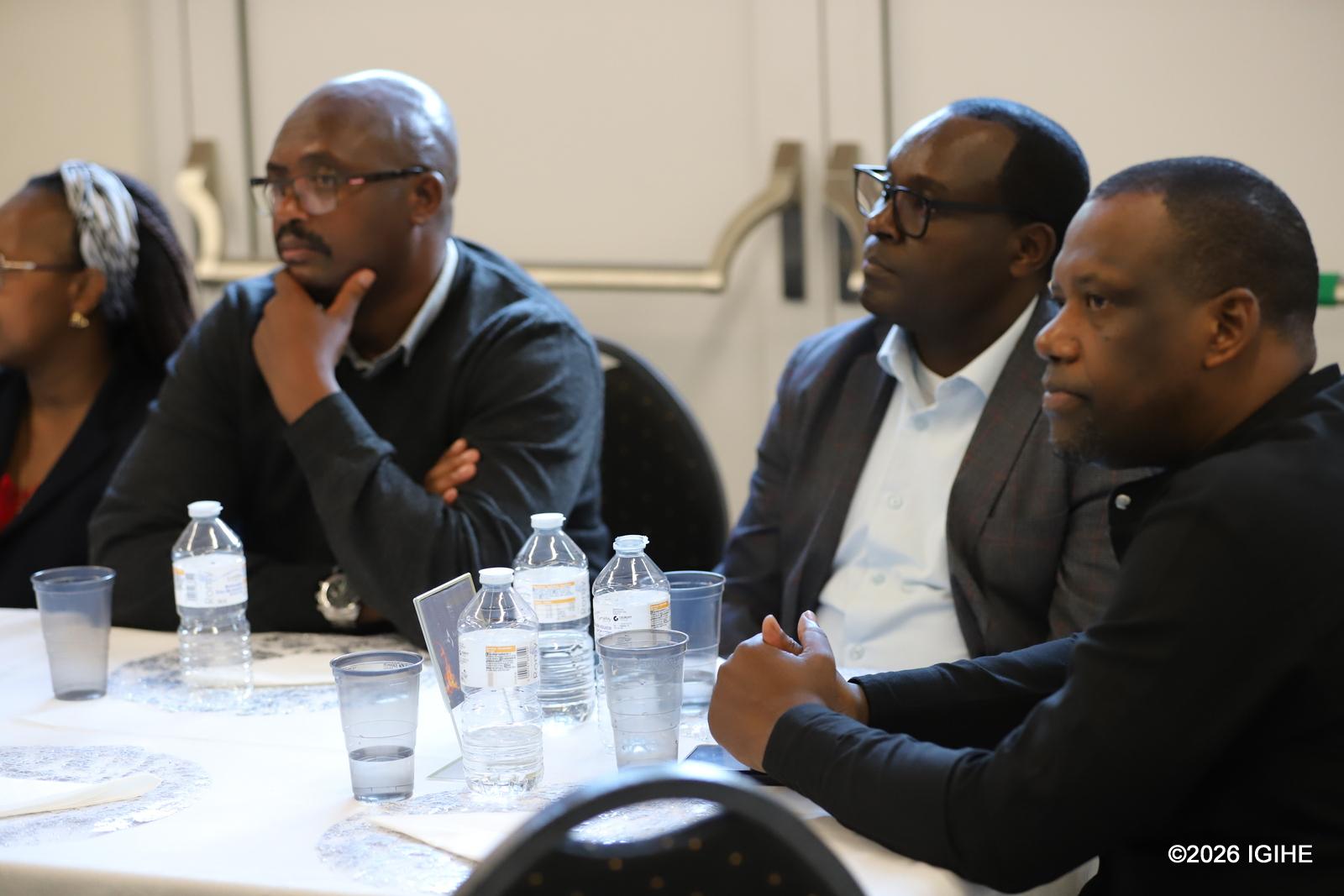
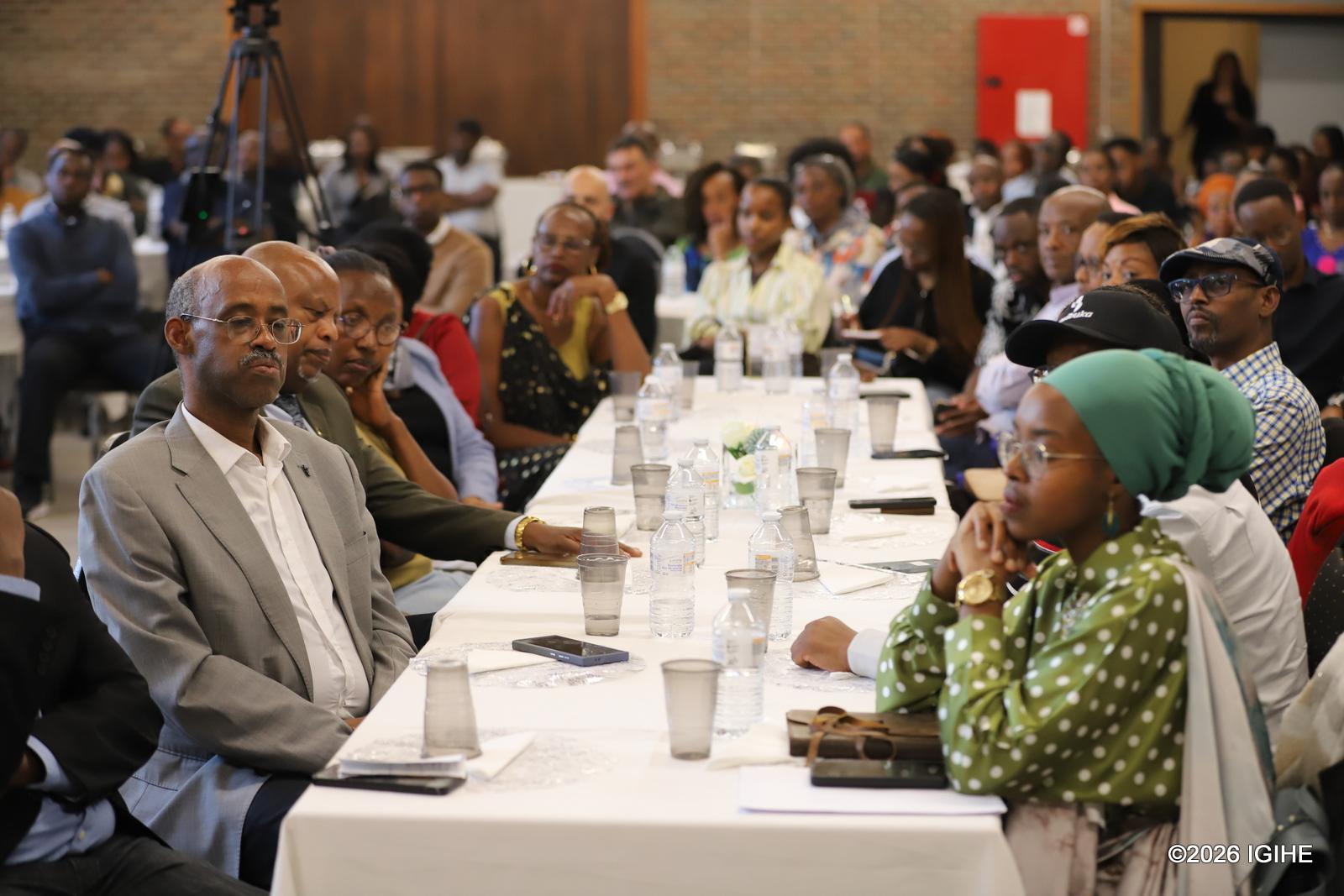
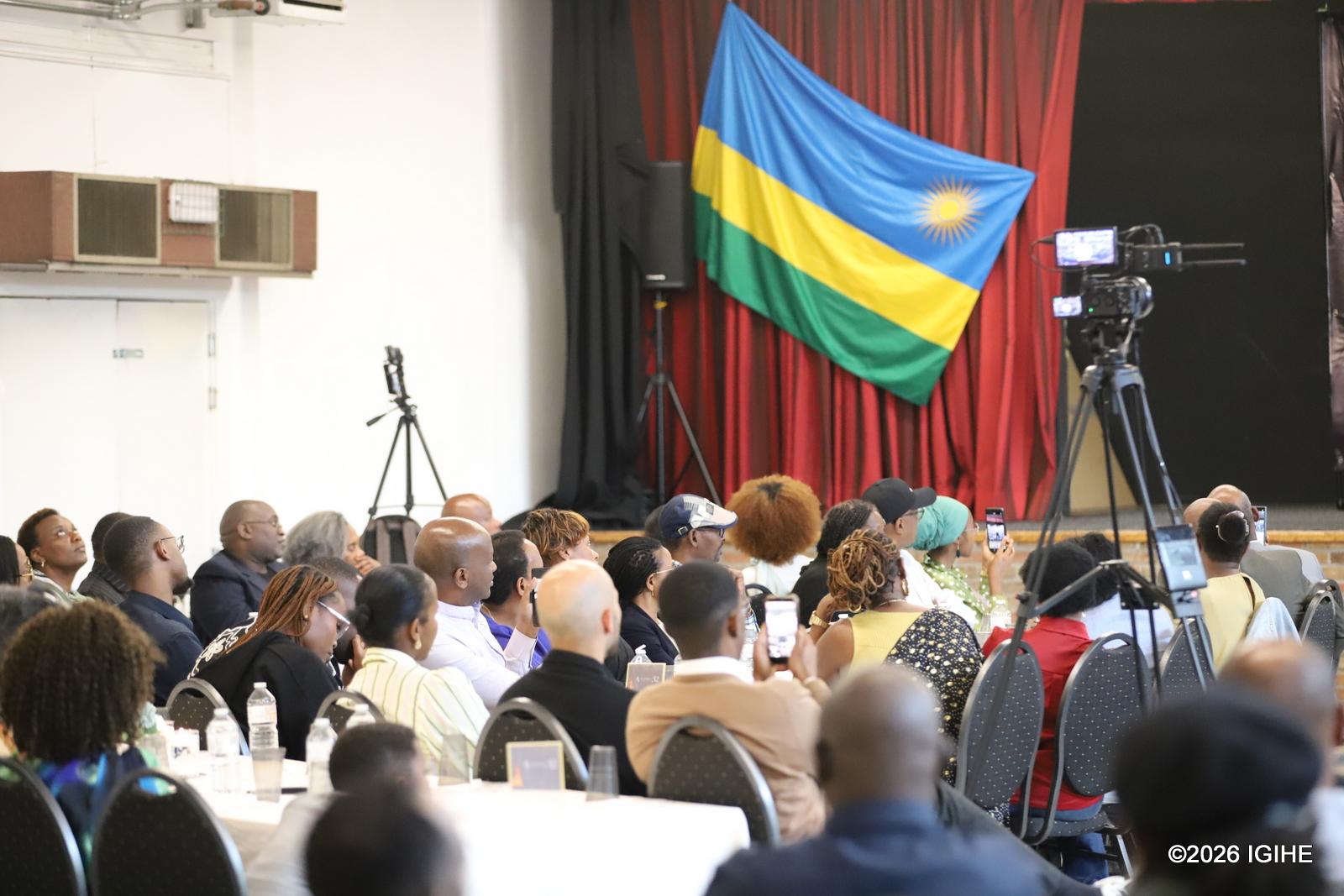
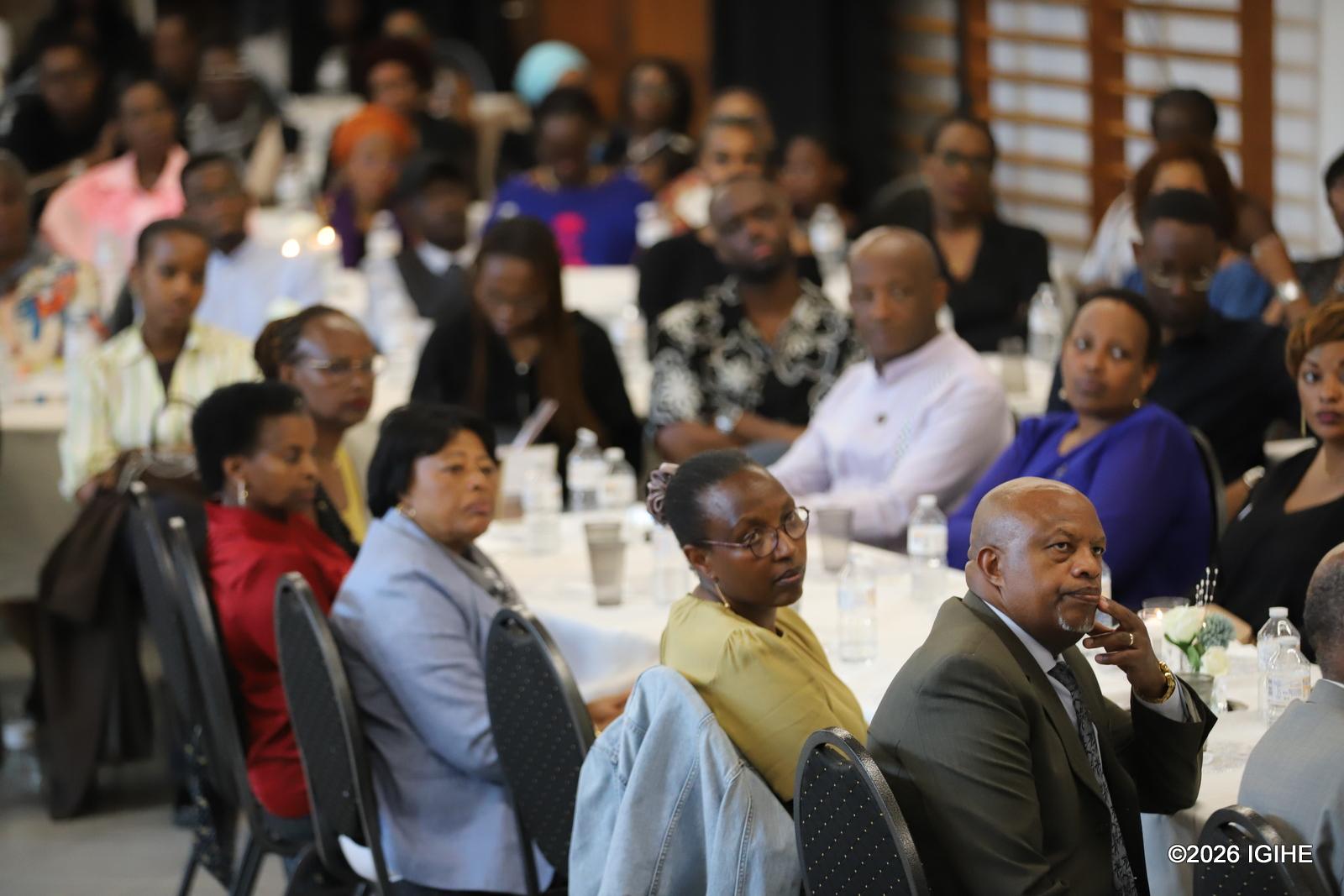
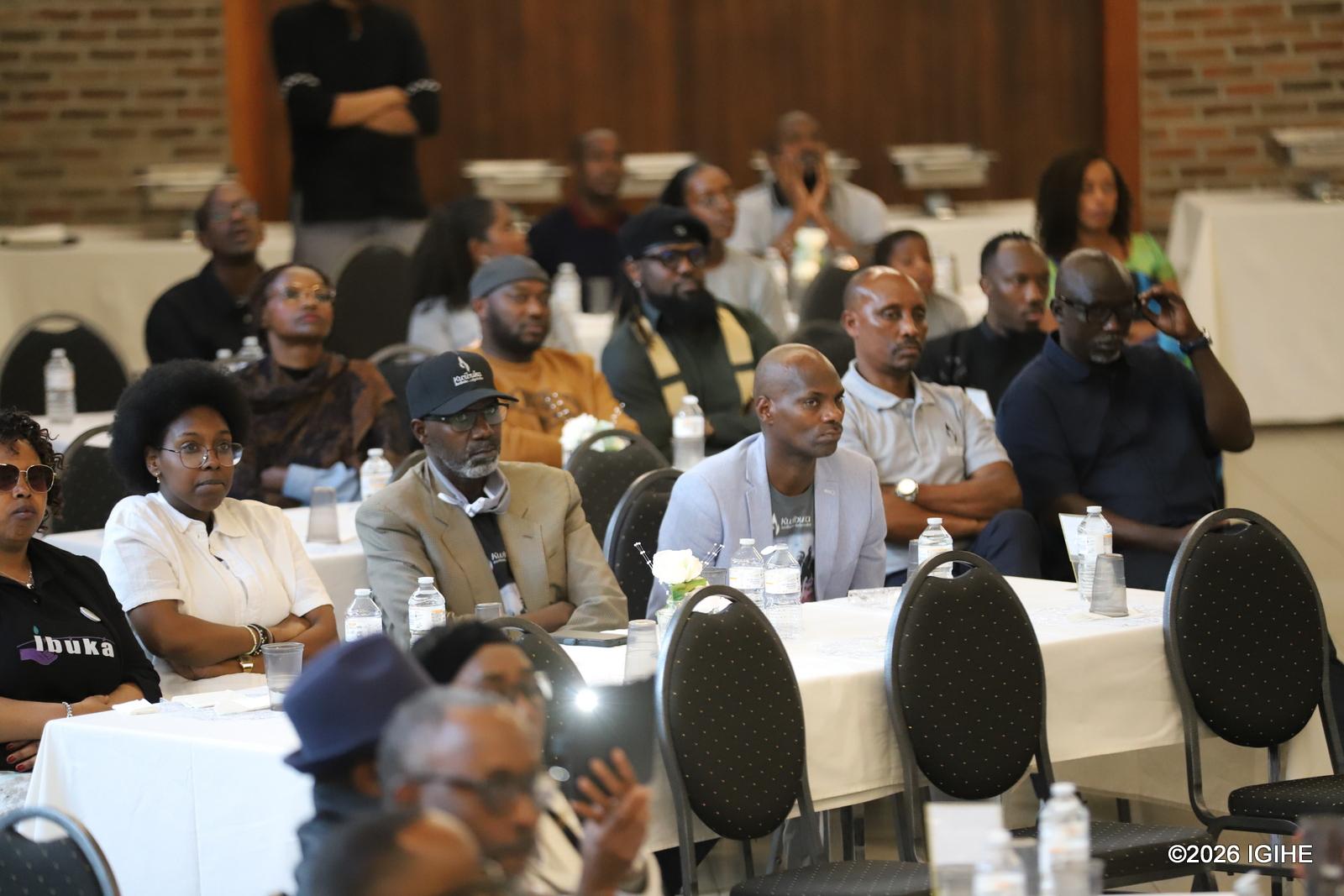
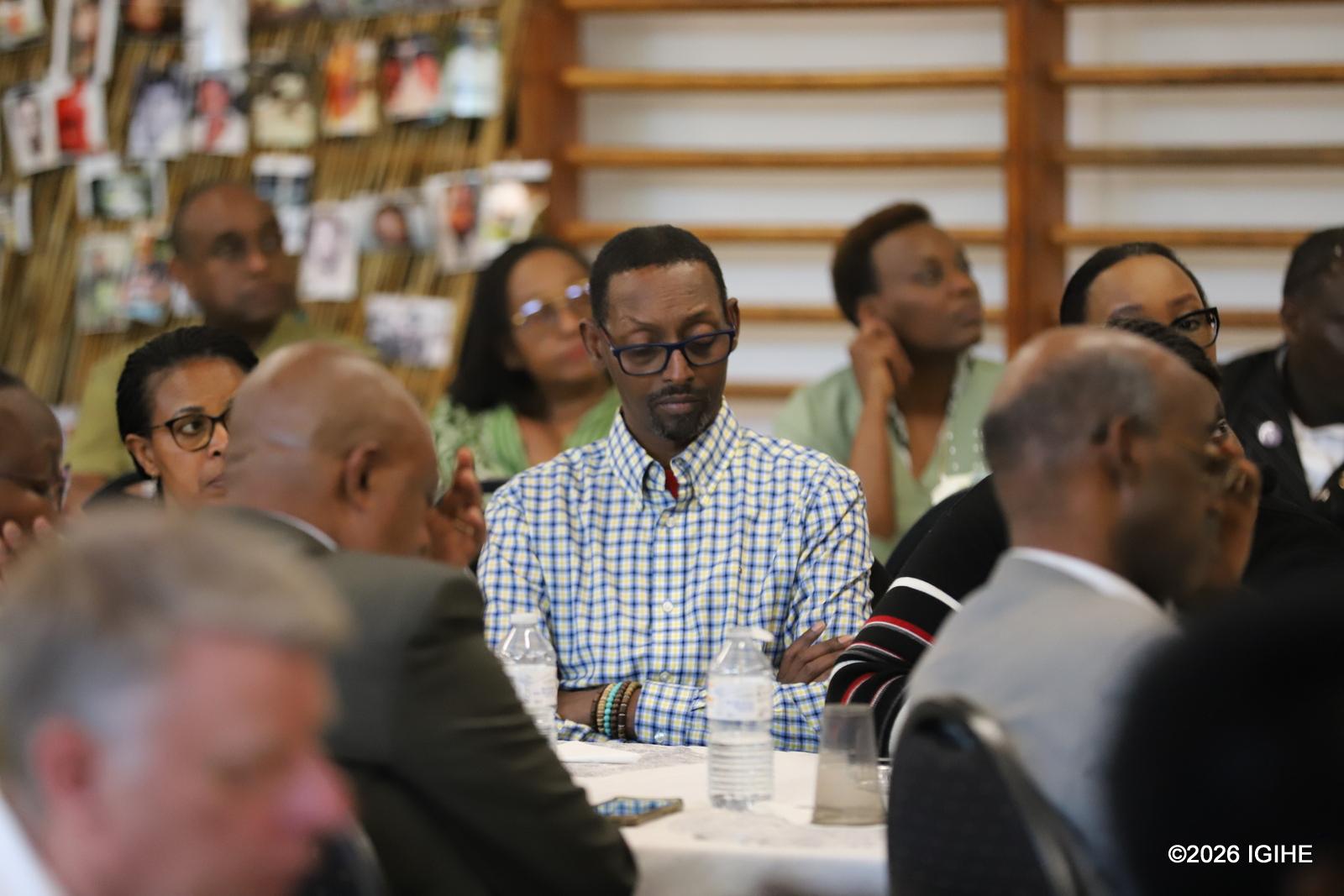
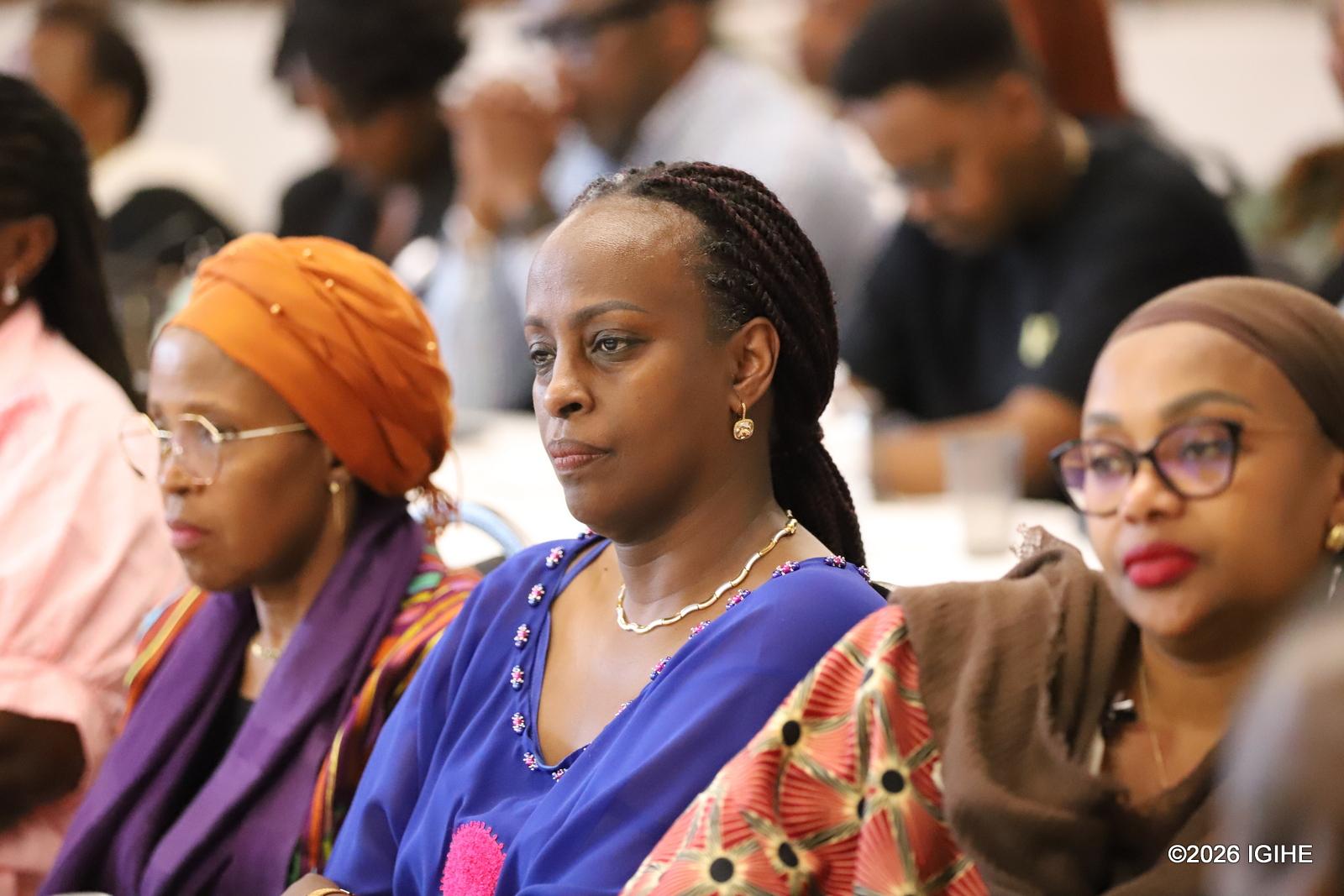
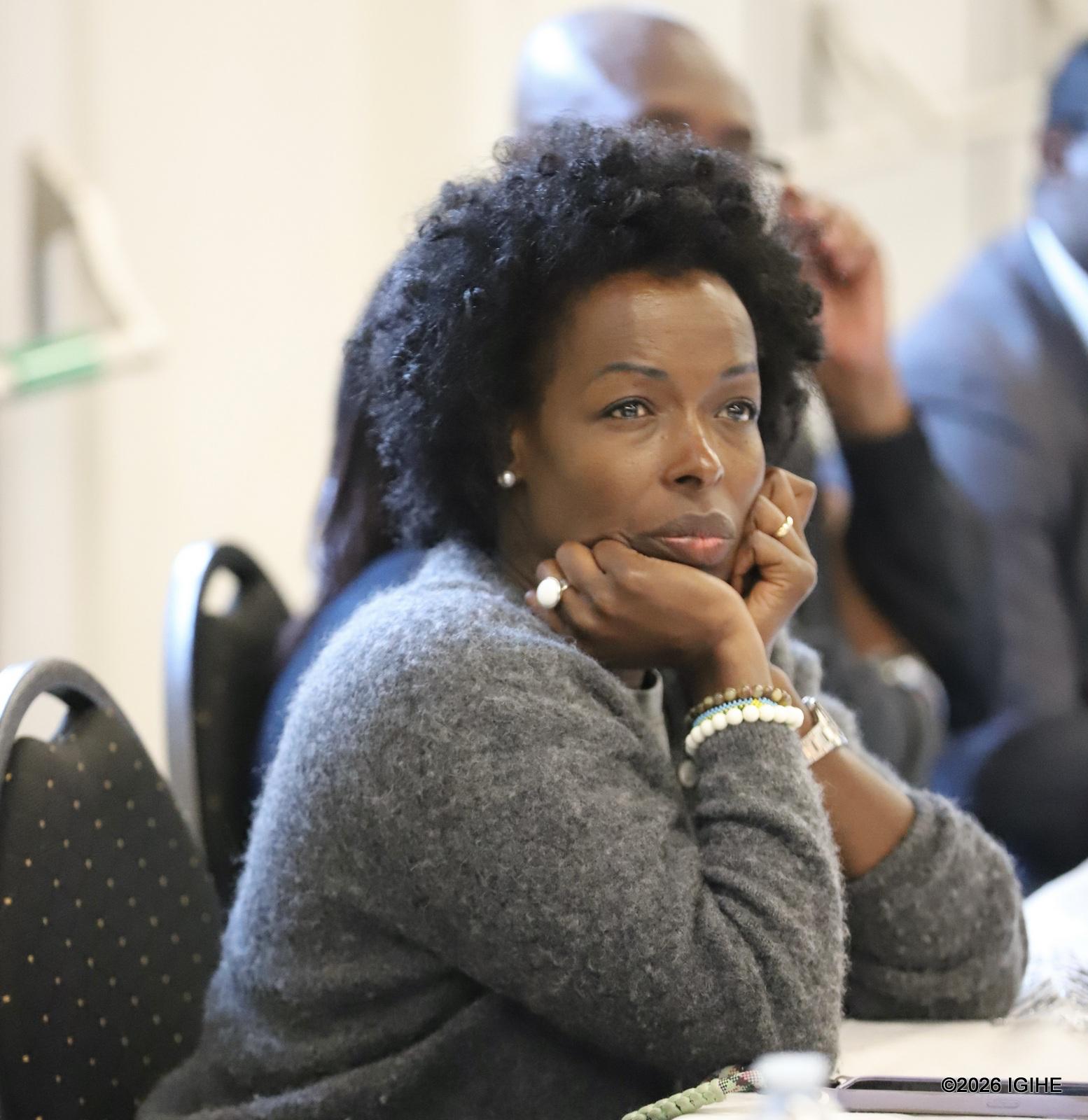
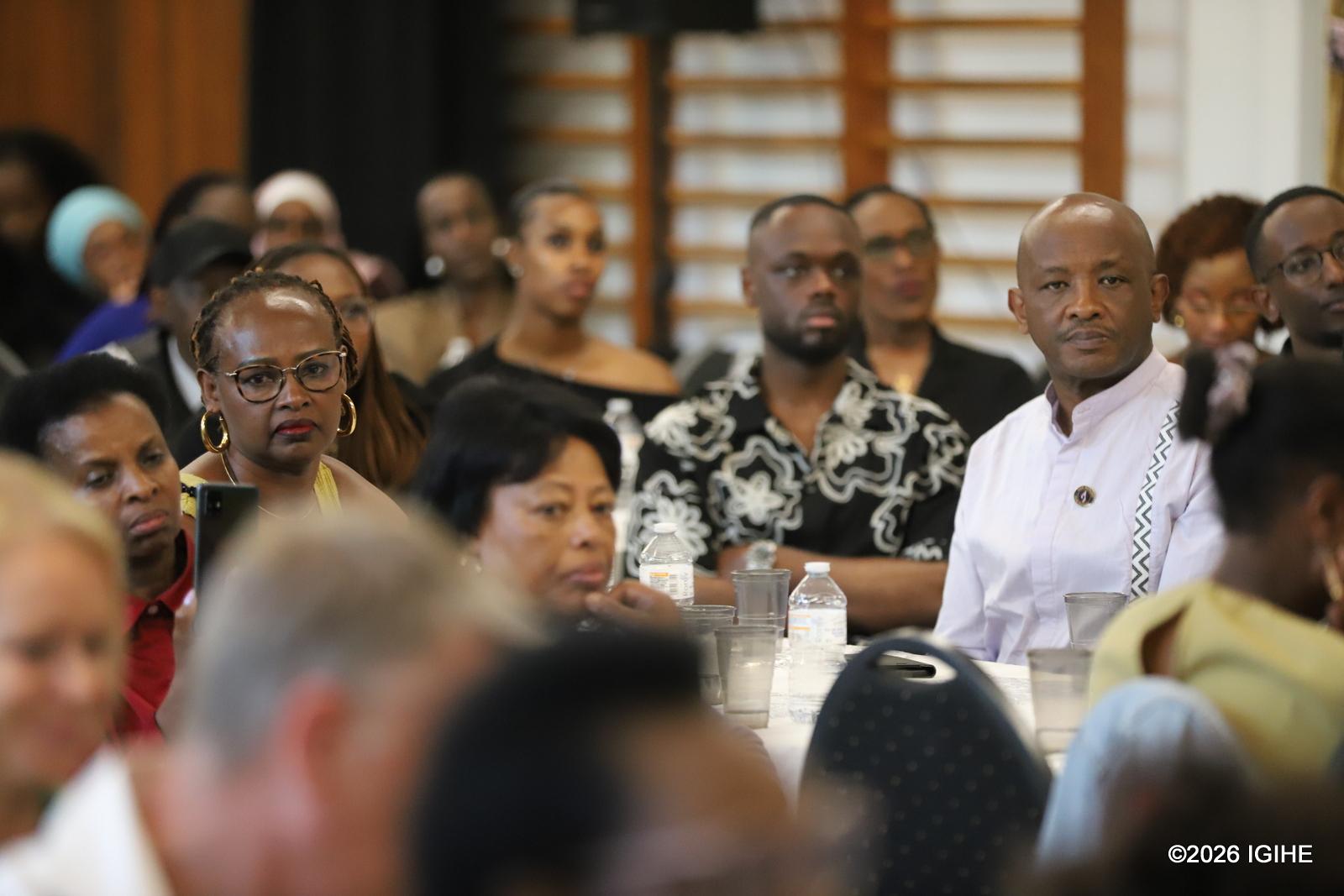
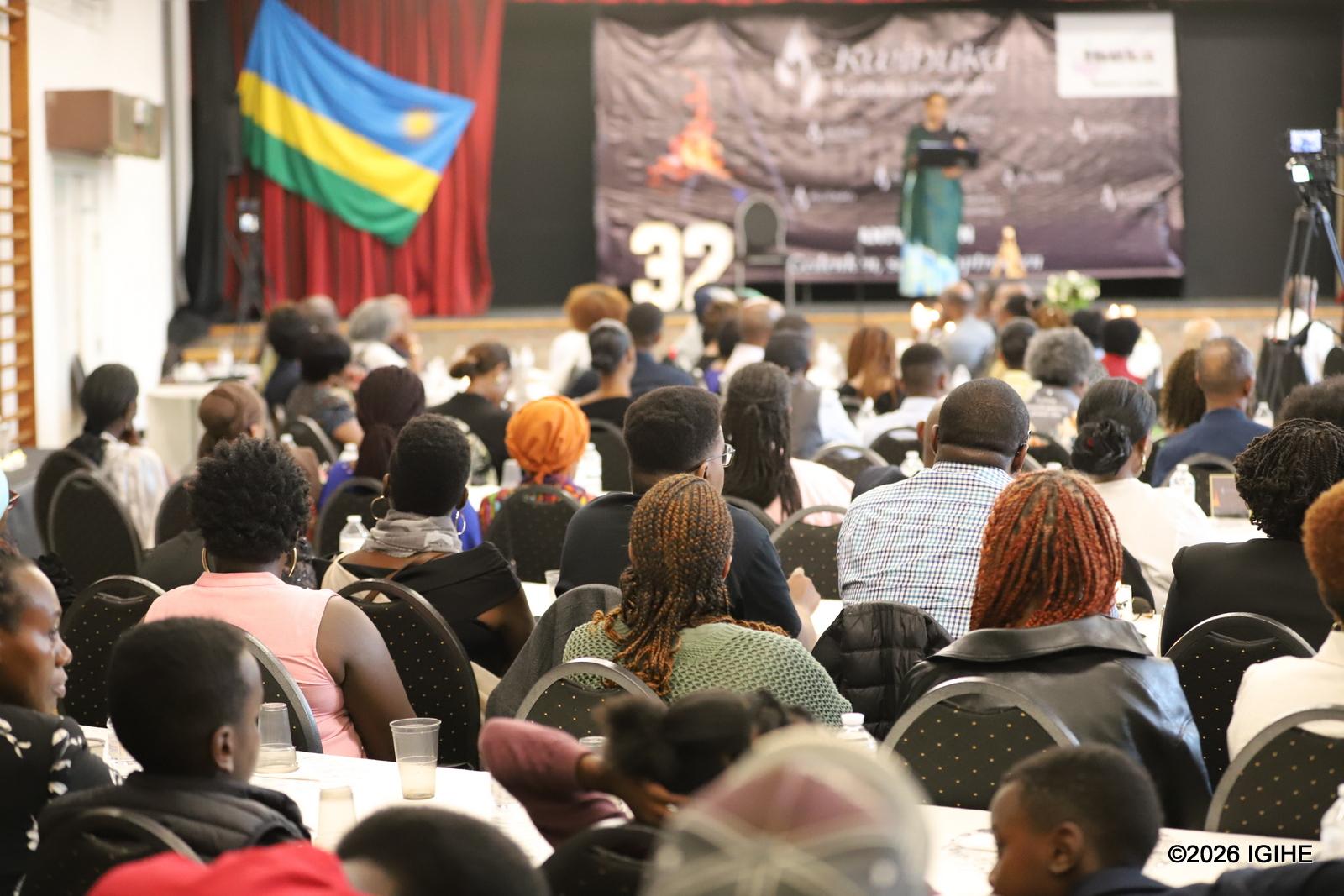
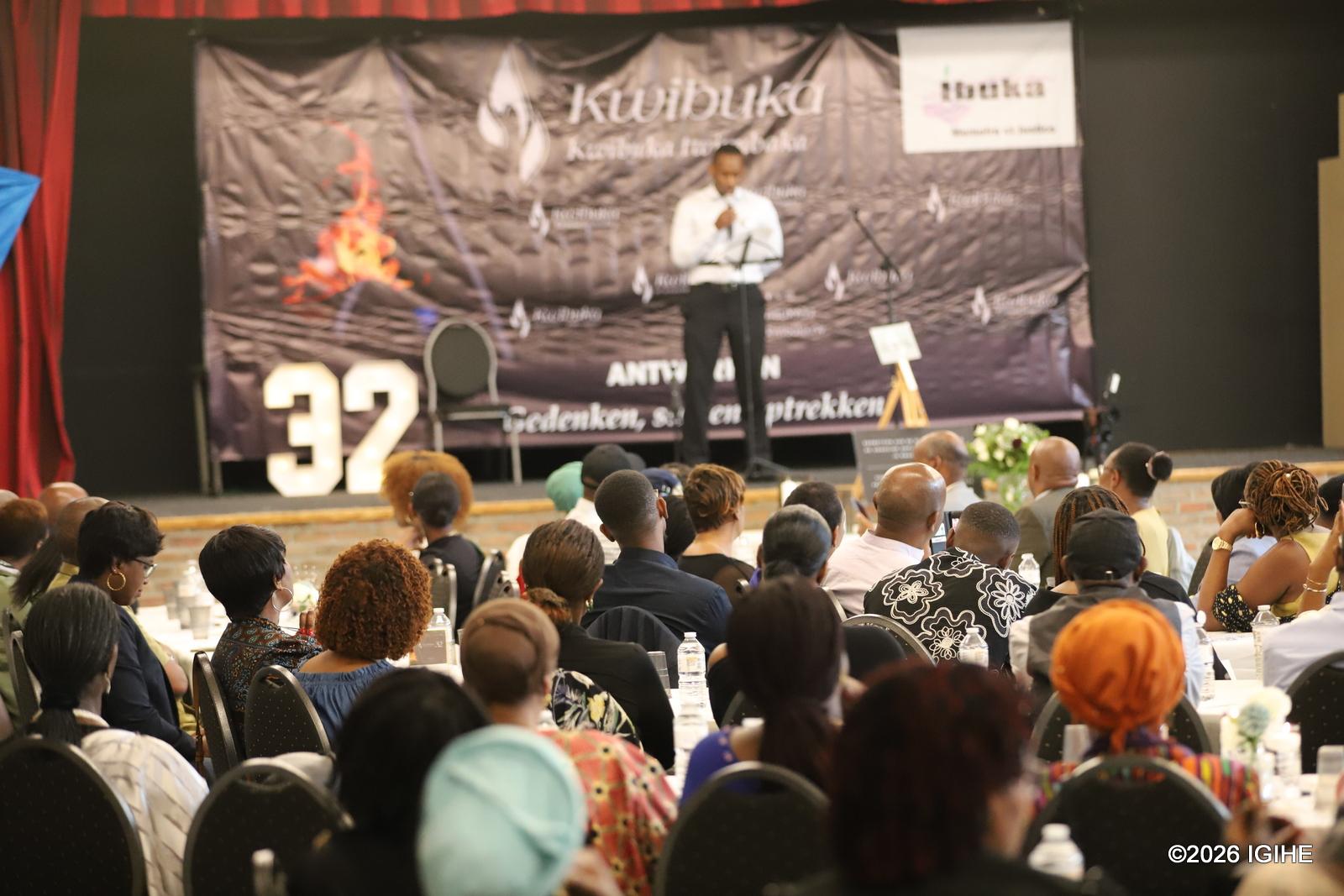
The event brought together many members of the Rwandan community as well as several distinguished guests, including the Ambassador of Rwanda to Luxembourg, Aurore Mimosa Munyangaju.
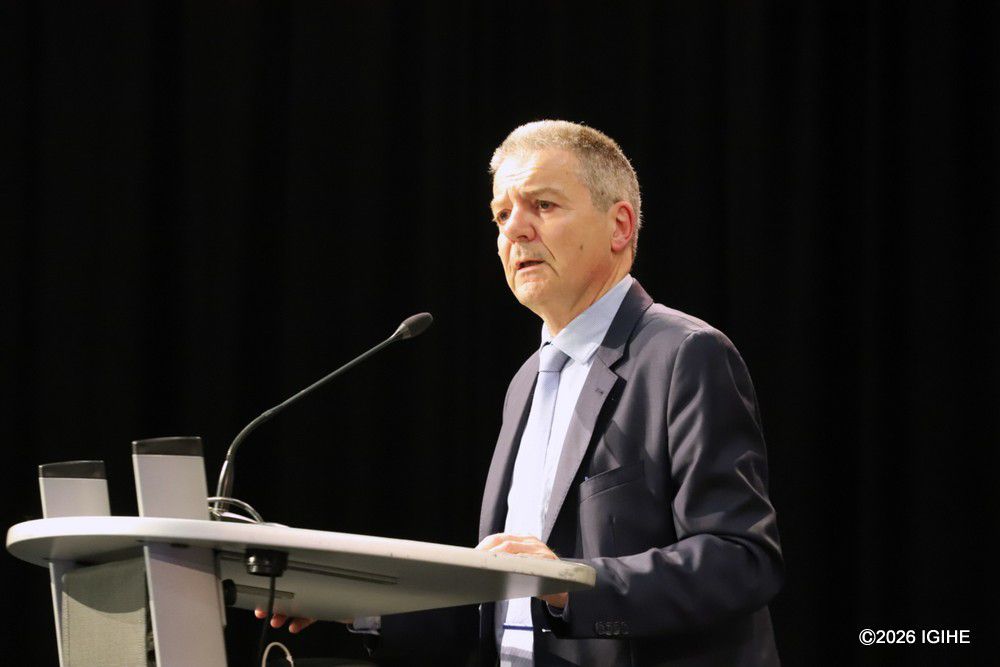
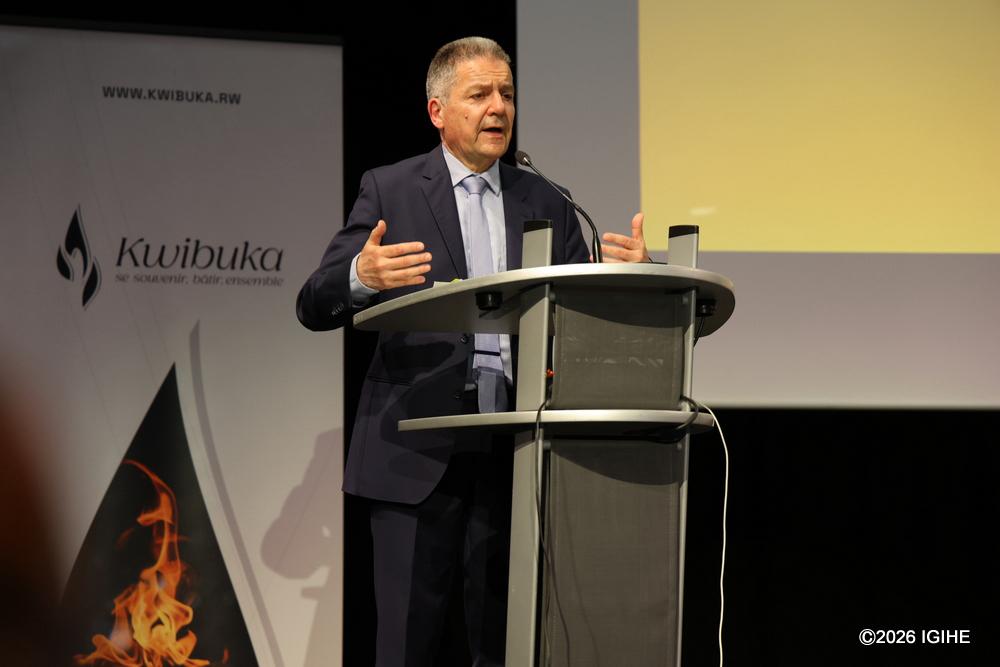
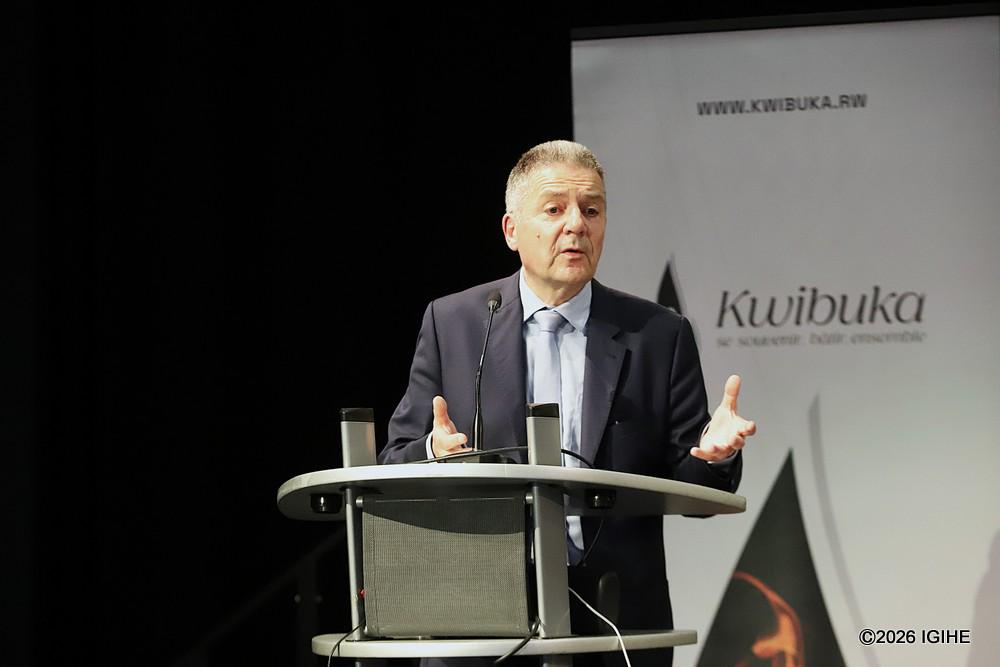
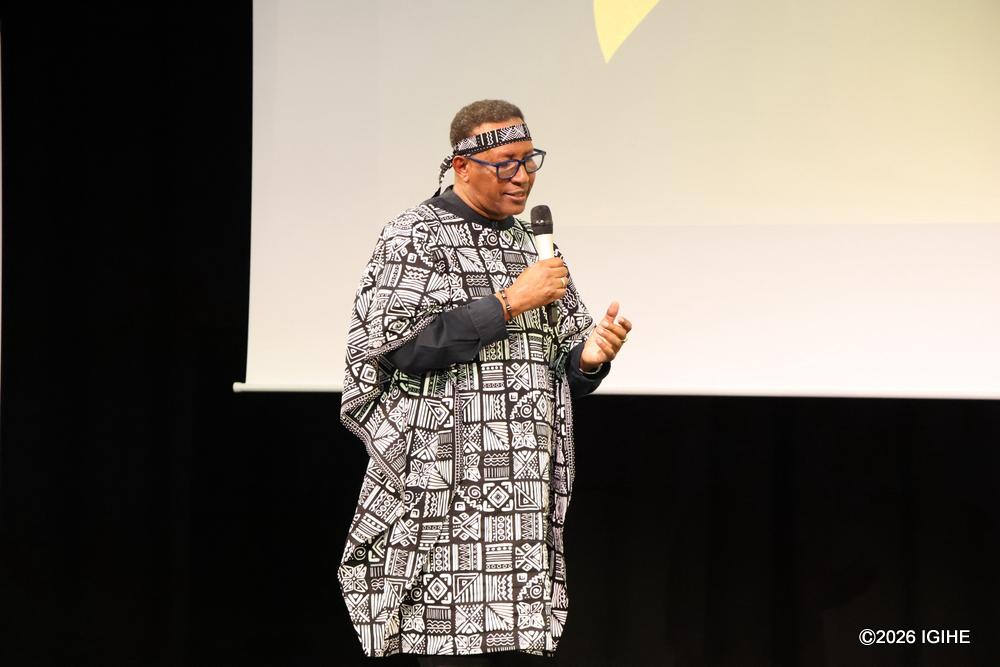
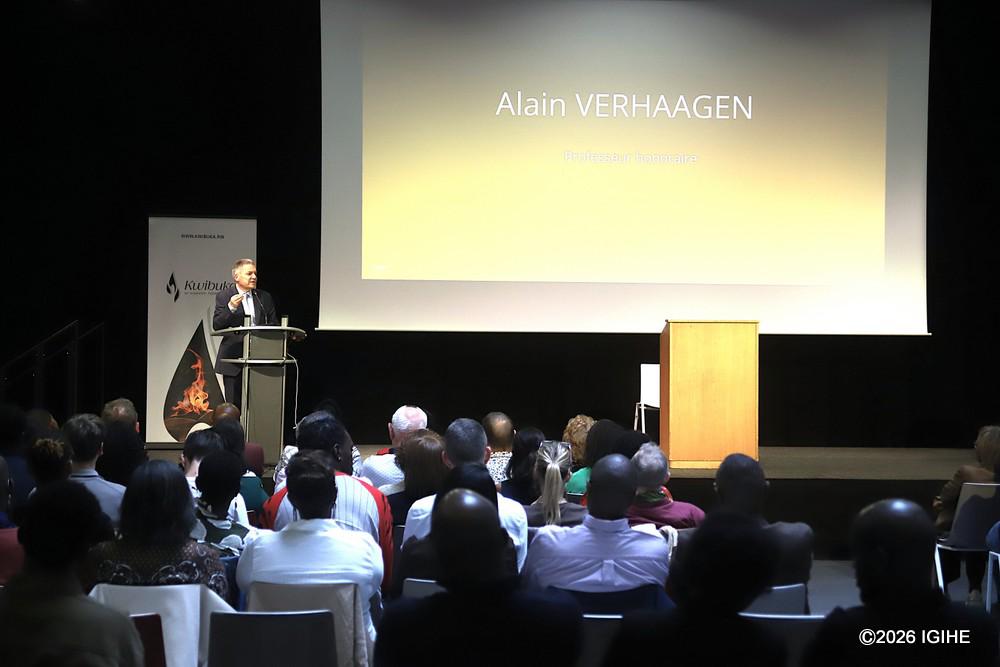
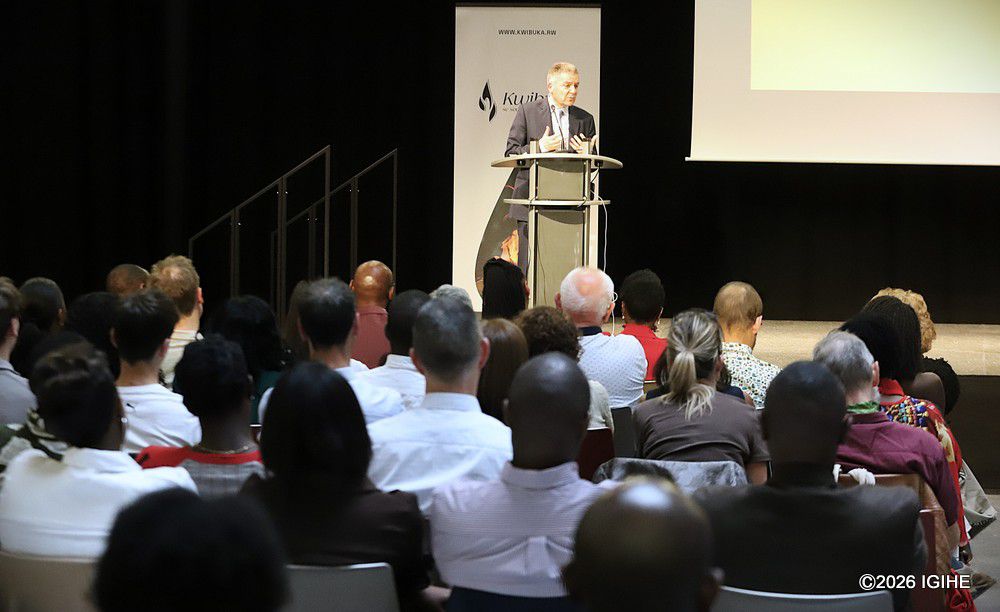
The evening was further enriched by a presentation from Professor Alain Verhaagen, who provided historical insight into the mechanisms that led to the Genocide against the Tutsi in Rwanda and the country’s reconstruction process based on unity, reconciliation, and peace.
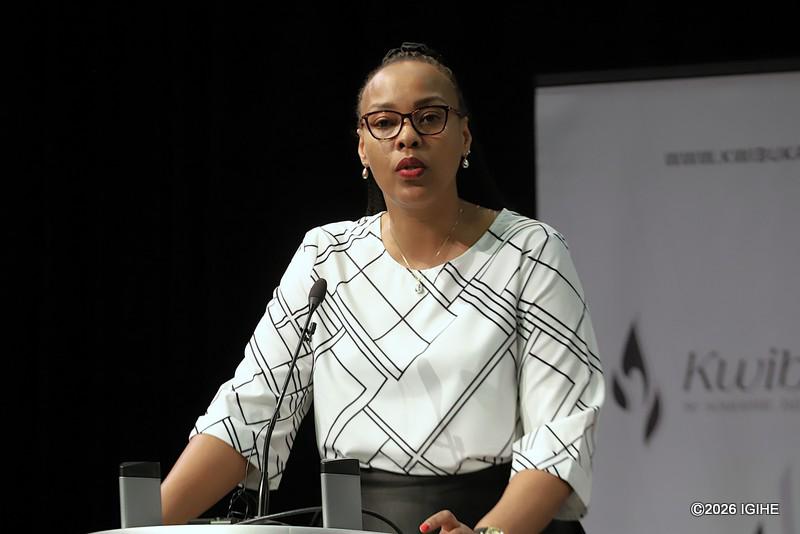
In her remarks, the Ambassador praised the play as a work that goes beyond artistic expression to become a powerful vehicle of memory, conveying essential values such as unity, respect, solidarity, resilience, and dialogue.
She emphasized the fundamental role of culture and the arts in preserving memory and passing this legacy on to younger generations.
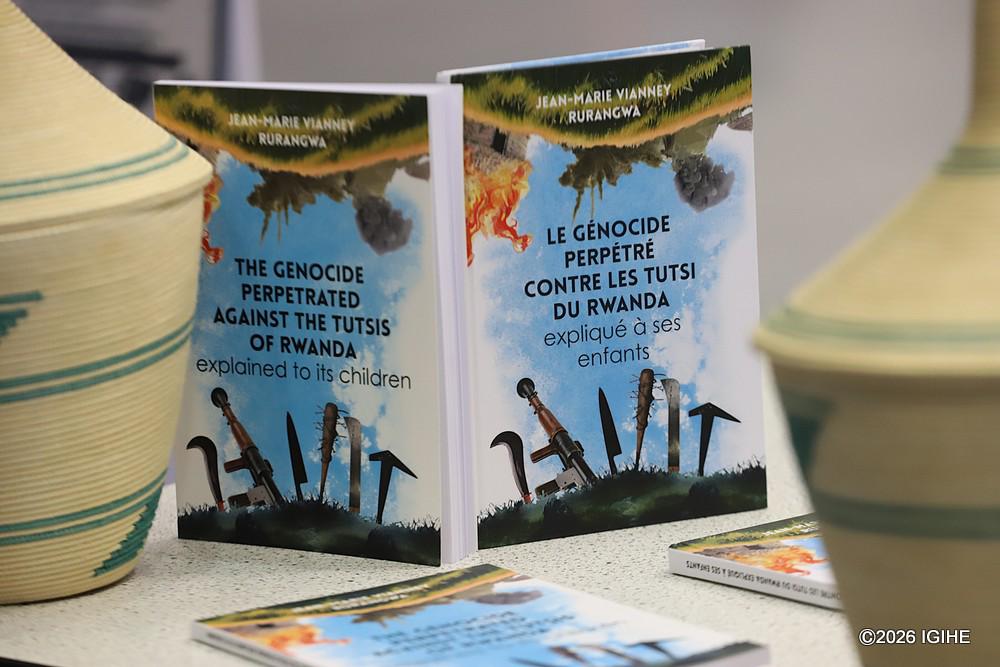
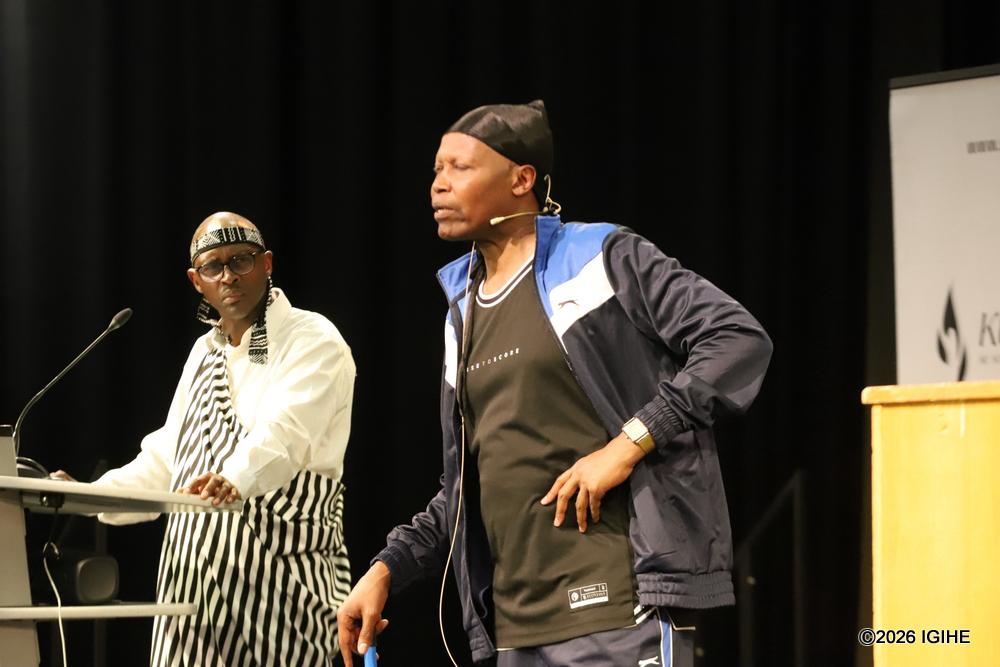
In an interview following the performance, author and director Jean-Marie Vianney Rurangwa expressed his delight at presenting Wipe Away Your Tears and Stand Up in the Grand Duchy of Luxembourg.
Having already brought the play to several countries, including Rwanda, Uganda, Egypt, the United States, Belgium, Poland, Senegal, and Guinea-Conakry, he said he was honored to have been invited by Ibuka Luxembourg in collaboration with the Embassy of Rwanda in the Grand Duchy of Luxembourg.
He extended his sincere gratitude to all the artists, organizers, partners, and everyone who contributed to the success of the performance. He also expressed his deep appreciation to the audience for their presence, attention, and commitment to the duty of remembrance.
According to him, everyone’s contribution helped make the Luxembourg stage of this journey a significant moment of commemoration, transmission, and reflection.
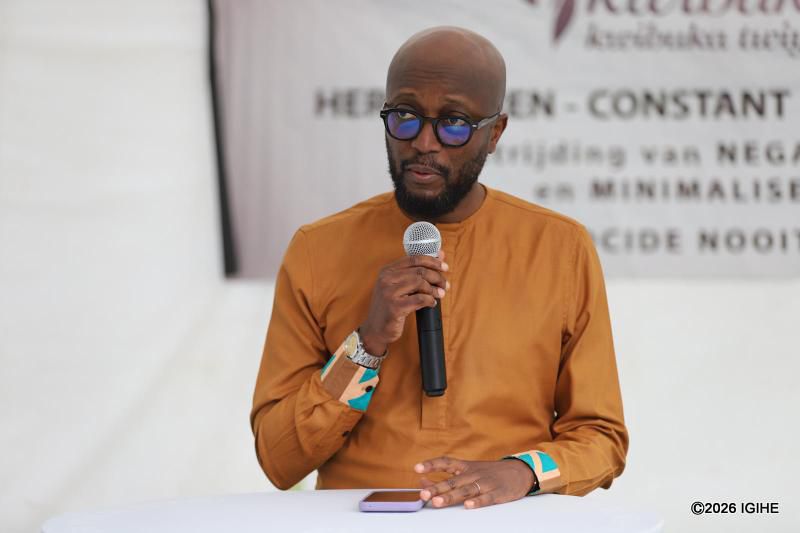
For his part, Kalisa Didace, President of Ibuka Luxembourg, recalled the importance of preserving the memory of the victims and continuing the fight against genocide denial, racism, and all forms of discrimination.
He also noted that this initiative, one of the first organized by the young association founded last March, is fully in line with its mission of transmitting memory to present and future generations.
Through discussions, testimonies, and the power of theatre, the evening reaffirmed the importance of remembrance while conveying a message of hope, human dignity, and collective commitment to peace, mutual understanding, and social cohesion.
It also highlighted the essential role of culture in preserving the memory of the Genocide against the Tutsi and transmitting its lessons to future generations.
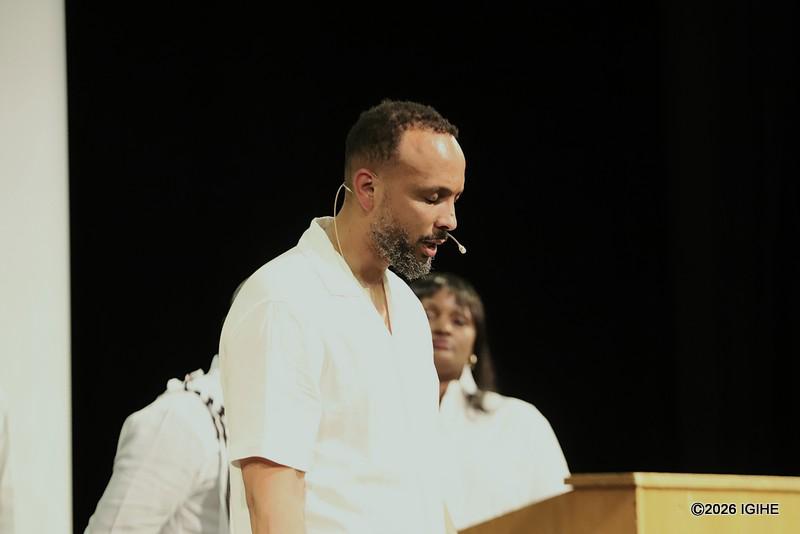
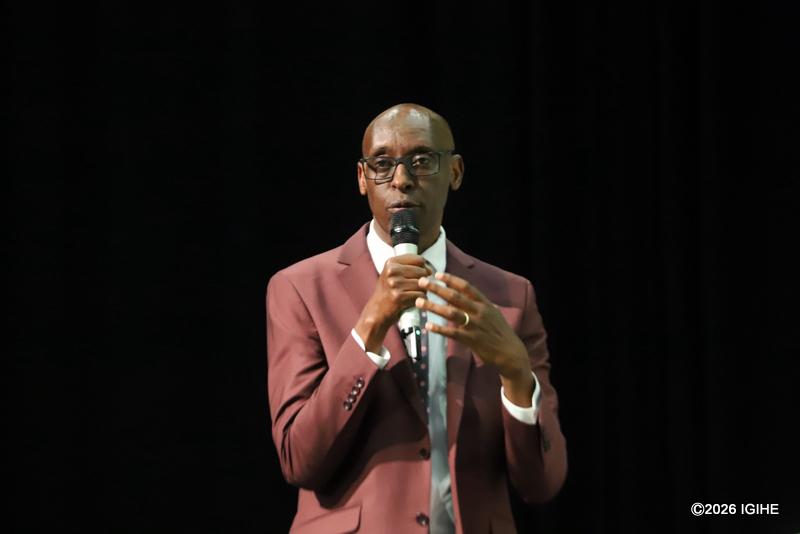
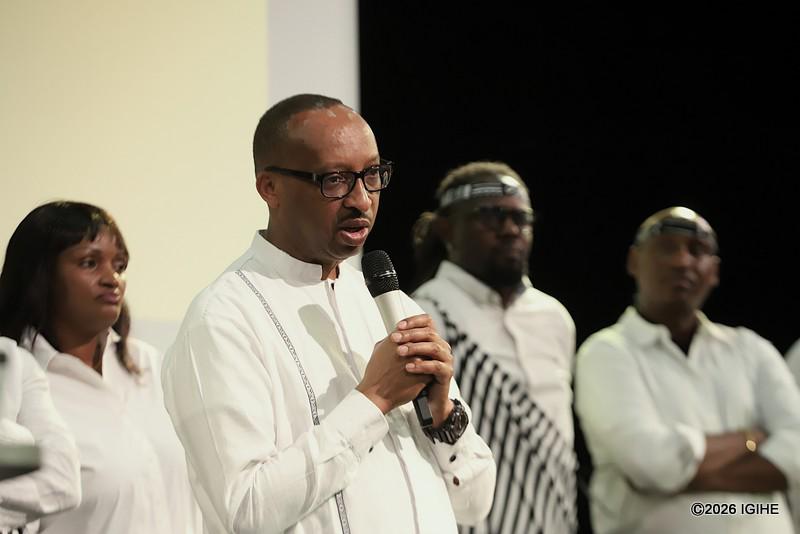
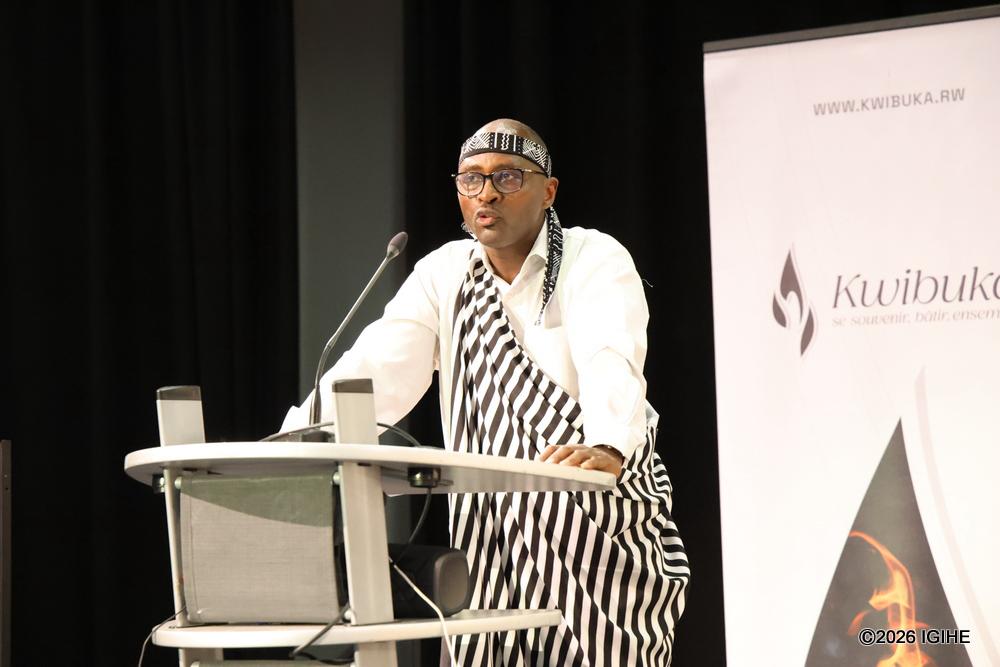
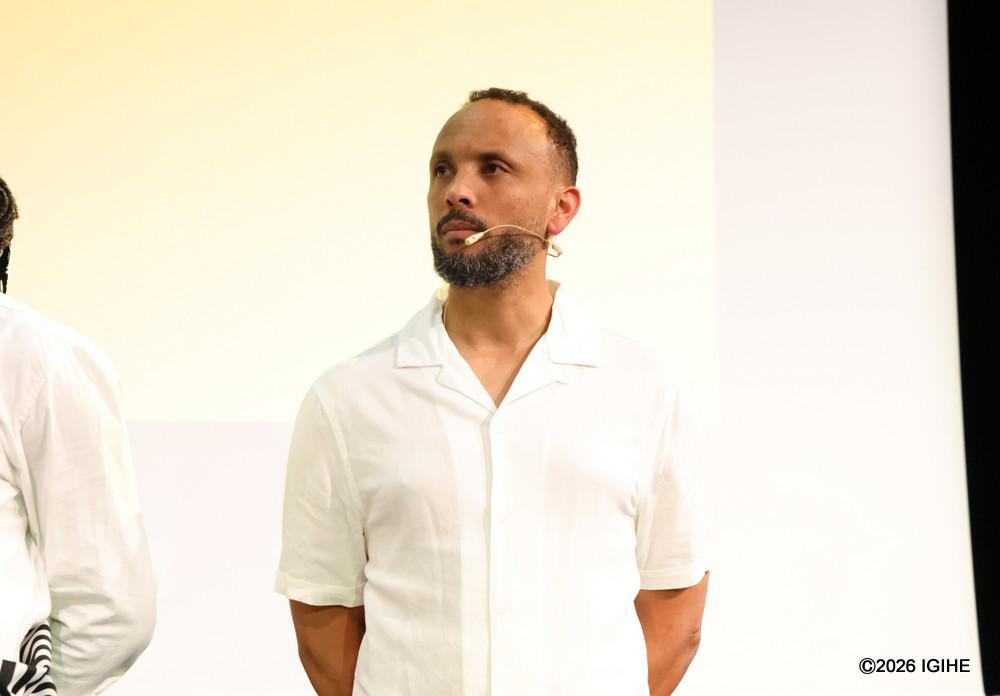
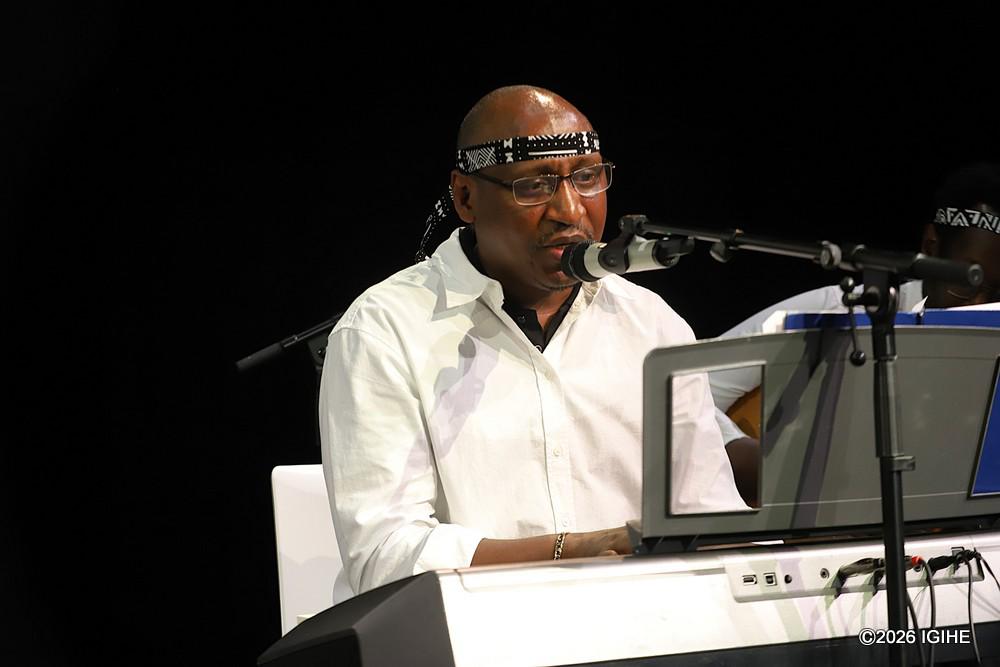
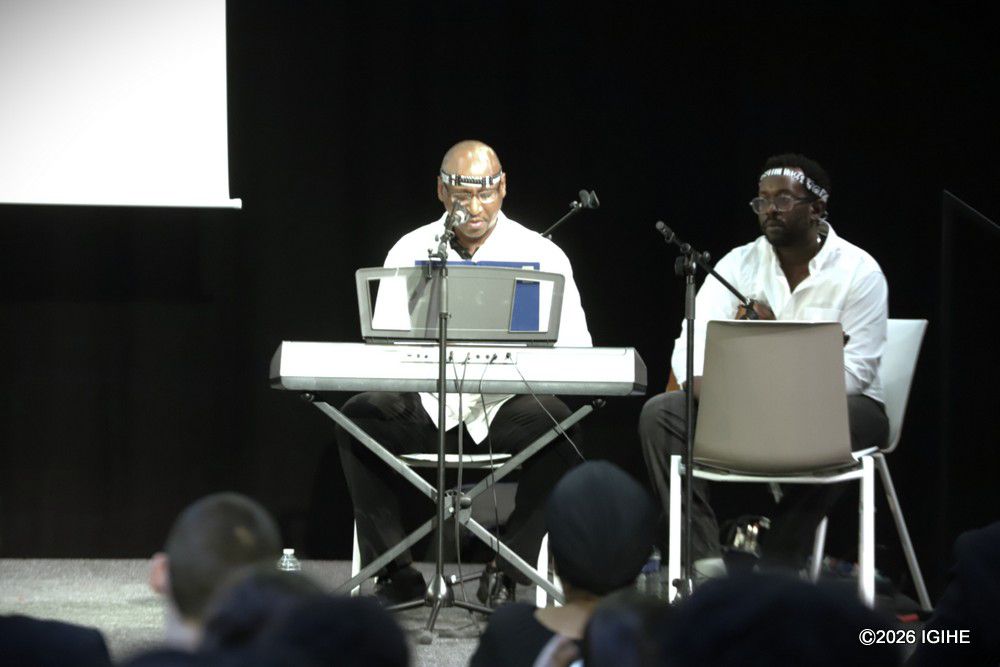
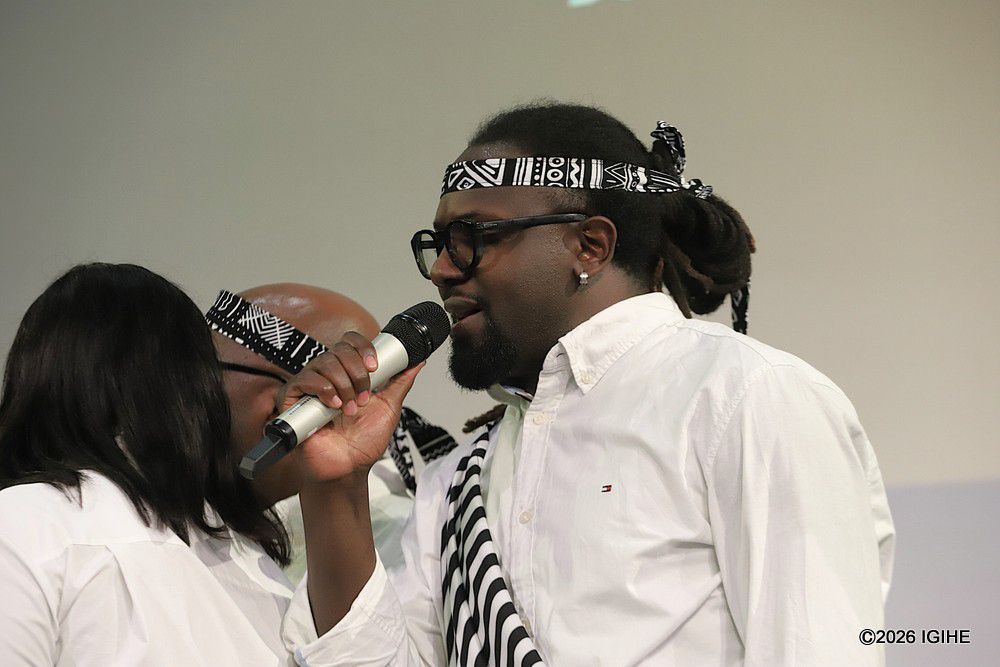
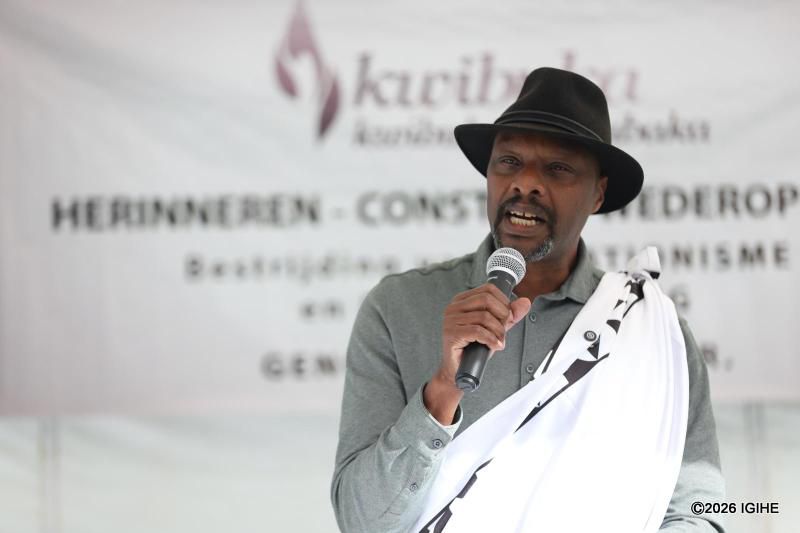
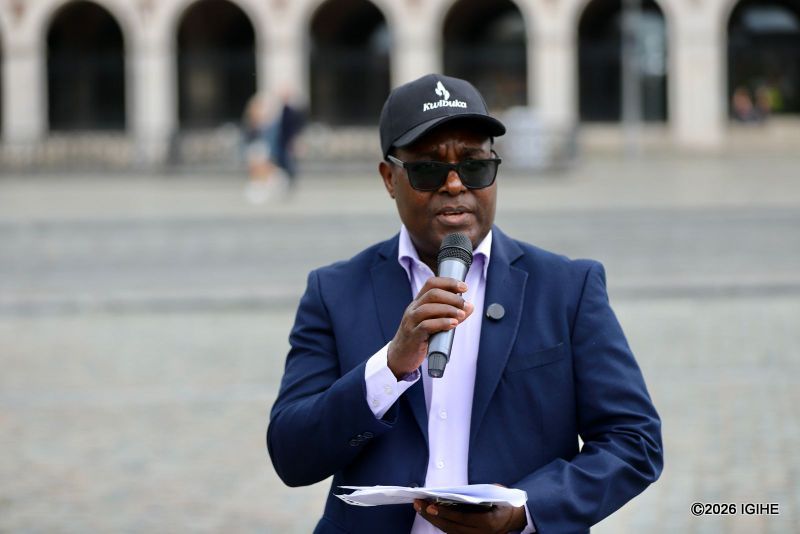
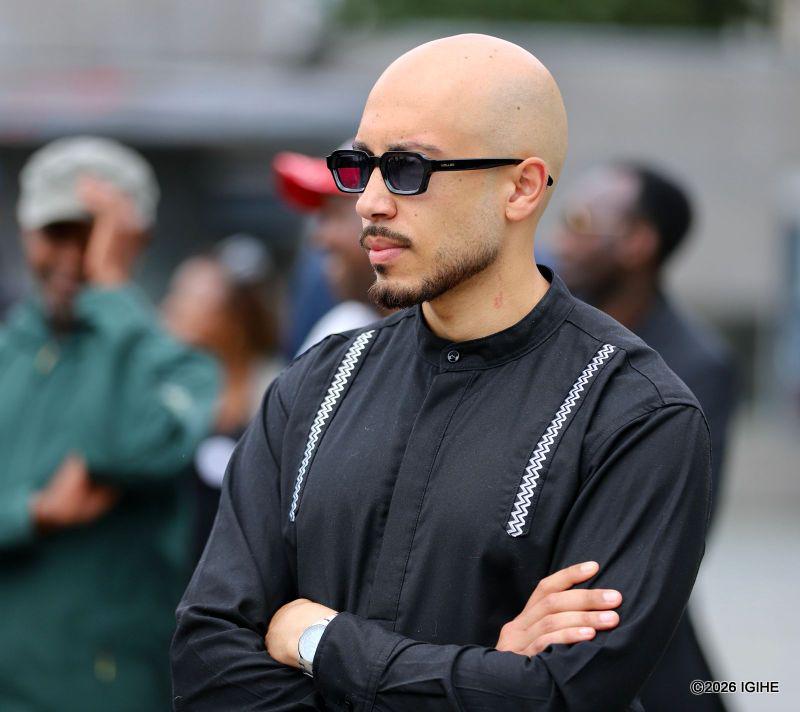
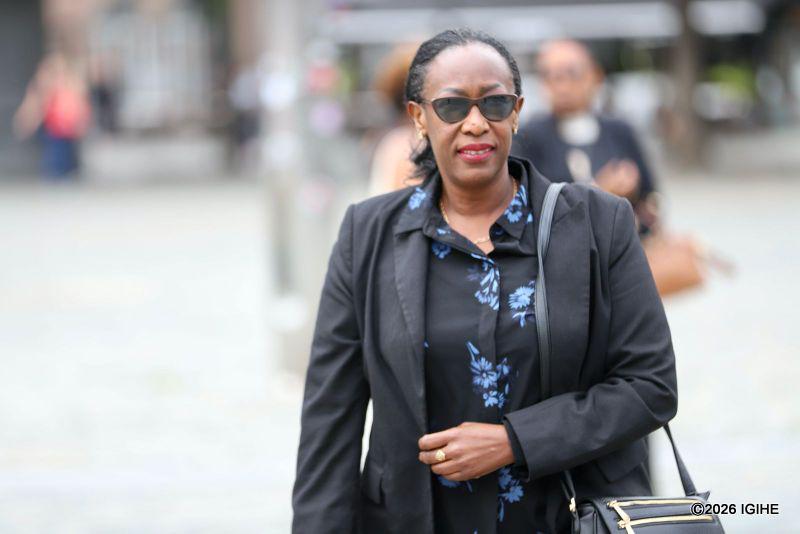
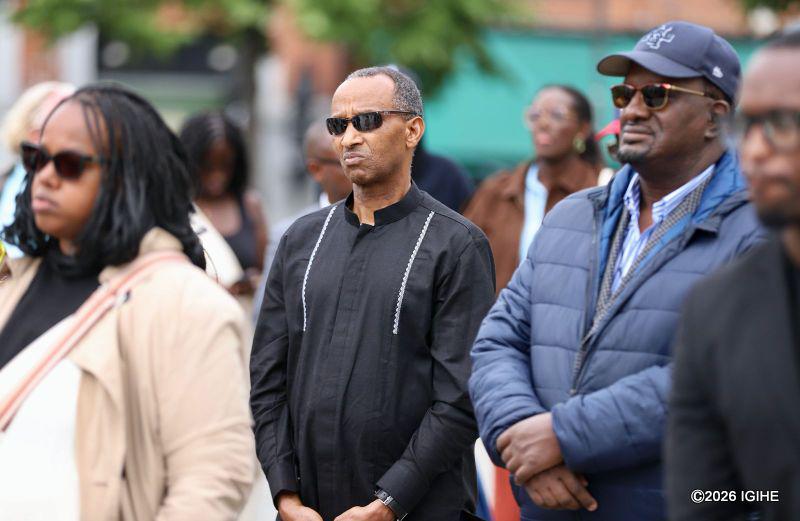
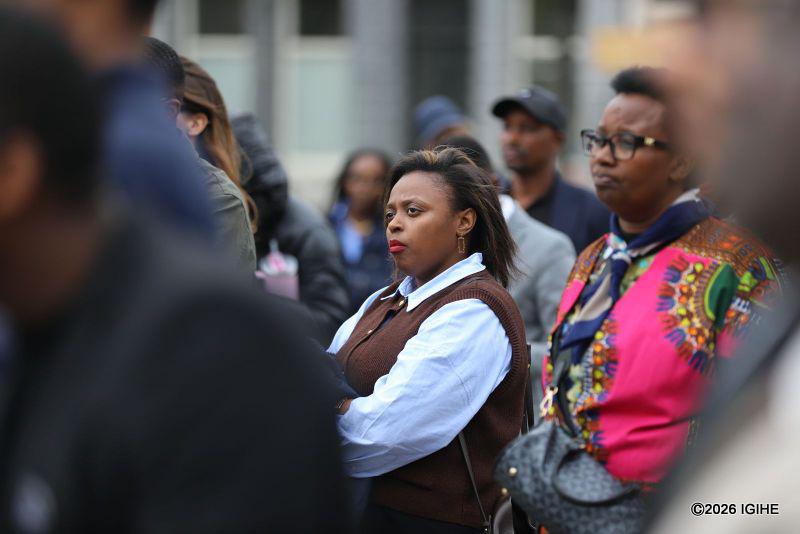
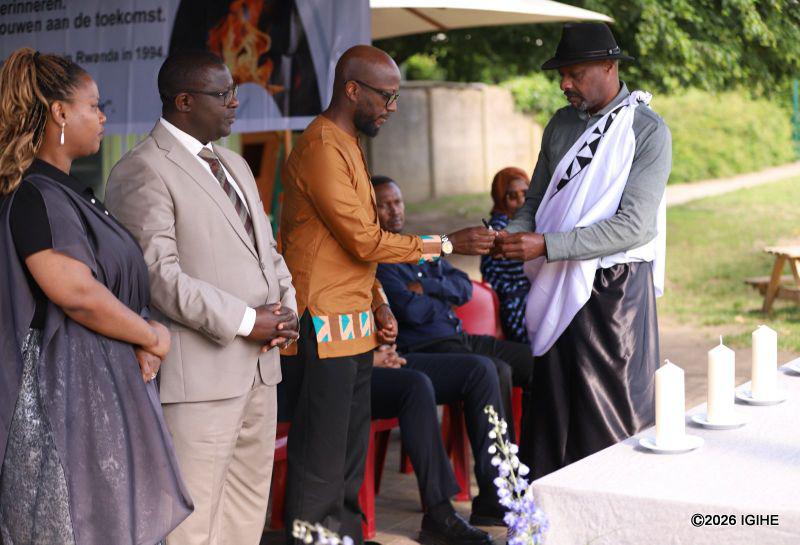
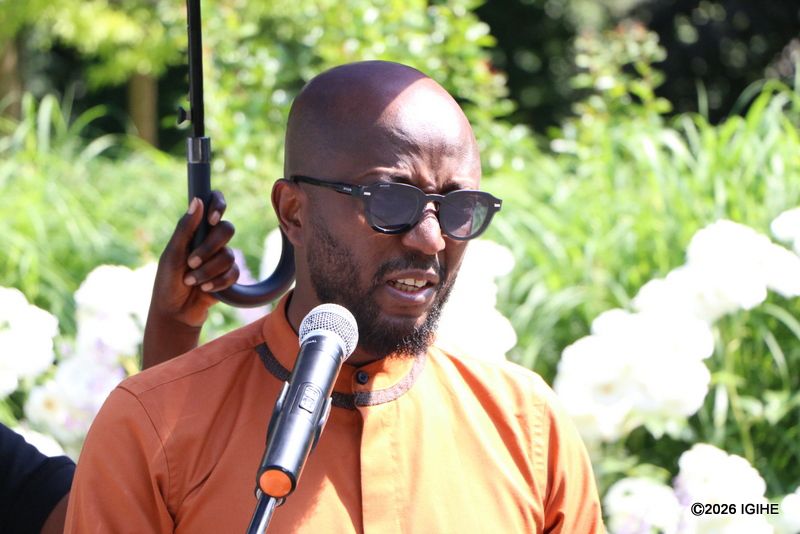
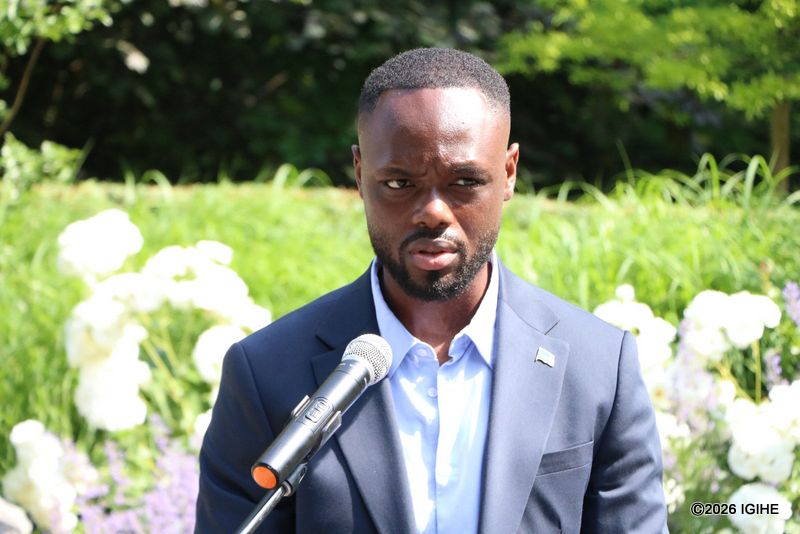
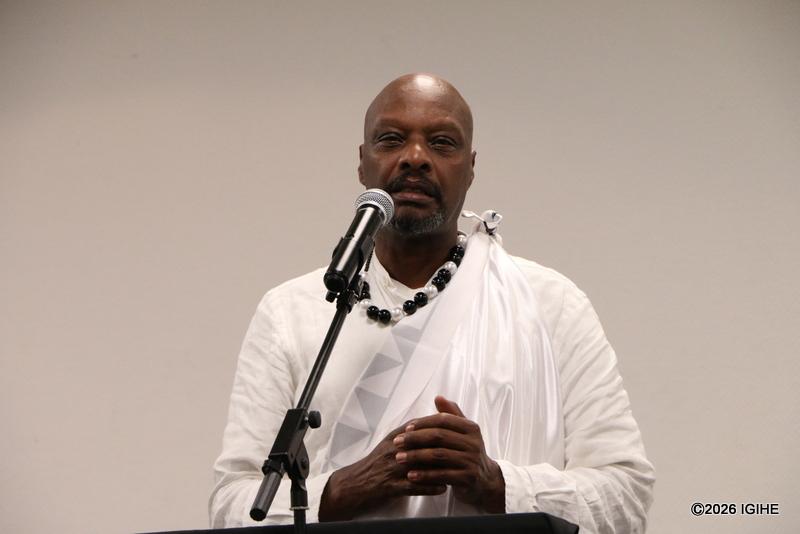
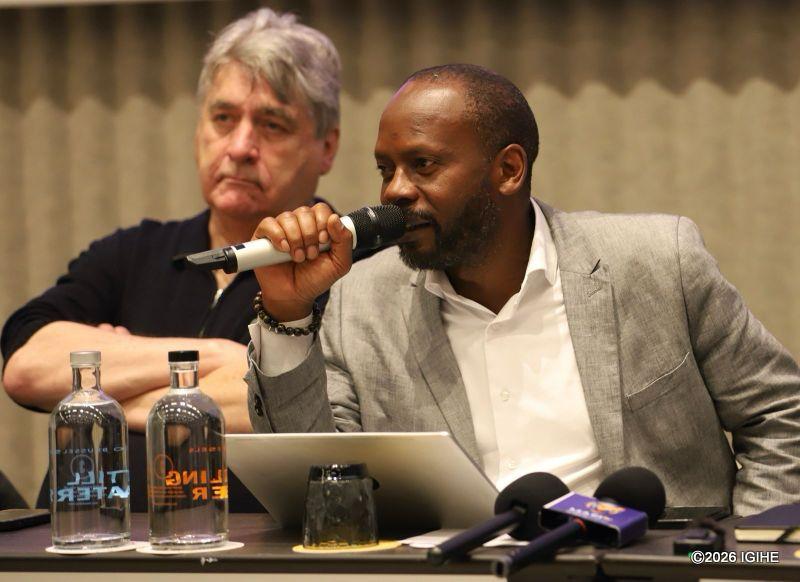
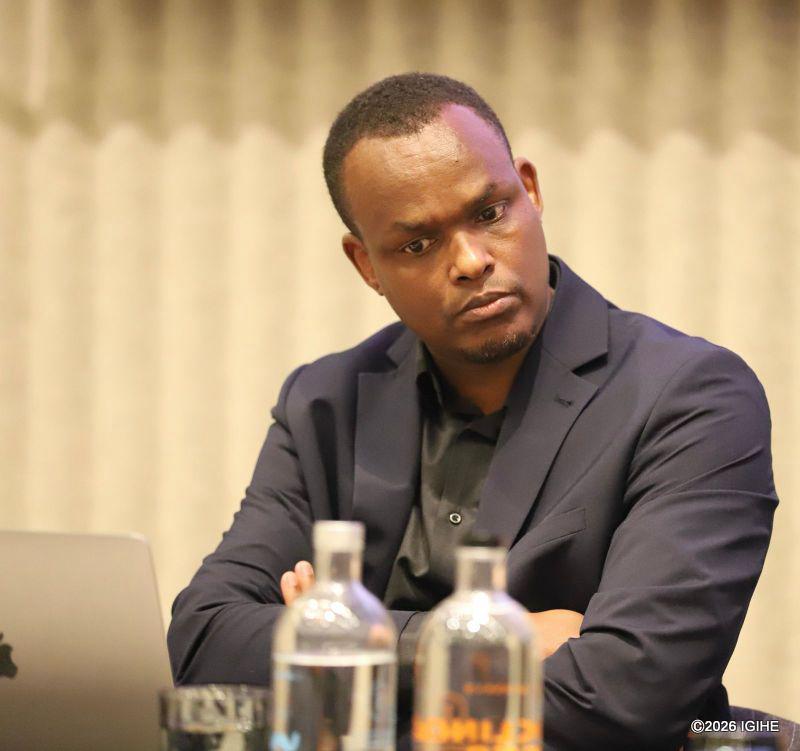
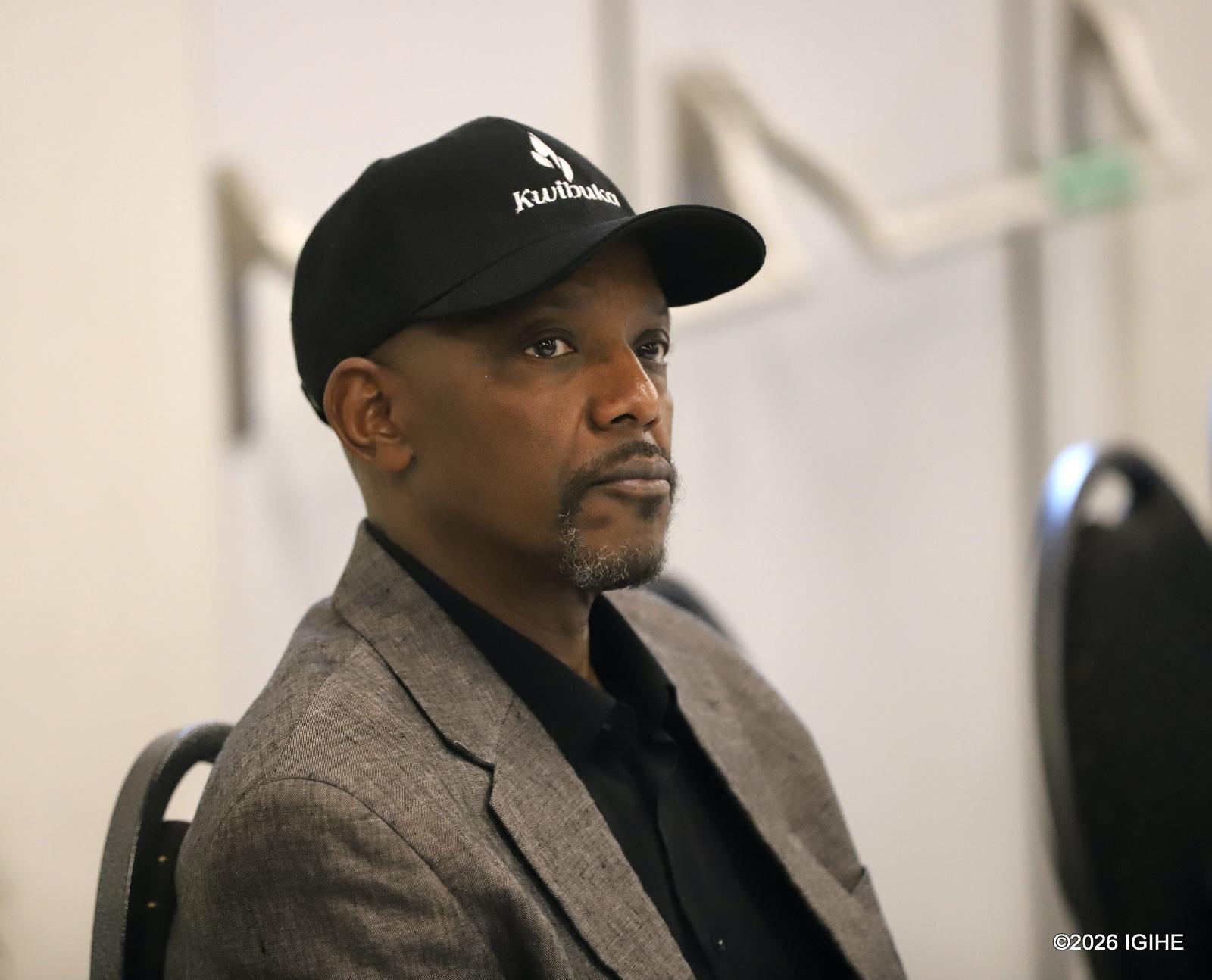
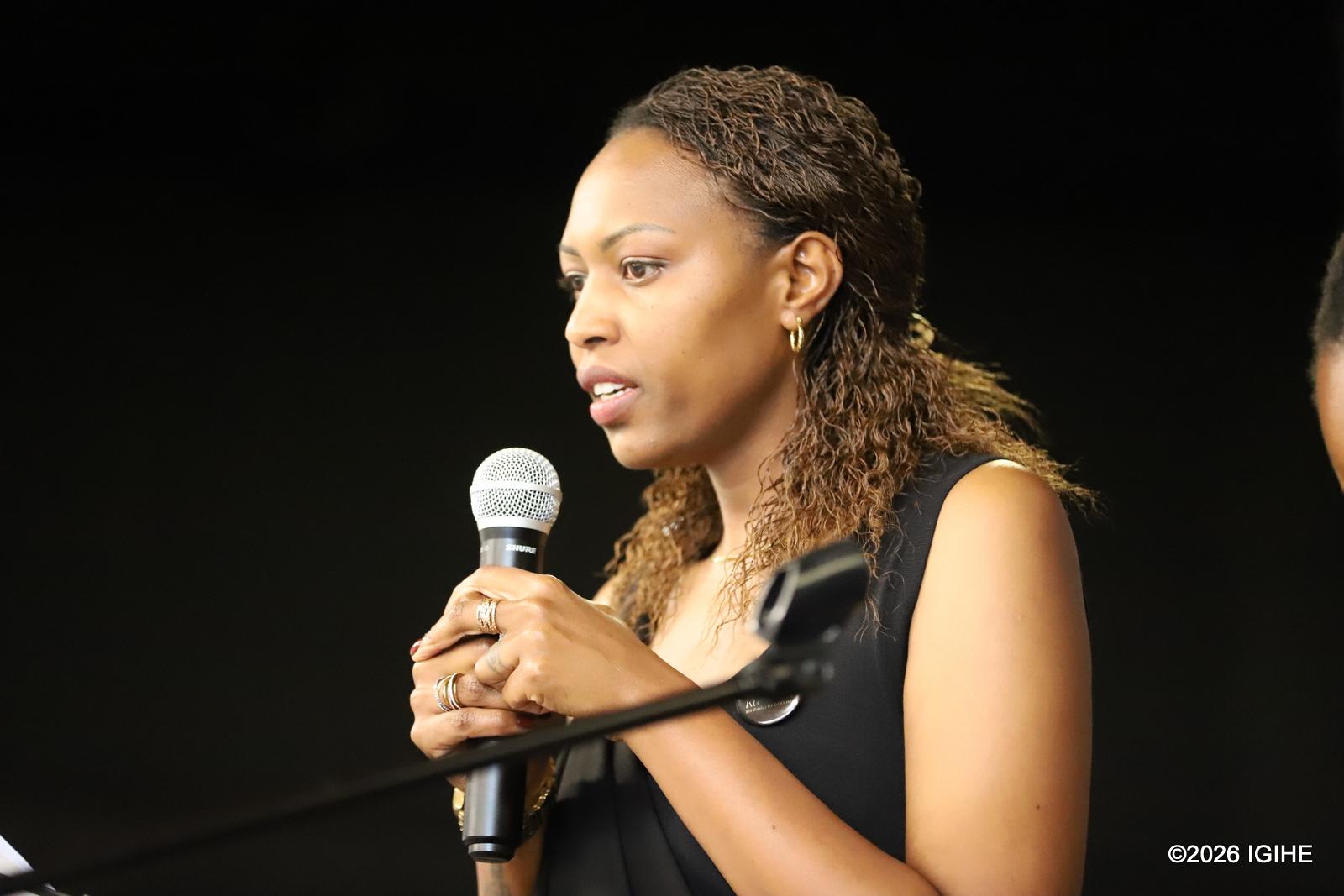
Professor Alain Verhaagen provided historical insight into the mechanisms that led to the Genocide against the Tutsi in Rwanda and the country’s reconstruction process, founded on unity, reconciliation, and peace.Author and director Jean-Marie Vianney Rurangwa expressed his delight at presenting Wipe Away Your Tears and Stand Up in the Grand Duchy of Luxembourg.Martin Janssens is also a member of the cast of this theatrical production.Amb. Aurore Mimosa Munyangaju praised the play as a work that transcends artistic expression to become a powerful vehicle of remembrance, conveying essential values such as unity, respect, solidarity, resilience, and dialogue. Kalisa Didace, President of Ibuka Luxembourg, recalled the importance of preserving the memory of the victims and continuing the fight against genocide denial, racism, and all forms of discrimination.Lawyer André Karongozi, a member of the cast of this theatrical production.Author and director Jean-Marie Vianney Rurangwa expressed his delight at presenting Wipe Away Your Tears and Stand Up in the Grand Duchy of Luxembourg.Professor Alain Verhaagen provided historical insight into the mechanisms that led to the Genocide against the Tutsi in Rwanda and the country’s reconstruction process, founded on unity, reconciliation, and peace.
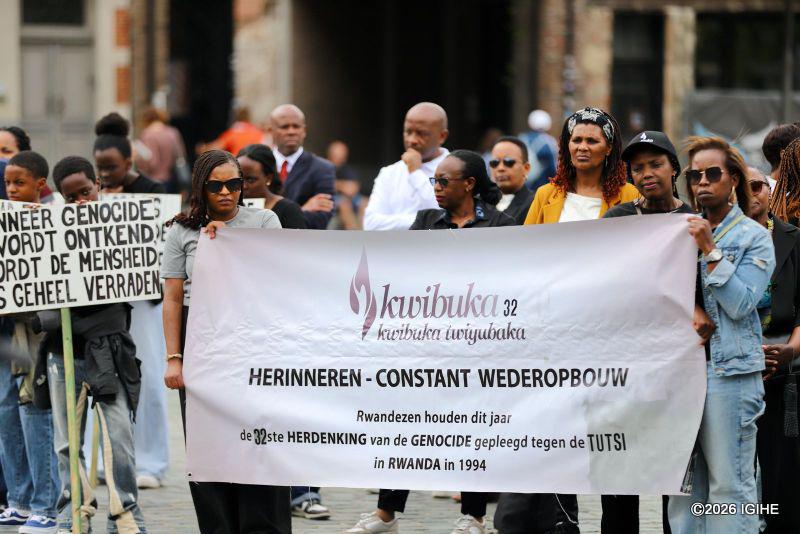
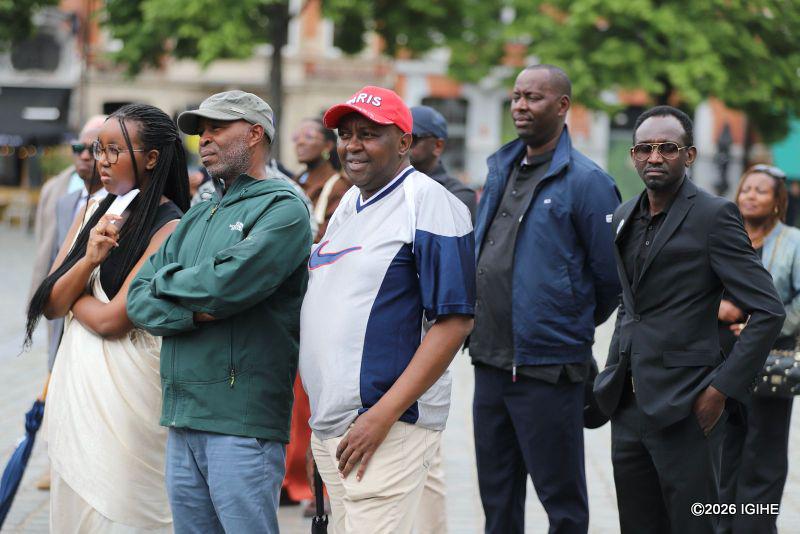
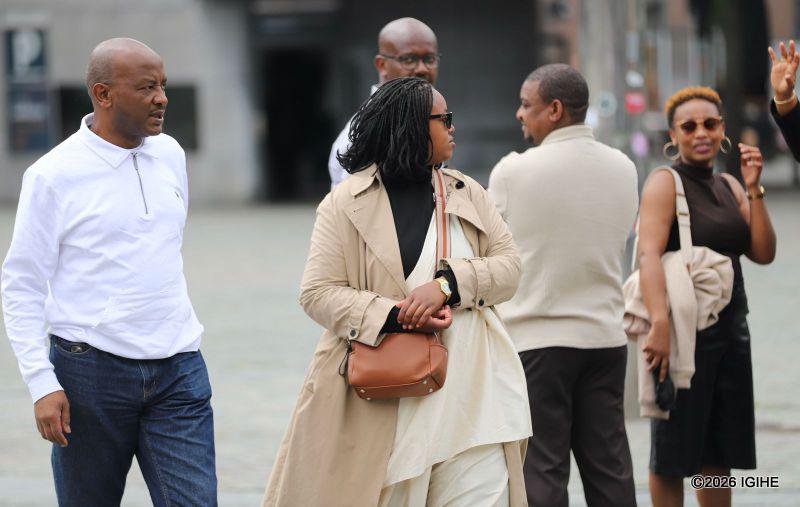
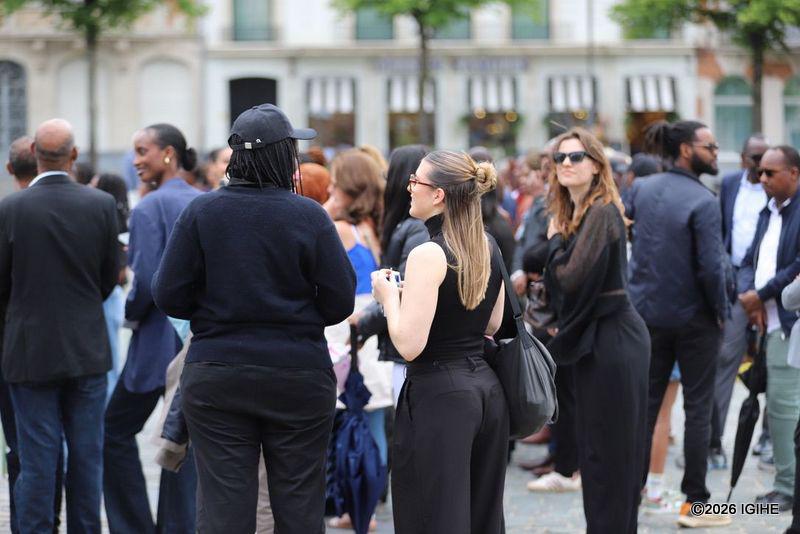
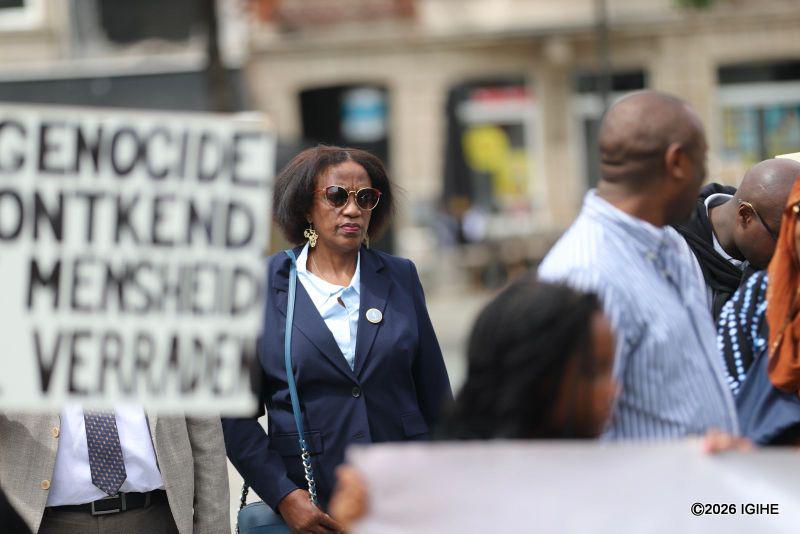
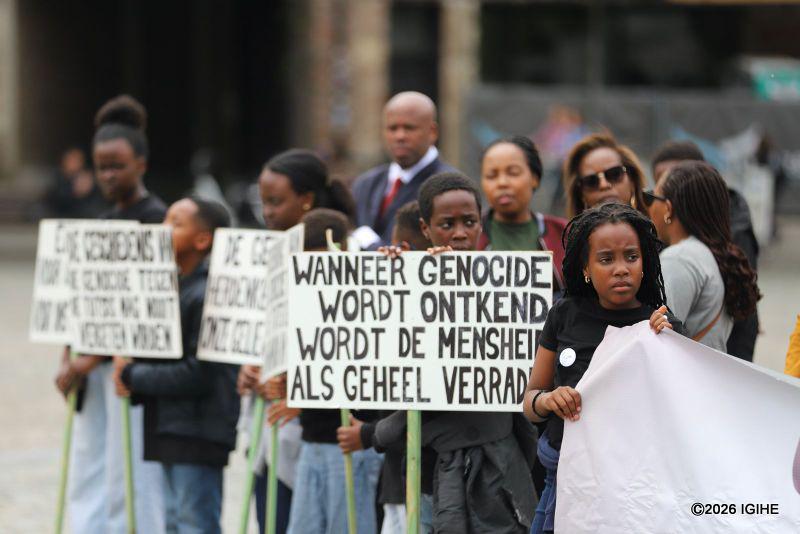
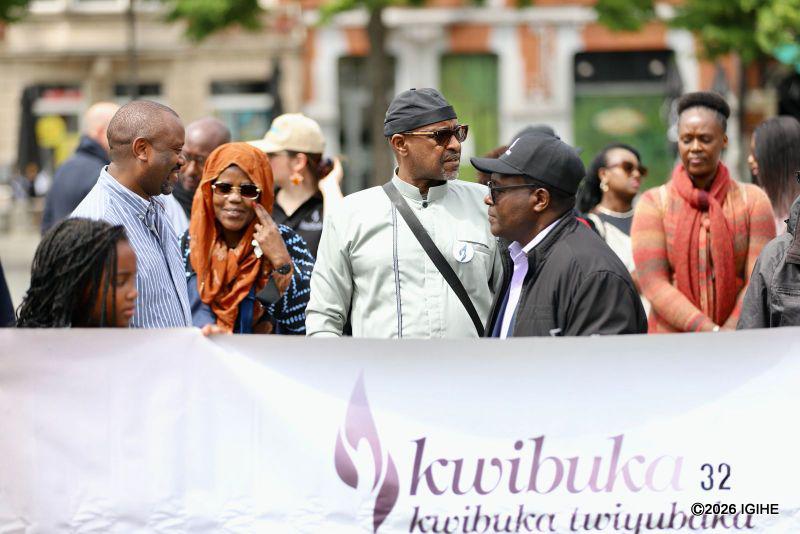
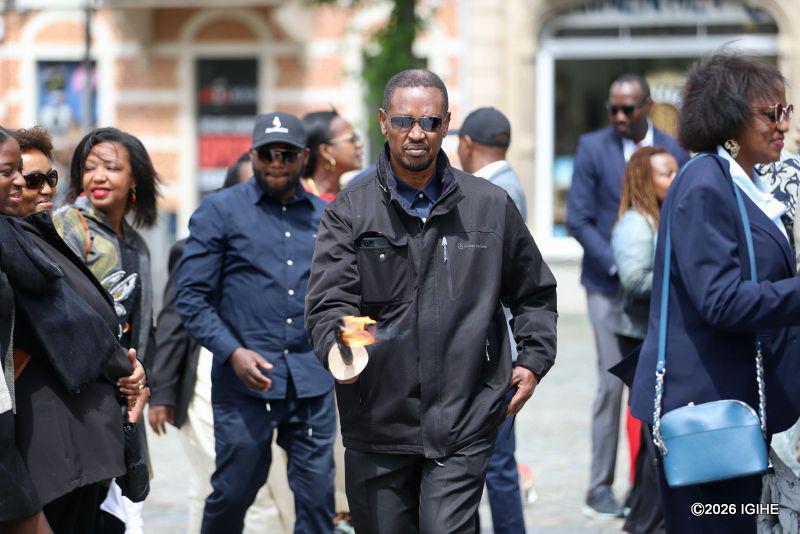
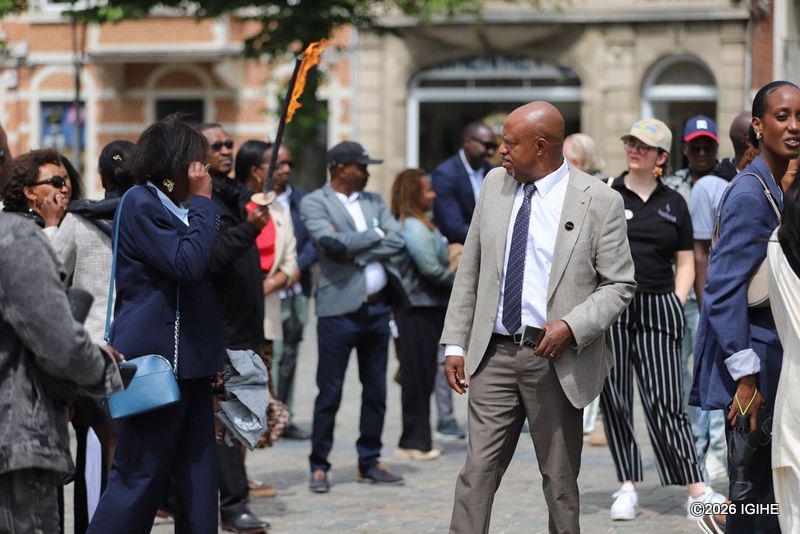
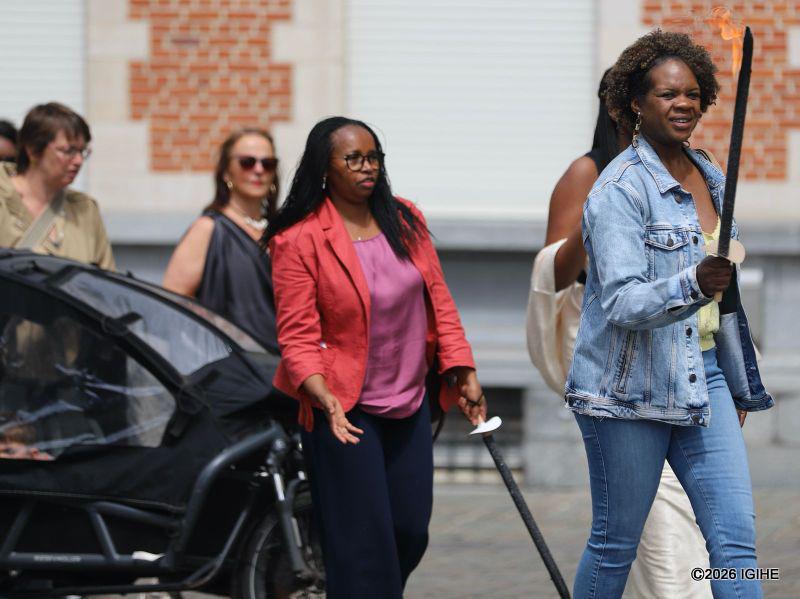
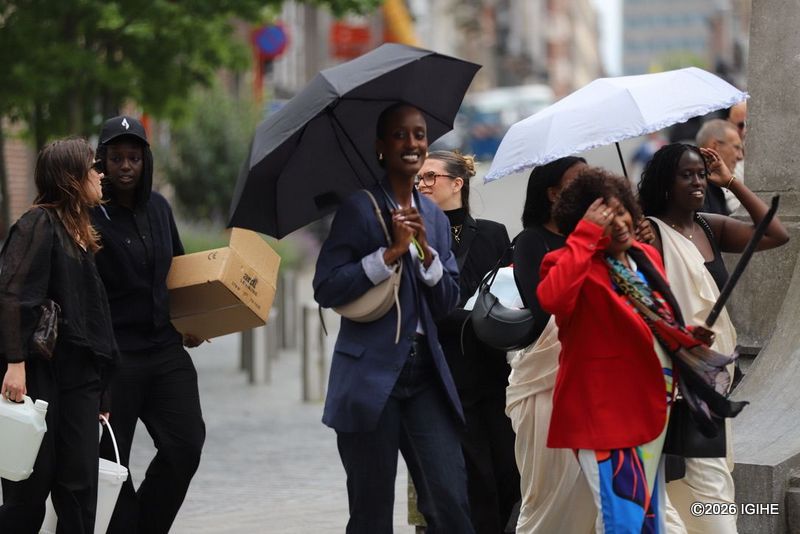
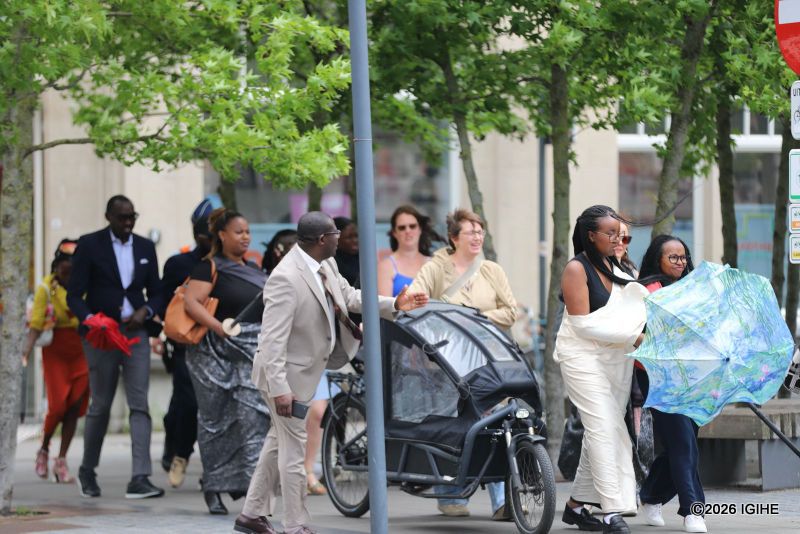
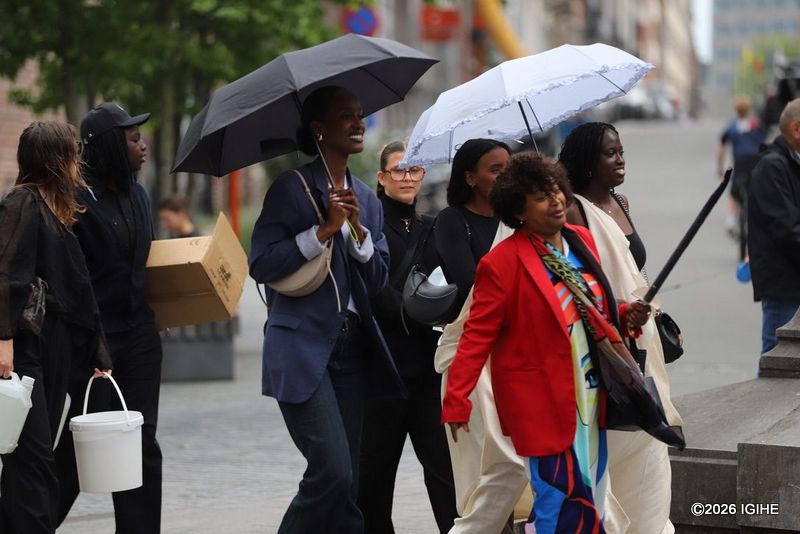
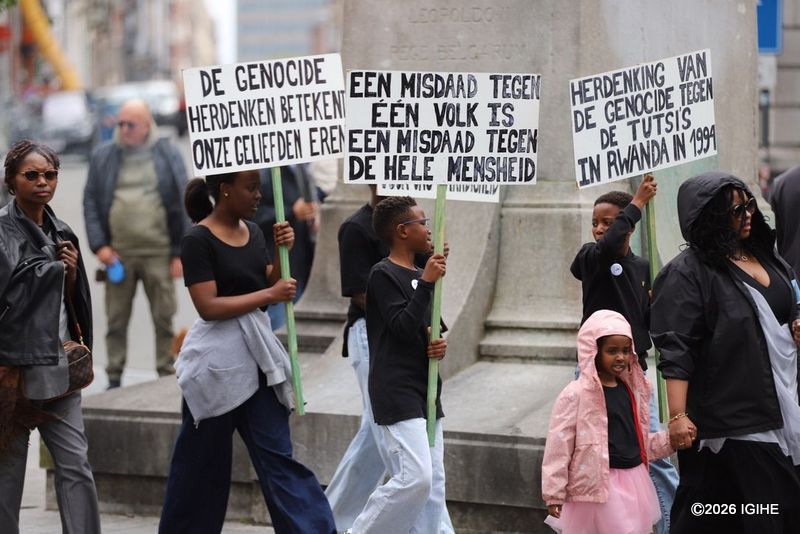
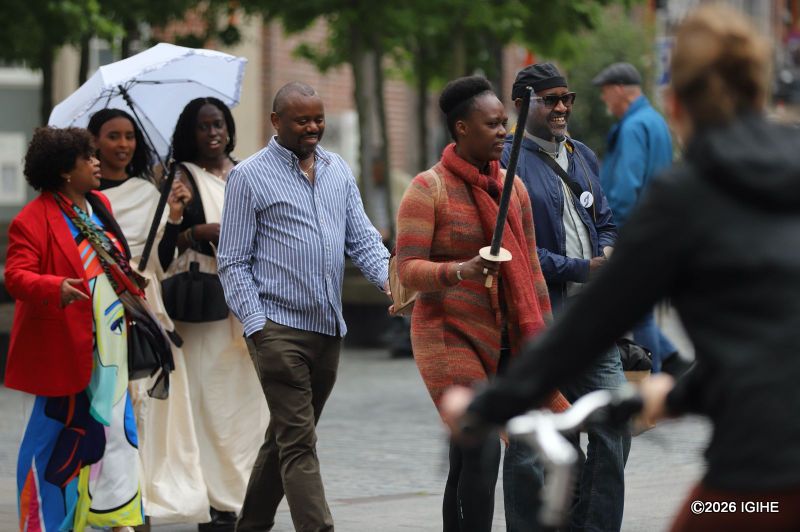
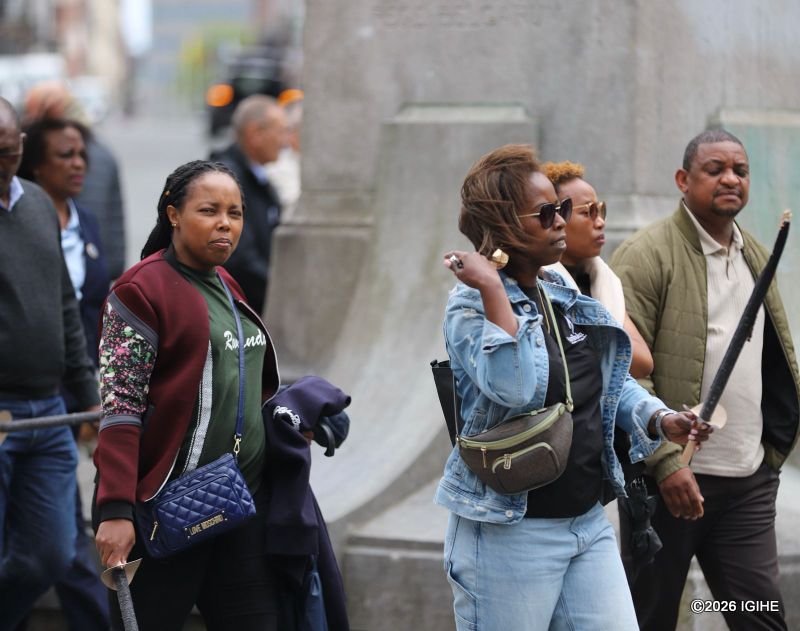
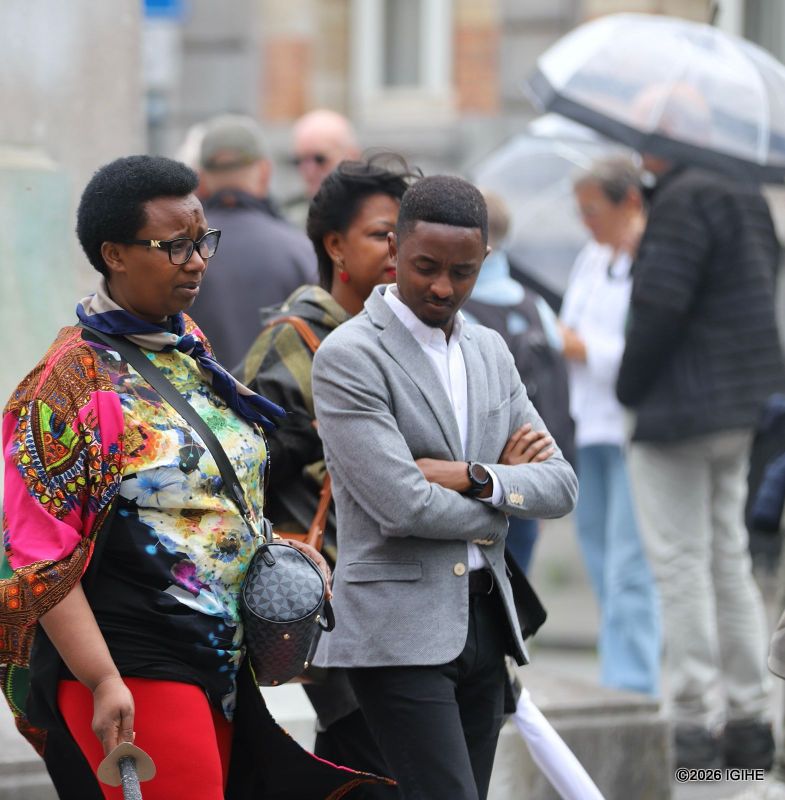
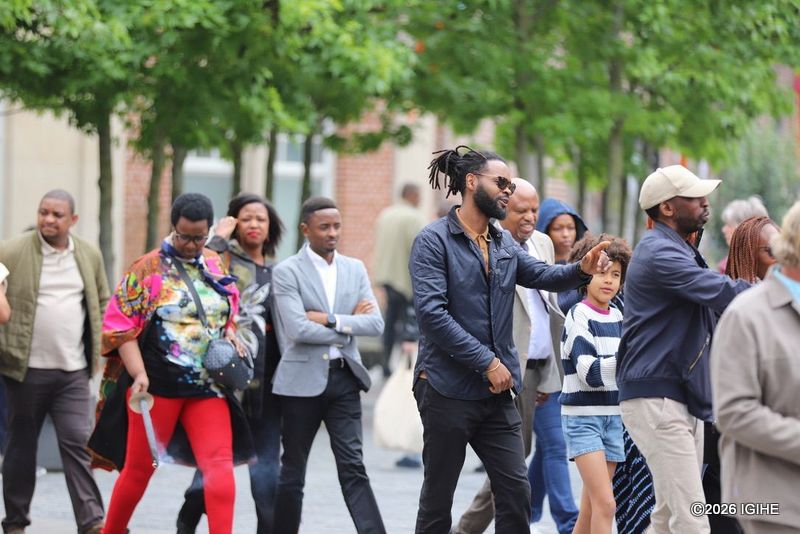
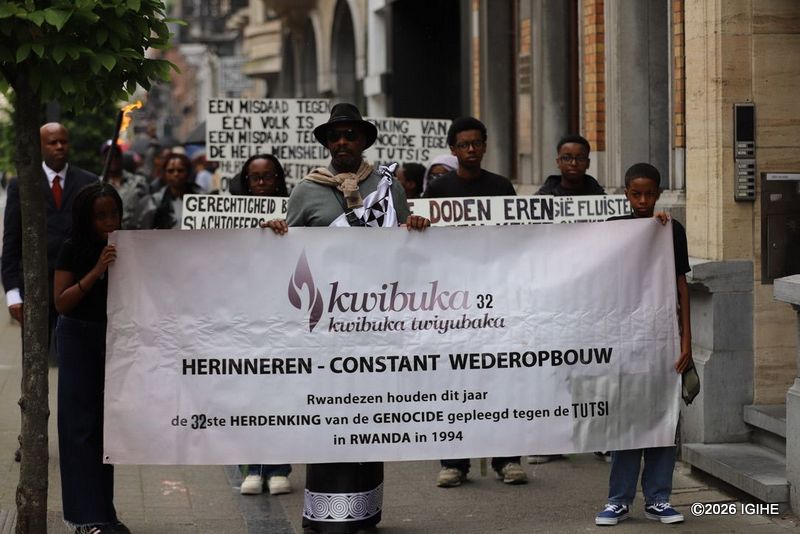
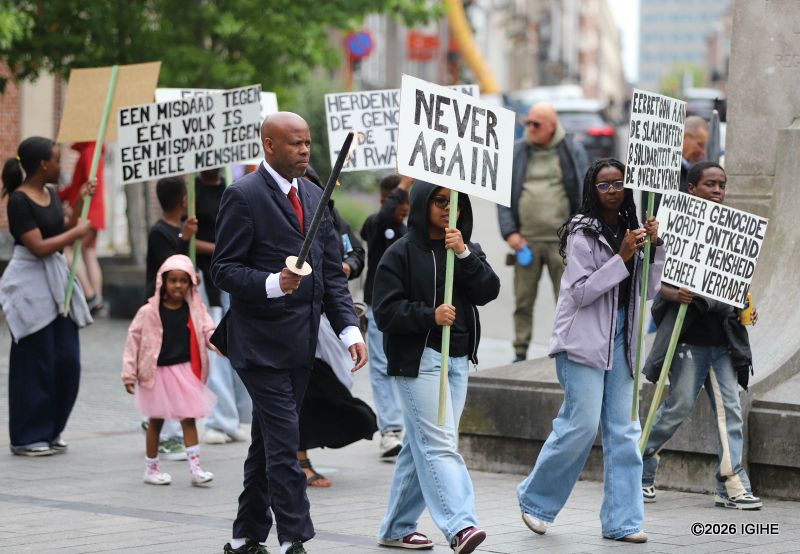
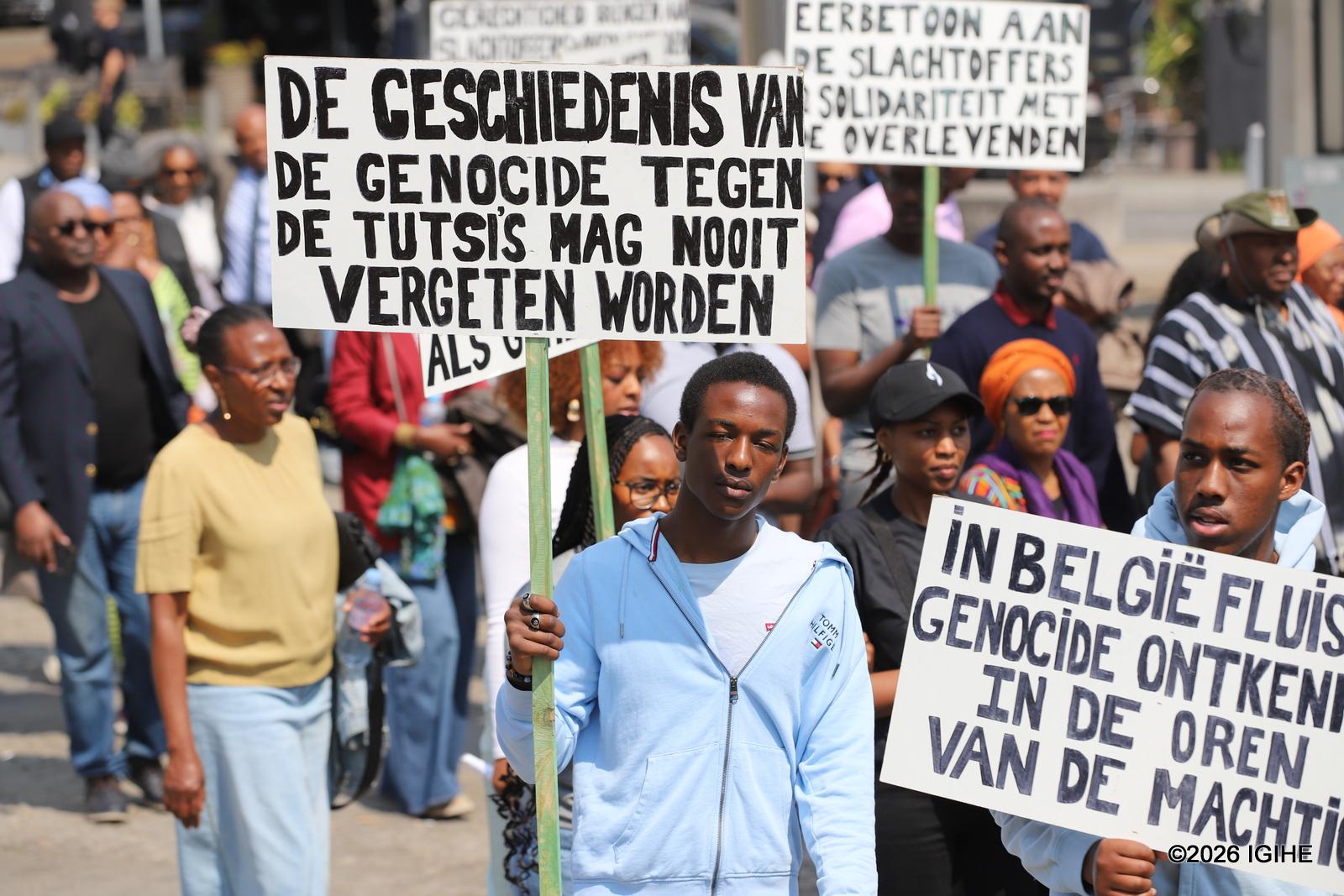
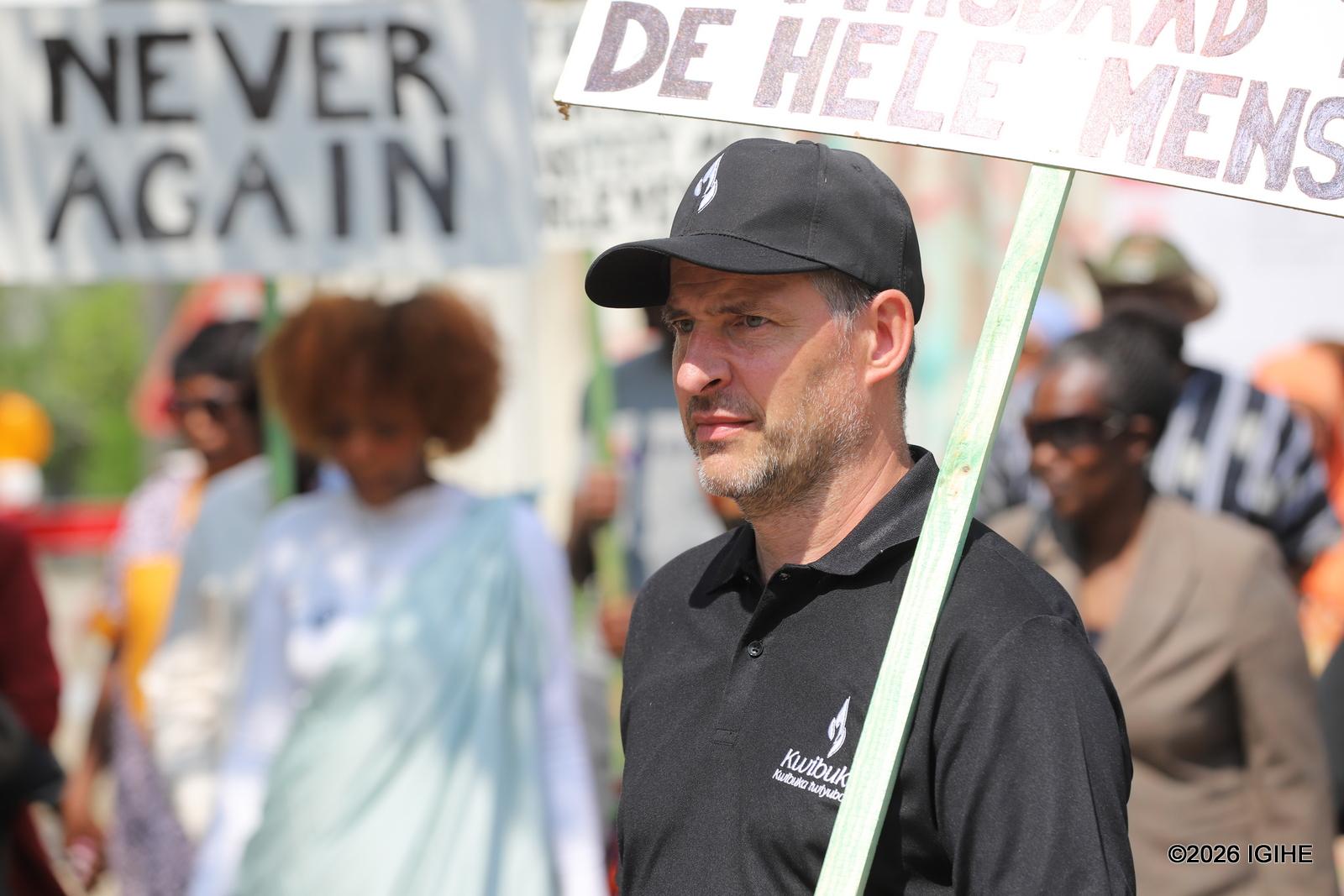
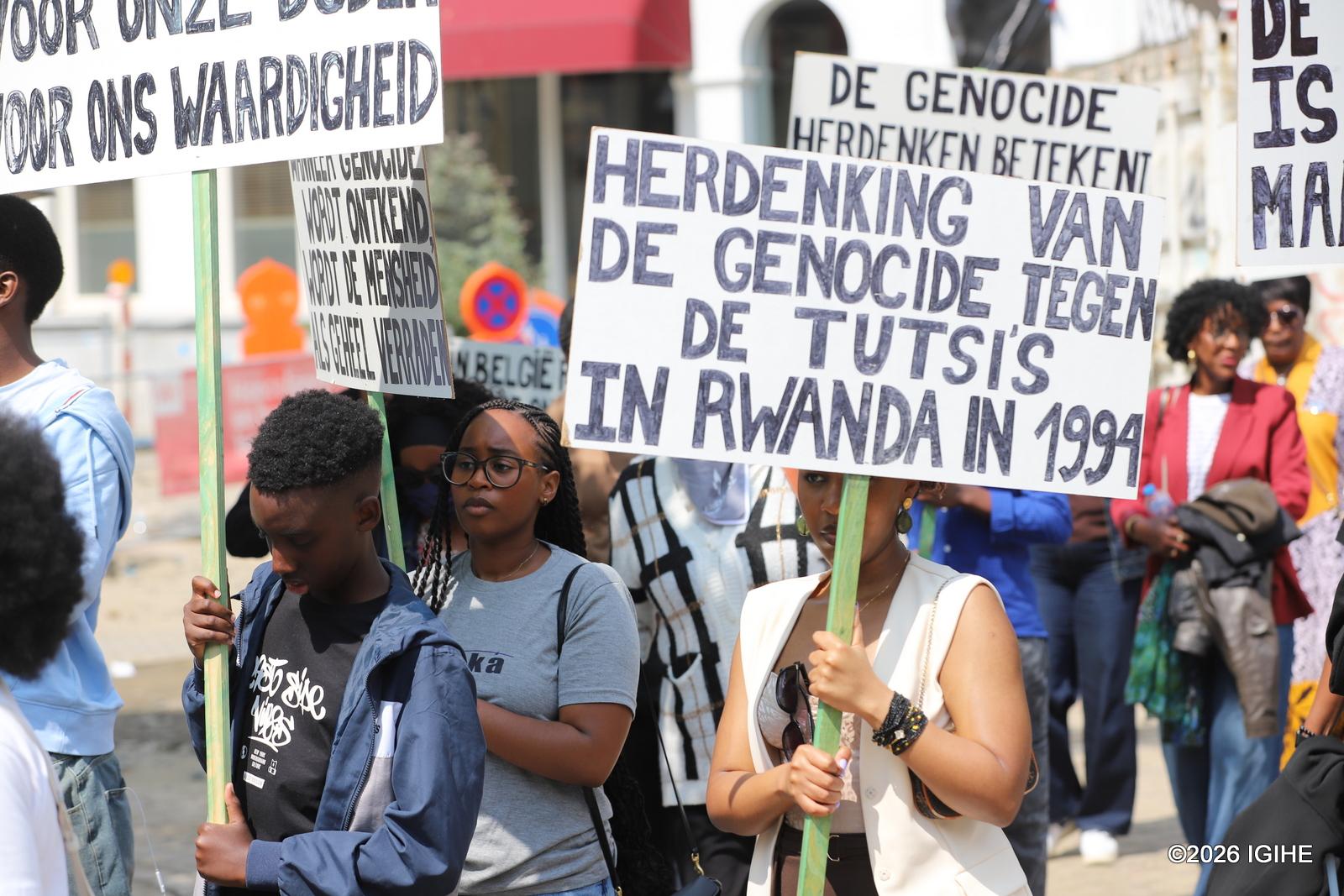
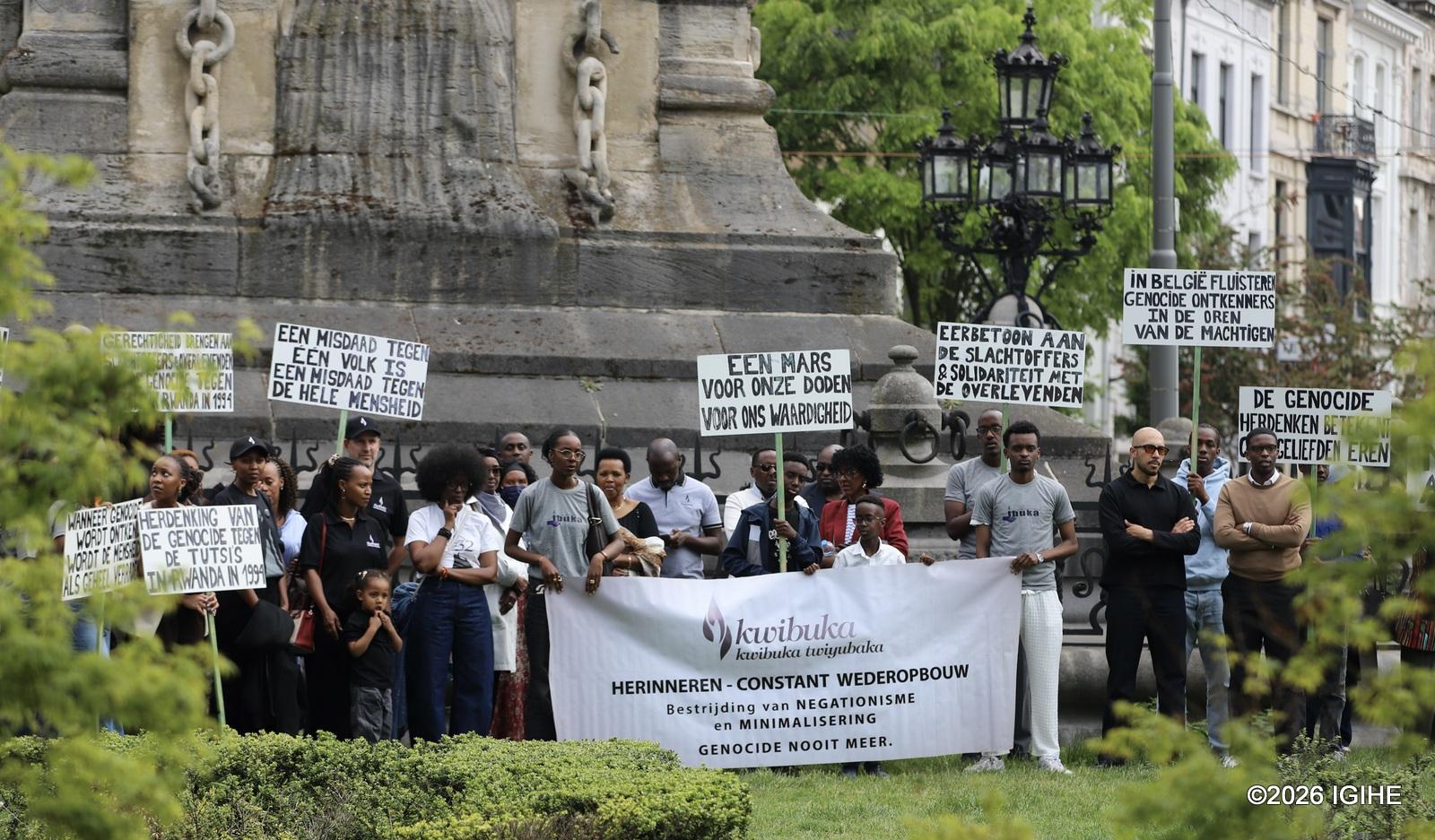
The remembrance event featured a walk from Leuven railway station to Ladeuzeplein, symbolizing solidarity with victims, followed by speeches, testimonies, reflections, and artistic performances dedicated to honoring the memory of those who were killed and reaffirming a commitment to never forget.
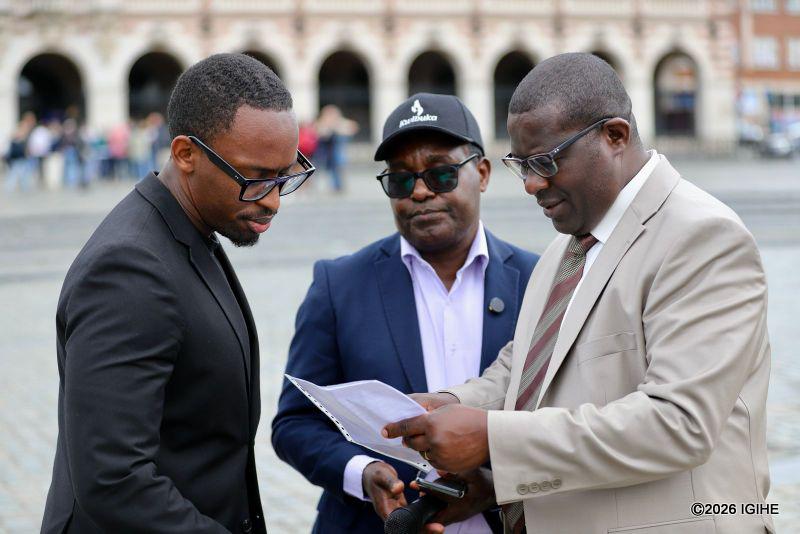
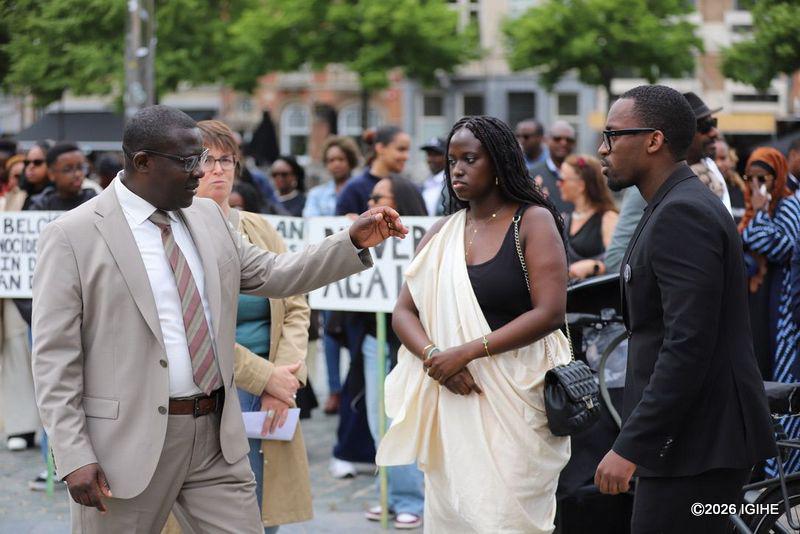
The commemoration was coordinated by Édouard Karangwa and attended by Leuven Alderman for International Affairs Lies Corneillie, alongside representatives of associations and members of the Rwandan youth community in Belgium.
In his opening remarks, Rev. Dr. Martin Ikomeze, President of the Rwandan Diaspora in Belgium (DRB) in Leuven, thanked participants who had traveled from different parts of the country.
According to him, remembrance is a responsibility for every Rwandan and provides a unique opportunity to transmit historical truth.
He stressed the importance of honoring the victims of the Genocide against the Tutsi while continuing efforts toward unity and reconciliation.
Speaking about the role of testimonies, he underlined their importance in preserving memory, combating genocide denial, and transmitting history to younger generations so that such a tragedy may never happen again.
One of the most moving moments of the day was the testimony of Mrs. Jeannette Mukandwari, a survivor of the Genocide against the Tutsi.
Now a mother of two children, she shared a story marked by courage and resilience. Through her personal journey, she demonstrated her determination to overcome the hardships of the past and rebuild her life despite the wounds left by the genocide.
Speaking on behalf of Ibuka, Johan Sebukire highlighted the importance of remembrance for younger generations. He noted that although most young people in the diaspora did not experience the 1994 genocide themselves, they nevertheless carry its legacy through the stories of their families and communities.
He stressed the need to combat genocide denial, preserve the memory of the victims, and pass this history on to future generations.
On this occasion, he also called on the City of Leuven to consider, in consultation with the Rwandan community, the installation of a memorial plaque in honor of the victims of the Genocide against the Tutsi.
According to him, such a memorial site would serve as a place of reflection, an educational tool for future generations, and a powerful symbol of the city’s commitment against hatred, racism, and all forms of discrimination.
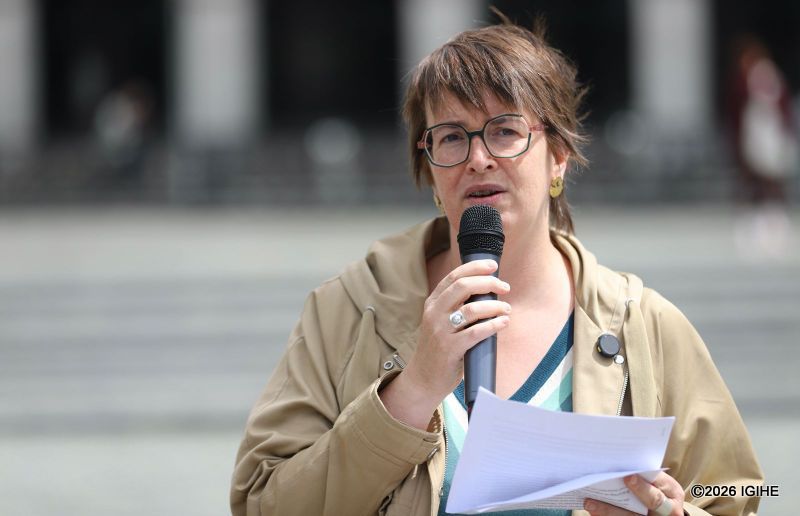
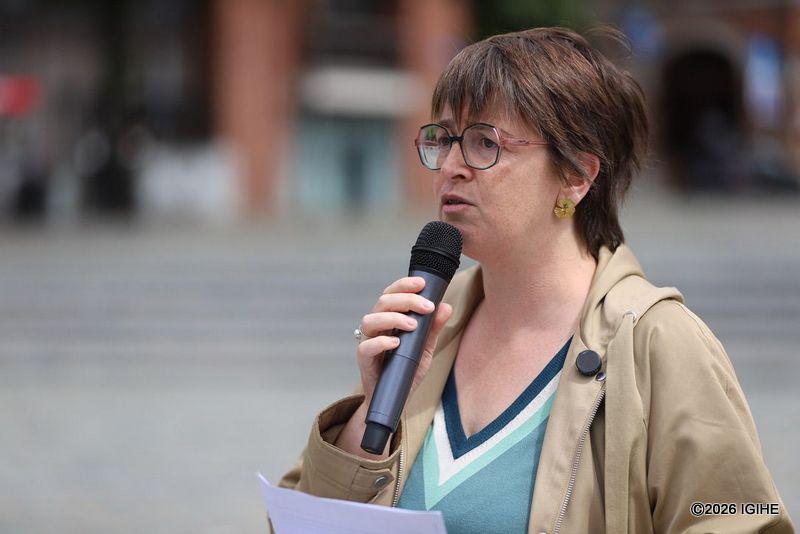
Lies Corneillie, Alderman for International Affairs of the City of Leuven, emphasized the importance of testimonies, the transmission of memory to younger generations, and the duty of remembrance.
She also expressed the City’s willingness to continue the dialogue on the establishment of a memorial site, with the aim of preserving the memory of the victims and raising awareness among future generations.
The Leuven ceremony also marked the final stage of the national program of the 32nd commemoration of the victims of the Genocide against the Tutsi, which had been organized in different cities across Belgium since April 7.
On this occasion, Gakuba Ernest, President of the Rwandan Diaspora in Belgium (DRB), recalled that remembrance is not limited to a particular period of the year but constitutes a permanent responsibility toward the victims and future generations.
Thirty-two years after the genocide, he noted, the wounds remain deep, and commemoration continues to be both a tribute to those who perished and a commitment to truth, as well as a safeguard against genocide denial and genocidal ideology.
He also referred to the historical factors that led to the genocide and the abandonment of Rwanda by the international community in 1994.
Paying tribute to the soldiers of the FPR-Inkotanyi who stopped the genocide and saved countless lives, he praised their decisive role in the liberation of the country.
Addressing young people, particularly those in the diaspora, he encouraged them to take ownership of this history, transmit it faithfully, and uphold the values of truth, unity, courage, and humanity.
The day concluded with a musical tribute by artist Nyiranyamibwa Suzanne. Through several deeply emotional songs, she honored the memory of the victims of the Genocide against the Tutsi and offered participants a moment of reflection and hope.
Beyond remembrance, this 32nd commemoration highlighted the importance of preserving historical truth, supporting survivors, and passing memory on to future generations.
In his address, Rev. Dr. Martin Ikomeze, President of the Rwandan Diaspora in Belgium (DRB) in Leuven, welcomed participants who had come from different cities across Belgium to take part in the 32nd commemoration of the victims of the Genocide against the Tutsi.During the 32nd commemoration of the Genocide against the Tutsi in Leuven, Mrs. Jeannette Mukantwari, a survivor of the genocide and now a mother of two children, shared a moving testimony of courage and resilience.Gakuba Ernest, Federal President of the Rwandan Diaspora in Belgium (DRB), recalled that the duty of remembrance is not limited to a specific period of the year, but constitutes an ongoing responsibility toward the victims and future generations.The ceremony was notably attended by Lies Corneillie, Alderman for International Affairs of the City of LeuvenTwagira Mutabazi Eugène, President of Ibuka – Mémoire et Justice, BelgiqueÉdouard Karangwa served as the coordinator of the ceremony marking the 32nd commemoration of the victims of the Genocide against the Tutsi in Leuven.Johan Sebukire, speaking on behalf of Ibuka, highlighted the importance of the duty of remembrance for younger generations.
Photos showing the second part of the commemoration event
On this occasion, they were called upon to confront those who deliberately seek to distort the tragic history Rwanda experienced.
Among the participants were many young people who were reminded of the importance of preserving the memory of the victims of the Genocide against the Tutsi. They were encouraged to continue learning about the history that led Rwanda to this tragedy so that it may never happen again and so they can defend the truth against genocide denial and revisionism.
The President of the Rwandan Diaspora in the cities of Mons and Tournai, Arnold Turagara, recalled the dark periods Rwanda went through, emphasizing that the people of this city, as well as Europe in general, have also experienced difficult times marked by wars.
He stated: “Tournai is a city that has gone through difficult periods, including wars throughout its history. However, its residents managed to rebuild themselves after those painful moments.”
He also reminded participants that the 1994 Genocide against the Tutsi was carefully planned and carried out with extreme cruelty, leading to the killing of more than one million people in just one hundred days solely because of who they were.
“Commemorating today is not only about looking back at the past, but also about preserving this memory so that we are not trapped by it and can continue moving forward with life,” he added.
The President of the Rwandan Diaspora in Belgium at the national level, Gakuba Ernest, condemned those who continue to falsify the history of the Genocide against the Tutsi by spreading false information.
He said: “Distorting history is unacceptable because doing so indirectly supports those who planned and executed the Genocide against the Tutsi.”
He reminded attendees that the genocide did not happen by accident, but was the result of long-term preparation marked by hate propaganda spread by leaders of the time and by the dehumanization of Tutsi.
Representing Ibuka Mémoire et Justice Belgique, emphasized thatmore than one million Tutsi killed during the genocide reflects the reality of what happened.
He praised the courage and resilience of genocide survivors, who endured extremely difficult periods of persecution because of their identity.
Gakuba also criticized certain European countries for not doing enough to arrest individuals involved in the Genocide against the Tutsi who were convicted by Rwandan courts yet continue to live freely in Europe.
According to him, some of them actively contribute to spreading genocide ideology and denying the genocide.
He insisted: “This history must be taught in schools so that younger generations can learn about it from an early age.”
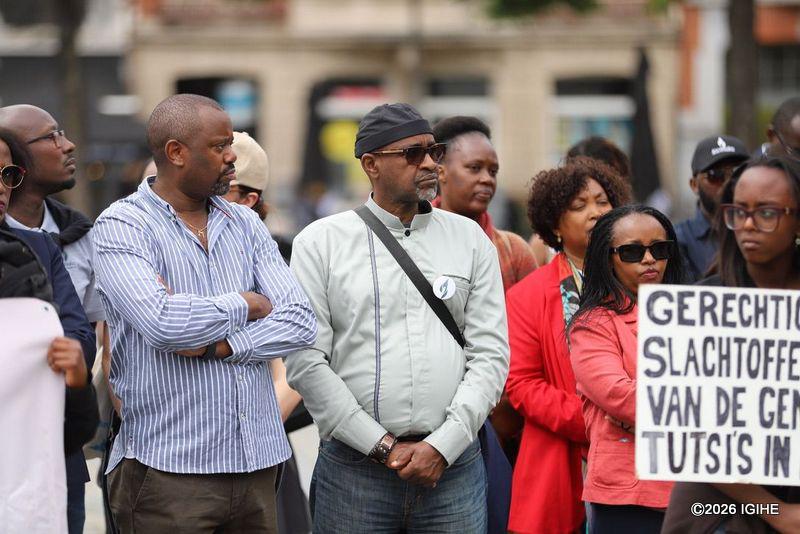
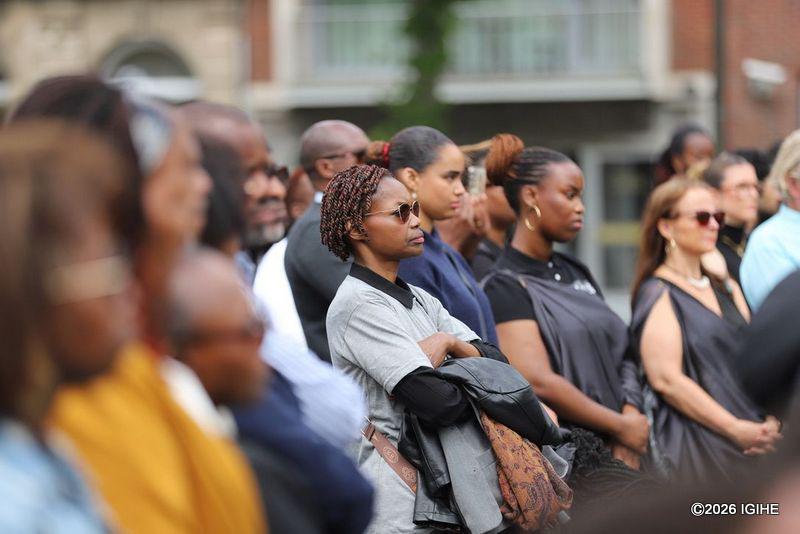
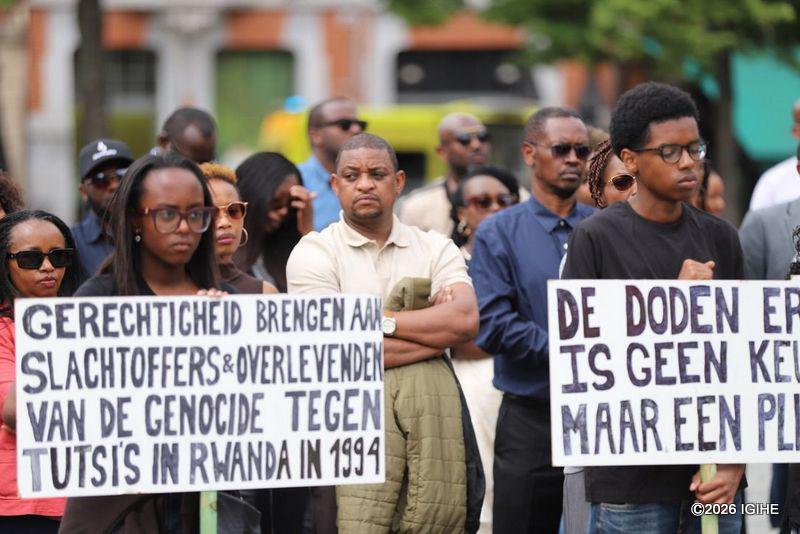
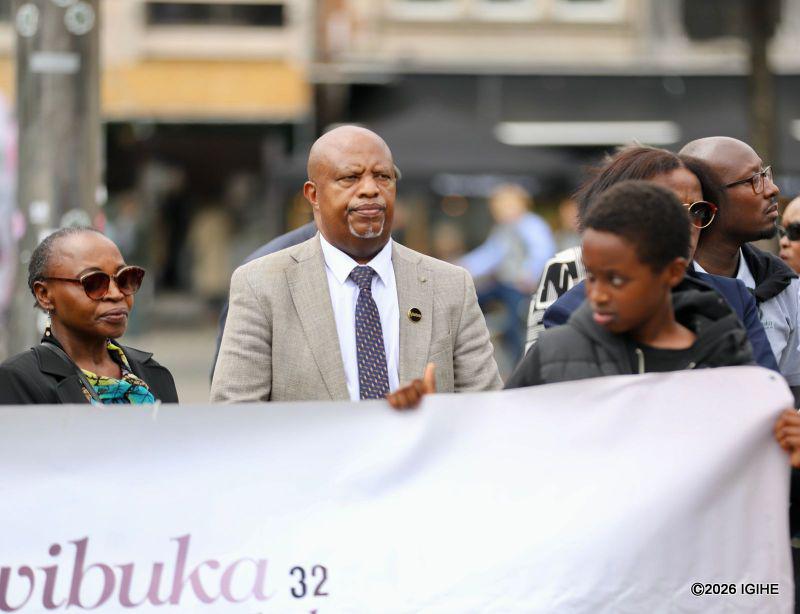
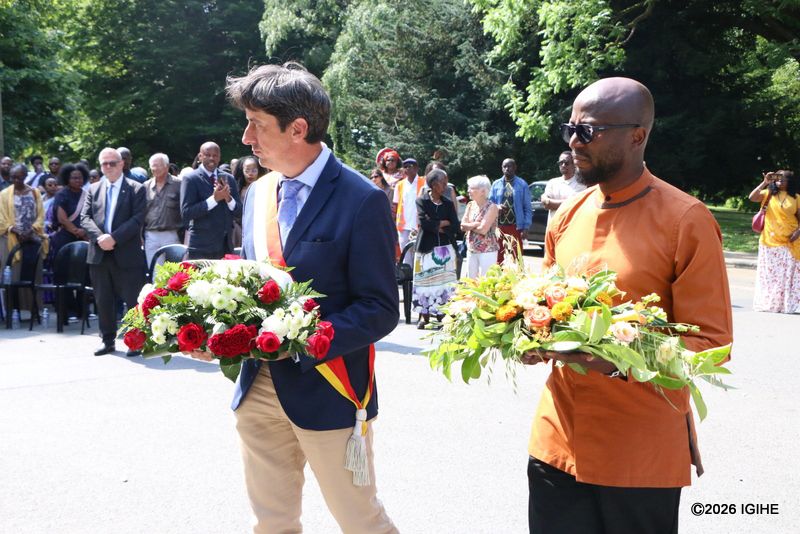
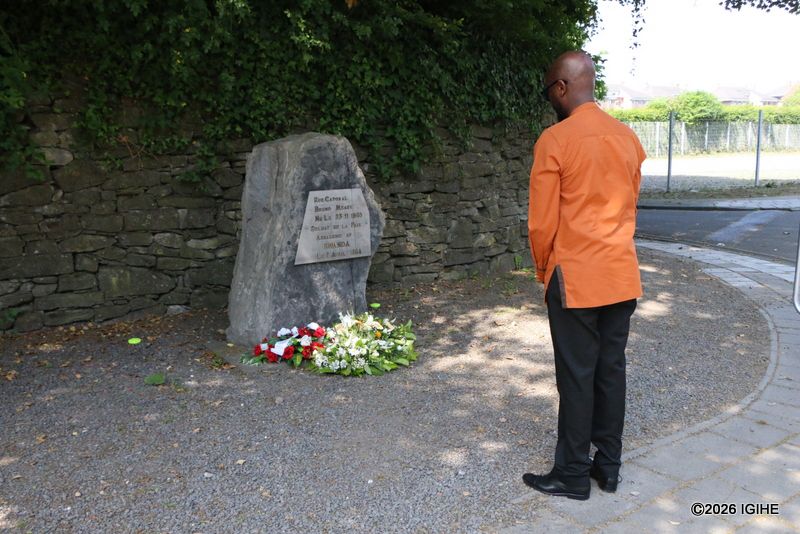
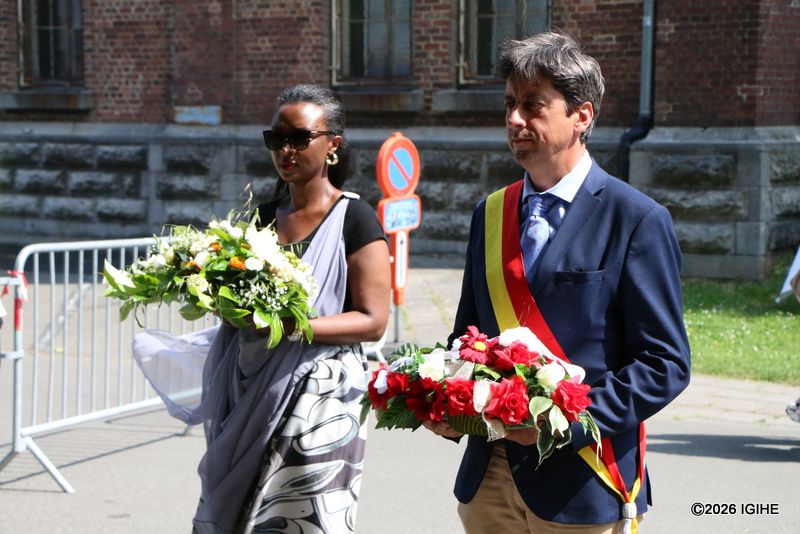
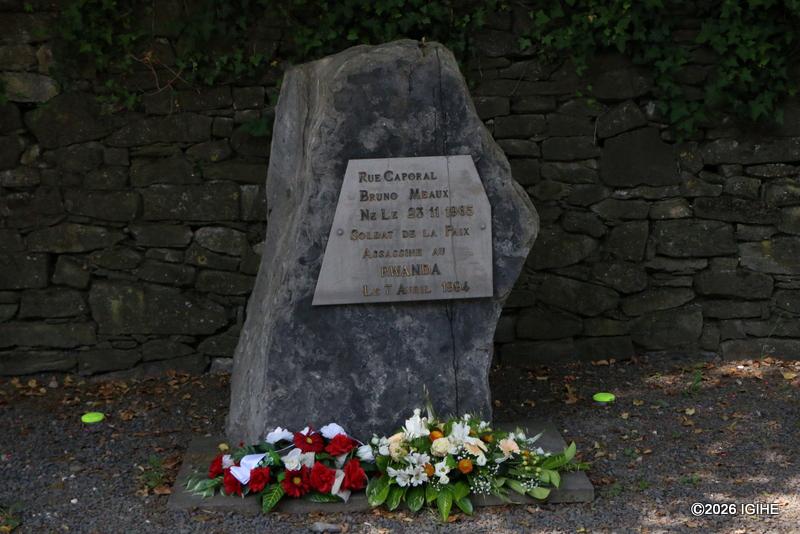
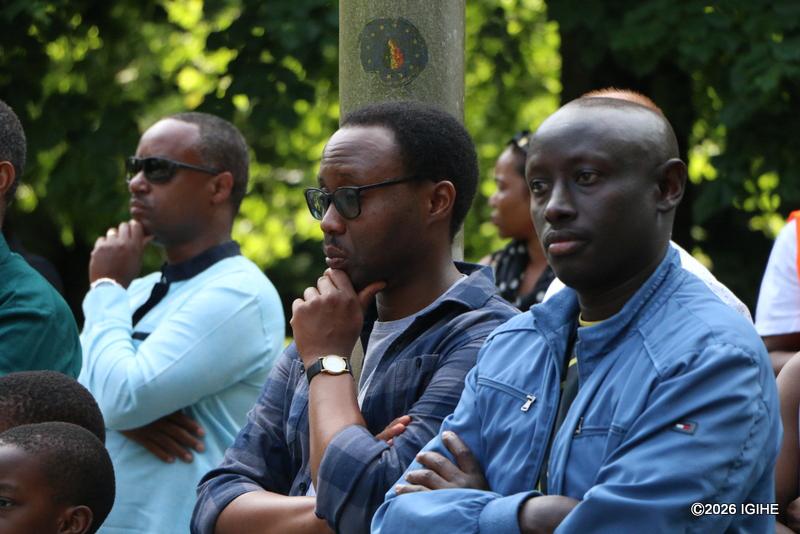
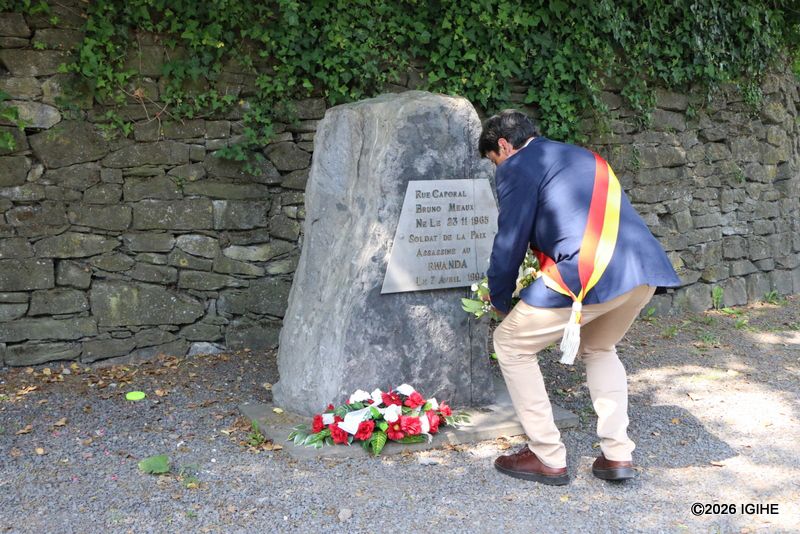
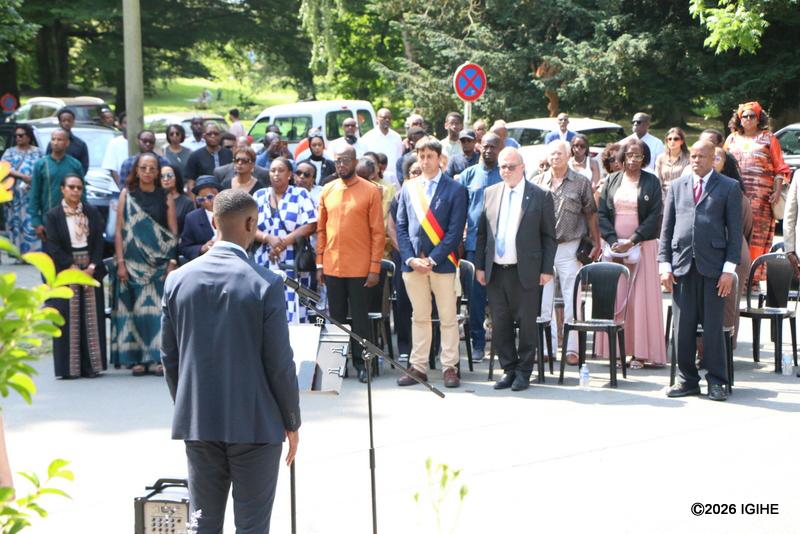
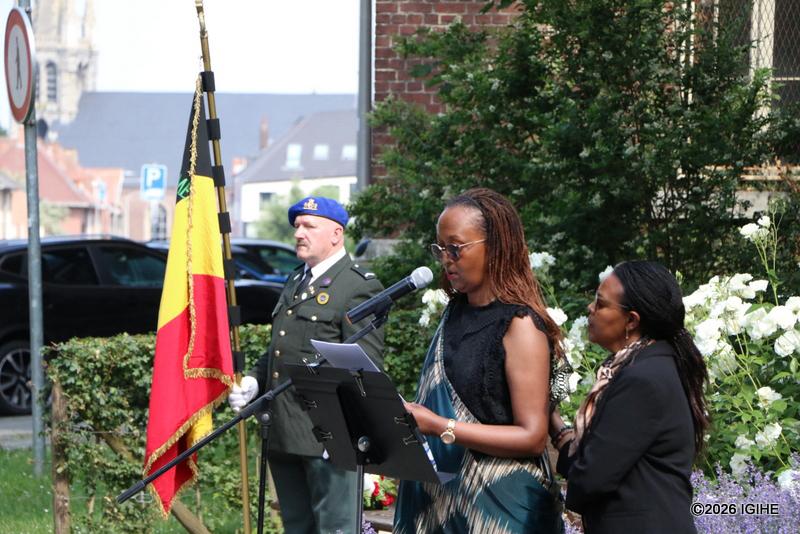
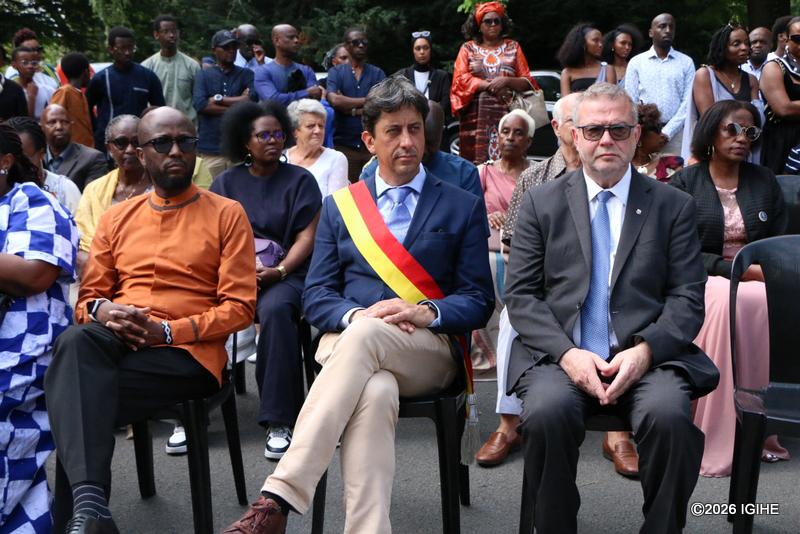
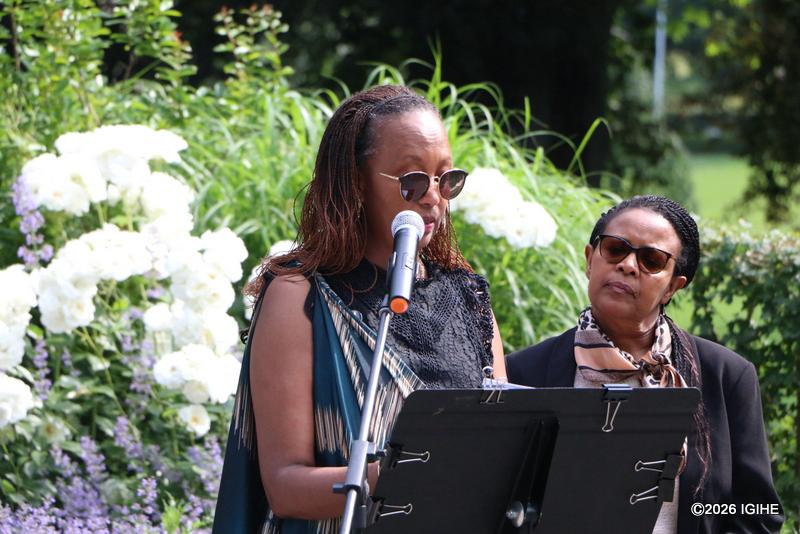
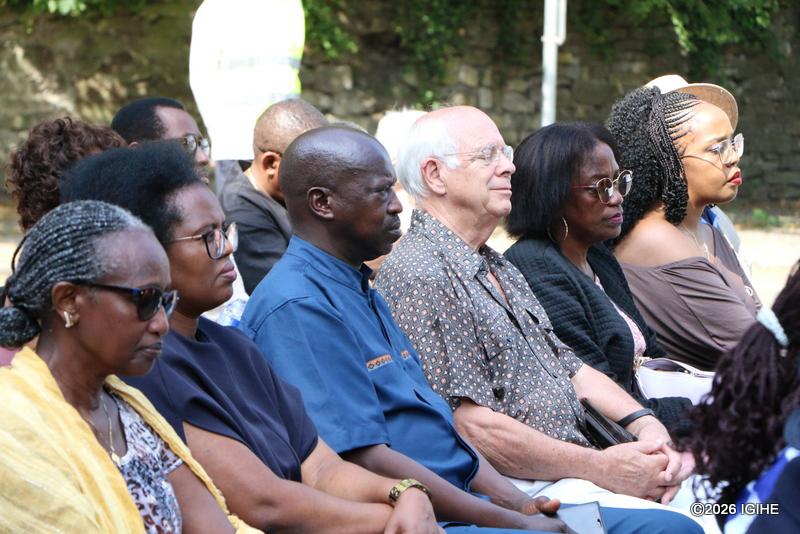
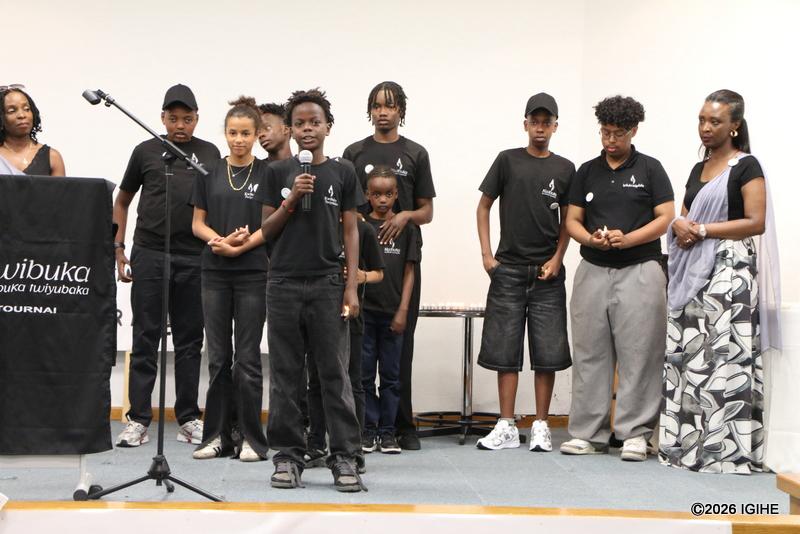
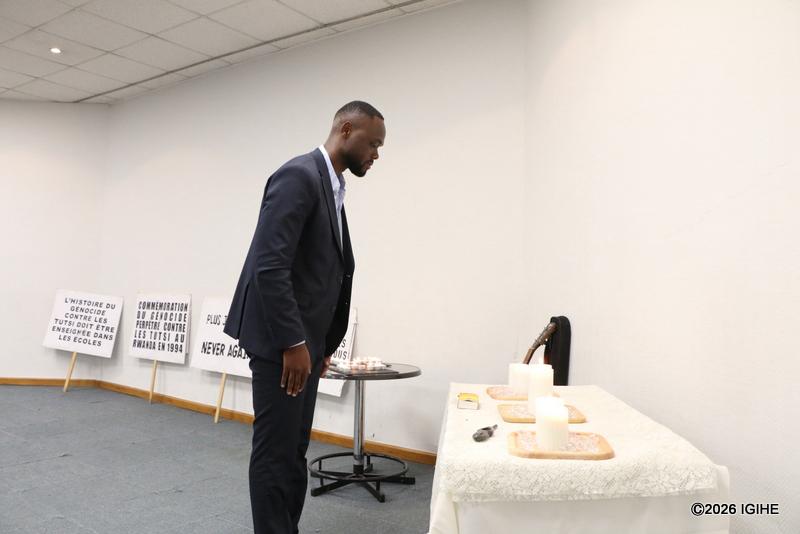
The first part of the commemoration took place near the memorial located close to the Saint-Jean Military School on Rue du Caporal Bruno Méaux in Tournai. The ceremony included wreath laying, speeches from various leaders, and tributes to the victims of the Genocide against the Tutsi.
The memorial also honors Belgian soldiers killed in Rwanda, some of whom were originally from Tournai.
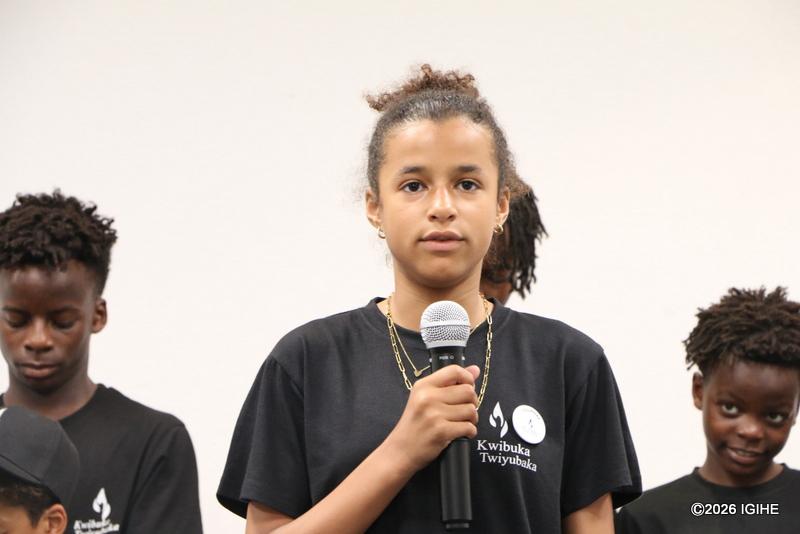
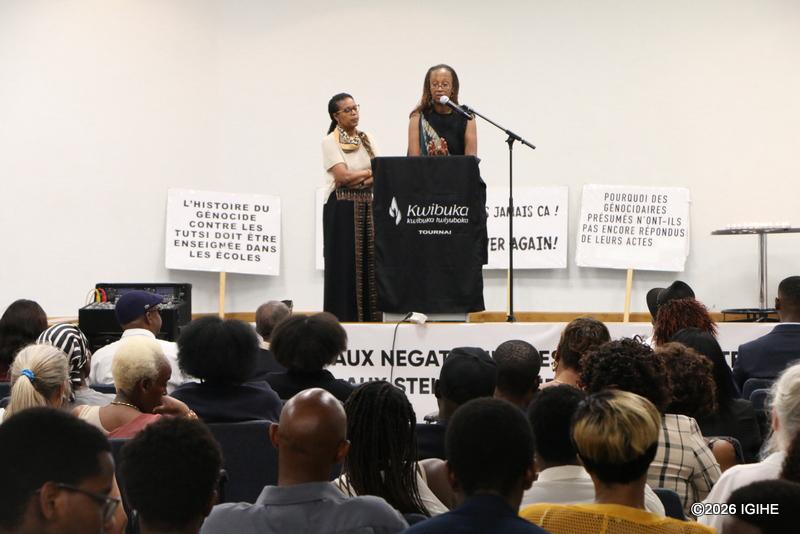
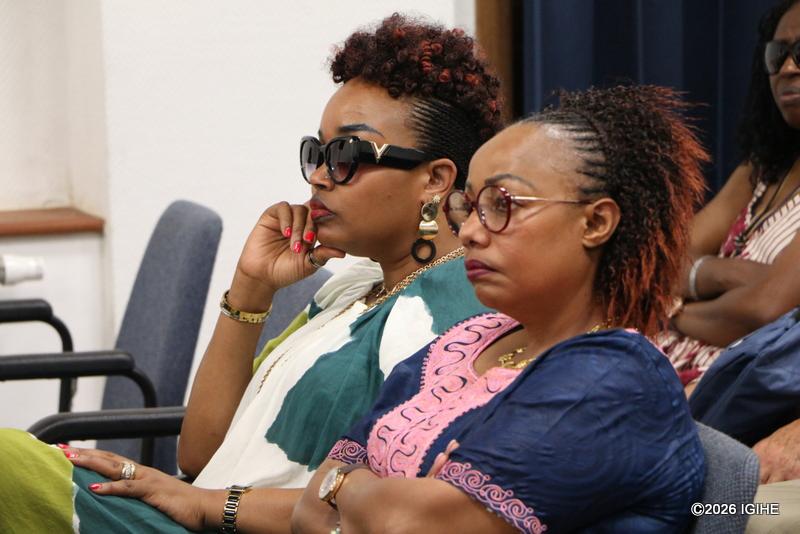
The second part of the day featured testimonies, discussions, and memorial songs aimed at strengthening messages of peace and unity.
Since April 7, 2026, activities marking the 32nd commemoration of the Genocide against the Tutsi in Belgium have taken place successively in Brussels, Liège, Bruges, Namur, Louvain-la-Neuve, Mons, Charleroi, and Tournai.
The next event will take place in the city of Louvain on June 6, which will also mark the conclusion of the symbolic 100 days of commemoration in Belgium.
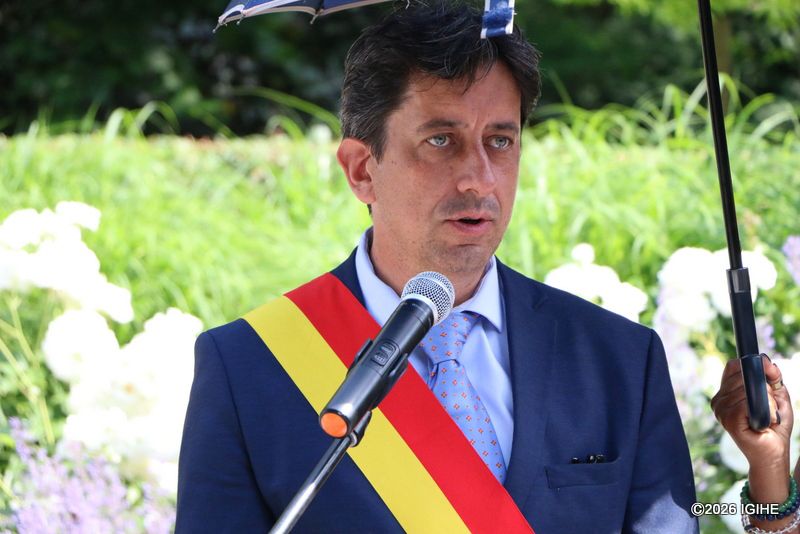
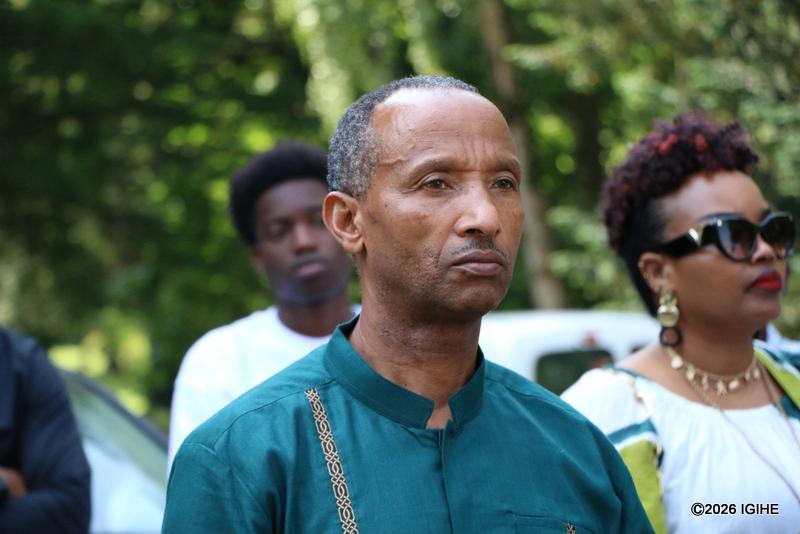
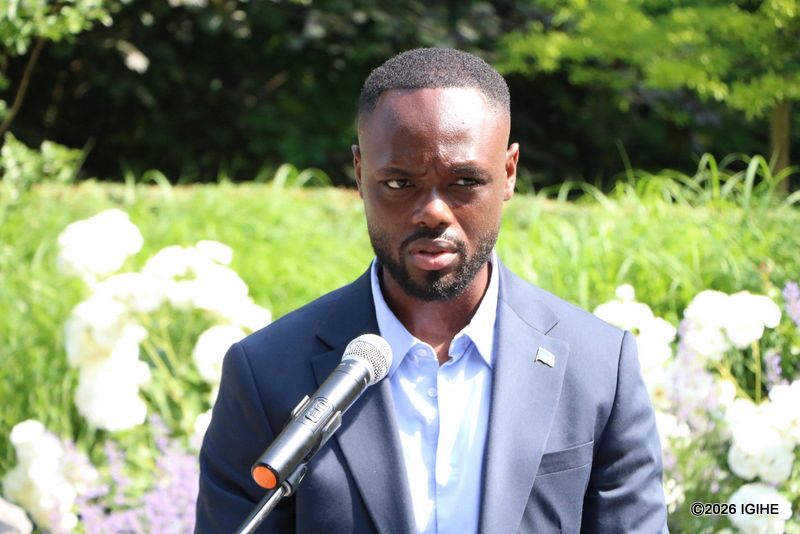
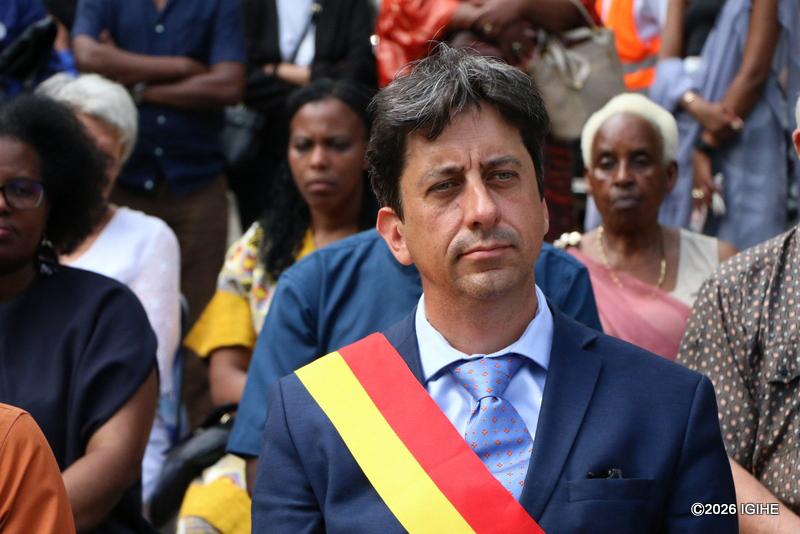
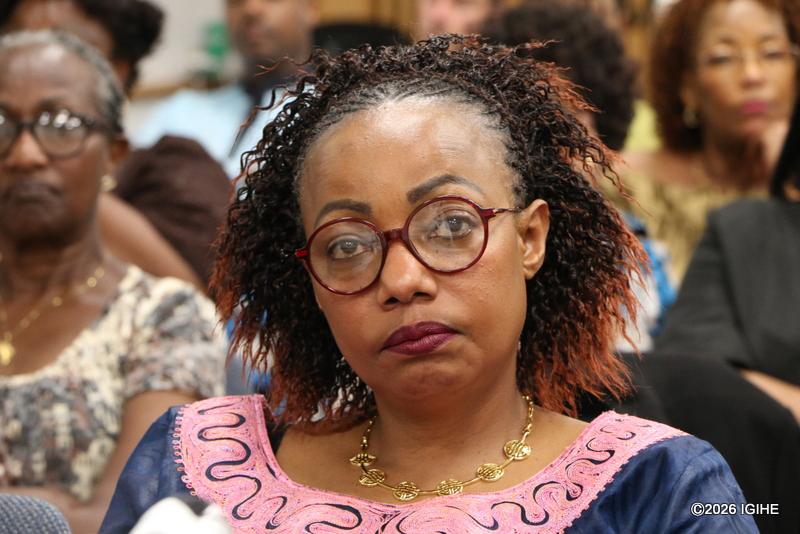
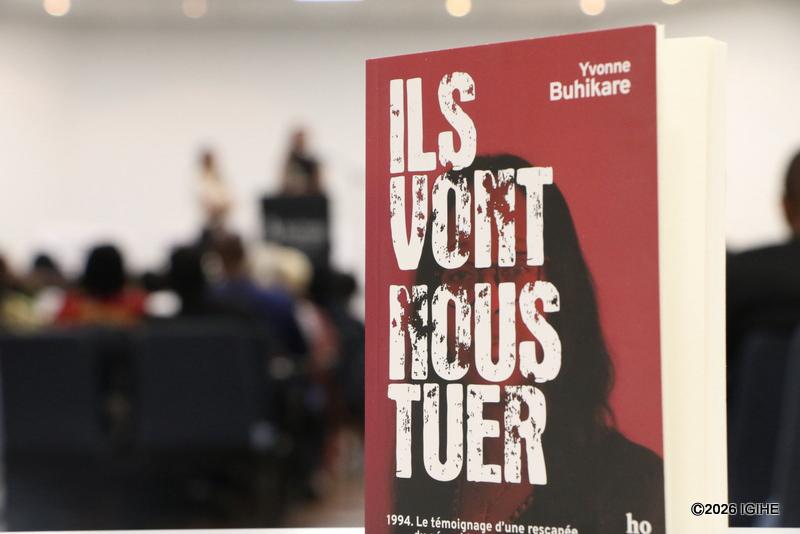
Yvonne Buhikare shared her testimony, which she also documented in a book titled “Ils vont nous tuer” Benjamin Brotcorn, an alderman of the city of Tournai, attended the 32nd commemoration of the victims of the 1994 Genocide against the Tutsi in Rwanda.Gakuba Ernest, President of the Rwandan Diaspora in BelgiumArnold Turagara, President of the Rwandan Diaspora in the cities of Mons and Tournai.
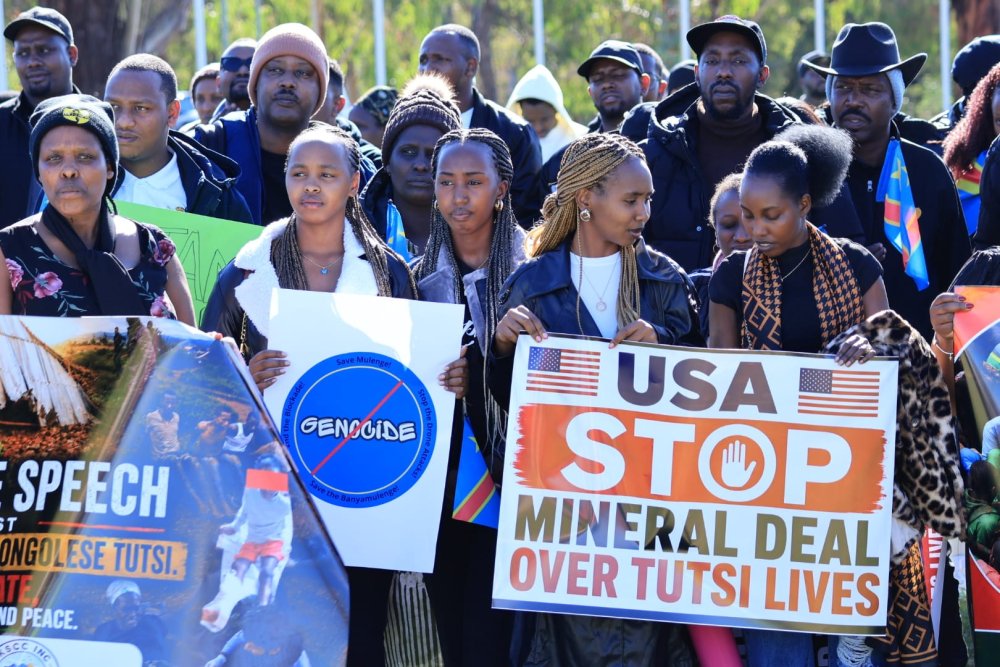
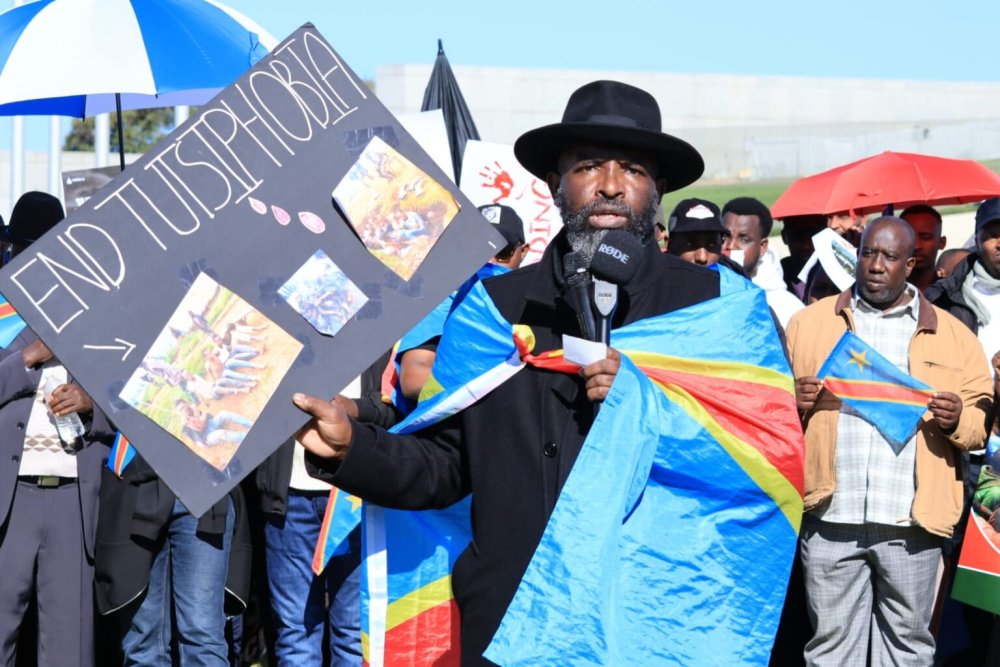
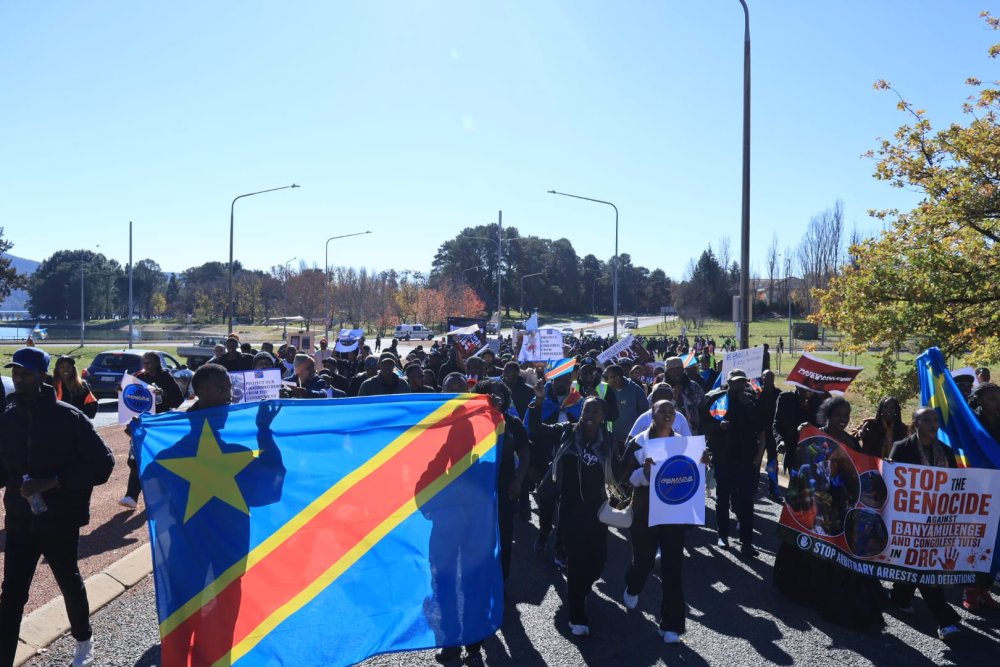
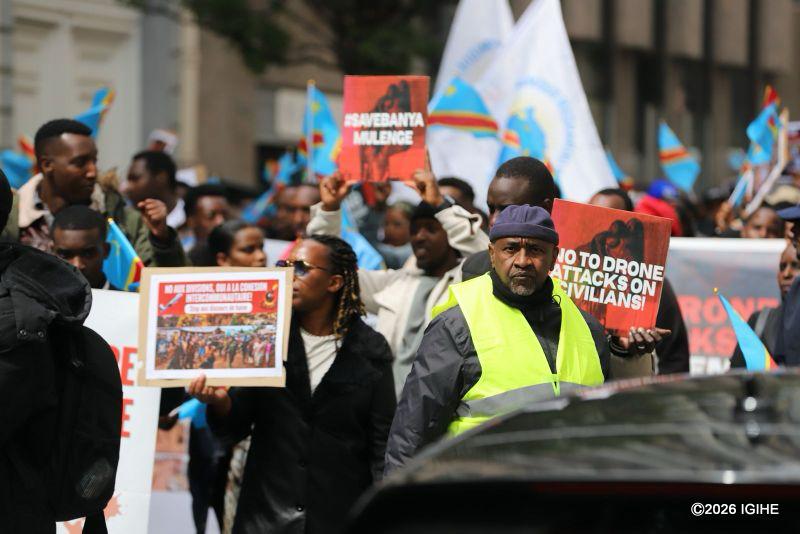
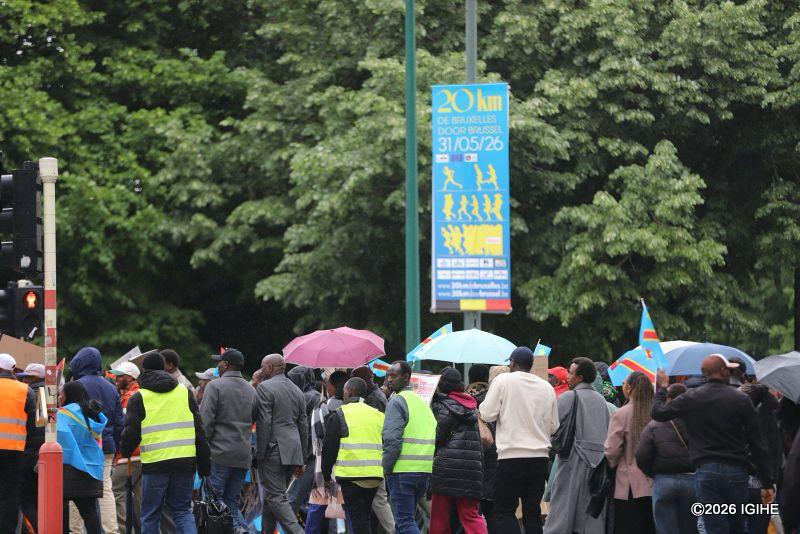
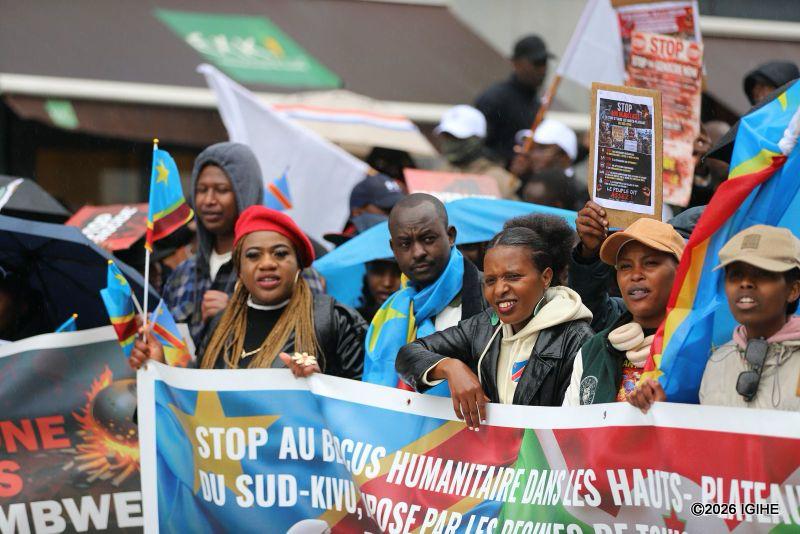
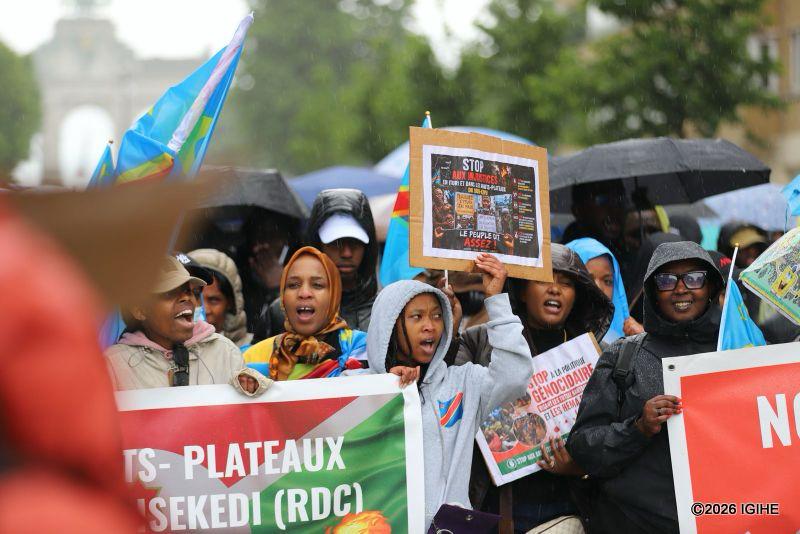
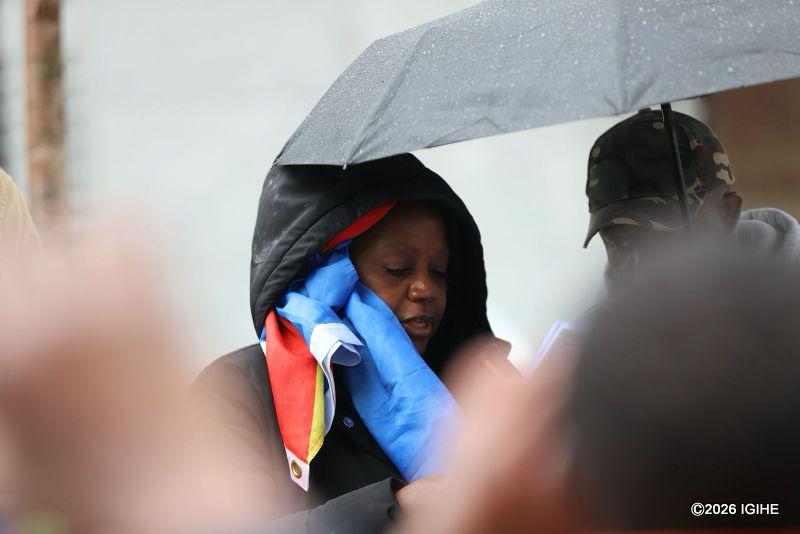
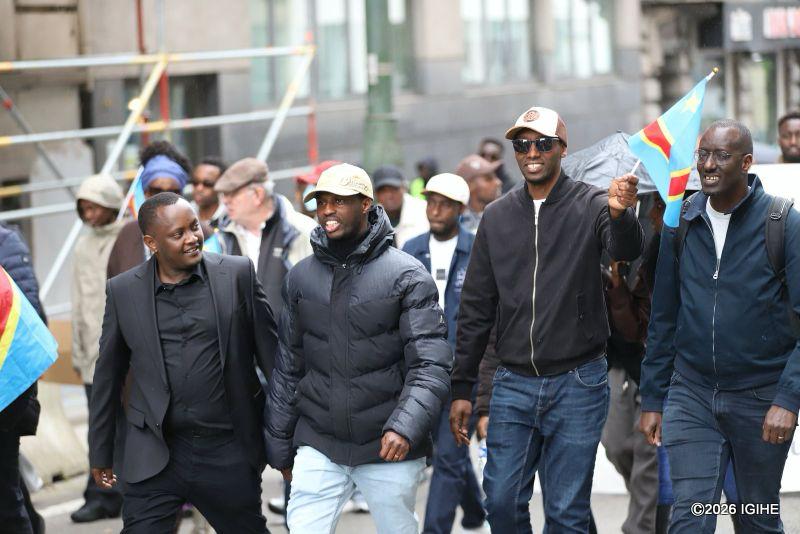
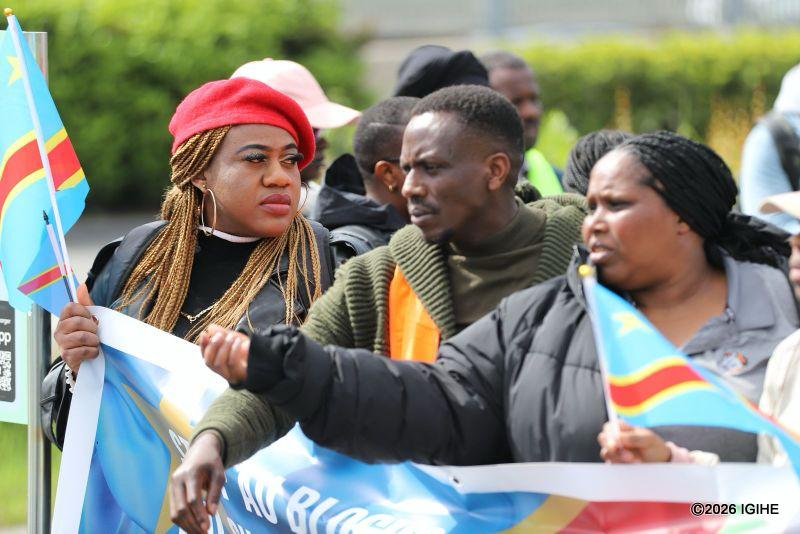
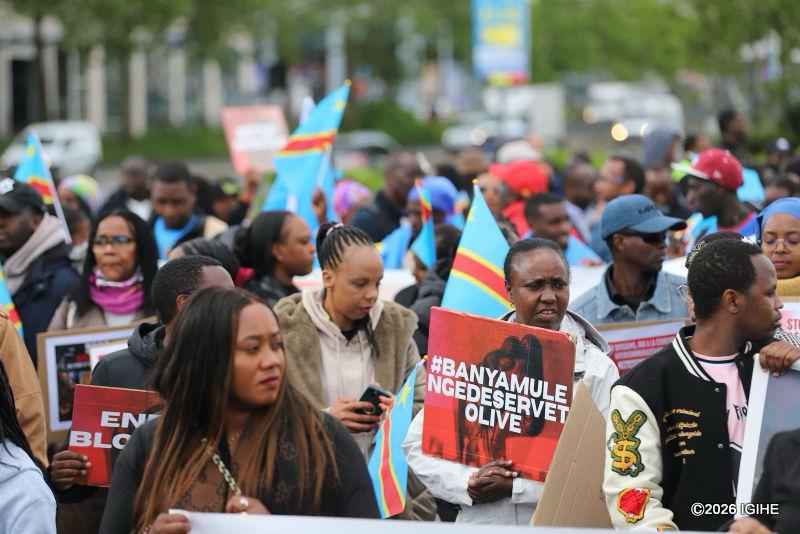
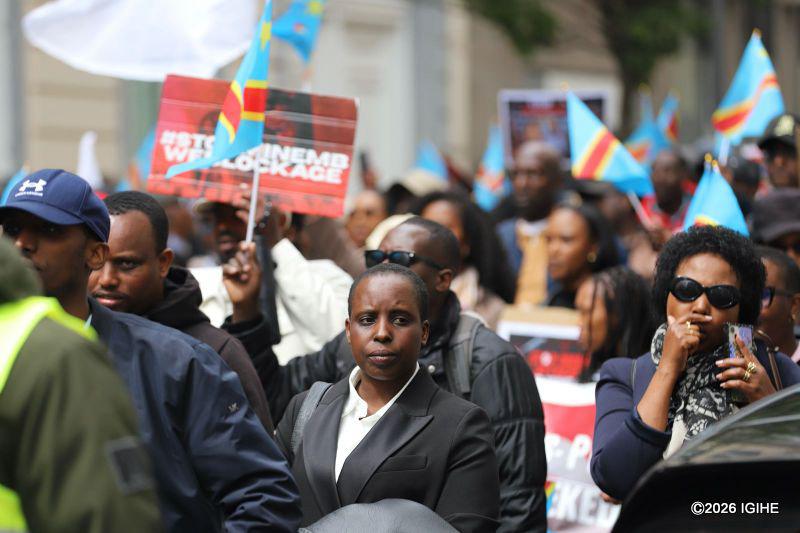
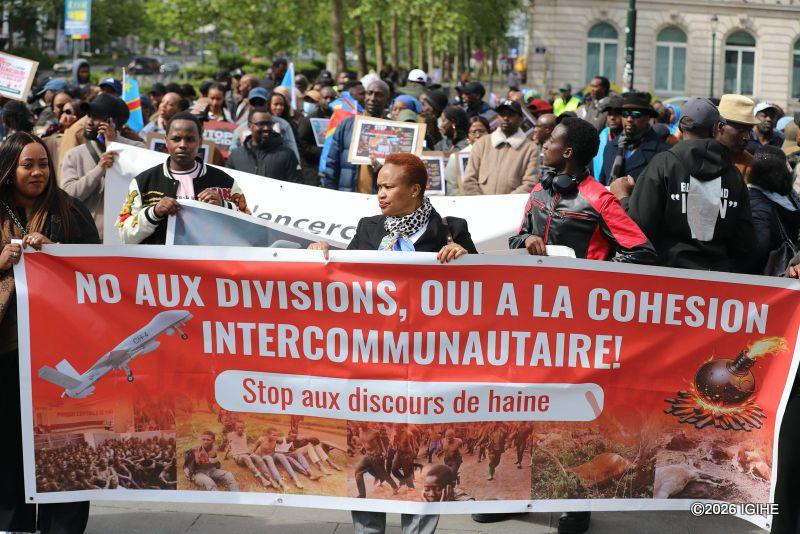
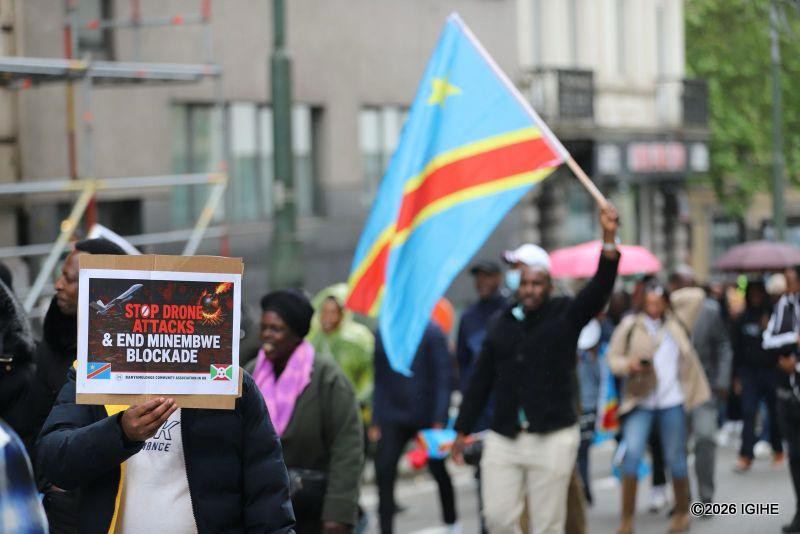
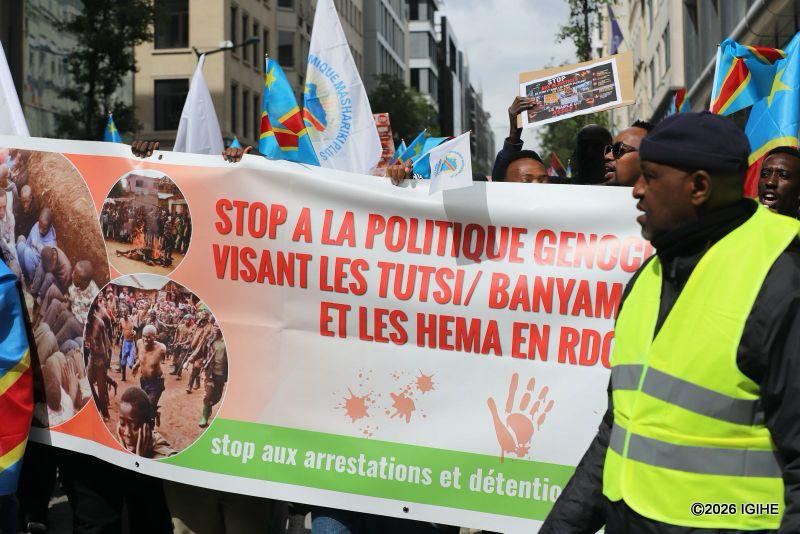
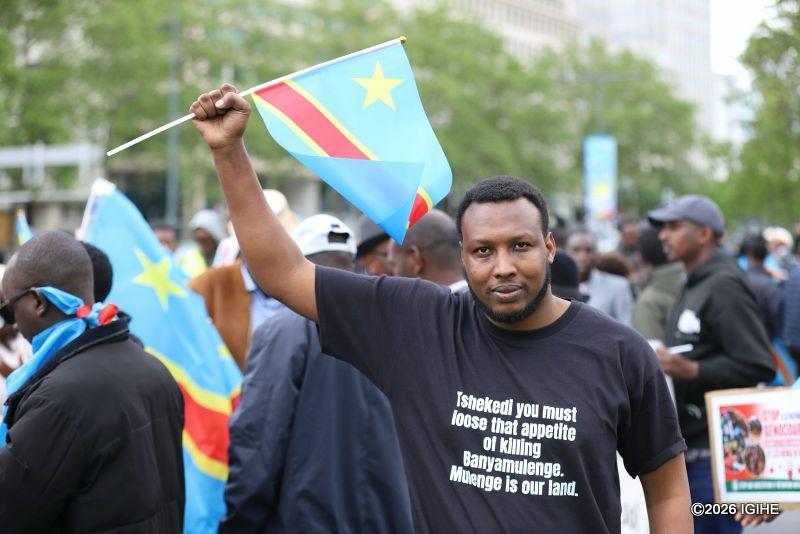
The demonstrators denounced what they described as targeted violence against Banyamulenge and Congolese Tutsis based on their ethnic identity.
They accused several actors, including the Congolese government, Burundian troops operating in eastern DRC, the FDLR terrorist group, Wazalendo militia, and other armed groups, of involvement in the attacks.
The protest also highlighted what participants called growing hate speech, discrimination, and persecution directed at Banyamulenge and Tutsi communities across the DRC.
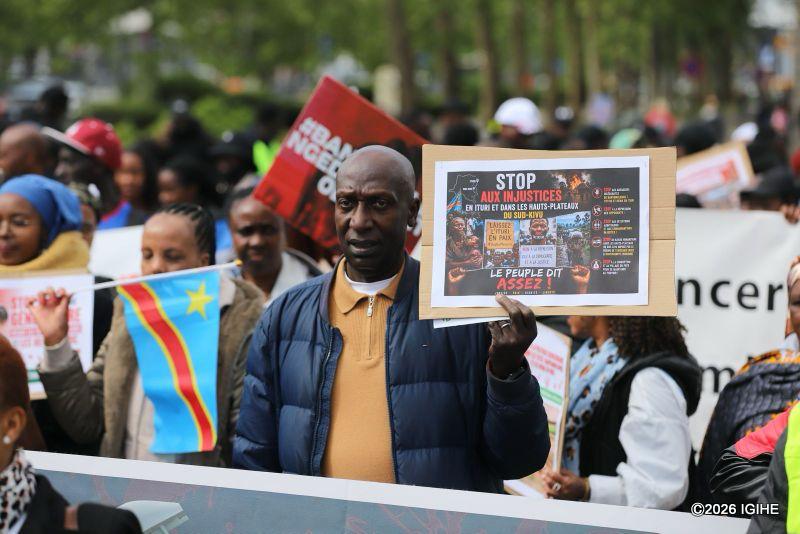
Organizers said the demonstration comes amid continued reports of attacks in South Kivu, including drone strikes, the burning of villages, and restrictions on humanitarian access to Banyamulenge communities living in the highlands of Minembwe.
They argued that these conditions have contributed to the deaths of civilians, including children, the elderly, and other vulnerable groups.
The protest was organized by the Banyamulenge Congolese Community of Australia (BCCA) and the Kinyarwanda Speaking Congolese Community (KSCC).
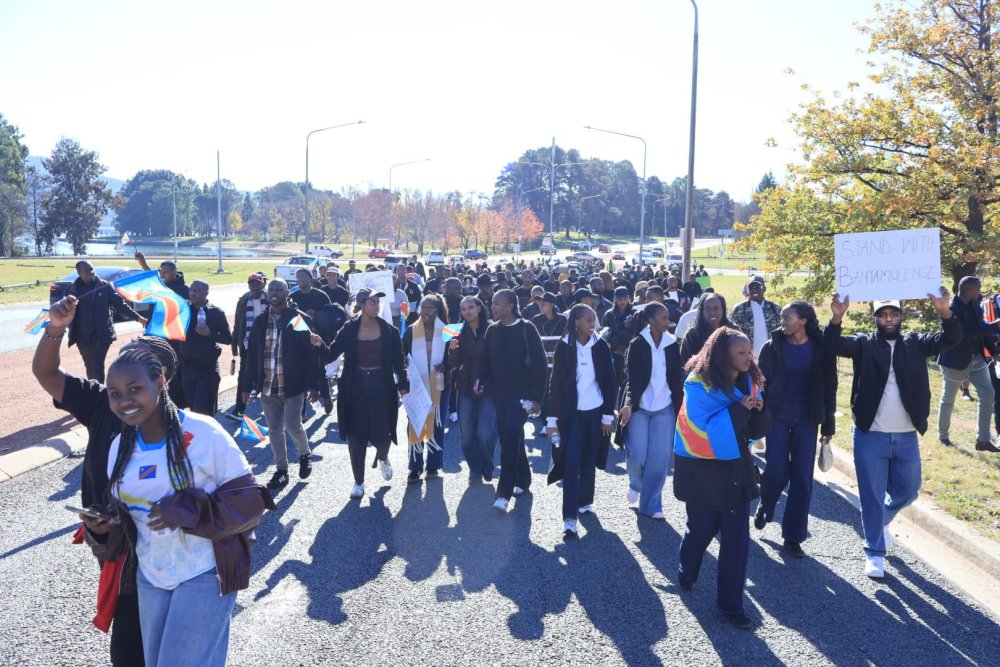
Participants marched through Canberra and delivered written messages to the embassies of the United States and Belgium, calling for greater international attention to the situation in eastern Congo.
Speaking during the protest, BCCA President Birori Zawadi Munyaruhanga said demonstrators were demanding justice, peace, and equal rights for affected communities.
“We are calling for justice, peace, and the right to live like everyone else,” he said, while also appealing for protection from both the Congolese government and the United States.
KSCC President Innocent Amini Yuhi said Canberra was chosen to ensure that the protesters’ message reached policymakers. He noted that similar advocacy efforts were underway among Banyamulenge communities in the United States and Belgium.
The protest follows demonstrations held earlier this year by Banyamulenge communities in Washington, D.C., and Kenya, where participants also called on the international community to intervene and address violence affecting civilians in South Kivu.
Protest organizers argued that lasting peace will require stronger international engagement and the implementation of peace agreements signed between the Congolese government and AFC/M23, which they say have yet to be fully implemented.
Members of the Banyamulenge community in Australia have staged a peaceful protest in Canberra, calling for justice and an end to violence against their communities in eastern DRC.Community leaders addressed protesters during a rally in Canberra, urging stronger international engagement to help restore peace and security in eastern Congo.Protesters march through Canberra on May 29, 2026, raising concerns over killings, discrimination, and insecurity affecting Banyamulenge community in eastern Democratic Republic of Congo.Demonstrators gather in Australia’s capital to raise awareness of attacks, displacement, and humanitarian challenges facing Banyamulenge communities in South Kivu.
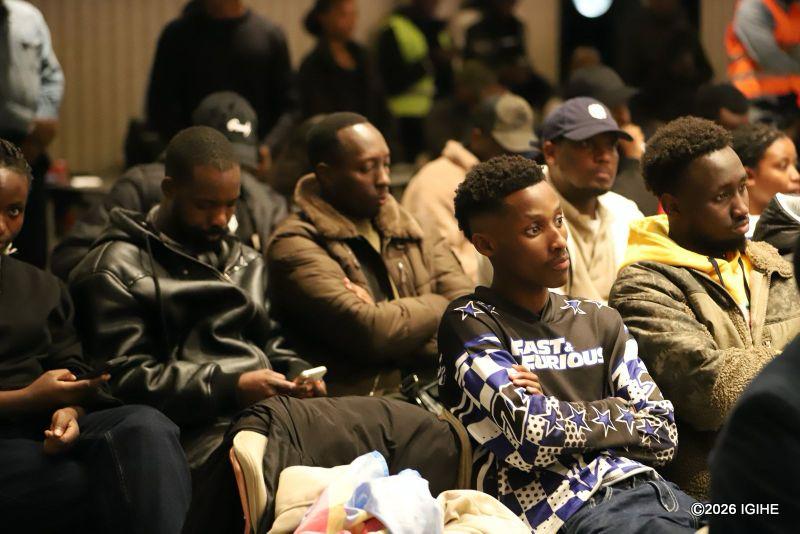
The event took place on Sunday, May 24, 2026, and was organized to engage young people born to former Rwandan refugees in the Republic of Congo, helping them better understand Rwanda’s history, culture, values and traditions.
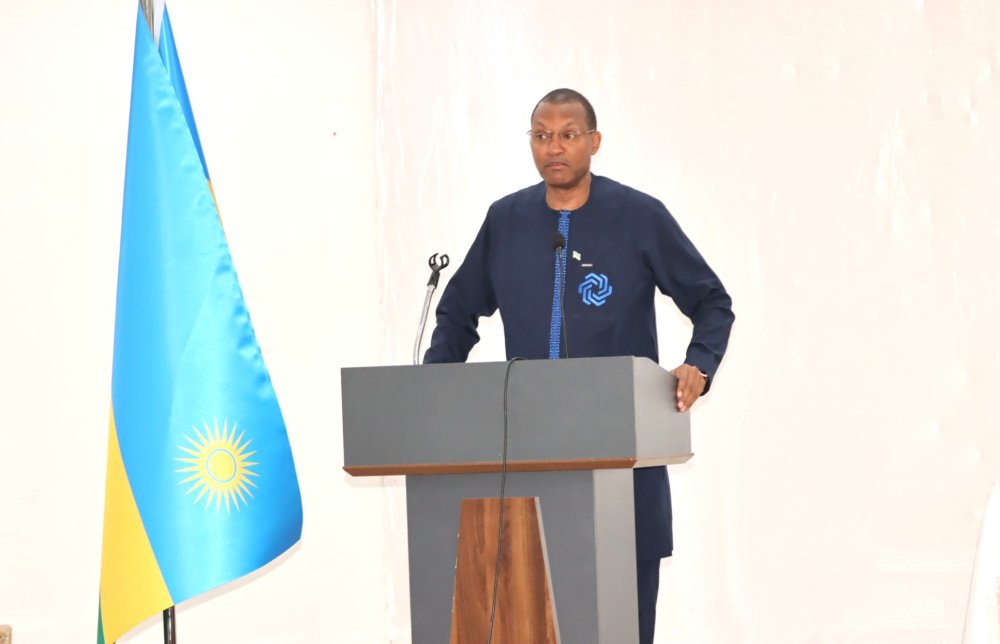
During the discussions, Amb. Busabizwa described young people as the future of Rwanda and highlighted government efforts to empower youth through education, employment and leadership opportunities.
He encouraged them to take part in various youth-focused programs, including Itorero ry’Urungano, Youth Tour and Itorero Indangamirwa.
The ambassador also urged them to participate in activities organized for the youth to help them better understand accurate information about Rwanda, strengthen patriotism and obtain Rwandan identification documents as part of efforts to build a united Rwandan community abroad.
“Young people are the future of Rwanda. You have the right to obtain Rwandan documents. Do not allow those who spread hatred and division to mislead you, because we are one people. We come together to discuss Rwanda and what can contribute to its development. It is important that you understand this and work together to build our shared future,” he said.
He further informed participants about programs planned by the embassy, including Kinyarwanda language lessons, traditional dance and cultural activities, as well as sports initiatives.
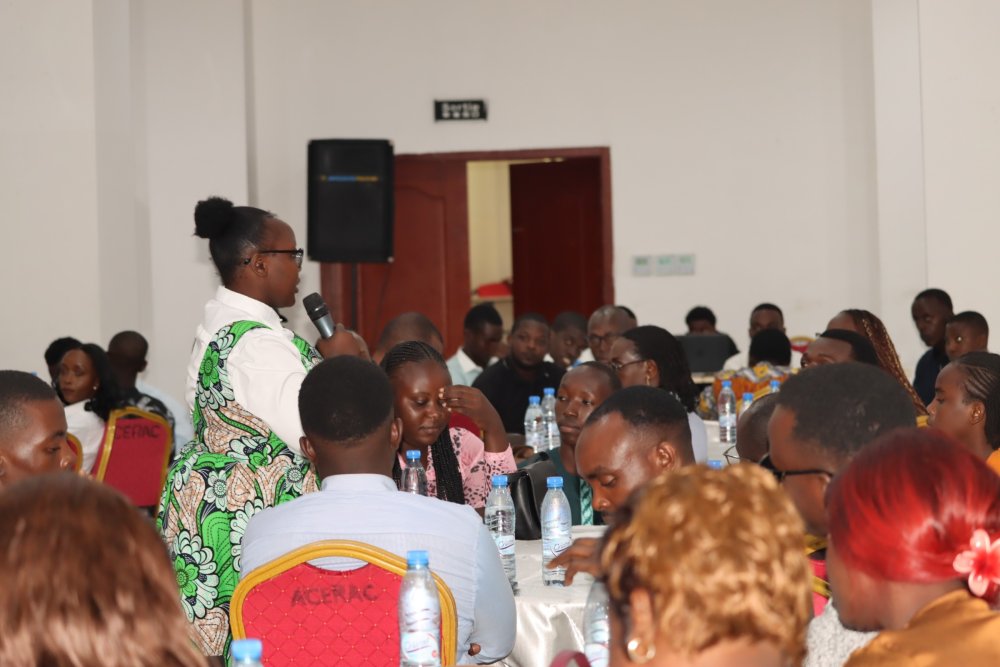
Some of the participants shared testimonies about how such engagements had changed their perceptions and understanding of Rwanda.
They said they had previously received misleading information about Rwanda and its leadership, and encouraged fellow youth to approach the embassy for assistance in obtaining documents and learning more about their country of origin.
They also noted that Rwanda offers many opportunities for young people.
The participants concluded by thanking the Rwandan Embassy for organizing programs that help connect them to their homeland and deepen their understanding of Rwanda’s history, culture and their responsibilities as Rwandan youth living abroad.
Ambassador Busabizwa engaged over 90 Rwandan youth in Congo on patriotism and national identityRwandan youth in Brazzaville have been urged to strengthen patriotism during embassy engagement programEmbassy outreach in Brazzaville seeks to reconnect Rwandan youth with their history and heritage
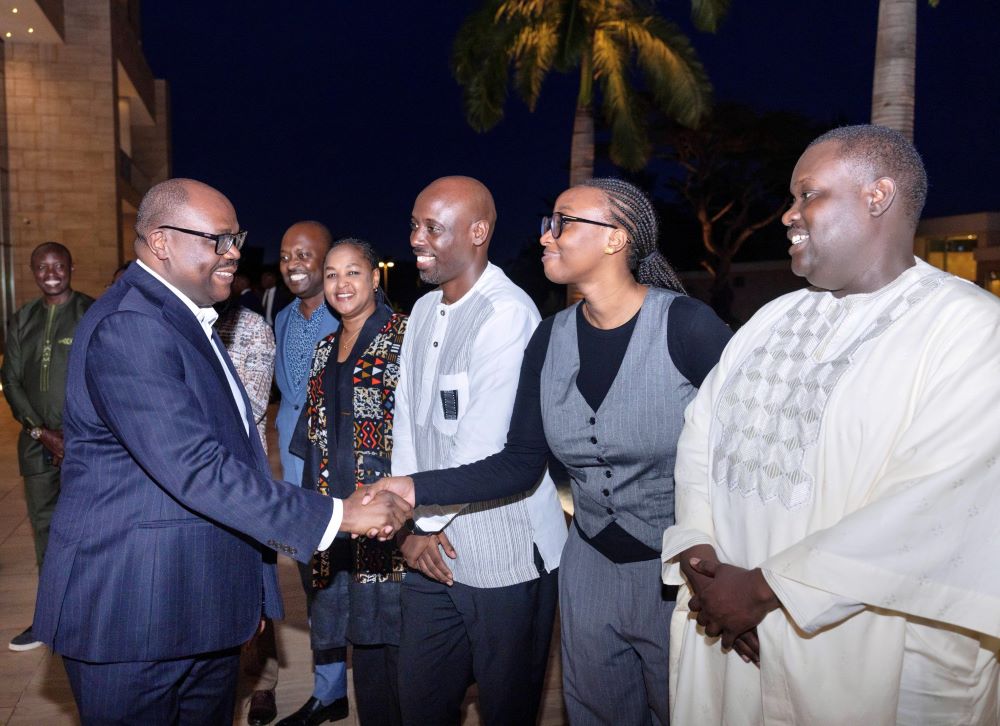
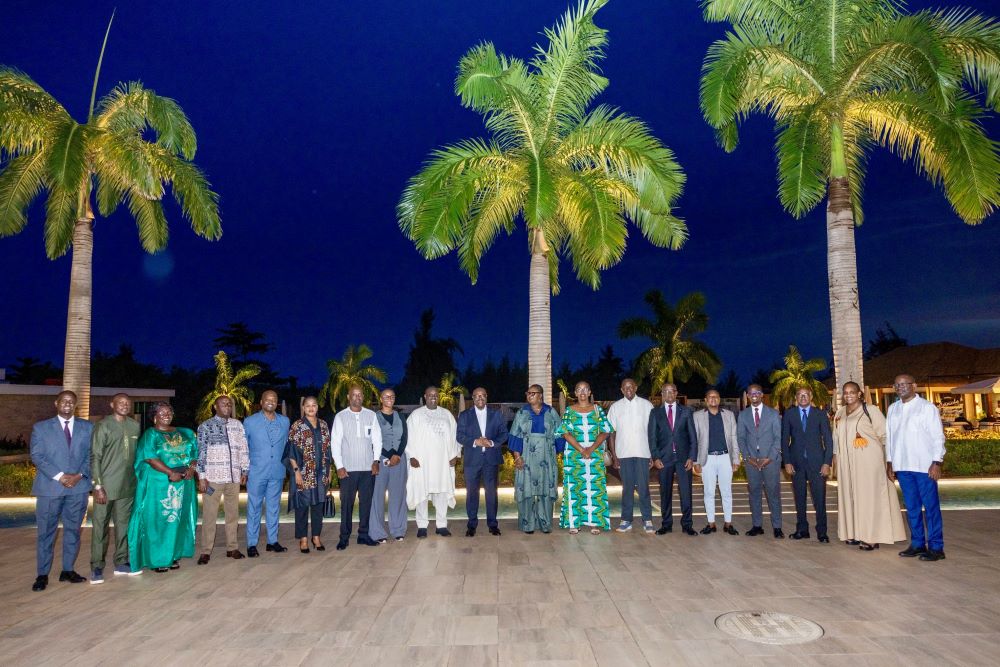
Dr. Nsengiyumva met members of the Rwandan community during his visit to Benin, where he attended the inauguration ceremony of President Romuald Wadagni on Sunday in the city of Cotonou.
As confirmed by Rwanda’s office of the Prime Minister, Dr. Nsengiyumva also commended the community for its contribution to relations between Rwanda and Benin.
The inauguration ceremony of President Romuald Wadagni took place at the Congress Palace in Cotonou and brought together more than 6,000 guests, including former presidents, senior government officials and members of the diplomatic corps.
Wadagni secured victory in the April 12, 2026 presidential election with more than 94% of the vote and officially began his seven-year constitutional term on Sunday.
Before Dorothe Sossa, president of the Constitutional Court, Wadagni pledged to serve and defend Benin, respect the Constitution and promote peace, national unity and the common good.
He also committed to safeguarding the country’s territorial integrity and serving the people faithfully.
Rwanda and Benin maintain cordial bilateral relations, with cooperation spanning sectors such as security, trade promotion and other areas of development.
Dr. Nsengiyumva met members of the Rwandan community during his visit to Benin.Dr. Nsengiyumva also commended the community for its contribution to relations between Rwanda and Benin.
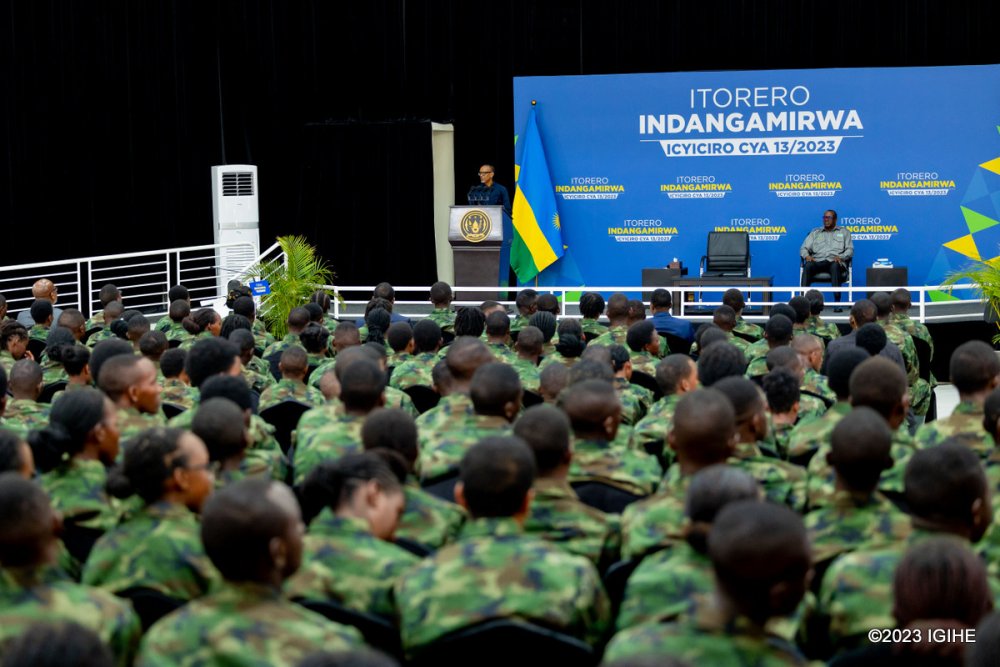
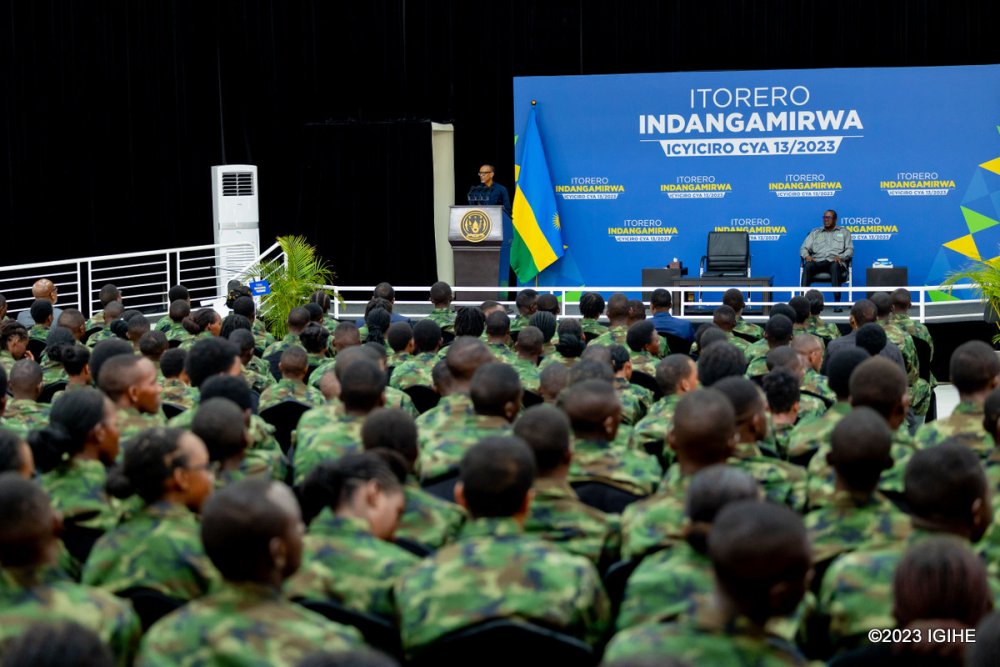
Itorero Indangamirwa is a national civic education and values-formation programme established in 2008. It is designed to promote Rwandan cultural values, national history, and principles of socio-economic transformation, while also introducing participants to basic military skills and leadership training.
The programme targets Rwandan youth aged 18 to 23 years, including members of the Diaspora, students from international schools operating in Rwanda, students in universities and higher learning institutions, and outstanding performers from the 13th cohort of the Non-Residential National Service (Urugerero).
The 16th Cohort will take place from 1 July to 10 August 2026 at CTC Gabiro in Gatsibo District, Eastern Province.
Eligibility at a glance
Applicants must be Rwandan citizens with valid proof of nationality, such as a National ID or passport, and fall within the age range of 18 to 23 years. They are also required to be physically and mentally fit.
In addition, applicants should be able to cover their round-trip transport or airfare costs and must be fully available to participate for the entire duration of the programme.
Authorities emphasise that full participation is required for the entire training period, and partial attendance will not be accepted.
Applications are submitted online via the registration link: https://t.co/bCqv973BR9
Itorero Indangamirwa is a national civic education and values-formation programme established in 2008.
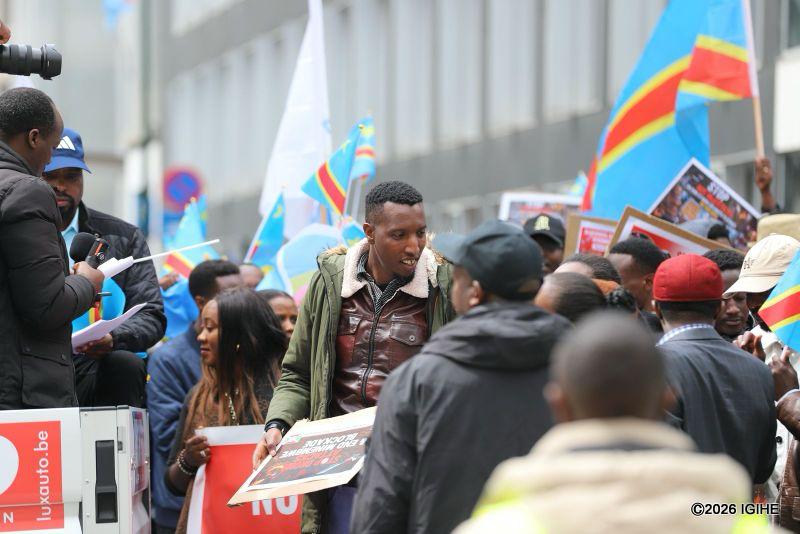
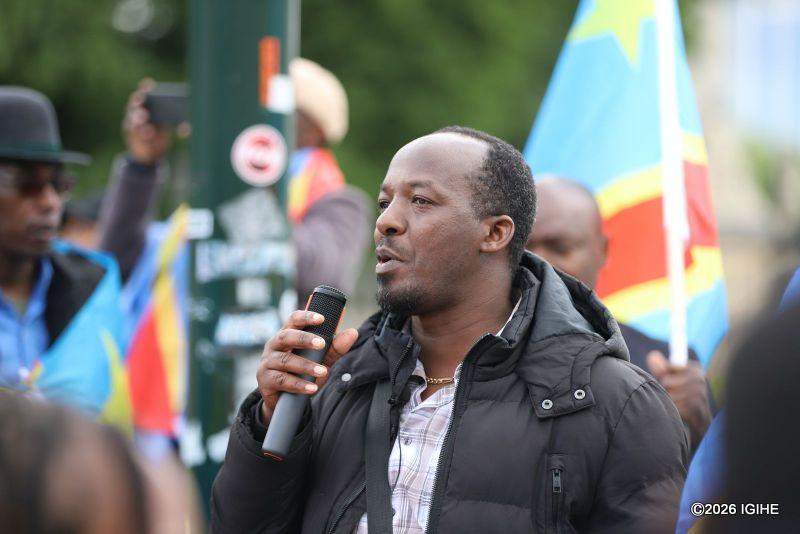
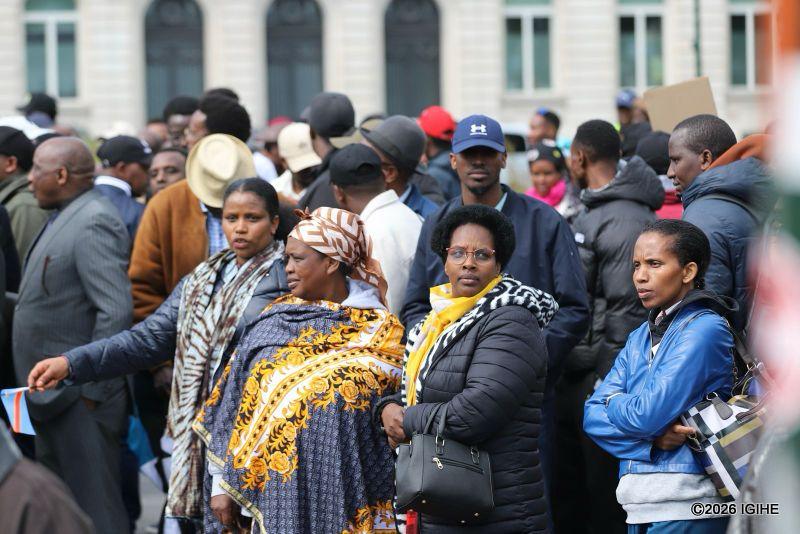
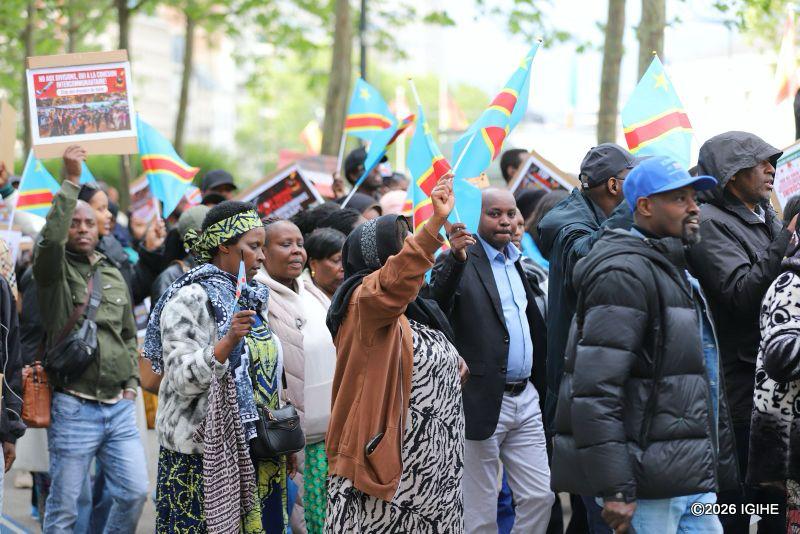
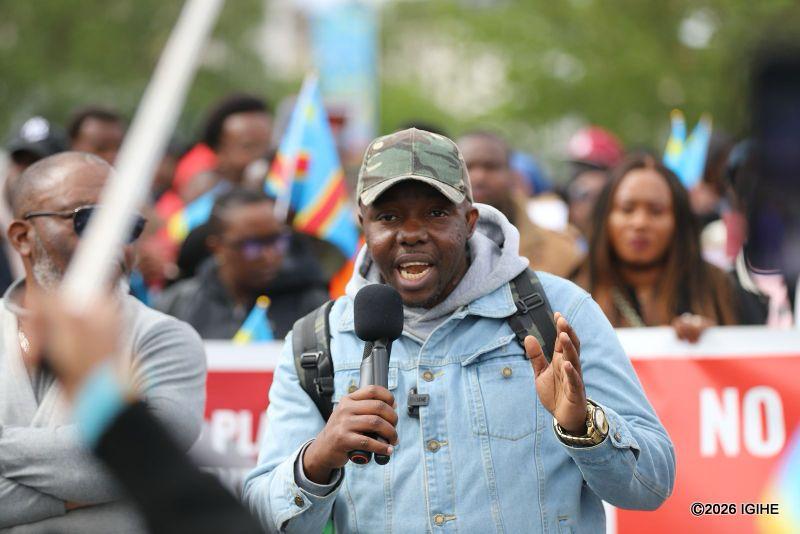
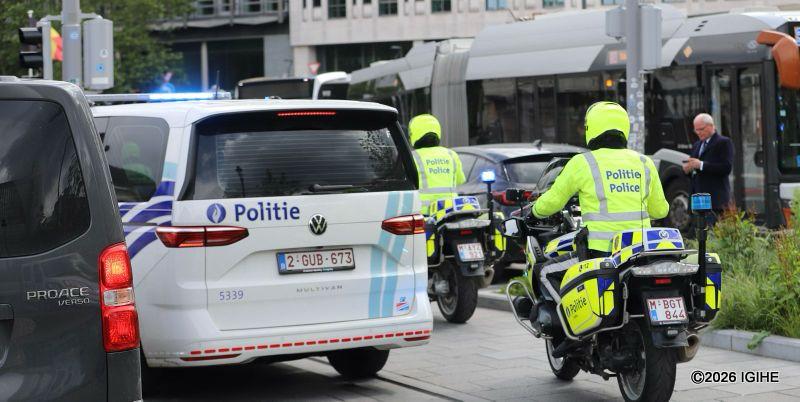
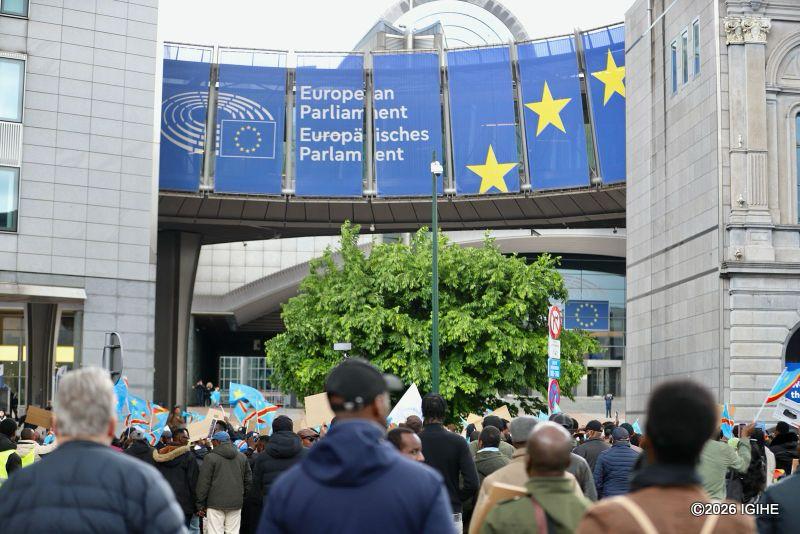
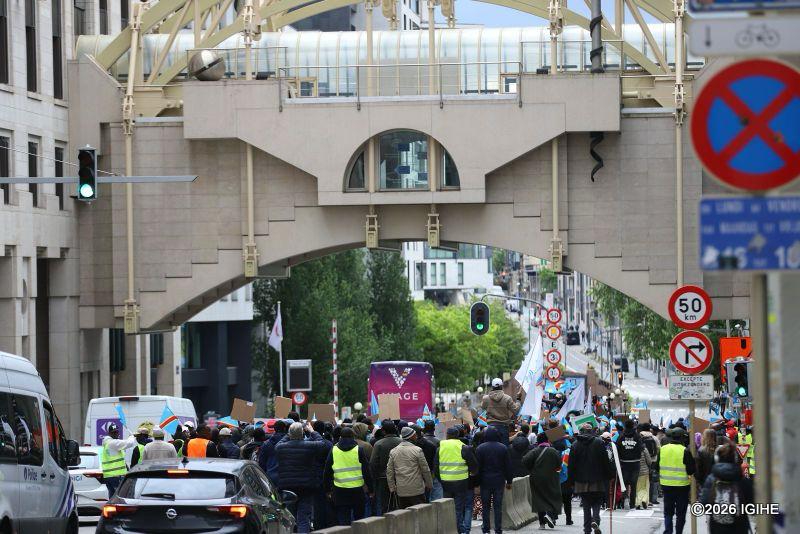
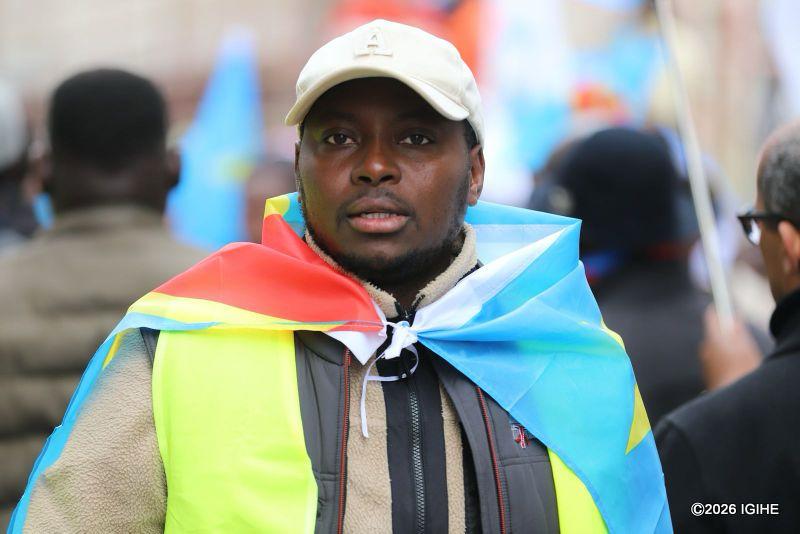
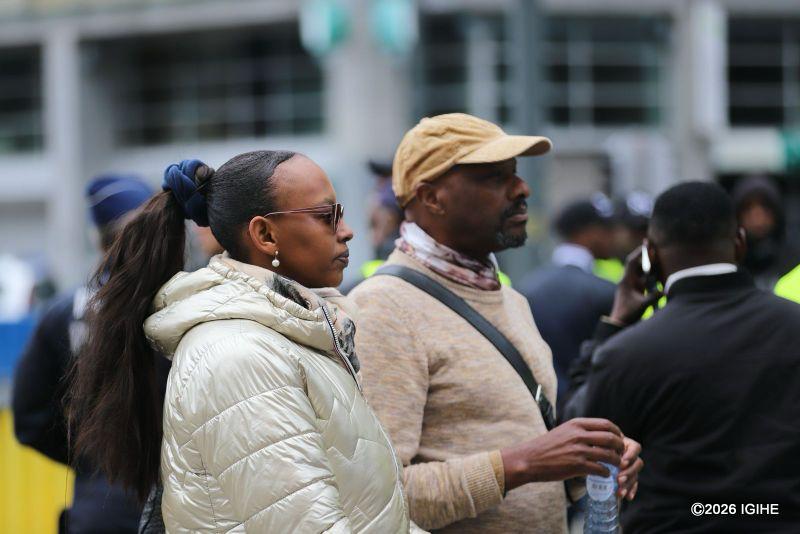
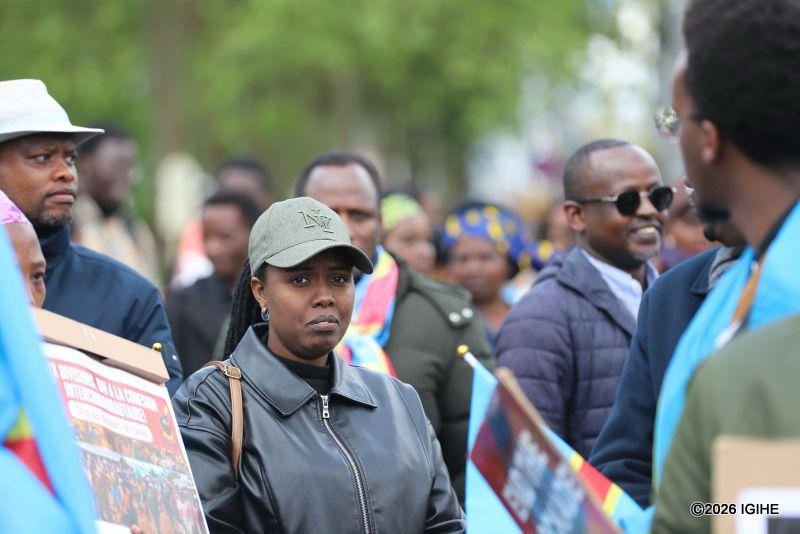
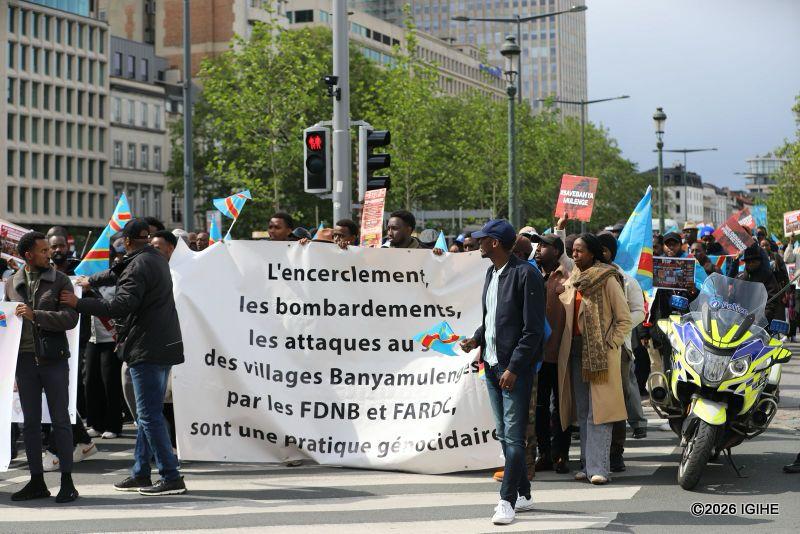
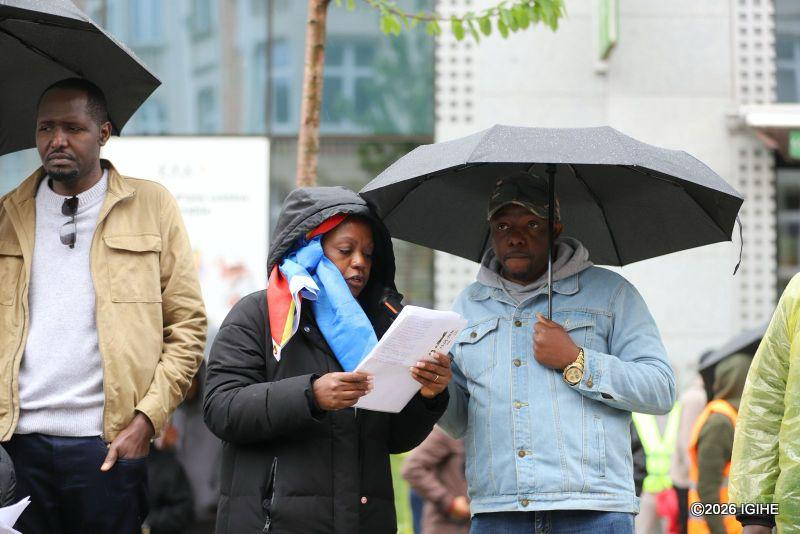
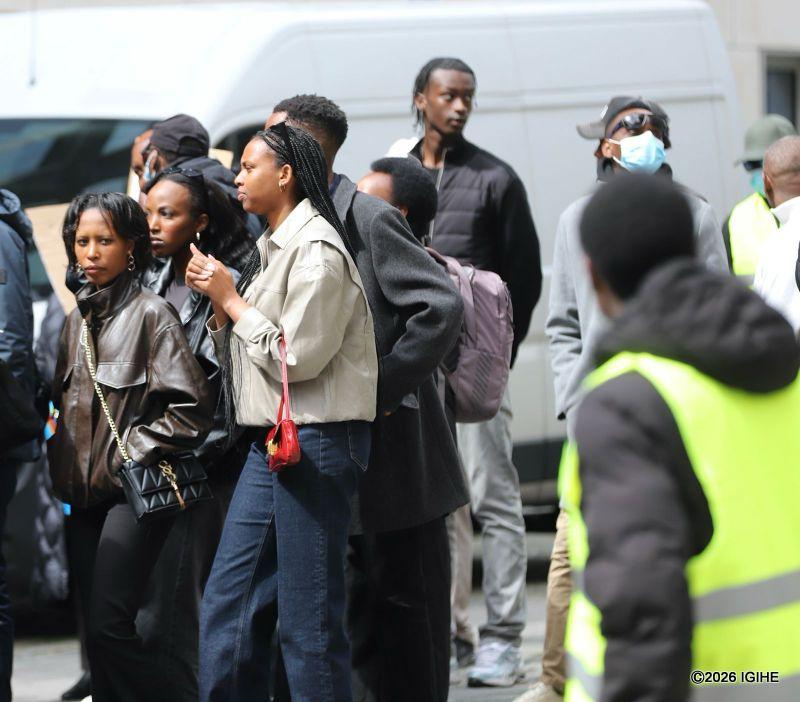
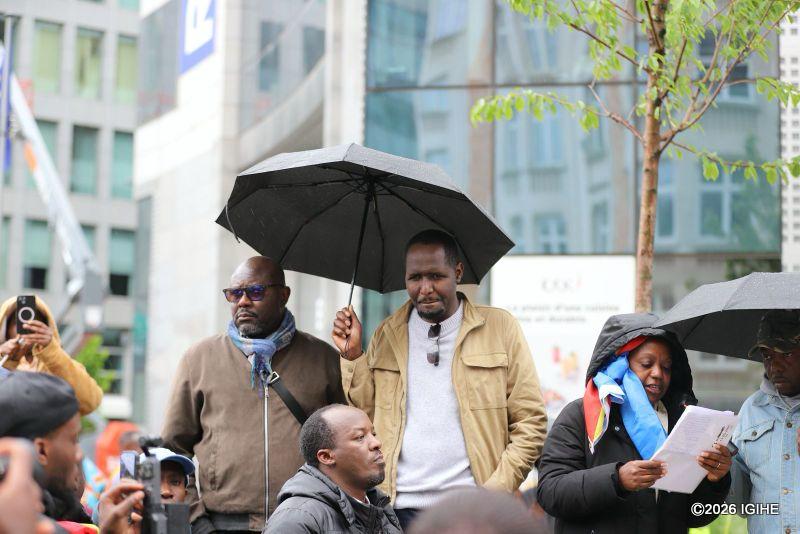
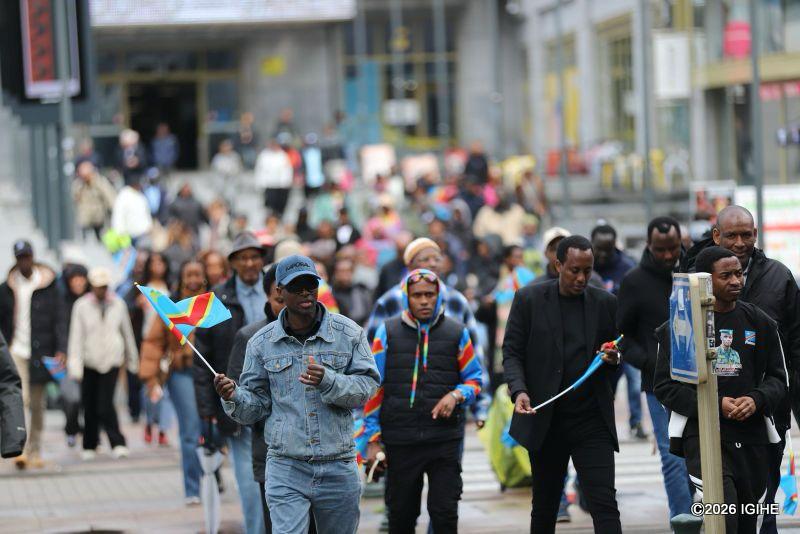
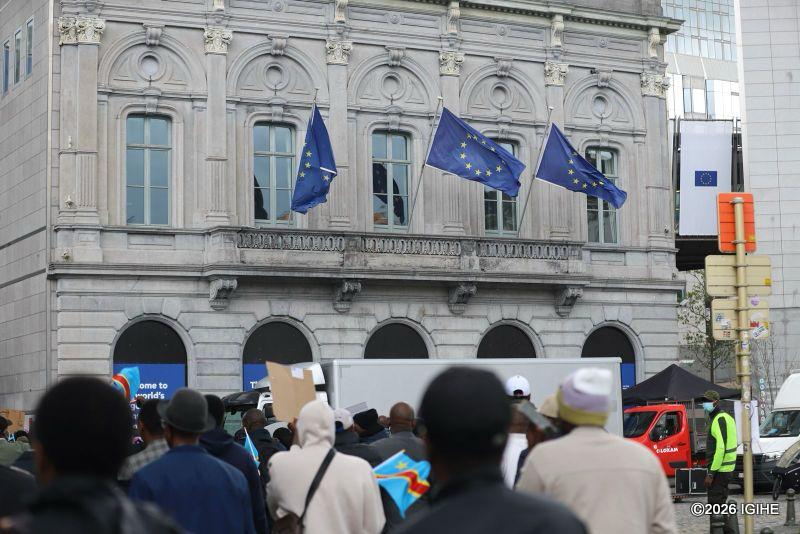
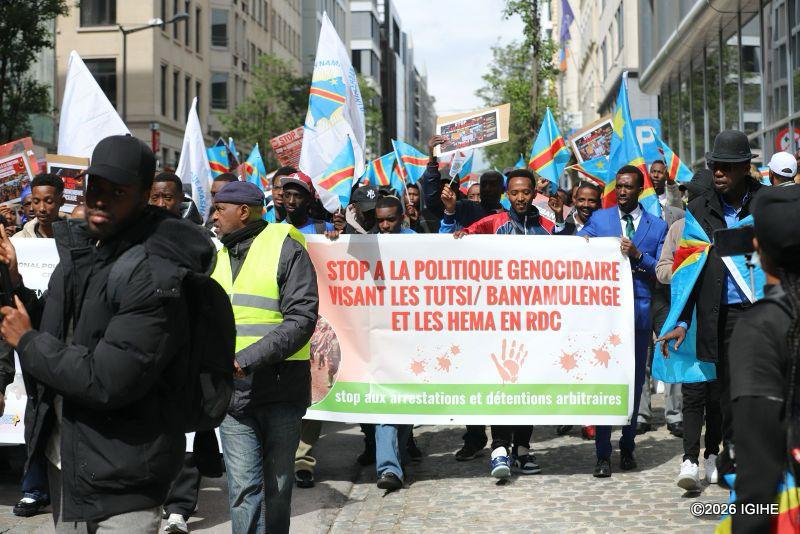
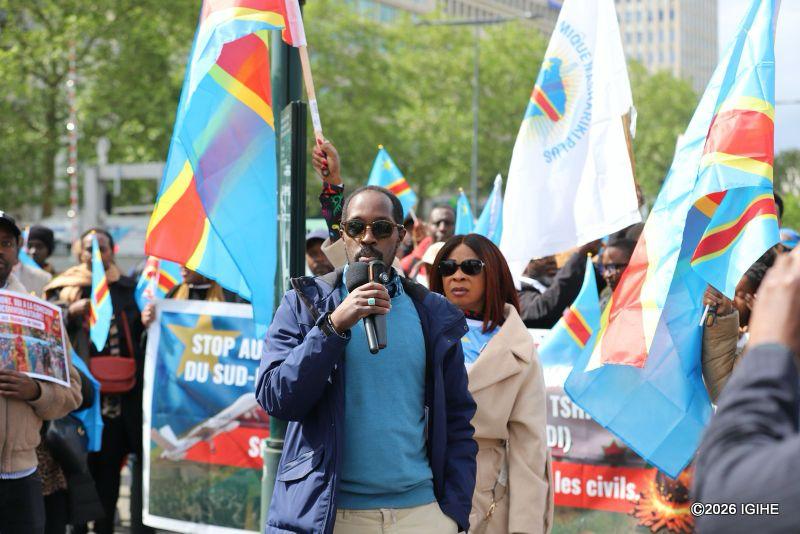
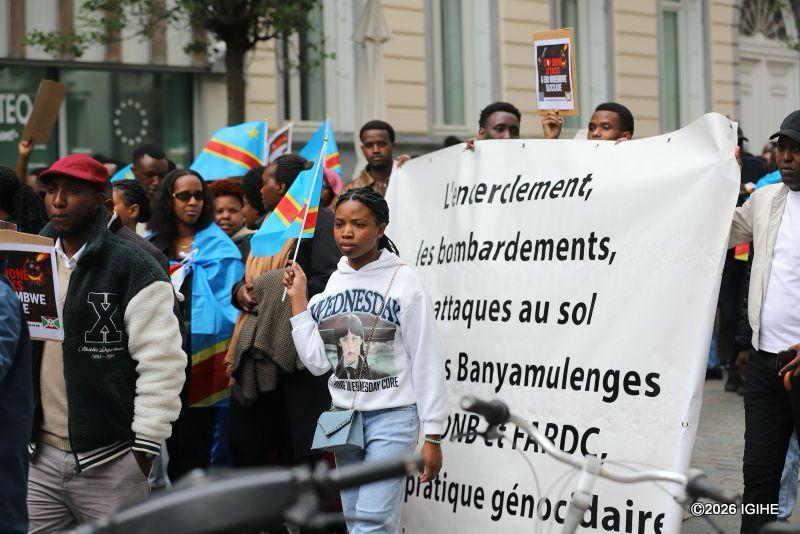
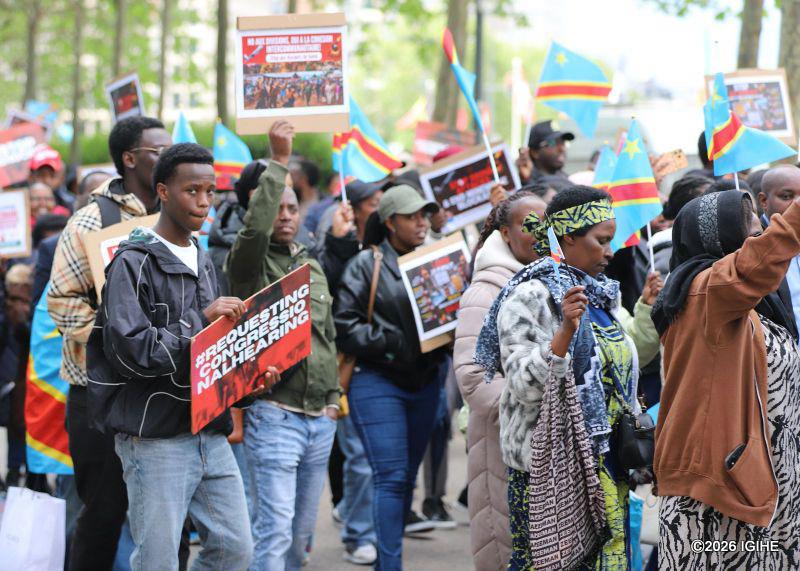
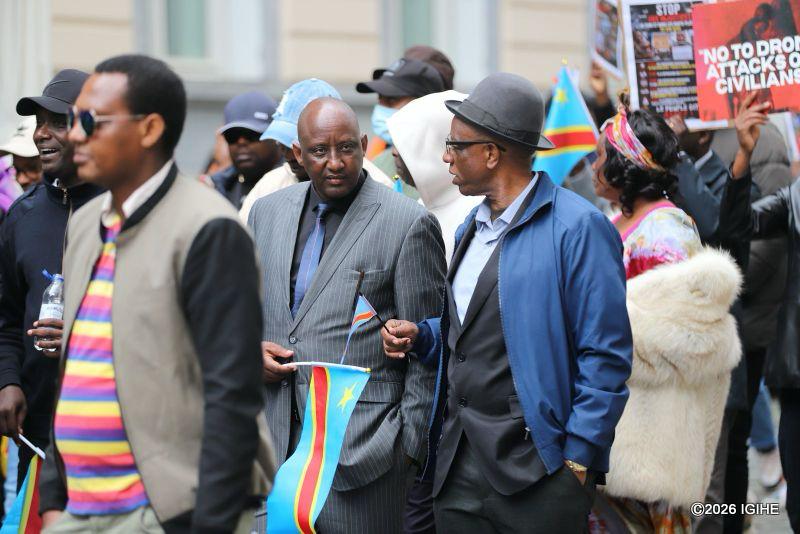
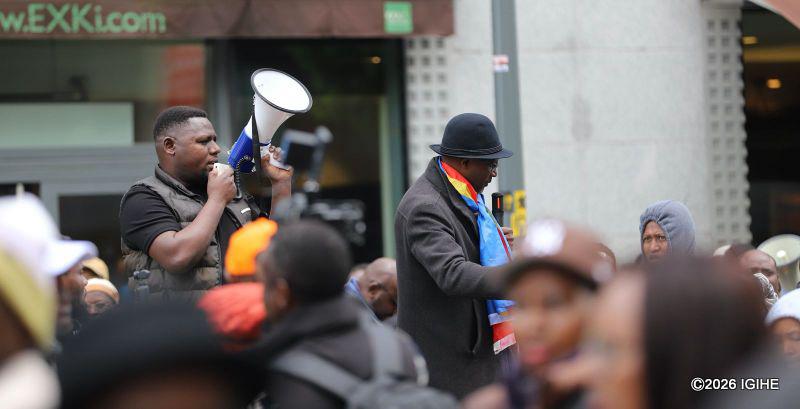
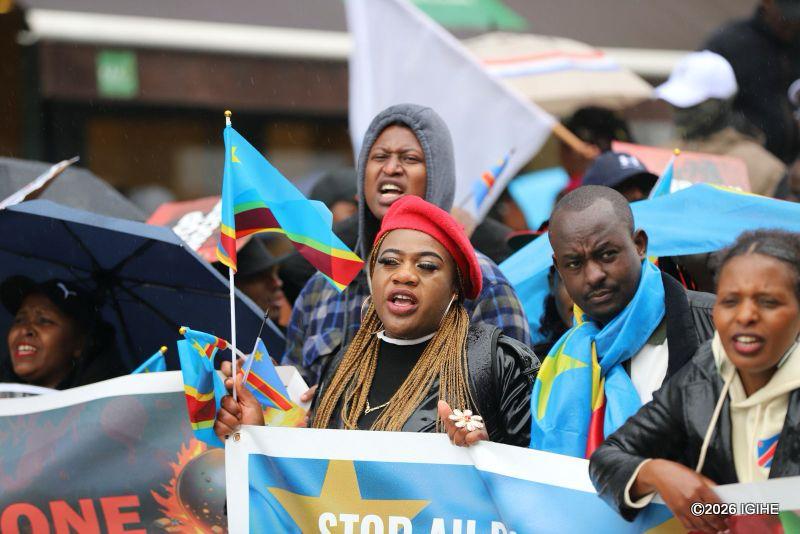
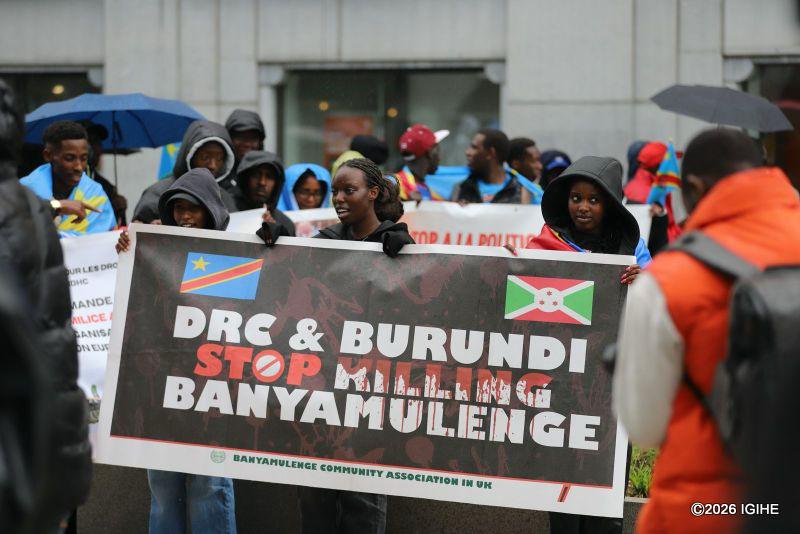
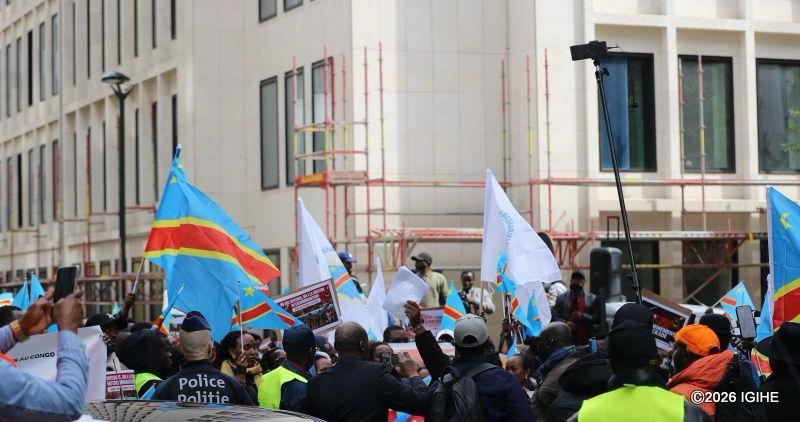
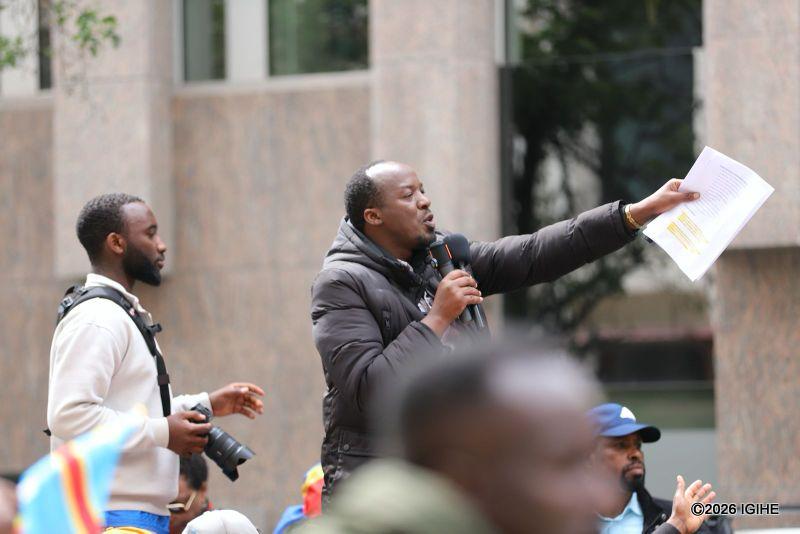
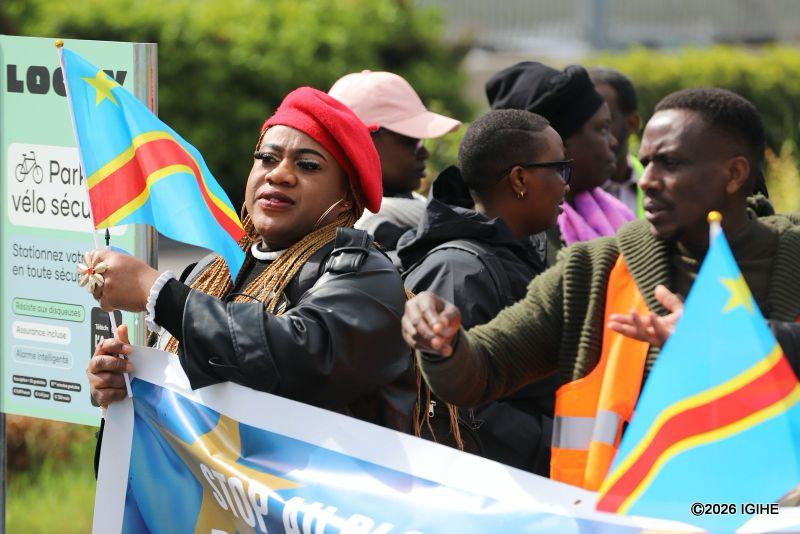
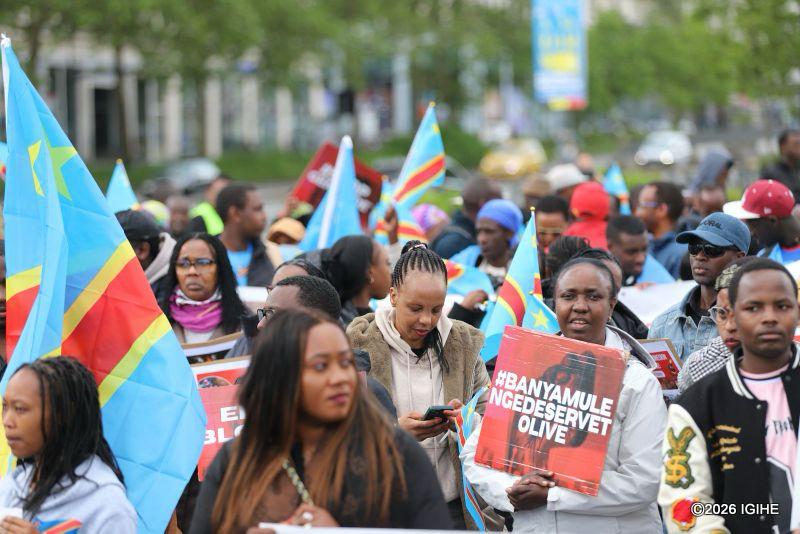
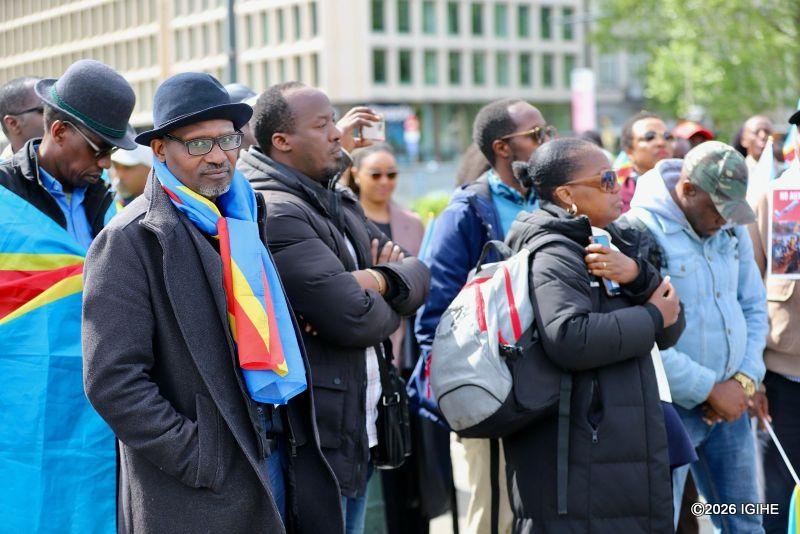
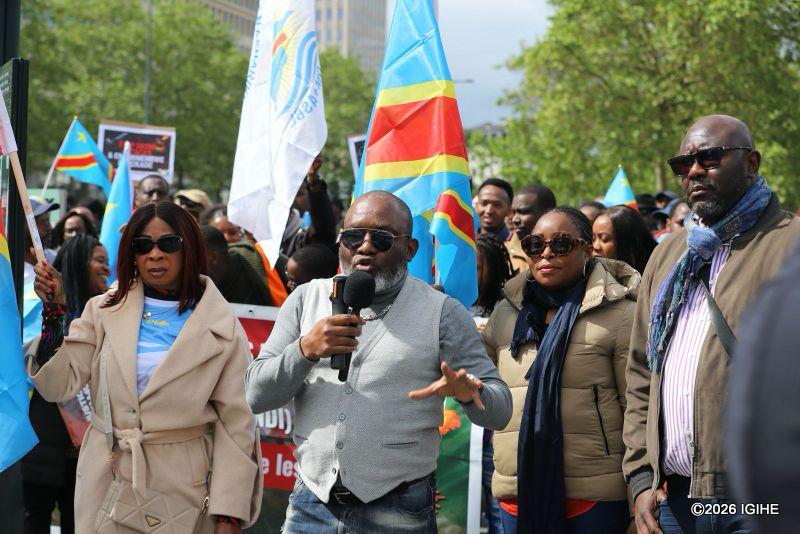
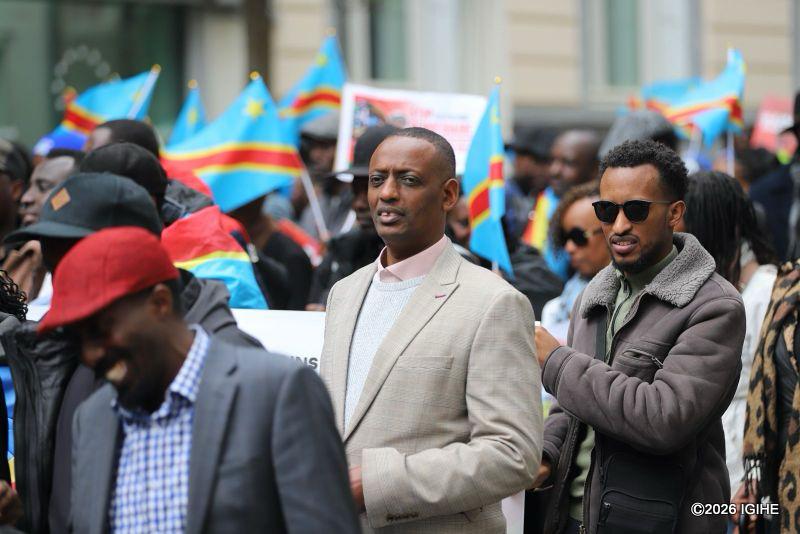
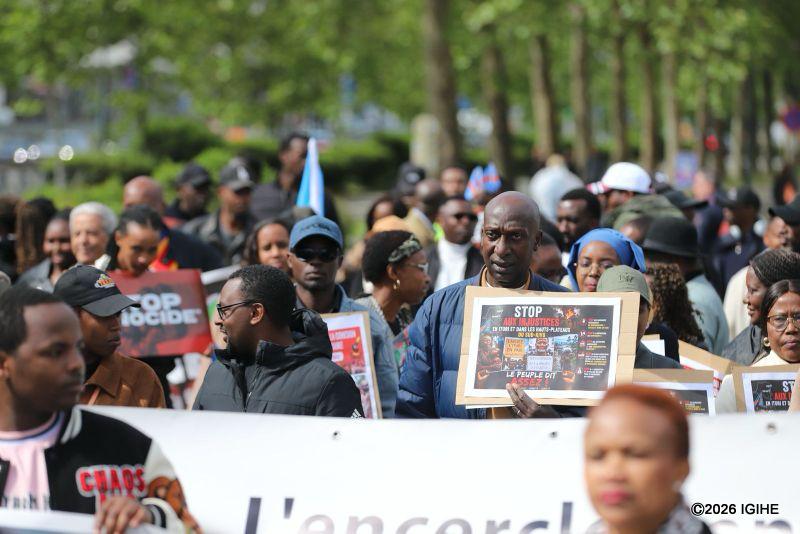
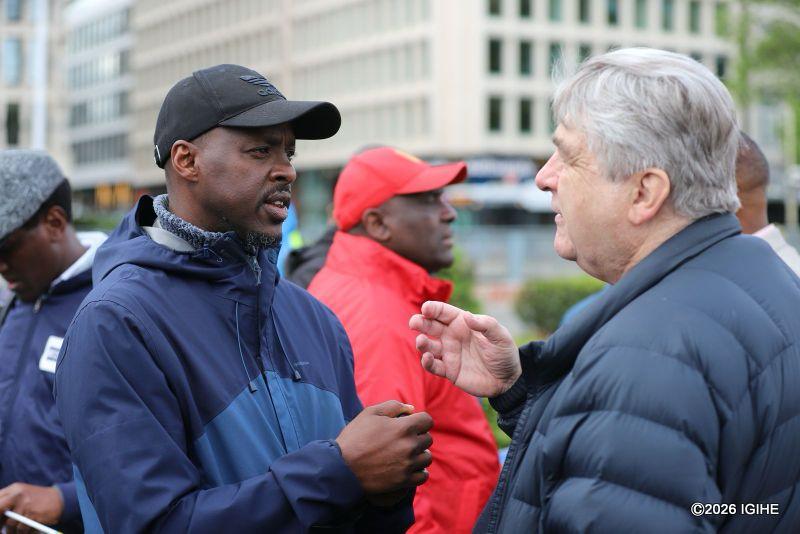
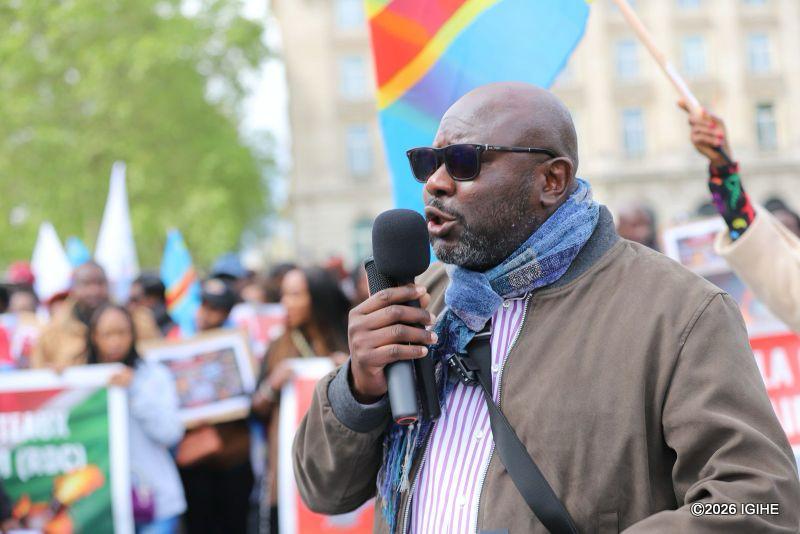
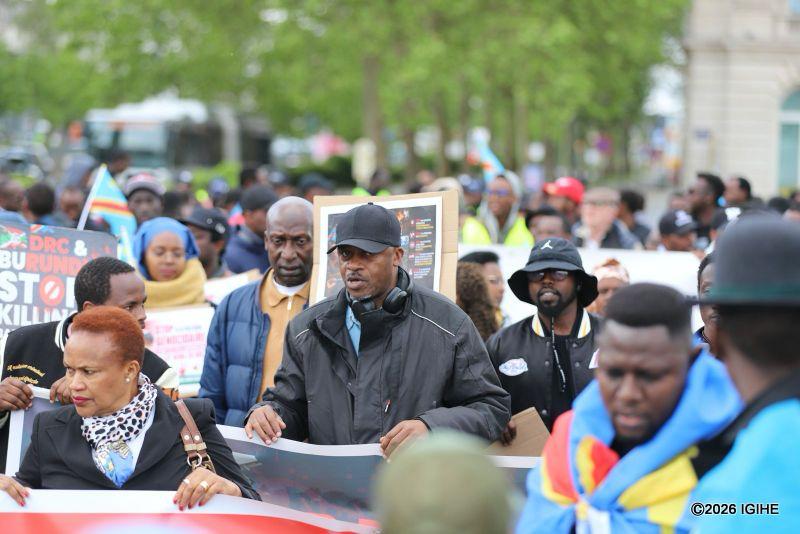
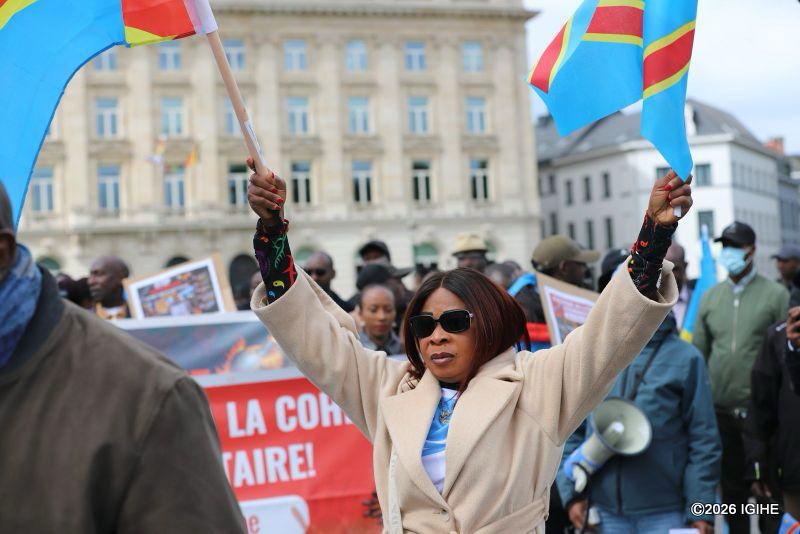
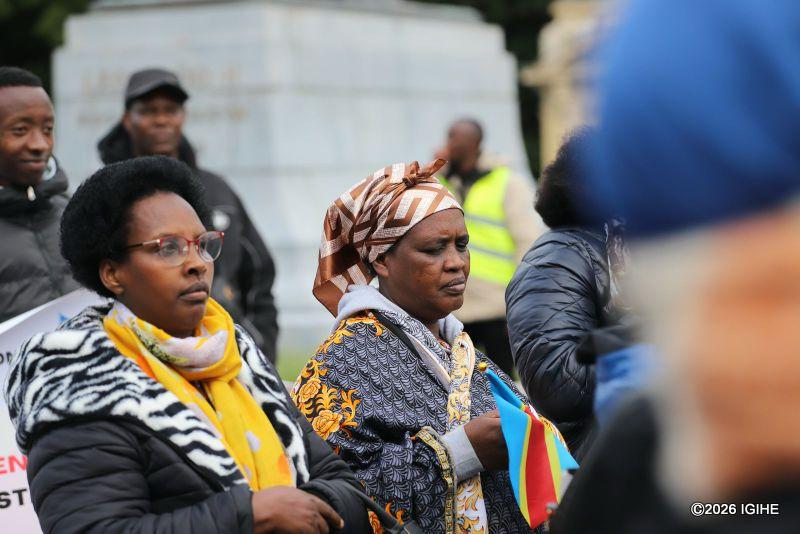
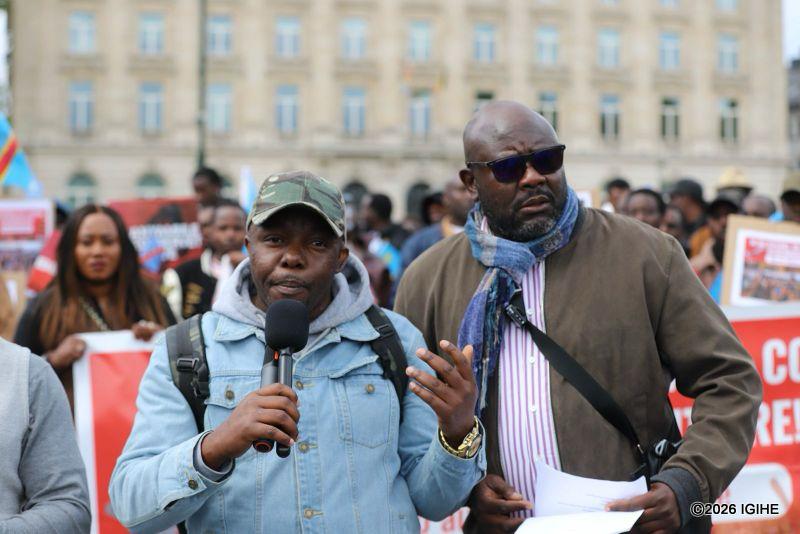
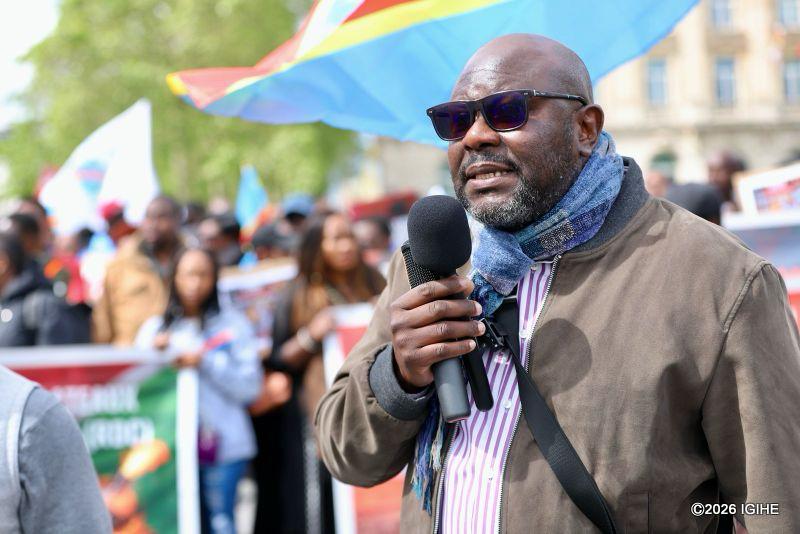
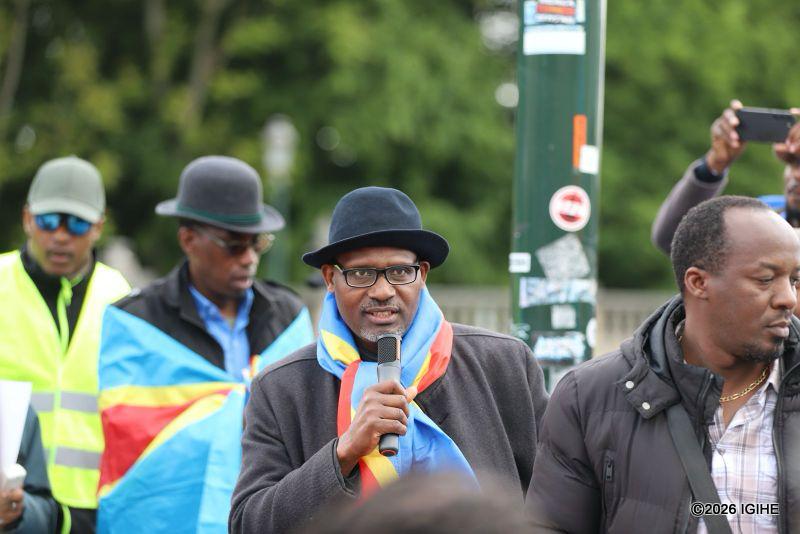
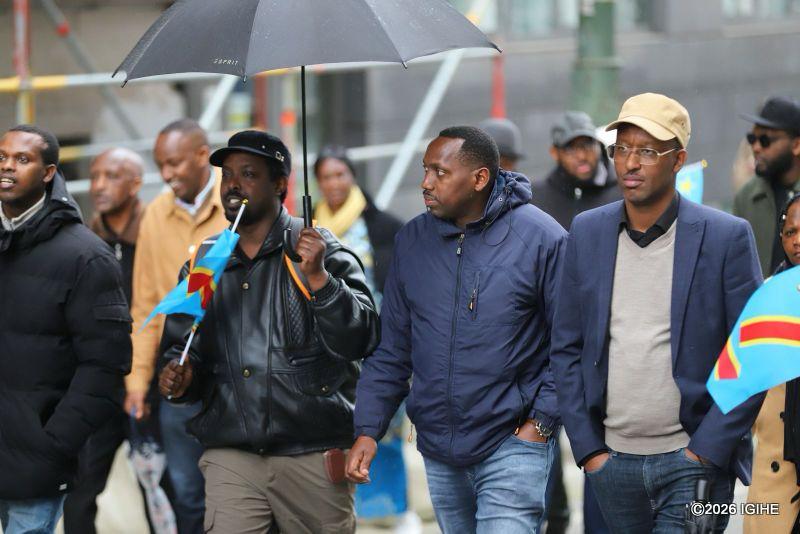
During the protest, speakers called attention to the ongoing security and humanitarian crisis in eastern Democratic Republic of Congo, urging stronger international engagement. Among them was Pitou Chomongo, president of Diaspora Plurielle and member of the International Social Body for Human Rights in Congo, who criticised what he described as the “silence and inaction” of the international community.
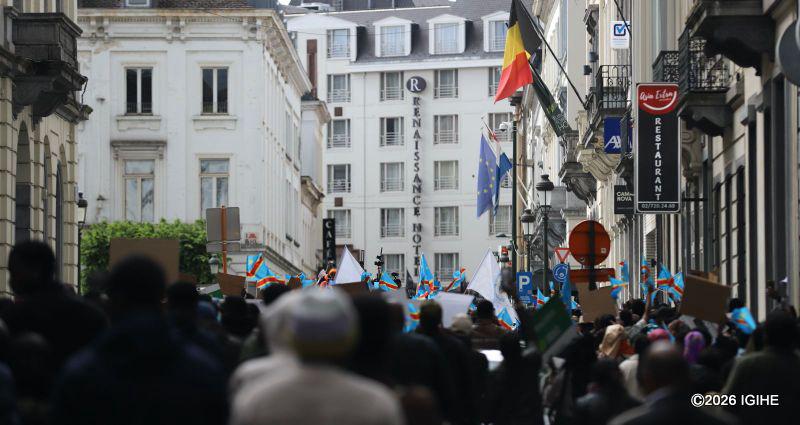
According to him, the choice of Brussels carries strong symbolic significance. The Belgian capital hosts the institutions of the European Union, representations of the United Nations in Europe, as well as NATO headquarters.
“We came here to Brussels to denounce the silence and inaction of the European Union, the United Nations, and NATO in the face of the dramatic situation our country is going through,” Pitou Chomongo told demonstrators.
The speaker believes that these major international powers play a significant role in political and diplomatic decisions affecting Africa as well as international institutions. For him, Brussels therefore represents a strategic place where the Congolese diaspora can make its voice heard.
Following the demonstration, a conference and discussion session was also scheduled to further address the humanitarian and security situation in the eastern provinces of the DRC, particularly in North Kivu, Ituri, and parts of Katanga.
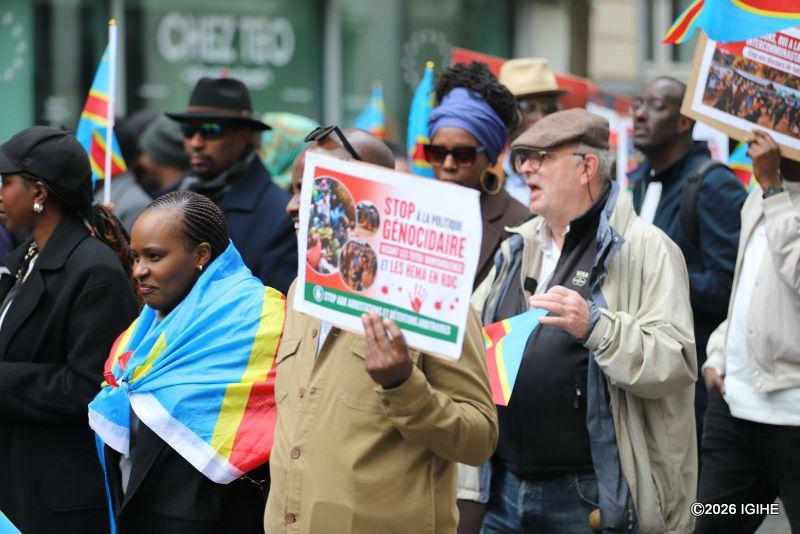
Pitou Chomongo accused the Kinshasa government of fueling hate speech and carrying out security policies targeting specific communities. He notably mentioned the Tutsi community in North Kivu, the Banyamulenge in the High Plateaus of Minembwe, and the Hema community in Ituri.
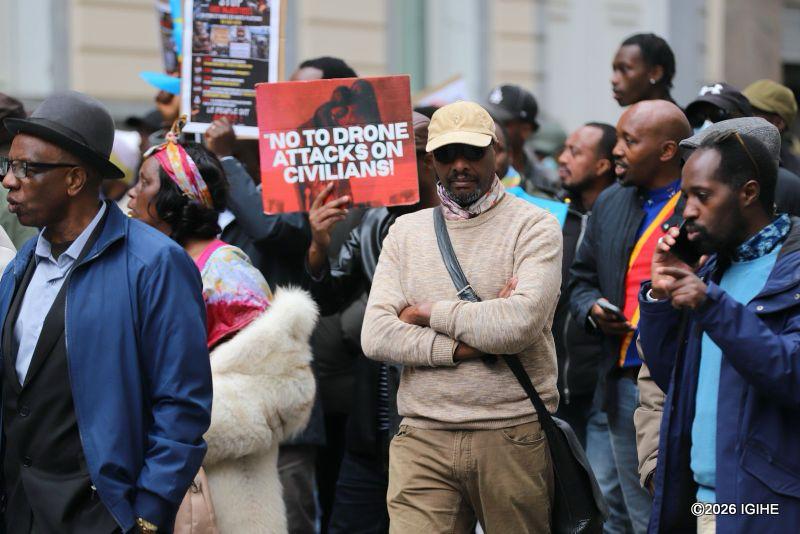
According to him, bombardments targeting civilian populations are taking place in several localities, including Minembwe and Masisi. He also denounced what he described as arbitrary arrests of military and judicial officers from Katanga.
“This is a way of putting pressure on certain communities and excluding them from national life,” he stated, accusing the authorities in power of wanting to “remain in office indefinitely.”
Gakiza David, representative of the Banyamulenge mutual coordination in Europe and member of the executive committee of the Gakondo association, also addressed the gathering.
He explained that the coalition brings together participants from several European countries to support this peaceful demonstration organized in Brussels. Gakiza thanked the entire coordination team involved in organizing the event, as well as all participants who attended.
Gakiza David also emphasized that the day was structured around three main activities: the peaceful demonstration, the press conference, and a question-and-answer session dedicated to discussions on the humanitarian and security situation in the Democratic Republic of Congo.
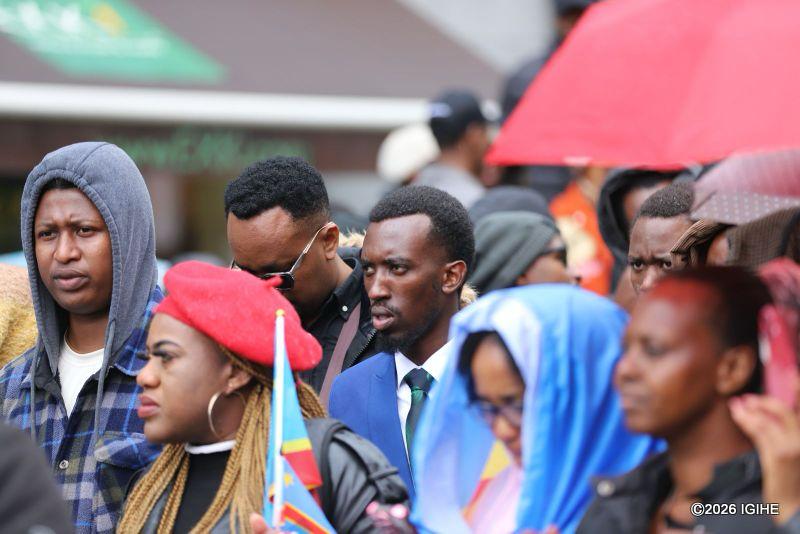
This mobilization by the Congolese diaspora comes amid ongoing tensions in eastern DRC, where security, community, and humanitarian issues continue to raise serious concerns among local populations and human rights organizations.
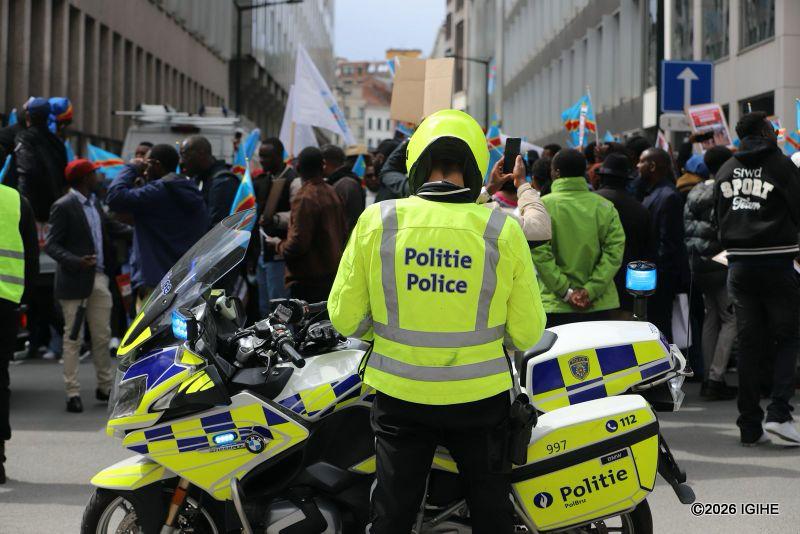
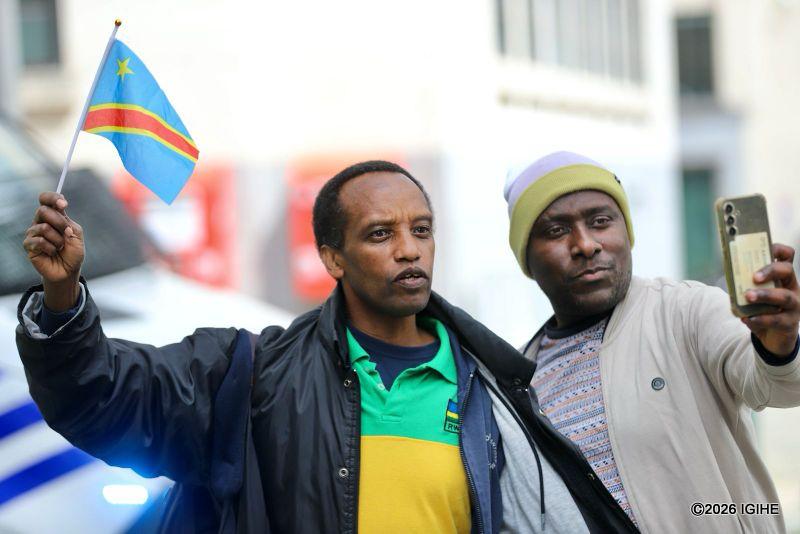
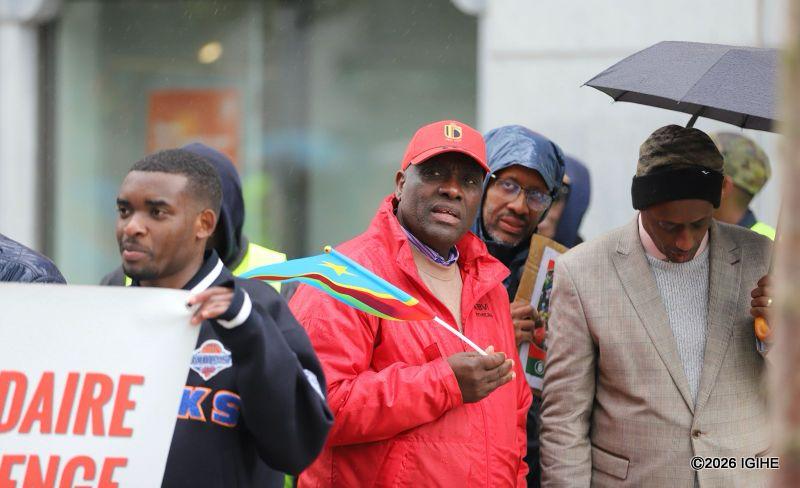
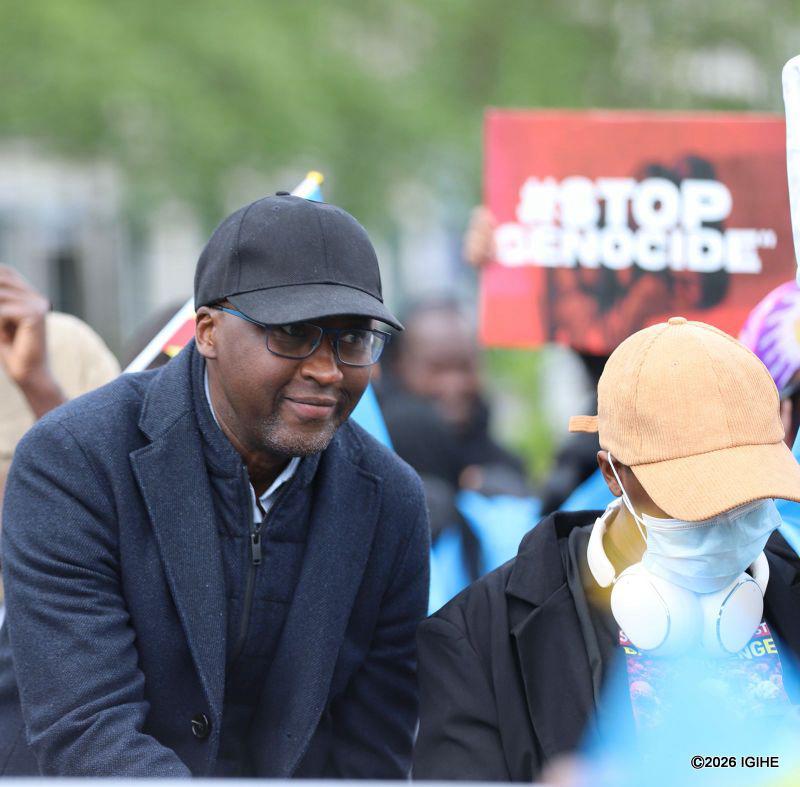
Photos taken during peaceful demonstration
Photos from the press conference and the question-and-answer session focused on discussions about the security and humanitarian situation in the Democratic Republic of Congo
In August 2023, the Minister of National Unity and Civic Engagement Dr. Jean Damascène Bizimana had revealed that the program would temporarily be hosted at Nkumba Civic Training Center in Burera District which had enough accomodations, noting that it would undergo further upgrades to fully meet the required standards.
However, on May 11, 2026, MINUBUMWE confirmed that this year’s edition of Itorero Indangamirwa will take place in Gabiro from July 1 to August 10. The ministry further announced that students from universities and higher learning institutions will also join this year’s intake.
Traditionally, the program was designated for young people aged between 18 and 25. This year, however, participation will be limited to youth between the ages of 18 and 23.
Established in 2008, Itorero Indangamirwa brings together young Rwandans living abroad, students studying in international schools operating in Rwanda, and outstanding participants who excelled in the national service program known as Rugerero.
Participants receive training aimed at instilling patriotism, discipline, cultural values, and a spirit of responsibility and leadership.
They are also taught Rwanda’s history and encouraged to share ideas on how they can contribute to the country’s development while safeguarding its achievements.
In addition, security personnel provide the youth with basic defense and military orientation through practical exercises. The training includes introductory lessons on firearm handling, basic combat planning, and military tactics.
Since 2023, Itorero Indangamirwa had been relocated to the Nkumba Civic Training Center.
The event followed commemorative activities held in other Belgian cities, including Brussels, Liège, Bruges, Namur, and Ottignies-Louvain-la-Neuve.
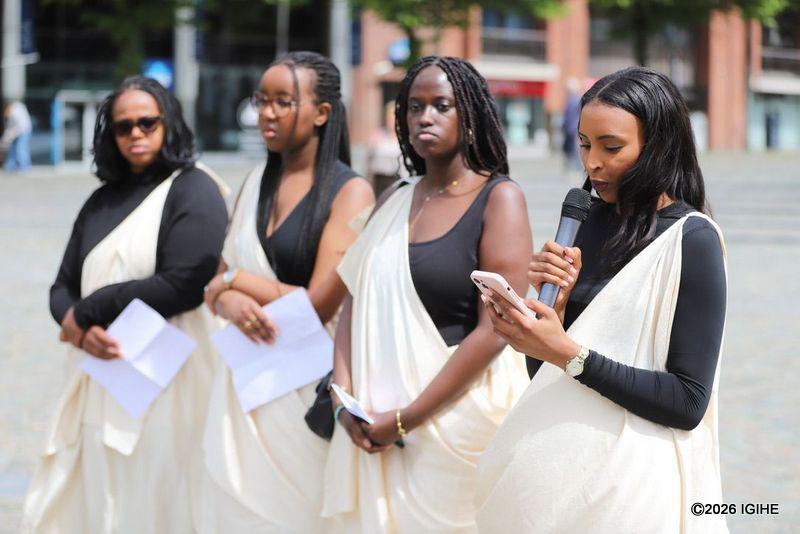
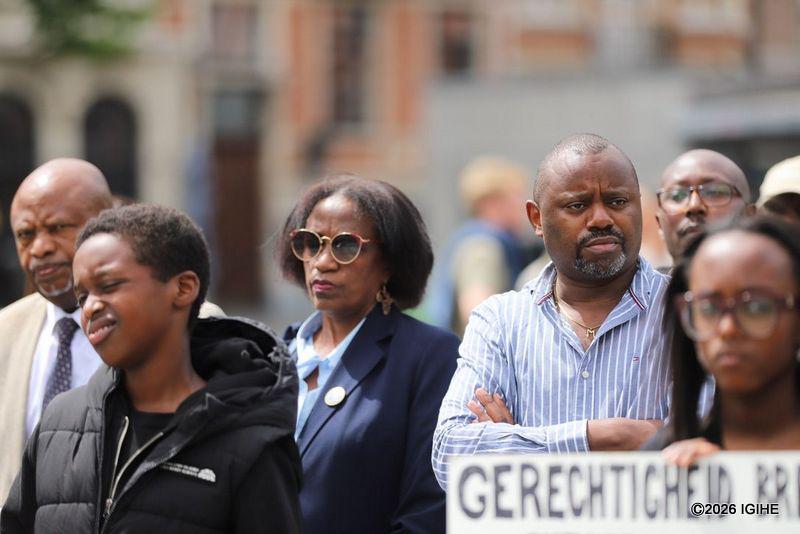
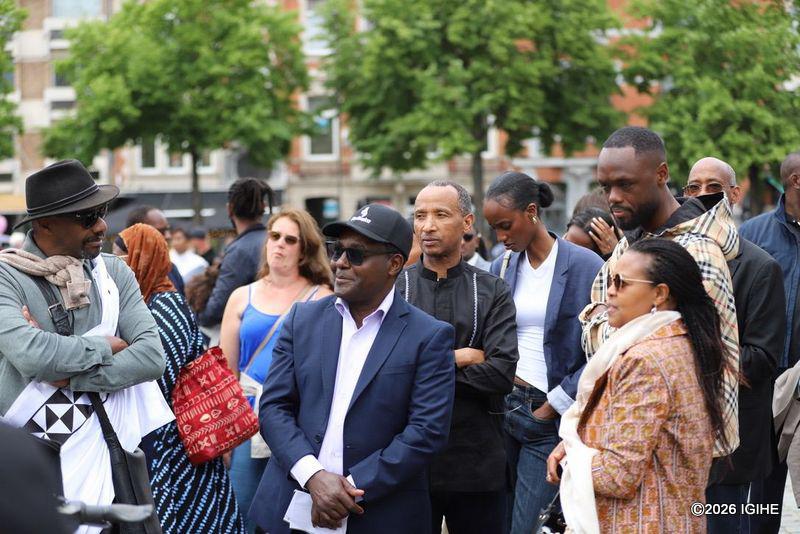
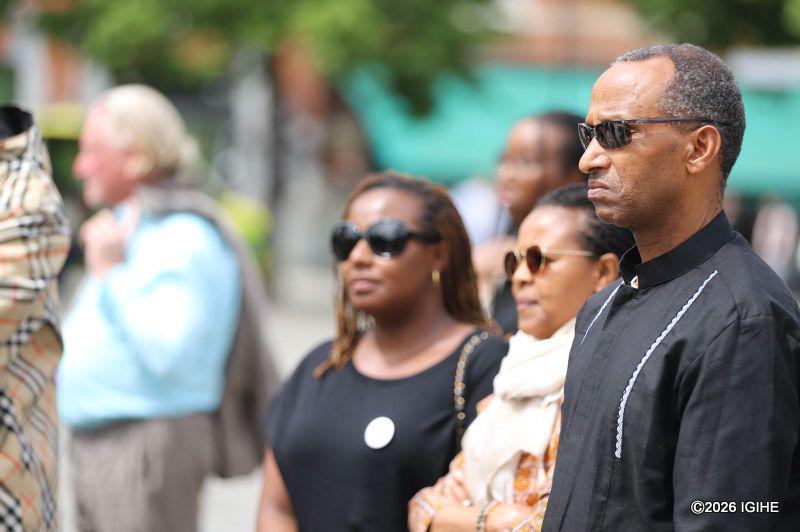
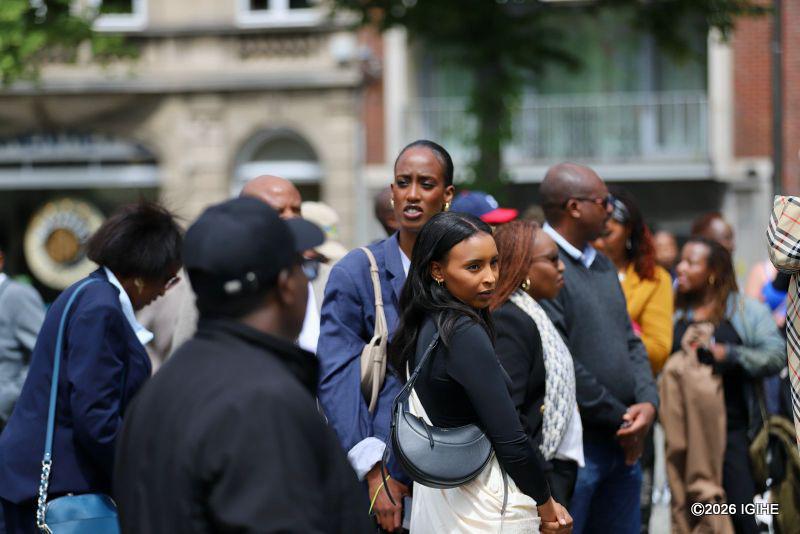
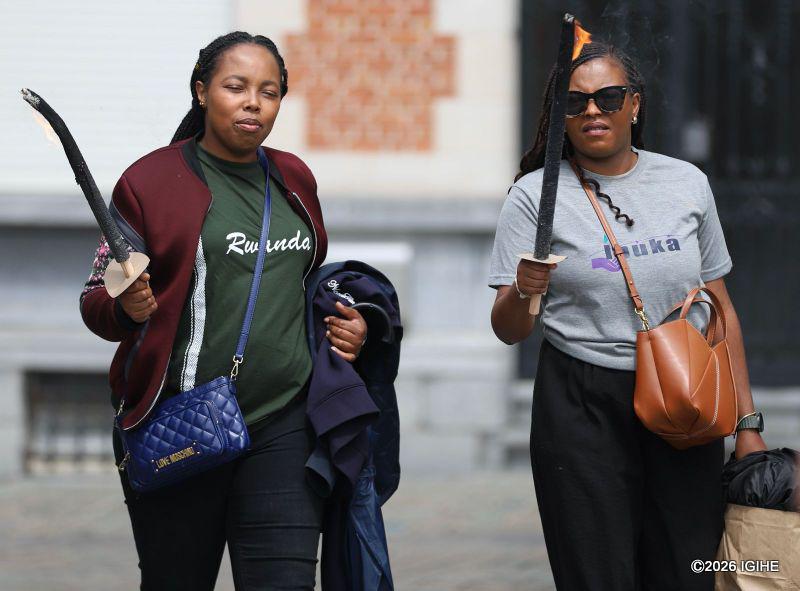
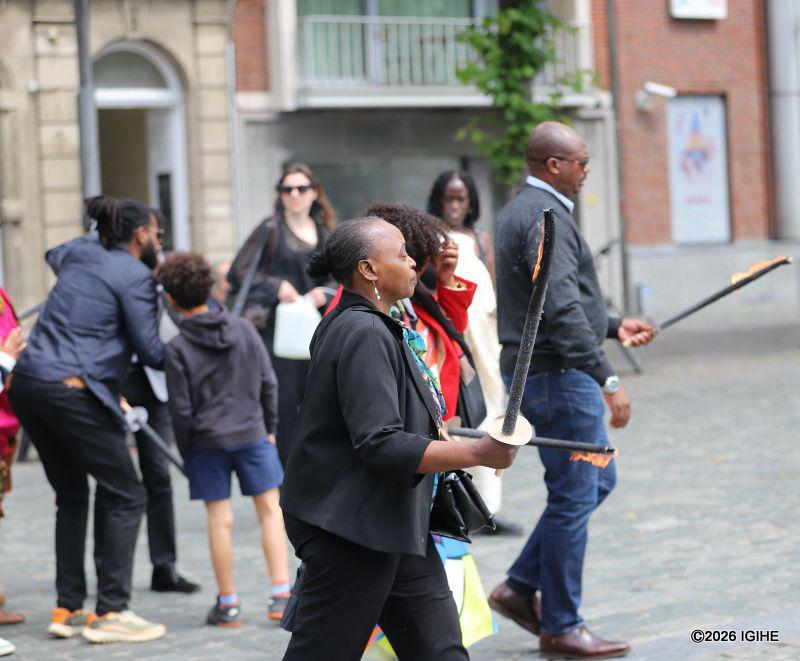
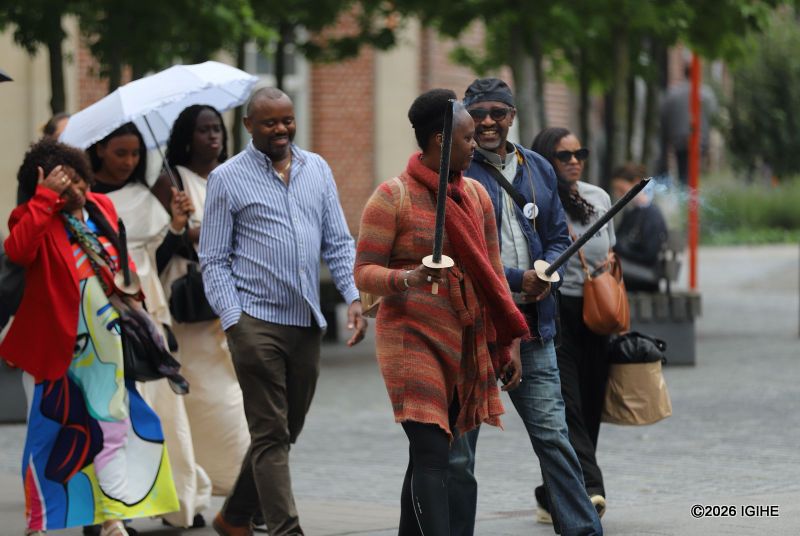
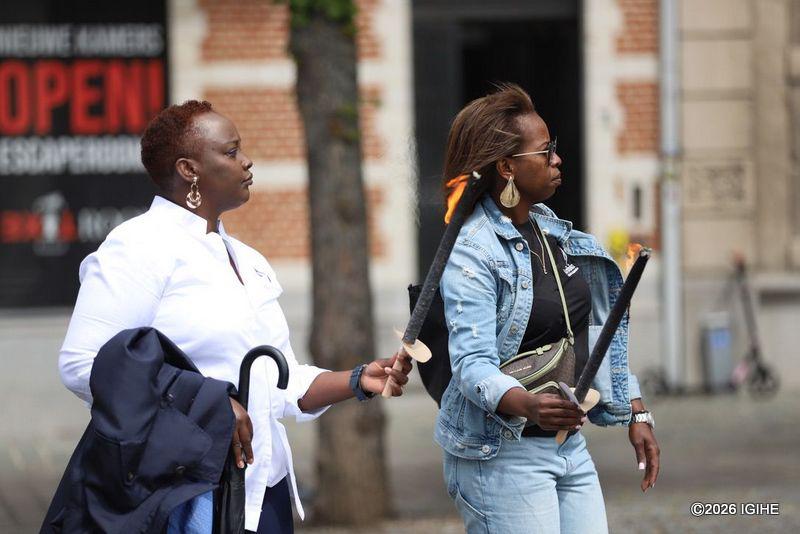
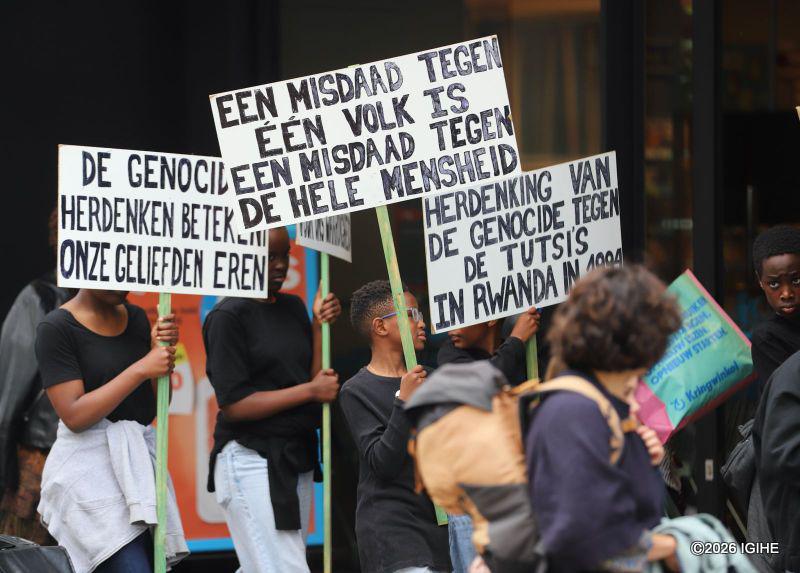
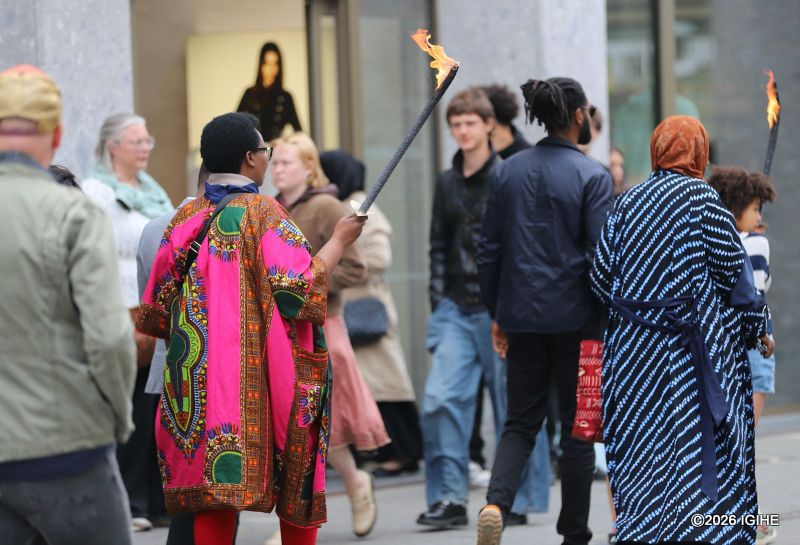
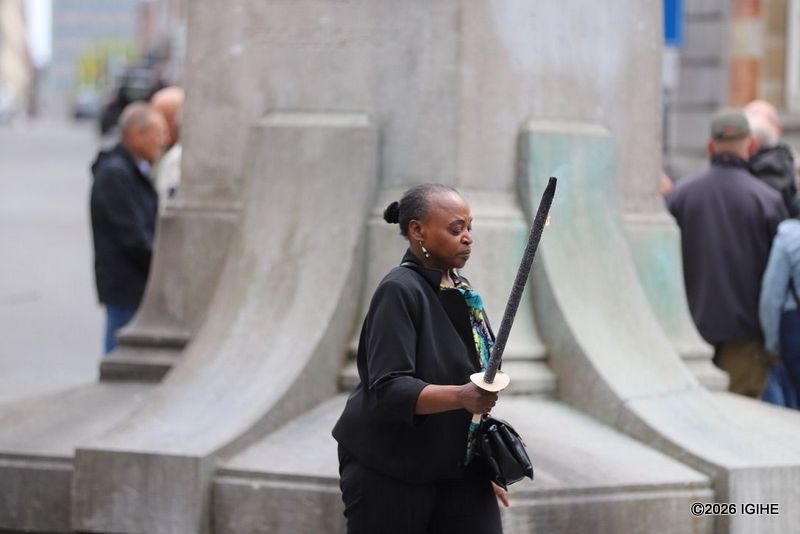
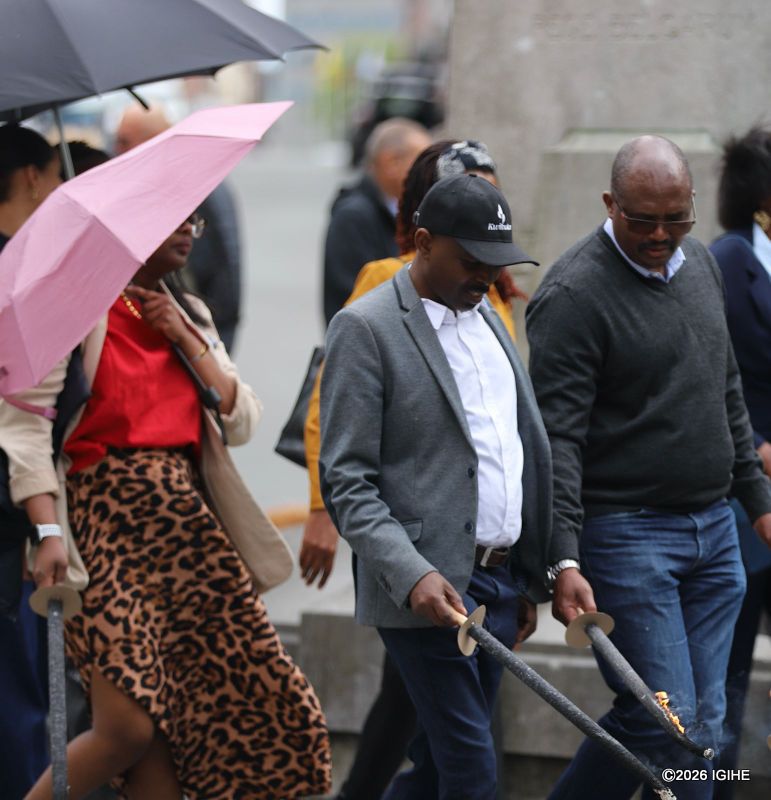
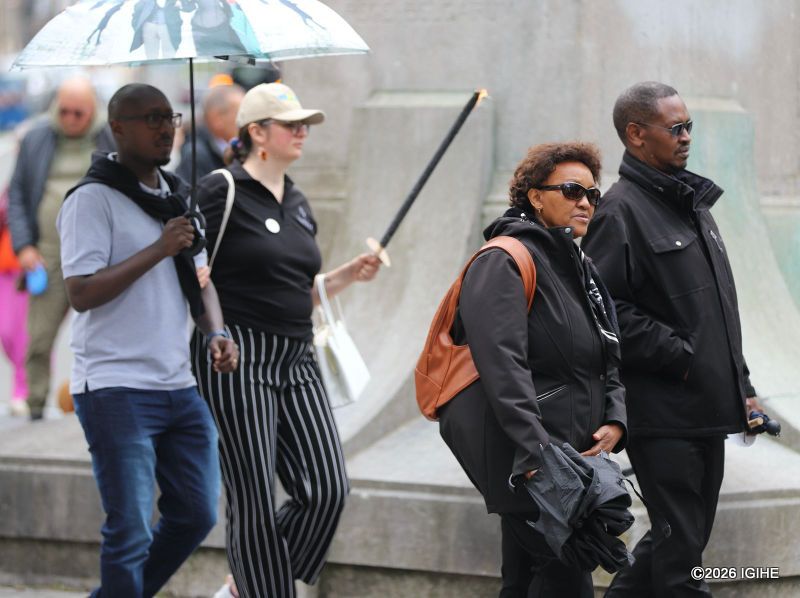
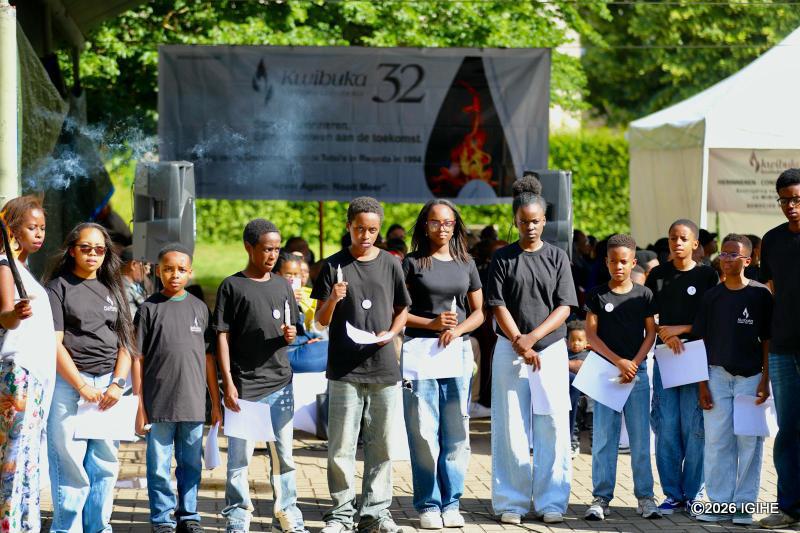
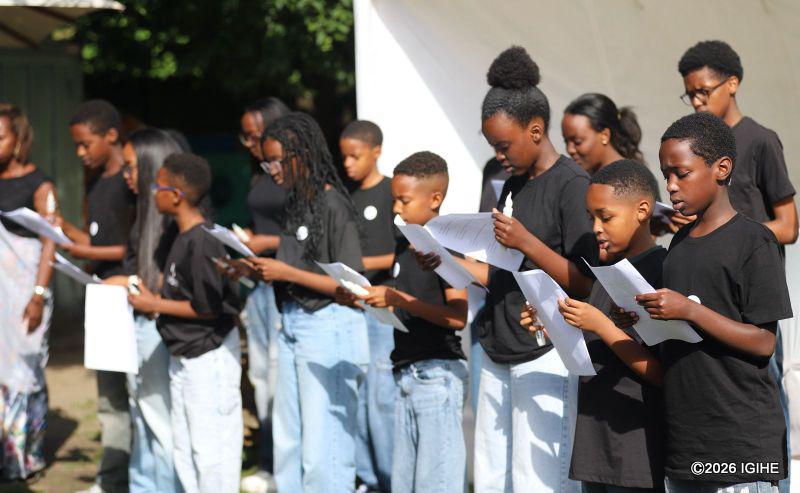
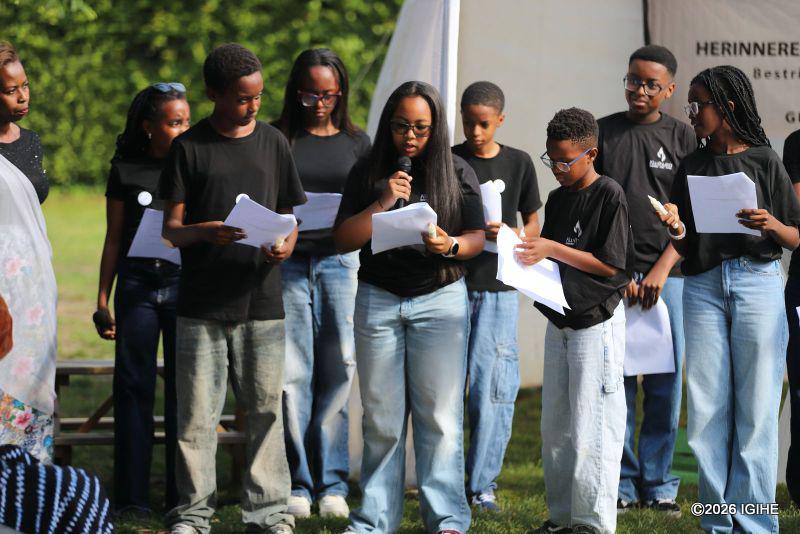
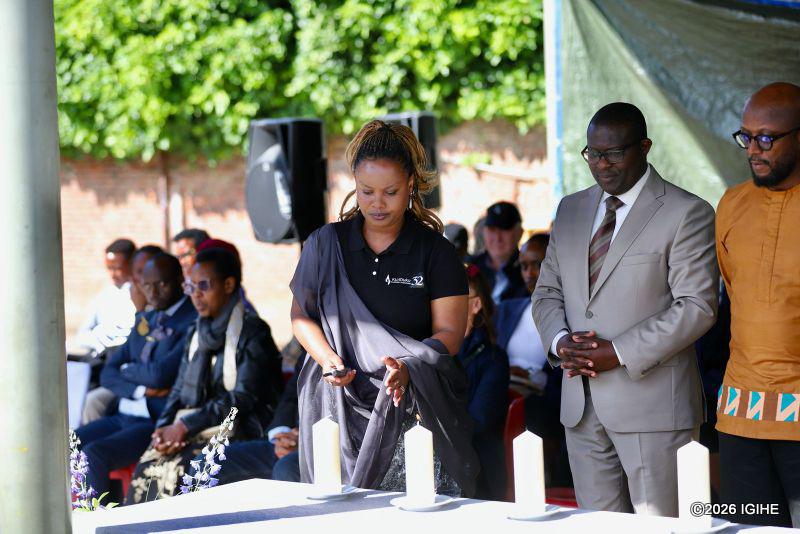
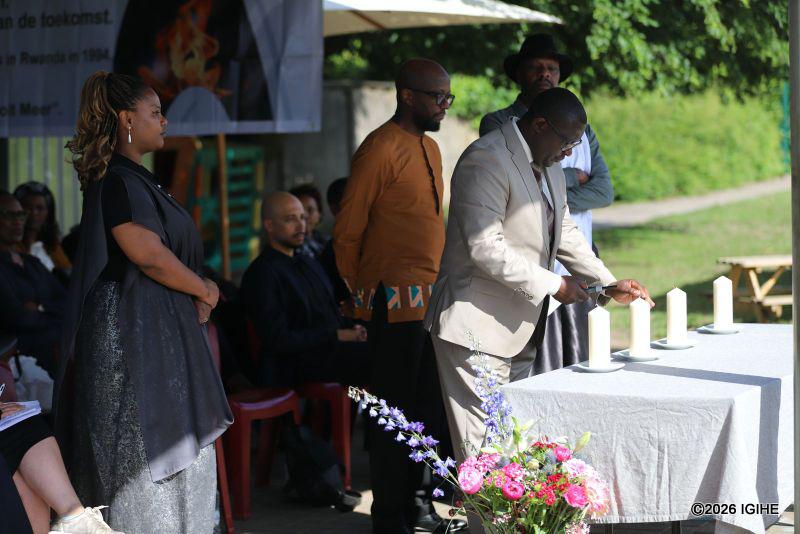
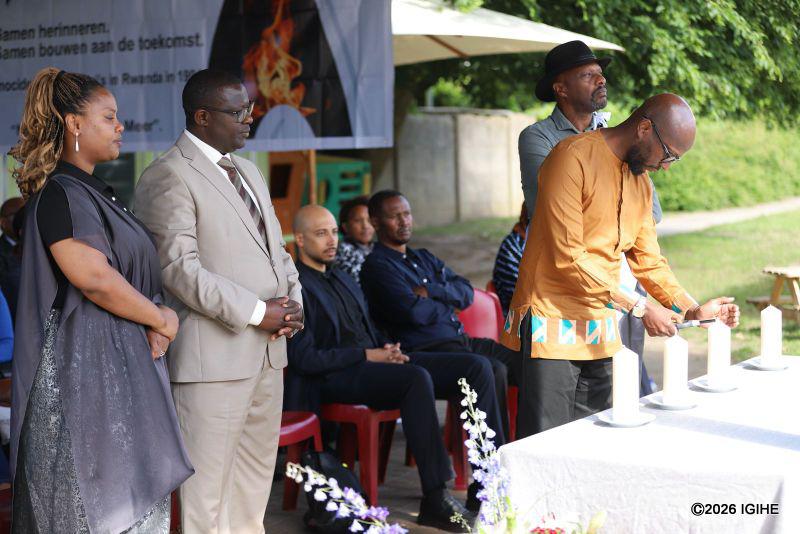
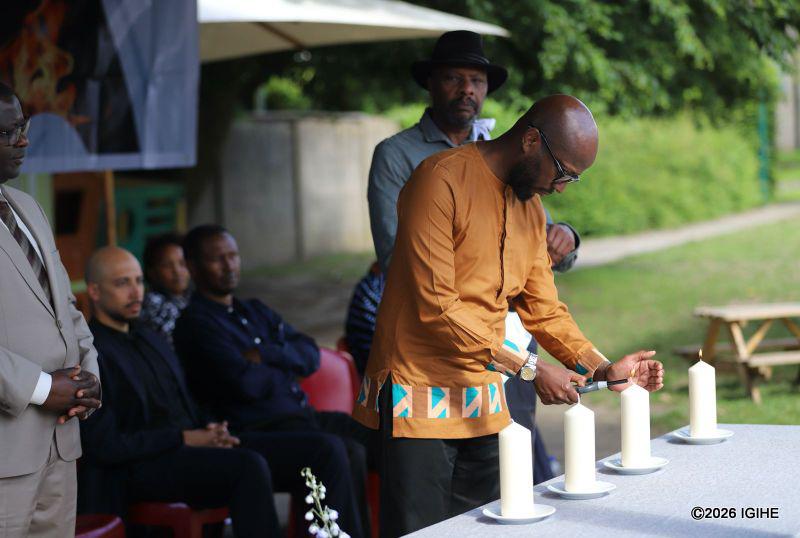
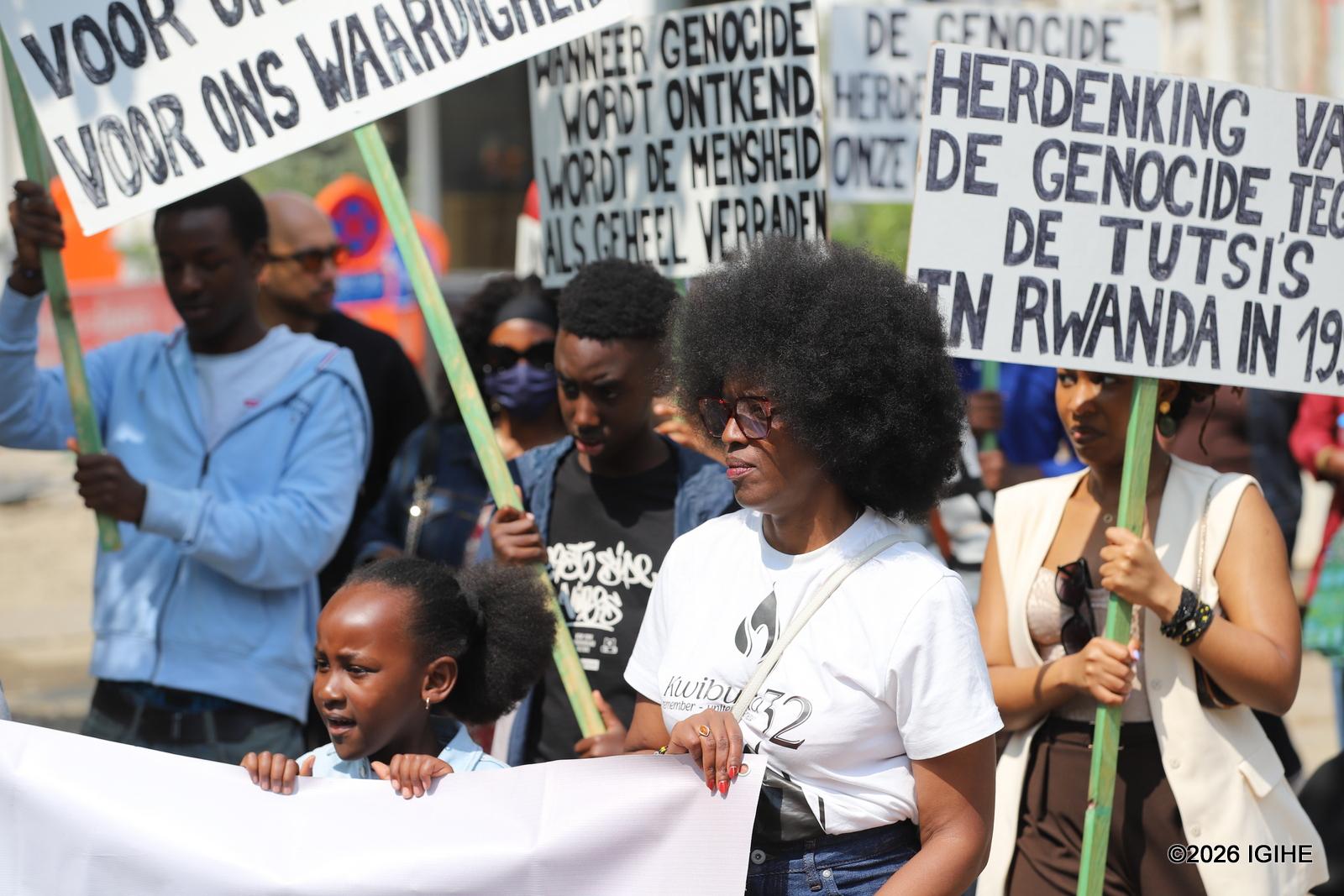
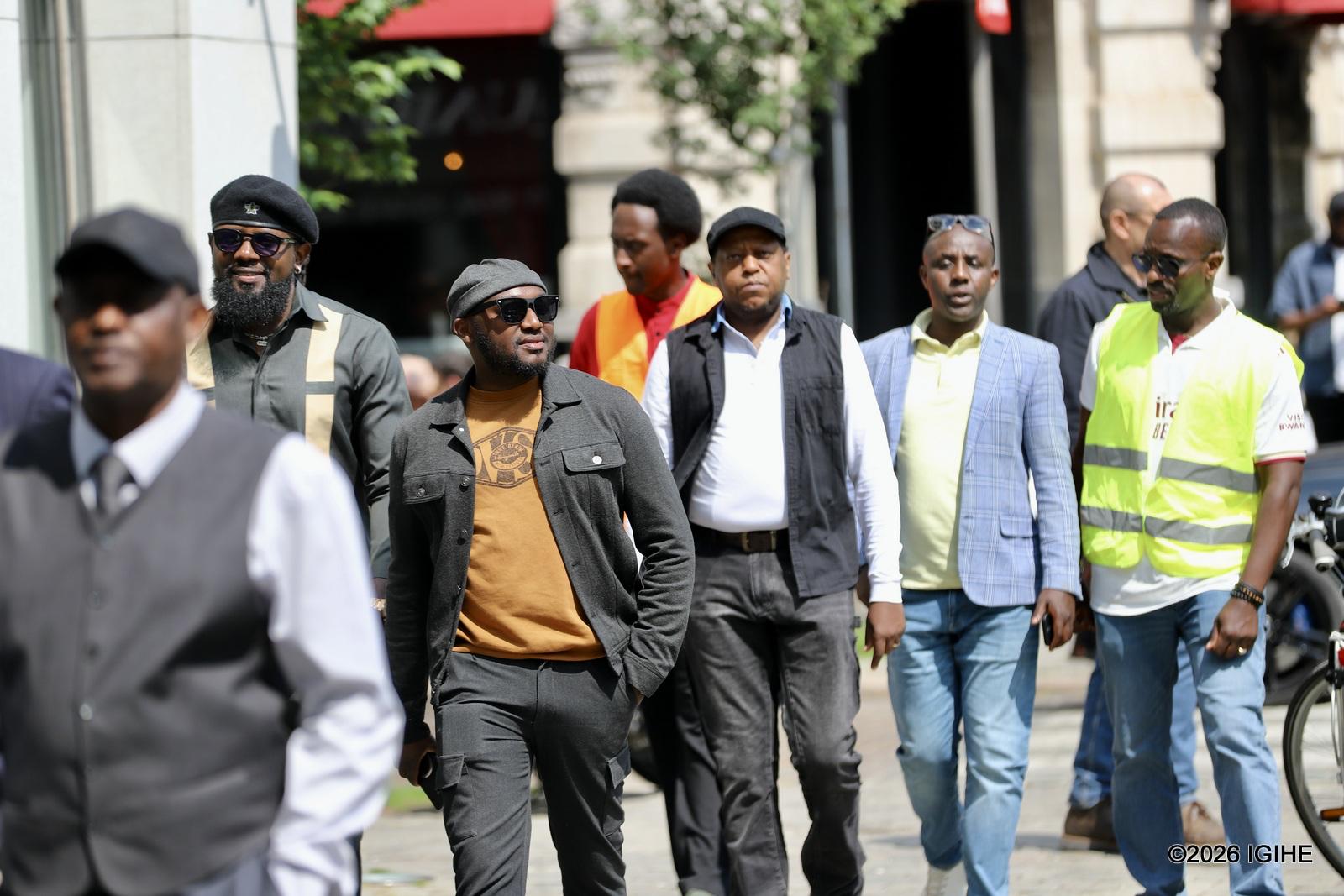
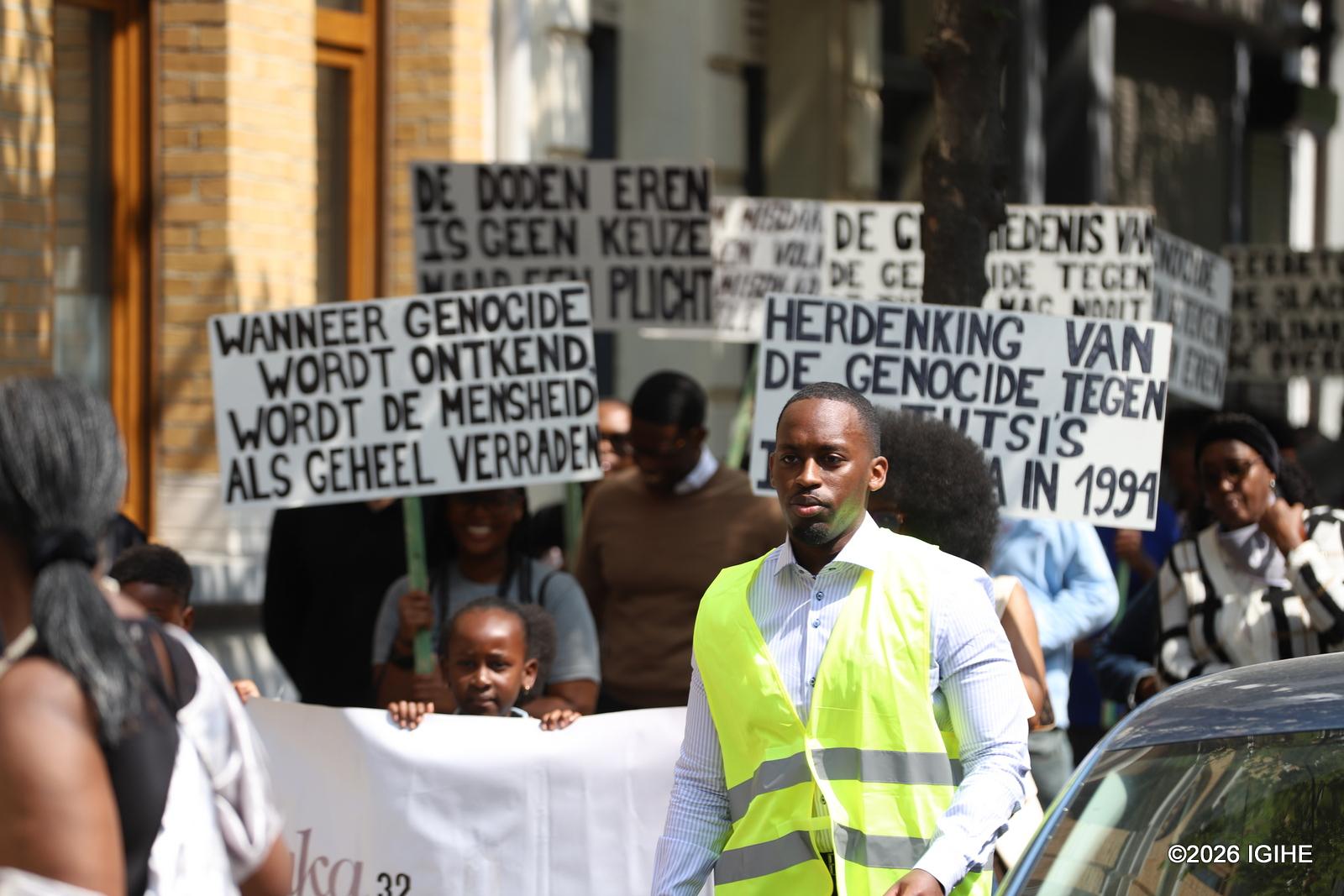
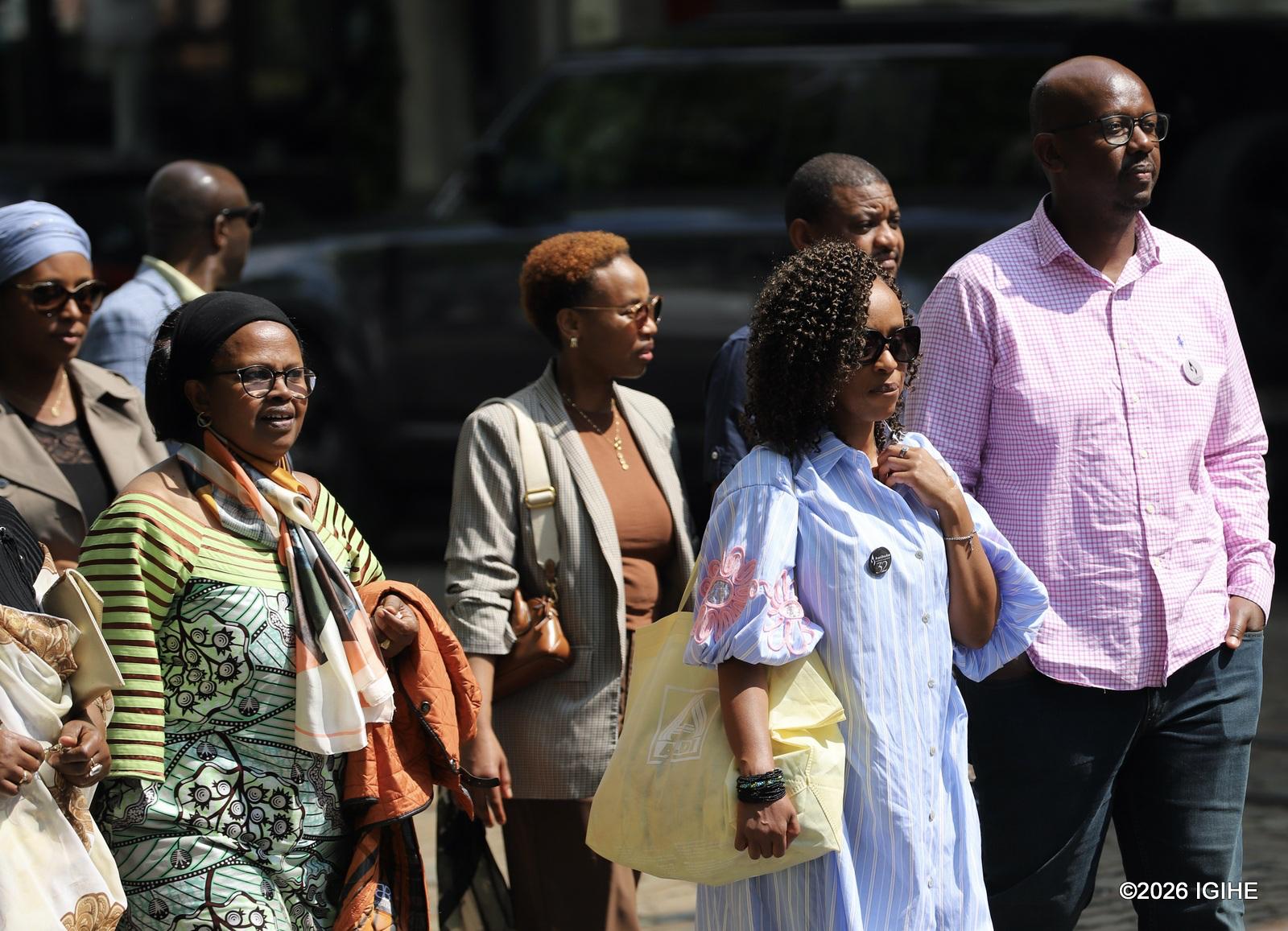
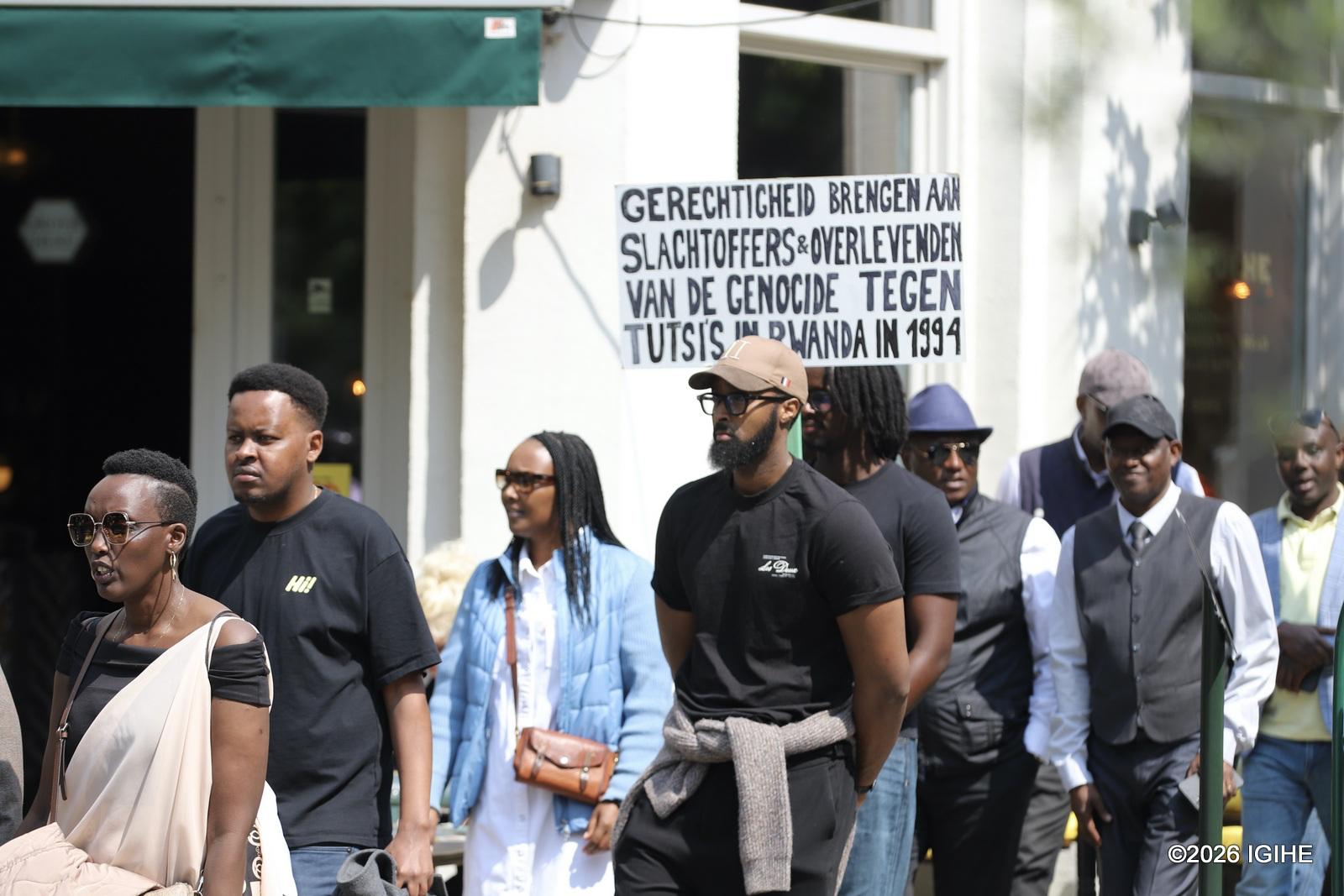
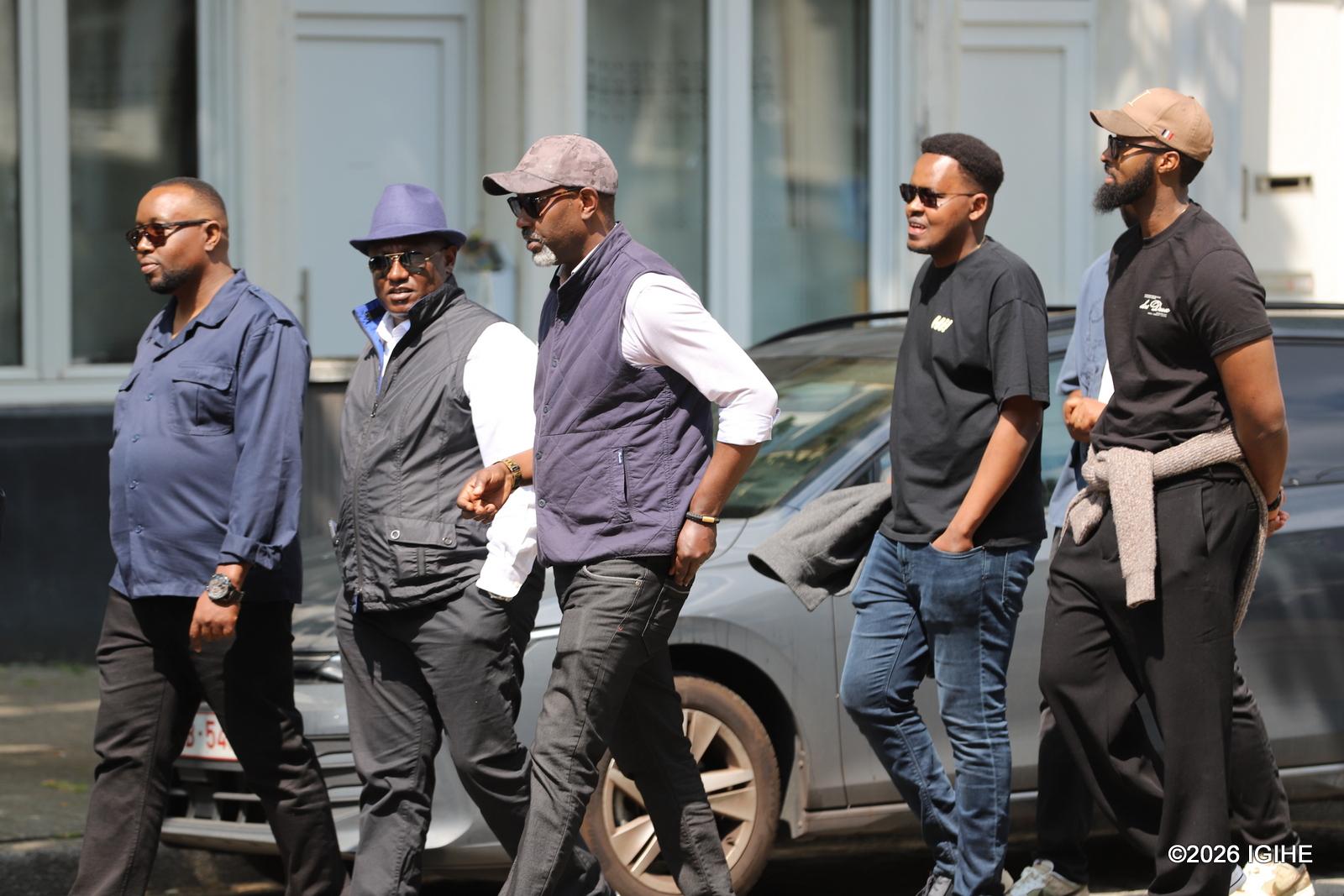
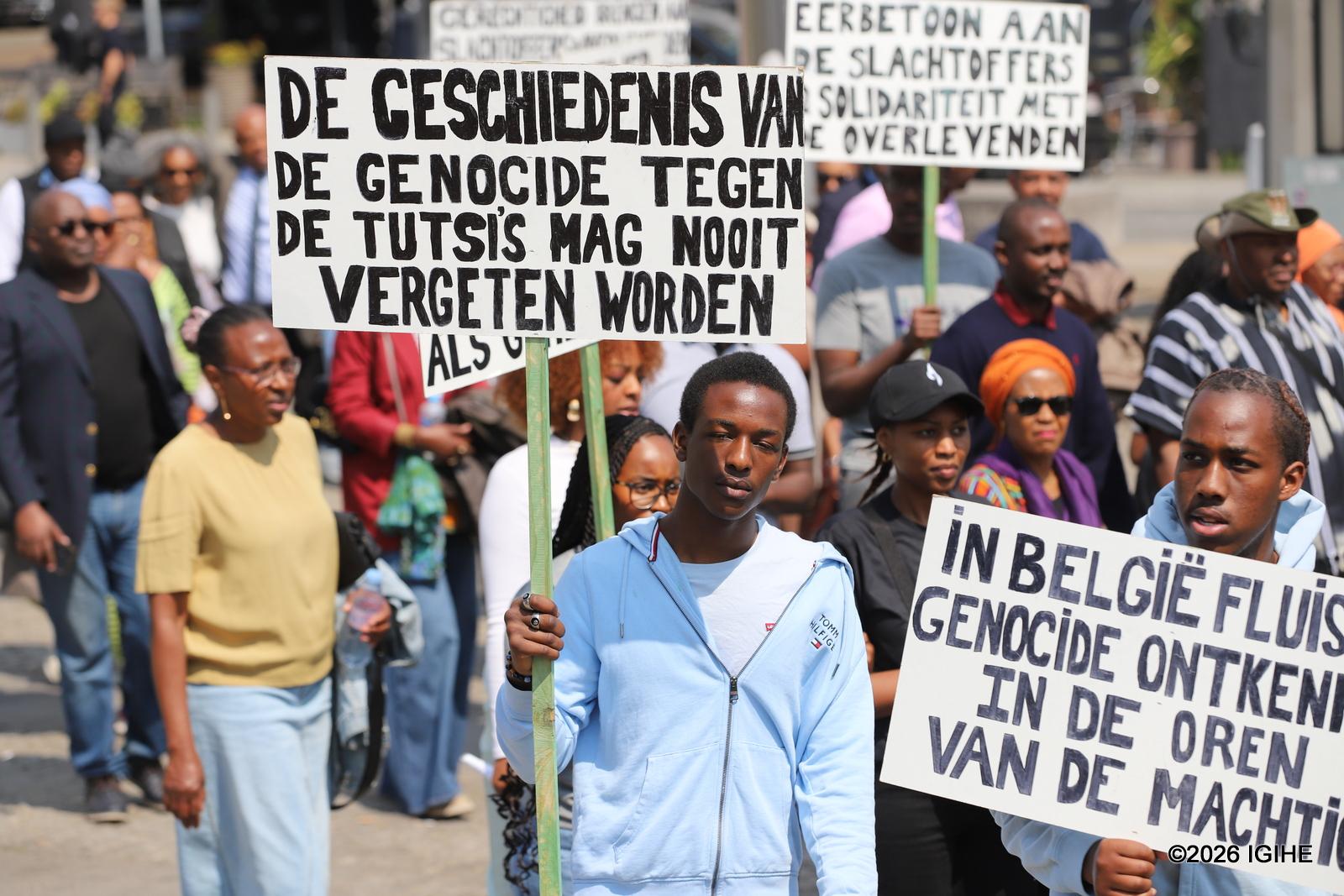
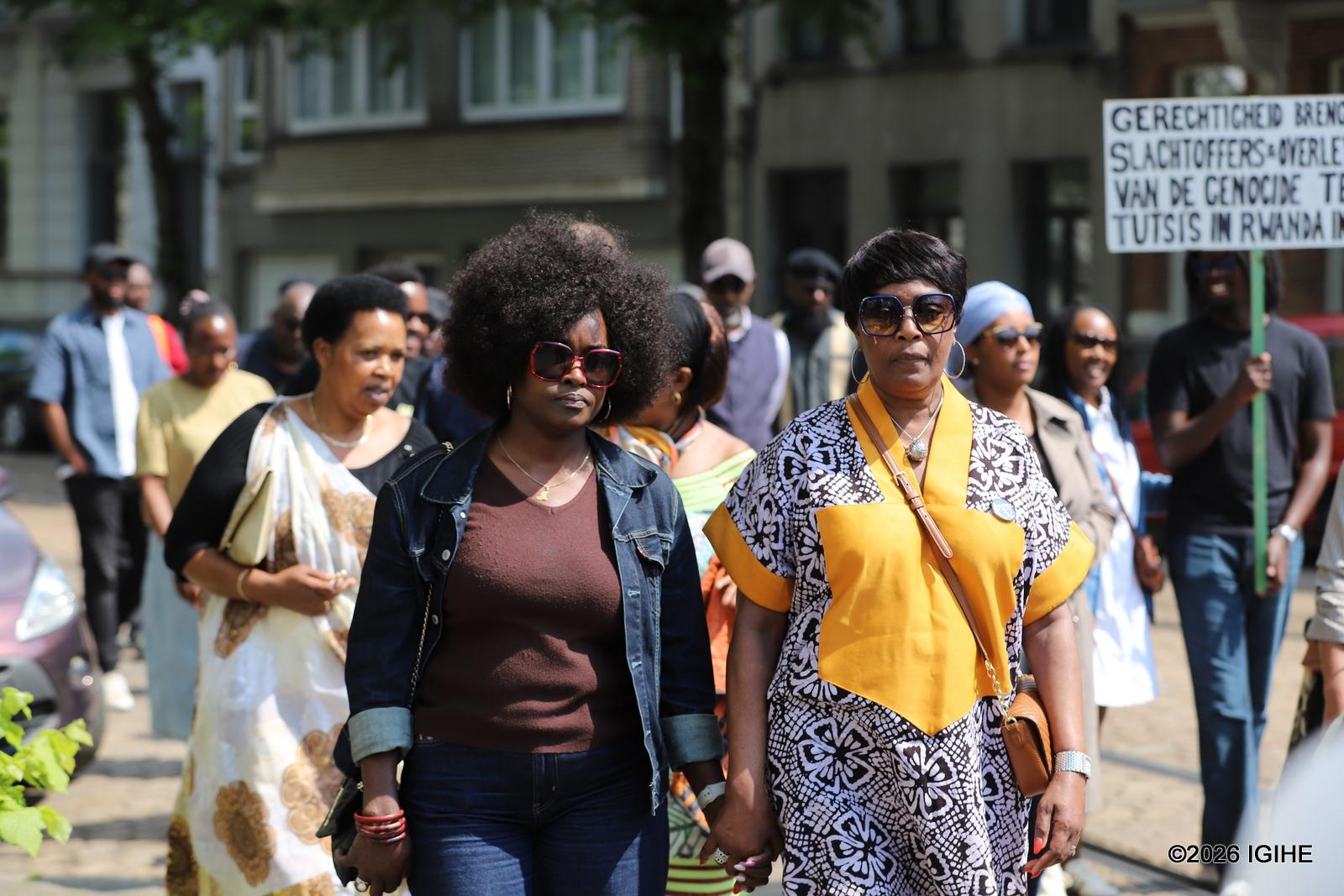
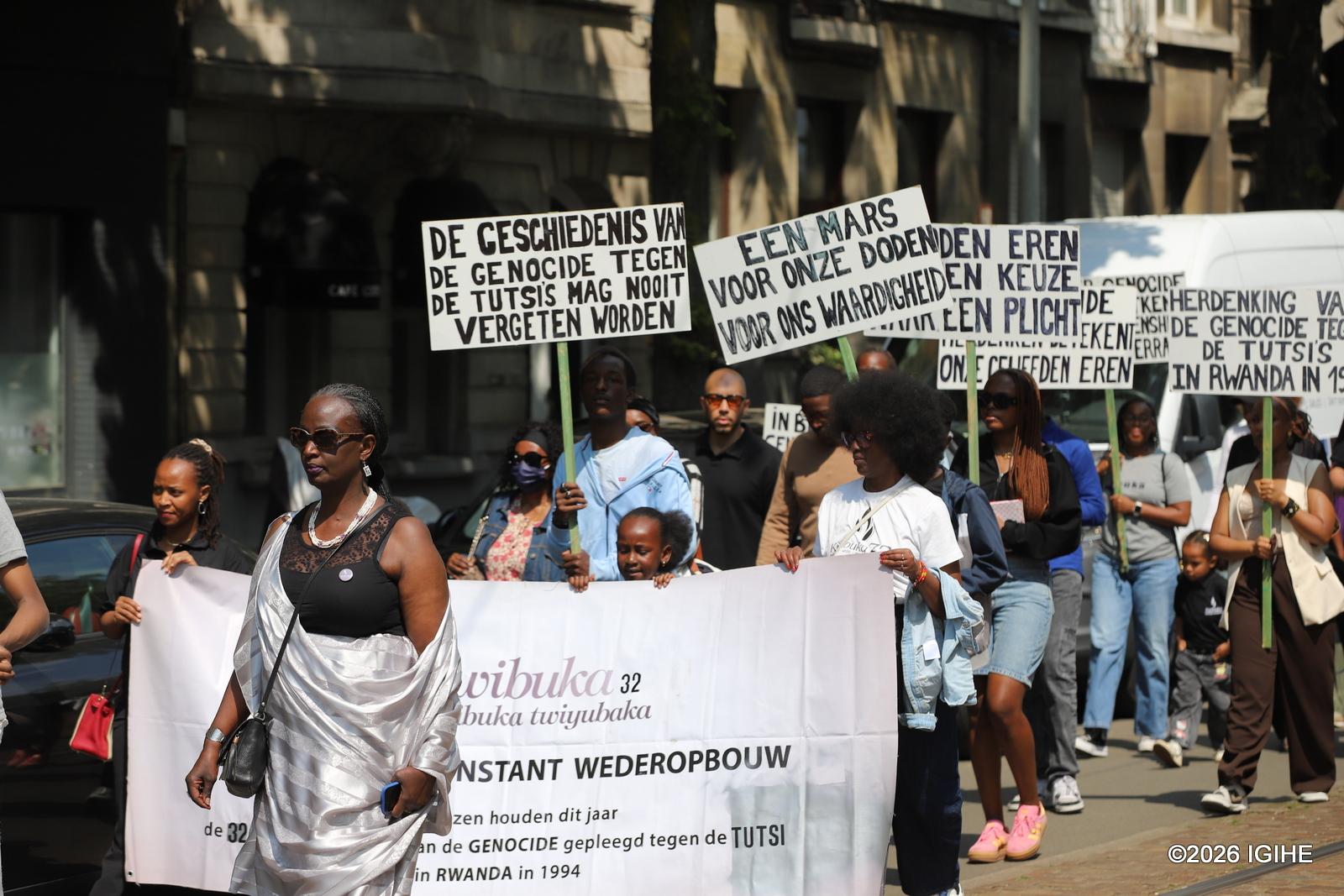
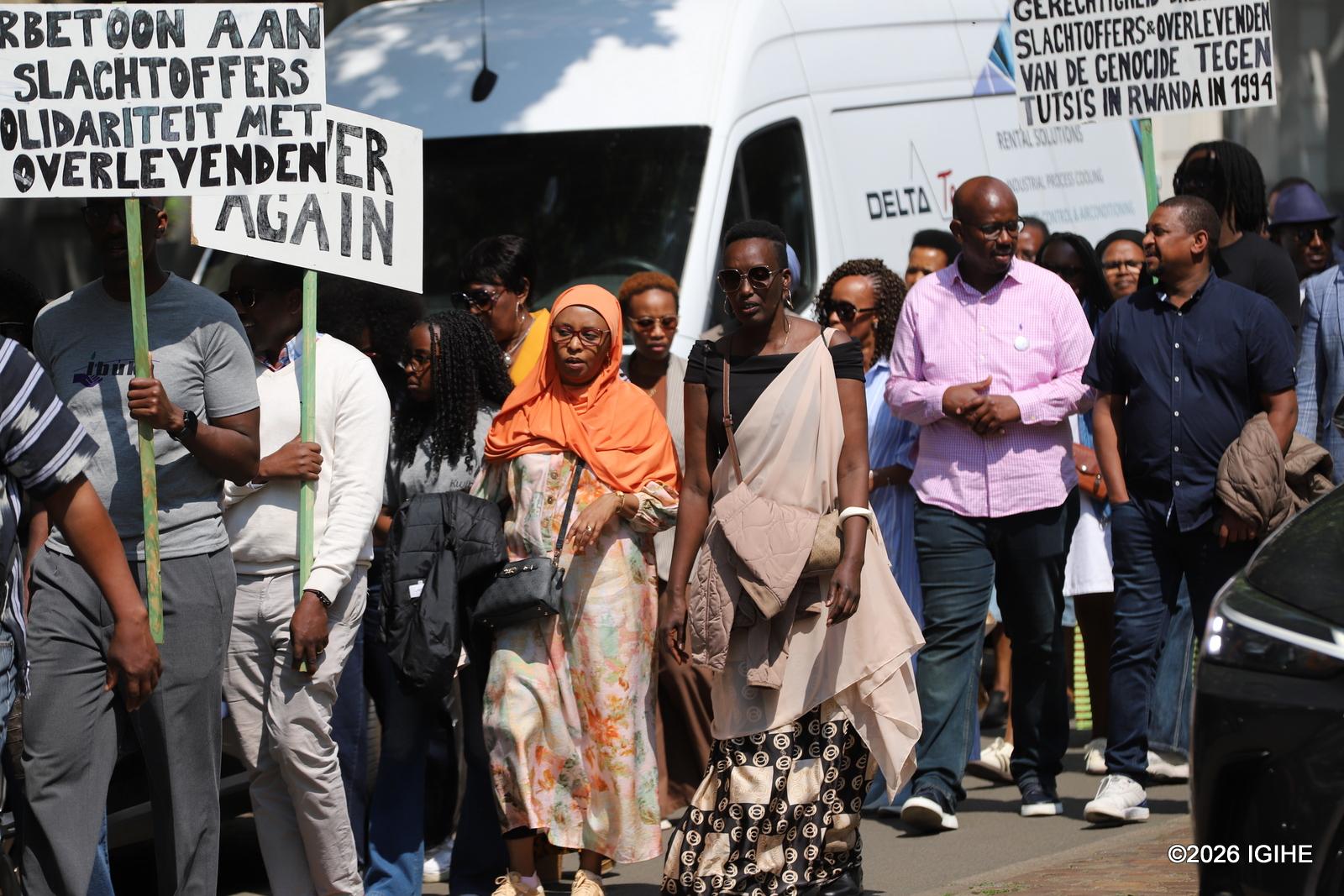
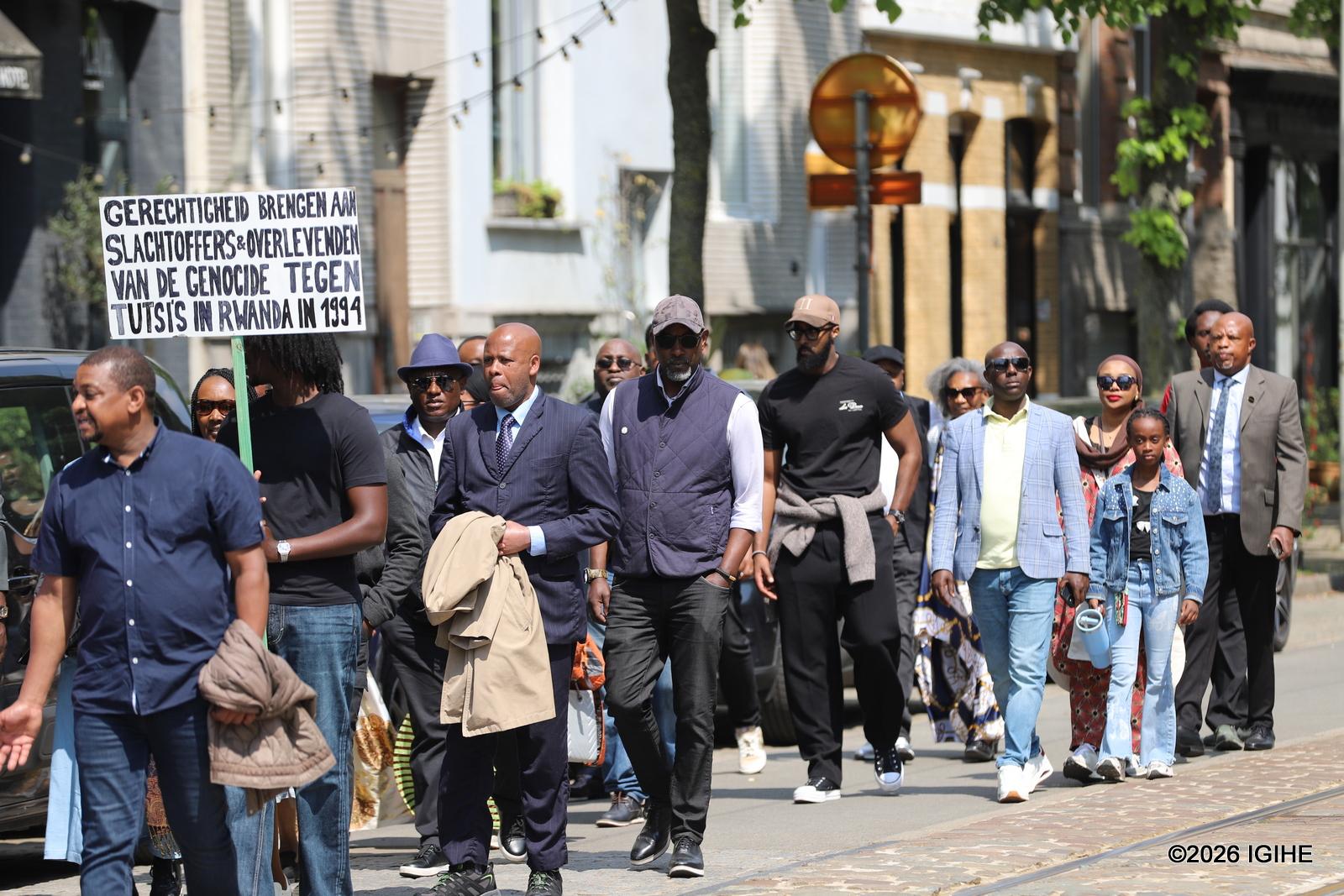
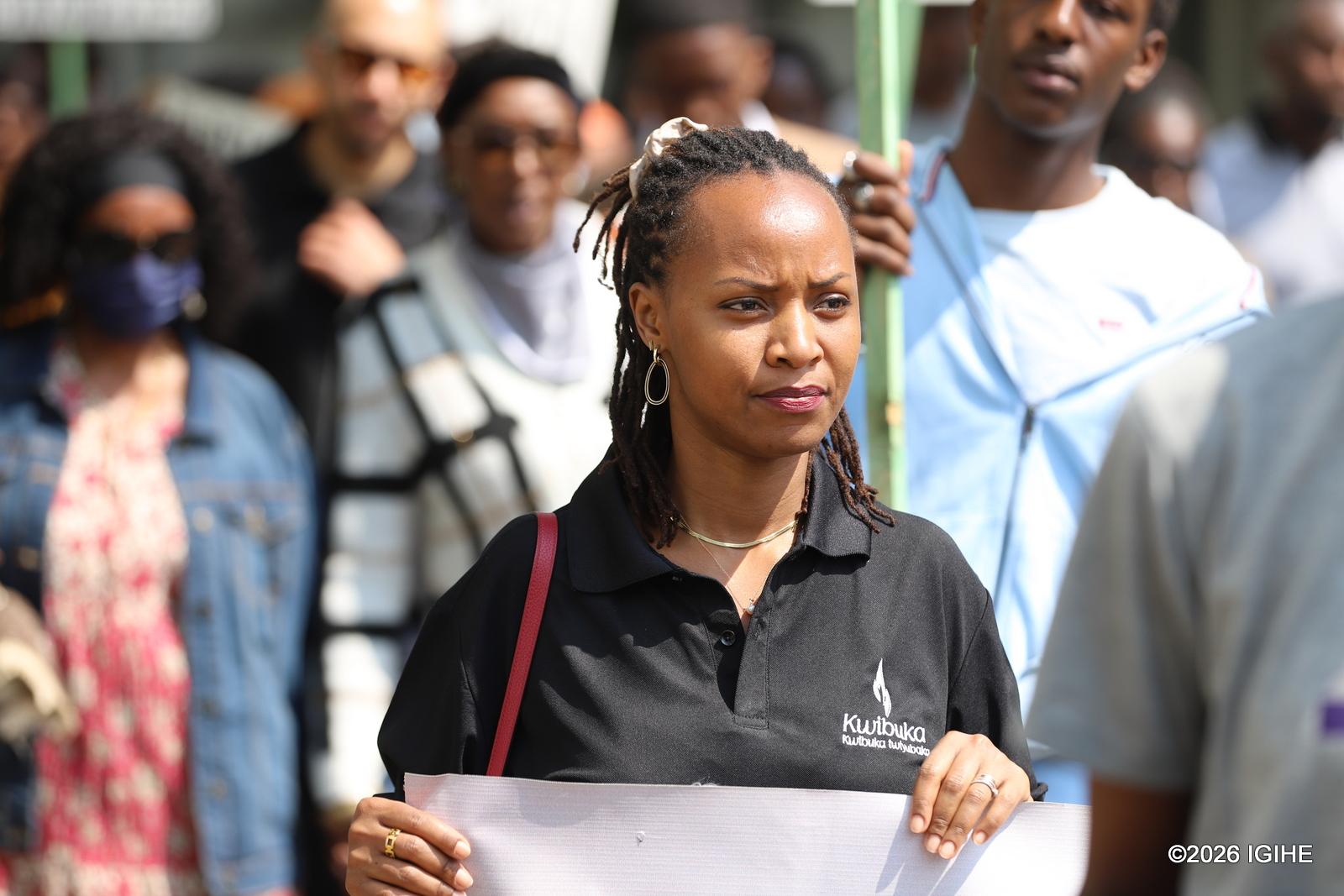
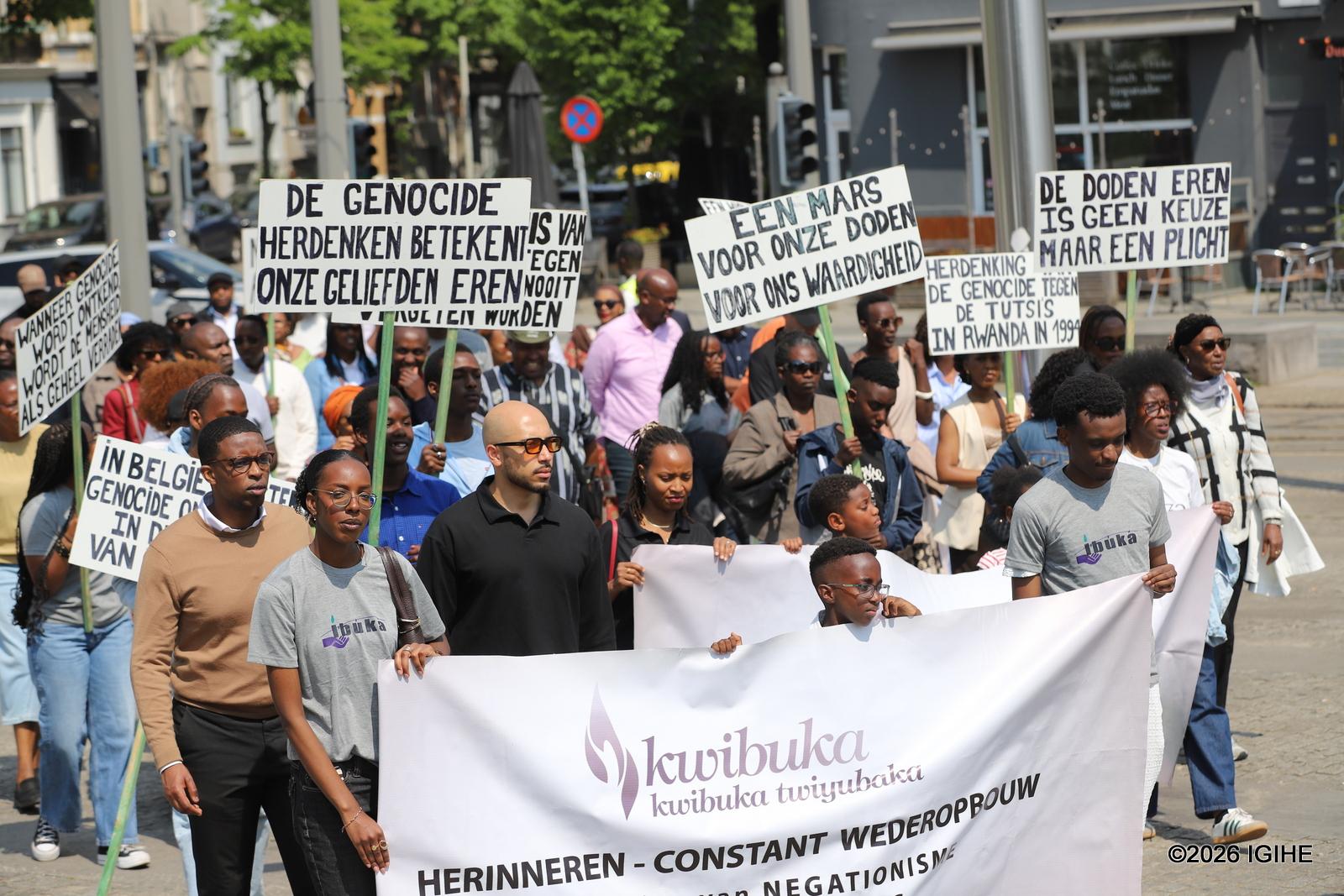
As customary, the day began with a remembrance walk from Marnixplaats in Antwerp to the city’s Palace of Justice. At the venue, speeches were delivered by young people involved in organizing the 32nd commemoration of the Genocide against the Tutsi in 1994.
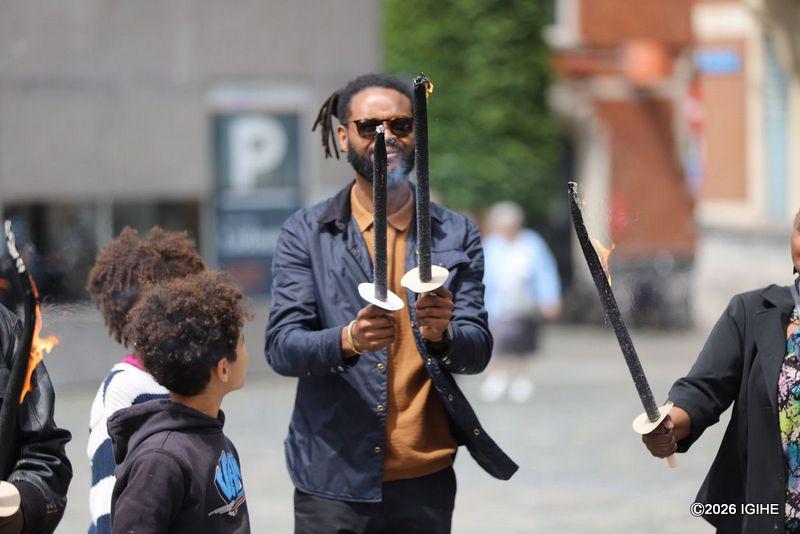
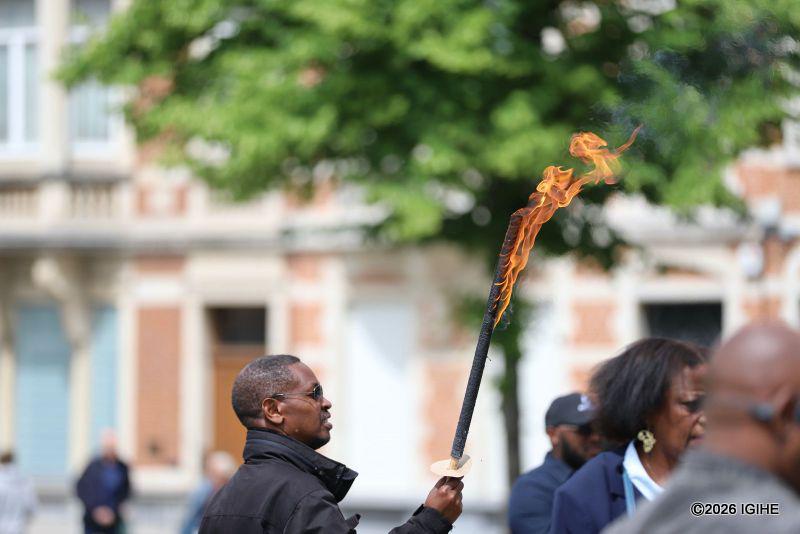
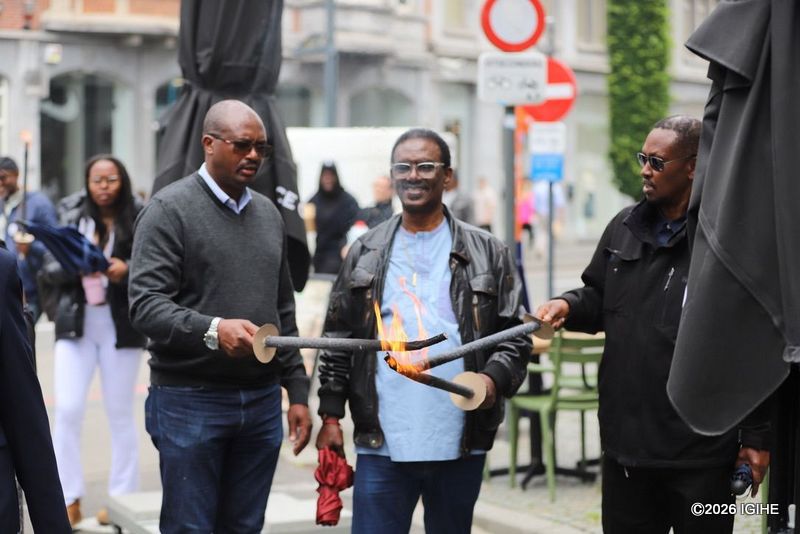
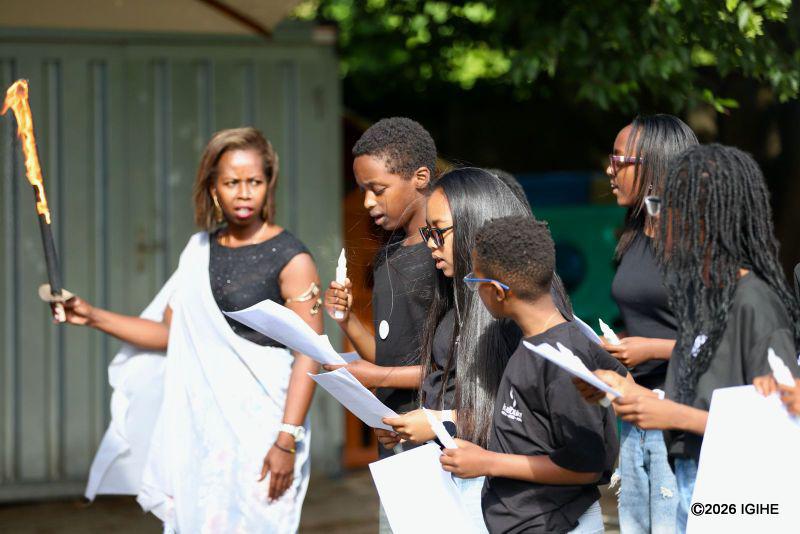
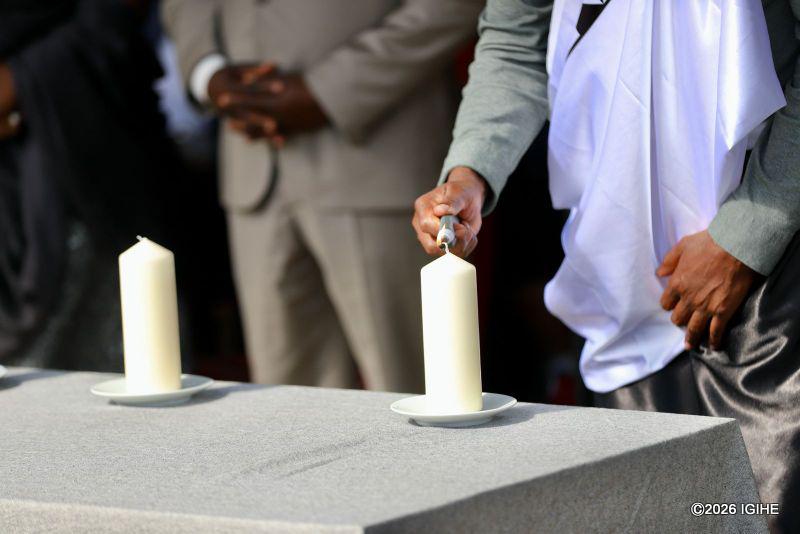
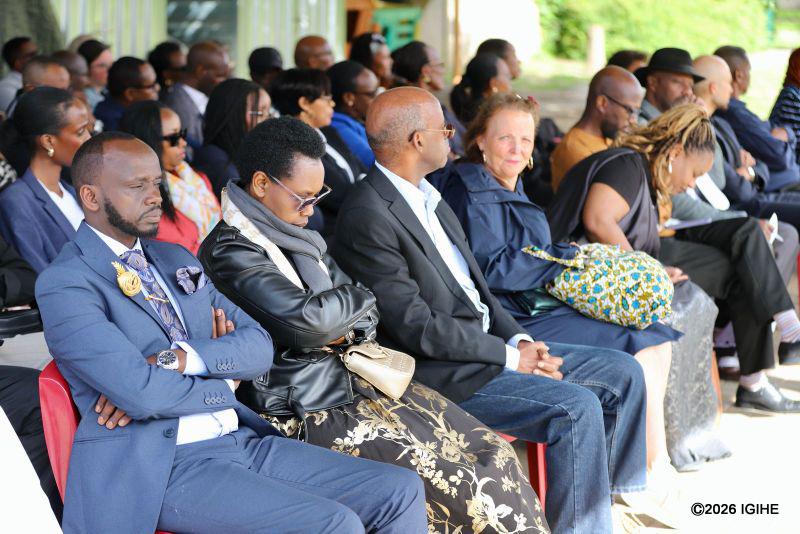
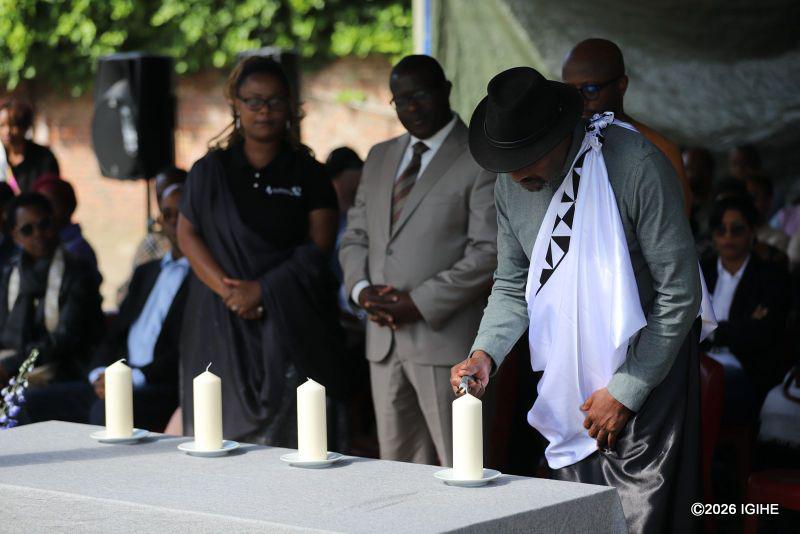
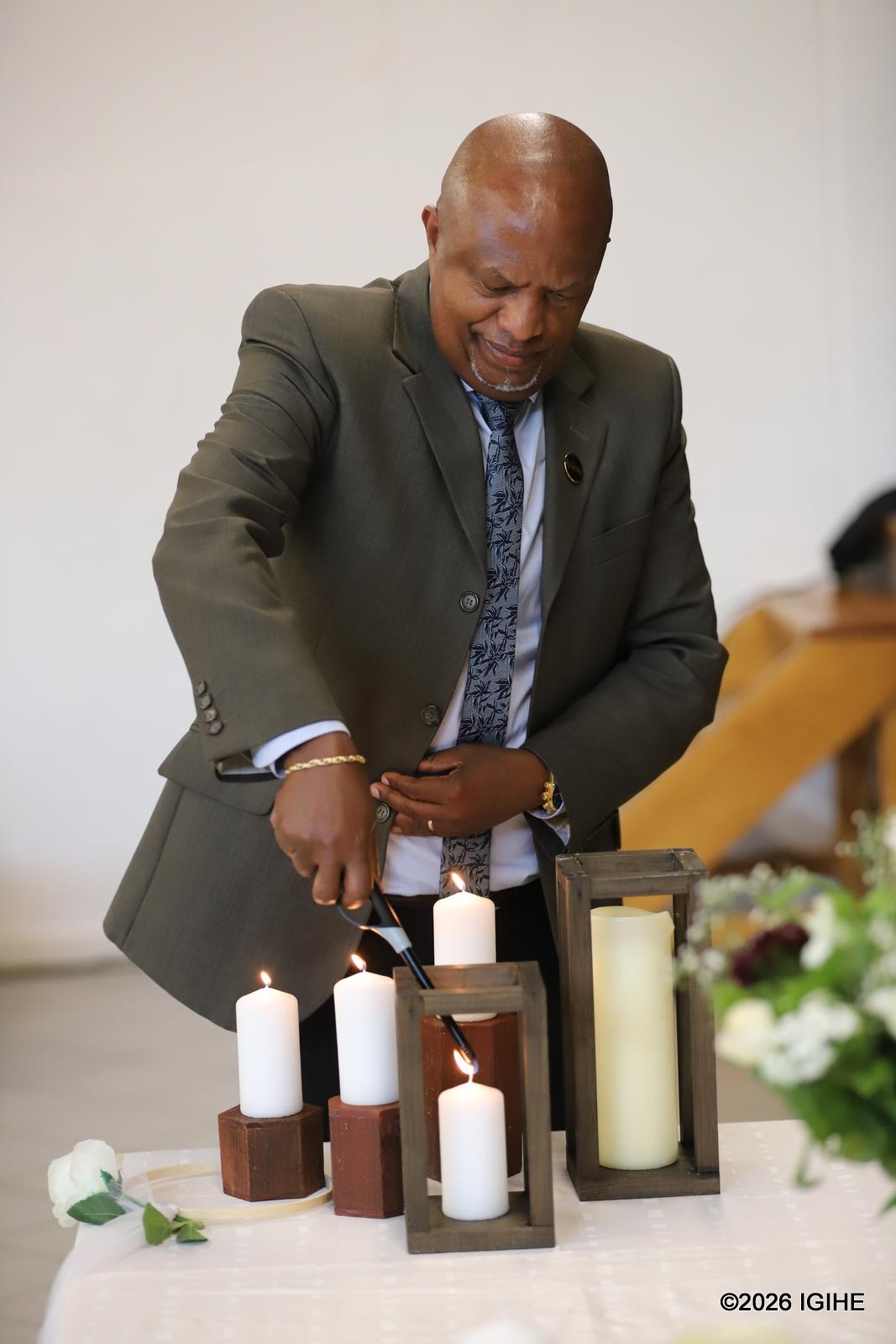
The second part of the day took place in the Berchem district of Antwerp and featured the lighting of the Flame of Hope, speeches, testimonies, and commemorative songs performed by Lionel Sentore.
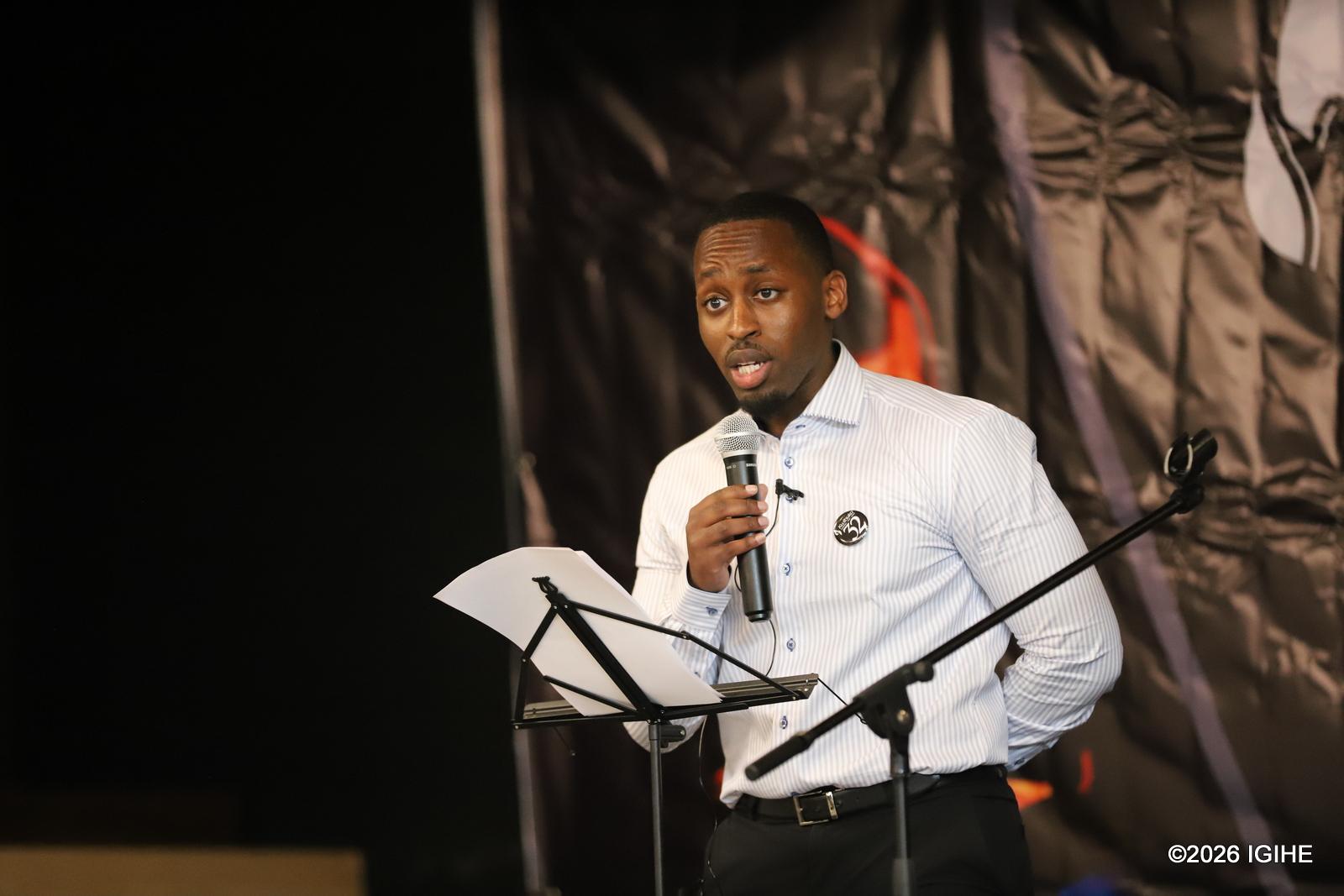
In his speech, Steve Rugamba, head of DRB-Rugali in Antwerp, thanked participants who had traveled from different parts of Belgium to join the commemoration and highlighted the significance of remembering.
“Remembering is not only about looking back at the past. Remembering is also about protecting our dignity. It is about reminding the world that no one should tell us who we are. No one should define our worth or rewrite our history in ways that diminish us,” he said.
Claire Kayirangwa, Secretary of Ibuka-Mémoire et Justice-Belgique, speaking on behalf of the organization, reflected on the deep meaning of remembrance. She encouraged young people to continue carrying this history forward while rejecting hatred, which only leads to evil, and continuing to stand for truth.
She also paid tribute to the soldiers of the Rwandan Patriotic Army (Inkotanyi) who stopped the Genocide against the Tutsi, stressing that without them, it would not be possible today to speak openly about this history. She further praised the role of President Paul Kagame in Rwanda’s development and in promoting national unity free from discrimination.
The third part of the day was marked by a night vigil led by Miheto Tatien, featuring testimonies, the screening of photographs of some victims of the Genocide against the Tutsi, and remembrance songs performed in an atmosphere of reflection and mourning.
Commemoration activities for the 1994 Genocide against the Tutsi in Belgium began on April 7, 2026, and will continue in the cities of Mons, Charleroi, Tournai, and Leuven.
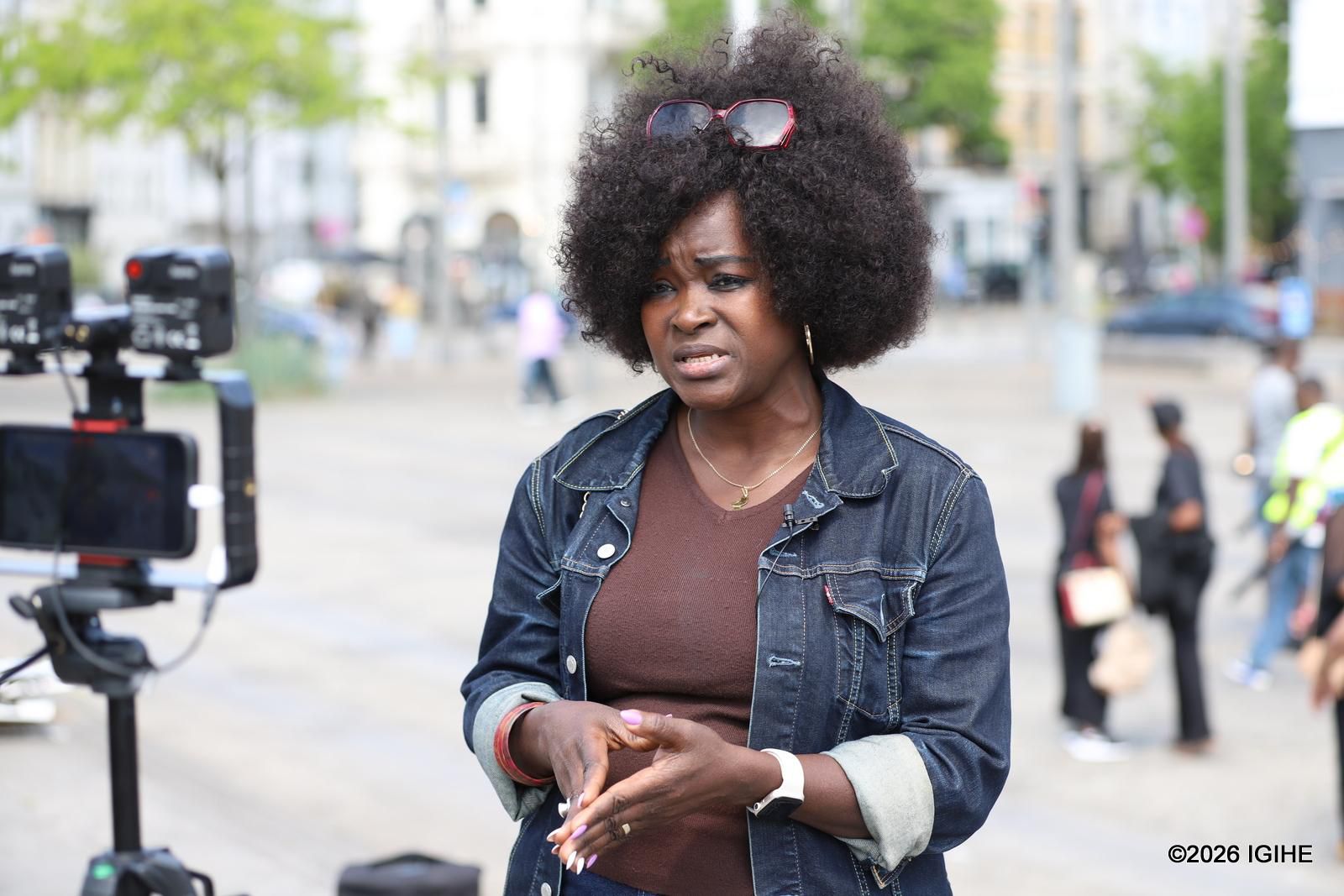
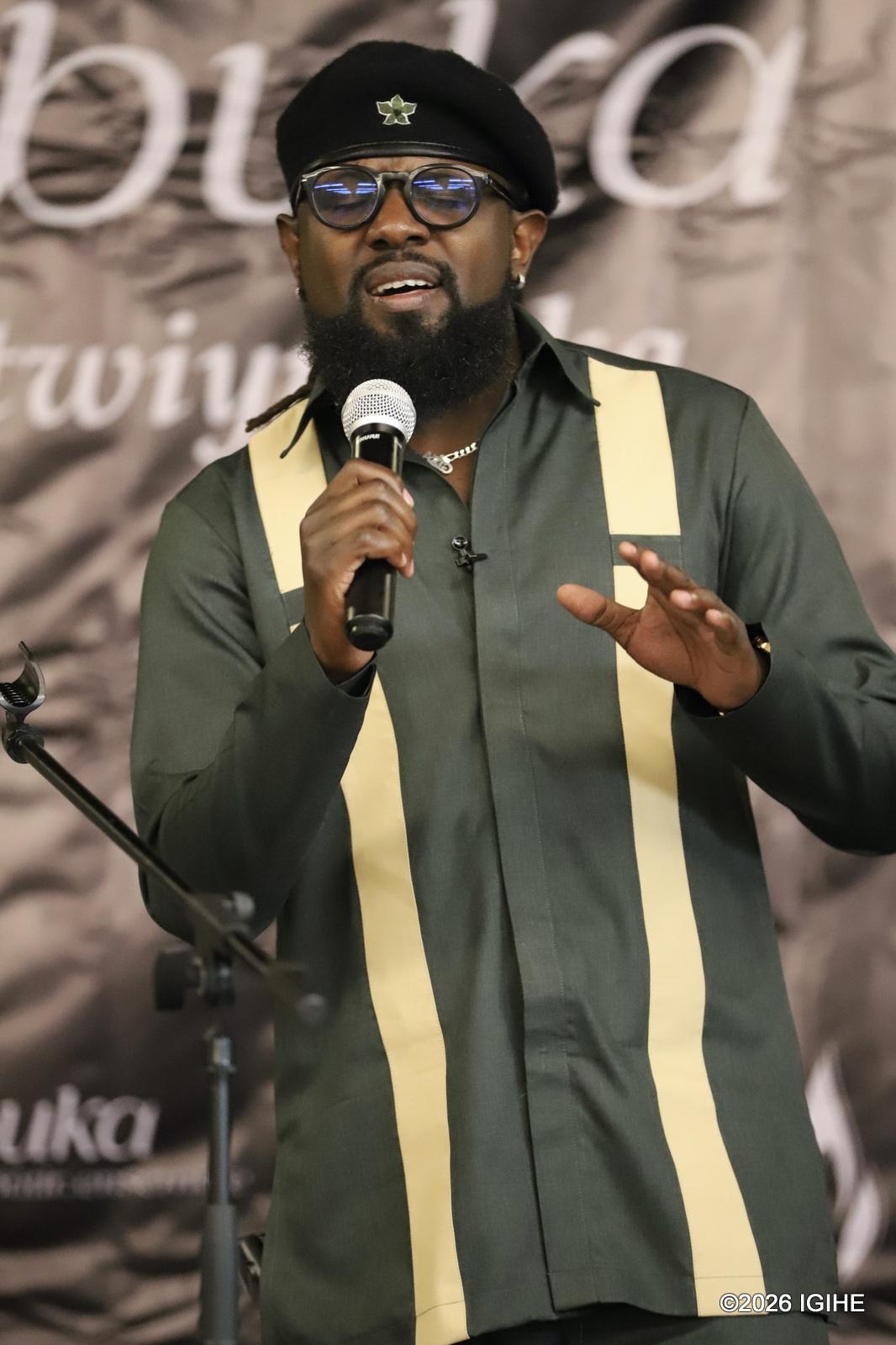
Steve Rugamba, head of the Rwandan Diaspora – Antwerp section.Lina Mukandoli delivered a testimony through poetry.Kayitesi Chantal shared testimony about how she survived in Kibirira.Léna Rutagira and Charles Mwunvirangoma coordinated the second part of the commemoration evening.Claire Kayirangwa, representing Ibuka-Mémoire et Justice-Belgique, delivering the speech of the day.Yaowo, a politician and councillor in the City of Antwerp said that it is very important to commemorate and give space to the memory of the victims of the Genocide against the Tutsi, while also supporting the survivors they live alongside every day.Artist Lionel Sentore performed at the event.