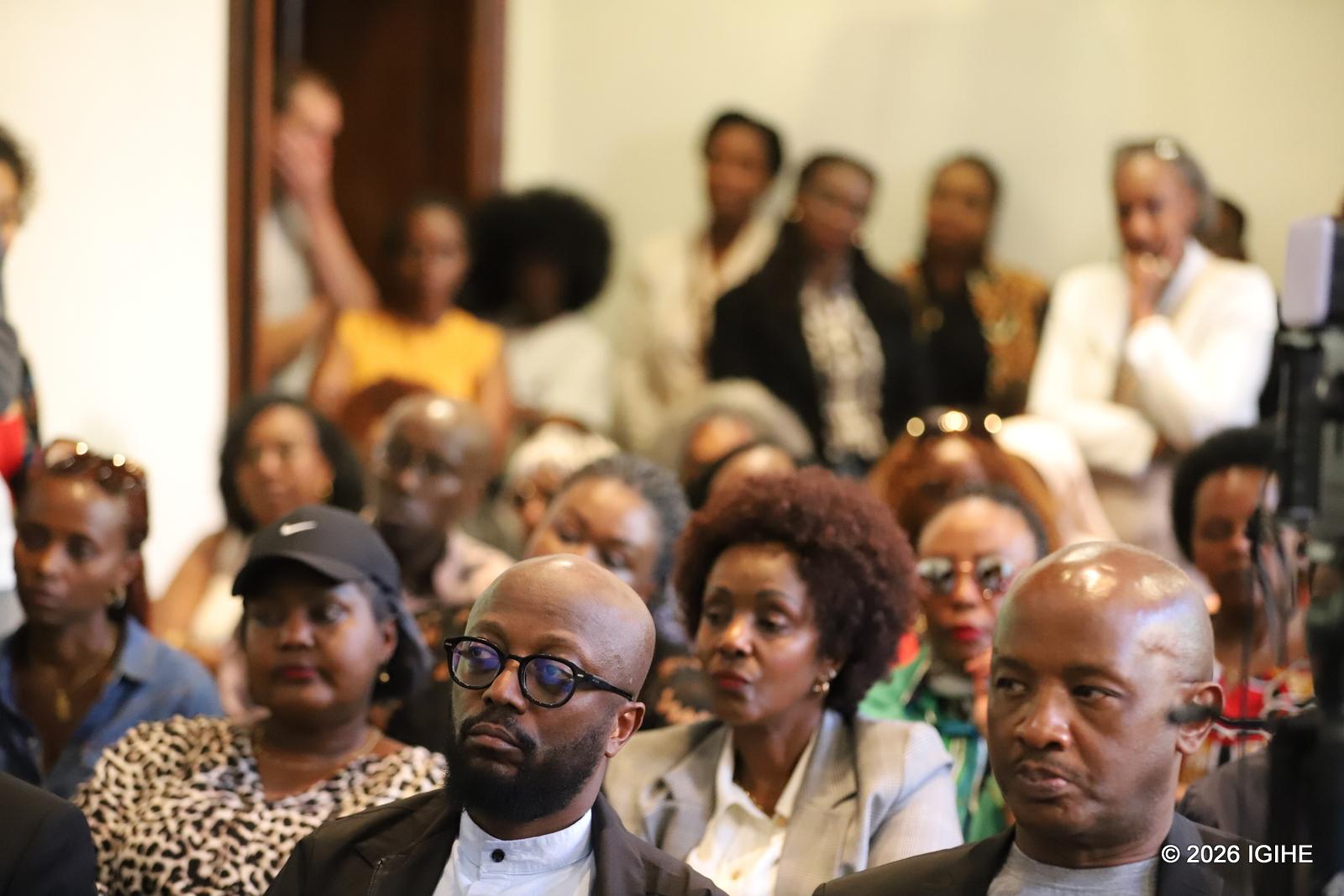
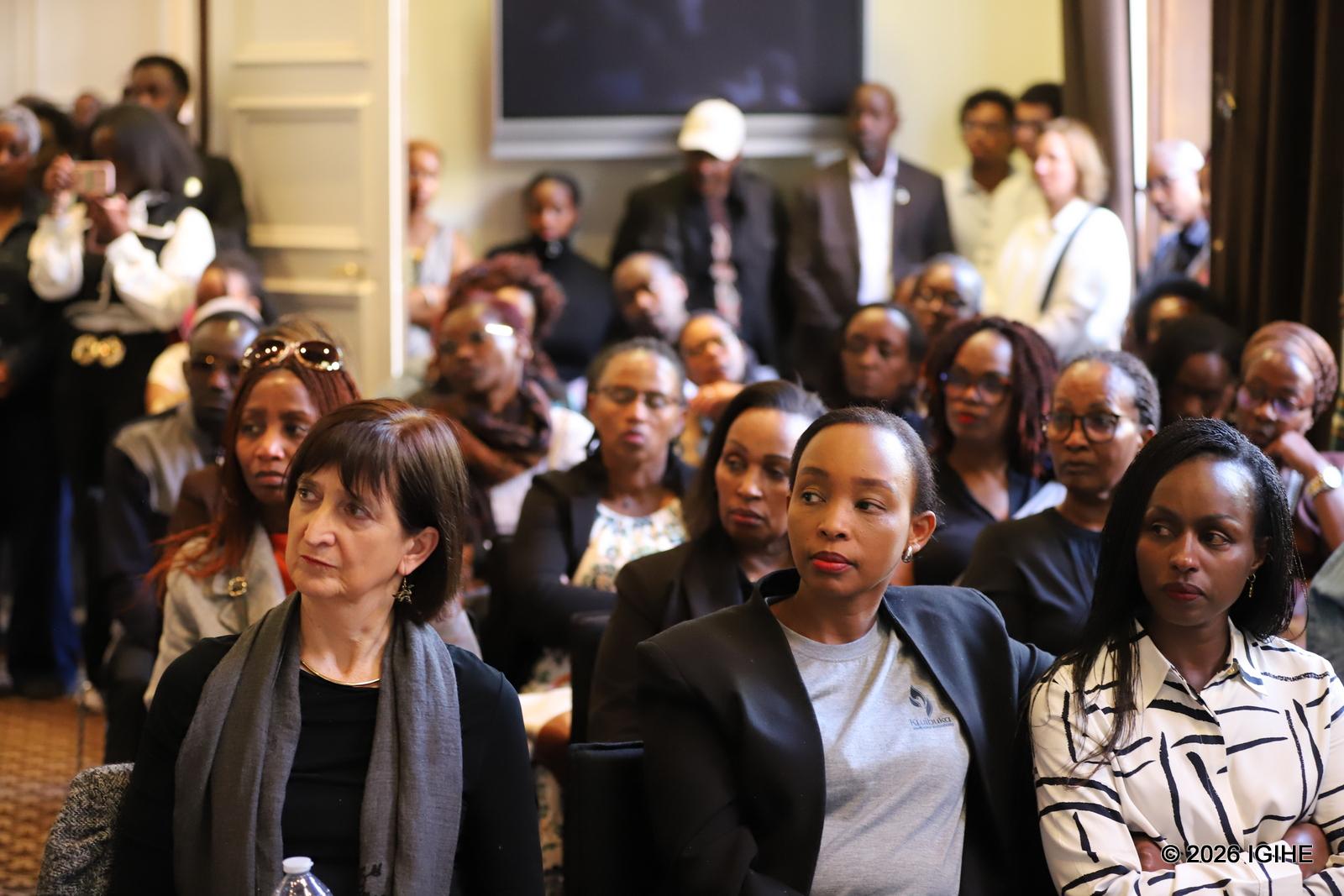
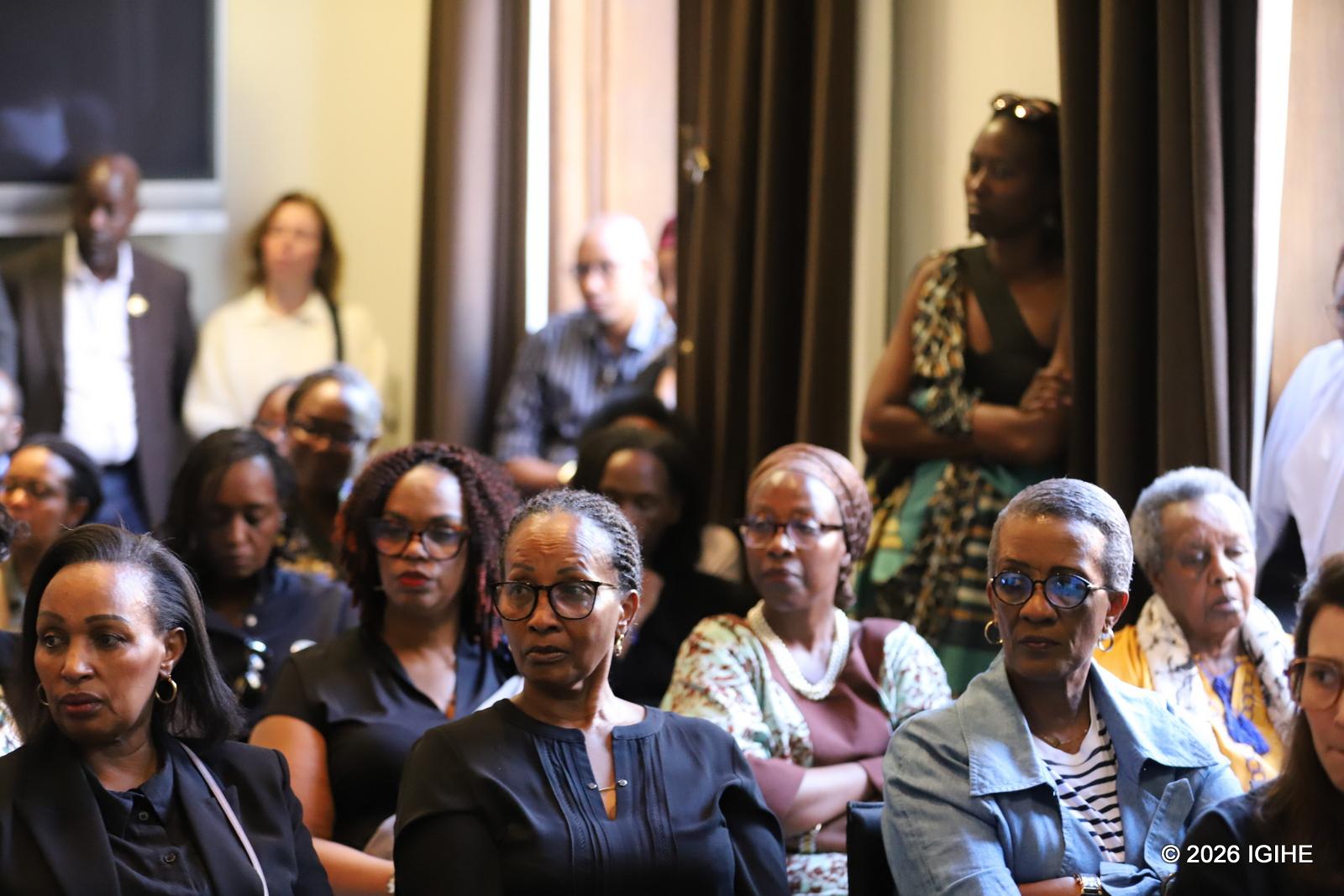
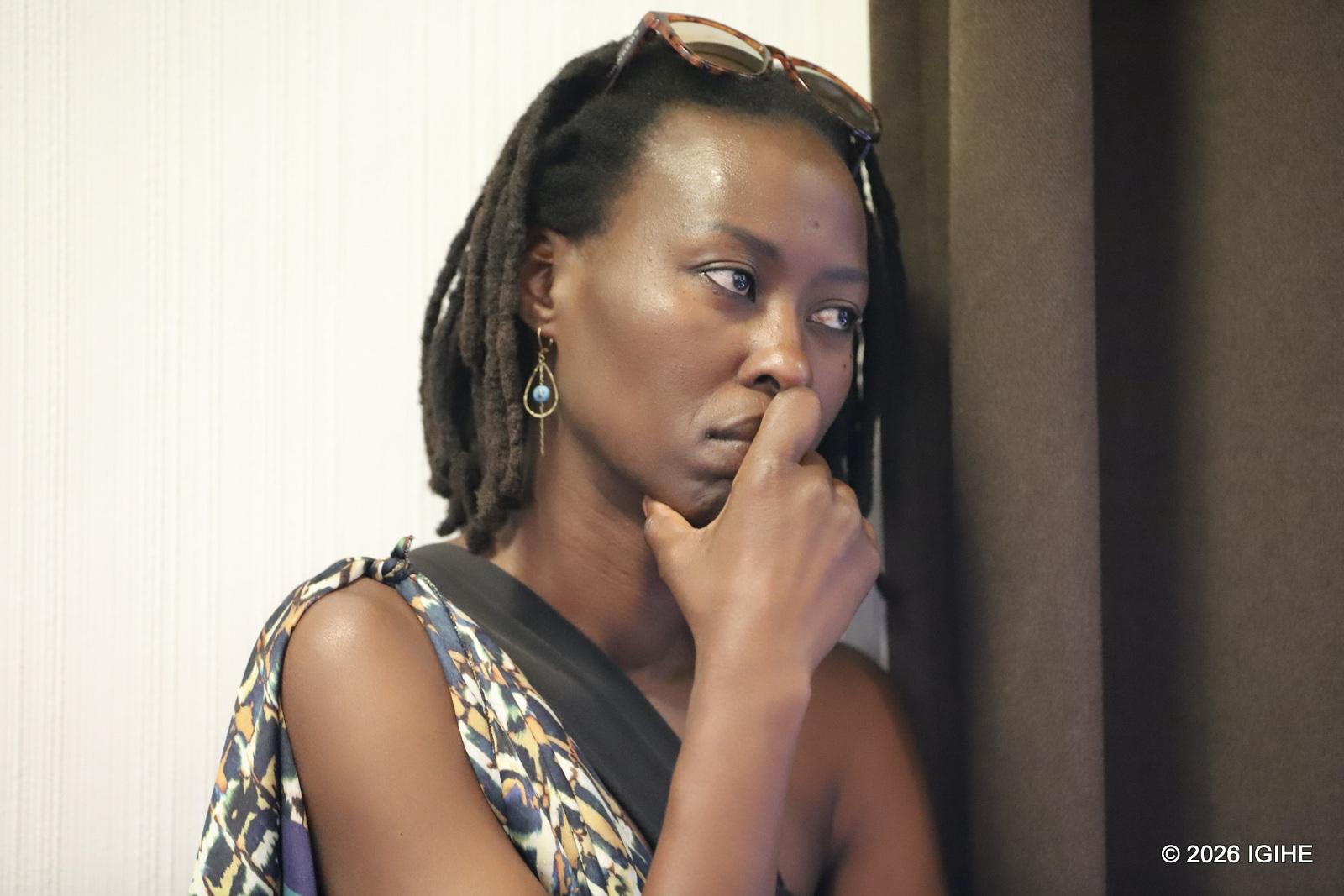
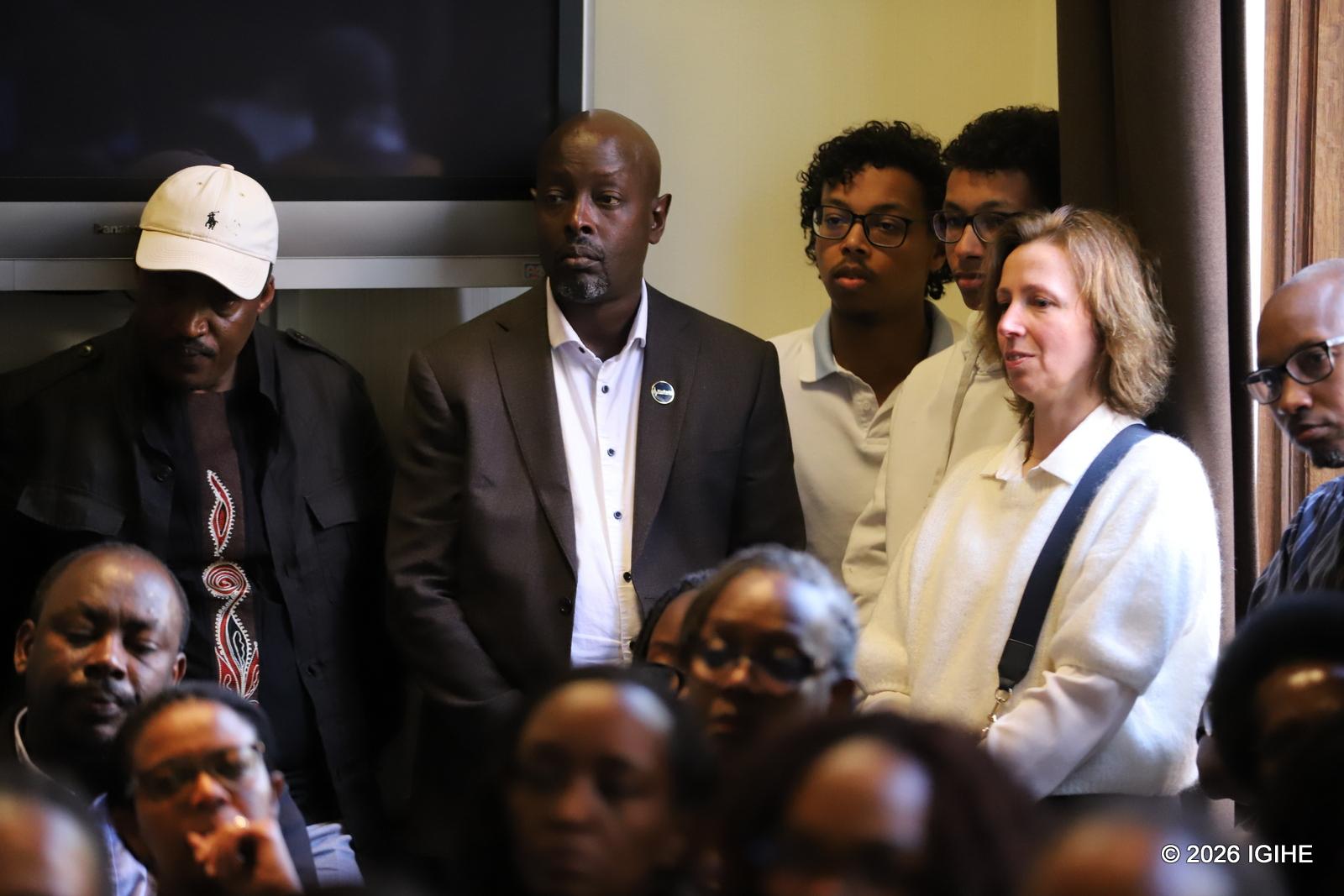
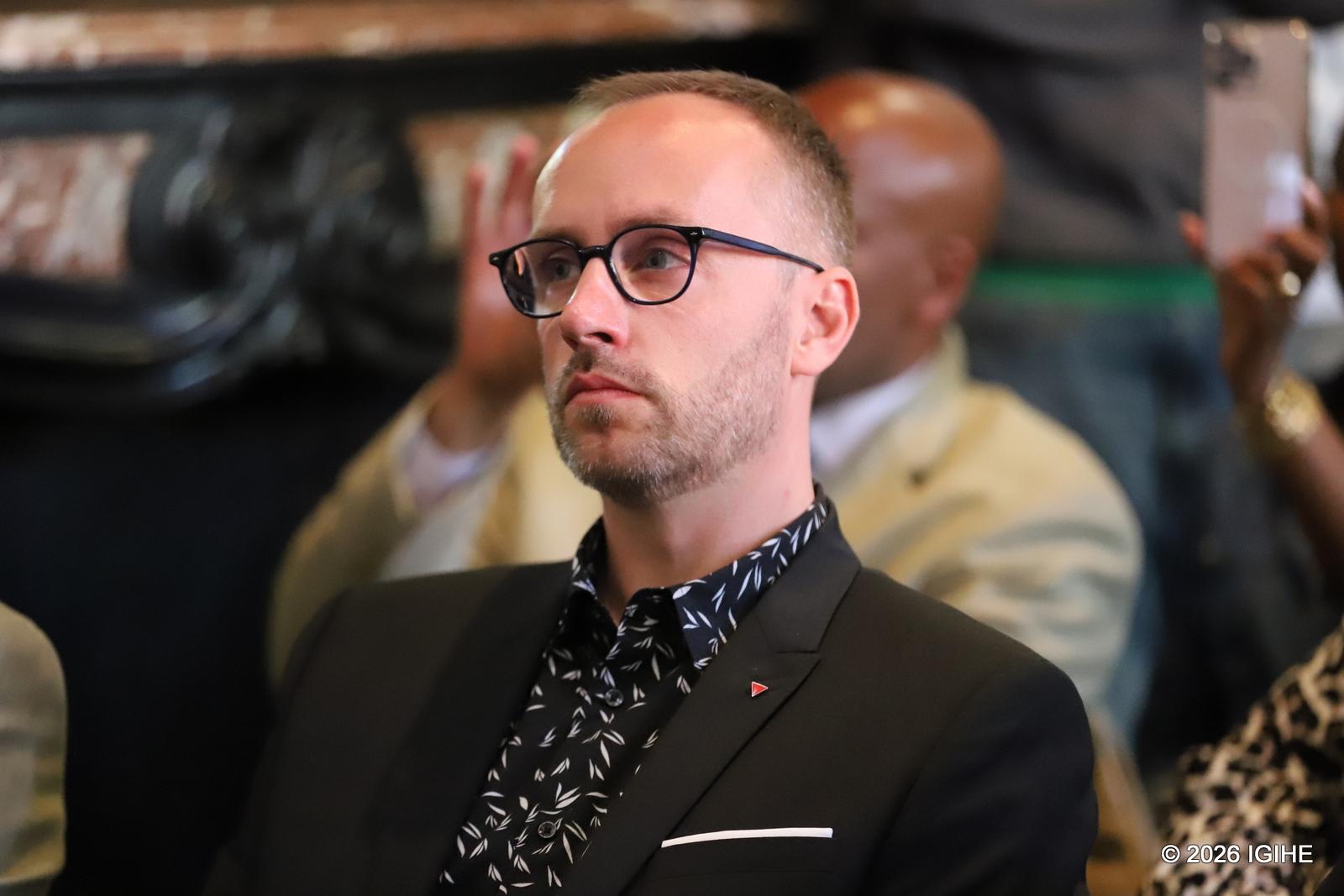
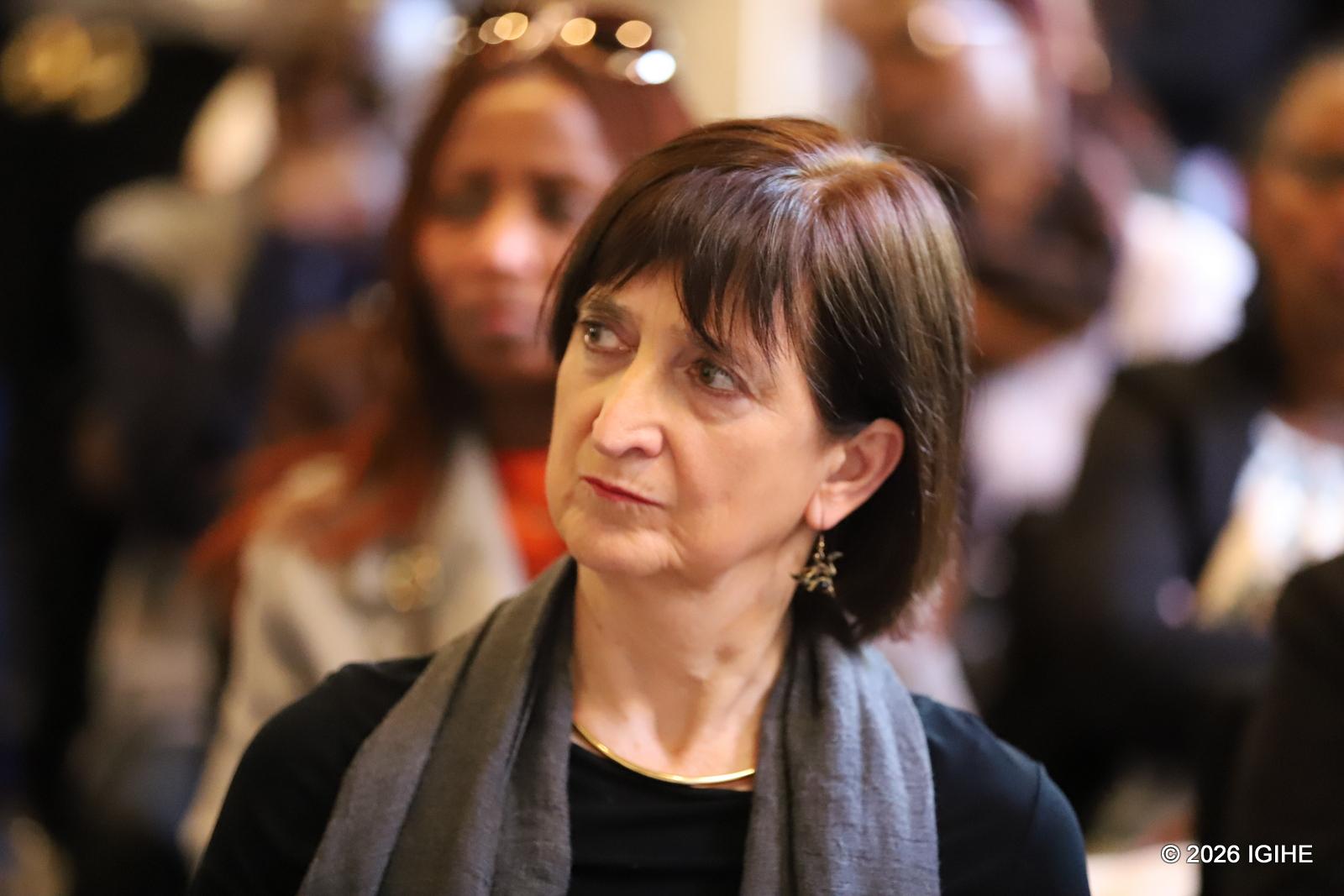
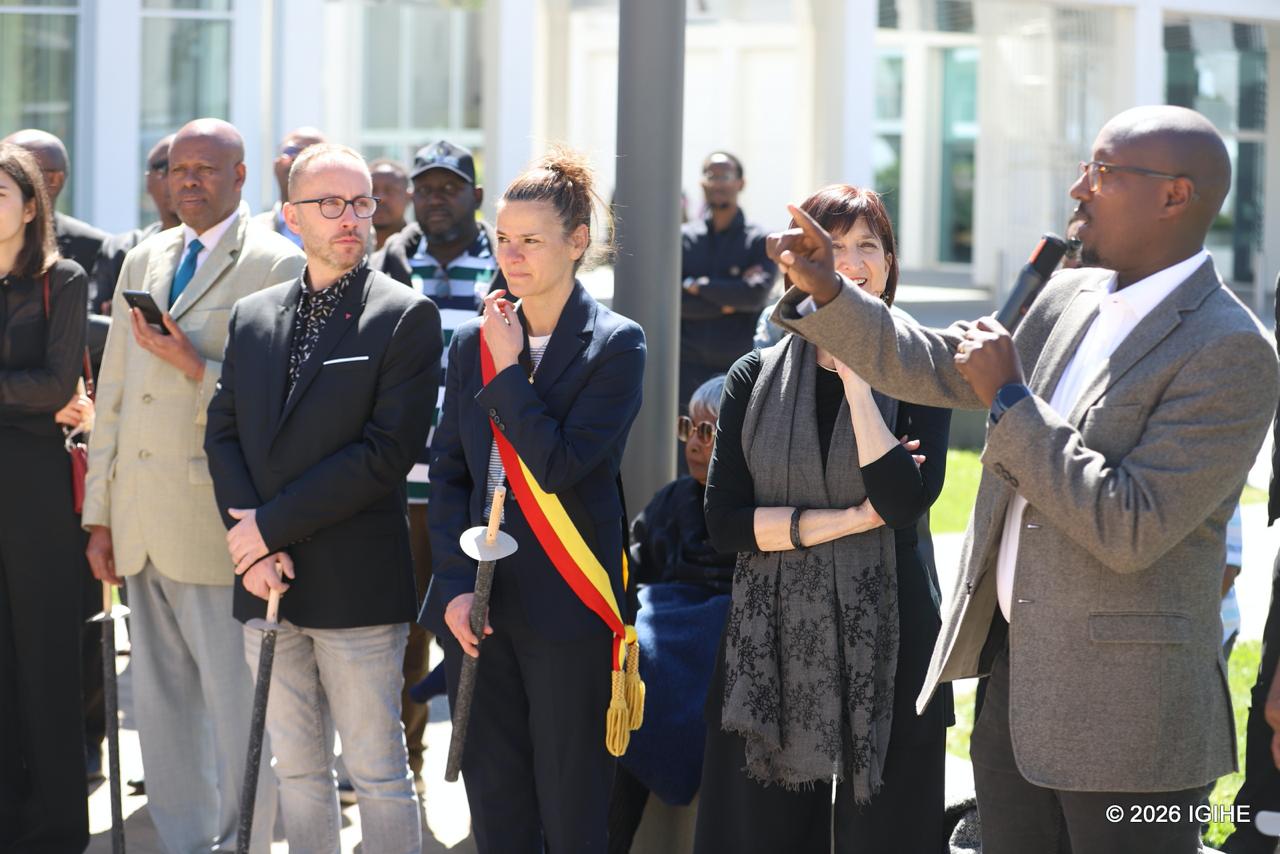
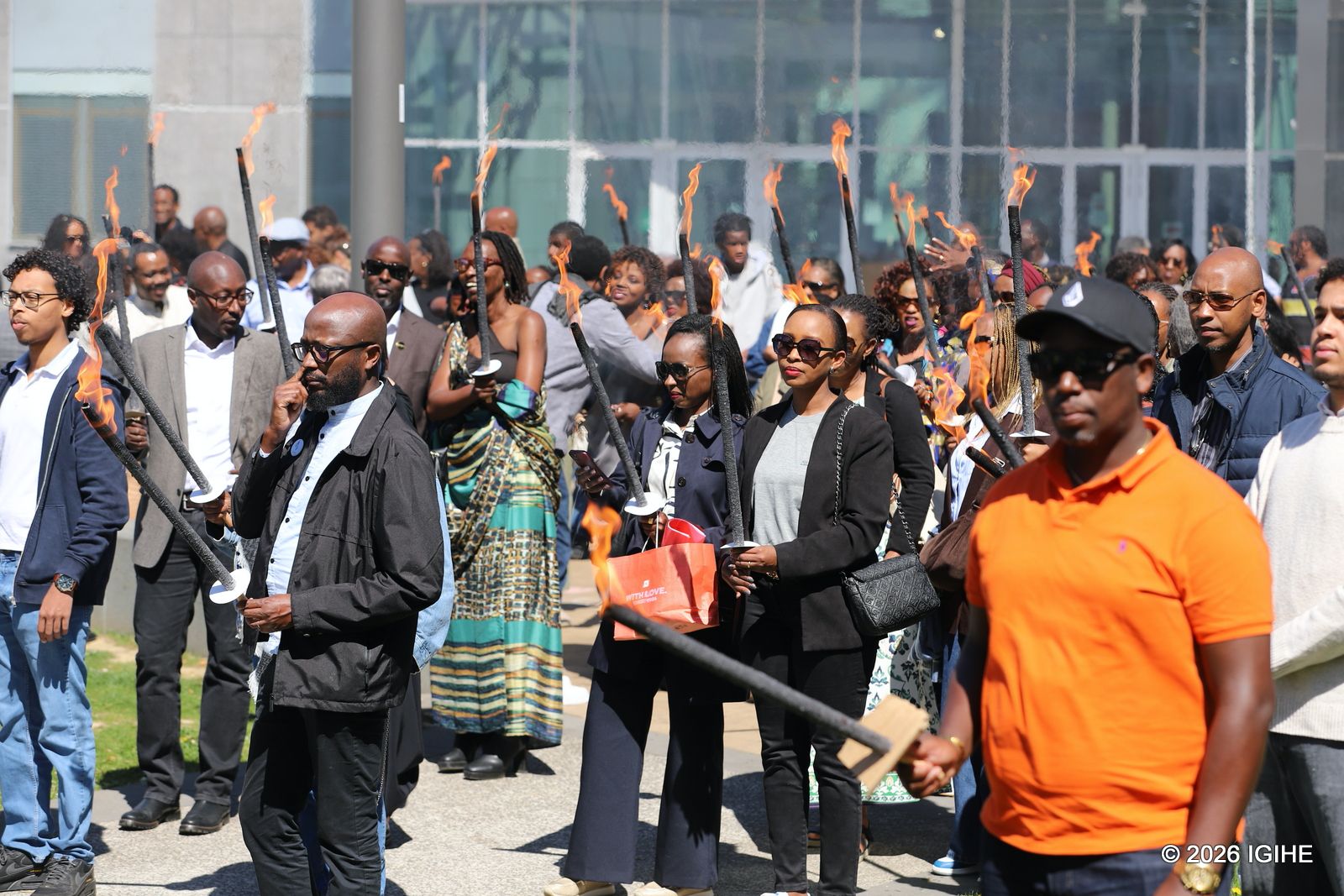
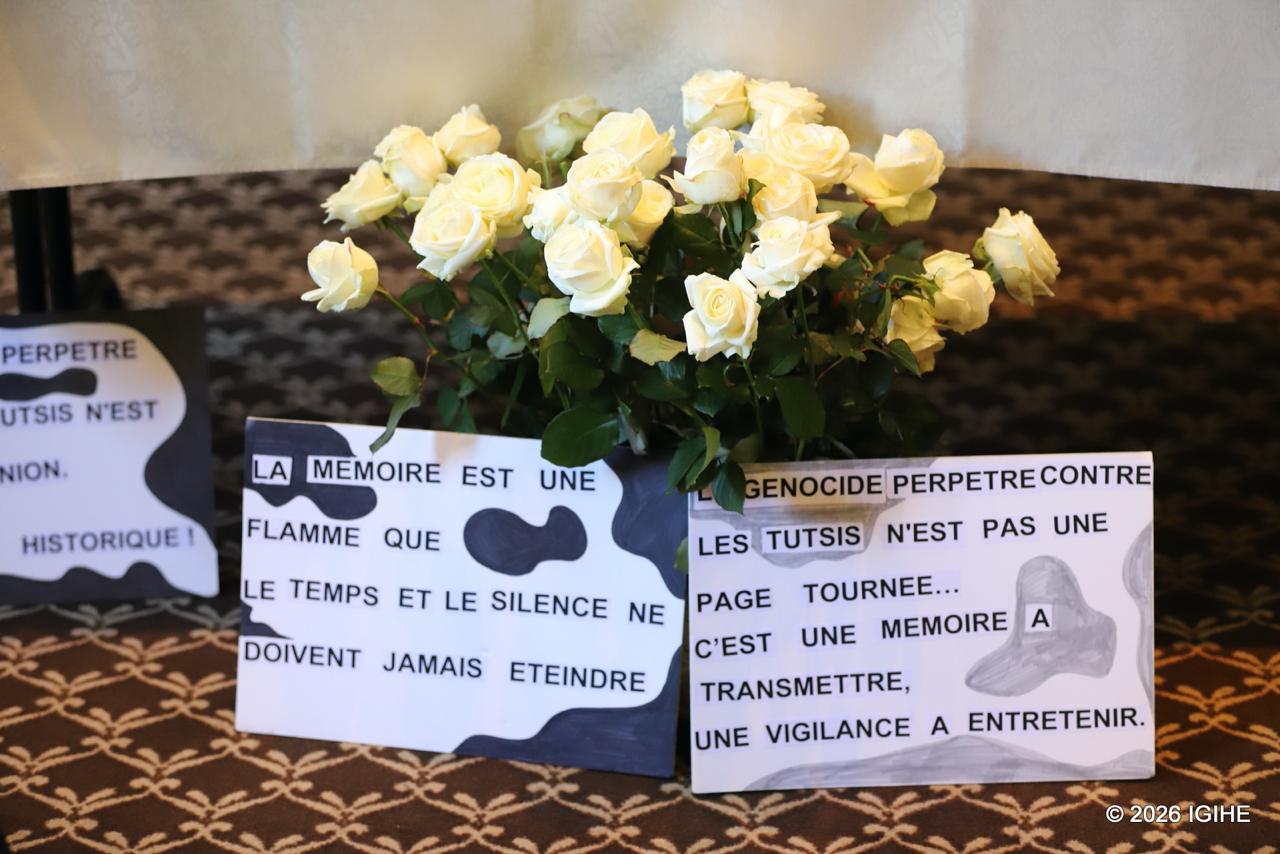
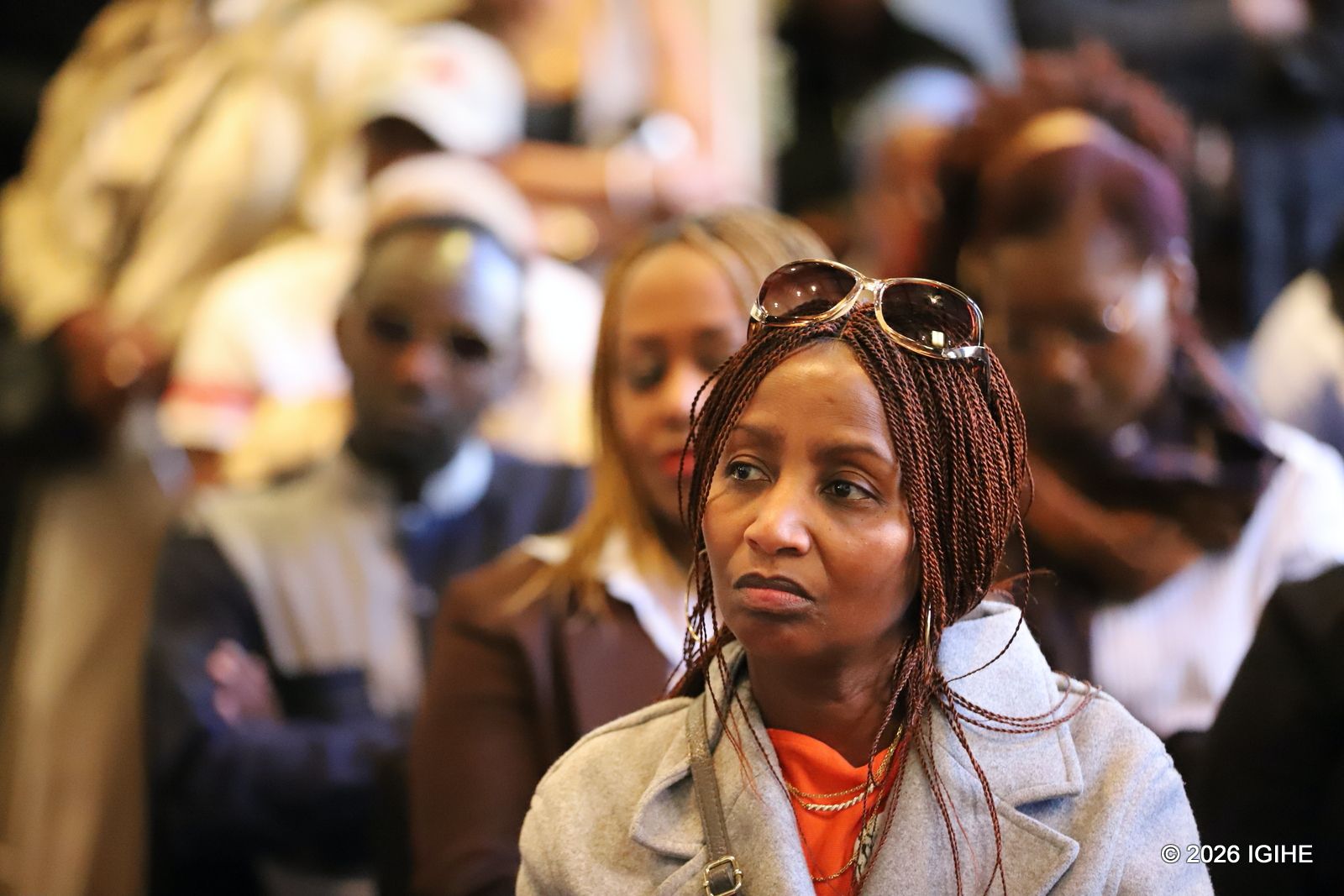
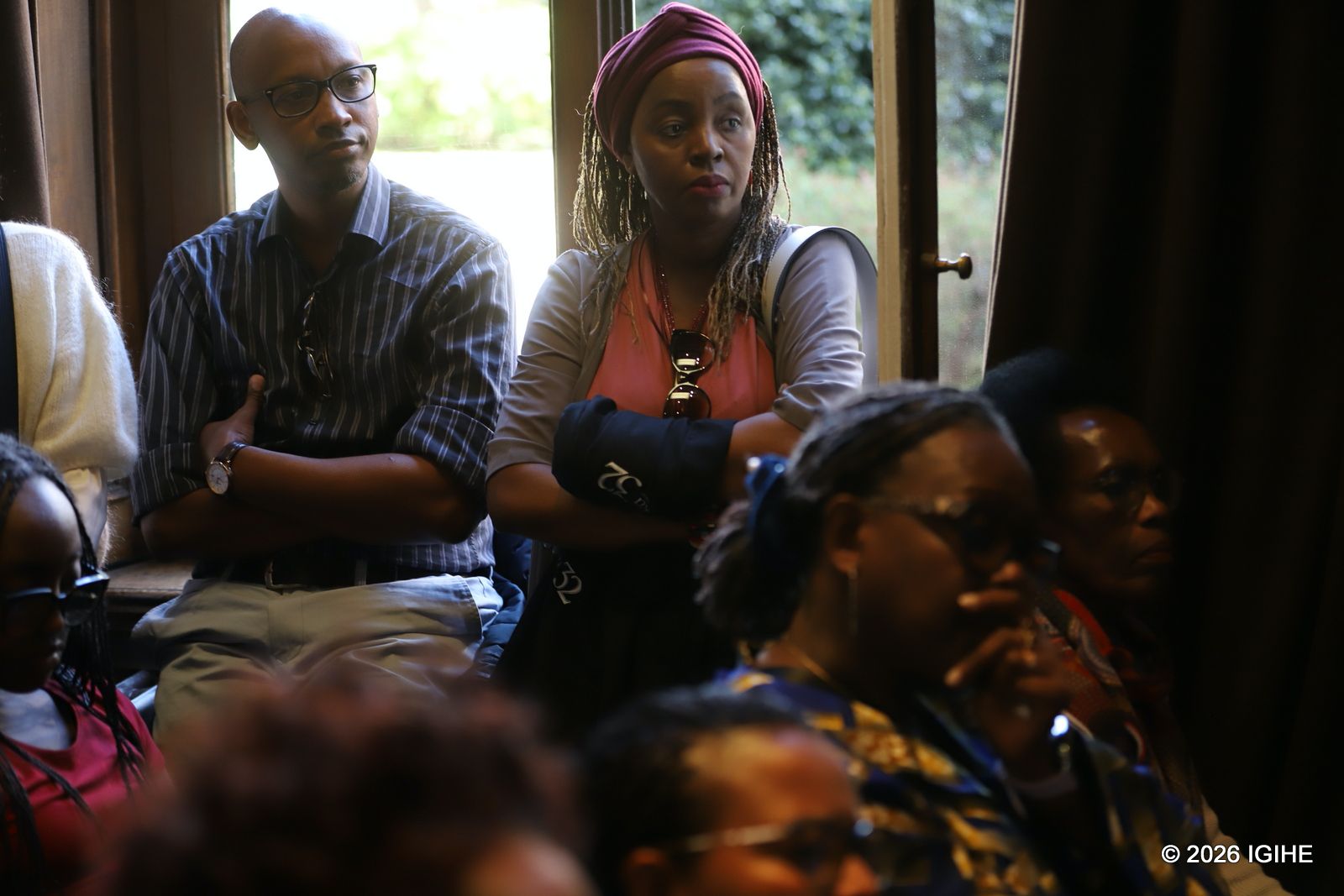
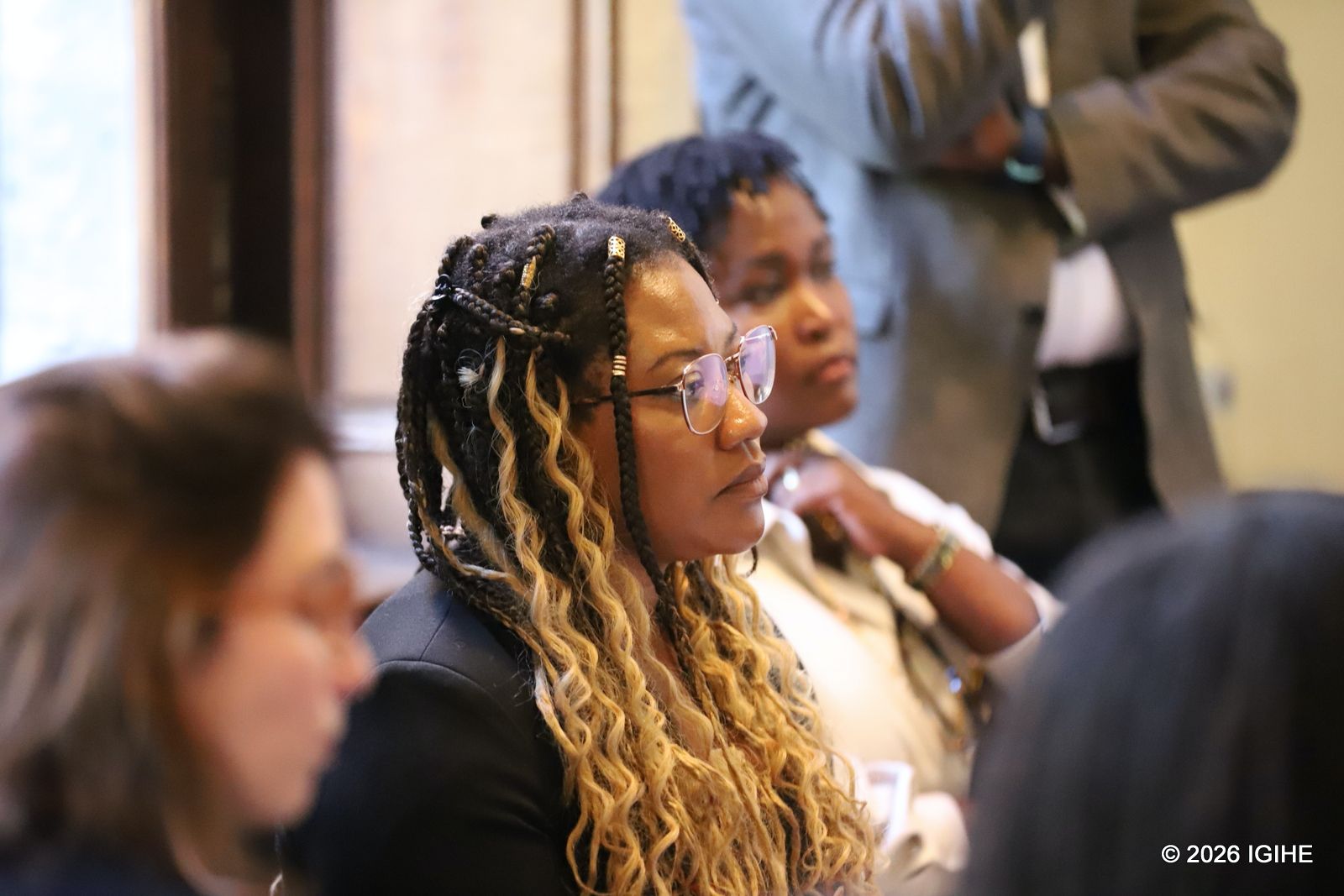
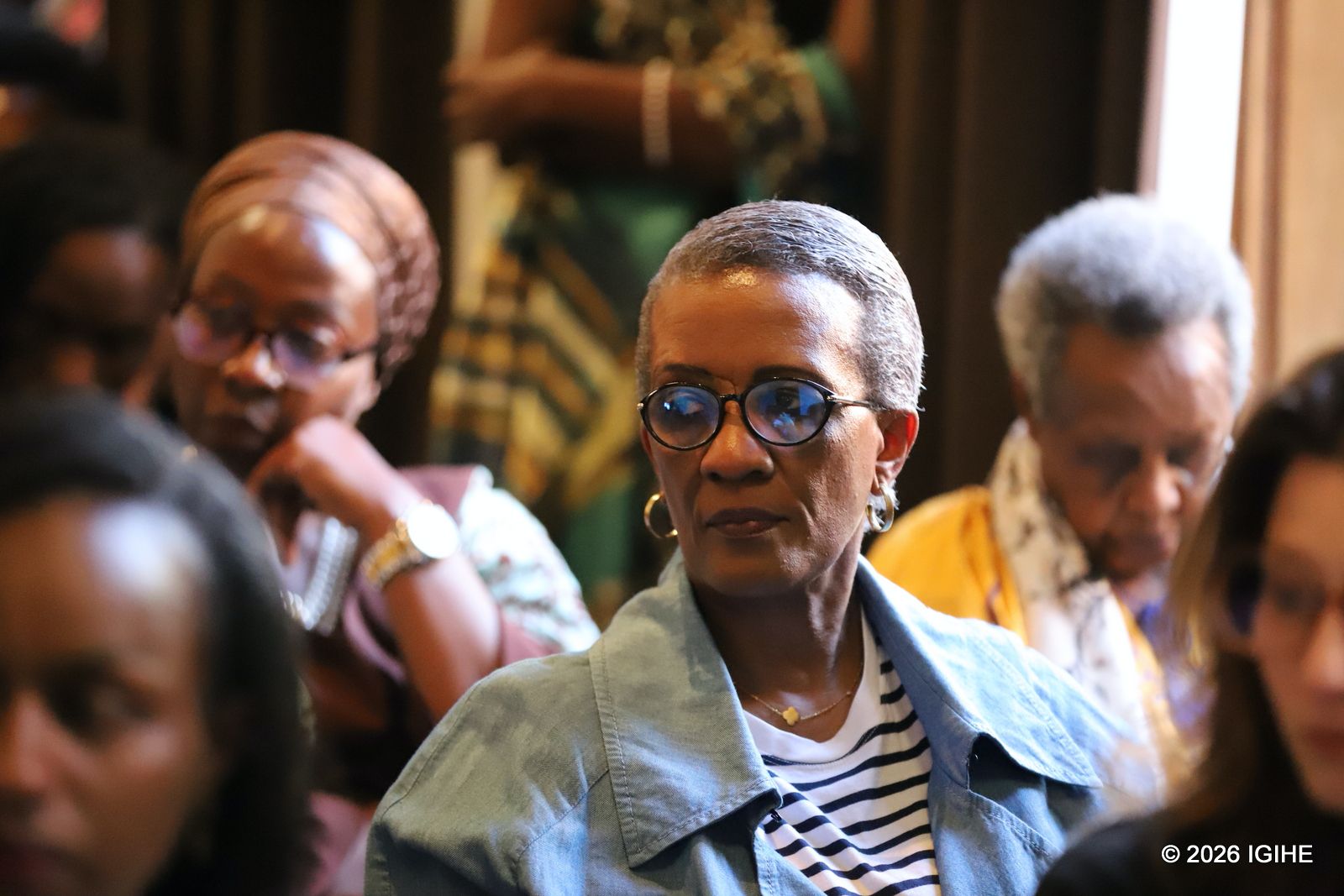
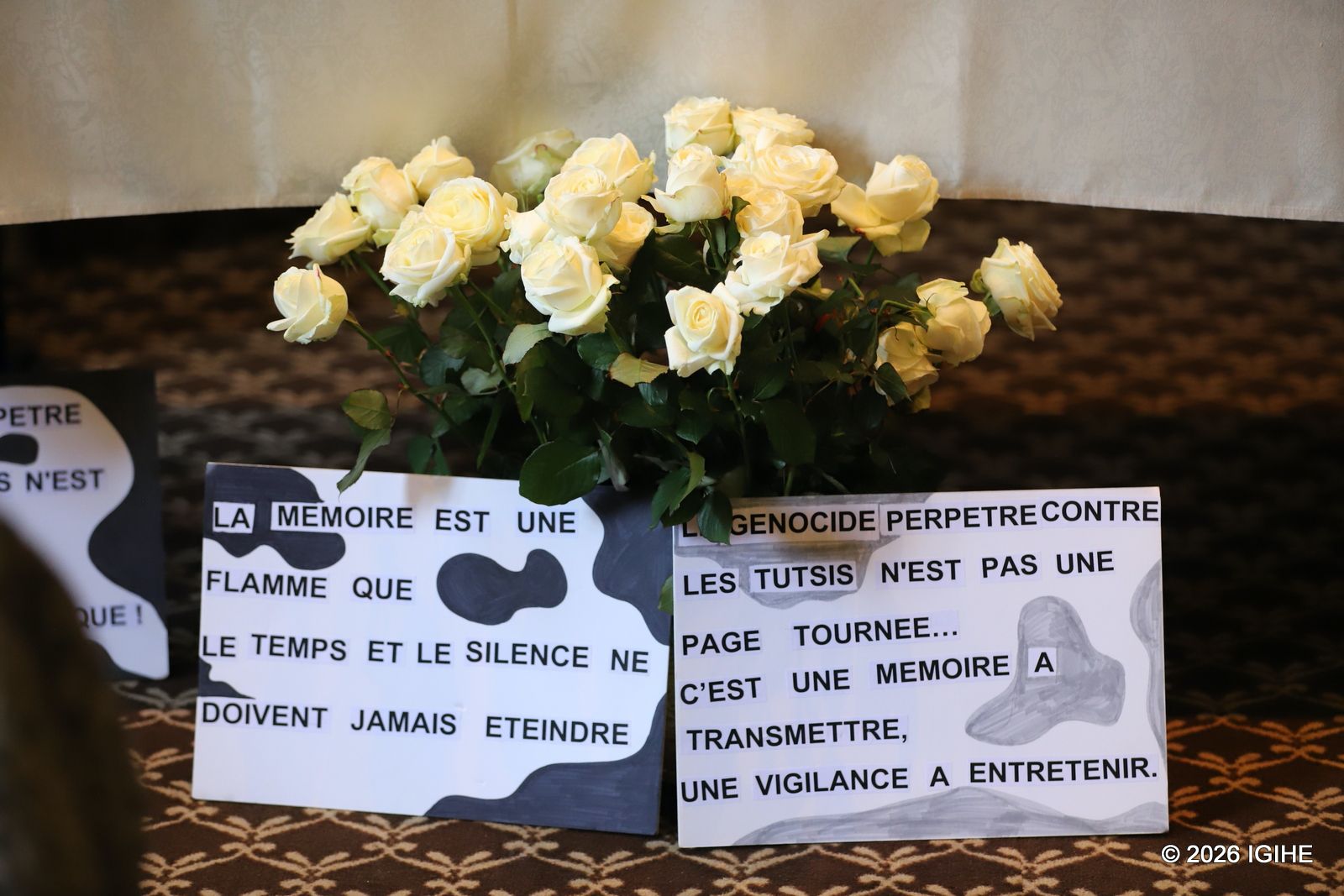
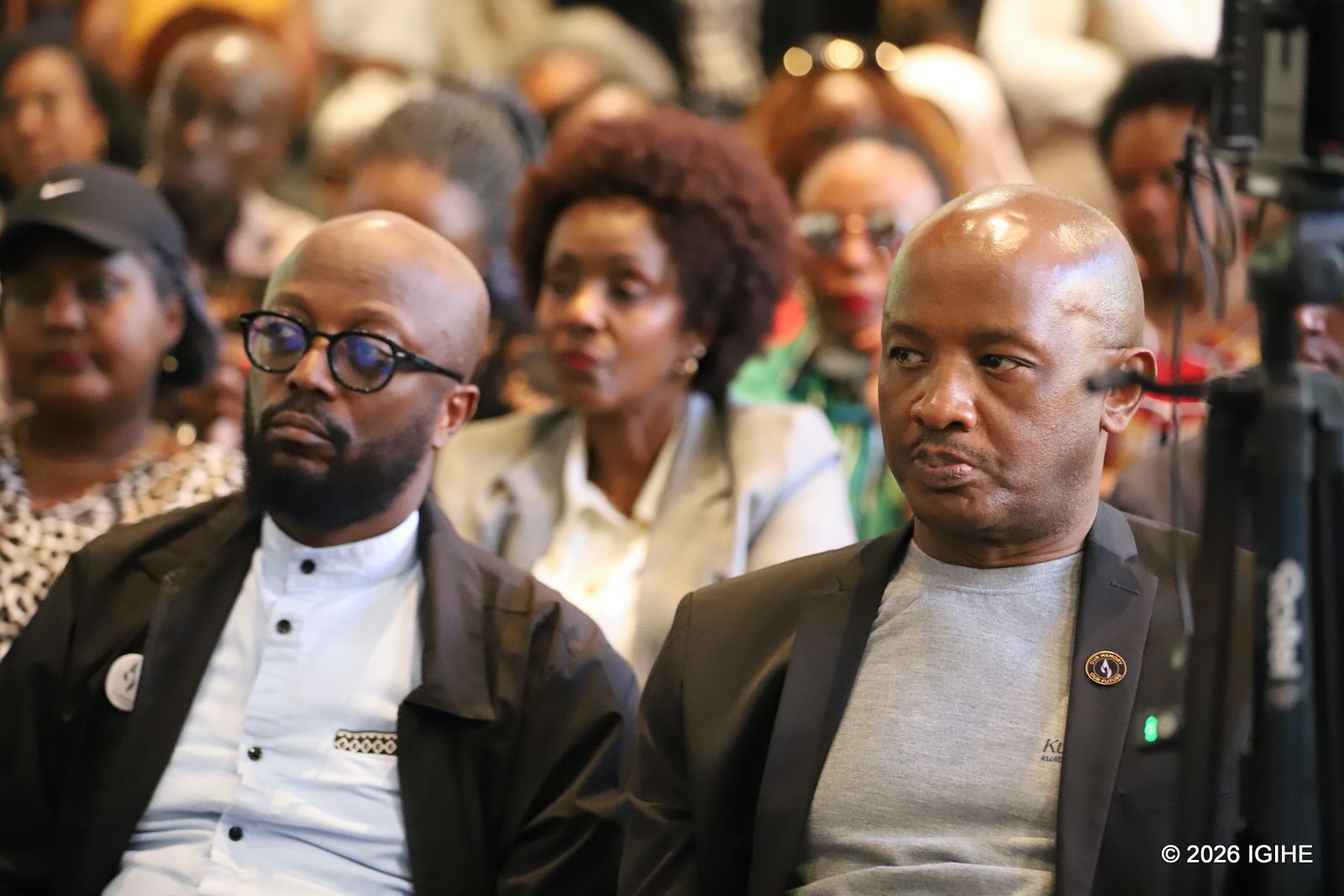
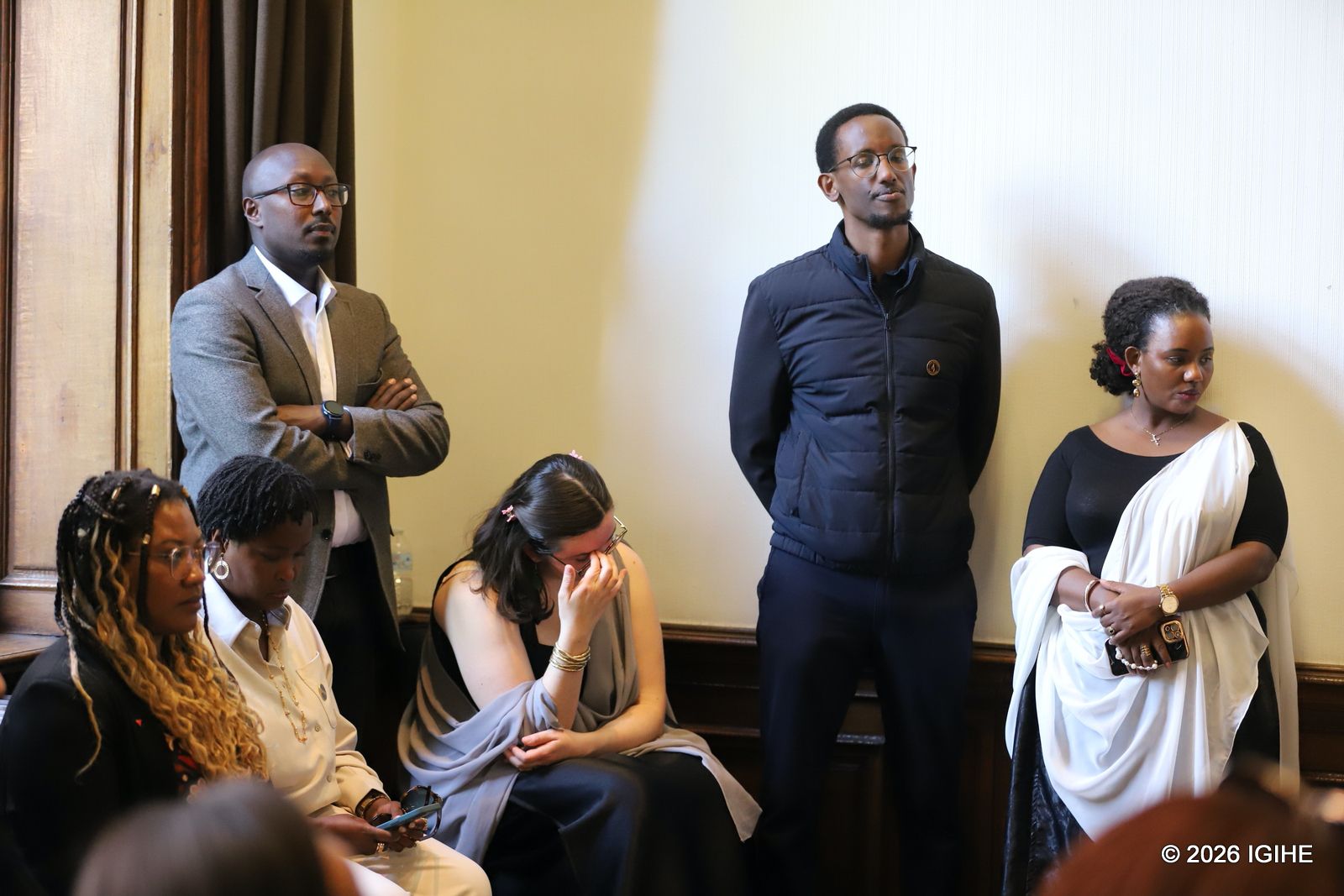
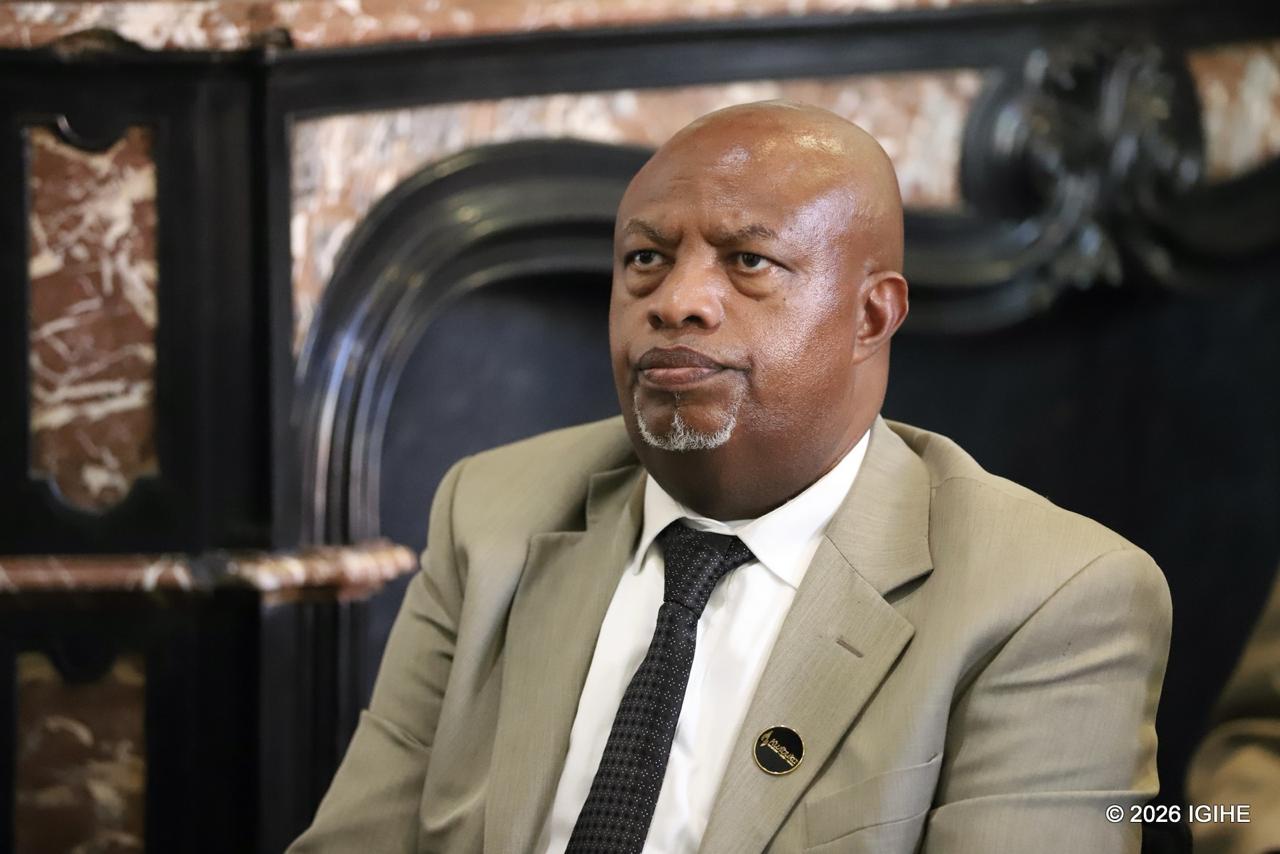
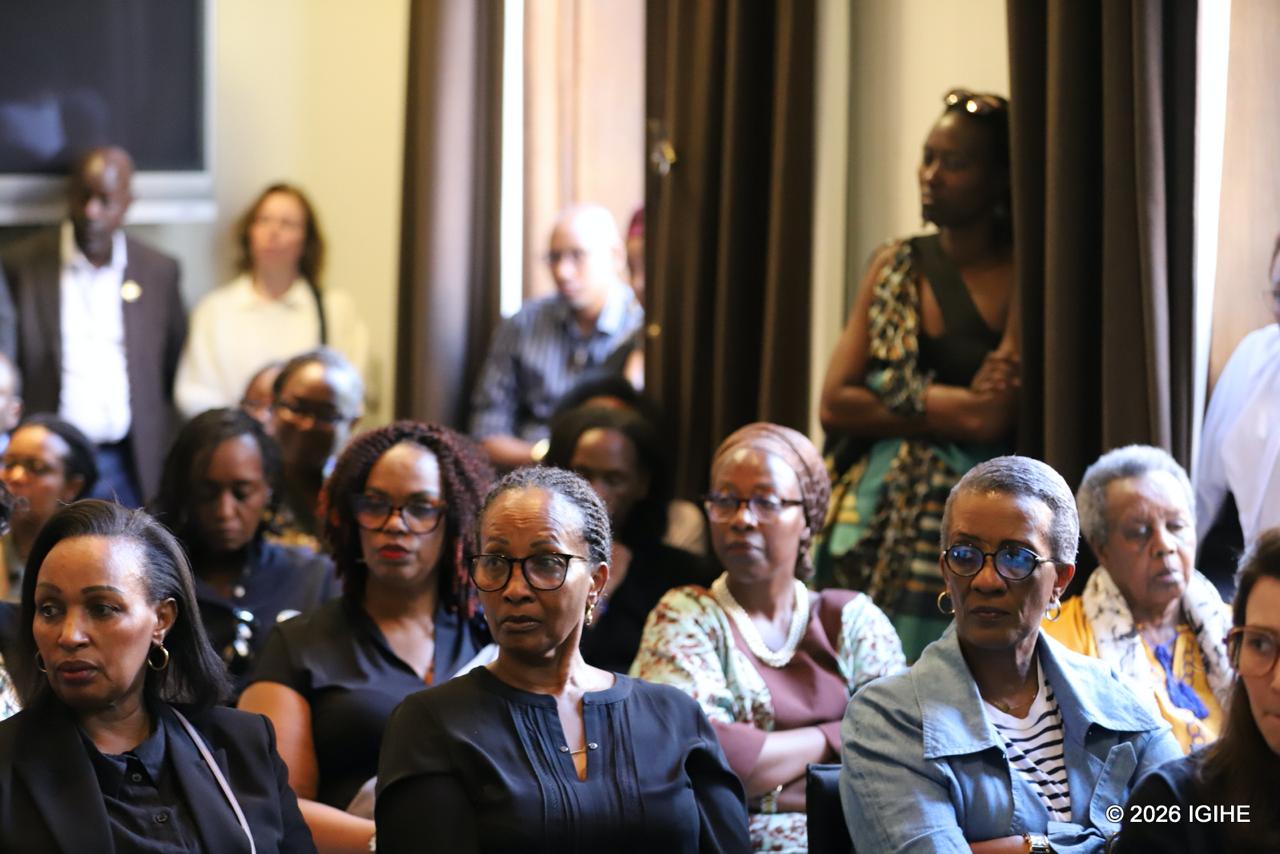
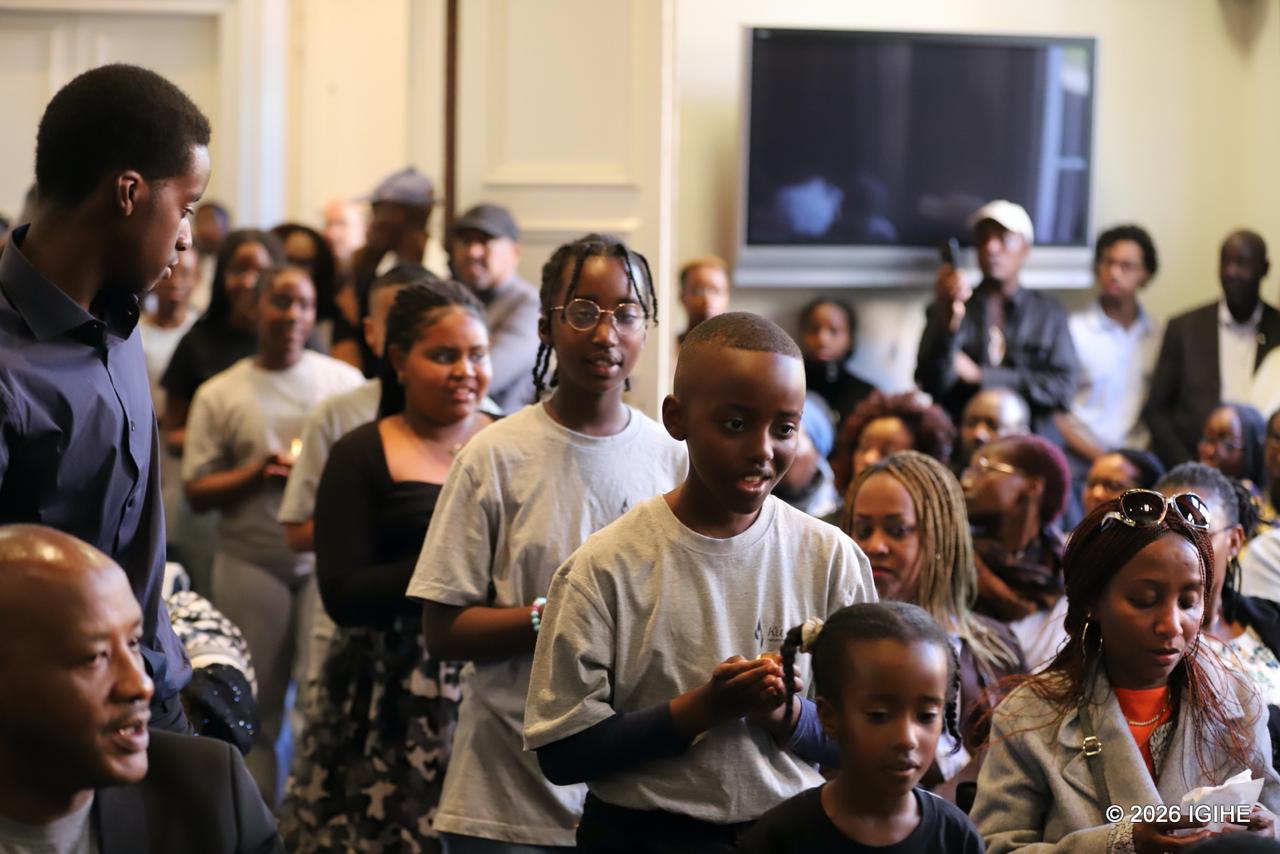
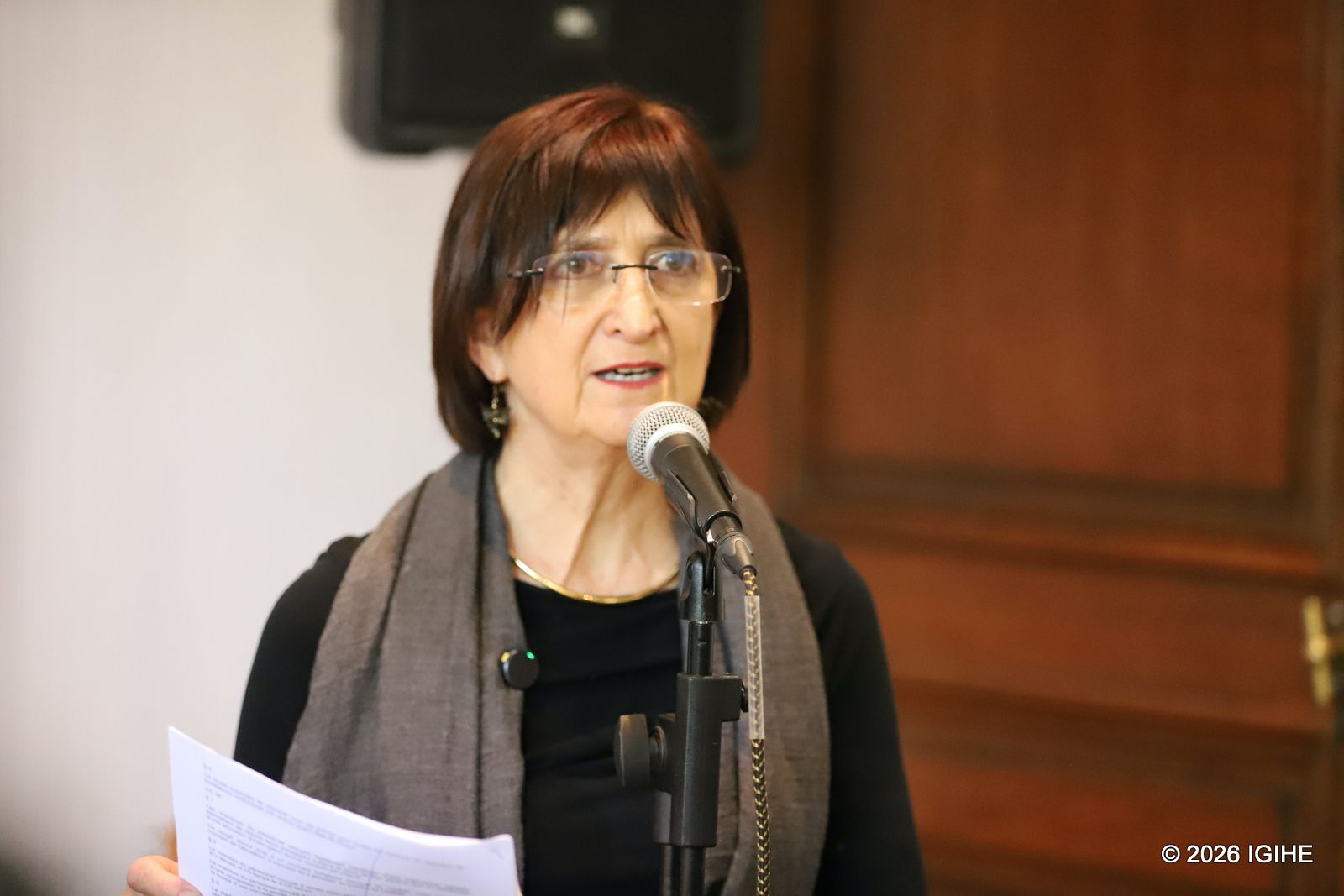
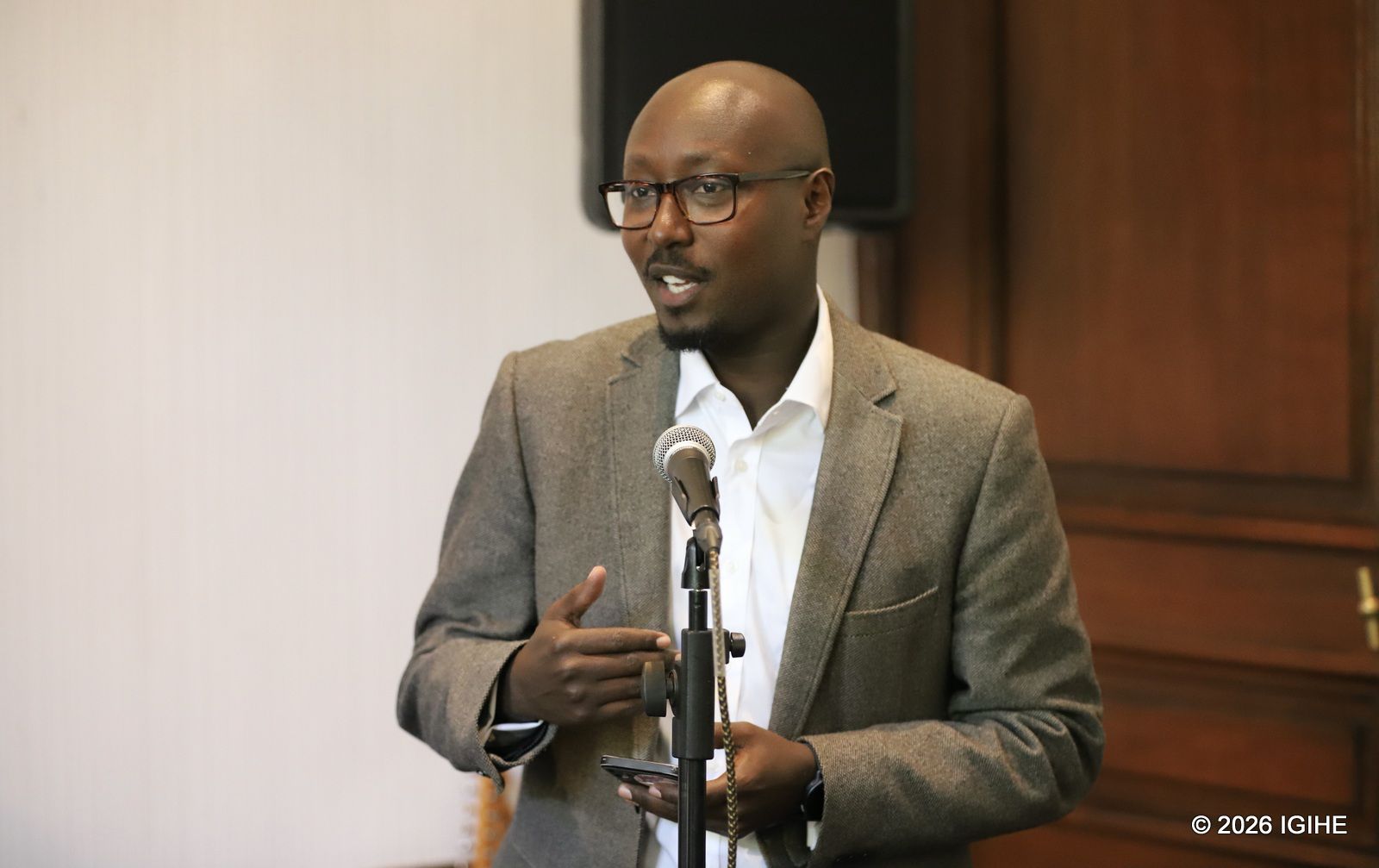
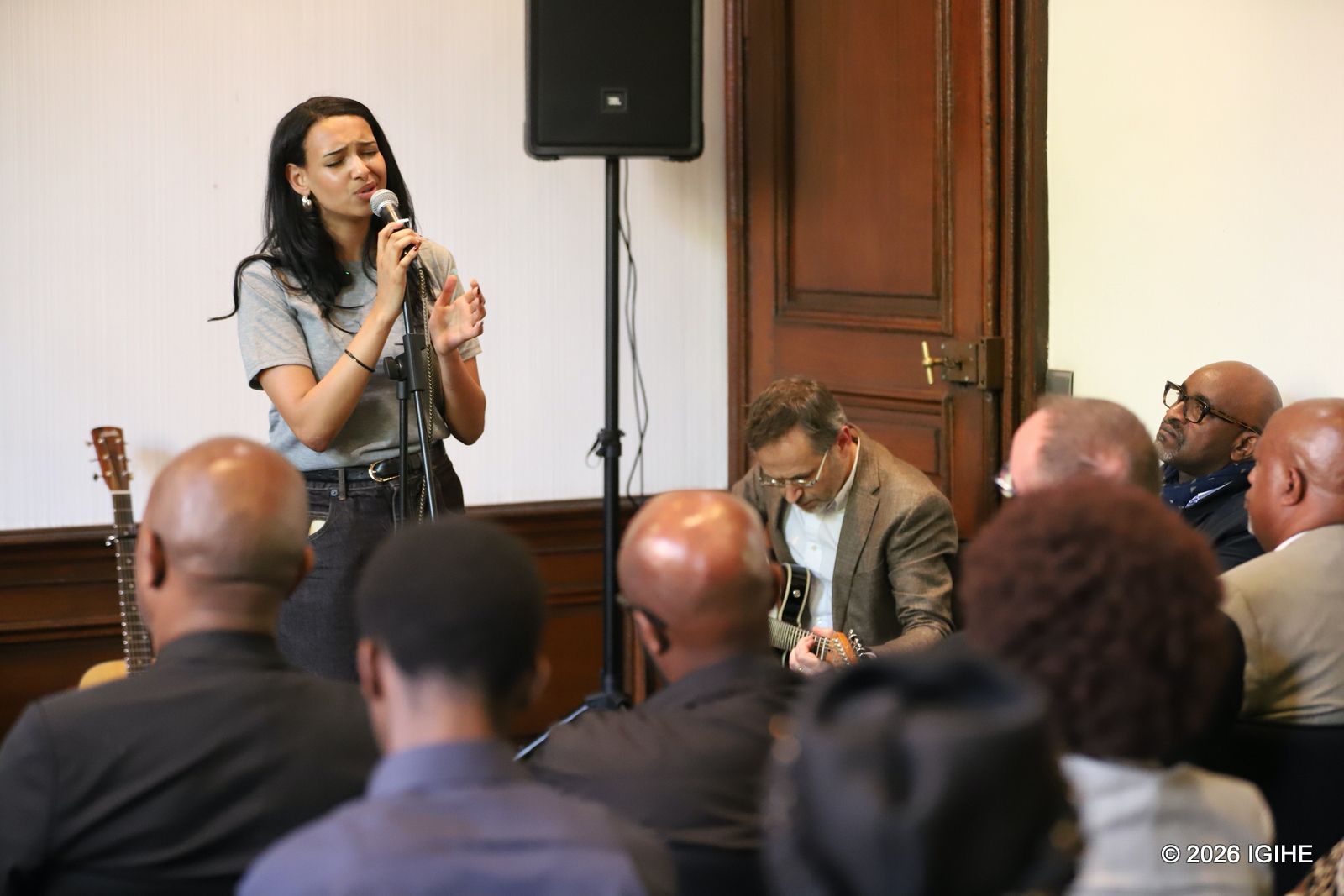
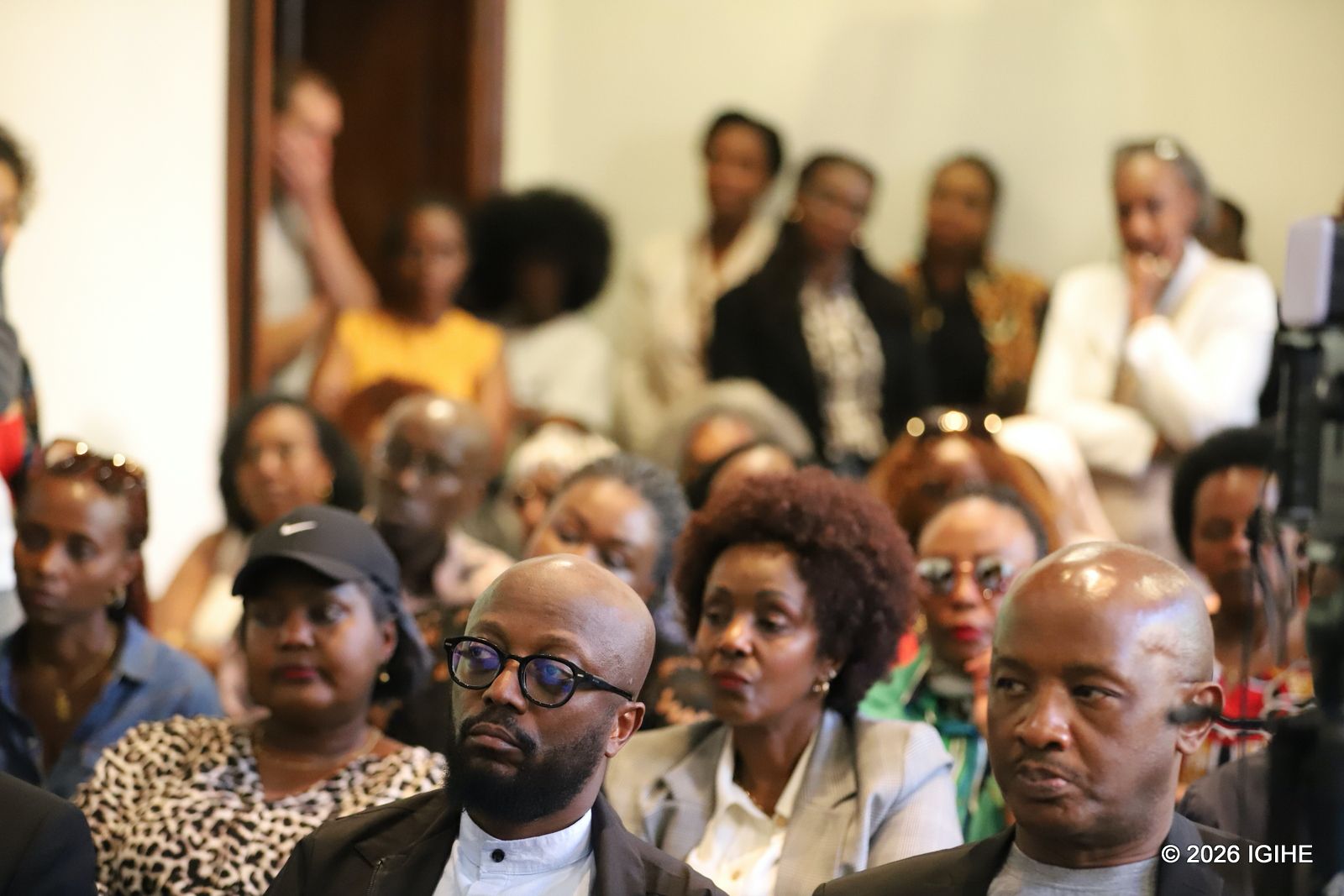
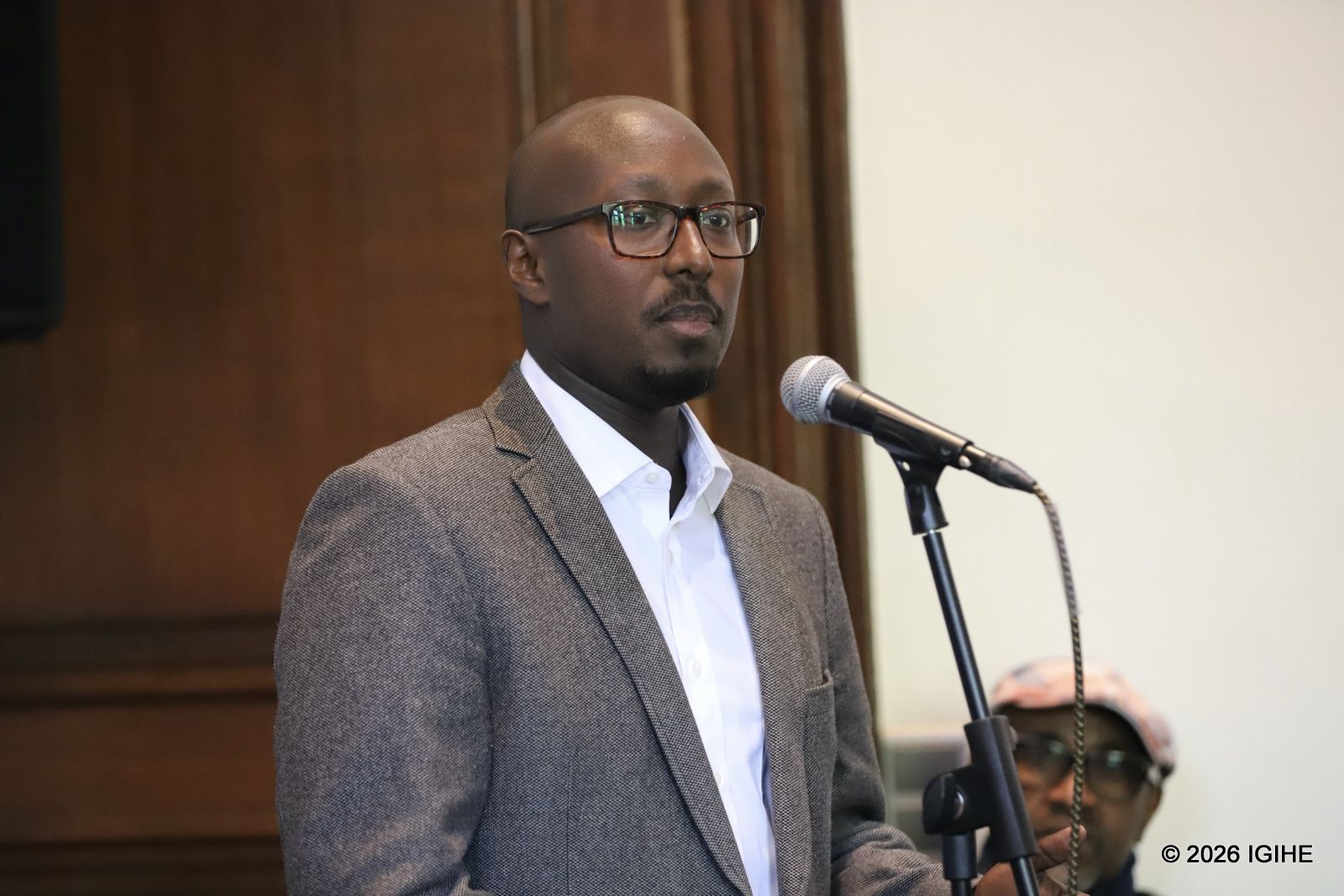
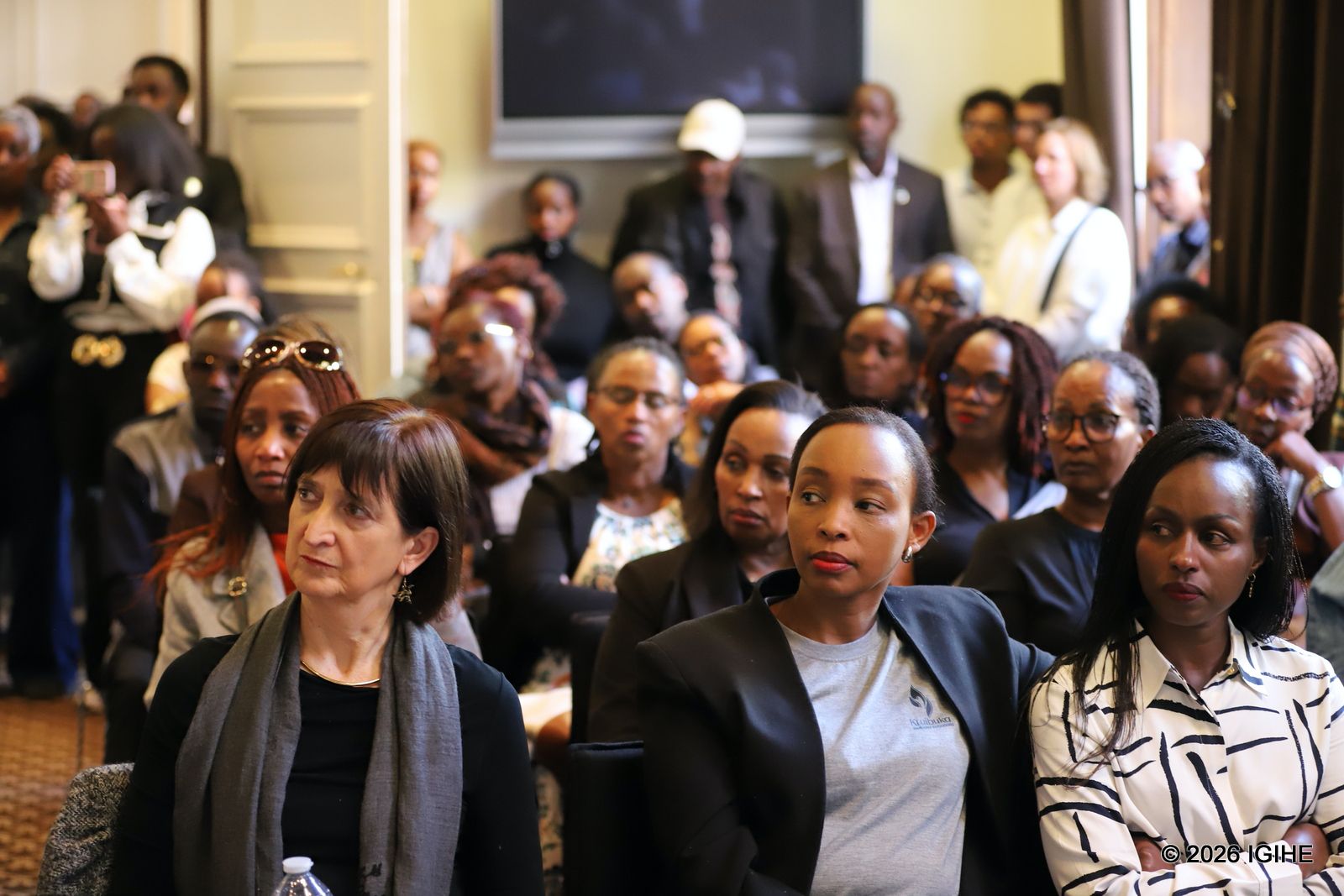
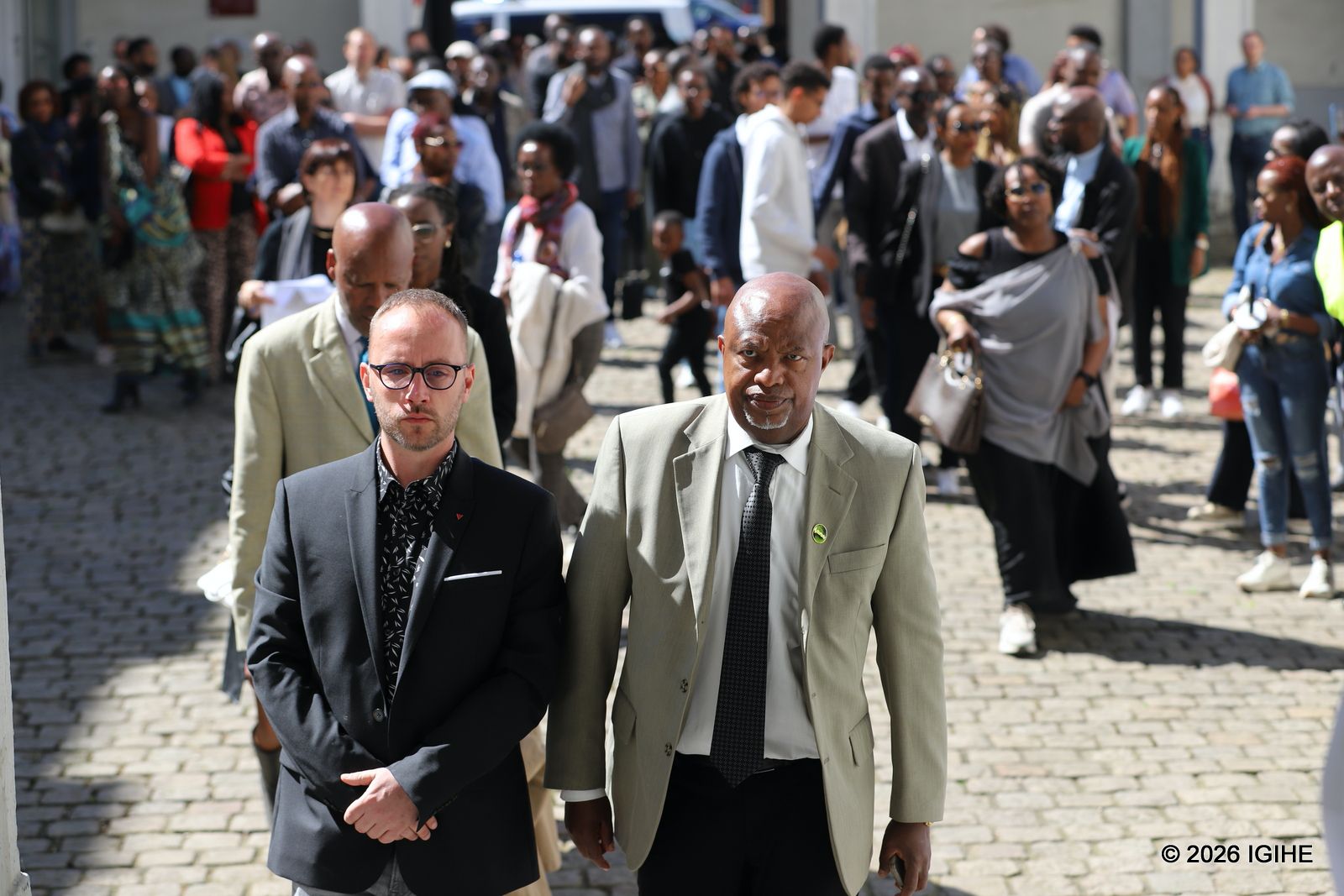
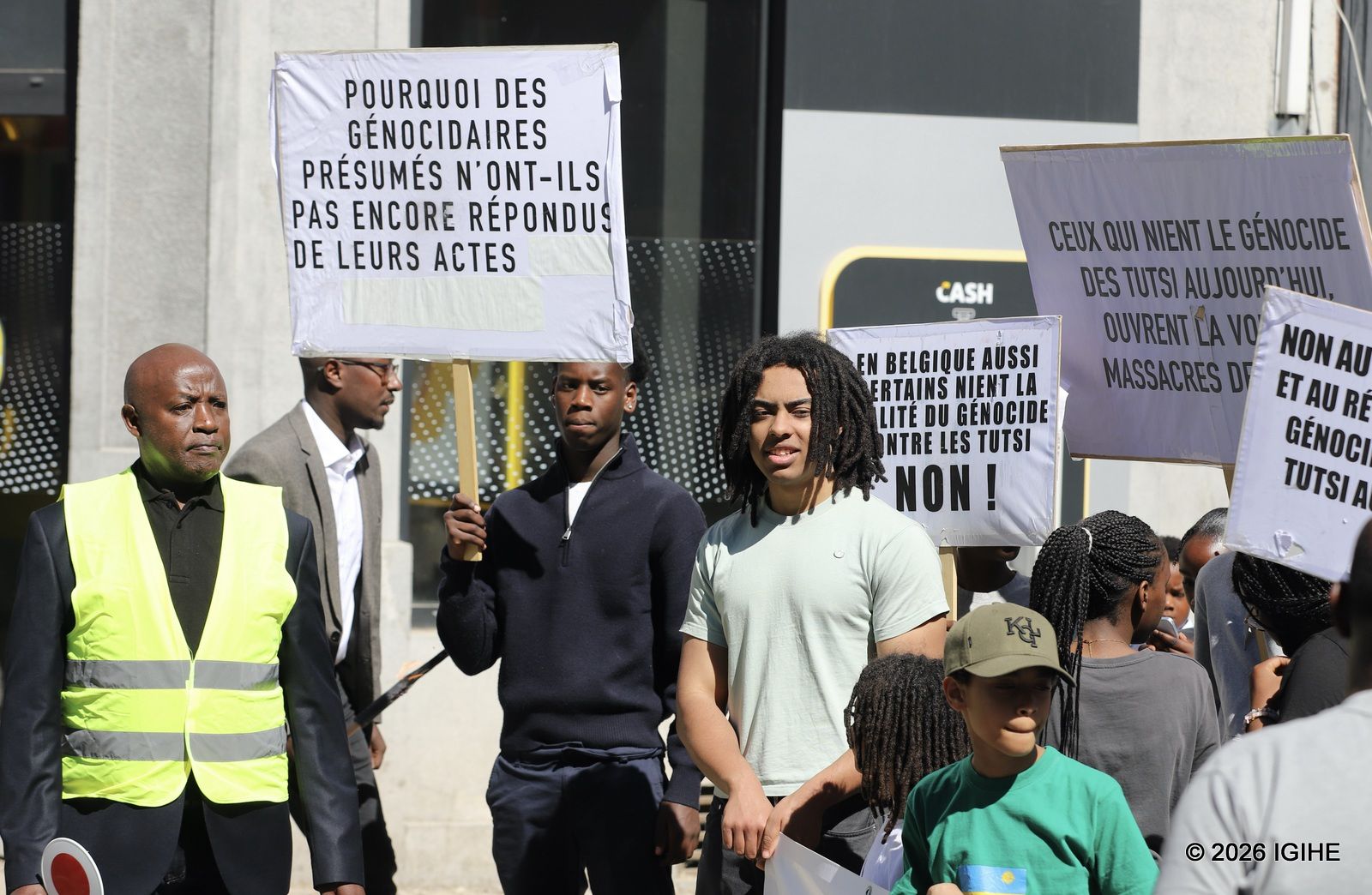
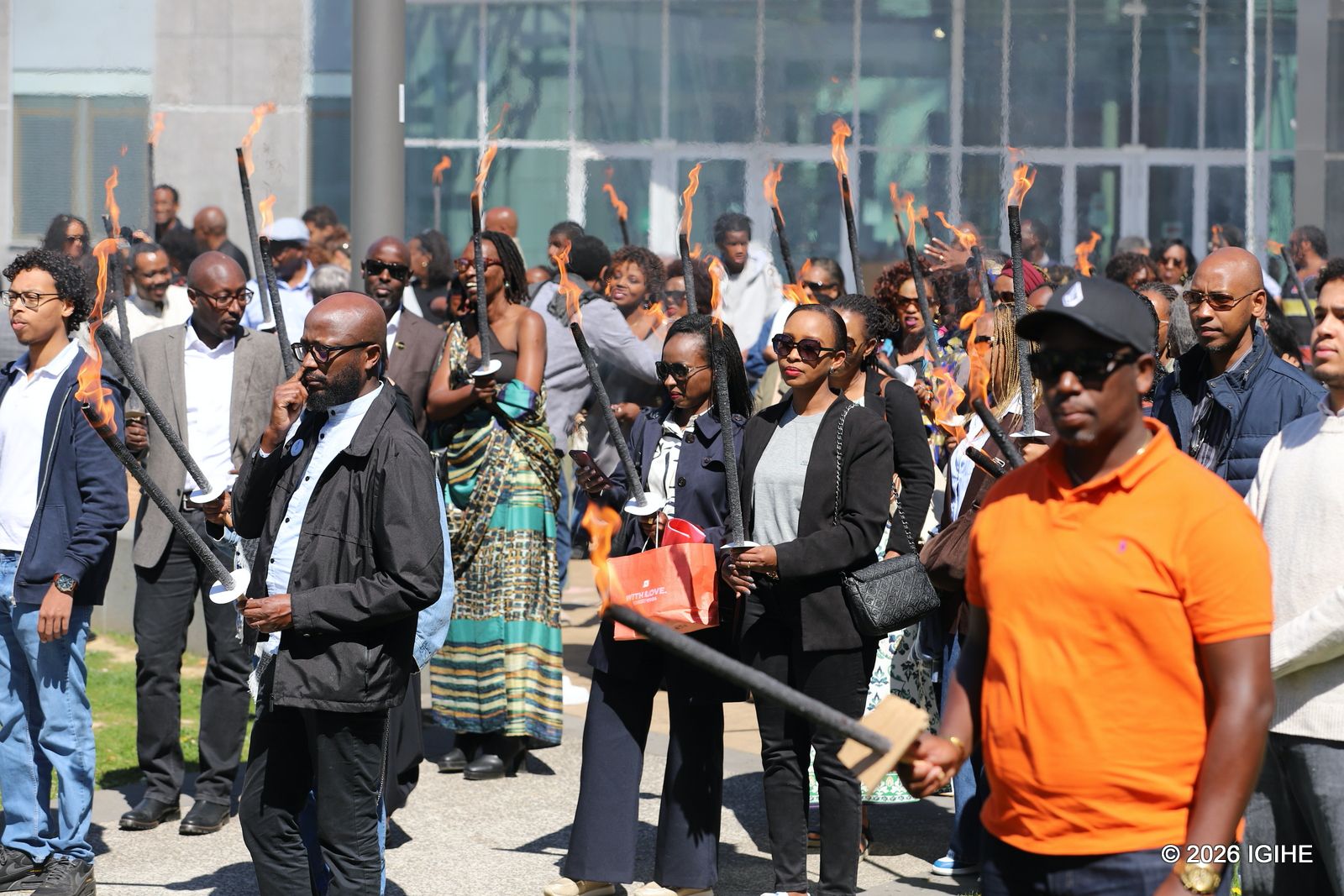
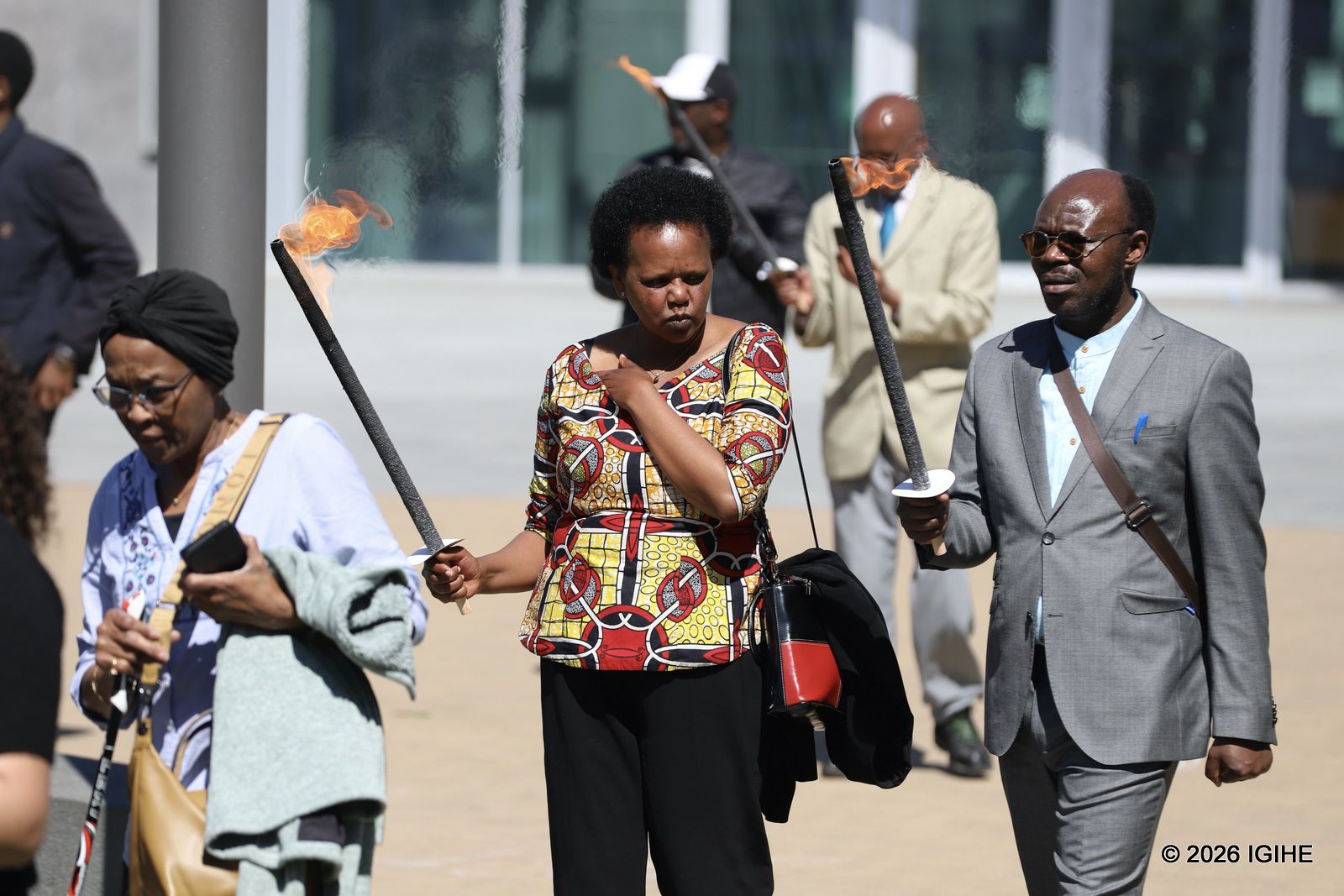
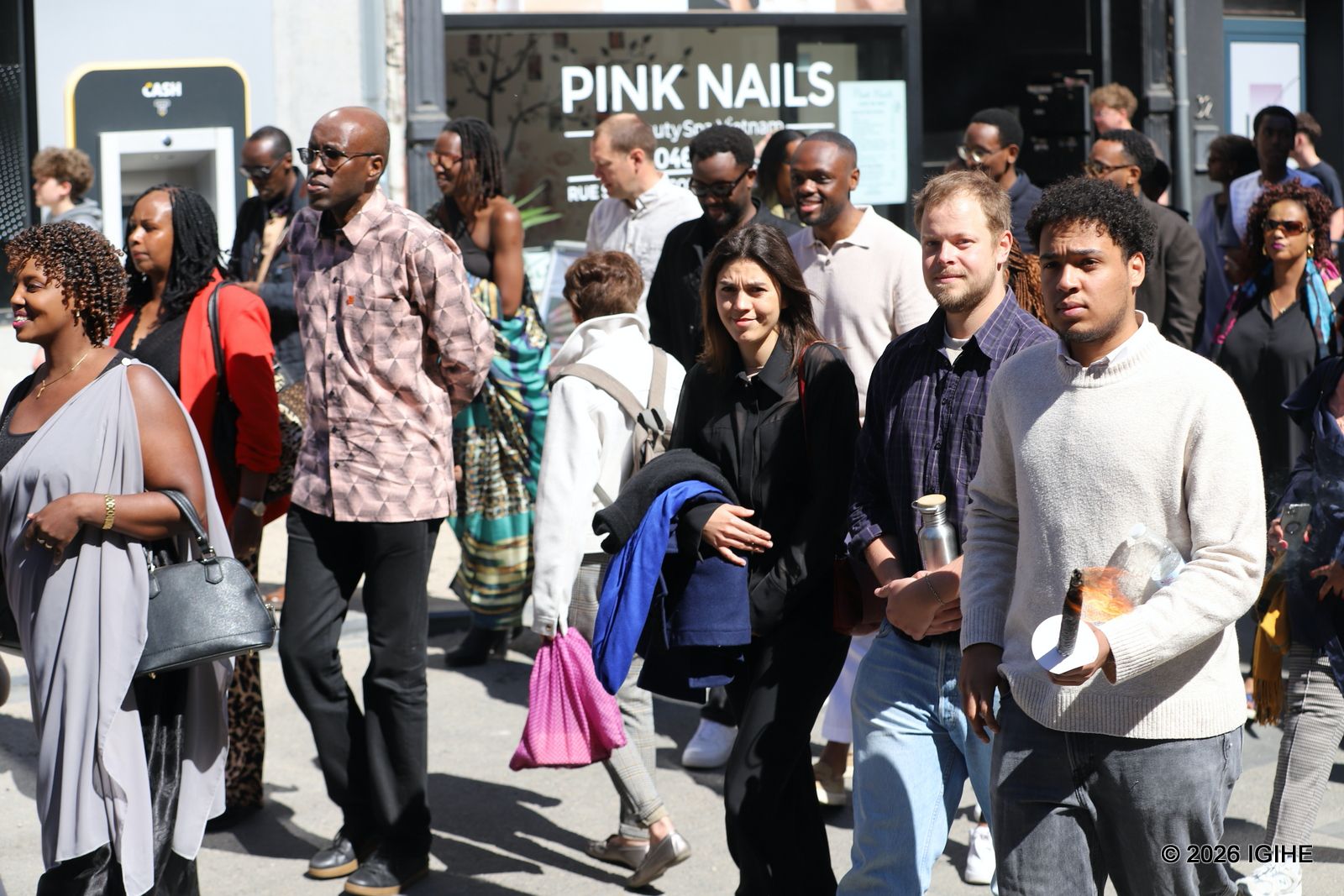
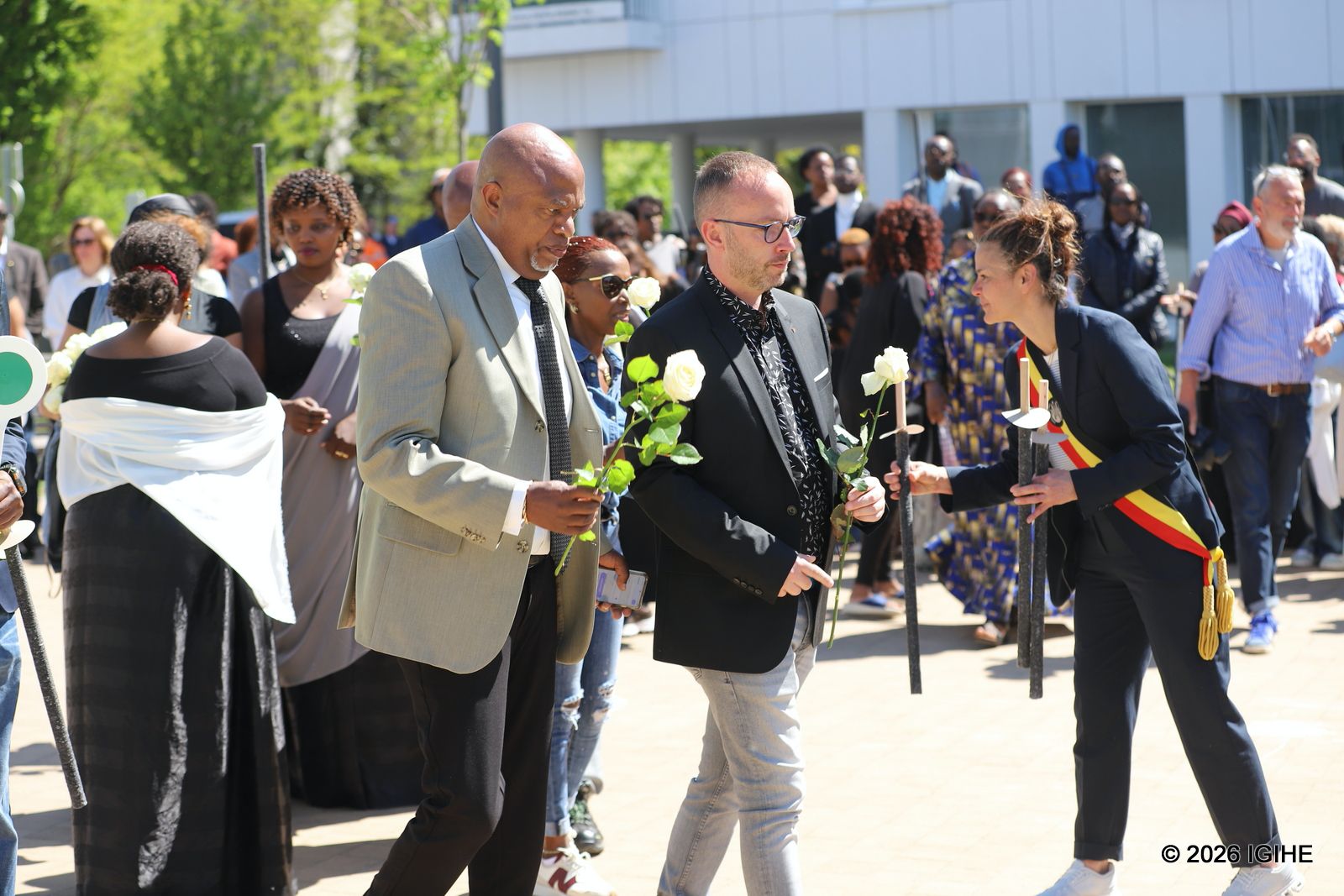
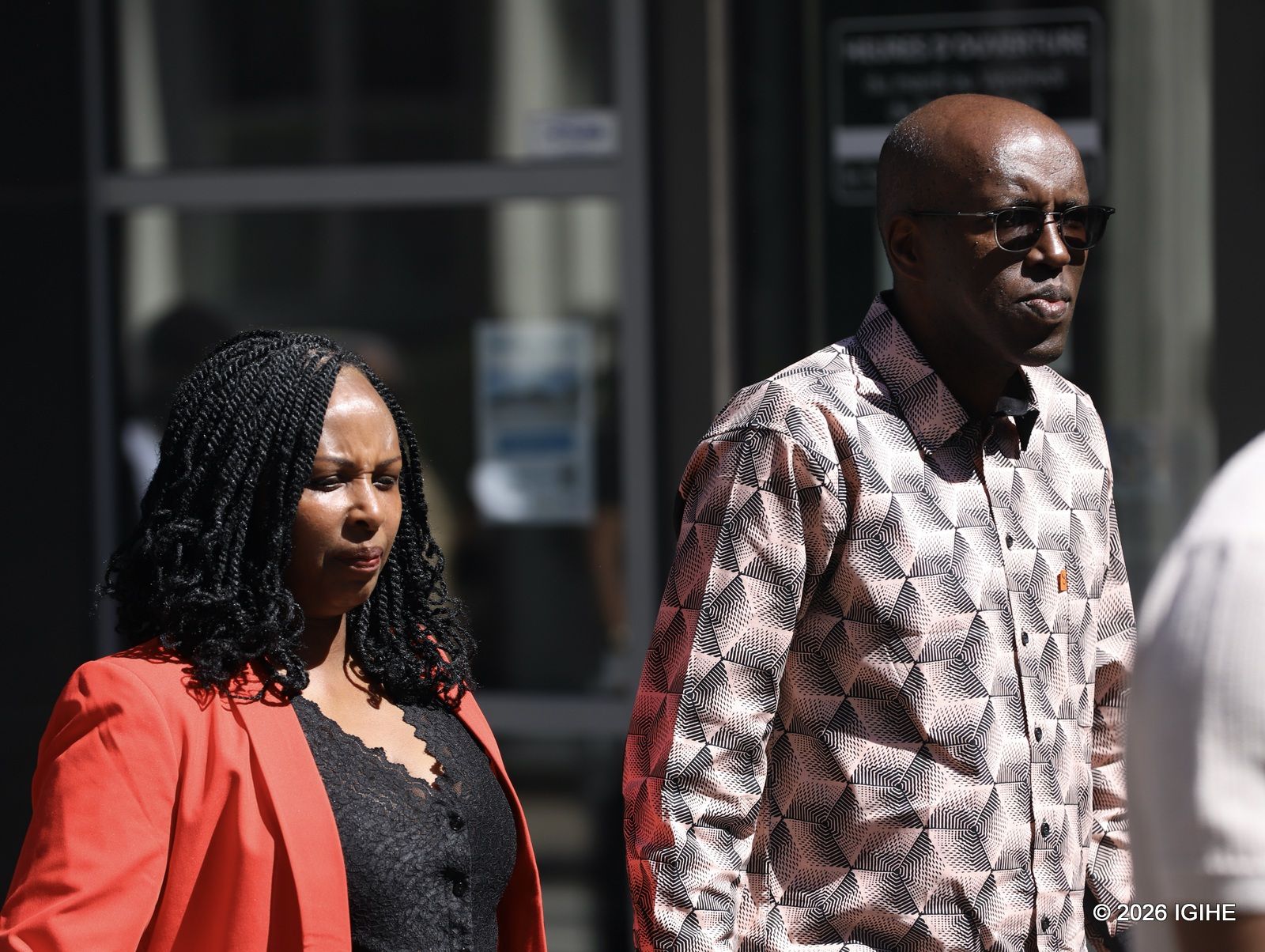
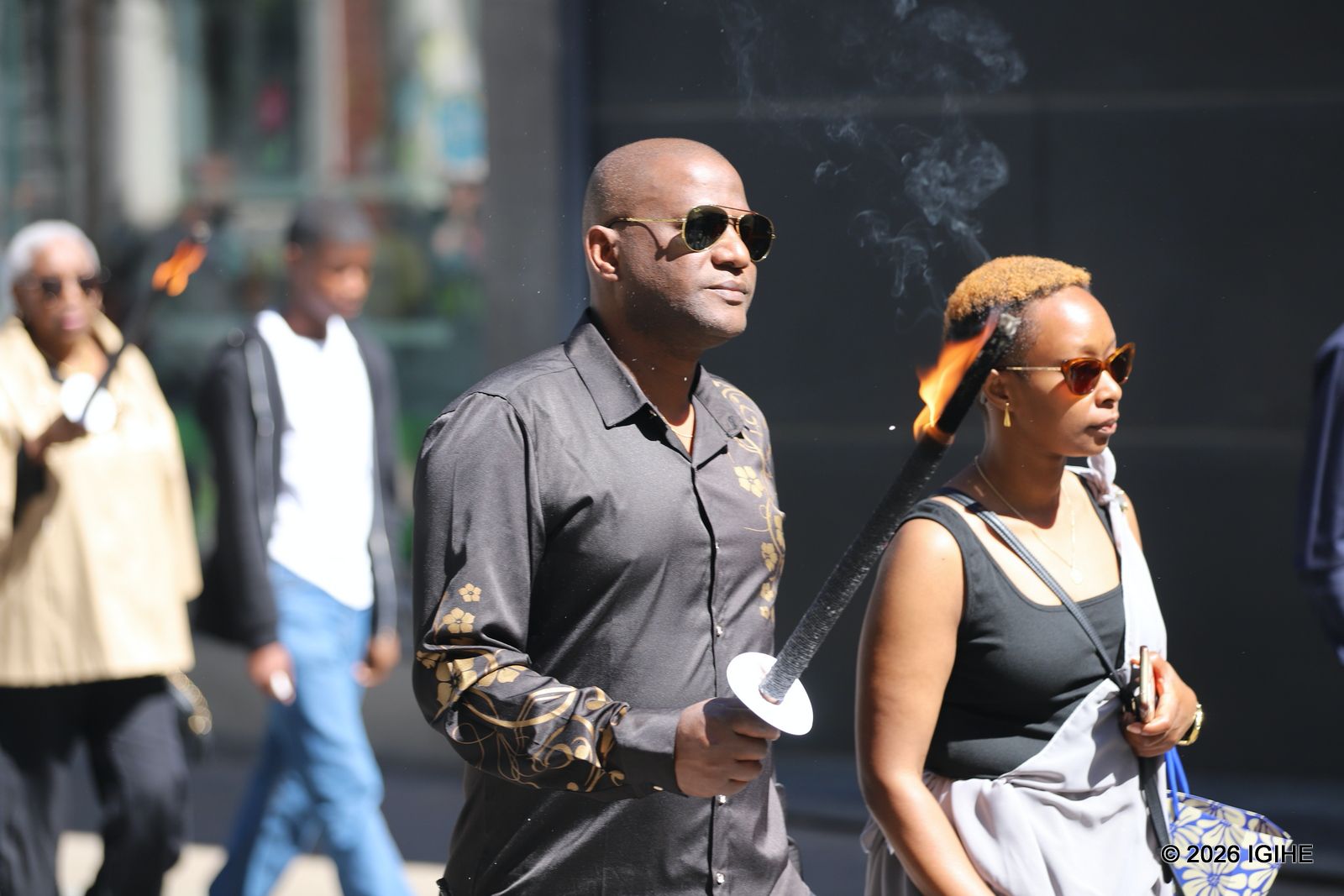
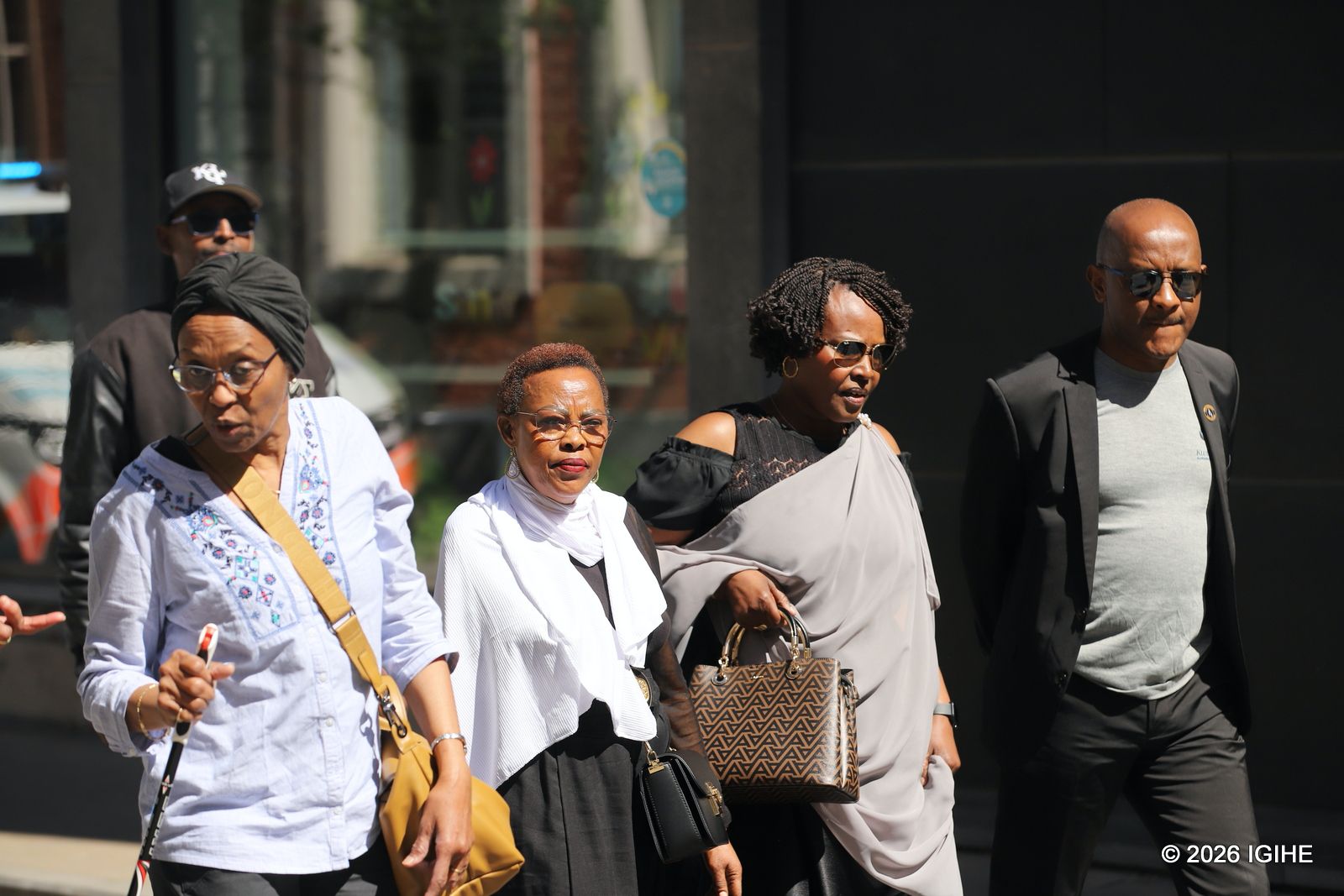
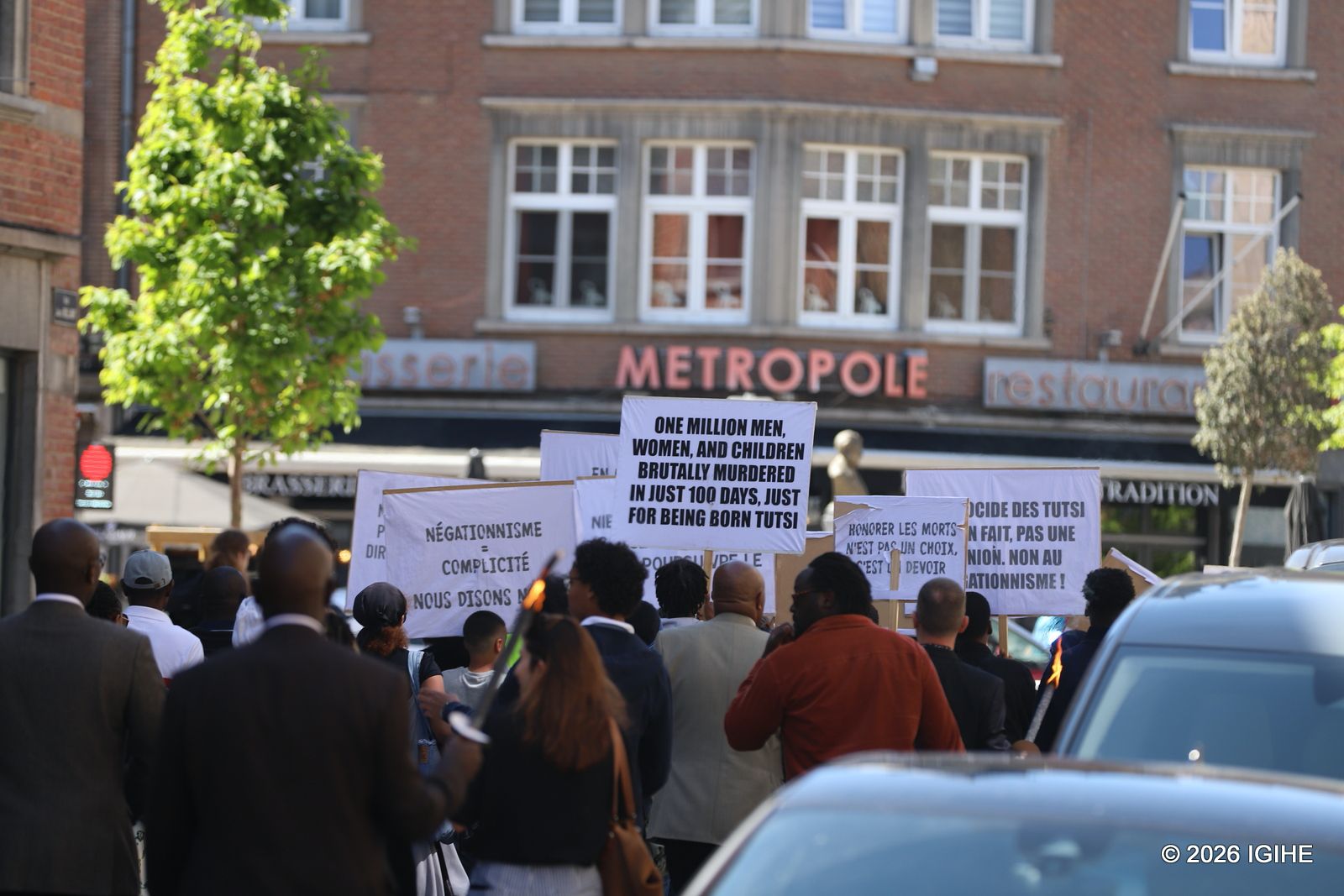
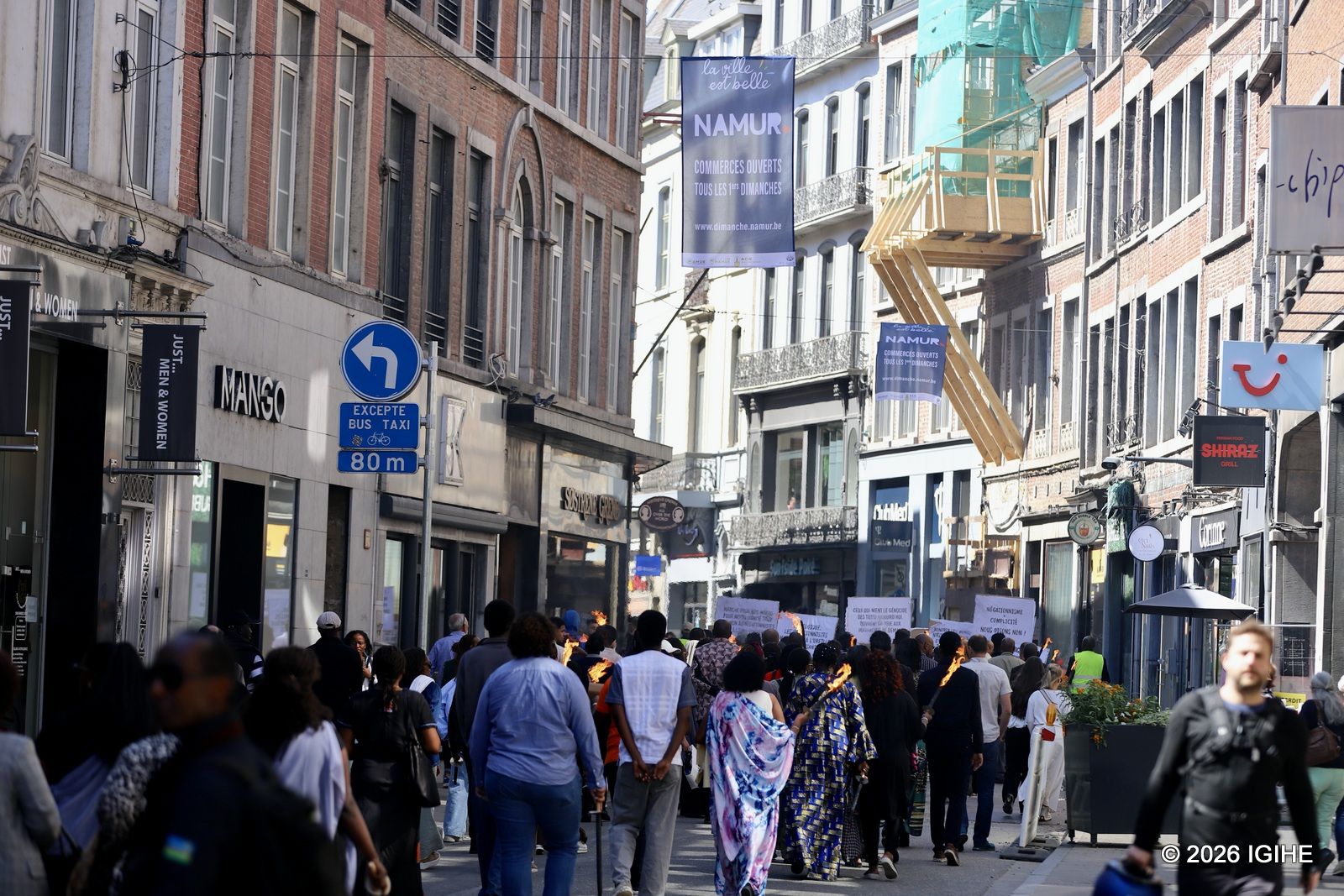
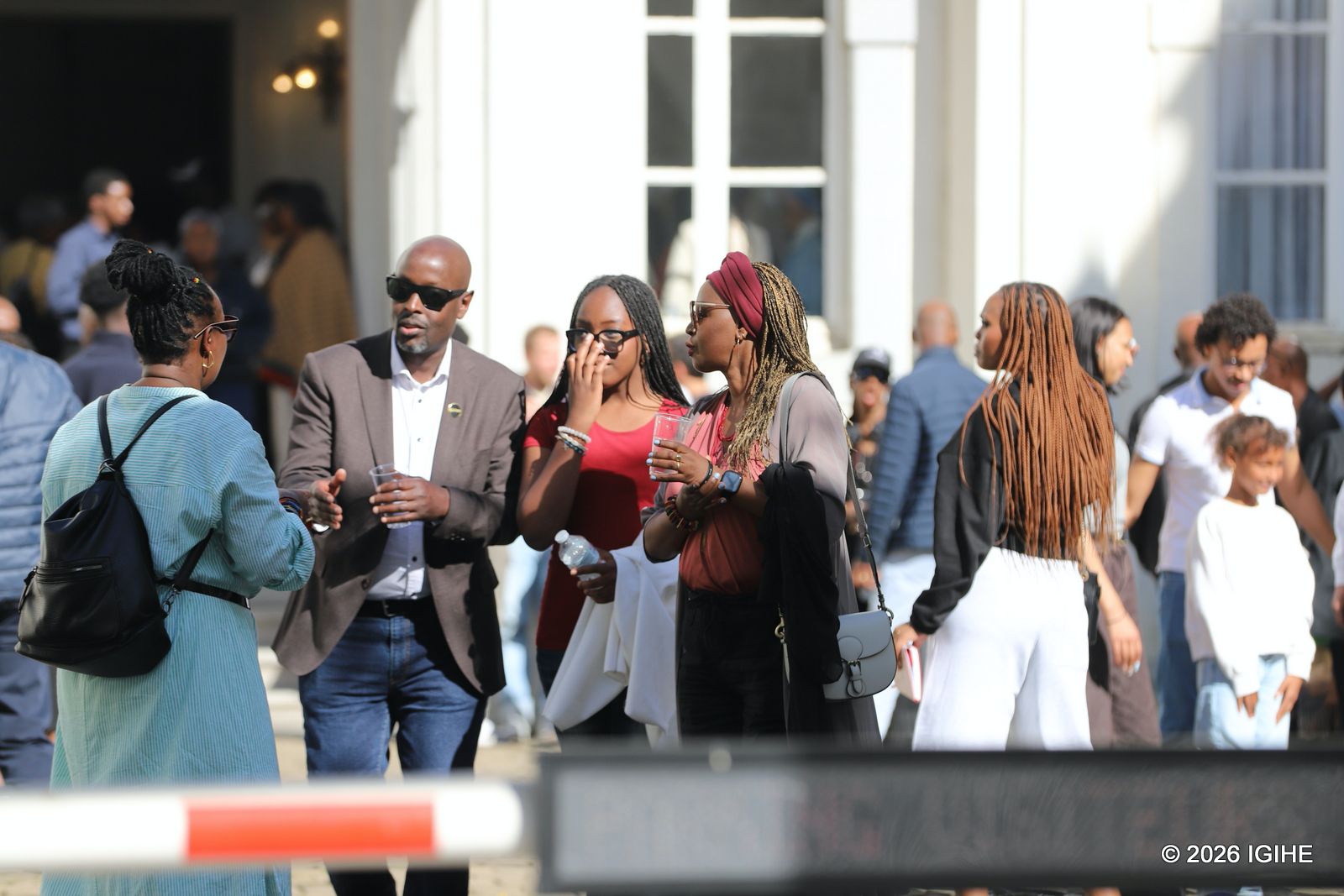
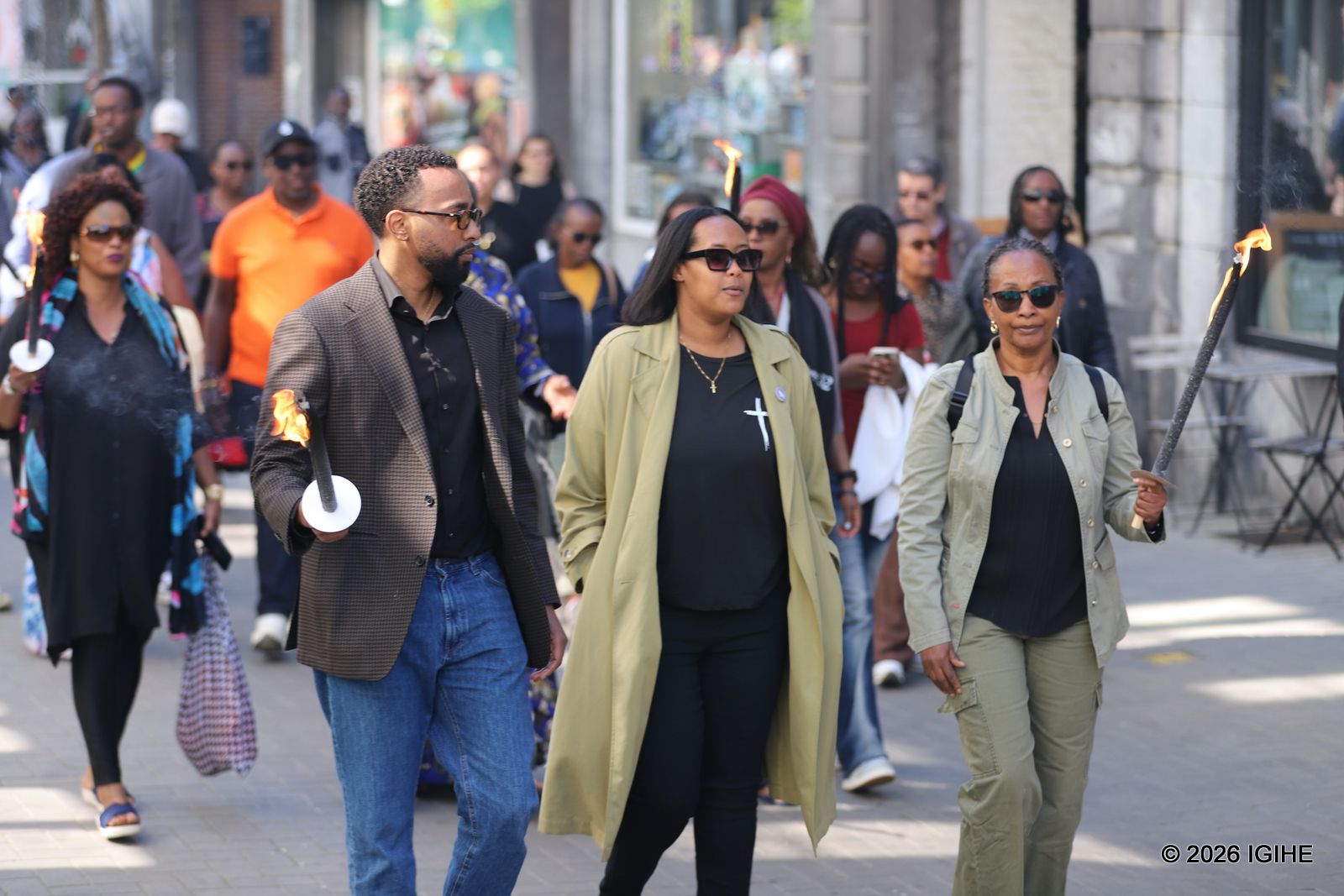
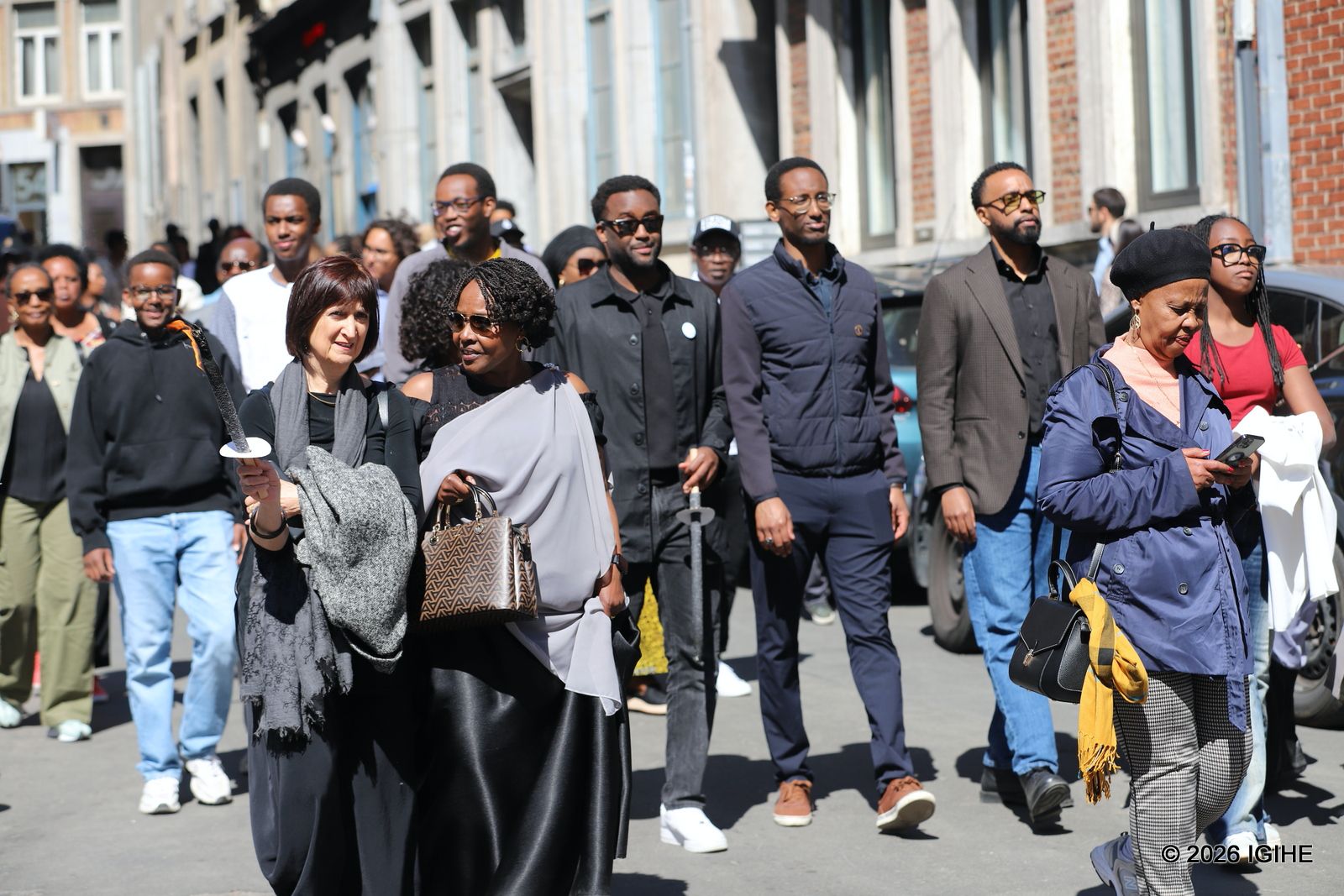
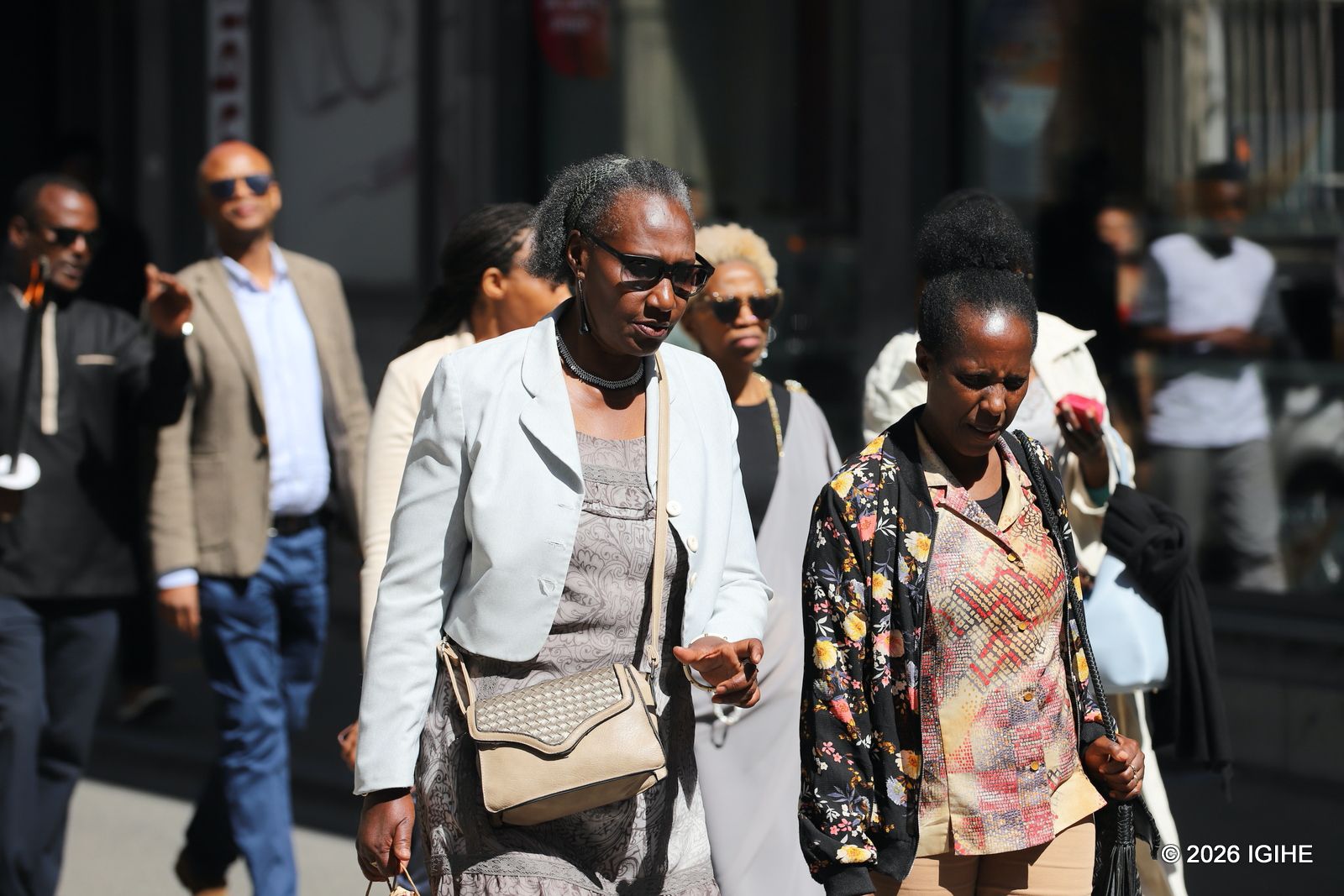
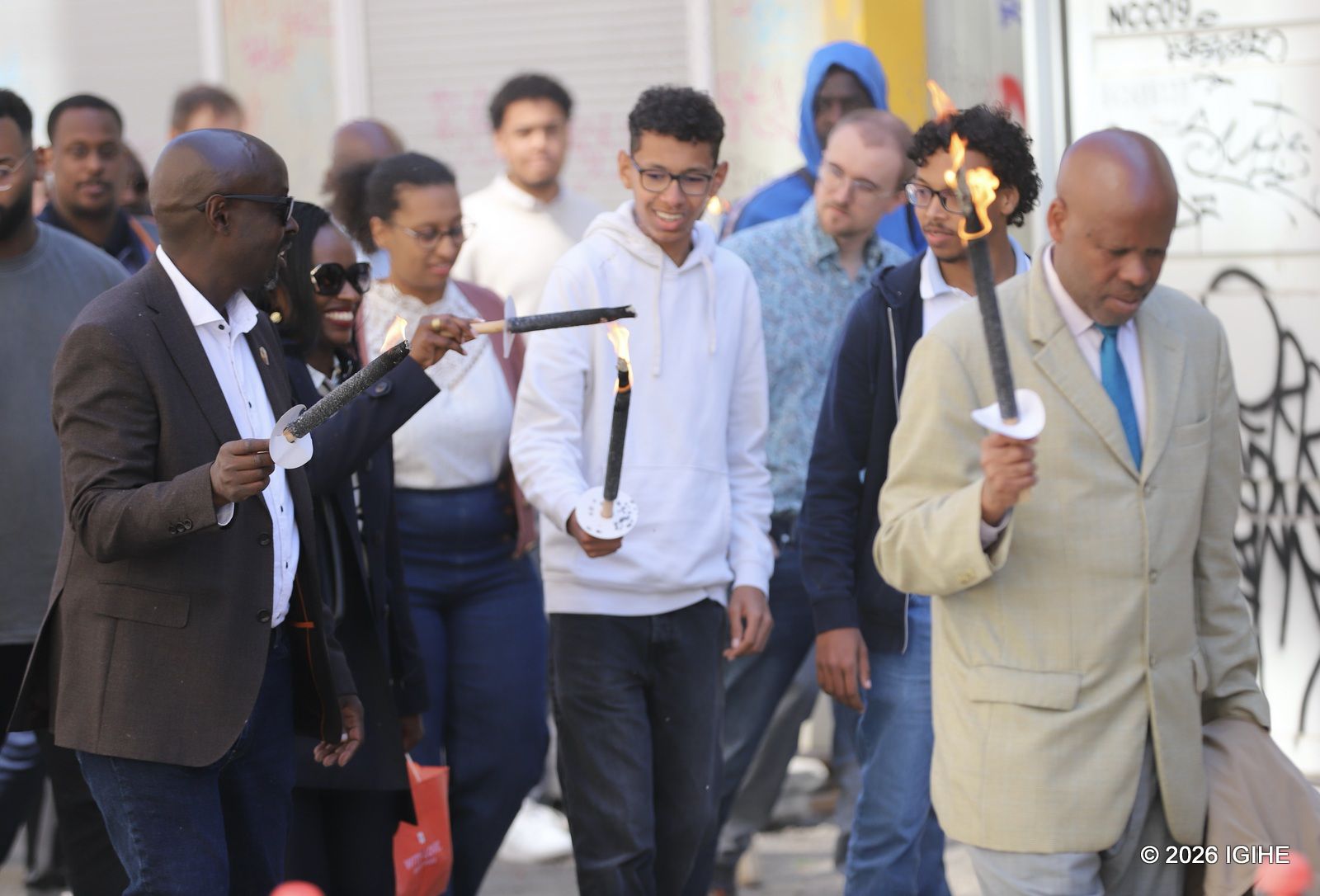
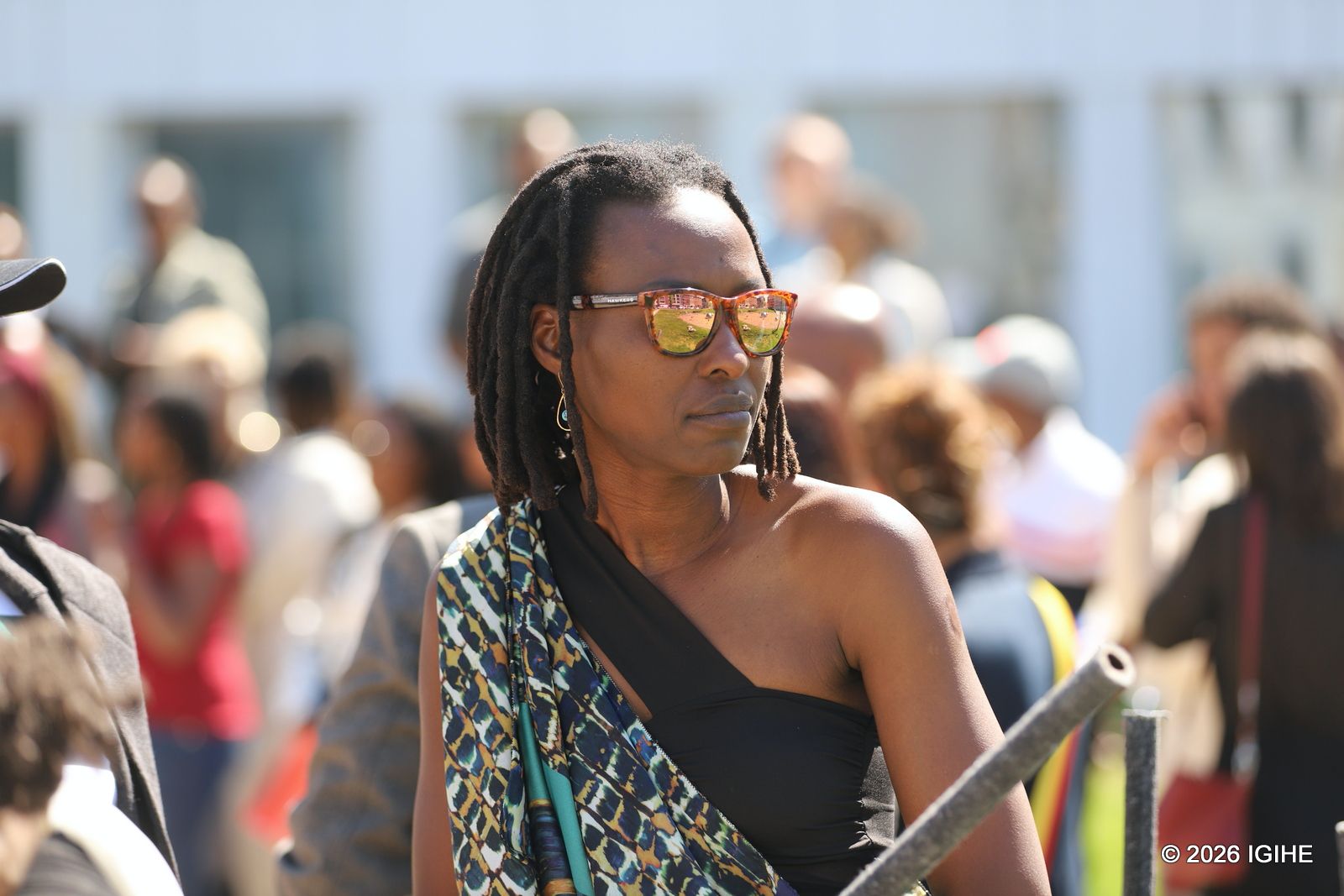
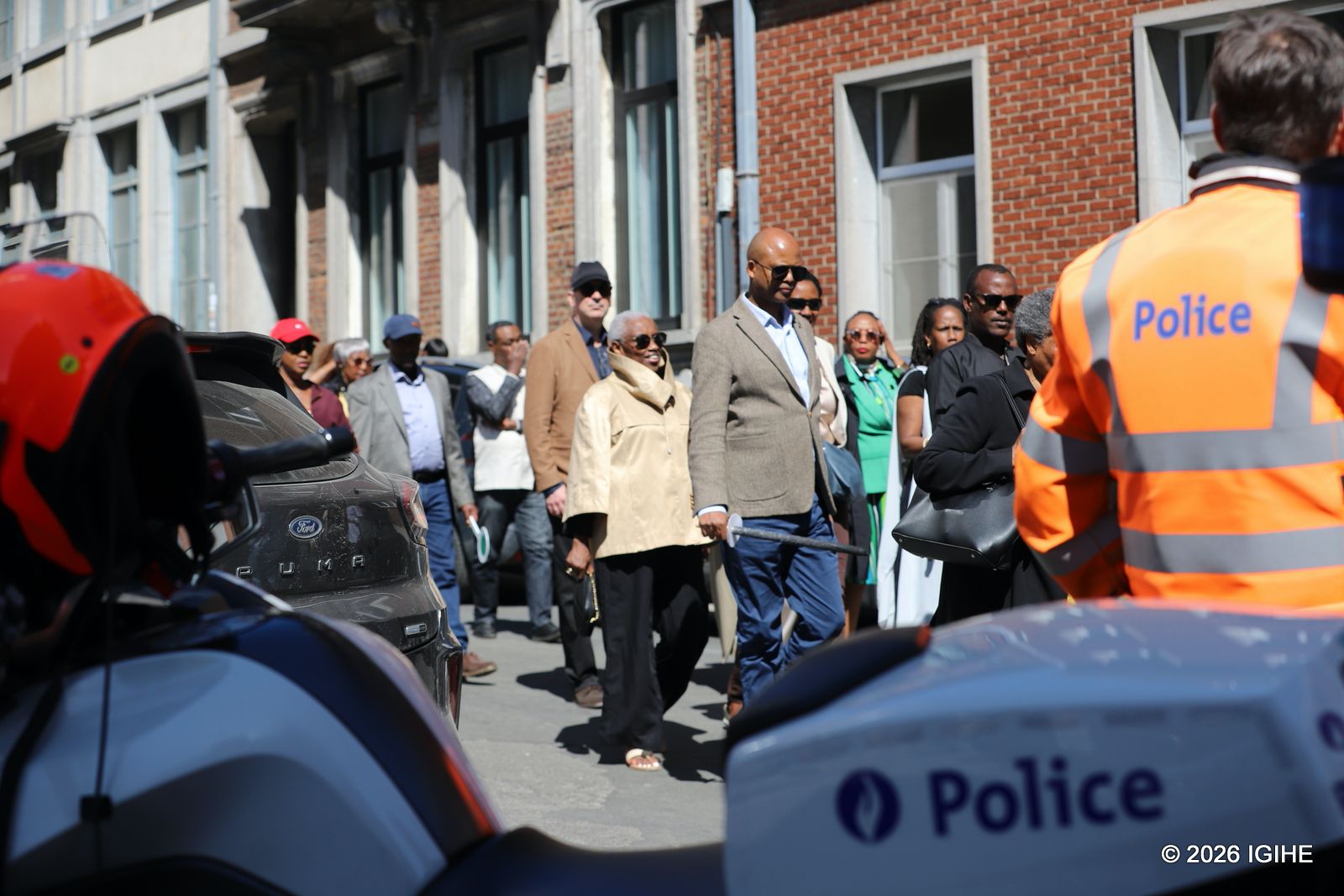
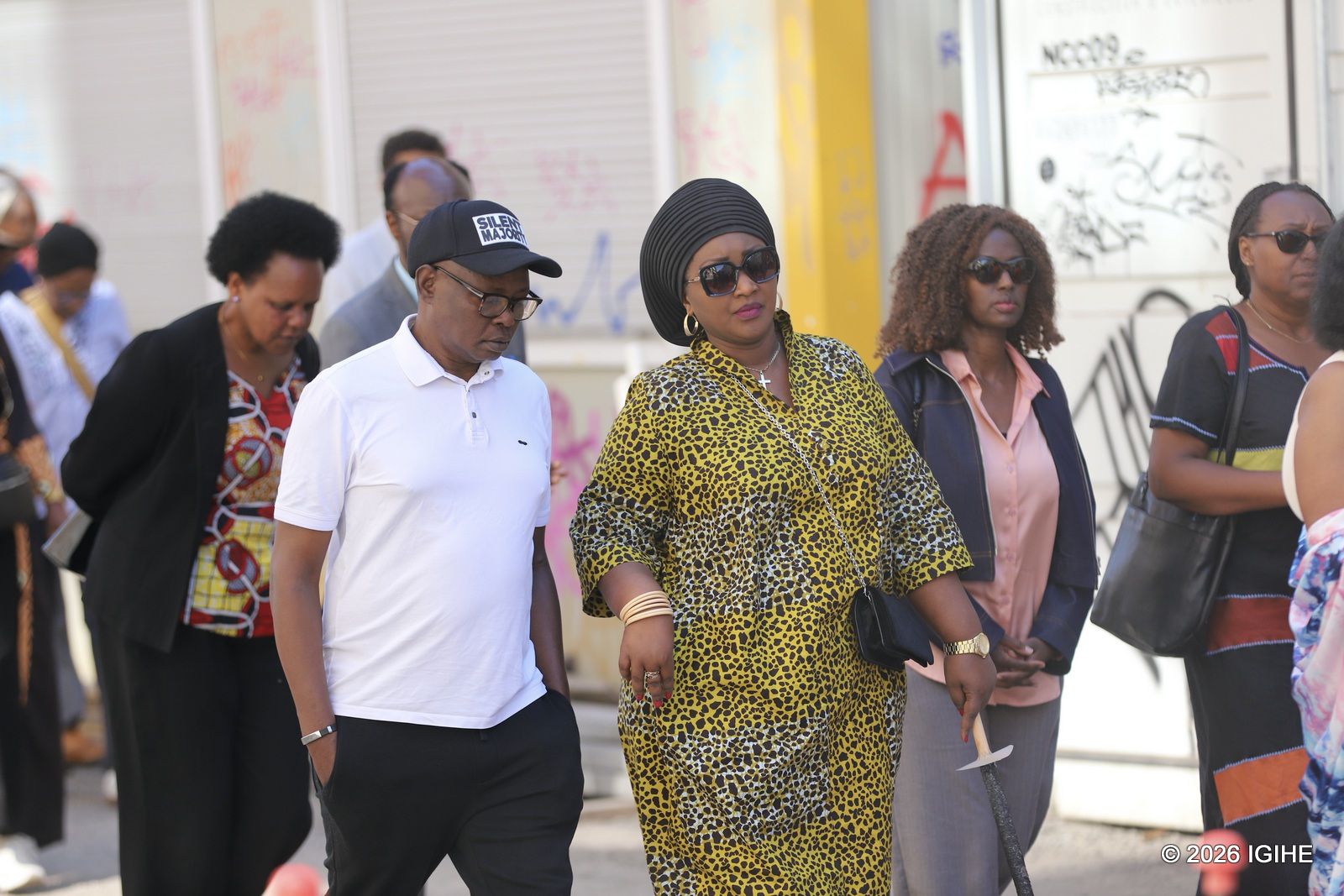
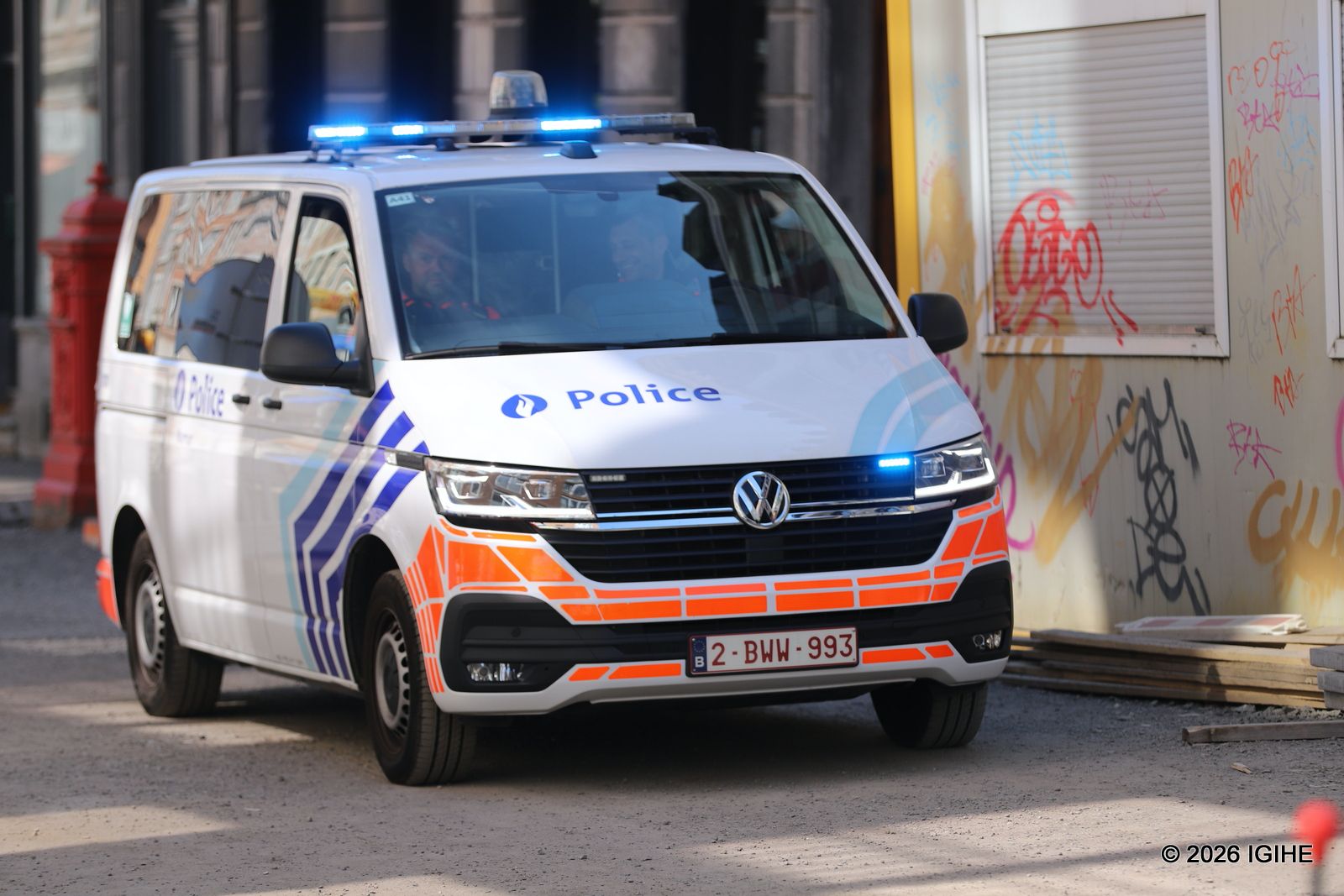
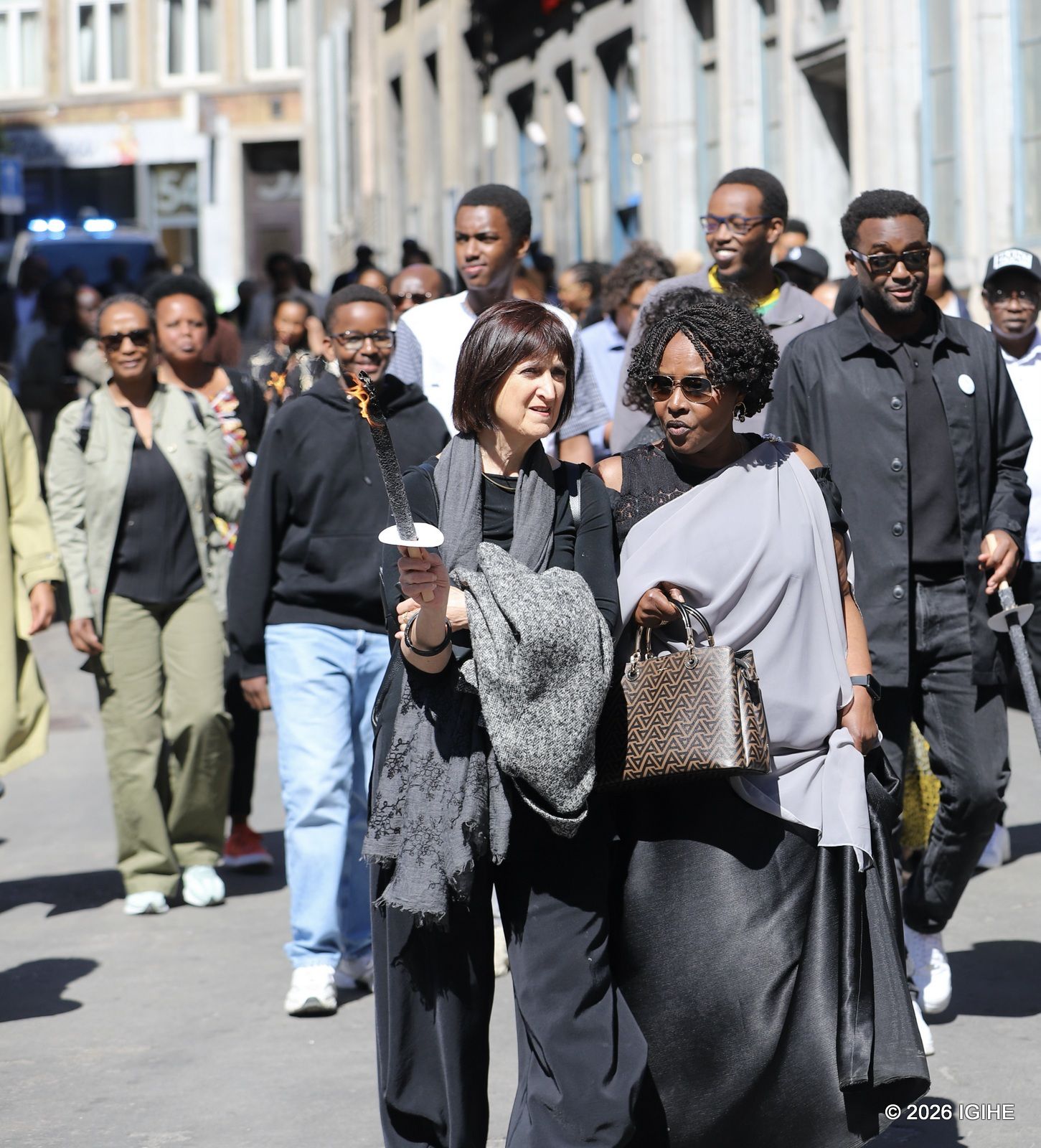
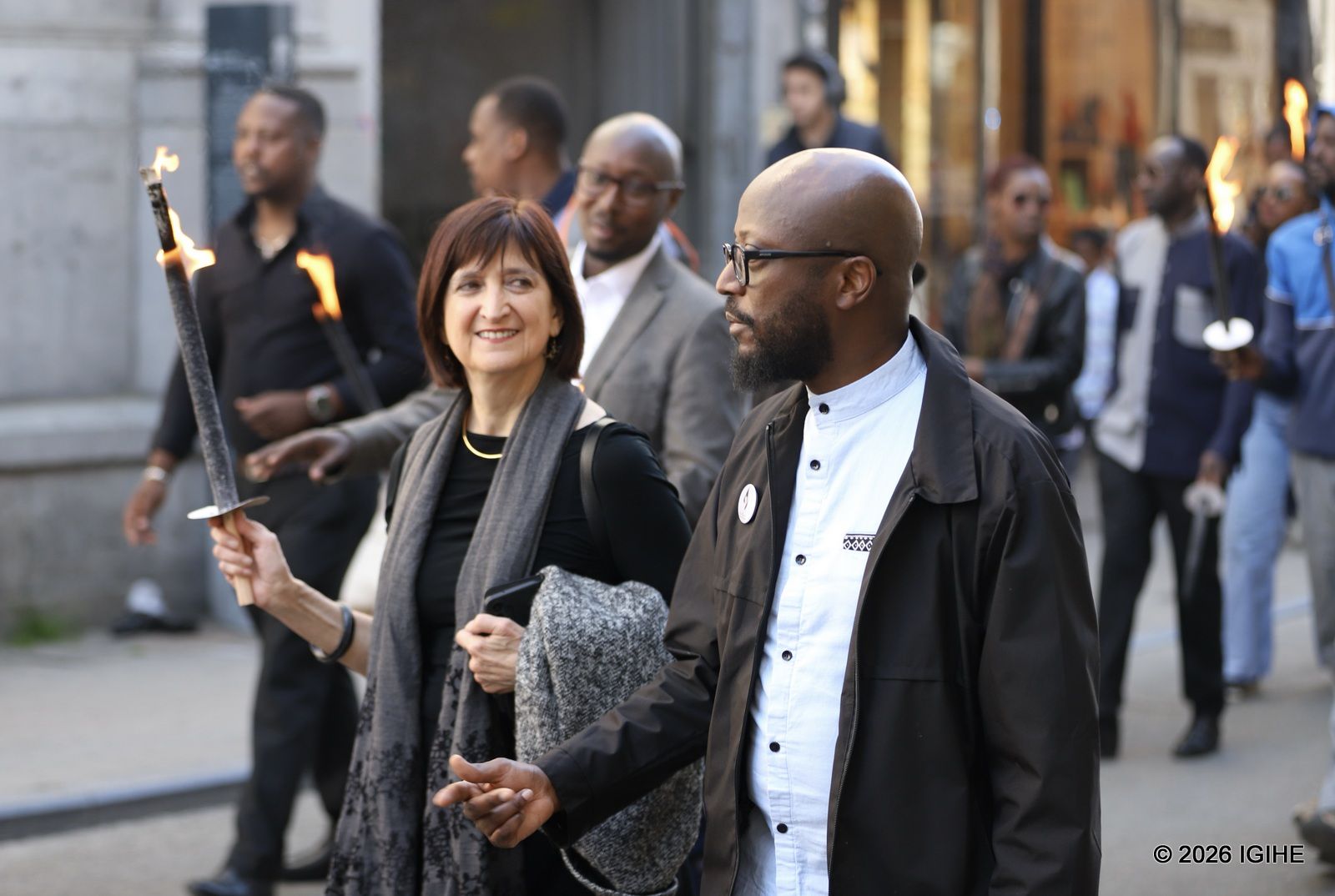
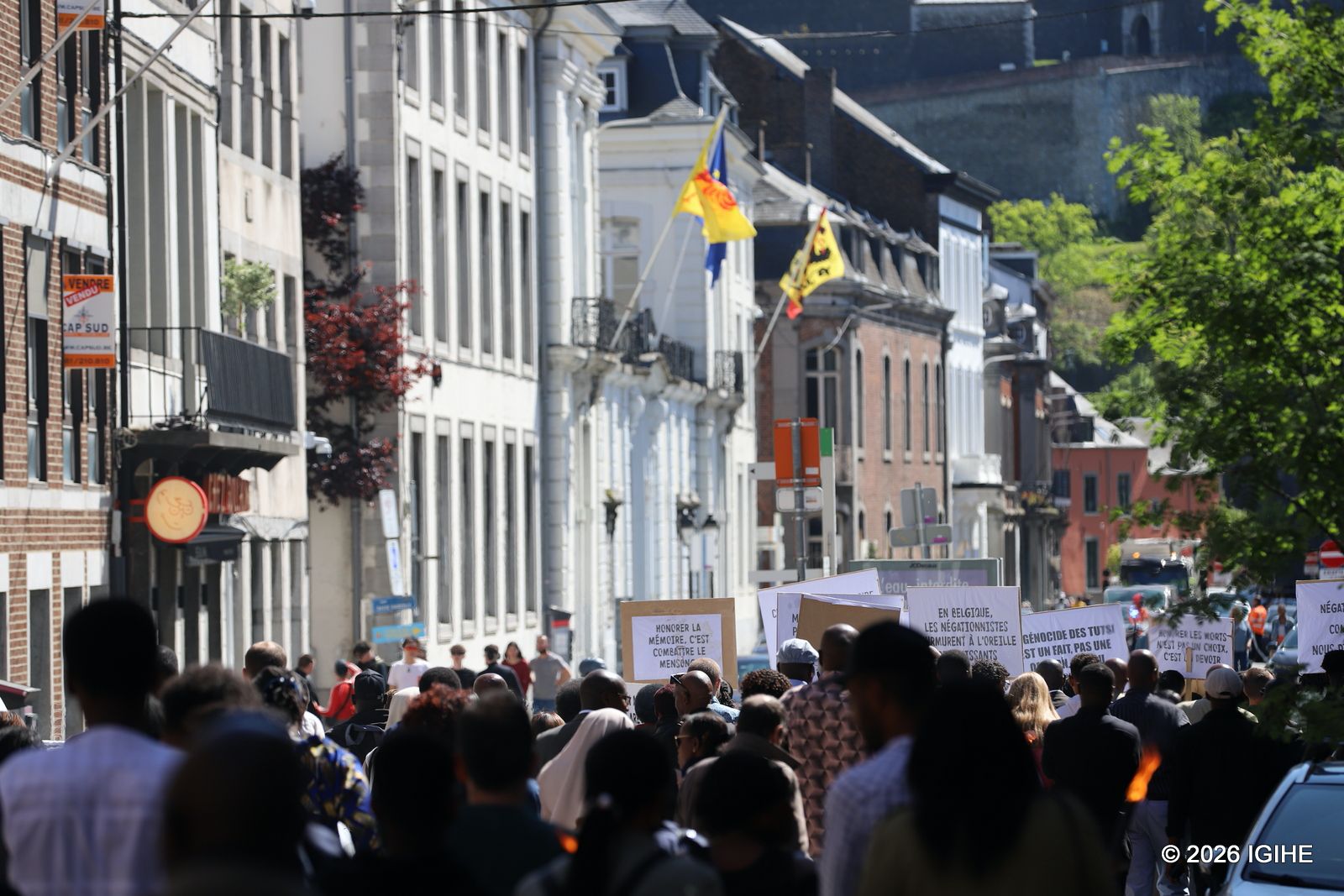
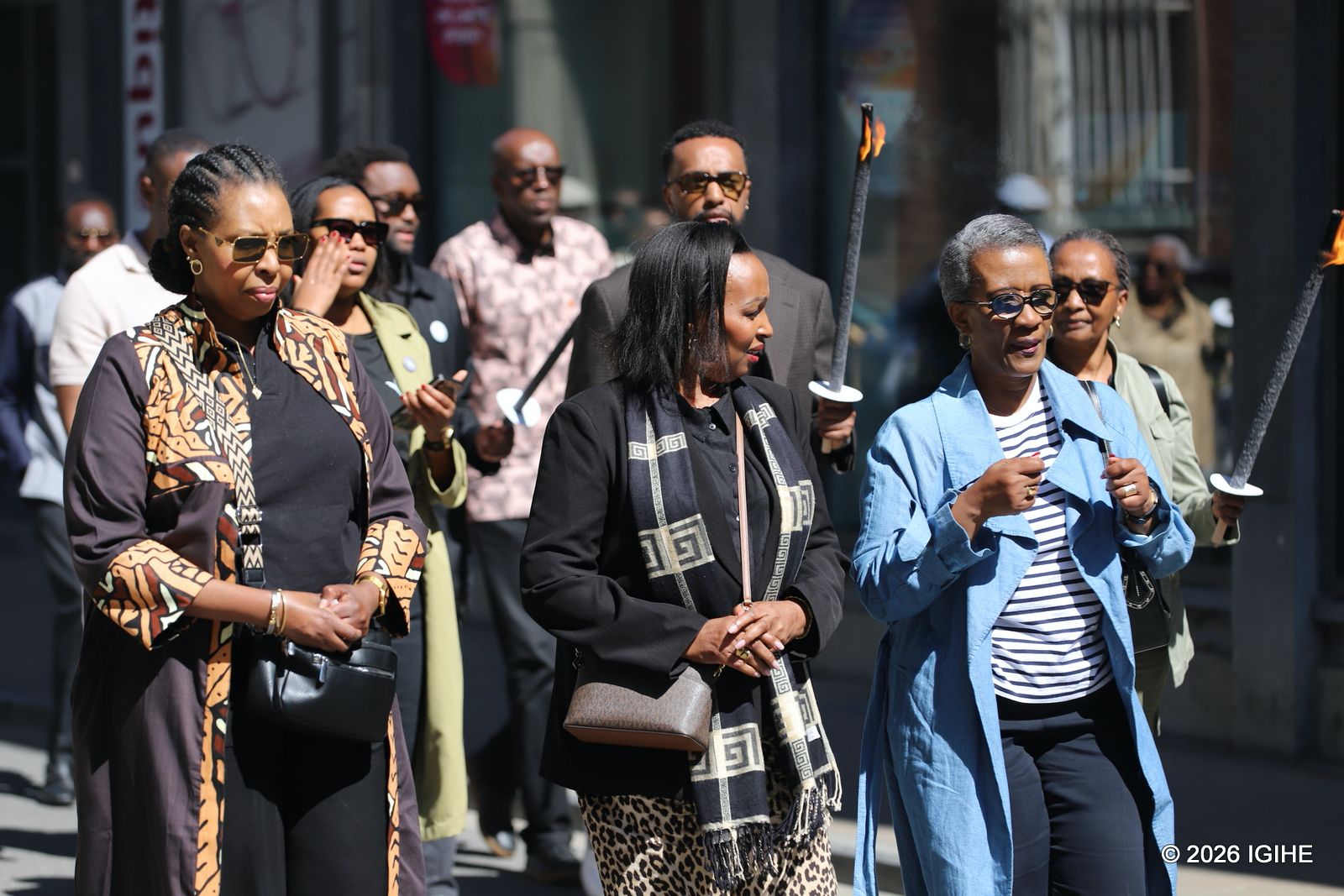
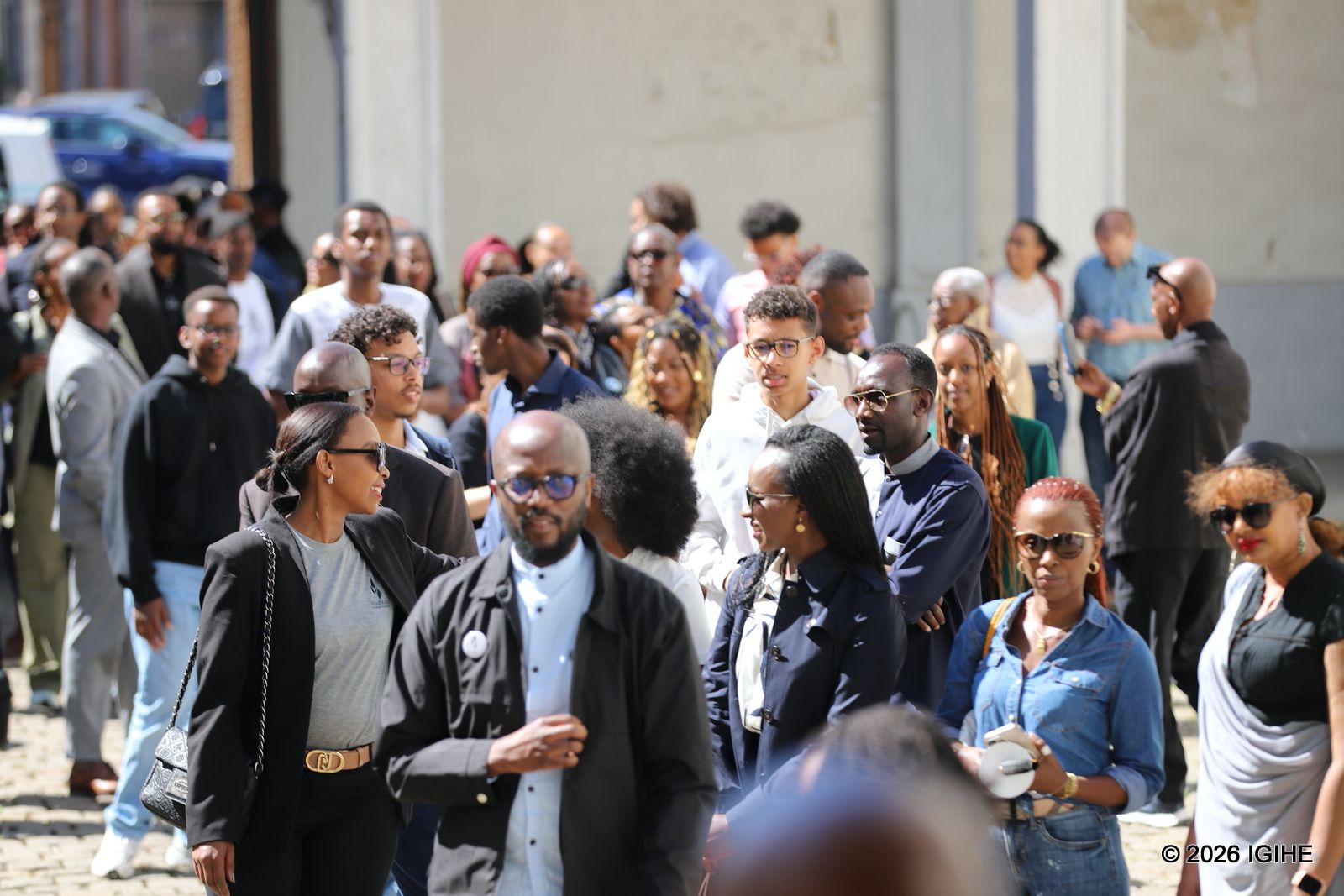
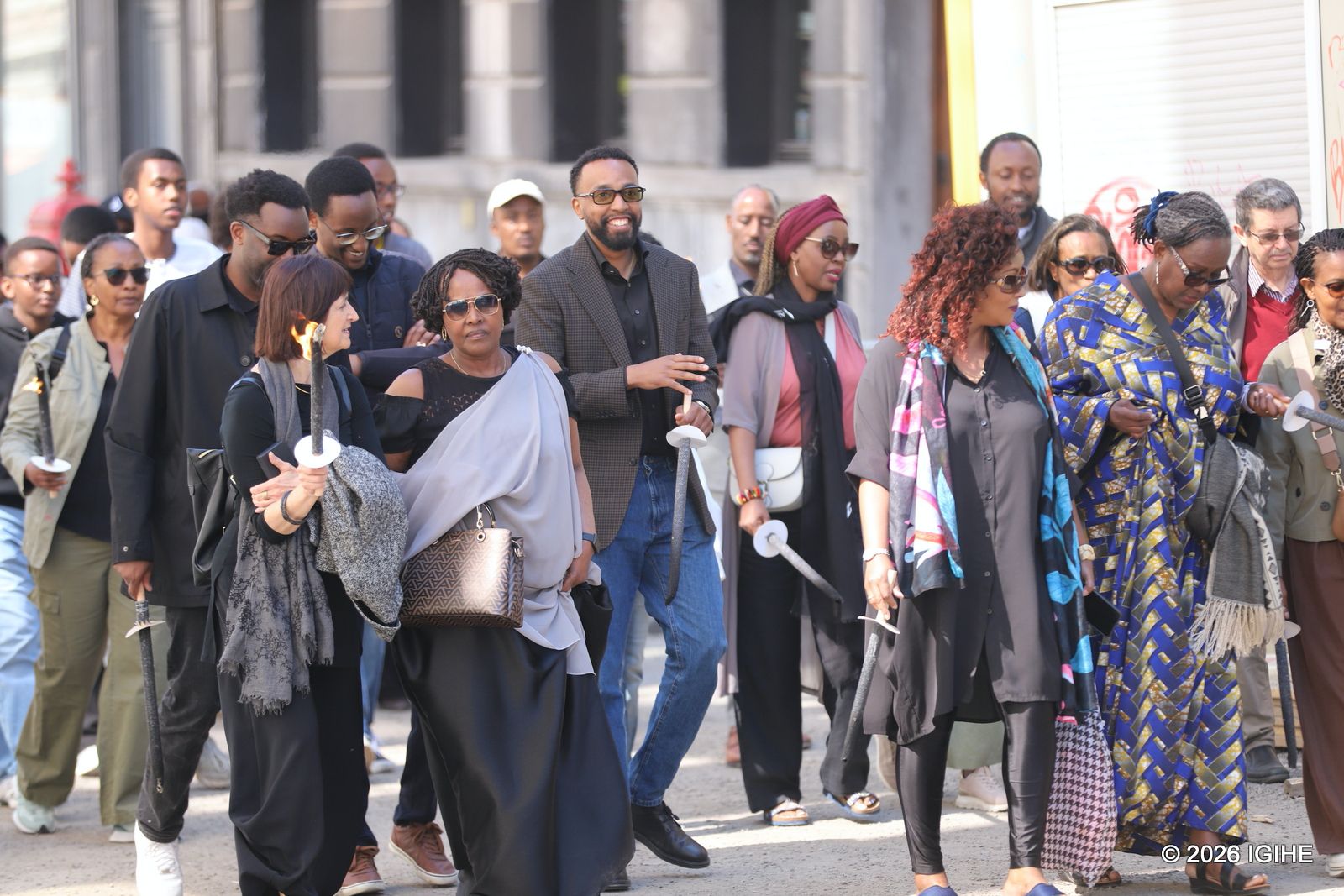
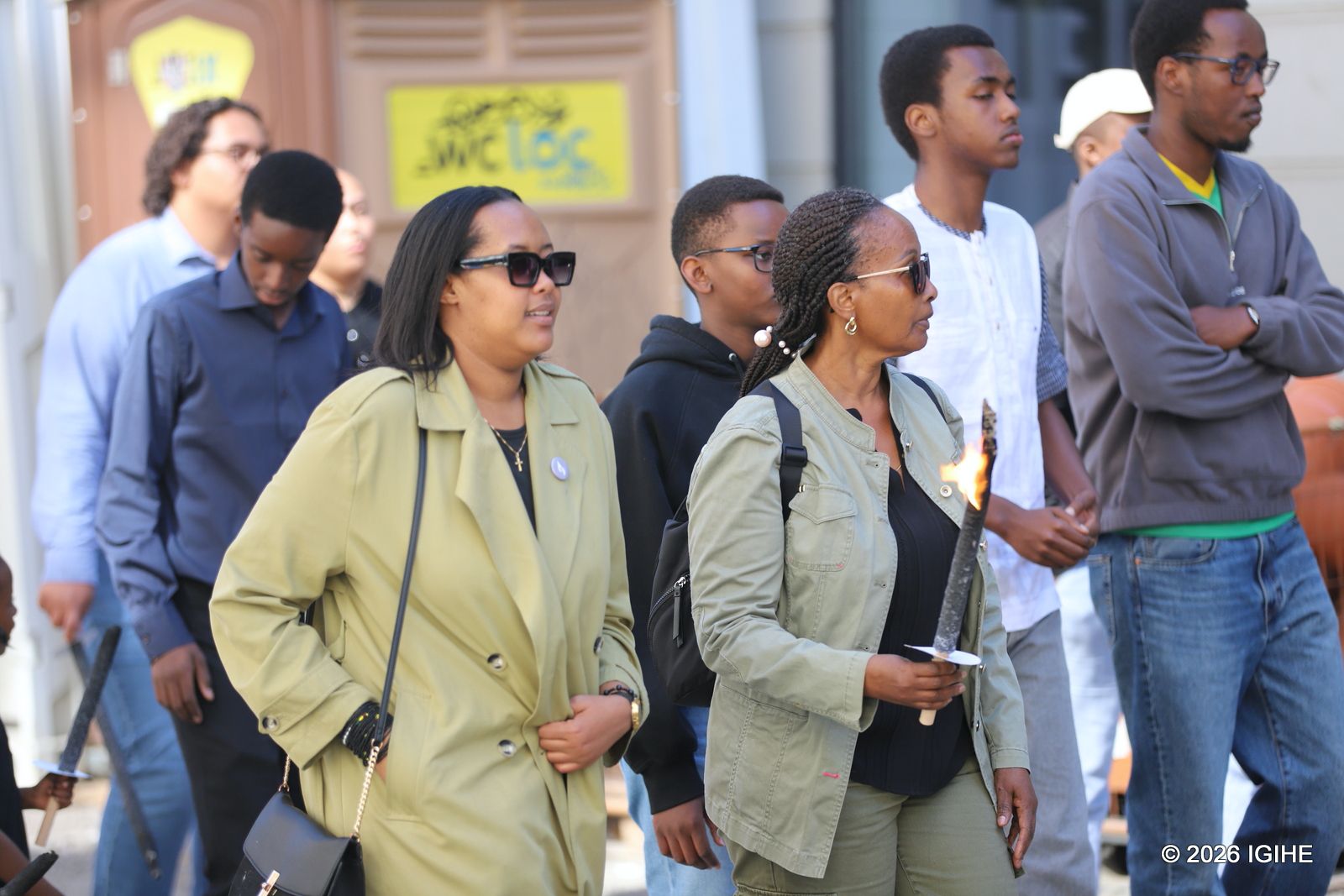
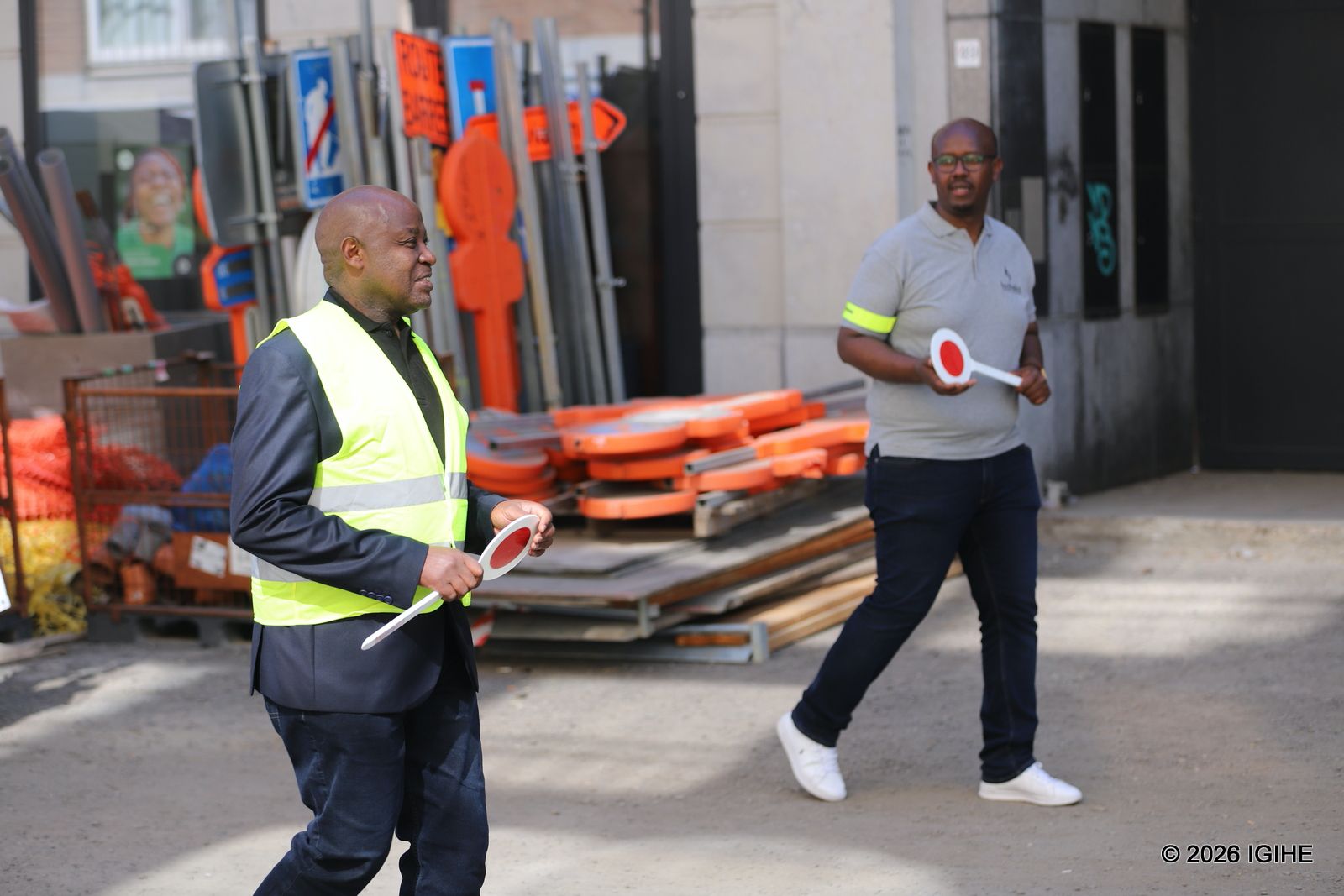
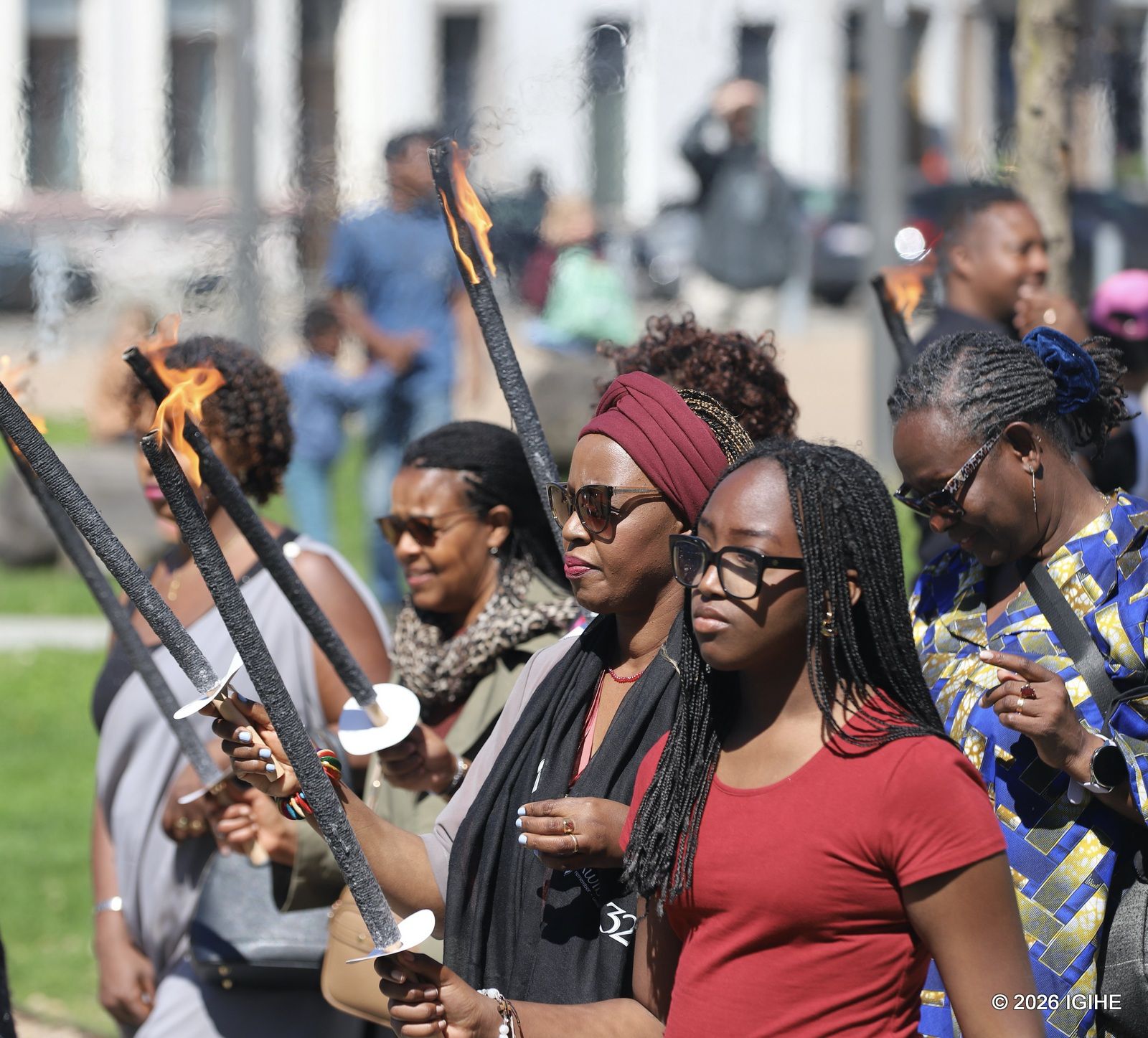
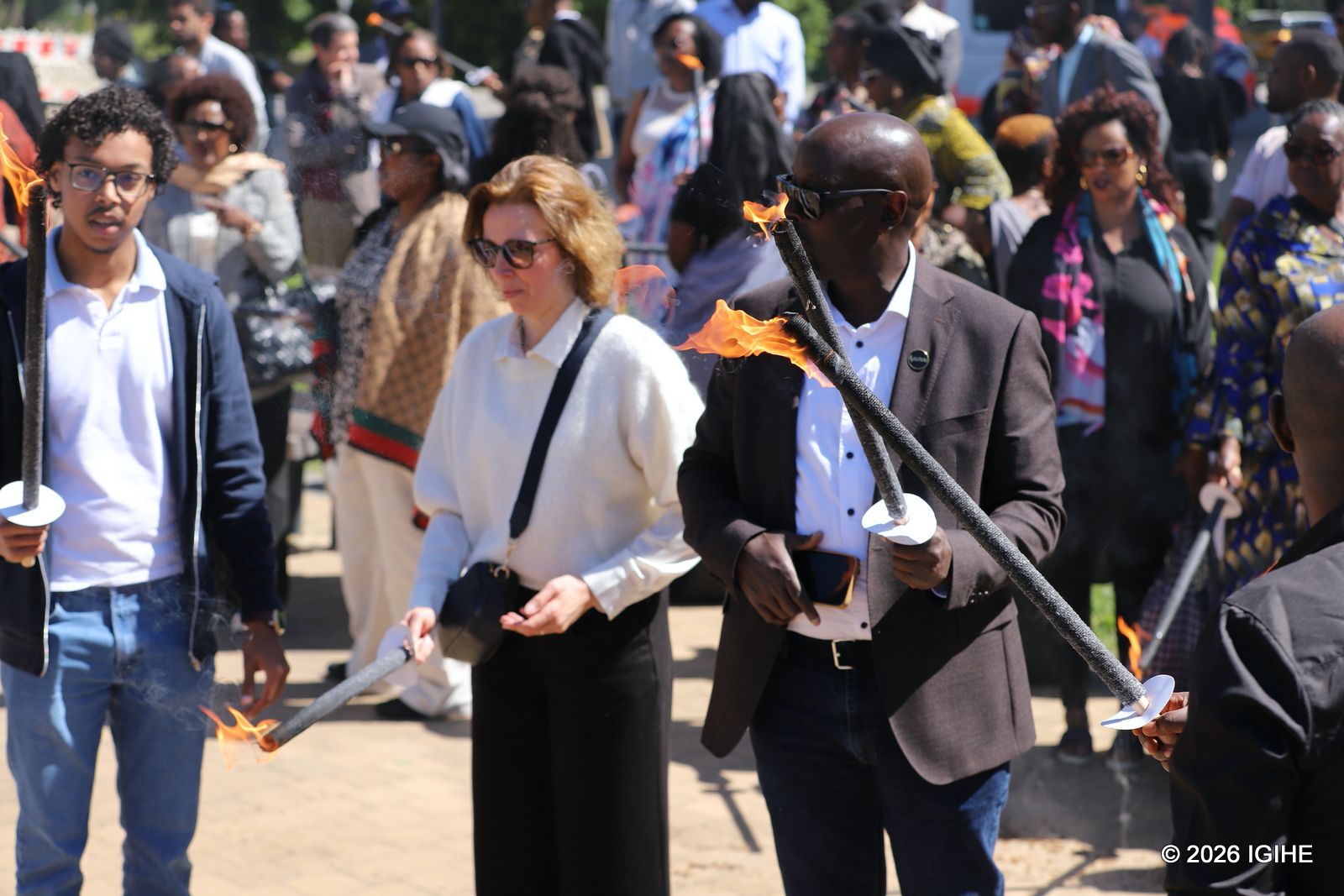
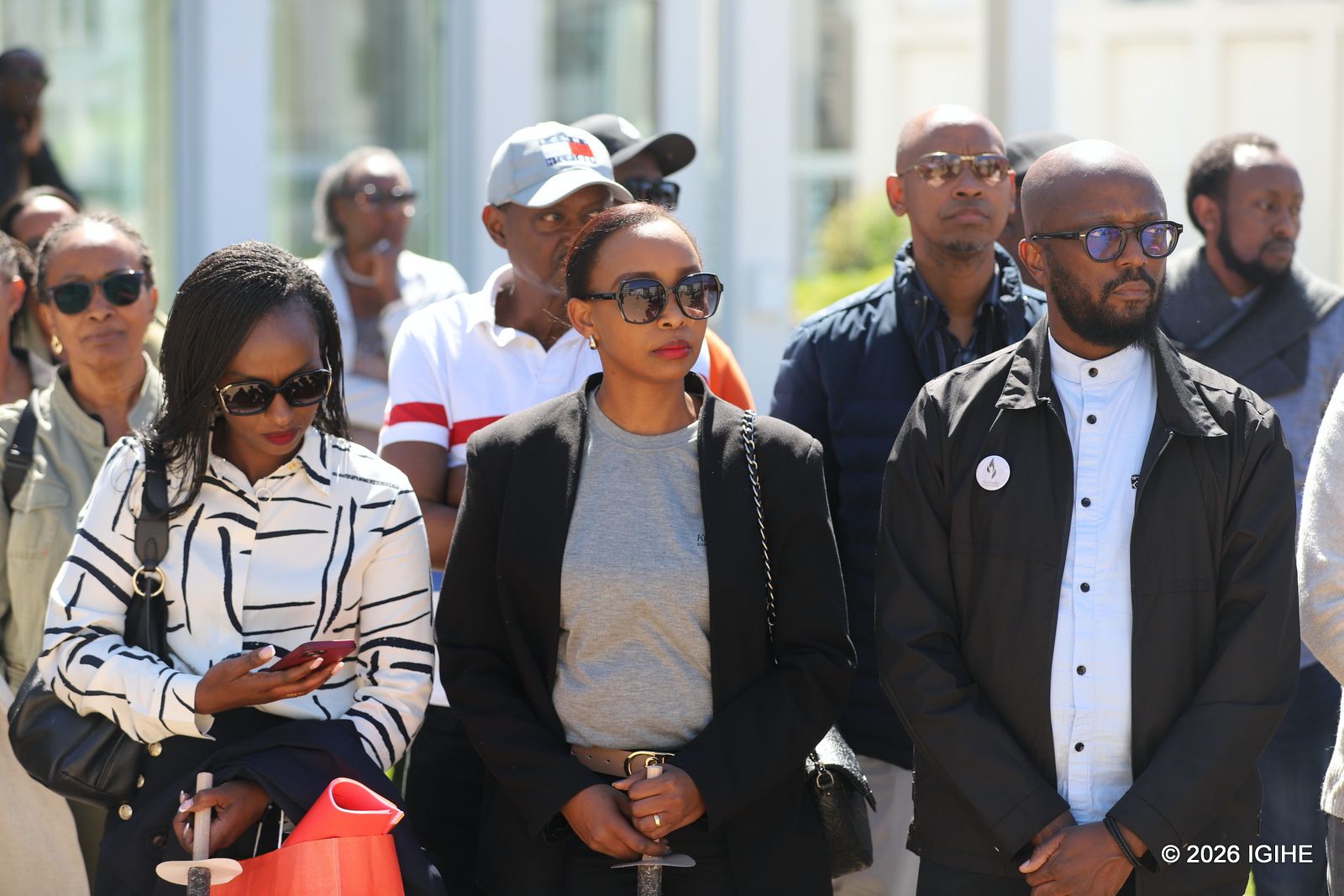
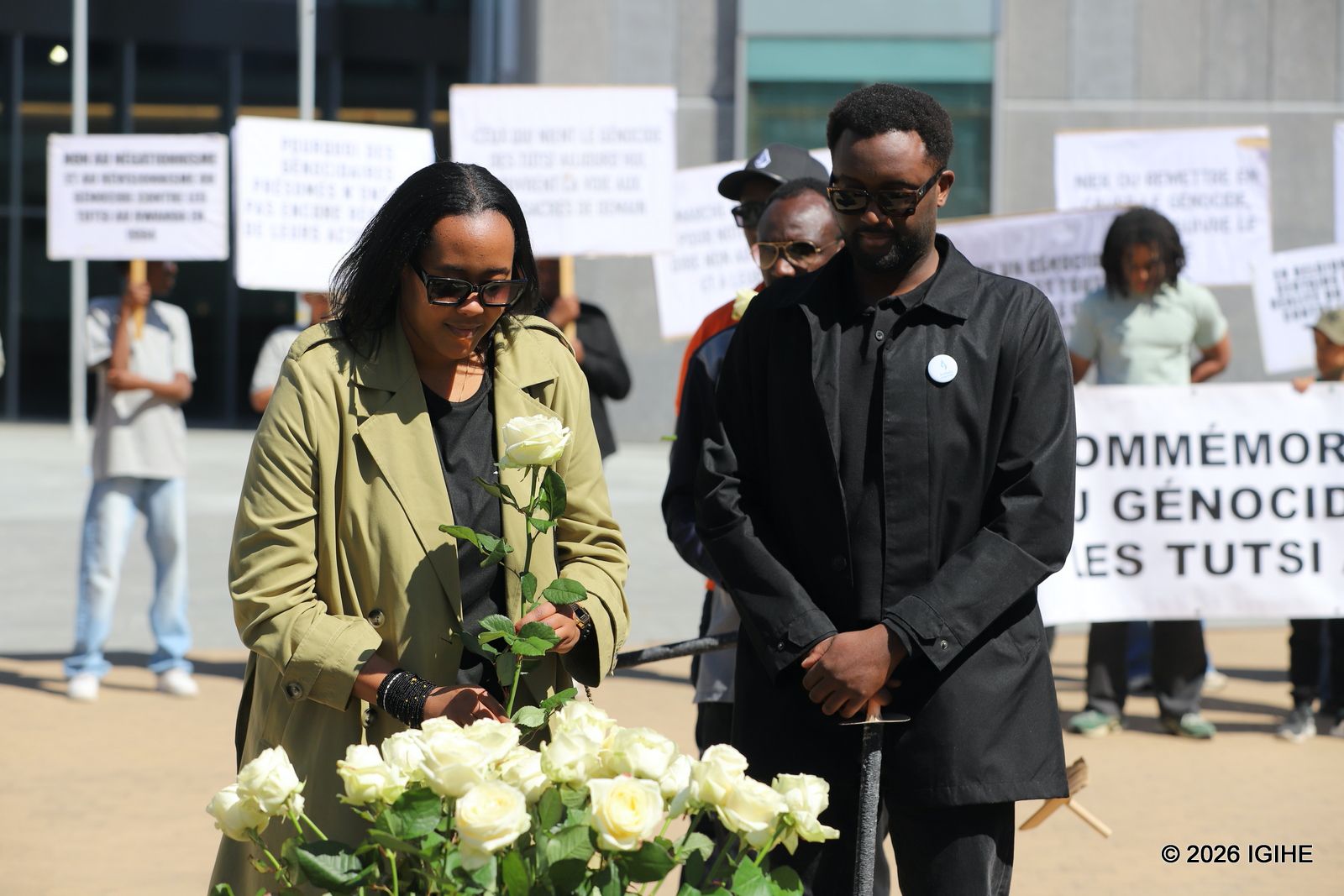
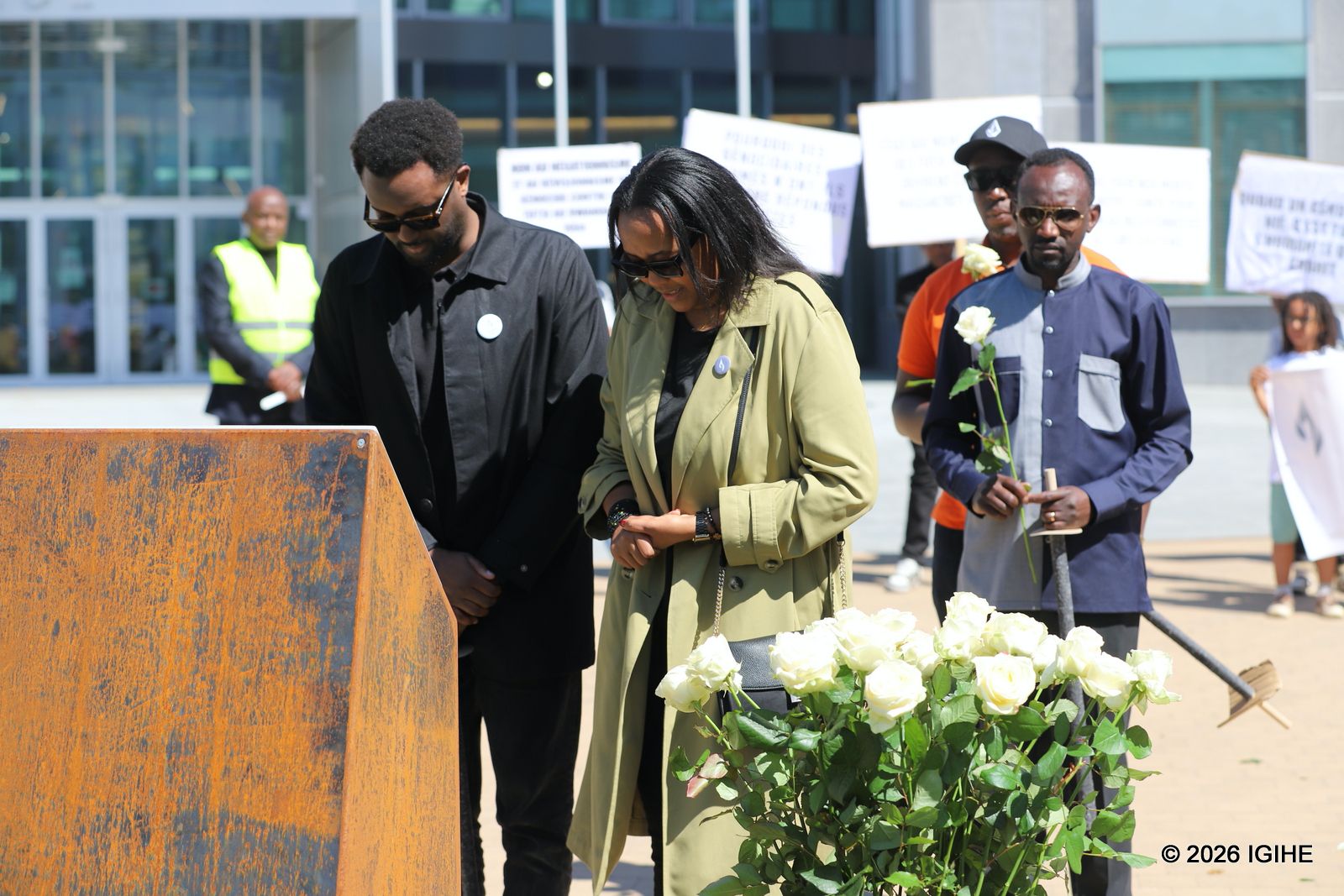
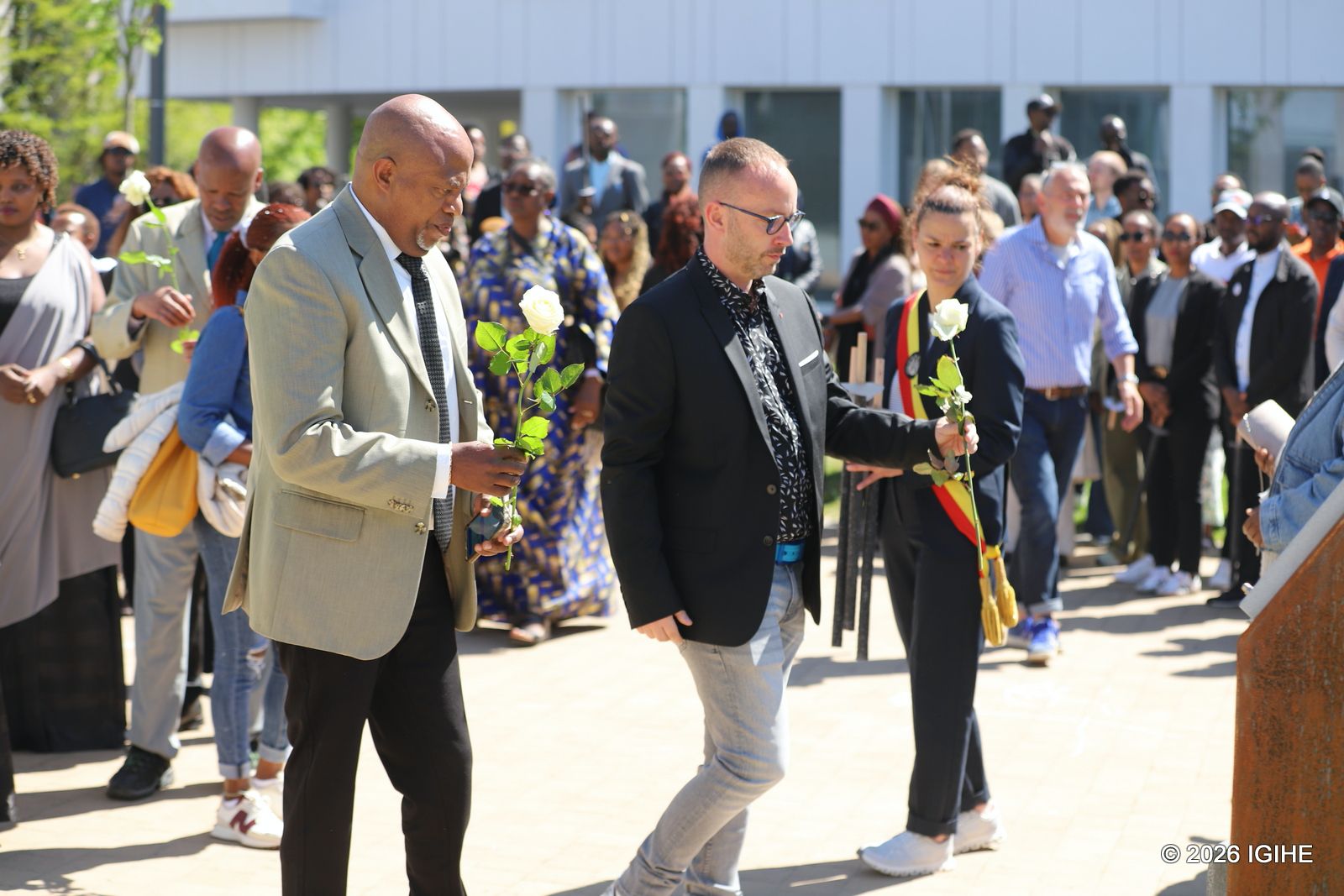
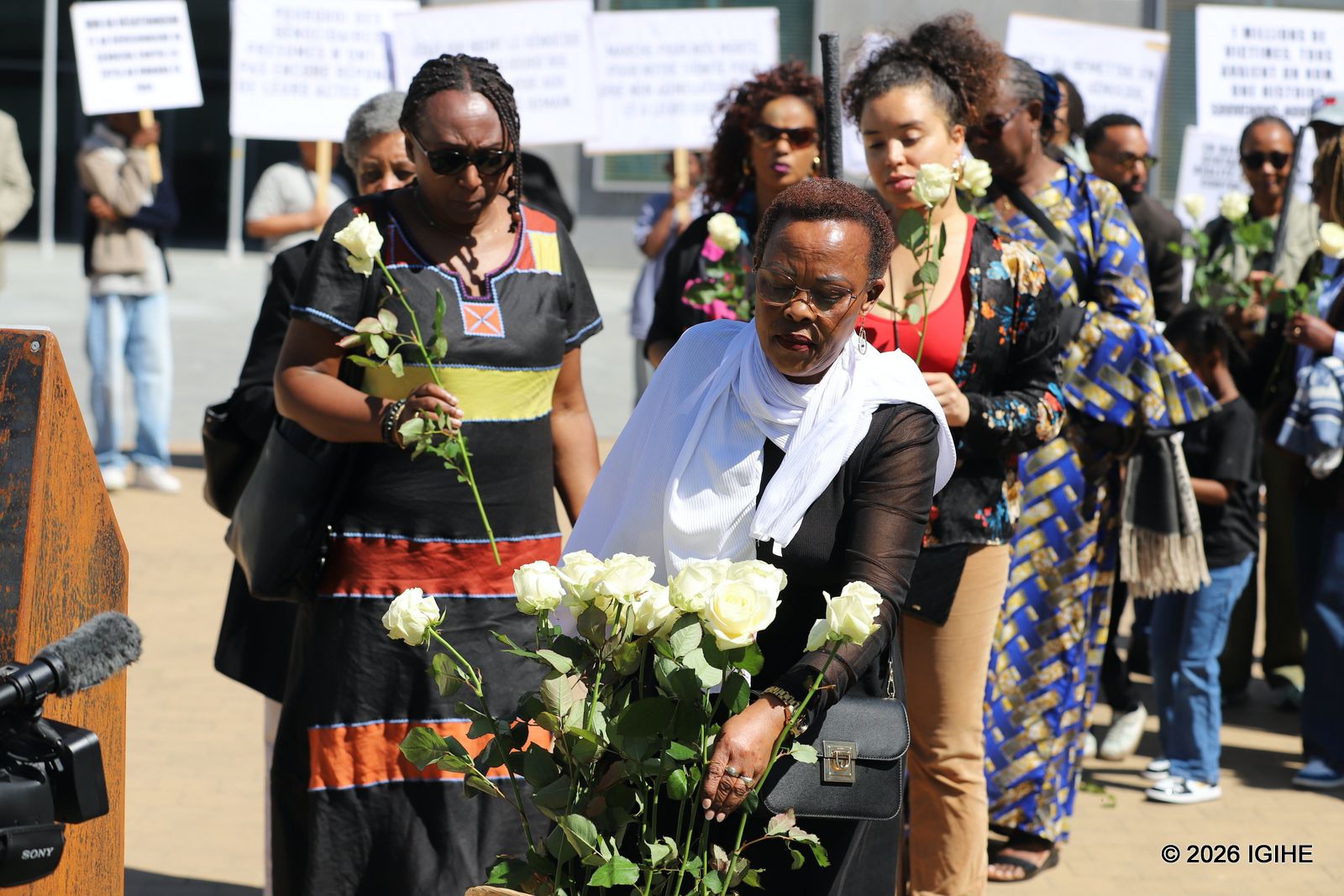
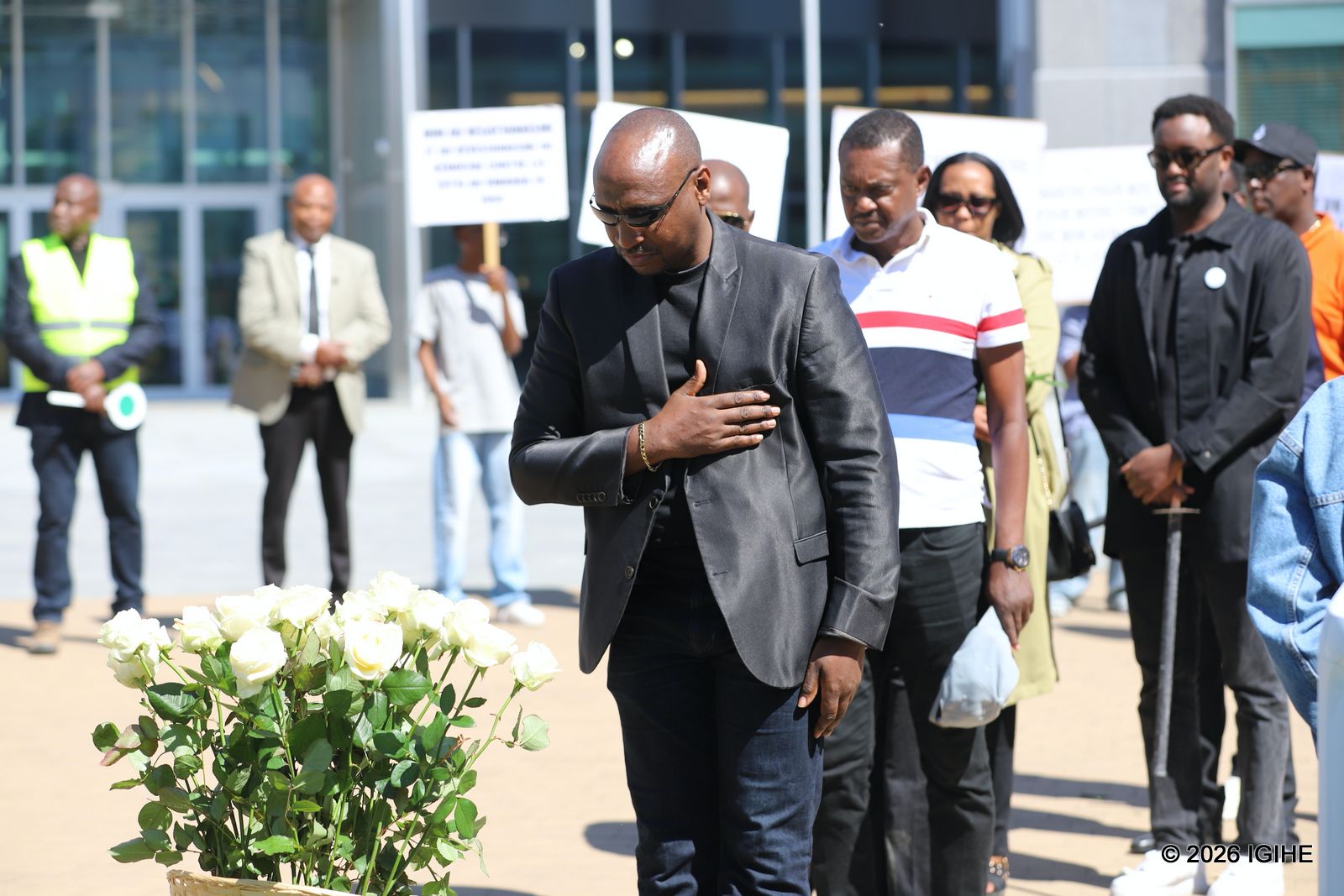
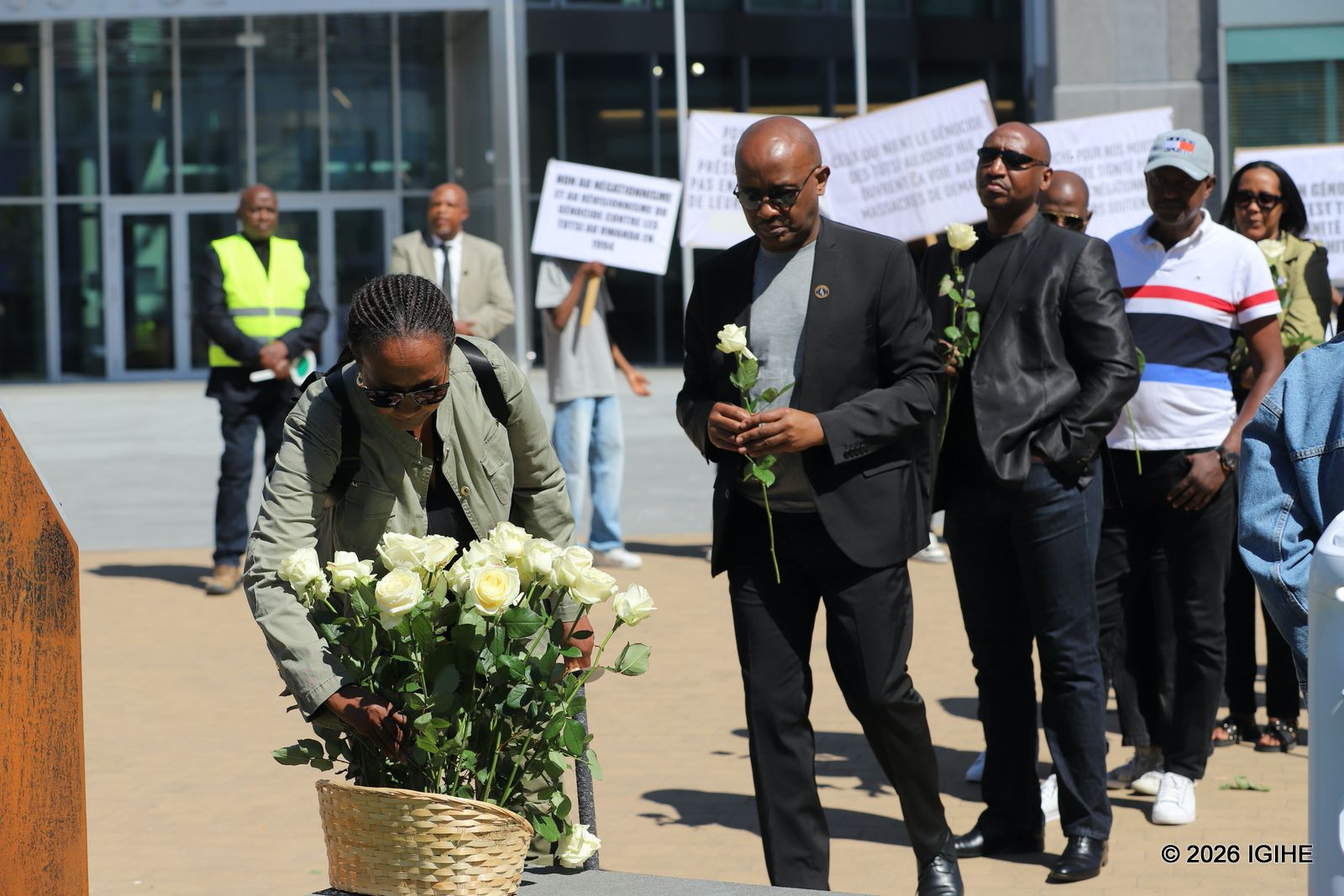
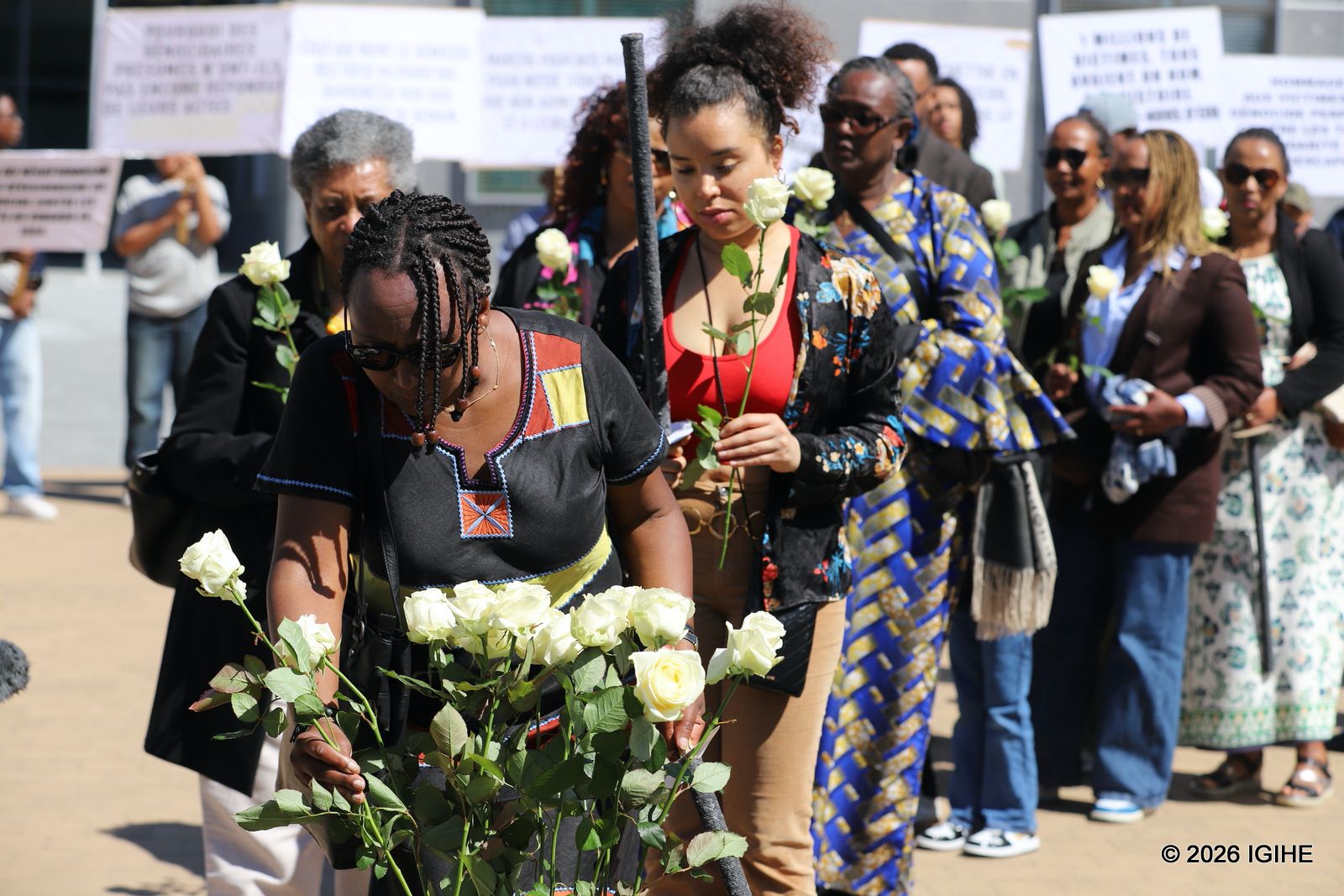
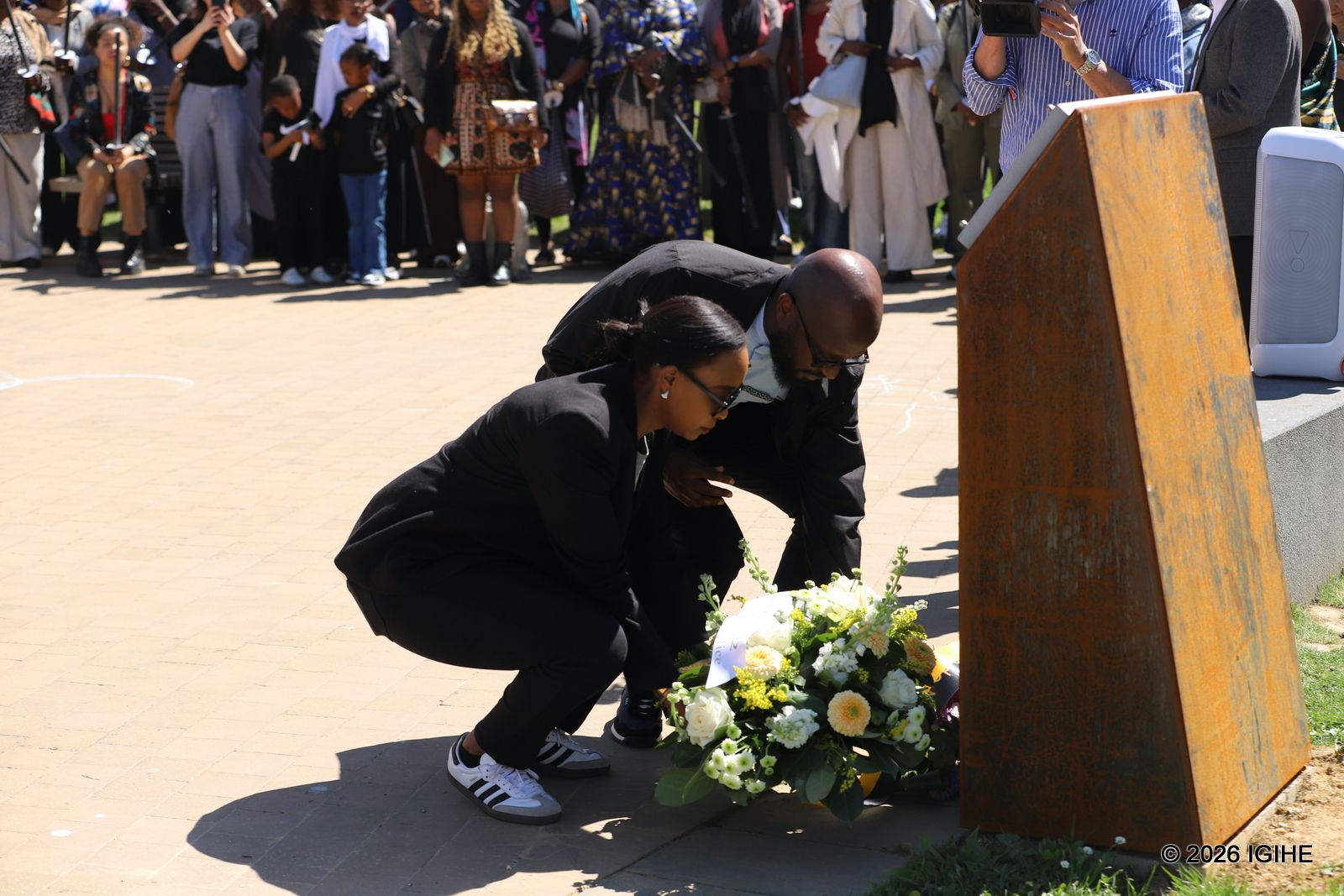
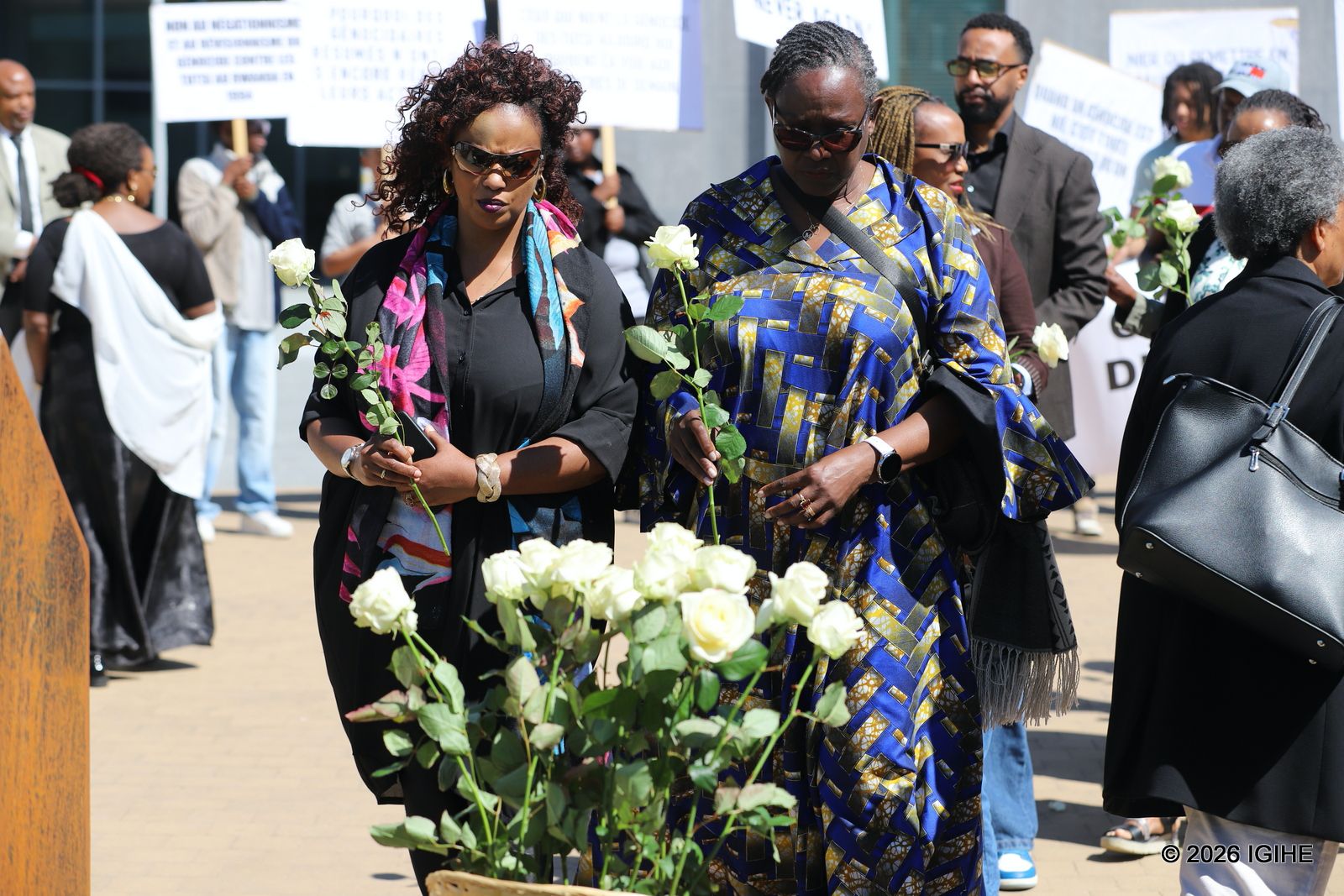
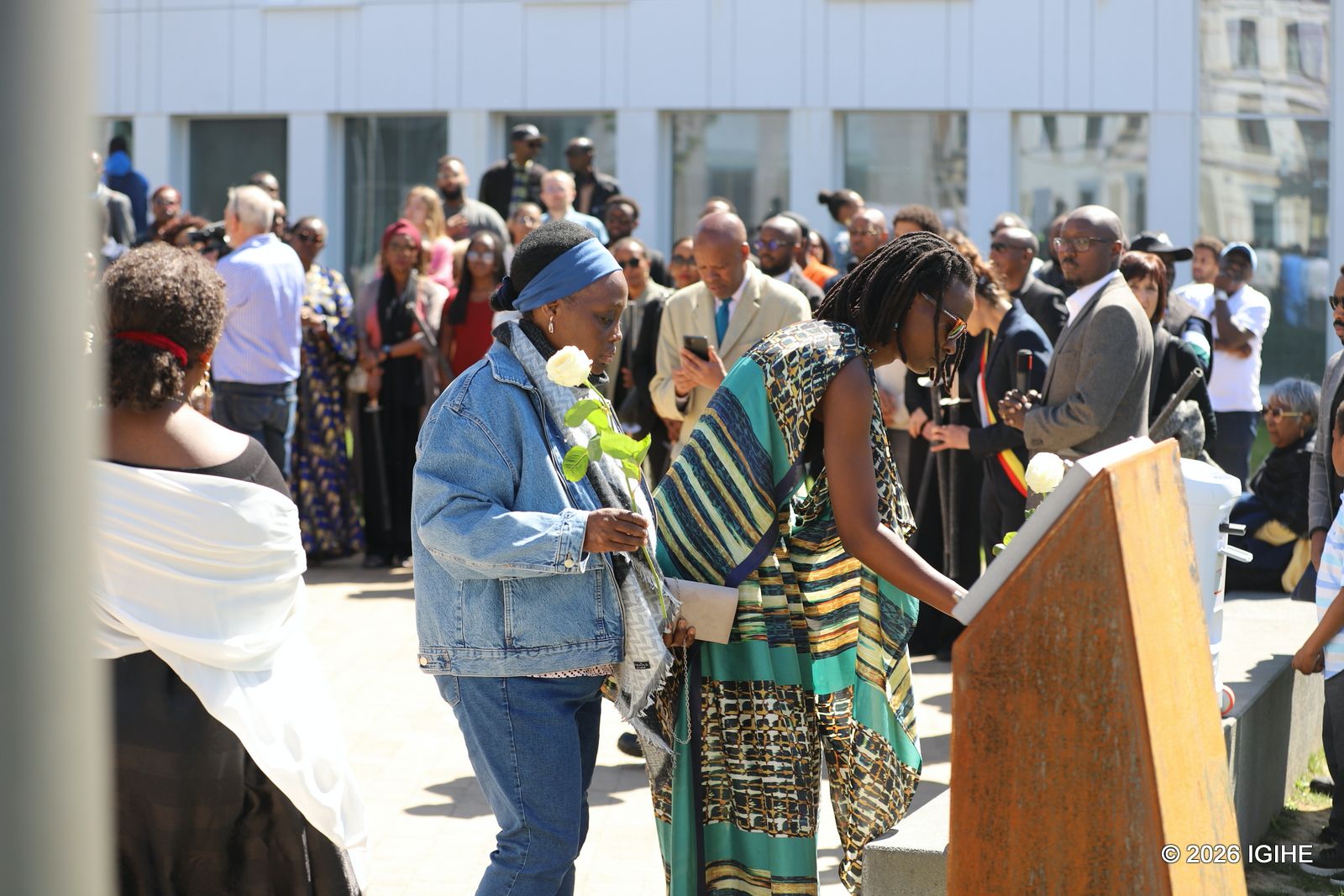
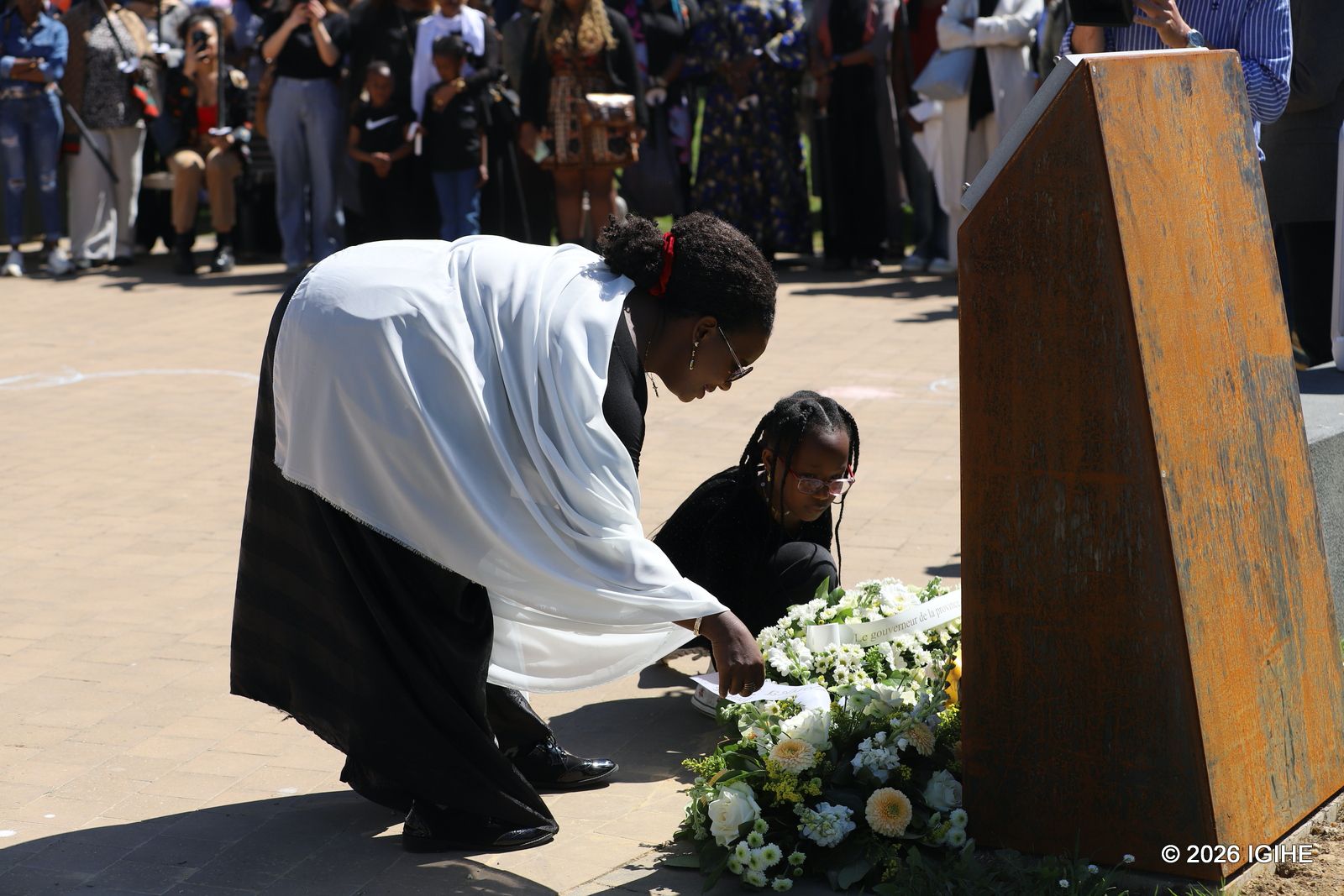
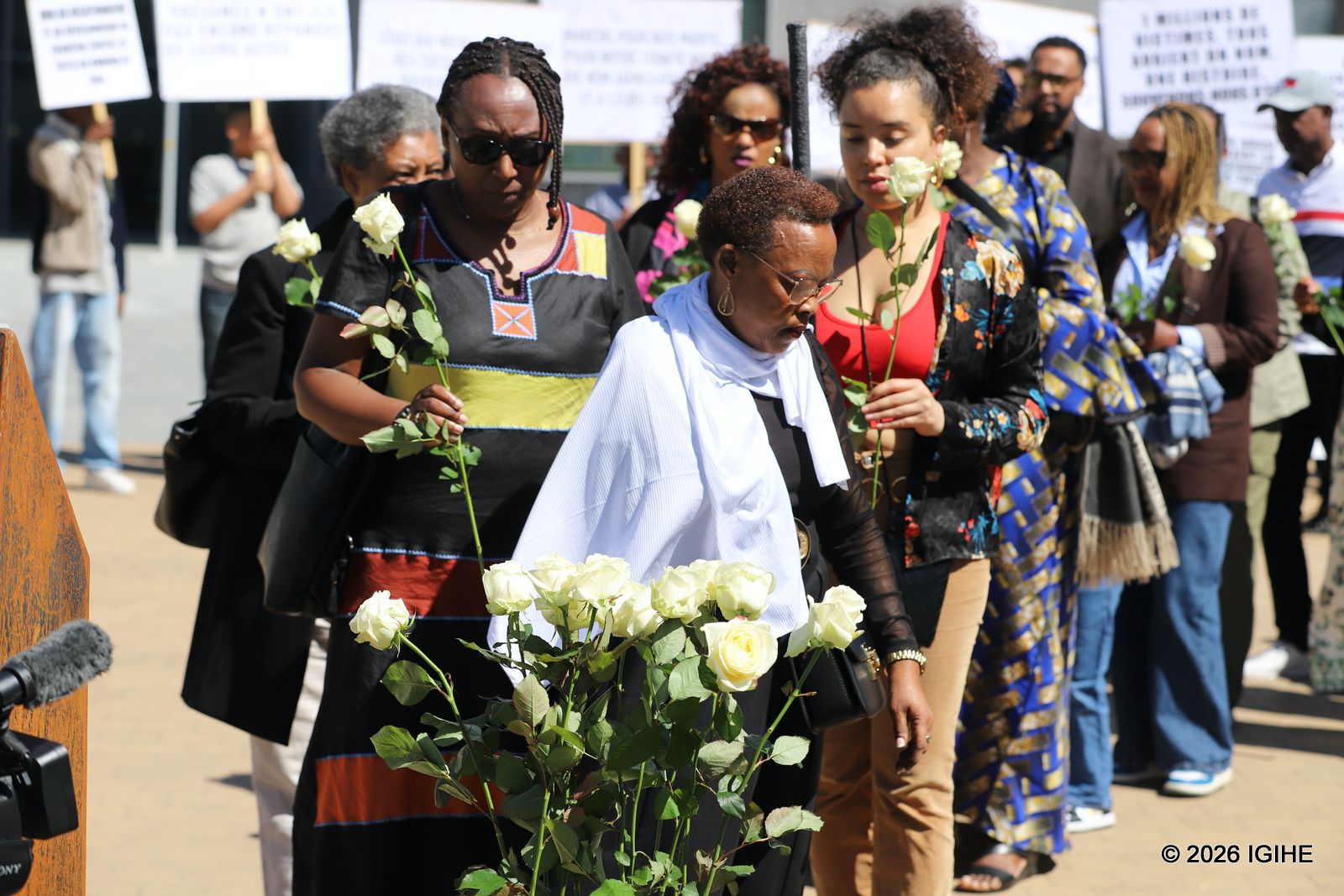
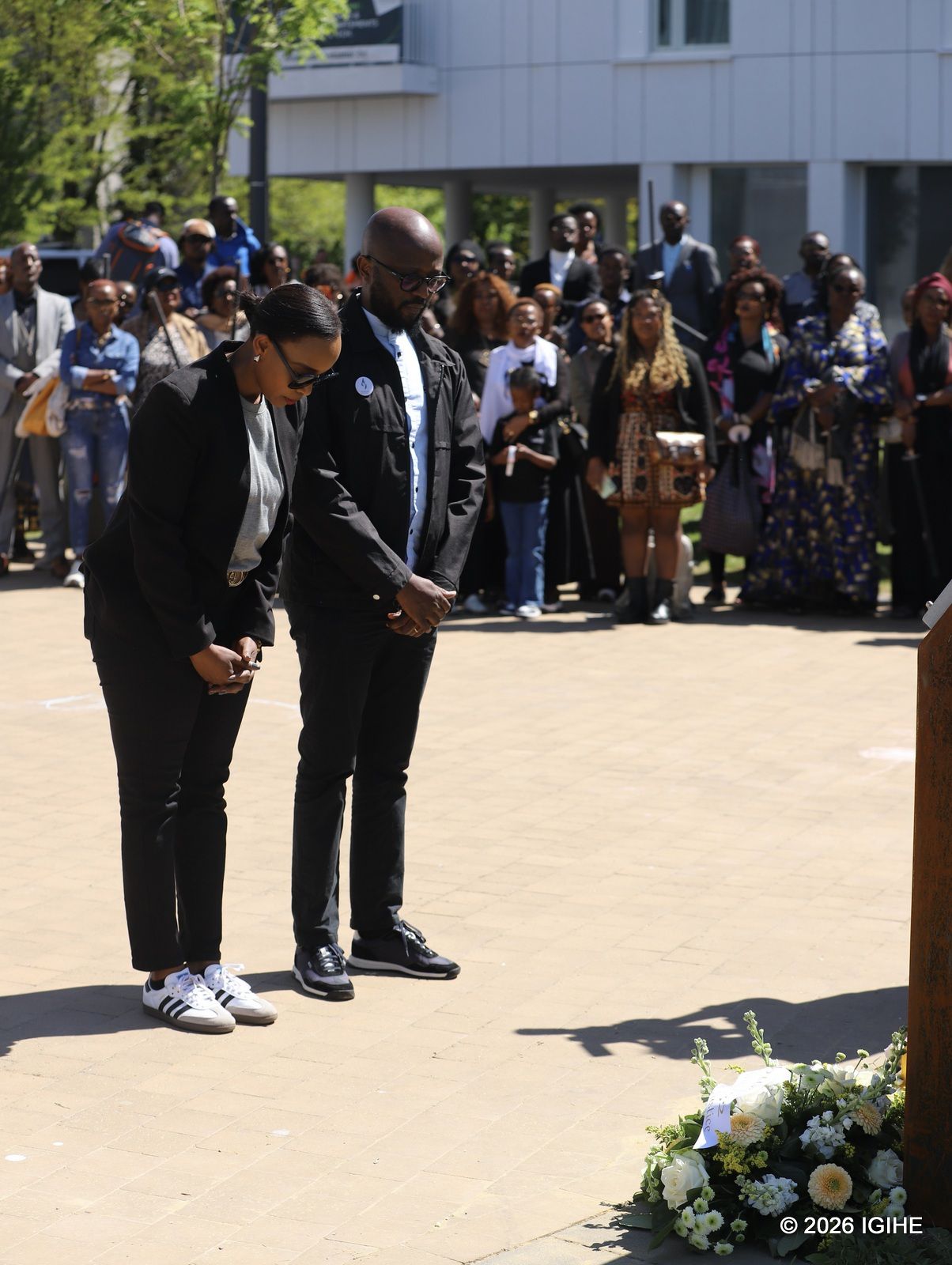
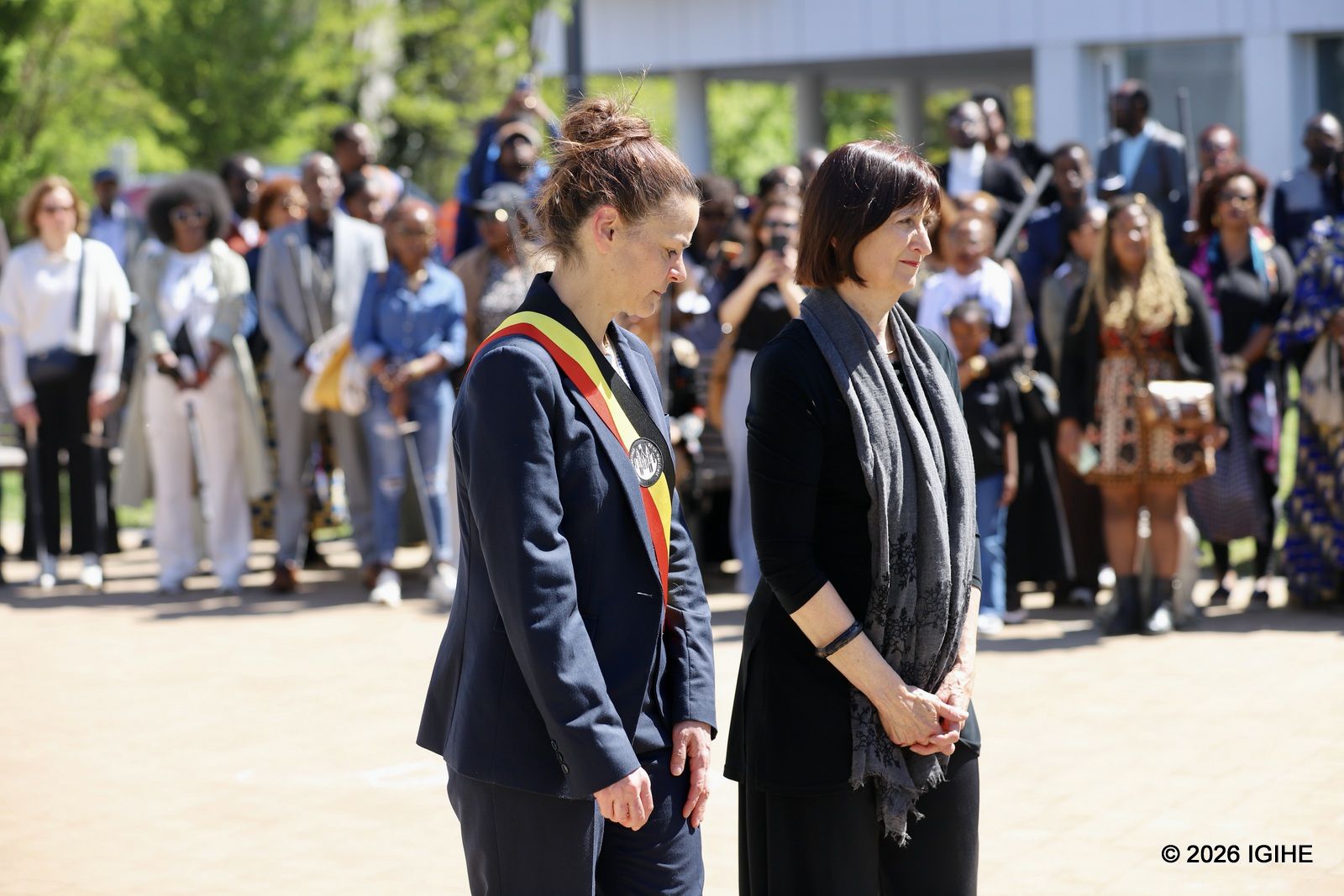
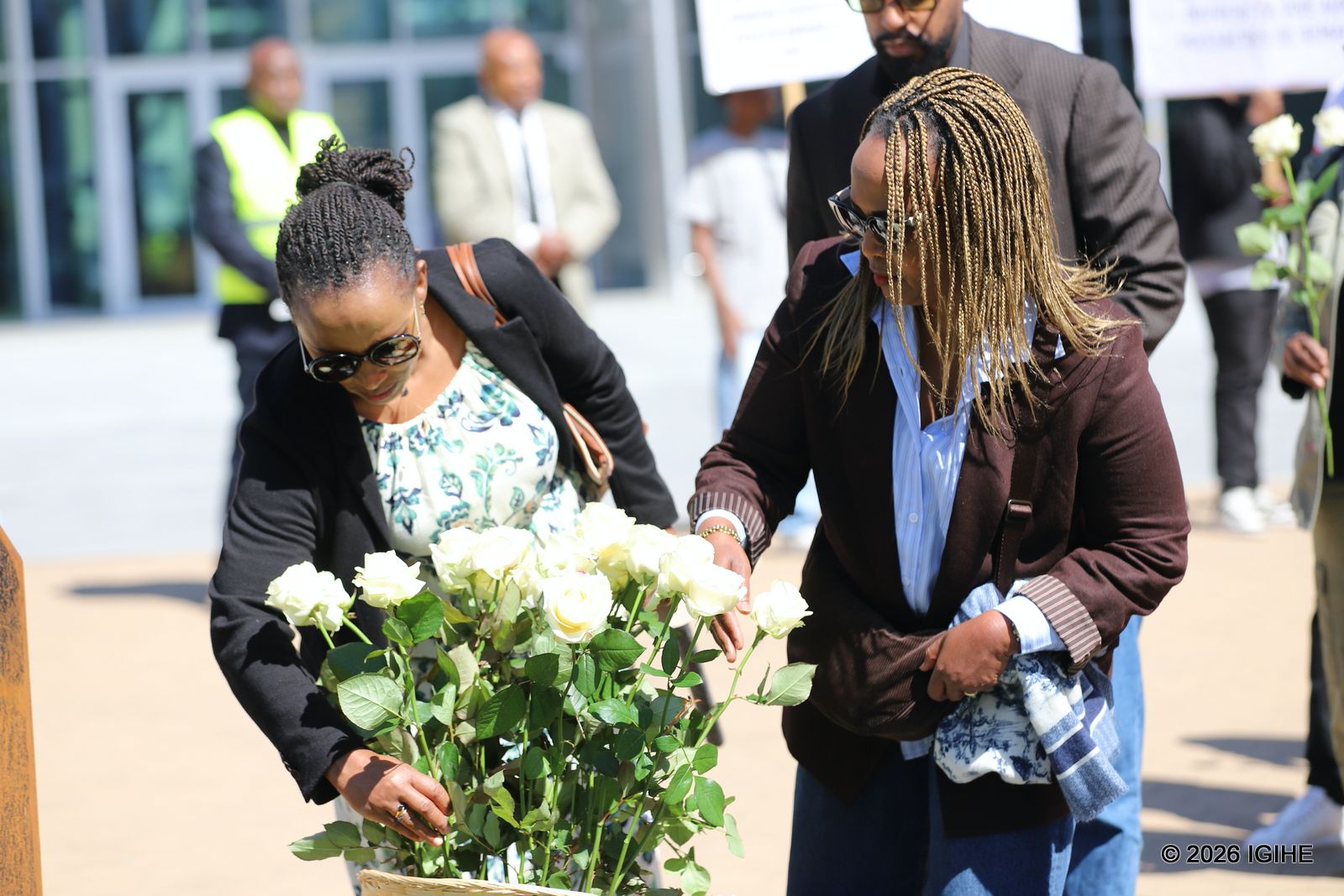
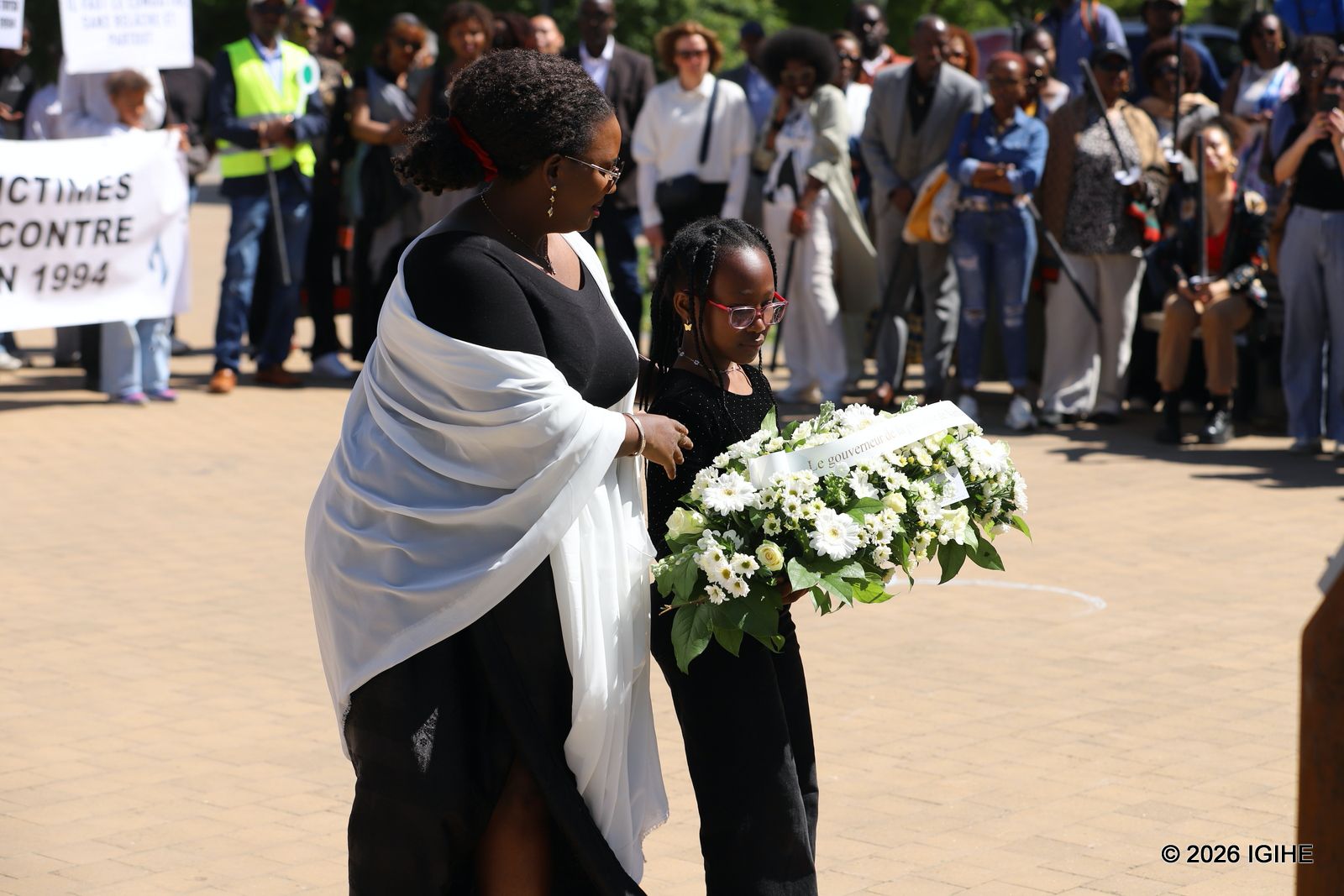
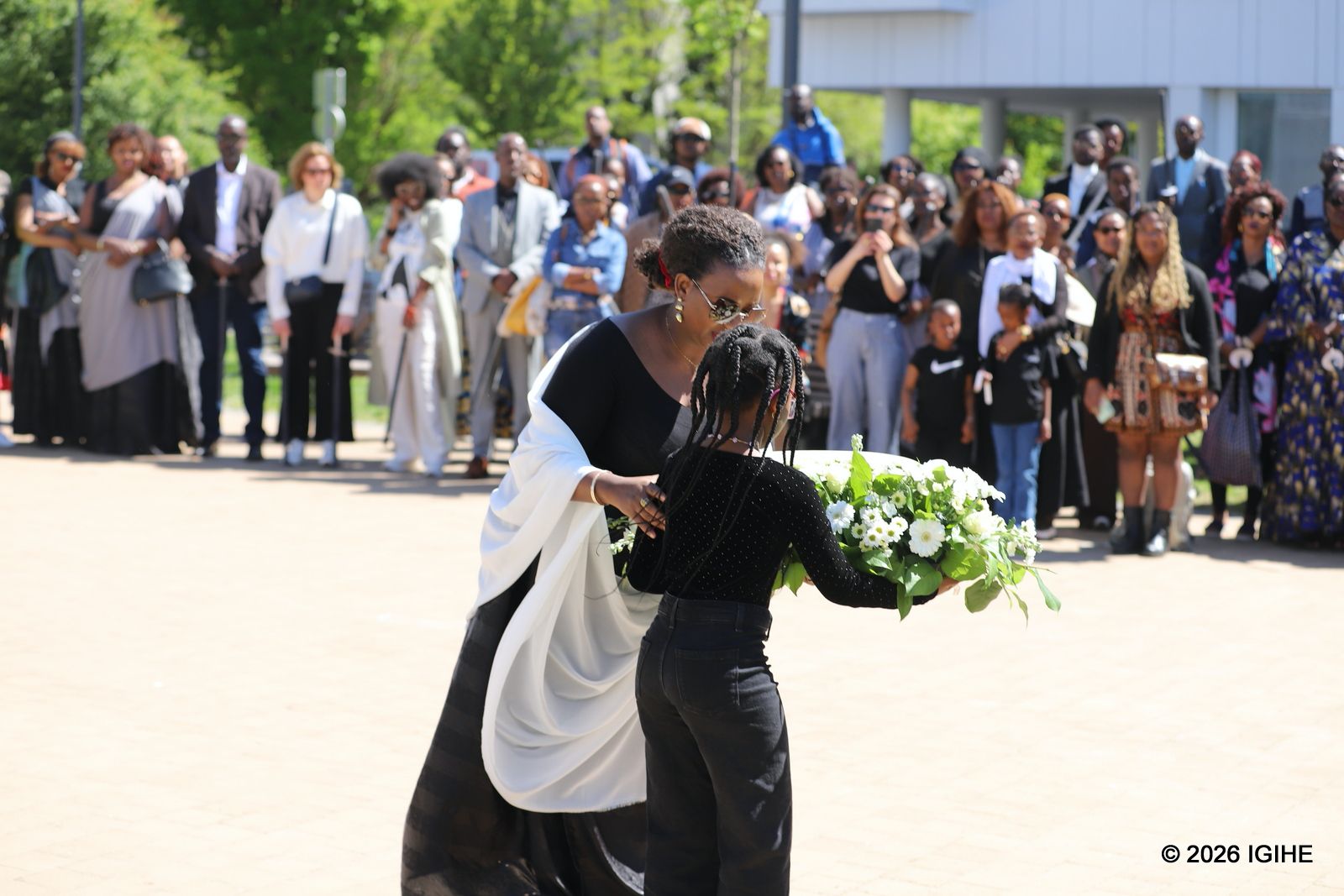
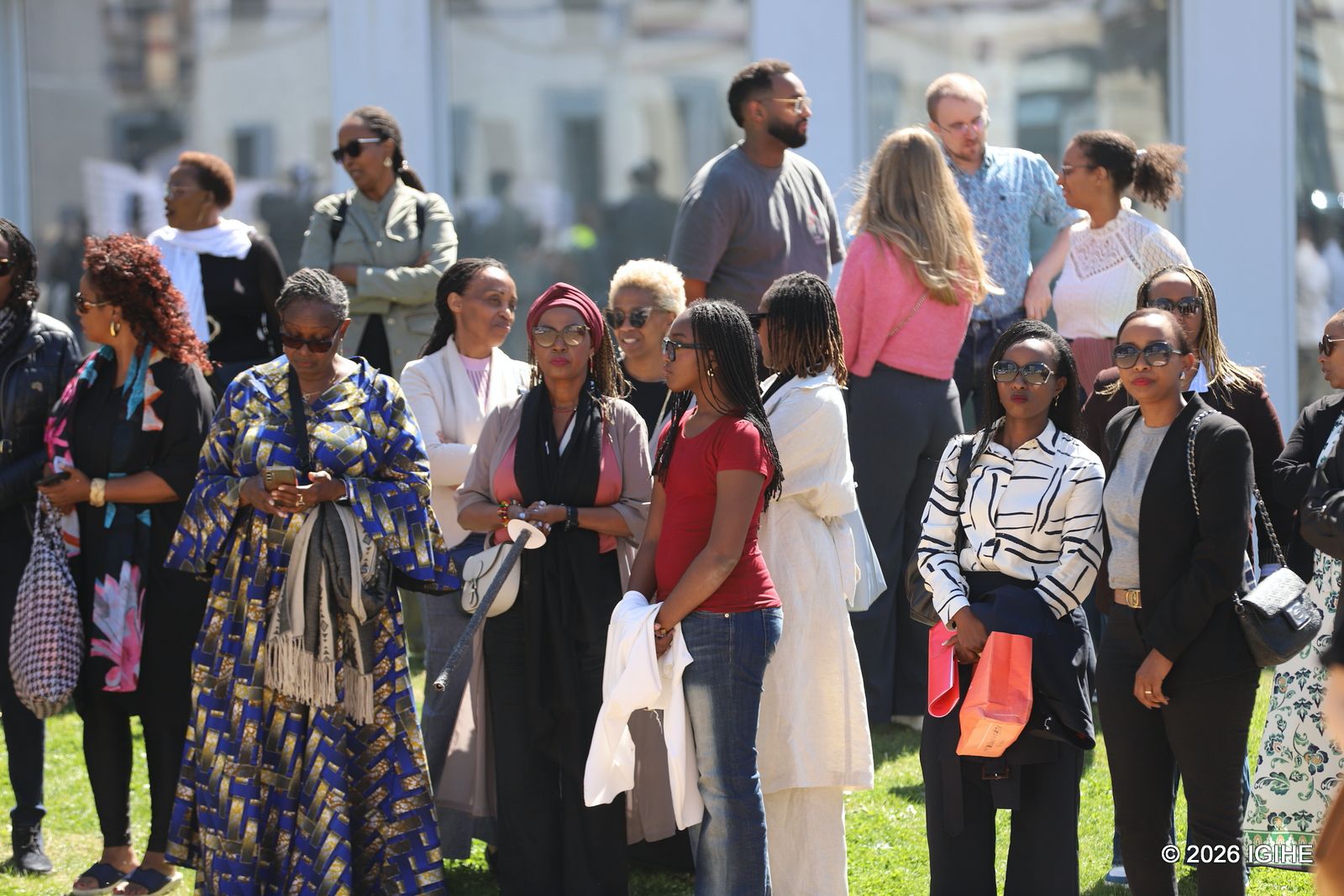
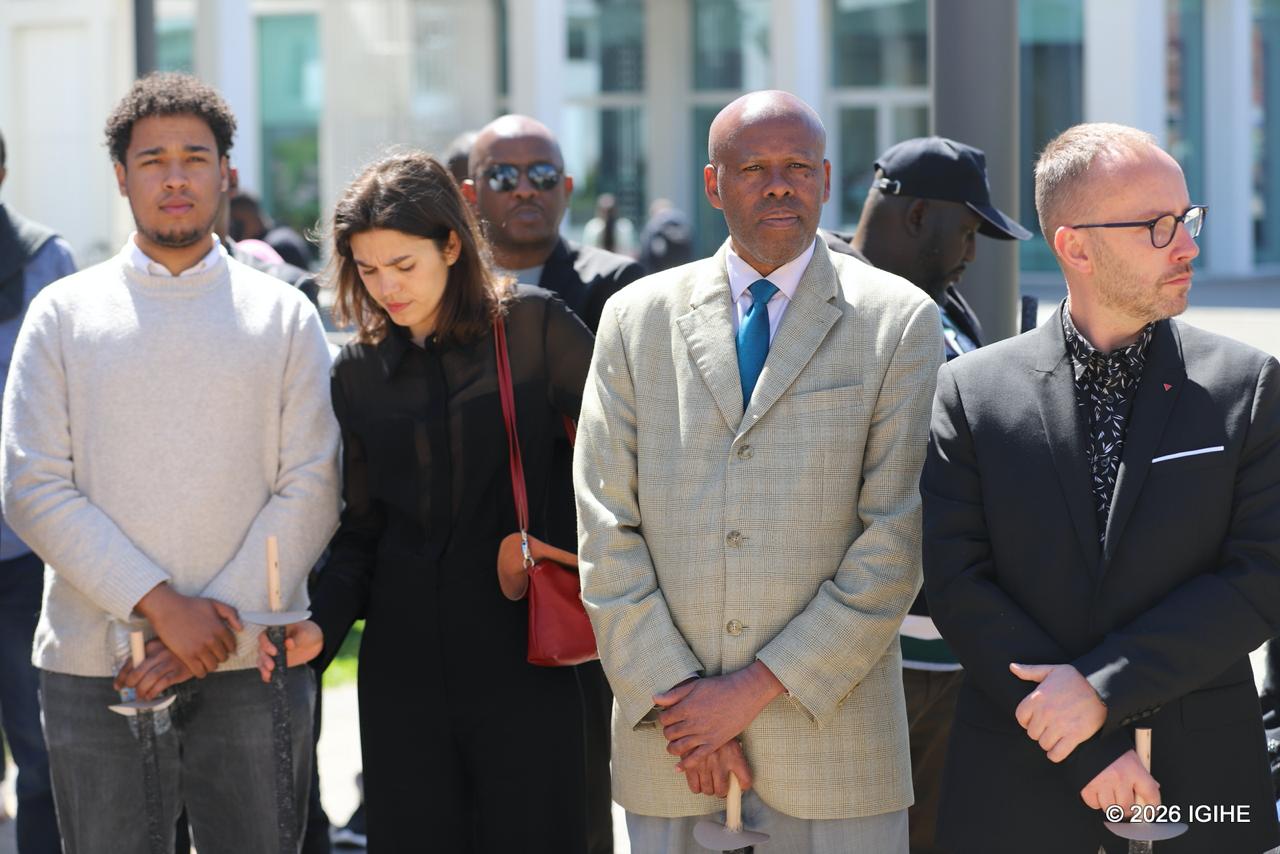
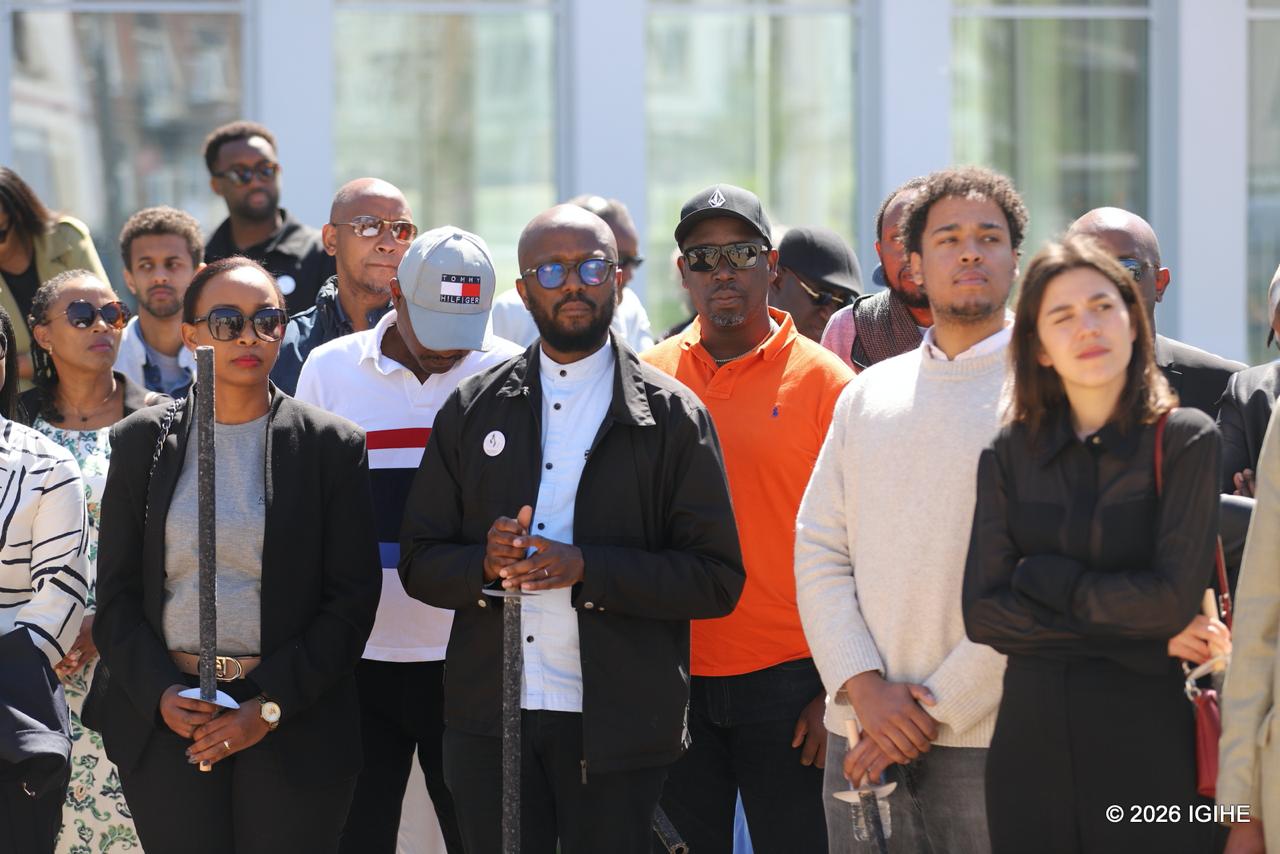
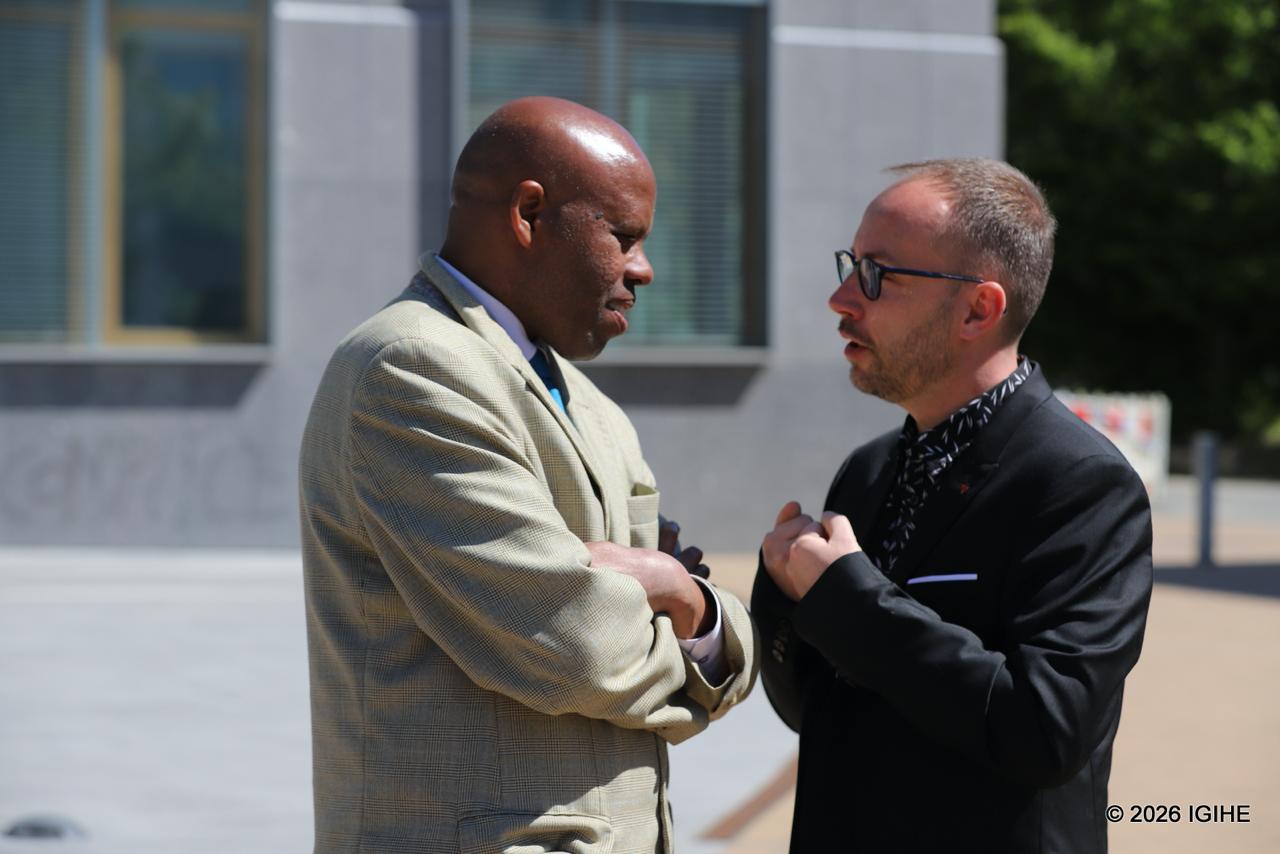
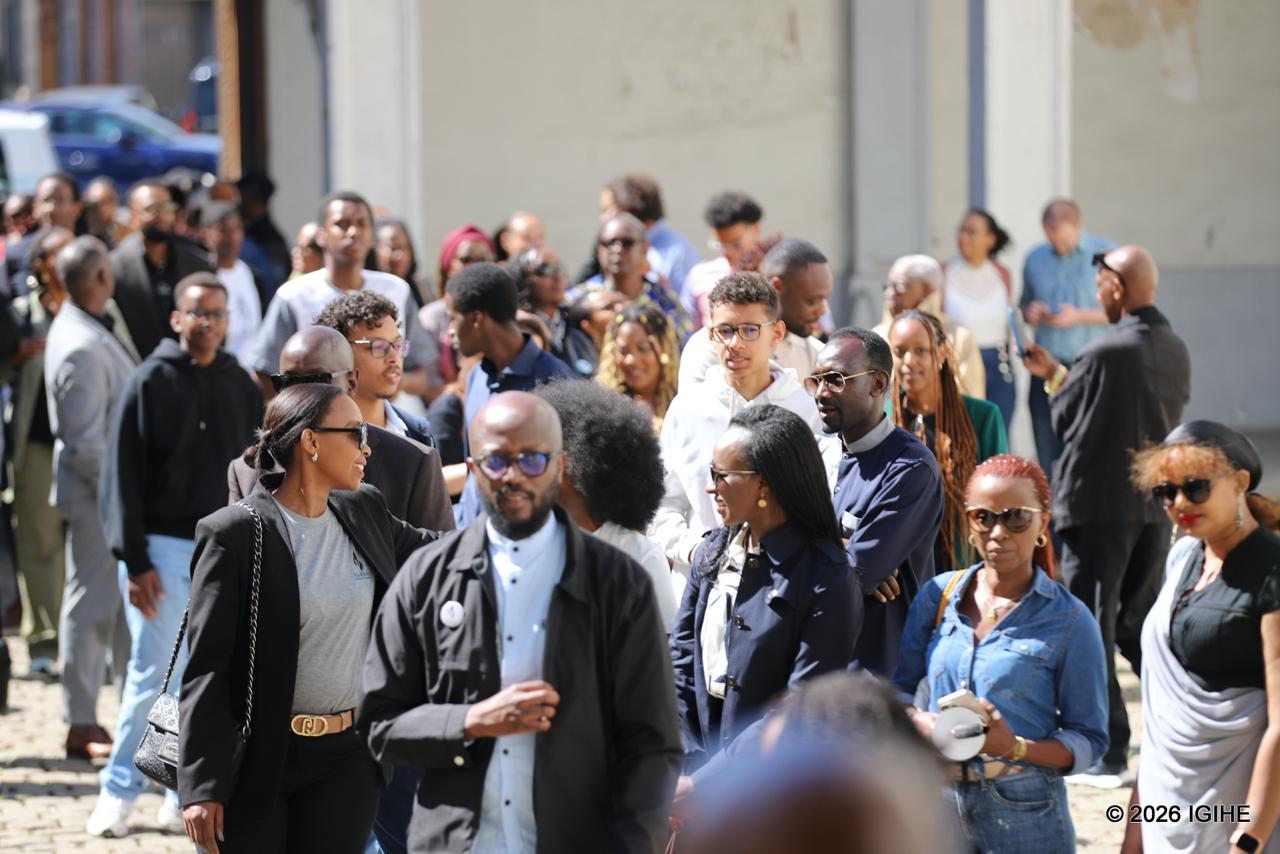
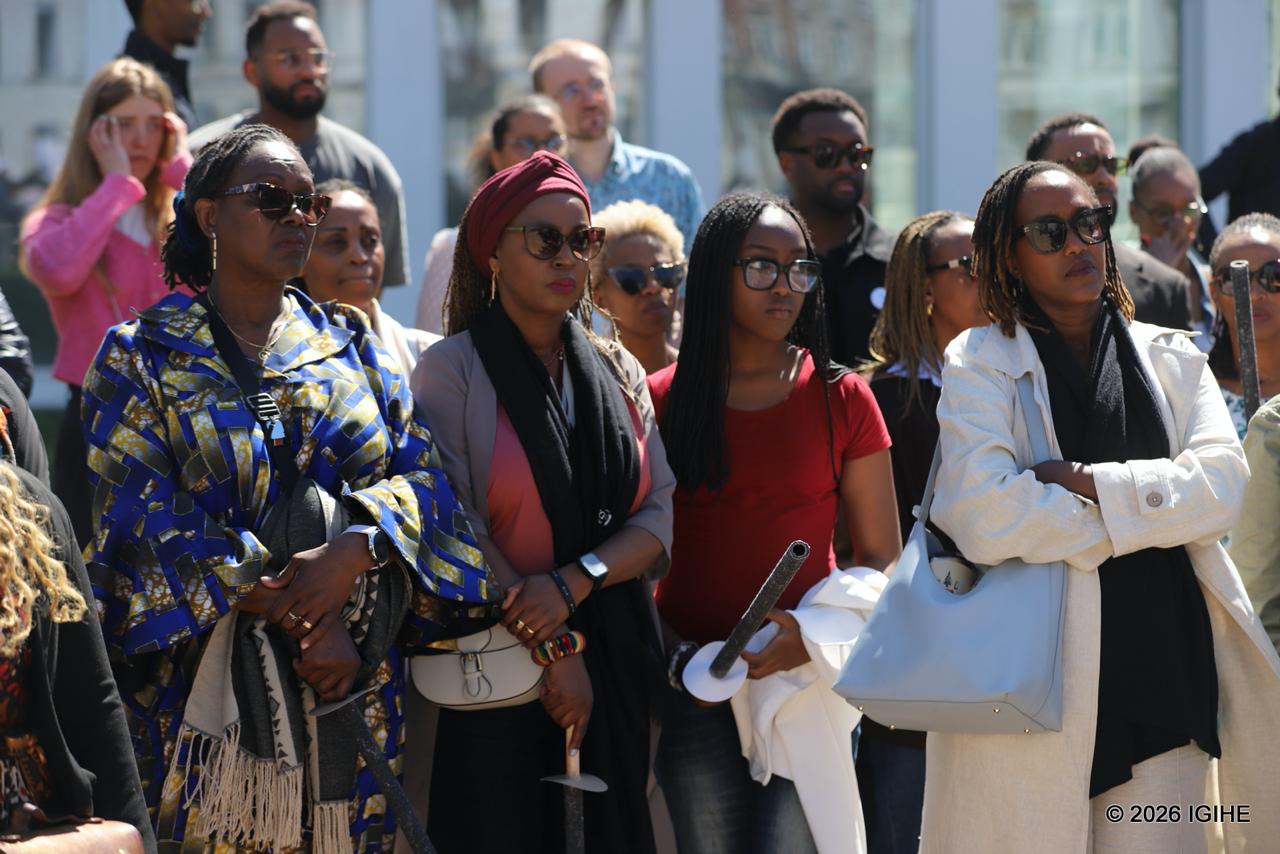
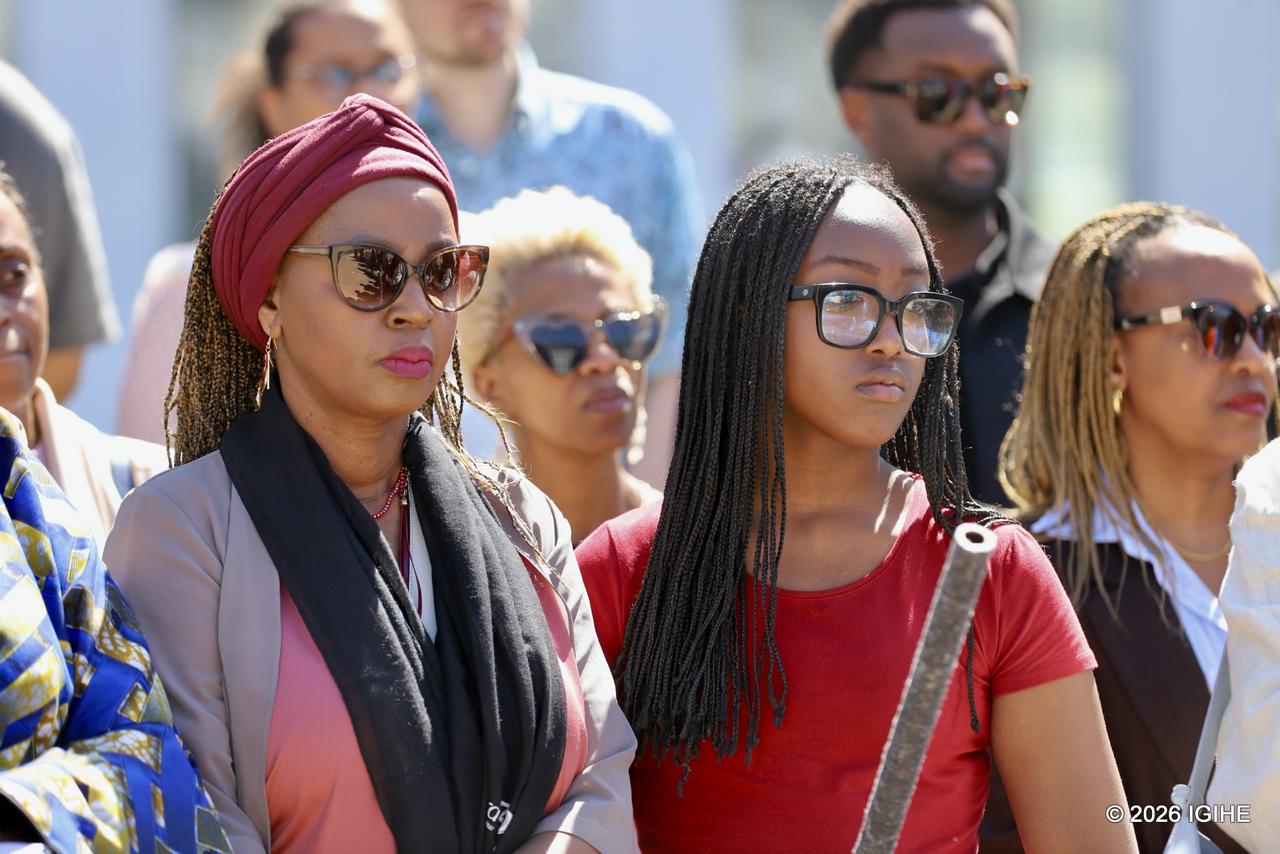
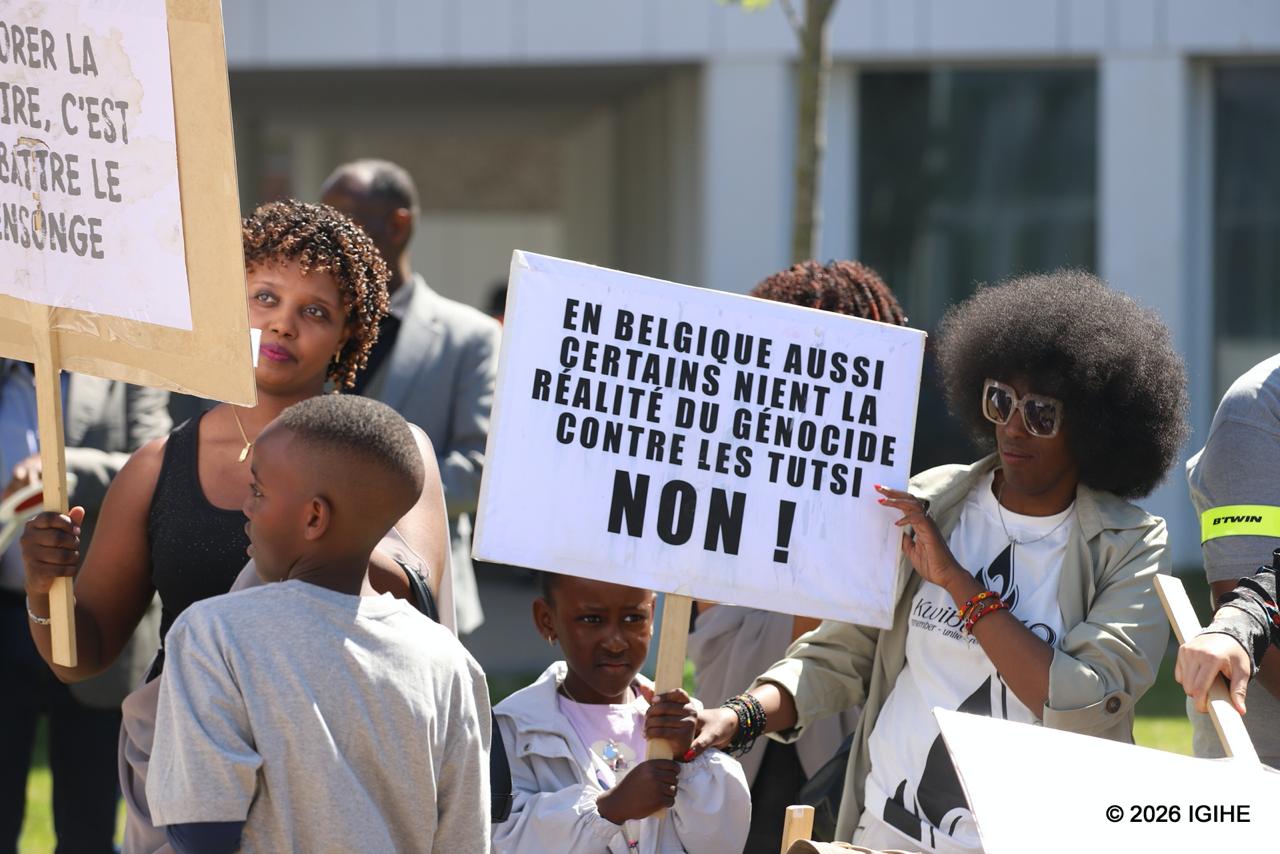
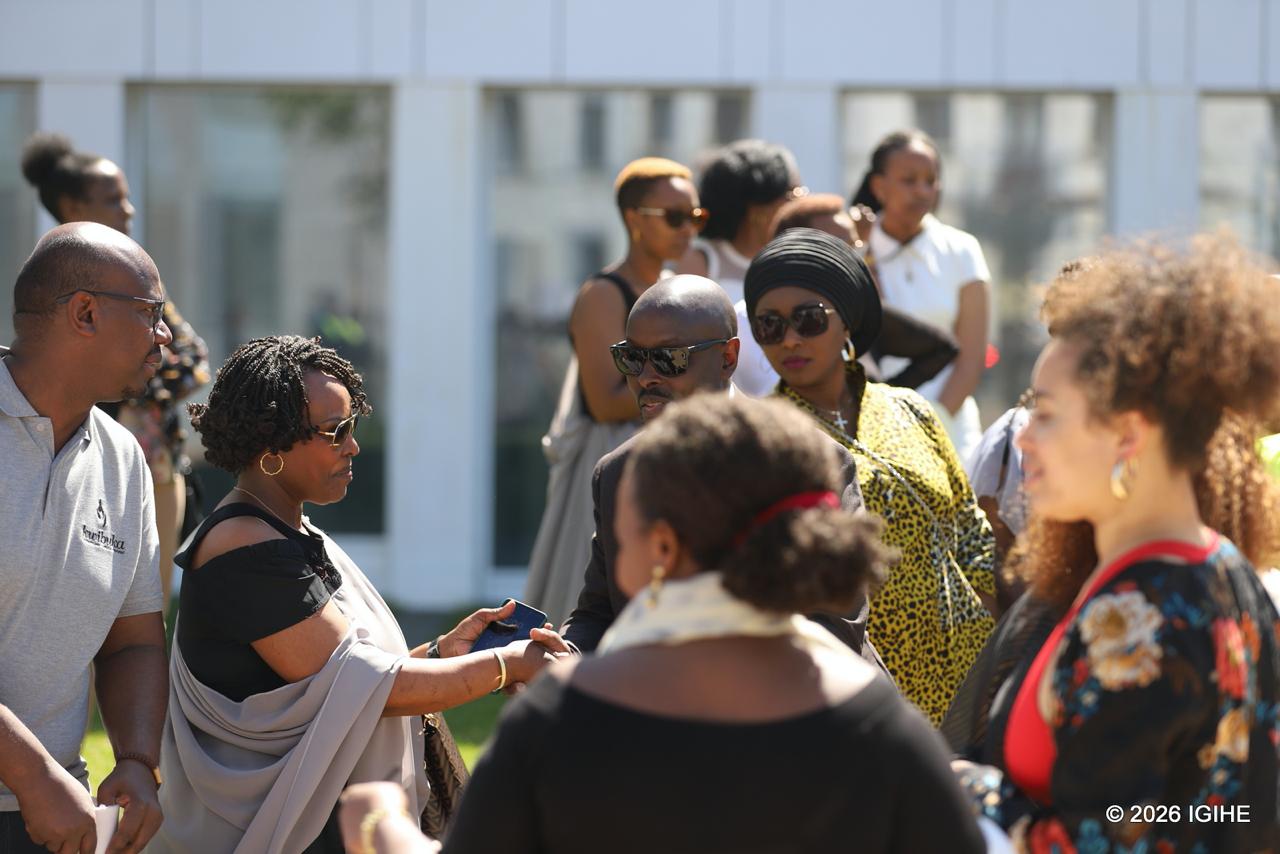
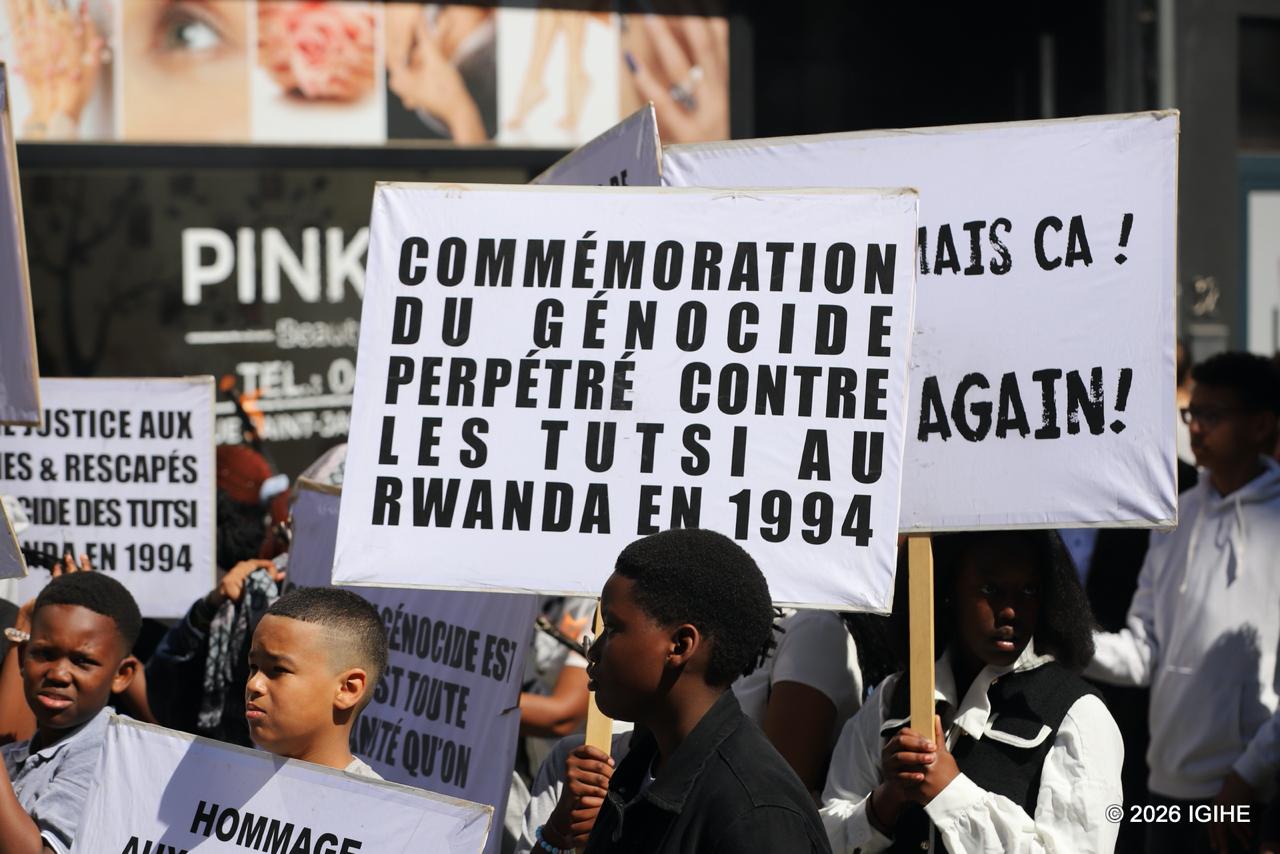
The Rwandan community and its friends gathered, as they do every year, to honor the memory of the victims, in a spirit of unity, dignity, and transmission.
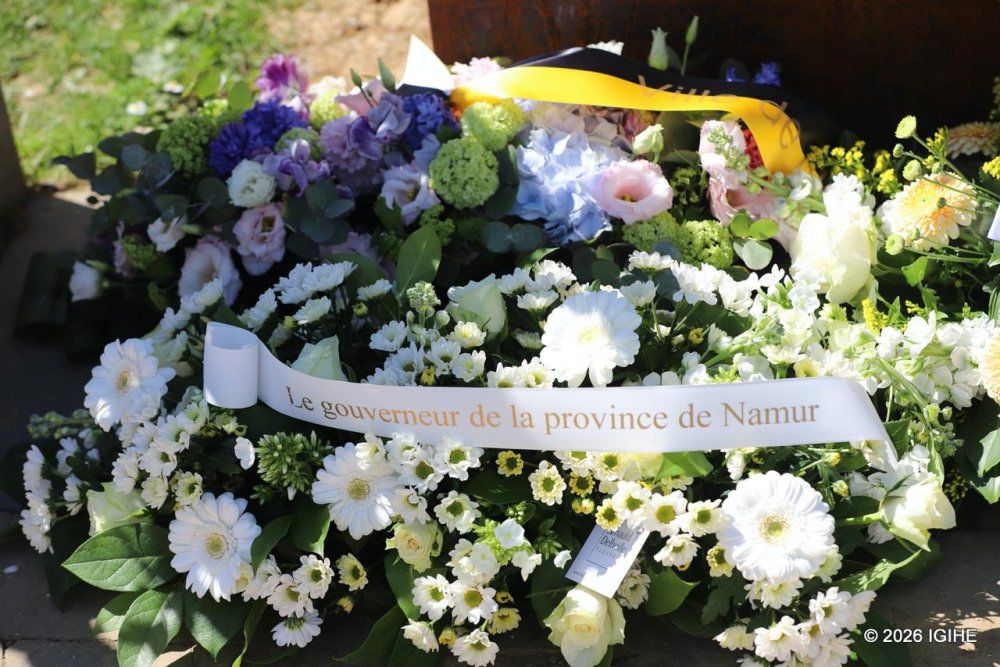
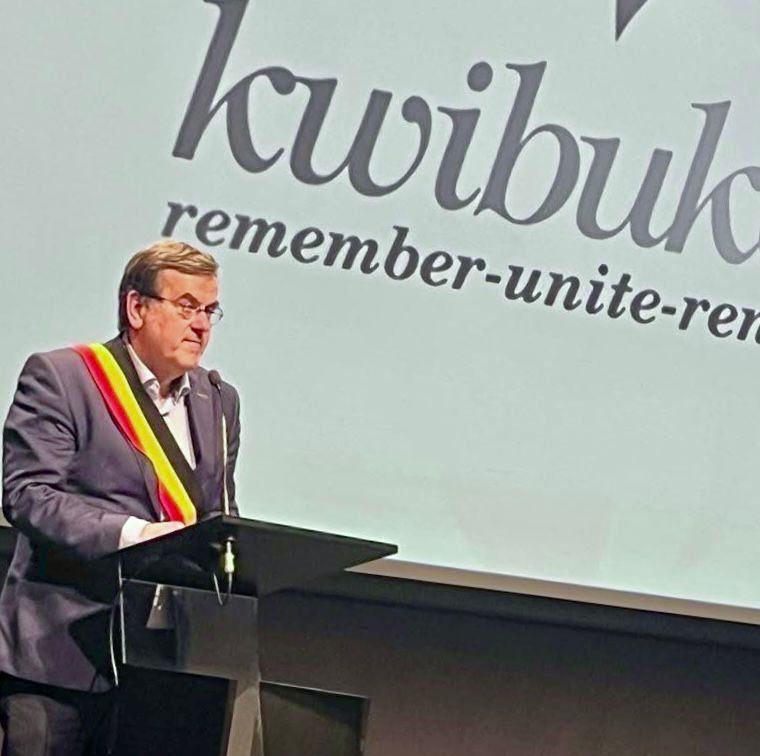
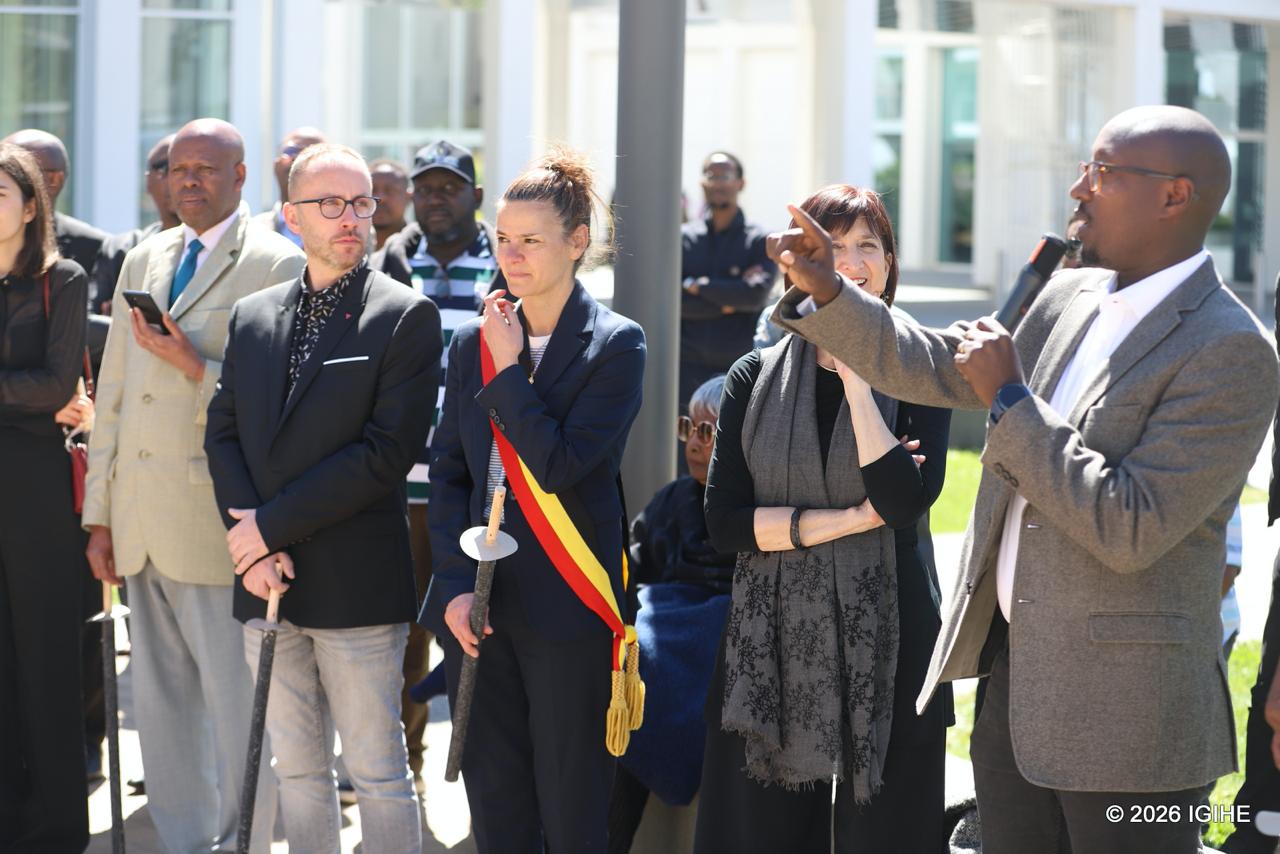
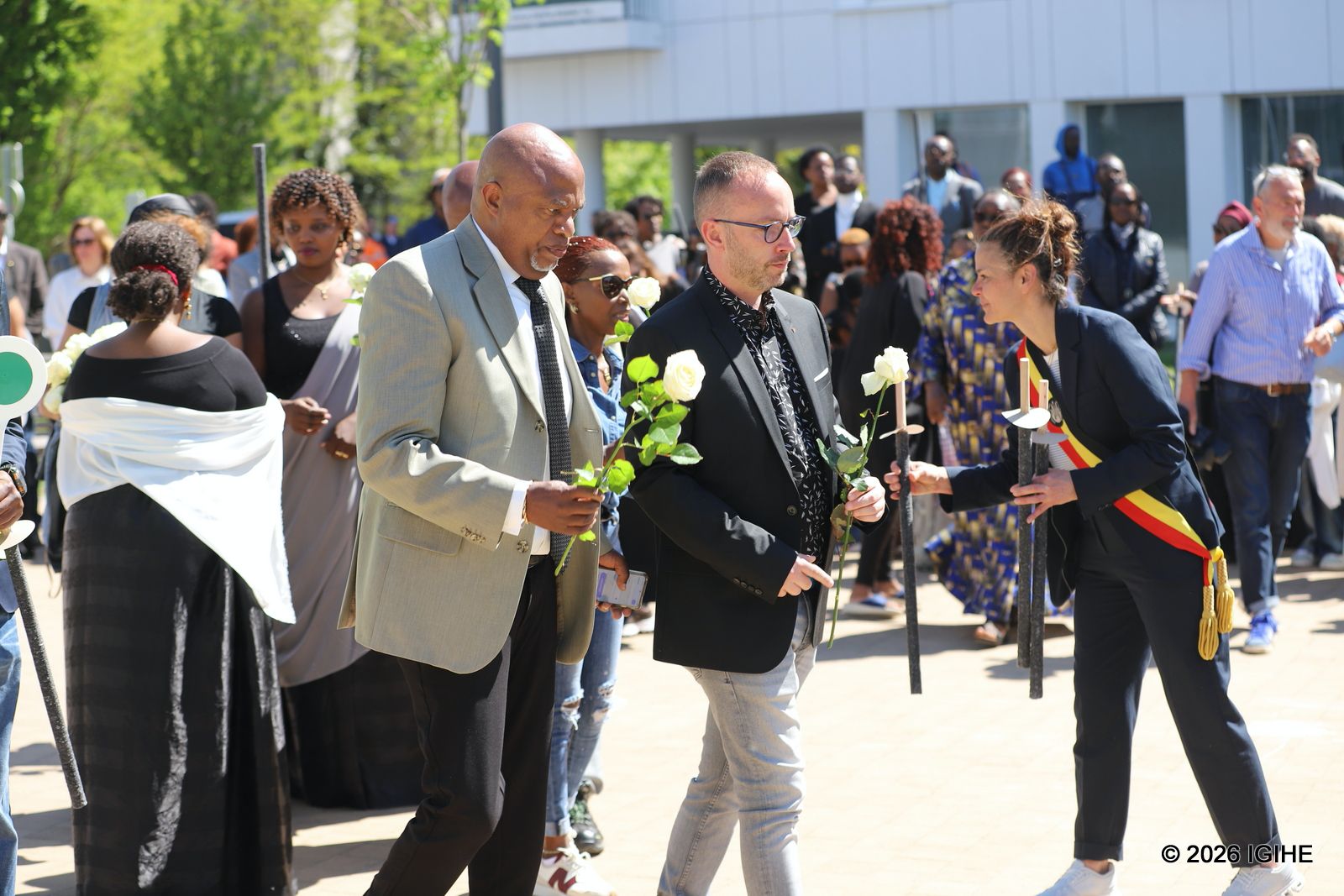
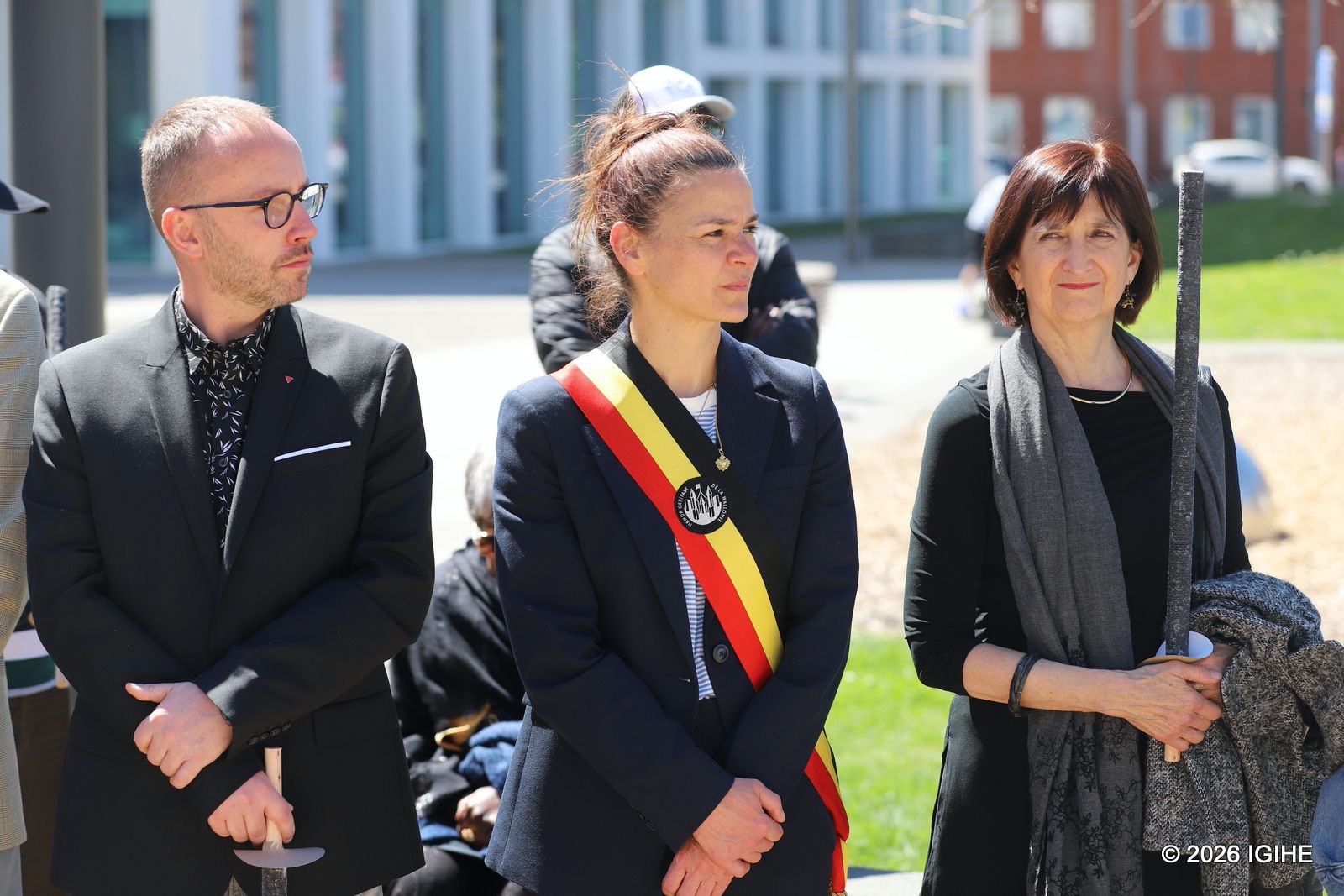
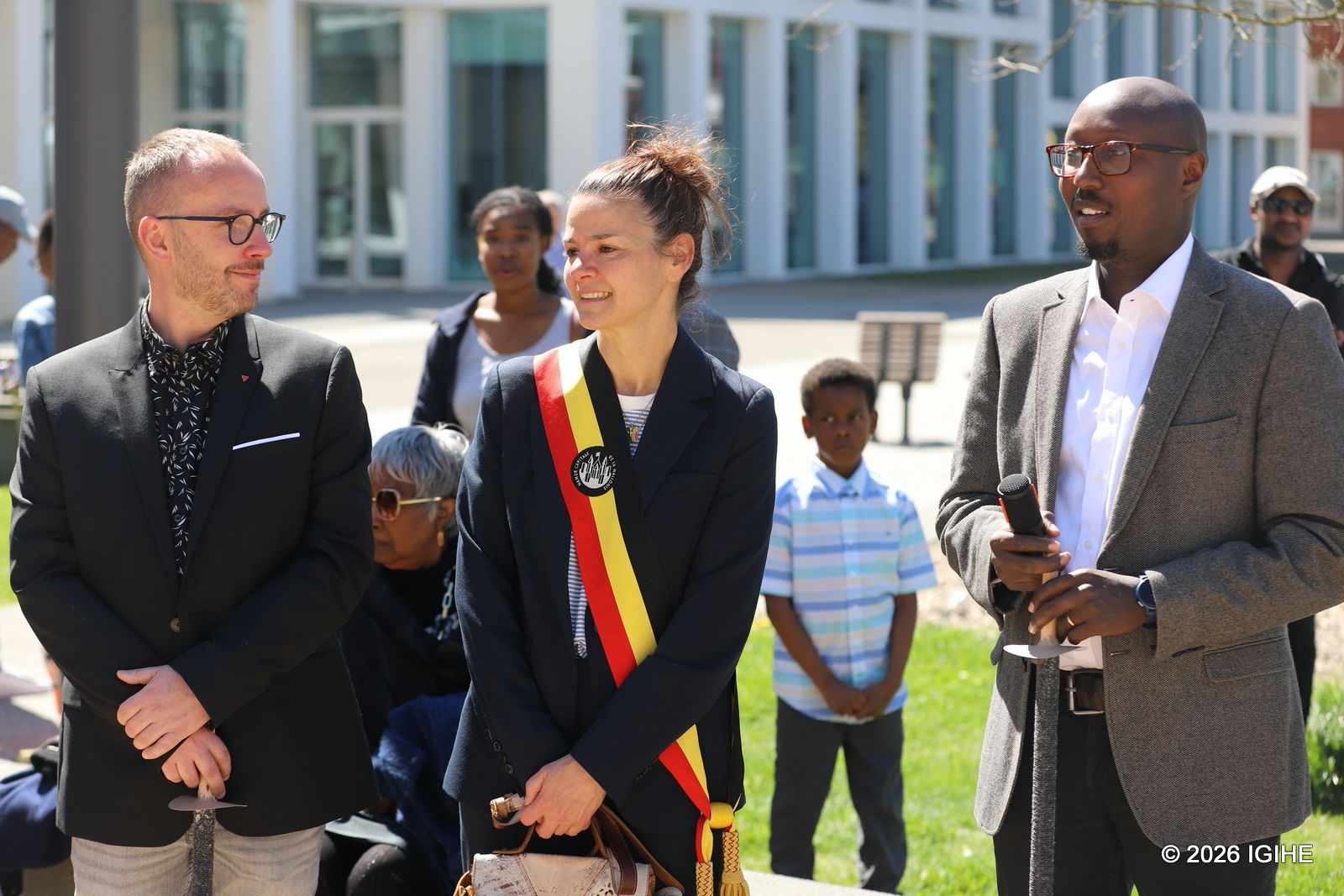
Kwibuka 32 is notably marked by a more visible engagement from Belgian local authorities. Representatives from several cities, including Bruges, Namur, Liège, and Brussels, actively took part in the events.
Compared to previous years, this evolution reflects a new dynamic. While some absences were noted in 2025, this year’s participation appears more consistent and deliberate. From April 7, marking the beginning of the commemoration period, several local officials were present, demonstrating their willingness to support this memorial initiative.
Beyond their presence, this involvement reflects a better understanding of the significance of Kwibuka in Belgium.
It highlights an institutional commitment to the duty of remembrance, free from political considerations and focused on honoring the victims.
The cities that will host upcoming commemorations in the coming weeks include Louvain-la-Neuve, Mons, Antwerp, Tournai, Charleroi, and Leuven.
Thus, Kwibuka 32 in Belgium reflects a positive development, driven by strengthened engagement and clear support from local authorities, an encouraging dynamic for the years to come.
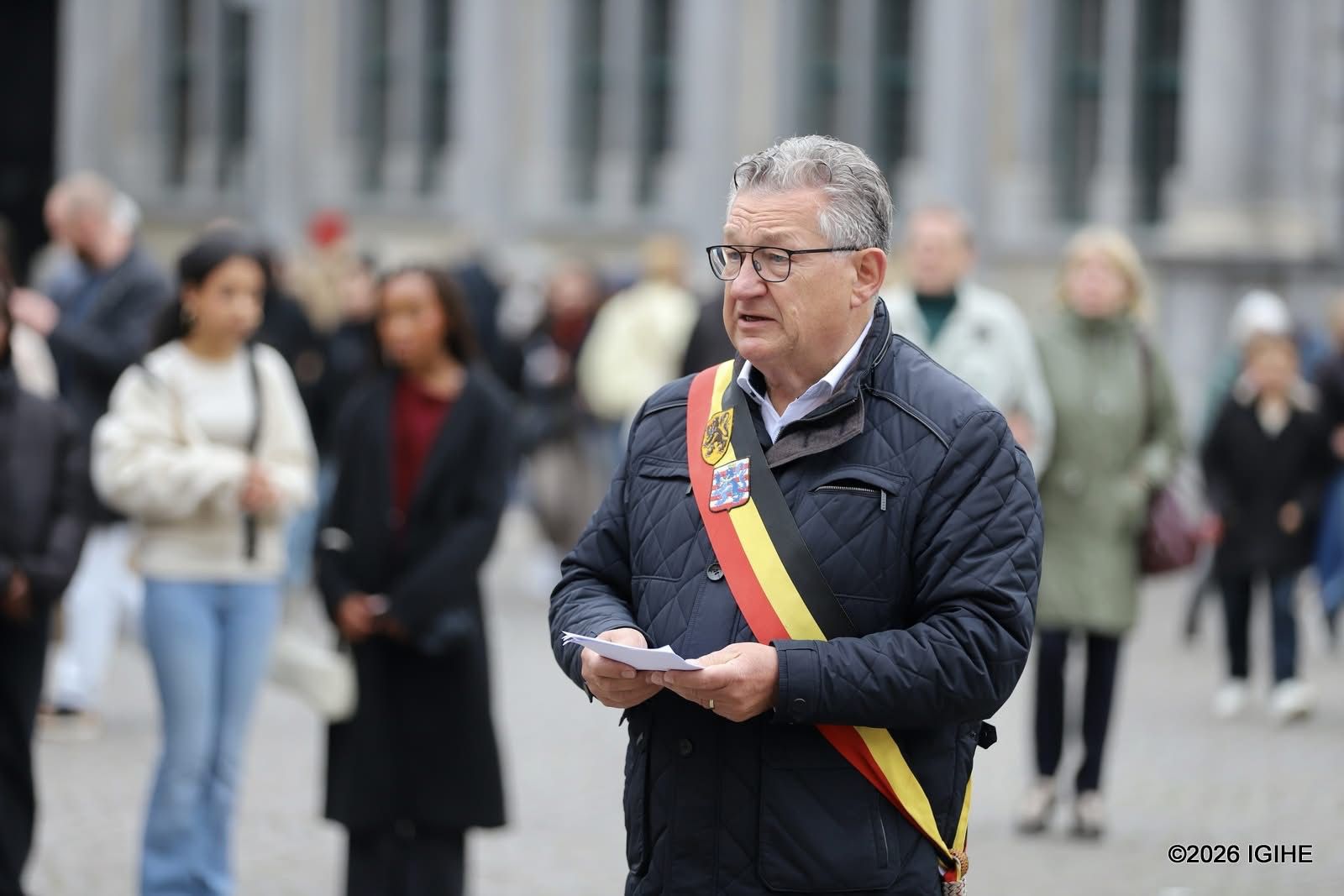
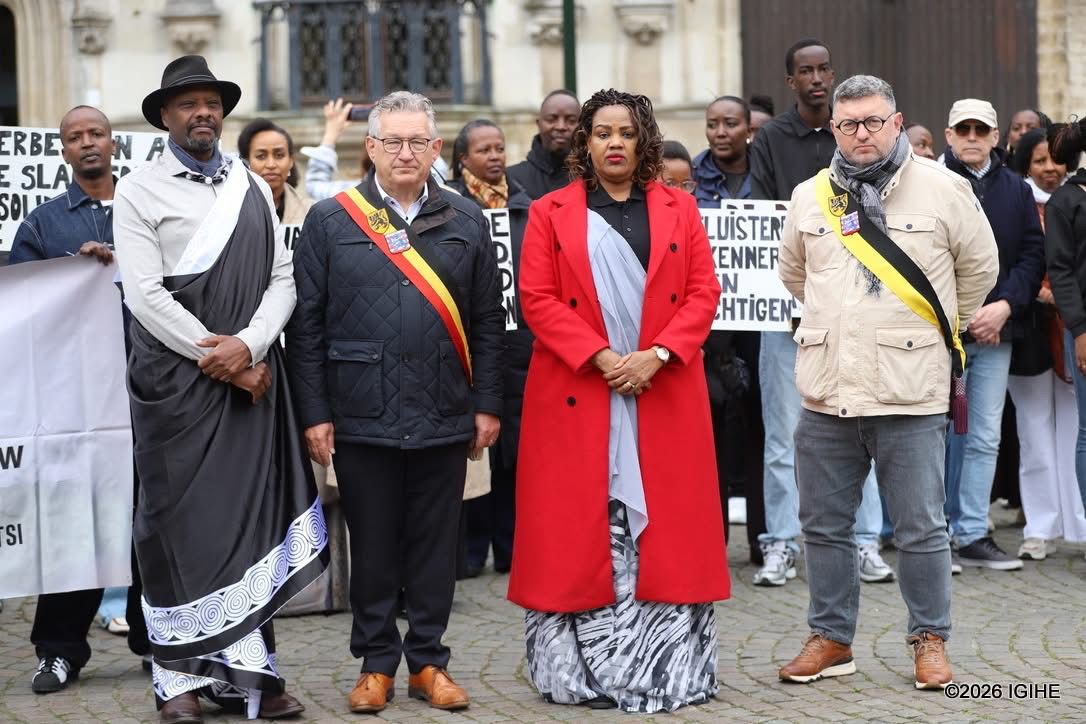
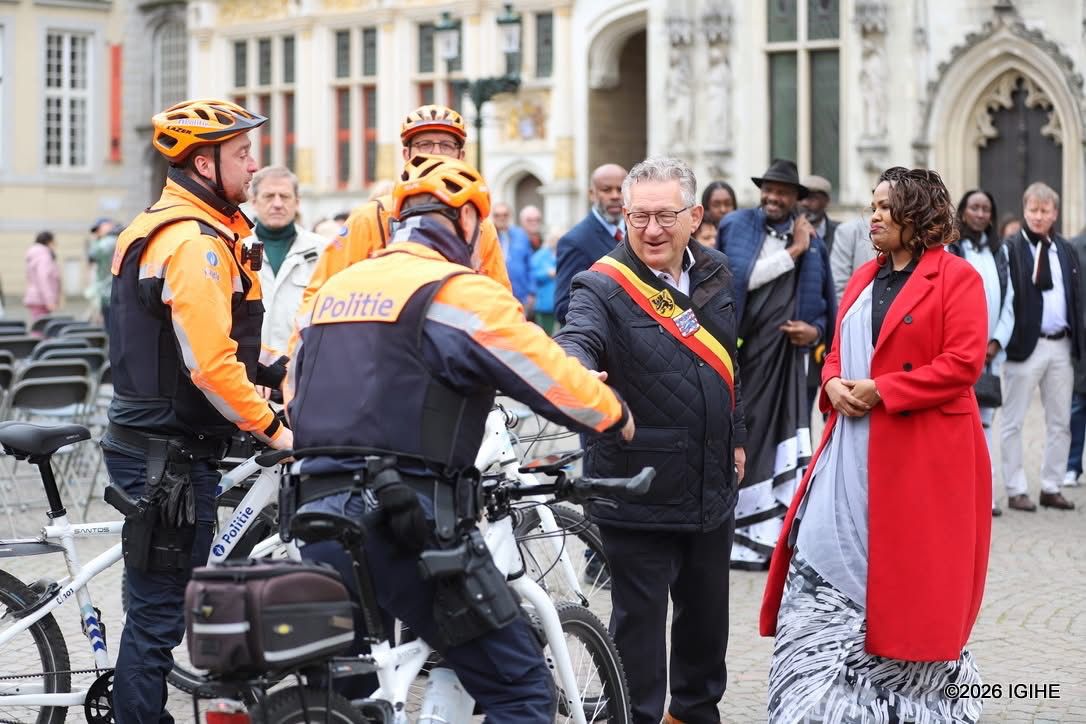
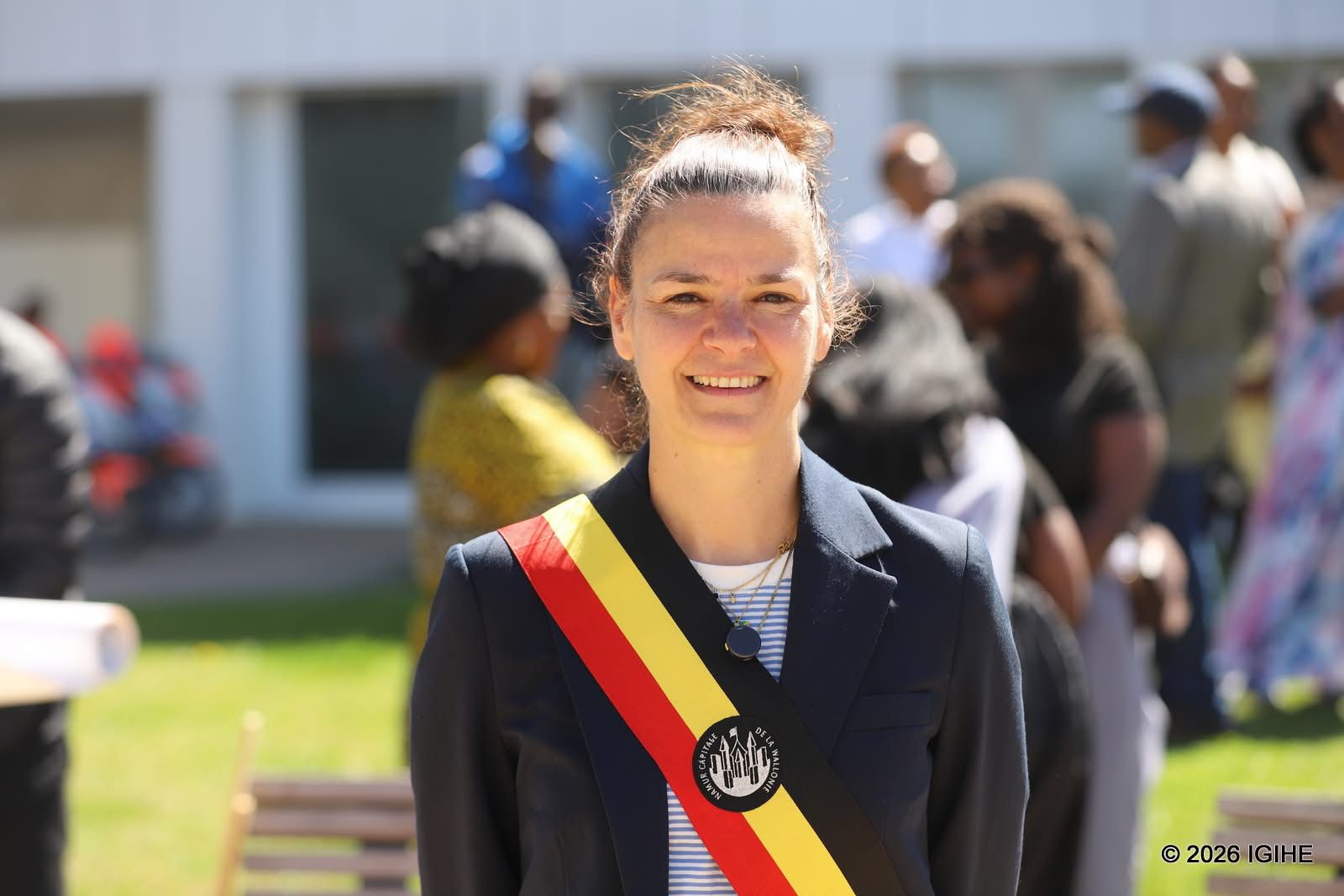
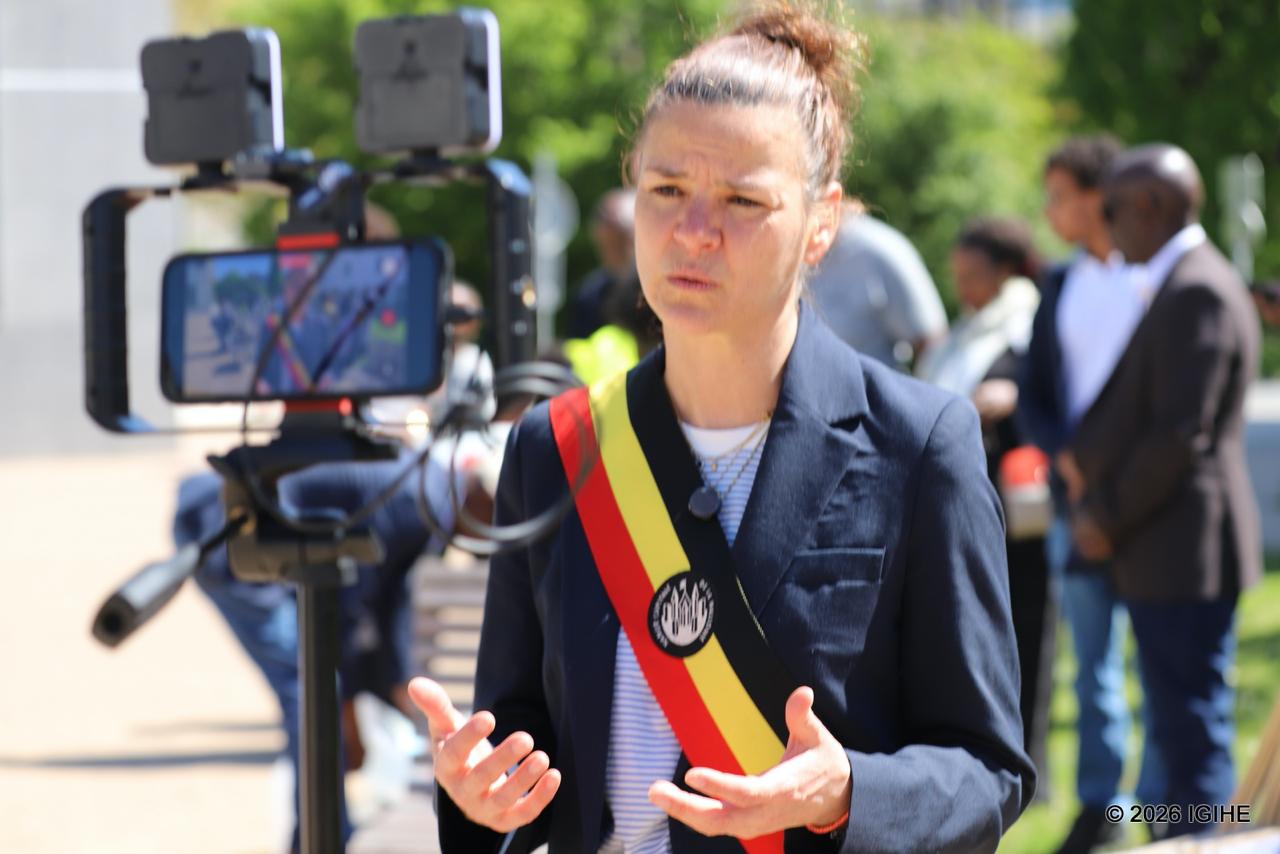
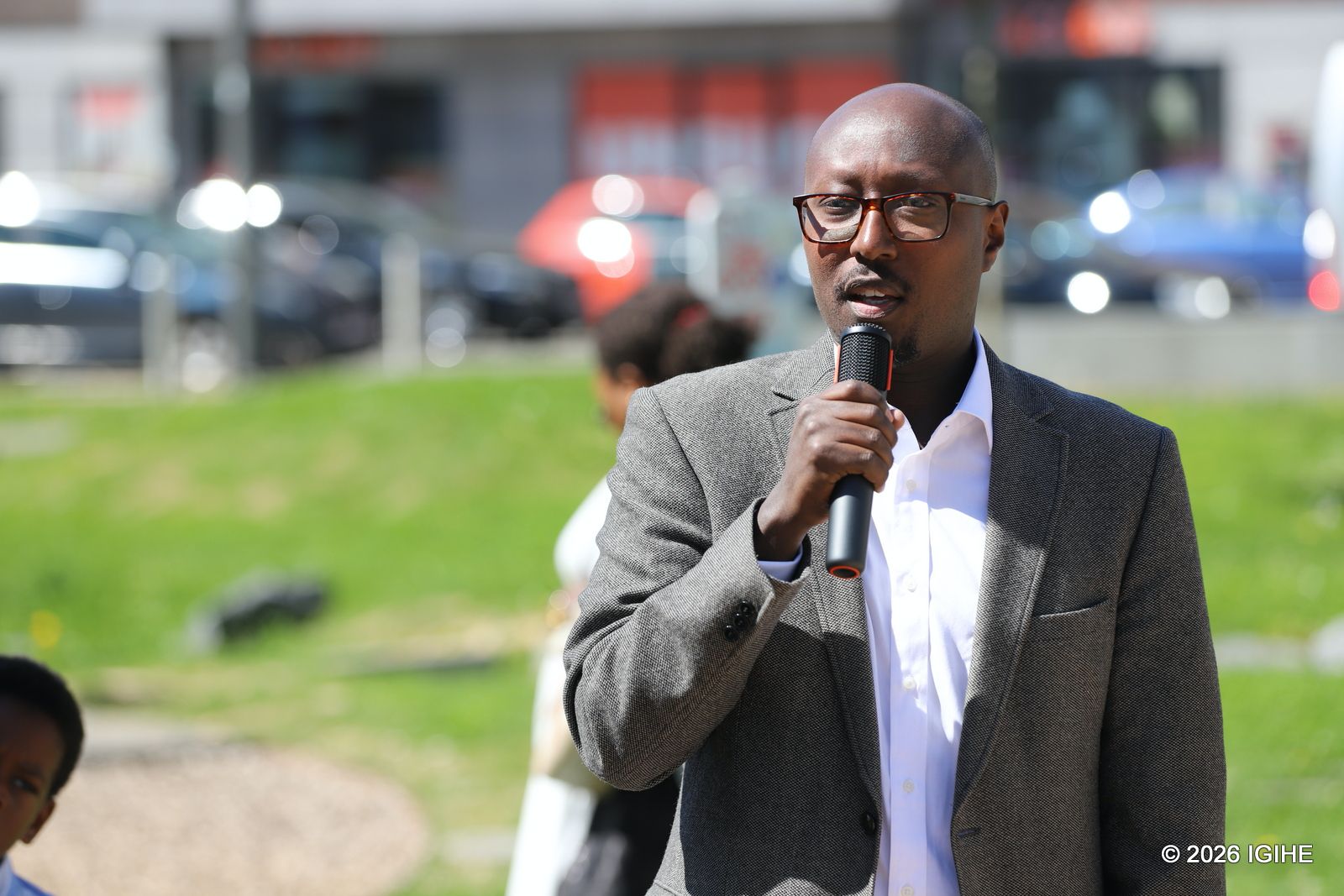
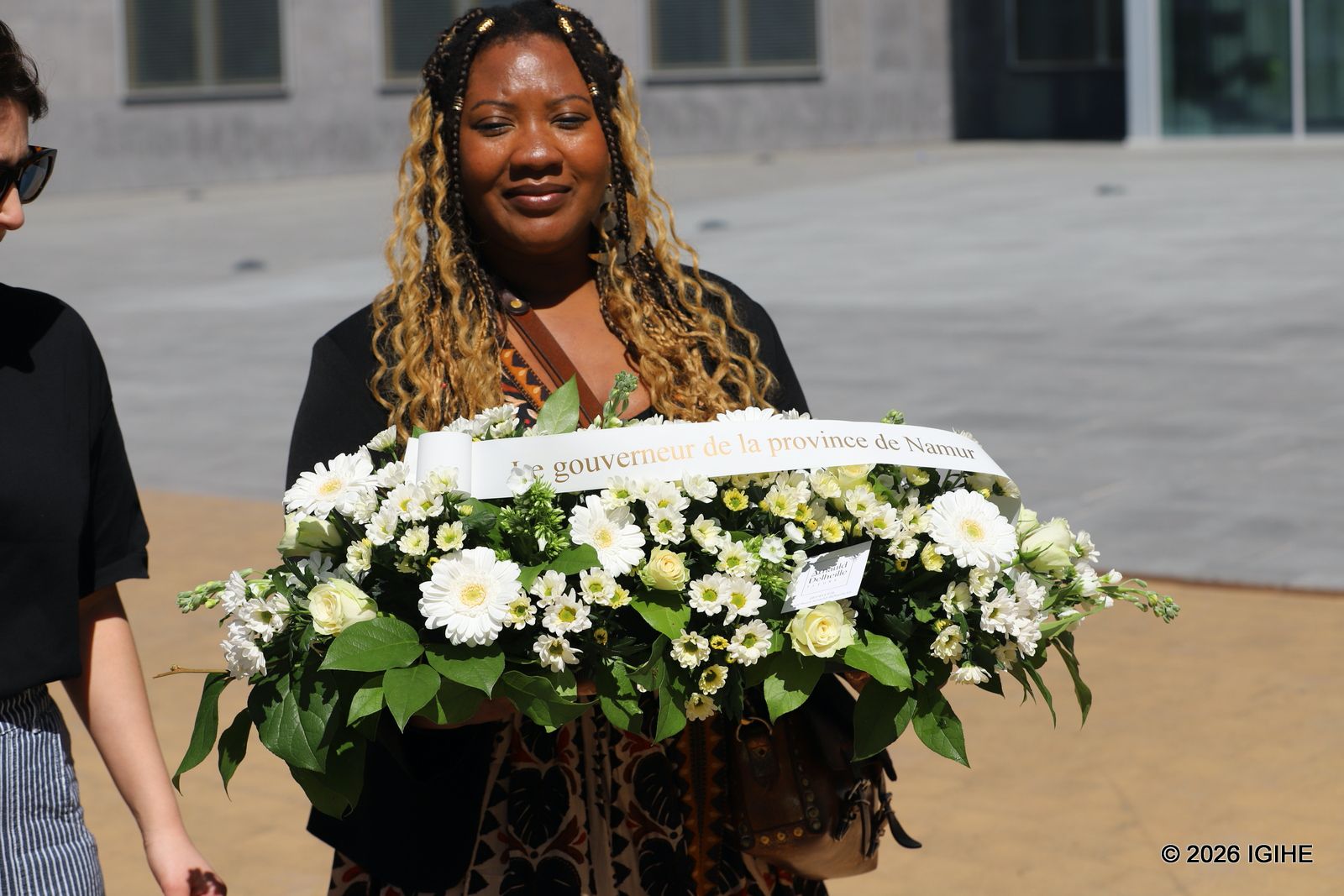
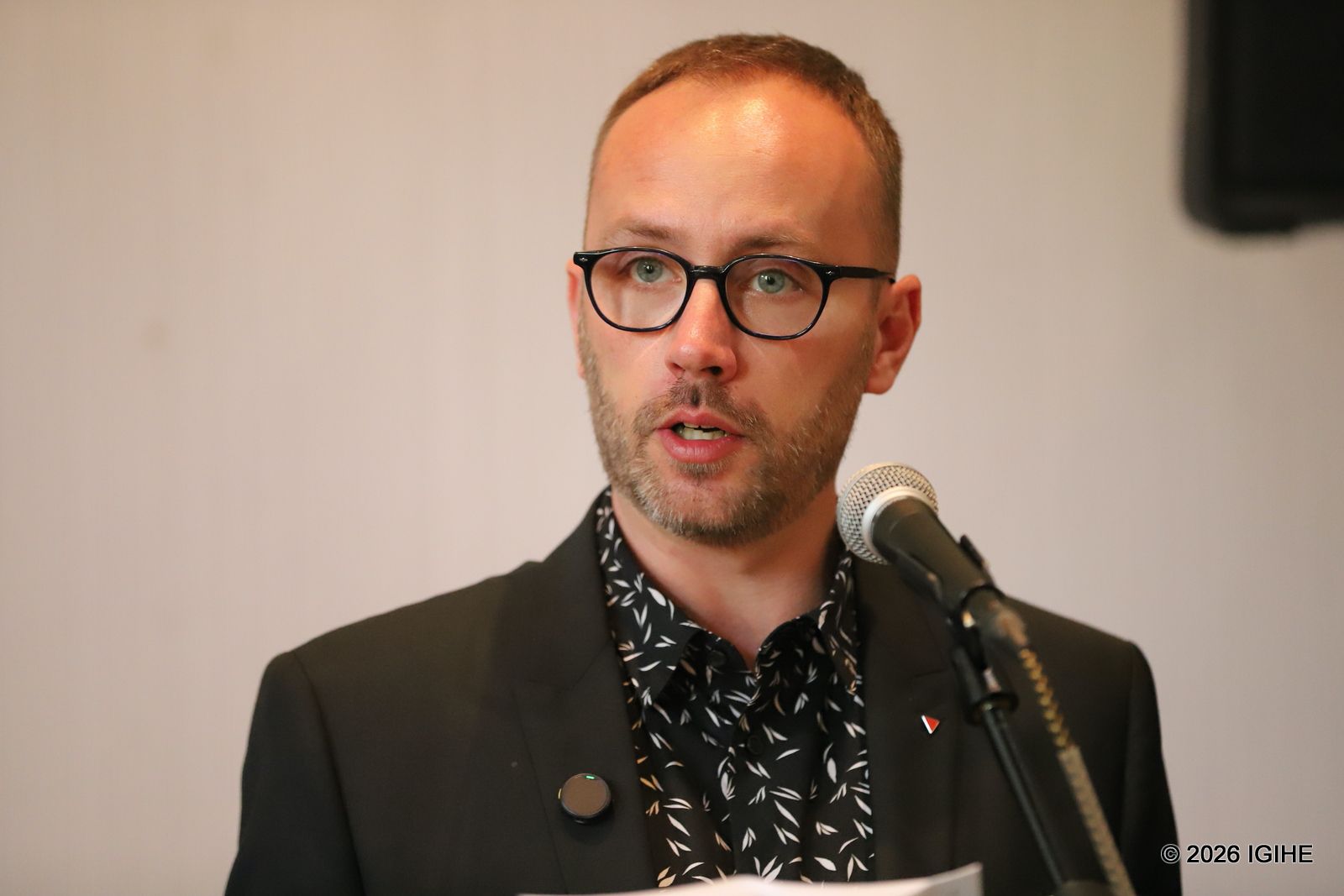
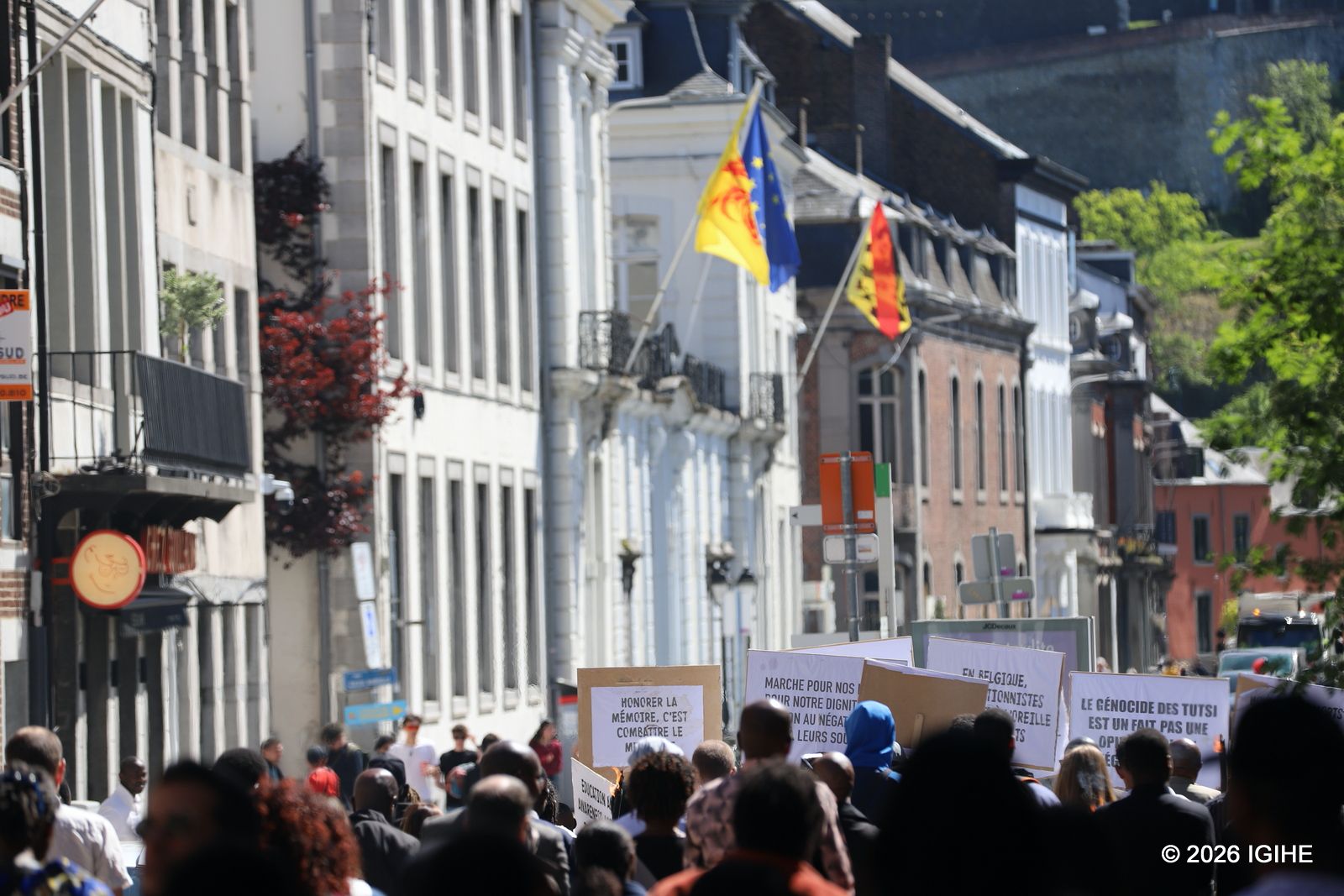
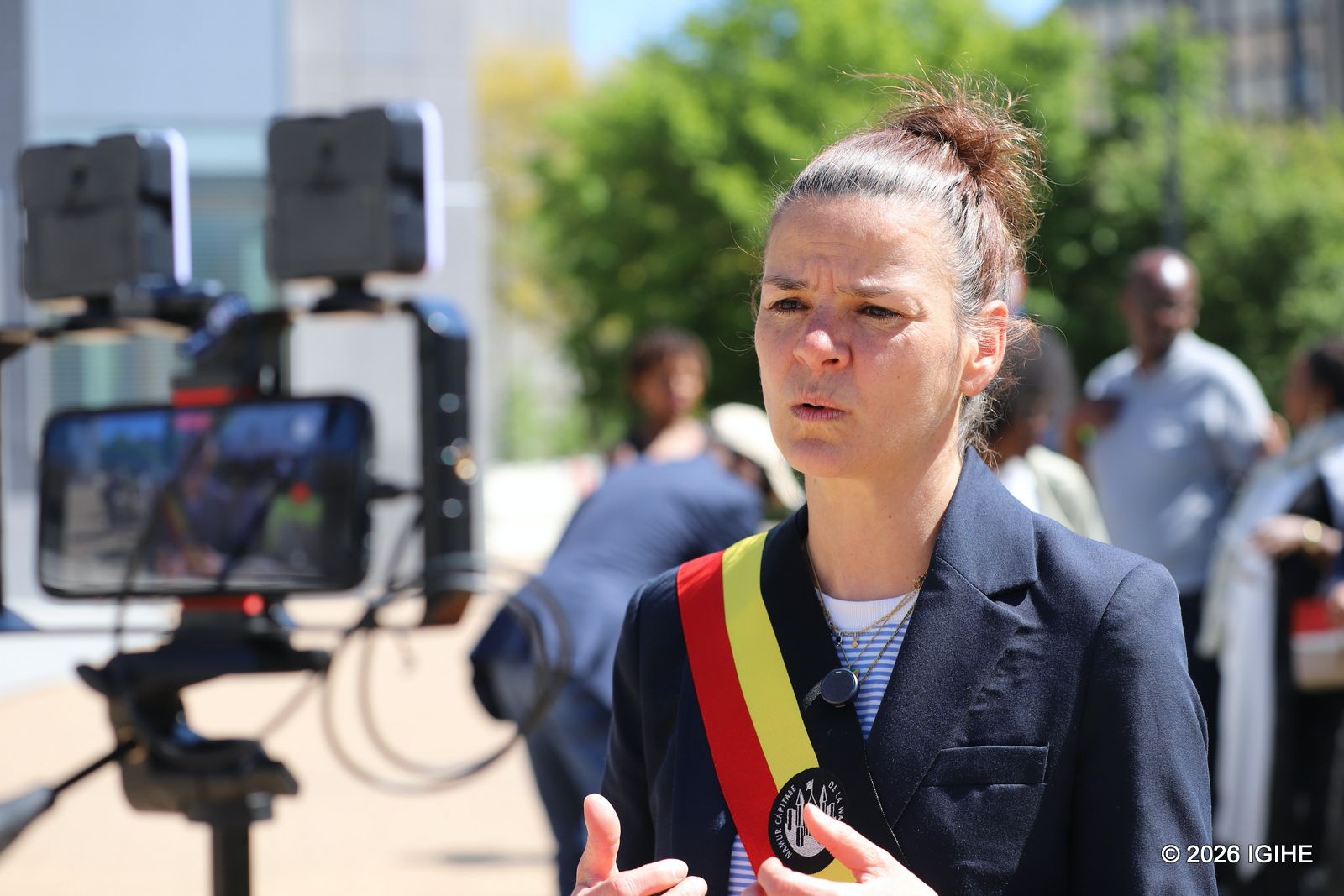
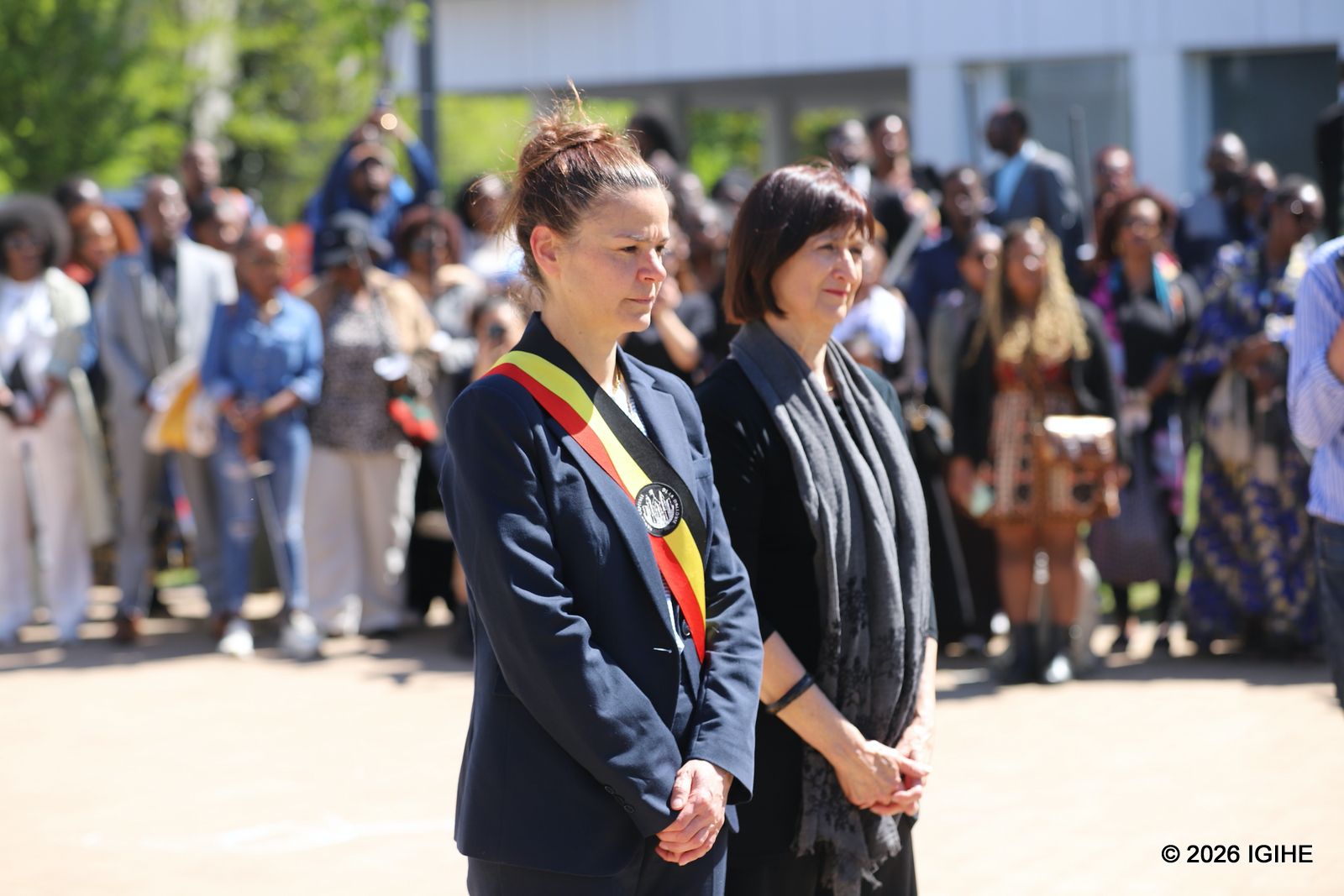
In front of Bruges City Hall, Mayor Dirk De Fauw emphasized the importance of the duty of remembrance in preventing the crime of genocide.In Liège, on April 11, 2026, Mayor Willy Demeyer took part in the 32nd commemoration of the genocide committed against the Tutsi, in memory of the victims. He recalled the city’s commitment as a place of welcome, freedom, and solidarity, while calling for collective action to turn remembrance into action and to uphold democratic values as well as human dignity.Charlotte Bazlaire, Mayor of the City of Namur, in front of the courthouse, where a memorial honoring the victims of the genocide committed against the Tutsi in Rwanda has been erected.
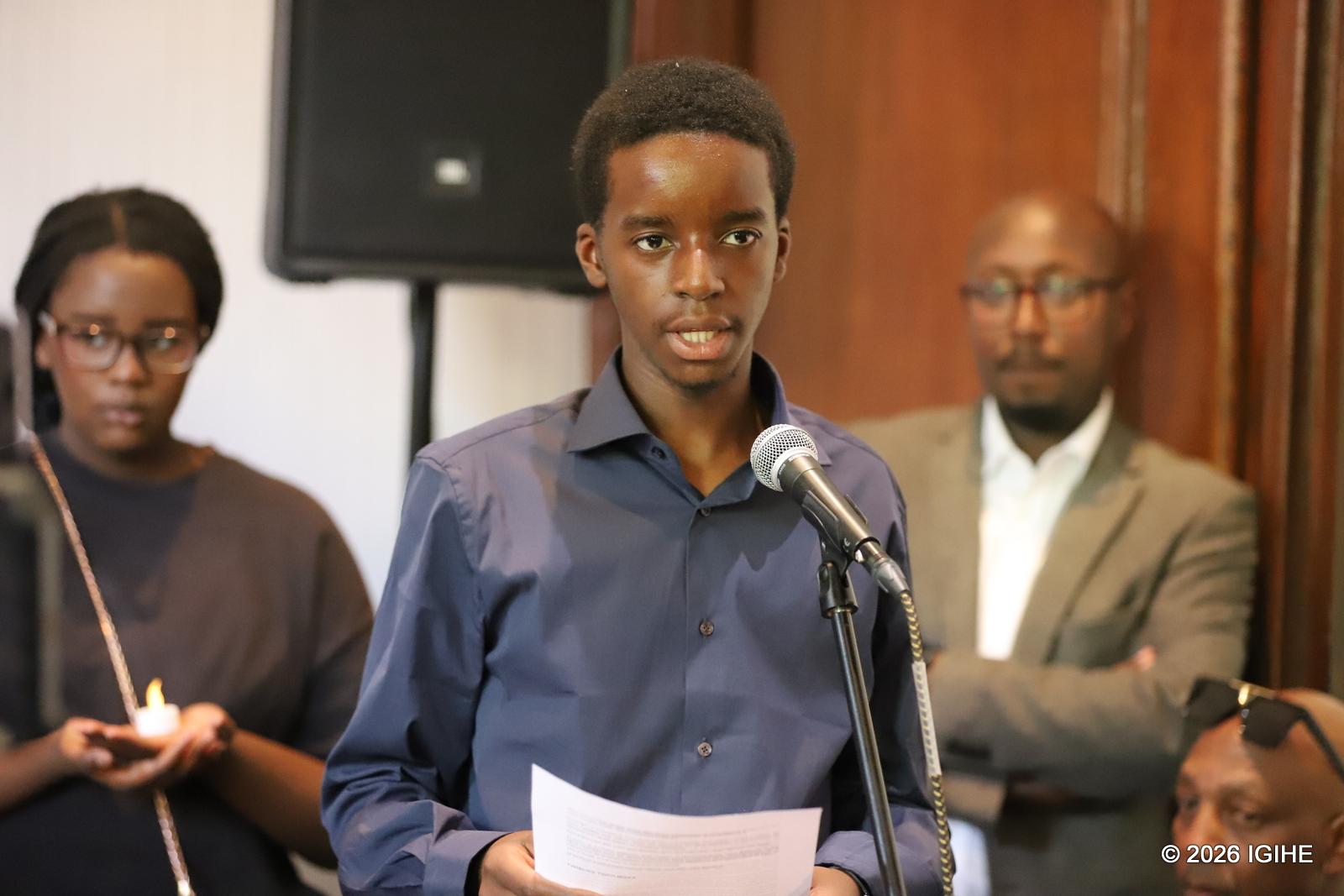
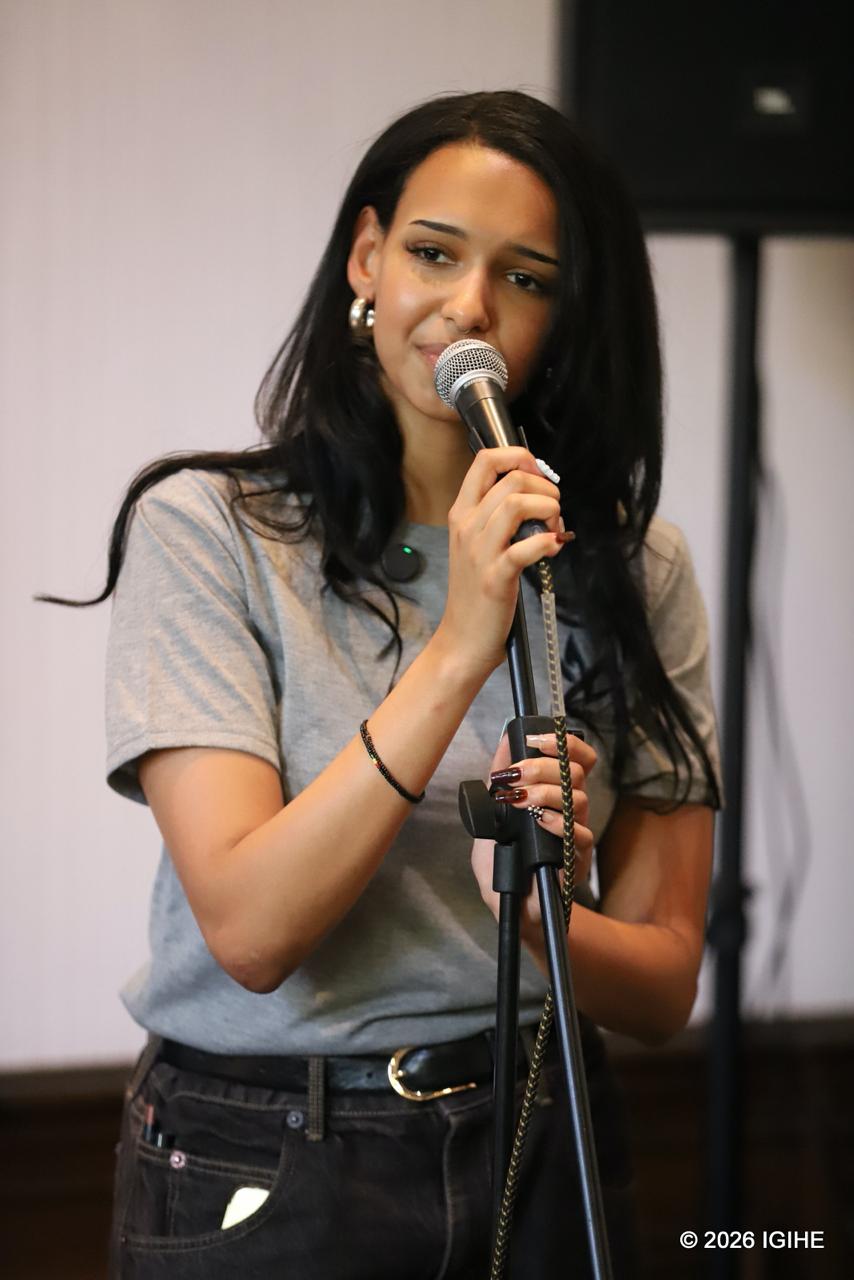
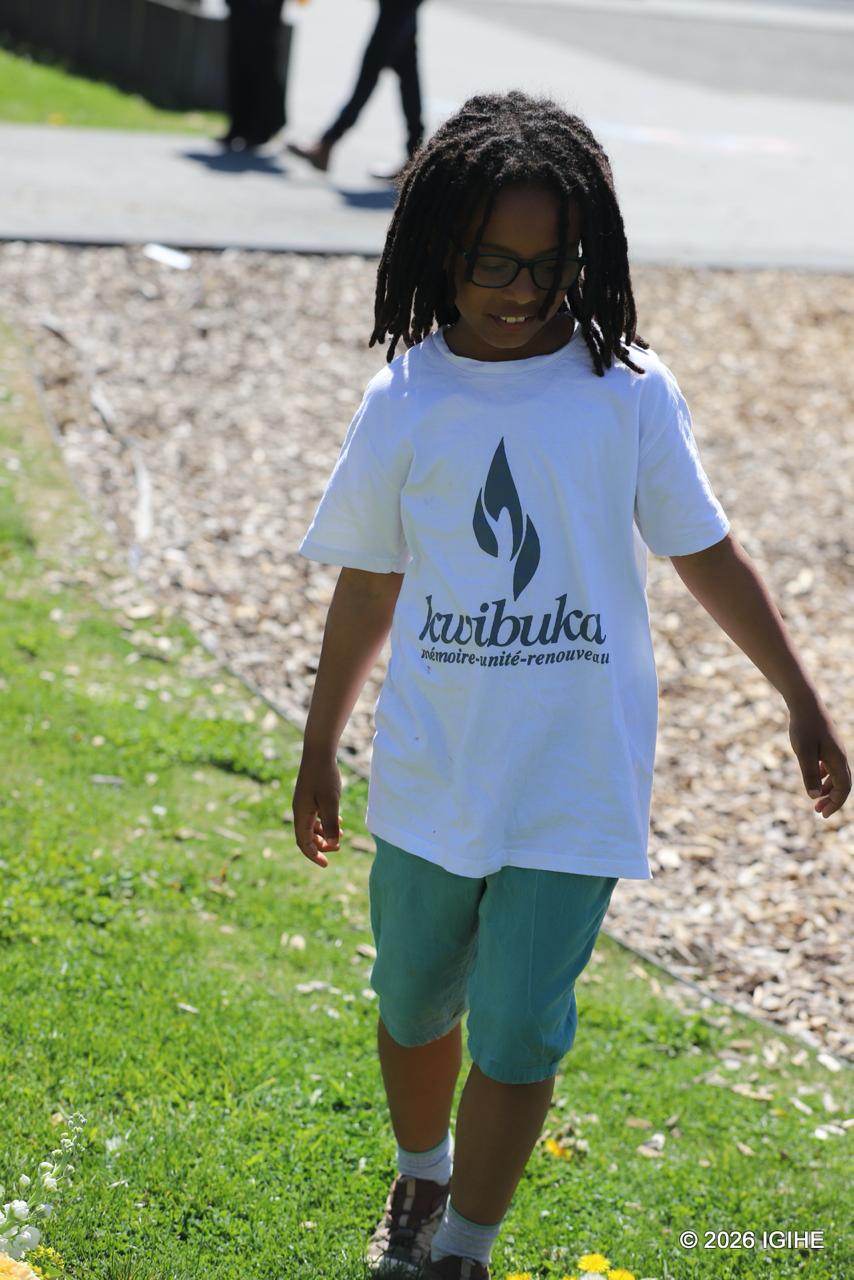
In front of survivors and the authorities of the City of Namur present on the occasion, the child spoke with remarkable sincerity and depth.
“I stand before you in memory of our loved ones who were killed in Rwanda during the 1994 Genocide against the Tutsi,” he stated at the outset, honoring those who lost their lives during the Genocide against the Tutsi.
In a speech filled with emotion, he spoke about shattered lives: men, women, and children—each with dreams, families, and unique stories. He reminded the audience that behind every victim was a life, a smile, a hope.
The young speaker also highlighted the enduring reality of grief. “This pain is not always visible. It is silent, but it is there,” he said, emphasizing the living memory carried by families and survivors.
Beyond remembrance, his message carried hope. He called for memory to become a foundation for building a better future: “Their memory can help us build something more just, more humane.”
Aware of his young age, he added with humility: “I cannot change what happened, but I can learn, remember, and believe in a different future, a future without violence where children grow up in safety and where solidarity prevails over hatred.”
Thirty-two years later, his speech reminded everyone of the importance of never forgetting, while holding on to a light of hope.
“Even after the darkest moments, it is possible to rebuild, to rise again, and to move forward together,” he stressed.
Finally, he expressed his gratitude for the efforts of reconstruction, remembrance, and reconciliation undertaken by the Rwandan government, noting that a future based on peace and dignity remains possible.
Through his simple yet powerful words, Christian Cyusa delivered a striking testimony, embodying both memory and hope for future generations.
Christian Cyusa delivers a powerful tribute during the 32nd commemoration of the Genocide against the Tutsi in NamurChristian Cyusa’s tribute stirred deep emotions, as attendees reflected on the pain and memory of the victims.Speaking before survivors and local authorities, the young orator created a solemn ambience filled with remembrance and respect.As he honored the victims of the Genocide against the Tutsi, the audience was drawn into a moment of shared reflection and silence.The 32nd commemoration of the Genocide against the Tutsi in Namur was marked by a deeply emotional atmosphere as Christian Cyusa delivered a powerful tribute.
The event brought together, among others, the Acting Mayor of Namur, Charlotte Bazlaire, Claire Kayirangwa, representative of Ibuka-Memory and Justice-Belgium, Gakuba Ernest, President of the Rwandan diaspora in Belgium, as well as Karugarama Lionel, President of the Rwandan diaspora section in Namur, who also coordinated the ceremony.
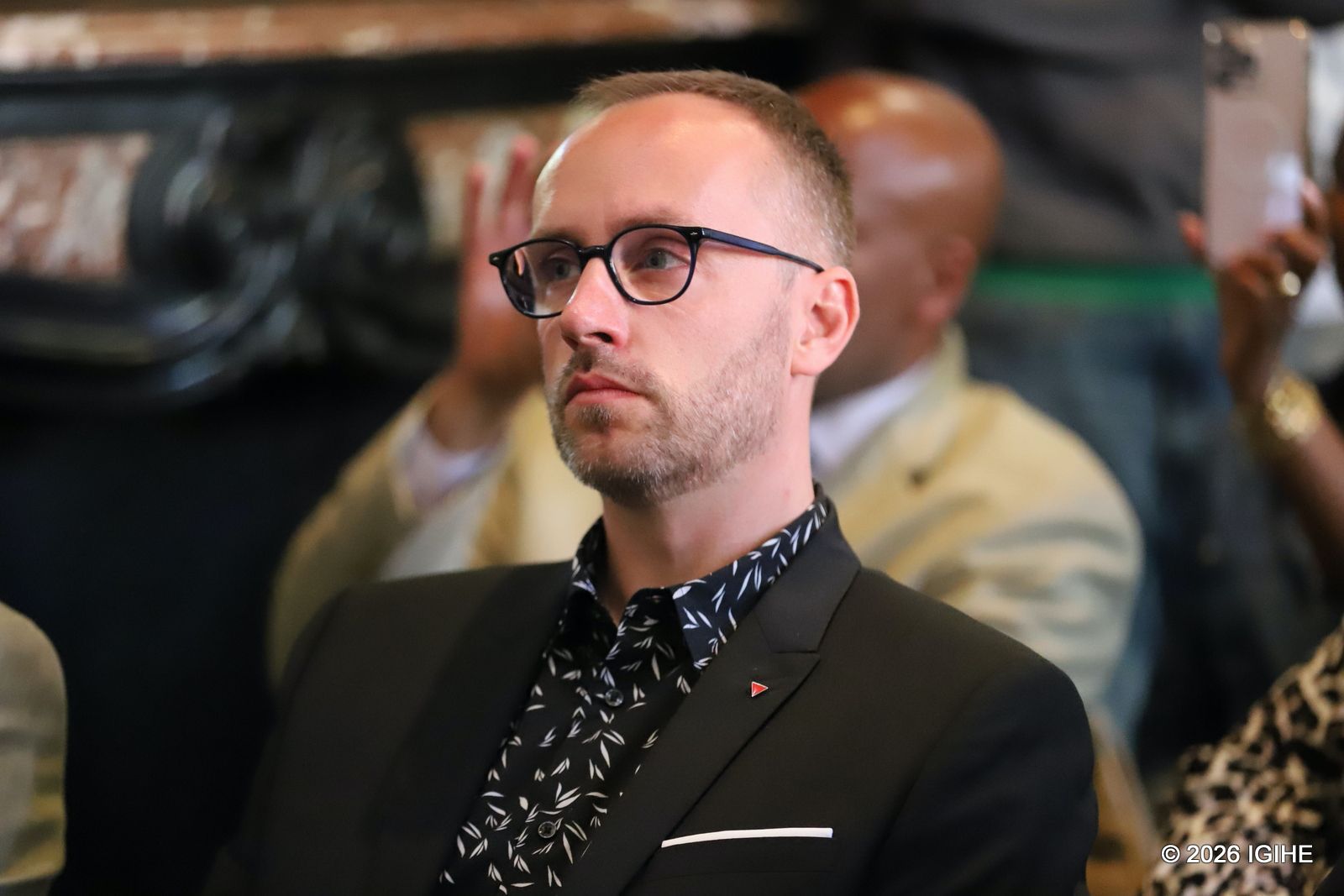
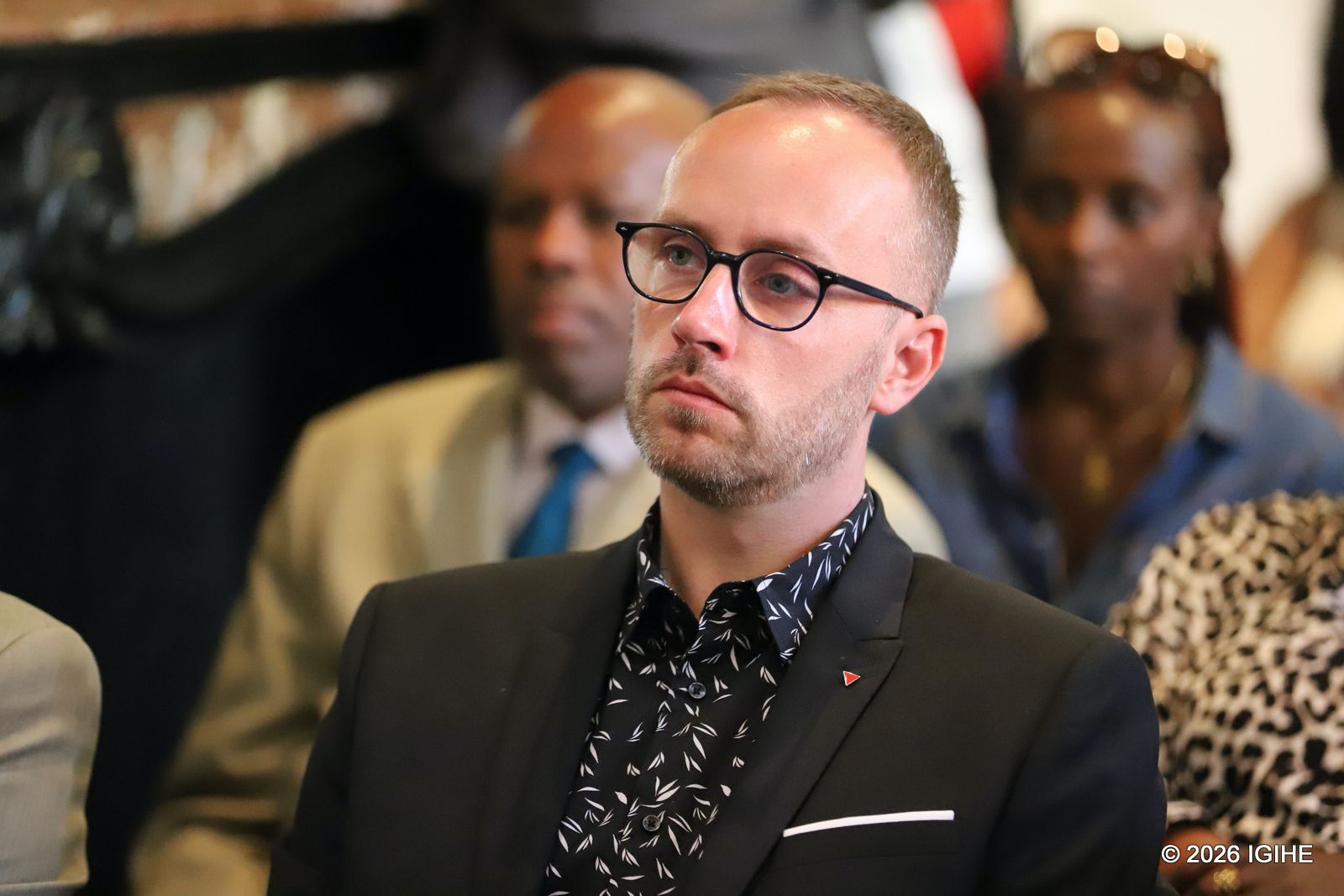
The President of “Les Territoires de la Mémoire,” Michaël Bisschops, who came from the Liège region, also took part in the commemoration, alongside representatives of various associations active in Belgium.
The commemoration held in Namur is part of a series of similar events organized in several cities, including Brussels, Liège, and Bruges.
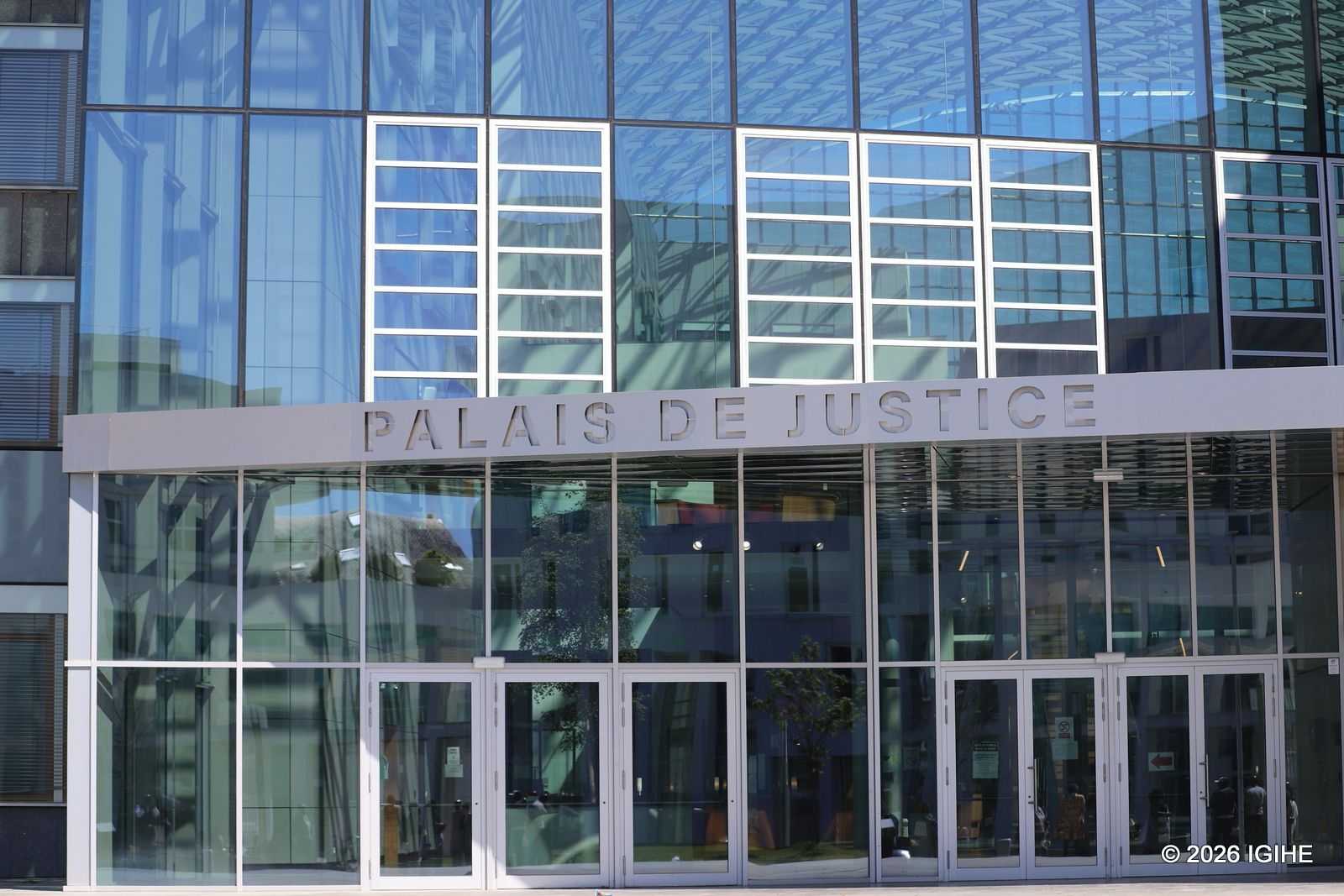
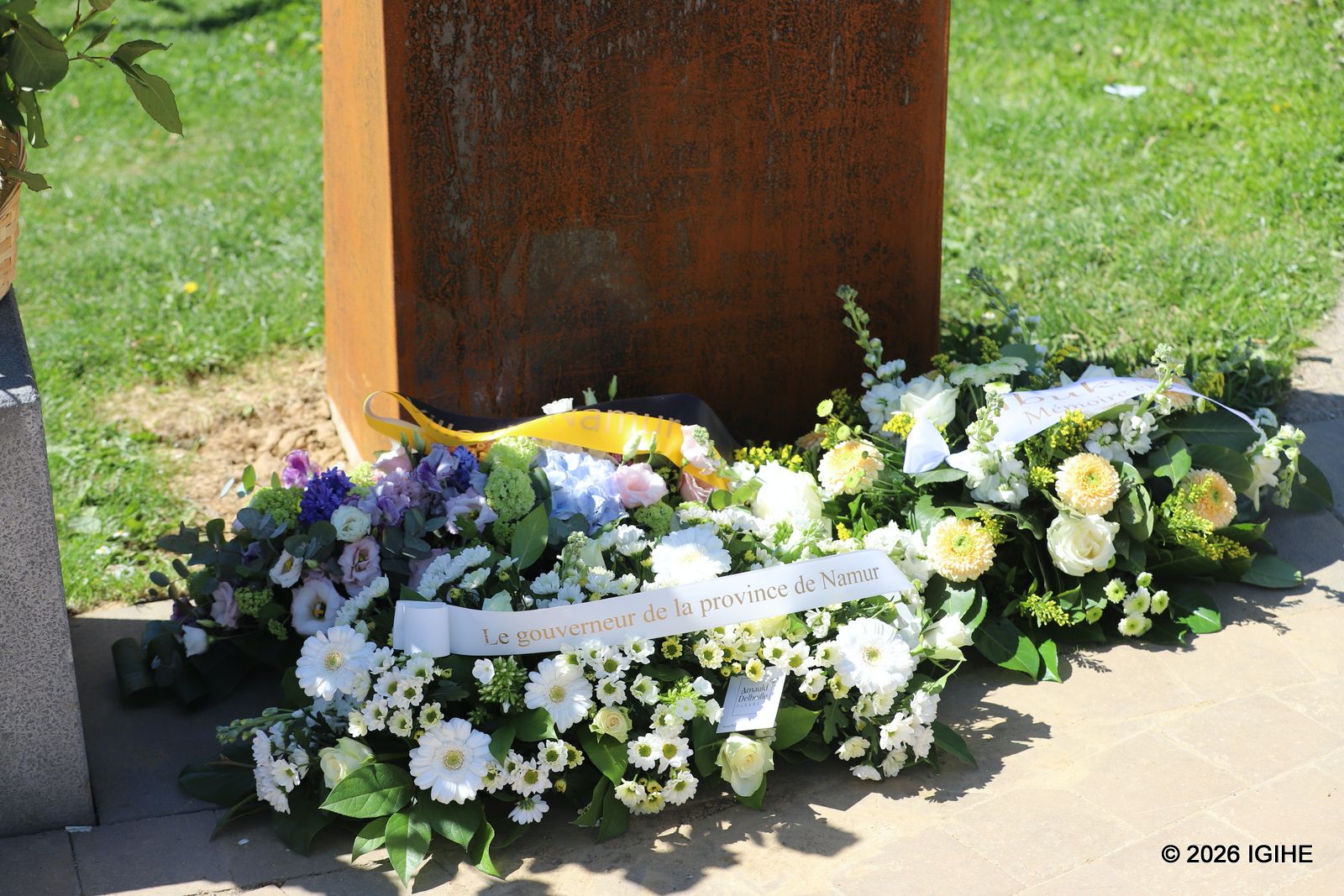
The event began at the memorial dedicated to the victims of the Genocide against the Tutsi, located in front of the Namur Courthouse. The memorial was relocated from the MusAfrica museum to make it more visible to the public, particularly in front of the Courthouse, thus allowing for better transmission of memory.
Speaking to IGIHE, the Acting Mayor of Namur, Charlotte Bazlaire honored victims of the genocide and called for collective efforts to prevent reoccurrence.
“It is an honor to be here representing the City of Namur during this 32nd commemoration. I am thinking of all those who were affected, in one way or another, by this tragedy.
“Thirty-two years later, the wounds are still present. I am here to remind people that in 1994, extreme brutality took place in Rwanda, and to raise awareness in today’s world about the importance of preventing the divisions that can lead to genocide,” she said.
Bazlaire added that her participation reflects a duty of remembrance, aimed at preventing any trivialization or forgetting of these tragic events.
She also welcomed the relocation of the memorial in front of the Courthouse, highlighting the symbolic importance of its visible location.
Claire Kayirangwa, representative of Ibuka-Memory and Justice-Belgium, thanked the organizers and participants, including friends of Rwanda.
“Your presence shows your commitment to ensuring that this history is never forgotten and that such a tragedy never happens again anywhere in the world. You have also come to support survivors and honor the memory of their loved ones,” she noted.
Speaking at the event, Michaël Bisschops, President of “Les Territoires de la Mémoire,” stressed that remaining silent in the face of such crimes is equivalent to a second killing.
“Keeping silent in the face of such barbarity is like killing a second time, as it allows it to happen again. Genocide does not begin with weapons, but with words that dehumanize people. Today is therefore a day to speak out, because we do not have the right to remain silent,” he said.
He emphasized that his presence from Liège reflected his commitment to preserving this memory and supporting survivors.
Akoeley Bernard, advisor at the CPAS of Namur, said she was only seven years old in 1994 and learned about these events through television.
“I could not understand how a human being could commit such acts. I felt a lot of anger and sadness, wondering why journalists were showing these images without being able to save the victims.”
She added that she later realized it was not only the media, but the entire world that had abandoned the Tutsi.
Akoeley also stressed that this tragedy is part of Belgium’s history, due to divisions inherited from the colonial period that contributed to the genocide.
Dorothée Klein, President of the CPAS of Namur, stressed the importance of the commemoration held in the city of Namur to honor victims of the 1994 Genocide against the Tutsi.
She noted that the gathering served as a moment to honor the memory of more than one million people who were killed, explaining that entire families were destroyed while others were displaced and scattered across the world. According to her, such acts of remembrance are essential to ensure that similar tragedies are never repeated.
Klein emphasized that even though the events took place far from Belgium, it remains important for communities in Namur to remember and share testimonies. She underlined that silence is not an option in the face of such crimes, as forgetting would amount to a second injustice against the victims.
“Although words fall short in the face of such atrocities, silence is not an option,” she said. “We must continue to speak and to remember, so that the victims are not lost to oblivion a second time.”
Klein further warned that genocide does not happen suddenly, but develops gradually when discrimination becomes normalized and tolerated.
She called for continued vigilance, stressing that societies must actively resist all forms of exclusion and dehumanization to prevent history from repeating itself.
The event also featured testimony from Claire Ruyuki, a survivor of the genocide, who spoke about the loss of her family members and shared a letter her father had written to her, encouraging her to continue her education and remain strong.
“Today, I am alive and I have children. They are my greatest treasure. Testifying is essential,” she said.
The day continued with an evening commemoration, including the screening of a testimony about the life of a genocide survivor, Providence Rwayitare, followed by a discussion with psychologists Annick Umutoni Rwampungu and Jacqueline Rwagatare.
Finally, a remembrance vigil led by Miheto Tatien allowed participants to view photos of genocide victims and reflect on their lives to honor their memory.
The next commemorations in the coming weeks will take place in Louvain-la-Neuve, Mons, Antwerp, Tournai, Charleroi and Leuven.
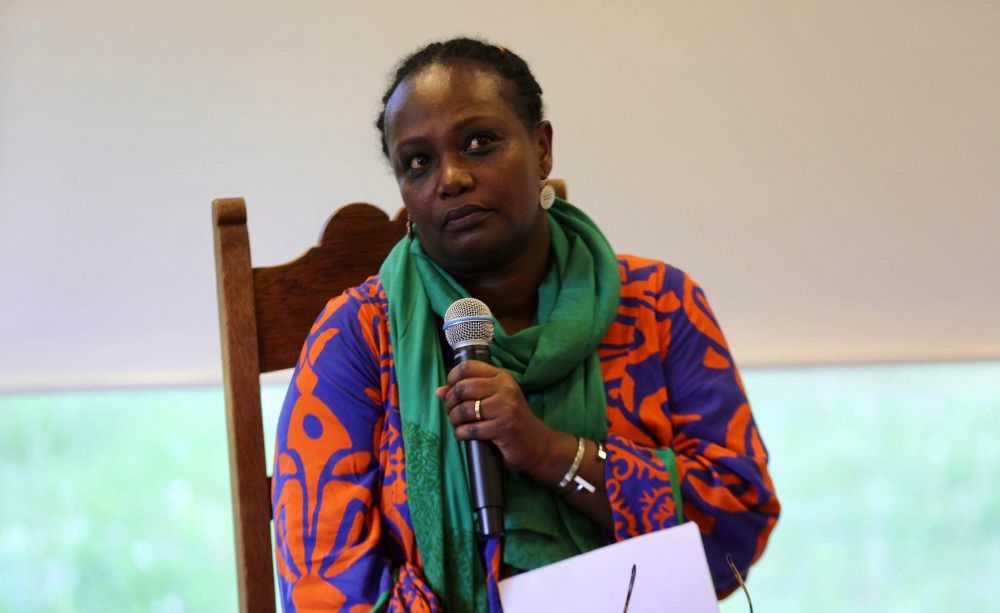
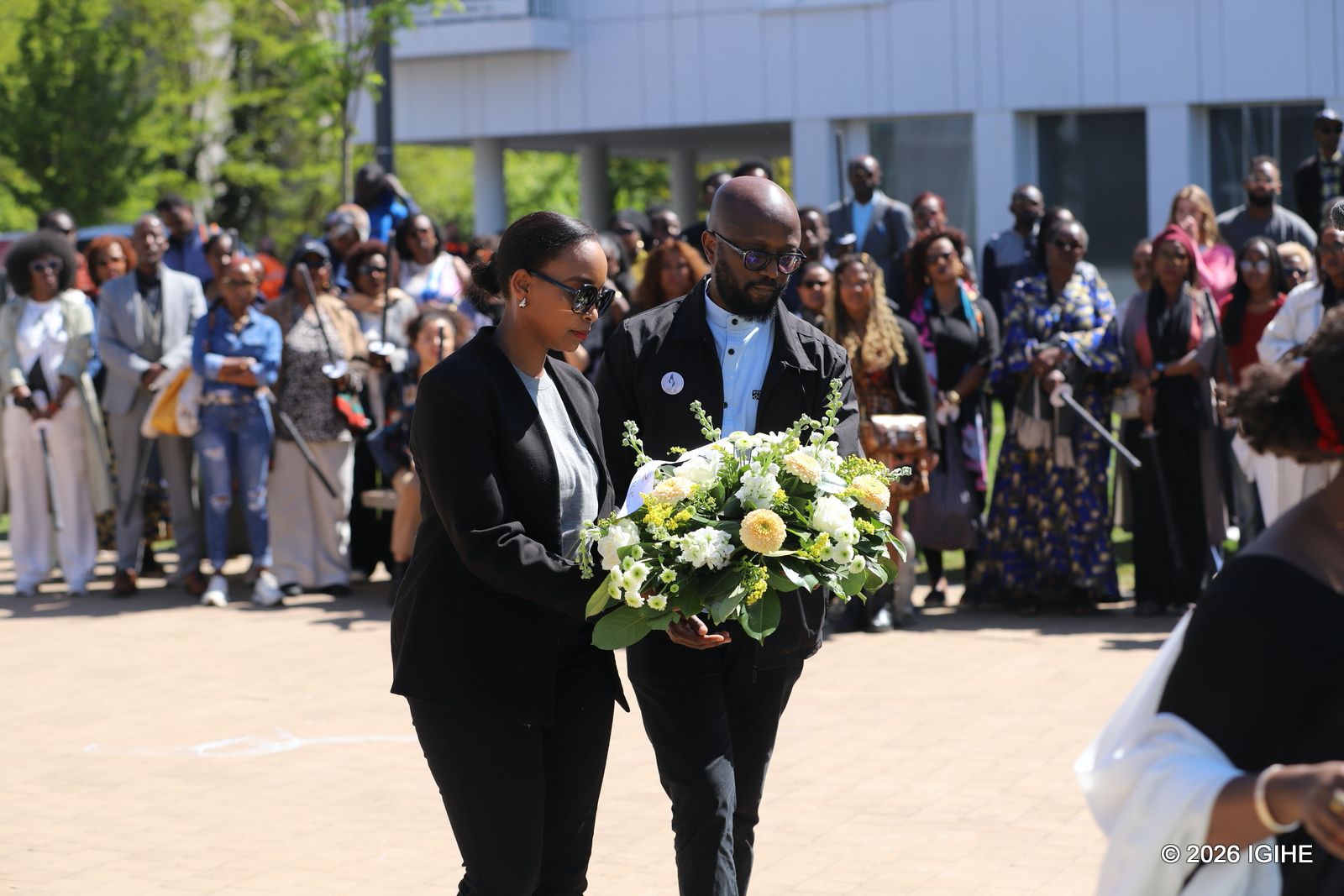
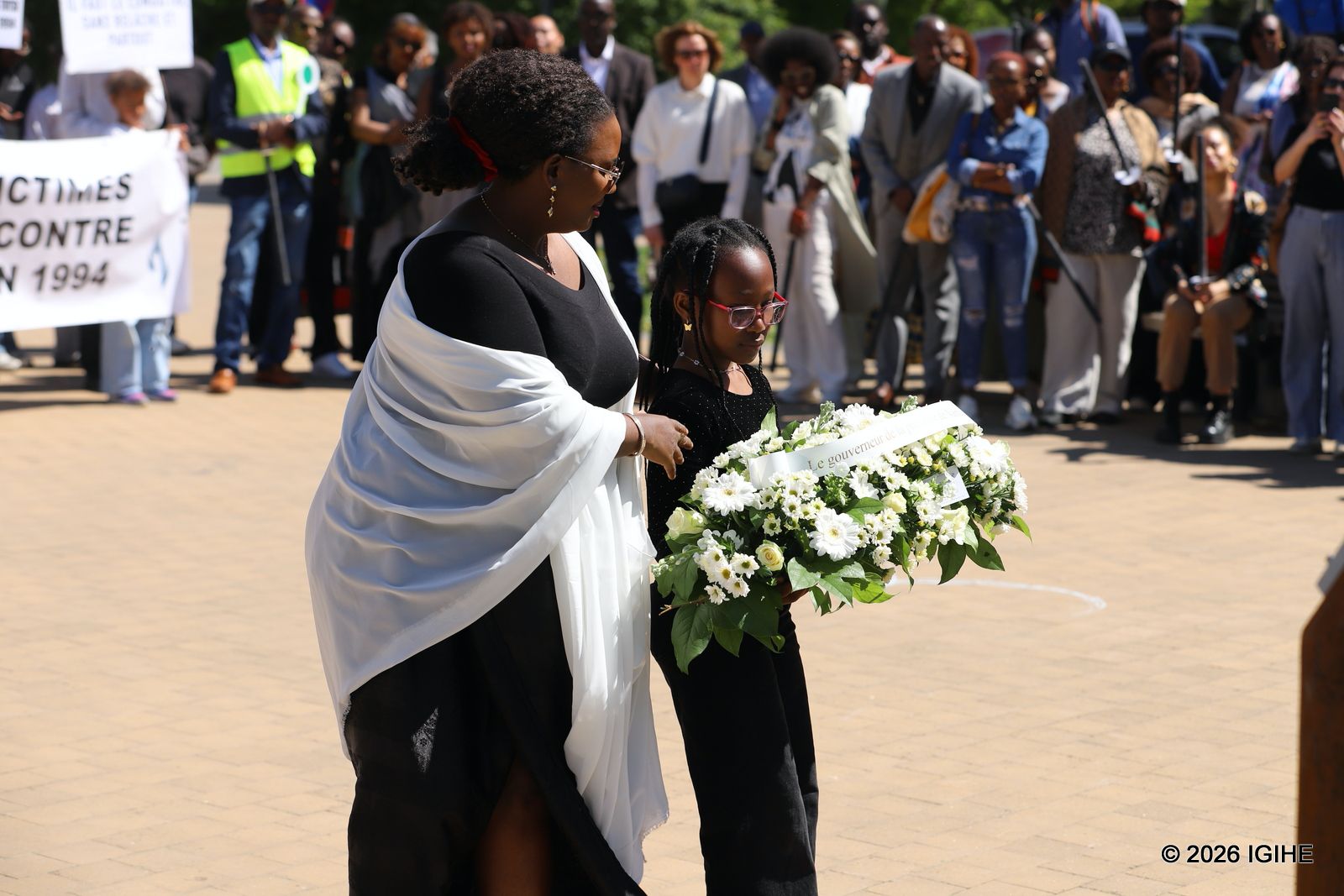
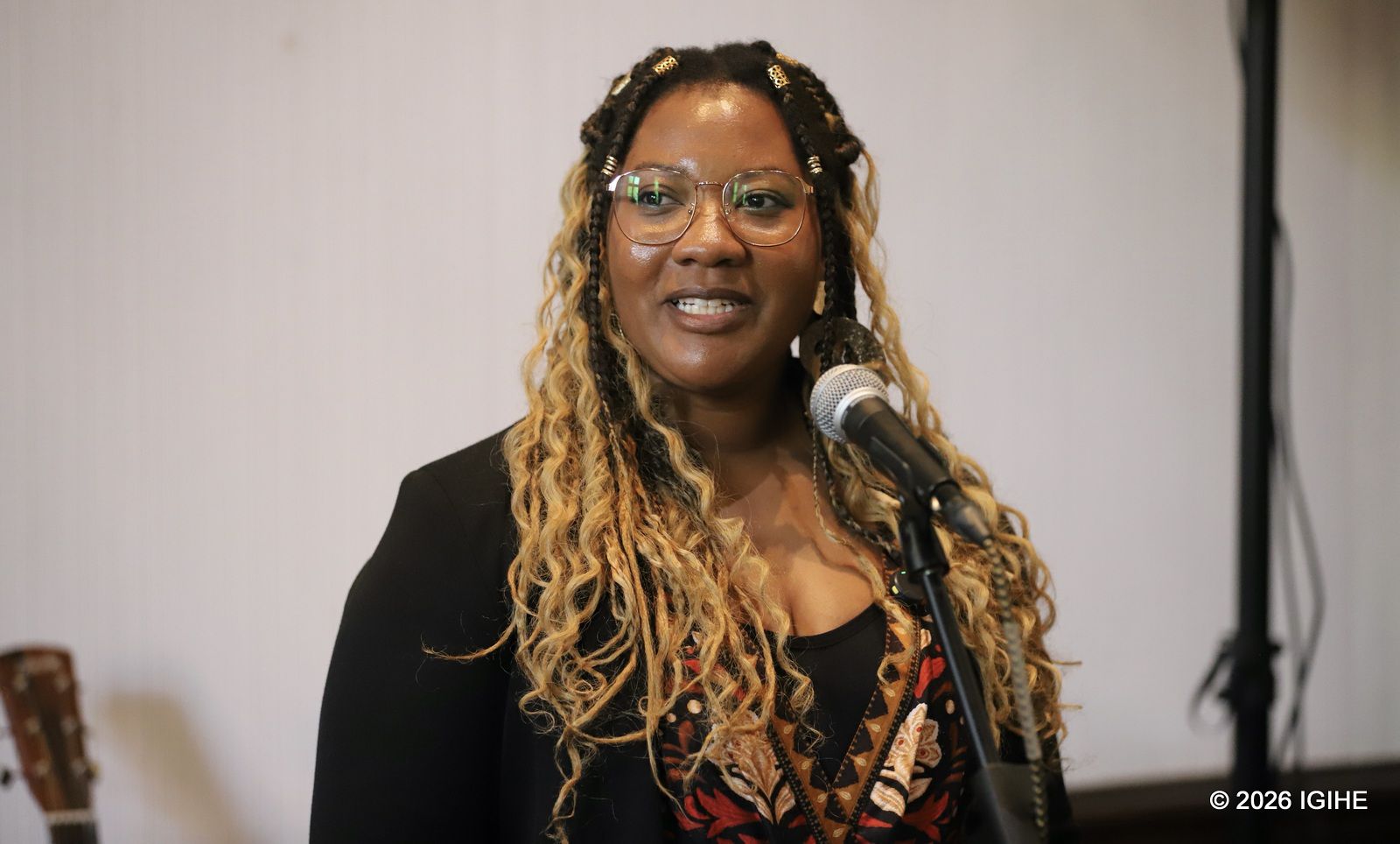
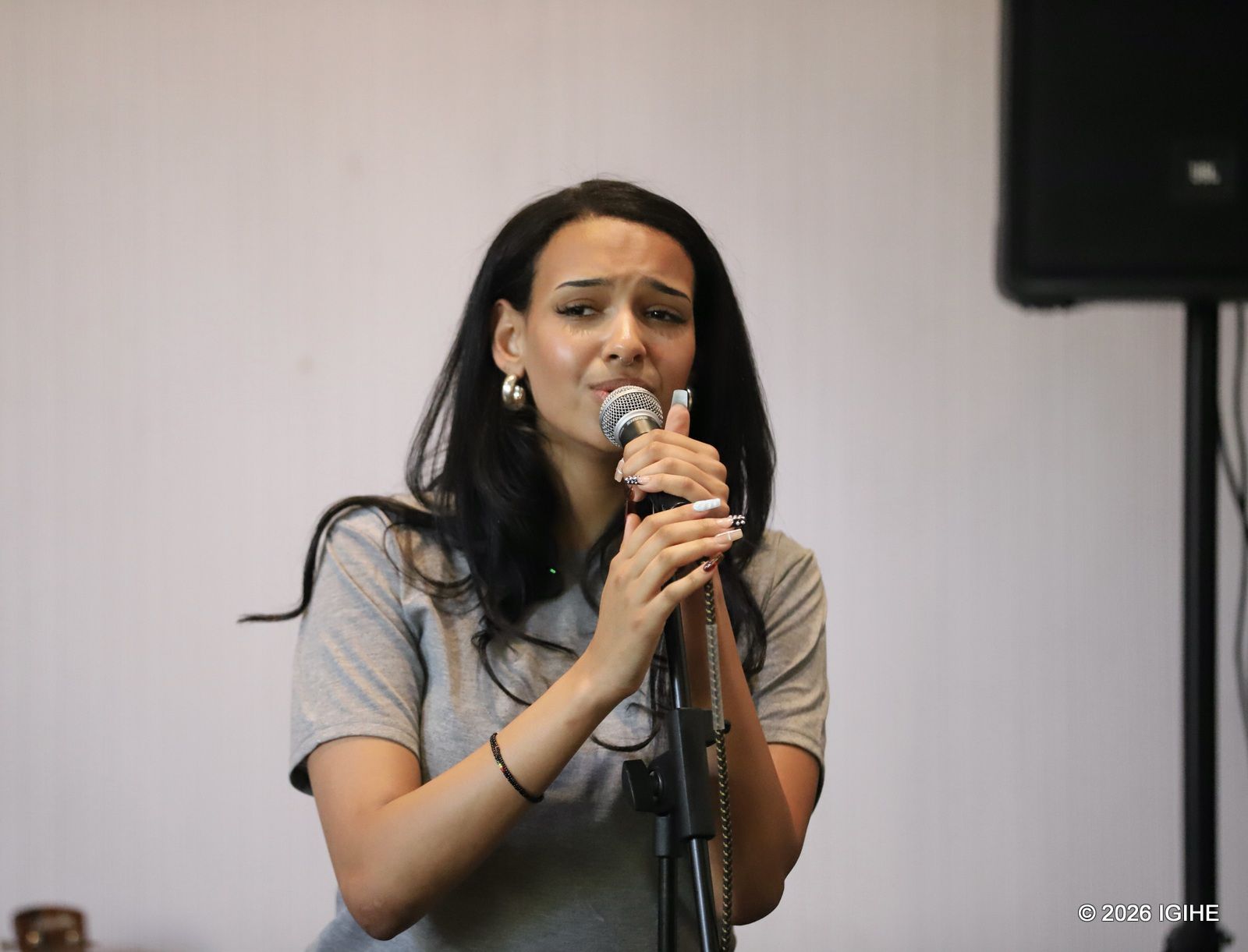
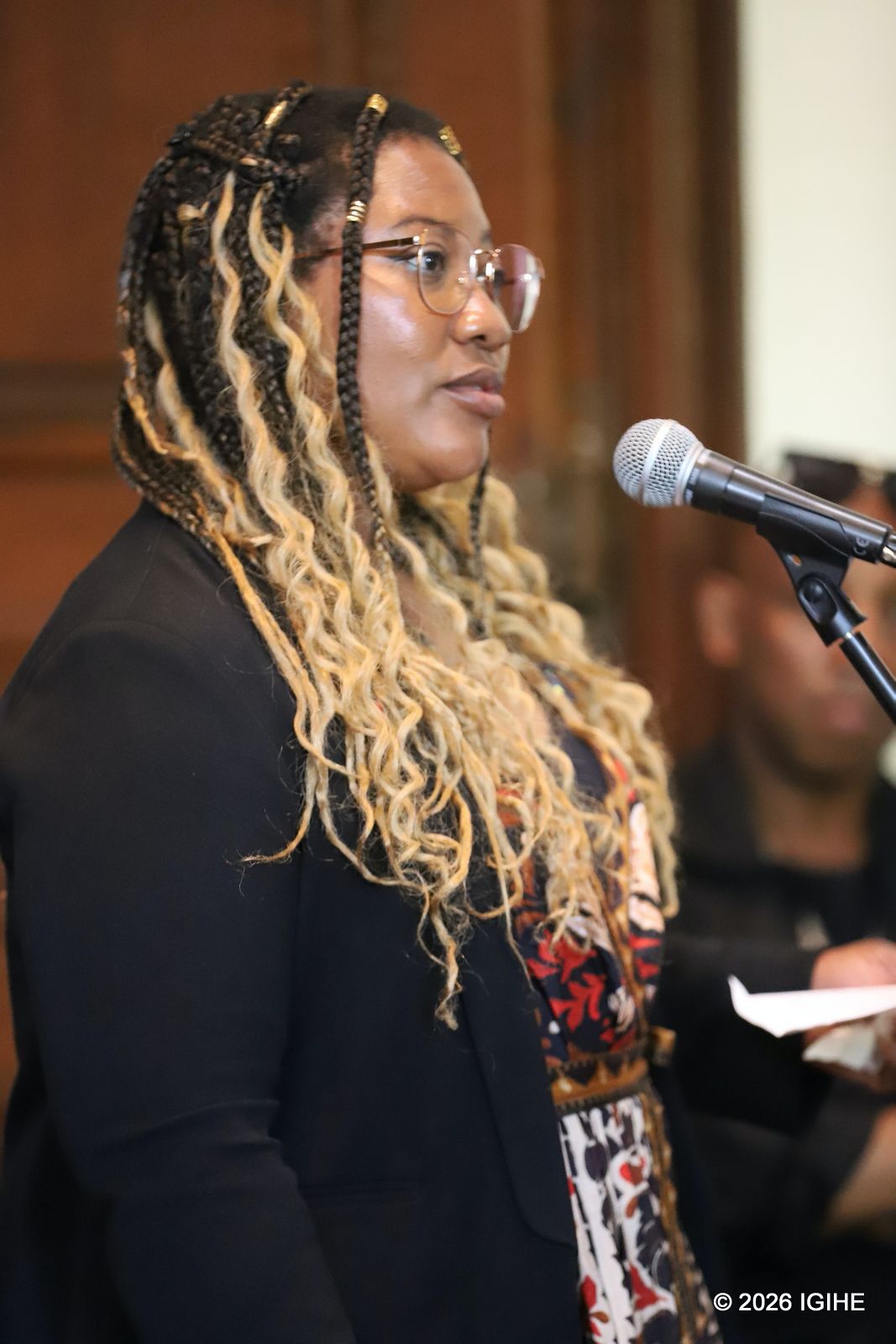
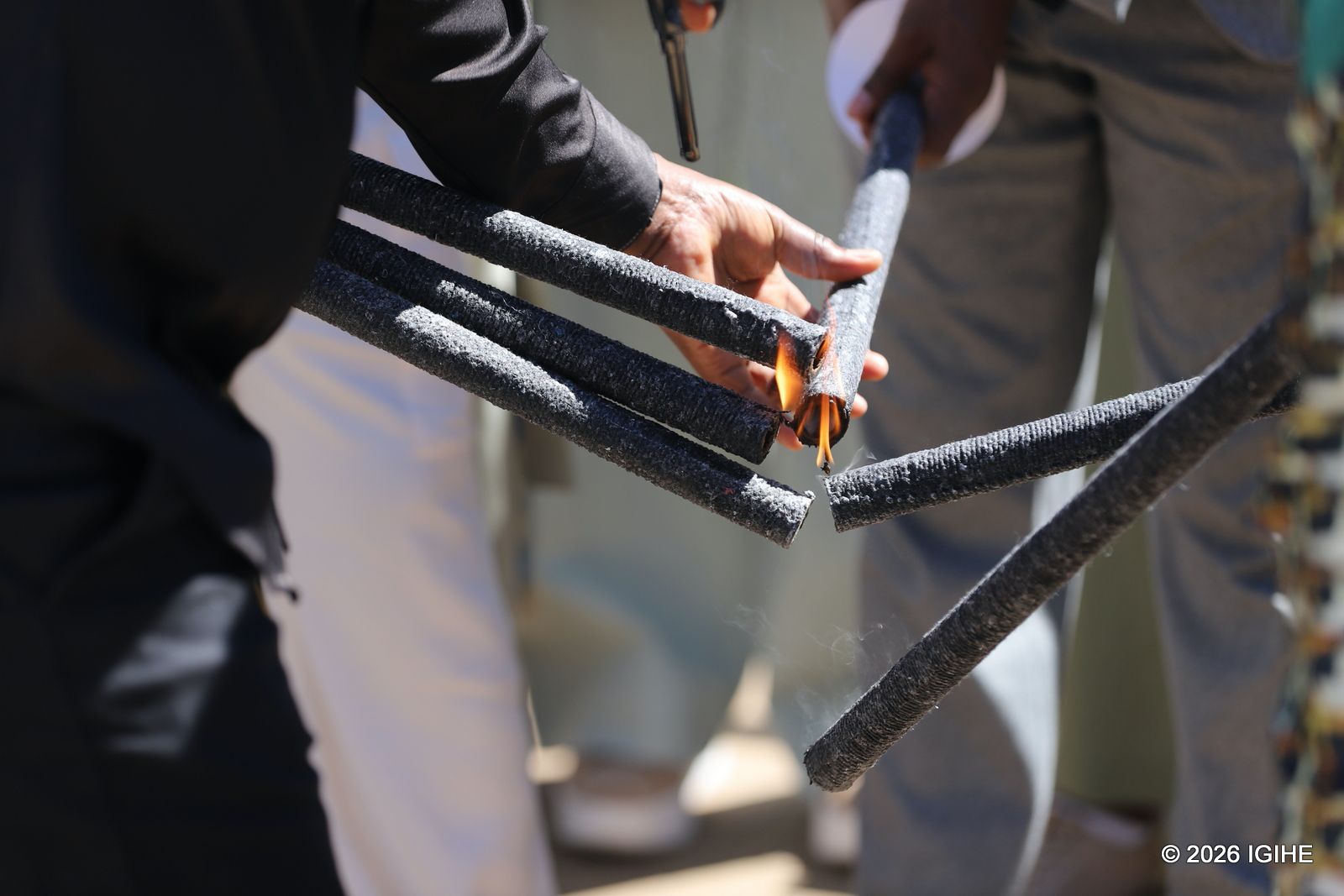
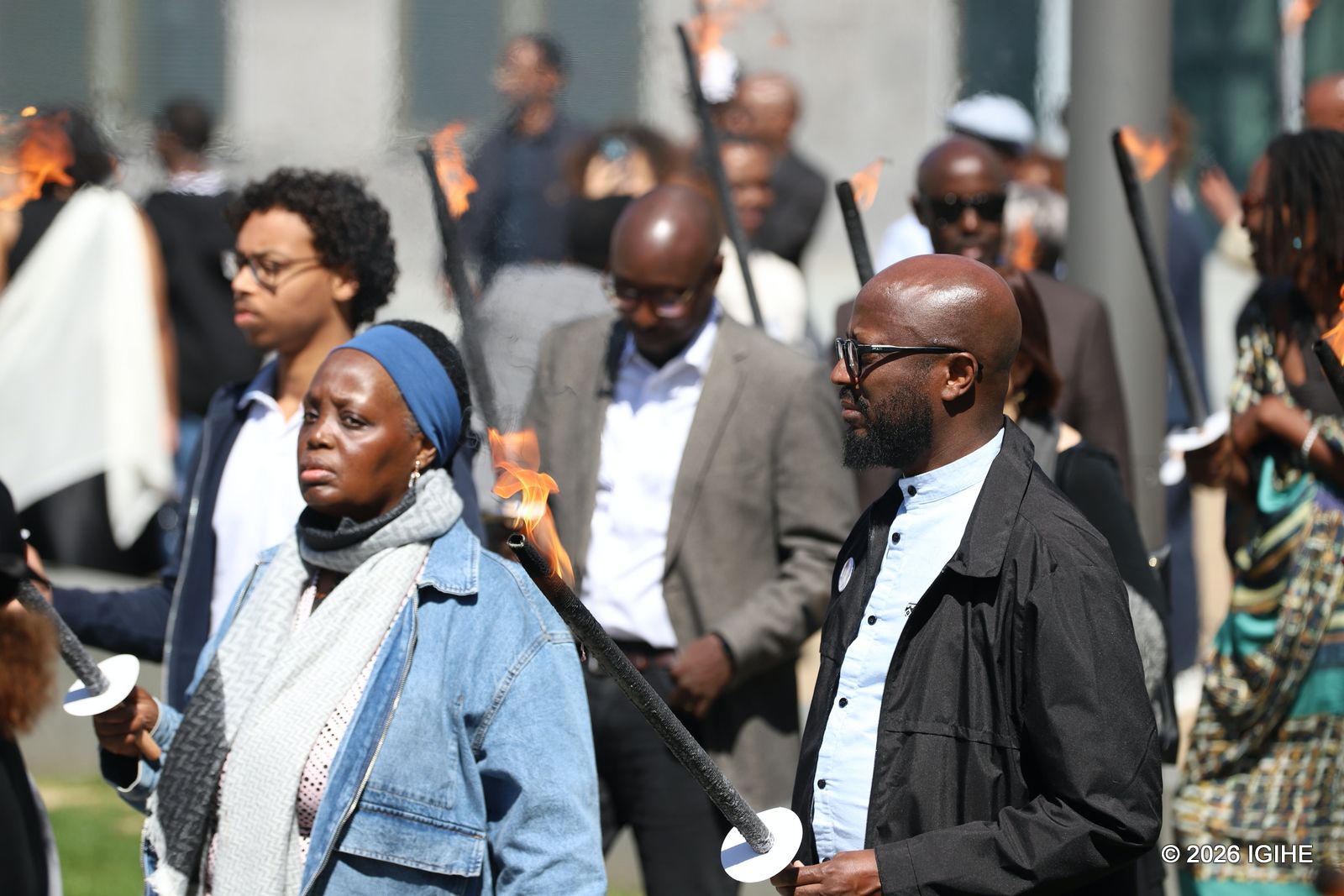
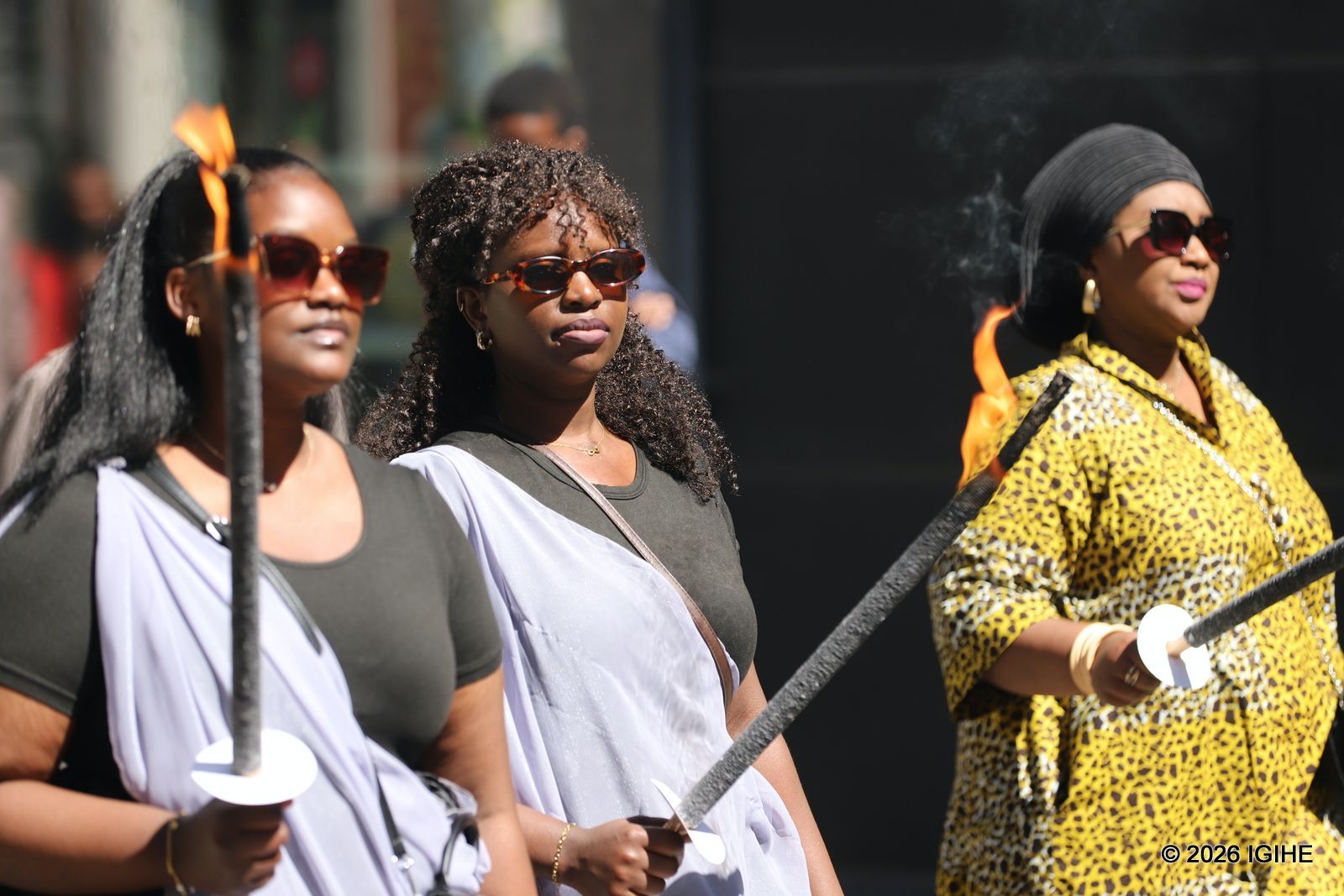
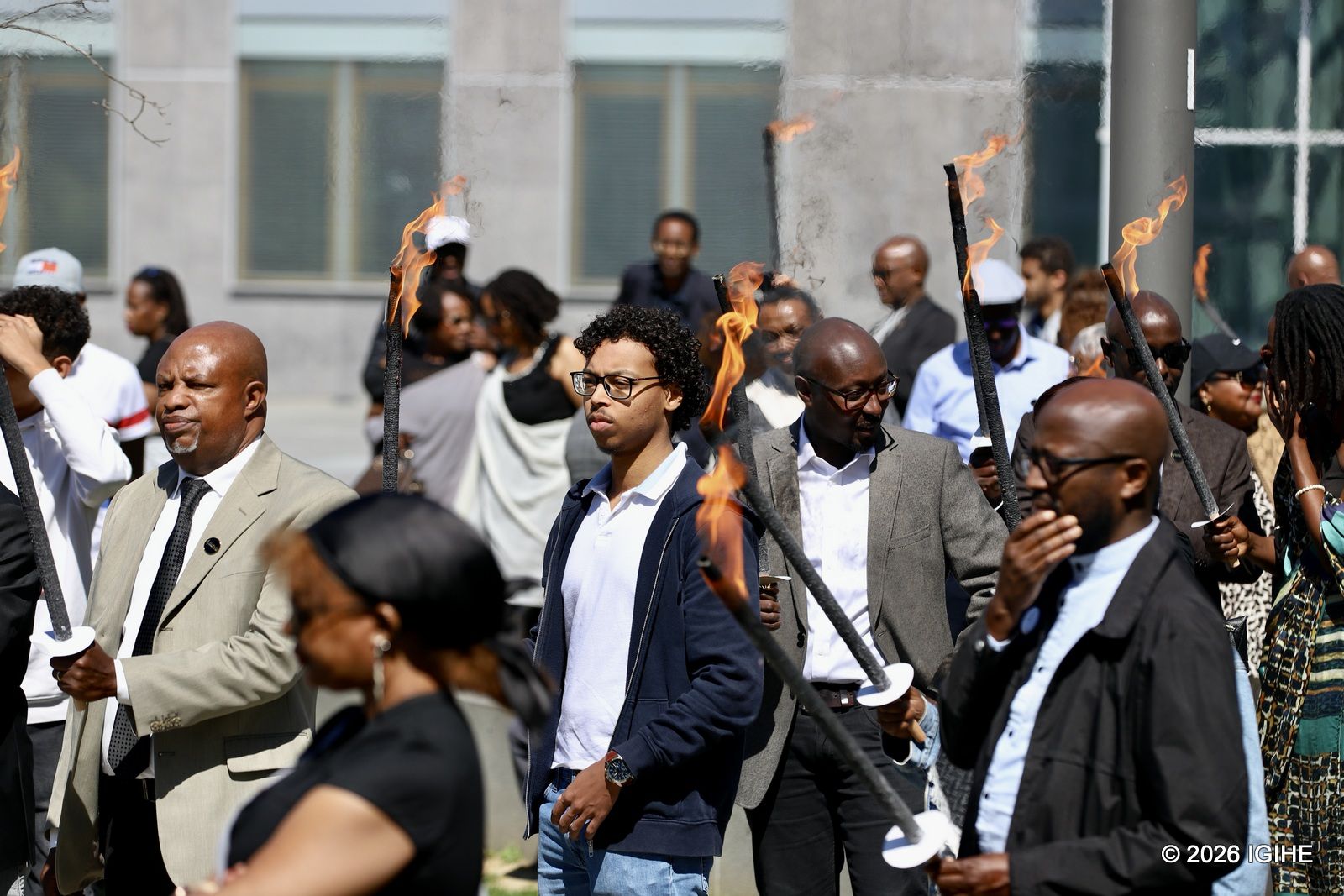
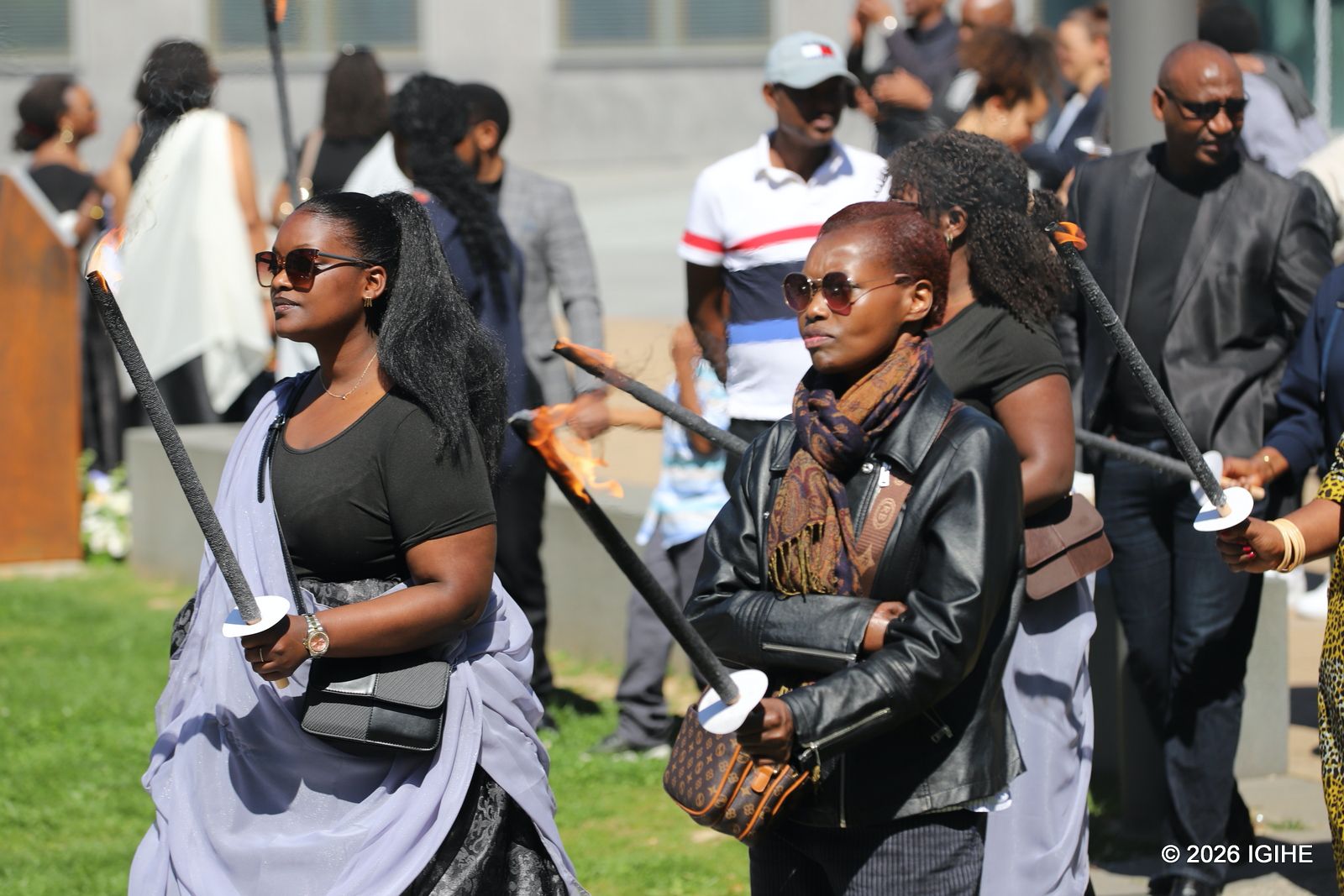
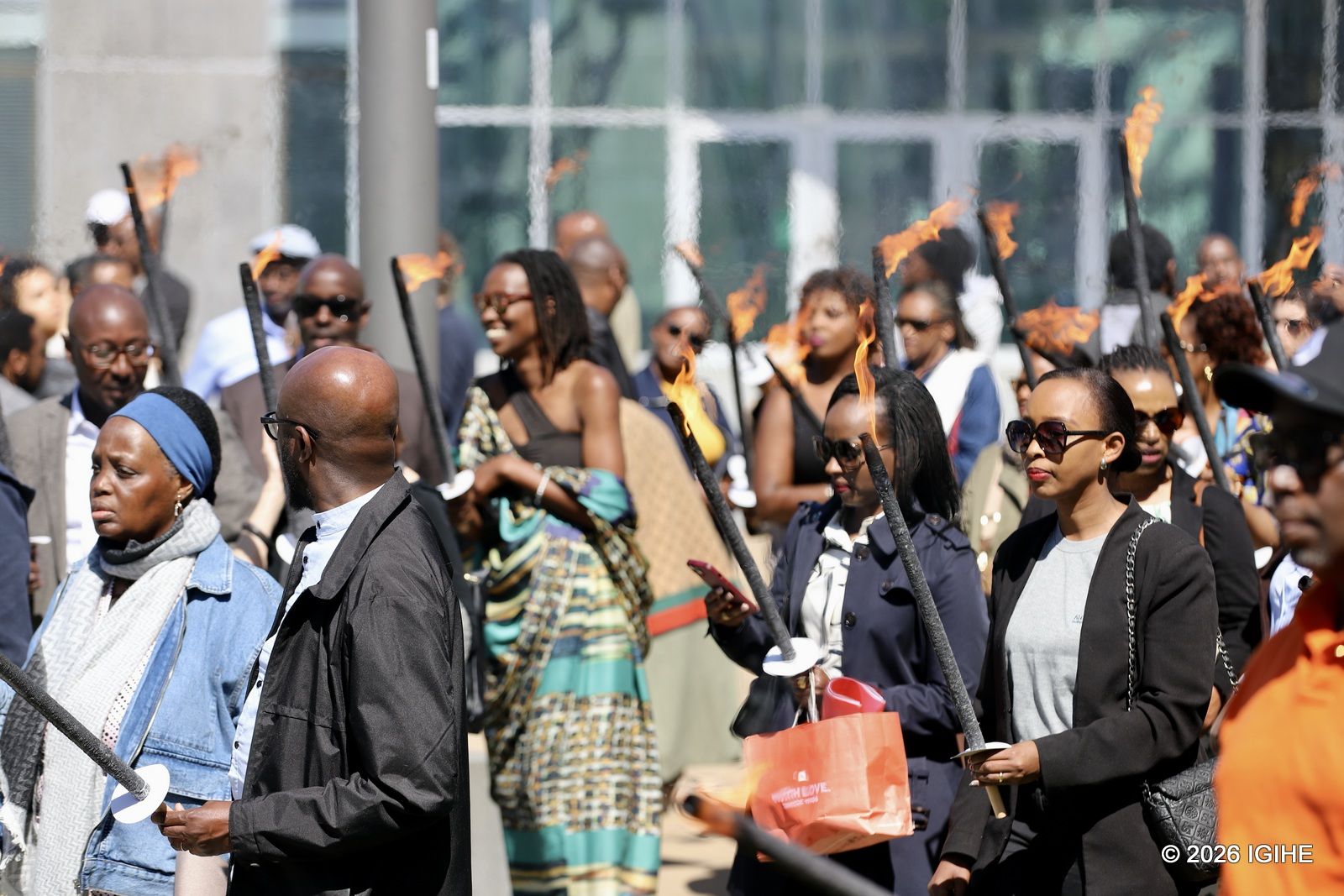
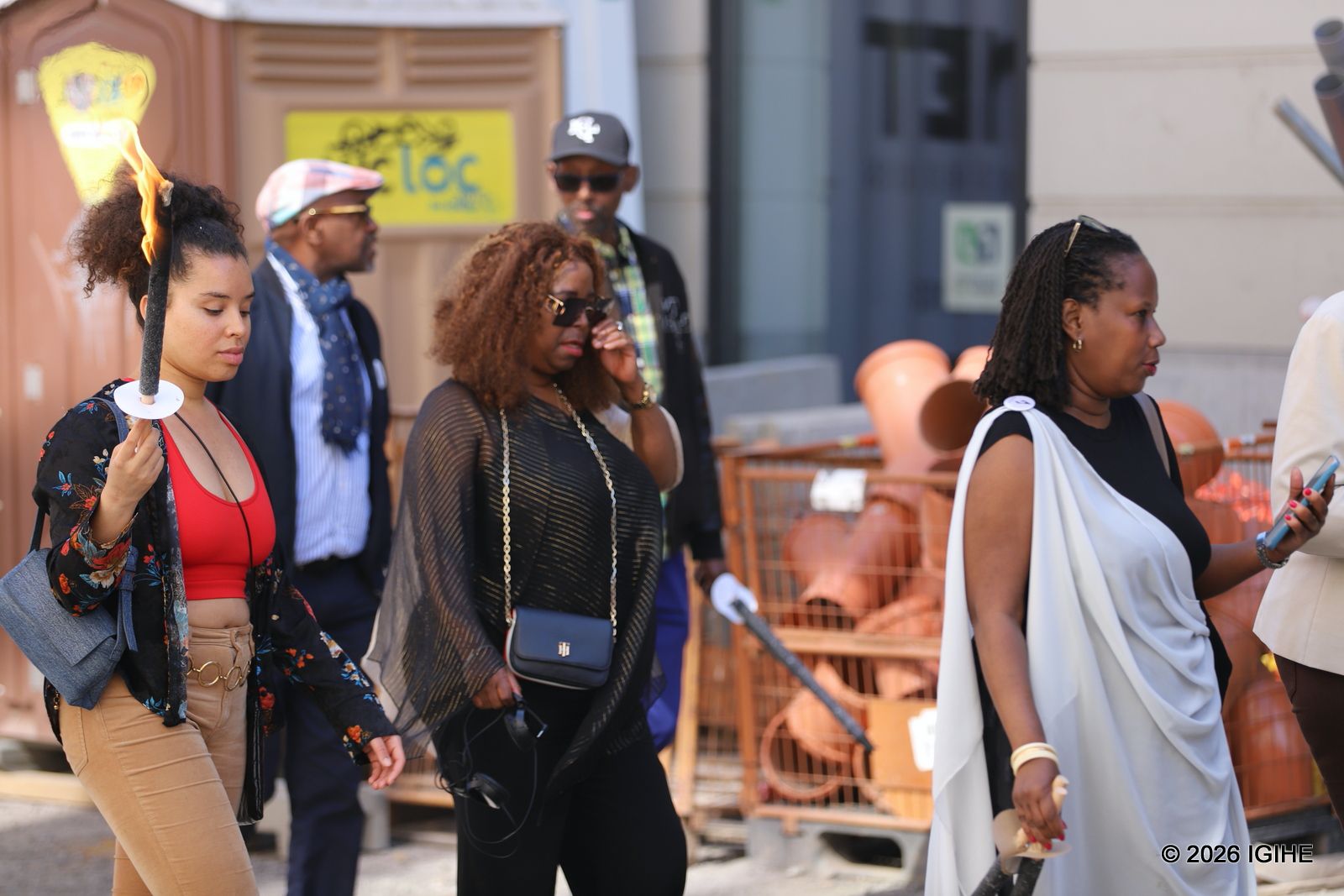
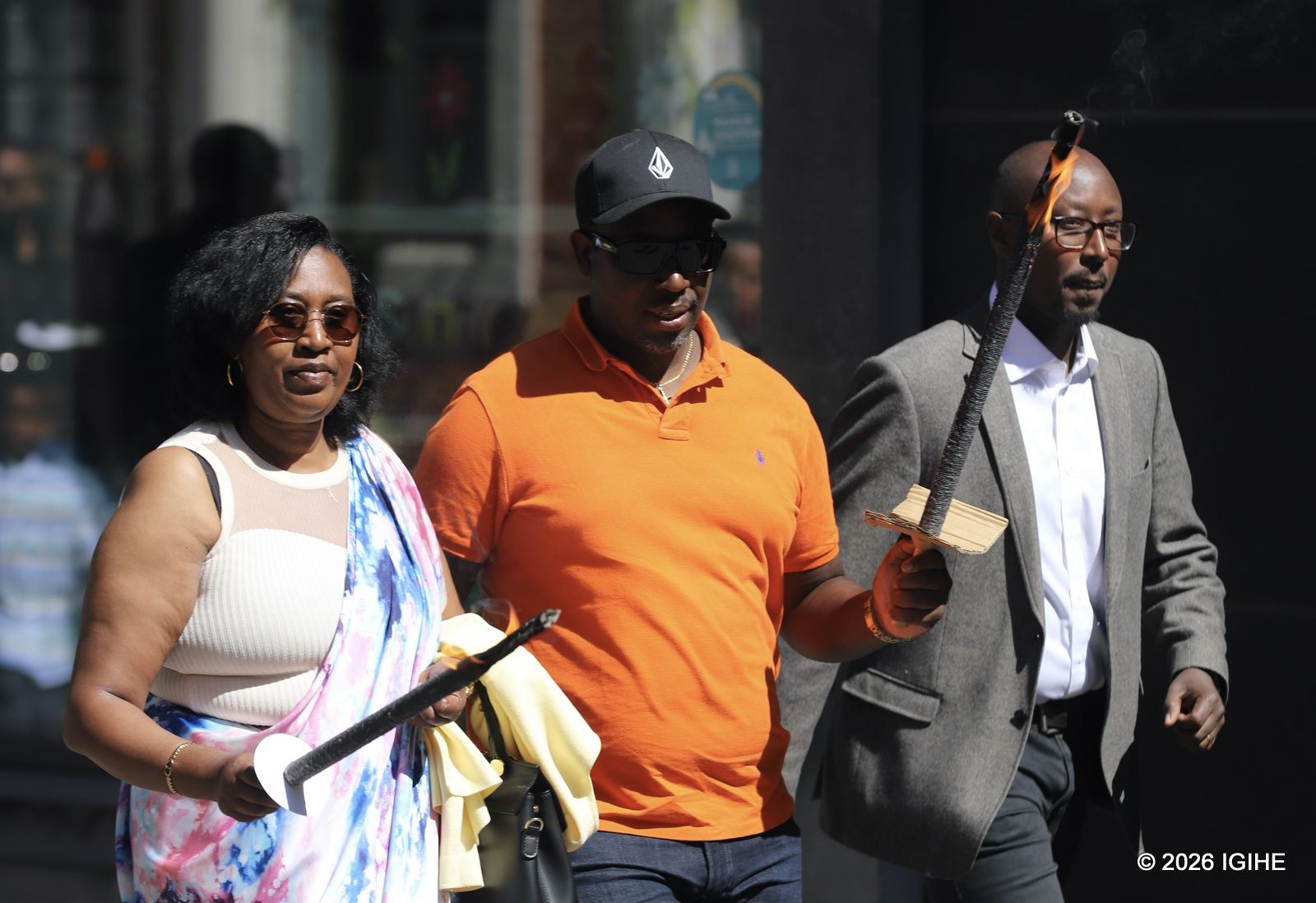
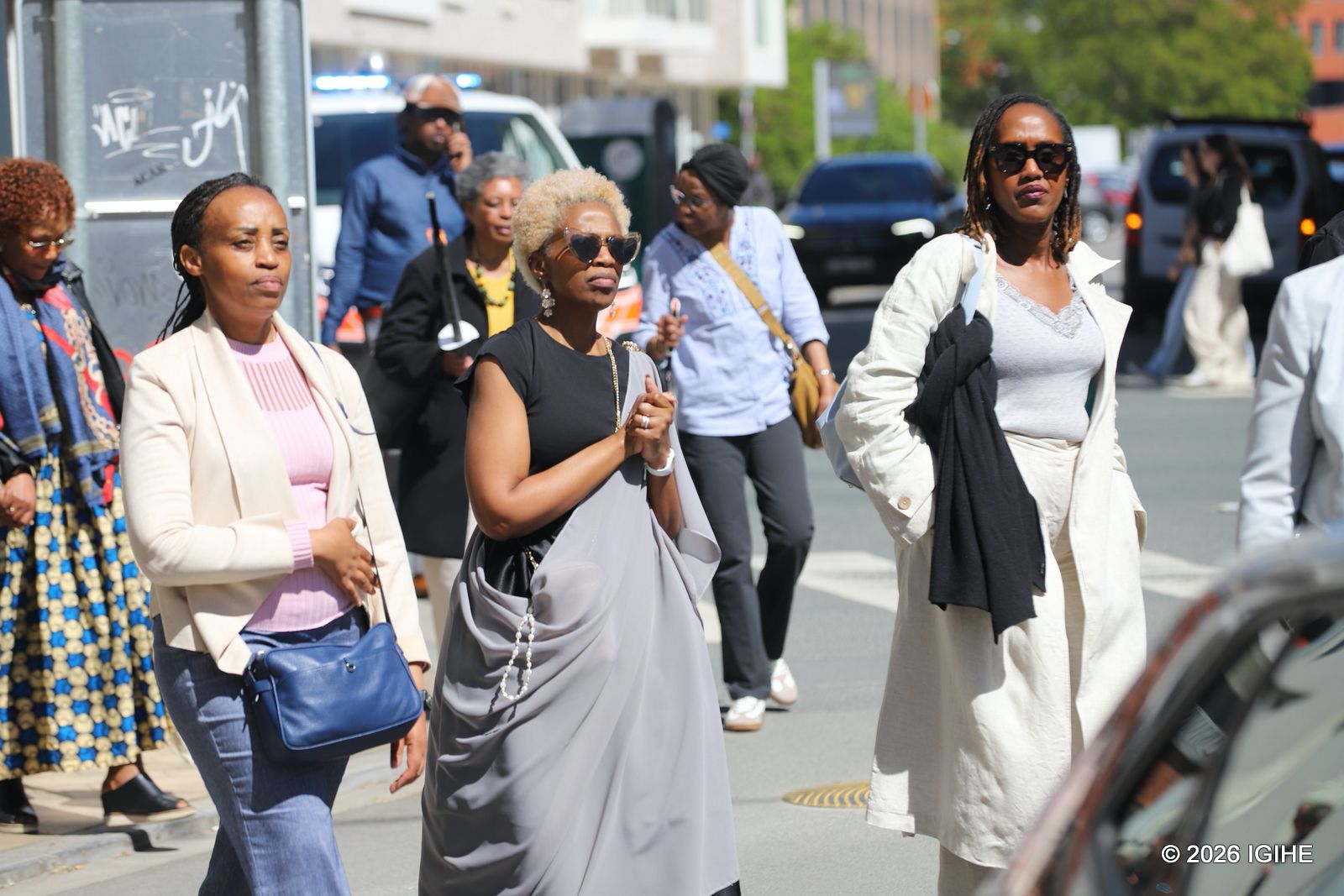
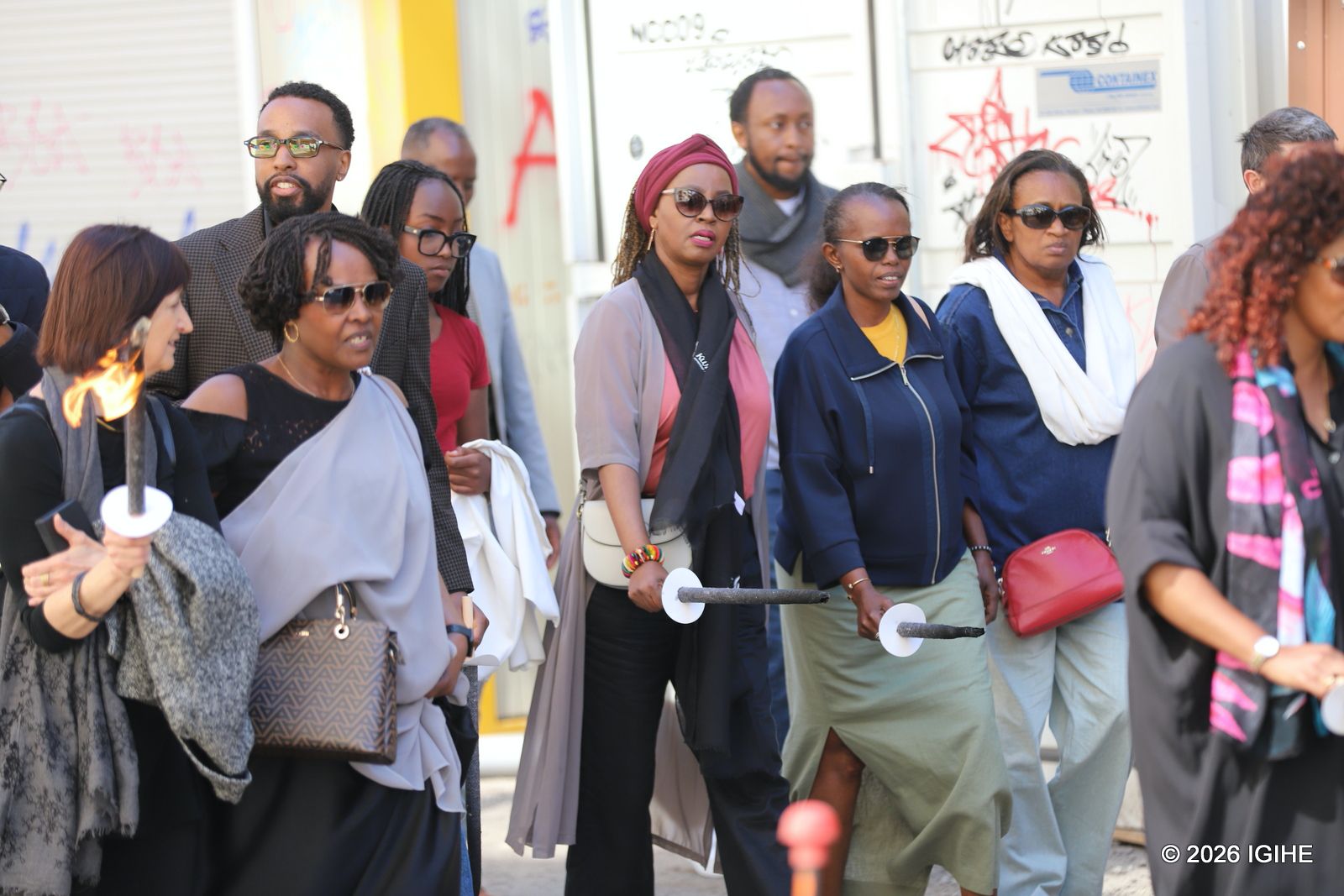
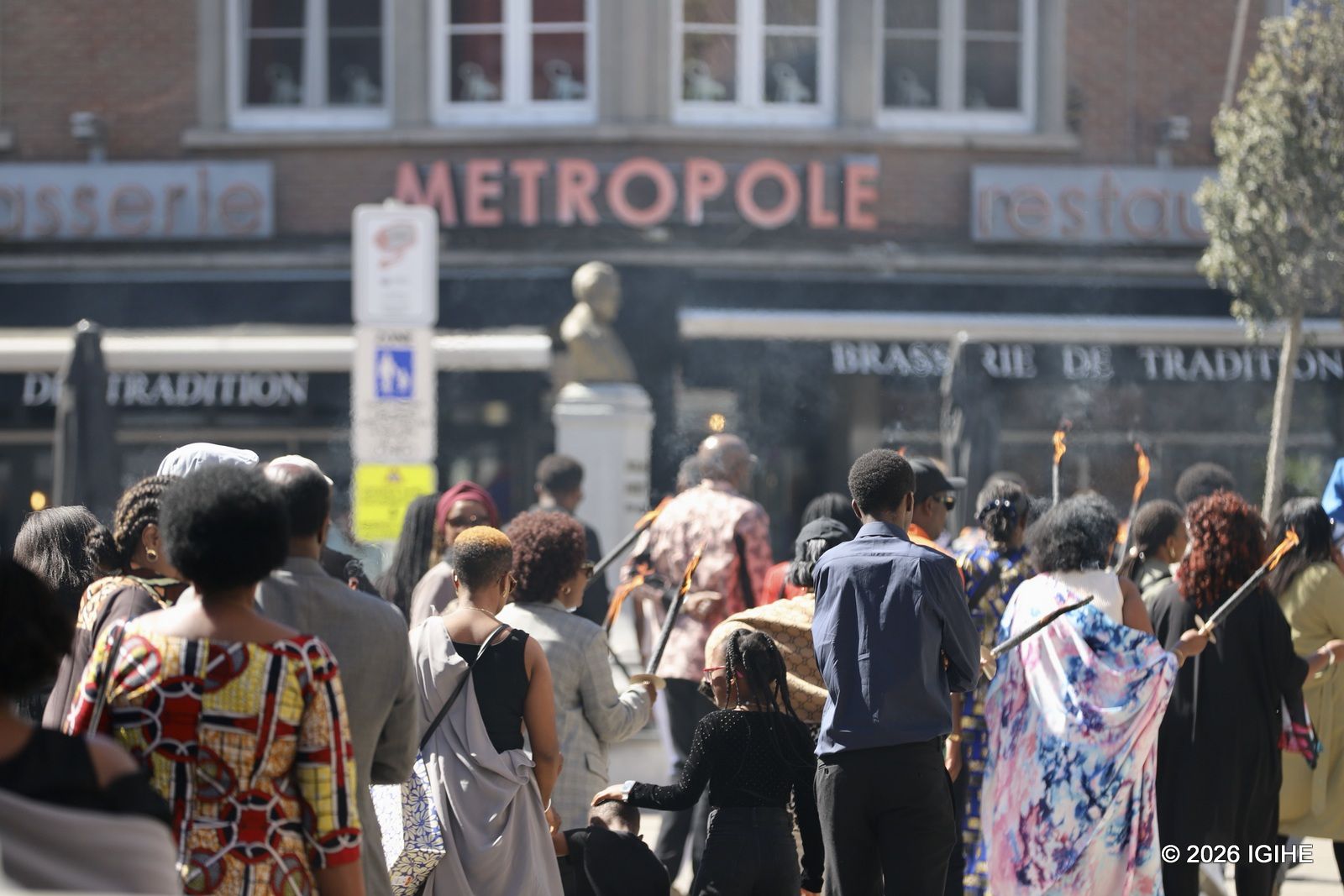
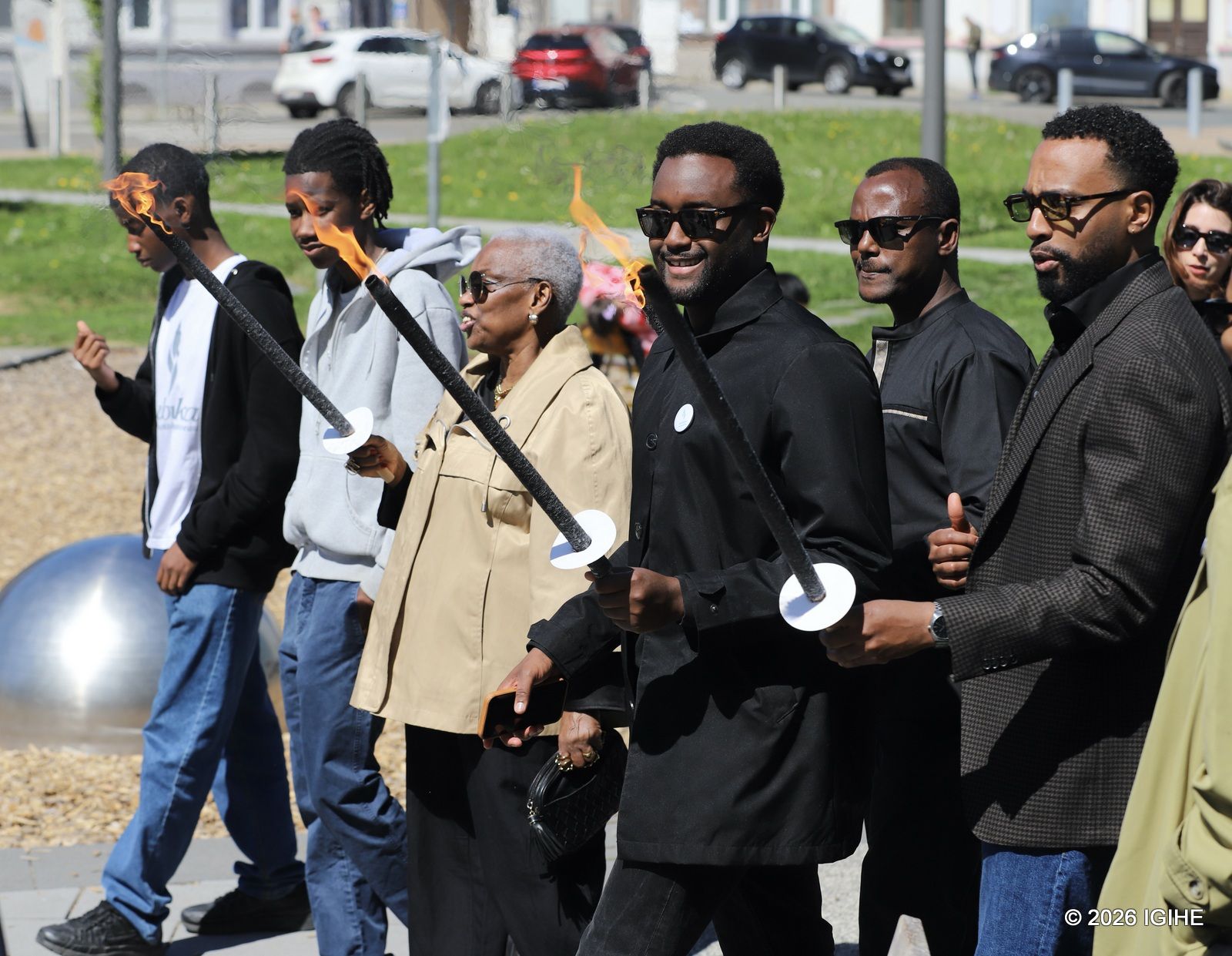
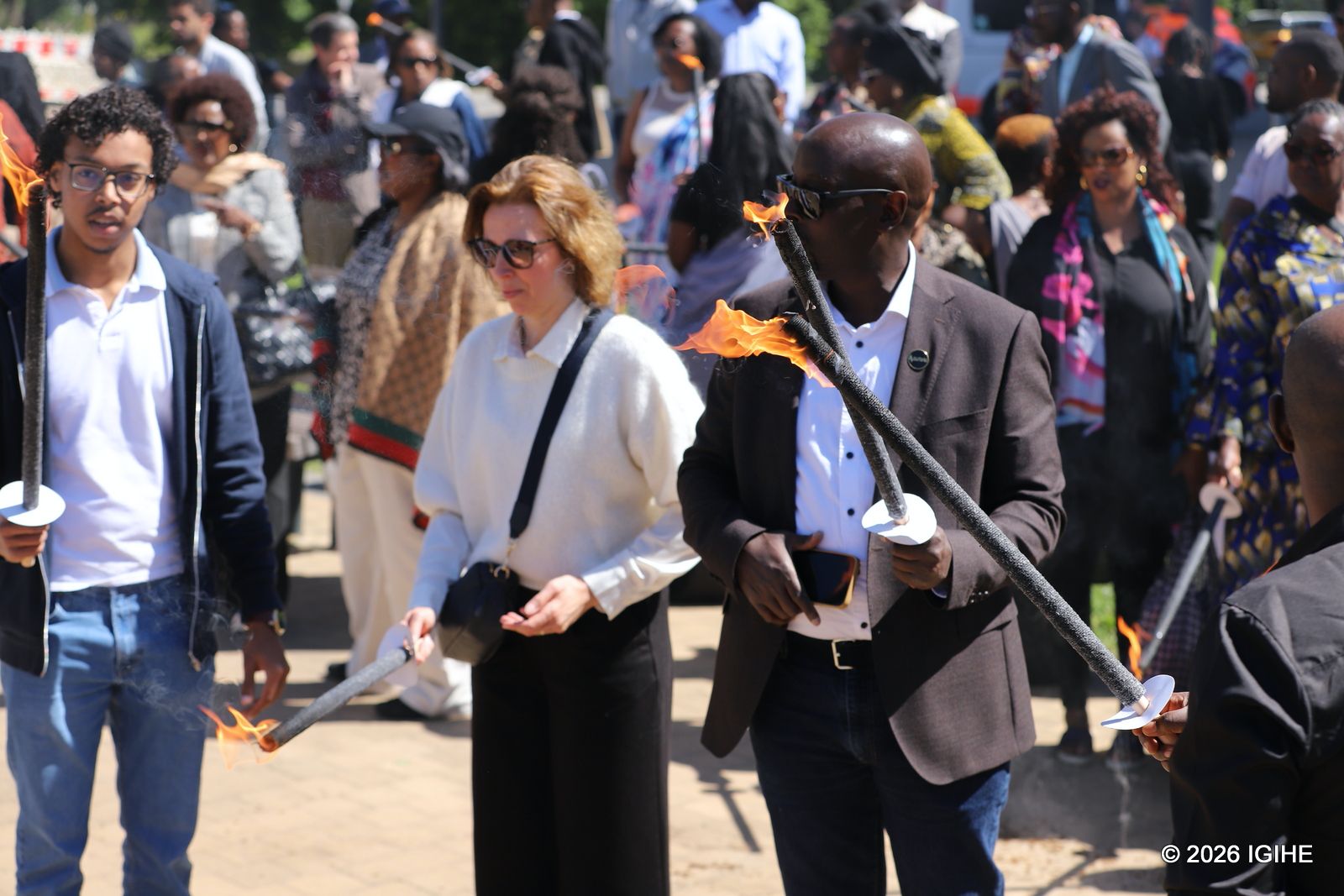
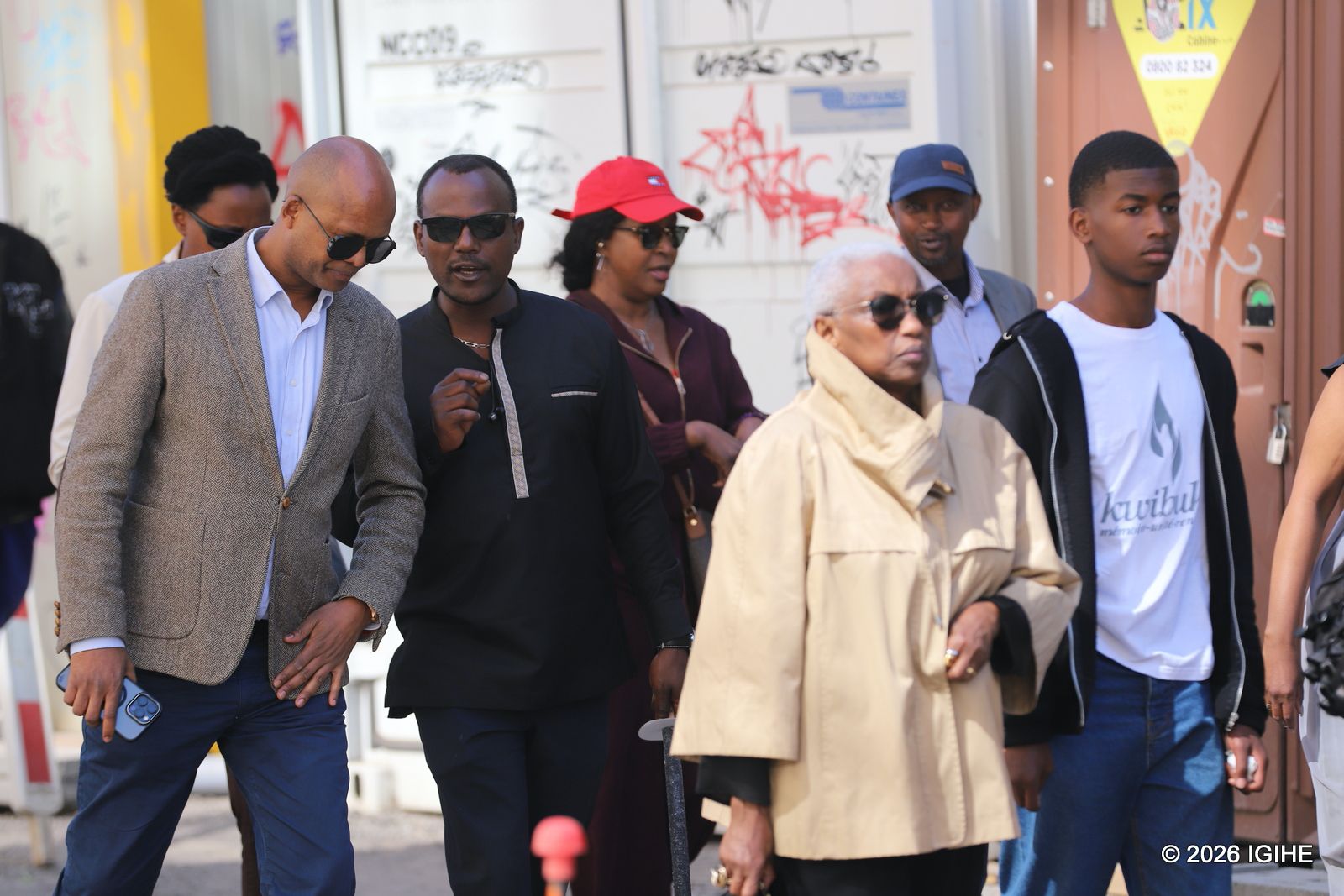
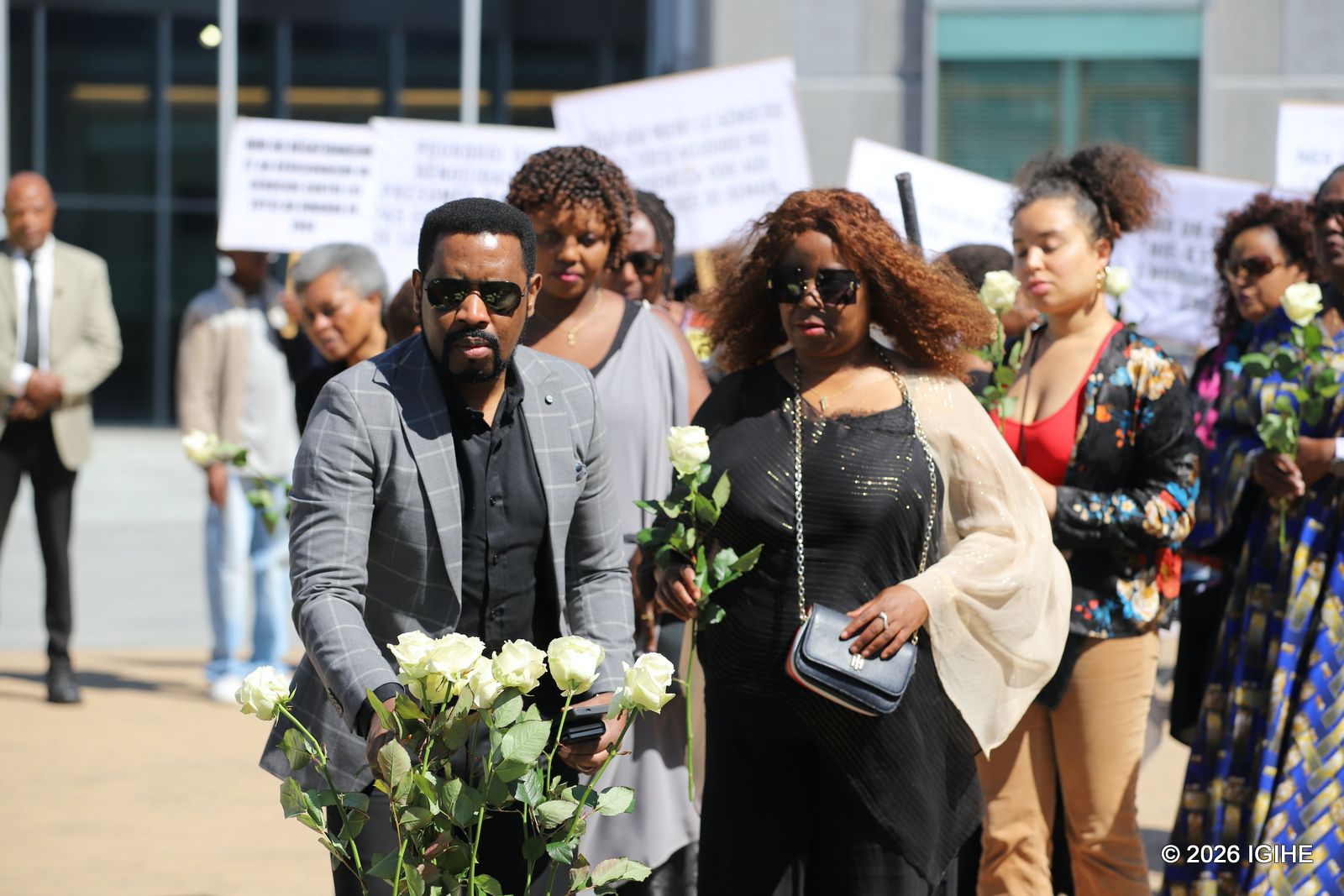
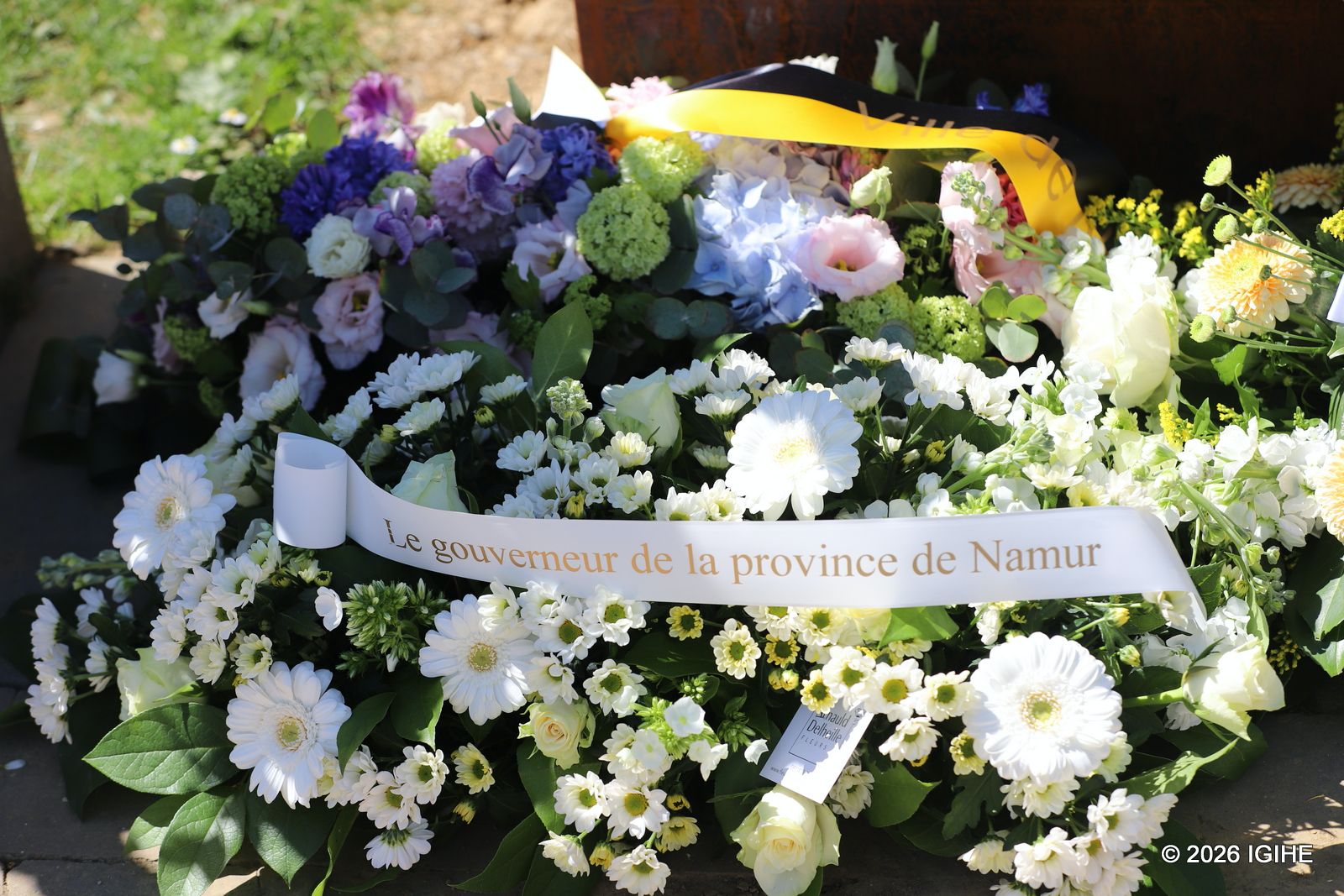
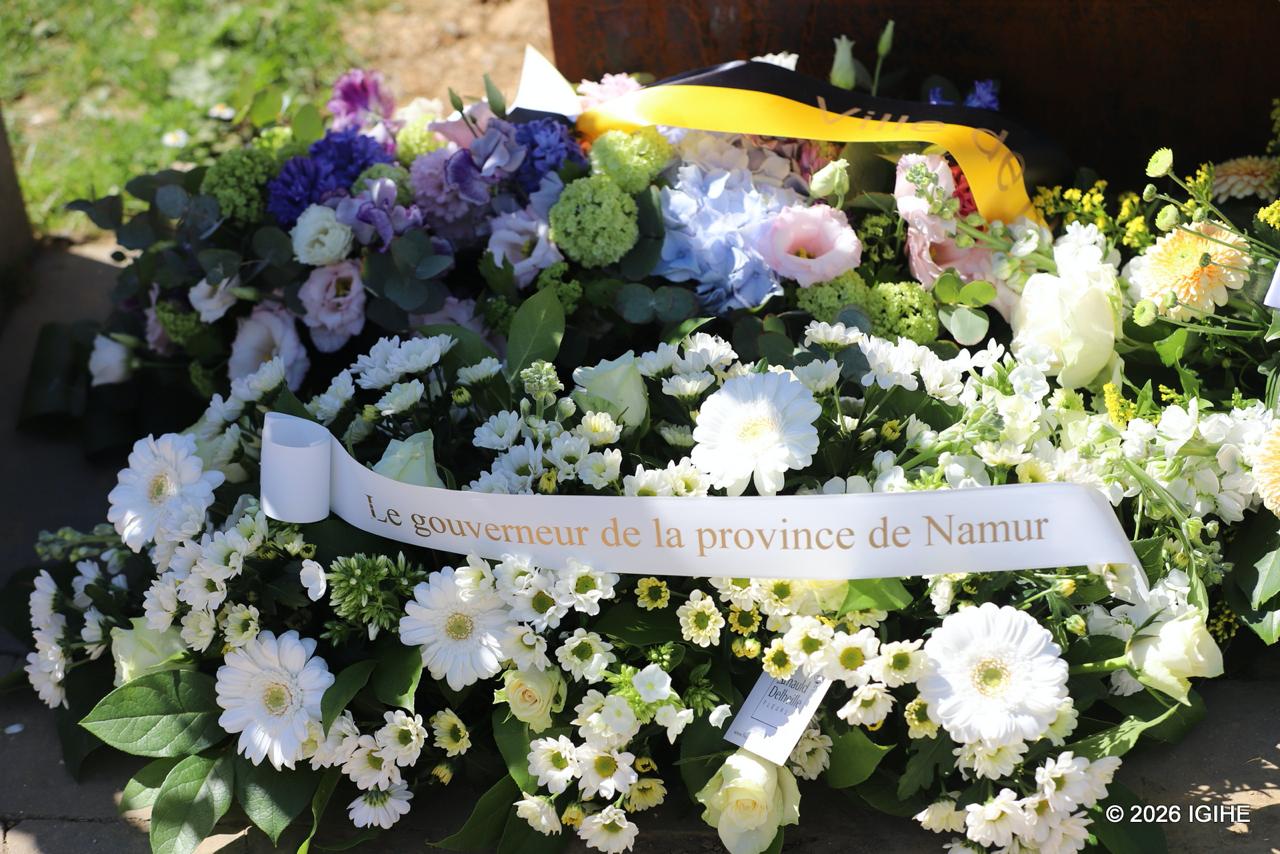
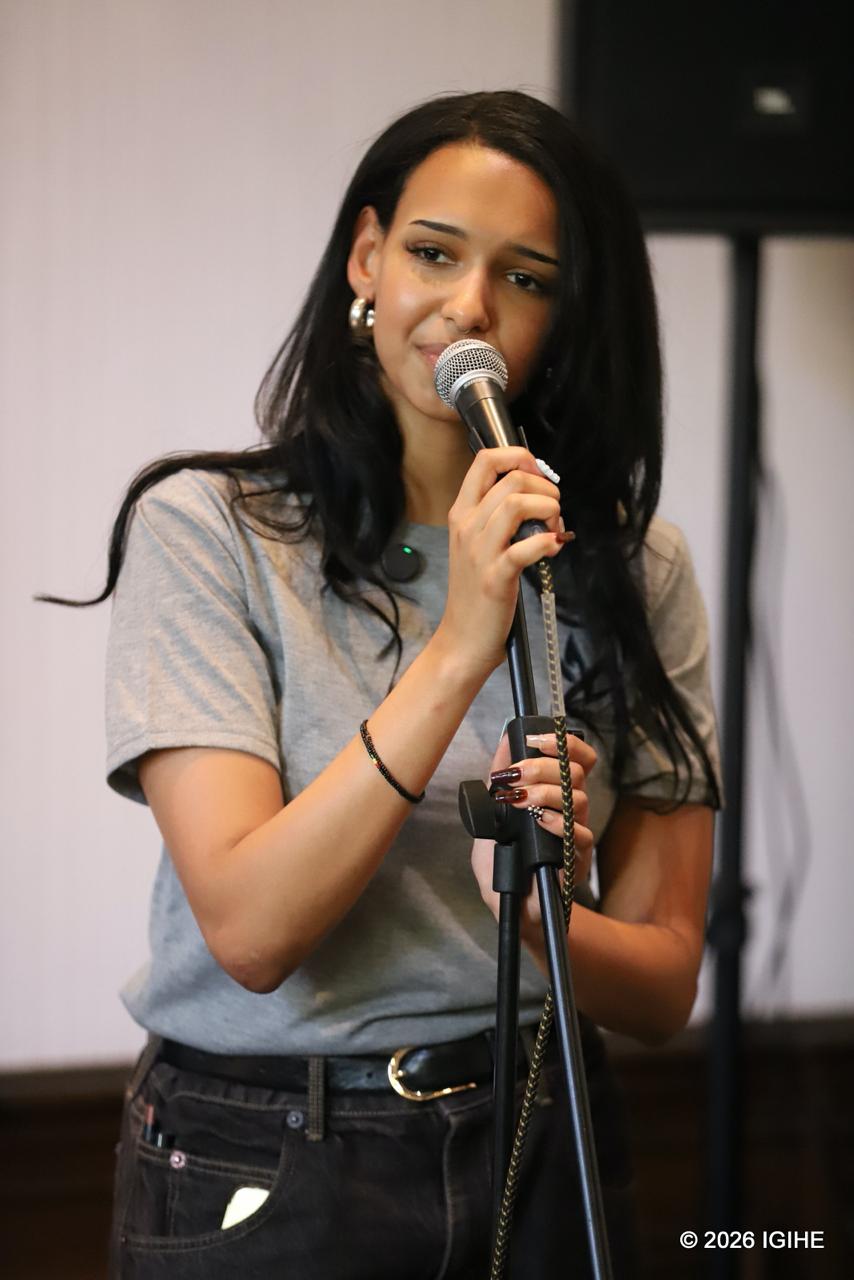
The ceremony in Namur began at the memorial dedicated to the victims of the Genocide against the Tutsi, located in front of the Namur Courthouse (Palais de Justice de Namur), where the remembrance walk known as the “torchlight march” (« marche aux flambeaux ») also started.The event featured a commemorative evening during which a short film depicting the life of a survivor of the Genocide against the Tutsi, Rwayitare Providence, was screened.Umutoni Rwampungu Annick also attended the eventJacqueline Rwagatare also took part in commemoration talks. The Acting Mayor of the City of Namur, Charlotte Bazlaire, speaking to IGIHE in front of the Namur Courthouse, where a memorial dedicated to the victims of the Genocide against the Tutsi in Rwanda is located.Claire Kayirangwa, representing Ibuka–Memory and Justice Belgium, and Gakuba Ernest, head of the Rwandan diaspora in Belgium, lay wreaths at the memorial in Namur.Michaël Bisschops, president of Les Territoires de la Mémoire, and Miheto Tatien pay tribute to the victims of the Genocide against the Tutsi in Rwanda.The memorial dedicated to the victims of the Genocide against the Tutsi is located in front of the Namur Courthouse.Karugarama Lionel, head of the Rwandan diaspora section in Namur, led the ceremony.Akoeley Bernard, advisor at the CPAS of the City of Namur, paid tribute to the victims of the Genocide against the Tutsi in Rwanda.The children, represented by one of their peers, paid tribute to the victims of the Genocide against the Tutsi.Claire Ruyuki, a survivor of the Genocide against the Tutsi shared her testimony. Marie-Emilie Gaju and her father, Jean-François Cahay, performed commemorative songs during the ceremony honoring the victims of the Genocide against the Tutsi in Namur.Karugarama Lionel, head of the Rwandan diaspora section in Namur, led the ceremony.Claire Kayirangwa, representing Ibuka–Memory and Justice Belgium, and Gakuba Ernest, head of the Rwandan diaspora in Belgium, lay wreaths at the memorial in Namur.Michaël Bisschops, president of Les Territoires de la Mémoire, and Miheto Tatien pay tribute to the victims of the Genocide against the Tutsi in Rwanda.Akoeley Bernard, advisor at the CPAS of the City of Namur, paid tribute to the victims of the Genocide against the Tutsi in Rwanda.The children, represented by one of their peers, paid tribute to the victims of the Genocide against the Tutsi.The memorial dedicated to the victims of the Genocide against the Tutsi is located in front of the Namur Courthouse.The Acting Mayor of the City of Namur, Charlotte Bazlaire, speaking to IGIHE in front of the Namur Courthouse, where a memorial dedicated to the victims of the Genocide against the Tutsi in Rwanda is located.
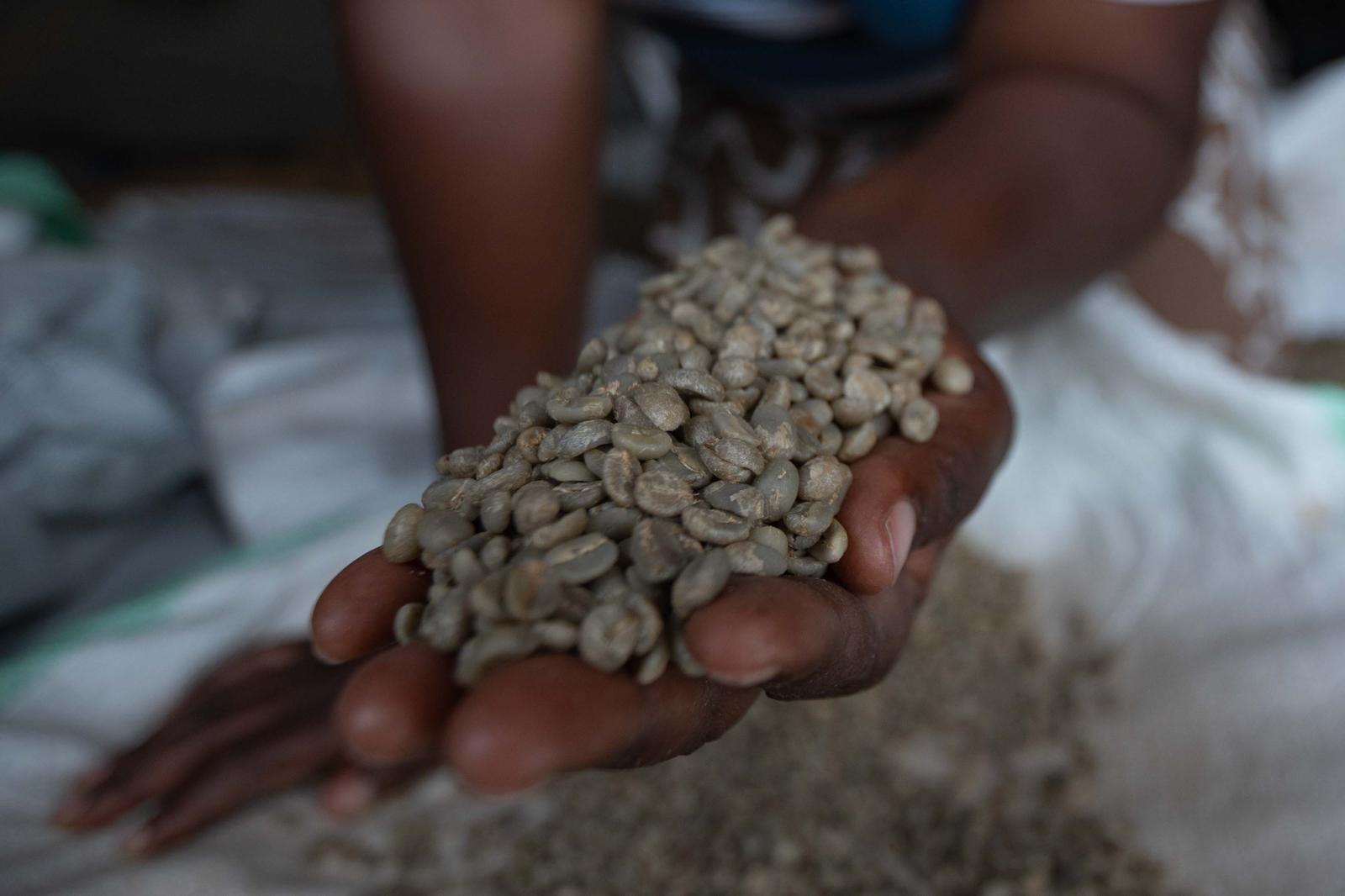
From her early studies in interior architecture to leading an internationally recognized coffee brand, Kubwimana combines creativity, heritage, and entrepreneurship in a journey that celebrates both her roots and Rwanda’s growing prominence in the global coffee market.
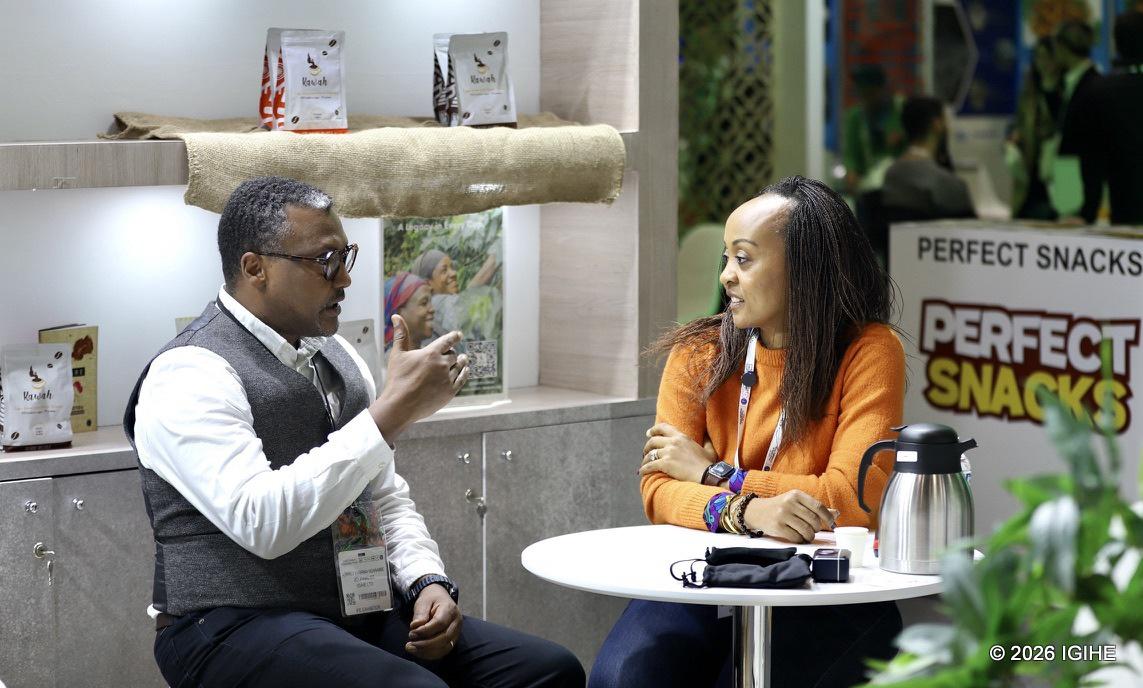
IGIHE spoke with her during the recent International Food and Drink Event (IFE) trade show in London about her career, the evolution of Kinunu, and the story behind the coffee that has captured international attention.
IGIHE:Your academic and professional background is in architecture, yet today you lead a coffee business. How did this transition come about?
Michaelle Kubwimana: I wasn’t initially destined for the coffee sector. I completed my bachelor’s degree in interior architecture in 2001 in South Africa, and later earned my master’s degree in 2006 in Italy. I practiced in this field for several years, running my own architecture business in Rwanda before gradually becoming involved in the family coffee enterprise.
Can you share how you became involved in the family coffee business?
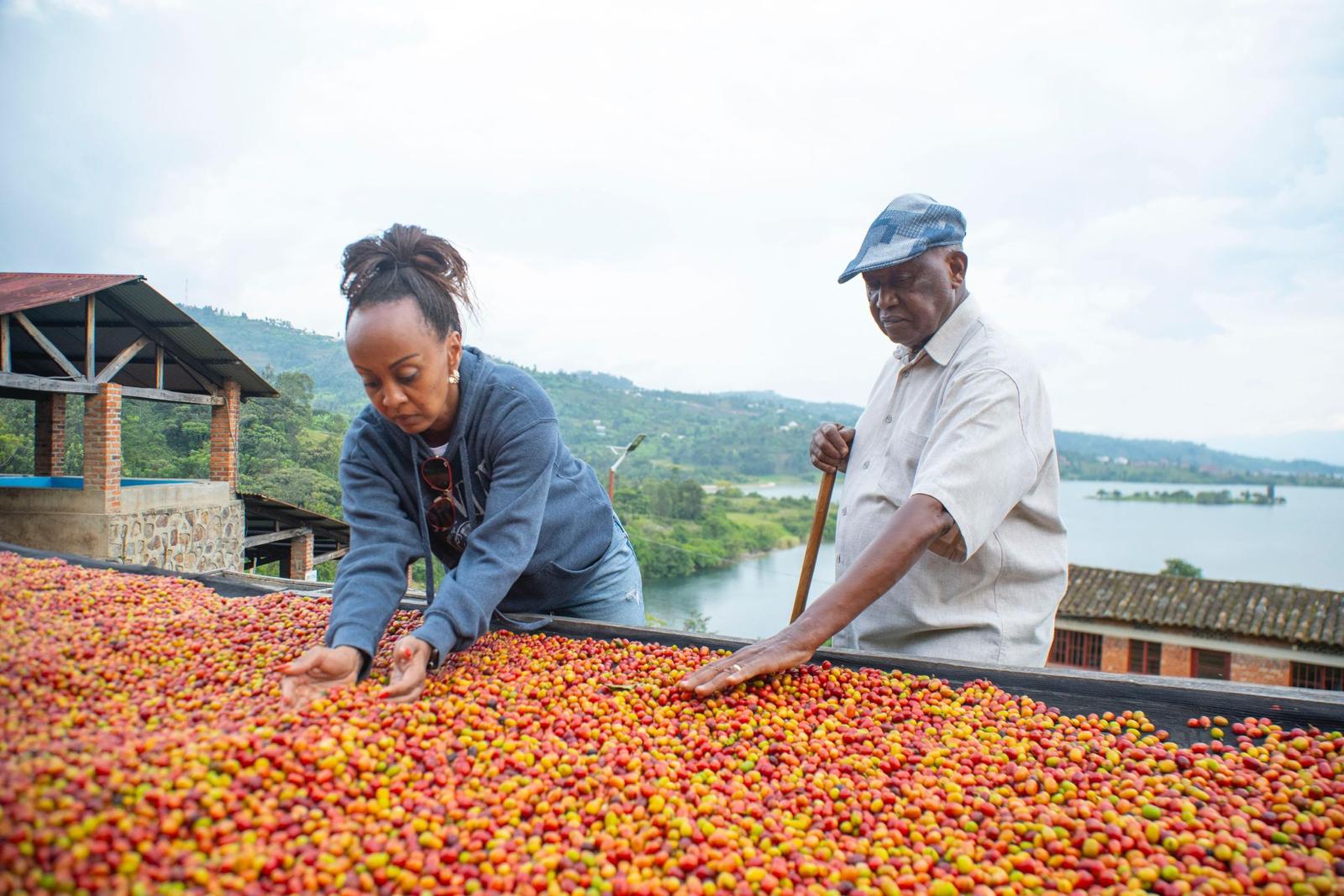
Kubwimana: By the time I finished my studies, my father had already started the coffee farm in his native village, working with one of my brothers. That village has always been central to our family life, and I spent much of my childhood there. Over time, I developed a genuine interest in the farm, particularly as I saw the positive impact it had on the local community.
Kinunu today seems to be much more than a coffee farm. How has it evolved?
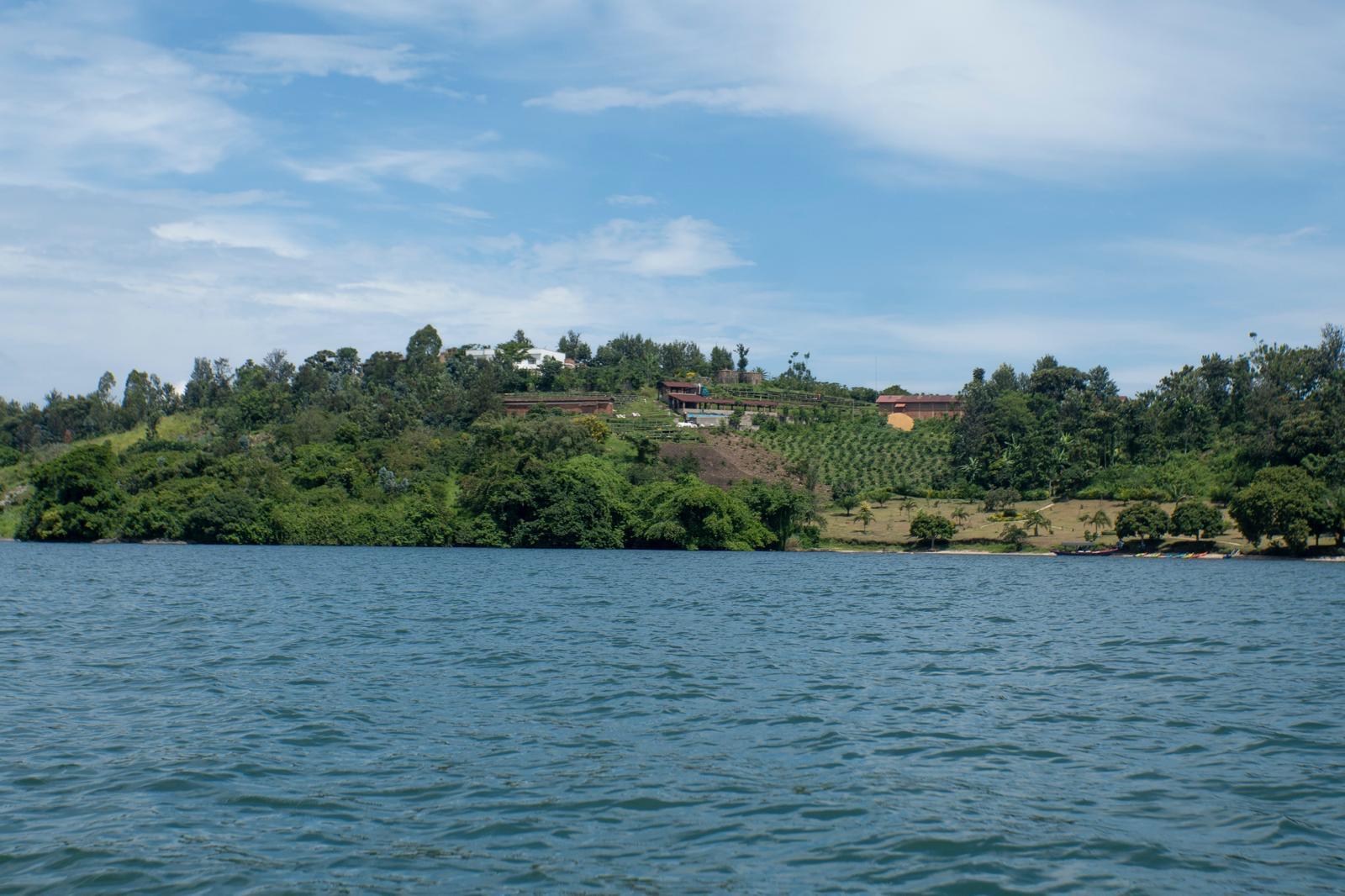
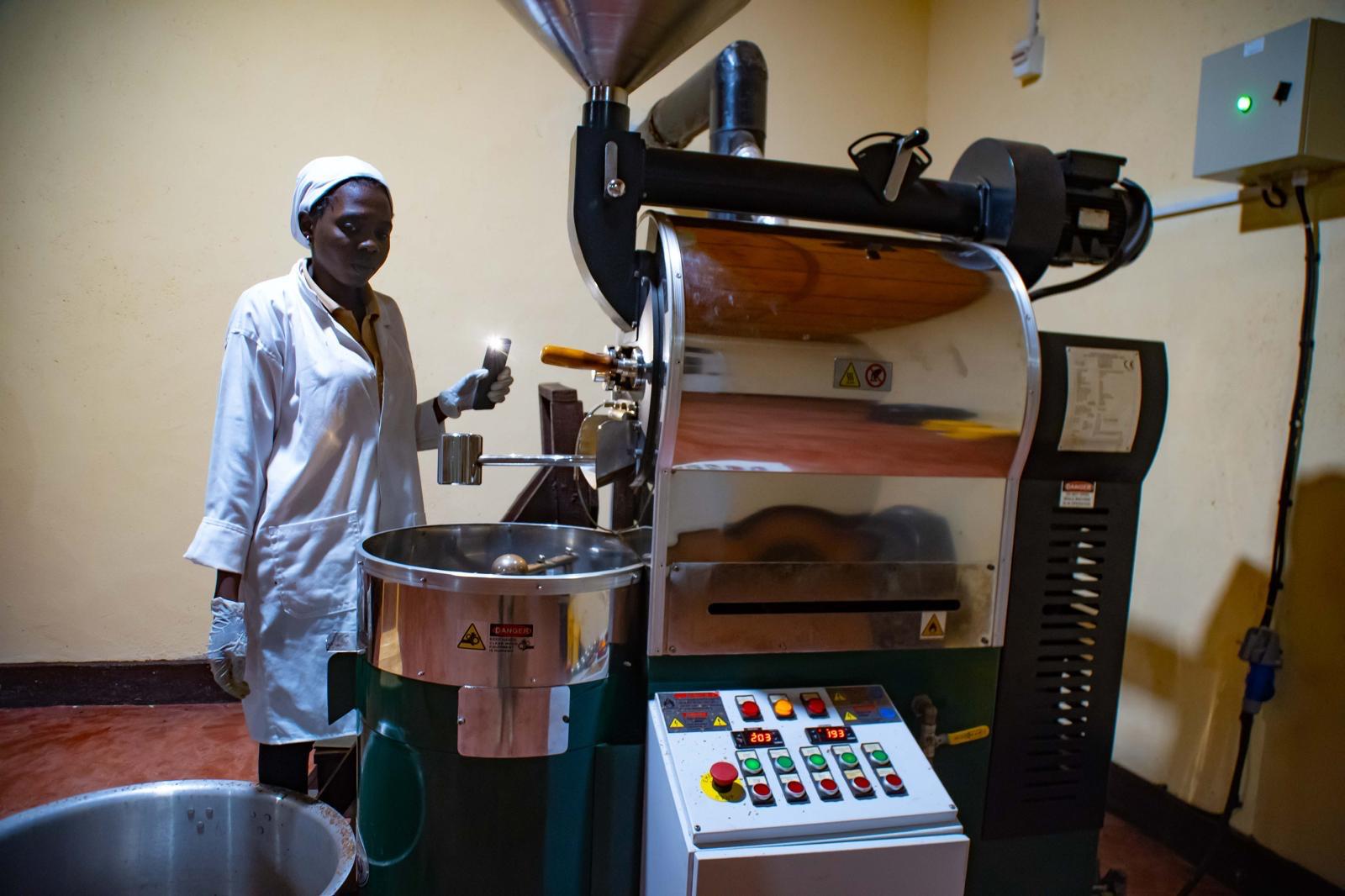
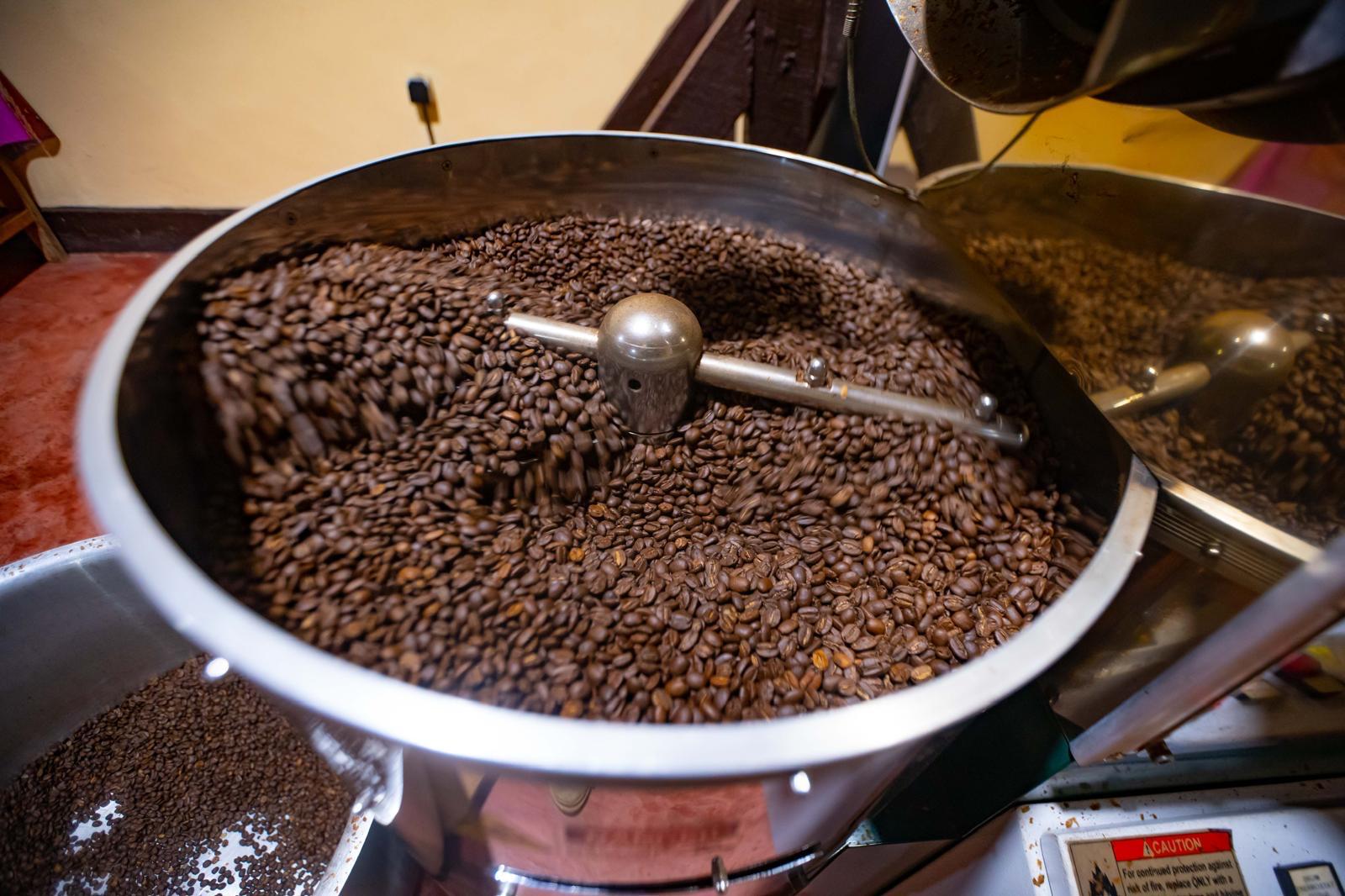
Kubwimana: Absolutely. What started as a small farm aimed at supporting the village and surrounding region has grown into a full ecosystem. We now operate a coffee washing station, host tours for both local and international visitors, and offer a guesthouse and restaurant managed by my sister. Kinunu is recognized by the Rwanda Development Board as a key stop along the Congo Nile Trail, blending heritage, tourism, and community development.
You have also played a role in expanding Rwandan coffee internationally. What has the journey been like?
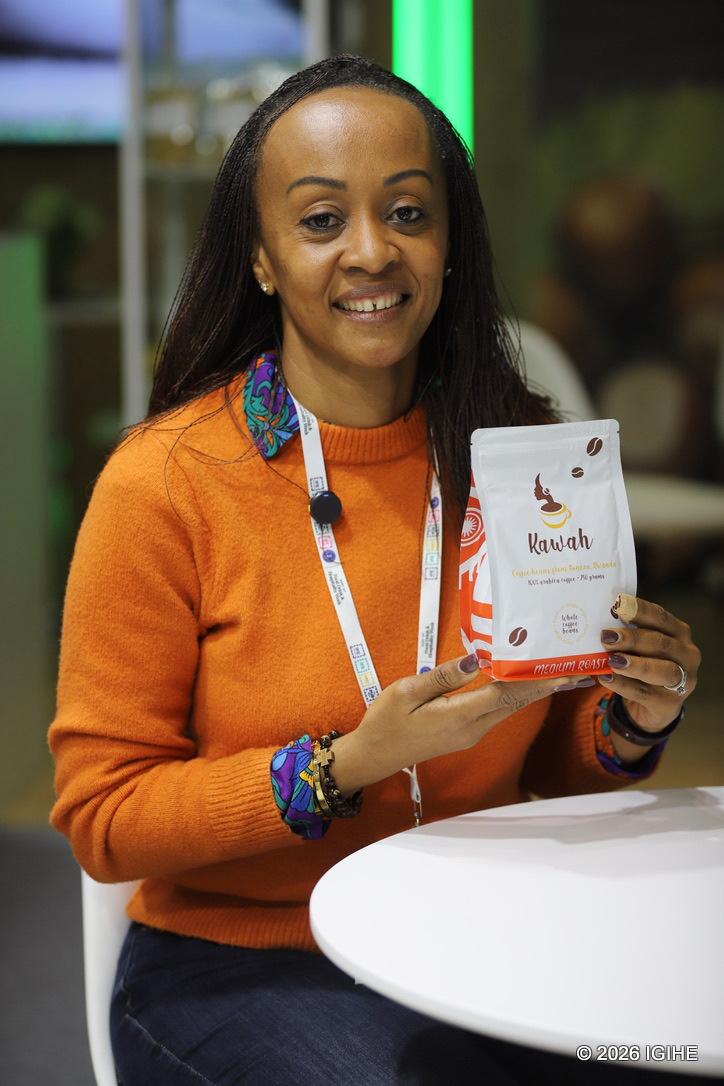
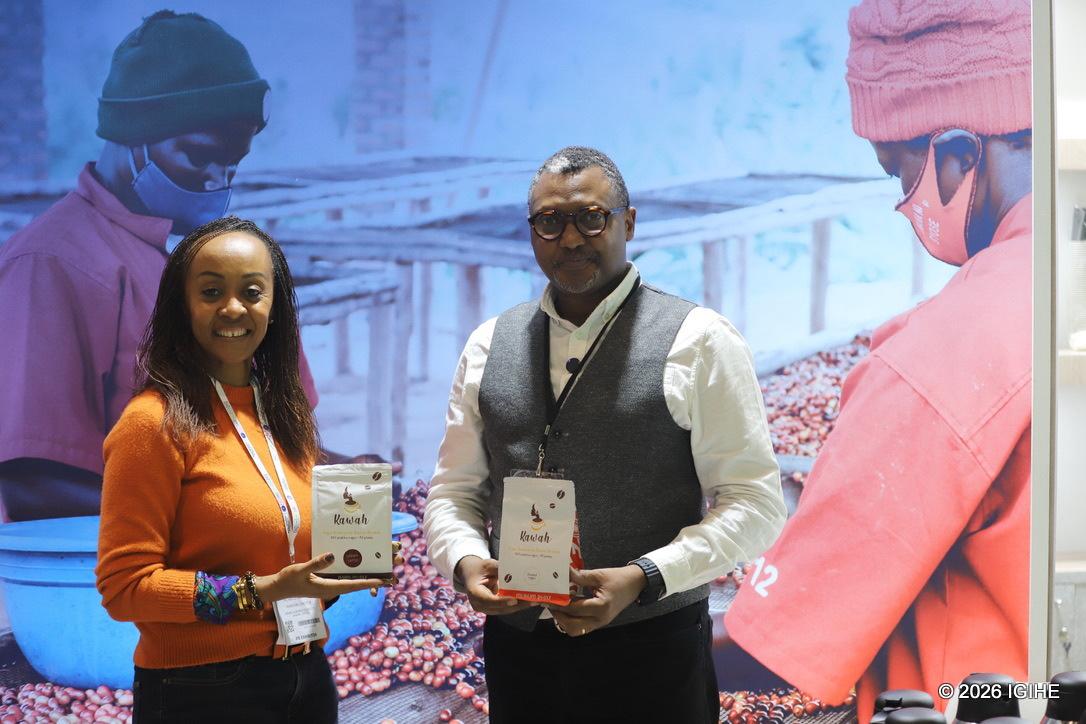
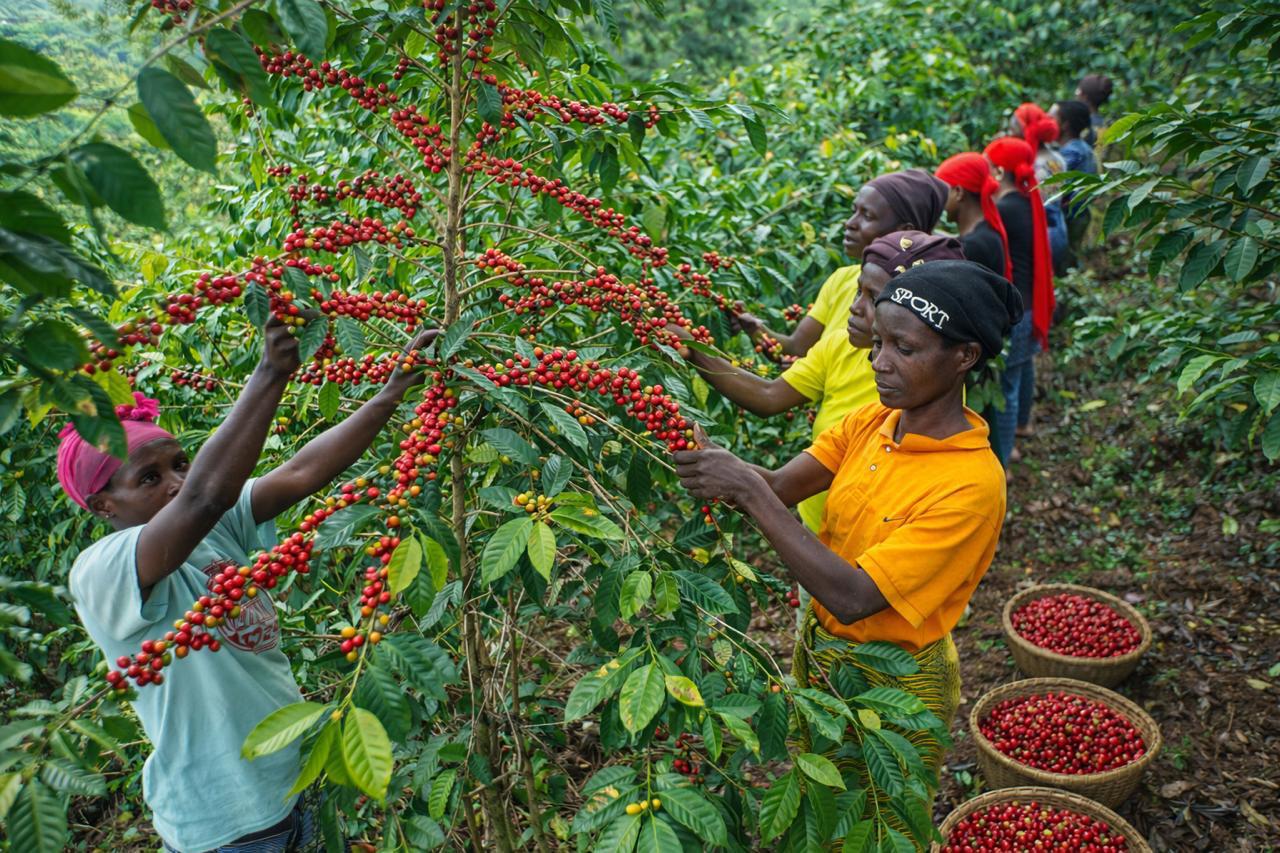
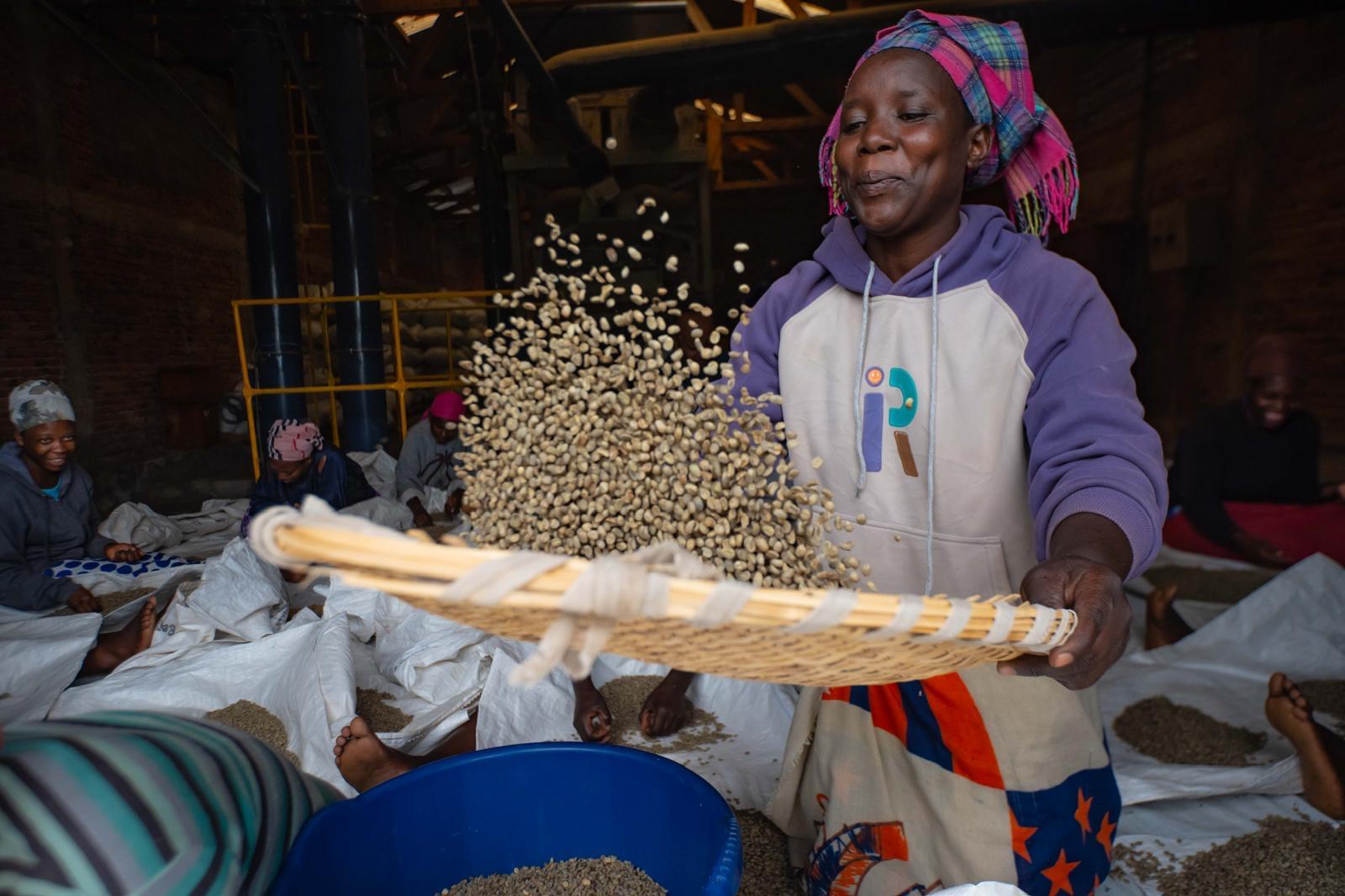
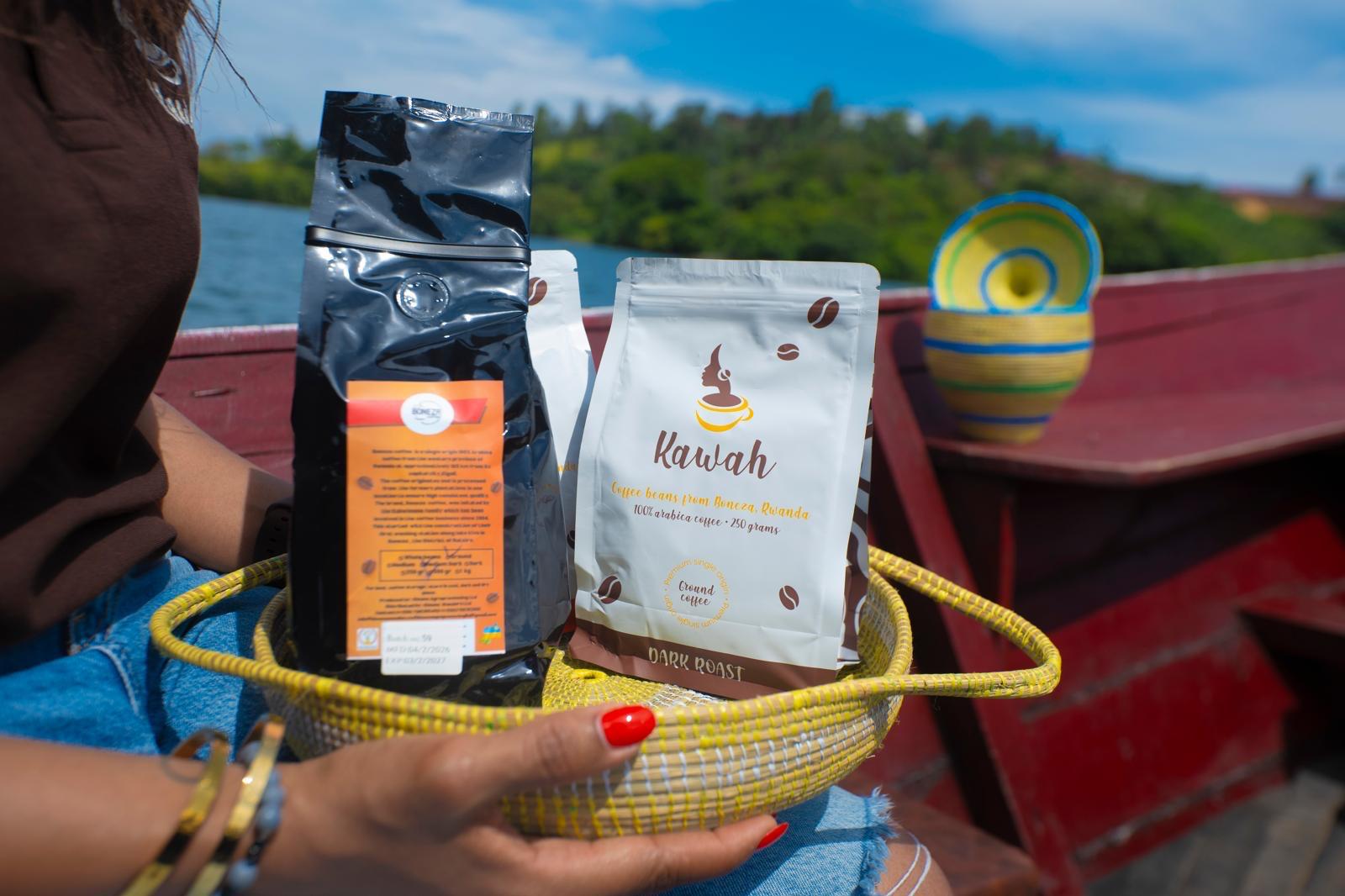
Kubwimana: In 2014, I began promoting our coffee abroad, especially in Dubai, through Boneza Coffee. In 2020, after moving to Singapore, I launched Kawah Coffee, targeting the international market. The goal was not just to showcase our coffee but also to highlight the stories of our farmers—90% of whom are women. By September 2022, the brand was registered in the UK after we relocated there.
What inspired you to formally take on the leadership of Kinunu Agroprocessing?
Kubwimana: It was a gradual decision fueled by both passion and responsibility. Kinunu is more than a business—it’s a family legacy. Leading it allows me to honor the heritage of my father and grandfather while supporting the community that has grown with the farm.
How do you see Rwandan coffee positioned in the global market today?
Kubwimana: Rwanda has made a clear strategic choice to focus on quality. Despite its small size, the country produces coffee under excellent conditions, which is why Rwandan coffee is now recognized among the best in the world. Initiatives such as the Visit Rwanda brand have also helped increase the country’s visibility internationally, making it much easier today to introduce Rwandan coffee to new markets compared to a few years ago.
Any final thoughts you’d like to share?
Kubwimana: Taking over Kinunu is about continuing a family and human story. It’s about preserving heritage, staying true to our values, and looking forward, ensuring that the legacy of our coffee farmers continues to thrive both locally and globally.
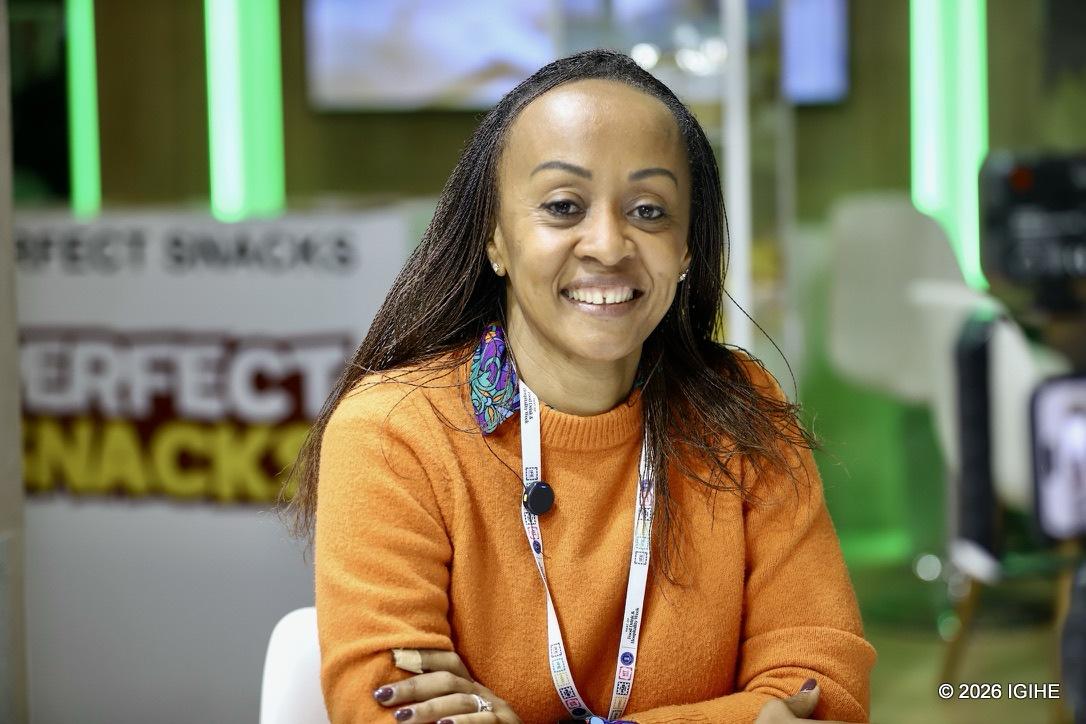
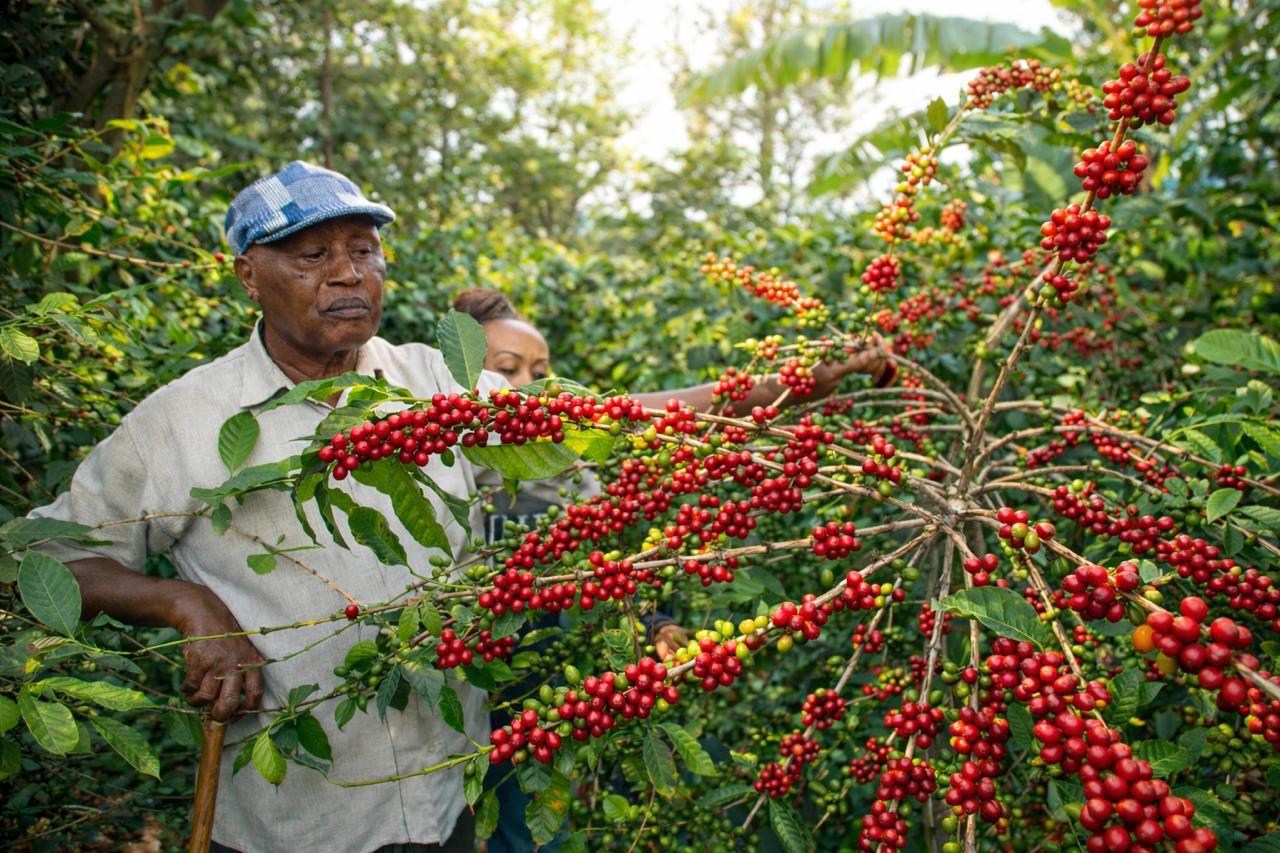
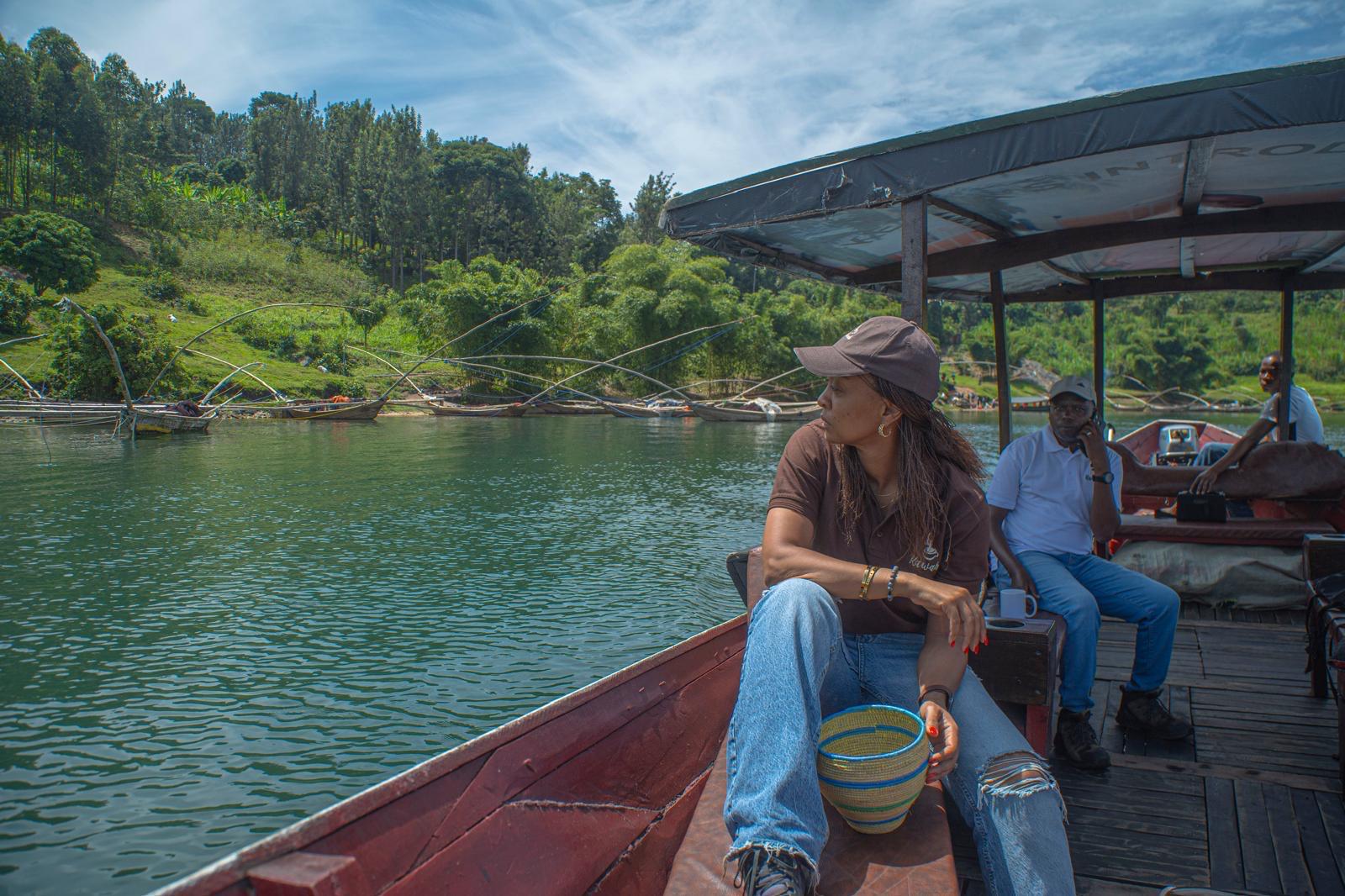
Michaelle Kubwimana, the Managing Director of Kinunu Agroprocessing, is redefining the legacy of her family’s coffee farm. Kubwimana during an interview with IGIHE at IFE-2026
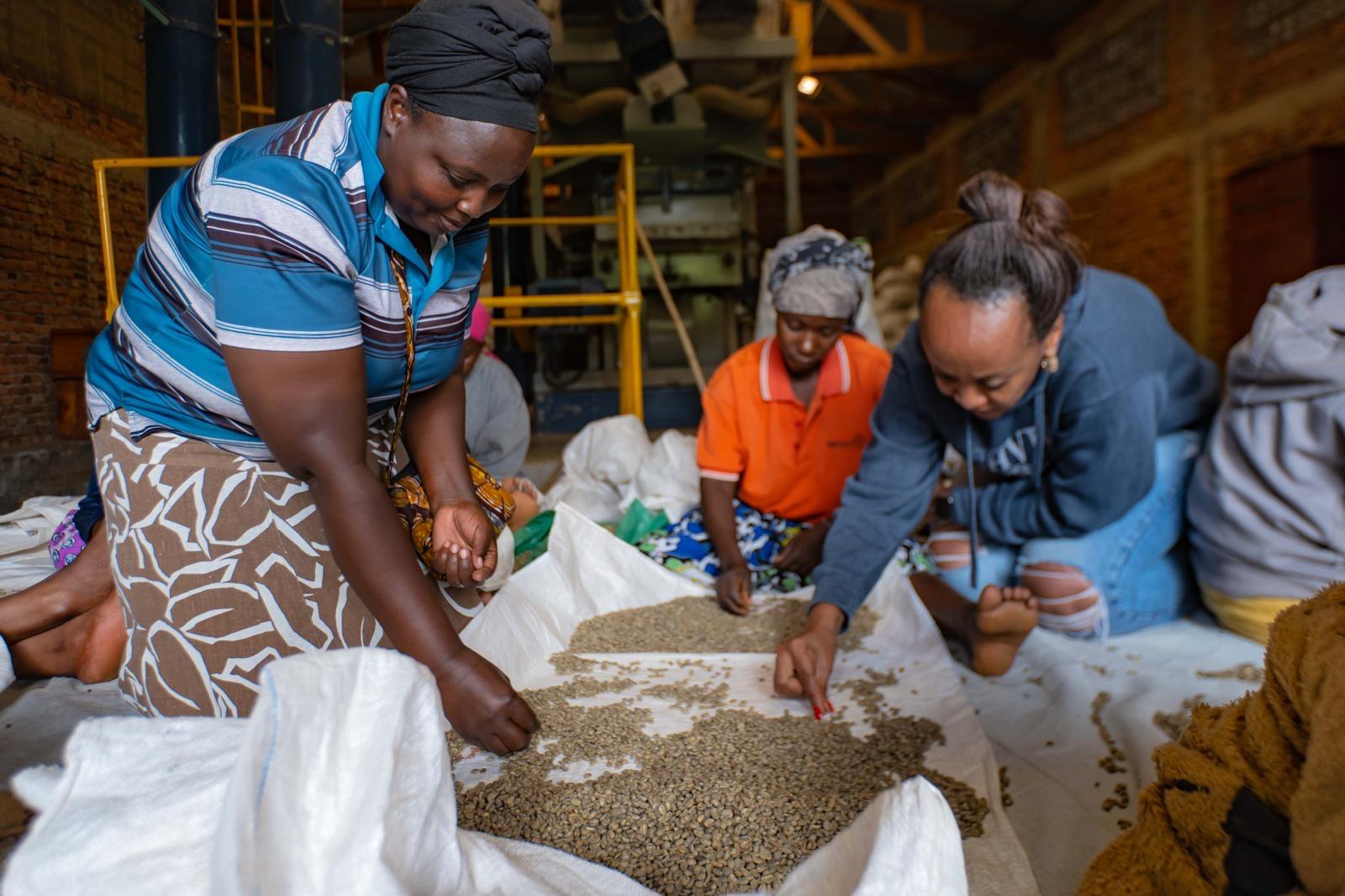
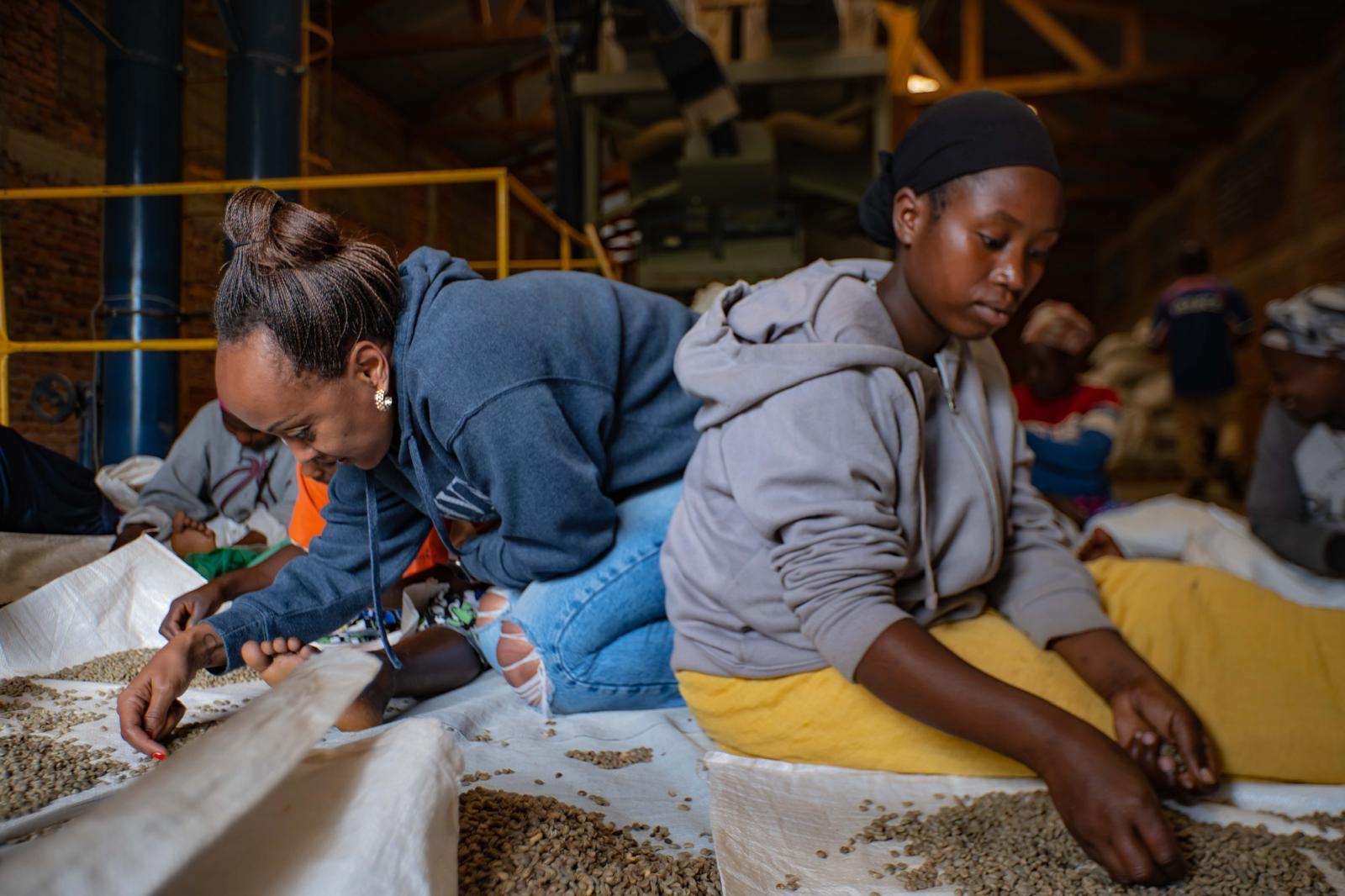
Photos showing Kubwimana and her father with farmers working on their farm in Kinunu
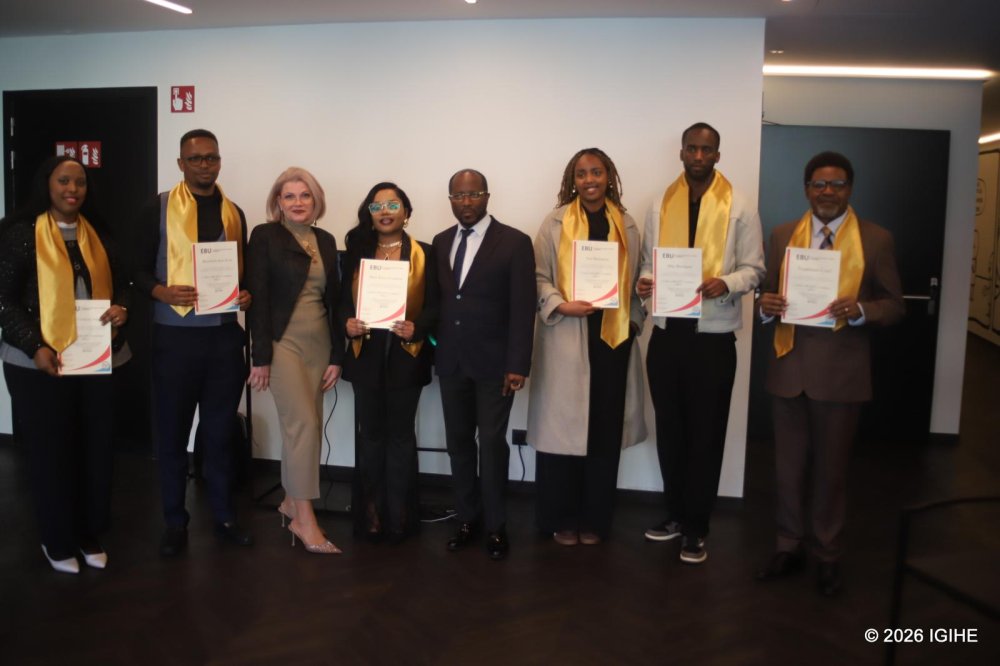
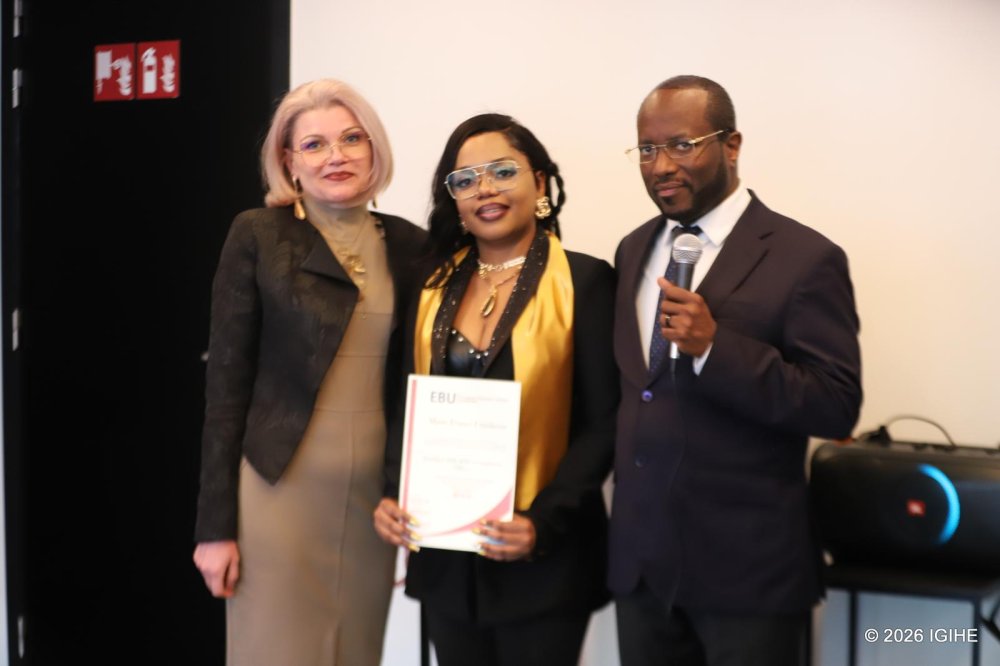
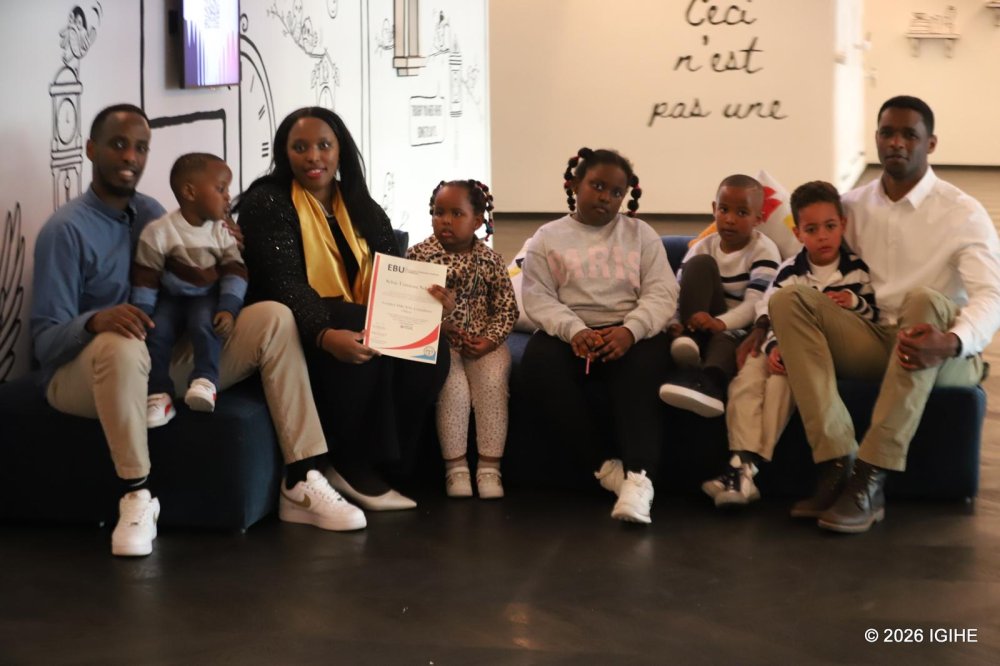
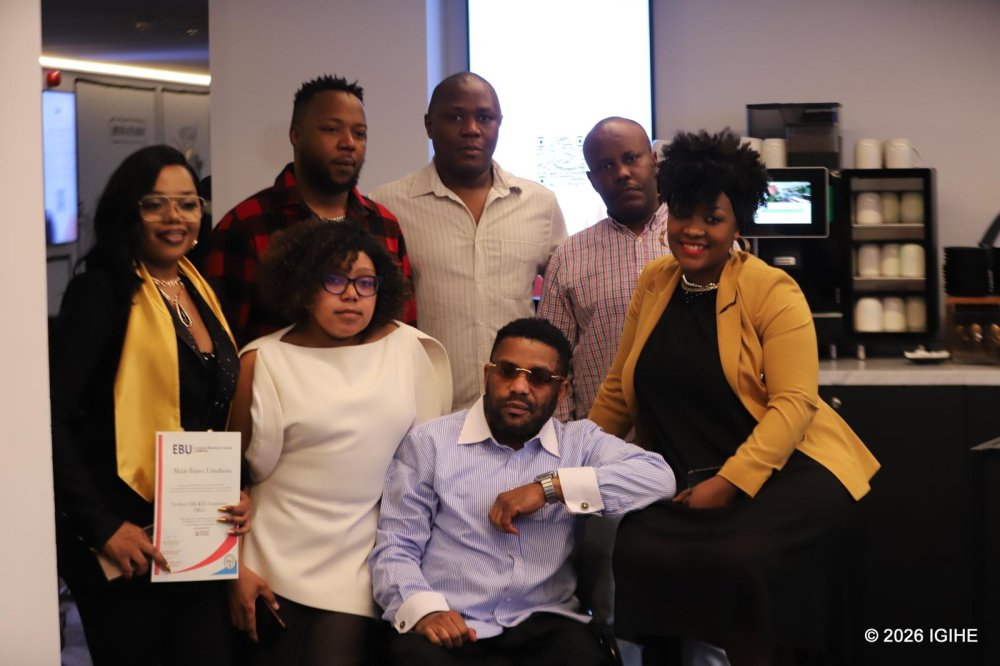
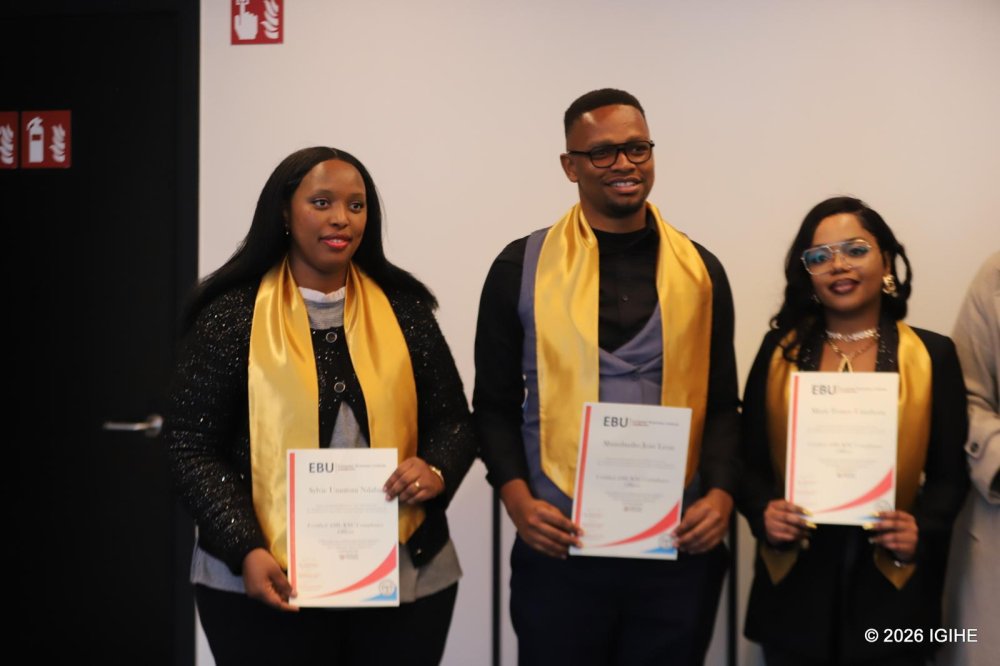
These certificates were issued to six individuals on Saturday following a similar ceremony held on February 28, 2026, when the institution awarded certificates to trainees in Kigali.
In an interview with IGIHE, the founder and CEO of CTC, Janvier Nzamutuma, stated that the institution established in 2019, aims to become an international reference in professional training in financial compliance, with a particular focus on the African continent.
CTC partners with the European Business University based in Luxembourg to offer the training.
Nzamutuma explained that the institution has expanded its operations to several countries, including Rwanda, where it offers specialized courses in finance, Anti-Money Laundering (AML), Know Your Customer (KYC) practices, and combating the financing of terrorism.
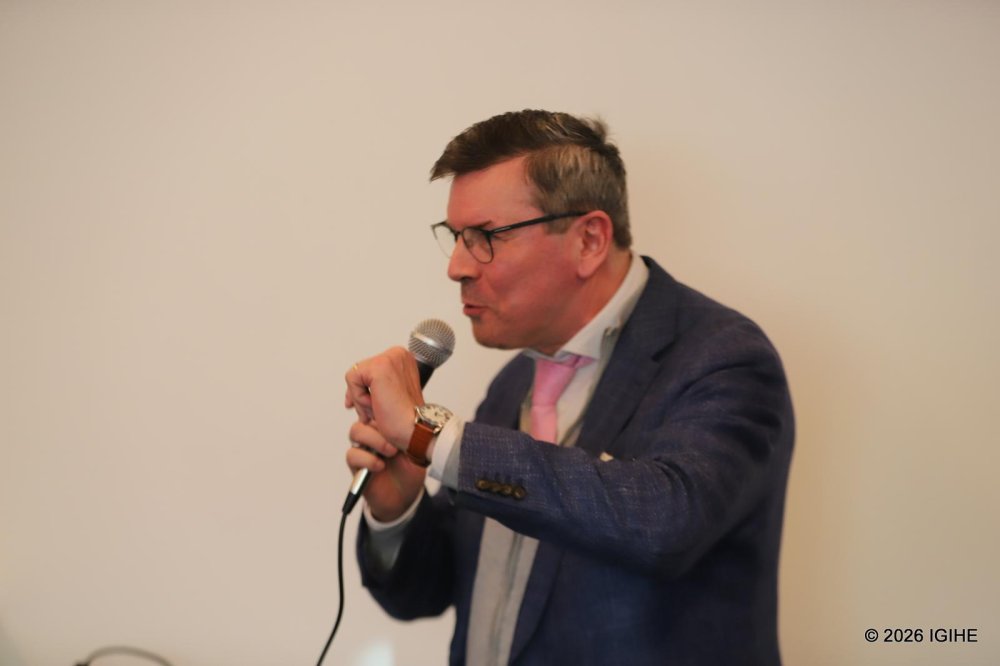
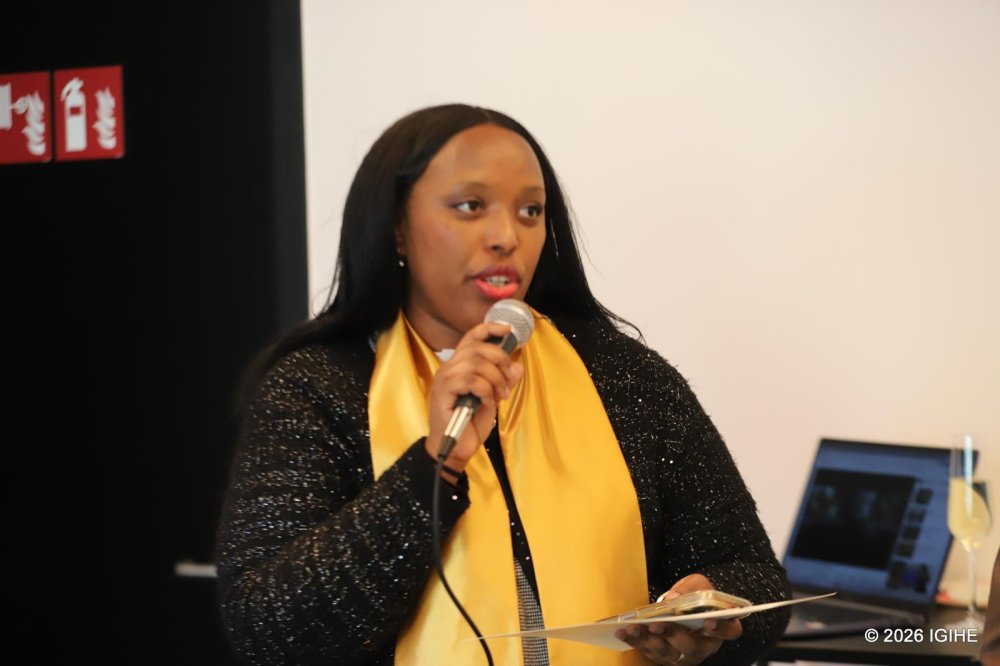
The graduation ceremony in Belgium took place on March 28, 2026, just a month after a similar event in Rwanda.
He emphasized that such ceremonies not only recognize graduates but also motivate them to pursue professionalism in their careers.
“The recent certificate award ceremonies held in Brussels at the Cardo Brussels Autograph Collection on March 28, 2026, as well as the graduation ceremony in Kigali on February 28, 2026, illustrate this dynamic of professional development,” he noted.
“These events recognized participants who successfully completed rigorous training programs, while reinforcing their commitment to achieving high professional standards,” Nzamutuma added.
CTC operates with two main objectives. In Europe, it focuses on training individuals seeking to enter the financial sector by equipping them with the skills, knowledge, and experience needed, particularly for African markets.
In Africa, the institution targets professionals already working in the financial sector, as well as those aspiring to join it, by providing advanced training.
He further highlighted that CTC’s current strategy is based on building partnerships with African financial institutions in order to offer training programs adapted to local realities.
These trainings are mainly delivered by experts based in Luxembourg, recognized as one of the world’s leading financial centers.
As Nzamutuma said, the objective is to facilitate the transfer of knowledge and expertise from Luxembourg to African countries, starting with Rwanda, a country experiencing strong growth in the financial sector.
“Beyond certification, the initiatives carried out in Brussels and Kigali aim to encourage participants to gain international professional experience and to use these skills to contribute to the development of Africa’s financial sector,” he stated.
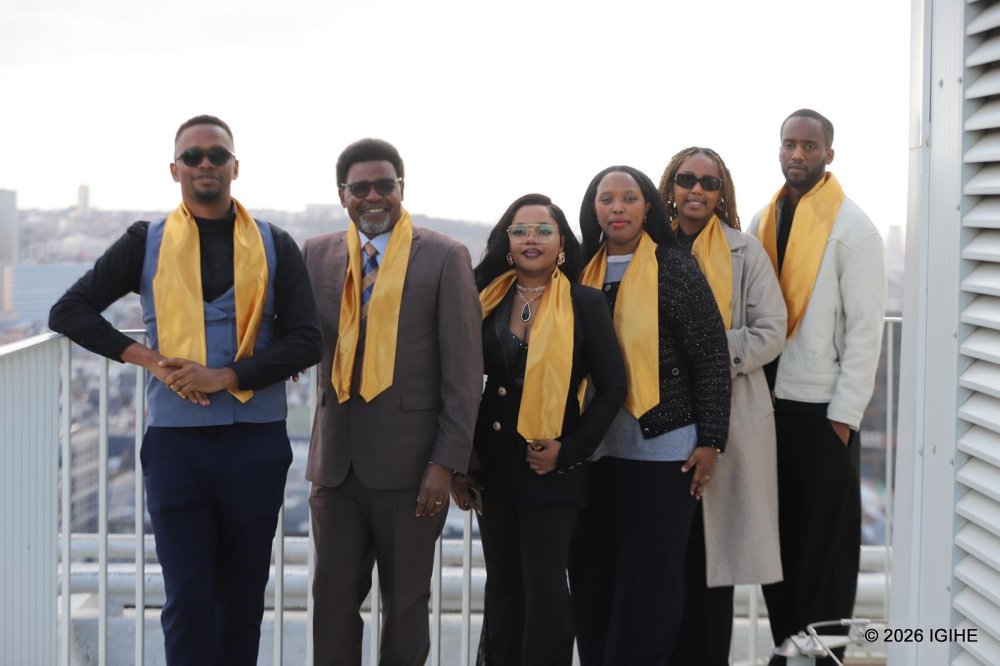
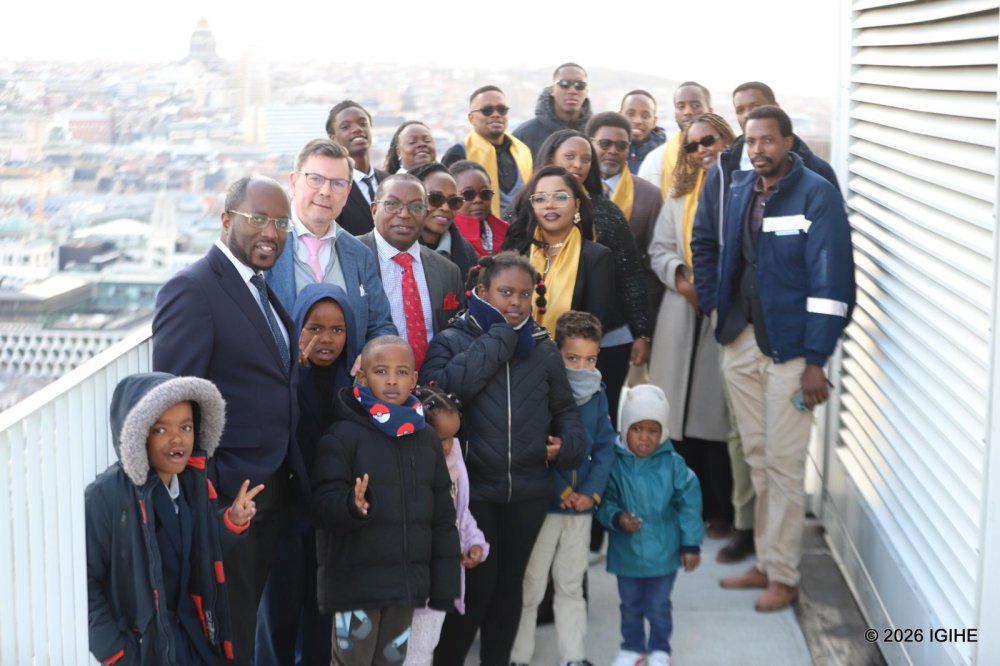
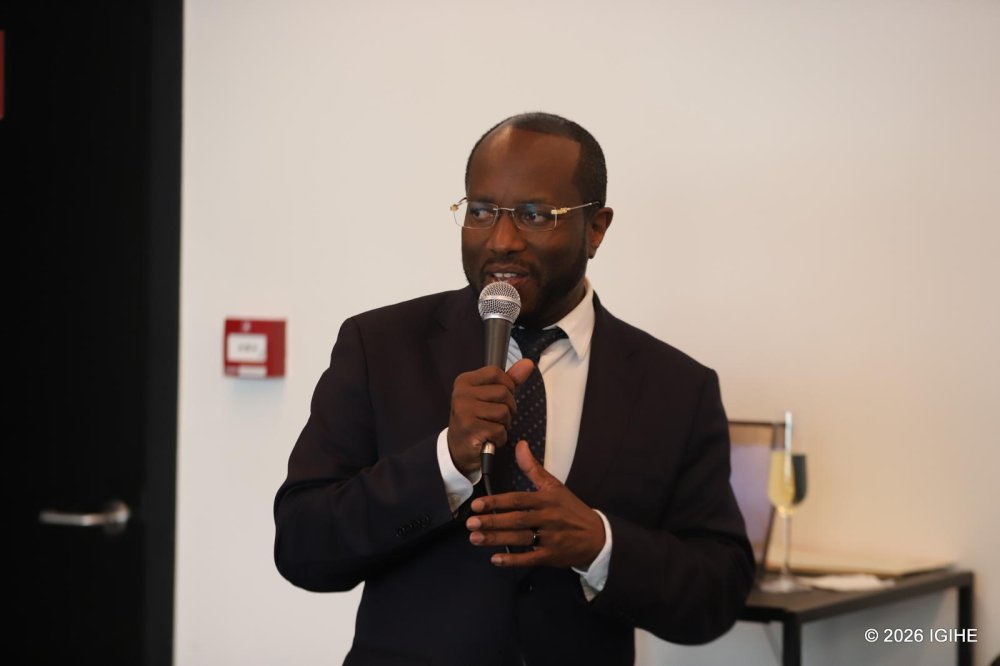
Participants of teh training in a group photo. The graduation ceremony took place on Saturday. CEO of CTC, Janvier Nzamutuma, stated that the institution established in 2019, aims to become an international reference in professional training in financial complianceOne of trainers delivering a speech at the event. The latest cohort followed a graduation ceremony that coincided with CTC launch in Kigali in February 2026.
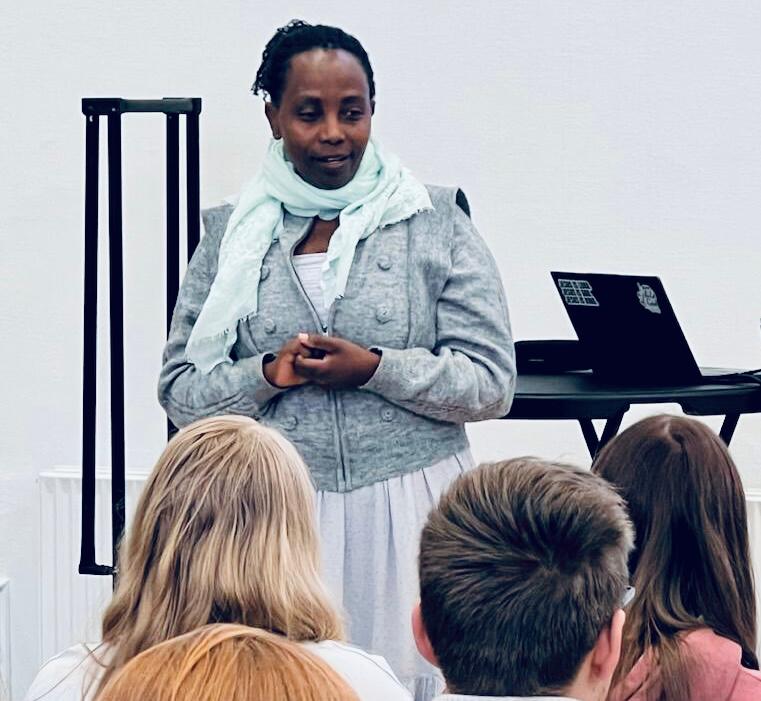
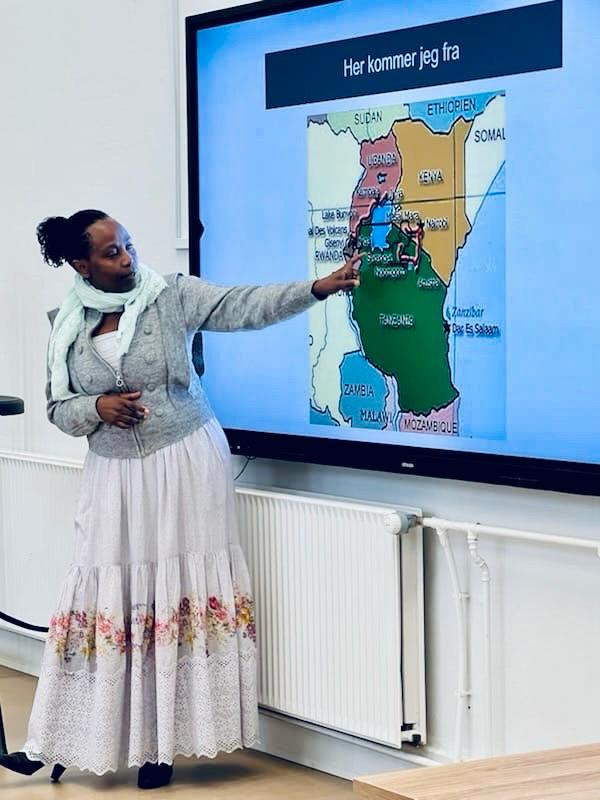
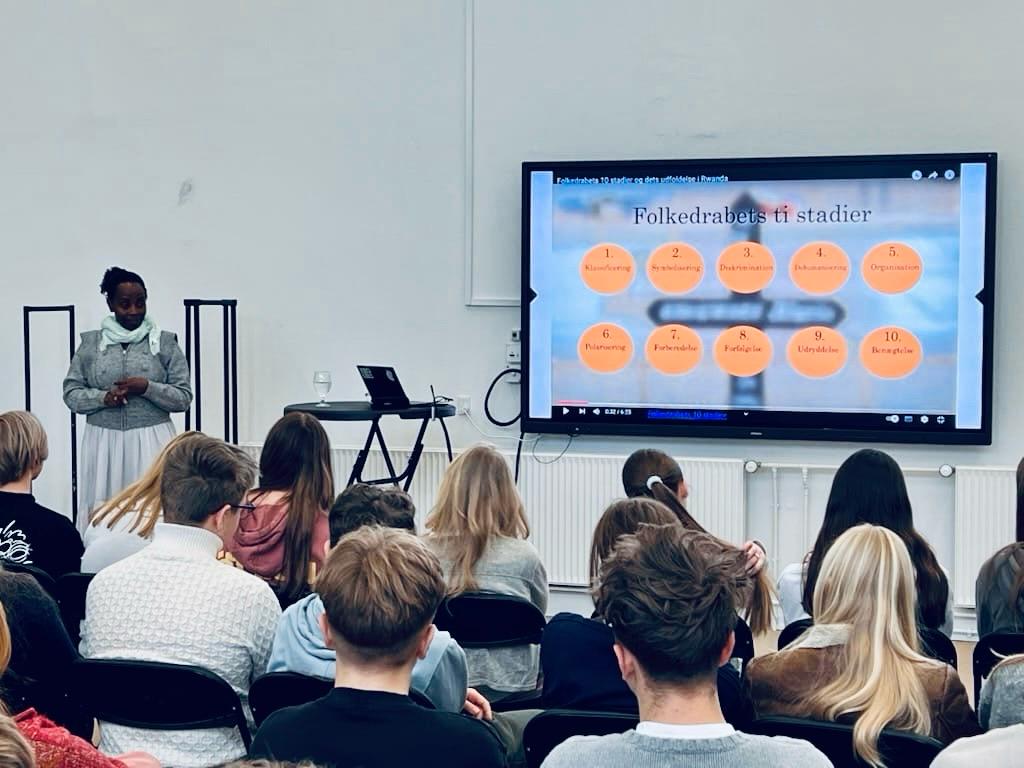
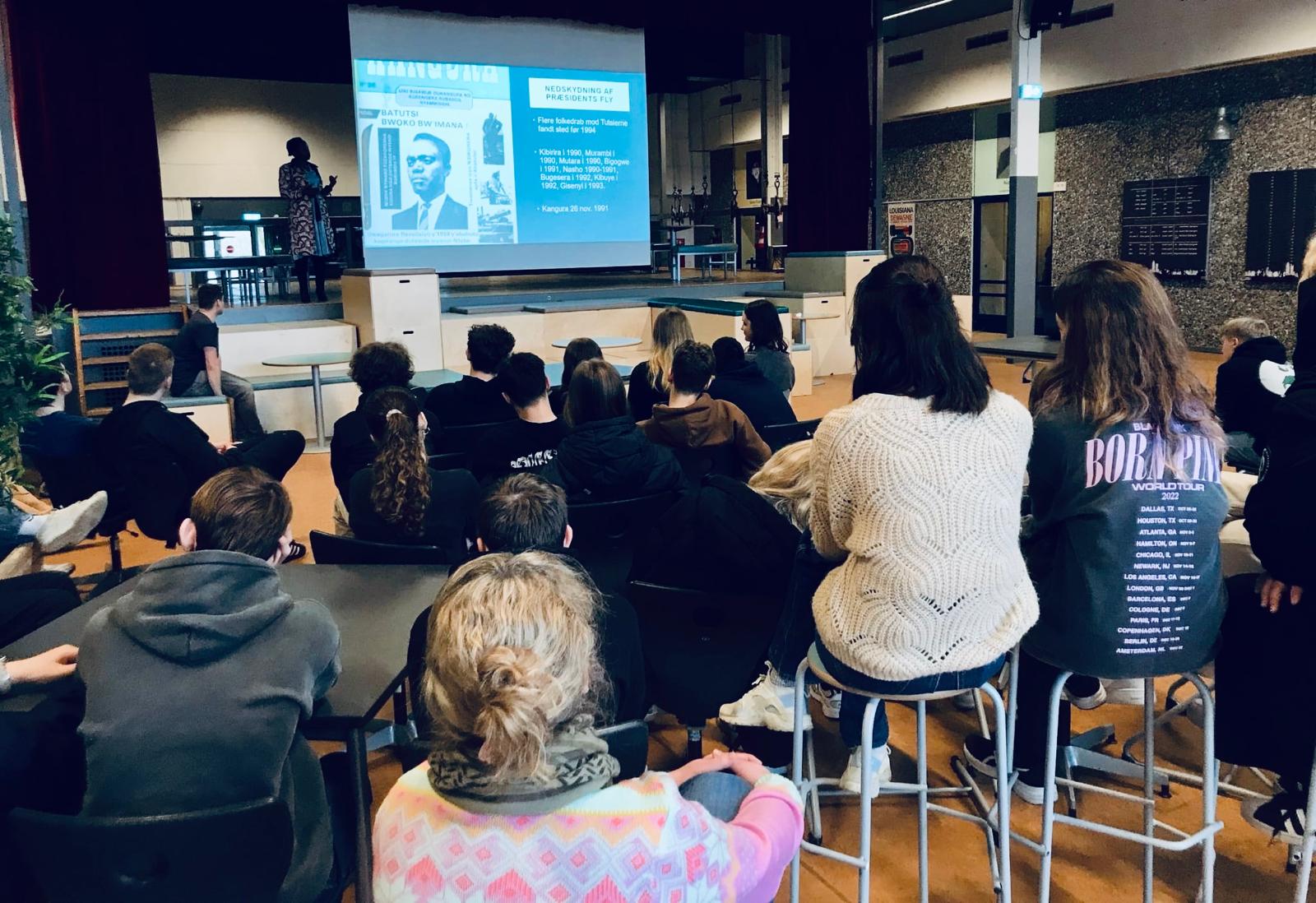
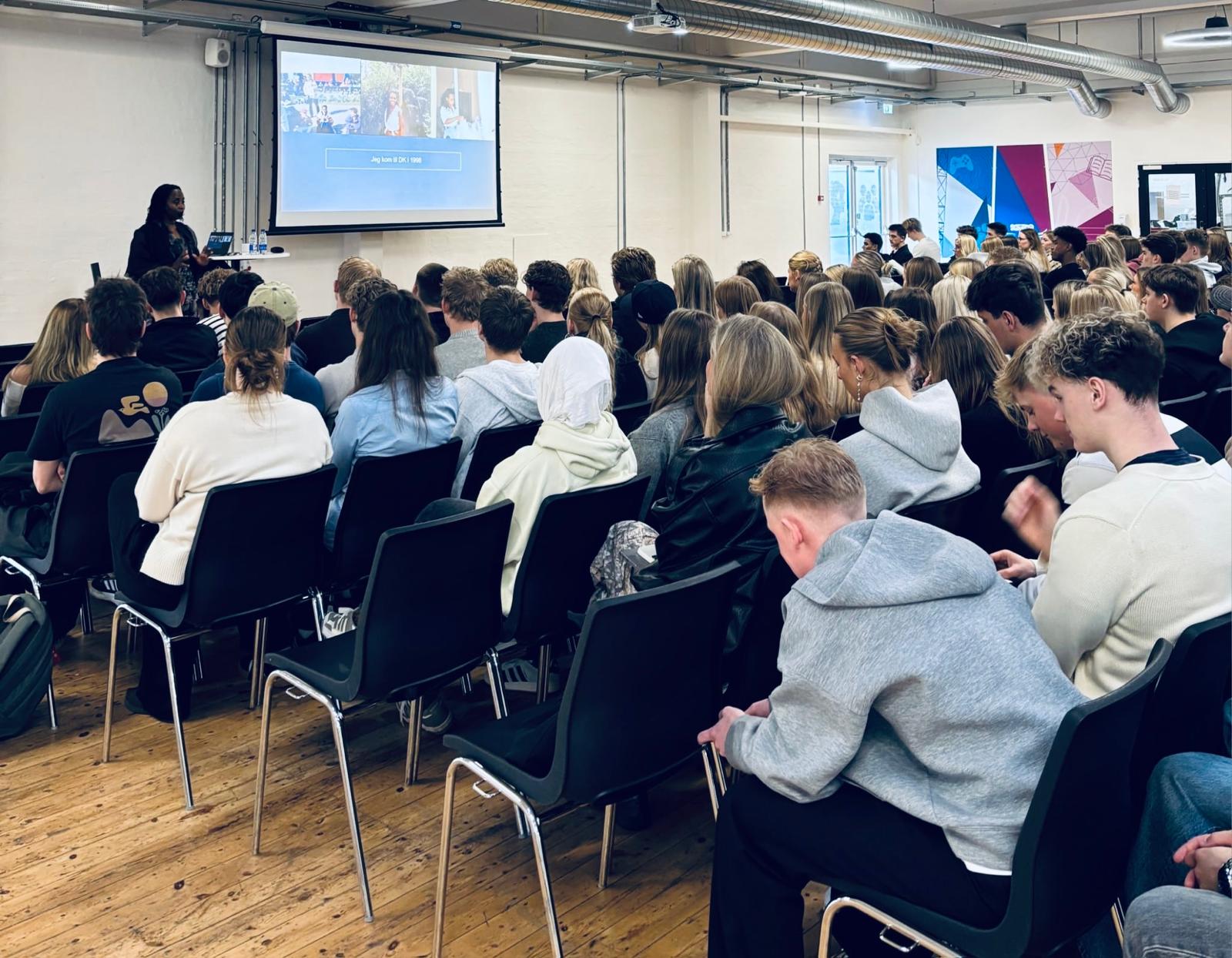
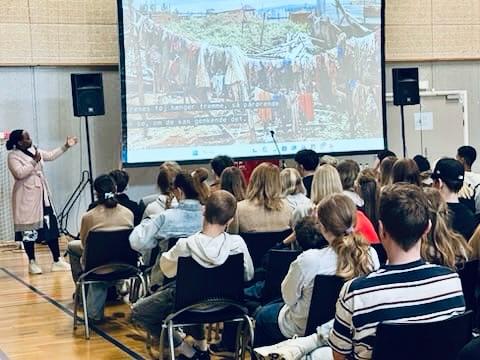
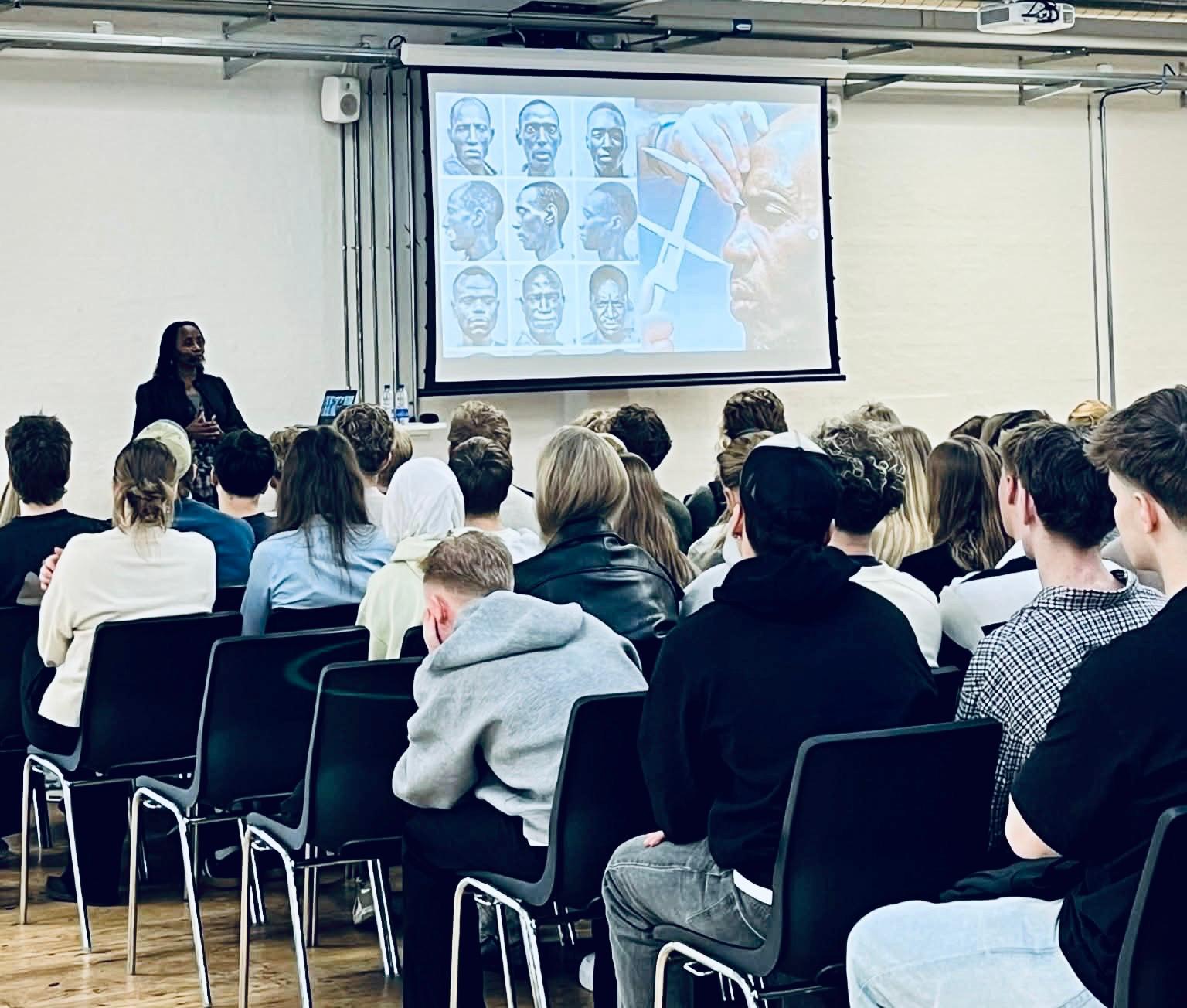
Speaking to IGIHE, Jackiline Hansen explained her efforts to raise awareness among students about the genocide ahead of the 32nd commemoration period.
Hansen said her commitment to this work began within the Rwandan community in the Jylland-Fyn region through Kwibuka activities organized to honor victims of the genocide.
“My commitment began with our early initiatives within the Rwandan community in Jylland-Fyn, particularly through Kwibuka activities dedicated to commemorating the victims of the genocide,” she said.
She noted that from a young age, she felt a personal responsibility to share Rwanda’s history and ensure that the truth about the genocide is preserved.
“From a young age, I made it my mission to convey the truth about Rwanda’s history, guided by my convictions and the lessons I have received,” she explained. “I strongly believe that every Rwandan has a responsibility to defend the memory of our history, especially in the face of those who distort, downplay, or even deny it.”
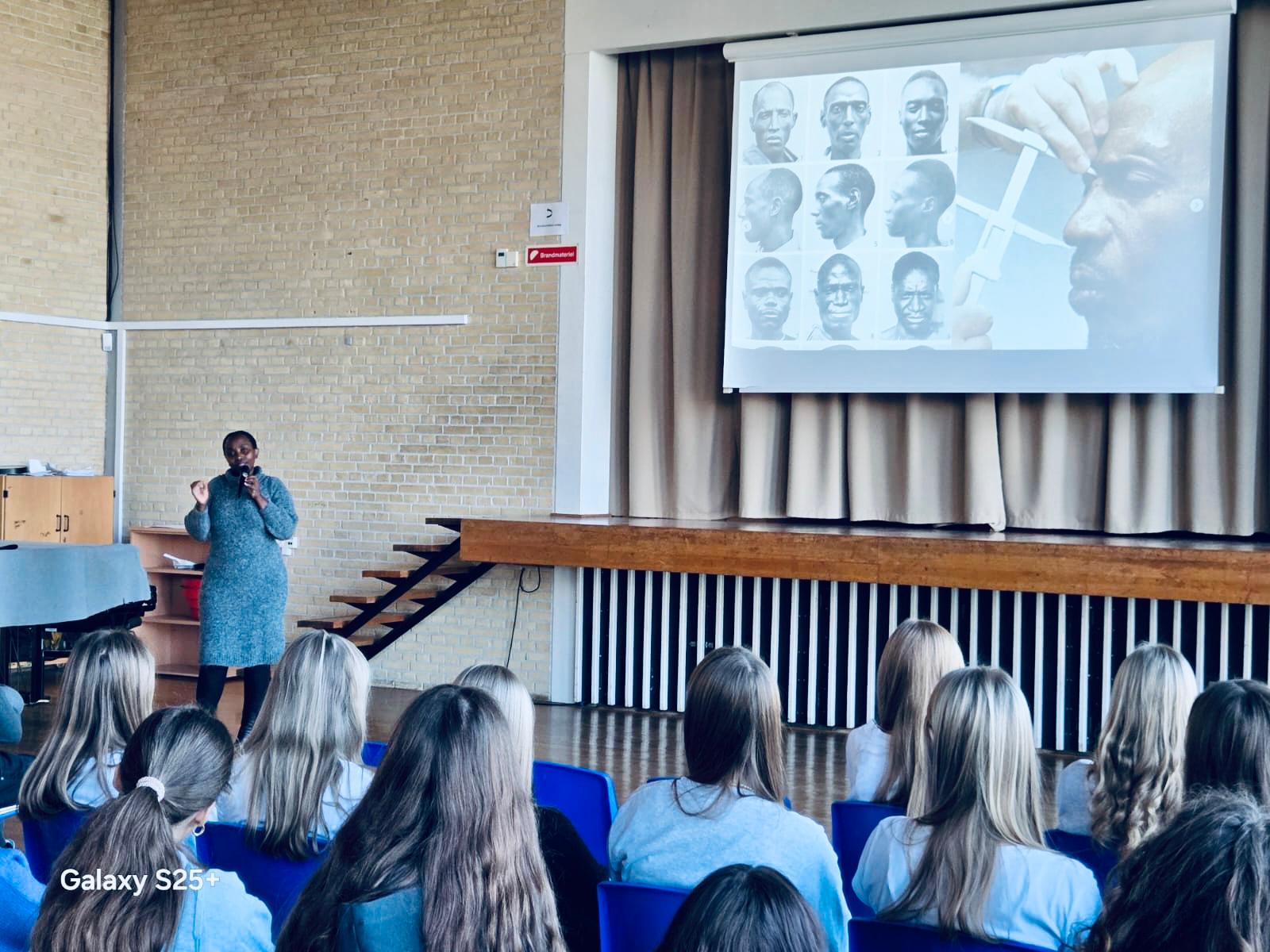
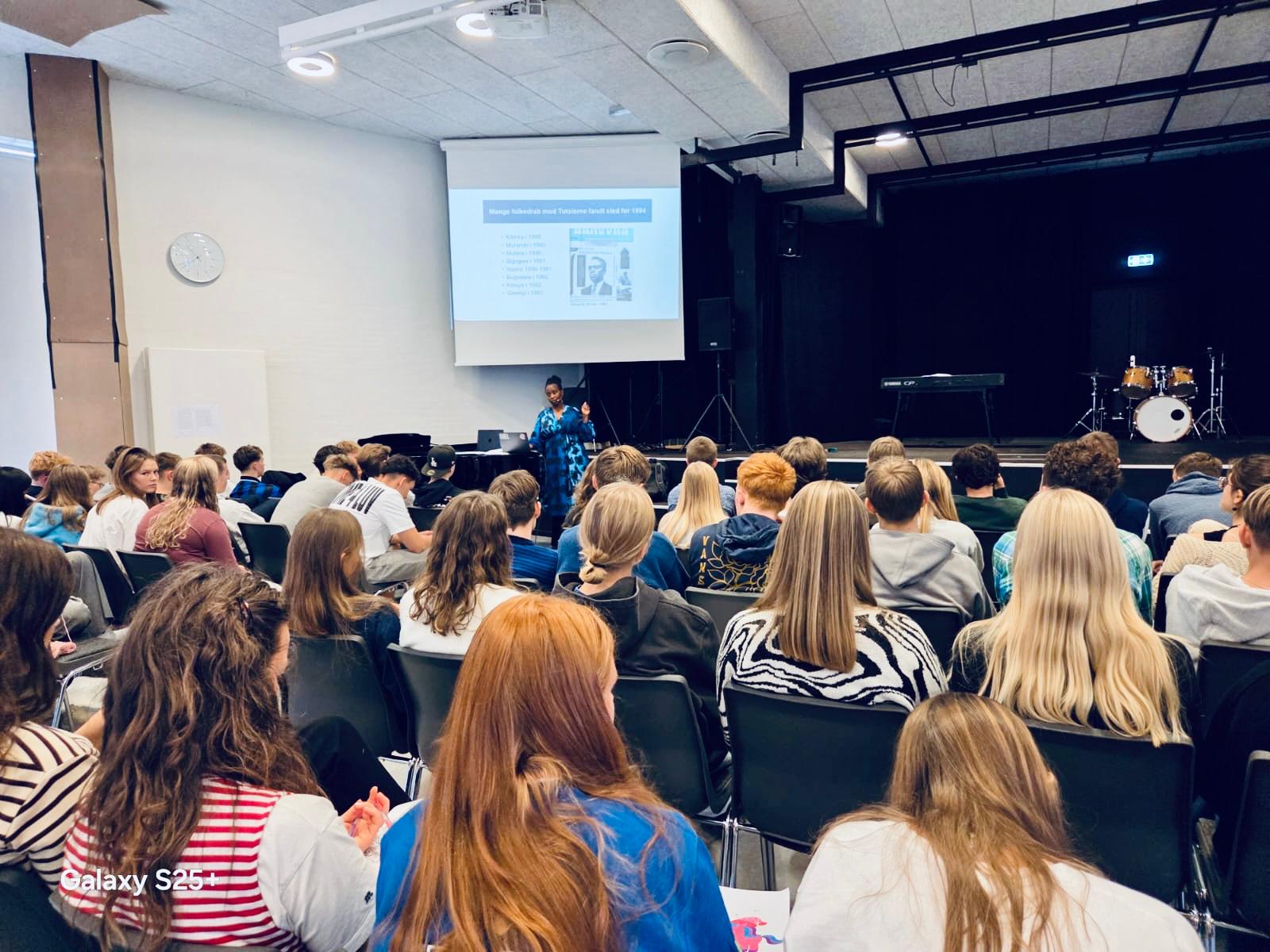
As part of her awareness efforts, Hansen recently led educational sessions in six schools across Copenhagen, where she engaged more than 400 students in discussions about the genocide and its lasting impact.
The sessions created a space for dialogue and reflection, focusing on themes such as collective responsibility, justice, the reconstruction of Rwandan society after the genocide, and the country’s ongoing efforts to promote sustainable development and strengthen resilience among its population.
Hansen recalled one particularly memorable moment during the sessions.
“During one session, some students invited their parents to join the discussion, showing that passing on memory can go beyond school walls and reach the wider community,” she said.
According to Hansen, the strong engagement from students highlighted the importance of educating younger generations through consistent initiatives that preserve historical memory and promote understanding.
“Speaking about our history as Rwandans is a true responsibility,” she concluded.
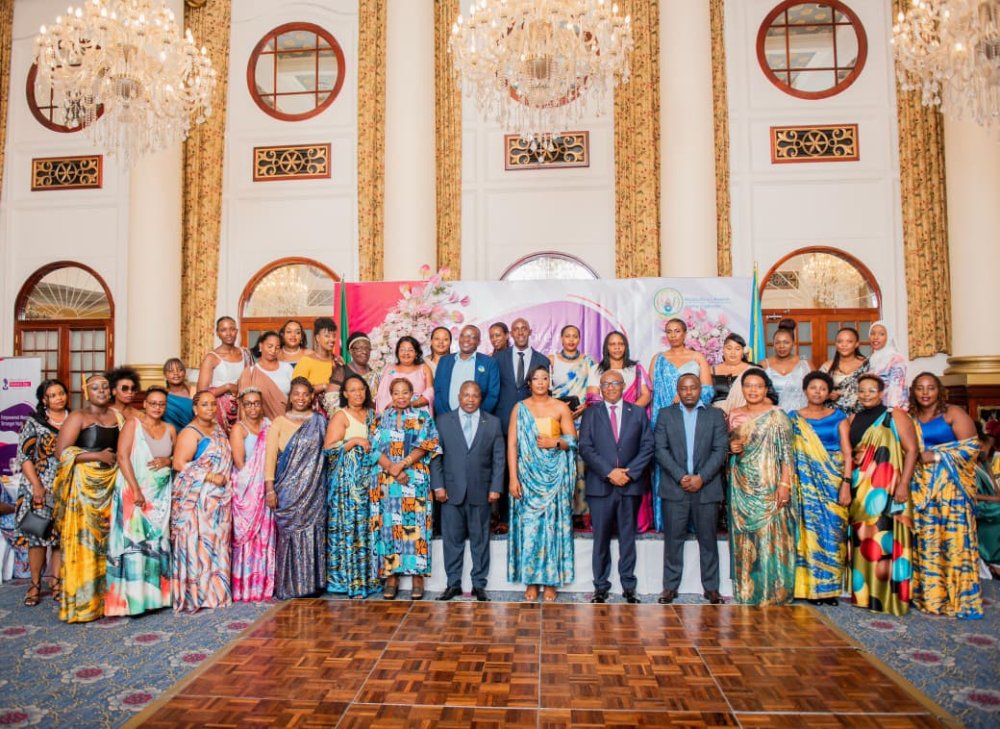
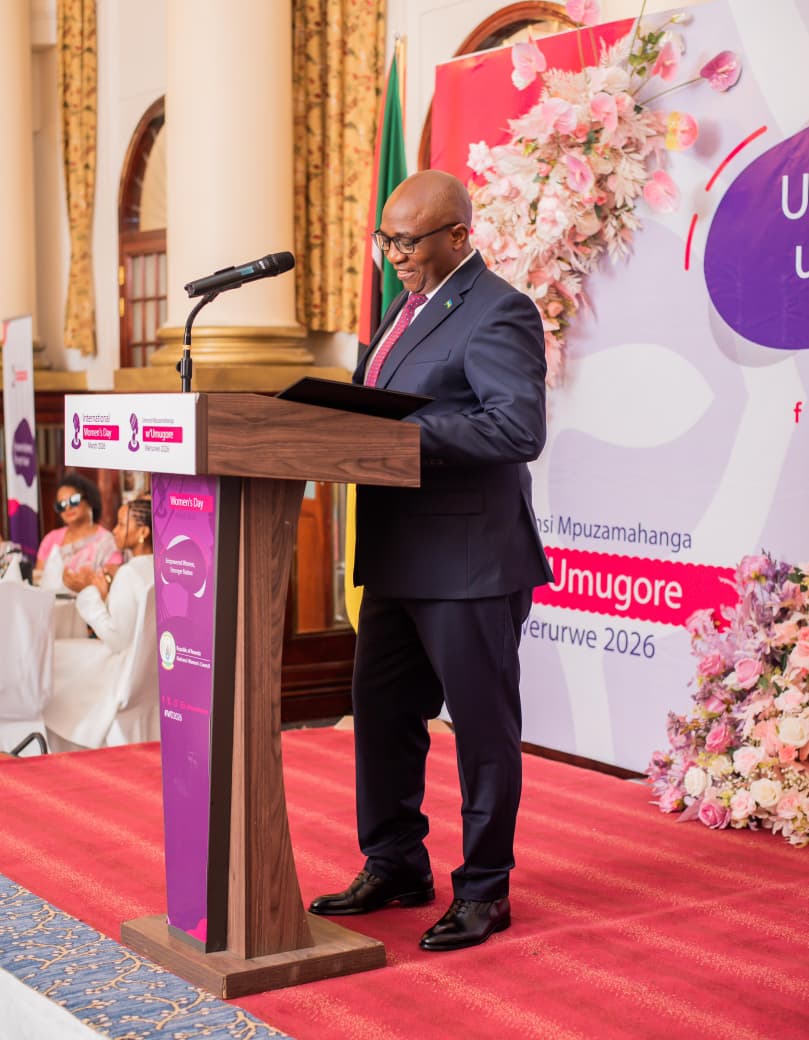
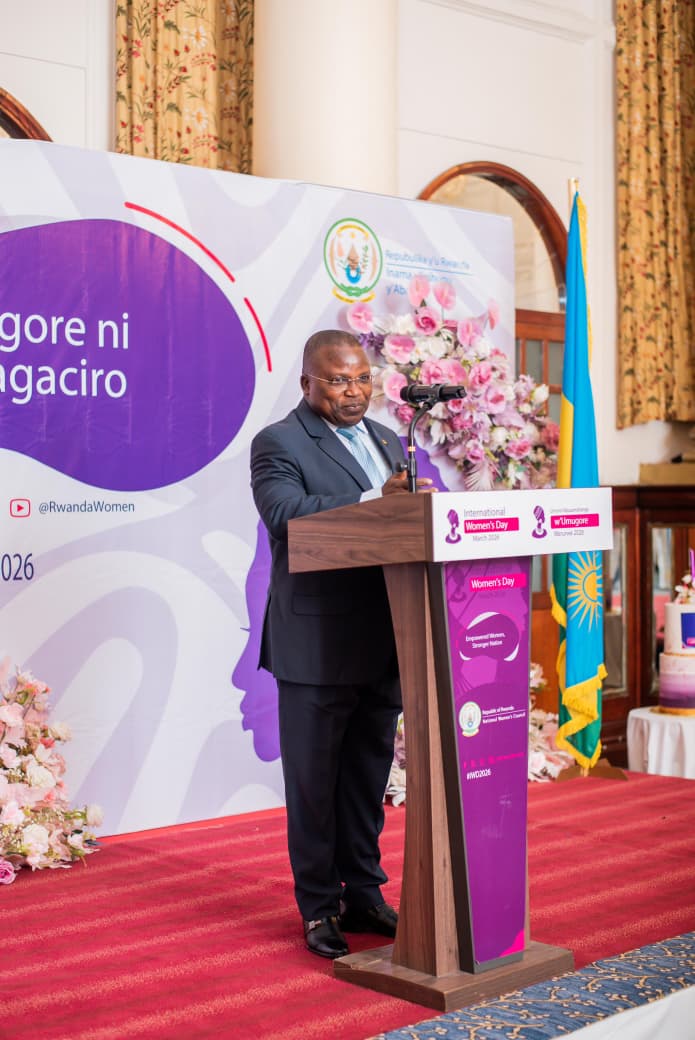
The event brough together over 120 people, including Kenneth Viagem Marizane, the Minister of State in the Ministry of Labor, Gender, and Social Affairs; Dr. Anabela Inguane, who represented the President of the Maputo City Council; and Rwanda’s Ambassador to Mozambique, Col (Rtd) Donat Ndamage.
Sangwa Aline, the Commissioner responsible for women’s development within the Rwandan community in Mozambique, emphasized that celebrating this day reaffirms the value women hold in the country’s development.
“Let us make the most of the opportunities granted to us by our country, build our self-confidence, and empower ourselves,” she stated.
Ambassador Col (Rtd) Donat Ndamage underscored that Rwandans have a duty to continue developing a nation that prioritizes gender equality, where women and girls play a full and active role in the country’s social, economic, and political life.
He remarked, “We must continue to build a country marked by equality, justice, and sustainable development, where women and girls are fully involved in the governance and life of the country. Women, do not hesitate, you are capable. In partnerships, you are no longer merely helpers.”
Ambassador Ndamage further stated, “Women have a significant role in the governance of the country. In the National Assembly, 63% are women, 28% of local government leaders are women, and 15% are deputy leaders of local governments. Although these numbers remain low, there is hope that they will continue to rise.”
He also expressed gratitude to President Paul Kagame and President Francisco Daniel Chapo of Mozambique for their continuous efforts in promoting women’s rights, gender equality, justice, and their inclusion in decision-making positions, reiterating that the citizens of both countries are one family.
Kenneth Viagem Marizane praised Rwandan women in Mozambique, saying, “Rwandan women are hardworking, intelligent, ethical, and truly beautiful.”
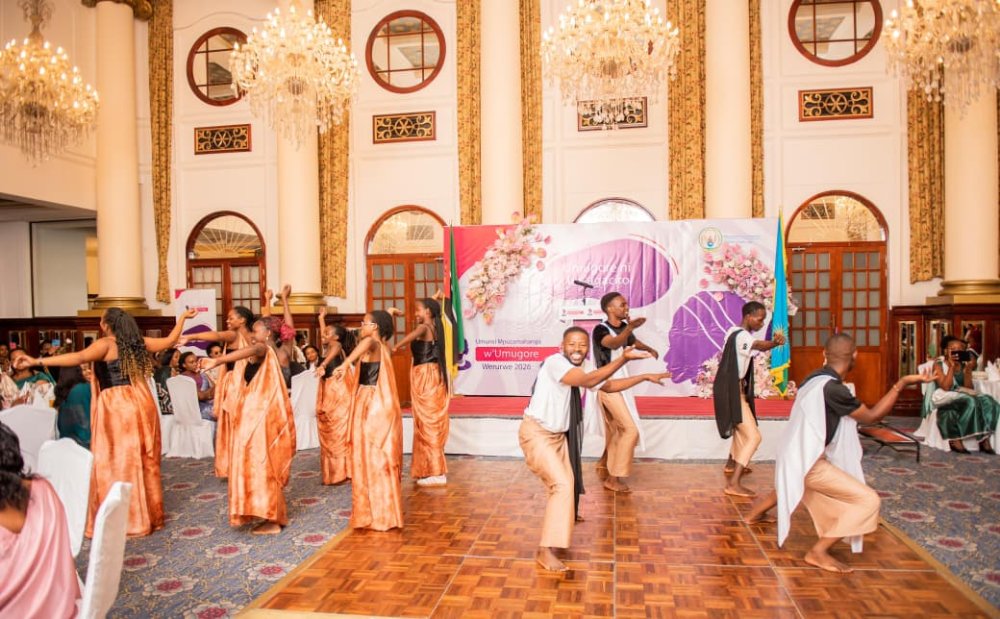
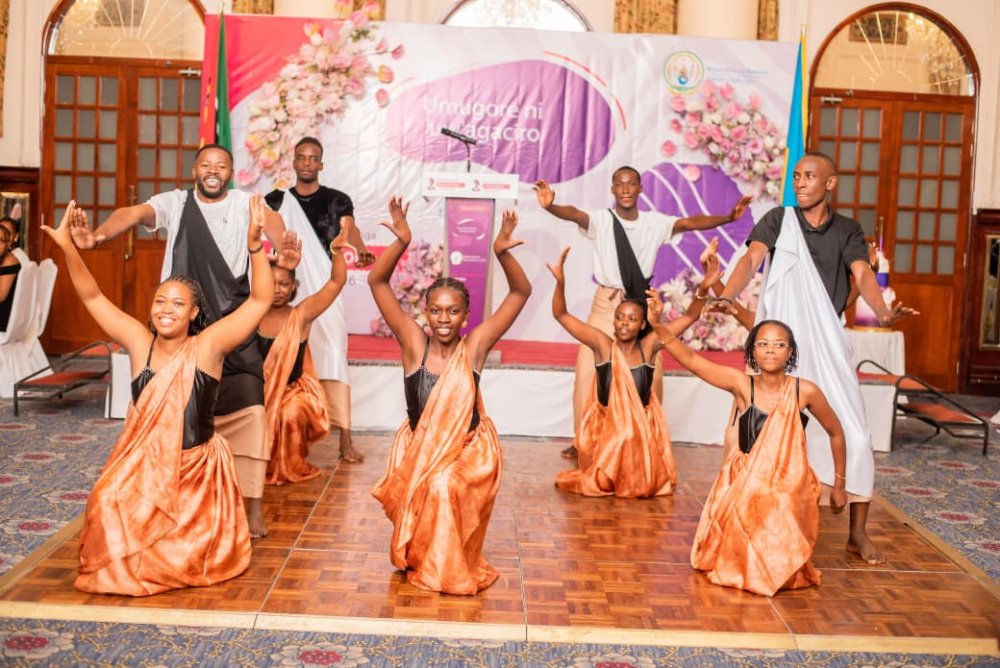
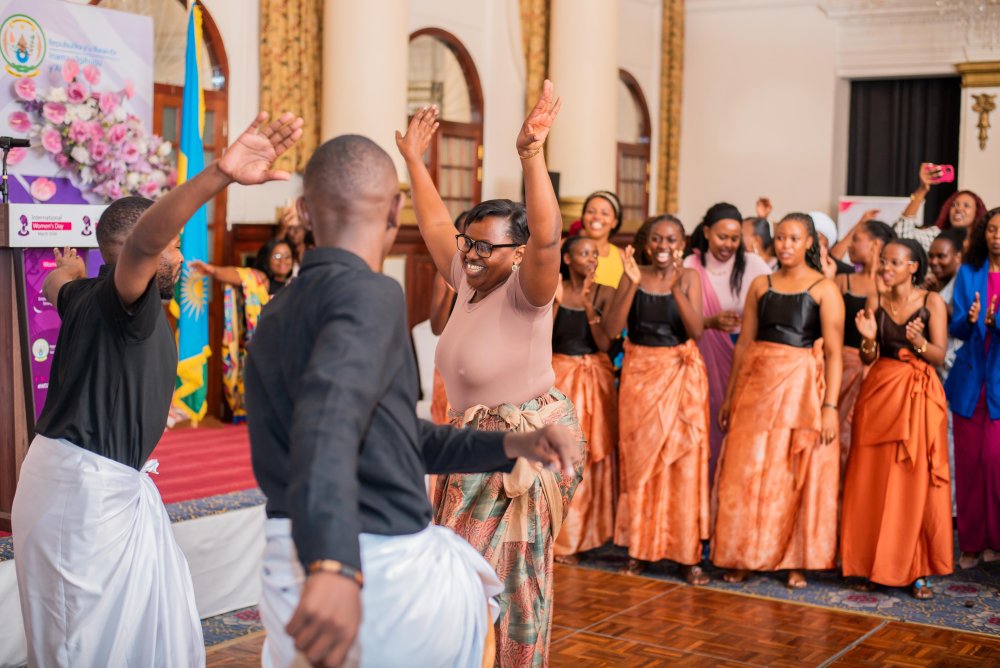
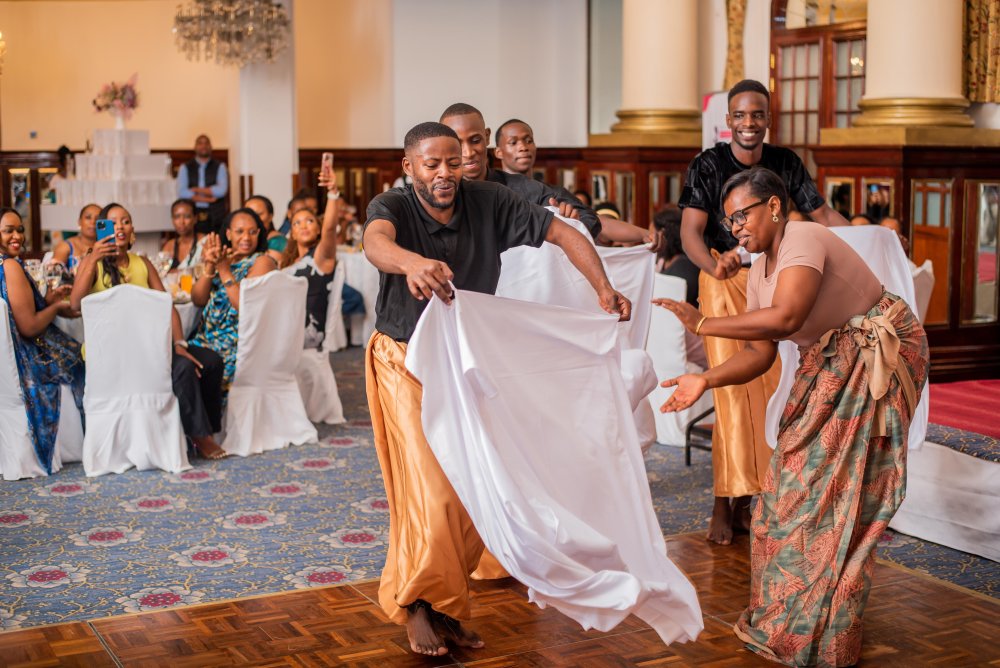
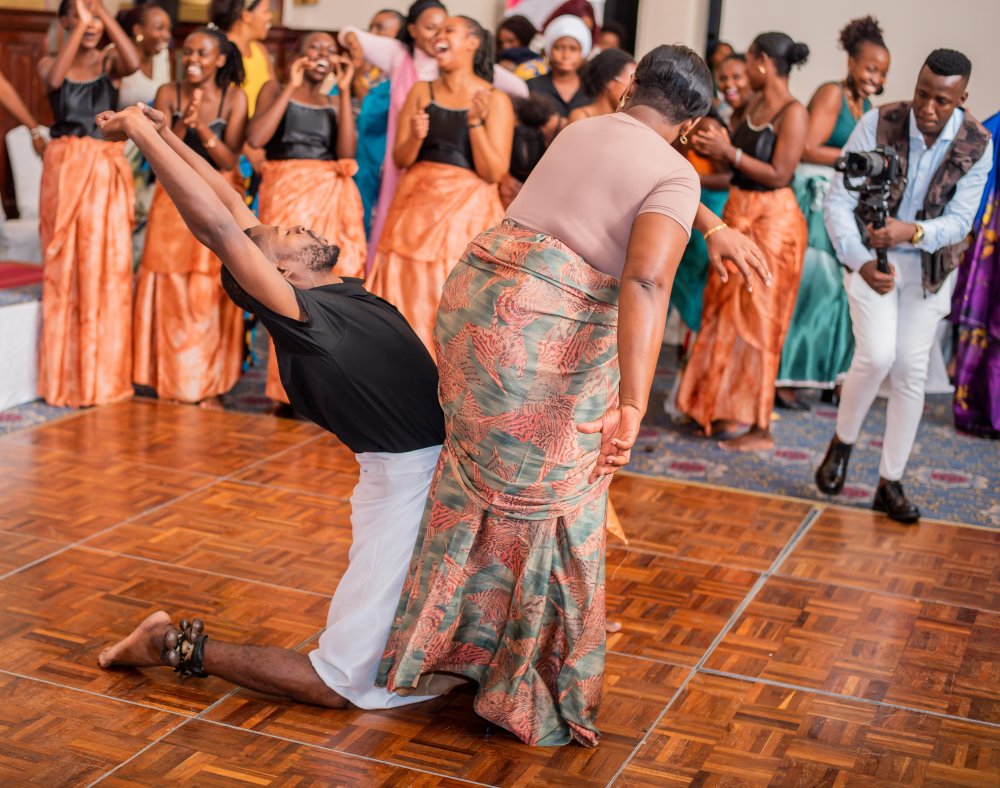
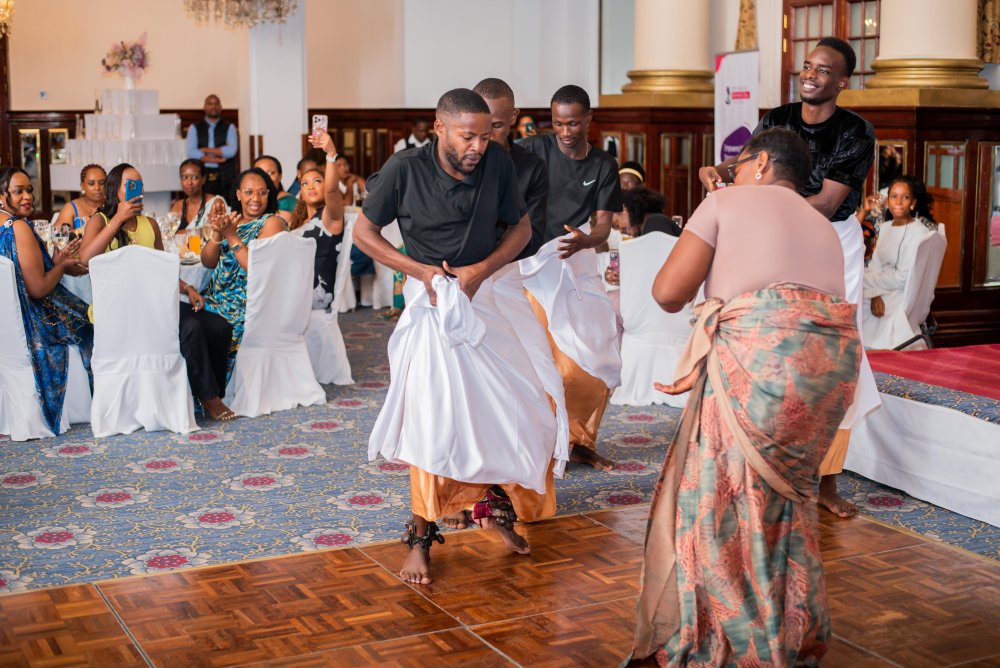
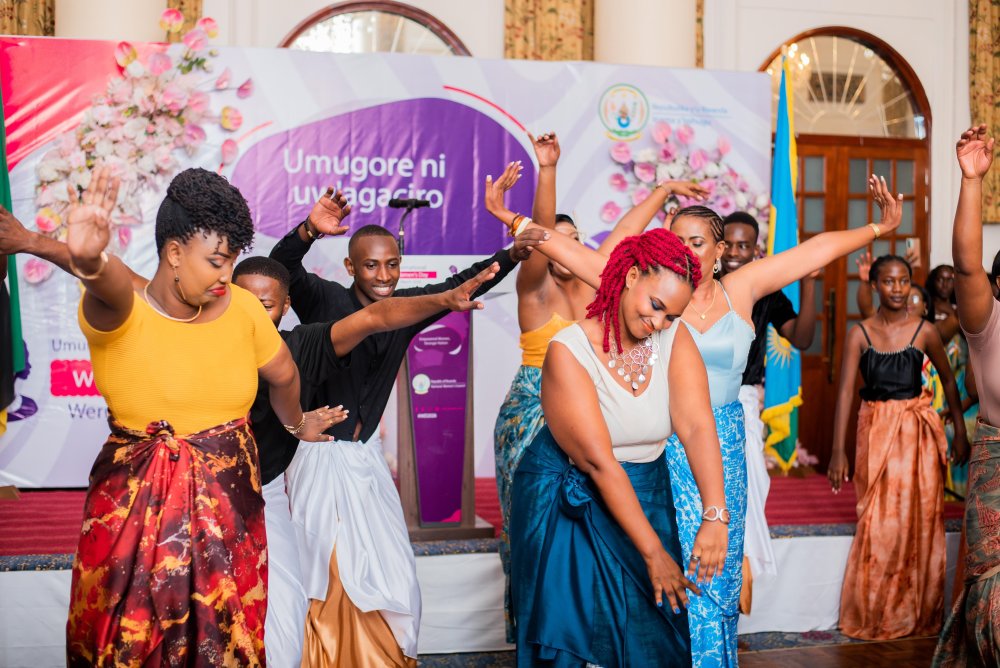
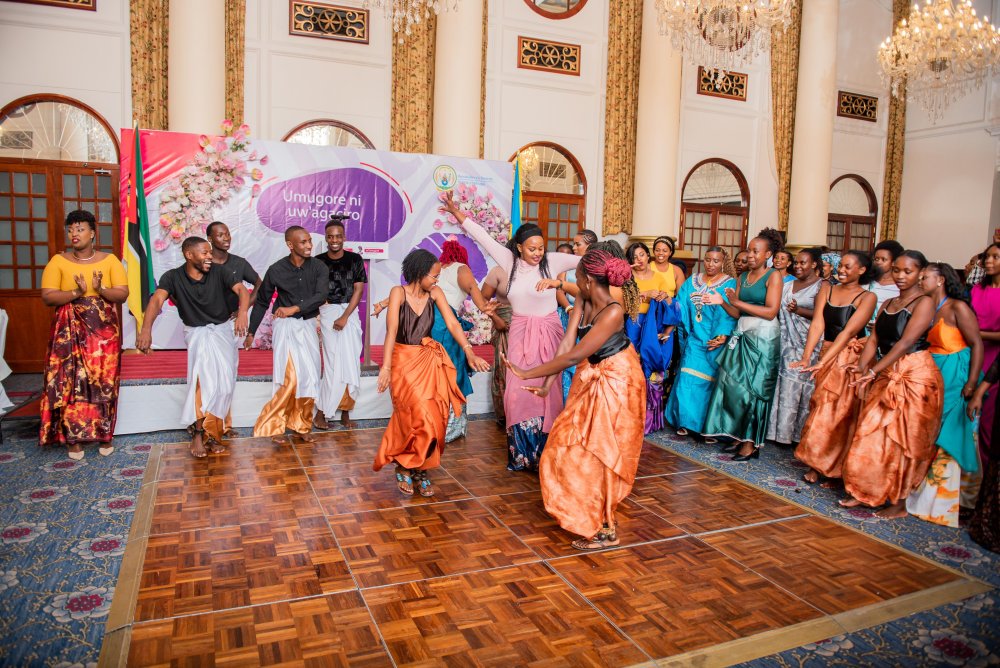
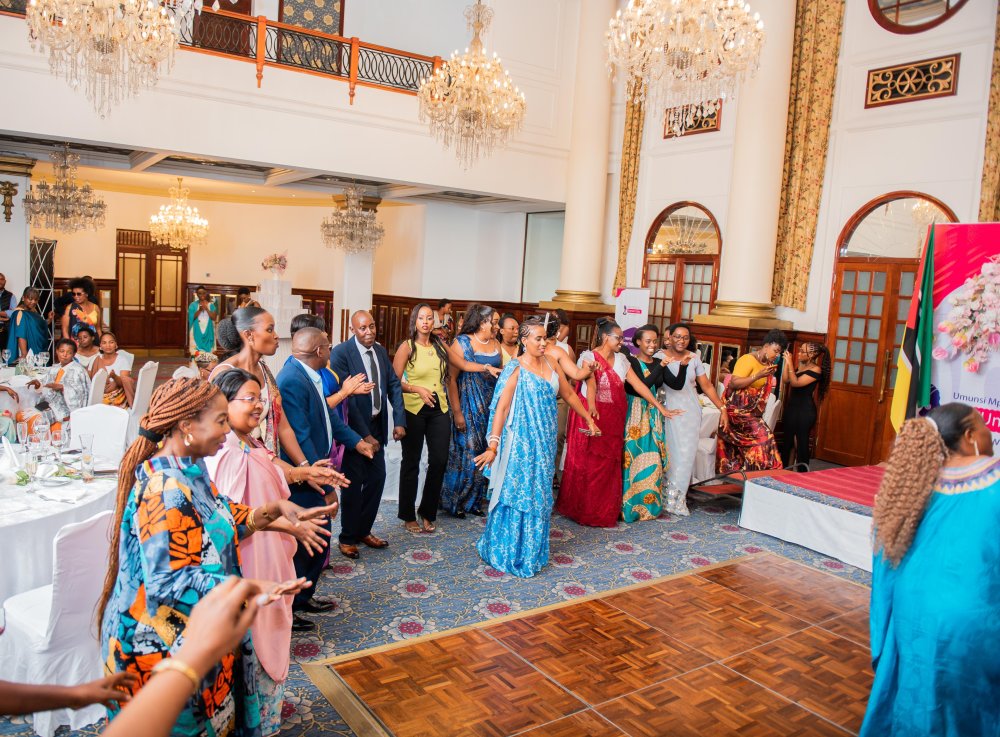
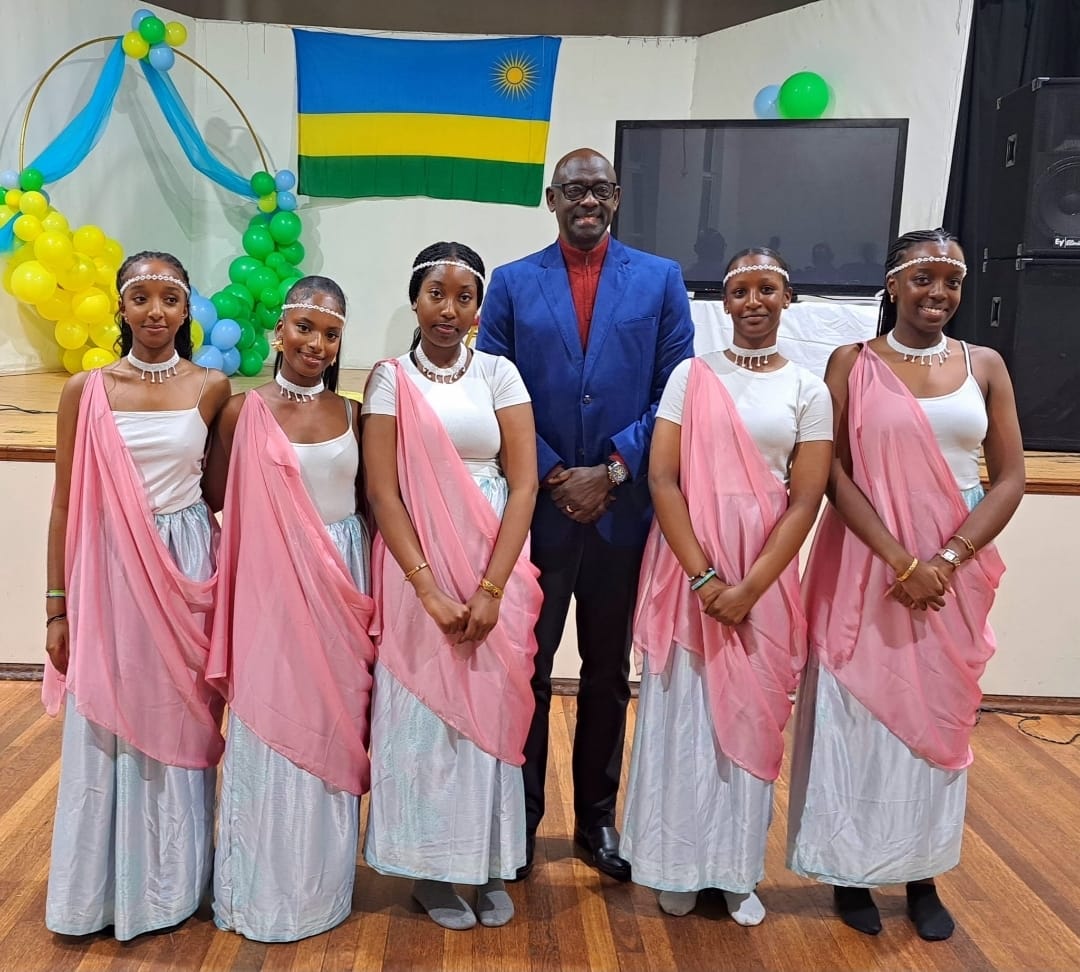
The Rwandan Embassy’s dance troupe in Mozambique entertained the attendees with traditional Rwandan songs and dances, particularly those celebrating the accomplishments of women. Following this, the event continued with social interaction and networking.
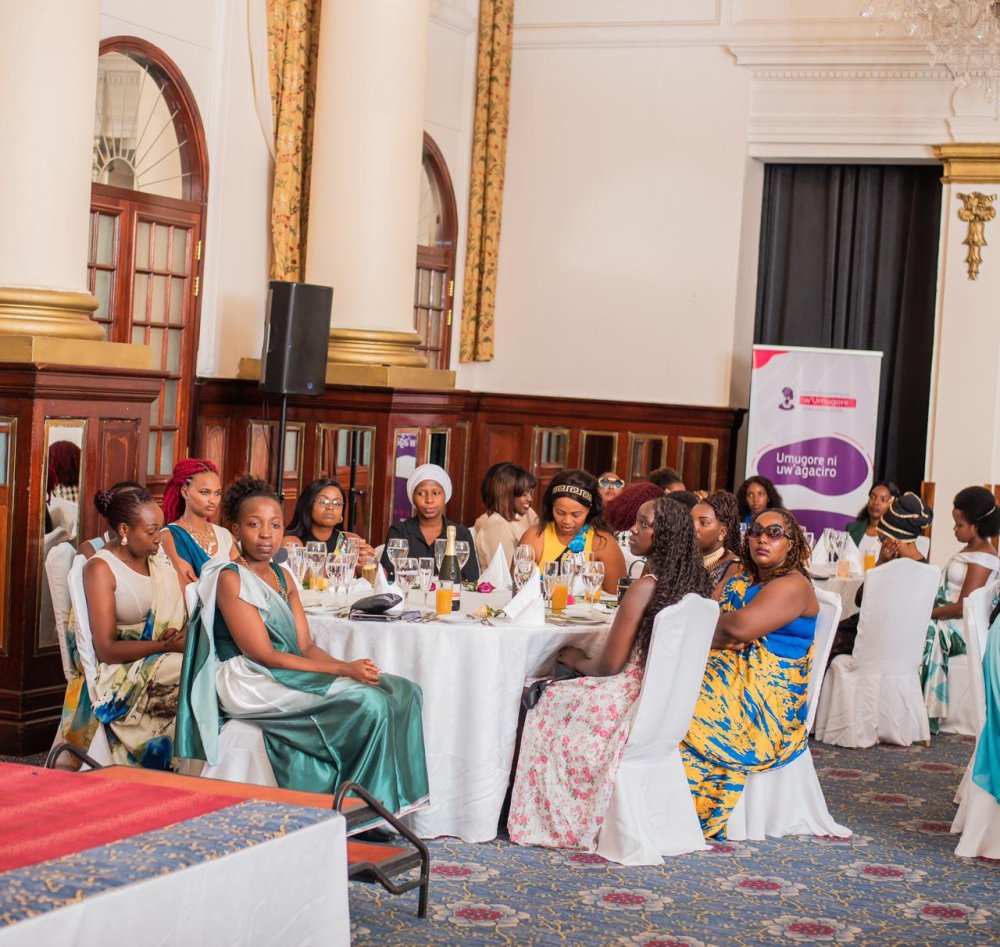
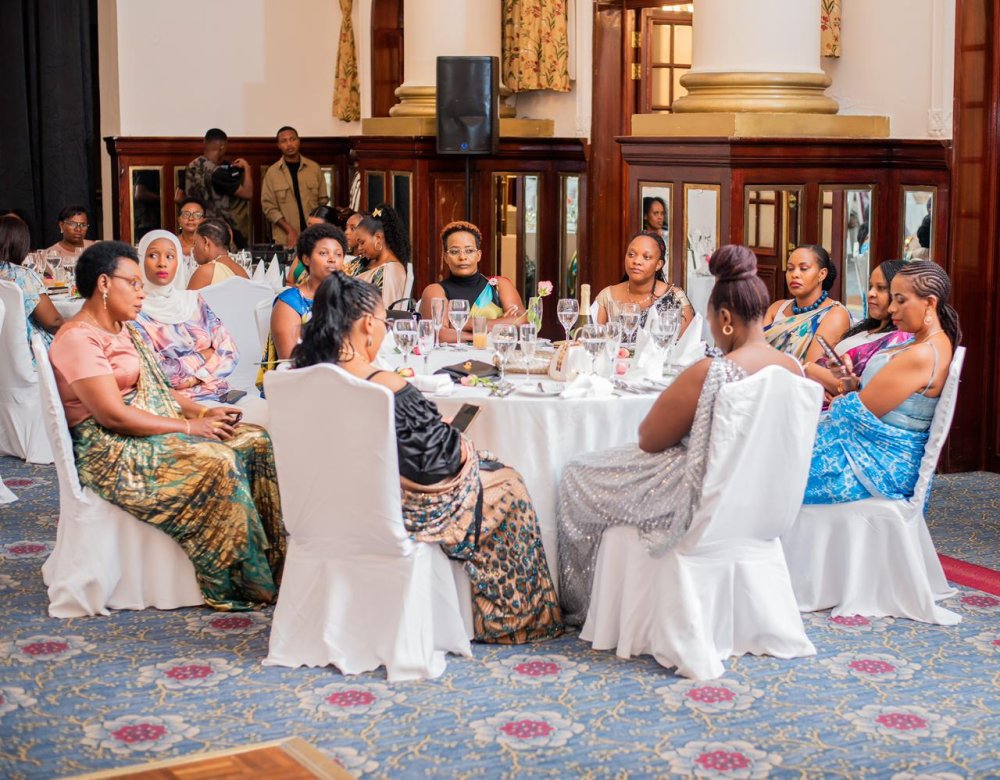
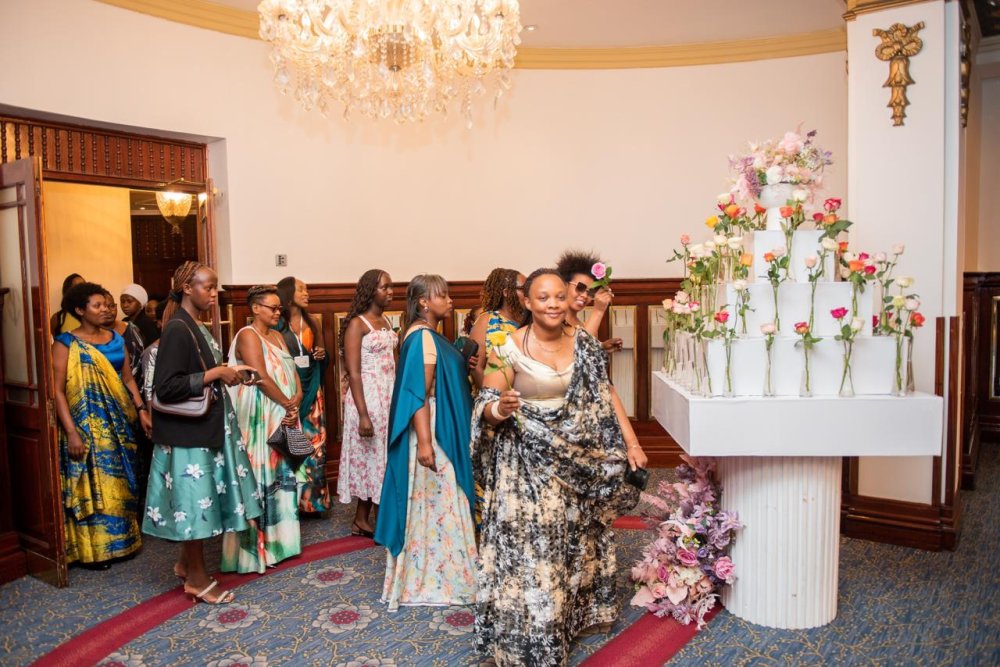
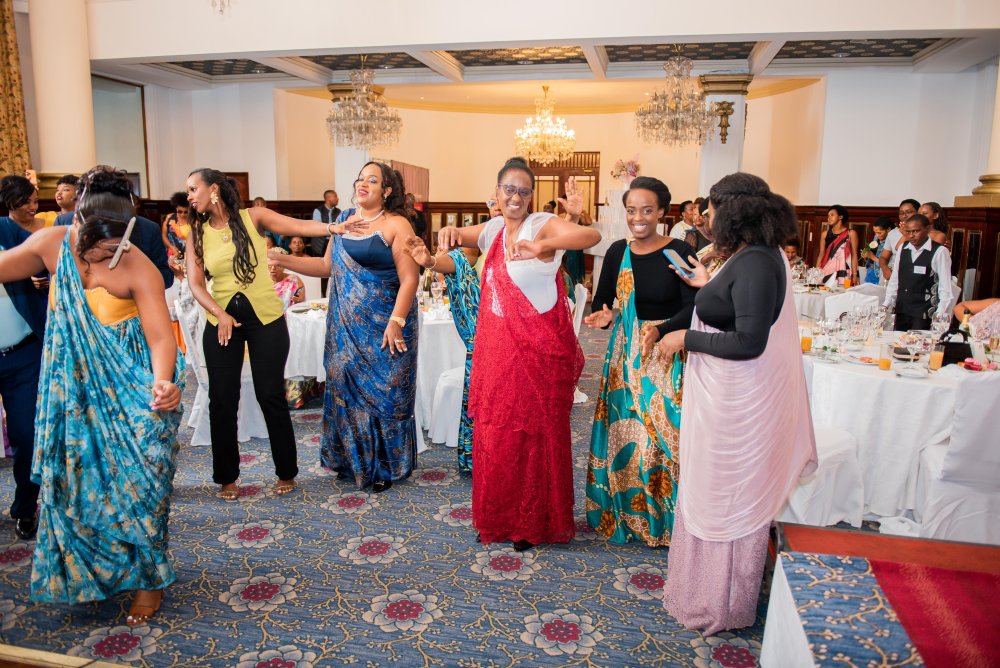
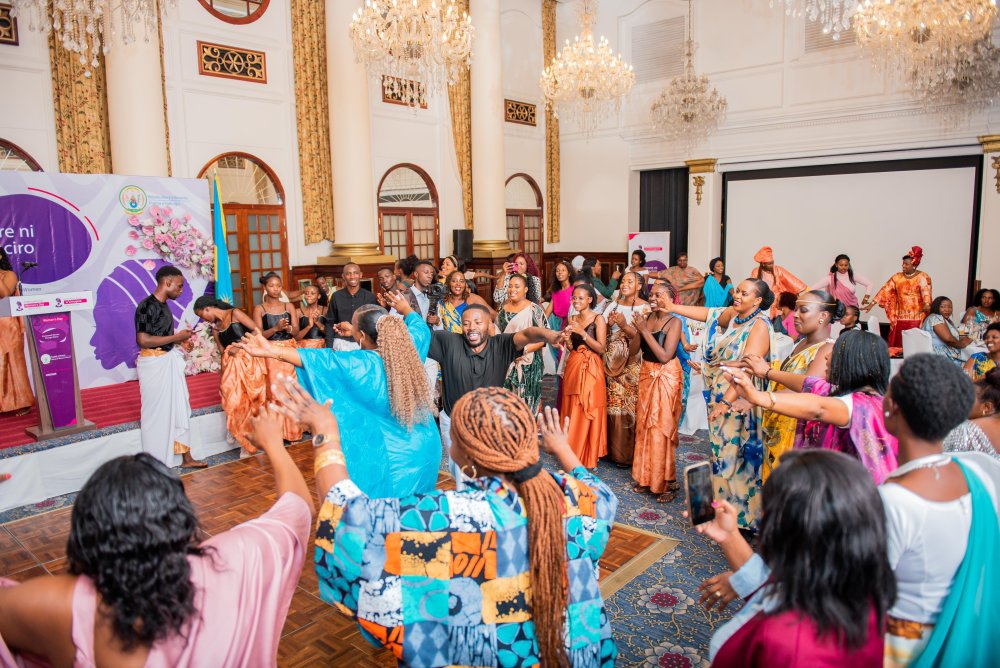
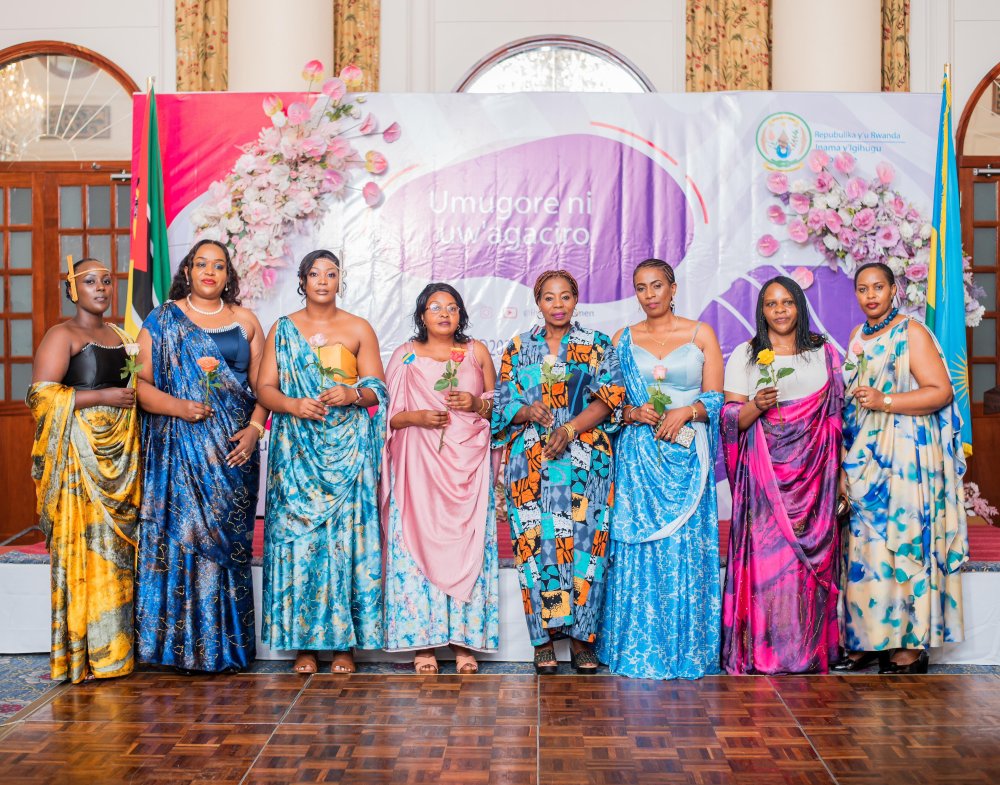
“A Woman is of Value” is the Theme for This Year’s International Women’s Day.The Rwandan Embassy’s dance troupe entertained the attendees at the event.The event also included a socializing session.Ambassador Col (Rtd) Donat Ndamage thanked the Presidents of Rwanda and Mozambique for their efforts in promoting women’s rights.Kenneth Viagem Marizane highlighted that Rwandan women are hardworking, intelligent, and ethical.The leaders gathered for a commemorative photo with Rwandan women living in Mozambique.It was an exciting atmosphere at the Polana Serena Hotel, where the event took place.Everyone danced to the best of their ability.
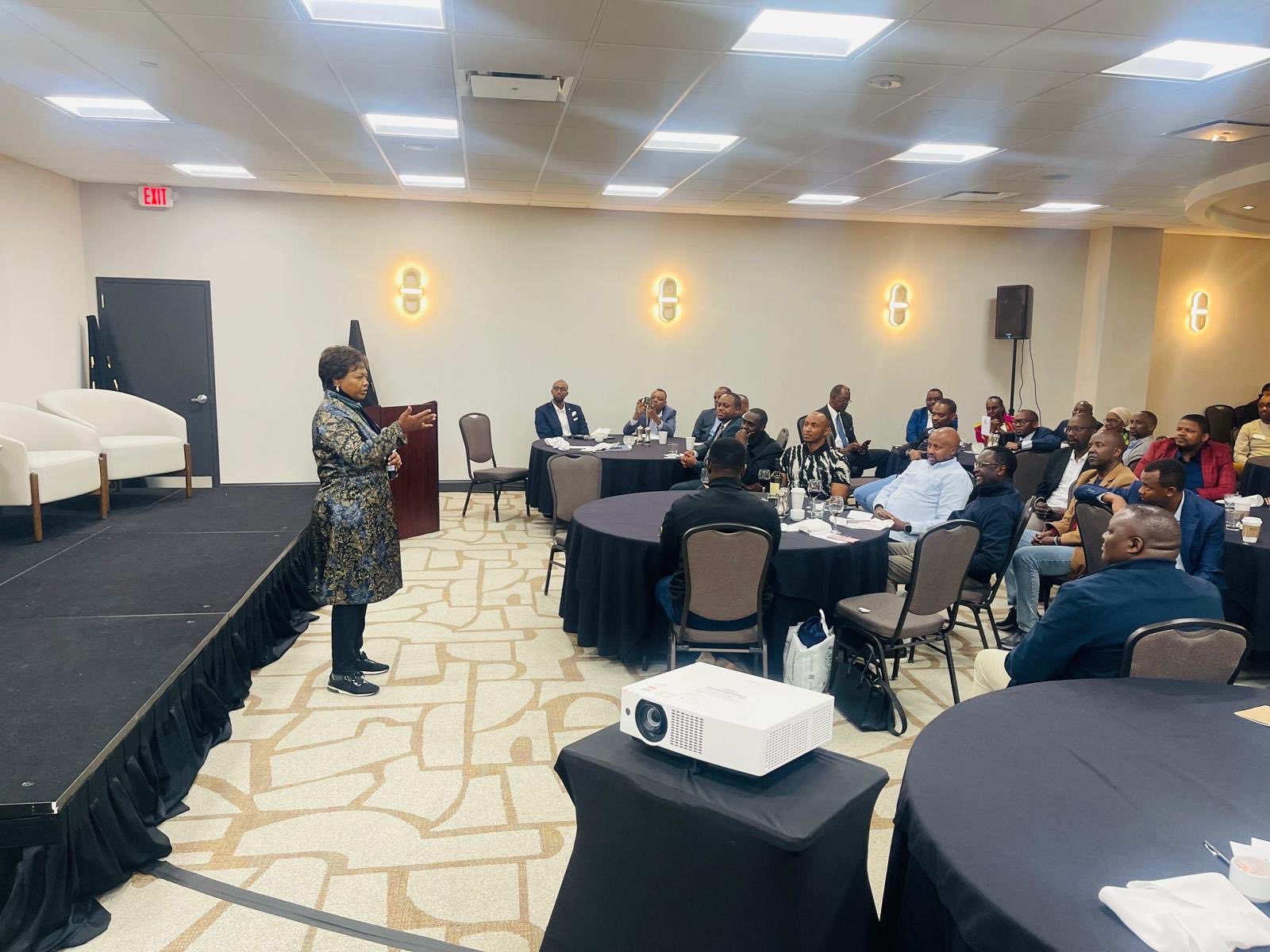
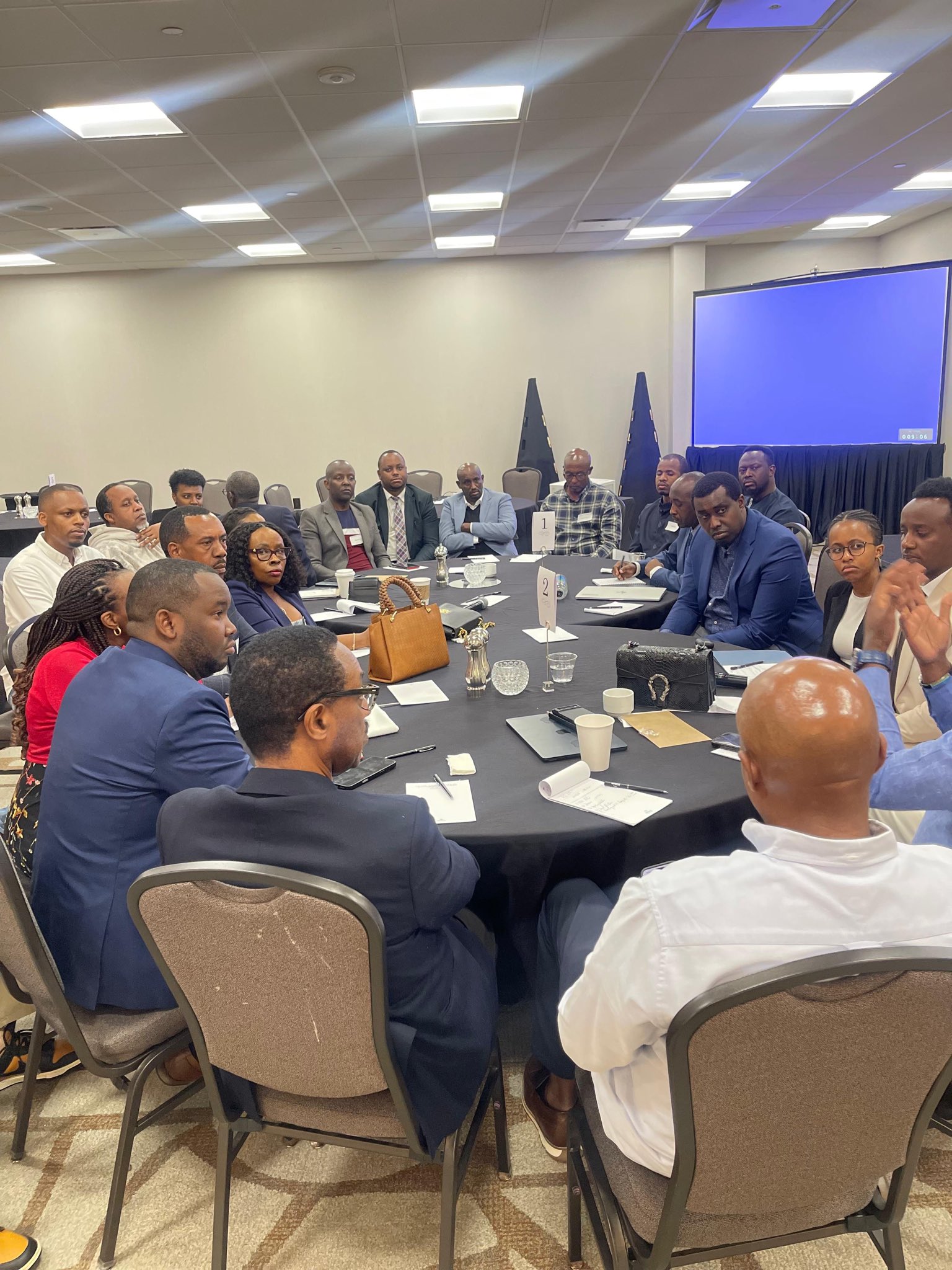
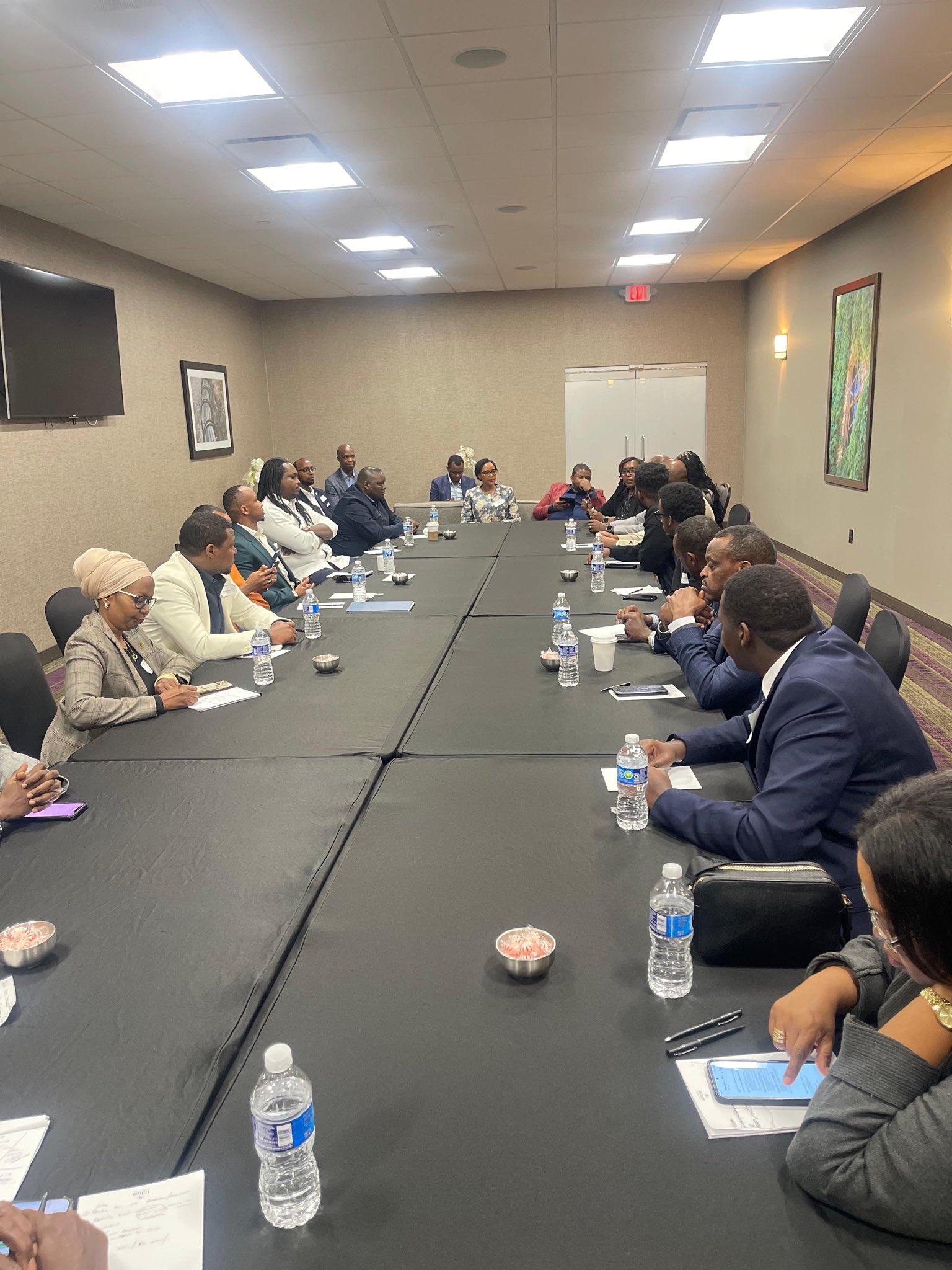
The Embassy of the Republic of Rwanda in the United States shared the update on X, highlighting that the retreat brought together diaspora leaders from across the country to discuss strategies for contributing to national growth.
The gathering comes just months after the Rwanda Convention USA 2025, held from July 4 to July 6, 2025, at the Irving Convention Center in Dallas, Texas. The event marked a significant reunion for the Rwandan diaspora, coinciding with the 31st anniversary of Rwanda’s Liberation Day and U.S. Independence Day, creating a festive and celebratory atmosphere.
At the convention, diaspora professionals connected with Rwandan financial institutions, including Bank of Kigali, Equity Bank, BPR, and the Rwanda Social Security Board (RSSB), which is increasingly involved in investment opportunities.
Attendees explored avenues to invest in real estate, technology, and other sectors. Cultural celebrations featured traditional dance troupes and performances by popular artists such as The Ben, Meddy, Kevin Kade, and Element EleéeH, showcasing Rwandan heritage to the diaspora community.
Attendees also accessed government services on-site, including assistance with opening bank accounts and obtaining administrative guidance from Rwandan representatives.
The 2025 convention attracted thousands of participants, demonstrating the diaspora’s commitment to strengthening ties with their homeland.
The Washington retreat builds on this momentum, focusing on practical steps to harness the diaspora’s resources, knowledge, and networks in support of Rwanda’s ongoing development, with unity, youth participation, and strategic engagement seen as key drivers for the country’s future.
The retreat brought together Rwandan diaspora leaders from across the United States to discuss strategies for contributing to national growth.The retreat was also aimed at strengthening community unity and promoting youth engagement.
In an interview with IGIHE, Batamuriza Ange, one of the event organizers, explained that the initiative aims to strengthen ties within the diaspora while introducing the richness of Rwandan culture to a wider audience in the United Kingdom.
The event scheduled on March 21, 2026, in Coventry, West Midlands, was organized by the West Midland (Coventry) RCA. Activities will run from 3:00 PM to 10:00 PM.
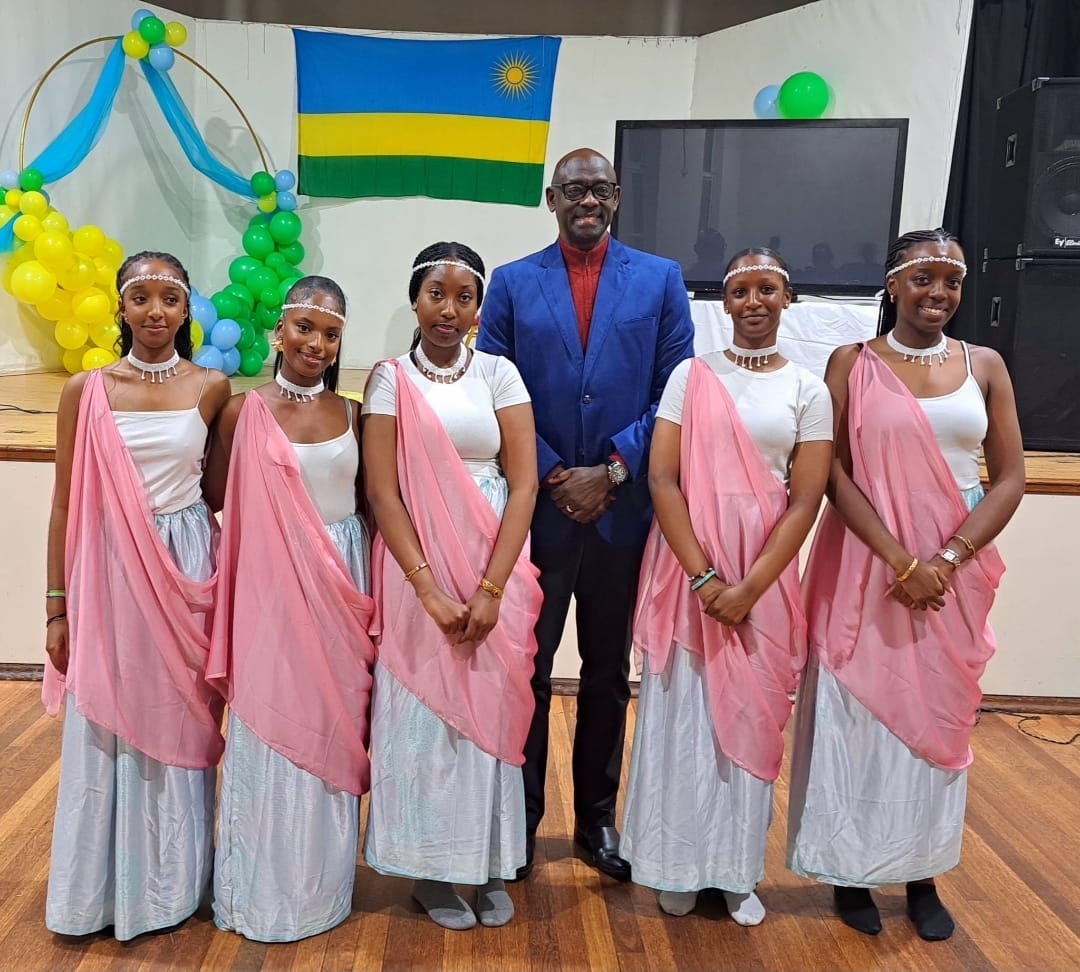
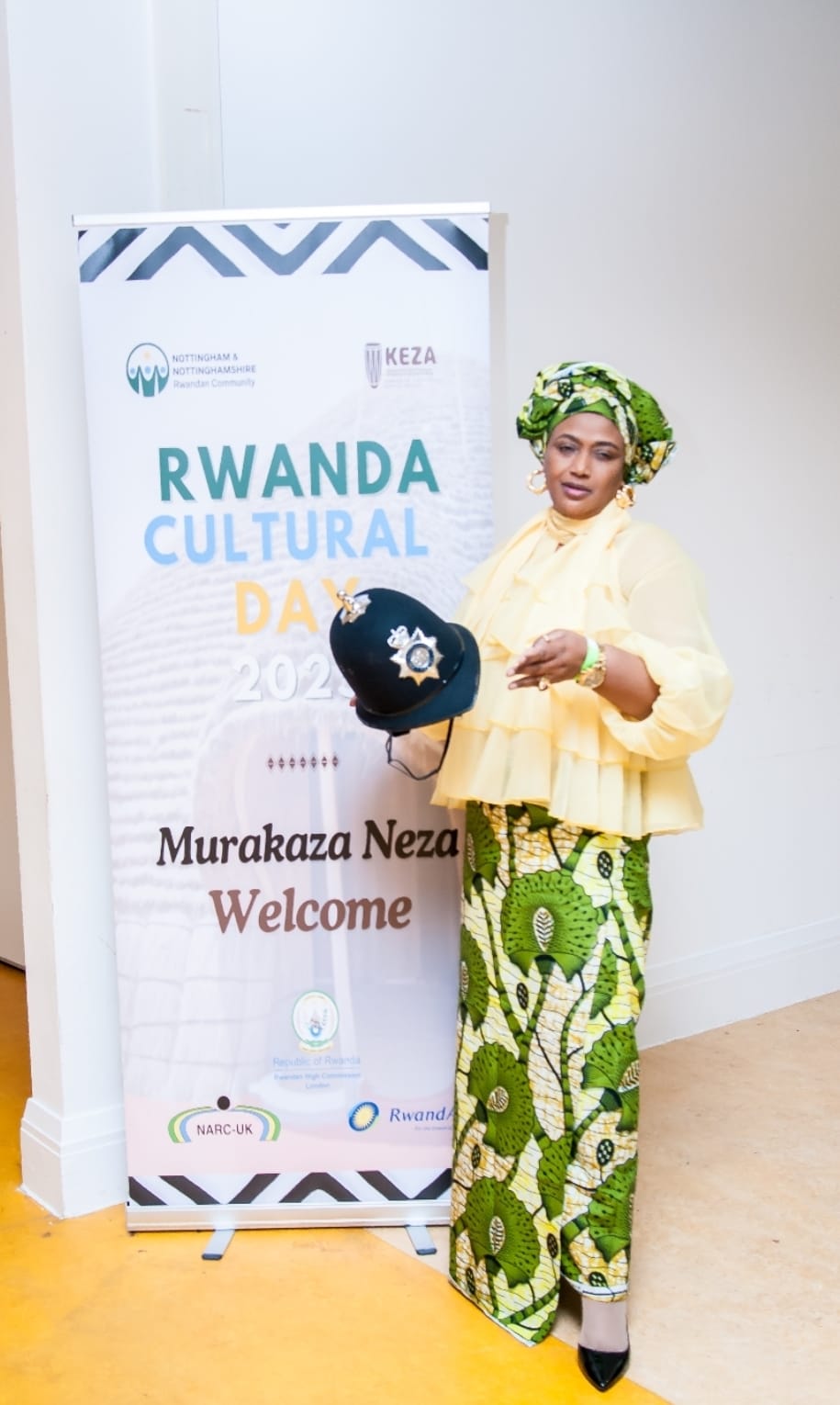
Wibabara noted that “Rwanda Cultural Day” will feature a variety of activities highlighting the country’s cultural identity. The program will include traditional music and dance performances, opportunities for community interaction, and a chance to discover authentic Rwandan cuisine.
“Rwanda Cultural Day brings together the Rwandan community and friends of Rwanda to celebrate shared heritage, traditions, and values,” she said.
Beyond the festivities, the event will also serve as a platform for dialogue and connection, allowing members of the diaspora to strengthen community bonds and pass on Rwandan cultural values to younger generations growing up in the United Kingdom.
The Rwandan community warmly invites everyone interested to attend “Rwanda Cultural Day” and experience a day filled with culture, unity, and the celebration of Rwanda’s heritage.
Interested individuals can register using the link below for Rwanda Cultural Day
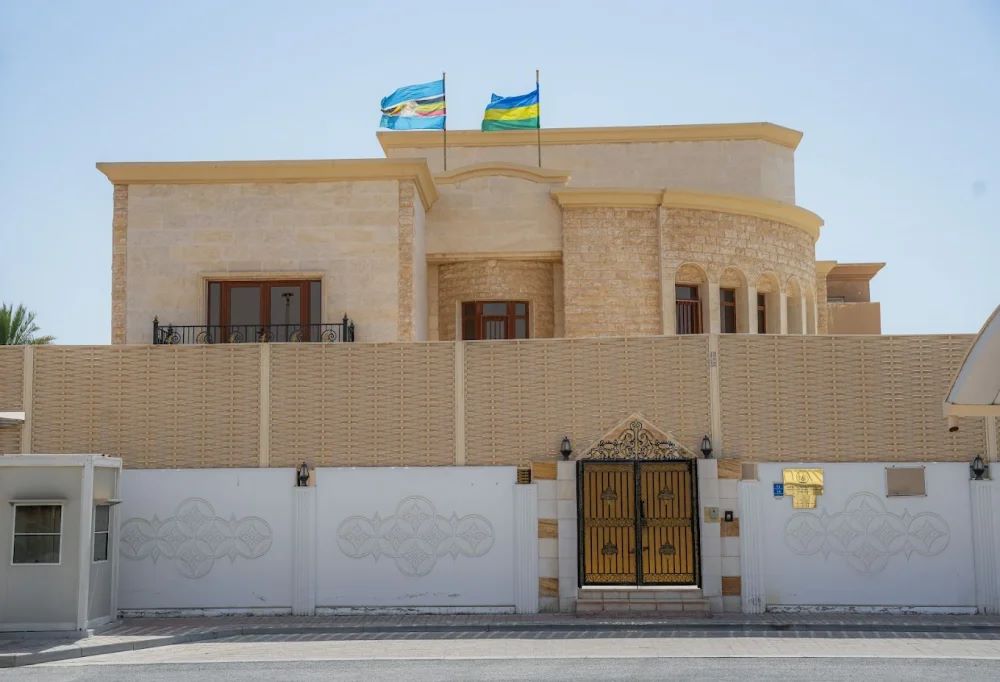
The decision was communicated in an announcement issued on March 4, 2026, by the Rwandan embassy in Doha.
“Due to the current security situation, the Embassy of Rwanda in Doha is currently operating online until further notice,” reads the notice.
The embassy reaffirmed full commitment to continue providing assistance to all those who require its services remotely.
The move comes as Iran continues to launch attacks on Qatar, which hosts a major United States military base.
The rising tensions follow strikes launched by the United States and Israel against Iran on February 28, 2026, escalating tensions across the Middle East.
In retaliation, Iran began targeting countries in the region that cooperate with the United States, including Qatar.
As a result of the attacks, several institutions in Qatar have temporarily suspended operations, including the national carrier, Qatar Airways.
Rwandan Embassy in Qatar has moved services online.