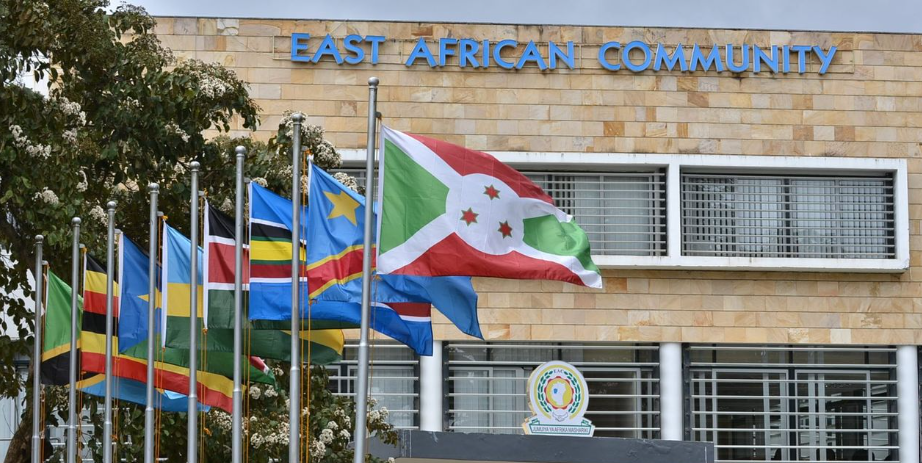
In a statement issued on Sunday, May 31, the EAC Secretariat announced that the Extra-Ordinary Virtual Meeting of the Sectoral Council of Ministers responsible for Health will focus on reviewing and adopting proposed regional actions to curb the outbreak caused by the Bundibugyo virus strain.
The emergency meeting comes amid growing concern over the spread of the disease in the Democratic Republic of Congo (DRC) and Uganda, where authorities continue to intensify surveillance, preparedness and response efforts.
According to the EAC Secretariat, the ministerial meeting forms part of a broader series of urgent interventions initiated by the regional bloc following confirmation of Ebola cases linked to the Bundibugyo strain in the two neighbouring countries.
“The convening of this high-level meeting is part of a series of urgent actions the EAC Secretariat has initiated, having already intensified regional coordination and preparedness measures,” the Secretariat said.
The regional body noted that several emergency engagements have already been held, including an EAC Crisis Meeting and meetings of the Technical Working Group (TWG) on Communicable and Non-Communicable Diseases.
The Secretariat has also convened the TWG on Harmonisation of Regulations to explore pathways for the potential approval and deployment of Ebola vaccines, therapeutics and diagnostic tools.
The planned ministerial discussions are expected to strengthen cross-border coordination and ensure member states maintain a unified approach to disease surveillance, information sharing and outbreak response.
The EAC’s announcement comes a day after World Health Organisation (WHO) Director-General Tedros Adhanom Ghebreyesus urged countries that have imposed travel bans or closed borders because of the outbreak to reconsider such measures.
Speaking during a joint press conference in Bunia, the capital of Ituri Province in eastern DRC and the epicentre of the outbreak, Tedros warned that travel restrictions could undermine efforts to contain the disease.
“I call on countries that have imposed travel bans or border closures to reconsider. These measures make the response harder, and they discourage transparency and trust that saves lives,” he said.
Tedros noted that despite the absence of approved vaccines and specific medicines for the Bundibugyo strain, patients can recover if they receive timely and quality medical care.
The WHO chief also revealed that his visit to Bunia was intended to engage directly with affected communities as health authorities respond to an outbreak that has generated more than 1,000 suspected cases.
Meanwhile, Uganda has reported nine confirmed Ebola cases after detecting two new infections in the capital, Kampala, according to the country’s Ministry of Health.
Health officials across the region are hoping that the upcoming EAC ministerial meeting will accelerate collective action against the outbreak and bolster preparedness measures to prevent further cross-border transmission.
Leave a Reply