Held under the theme “Behind the Game” on the sidelines of the ongoing BAL Season 6 in Kigali, the event explored how sports can serve as a catalyst for economic growth, innovation, job creation, and youth empowerment across the continent.
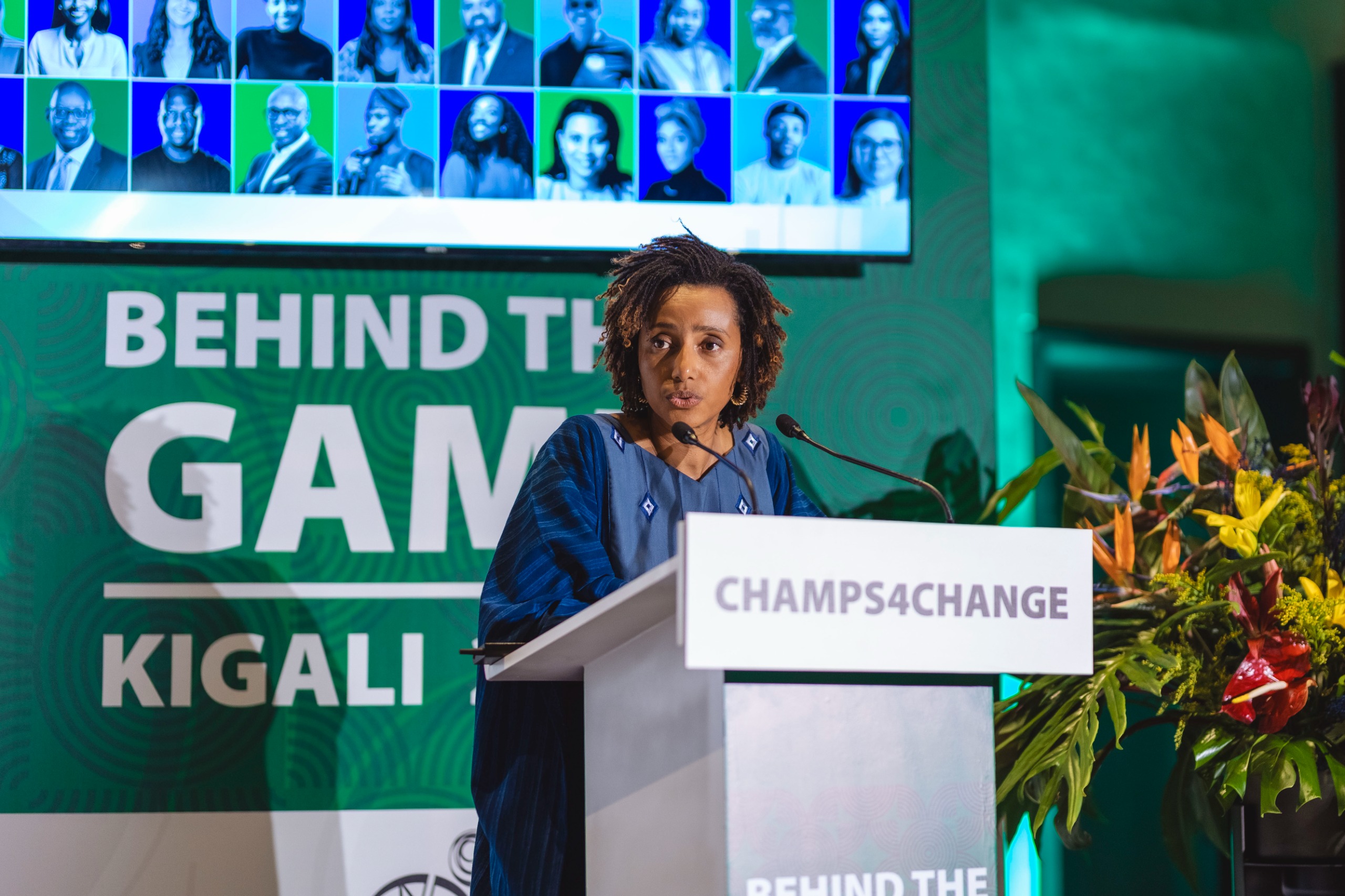
Speaking during the event at Mövenpick Kigali, Rwanda’s Permanent Secretary in the Ministry of Sports, Candy Basomingera, said sport should be viewed as more than entertainment, describing it as a vehicle for opportunity, identity, innovation and national development.
“Behind every athlete we celebrate, there is a system. Behind every championship, there is infrastructure. Behind every successful sports economy, there are teachers, coaches, physiotherapists, analysts, investors and event organisers,” she remarked.
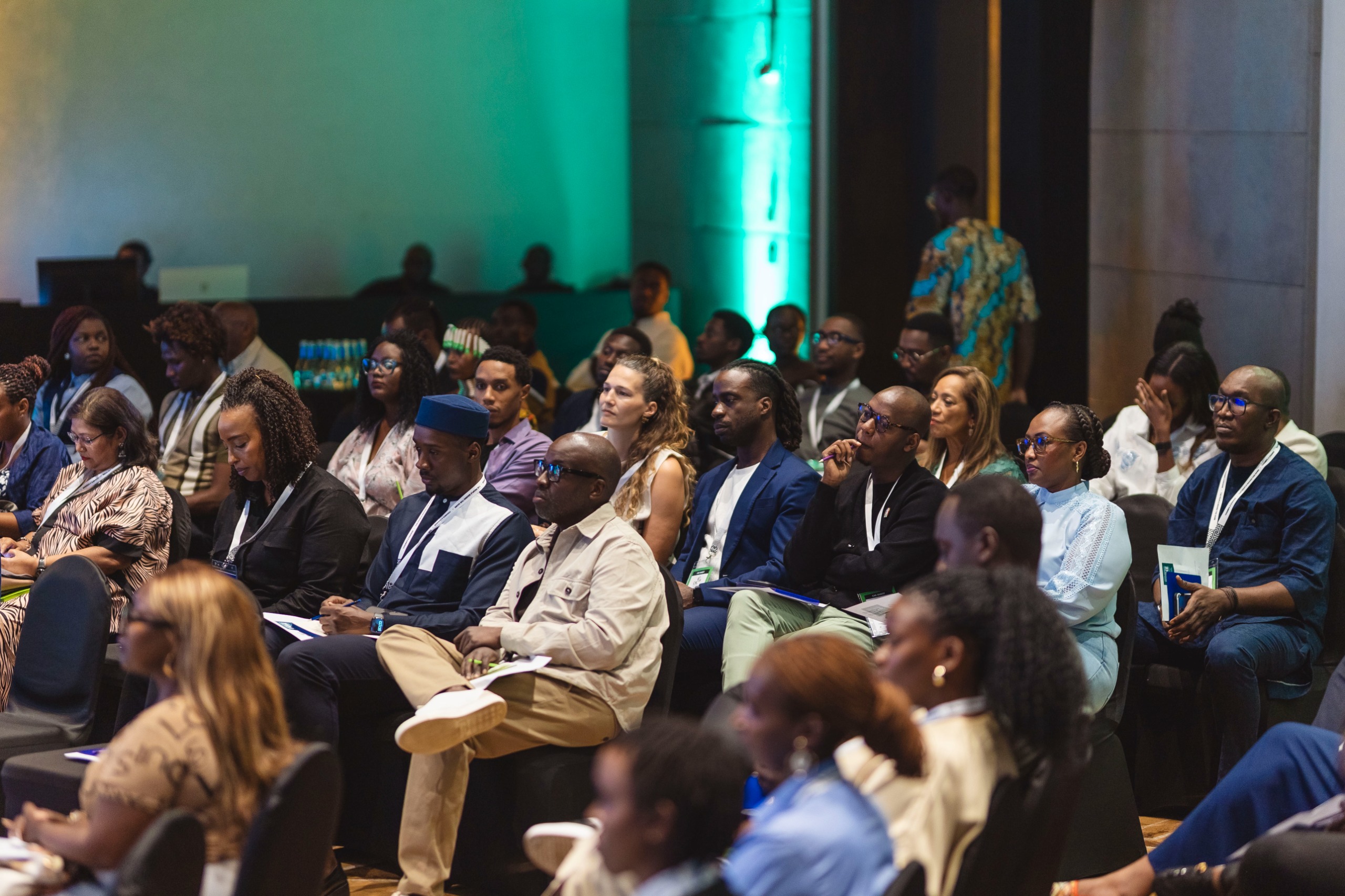
Basomingera highlighted Rwanda’s investments in sports infrastructure, including BK Arena and Amahoro Stadium, as part of the country’s broader strategy to position sport as a pillar of national transformation. She noted that Rwanda’s ambition extends beyond hosting events to building an ecosystem that connects sport with tourism, technology, education, health and youth employment.
With nearly 70 percent of Africa’s population under the age of 30, she said the continent’s young people represent its greatest asset and that sport can help bridge the gap between talent and economic opportunity.
“Globally, the sports economy contributes roughly 5 percent of GDP, yet in Africa the sector still represents only a small fraction of that. That gap should inspire us because it shows how much room there is to grow,” the PS noted.
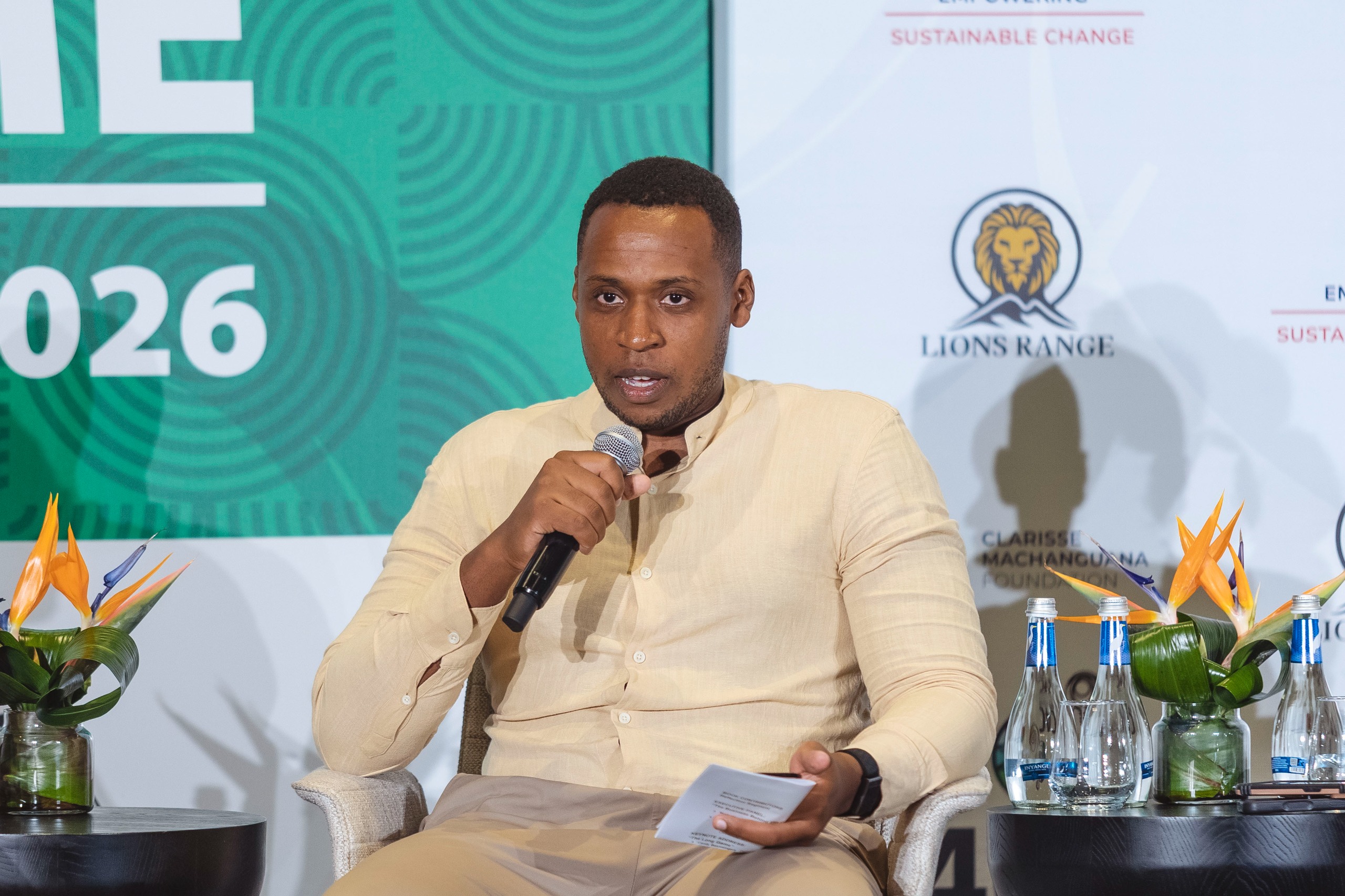
The event featured a fireside discussion with Victor Williams, Managing Partner at Lions Range and former CEO of NBA Africa, who shared lessons from helping build the Basketball Africa League (BAL).
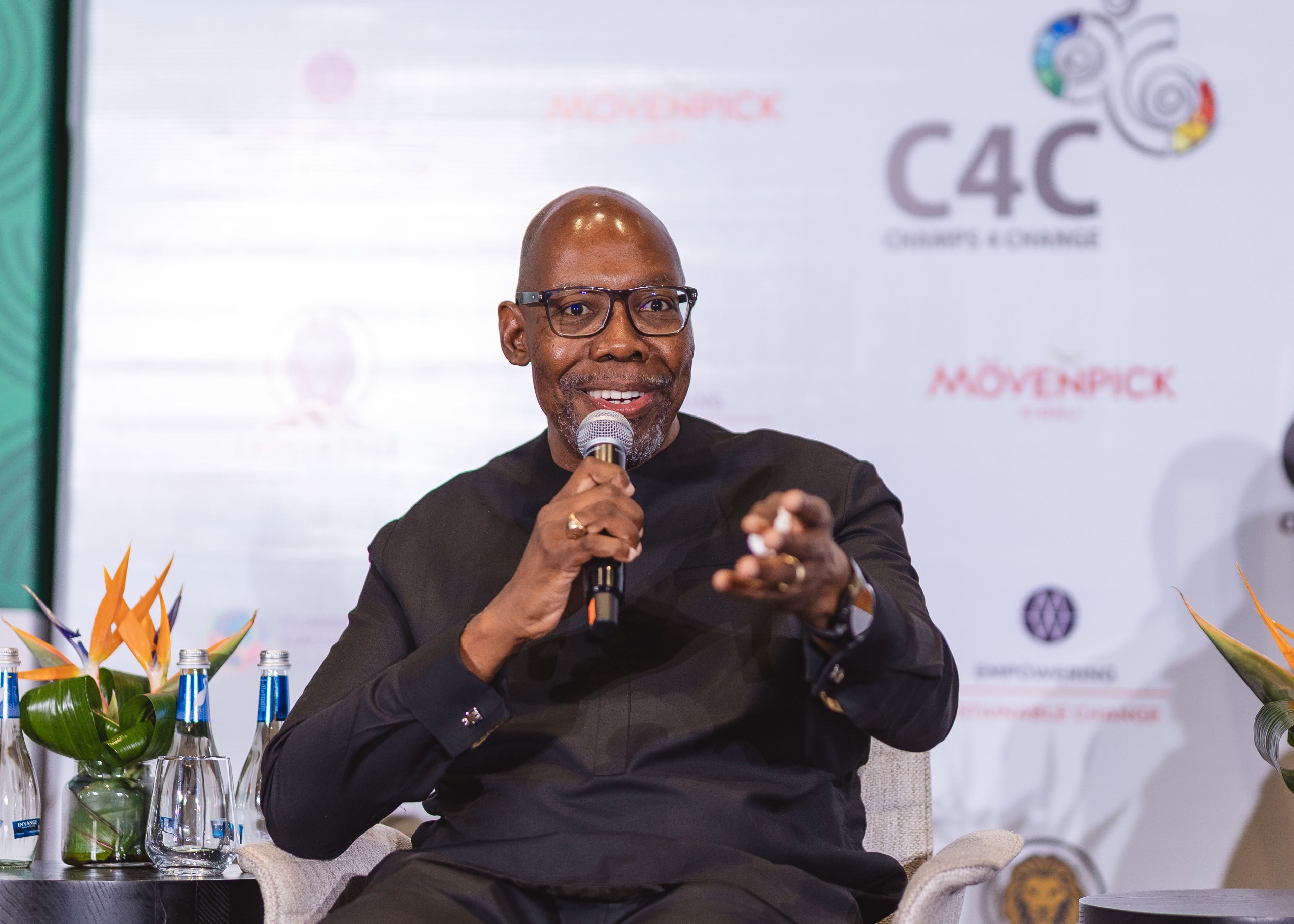
Williams identified four ingredients that have driven the league’s growth: vision, resources, partnerships and people. He credited collaboration between organisations such as the NBA, International Basketball Federation (FIBA), governments and private investors for helping transform a concept into one of the continent’s most visible sports properties.
“We have reached a major inflection point,” Williams stated, noting that investors who previously paid little attention to African sports infrastructure are increasingly viewing the sector as a viable opportunity.
Panel discussions also focused on the business potential of sport. Former NBA player and investor Ian Mahinmi revealed that Africa’s growing sports ecosystem presents opportunities not only for athletes but also for entrepreneurs, investors and innovators.
“The opportunity is to compete at a different level, not just on the court,” Mahinmi said. “We’re going to create champions off the court too.”
Former NBA player and investor Pops Mensah-Bonsu emphasised the importance of consistency in building sustainable sports ecosystems.
“Consistency builds community,” Mensah-Bonsu reiterated. “That is why I’m not surprised by where the BAL is today. Every year it has grown. By Year 6, the atmosphere, energy, fan engagement and social media response feel like an NBA playoff game.”
Former WNBA star, FIBA Hall of Famer and Champs for Change co-founder Clarisse Machanguana used the event to emphasise that the future of sport in Africa extends far beyond athletes and competition.
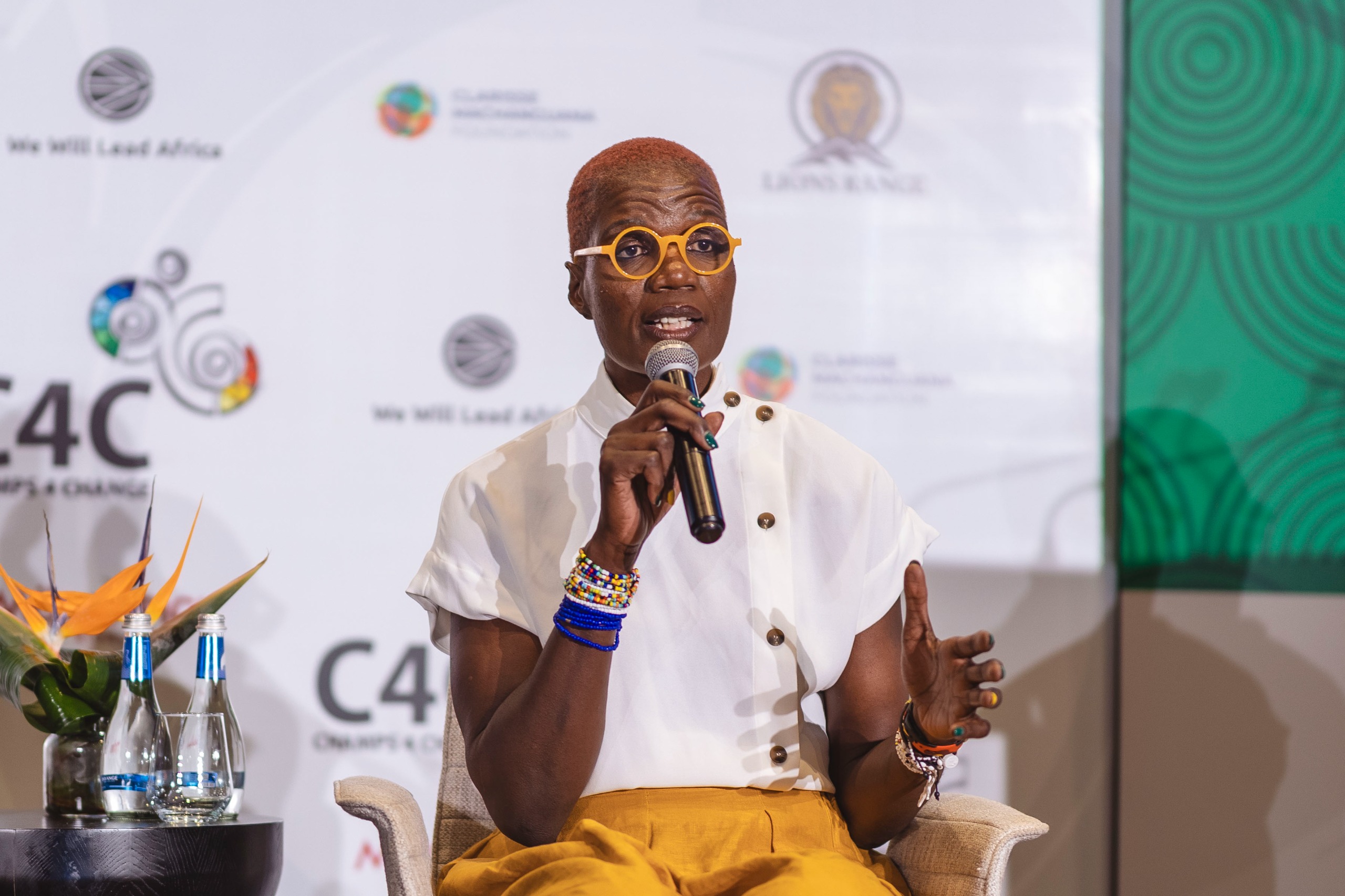
Speaking during the executive panel, Machanguana observed that one of the biggest opportunities for young Africans lies in understanding the many professions that make sporting events possible.
“The beauty of sport is that it opens people’s eyes to every layer required to make the game happen,” she stated. “When young people say, ‘I don’t play,’ the answer is that sport is not only about what already exists, it’s also about what you can bring.”
She encouraged young people to pursue careers in areas such as technology, event management, data analytics, media, marketing, administration and entrepreneurship, arguing that innovation would play a critical role in shaping the next phase of Africa’s sports industry.
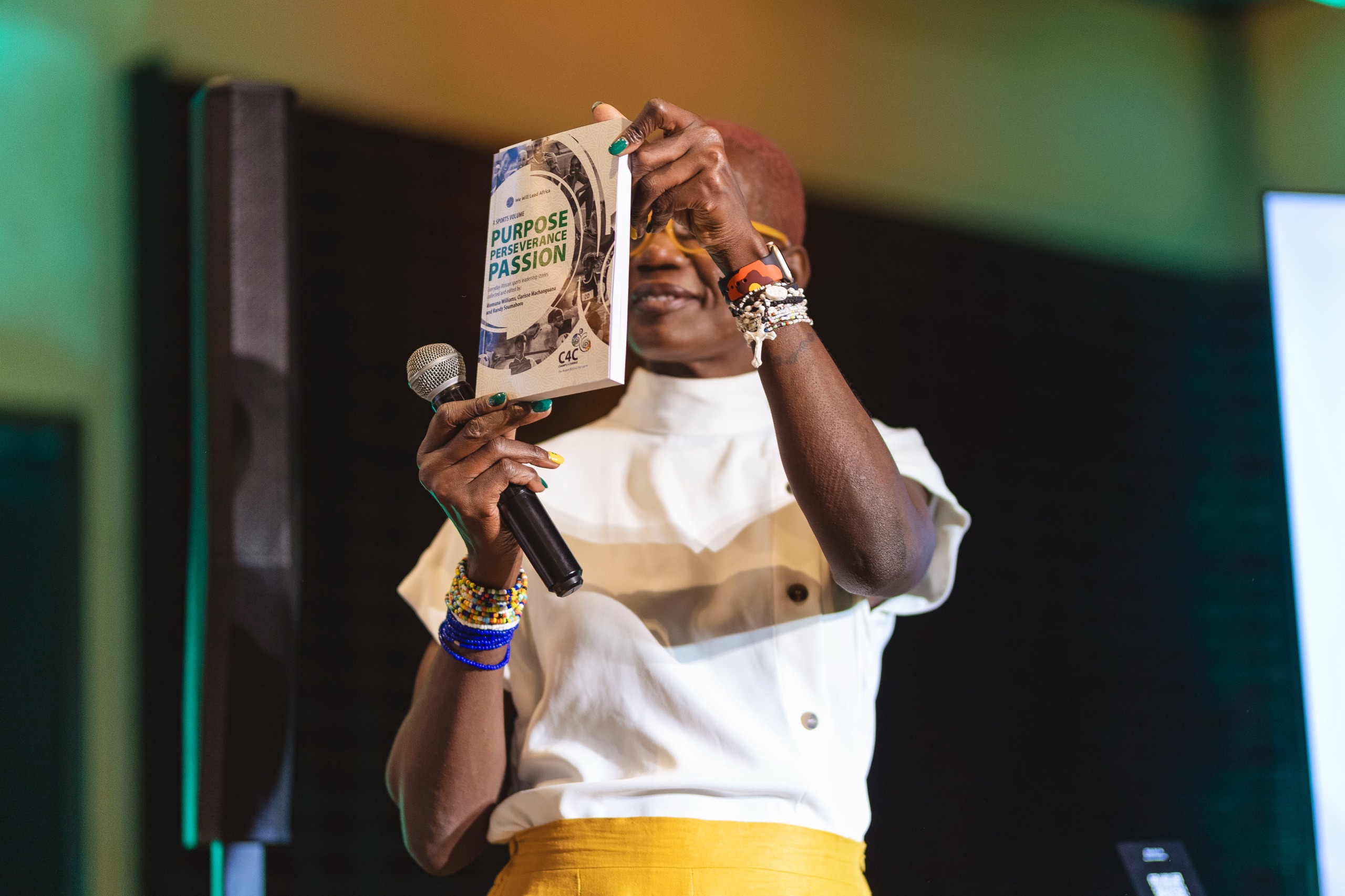
Machanguana emphasised that the continent’s youth must take ownership of emerging opportunities and use technology to create new solutions for the industry.
“We are in a time where innovation is welcome,” she pointed out. “The more young people take ownership, the more they will shape the future.”
Reflecting on the mission behind Champs for Change, Machanguana highlighted that the initiative was created to help young Africans transform their passion for sport into meaningful careers, businesses and leadership opportunities.
“Behind the game is all the preparation that leads to the entertainment on game day,” she noted. “There are data analysts, engineers, team managers, event organisers, and many other professionals who make sport possible. We want young people to understand that there is a whole world of opportunities behind the game.”
The former basketball star, who returned to Africa after a successful international career, said one of her proudest achievements has been creating a platform that equips young people with the training, mentorship, guidance and networks needed to succeed in the sports industry.
Looking ahead, she hopes to see young leaders emerging from C4C programmes and taking up decision-making roles within Africa’s growing sports ecosystem.
The event also featured youth-focused discussions, reflections from sports leaders and the presentation of Champs for Change’s one-year accountability report.
Bashir Ntwari, President of the Rwanda Boxing Federation, said Rwanda’s growing sports ecosystem is helping unlock local talent, but called for more investment in infrastructure and coaching.
Founded in 2025, Champs for Change is a pan-African social enterprise that equips young Africans aged 16 to 30 with mentoring, training, networks, and resources to turn their passion for sport into careers and enterprises. The organisation, co-founded by Machanguana, Dr. Memuna Williams, and Randy Soumahoro, aims to reach 20,000 young leaders by 2035 through programmes and hubs across the continent.
As discussions concluded, speakers agreed that Africa’s future in sport extends far beyond the field of play. The challenge now, they reiterated, is ensuring that young people are equipped to help build and lead the industries that power sport across the continent.
Leave a Reply