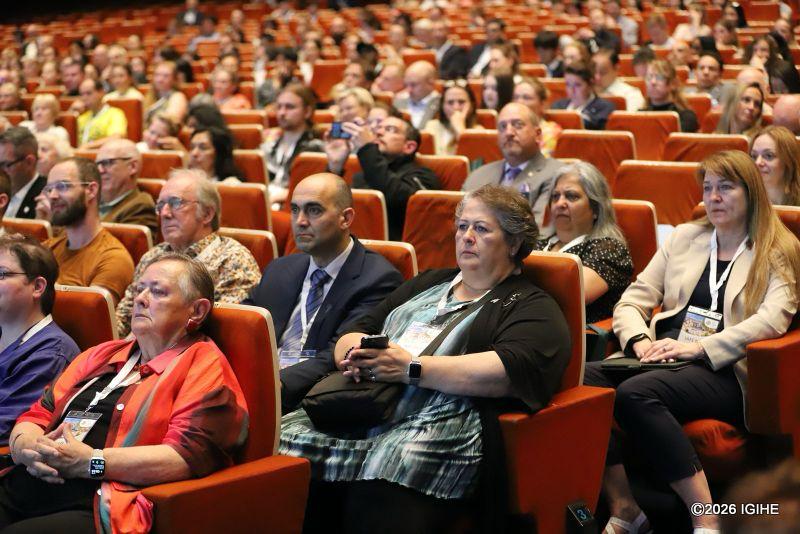
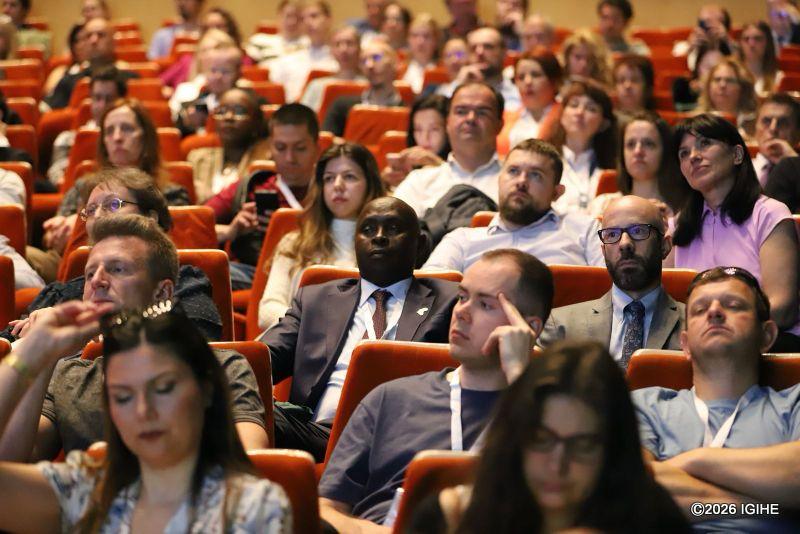
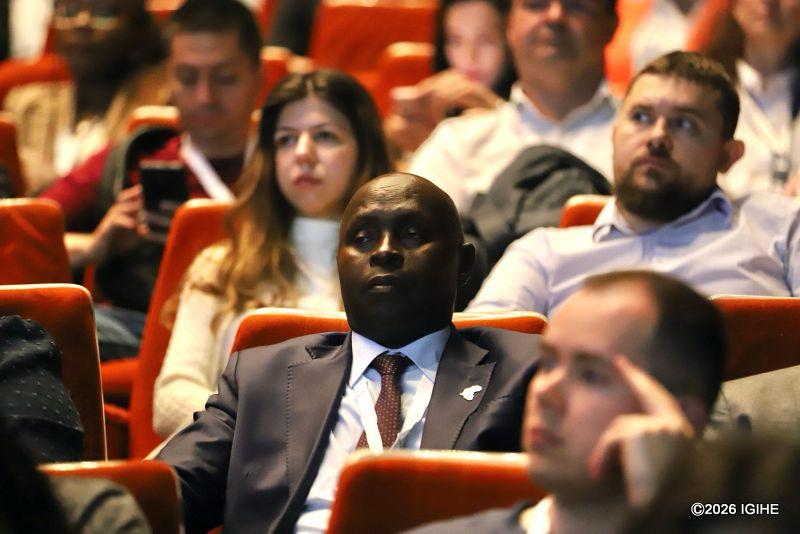
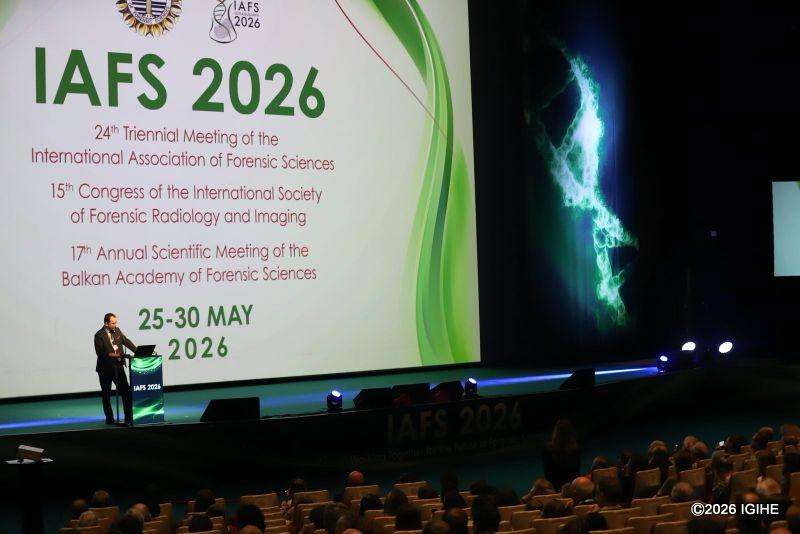
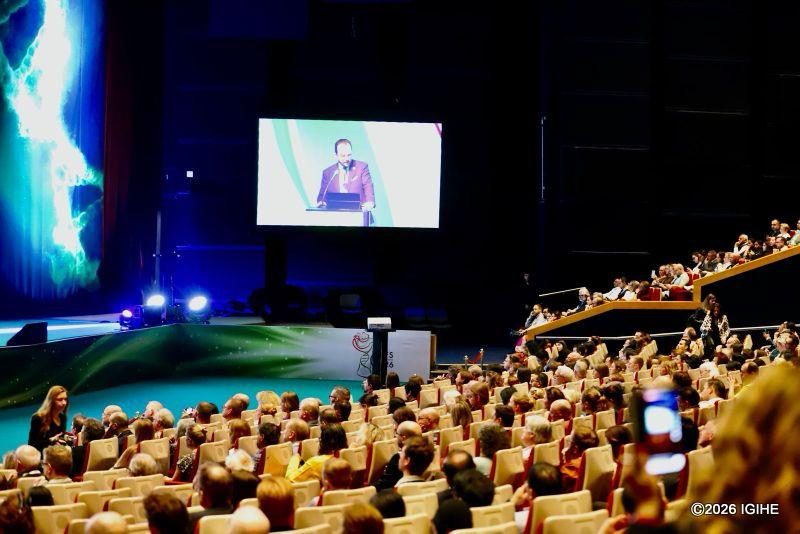
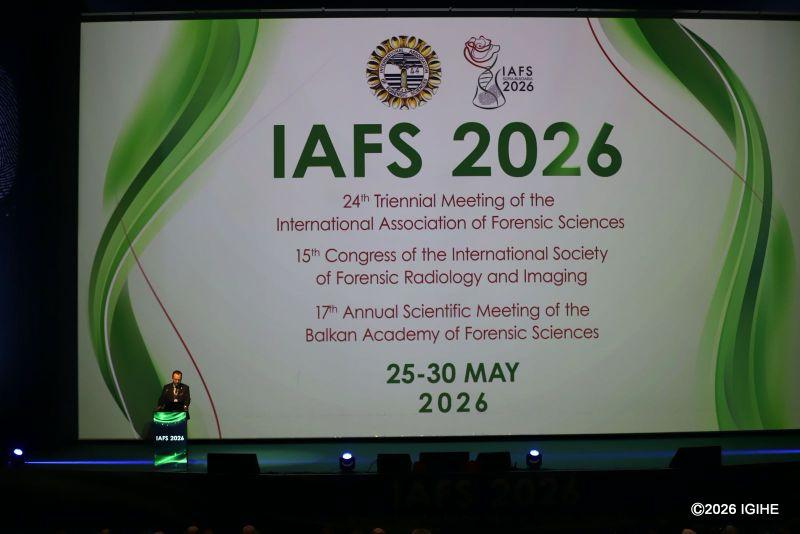
Experts, researchers, forensic pathologists, scientists, and institutional representatives from around the world gathered in the Bulgarian capital to exchange ideas on scientific, technological, and human advancements in modern criminalistics.
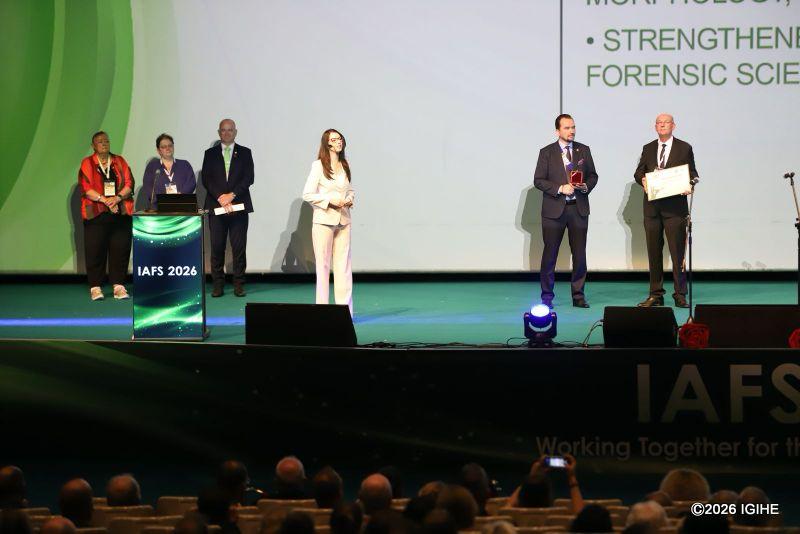
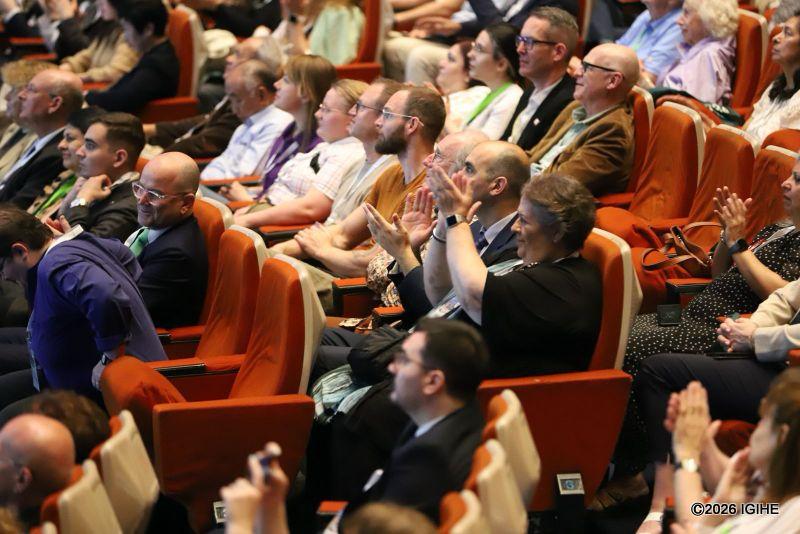
Early in the morning, the official opening ceremony was conducted by Bulgarian military officers, setting a solemn and prestigious tone for the 2026 edition of the global congress.
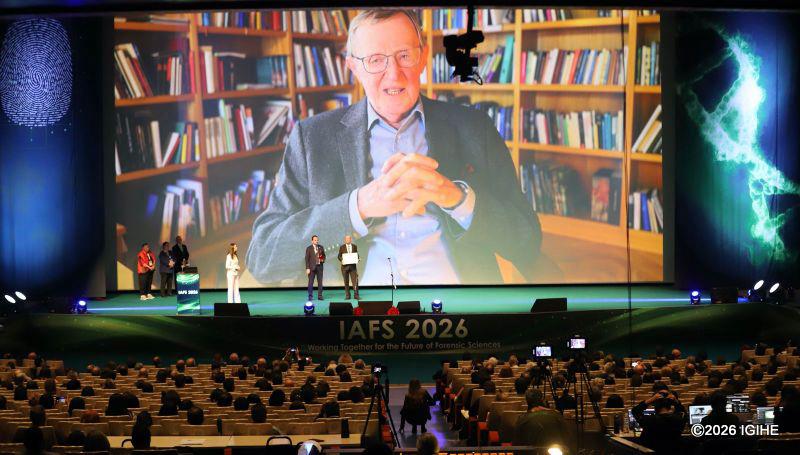
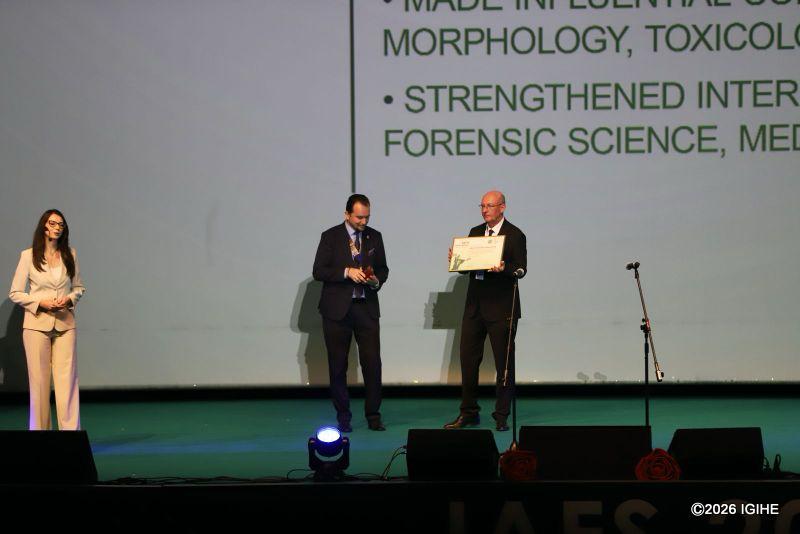
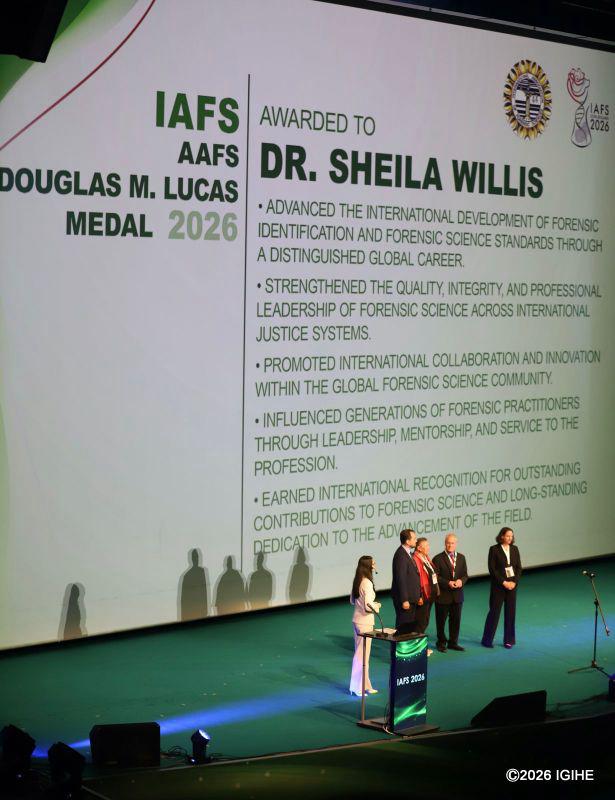
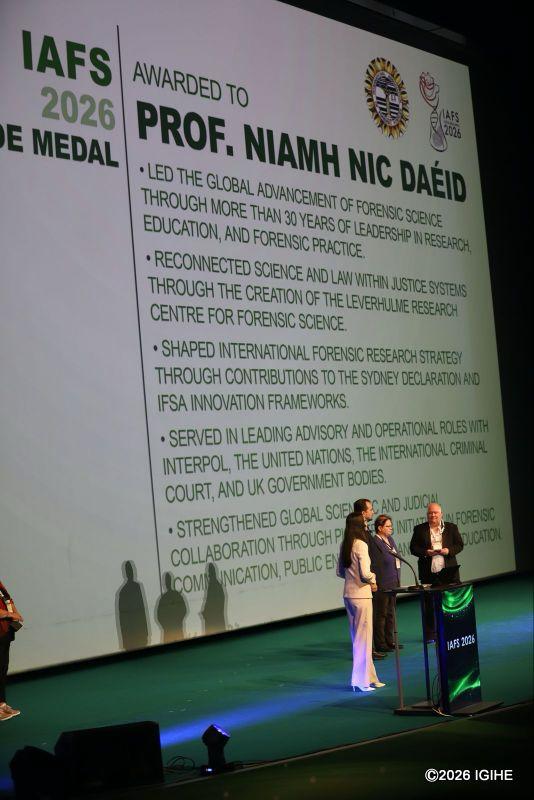
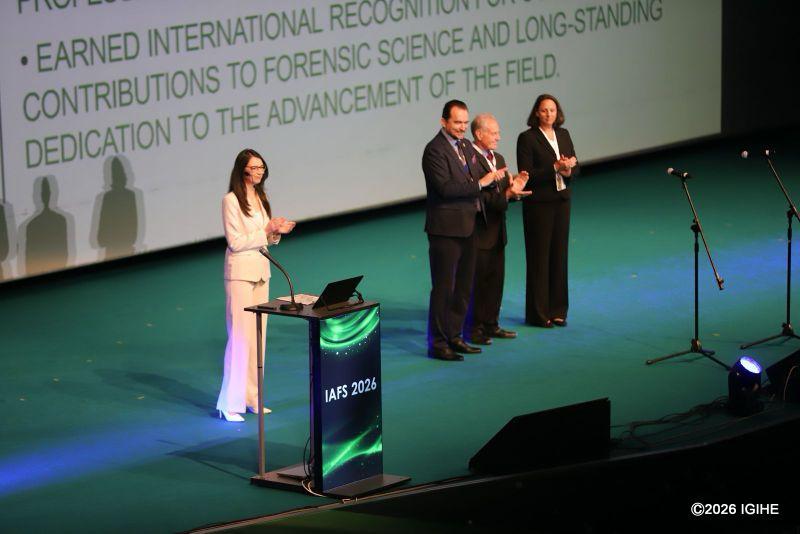
During the ceremony, four forensic researchers and experts received honorary awards recognizing their exceptional contributions to the field. Among them was the prestigious IAFS 2026 Human Rights Award, presented to South African expert Mr. Stephen Fonneska.
The recognition generated strong emotions among African delegations, symbolizing the continent’s growing role in the development of forensic sciences at the international level.
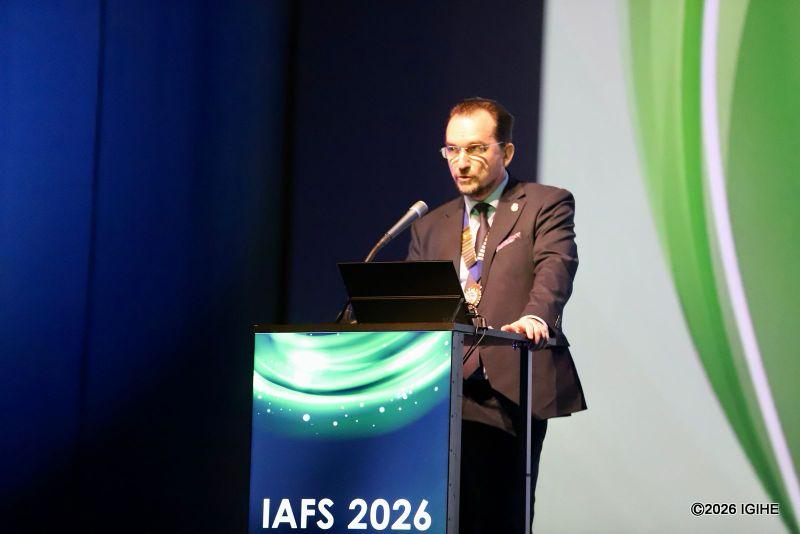
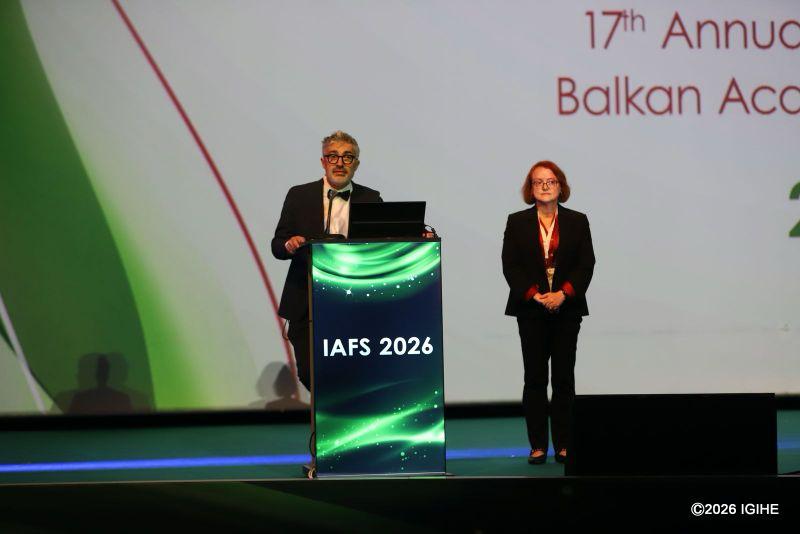
In his welcoming address, the President of the IAFS, Professor Yankov, emphasized the importance of international scientific cooperation in addressing contemporary challenges related to justice and criminal investigations.
He also highlighted the essential role of new technologies and multidisciplinary research in the evolution of forensic sciences.
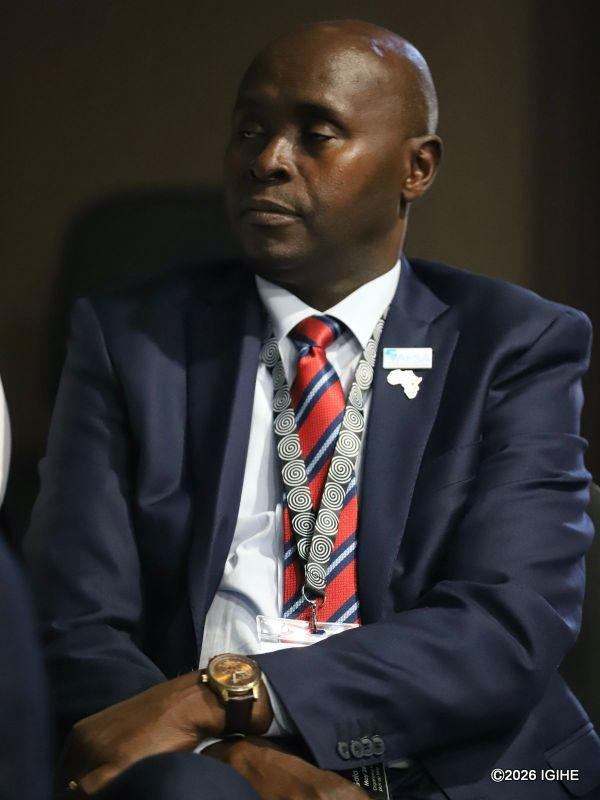
The sessions continued with keynote presentations delivered by renowned speakers from the United States and Europe, including Professor Dr. Niamh Nic Daeid and Dr. Sheila Wills, who addressed participants as keynote speakers.
Their presentations focused on scientific innovation, ethics in forensic investigations, and the challenges surrounding the use of scientific evidence within modern judicial systems.
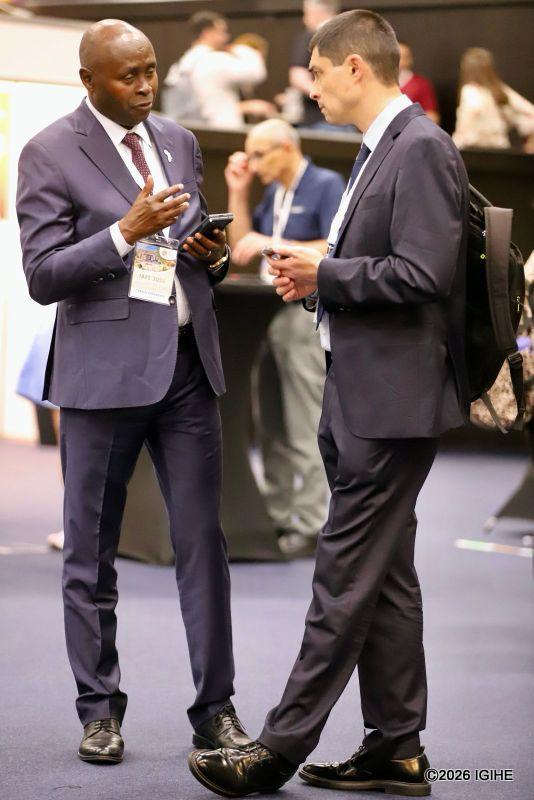
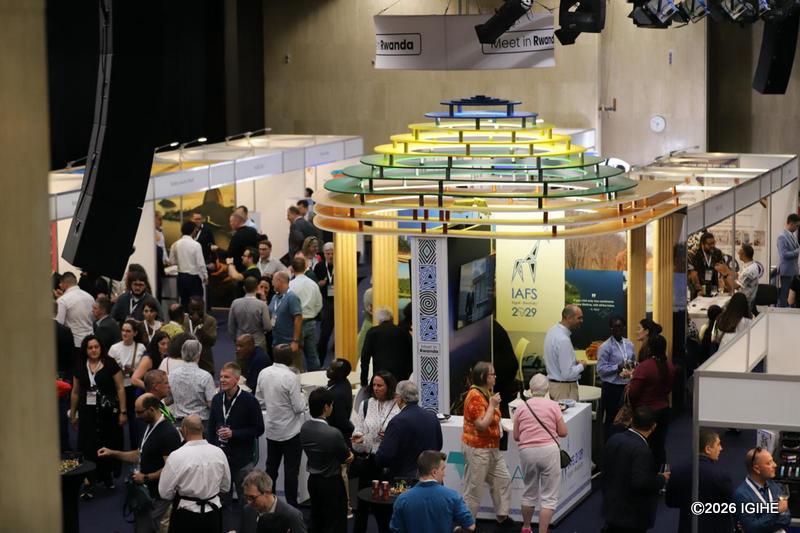
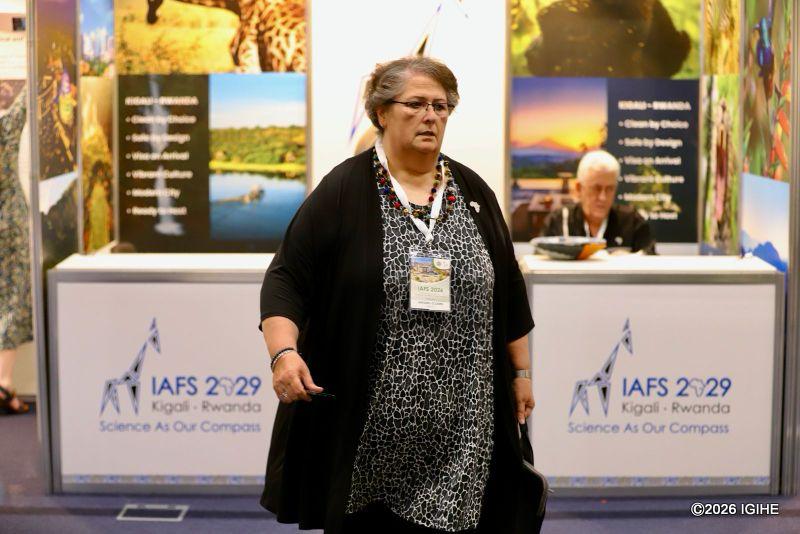
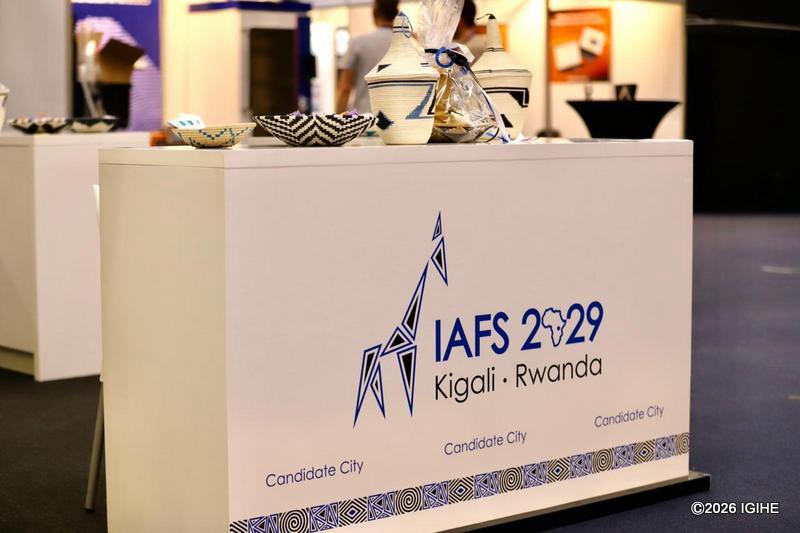
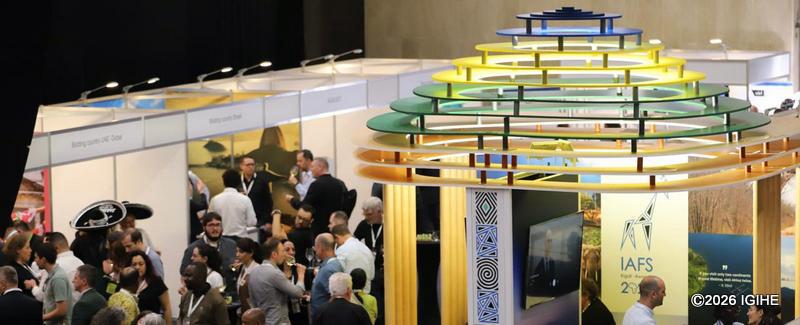
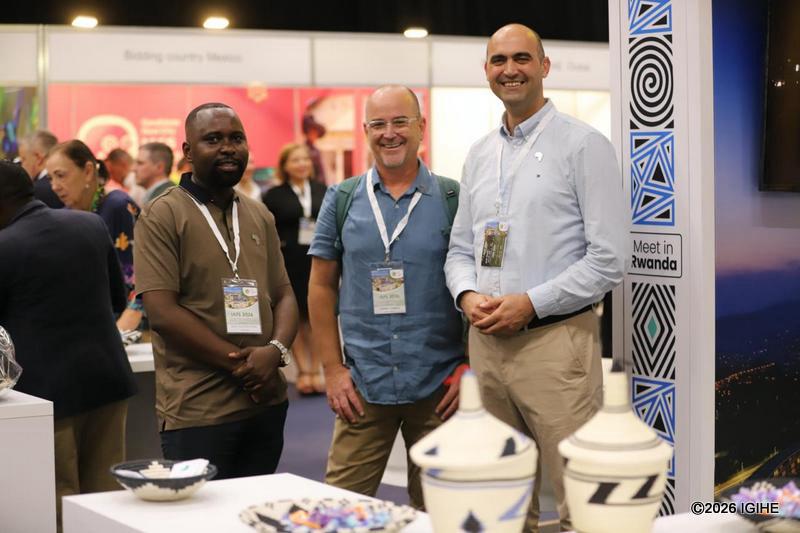
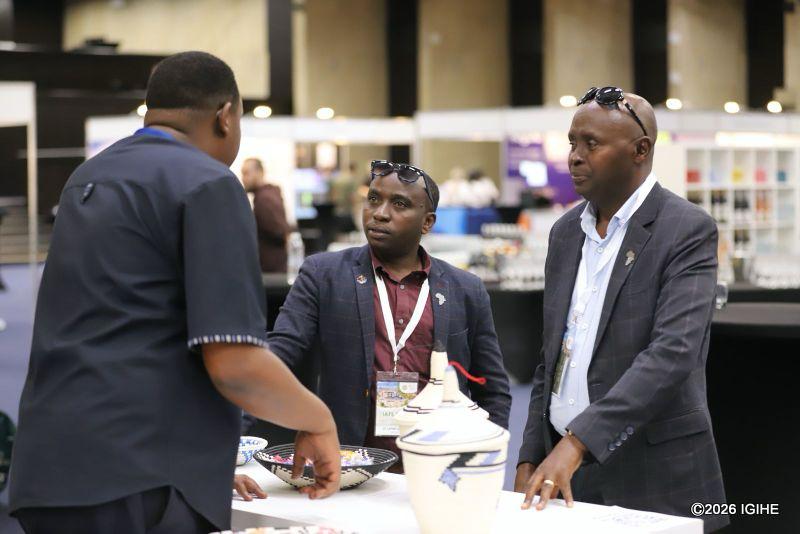
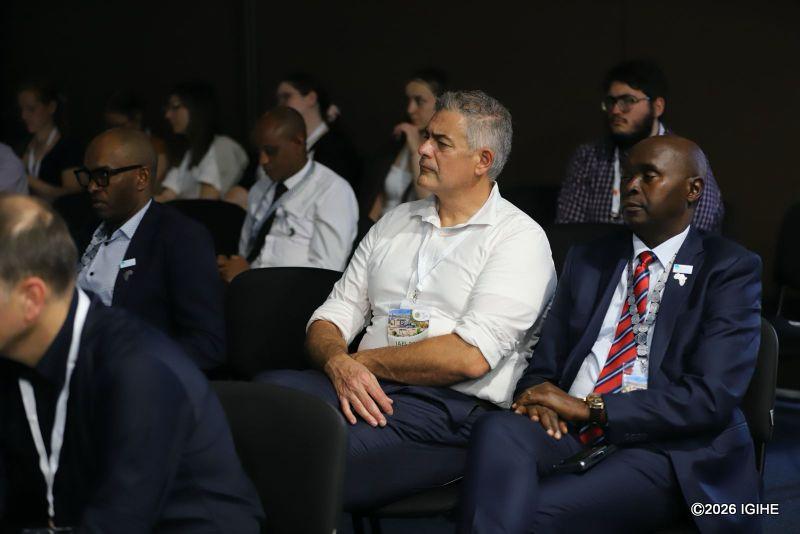
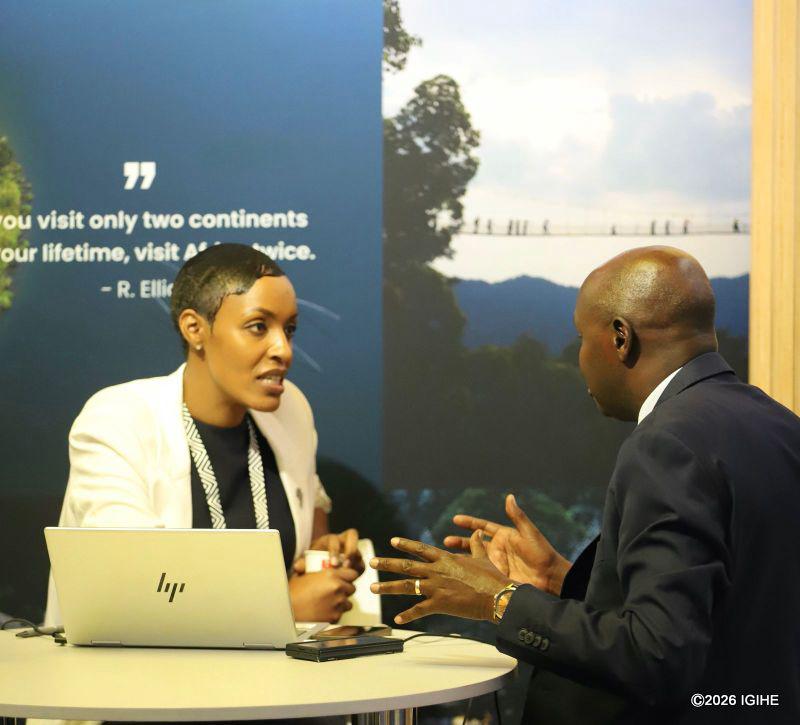
During the break, visitors and participants had the opportunity to tour exhibition stands from various countries and institutions participating in the congress.
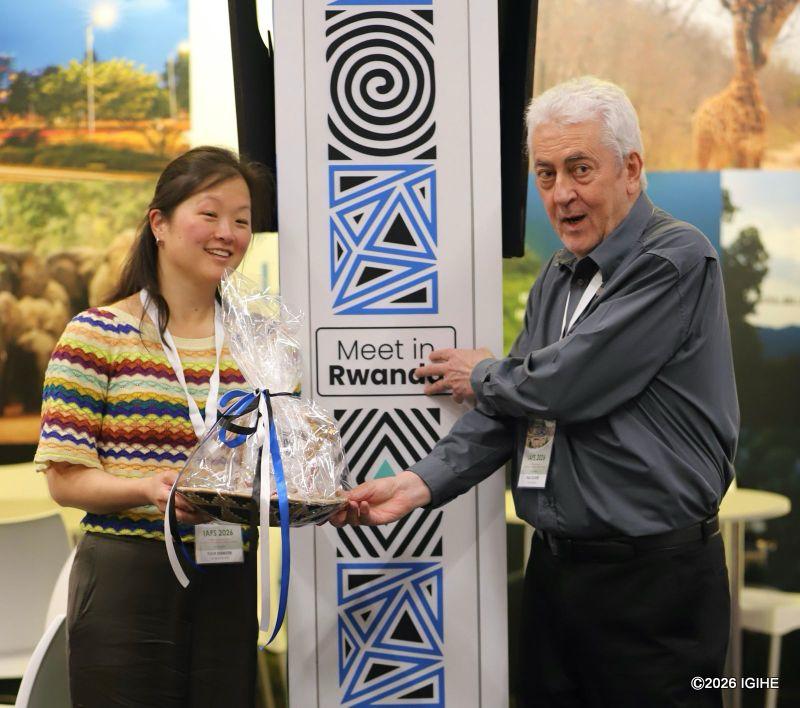
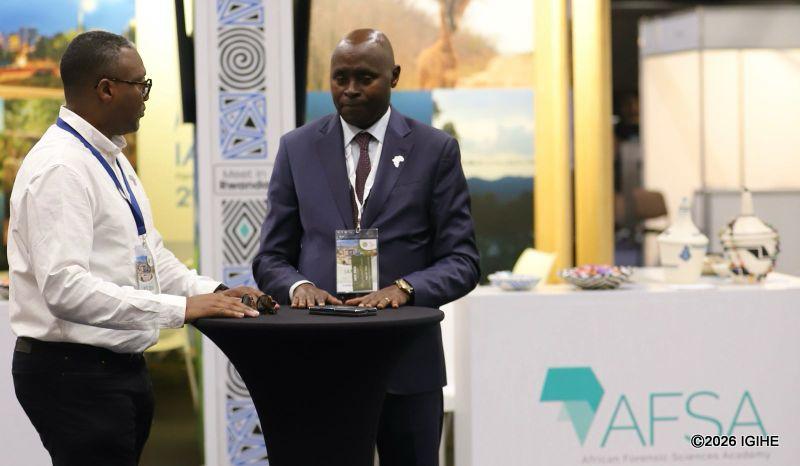
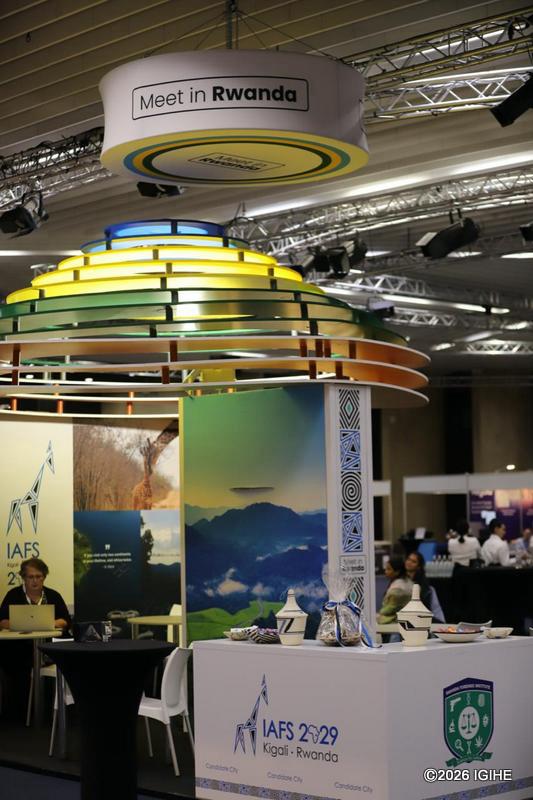
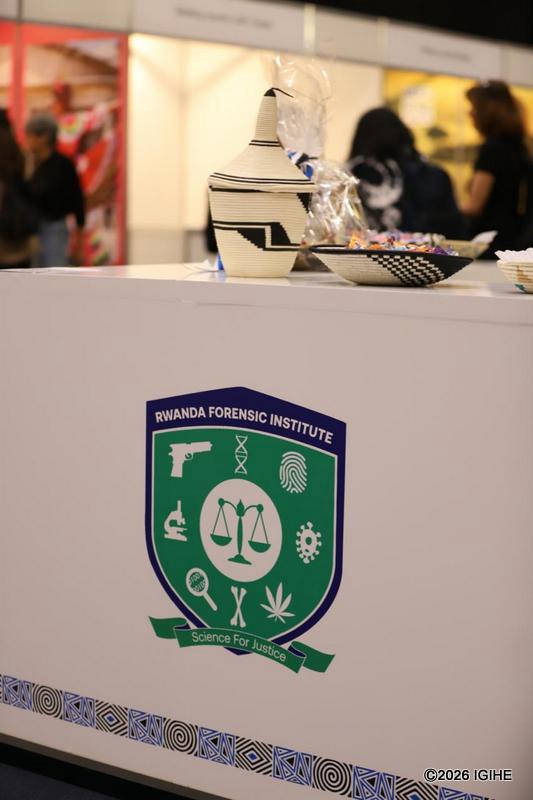
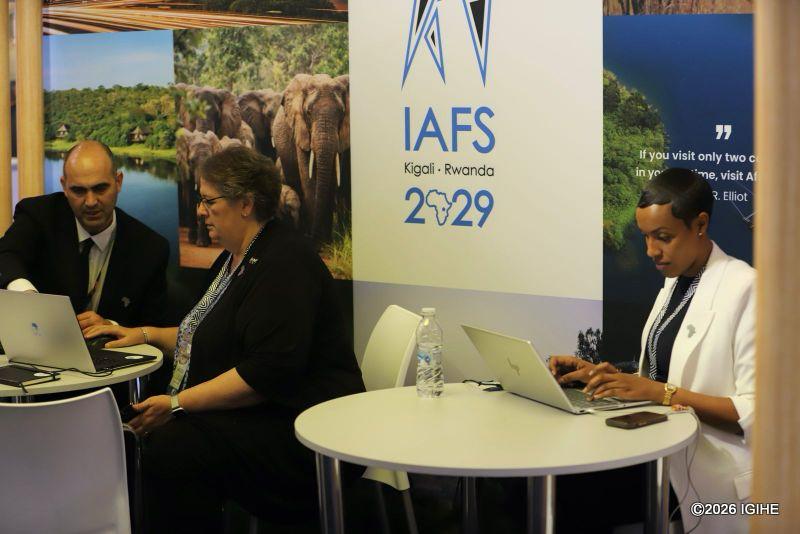
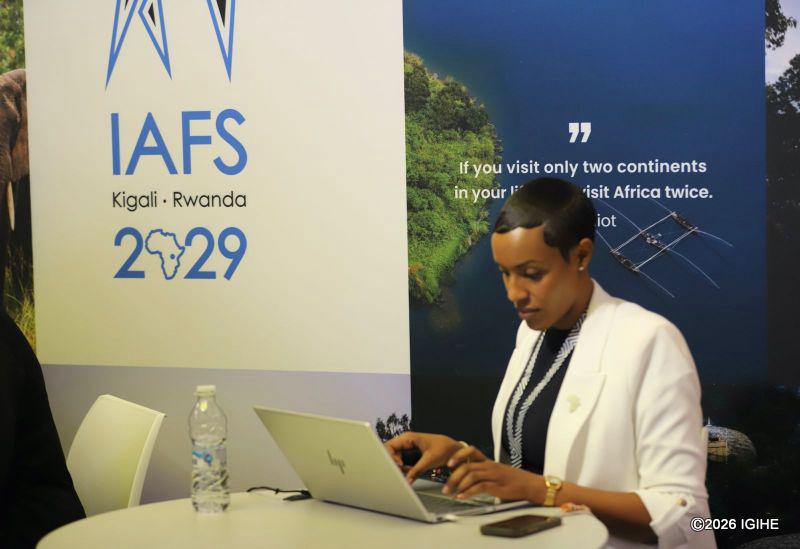
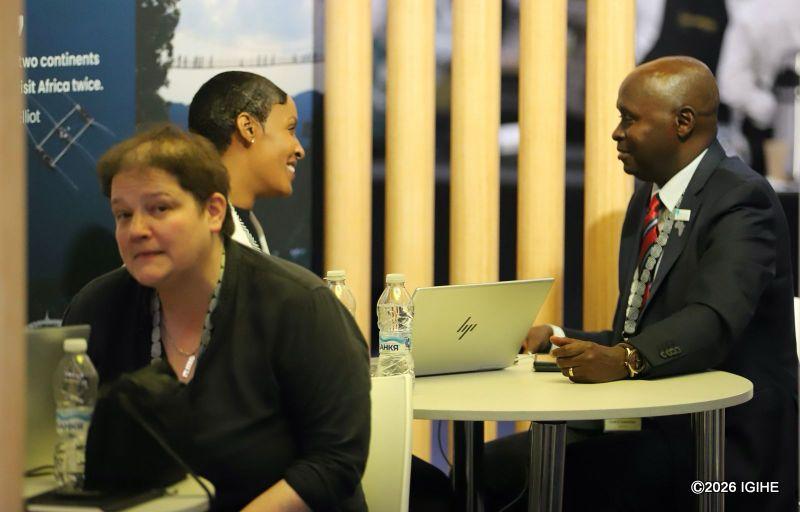
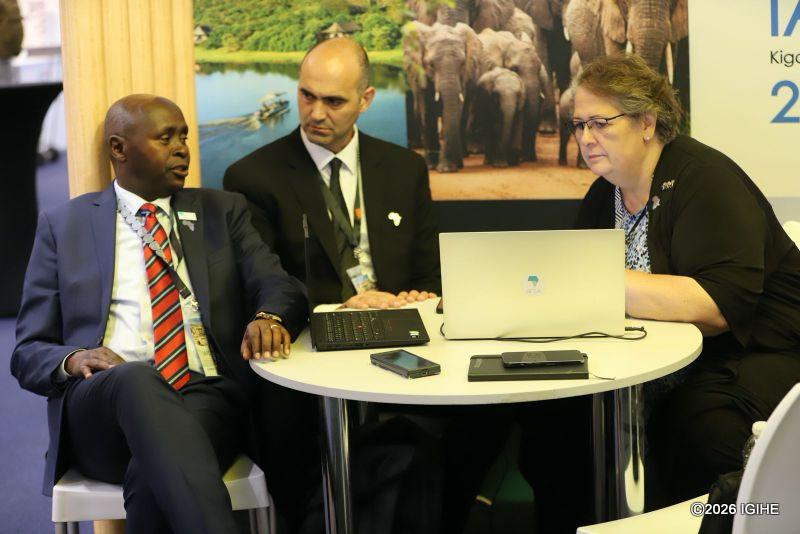
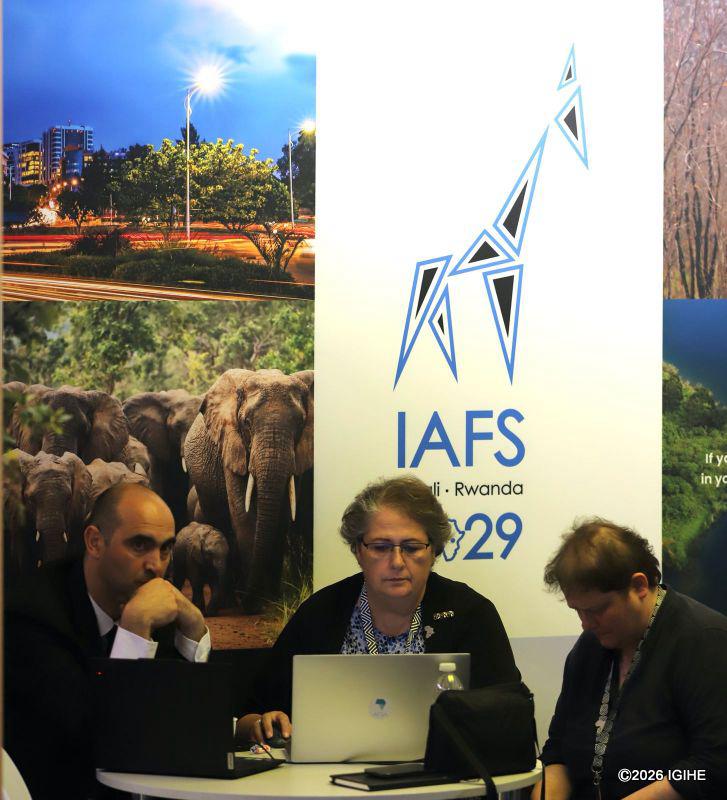
The Rwanda stand particularly attracted significant attention from visitors, alongside those of the United Kingdom, Mexico, Brazil, and the United Arab Emirates.
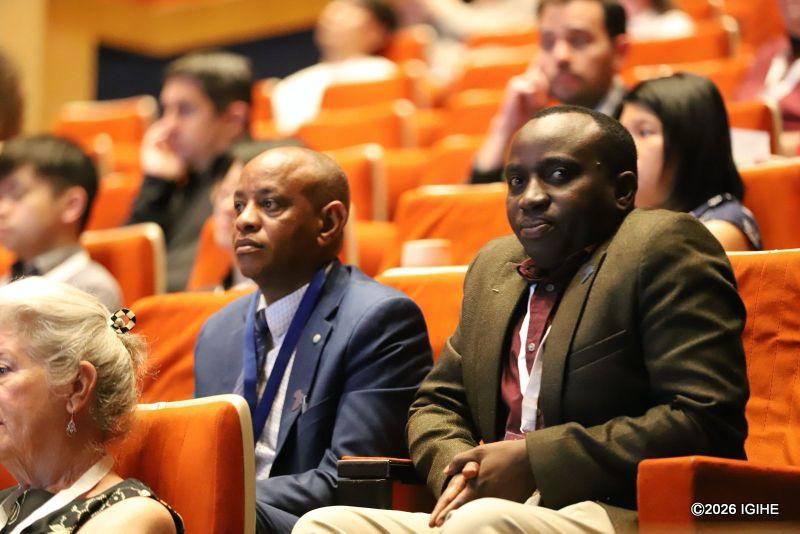
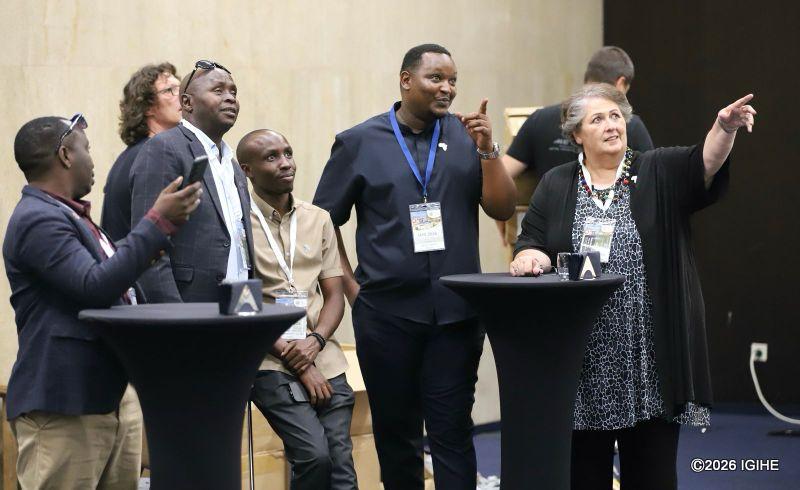
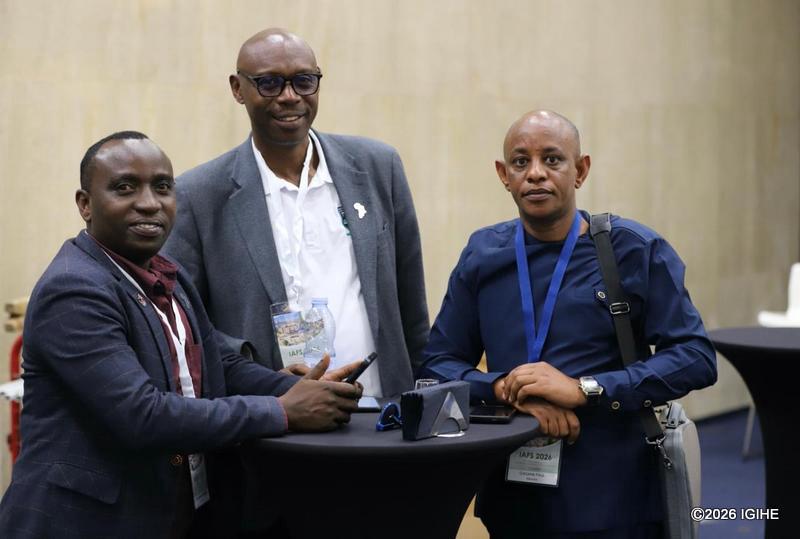
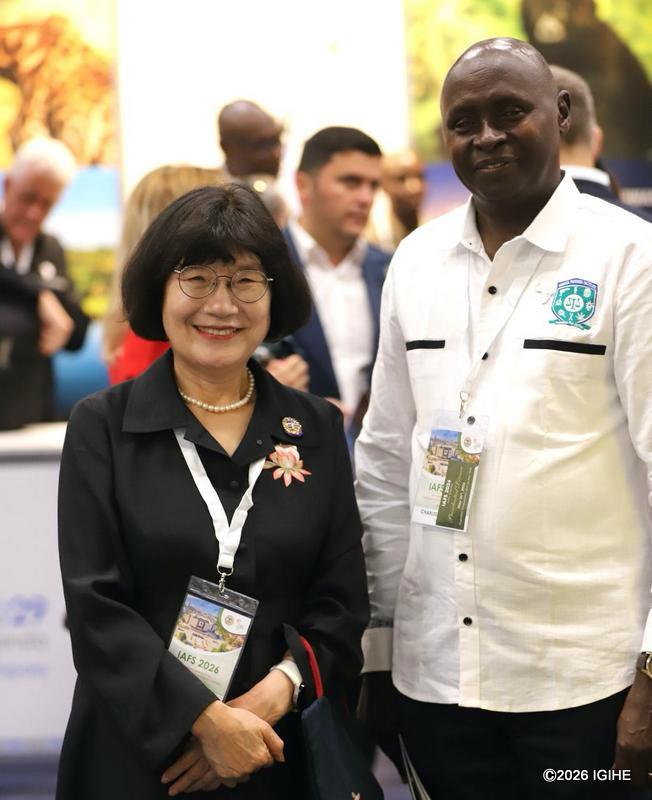
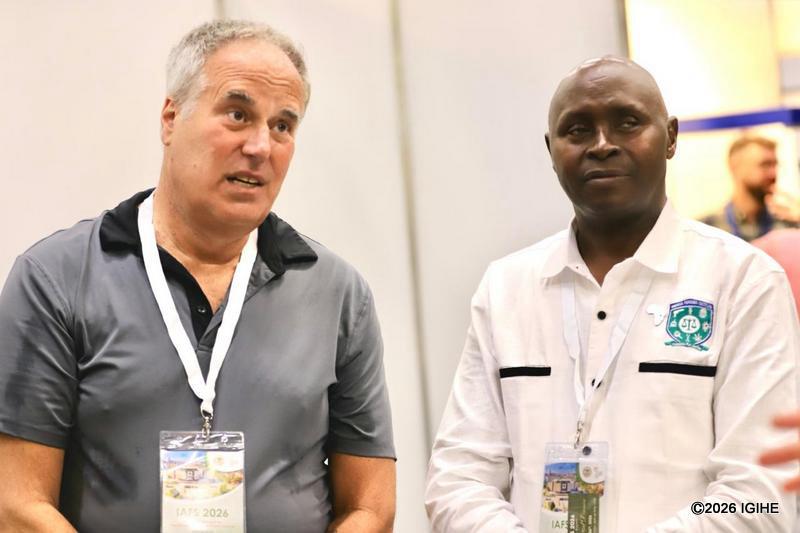
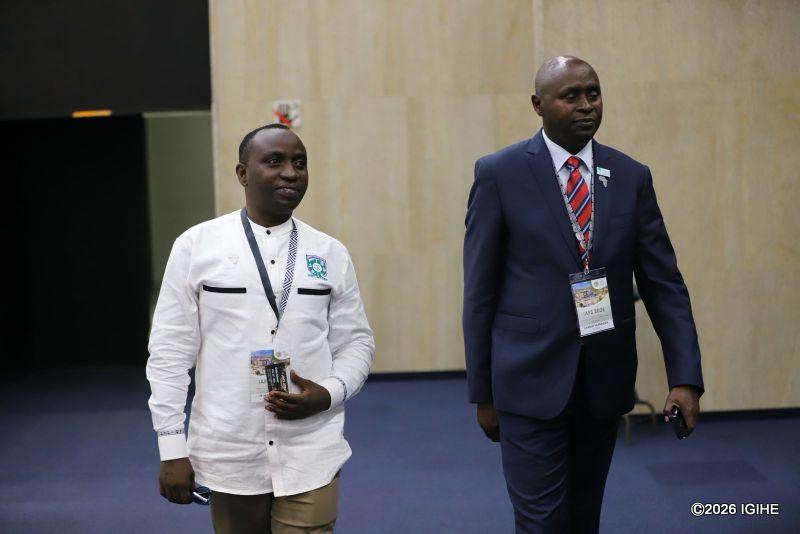
The Rwandan delegation, notably composed of Lieutenant Colonel (Rtd) Dr. Charles Karangwa, and Dr. Antonel Ocklers, showcased the country’s progress in forensic sciences, particularly in DNA analysis, laboratory management, and international scientific cooperation.
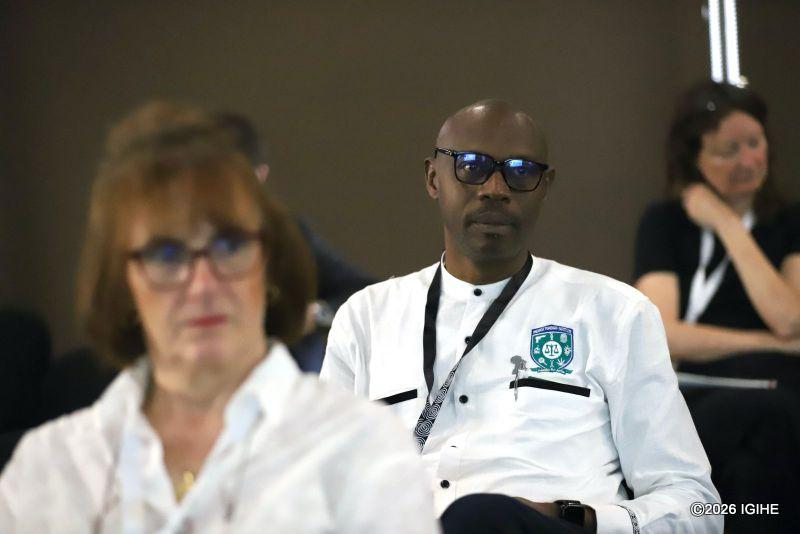
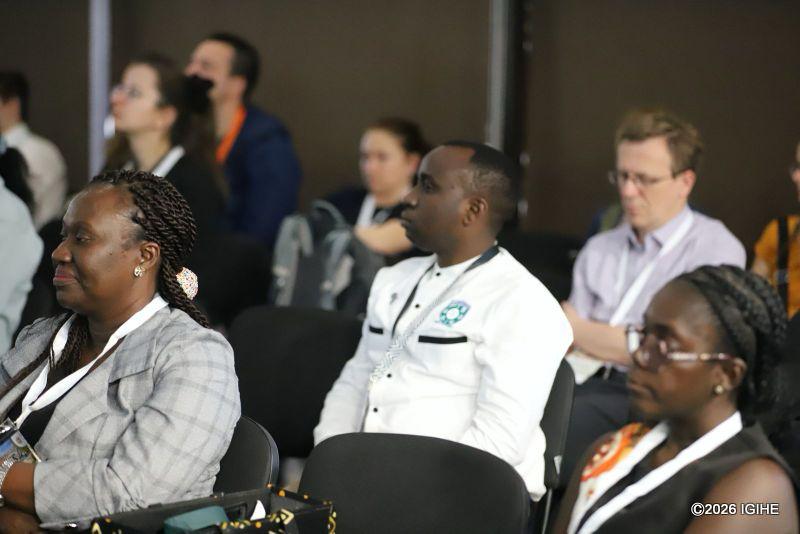
The afternoon marked the official beginning of parallel scientific sessions, transforming the conference halls into dynamic spaces for academic exchange and technical debate.
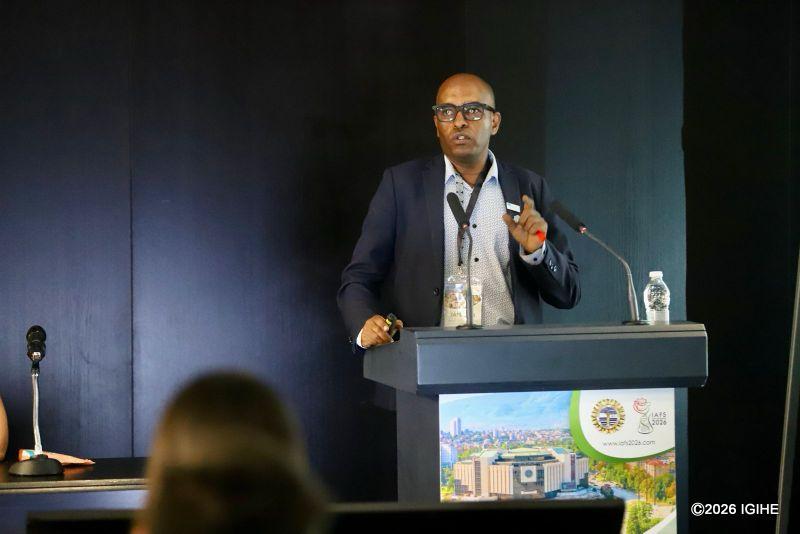
Researchers and experts presented studies on forensic genetics, digital forensic analysis, advanced identification techniques, and innovations in scientific investigations.
The Rwandan delegation stood out particularly during this first day.
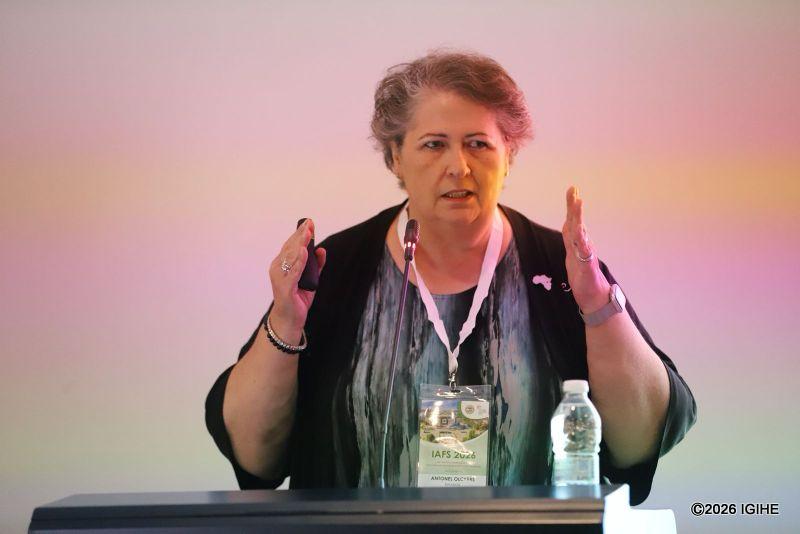
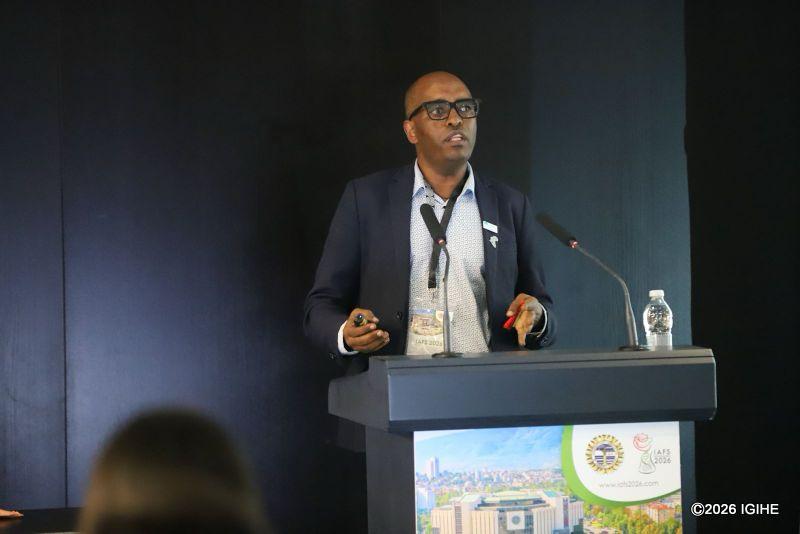
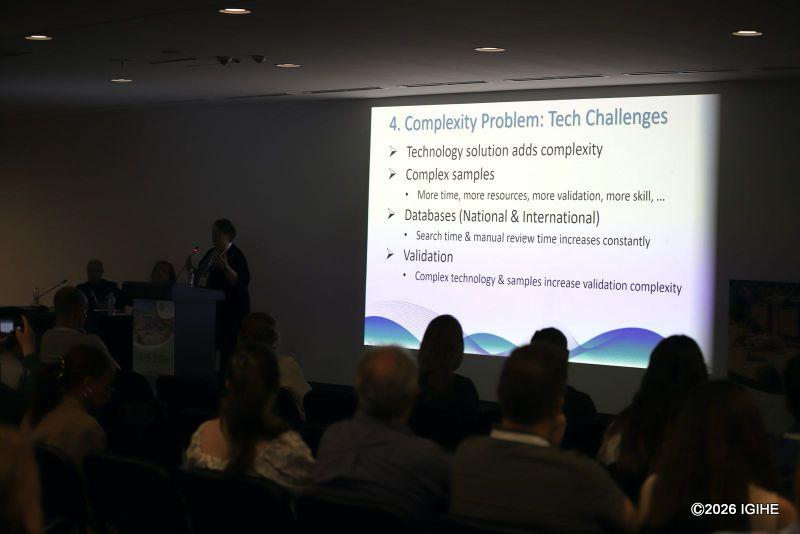
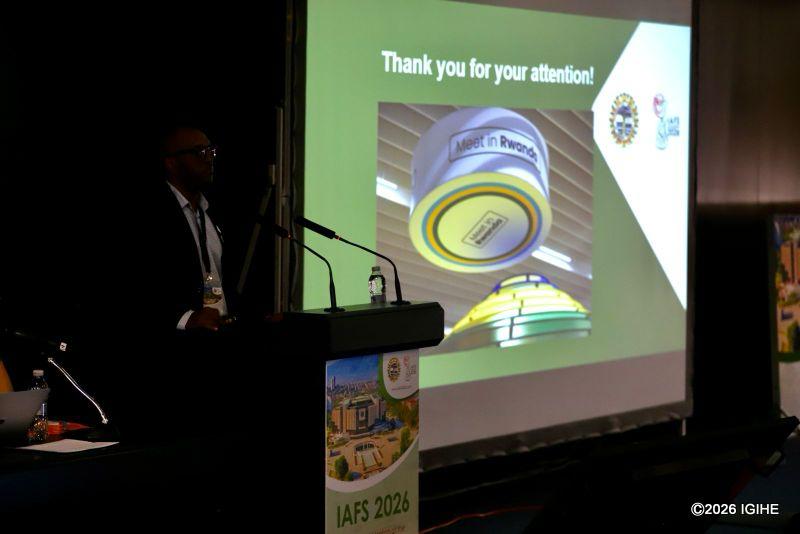
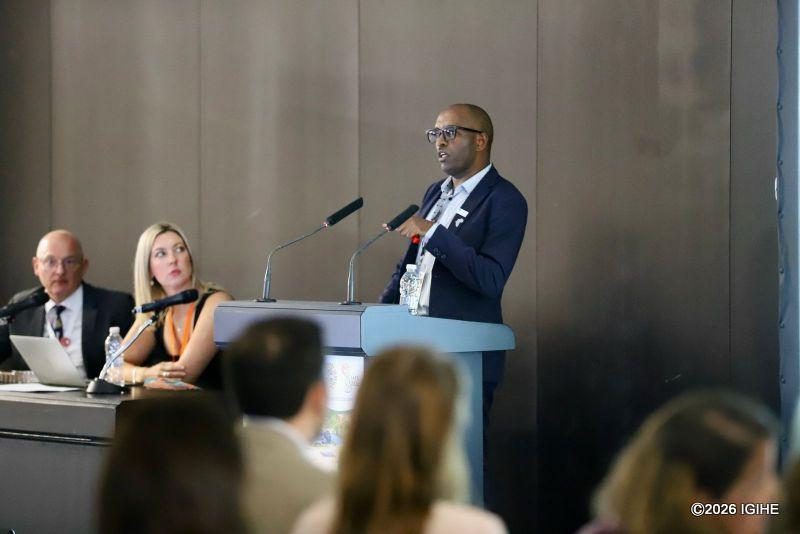
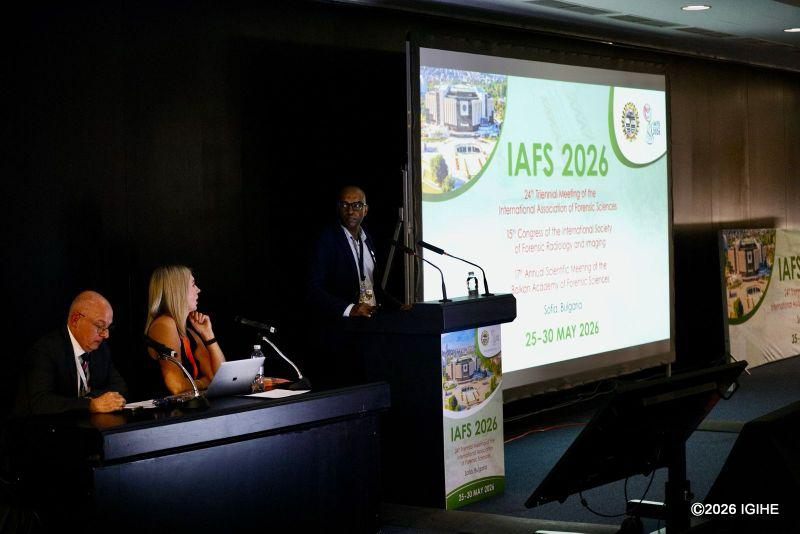
During the event, Dr. Antonel Ocklers delivered a scientific presentation entitled: “A Systems Engineering Approach to Managing DNA Production Backlogs.”
Through this presentation, she proposed an innovative framework aimed at improving the efficiency of forensic laboratories through sustainable systemic solutions adapted to contemporary institutional realities.
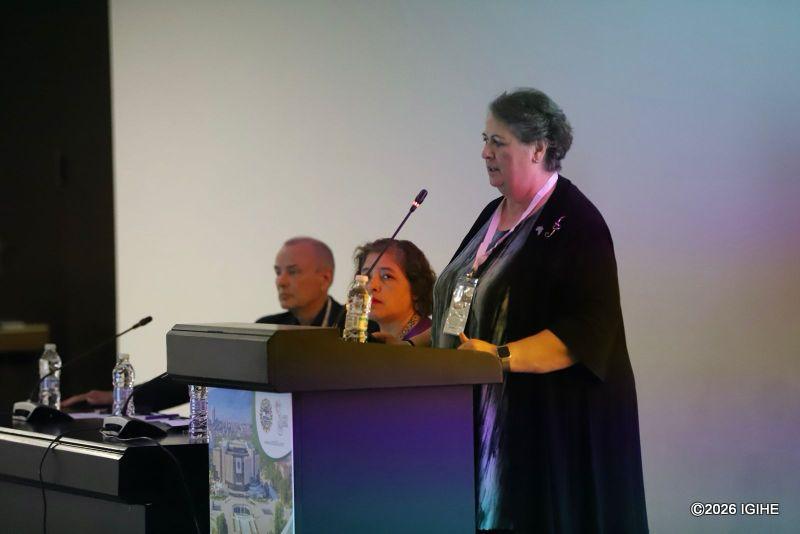
Beyond her own presentation, Dr. Antonel Ocklers also chaired the session dedicated to “DNA and Forensic Genetics.”
In this role, she skillfully moderated scientific discussions among international experts and guided conversations surrounding various technical presentations, further confirming Rwanda’s growing place in major global forensic science discussions.
From the international recognition granted to African experts to the active participation of Rwandan researchers in high-level scientific debates, the first day of IAFS 2026 in Sofia was marked by a strong spirit of collaboration, innovation, and scientific excellence.
Congress activities will continue until Thursday, featuring several panels, workshops, and scientific presentations bringing together specialists from around the world.


karirima@igihe.com
Leave a Reply