
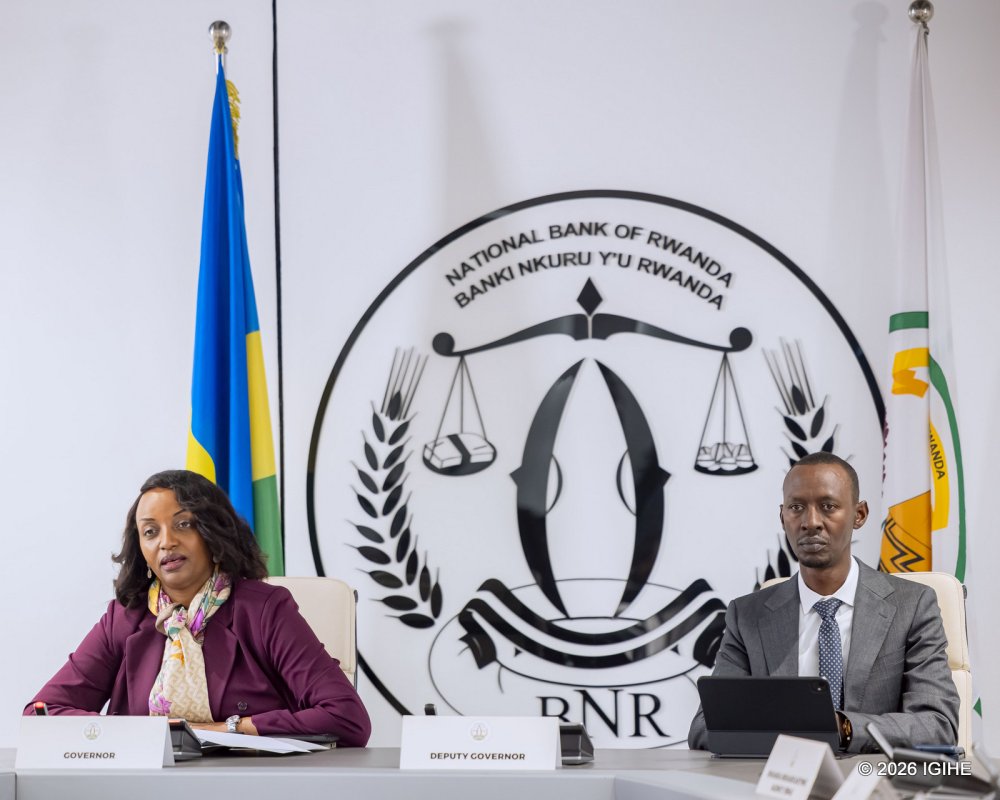
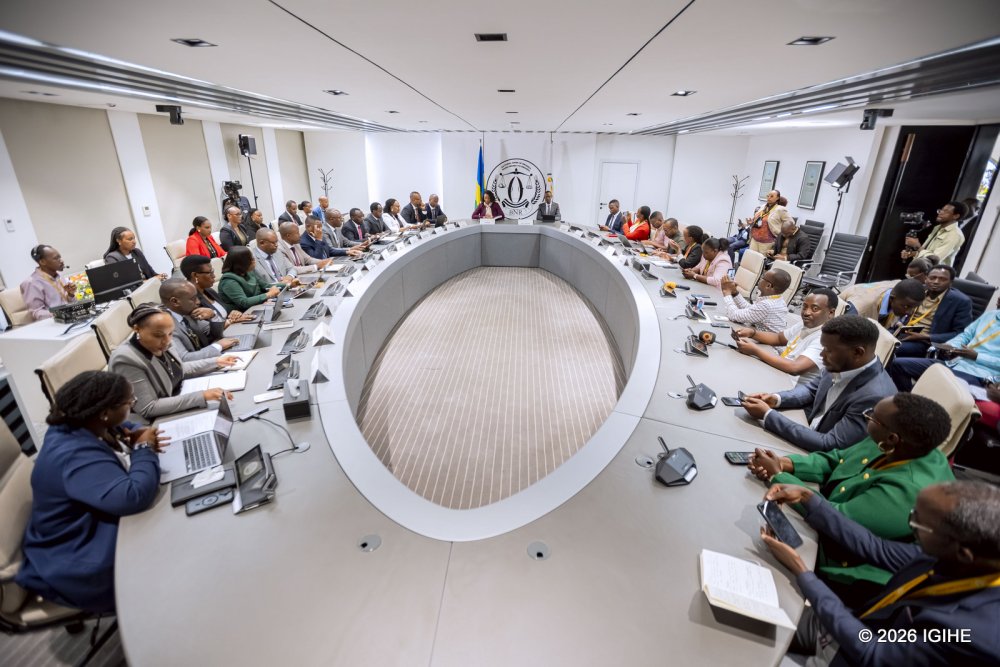
The decision was announced on Thursday, May 21, by BNR Governor Soraya Hakuziyaremye during a Monetary Policy Committee (MPC) and Financial Stability Committee press conference in Kigali.
According to the Monetary Policy Committee statement issued following its May 20, 2026, meeting, the policy tightening aims to steer inflation back toward the 5% medium-term target while containing growing price pressures across the economy.
This is the second time BNR has raised the rate, after increasing it by 50 basis points to 7.25% in February.
The rate hike works by raising the cost of money across the local banking sector. When the BNR increases its benchmark rate to 8.25%, it directly drives up the cost of short-term borrowing for commercial banks. To protect their margins, commercial lenders will likely pass this increase down to the market, making business loans and personal credit more expensive.
By making borrowing less attractive, the policy aims to gently ease consumer spending and corporate expansion, giving supply chains time to adjust and helping bring inflation back toward its 5% target.
Inflation pressures intensify
The MPC noted a sharp rise in inflation in recent months. Headline inflation increased to 9.1% in the first quarter of 2026, up from 7.4% in Q4 2025, driven by higher core, fresh food, and energy prices.
Price pressures strengthened further in April 2026, with inflation rising to 13.0% from 9.2% in March, well above the central bank’s target band of 2% to 8%.
Energy inflation recorded a particularly steep increase, alongside rising costs in food and core categories such as housing, hotels, and restaurants.
Outlook revised upward
The central bank has revised its inflation outlook upward, now projecting an average inflation rate of 13.9% in 2026, compared to a previous forecast of 9.4% made in February.
“The MPC has decided to increase the CBR to 8.25 percent. The MPC considers this level appropriate to help steer inflation back toward the 5 percent objective over the medium term,” Governor Hakuziyaremye told members of the press.
The revision reflects both domestic and external factors, including higher global energy prices linked to geopolitical tensions in the Middle East, as well as increased transport costs caused by supply chain disruptions.
Inflation is expected to ease to around 7.4% in 2027, supported by tighter monetary policy, improved agricultural output, and other stabilisation measures.
Despite inflationary pressures, Rwanda’s economy continues to show strong performance. Real GDP grew by 9.4% in 2025, while economic activity expanded further in early 2026, with the Composite Index of Economic Activities (CIEA) rising by 16.5% in Q1 2026.
External trade also strengthened, with merchandise exports increasing by 63.2% year-on-year in Q1 2026, driven by higher coffee and mineral export volumes and stronger prices. Non-traditional exports rose by 64.8%, led by processed cooking oil and wheat flour.
The MPC reported improved monetary policy transmission, with the interbank rate rising to 7.13%, moving closer to the CBR following earlier policy tightening.
However, deposit rates declined to 9.15%, while lending rates eased slightly to 15.67%, reflecting shifts in deposit composition and corporate lending conditions.
The central bank said the rate increase reflects its commitment to maintaining price stability and protecting household purchasing power, while supporting broader macroeconomic stability.
The bank added that the Monetary Policy Committee would continue to closely monitor global and domestic developments amid persistent upside risks to inflation.
Leave a Reply