KETHA trains students in tourism and hospitality and has partnered with Zaria Court Hotel to provide internship opportunities where students can gain hands-on experience and apply the skills they learn in class.
Students who have undertaken internships at the hotel say the experience has exposed them to a professional working environment, modern equipment and experienced staff.
Irakoze Daic, who works in beverage preparation, said the internship had helped him expand his practical skills.
“First of all, I would like to thank the management of Zaria Court and KETHA for bringing me to this hotel. I gained a lot of knowledge here. I was given the opportunity to work with their equipment, and I also appreciate the staff I worked with. They were very welcoming and we worked well together.”
Mugabekazi Benitha, who works in housekeeping, said the internship enabled her to put her classroom knowledge into practice.
“I thank my school for sending me here. I was well trained, and I am also grateful to Zaria Court for welcoming me and helping me learn more about the work I had studied. I can now put what I learned into practice.”
For some students, the internship has also opened the door to employment. Some of those who complete their training at the hotel are later recruited to join the Zaria Court Hotel Tapestry Collection by Hilton team.
Dr. Alphonse Habimana, Principal and Managing Director of KETHA, said the partnership gives students the practical experience they need to deliver quality services in the hospitality industry.
“We greatly appreciate our partnership with Zaria Court Hotel, which welcomes our students for internships and supports them in developing the skills they need to compete in the job market and provide quality hospitality services.”
He said the experience also helps students develop professionally and increases their ability to compete for jobs after completing their studies.
Christella Mugisha, Training Manager at Zaria Court Hotel, said the programme gives students an opportunity to gain experience in a real workplace, adding that the hotel frequently recruits from its pool of interns.
“At Zaria Court, we do not look for employees elsewhere. We often recruit from among the students who have had the opportunity to undertake internships at our hotel.”
Mugisha said the prospect of gaining practical experience and potentially securing employment encourages students pursuing tourism and hospitality studies to take their training seriously.
Mugabekazi Benitha said Zaria Court has helped her gain more skills in housekeeping.Irakoze Daic has thanked Zaria Court staff for the training and support they provided.Christelle Mugisha said some interns are later hired by Zaria Court.Dr. Alphonse Habimana, Principal and Managing Director of KETHA has thanked Zaria Court management for the skills and experience it provides to students.
The country’s growing presence in the UK market was highlighted on Thursday in London, where Rwanda’s High Commissioner to the UK, Johnston Busingye, joined several Rwandan women entrepreneurs in the fresh produce sector and a representative of the National Agricultural Export Development Board (NAEB) at the Fresh Produce Consortium (FPC) Fresh Awards.
The event brought together key players from the UK fresh produce industry, providing Rwandan businesses with an opportunity to showcase their products and establish connections with supermarket chains, importers, distributors and other potential buyers.
For High Commissioner Busingye, Rwanda’s participation reflects the growing potential of the country’s horticulture sector and the strategic importance of the British market.
“Rwanda’s participation in the FPC Fresh Awards reflects the growing strength and ambition of our horticulture sector and the importance of the United Kingdom as a market for Rwandan produce,” Busingye said.
He also highlighted the growing role of women entrepreneurs in expanding Rwanda’s presence in international markets.
“We are particularly pleased to see Rwandan women entrepreneurs building relationships with UK buyers and showcasing the quality of what Rwanda has to offer,” he added.
From trade missions to actual exports
Rwanda’s push into the UK market is already producing concrete commercial opportunities.
Earlier this year, the International Trade Centre (ITC) organized the SheTrades Rwanda Trade Mission, bringing nine buyers from Europe and the Middle East to Kigali.
The visiting buyers held business-to-business meetings and visited companies led by Rwandan women operating in fresh produce and processed agrifood.
Among the companies taking part was Selly Faith Ltd, which secured a new UK client following the trade mission.
The company has since exported French beans to the UK, with shipments estimated at more than £80,000 in value within a 10-week period.
The development illustrates how targeted trade missions can help connect Rwandan businesses directly with international buyers and translate market-access initiatives into actual export opportunities.
Women entrepreneurs at the centre of the strategy
Rwanda’s participation in the London event is part of the Value-added Initiative to Boost Employment (VIBE) Programme, jointly implemented by TradeMark Africa and the International Trade Centre, in partnership with the Mastercard Foundation.
Through the ITC SheTrades initiative, the programme works with NAEB and the SheTrades Rwanda Hub, hosted by the Private Sector Federation’s Specialized Cluster, to support women-led businesses in the fresh horticulture and processed agrifood sectors.
The programme is helping these businesses access international markets, including the UK, the European Union and the Middle East.
Beyond increasing exports, the initiative is also aimed at generating wider economic benefits through job creation and improved livelihoods for women, young people and other workers across agricultural value chains.
Madrid next
Rwanda’s international market-access drive will continue next month in Spain.
From October 6 to 8, 2026, 15 Rwandan women-led fresh produce businesses are expected to exhibit at Fruit Attraction in Madrid.
The successive appearances at major international trade events reflect Rwanda’s efforts to give its agricultural products greater visibility abroad while creating direct links between local producers and international buyers.
For Rwanda’s horticulture sector, the focus is increasingly shifting from simply gaining exposure to converting that visibility into long-term commercial partnerships and increased export volumes.
The UK, now identified as Rwanda’s top horticultural export market, is at the centre of that strategy.
karirima@igihe.com
Rwanda’s growing presence in the UK was highlighted on Thursday in London, where High Commissioner Johnston Busingye, joined Rwandan women entrepreneurs in the fresh produce sector and a representative of NAEB at the Fresh Produce Consortium (FPC) Fresh Awards.
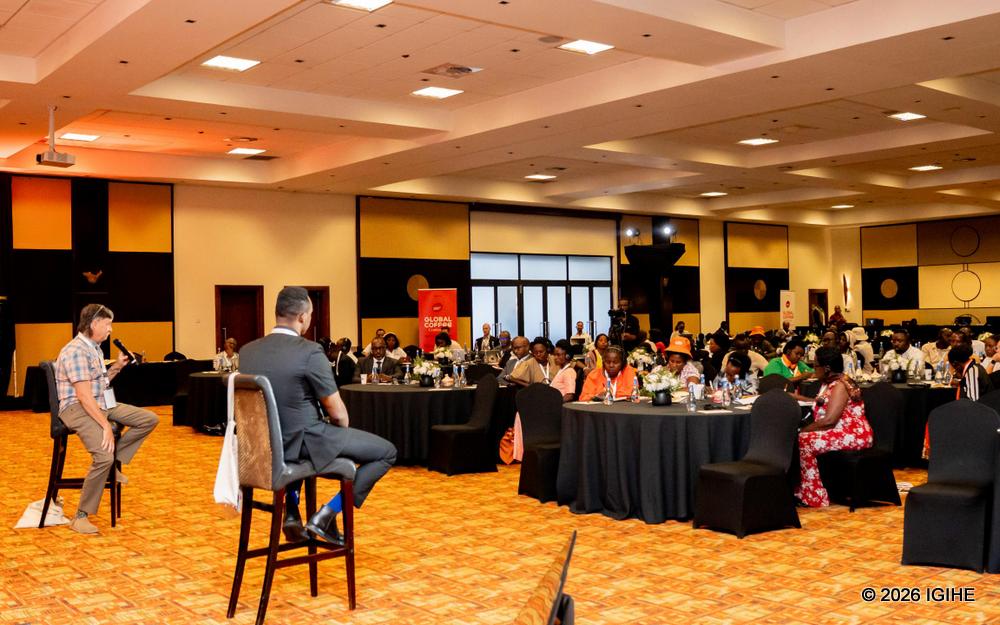
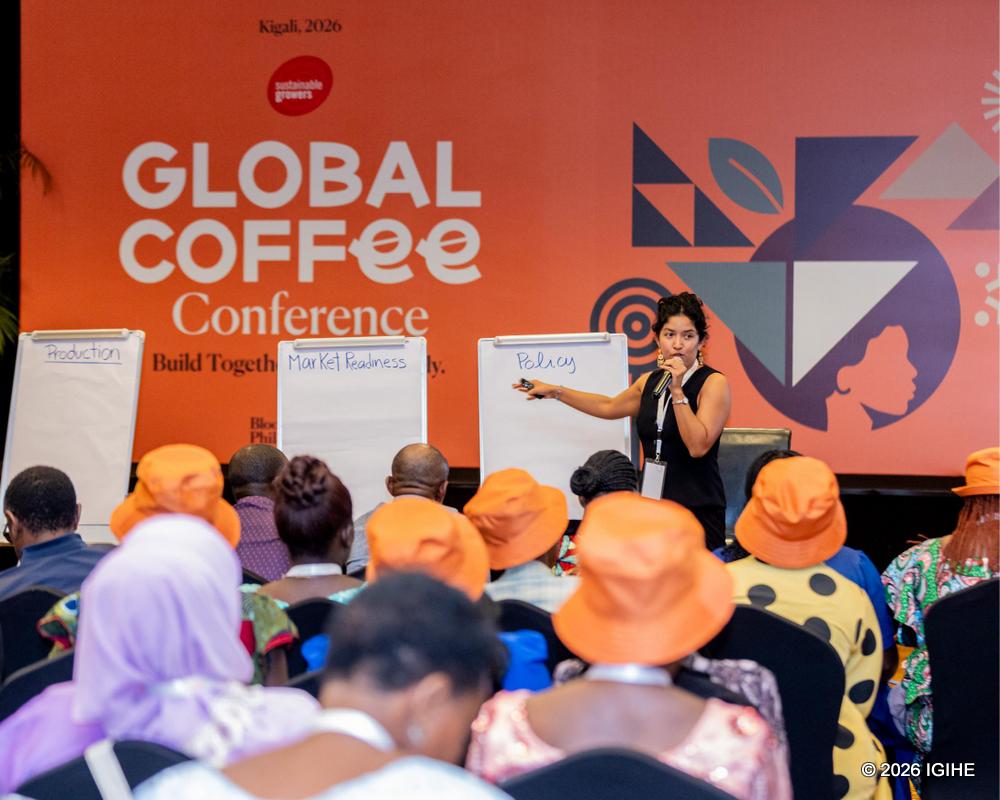
The call was made during a two-day Global Coffee Conference held in Kigali from September 24, 2026.
Organised by Sustainable Growers, the conference brings together farmers, buyers, coffee processors, private-sector players, investors and other stakeholders involved in the coffee value chain.
It was preceded by visits to two coffee cooperatives involved in growing and processing coffee in Rwanda: Nyampinga Cooperative in Nyaruguru District and KOPAKAKI DUTEGURE in Karongi District.
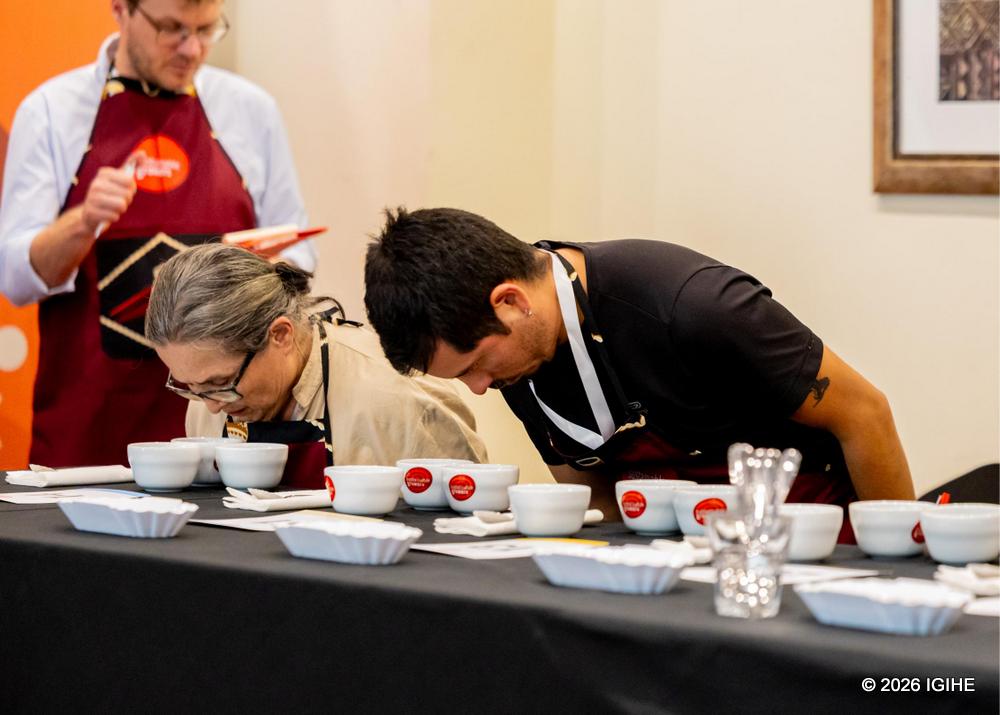
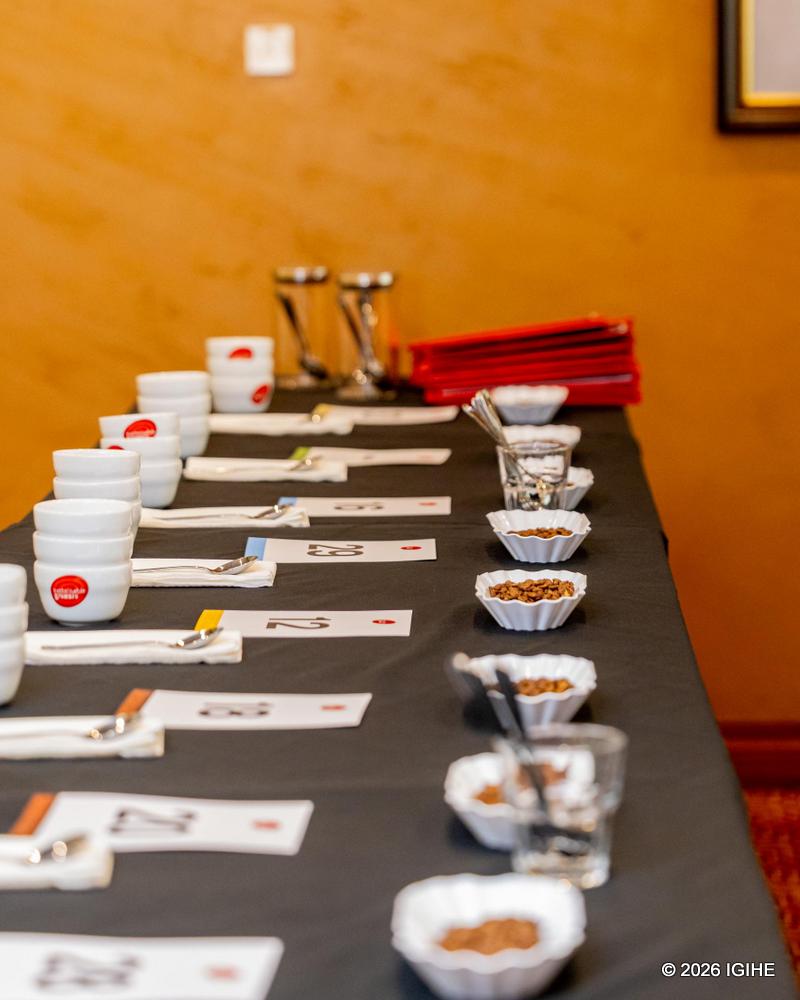
The conference has attracted participants from more than 17 countries and also featured coffee tasting sessions showcasing specialty coffees from different countries.
Minister of Gender and Family Promotion Uwimana Consolée, who officially opened the conference, said Rwanda’s coffee sector has made significant progress and generated substantial export revenues, but women involved in the sector should also benefit more from its growth.
“Rwanda’s exports reached more than $1.1 billion in the 2025-2026 financial year, with coffee generating a record $148.6 million. These figures demonstrate the strength and potential of our coffee sector. But this growth must be reflected in the pockets of our women,” she said.
“Women may produce coffee and create its value, yet remain excluded from the decisions, capital, and market that determine who benefits. Participation is not ownership, and producing value is not the same as having a stake in it. This is where our next phase of transformation must focus,” Uwimana added.
She said women coffee farmers around the world continue to face challenges in accessing financial services, markets and decision-making opportunities, calling for stronger collaboration to address them.
“It requires strong and coordinated partnership among governments, the private sector, financial institutions, producer organizations, and the global trade network,” she said.
NAEB Chief Operations Officer Urujeni Sandrine said Rwanda’s coffee value chain has made progress through partnerships supporting the sector, but more needs to be done to strengthen collaboration across the entire chain.
“We grow coffee and there are partnerships in different projects related to the sector, but we need to go beyond that and establish collaboration across the coffee value chain,” she said.
“As NAEB, we are there on the government side, development partners are there, and coffee processors and farmers are also there. What is missing is bringing everyone together and working with a business-oriented approach that can attract adequate and sustainable investment.”
She said stronger collaboration would help coffee farmers improve production while ensuring that increased productivity translates into higher incomes.
Brazilian Ambassador to Rwanda Irene Vida Gala also stressed the importance of cooperation between coffee-producing countries and international partners.
Highlighting that coffee connects countries, communities and people by strengthening cooperation between coffee-producing countries and international partners, the envoy stressed the need to build a sustainable value chain that benefits farmers, fosters innovation and gives farmers a stronger role in shaping the future of the coffee sector.
Dr. Innocent Ndikumana, Chairperson of the Board of Sustainable Growers, said the organisation has trained more than 77,000 women in Rwanda, Tanzania and the Democratic Republic of Congo on improved coffee farming and value addition.
He said 97% of the women trained have applied the knowledge they acquired.
According to Dr. Ndikumana, the programme has also contributed to improvements in access to financial services and health insurance, while some women have been able to acquire personal assets and contribute to the development of their households.
Nyirandimubanzi Jacqueline, who heads Association Hingakawa, a women coffee growers’ association in Gakenke District, said women coffee farmers in Rwanda have made progress compared with the past.
“In the past, a woman in Rwanda would grow coffee and simply harvest it. Today, we know how to process our coffee and take it to the market, and we understand what it generates and how the income can be used in household planning,” she said.
Participants at the conference are drawn from countries including Rwanda, Tanzania, Brazil, Nicaragua, Mexico, Costa Rica, Honduras, Peru, Puerto Rico, the United States, the United Arab Emirates, Japan, France, Switzerland, Finland and Italy.
The conference brought together participants from more than 17 countries.Experienced coffee growers shared their knowledge and expertise with fellow participants.Participants discussed ways to advance the coffee sector.Minister of Gender and Family Promotion Uwimana Consolée said Rwanda’s coffee sector is making significant progress.Brazilian Ambassador to Rwanda Irene Vida Gala stressed the importance of cooperation between coffee-producing countries and international partners.Nyirandimubanzi Jacqueline, head of Association Hingakawa, said women coffee farmers in Rwanda have made significant progress compared with the past.Participants were trained on how to market coffee to generate greater returns.
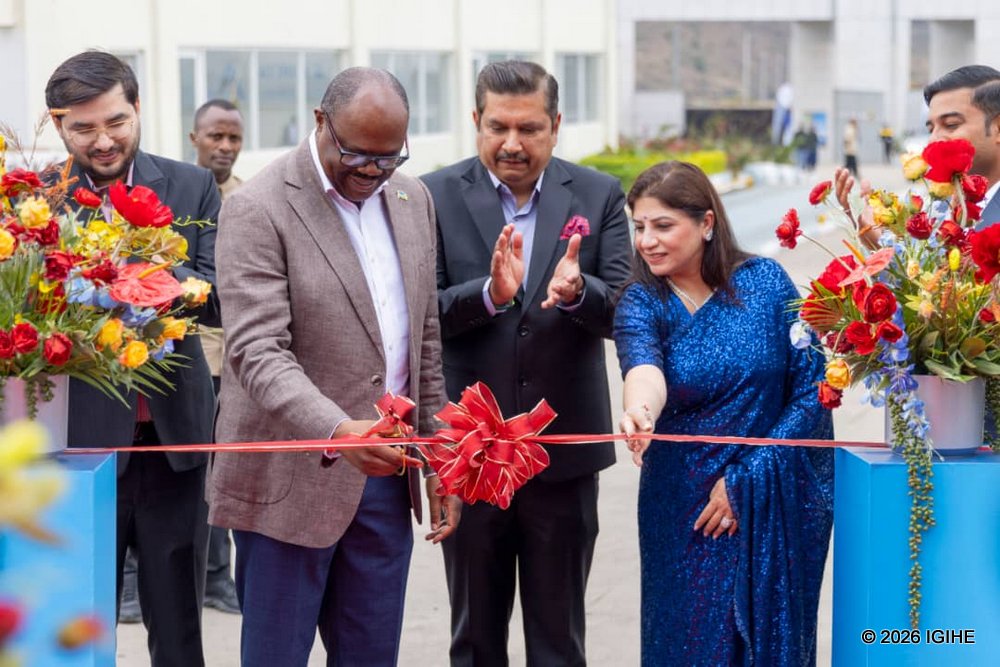
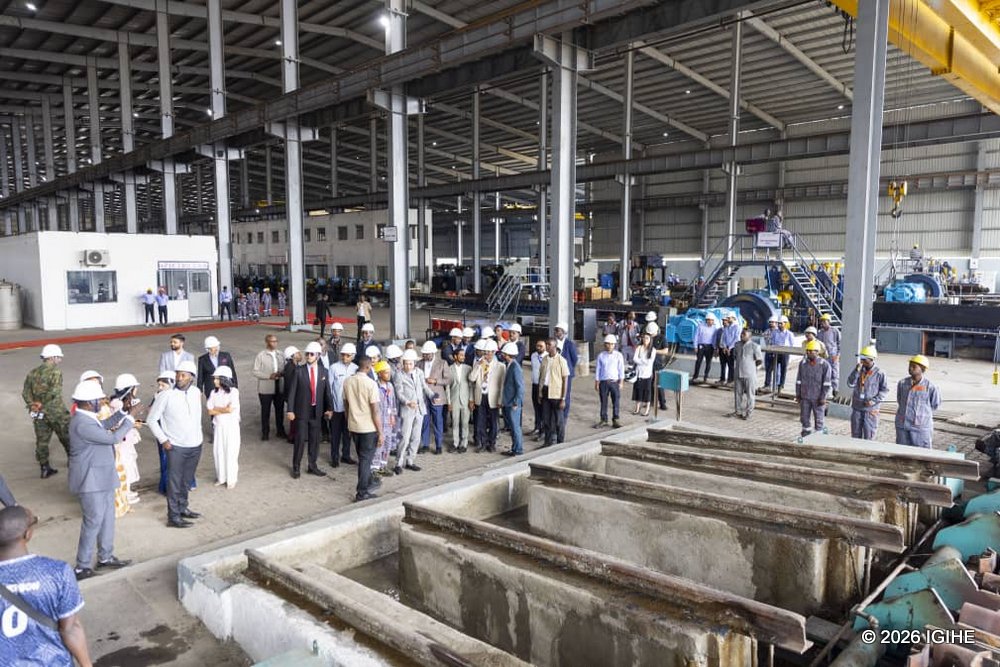
The plant based at Musanze Industrial Park in Kimonyi Sector, was built by Indian investors at a cost of $20 million (Rwf29 billion) and is expected to use 40 megawatts of electricity per day.
Unlike plants that recycle scrap metal into new steel products, A1 Iron & Steel Rwanda Ltd will process locally sourced iron-bearing raw materials, particularly those extracted from mines in Rulindo District.
The minerals will first be smelted into steel, which will then be used to manufacture a range of products.
The plant is expected to produce more than 10 types of steel products, including nails, steel wires, steel pipes, reinforcing bars and other products mainly used in construction.
Speaking at the inauguration ceremony, Prime Minister Nsengiyumva said the plant will increase the volume of products manufactured locally while adding value to available resources.
“For years our industrial sector has relied heavily on imported steel. In 2025 alone, Rwanda imported more than US$150 million worth of steel products and we expect that our growing economy will continue to drive rising demand for steel as we build our infrastructure, our cities and our businesses. But importantly, A1 Iron and Steel changes that equation,” he said.
“By processing locally sourced iron ore into finished steel products here in Rwanda, this plant helps us move up the value chain and capture more of the value our own economic development creates. This is an achievement worth celebrating,” the premier added.
The Premier added that the plant will position Rwanda among countries that export steel products, particularly within the region.
Opportunities for Rwandans
Northern Province Governor Maurice Mugabowagahunde said the plant demonstrates investors’ confidence in Rwanda and will contribute to the province’s development, particularly in infrastructure and industrialisation.
The plant currently employs around 500 people, the majority of whom are Rwandans, and the number is expected to increase to 1,000.
It is also expected to create opportunities for about 2,500 people working in activities outside the plant but linked to its operations.
Governor Mugabowagahunde assured the investors that the raw materials required by the plant are available in sufficient quantities in Northern Province, ensuring that its operations will not be disrupted by shortages.
A1 Iron & Steel Ltd Chief Executive Officer Himanshu Tiwari said the completion of the plant marks an important milestone and opens a new chapter in Rwanda’s industrial development.
He explained the plant will focus on using raw materials available in Rwanda to produce essential construction materials, enabling it to meet domestic demand while also exporting and generating more revenue for Rwanda.
Tiwari thanked the Rwandan Government for its clear vision for industrial development and for supporting and facilitating investors seeking to invest in Rwanda.
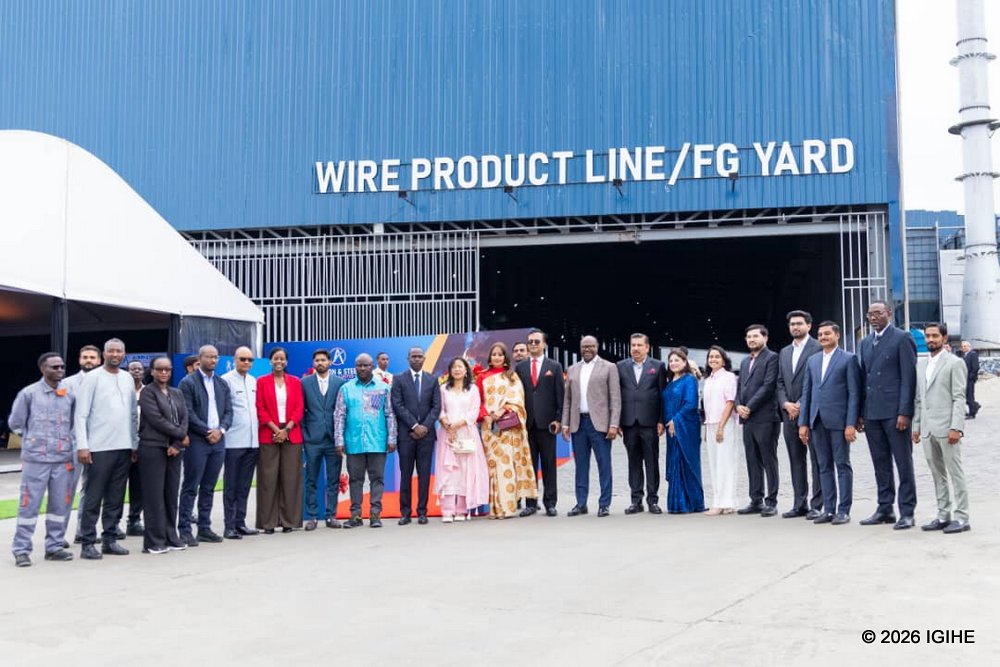
The $20 million A1 Iron & Steel plant was built by Indian investors in Musanze Industrial Park.Prime Minister Justin Nsengiyumva officially inaugurated A1 Iron & Steel Rwanda Ltd in Musanze on September 11, 2026.A1 Iron & Steel Rwanda Ltd is expected to produce up to 250,000 tonnes of steel products annually.
The company made the announcement on August 26, 2026, during a meeting with members of the media.
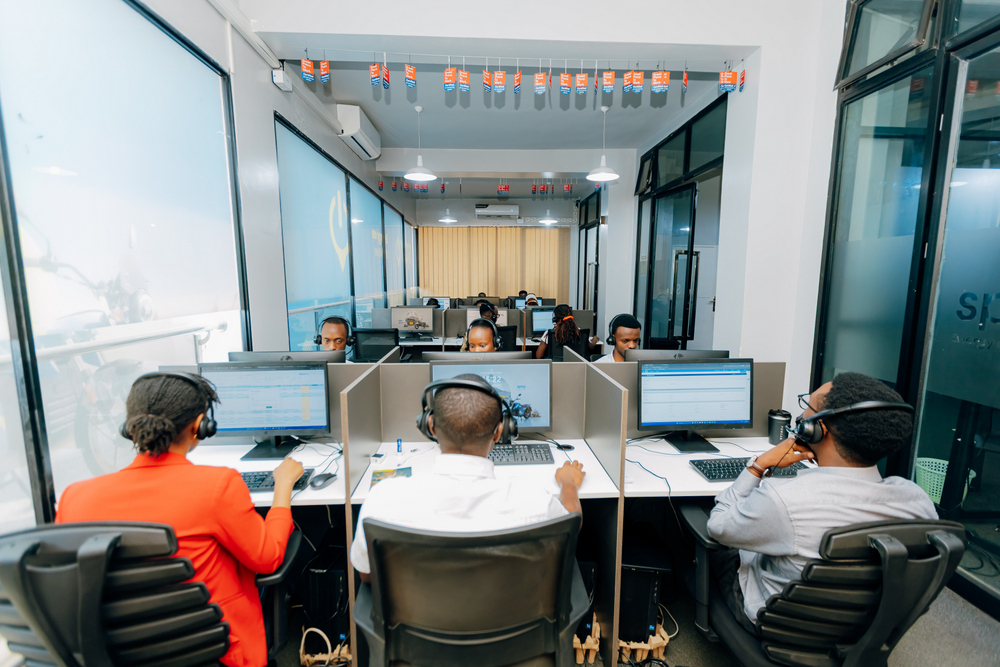
Niyonsenga Alexis, Customer Experience Manager, said the Call Center is a department that provides services to ensure that Spiro customers receive timely assistance.
“We realised that some of our customers did not know that we have a Call Center. That is why we decided to make its existence known to the public, as it has been operating for quite some time.
“We want more customers to be aware of the service so that they can receive assistance easily and efficiently,” Niyonsenga said.
He explained that customers can contact Spiro through several channels, including the company’s toll-free telephone line, 3366, as well as its social media platforms, including WhatsApp and Facebook.
Niyonsenga urged Spiro customers to use the company’s official communication channels whenever they need assistance, rather than relying on individuals who may provide inaccurate or false information.
According to Spiro management, the Call Center handles between 500 and 600 customer inquiries each day.
The customers seeking assistance fall into two main categories. The first comprises existing motorcycle owners who require support when needed while the second includes customers who are interested in purchasing new motorcycles or asking Spiro products and services in general.
Spiro Rwanda’s customer support team helps clients access services and resolve challenges.Spiro Rwanda’s Call Center handles between 500 and 600 customer inquiries each day.Niyonsenga Alexis, Customer Experience Manager at Spiro Rwanda
The tariffs were scheduled to take effect at midnight on August 19 and would have affected about $20 billion worth of Canadian imports.
Trump announced the three-day pause on August 18, saying the United States and Canada had reached a deal subject to the finalization of documents.
However, Carney gave a more cautious assessment, saying that “substantial progress” had been made but that important work remained.
The Canadian government did not publicly confirm the details of an agreement announced by Trump.
The two leaders spoke on Tuesday afternoon, marking their second conversation of the week as negotiators worked to resolve the remaining trade disagreements.
According to the U.S. Trade Representative’s office, the proposed agreement would include broader market access for American goods, economic security commitments and alignment on digital trade.
Trump also said Canada had committed to addressing U.S. concerns over Canadian duties on dairy products, alcoholic beverages and motor vehicles.
The trade dispute has created significant uncertainty for Canadian businesses.
The proposed tariffs would have affected products including wine, dairy goods and other imports, with industry groups warning that higher costs could lead to job losses and business closures.
A major disagreement has involved the automotive sector, particularly how North American content in vehicles assembled in Canada should be treated when calculating tariff deductions.
Trump also suggested that the Keystone XL oil pipeline, which was cancelled by former U.S. President Joe Biden in 2021, could potentially be revived, although he provided no details linking the project to the emerging trade agreement.
The three-day pause gives negotiators additional time to finalize the outstanding issues.
For Canada, the immediate threat of the new tariffs has been delayed, but the uncertainty remains until the two governments complete and formally confirm their agreement.
Trump has given Canada three more days to seal trade agreement.
The figure represents a 24.3 percent increase from the previous financial year, highlighting Rwanda’s continued efforts to strengthen the agricultural export sector, build resilience and expand access to international markets.
Agricultural and livestock exports generated $839.21 million in 2023/24, rising to $893 million in 2024/25 before exceeding $1.1 billion in 2025/26.
During the 2025/26 financial year, coffee, tea and pyrethrum generated $264.88 million in export revenues, while flowers, fruits and vegetables brought in $86.83 million.
Livestock products generated $204.79 million, while other agricultural and livestock-related products accounted for $554.28 million.
Rwanda exports agricultural and livestock products to markets including the United Arab Emirates, Qatar, China and other countries in Asia, as well as the United States, Europe and various African countries.
NAEB Director General Claude Bizimana told IGIHE that surpassing $1.1 billion was a reflection of the government’s continued investment in developing agricultural exports.
“Generating $1.1 billion for the first time in history demonstrates the efforts the country continues to make to develop the agricultural and livestock export sector and expand international markets,” Bizimana said.
The achievement comes as Rwanda seeks to increase the contribution of agriculture to economic development by boosting production, developing infrastructure to maintain the quality of exports and strengthening compliance with international standards, all aimed at expanding access to global markets.
Infrastructure as a pillar of export growth
Bizimana said the milestone was achieved as the government continued to invest in infrastructure designed to address challenges facing the agricultural export sector.
“Through NAEB, the government has developed various infrastructure, including coffee and tea processing and testing facilities, as well as facilities for maintaining the quality of produce before export, including sorting and storage facilities,” he said.
Rwanda currently has a laboratory at NAEB that has received international accreditation, enabling it to conduct tests whose results are recognised internationally.
The country also has facilities for sorting and storing coffee, as well as facilities for processing and cold storage of fruits and vegetables.
Focus on quality and traceability
Quality and traceability are among the key requirements in international agricultural markets, with buyers increasingly seeking information about the quality and origin of products. NAEB says Rwanda has developed systems to maintain export quality and provide international buyers with information about the products being exported.
The government also supports the promotion of Rwanda’s agricultural and livestock exports through international trade fairs and by connecting exporters with buyers, with NAEB playing a key role in facilitating these engagements.
As part of efforts to promote innovation and expand markets, NAEB has also introduced the annual Best of Rwanda coffee competition. Top-performing Rwandan coffees are sold through auctions, helping increase their value, expand markets and improve farmers’ earning potential.
NAEB has also increased the use of digital systems to speed up service delivery and make it easier for exporters to conduct business.
Increasing production and strengthening farmers’ capacity
One of the strategies for increasing foreign exchange earnings from agricultural and livestock exports is to increase both the volume and quality of production.
Bizimana said various programmes and projects have been introduced to support this goal, including helping farmers access high-quality seedlings that are resilient to climate change, providing technical support and conducting campaigns aimed at increasing productivity.
Rwanda is continuing efforts to meet the targets set under the second National Strategy for Transformation (NST2) and the fifth Strategic Plan for Agriculture Transformation (PSTA5).
NAEB says it is working with various partners to increase foreign exchange earnings from agricultural and livestock exports and expand Rwanda’s presence in international markets.
The country aims to increase revenues from agricultural and livestock exports to $1.5 billion by 2029.
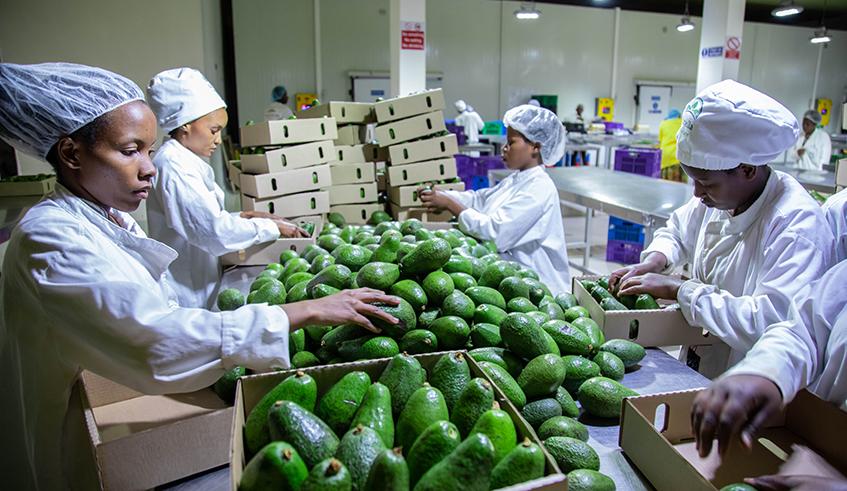
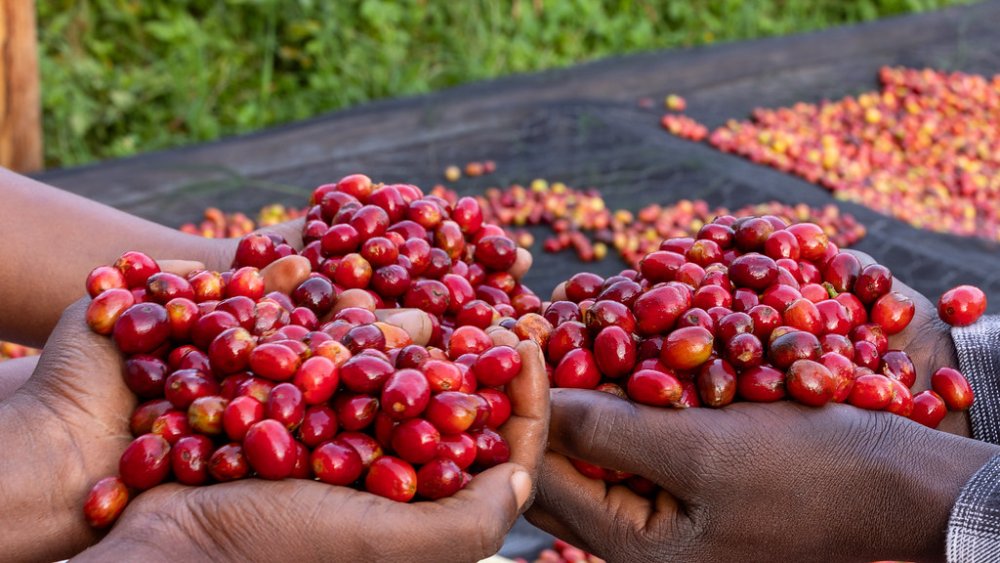
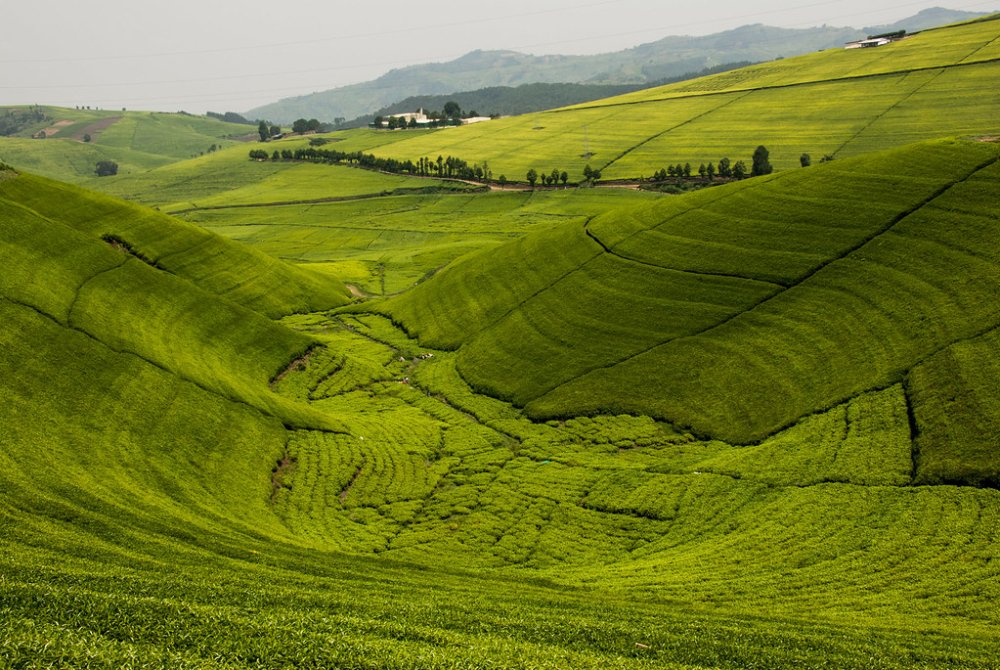
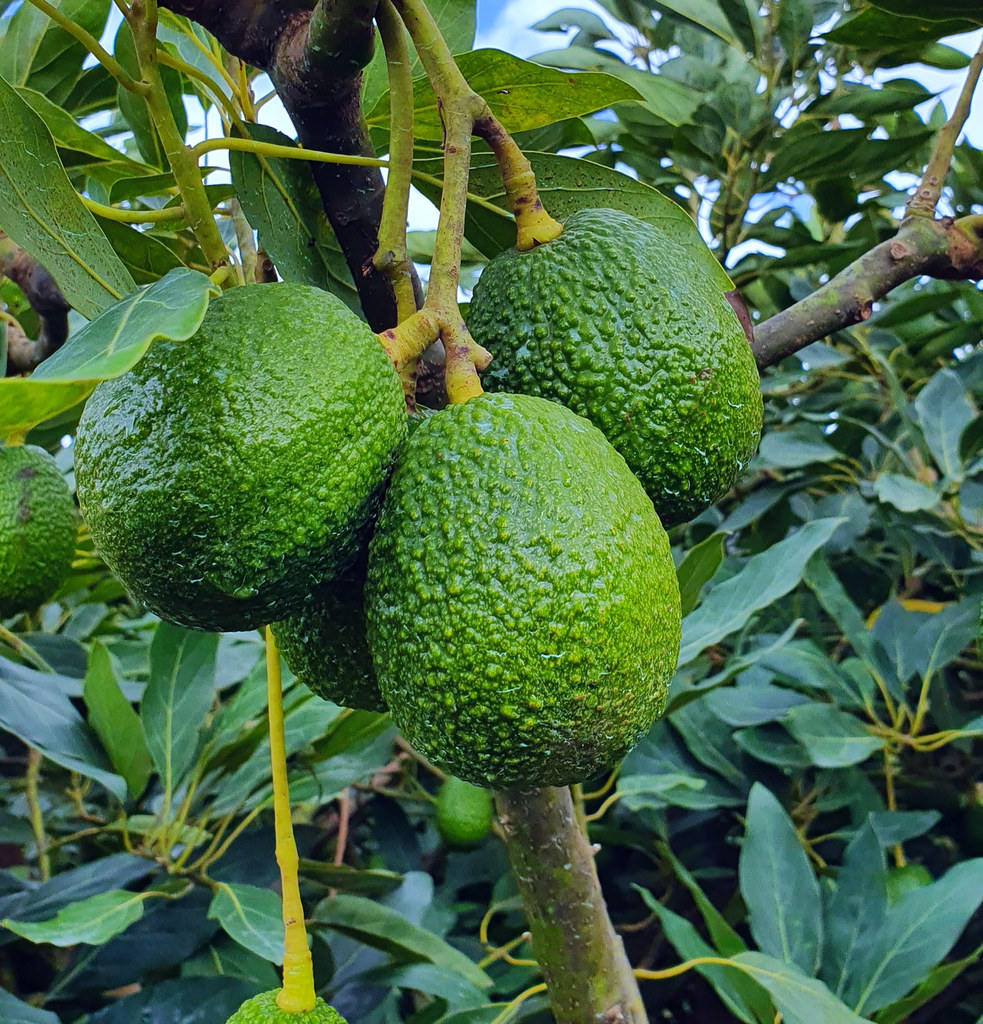
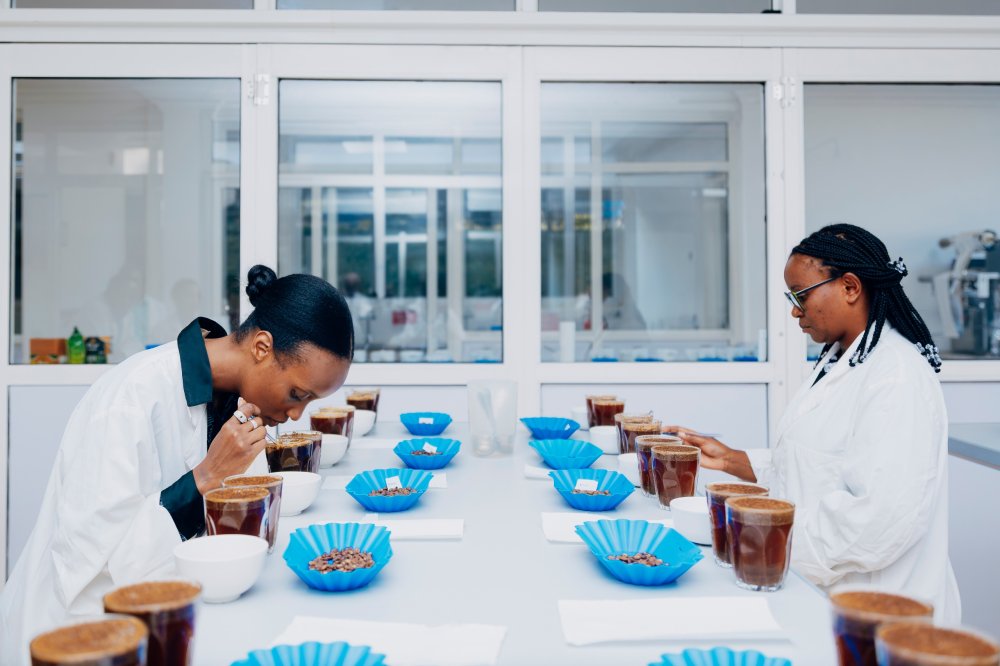
Coffee is one of Rwanda’s top foreign exchange earners.Tea is among Rwanda’s long-established export crops and remains a major source of export earnings.Fruit farming is becoming a lucrative venture for farmers.Rwanda has coffee tasting facilities that help ensure its coffee retains its distinctive flavour before export.Avocado farming is expanding in Rwanda.
Bralirwa Plc’s profit after tax rose by 37.6% to Rwf 25.3 billion in the first six months of 2026, up from Rwf 18.4 billion recorded during the same period last year, as the beverage manufacturer reported stronger sales growth despite continued cost pressures.
The company announced the performance in its financial results for the period ended June 30, 2026, which showed that revenue increased by 20%, driven by higher beer and soft drink volumes, price adjustments to respond to inflationary pressures and continued strong performance of its premium brands.
Bralirwa’s operating result increased to Rwf 39 billion from Rwf 32 billion in the first half of 2025, supported by higher revenues. However, the company said the improvement was partly offset by rising production and operational expenses.
Cost of sales increased by 18.6% compared with the previous year, reflecting higher prices of raw materials and packaging inputs amid global inflation and commodity market pressures.
The company also recorded a 24.5% increase in selling and distribution costs, mainly due to additional investments in brand support and higher transportation costs linked to increased volumes supplied to distributors.
Administrative expenses grew by 16.7%, driven by increased investment in information technology systems and higher fixed operating costs associated with inflation.
Despite the challenging cost environment, Bralirwa benefited from lower finance expenses, which declined by 19.7% year-on-year due to reduced interest costs on bank overdrafts following improved cash collections.
Income tax expenses increased by 15.4% as a result of higher profit before tax compared with the first half of 2025. Commenting on the results, Bralirwa’s Managing Director Ethel Emma-Uche said the company’s performance reflected stronger execution of its sales strategy and efforts to manage costs while maintaining growth.
“During the first half of 2026, BRALIRWA delivered solid growth in top-line results, driven by excellence in sales execution and disciplined implementation of our mix and pricing strategy,” Ethel said.
“While high input costs persisted, our operating performance remained resilient, supported by disciplined cost management and operational efficiency efforts.”
Ethel added that the company would continue prioritising consumers and customers during the second half of the year while investing in sustainable practices, brands, people and digital capabilities to support long-term growth.
Founded in 1957, Bralirwa Plc has been part of the HEINEKEN Group since 1971 and is Rwanda’s leading manufacturer and distributor of beer and non-alcoholic beverages.
Bralirwa has a portfolio of more than 17 alcoholic and non-alcoholic beverage brands.
Implemented by the Rwanda Agriculture and Animal Resources Development Board (RAB), SAIP II aims to promote sustainable agriculture and strengthen food security from October 2024 to October 2026.
The project focuses on several areas of agricultural development, including irrigation, where more than Rwf5 billion has already been invested, while an additional Rwf6 billion is planned for use by December 2026.
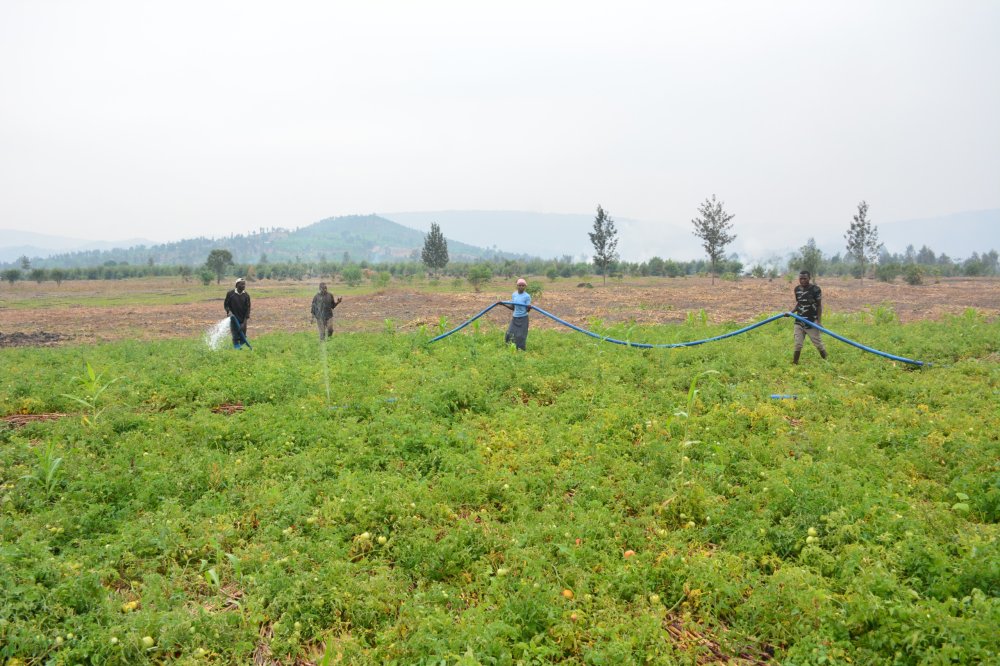
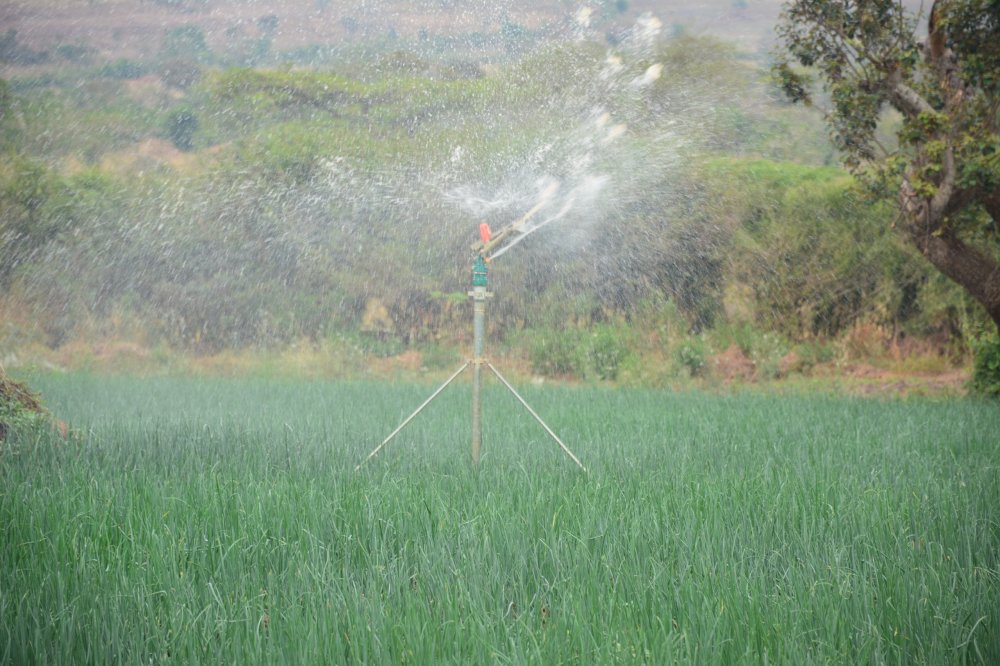
SAIP II supports small-scale irrigation schemes covering areas of up to 10 hectares, particularly benefiting farmers growing crops such as vegetables, tomatoes, chilli peppers, avocados and maize seeds.
Through the project, farmers receive irrigation equipment, training on its use and support to access markets for quality produce.
Jean Paul Buregeya, a tomato and maize farmer in Mimuri Sector, Nyagatare District, said irrigation support transformed his farming activities. He previously relied on manual watering using watering cans, which limited production.
After receiving irrigation support through SAIP II, Buregeya said his tomato harvest value increased from about Rwf1.5 million to Rwf3.5 million.
The improved income has enabled him to invest in assets, including buying a cow worth Rwf1 million and a house valued at Rwf3.5 million within one and a half years.
In Murundi Sector, Kayonza District, farmers in the Buhabwa agricultural zone also say irrigation has helped them overcome challenges caused by drought.
Mbaraga Potiane, who leads farmers in the area, said SAIP II provided more than Rwf70 million to establish an irrigation system covering five hectares.
“On one hectare, watermelon production generates about Rwf7 million. Previously, crops would dry up during periods of intense sunshine. We now have reliable markets, and we have earned up to Rwf15 million from three hectares of chilli peppers, which we export,” he said.
Meanwhile, Faustin Ugirumurera, head of Ubuzima Bwiza Kayonza, a water users’ association, said SAIP II support helped improve irrigation systems in the Kayonza Kane agricultural zone in Kabare Sector, which covers 365 hectares.
The zone, where 416 farmers grow fruits and vegetables, had previously faced water shortages that affected crop production during dry periods.
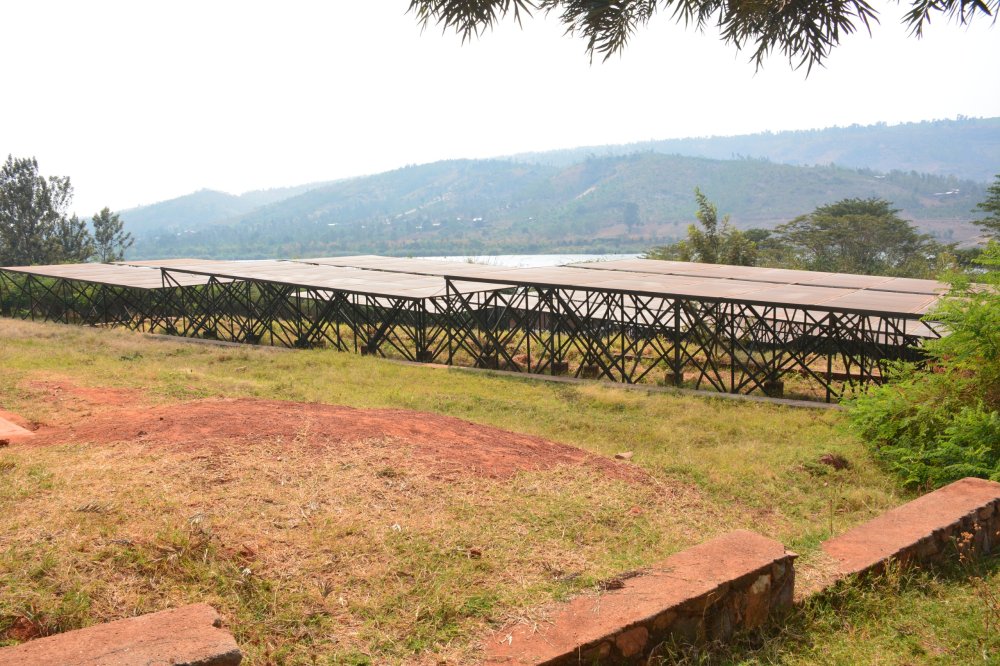
Through SAIP II, farmers received more than Rwf800 million to purchase irrigation equipment, including 540 solar-powered systems and water pumping machines to supply water across the farming area.
The investment has significantly increased productivity. Farmers now harvest more than four tonnes of chilli peppers per hectare, compared with less than 500 kilograms previously. Tomato production has also increased to about five tonnes per hectare, up from less than 400 kilograms.
Kayonza District Acting Vice Mayor Jules Higiro said the project has expanded irrigated farmland in the district, adding more than 170 hectares to the area under irrigation, with further expansion ongoing.
The initiative has increased the number of agricultural zones equipped with irrigation systems in Kayonza to 11, with local authorities urging farmers to maintain the infrastructure so they can continue benefiting after donor-supported projects come to an end.
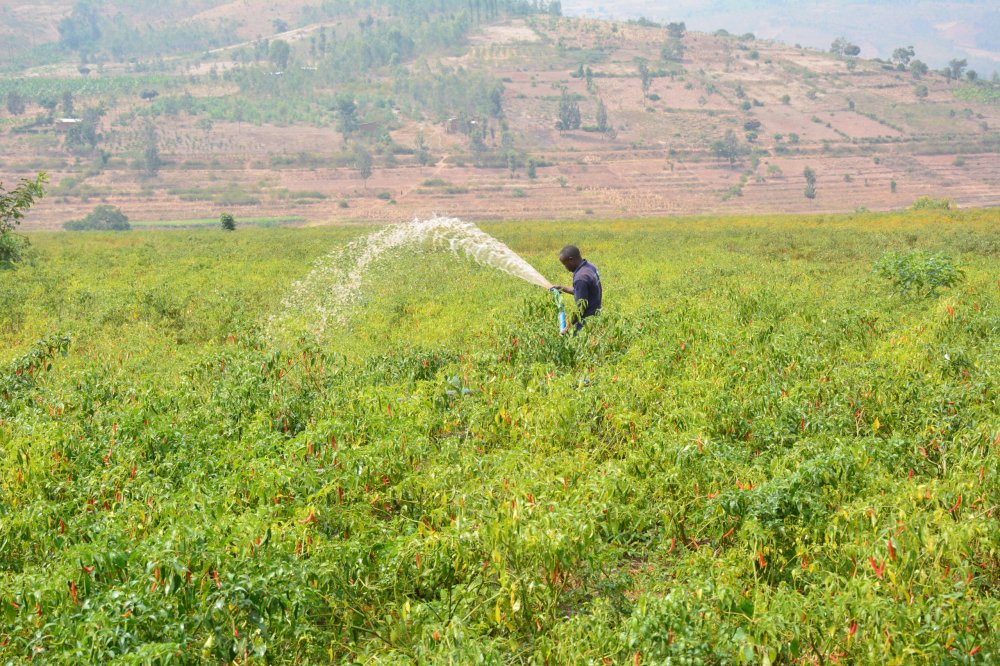
Farmers in Kayonza use irrigation equipment provided through SAIP II to grow crops during the dry season and increase productivity.Onions are now being grown during the dry season in Kayonza.A farmer in Eastern Rwanda irrigates crops using equipment supported by the SAIP II project to overcome dry-season farming challenges.These water-pumping motors were provided through the SAIP II project to farmers cultivating plots of up to five hectares.Kayonza District Acting Vice Mayor Jules Higiro said SAIP II had expanded irrigated farmland and improved farmers’ ability to produce throughout the year.Faustin Ugirumurera, head of Ubuzima Bwiza Kayonza water users’ association, explained how SAIP II improved irrigation systems in the Kayonza Kane agricultural zone.
The facility, named Ngoma Tomato Processing Plant, was established by Afrinet Solutions Group and is expected to address one of the biggest challenges facing tomato farmers: the lack of a reliable market, which has often resulted in large quantities of produce going to waste.
The plant is expected to begin operations in the coming months after obtaining the necessary regulatory approvals. It is currently undergoing final testing to ensure its processing systems are fully operational before commercial production begins.
Once operational, the factory will process 10 tonnes of fresh tomatoes every day, producing approximately one tonne of tomato paste. The paste will be used in the manufacture of a range of products, including tomato sauce, ketchup, tomato juice and other tomato-based products.
Residents living near the facility welcomed the investment, saying it will provide farmers with a dependable market for their harvests and help prevent tomatoes from spoiling due to limited demand.
One of the farmers, Hakizimana Elias, said producers previously had no choice but to transport their tomatoes to Kigali, where buyers often purchased only small quantities.
“Our harvests were good, but we struggled to find buyers. We had to take our tomatoes to Kigali, where only small amounts were bought. With this factory now in our area, our produce will finally have value. We have repeatedly raised concerns during community meetings about our harvests going to waste because there was no reliable market,” he said.
Another farmer and investor, Kamana Nicole, said the factory gives greater value to her investment in tomato farming by guaranteeing a ready market for the crop.
“We are constantly encouraged to invest in activities that contribute to the country’s development. That is why I invested in tomato farming after returning from abroad. I believe this venture will improve my livelihood while also contributing to Rwanda’s economic growth,” she said.
Members of the Senate Committee on Economic Development and Finance recently toured the plant and praised the progress made.
However, they urged its management to learn from the challenges that affected similar processing factories in the past.
The committee’s chairperson, Fulgence Nsengiyumva, said farmers told the committee that although production had increased, they frequently failed to find buyers, leaving much of their harvest to rot in the fields.
He recalled that Sorwatom, a tomato processing factory, initially purchased tomatoes directly from local farmers before later switching to buying tomato paste from other suppliers. It eventually abandoned that approach as well and instead began importing packaged tomato sauce for sale on the Rwandan market.
Nsengiyumva emphasized that the new factory should avoid repeating that experience by maintaining direct purchases from local farmers, noting that providing a sustainable market for their produce is the plant’s primary purpose.
So far, the factory has signed supply agreements with farmers from 24 cooperatives across the seven districts of Eastern Province, two large farming groups and about 30 individual farmers, bringing the total number of contracted suppliers to around 1,500.
The facility is also expected to create more than 50 permanent jobs once it becomes fully operational.
Eastern Province’s first tomato processing plant has been completed in Ngoma, with capacity to process 10 tonnes daily.