The measures range from nationwide public awareness campaigns about the disease to reinforced screening procedures at border posts and the establishment of facilities where suspected cases can be monitored.
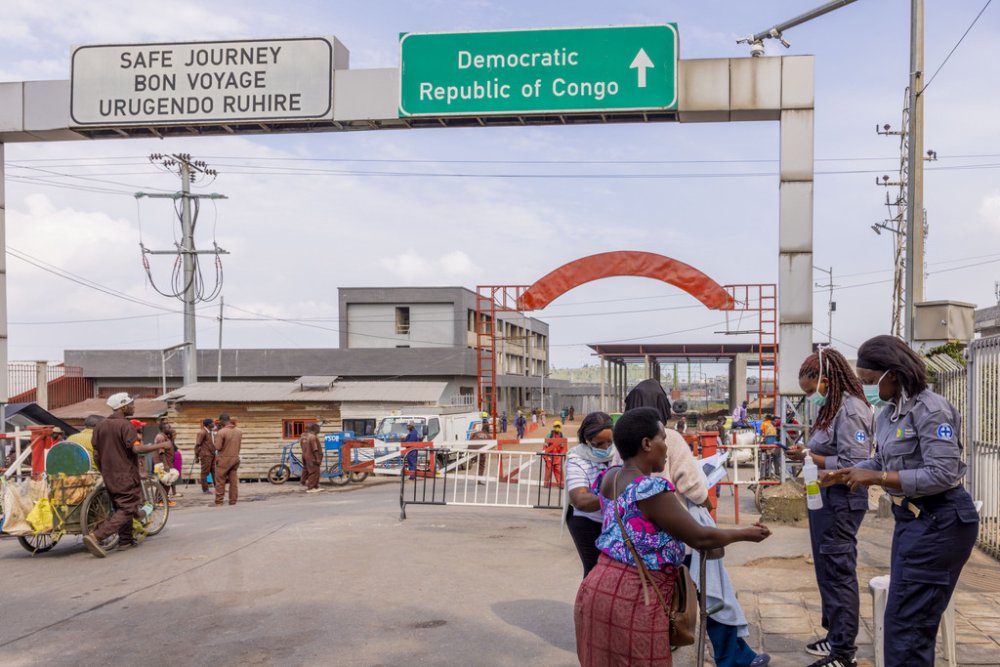
So far, no Ebola case has been confirmed in Rwanda, and no suspected patient has been identified. The country’s borders remain open, but authorities have introduced stricter controls to prevent the spread of the virus.
Rwanda’s Deputy Government Spokesperson, Uwera Jean Maurice, said the country had intensified efforts to contain the Ebola outbreak currently affecting the DRC.
Last weekend, health authorities confirmed a new Ebola case in Ituri Province in eastern DRC. The outbreak has already claimed more than 130 lives.
The Ebola strain involved, known as the Bundibugyo virus, was first identified in Uganda between 2007 and 2008, infecting 149 people and killing 37. It later resurfaced in Isiro, DRC, in 2012, where 57 people were infected and 29 died.
After health officials in Goma announced a confirmed Ebola case, Rwanda immediately moved to reinforce its response measures.
On May 17, 2026, a high-level meeting brought together provincial leaders, officials from the Rwanda Biomedical Centre (RBC), Rubavu District authorities, hospital representatives, and leaders of border sectors.
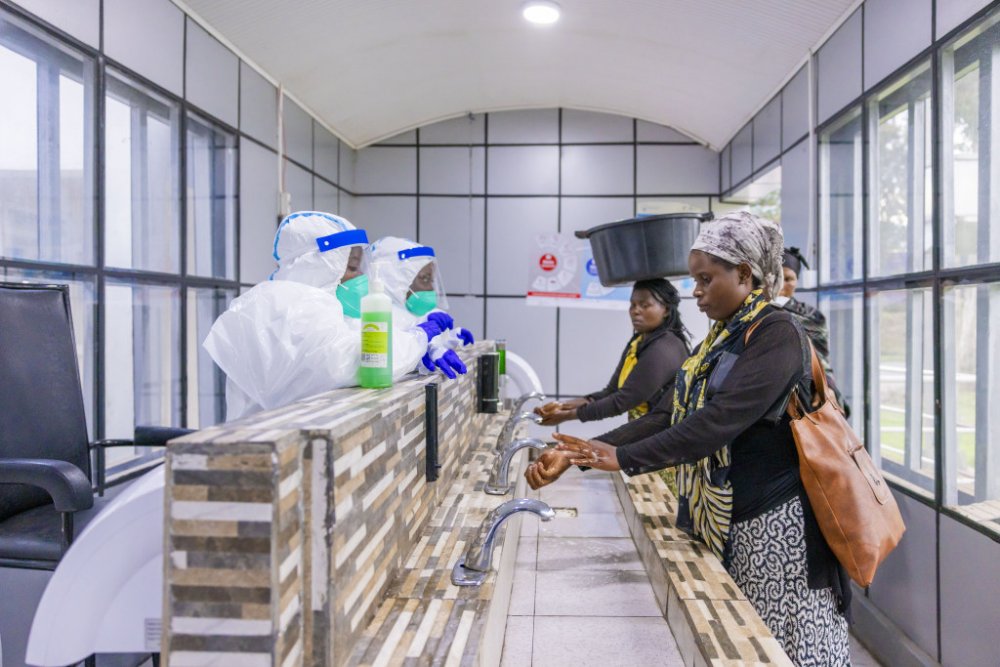
The meeting resolved to strengthen controls at official border crossings, completely stop the use of illegal crossing routes, install handwashing facilities at border points, and suspend the practice of Congolese residents crossing into Rwanda to fetch water.
Authorities also agreed to establish a command post to closely monitor the outbreak and deploy day-and-night border patrols.
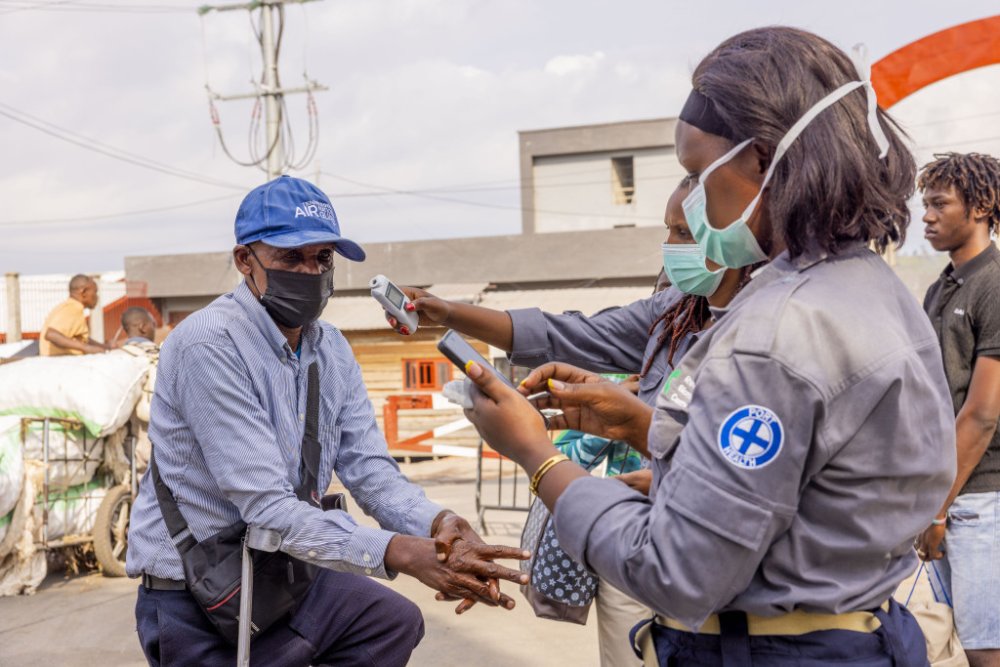
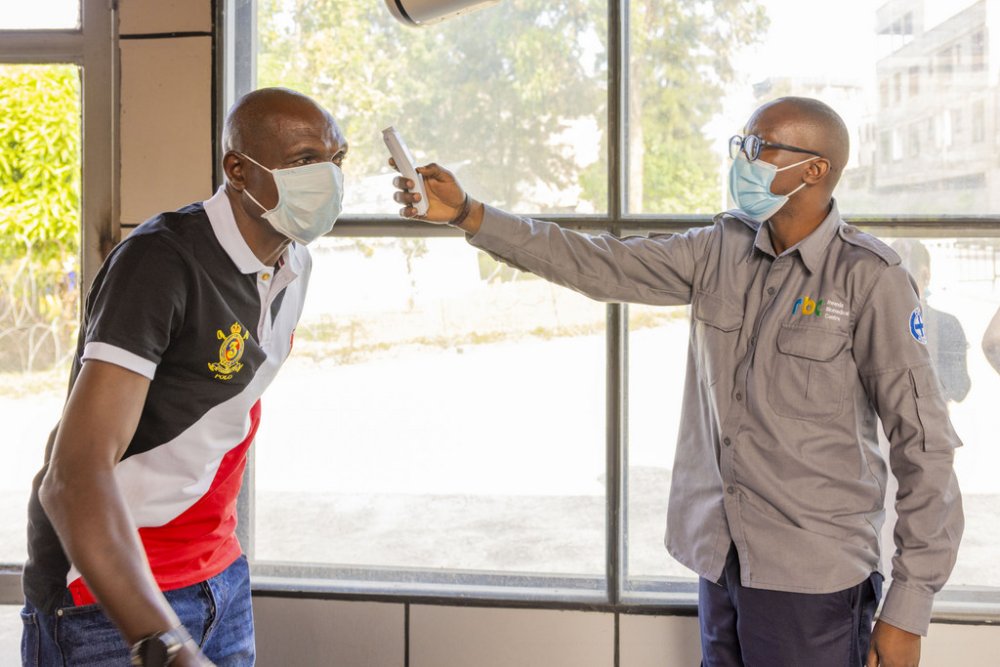
Medical personnel have additionally been stationed at all border posts to screen travelers for Ebola symptoms before they enter the country.
According to Uwera, cross-border traders are also being encouraged to operate in organized groups and cooperatives to help authorities enforce preventive measures more effectively.
“What is currently being done is the screening of people entering and leaving the country. Traders are encouraged to work through cooperatives and comply with the measures put in place to prevent the spread of Ebola,” he said.
He added that border movement continues to be monitored without interrupting trade activities.
Travelers crossing the border are undergoing temperature checks, while officials are also reviewing their 21-day travel history to identify areas they may have recently visited.
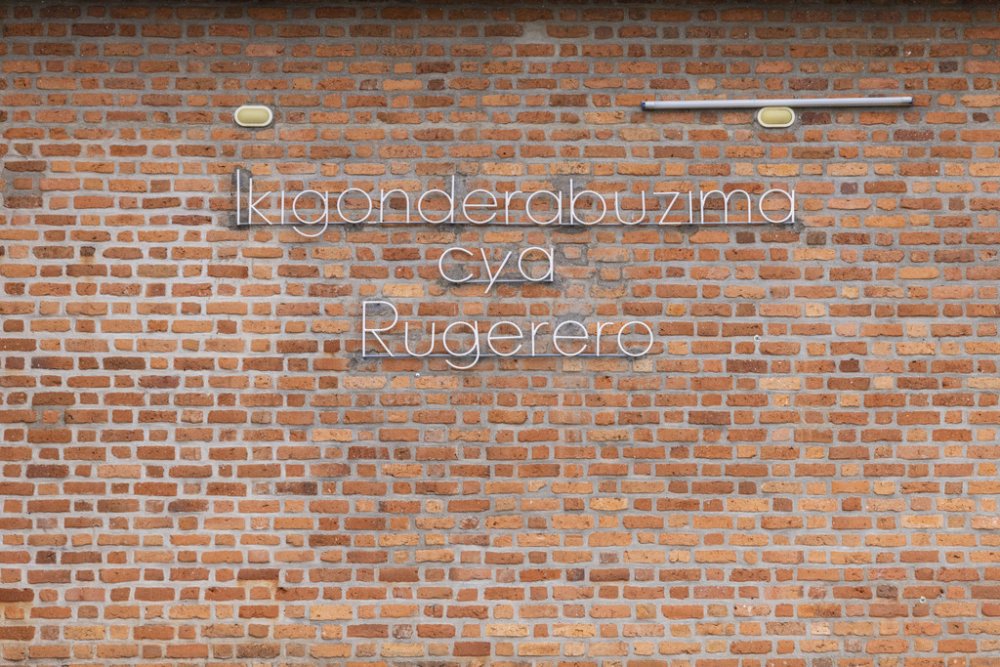
Authorities have further designated facilities to monitor suspected cases and quarantine individuals if necessary. The Rugerero Health Centre has been selected as one of the sites prepared to handle potential Ebola-related cases.
Anyone arriving at the border with symptoms associated with Ebola is immediately transferred to the facility for specialized monitoring and care.
However, Uwera said that, to date, no person showing Ebola symptoms has been identified in Rwanda.
He urged the public to continue following government guidelines and preventive measures to help keep the disease out of the country.

Leave a Reply