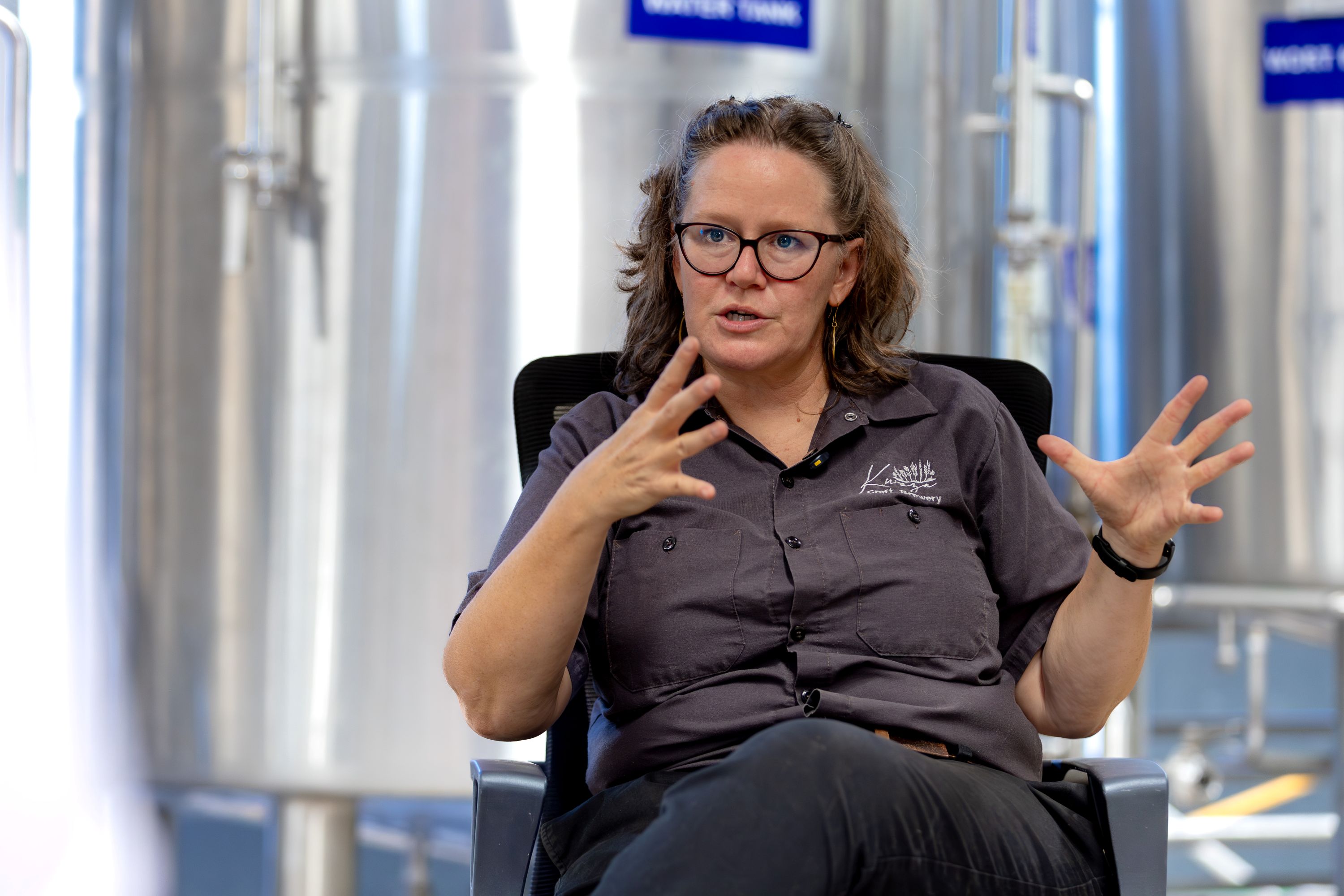
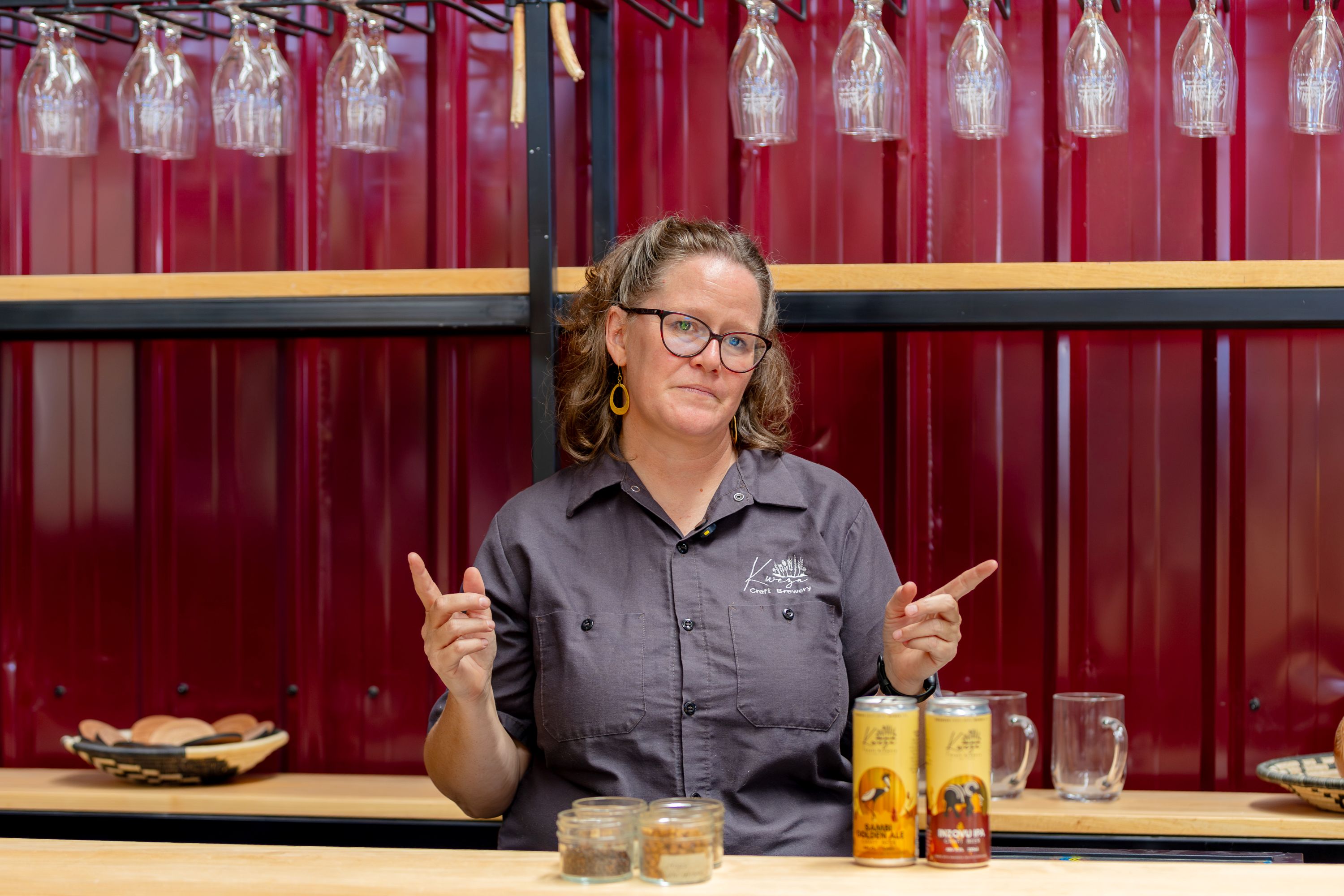
Speaking in an exclusive interview with IGIHE, Managing Director Jessi Flynn said Kweza represents both a business venture and a broader mission to reshape the global brewing industry by centring women and African agricultural heritage.
Flynn, who first came to Rwanda in 2017 as a landscape architect working on the Rwanda Institute for Conservation Agriculture, said she was drawn to Kweza’s founding idea: a women-led craft brewery using locally sourced ingredients to take Rwandan beer to global markets.
“Brewing is a $900 billion global industry, but only about 3% of those involved in ownership and leadership are women,” she said, noting that brewing historically began in Africa with women, particularly in traditional beer-making practices such as ikigage.
Sorghum-based brewing and expansion ambitions
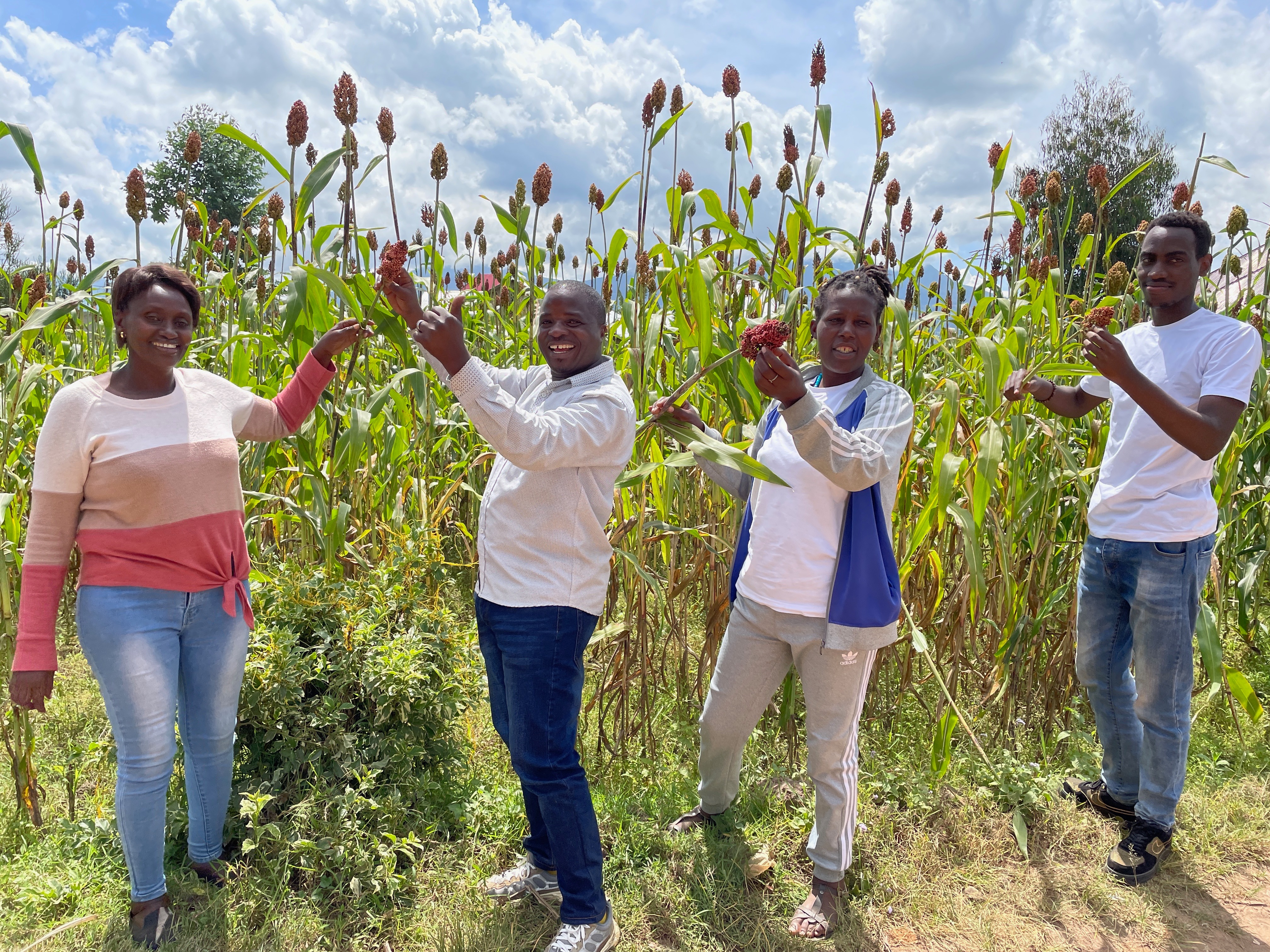
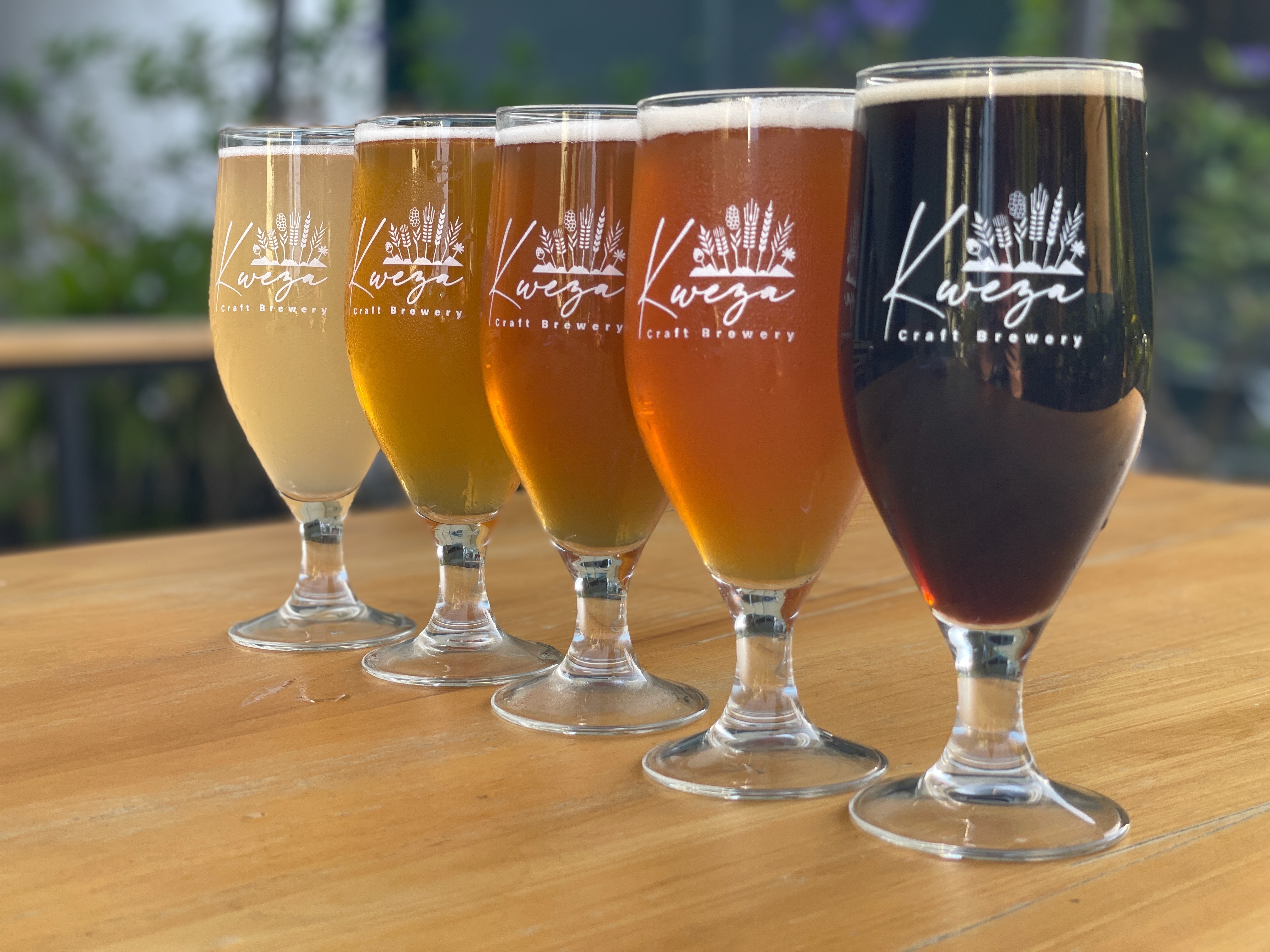
Kweza produces beer primarily from malted sorghum, locally known as amamera, a grain the company says gives its products a lighter, gluten-reduced profile and a distinct flavour compared to conventional barley-based beers.
The brewery, which has already won recognition, including a bronze medal at the African Beer Cup for its Nzovu IPA, began with small-scale production before expanding following licensing approval in 2021. It now supplies draft beer to around a dozen locations in Kigali, including major hotels and entertainment venues, and recently introduced canned products to reach supermarkets and delivery platforms.
Before recent disruptions, the company was valued at approximately $2.3 million (approximately Rwf 3.4 billion), built on investments and brand value, with ambitions to expand across Rwanda and eventually into wider African and global markets.

Landlord dispute and production shutdown
However, Flynn revealed that the company’s growth trajectory was interrupted by a dispute with its former landlord, which escalated into a legal battle.
According to her account, changes to an original equity agreement led to failed negotiations and eventual relocation plans. During the transition, she said the landlord locked the brewery premises, prompting legal action.
After a three-month court process, the court ruled the seizure illegal and dismissed the complaints, allowing the company to proceed with relocation. Despite the legal victory, the shutdown resulted in significant financial losses and nearly nine months without production.
“We have not brewed since late August,” Flynn said, describing the downtime as a major setback for a manufacturing business.
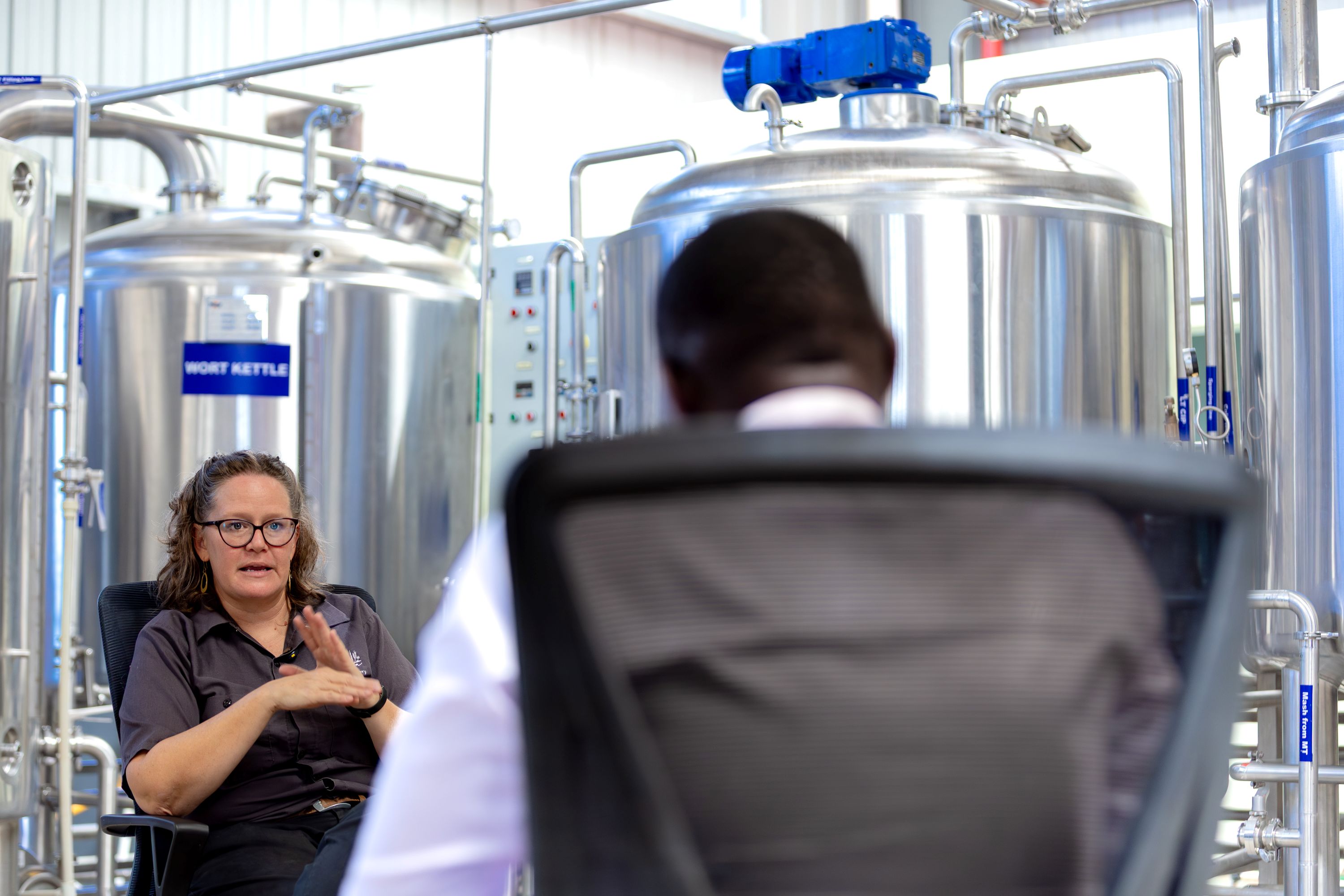
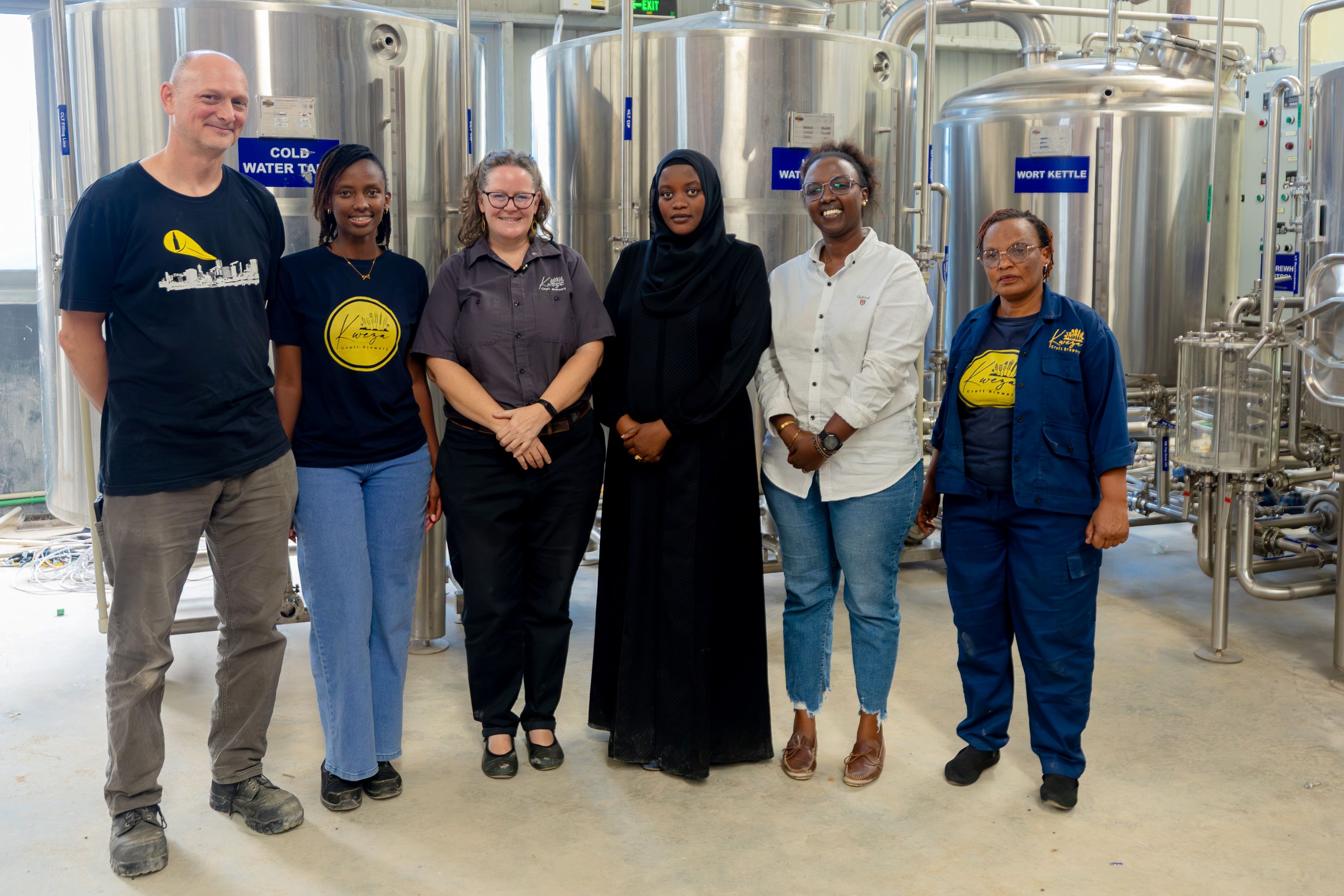
The disruption also forced the company to lay off more than half of its workforce, most of whom were women, and temporarily close its taproom operations.
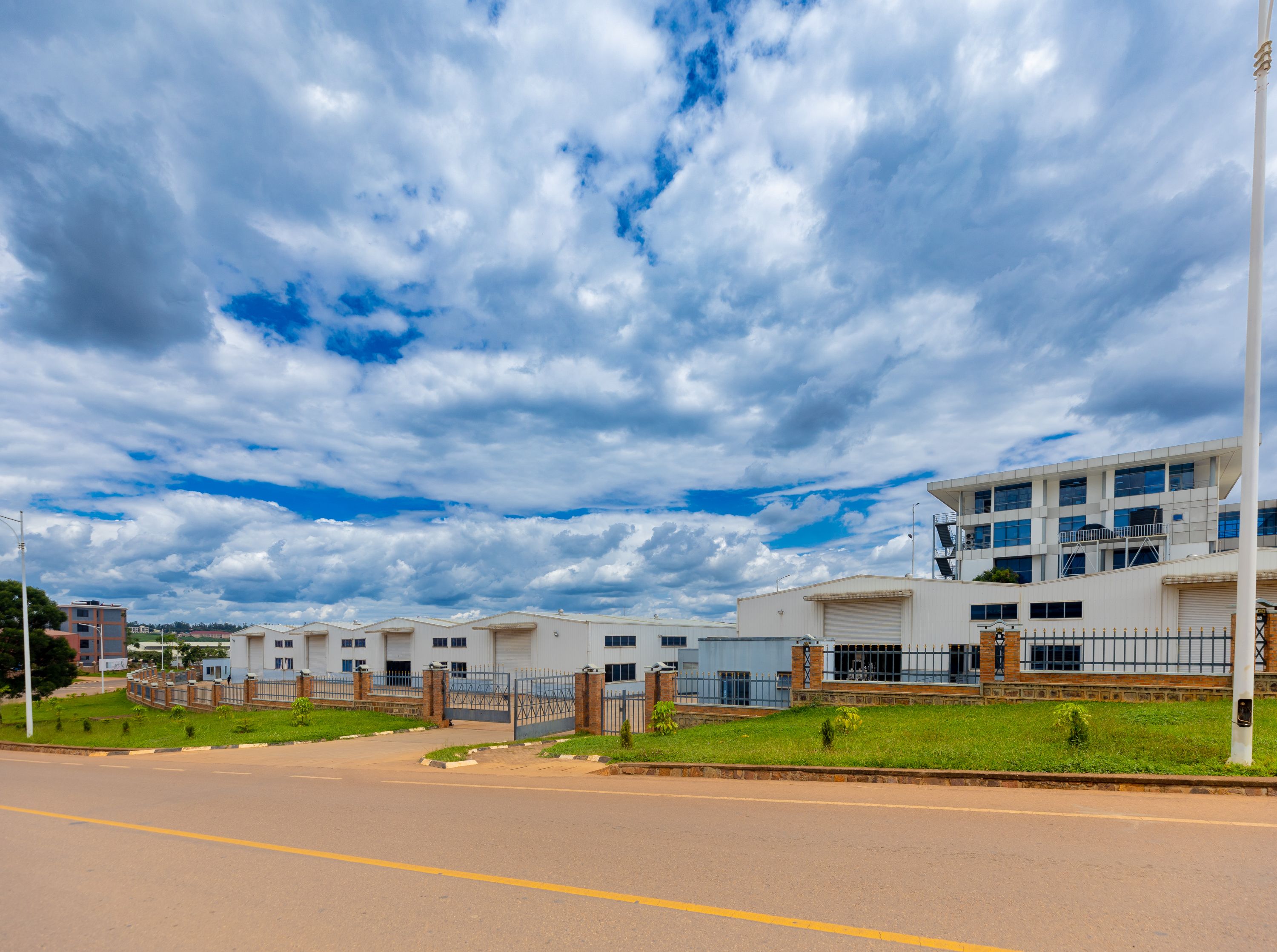
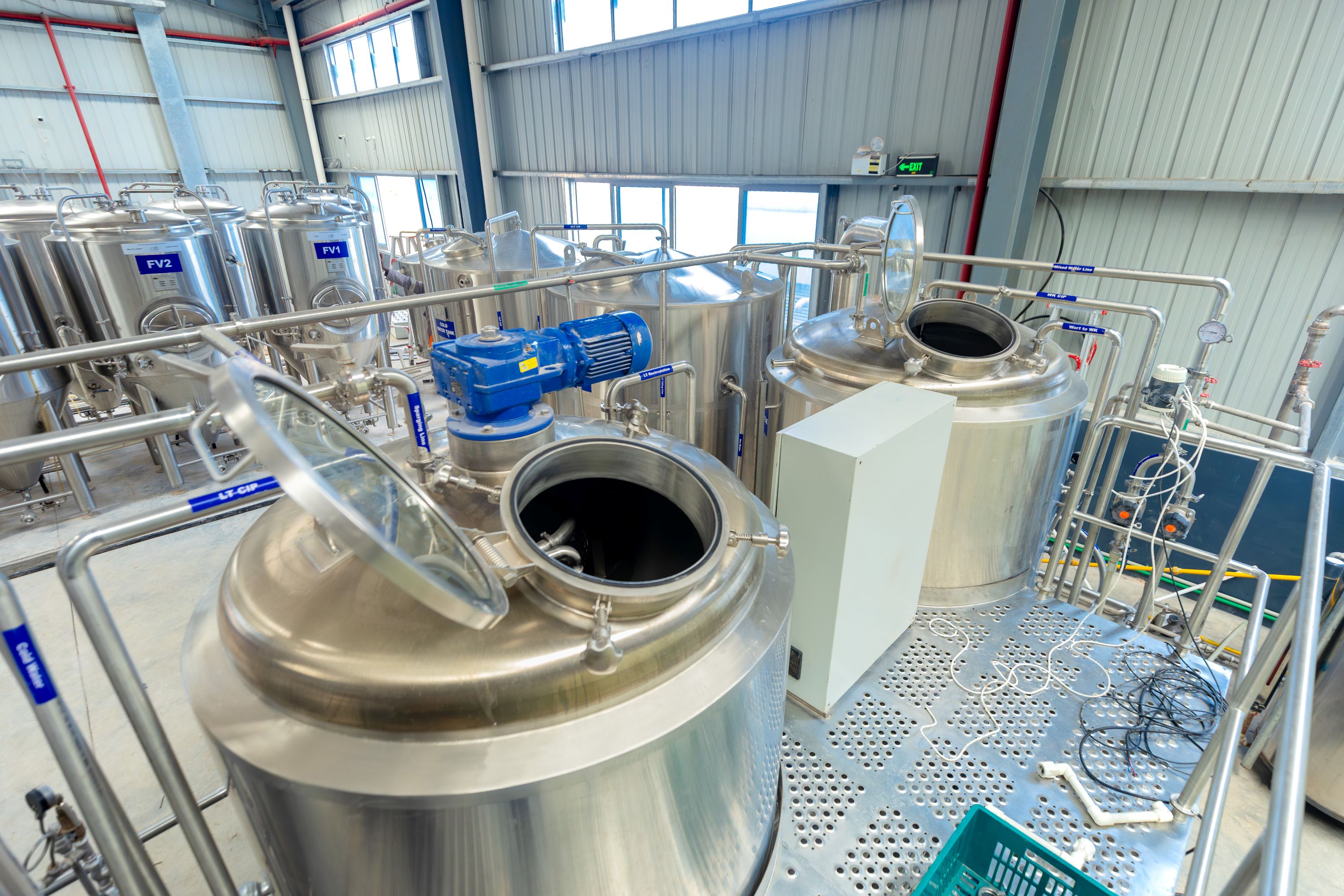
Kweza has since relocated to the Masoro Economic Zone, which Flynn said offers improved infrastructure, including reliable power and water systems needed for scaling production.
Crowdfunding to restart operations
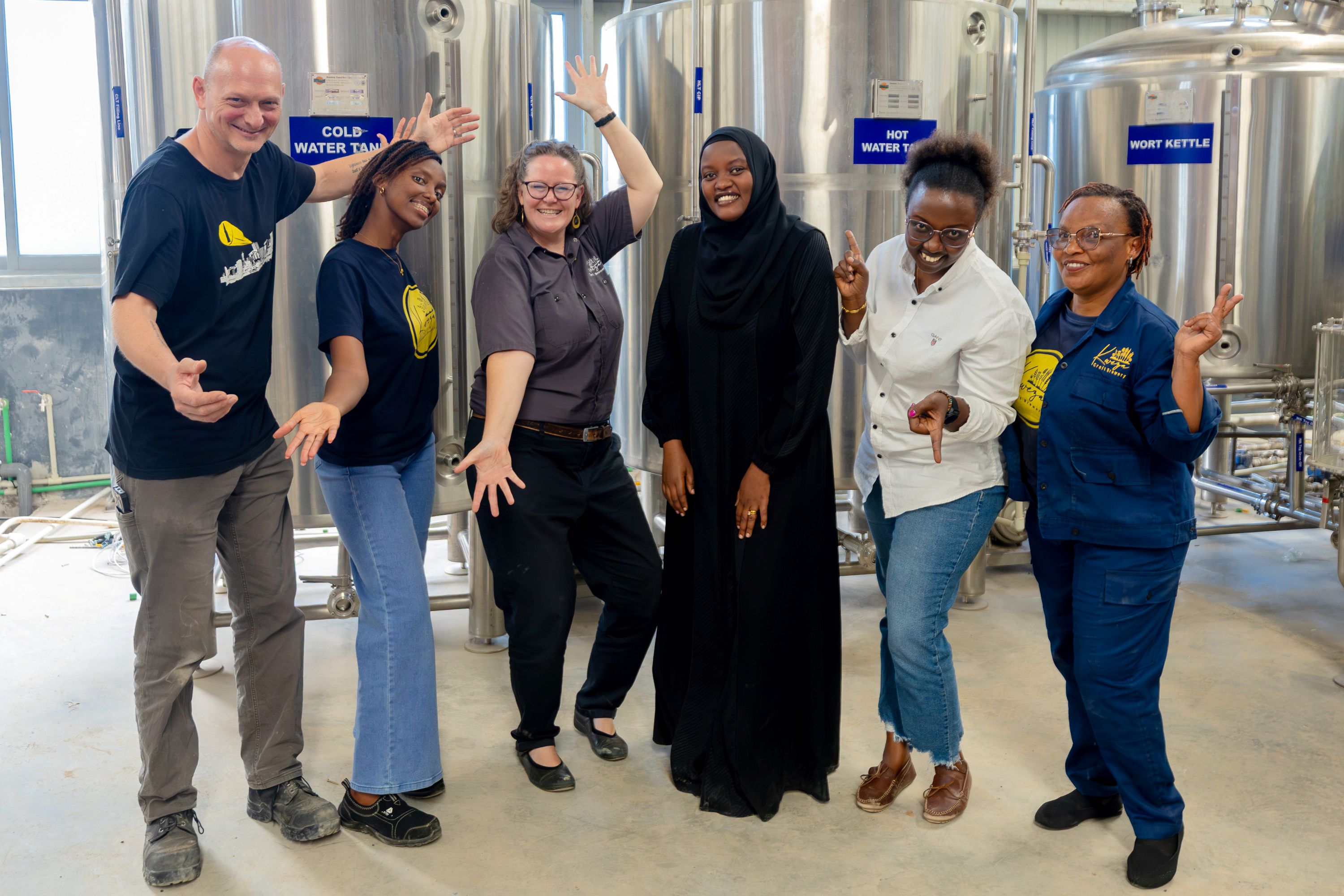
To bridge the financial gap created by the shutdown and relocation, Kweza launched a crowdfunding campaign aimed at raising $22,000, which it has since reached. Flynn said the initiative was intended as a short-term survival strategy while the company works toward longer-term financing.
The MD, who has indicated an intention to countersue as the landlord continues litigation despite court findings, said the funds would support restarting production, rehiring staff, and bringing back key brewing personnel.
She noted that the campaign has attracted support from individuals, industry professionals, and beer enthusiasts globally, many of whom have expressed concern that the brand could disappear.
The company is also exploring shareholder loans and longer-term investment partnerships as it looks to stabilise operations and resume full production.
A vision that “refused to die”
Despite the setbacks, Flynn said the experience has reinforced Kweza’s identity and mission.
She emphasised the company’s ambition to connect traditional African brewing practices with modern global markets, while challenging long-standing gender imbalances in the brewing industry.
“How do we use this story, this history, and this essence to grow a global brand?” she said.
Flynn added that continued public support has been crucial during the crisis, with growing international interest in the brand’s products and story.
“When we get calls from across the world asking when they can get our beer in their countries, it shows there’s an amazing future ahead,” she said.
For now, Kweza remains in a critical transition phase, moving from crisis toward recovery, with its leadership betting that renewed production will mark the beginning of a stronger chapter.
“At the end of the day, it’s a manufacturing business with day-to-day operations. But when you sit down with a friend and share a Kweza beer, it’s social. It’s art and science. It’s business. It’s women-led and locally sourced. We’re not only innovating, we’re challenging the market in a way that people identify with, love, and want more of,” Flynn quipped.
Watch the video to learn more about the Kweza Craft Brewery journey, its setbacks, comeback, and what lies ahead.
Leave a Reply