
The veto power is a special right held exclusively by the five permanent members of the UN Security Council (China, France, Russia, the United Kingdom, and the United States). Under this system, a single negative vote from any of these five nations can block the adoption of any “substantive” resolution, regardless of how much international support it receives from the rest of the world.
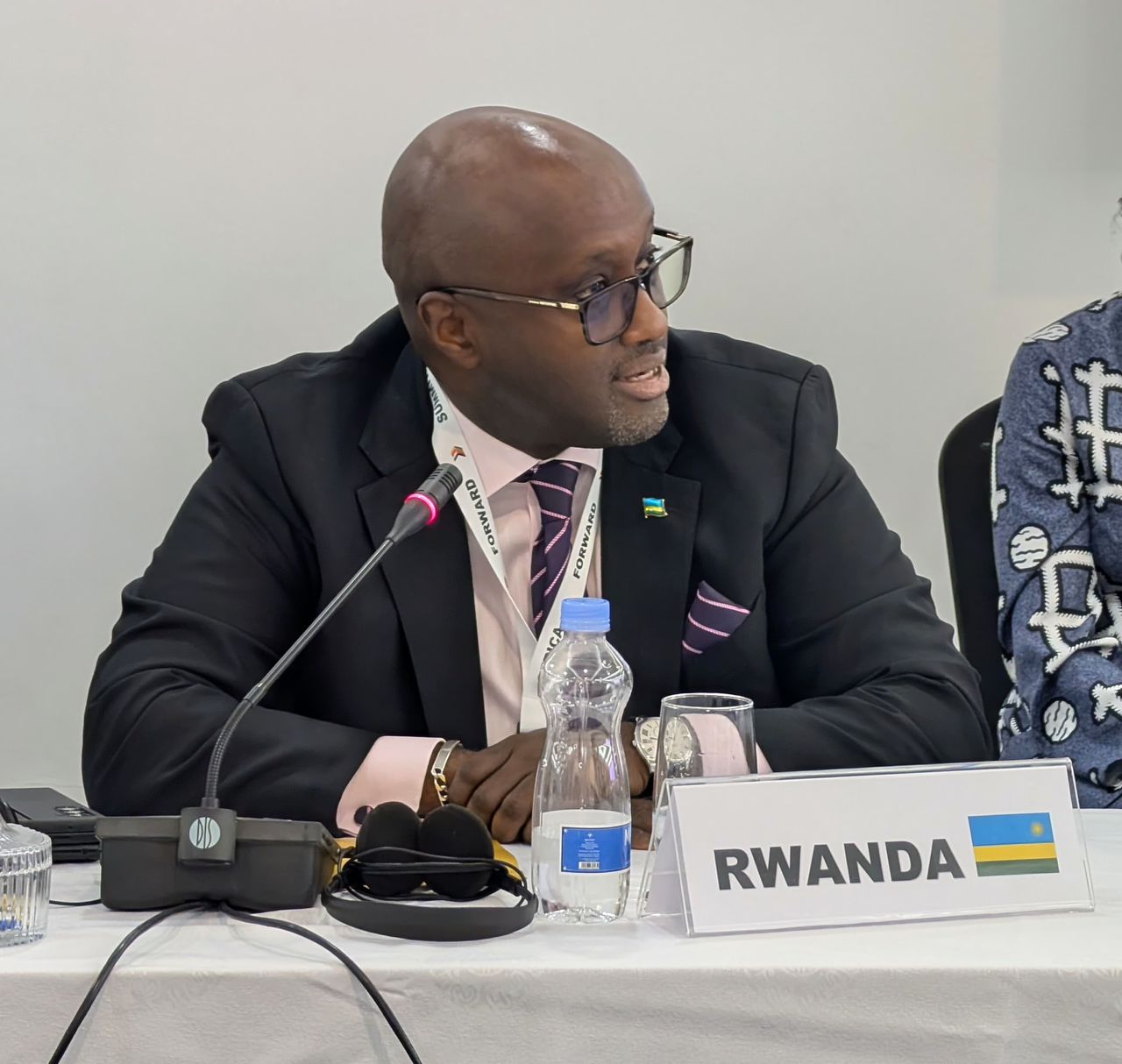
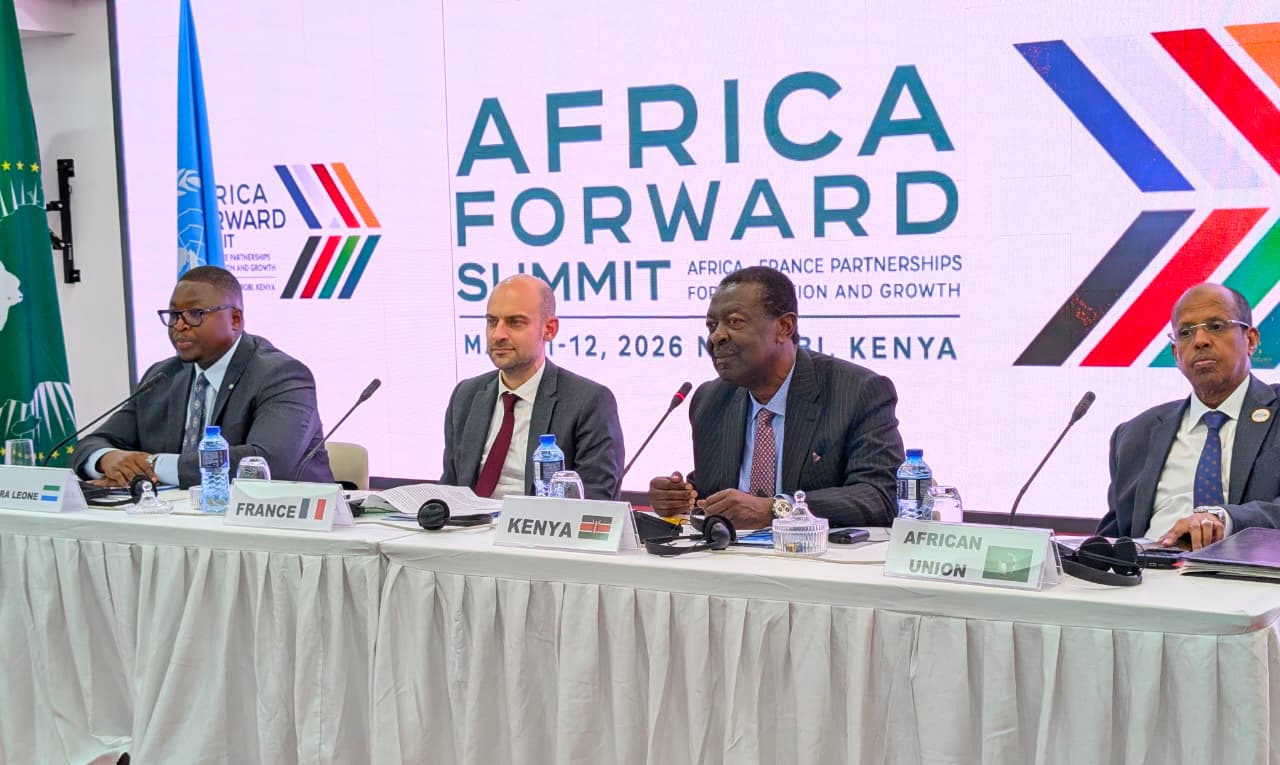
Speaking during a ministerial-level strategic dialogue on UN Security Council reform on the sidelines of the Africa Forward Summit in Nairobi, Nduhungirehe said the use or threat of veto has frequently been used to pressure member states and prevent serious consideration of humanitarian interventions.
“For a long time, the use of veto rights or the threat of its use has repeatedly been employed to pressure member states or block serious consideration of humanitarian interventions, thereby paralysing the Council’s primary responsibility for the maintenance of international peace and security,” he said.
He warned that this has contributed to delays or obstruction in addressing urgent humanitarian situations, undermining the Council’s core mandate.
Nduhungirehe reiterated Rwanda’s alignment with the Common African Position, which calls for equitable representation of Africa on the UN Security Council, including permanent seats with full rights and privileges.
However, he stressed that reform efforts must go beyond representation to also address how the Council operates.
“Structural reform must go hand in hand with reforms to the Council’s working methods, including improvements in transparency and accountability,” he said.
The summit, which closes today, is being co-hosted by Kenyan President William Ruto and French President Emmanuel Macron, with President Paul Kagame among the heads of state in attendance.
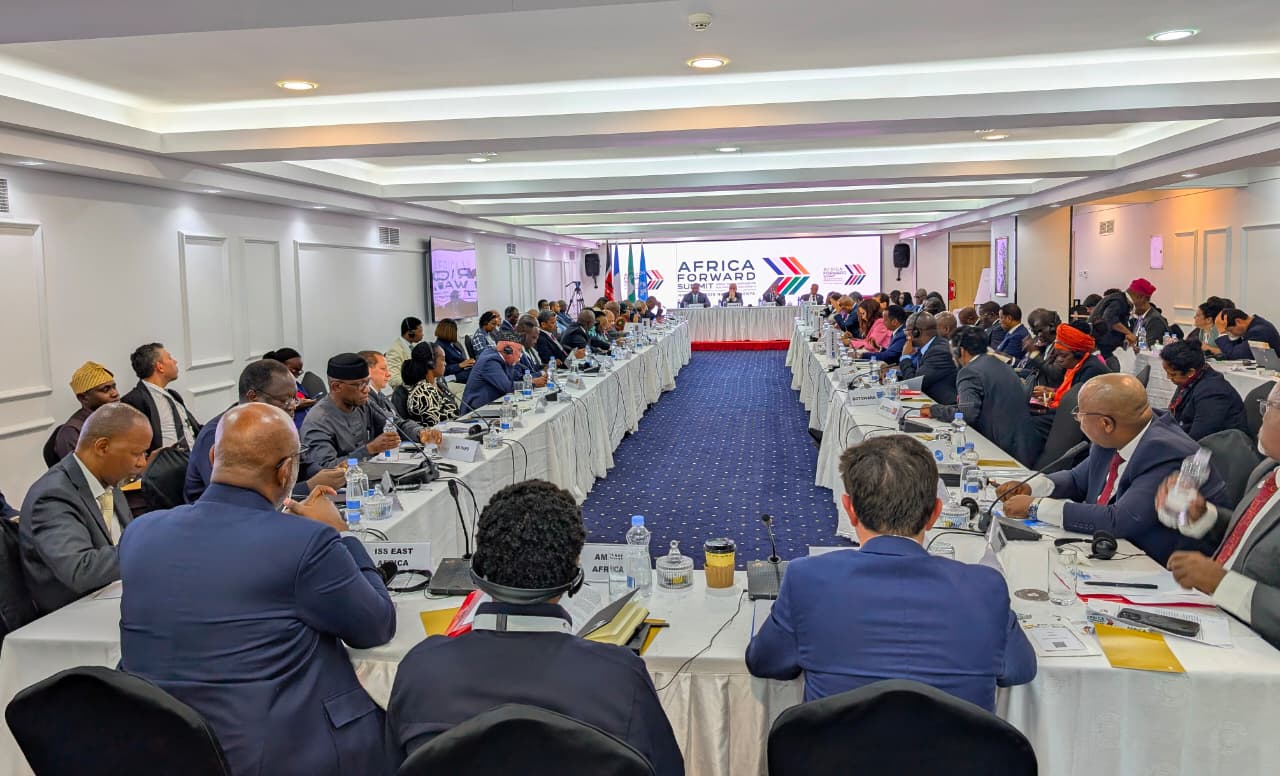
The two-day gathering has attracted more than 4,000 participants, including over 25 African heads of state and government, according to organisers.
Leave a Reply