The park was recently listed by Tripadvisor among notable tourist attractions, further boosting its international visibility.
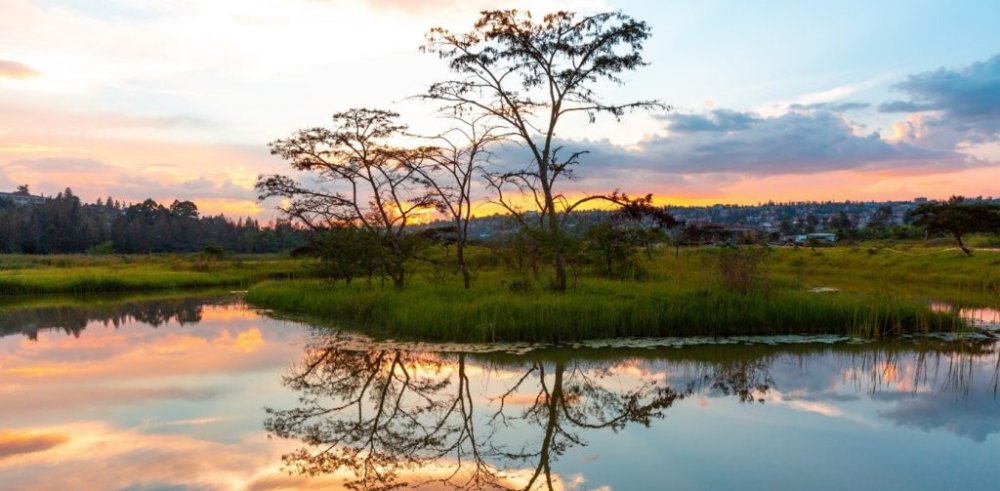
The transformation of Nyandungu began in 2016 with a project aimed at restoring the degraded Nyandungu wetland and converting it into an eco-tourism park. What was once a polluted and heavily exploited marshland has since become one of Kigali’s leading green spaces.
Before rehabilitation efforts started, the wetland had been used for farming, livestock grazing and, in some areas, as an illegal dumping site. The degradation contributed to frequent flooding caused by runoff water from surrounding hills and nearby communities.
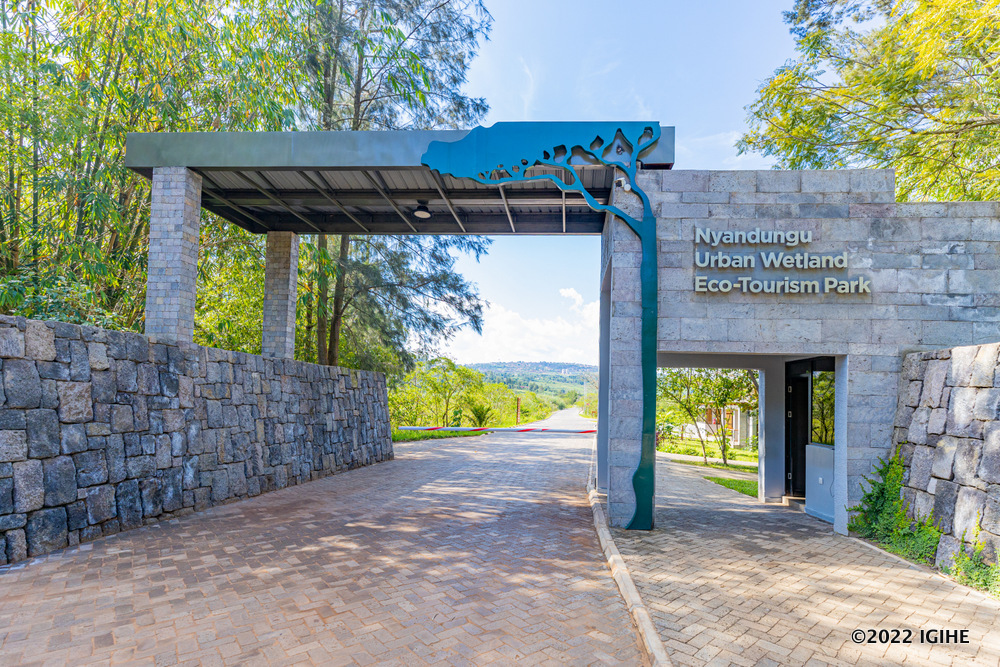
Restoration works were completed in 2022, paving the way for the official opening of Nyandungu Eco-Tourism Park.
Today, the park covers more than 121 hectares across Ndera Sector in Gasabo District and Nyarugunga Sector in Kicukiro District. It stretches along the road linking La Palisse Hotel to Ndera.
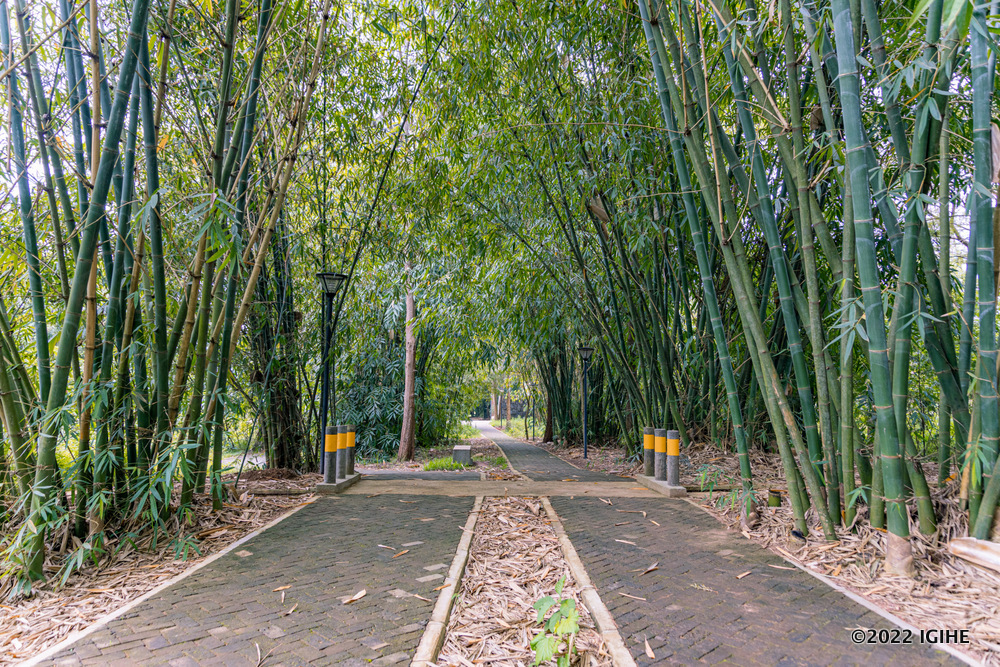
At the time of its inauguration, the park consisted of five sections. Two were dedicated to wetland restoration, featuring grasses and trees designed to naturally filter polluted water flowing into the marsh. The remaining three sections were developed for tourism and recreation, including more than 10 kilometers of walking and cycling trails.
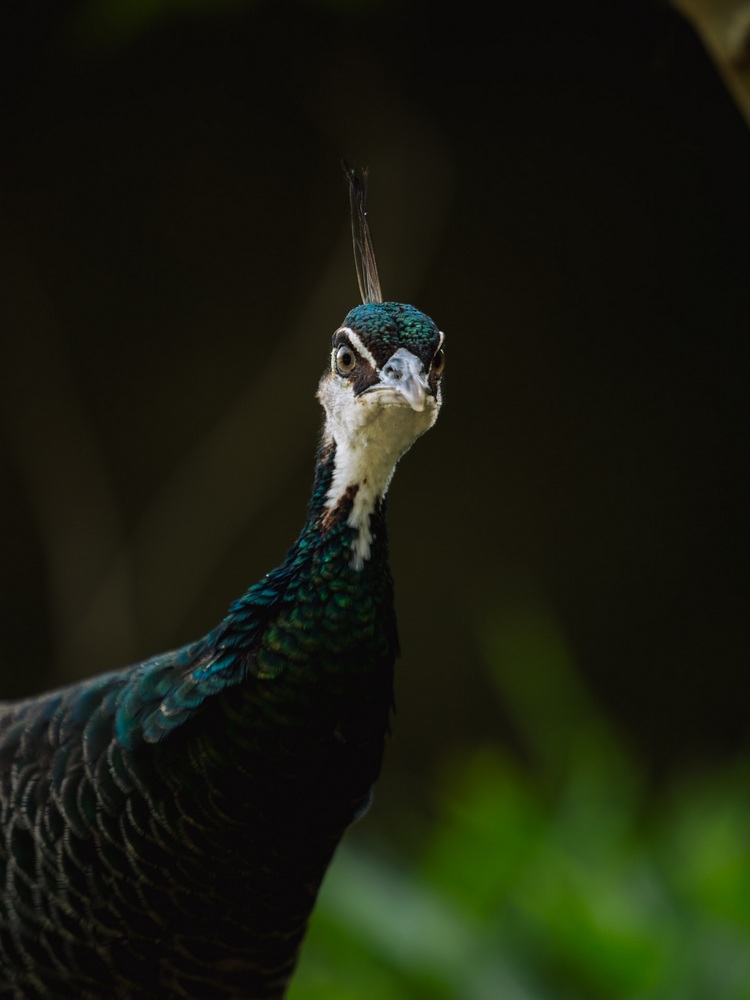
The park initially recorded 102 bird species, including crowned cranes and herons. That number has now surpassed 200 species, among them crested cranes and several other rare birds. Wildlife such as turtles, monitor lizards and mongooses have also started reappearing in the ecosystem.
Nyandungu is now home to more than 25,000 trees, up from about 17,000 during the early stages of development. Most of these are indigenous species.
Research conducted by the Regional Research Centre for Integrated Development (RCID) showed that biodiversity in the park has nearly doubled over the past two years. More than 250 plant species and around 75 bird species have been added during that period.
The number of visitors has also continued to rise steadily. In 2025, the park received more than 111,000 visitors and generated over Rwf360 million in revenue. In comparison, it welcomed more than 76,000 visitors in 2024, generating Rwf158 million.
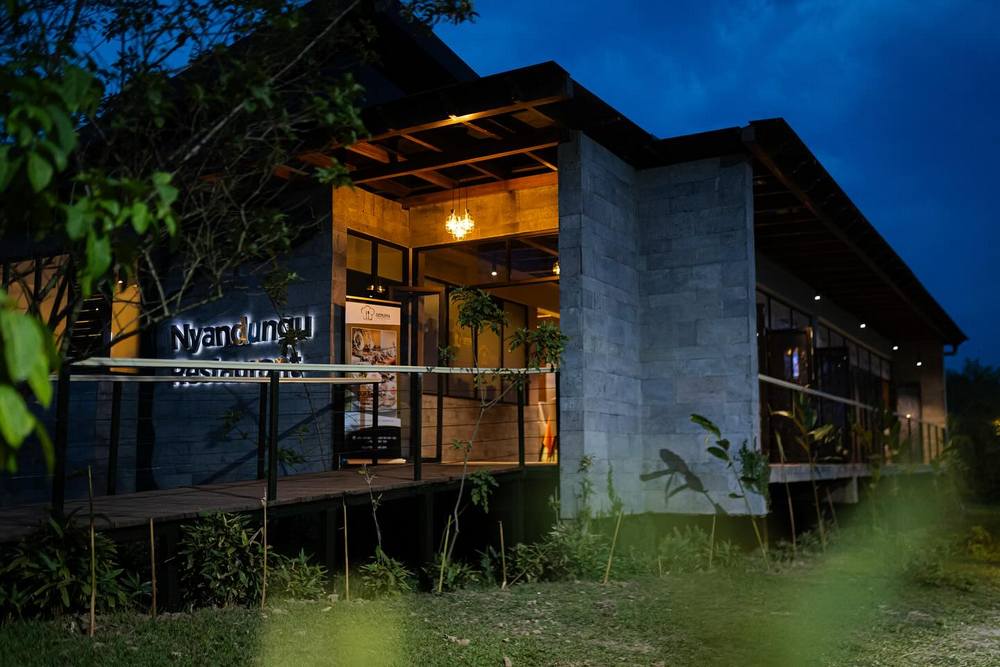
One of the park’s distinguishing features is that more than 70 percent of visitors are Rwandans, highlighting its growing popularity among local residents. Visitors are not allowed to bring outside food into the park, but there is an on-site restaurant serving meals and drinks.
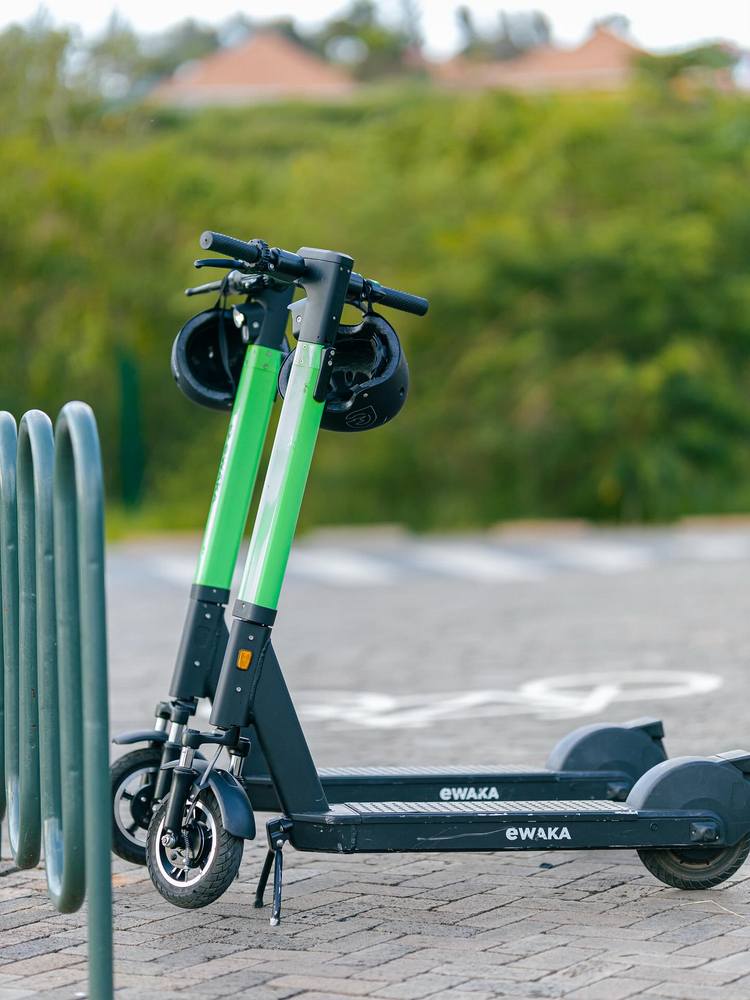
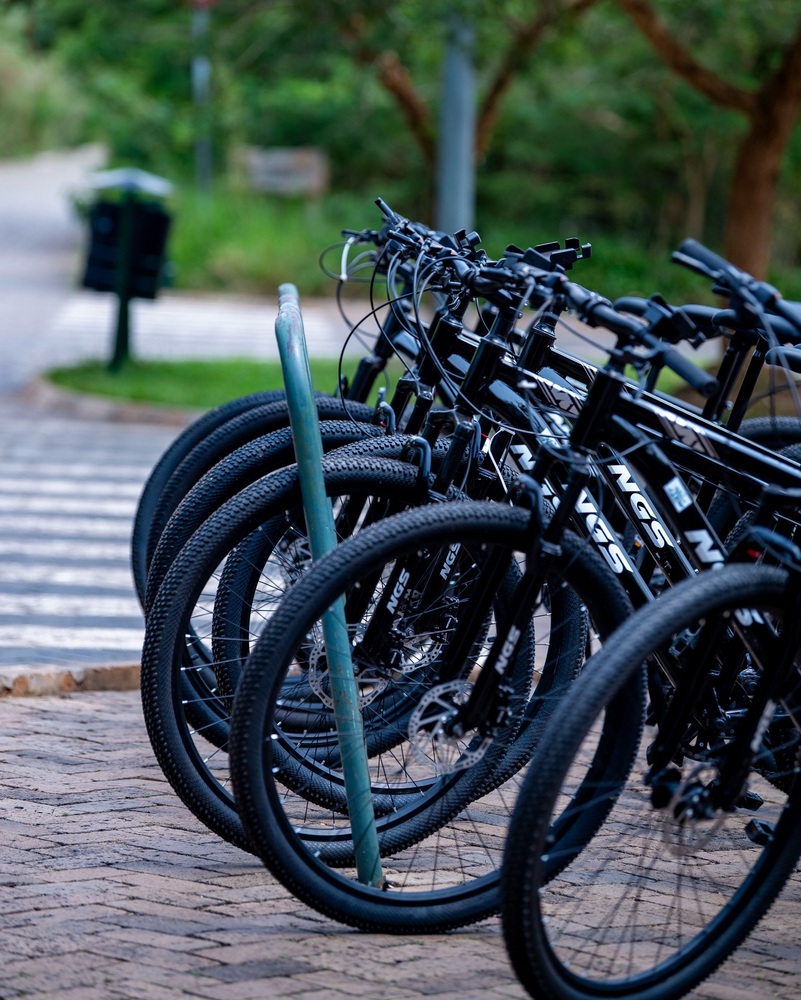
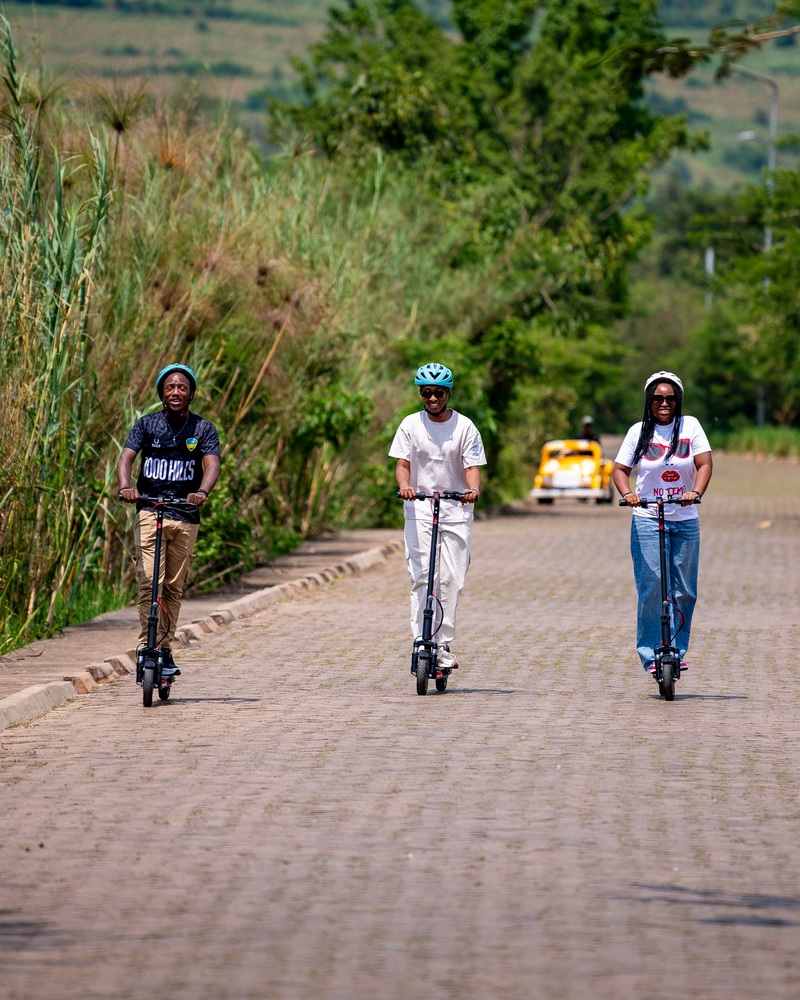
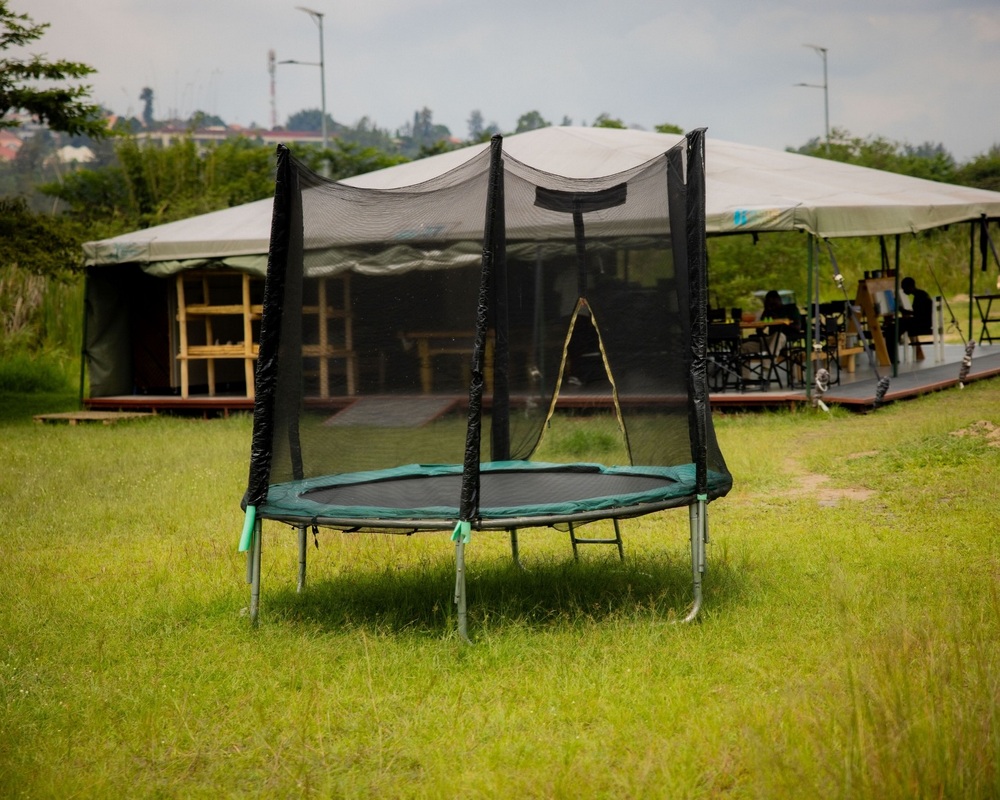
To make the experience more attractive, the park has continued introducing new recreational activities. In addition to bicycles, visitors can now use scooters and small tour vehicles.
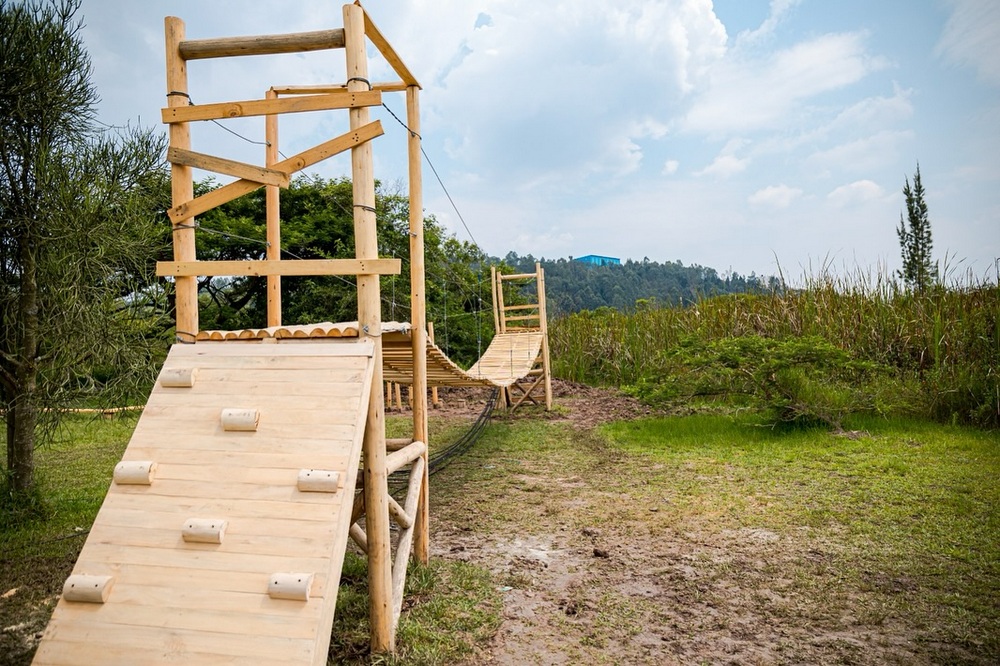
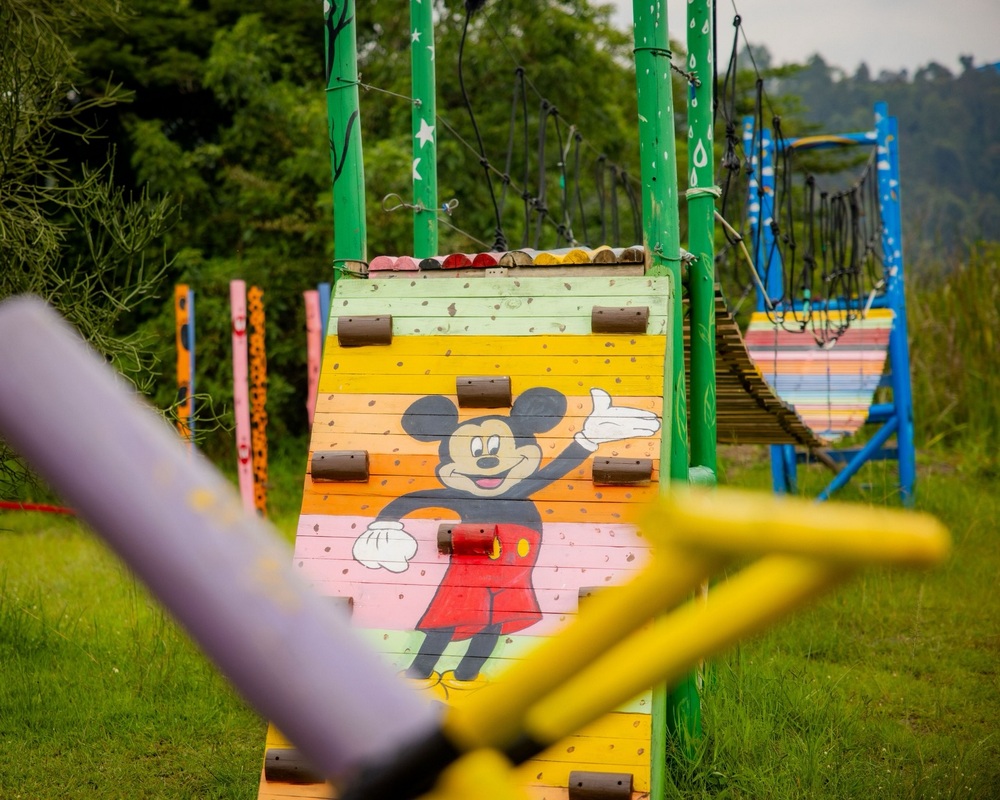
Adventure activities have also been added, including a high ropes course suspended between trees, hanging bridges, chess areas and several other leisure facilities.
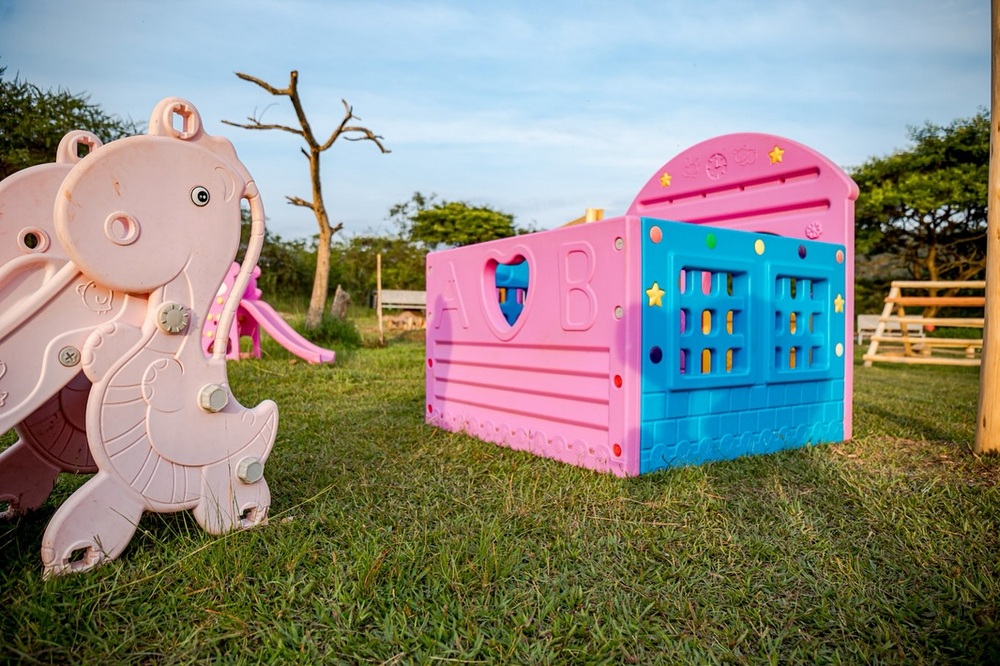
Children have not been left out either. The park includes playgrounds and entertainment areas designed specifically for young visitors.
Nyandungu also hosts shops selling Made-in-Rwanda products such as clothing, bags, toys and handcrafted items, including puzzle games featuring African-themed designs.
The park has further expanded into hosting environmentally friendly events through specially designed gardens and open-air venues.
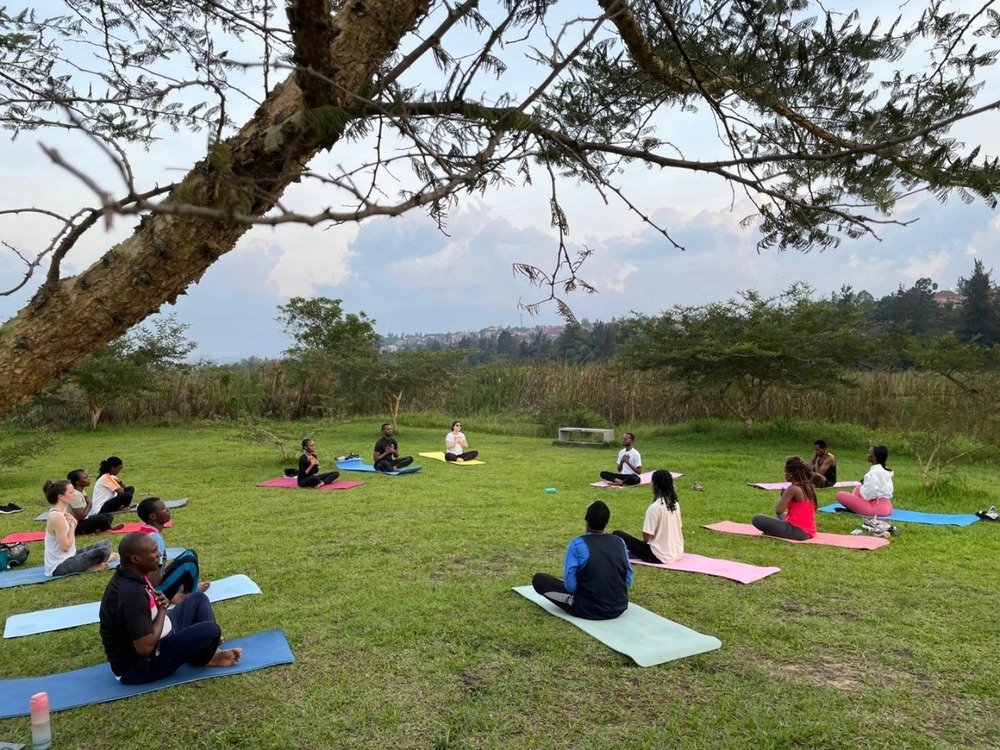
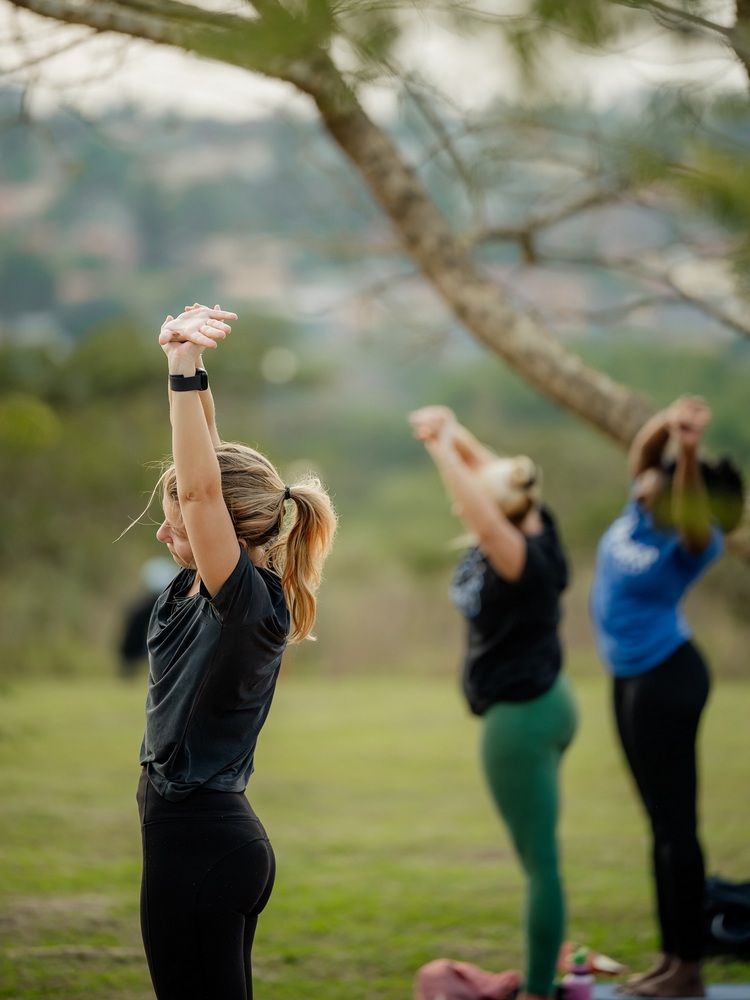
Among them is the Pope John Paul II Garden, named after Pope John Paul II, who celebrated Mass in the area during his 1990 visit to Rwanda. The site was chosen because of its capacity to accommodate large crowds. Other sections are dedicated to wellness activities such as yoga and fitness sessions.
Beyond tourism and entertainment, Nyandungu has also become a quiet retreat for many Kigali residents. Benches placed throughout the park allow visitors to sit under trees near small artificial lakes, creating a peaceful environment for reading, reflection or simply enjoying nature.
More animals and attractions planned
The Manager of Nyandungu Eco-Tourism Park, Ildephonse Kambogo, said the park’s development is still ongoing and that plans are underway to introduce additional wildlife species.
He explained that feasibility studies have already been conducted to determine which animals can adapt to the park’s environment.
“We started by conducting research to identify which animals are suitable for this park and capable of living here. We studied species such as impalas, sitatungas and other small mammals. The research was completed in April, and we are now looking at how to begin introducing them,” he said.
Kambogo added that the park management is optimistic the animals will thrive, noting that species already present in the park have adapted well and reproduced successfully.
He also revealed that new tourism activities, including a zipline and climbing wall for adventure enthusiasts, are expected to be introduced in the future.
In 2024, the Rwanda Environment Management Authority (REMA) announced plans to expand the park by an additional 43 hectares.
Recent biodiversity studies show that plant species have increased significantly, rising from 258 species in 2023 to 523 species in 2025.
Wildlife species have also grown steadily. Bird species increased from 83 to over 150, reptiles rose by nine species to reach 11, fish species increased from five to seven, while mammal species rose to 13.
As Kigali continues to grow into a modern urban center, Nyandungu Eco-Tourism Park is emerging as a symbol of how environmental restoration, tourism and urban living can coexist in one of Africa’s fastest-changing cities.







Leave a Reply