The announcement was made on May 6, 2026, during the launch of DNA Week at the University of Rwanda College of Science and Technology (CST).
The week-long event aims to raise awareness about DNA, widely regarded as the backbone of all living organisms, including plants, humans, and animals.
RAB revealed that since 2025, it has been working with various partners on a project that will result in the establishment of a center dedicated to developing enhanced crop seeds in Rwanda. The facility will be located at RAB’s Rubona branch in Huye District.
RAB’s Plant and Microbial Biotechnology Programme Coordinator, Dr. Bellancile Uzayisenga, said that the Rubona branch already has the capacity to identify diseases affecting crops.
However, she noted that this is not enough, as Rwanda still lacks the ability to locally produce genetically enhanced seeds.
She explained that the project launched in 2025 aims to train Rwandans with the necessary expertise while also establishing a model center capable of developing crops resistant to major diseases.
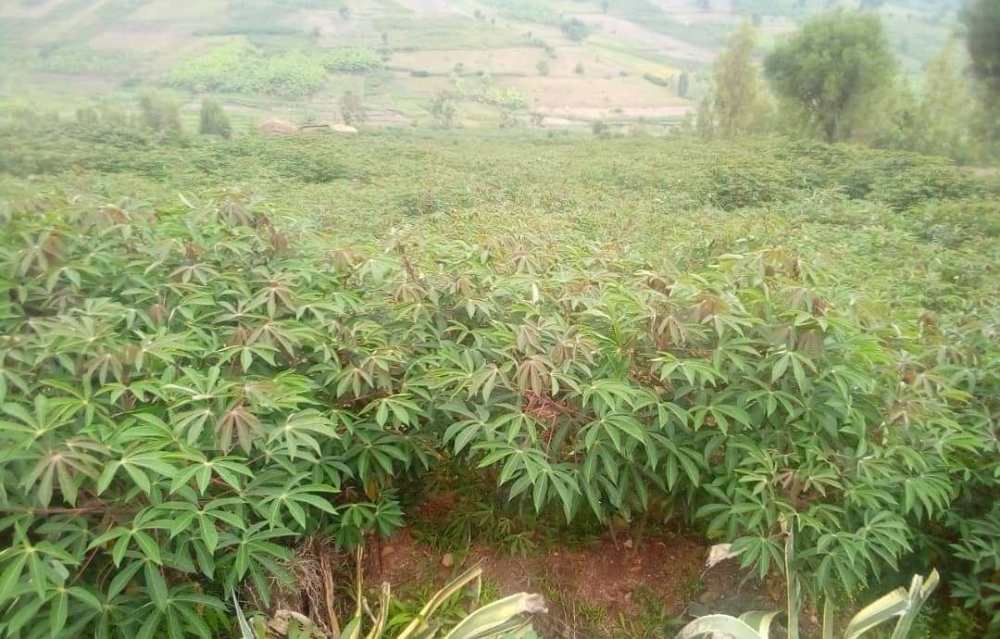
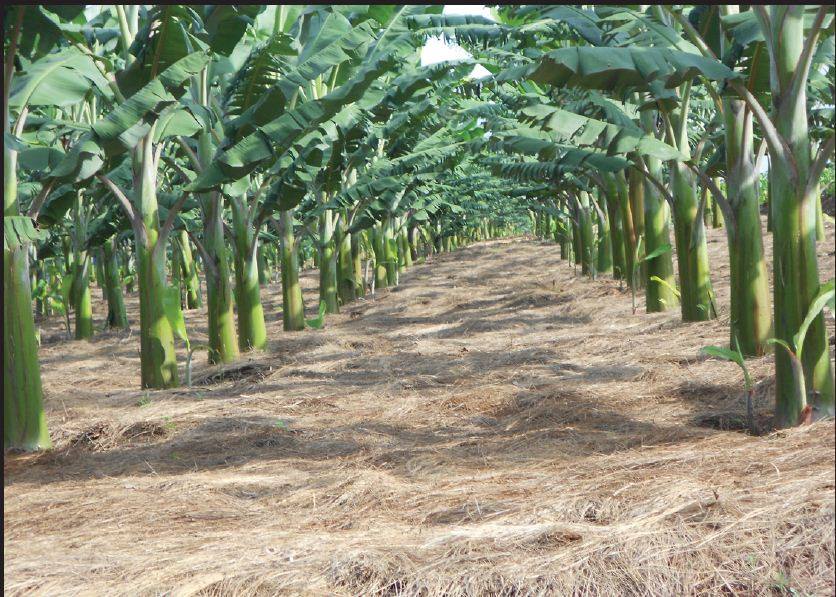
“Here in Rwanda and elsewhere, many crop diseases continue to affect production. For example, banana plants are severely affected by Wilt disease, cassava is attacked by Cassava Brown Streak Disease, and potatoes suffer from Late Blight. Through this project, enhanced seeds will be developed with the ability to resist these diseases,” she said.
Dr. Uzayisenga explained that the project will initially focus on bananas, potatoes, and cassava, before expanding to other crops. She added that neighboring countries could also benefit from the facility, as no similar center currently exists nearby.
“We already use enhanced cassava, maize, and potato varieties in Rwanda, but they were all developed outside the country. Under this new project, Rwandans themselves will gain the expertise to produce them locally. In particular, the popular Kinigi potato variety will be improved to increase productivity,” she said.
Dr. Uzayisenga also addressed concerns surrounding genetically enhanced crops, stressing that the technology only modifies the crop’s DNA structure without introducing harmful changes that could affect human health.
A lecturer in the Department of Biology at the University of Rwanda, Prof. Mutangana Dieudonne, said that while DNA-related courses are taught at the university, public understanding of the subject remains low.
He noted that plans are underway to extend awareness programs to secondary schools so students can develop a better understanding of DNA science from an early age.

Leave a Reply