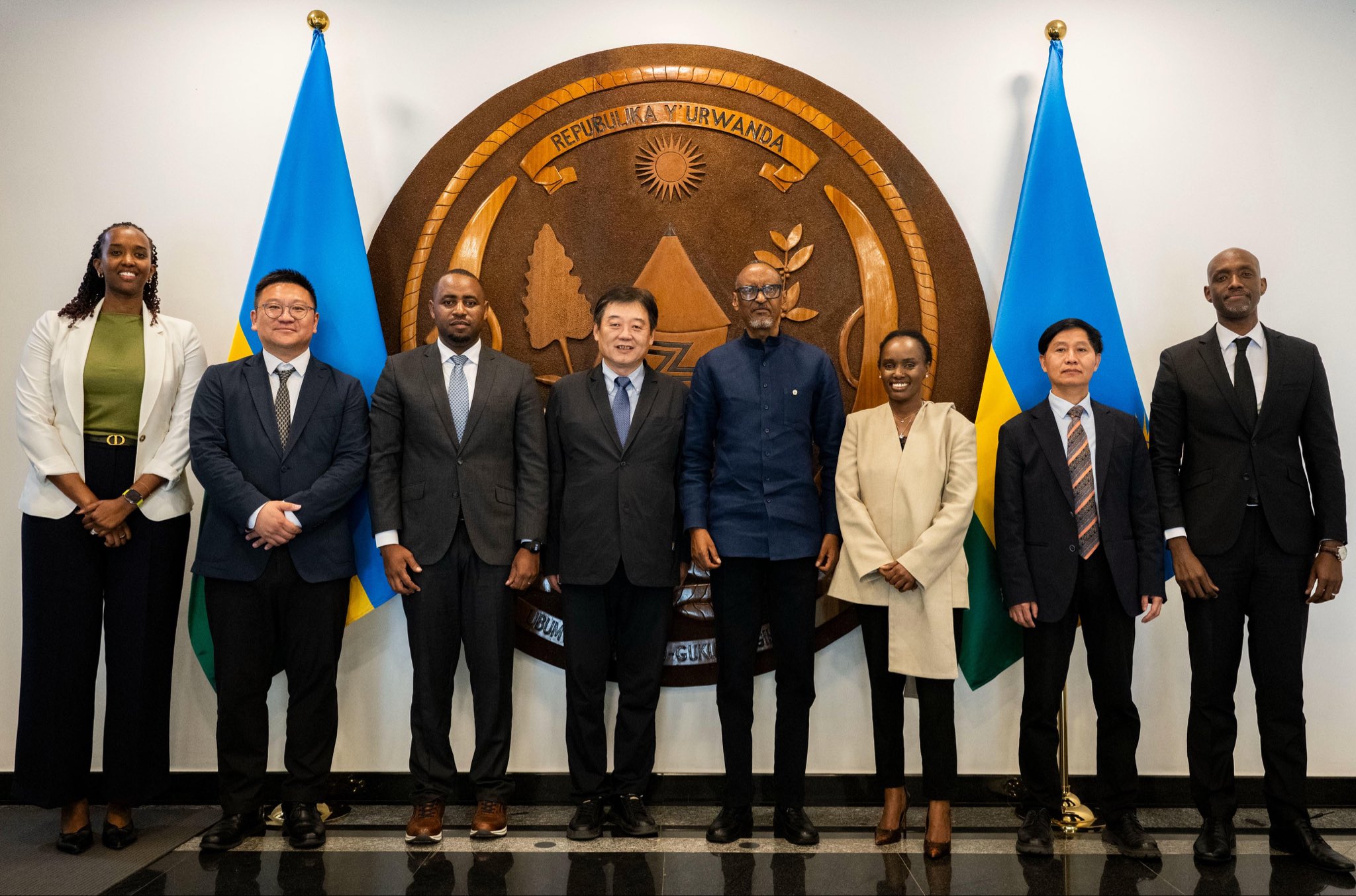
Recent high-level discussions between President Paul Kagame and a delegation from Chery Holding, led by Xu Hui, Chairman of Rich Resource International Investments (RRII) and Vice President and Board Secretary of Chery Holding, have drawn attention to the possibility of establishing a local EV assembly plant in Rwanda.
A day after meeting with the President last month, the Rwanda Development Board (RDB) Deputy CEO Juliana Muganza and Xu Hui signed a strategic partnership framework, laying the groundwork for sustainable investment and the growth of e-mobility solutions.
The talks were aligned with Rwanda’s broader industrialisation and e-mobility strategy, which prioritises sustainable transport and value-added manufacturing.
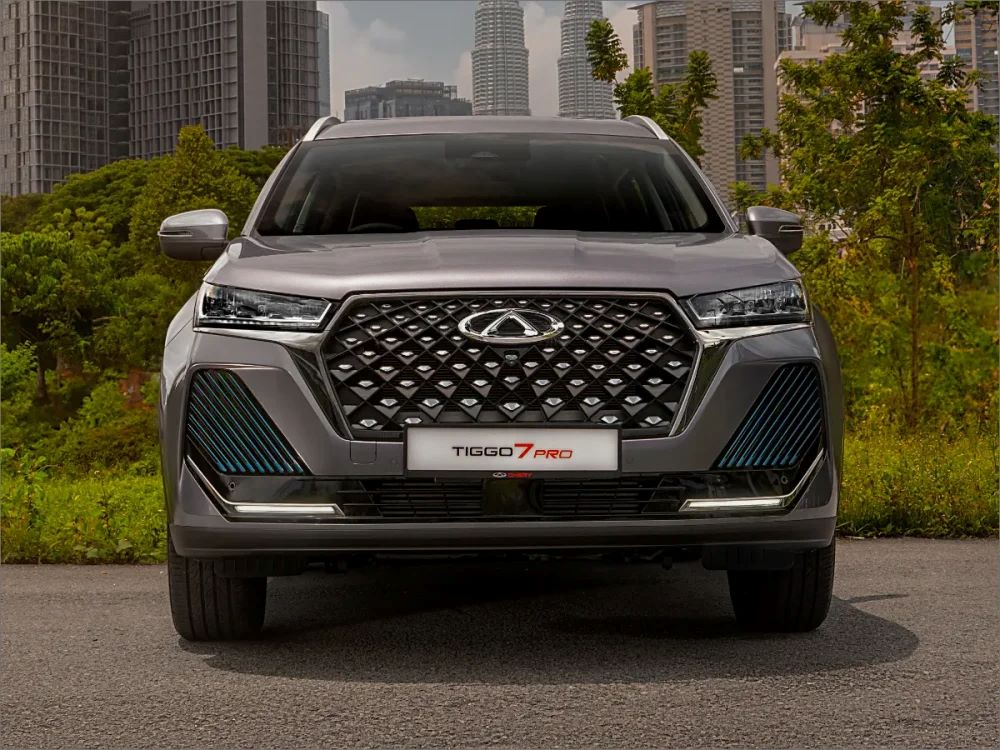
Chery Holding is among China’s leading car manufacturers and an increasingly influential player in the global mobility industry.
Established in 1997 in Wuhu, Anhui Province, the company has expanded into a Fortune Global 500 firm, now producing over 2.6 million vehicles each year and exporting to markets across Asia, Africa, Europe, and Latin America.
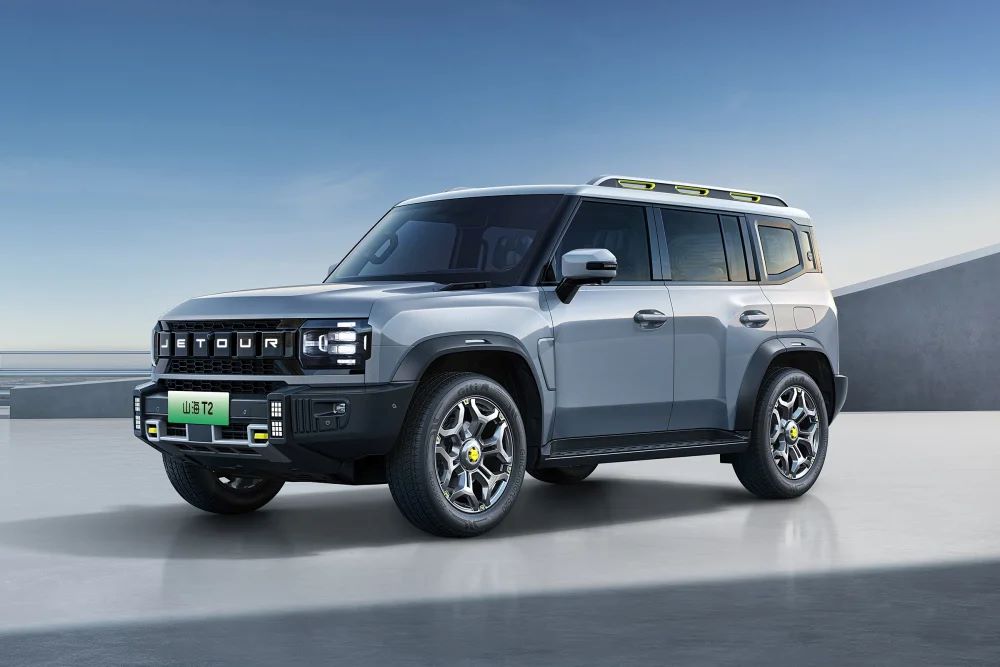
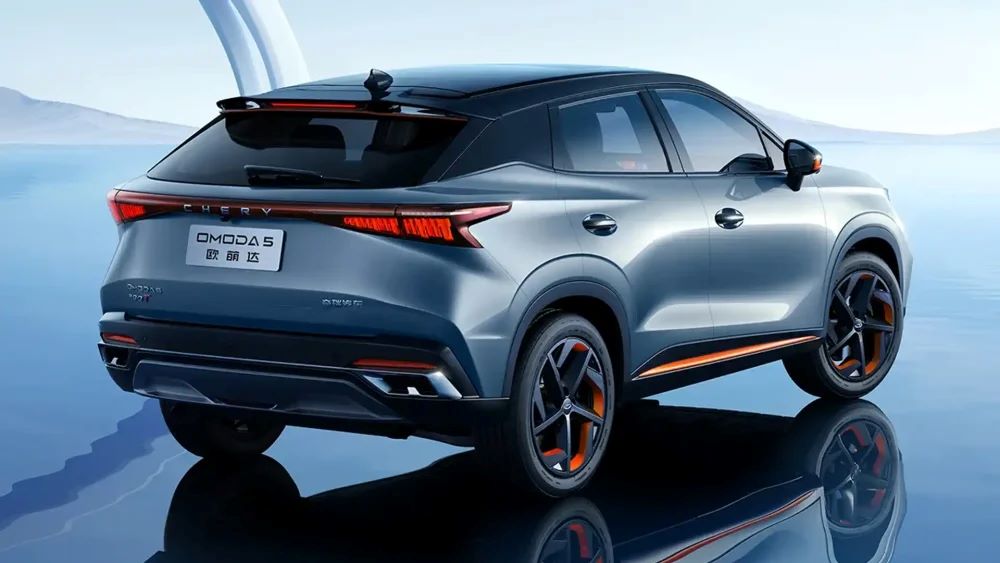
The group manages a diverse portfolio that covers traditional internal combustion vehicles, hybrids, and electric mobility solutions. Its brands include Chery New Energy, Exeed, Jetour, and Omoda, alongside other emerging EV-focused lines.
Over time, it has also built joint ventures and technological partnerships, particularly in areas such as advanced driver assistance systems and electrification, underscoring its shift toward smarter and lower-carbon transport solutions.
Chery was among the early Chinese automakers to invest in electric vehicle development, launching its EV programmes in the late 2000s and steadily expanding its capabilities in battery-electric platforms.
In recent years, the company has further accelerated its global EV push through strategic partnerships and investments aimed at boosting production capacity and strengthening its technological edge.
A project still at the exploratory stage
Speaking to IGIHE, Gao Zhiqiang, the Economic and Commercial Counselor at the Chinese Embassy in Rwanda, has clarified that while the idea of an EV assembly plant in Rwanda is being actively discussed, it remains at an early stage.
According to him, Chery has expressed interest in deepening cooperation with Rwandan counterparts in the electric mobility sector, including the possibility of setting up an assembly facility. However, he emphasized that this is still an intention rather than a confirmed investment.
“There are many technical issues that still need to be discussed, and follow-up steps are required,” he noted, adding that both sides are still engaging to explore feasibility and market potential.
Rwanda positioned as a potential regional hub
Despite the early stage of discussions, Gao has expressed optimism about Rwanda’s attractiveness as an investment destination. Gao highlighted Rwanda’s stable governance, improving business environment, and strategic positioning as key advantages for foreign investors.
He further encouraged Chery to think beyond Rwanda’s domestic market and consider the broader regional opportunity, suggesting that the country could serve as a production and distribution hub for East Africa and beyond.
“Rwanda could become a business hub, especially with upcoming infrastructure such as the new Bugesera International Airport,” he said, pointing to long-term economic potential driven by improved connectivity and logistics.
Timeline
While interest is growing, officials cautioned that the project is unlikely to materialize in the immediate future.
According to Gao, setting up such a facility would require significant preparation, coordination, and investment planning.
“It will take time — at least two years or more. It will not happen next year,” he explained, underscoring the complexity of establishing automotive manufacturing operations.
Broader wave of Chinese industrial interest
Beyond the proposed EV assembly plant, Gao said, other Chinese investors are also engaging with Rwanda, exploring opportunities in manufacturing and industrial parks.
Among them is Asia Machinery, a firm proposing the development of an automobile industrial park, with submissions already made to Rwanda Development Board (RDB) and the Ministry of Trade and Industry (MINICOM).
Another firm in the medical equipment sector is also considering establishing an industrial park in Rwanda’s Eastern Province, reflecting a broader trend of diversified Chinese investment interest.
Although exact figures were not disclosed, preliminary estimates suggest that combined investments from these emerging projects could reach tens of millions of dollars.
Alignment with Rwanda’s e-mobility agenda
The discussions come at a time when Rwanda is accelerating its transition toward sustainable transport. The government has introduced policies requiring public institutions to allocate at least 30% of newly procured vehicles to electric models, a move aimed at reducing emissions and supporting green mobility adoption, amid global oil disruptions.
In this context, a potential EV assembly plant would align closely with national priorities, including industrialisation, job creation, and technology transfer. It would also support Rwanda’s long-term ambition to develop a domestic automotive value chain anchored in clean energy solutions.
While the Chery EV assembly project is still in its early stages, both Rwandan and Chinese stakeholders appear aligned on its long-term potential. If realized, the investment could position Rwanda as an emerging player in Africa’s electric mobility ecosystem, while strengthening industrial cooperation between the two countries.
Rwanda and China have maintained strong cooperation over the years, with total trade between Rwanda and China reaching $849 million in 2025, an increase of 26.9 percent year-on-year, while Rwanda’s exports to China rose by 42 percent.
Leave a Reply