Around 300 million years ago, Earth looked very different. The continents were joined into a supercontinent called Pangaea, and vast swampy forests covered much of the land.
During this time, many animals and plants thrived in the high‑oxygen environment and among them were insects with astonishingly large bodies.
Some of these creatures, often called griffinflies, were dragonfly-like insects with wingspans reaching about 70 centimeters (27 inches) far larger than any flying insect alive today.
Insects don’t breathe like humans do. Instead of lungs, they rely on a complex network of tubes called the tracheal system, which carries oxygen directly to their muscles and tissues.
At the tiny ends of these tubes are structures called tracheoles, where oxygen enters the cells. Scientists once thought that bigger bodies needed much more oxygen and that only an oxygen‑rich atmosphere could support such huge insects.
However, in the new study published in the journal Nature, researchers used advanced electron microscopy to examine how insect body size relates to the space occupied by tracheoles in flight muscles.
They found that even in very large insects, tracheoles make up a surprisingly small portion, often only about 1% or less of the flight muscle volume. That tiny proportion suggests that oxygen delivery through the tracheal system wasn’t a limiting factor in how large insects could grow.
Because tracheoles take up so little space, insects could theoretically increase the number of these tubes without facing serious physical constraints.
In comparison, animals like birds and mammals depend on networks of tiny blood vessels (capillaries) that take up much more space in muscle tissue. This difference further supports the idea that oxygen levels weren’t the main barrier to giant insect size.
These findings don’t completely rule out oxygen’s influence on insect evolution, but they do show that the old explanation was too simple.
Scientists now need to explore other possibilities that might explain why insects grew so large in the past and why such giants no longer exist today.
Possible ideas include changes in predators, environmental conditions, or the inherent limitations of insect body structures.
Giant prehistoric insects may not have needed extra oxygen to grow so large after all.
The latest monthly Global Seasonal Climate Update from the WMO signals a clear shift in the Equatorial Pacific: sea-surface temperatures are rising rapidly, pointing to a likely return of El Nino conditions as early as May-July 2026.
Forecasts indicate there is a “nearly global dominance of above-normal land surface temperatures” in the upcoming three-month period, and regional variations in rainfall patterns.
“After a period of neutral conditions at the start of the year, climate models are now strongly aligned, and there is high confidence in the onset of El Nino, followed by further intensification in the months that follow,” said Wilfran Moufouma Okia, chief of climate prediction at WMO in the press release.
The WMO explains that El Nino is characterized by a warming of ocean surface temperatures in the central and eastern Equatorial Pacific. It typically occurs every two to seven years and lasts around nine to twelve months.
El Nino events affect temperature and rainfall patterns in different regions, and typically have a warming effect on the global climate. Thus, 2024 was the hottest year on record because of the combination of the powerful 2023-2024 El Nino and human-induced climate change from greenhouse gas emissions.
There is no evidence that climate change increases the frequency or intensity of El Nino events. But it can amplify associated impacts because a warmer ocean and atmosphere increases the availability of energy and moisture for extreme weather events such as heatwaves and heavy rainfall.
Each El Nino event is unique in terms of its evolution, spatial pattern and impacts. However, it is typically associated with increased rainfall in parts of southern South America, the southern United States, the Horn of Africa and central Asia, and drought over Australia, Indonesia, and parts of southern Asia.
During the Boreal summer, El Nino’s warm water can fuel hurricanes in the central/eastern Pacific Ocean, while it hinders hurricane formation in the Atlantic Basin.
Forecasts indicate there is a “nearly global dominance of above-normal land surface temperatures” in the upcoming three-month period, and regional variations in rainfall patterns.
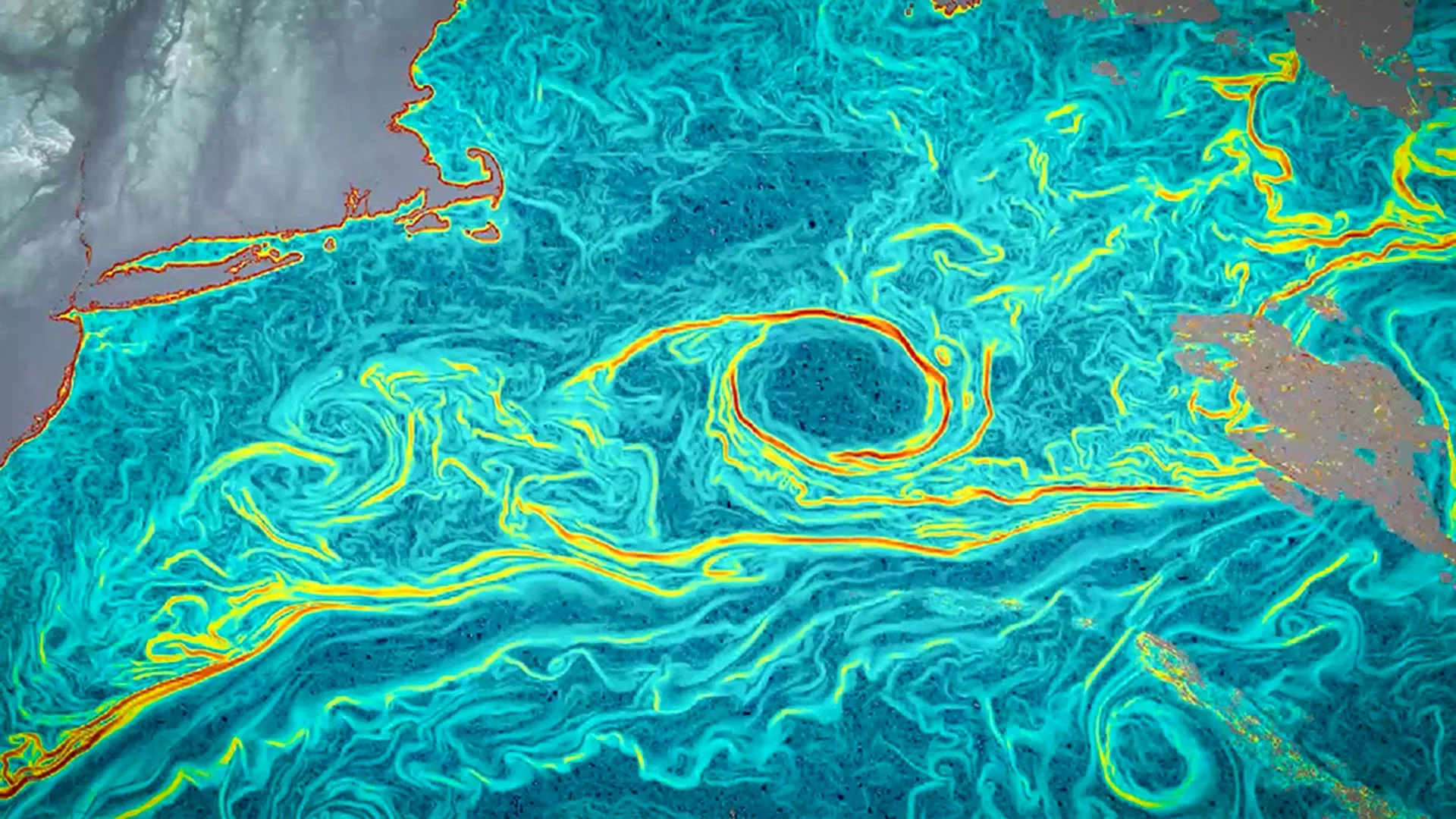
Traditionally, observing ocean currents, especially the small, rapid ones has been extremely difficult. Satellites can measure large‑scale patterns like sea surface height, but they revisit the same area only every several days, leaving a gap in our view of fast‑changing and smaller features.
Now, a team from the University of California‑San Diego and collaborators have cracked this challenge by combining weather satellite images with advanced machine learning.
The method, dubbed GOFLOW (Geostationary Ocean Flow), analyzes consecutive thermal images from weather satellites images originally designed to track clouds and temperature and turns them into detailed maps of ocean movement.
By training a deep learning model to recognize how temperature patterns shift over time, researchers can infer how the underlying water is flowing.
According to the lead researcher, Luc Lenain from the Scripps Institution of Oceanography, “Weather satellites have been observing the ocean surface for years. The breakthrough was learning how to turn that time‑lapse into hourly maps of currents.”
This statement highlights how the team transformed ordinary satellite data into something far more powerful viewing currents as if watching a movie of the ocean itself.
This AI‑driven system doesn’t require new or costly satellites. Instead, it maximizes the value of existing orbiting weather instruments, making the approach both efficient and cost‑effective.
It can detect fast‑moving currents and small eddies swirling water features previously hidden from direct view which are crucial for understanding vertical mixing.
Vertical mixing is a key process that brings nutrients from deep waters up toward the surface and helps store carbon in the ocean both essential for marine life and climate regulation.
The research team also includes Kaushik Srinivasan, a former Scripps researcher now at UCLA, as well as Roy Barkan of Tel Aviv University and Nick Pizzo of the University of Rhode Island. Their findings were published in Nature Geoscience, a leading scientific journal.
Because the new technique works with existing geostationary satellites which constantly observe large parts of the Earth, scientists hope GOFLOW could soon be integrated into climate models and weather prediction systems, improving forecasts and helping us better understand ocean‑climate interactions.
This AI‑powered discovery offers a detailed and dynamic look at ocean currents for the first time, turning everyday satellite data into a powerful tool for science, climate study, and environmental monitoring.
AI technology has revealed unseen ocean currents, transforming climate research.
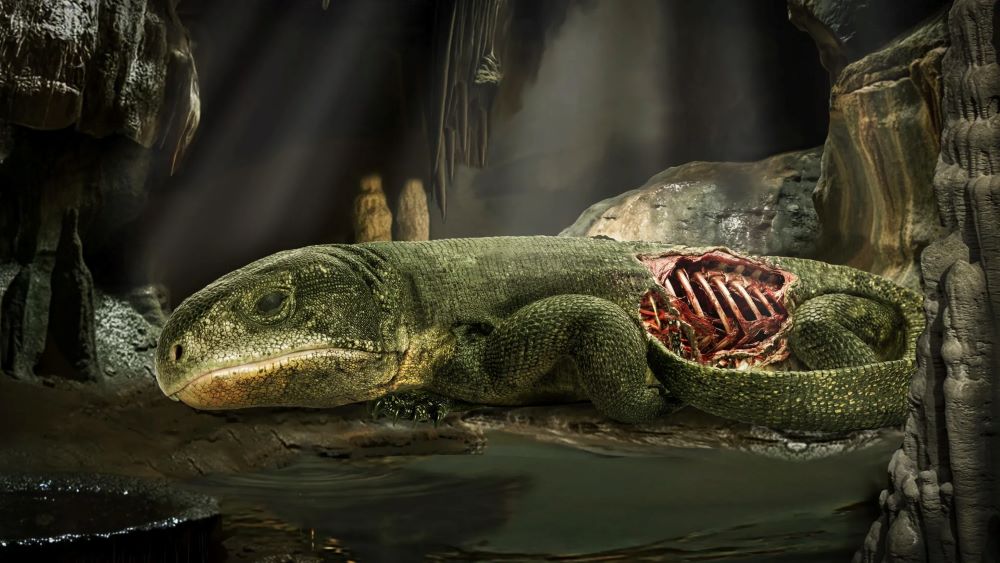
The fossil belongs to Captorhinus aguti, a small lizard-like reptile discovered in a cave system in Oklahoma.
Unlike most fossils, which preserve only bones, this specimen contains traces of skin, cartilage, and even proteins, offering rare insight into early life on land.
“These early reptiles were among the first animals to fully adapt to life outside water,” said Ethan Mooney, one of the study’s lead authors.
“Captorhinus is an interesting lizard-looking critter that is critical to understanding early amniote evolution,” he added.
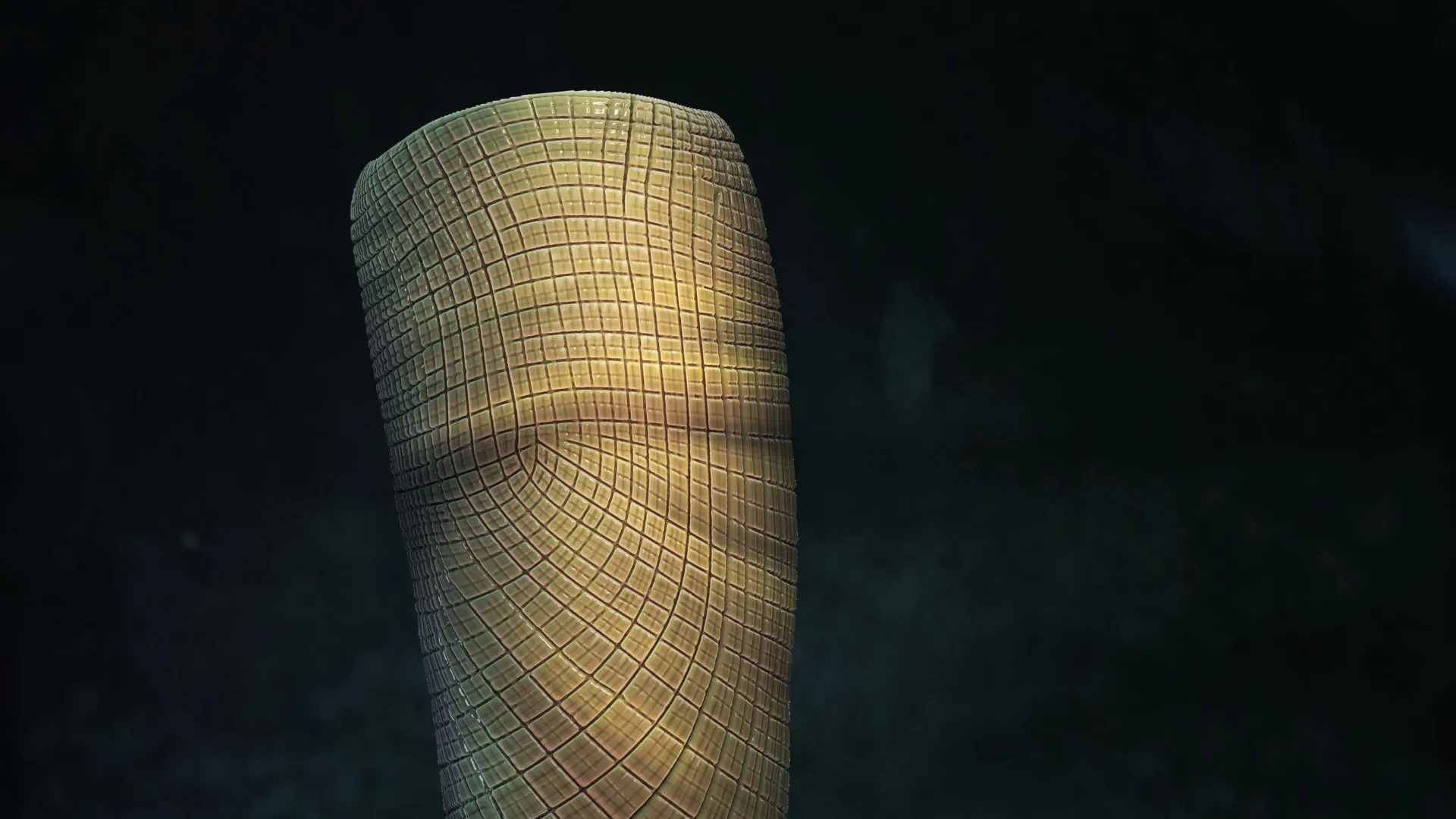
Using advanced scanning technology, researchers were able to examine the fossil in detail without damaging it. The scans revealed preserved skin wrapped around the body.
“I started to see all these structures wrapped around the bones,” Mooney said, “they were very thin and textured. And lo and behold, there was a nice wrapping of skin around the torso of this animal.
The scaly skin has this wonderful accordion-like texture, with these concentric bands covering much of the body from the torso and up to the neck.”
More importantly, the fossil showed how the reptile breathed. Scientists identified a rib-based breathing system, similar to the one used by humans today, where muscles expand and contract the chest to move air in and out of the lungs.
“We propose that the system found in Captorhinus represents the ancestral condition for the kind of rib assisted respiration present in living reptiles, birds, and mammals,” said Robert R. Reisz, a professor at the University of Toronto and co-author of the study.
This system allowed animals to take in more oxygen and become more active on land.
“It was a game changer that allowed these animals to adopt a much more active lifestyle,” Mooney said.
The findings offer a clearer picture of how life evolved on land and how modern breathing systems began.
289-million-year-old reptile Captorhinus in its death pose in a cave system. Oil seepages, hyper-mineralized water, fine clays in this cave made it an ideal environment for mummification and fossilization of soft tissues like skin, cartilage, and protein remnants. Credit: Dr. Michael DeBraga
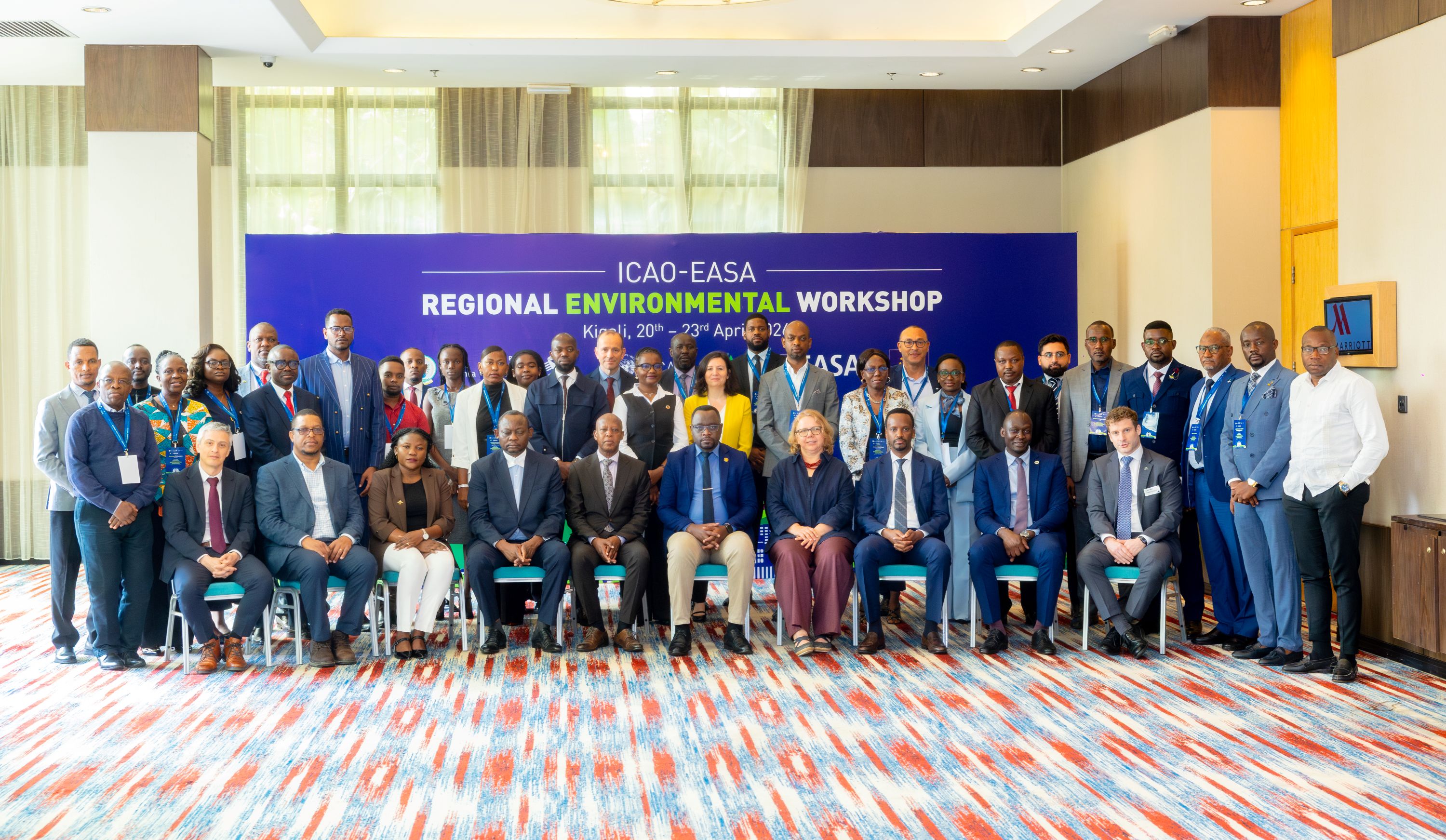
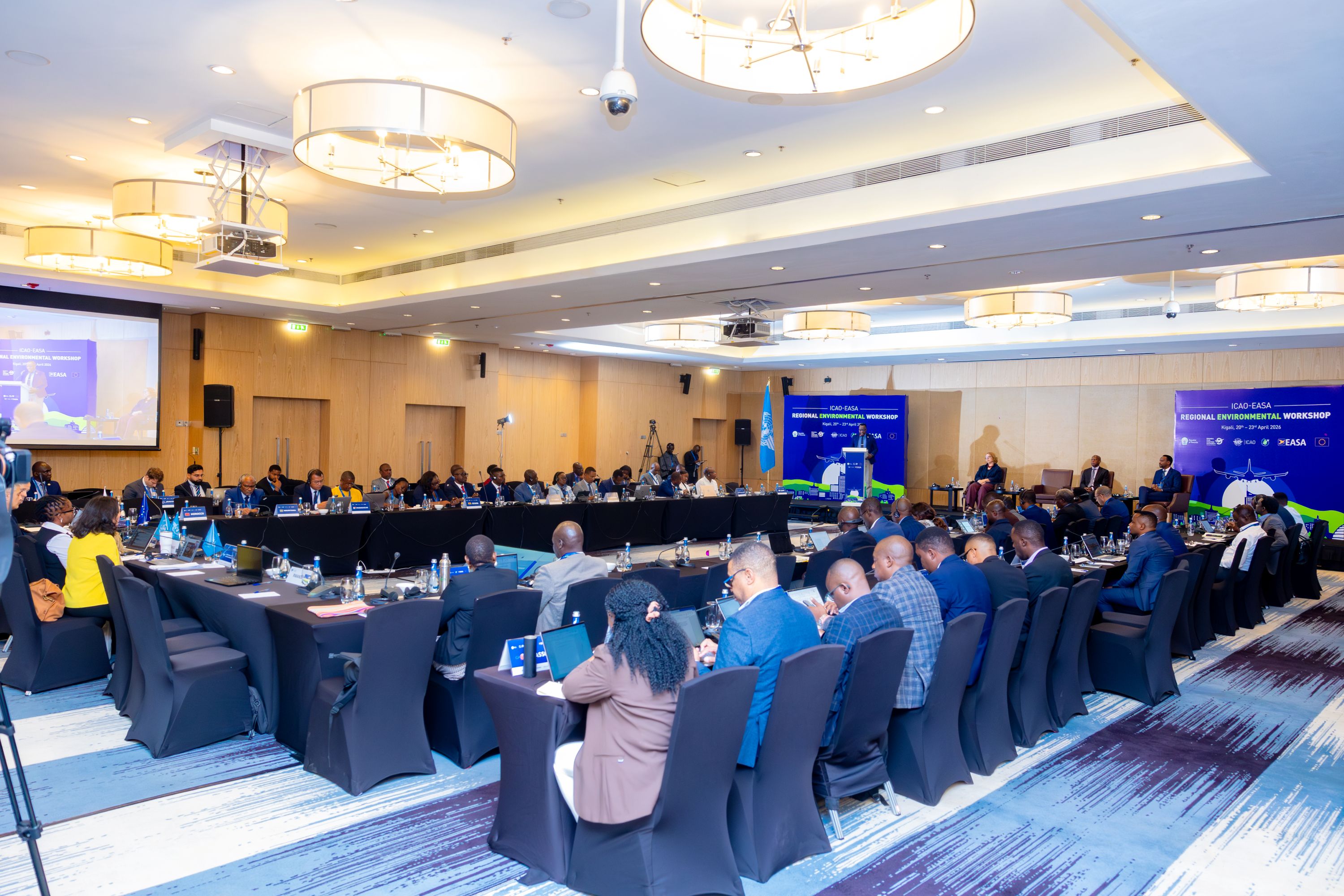
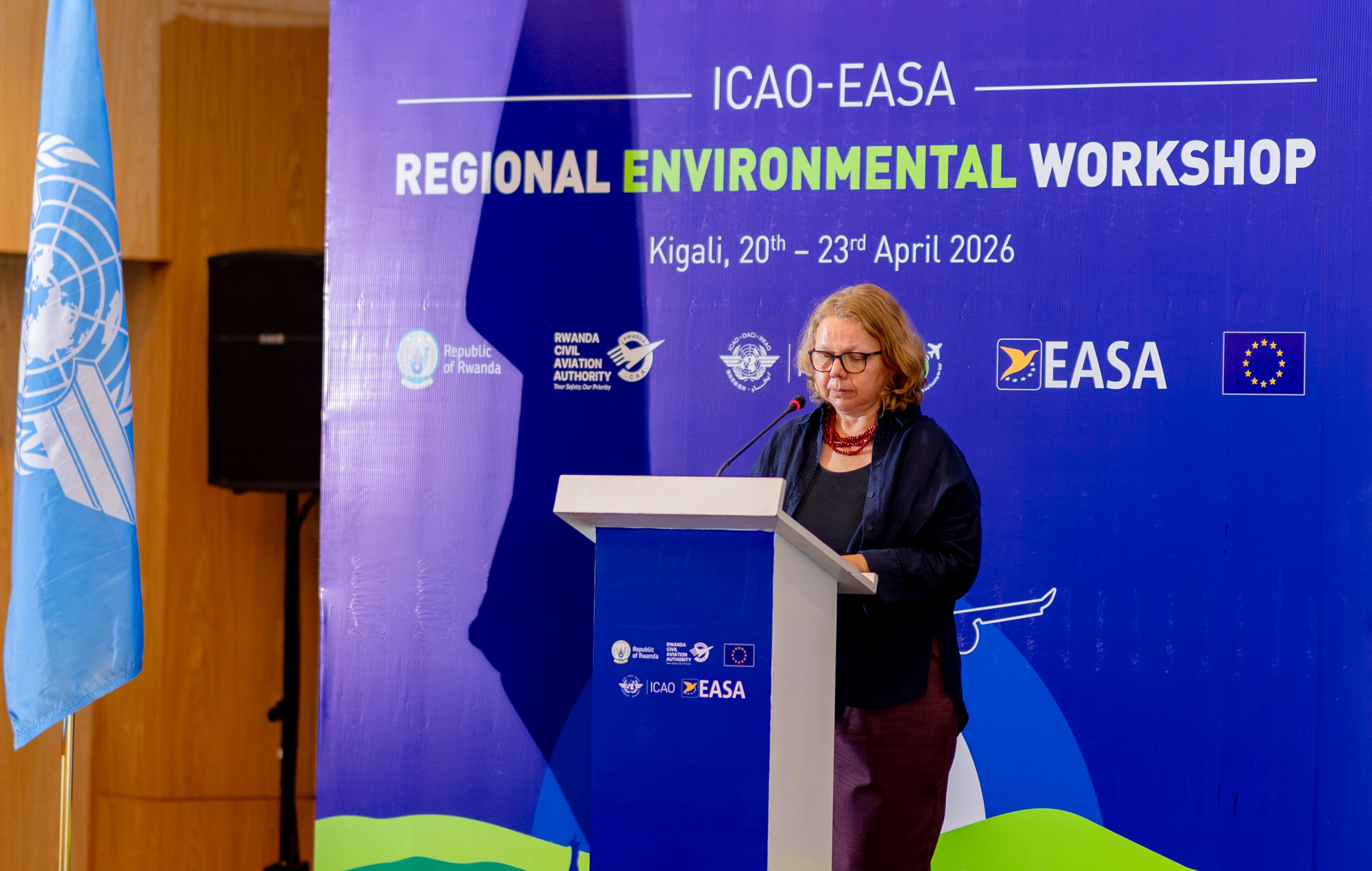
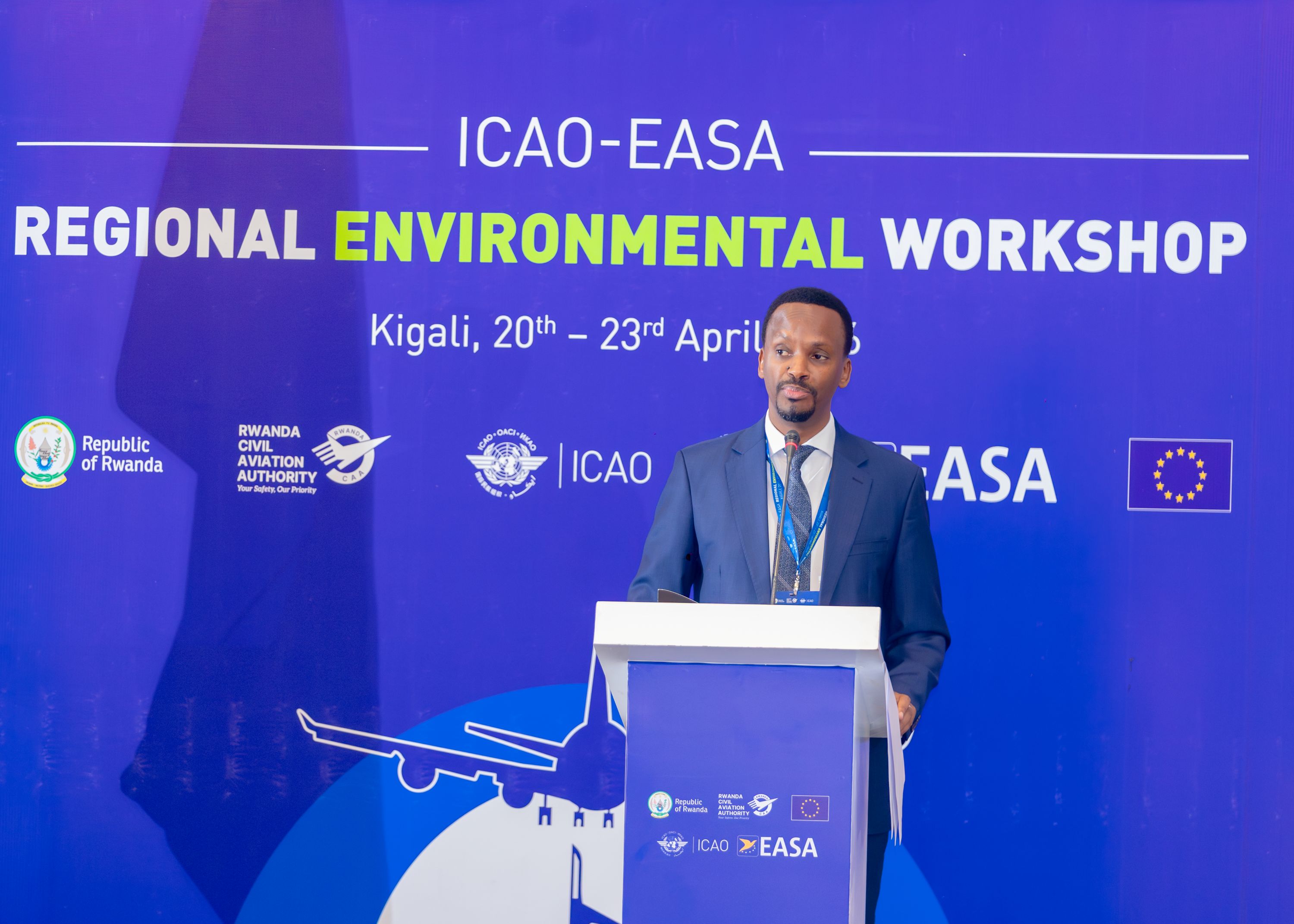
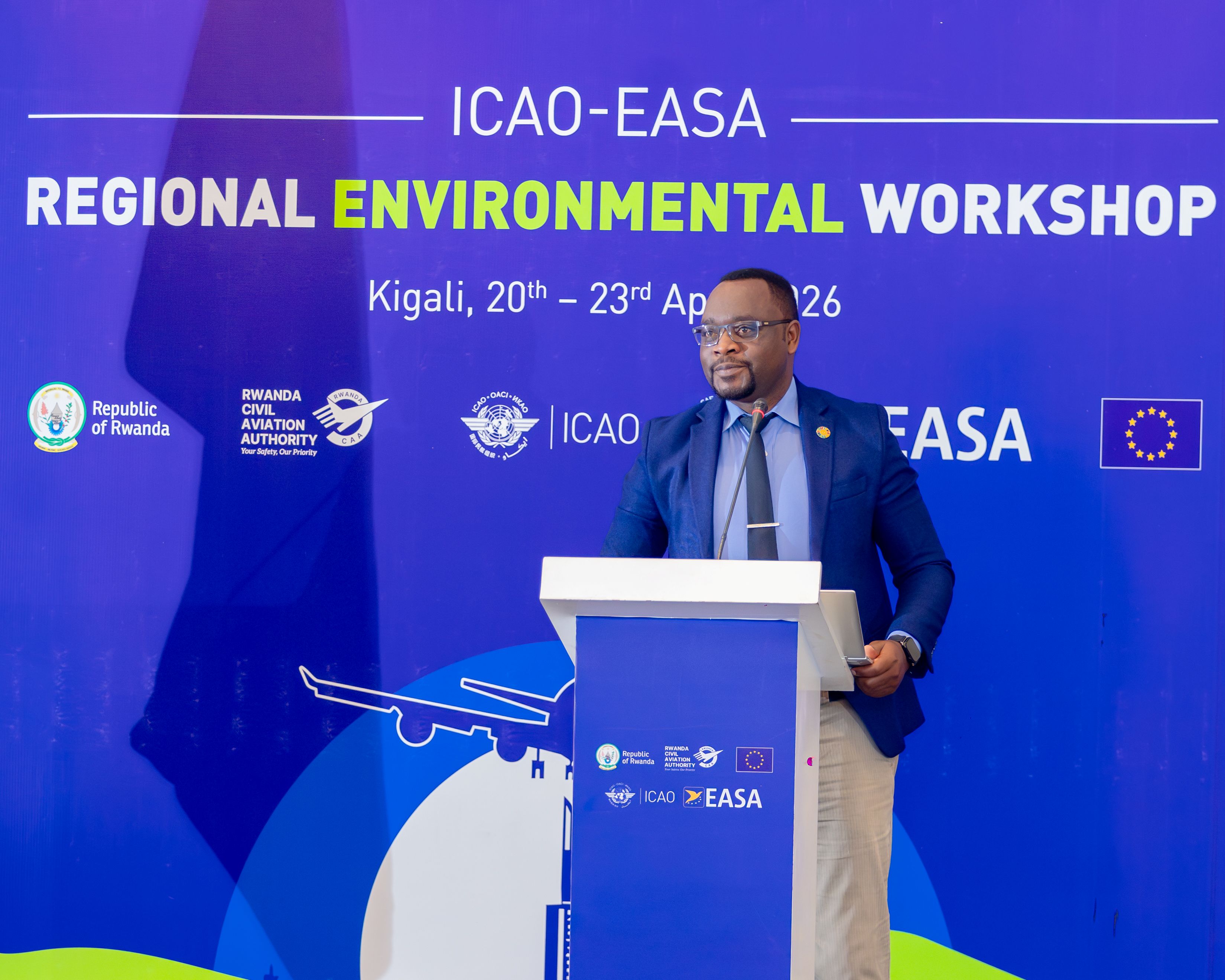
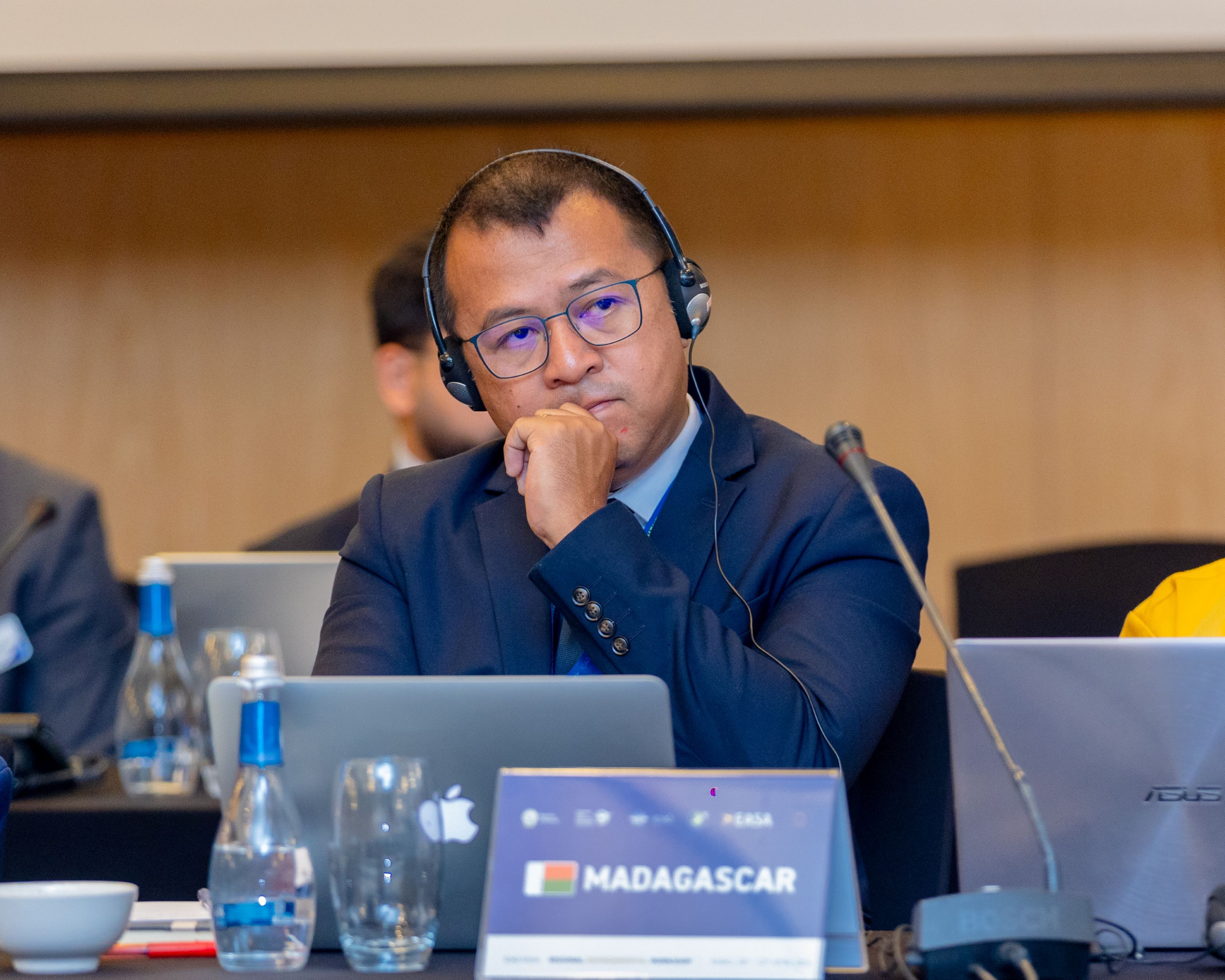
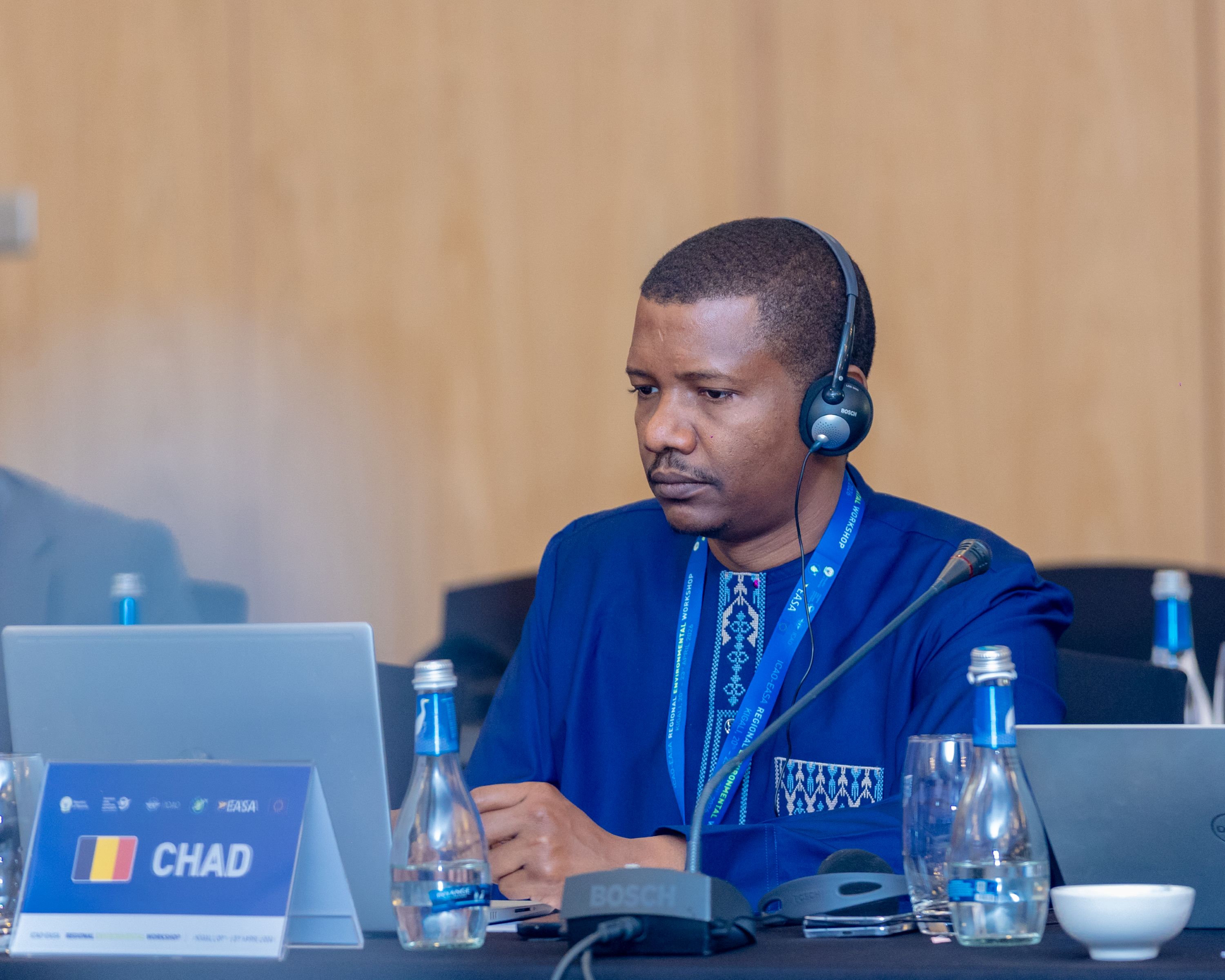
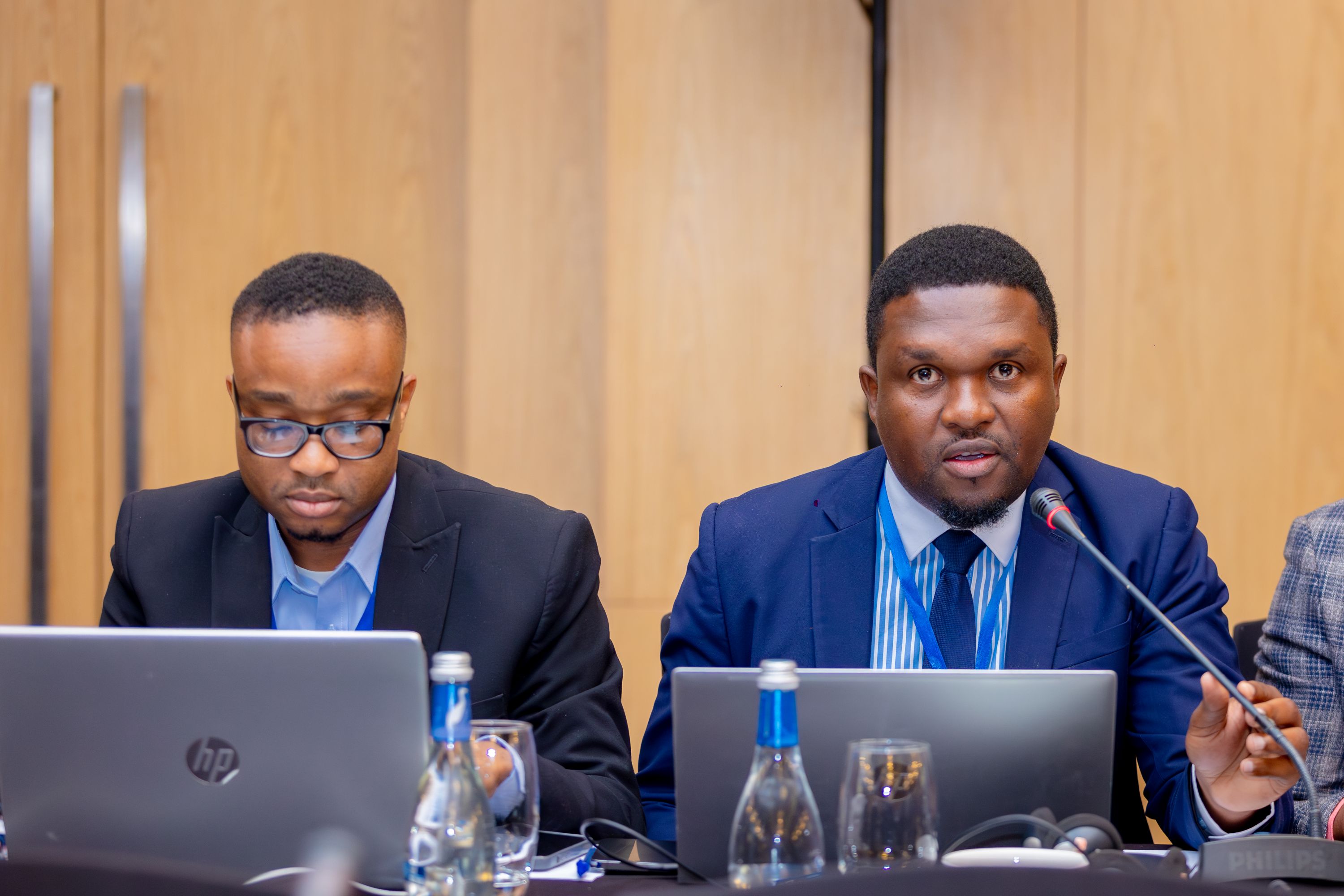
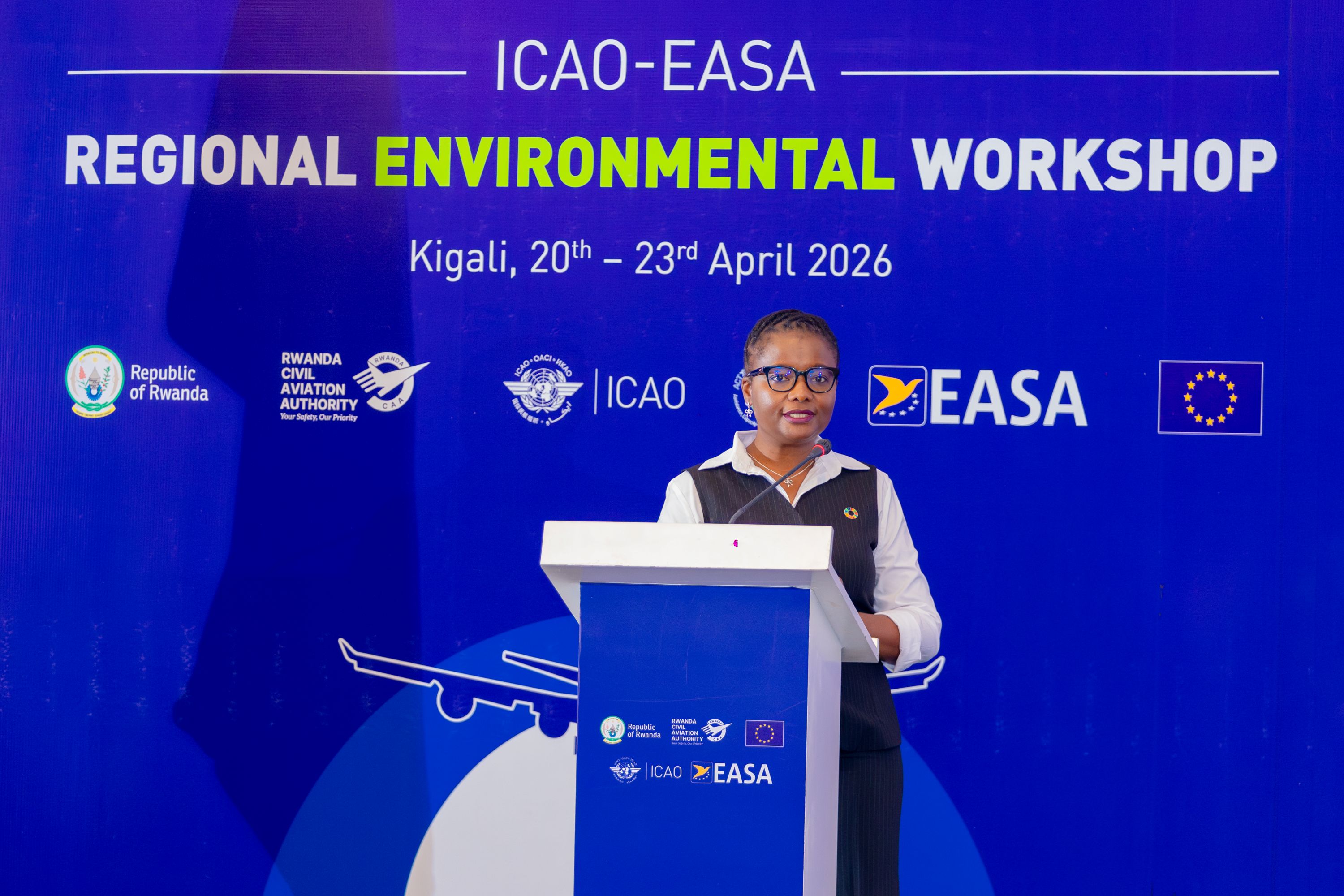
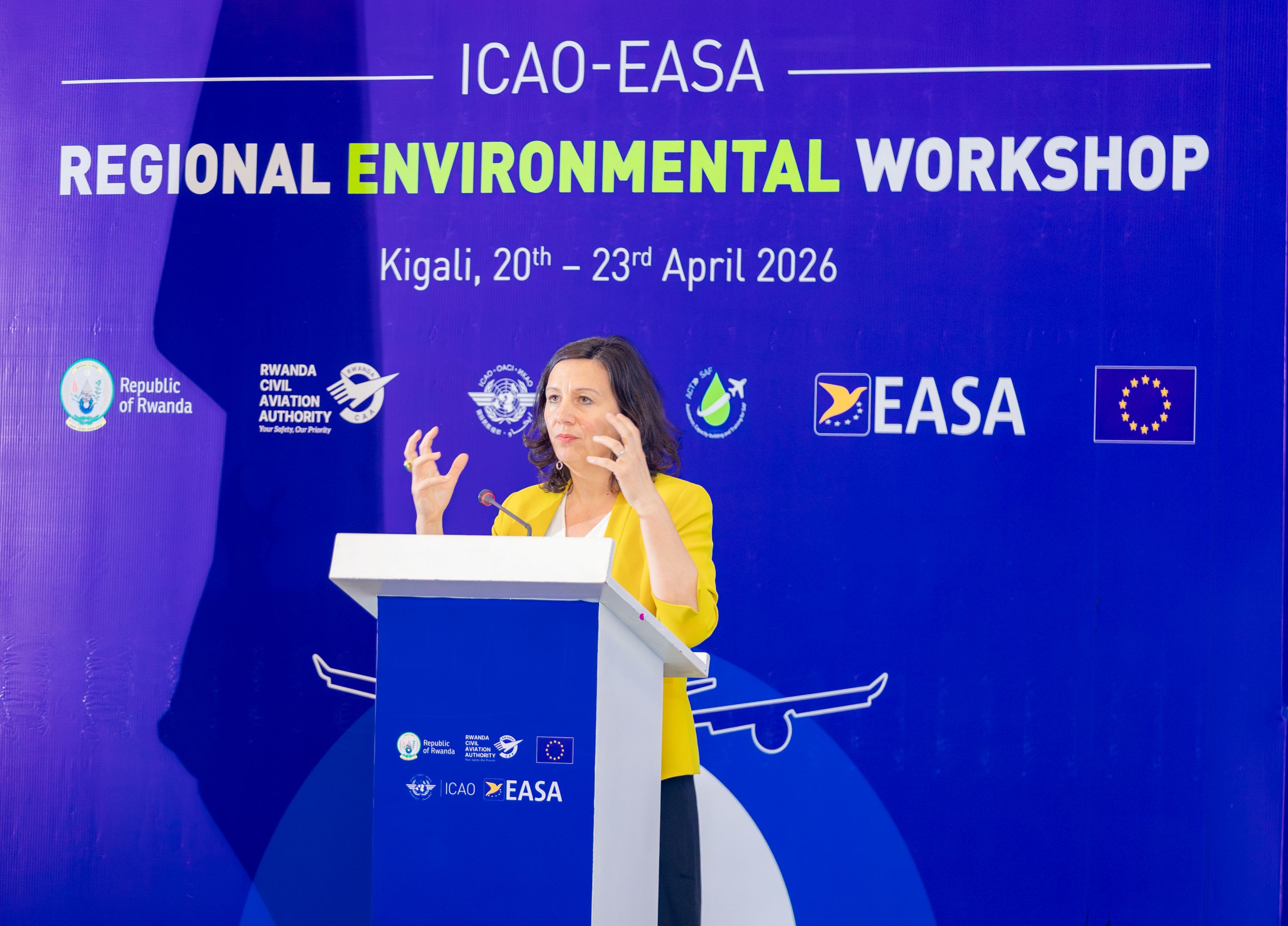
The Joint ICAO–EASA Regional Environmental Workshop, hosted by the Government of Rwanda in collaboration with the International Civil Aviation Organisation (ICAO) and the European Union Aviation Safety Agency (EASA), brings together stakeholders from Eastern, Western and Central Africa under the ICAO–EU ACT-SAF Assistance Project.
The meeting follows key environmental resolutions adopted at the 42nd ICAO Assembly in Montréal, Canada, in October 2025 and is expected to translate global aviation climate commitments into regional implementation pathways.
Opening the workshop, officials underscored the urgency of decoupling aviation growth from rising greenhouse gas emissions, while maintaining the sector’s critical role in connectivity and economic development across Africa.
Speaking on behalf of the European Union Delegation to Rwanda, the Head of Section for Green and Digital Transition, Helena Guarin, said sustainable aviation fuels present a key opportunity for African countries to reduce emissions while strengthening energy independence.
“Decoupling air traffic growth from greenhouse gas emissions is one of the key challenges. Sustainable aviation fuels could offer possibilities for African countries to achieve this while also enhancing energy independence,” she said, noting that scaling SAF will require strong technical capacity, long-term planning and significant investment.
ICAO Deputy Regional Director for the Eastern and Southern Africa Office, Richard Gatete, highlighted the importance of collaboration in achieving aviation decarbonisation, noting progress already made across the continent.
He said about 81 percent of Eastern and Western/Central African states have taken steps toward CORSIA readiness, while 75 percent have joined the ACT-SAF programme, which supports the development of sustainable aviation fuel projects.
“Aviation stands at a defining moment. As global air traffic continues to grow, our shared responsibility to ensure that growth is sustainable, inclusive and environmentally responsible has never been greater,” Gatete said.
He added that while momentum is building around SAF feasibility and implementation projects, access to finance remains a major challenge requiring coordinated action between governments, industry and development partners.
Rwanda’s Ministry of Environment said the aviation sector must be integrated into broader national climate strategies, noting that energy-related emissions remain a major contributor to greenhouse gases and are expected to rise significantly in the coming decades.
Representing the Minister of Environment, Acting Director General for Environment and Climate Change, Thadée Twagirimana, said Rwanda is committed to supporting initiatives such as CORSIA and SAF development under the ACT-SAF programme.
“The aviation sector plays a vital role in regional development and connectivity. However, it also presents notable challenges in balancing growth with sustainability,” he said, calling for stronger cooperation between governments and industry stakeholders.
Over the four-day workshop, participants will focus on the implementation of CORSIA, the expansion of SAF production and supply chains, emissions reduction strategies, and financing mechanisms to support large-scale deployment of green aviation technologies.
Key sessions include discussions on States’ Action Plans for emissions reduction, SAF certification and deployment, feedstock sustainability, airport infrastructure roles, and investment frameworks for aviation decarbonisation.
The workshop also provides a platform for African states to share experiences and best practices, as well as to explore regional solutions for scaling sustainable aviation fuels and improving operational efficiency through initiatives such as free route airspace.
ICAO said the outcomes of the Kigali meeting are expected to contribute directly to advancing the Long-Term Aspirational Goal (LTAG) of achieving net-zero carbon emissions from international aviation by 2050.
The workshop continues through April 23, 2026, bringing together governments, international organisations and private sector actors in what officials describe as a critical step toward building a more sustainable aviation future for Africa.
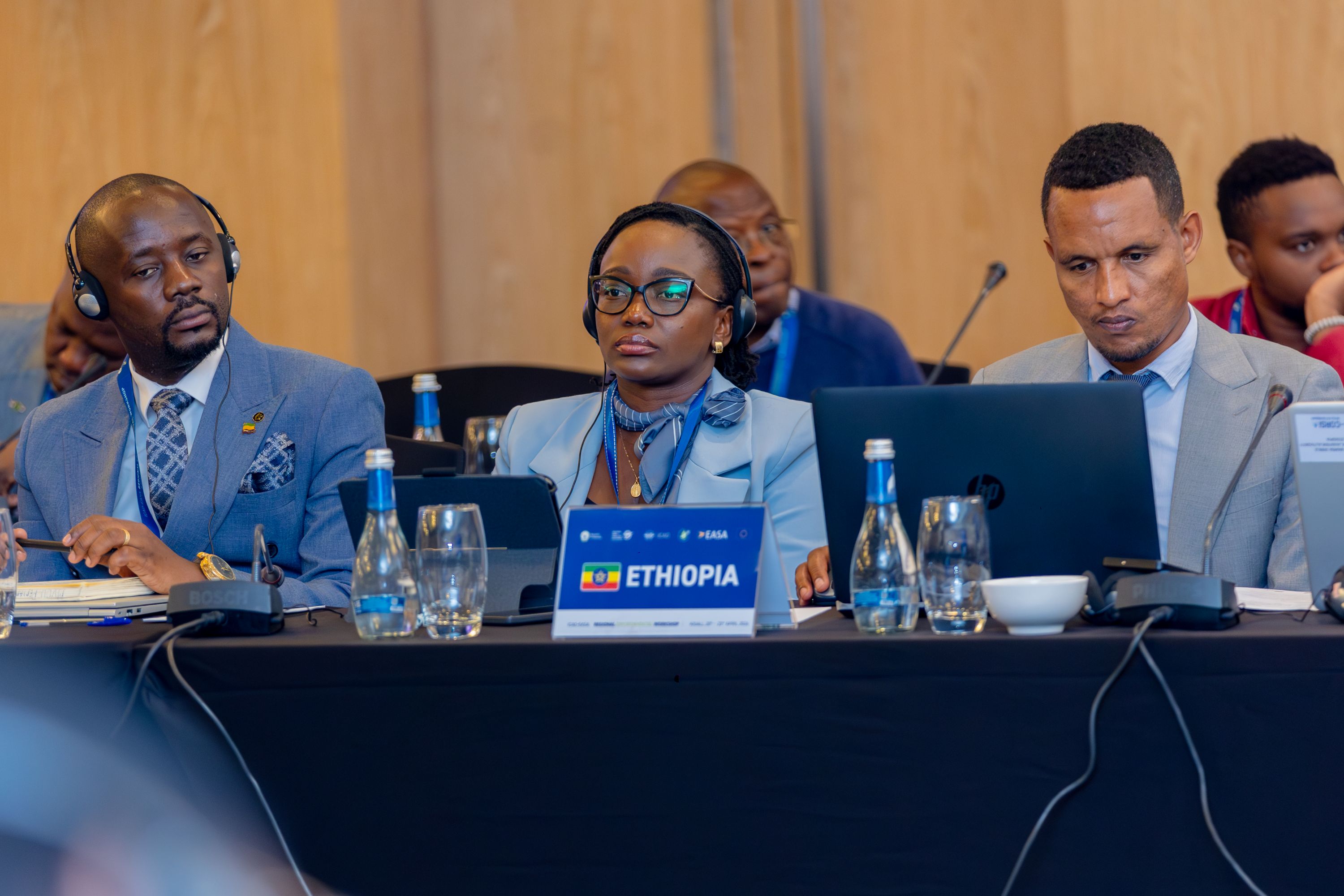
The Joint ICAO–EASA Regional Environmental Workshop, hosted by the Government of Rwanda in collaboration with the International Civil Aviation Organisation (ICAO) and the European Union Aviation Safety Agency (EASA), brings together stakeholders from Eastern, Western and Central Africa under the ICAO–EU ACT-SAF Assistance Project.The workshop is expected to translate global aviation climate commitments into regional implementation pathways.Speaking on behalf of the European Union Delegation to Rwanda, the Head of Section for Green and Digital Transition, Helena Guarin, said sustainable aviation fuels present a key opportunity for African countries to reduce emissions while strengthening energy independence.ICAO Deputy Regional Director for the Eastern and Southern Africa Office, Richard Gatete, highlighted the importance of collaboration in achieving aviation decarbonisation, noting progress already made across the continent.Representing the Minister of Environment, Acting Director General for Environment and Climate Change, Thadée Twagirimana, said Rwanda is committed to supporting initiatives such as CORSIA and SAF development under the ACT-SAF programme.Different countries from across the region are represented at the workshop,Key sessions include discussions on States’ Action Plans for emissions reduction, SAF certification and deployment, feedstock sustainability, airport infrastructure roles, and investment frameworks for aviation decarbonisation.The workshop also provides a platform for stakeholders to share experiences and best practices.The four-day workshop will close on Thursday, April 23, 2026.
For decades, scientists have known that sponges, the simplest of animals, almost certainly existed far earlier than the fossils suggested.
Genetic studies implied that sponges may have evolved around 700 million years ago, but convincing physical fossils were only known from much later. This created a puzzling 160‑million‑year gap in our understanding of early animal life.
The breakthrough came when a team led by geobiologist Shuhai Xiao from Virginia Tech and collaborators from the University of Cambridge and the Nanjing Institute of Geology and Paleontology uncovered a rare fossil preserved in marine carbonate rock along the Yangtze River in China.
Unlike most fossils, which form from hard body parts like bones or shells, this fossil shows an exceptionally well‑preserved soft‑bodied sponge.
What makes this find so important is that scientists now think the earliest sponges lacked mineral skeletons or rigid structures. Because traditional fossilization usually preserves hard parts and not soft tissues, this has made early sponge fossils extremely rare and difficult to find.
The new fossil shows that ancestral sponges could have been soft‑bodied and therefore easily lost over time, explaining why earlier fossils have been scarce.
The fossil itself is unusual not only for its age but also for its detailed surface pattern and relatively large size about 15 inches long, challenging earlier expectations that early sponges would be tiny and simple. These features give researchers new ideas about how early animals lived and evolved.
This discovery not only fills an important gap in the fossil record but also reshapes how scientists search for evidence of ancient life. By broadening their focus beyond hard parts to include special rocks that preserve soft tissue, researchers may now uncover more of life’s earliest chapters.
New fossil discovery sheds light on the origins of early sponges, closing a 160-million-year gap.
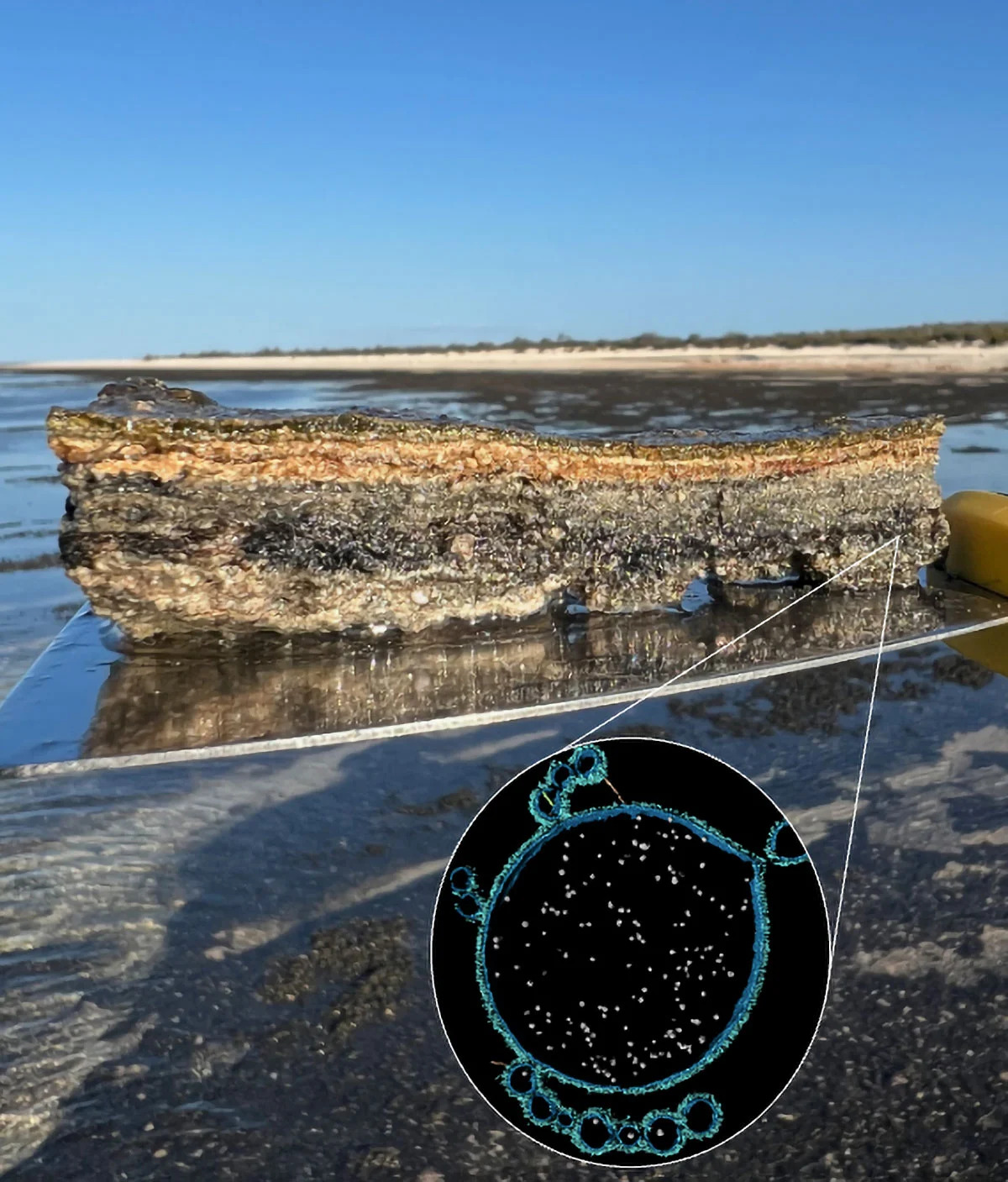
A research team led by UNSW Sydney has identified a newly described microbial pairing living within these structures that may help explain how early cellular partnerships evolved. The study, published in Current Biology, focuses on interactions that resemble processes thought to have driven the emergence of complex cells billions of years ago.
The Asgard connection
At the centre of the discovery is a newly identified archaeon, Nerearchaeum marumarumayae, belonging to the Asgard archaea group, microbes considered among the closest living relatives of the ancestors of eukaryotes, the domain of life that includes plants, animals and humans.
For decades, scientists have proposed that complex cells arose through a long-term partnership between an archaeon and a bacterium, an idea known as the endosymbiotic theory. But direct evidence of such close microbial interactions in natural environments has been limited.
A close microbial partnership
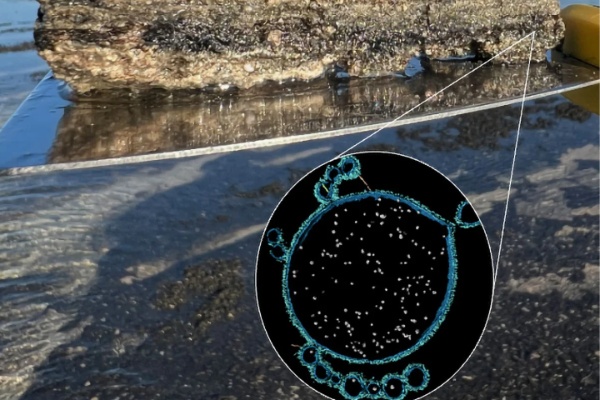
Using electron cryotomography, the researchers captured detailed 3D images showing Nerearchaeum physically associated with a bacterial partner through tiny tube-like structures.
“It could represent a snapshot of how these relationships began,” said Brendan Burns of UNSW Sydney, who described the microbes as interdependent “companions.”
The team spent nearly five years attempting to grow the organisms in the lab, but found neither could survive alone—suggesting a strong dependency between them, including the exchange of hydrogen, vitamins and other compounds.
Cultural and ecological context
The discovery also reflects collaboration beyond science. The species name, marumarumayae, was developed with the Malgana people, Traditional Owners of the Shark Bay region, and references the layered nature of the microbial mats found there.
Researchers say stromatolites should not be seen only as relics of early Earth, but as active ecosystems that continue to reveal how microbial relationships may have shaped the evolution of complex life.
A composite image of the Asgard archaeon (inset) found within the microbial mats of Shark Bay, Western Australia.
Researchers at the Institute of Science and Technology Austria (ISTA) found that these imperfections are actually part of the solar cells’ success.
Unlike traditional silicon‑based solar cells, which need to be almost perfectly pure, perovskites use their flaws to help electric charges travel efficiently through the material.
The research, published in Nature Communications, shows that networks of microscopic defects inside perovskite crystals act like “highways” for electric charges.
When sunlight hits the material, it creates positive and negative charges that need to move through the solar cell to produce electricity.
These defect networks help separate and guide the charges so they don’t recombine too quickly, which boosts efficiency.
According to the scientists Dmytro Rak and Zhanybek Alpichshev, this mechanism explains why perovskite cells perform so well despite being less pure than silicon.
Rak said the team’s work “provides the first physical explanation of these materials while accounting for most if not all of their documented properties.”
Perovskite materials have been studied for about 15 years and are exciting to researchers because they can be made with inexpensive solution‑based methods. They also show promise for use in other technologies, like LEDs and X‑ray detectors.
This discovery may bring scientists one step closer to making cheaper and more powerful solar cells that could be used at large scale in the real world.
By understanding how these internal pathways work, engineers can design better solar technologies that don’t rely on high‑cost manufacturing methods like those used for silicon.
New research reveals how flaws in perovskite solar cells enhance their performance.
This initiative was carried out in collaboration with France, which contributed £429,000 (about Rwf 680 million) for the purchase of various machines used for processing and recycling waste at the newly established landfill in Ruhango town.
Additionally, Rwf 300 million was allocated for the construction of the landfill site located in Rwoga Cell, Ruhango Sector.
Ruhango District Mayor, Habarurema Valens, mentioned that this project is the first of its kind outside Kigali and will help manage waste in the district through the program called ‘Ruhango Icyeye’ (Clean Ruhango).
All waste in Ruhango town will be collected and transported to the Rwoga landfill, where it will be sorted based on its type and processed into useful materials, including organic fertilizer.
This approach is expected to reduce the amount of waste accumulating at the landfill, as most of the materials previously stored there will now be processed into valuable products in factories.
“We plan to process nearly all of the waste, leaving only about 10% at the landfill. The rest will be turned into various products, including fertilizer,” he added.
He further explained that, after collecting waste from Ruhango town, the project will expand to other centers such as Kinazi, Gitwe, and Buhanda, where waste will also be collected and transported to the main landfill.
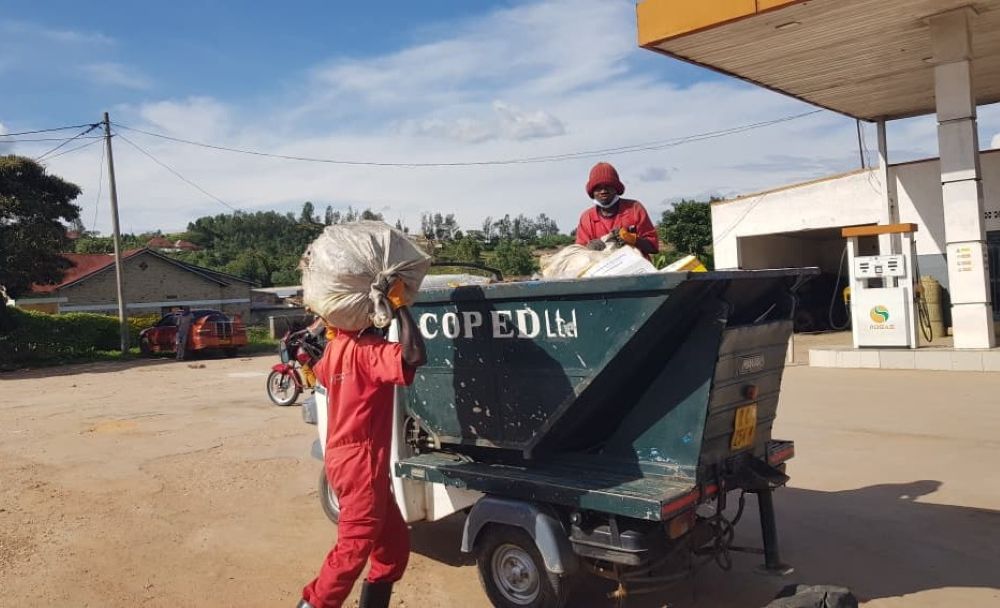
Paulin Buregeya, CEO of COPED Ltd, the company managing the landfill on behalf of Ruhango District, stated that the project has begun by collecting tons of waste daily in Ruhango town. Waste is being collected from households, street bins, markets and shops.
This waste will be collected at designated sites using electric-powered bicycles to help reduce costs, and then transported to the landfill.
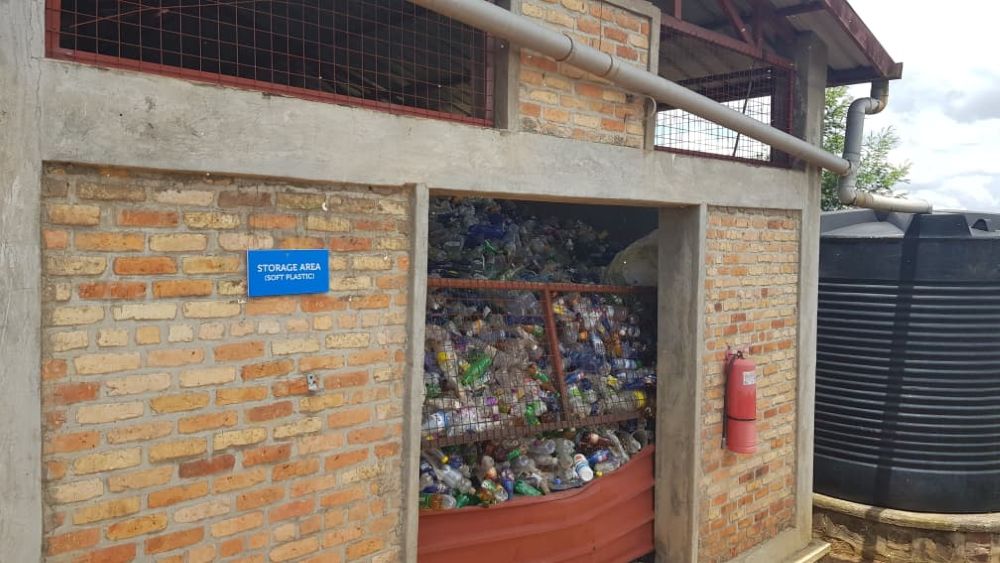
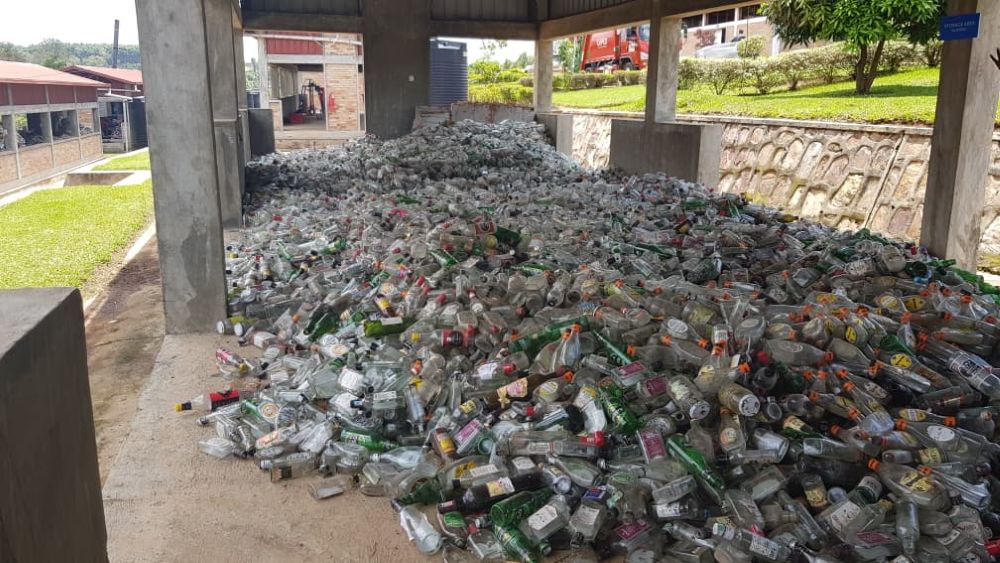
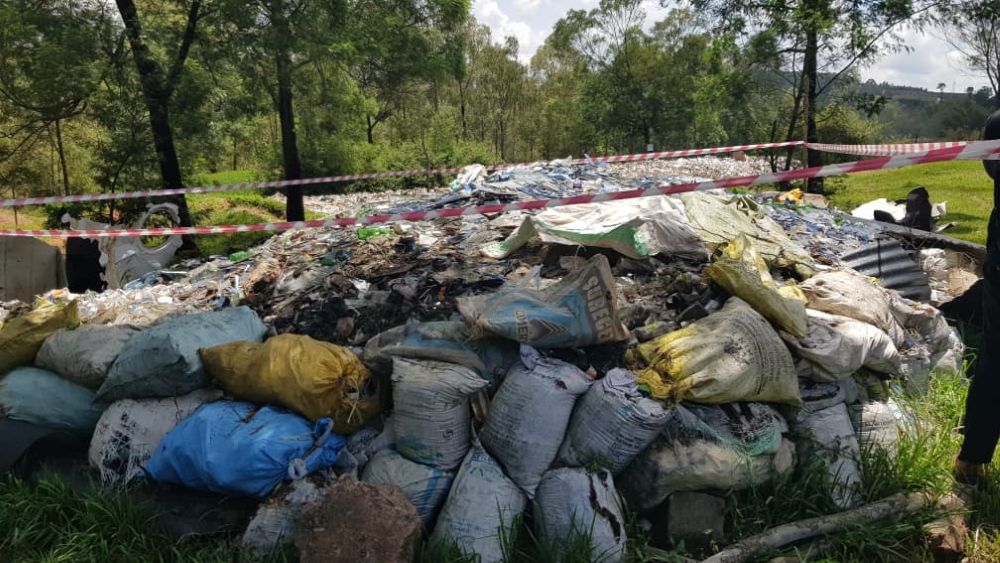
At the landfill, the waste will be sorted into biodegradable and non-biodegradable categories, such as metal and plastic bottles, tires, glass, and other waste, which will be placed in separate areas.
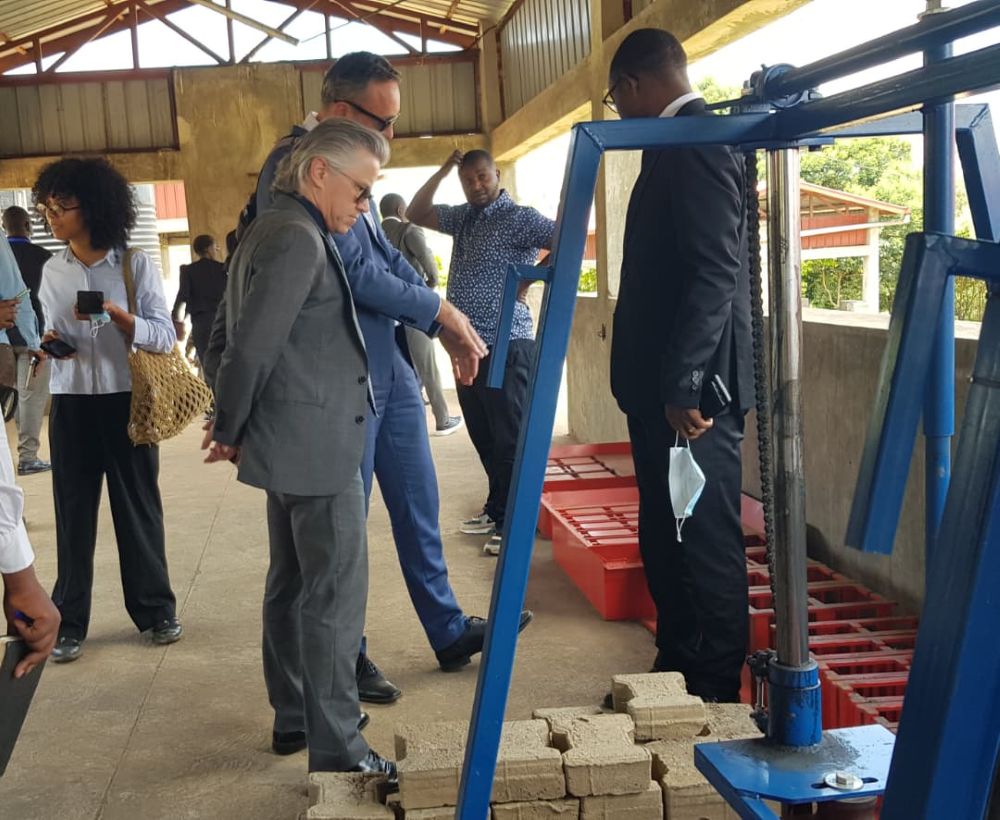
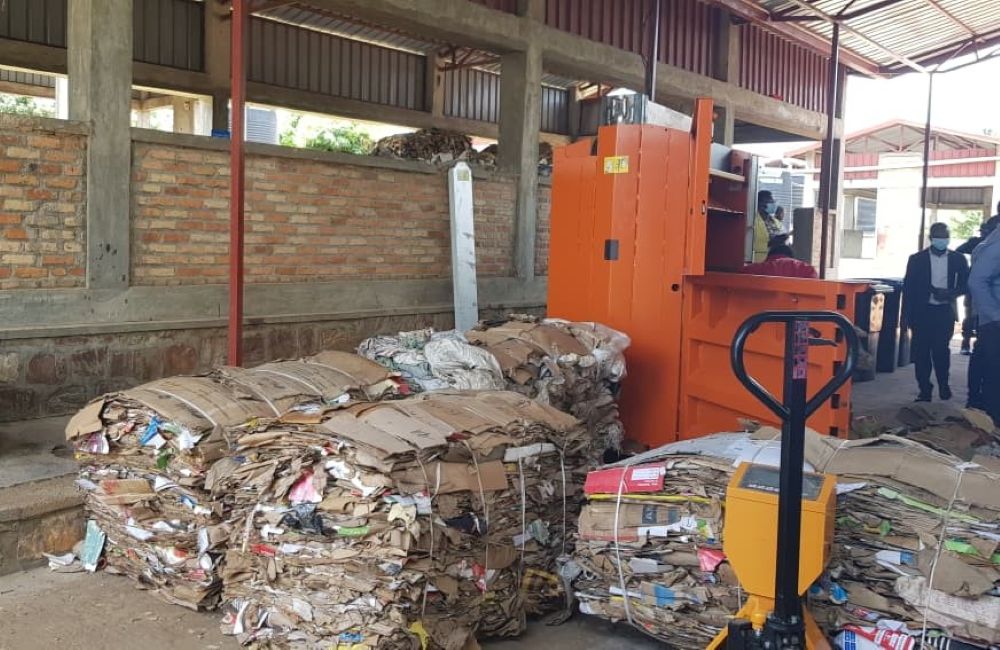
Buregeya continued by explaining that they have set up a system to recycle some of the waste. Cardboard, paper, and plastic will be sent to factories to be turned into other products. Glass bottle fragments will be crushed and mixed with sand and cement to produce paving tiles, while plant-based waste will be processed into organic fertilizer.
“Our cities are facing challenges with waste, and we are figuring out how to process it without harming the environment. In the past, all the waste was dumped without sorting, but now, thanks to this project, only 10% will be discarded, and the rest will be recycled,” he said.
He also emphasized that projects like this create jobs, noting that in Ruhango, they started with more than 30 employees, and the number is expected to grow to 200 as the project progresses.
Workers involved in the project are also pleased to be earning income while contributing to the cleanup of the planet, Rwanda, and Ruhango District in particular.
It is expected that, after three months of the project’s implementation, an assessment will be conducted to determine whether similar initiatives can be extended to other districts, in order to continue promoting environmental sanitation throughout the country.
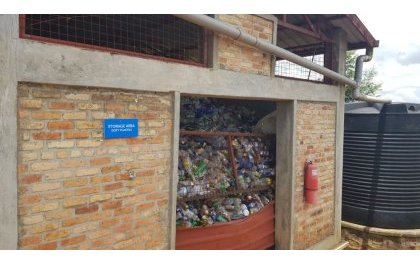
Residents are urged to collect waste regularly, and those responsible should promptly collect and transport it.Some of the paving stones were made using crushed glass bottle fragments, mixed with sand and cement.This is a facility where the recycled plastic from the waste is stored.Only 10% of waste will be discarded.Some of the papers and cardboard have been sorted from the waste and are awaiting to be sent to the factories.
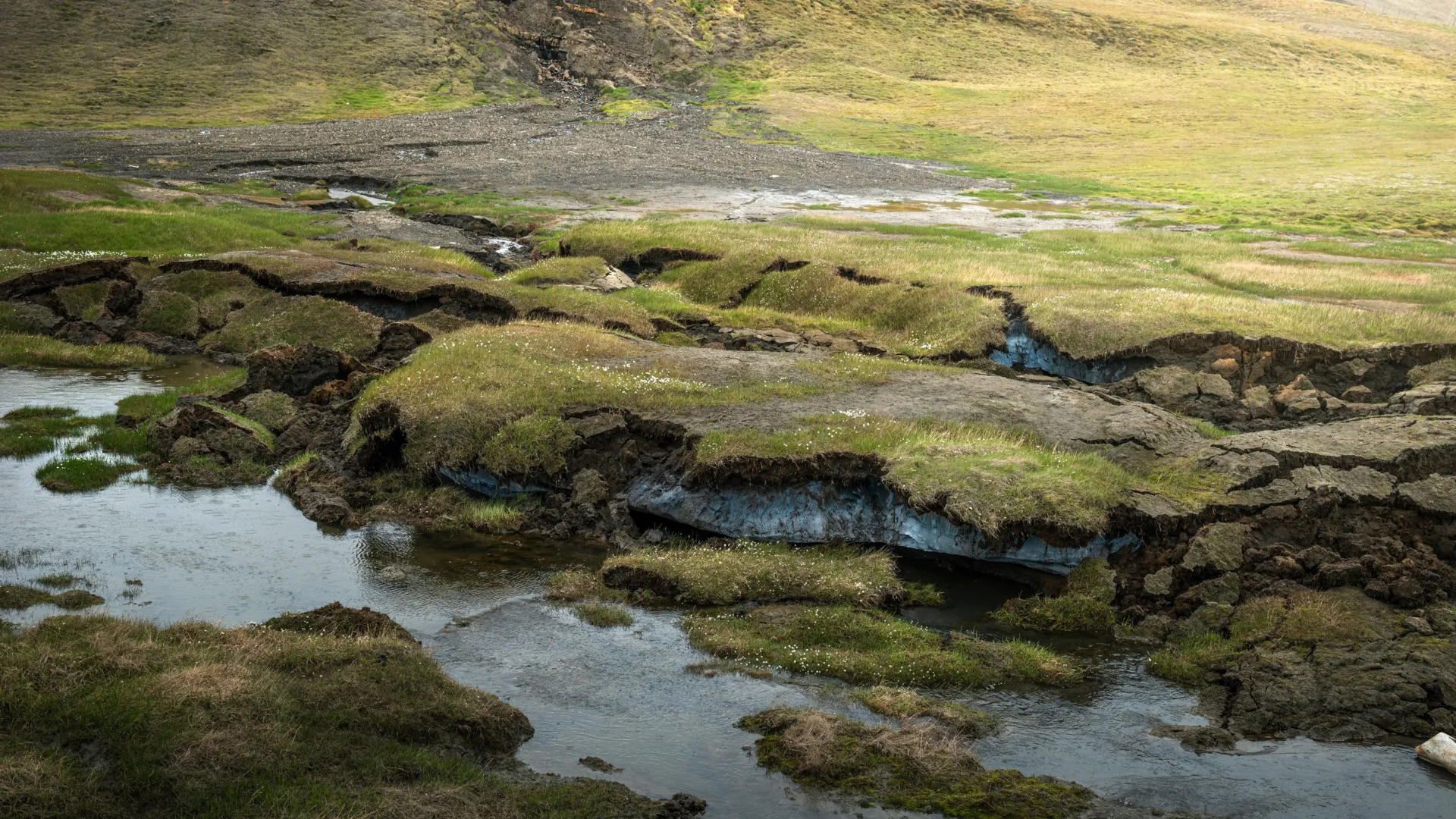
For decades, vast regions of the Arctic have remained permanently frozen, trapping organic material in the soil that built up over millennia.
This frozen soil layer known as permafrost has acted like a natural vault, keeping carbon safely stored away. But as global temperatures rise, that permafrost is melting deeper and for longer periods each year.
Scientists from the University of Massachusetts Amherst analyzed nearly 44 years of detailed climate and runoff data from northern Alaska, an area roughly the size of the U.S. state of Wisconsin.
What they found was striking: as the warming season extends into late summer and fall, more water flows through Arctic rivers and carries larger amounts of dissolved ancient carbon out to the ocean.
This matters because once that carbon reaches the ocean, some of it is converted into carbon dioxide (CO₂) , a potent greenhouse gas that traps heat in the atmosphere.
With more carbon being released from thawing permafrost, the planet could experience an amplifying feedback loop, where warming leads to more thawing, which releases more carbon, and so on.
The scientists also pointed out that Arctic rivers play a uniquely large role in the Earth’s freshwater system, delivering about 11 % of the world’s river water into the ocean despite the Arctic holding only a small percentage of the global ocean volume.
This means changes in the Arctic water cycle can have outsized effects far beyond the polar regions.
To achieve such detailed results, researchers used a sophisticated computer model called the Permafrost Water Balance Model, which simulates snowmelt, thaw depth, and river runoff at very high resolution.
This allowed them to track how both water and ancient carbon mobilize under changing climate conditions.
According to the study, unless warming trends slow, Arctic landscapes will continue shifting dramatically over the coming decades.
Increased thawing could not only impact carbon release, but also alter ecosystems, river patterns, and coastal environments in ways that scientists are just beginning to understand.
A massive arctic thaw is unleashing carbon frozen for thousands of years.